Thank you! Your submission has been received!
Oops! Something went wrong while submitting the form.

Latest News

Completely untenable: Ukraine’s blockade strategy slowly squeezes Crimea from every direction

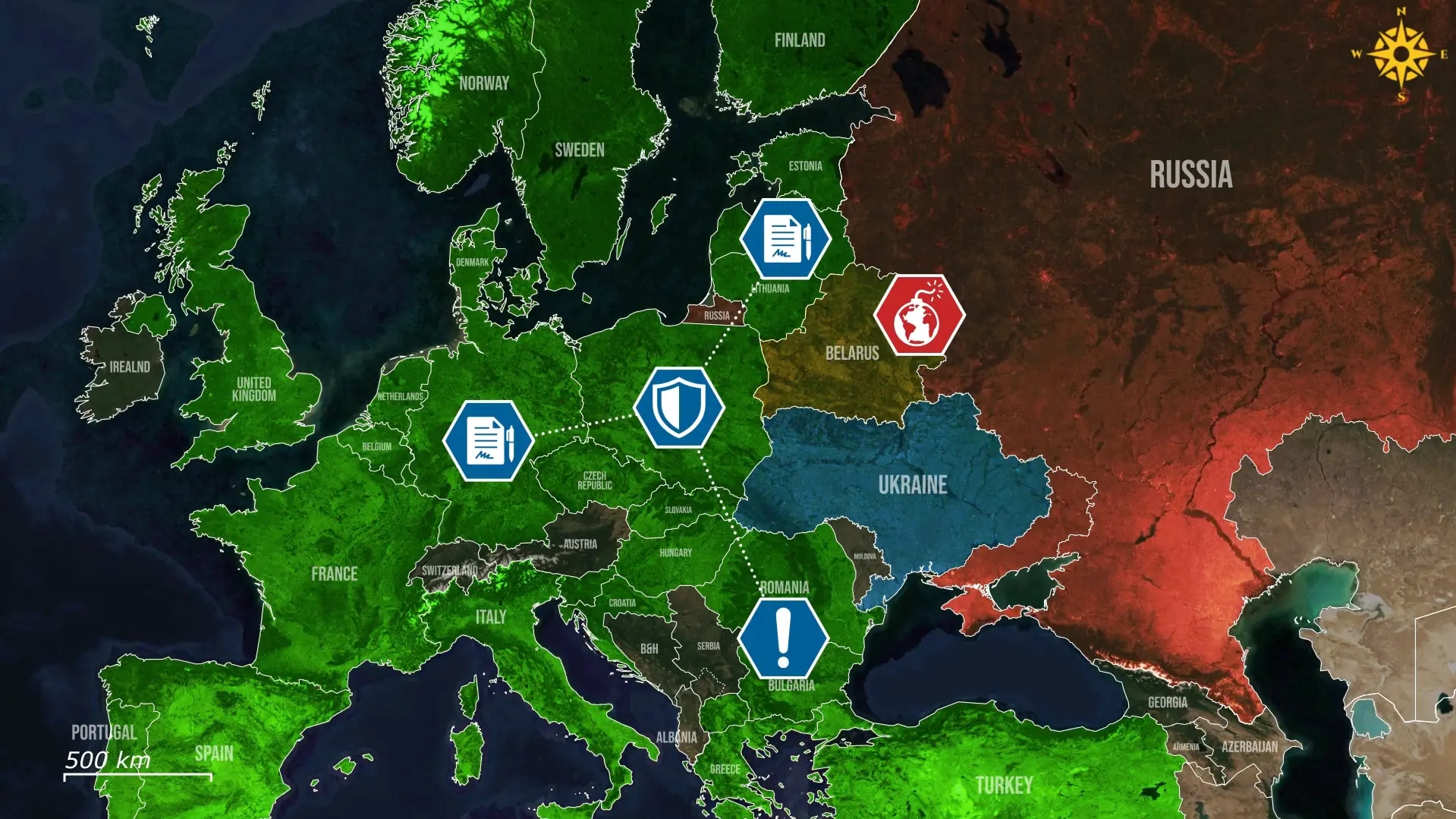
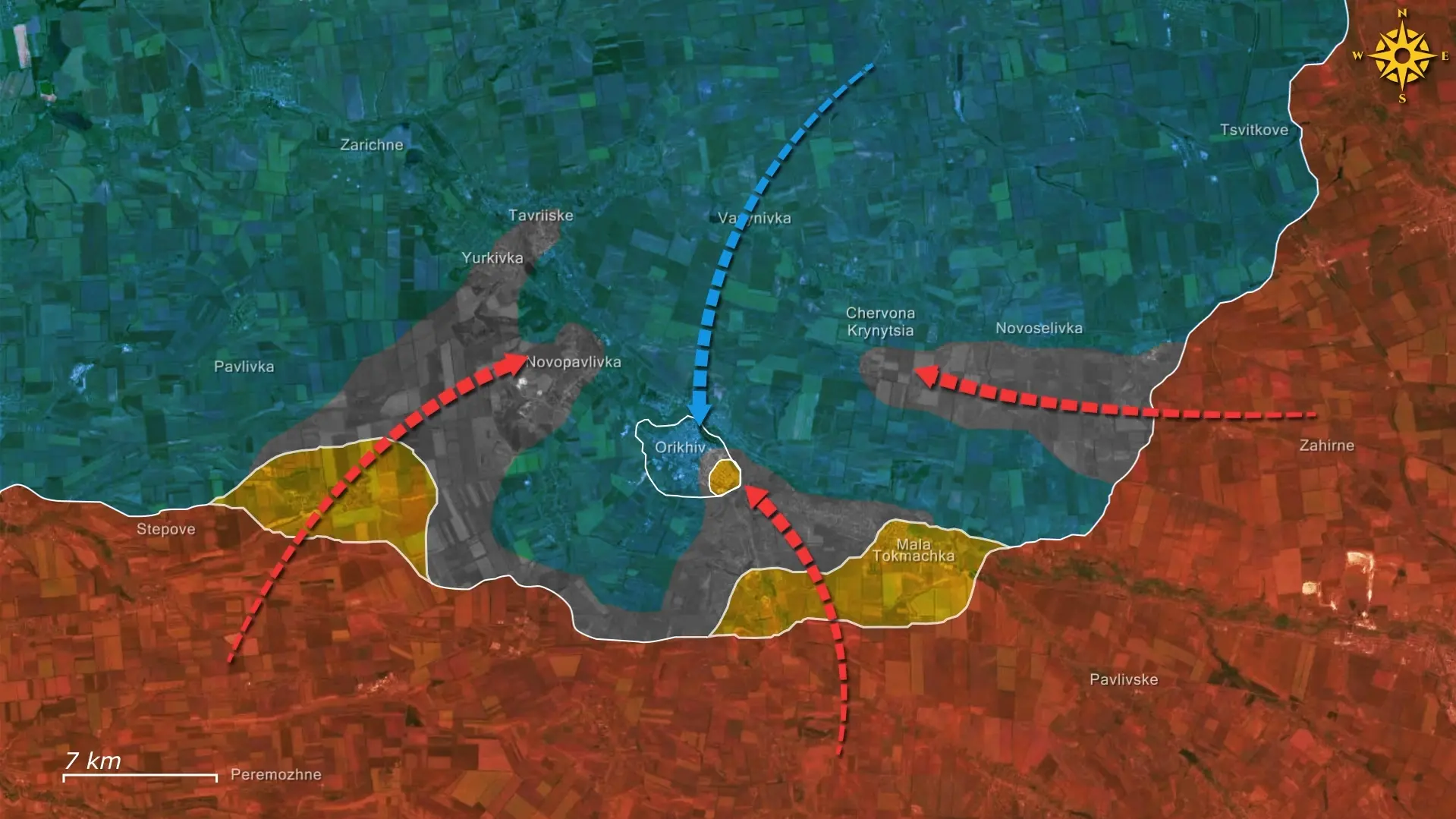
The coordinated Ukrainian interdiction campaign targeting Crimea’s energy infrastructure and transit corridors has fundamentally transformed the peninsula from a secure rear staging ground into an isolated operational liability for Russian forces. By integrating mid-range drone strikes against specialized transshipment hubs, such as the Feodosia and Semykolodezyanska depots, with precise artillery fire control over critical chokepoints like the Chonhar and Henichesk bridges, Ukraine has severely disrupted the Russian military's primary fuel distribution network. This systemic depletion forces the Russian command into an acute trade-off between sustaining civilian infrastructure and preserving localized tactical mobility for frontline units in southern Ukraine. Consequently, the operational tempo of mechanized forces has been throttled, limiting rapid cross-sector redeployments and degrading Russia's capacity to repel localized counterattacks along the Zaporizhzhia axis. Furthermore, this logistical paralysis imposes a compounding defensive burden, forcing the Kremlin to divert scarce air defense assets and security personnel from active frontlines to safeguard highly vulnerable logistical lines of communication. Ultimately, this asymmetry reshapes the strategic balance by shifting the locus of friction from direct frontline attrition to deep structural vulnerabilities within Russia's rear-echelon architecture.

Exclusive

Available to Insider Annual tier and higher.
Upgrade here to access.

By
RFU News
Jun 18, 2026

Ukrainians penetrate deep as Russians cannot plug the gaps anymore and reinforcements are wiped out

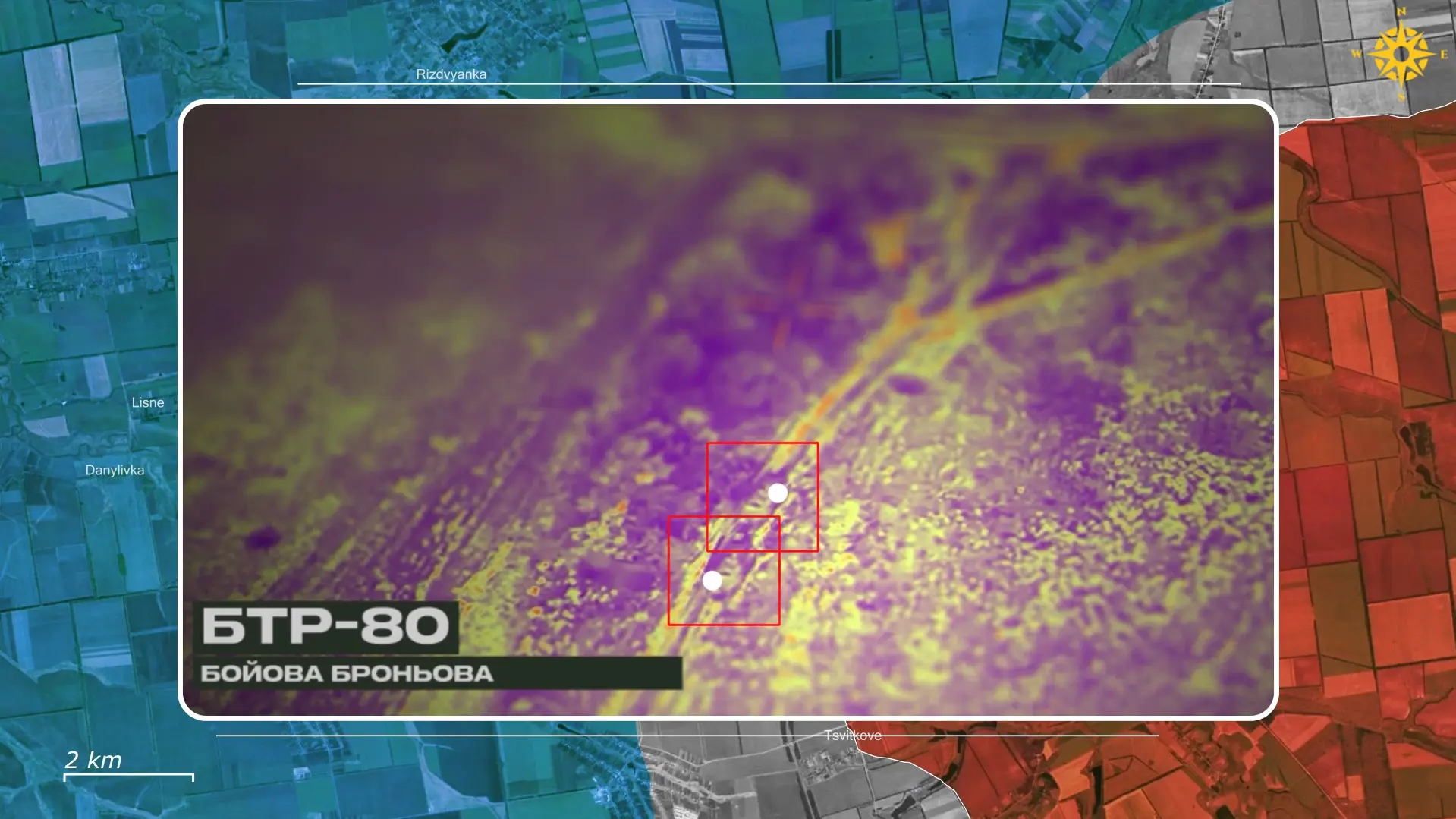
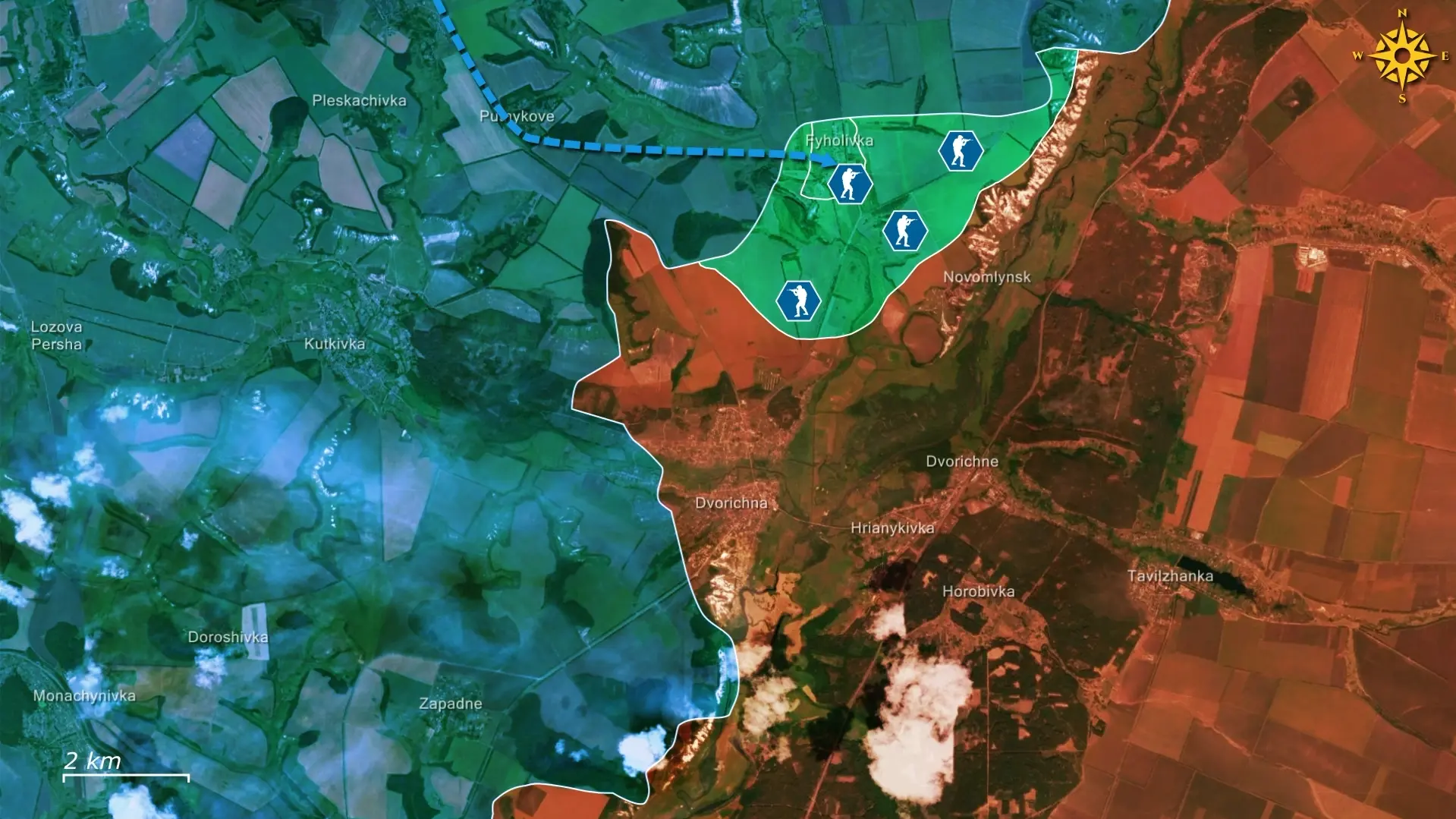
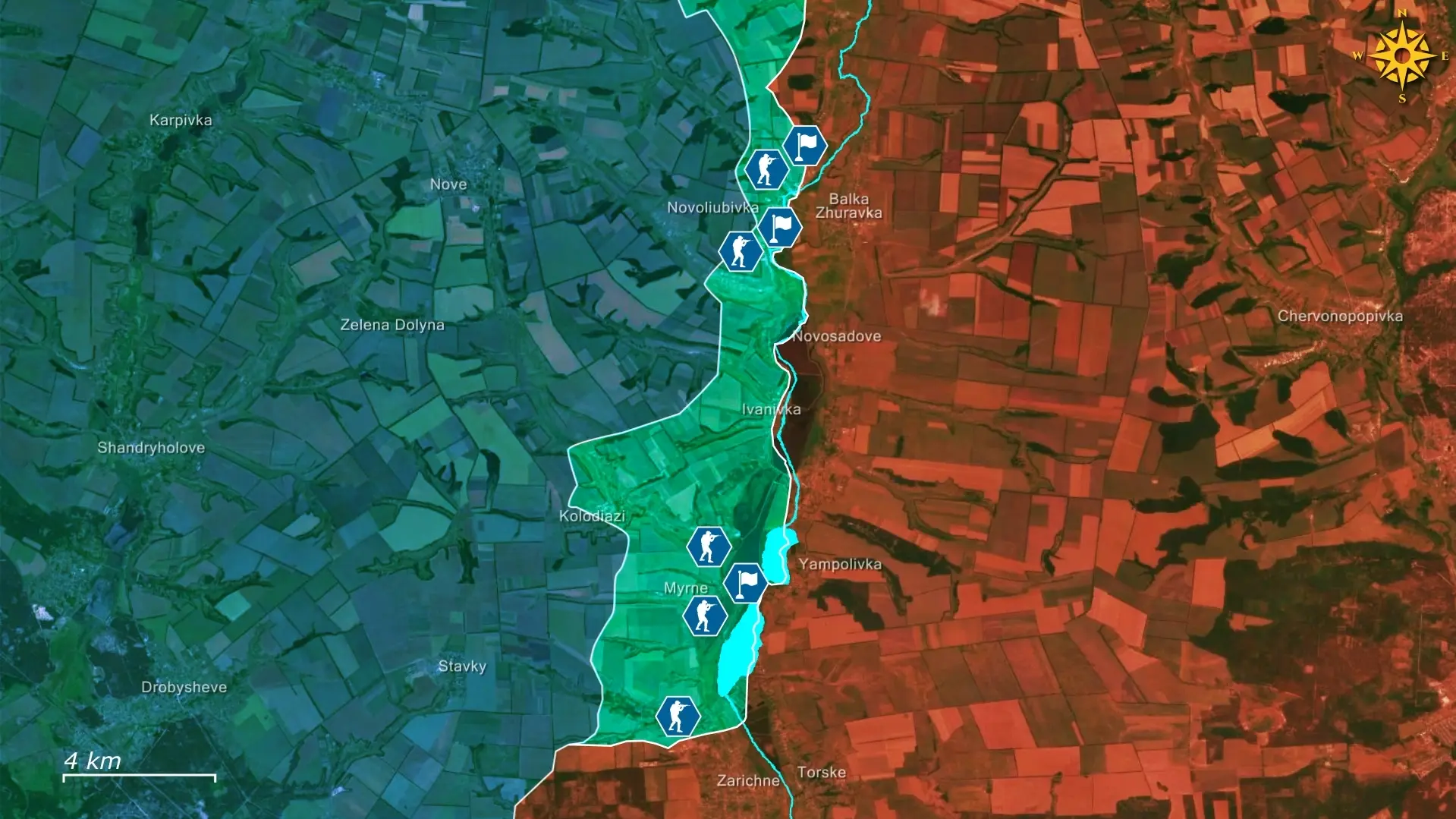
The successful execution of asymmetric pincer maneuvers north of Liman demonstrates a critical shift toward localized, high-velocity counter-offensives designed to exploit overextended enemy salients. By establishing absolute FPV drone fire control over the Zherebets River crossings, Ukrainian forces have structurally isolated forward Russian positions, preventing tactical reinforcement and transforming logistical supply lines into lethal chokepoints. Rather than relying on traditional, high-risk infantry breakthroughs, the operational logic here shifts to a deep containment strategy where localized pockets—such as Ridkodub and Shandriholove—are subjected to continuous precision attrition before ground forces move in. Central to this tactical evolution is the deployment of multi-role Unmanned Ground Vehicles (UGVs), which decouple frontline combat tasks from human casualty rates by undertaking high-risk bunker neutralizations and heavy machine-gun suppression. Consequently, this integration of aerial overwatch and ground robotics allows Ukrainian commanders to sustain offensive momentum within heavily contested zones without depleting critical manpower reserves. Ultimately, the Liman counter-offensive establishes a replicable model for modern attrition warfare, where technological adaptability and precise interdiction dynamically convert active defense into definitive territorial reclamation.

Exclusive

Available to Insider Annual tier and higher.
Upgrade here to access.

By
RFU News
Jun 17, 2026

No Results found

Please try different keywords