

.svg)
Today, the biggest news is coming from the Russian Baltic border.
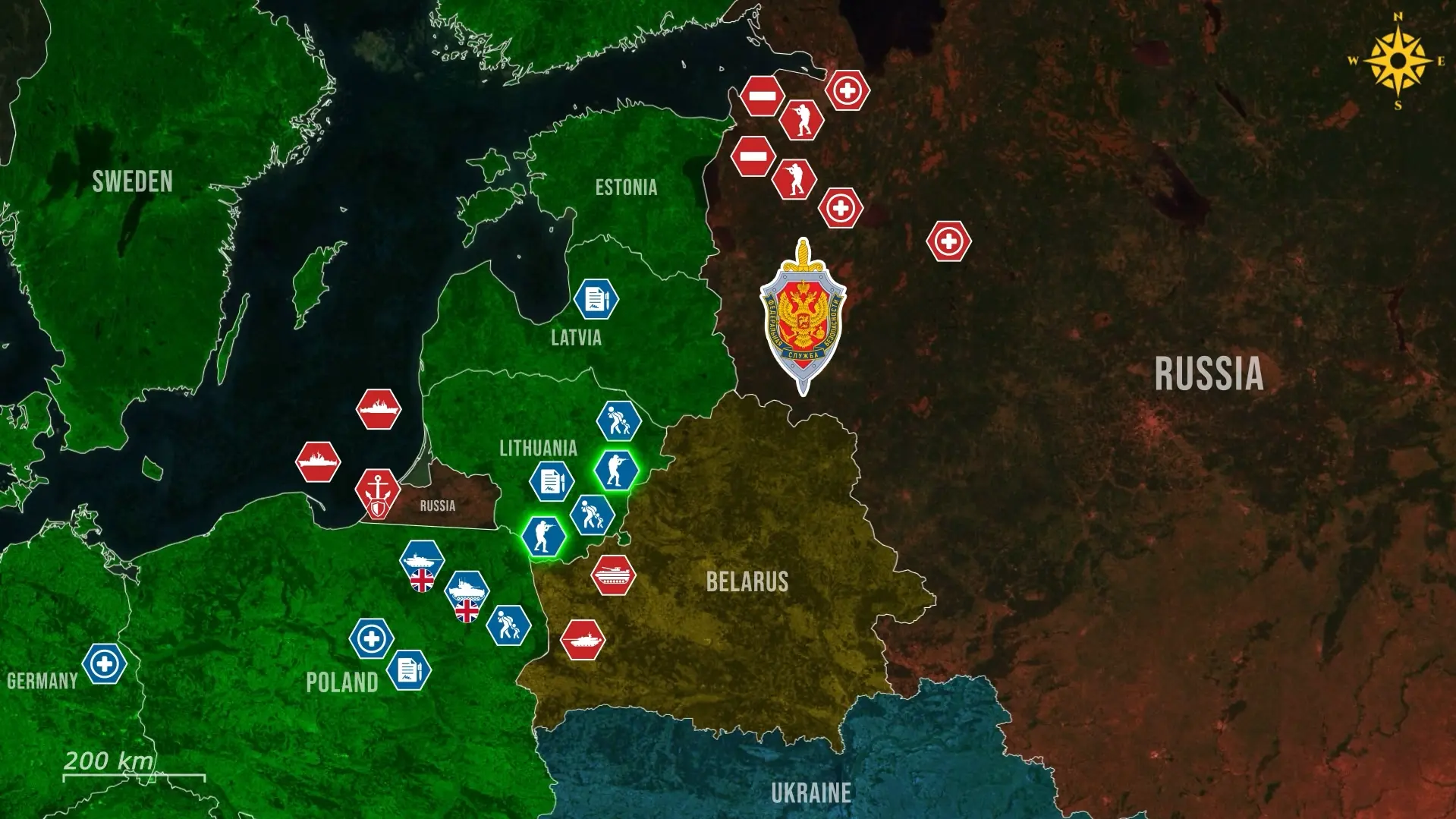
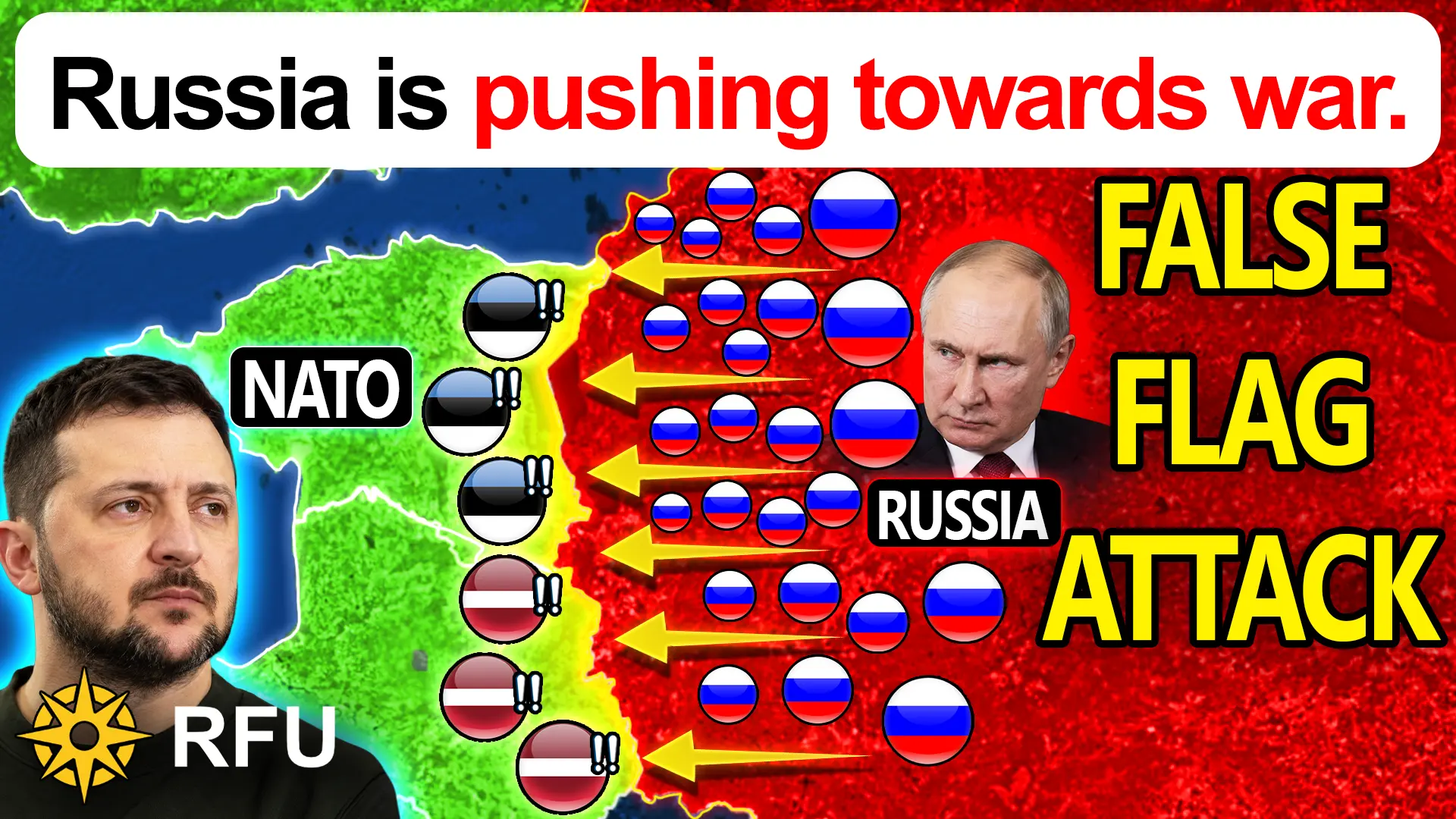
As Russian and Nato armies prepare for war to break out on the eastern flank, Baltic intelligence services have just come forward with immensely concerning reports. Latvia’s defense intelligence and security service released a statement that they hold intelligence indicating that Russia is preparing to send small special forces units across the border with Nato. Lithuanian and Polish intelligence services both said that they have obtained similar threatening intelligence reports, adding that Russia is preparing for a false flag operation.
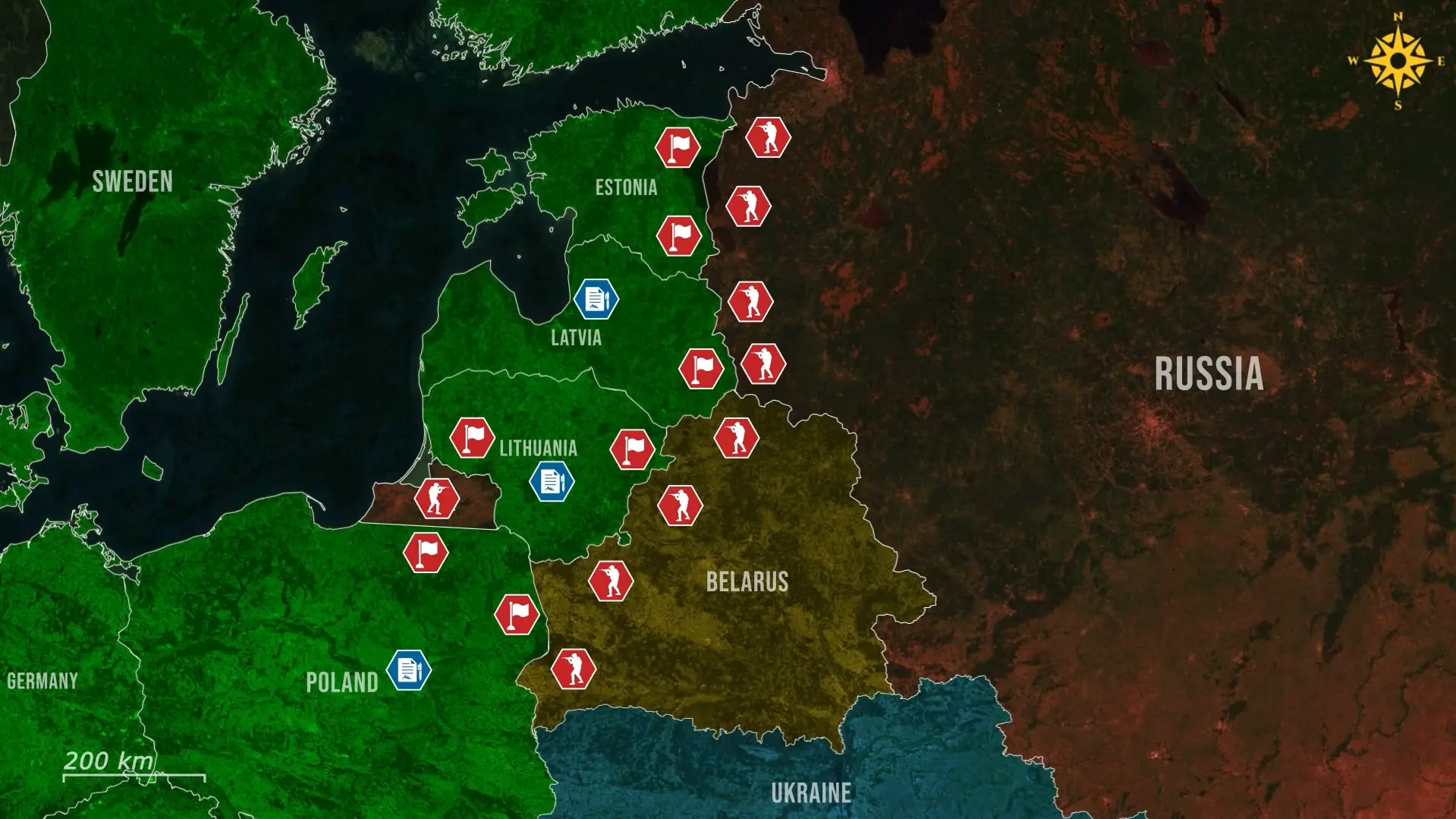
They specifically state that Russia seeks to engineer a fake attack on itself, and frame this as a Nato attack against Russia. Through this, Russia seeks to undermine Nato’s Article five mutual defense agreement, which would notably not be in effect if a Nato country strikes first. The Kremlin is betting that this would create enough ambiguity to create a divide on how to respond to a Russian follow-up attack in response to the false flag operation.
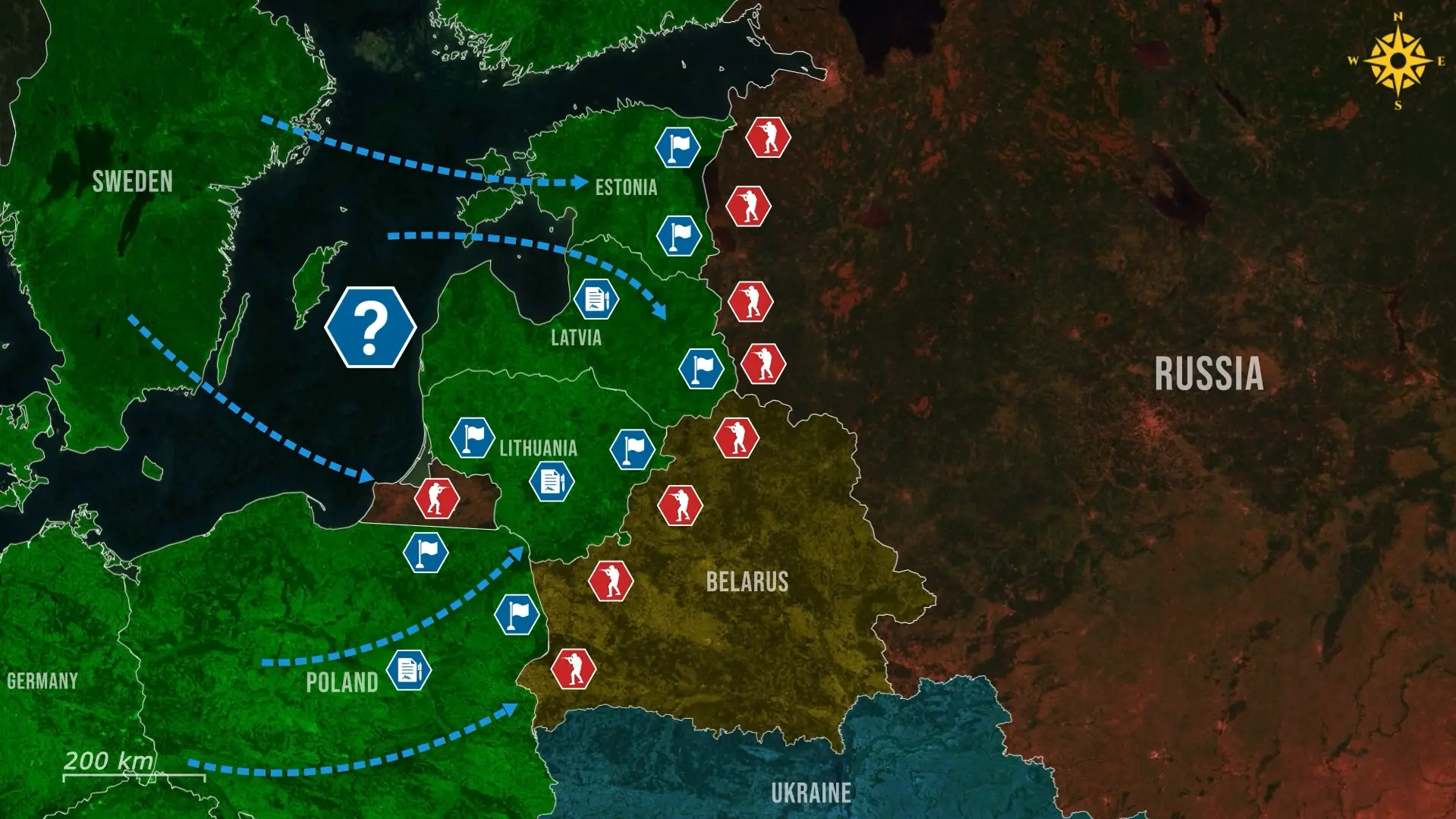
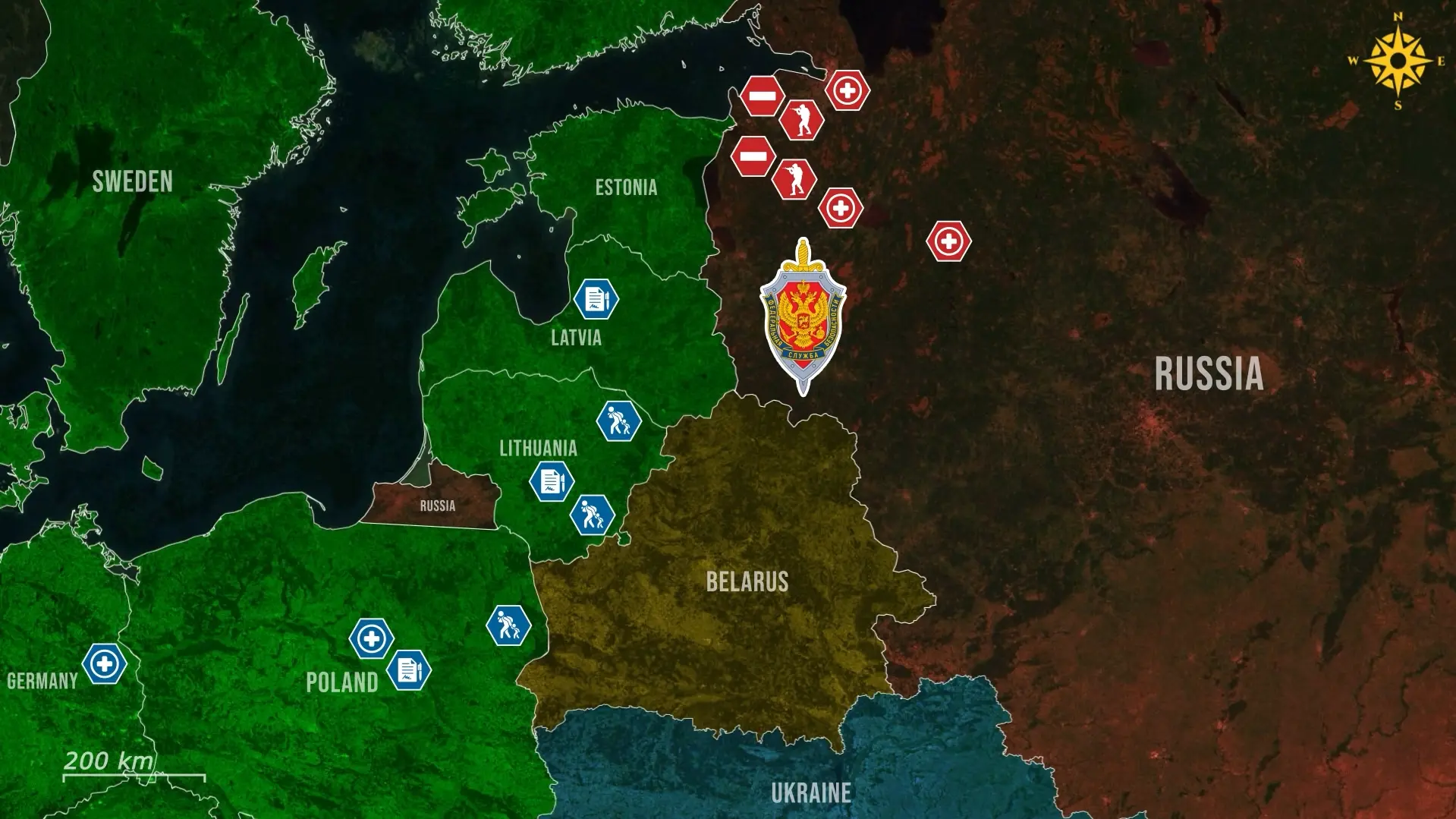
As you remember from the previous report, both Russia and Nato are already preparing for large combat operations, including setting up plans for mass-evacuation of civilians, and reserving over twenty thousand hospital beds for military casualties in border regions. The preparations go much further however, as in the east, the Russian federal security service or FSB has announced that until the twenty-sixth of September, they will conduct activities aimed at preventing migration violations and environmental conservation. As part of this wildlife protection effort run by Russia’s secret service, a full curfew has been instituted on the entire Russian border with Narva, banning any and all movement on foot and in vehicles on the border at night, or along the coast even by day; and banning hunting or any firearm carried by civilians.
The developments do not stop there, as Belarus is conducting large-scale military readiness drills near the Sulwalki corridor along the borders of Poland and Lithuania. Notably, these drills include several mechanized and armored tank battalions. Concerningly, the exact forces necessary to launch a rapid advance across the border to link up with Russian forces stationed in Kaliningrad. The UK has stated that British quick-response forces could be deployed to the region under Nato defense plans within a short timeframe if Belarus and Russia attempted to close the Sulwalki gap, however these do not equate to forces already on the border and ready to defend.
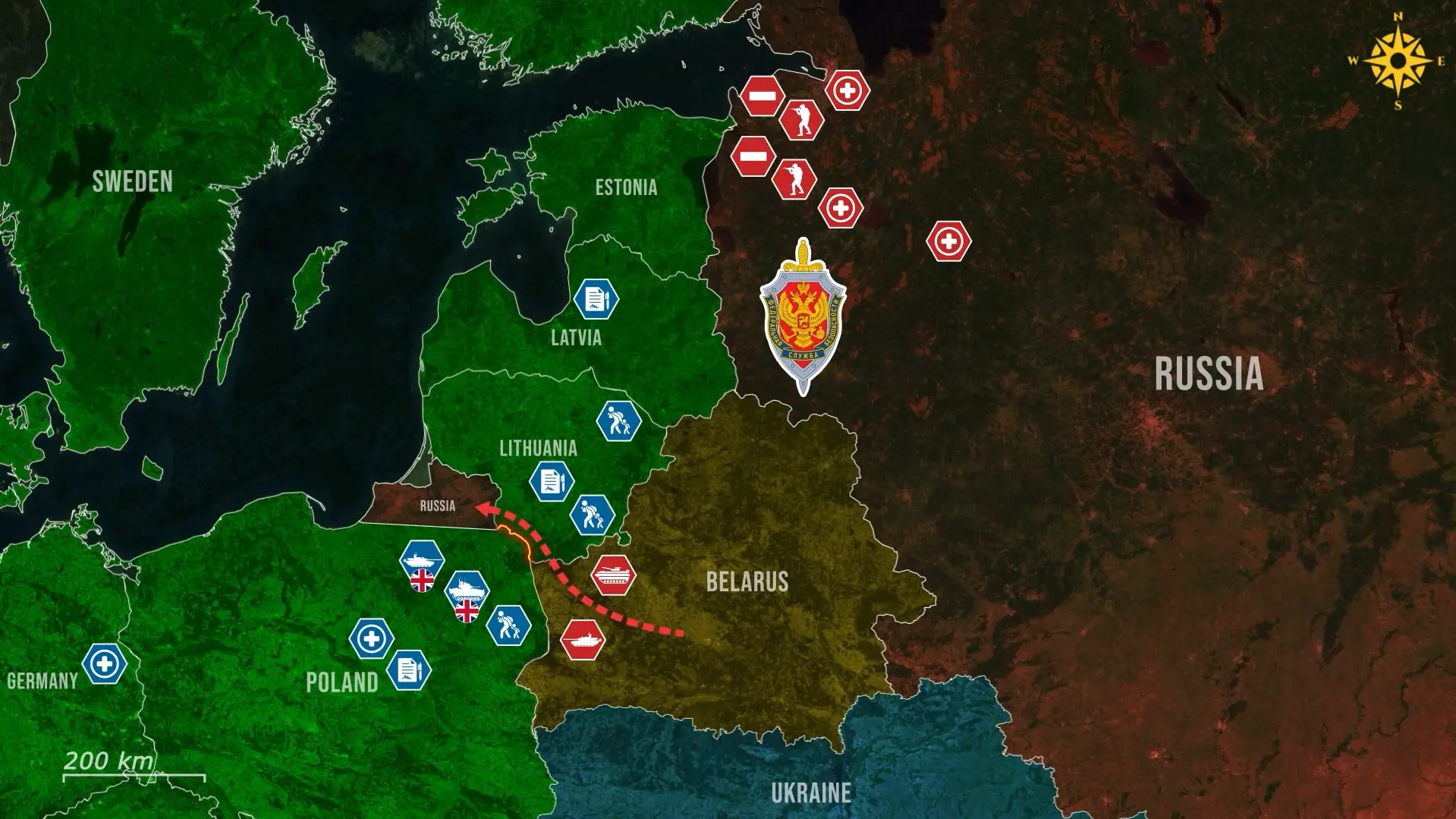
In the Russian exclave itself, increased activity of Russia’s Baltic fleet has been observed, with anti-submarine protective nets being deployed around the harbor pre-emptively. These efforts seem to be akin to defensive preparations to counter and delay Nato naval actions against Kaliningrad. As Russians understand very well that they could not hold Kaliningrad against a full Nato offensive, their only goal would be to buy time for the Sulwalki gap to be closed, and ground lines of communication to be established with mainland Russia through Belarus.
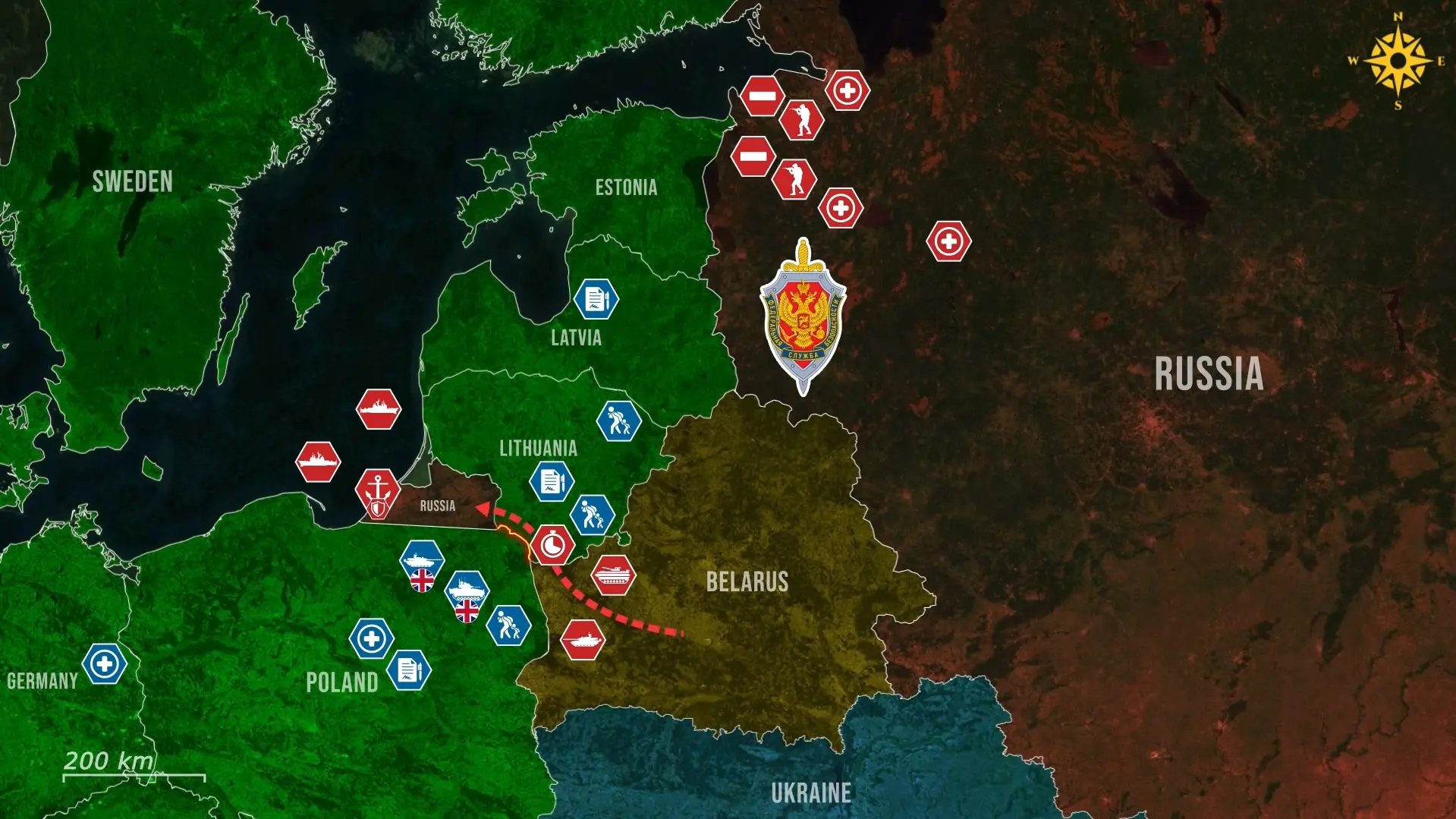
Overall, Russia and its ally Belarus are readying their forces on the border with Nato for war. With Nato intelligence services warning for infiltrations and false flag operations, the Russian FSB instituting a curfew to protect aquatic wildlife is giving clear warning signals that should not be ignored. As Lithuanian citizens report Latvian military convoys moving to the Russian border, and it being unclear if these are tied to the recent exercises or the increased threat levels, Nato forces should be ready for anything that comes.
.jpg)


Comments