

.svg)
Today, there are important updates from the Zaporizhia direction.
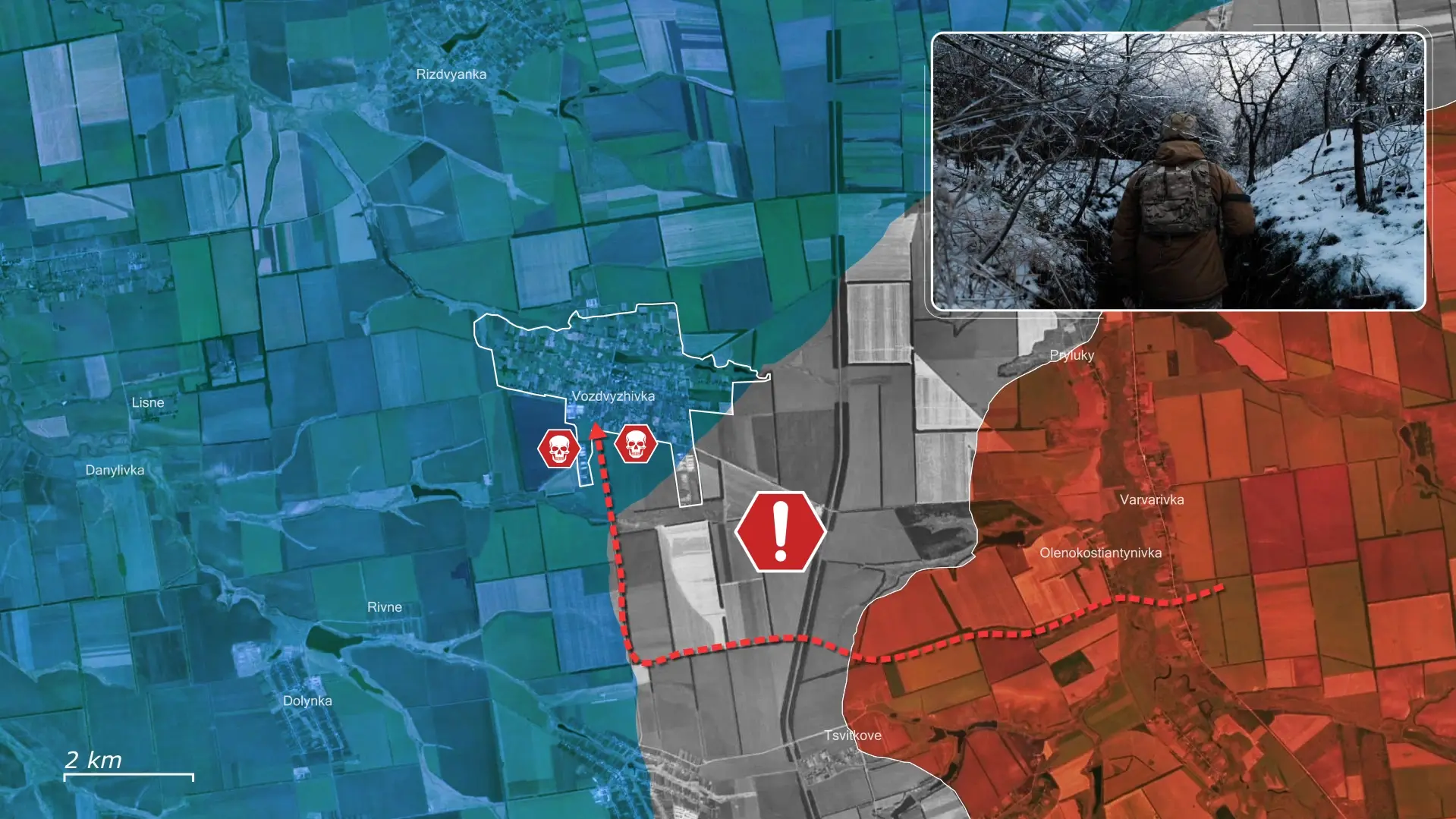
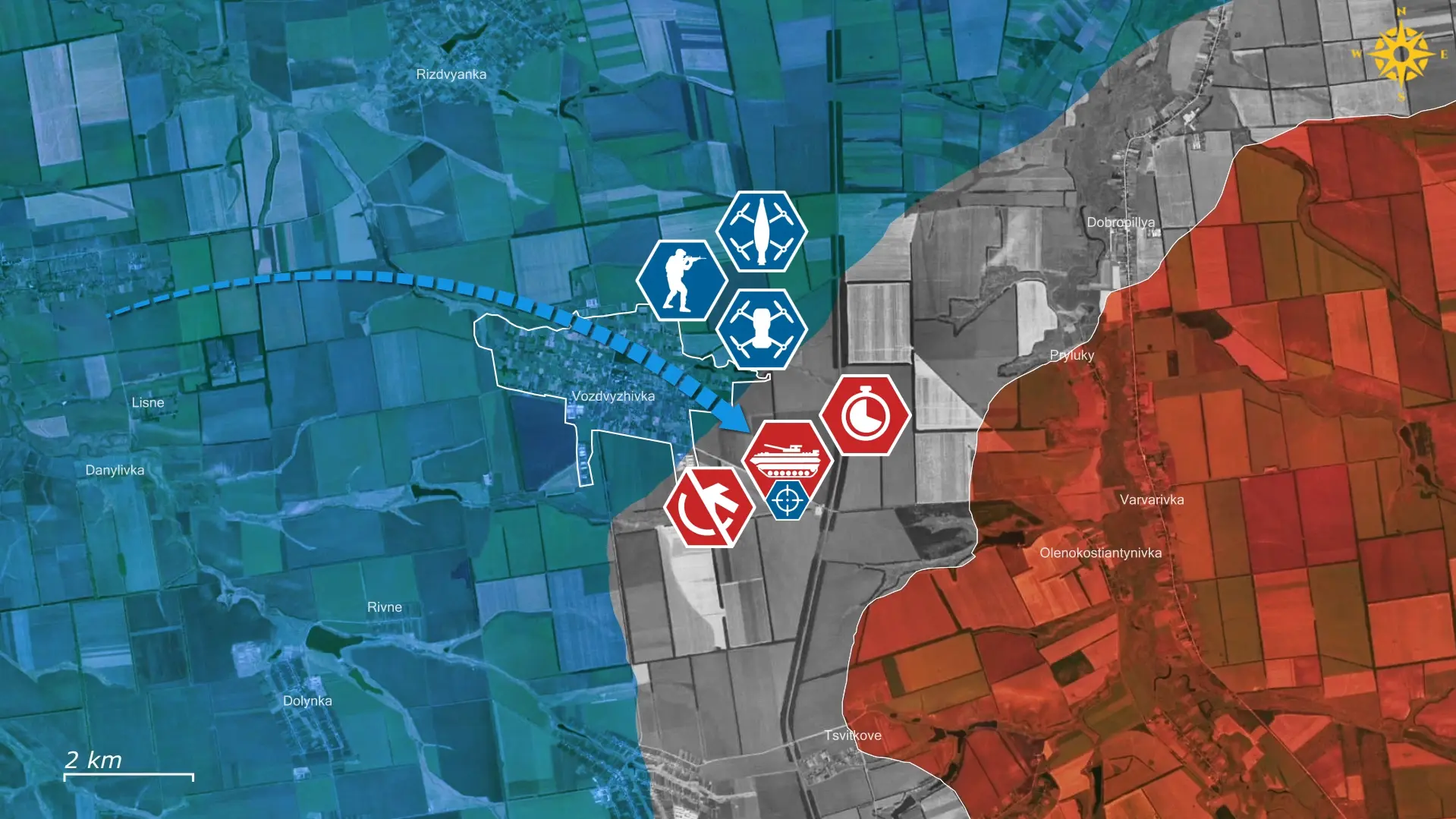
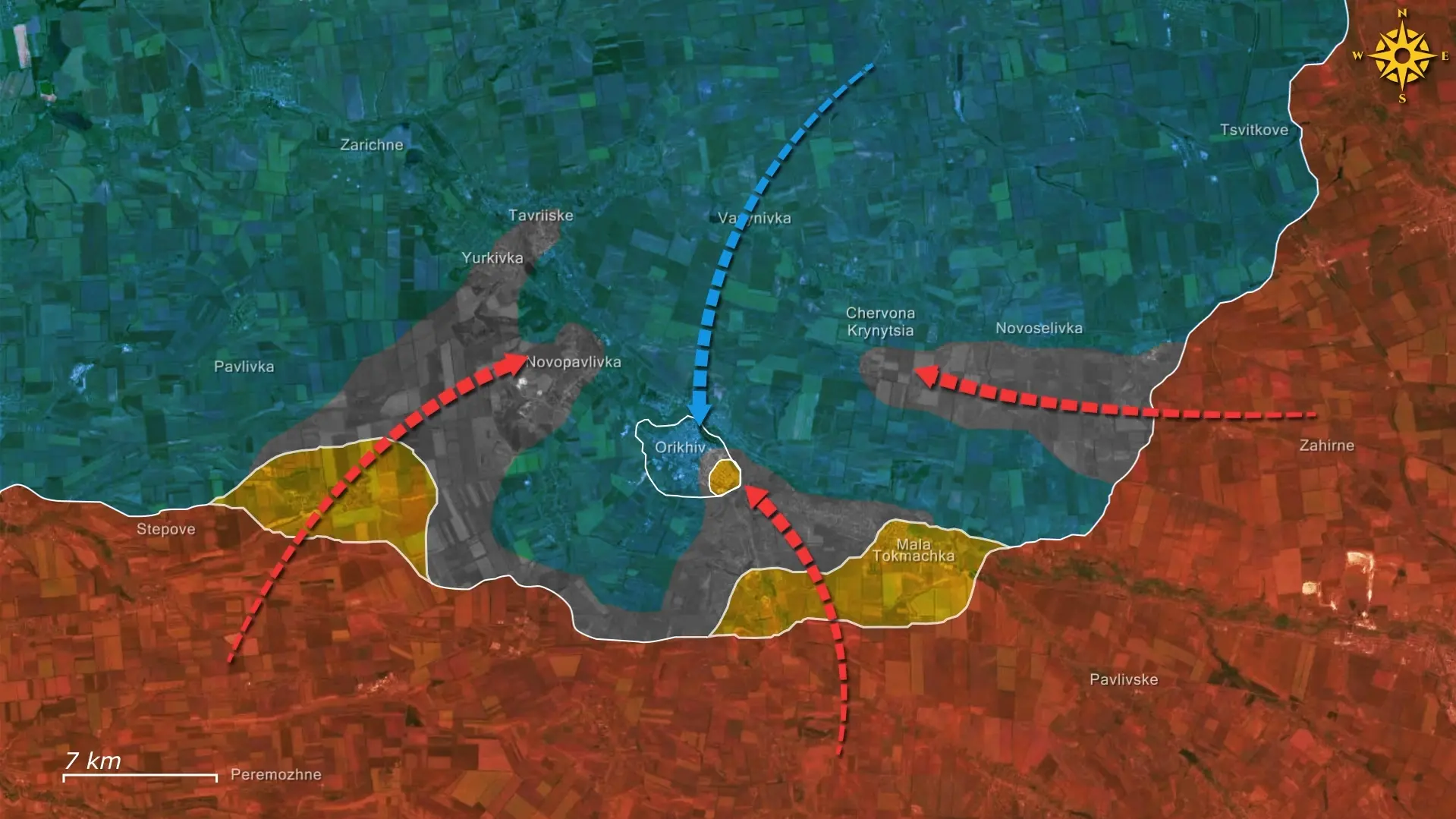
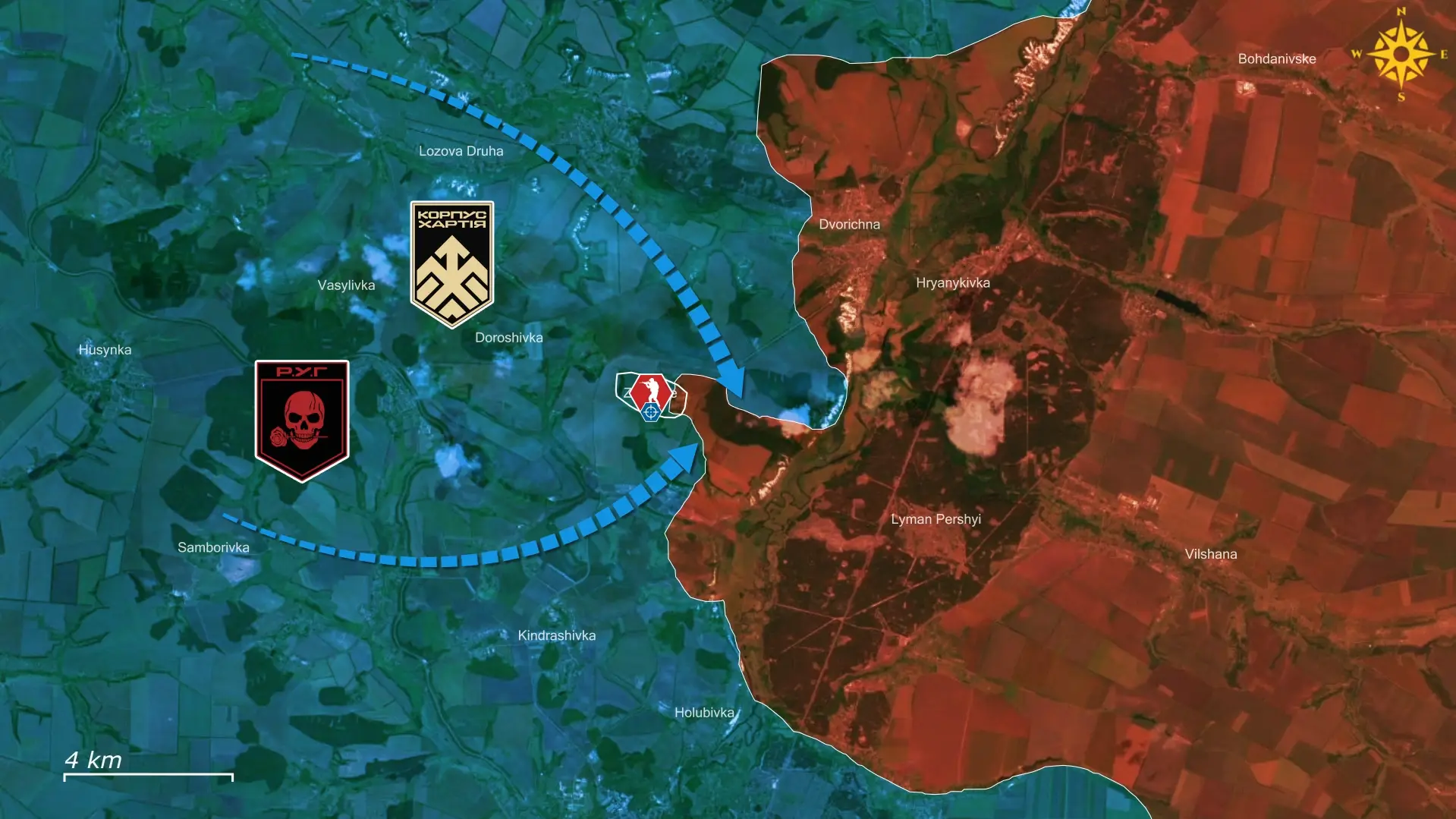
Here, Russian forces are starting to experiment again with mechanized assaults in the Zaporizhia direction as autumn weather approaches. One of the clearest recent examples came near Vozdvyzhivka, where Russia attempted an armored breakthrough for the first time in almost a year, representing the opening stage of a winter offensive. Capturing Vozdvyzhivka could support further pressure toward Ukrainian positions protecting approaches to Orikhiv, where Russian forces are simultaneously conducting attacks.
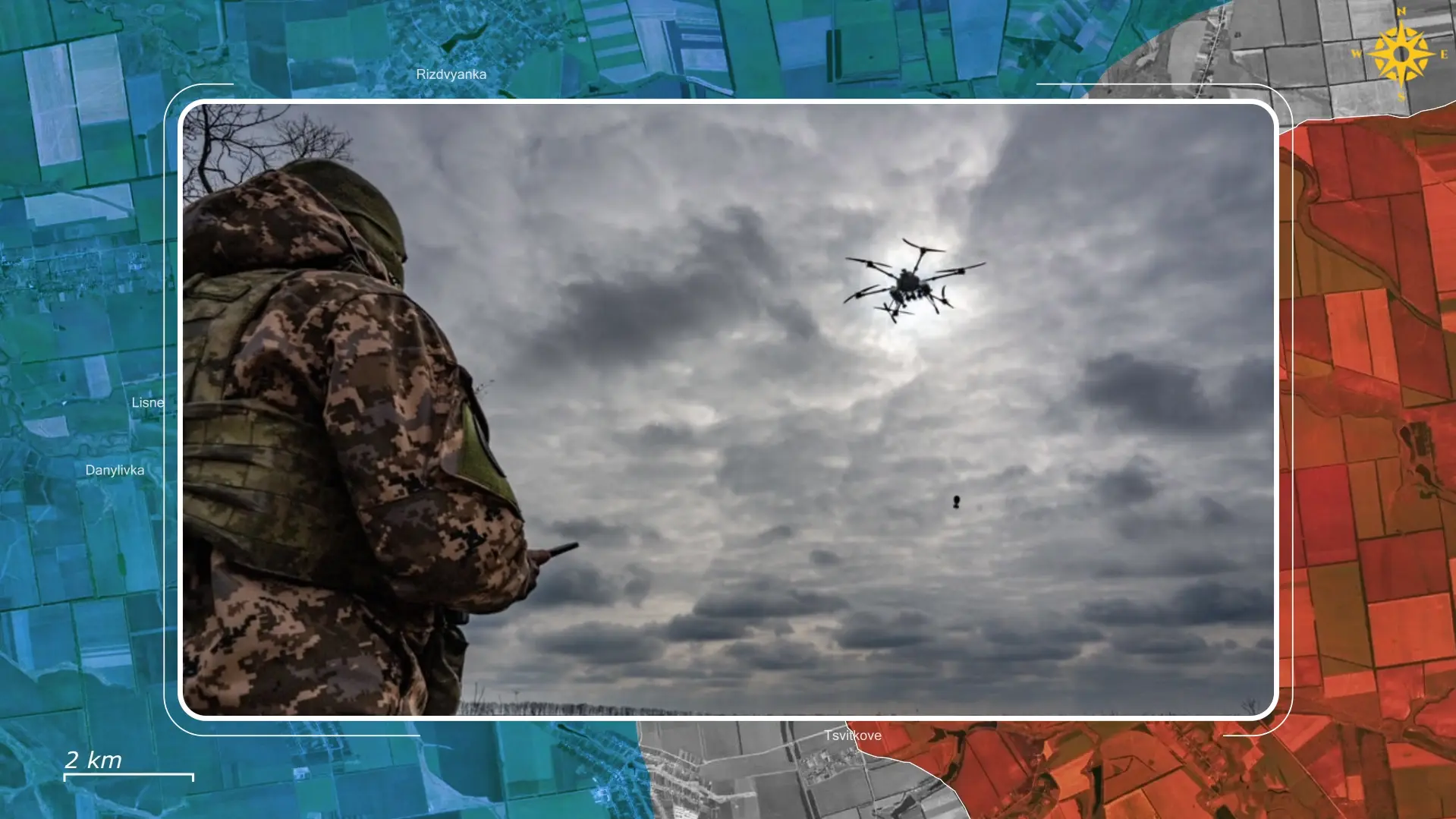
The Ukrainian Two-hundred-twenty-fifth Separate Assault Regiment released footage showing the assault, in which two Russian armored vehicles carrying twenty soldiers moved toward Ukrainian positions early in the morning, attempting to exploit reduced visibility.
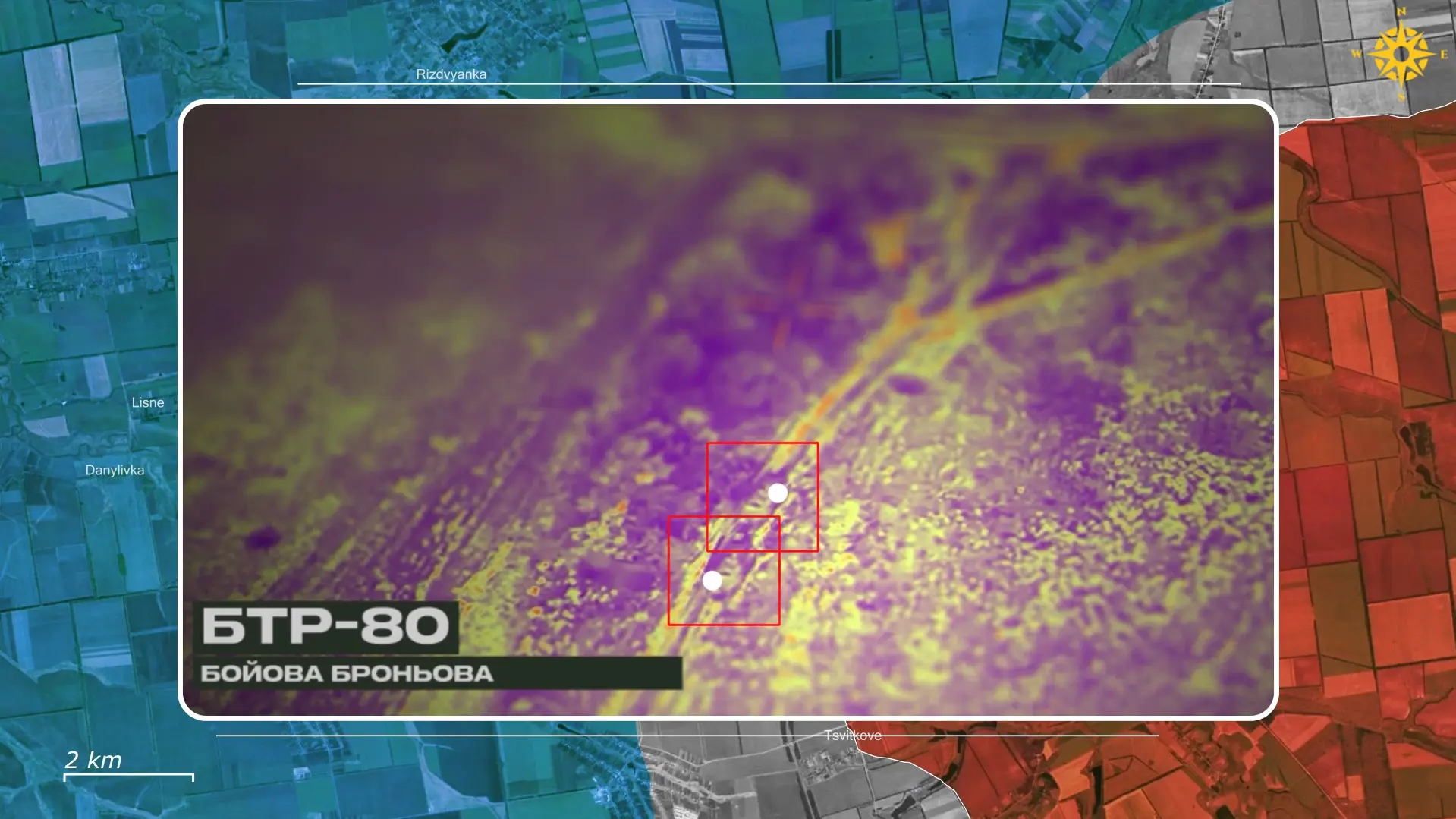
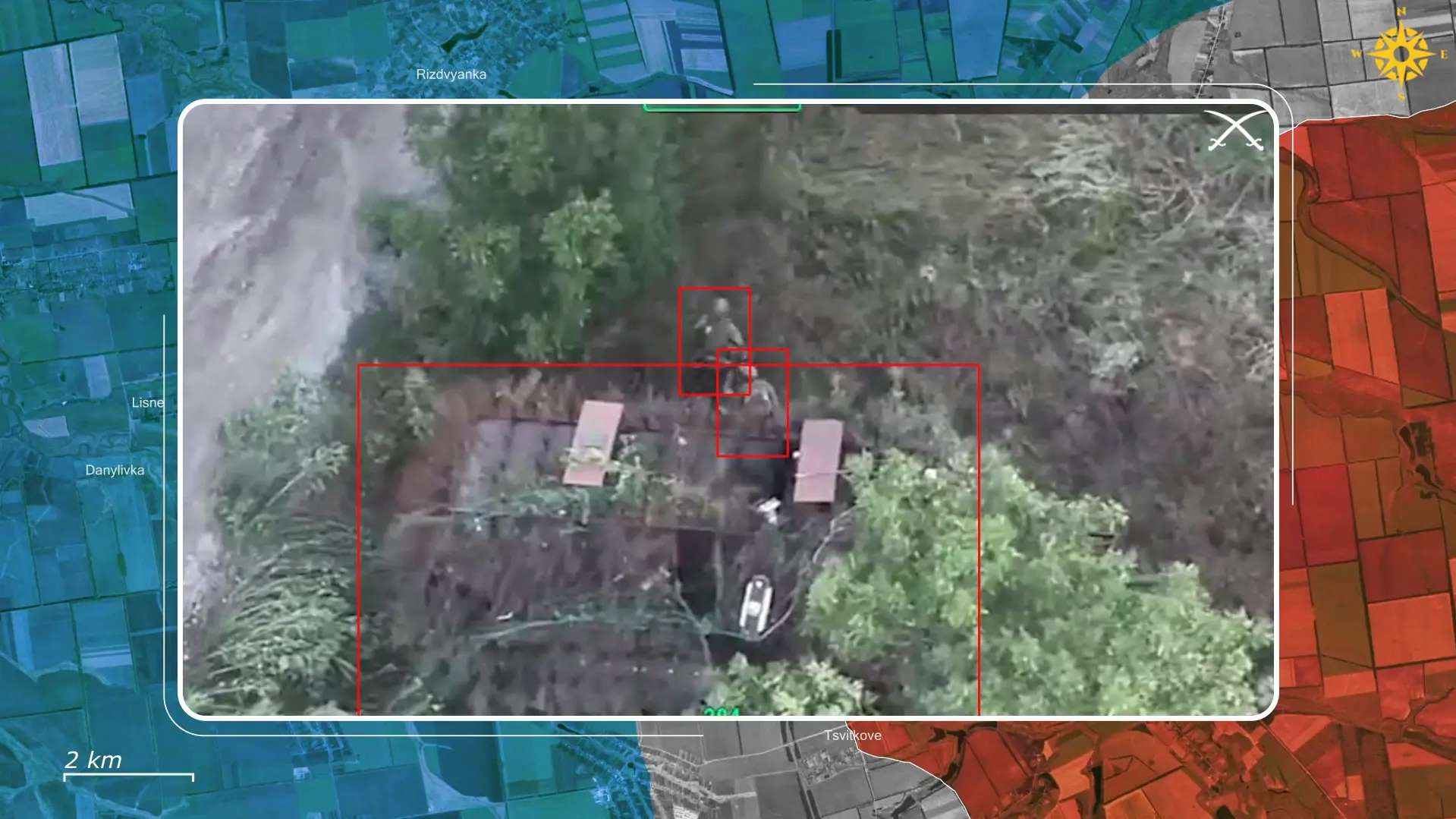
However, Ukrainian aerial reconnaissance detected the armored group before it reached its objective, and its coordinates were immediately transmitted to strike units. FPV drones, artillery, and heavy bomber drones attacked in succession, immobilizing the vehicles and forcing Russian infantry to dismount. Once dispersed, the soldiers became individual targets for Ukrainian drones before Ukrainian infantry moved forward to confirm the result. As a result, nineteen Russian soldiers were eliminated as soon they stepped out of the vehicles, with only one armored-vehicle driver surrendering, as the assault force was effectively eliminated before being able to reach its destination.
The constant failure of infiltration attacks demonstrates why Russia may increasingly reconsider mechanized operations. Currently small infiltration groups are fundamental to Russian tactics, as one or two soldiers moving on foot are considerably harder for drones to detect than an armored column. But infiltration has an inherent limitation, because accumulating meaningful combat power requires many groups to successfully reach the same area. Even if some break through successfully, Ukrainian drones eliminate isolated soldiers faster than Russia can concentrate them, and they are often left hiding without supplies.
Additional negative factors that make infiltration assaults harder in the coming months is that threes are left without foliage, which gives no cover for infiltrators, and makes them an easy target for the Ukrainian drones operators. At the same time, forcing infiltrators to sit in an unheated position trying to remain undetected for days or weeks at a time just to accumulate enough forces there to push is a recipe for deaths by cold in the harsh winter in Ukraine.
Mechanized assaults reverse that equation, as armored vehicles can deliver ten or twenty soldiers simultaneously, provide protection against small-arms fire and fragmentation, carry heavier equipment, and offer suppressive fire. If they reach their destination successfully using vehicles, infantry can establish a foothold much faster than infiltrators arriving individually.
However, the main weakness of mechanized assaults is visibility, as vehicles produce thermal signatures, noise, and obvious movement patterns. Once reconnaissance drones identify them, artillery, FPV drones, mines, and bomber drones can engage them before infantry reaches any cover. At the same time, using light armored personnel carriers provides speed, but comparatively limited protection against modern drone-delivered explosives.
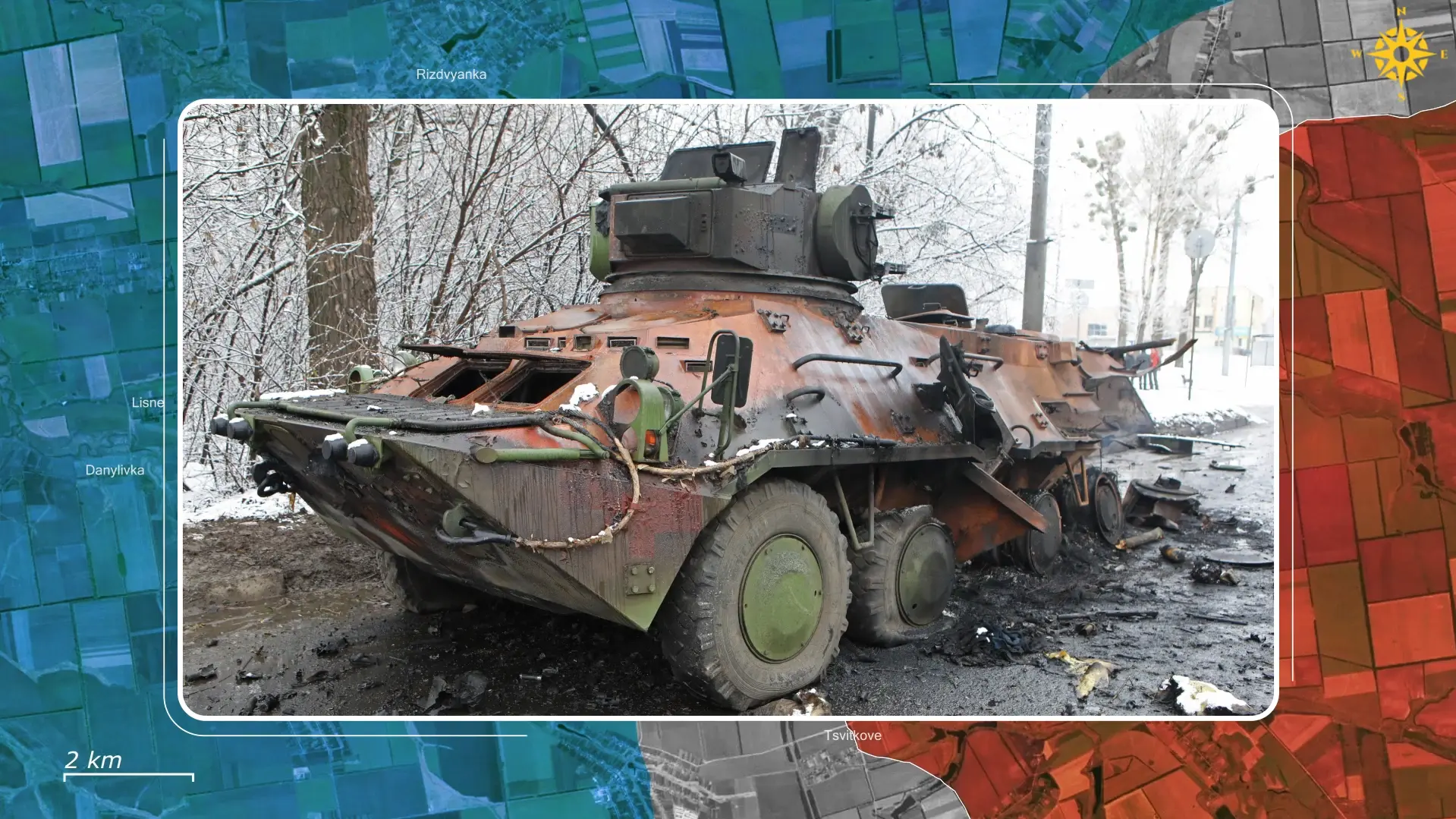
This makes weather increasingly important, and this is why the Russian command is considering autumn and winter for their mechanized assaults, as fog, low clouds, and strong winds can restrict Ukrainian drone reconnaissance, potentially creating windows for armored movement. Yet the same conditions impair Russian drones, while heavy rain creates mud that slows vehicles and makes their routes predictable and themselves vulnerable.
Overall, the Russian assault on Vozdvyzhivka assault highlights the current tactical dilemma, in which infiltration preserves concealment but struggles to generate concentrated combat power. Mechanized attacks generate that power rapidly but expose it to Ukraine’s reconnaissance-strike system, and this particular attack ended disastrously for Russia. Similar assaults will become more frequent as winter approaches and weather periodically restricts drones. Ukraine, meanwhile, is refining exactly the system designed to stop such attempts: detect the vehicles early, distribute coordinates immediately, strike before infantry can entrench, and confirm destruction afterward, establishing a kill chain that gives the enemy almost no time to deploy.

.jpg)

Comments