

.svg)
Today, there is important news from Europe.
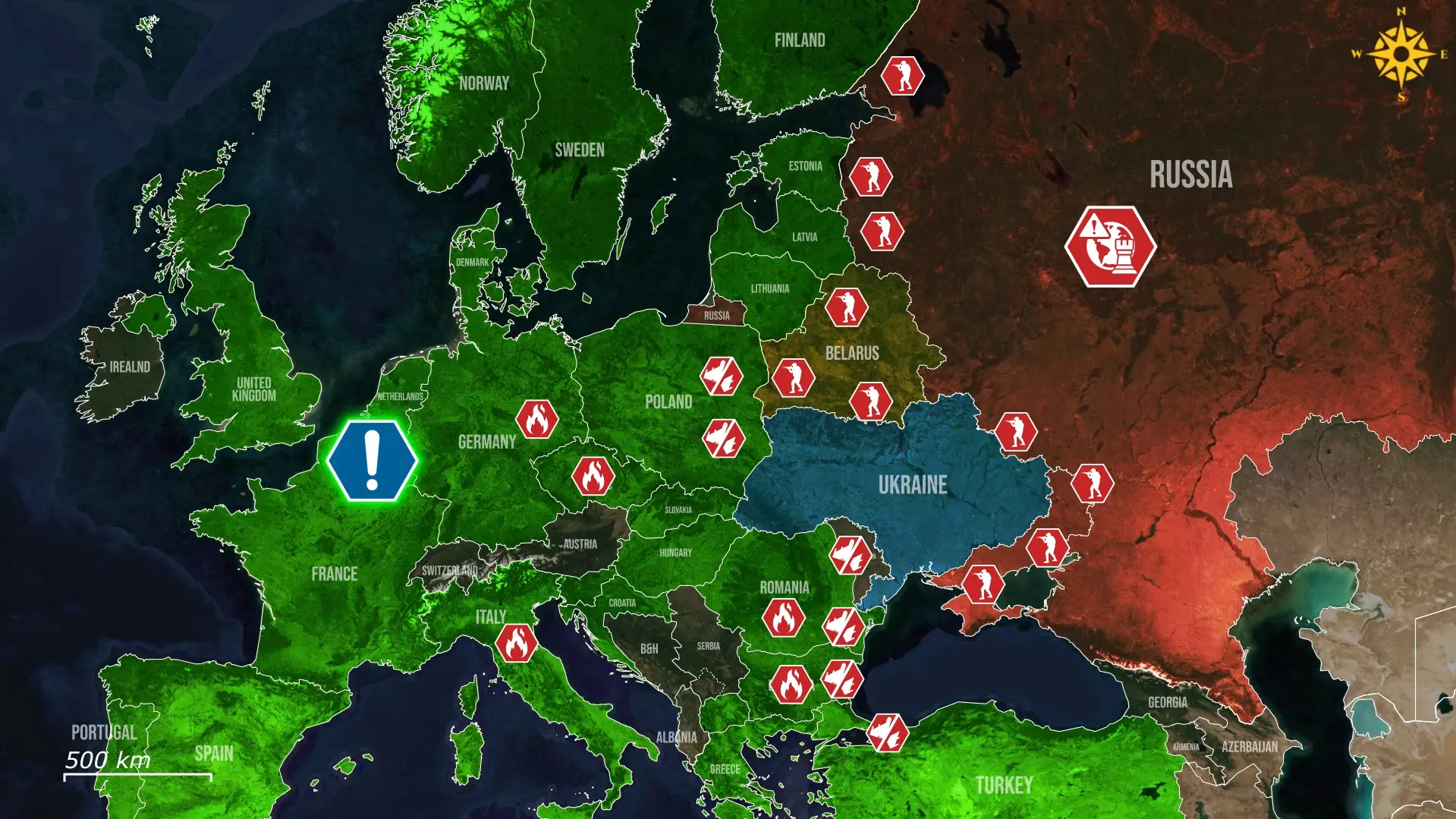
Here, across Nato’s European members, preparations once discussed as contingency planning are becoming increasingly real and visible, as the continent braces for an imminent Russian attack.
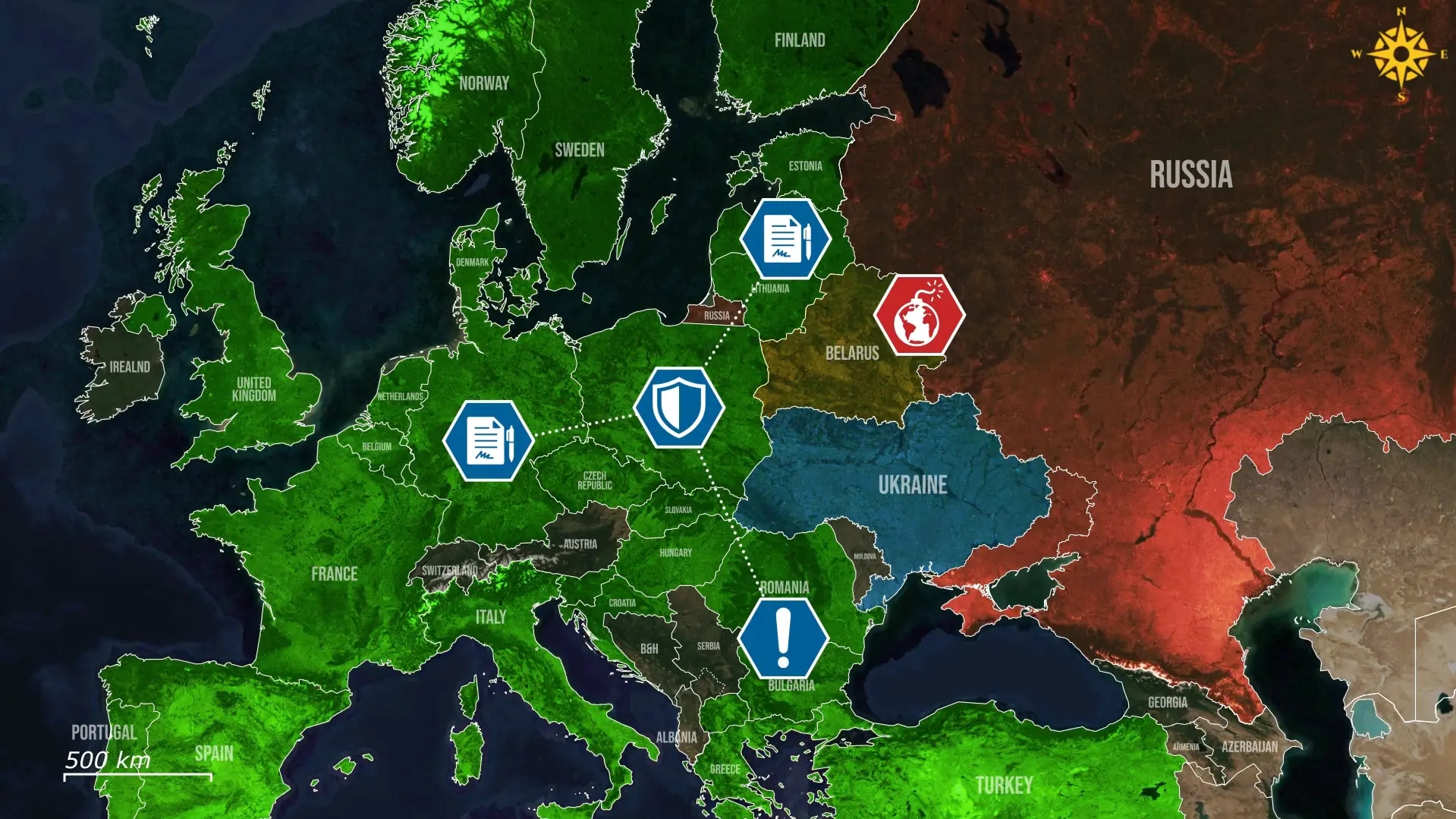
Lithuania has developed and announced detailed evacuation arrangements for a military threat or major crisis, including routes from Vilnius toward Poland. As part of this coordinated planning, authorities in Poland are preparing to function as a transit corridor for Baltic civilians. The principle is crucial: evacuation should begin before fighting and shelling reaches populated areas. Once bombardment starts, Lithuanian planners state civilians should use shelters rather than create chaos by attempting mass flight, which in itself is a clear warning and an attempt to prepare everyone to be ready at any moment for war.
Military activity is simultaneously increasing around the Baltic as a response to the rising Russian provocations, as Nato forces are exercising across the region, with Latvia conducting its Namejs two-thousand-twenty-six drills until the eighth of October. At the same time, Belarus started its own mechanized armor exercises near the key Suwalki Gap that connects Poland with the Baltic states, considered a weak point for the defense of the northern Nato states, adding another source of tension.
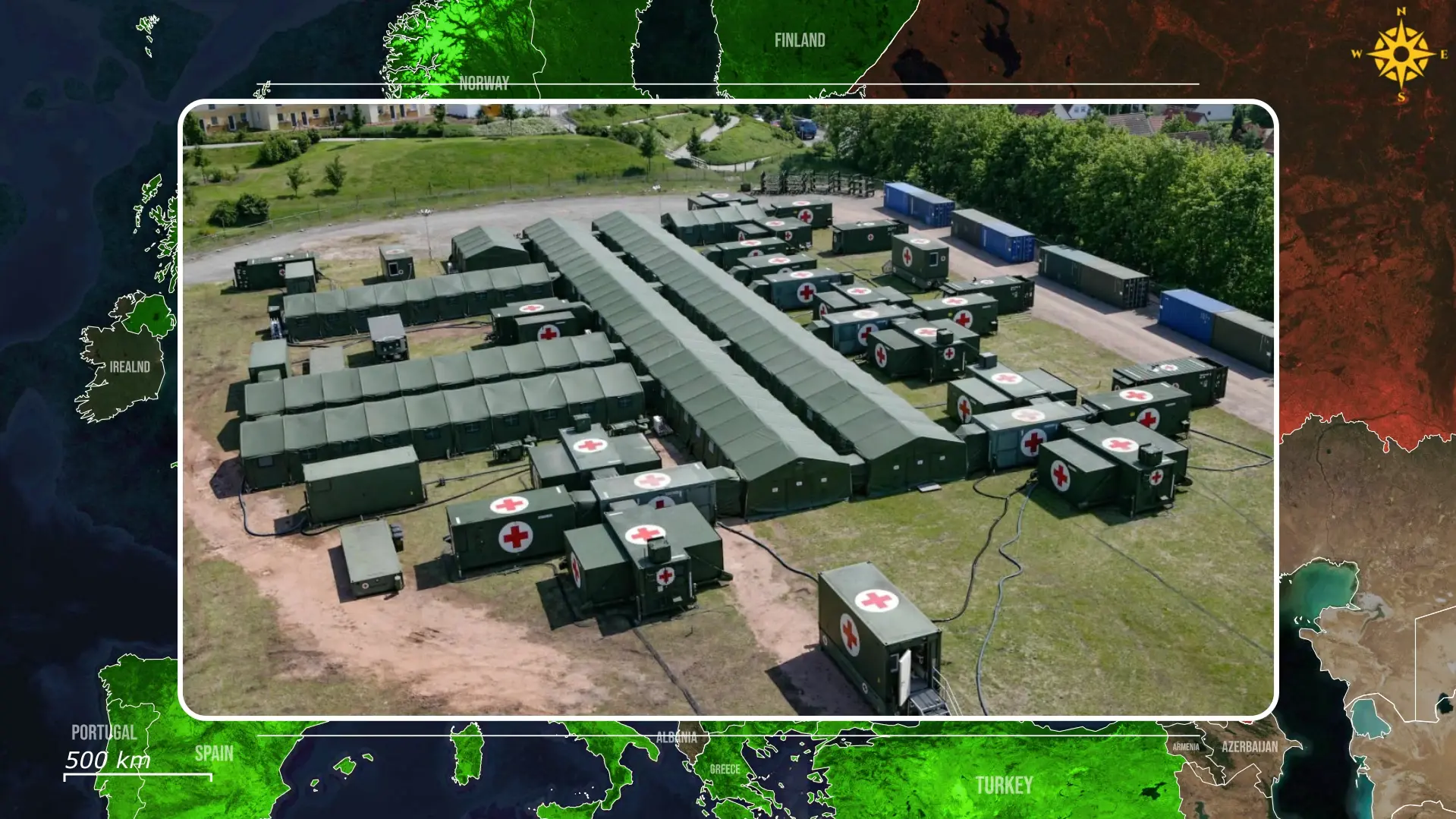
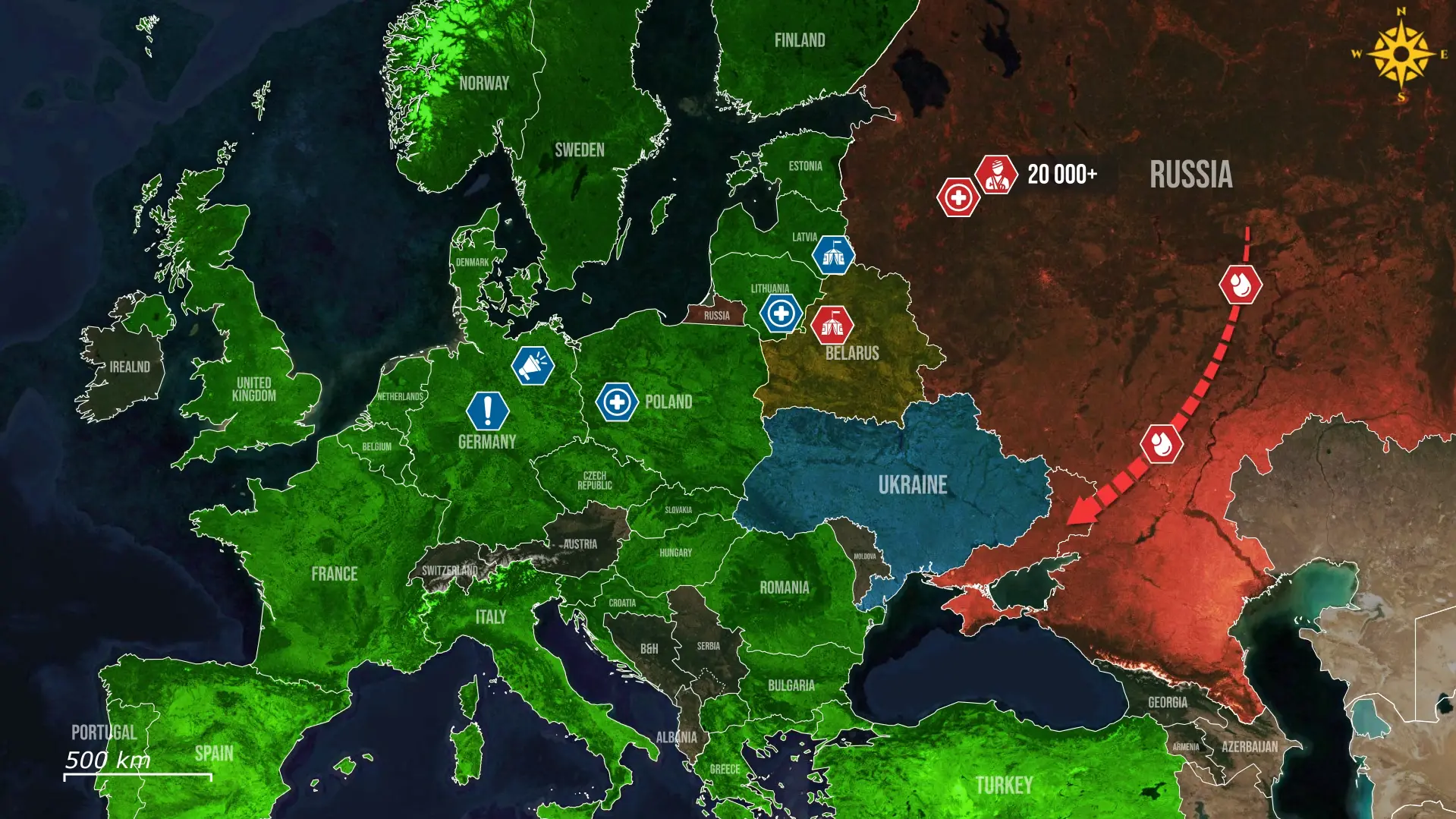
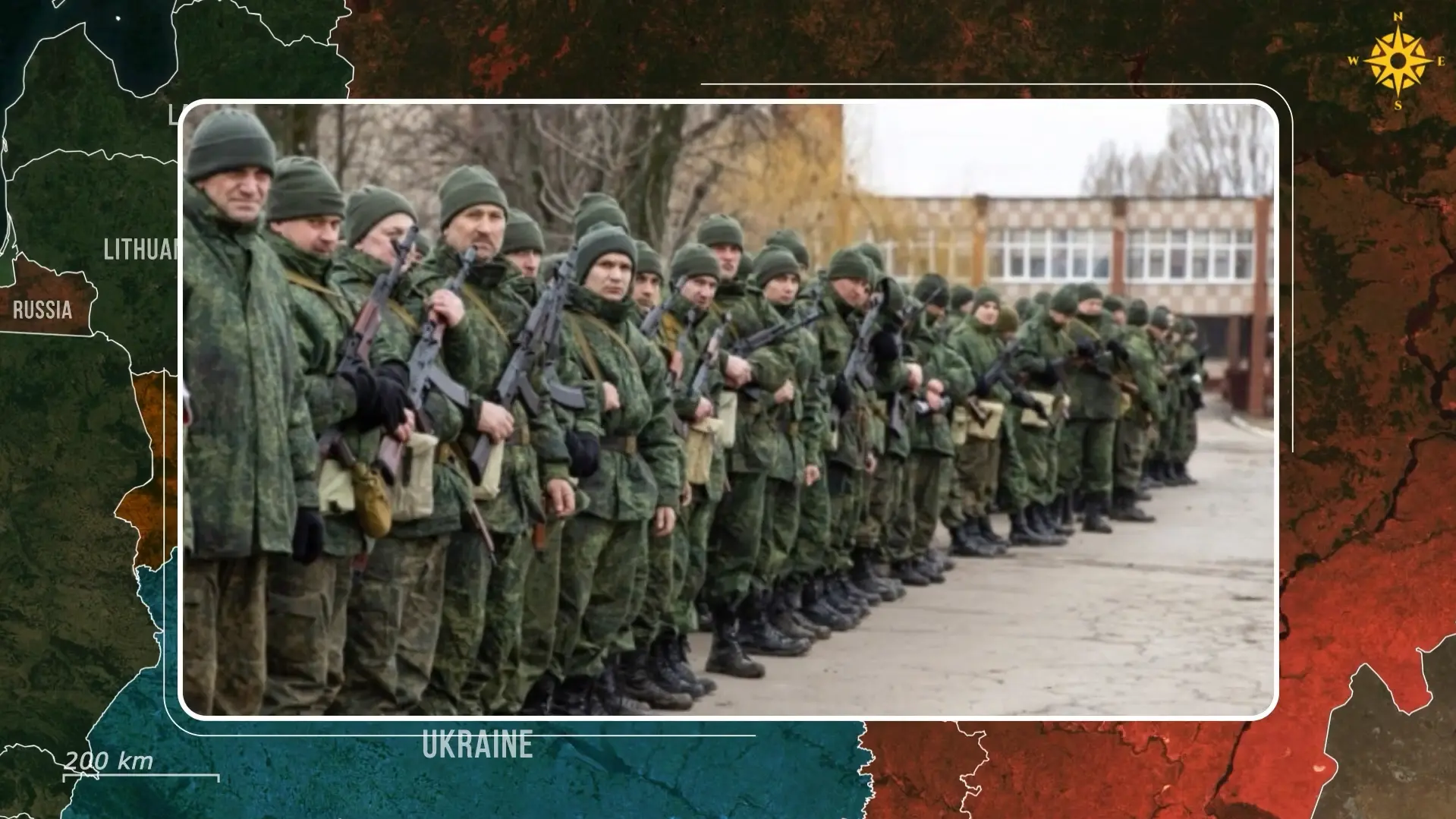
However, preparations extend beyond moving civilians, as both Russia and Nato are preparing for what happens when soldiers begin returning from battle wounded. Reports citing Russian sources claim Moscow intends to reserve and prepare more than twenty thousand hospital beds in northwestern Russia for military casualties. German security figures have suggested preparations support future escalation, as such steps are not taken simply to intimidate your opponent. They strongly resemble Russia's actions in January two-thousands-twenty-two, when the Russian military started transferring blood and medical supplies towards its border with Ukraine, in preparation for the imminent Russian invasion.
Nato is also preparing for the worst-case scenario, as Germany is conducting its own medical planning, with German authorities assessing hospitals and infrastructure for a major defense emergency while reconsidering Cold War-era underground medical facilities. Bundeswehr analysts have examined how Germany could handle as many as one thousand wounded soldiers arriving daily during a potential war with Russia.
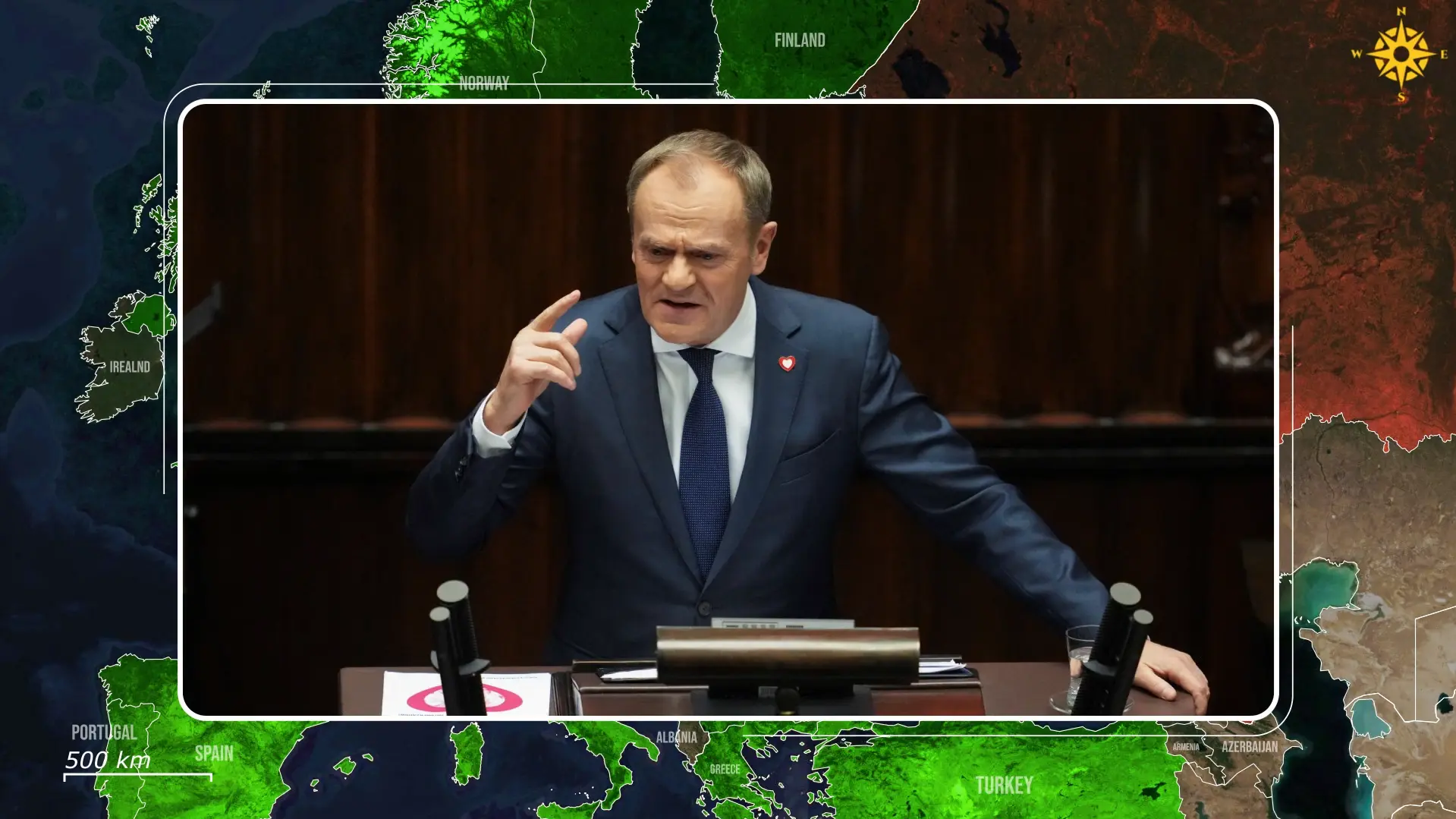
At the same time, warnings from European leaders have become substantially more specific, as Polish Prime Minister Donald Tusk told parliament that intelligence assessments indicate Russia could conduct drone or missile attacks against countries supporting Ukraine, including Poland, arguing that such operations could test whether Nato governments genuinely respond collectively under Article Five.
Finnish President Alexander Stubb has urged citizens to be mentally prepared for serious incidents, including sabotage and drone activity, while European intelligence officials are publicly discussing possibilities ranging from escalating sabotage to military provocations, as European concern increasingly rises over deliberate Russian hybrid ambiguity: sabotage, GPS interference, cyberattacks, or drones whose origin and intention remain uncertain long enough to complicate Nato’s response.
That represents the major change, as until recently, much European discussion concerned what governments should eventually prepare for. Now evacuation corridors are being planned, medical capacity assessed, infrastructure hardened, and military exercises expanded while political leaders publicly prepare populations for possible confrontation. These measures demonstrate that governments increasingly consider escalation serious enough to require practical preparation rather than warnings alone, with a Nato-Russia war perhaps merely days or weeks away.
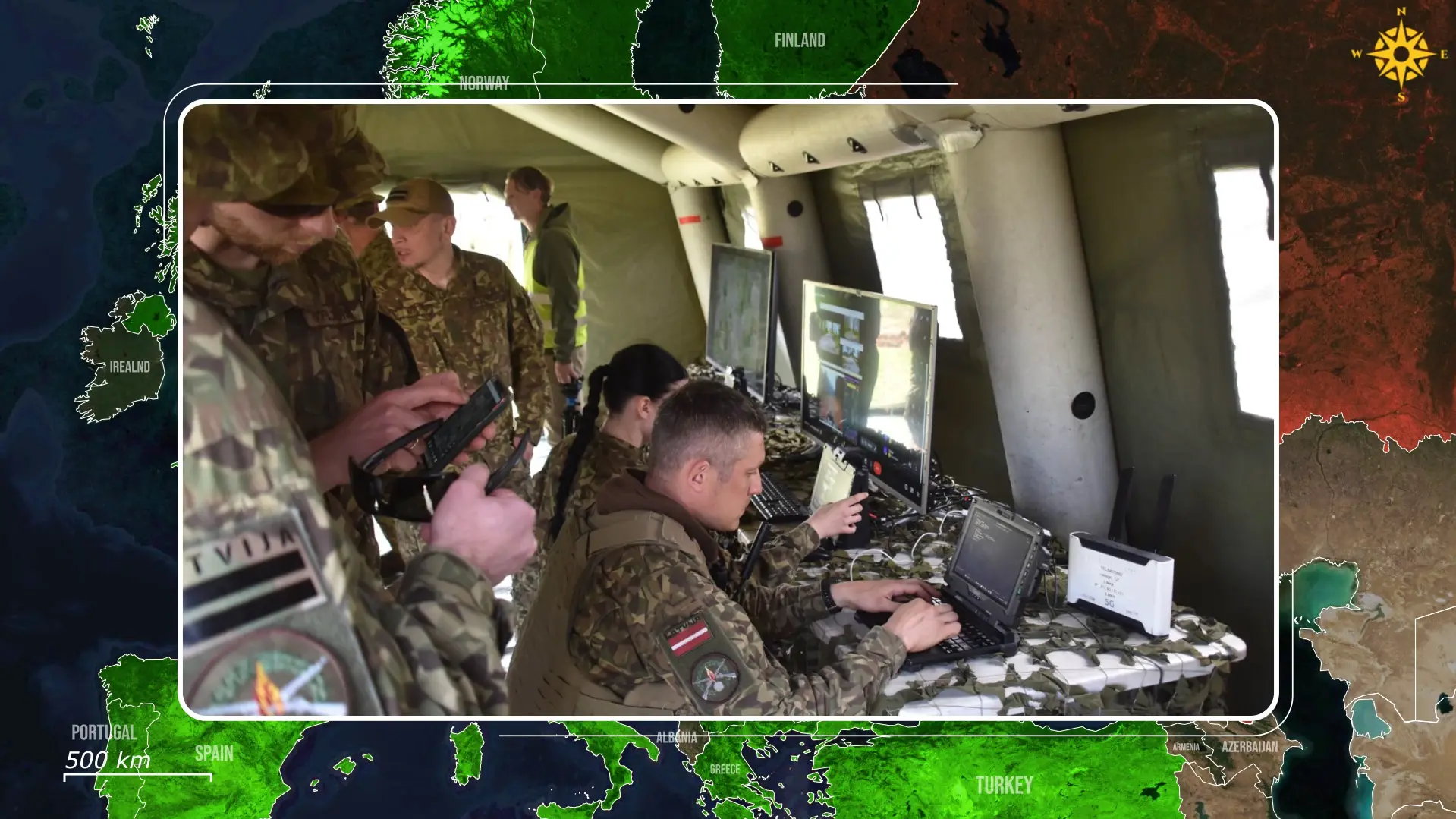
Overall, as Russian military activity, sabotage, and airspace incidents accumulate around Nato’s European members, every new incident carries greater potential for miscalculation. The danger is also the shrinking margin for error, as those caught unprepared may not have the time to catch up with the realities of the modern battlefield. Europe is preparing because a confrontation that once appeared remote is increasingly being treated as a real threat that governments cannot afford to ignore.

.jpg)

Comments