

.svg)
Today, the biggest news comes from Russia.
Here, the Russia-Ukraine war is becoming increasingly destructive and complex day by day, as Russia has deployed a new cruise missile on the battlefield to challenge Ukraine's defense systems. This new missile’s long strike range and powerful warhead are creating a new equation on the battlefield, whose true purpose and strategic impact are now gradually coming to light.
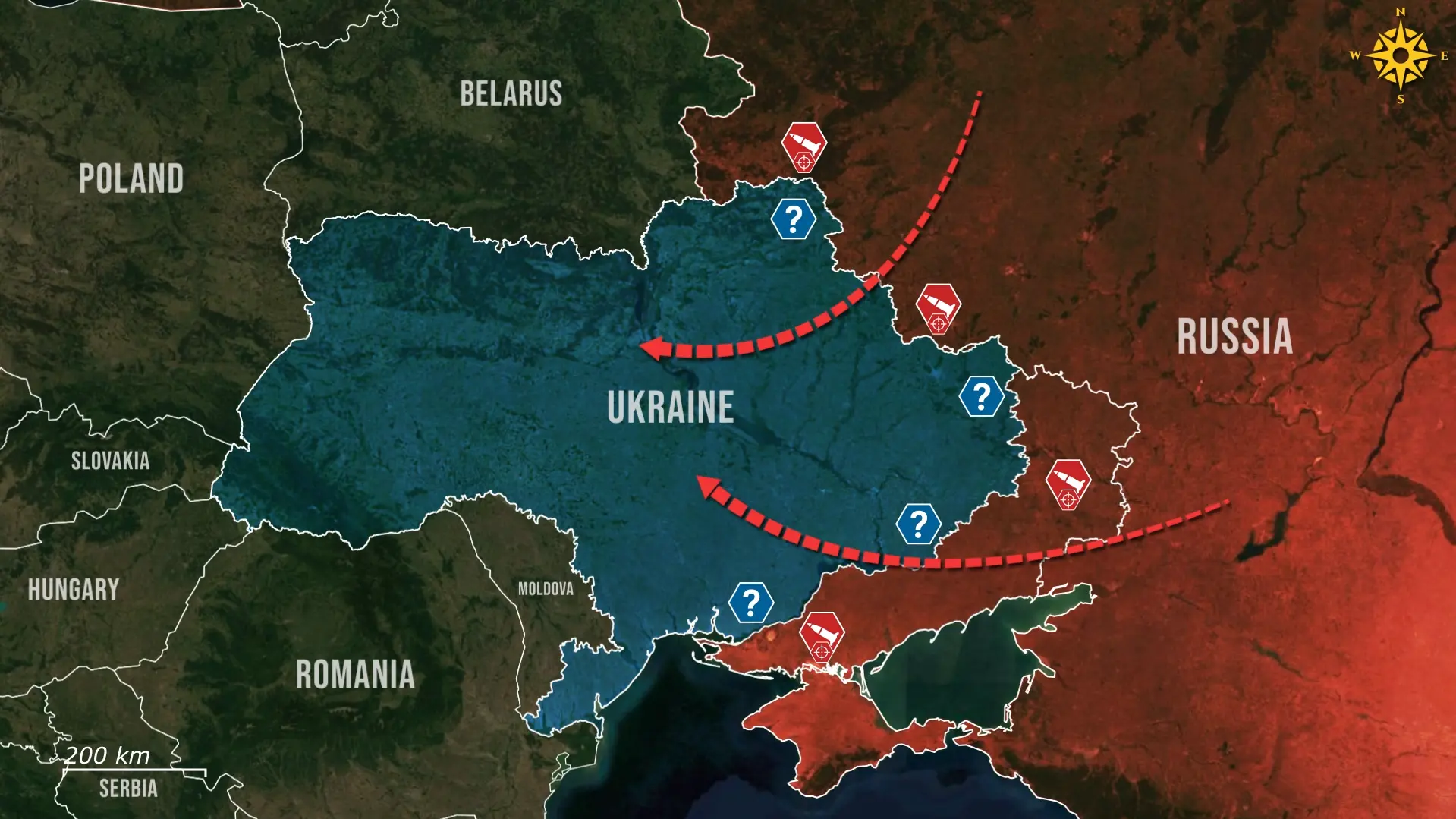
Recently, Russian missile forces hit yet another civilian high-rise building in Kharkiv city, collapsing an entire section from the first to fifth floor, and trapping residents under the rubble. However, post-strike analysis of the missile remnants found that it was a new cruise missile, called Izdeliye-30, which had been tested for the first time in real combat. While investigations into the civilian strike itself continued, parallel investigations into the new Russian threat revealed significant details.
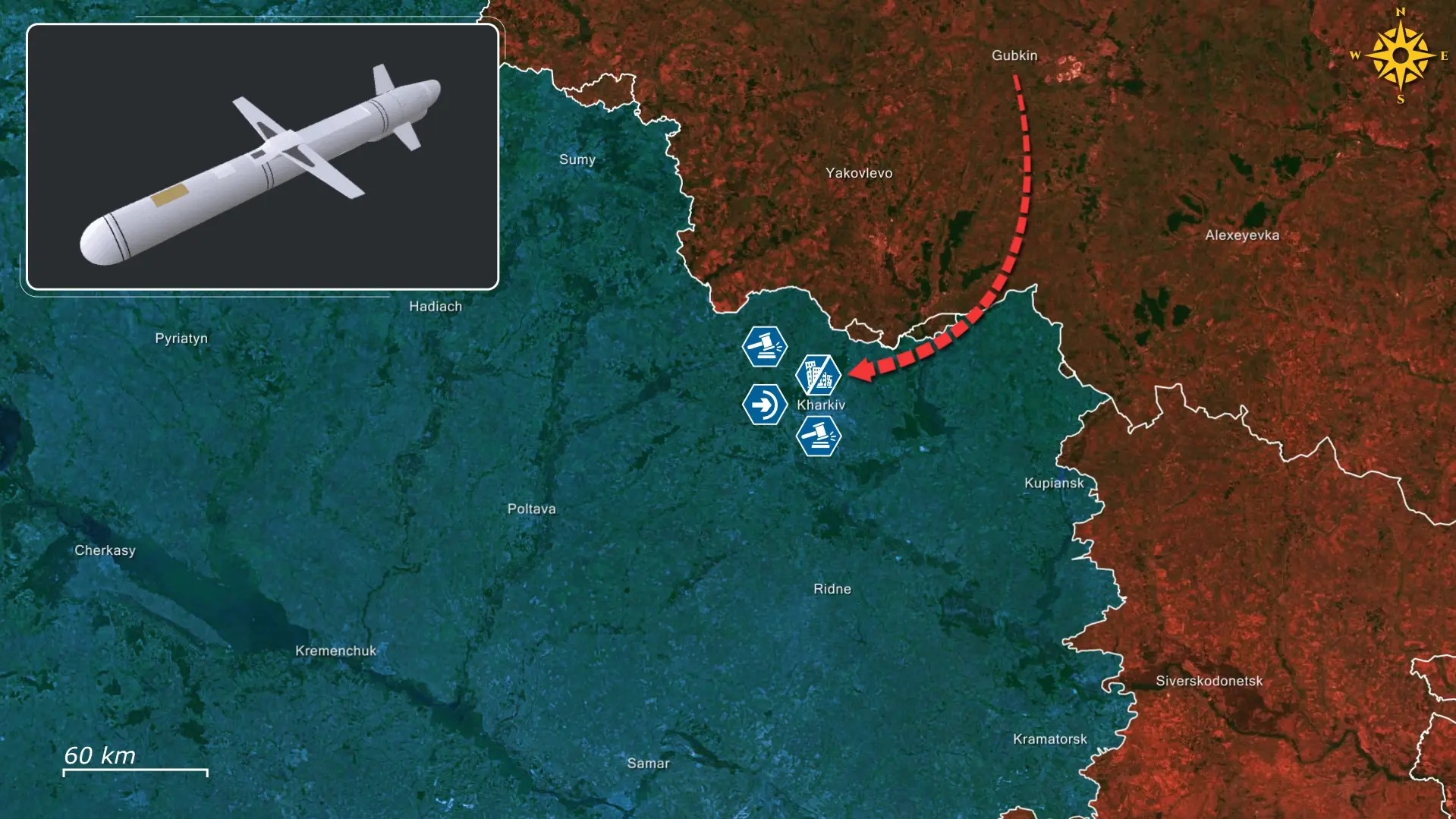
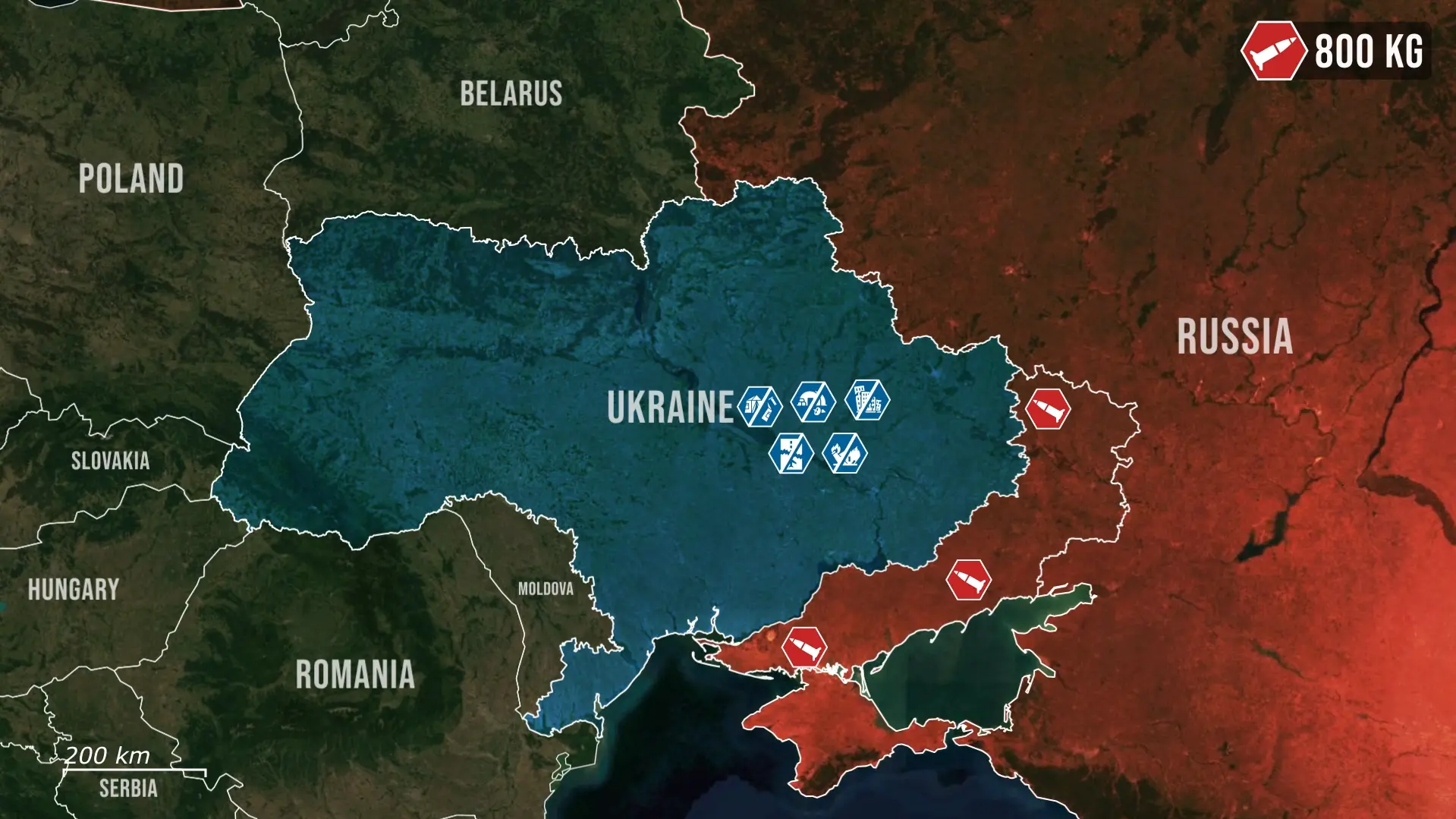
The missile used in the Kharkiv strike, Izdeliye-30, is a subsonic air-launched cruise missile developed by Russia as an advanced alternative to its current cruise missiles. The missile carries a warhead of around 800 kilograms, nearly double the 400-kilogram payload of the older Kh-101 subsonic cruise missile variant. Due to this larger warhead, it can cause deep and widespread destruction against large stationary targets, such as densely populated buildings, but also power plants, airports, and strategic military bases.
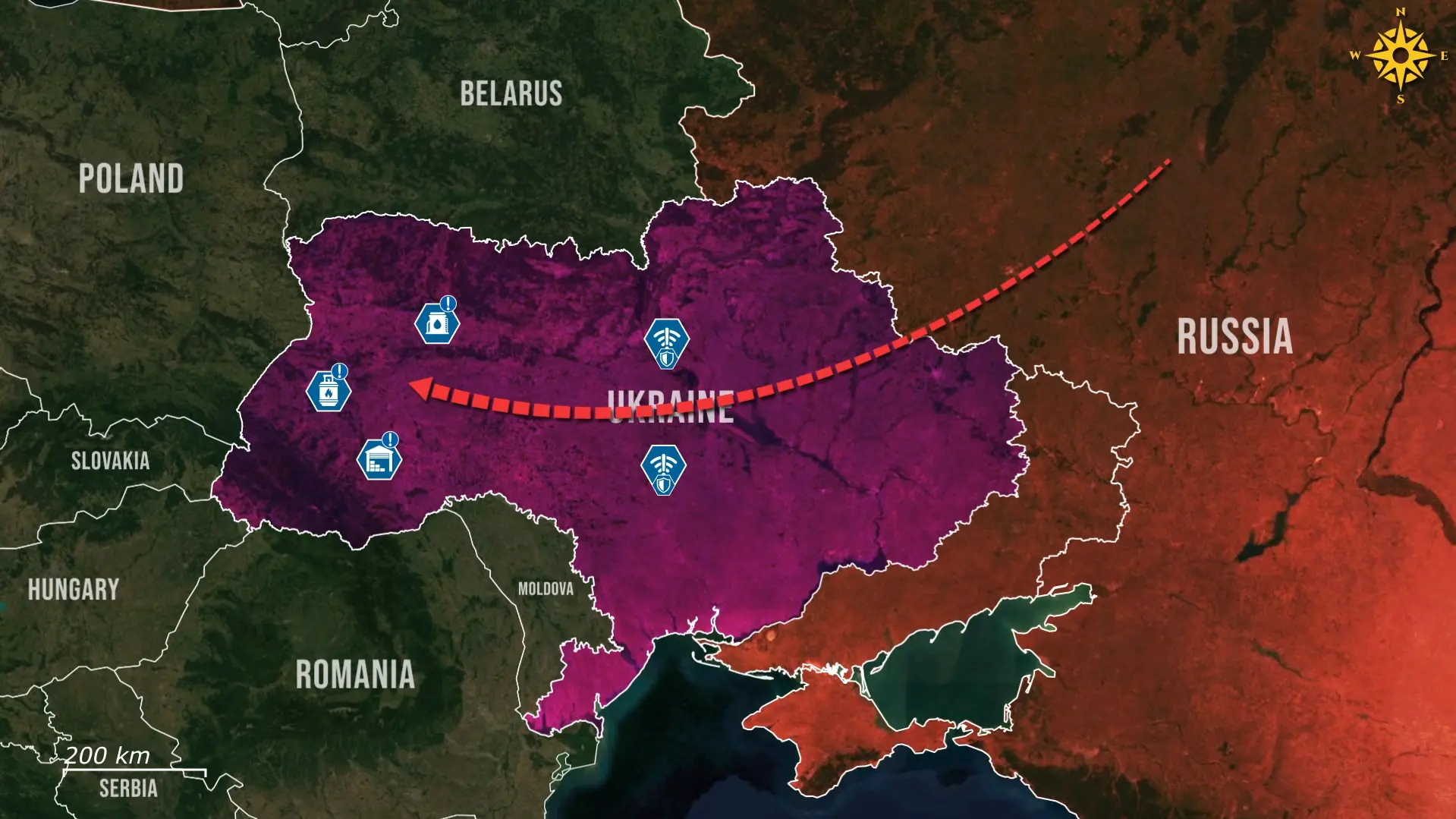
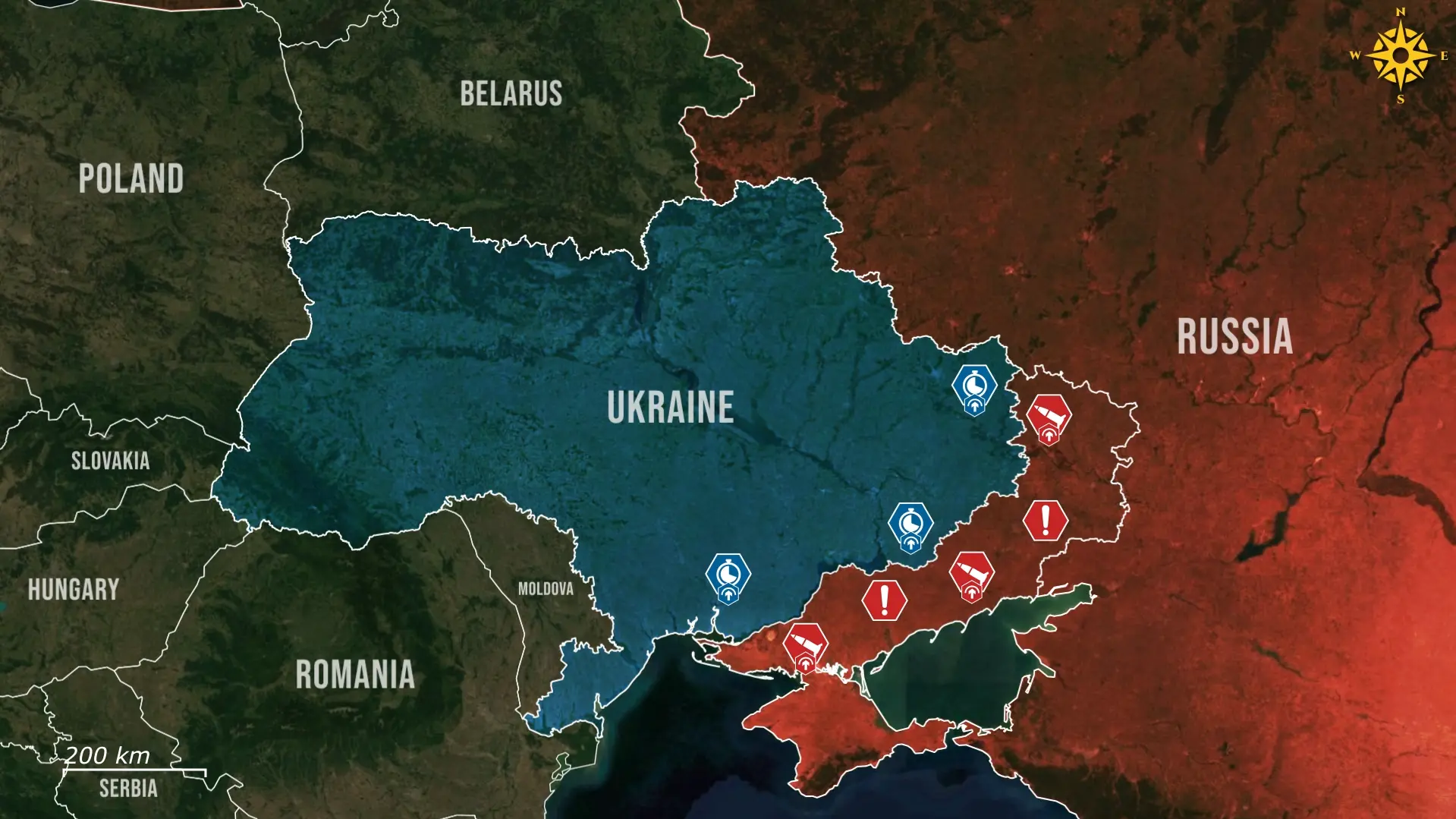
On the battlefield, the Izdeliye-30 missile has an approximate range of at least 1,500 kilometers, meaning Russia can strike at energy and transportation infrastructure even in western Ukraine, for example, targeting warehouses and depots used for international aid deliveries, which Russia often fails to destroy accurately due to Ukrainian electronic countermeasures.
This leads into the next point, as for navigation, the Izdeliye-30 uses a Kometa-M12 digital antenna, capable of receiving satellite signals even under active electronic warfare conditions. Through digital beamforming, the antenna can isolate the correct satellite signal that tells the missile where it is from enemy interference, protecting the missile from jamming and deception, and ensuring stable navigation and accurate targeting. In contrast, the older Kh-101 variant lacks such advanced jamming resistance and beamforming capabilities, making it less stable in complex electronic warfare environments.
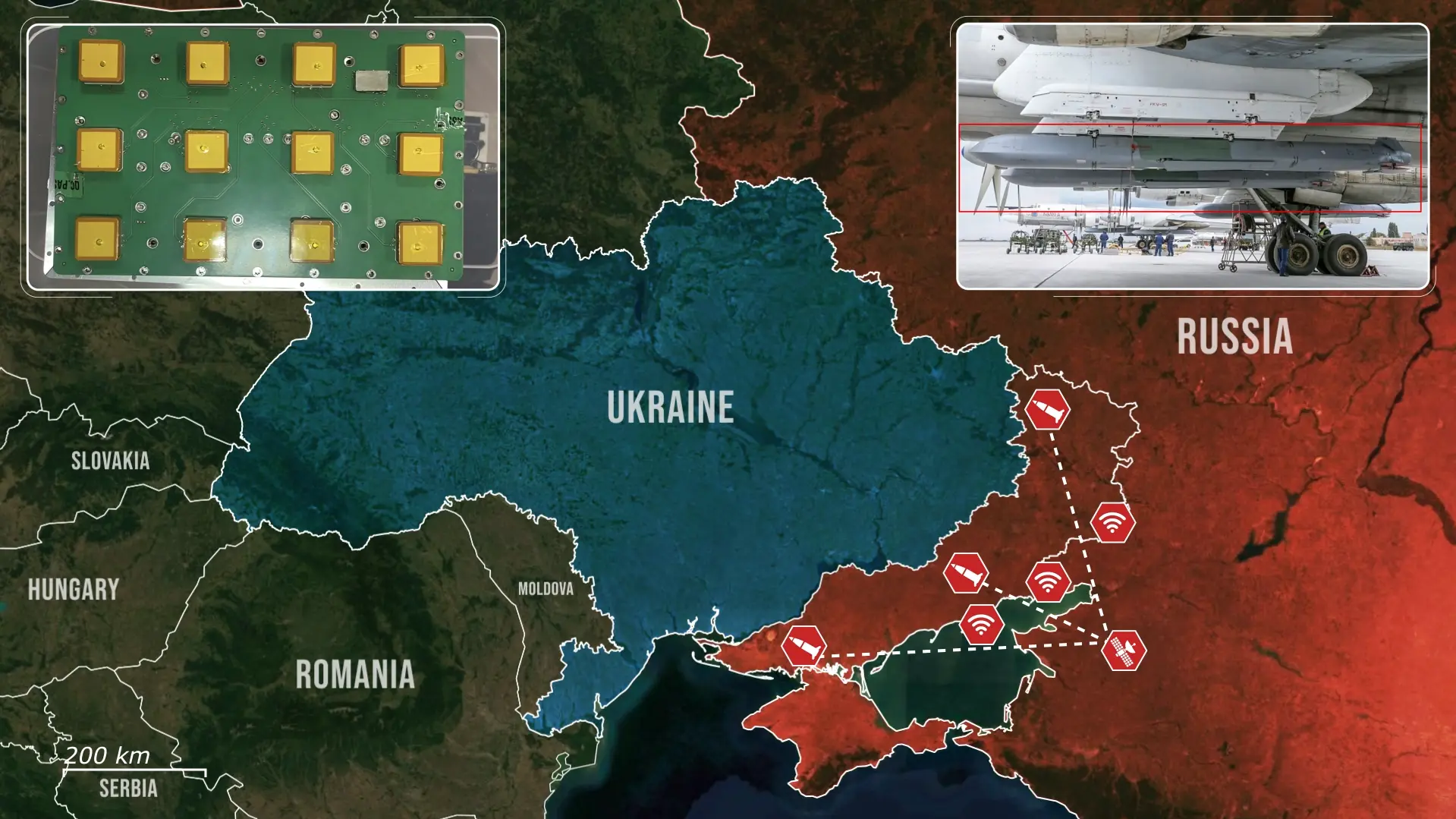
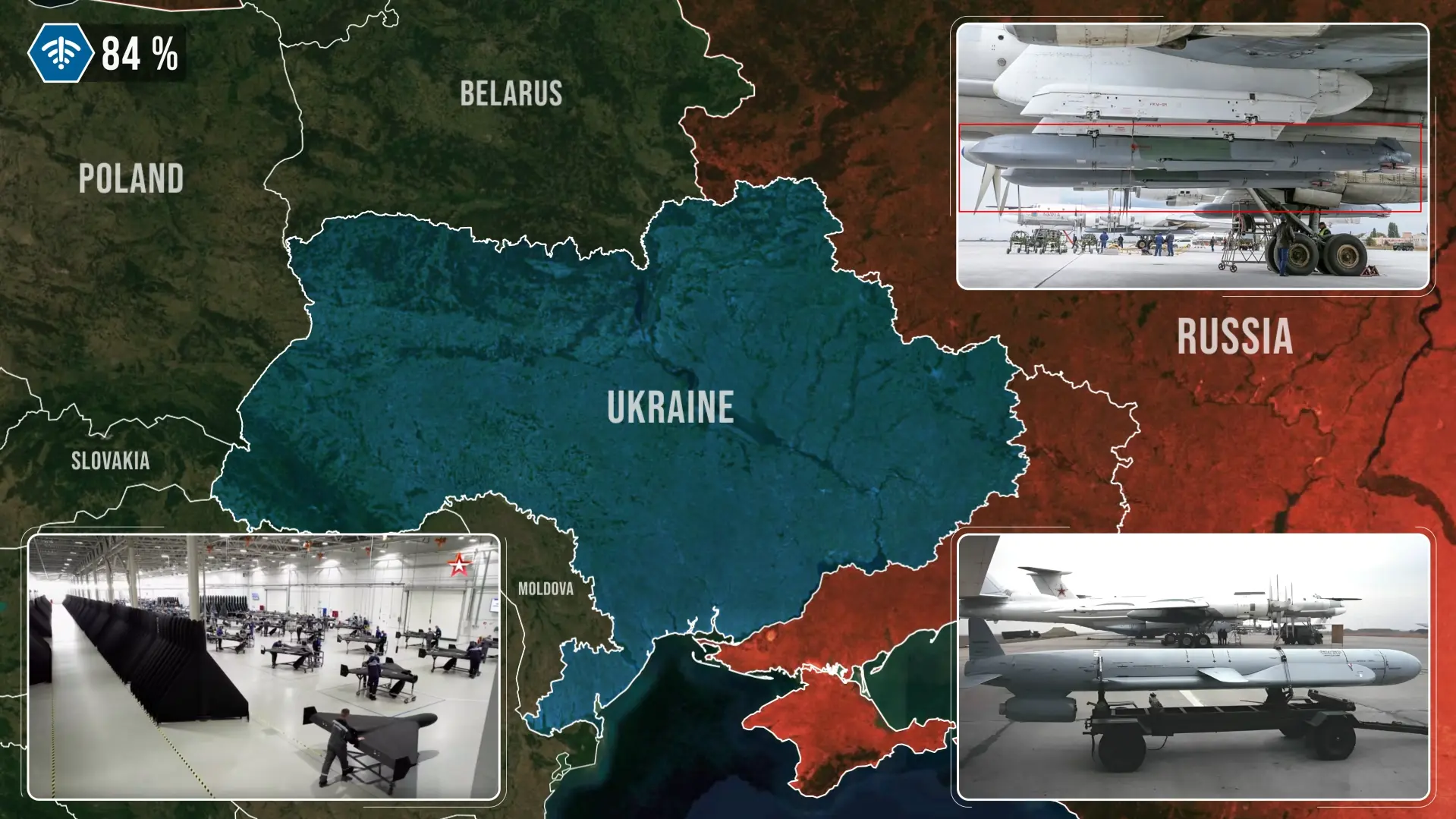
Currently, Ukrainian electronic warfare disrupts up to 84 percent of Russian drone and cruise missile strikes. While no specific data exist for the Kh-101 alone, these missiles make up over three-quarters of Russian strike packages, alongside Shahed drones and older Kh-555 cruise missiles, suggesting that Ukrainian countermeasures have likely caught up with the Kh-101 as well.
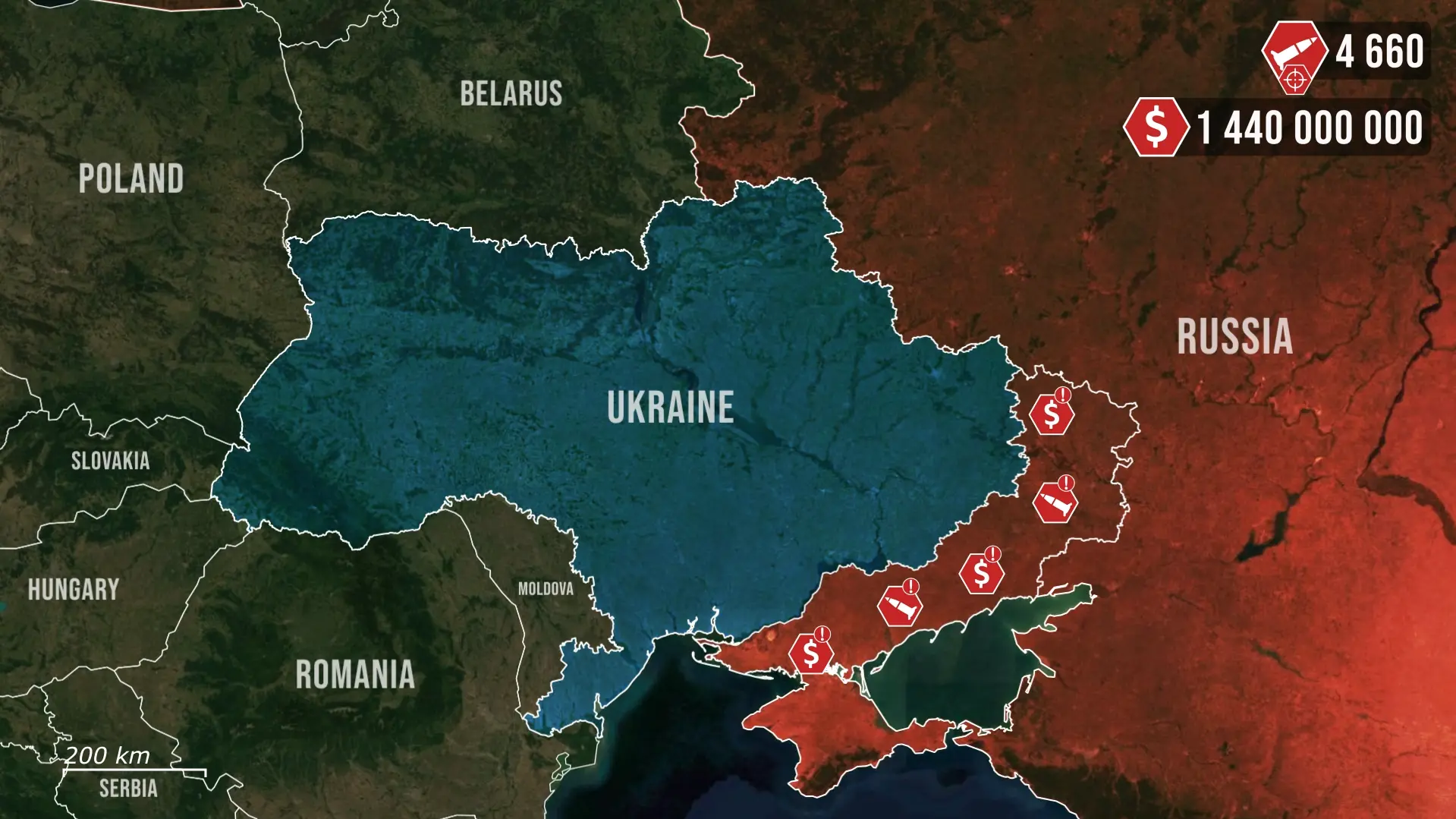
Aside from greater resilience to electronic warfare, Russia has developed a new missile because since the start of the war, Russia has launched over 4,660 cruise missiles at Ukraine. These missiles are extremely expensive, putting significant pressure on Russia’s economy. For example, the widely used Kh-101 costs 2 to 2.4 million dollars per missile, while Russia produces around 50 units per month, resulting in annual production costs of roughly 1.2 to 1.44 billion dollars. At the same time, the constant use of air-launched cruise missiles is rapidly depleting Russian stockpiles, while new production struggles to meet wartime demand despite sanction-avoiding import schemes.
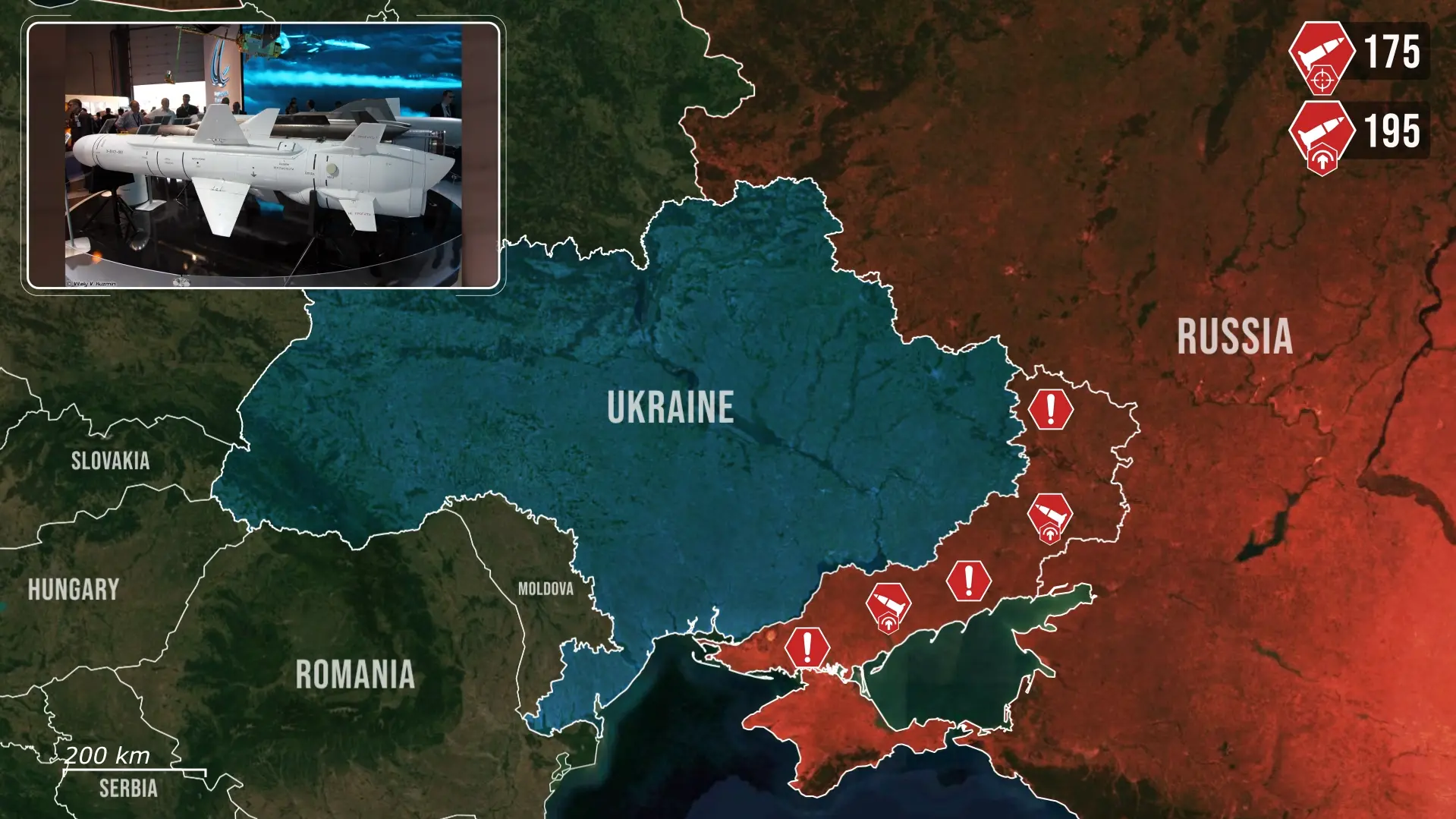
For instance, in February 2026, Russia launched 175 cruise missiles against Ukraine, while Russia can produce around 195 missiles of all types per month, according to Ukrainian military intelligence. This shows that Russia is currently producing well below its maximum capacity, while its battlefield use continues to increase, widening the gap between production and consumption. To address this issue, Russia developed the Izdeliye-30 cruise missile, which is significantly cheaper to produce than the Kh-101, reportedly around the 1 million dollars benchmark. Notably, the missile uses components from the Kh-35U anti-ship missiles, which Russia is currently not using against Ukraine’s non-existent standing navy, meaning many parts are already in stock and available for use. As a result, Russia can gear up production of these missiles faster and in larger numbers, helping to integrate this new variant much quicker than usual, as conventional industrial production is organized.
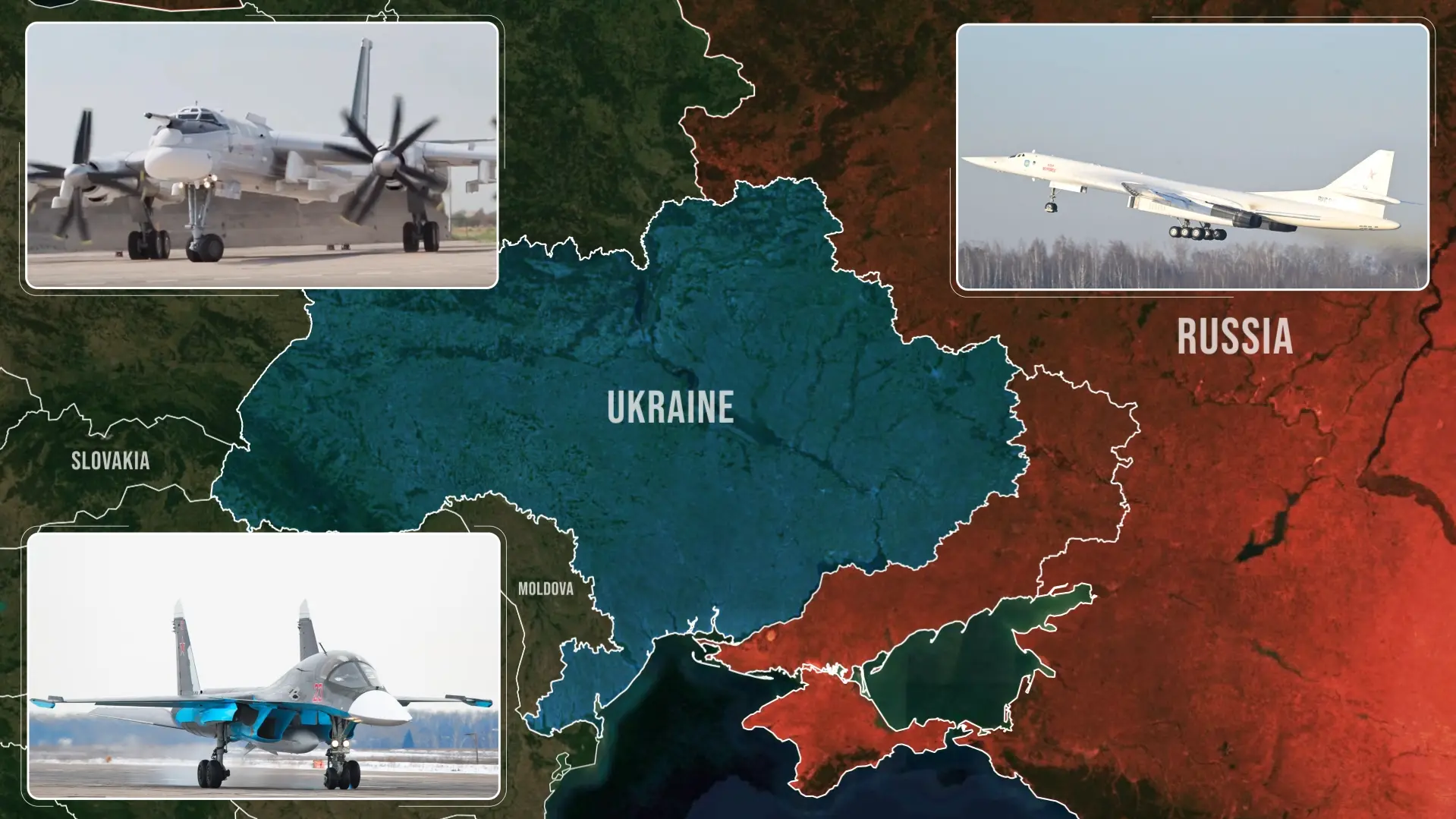
As the missile can be launched from multiple aircraft platforms, including the Tupolev Tu-95MSM and Tupolev Tu-160M strategic bombers, as well as the Su-34 fighter jet with special pylons installed, further supporting the rapid implementation of the new missile.
Overall, Russia has achieved success in the development of the Izdeliye-30 cruise missile, but its future sustainability and long-term effectiveness remain uncertain. As Ukraine was quick to reveal the technical architecture of Russia’s weapon, new countermeasures will not lag far behind.
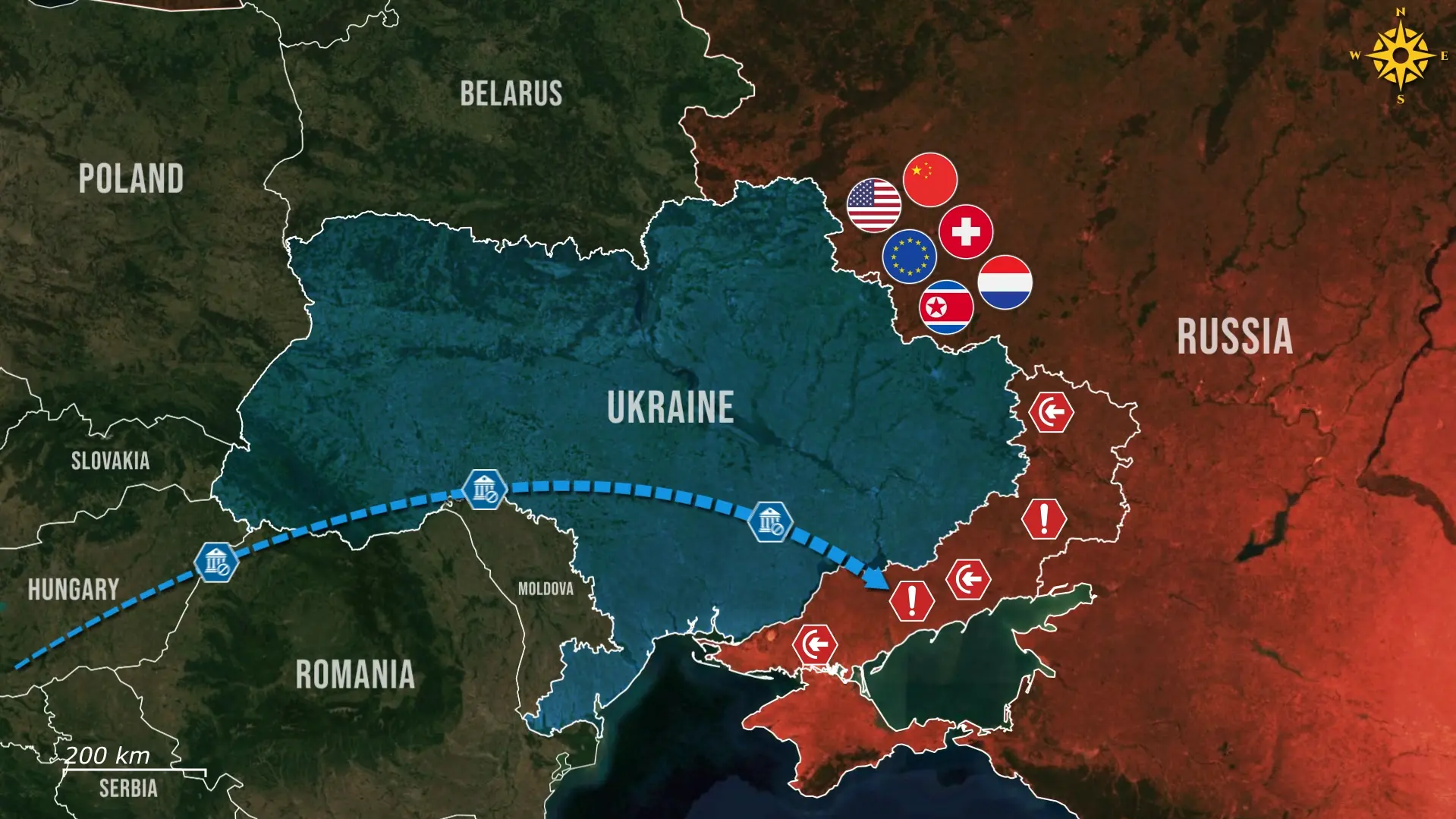
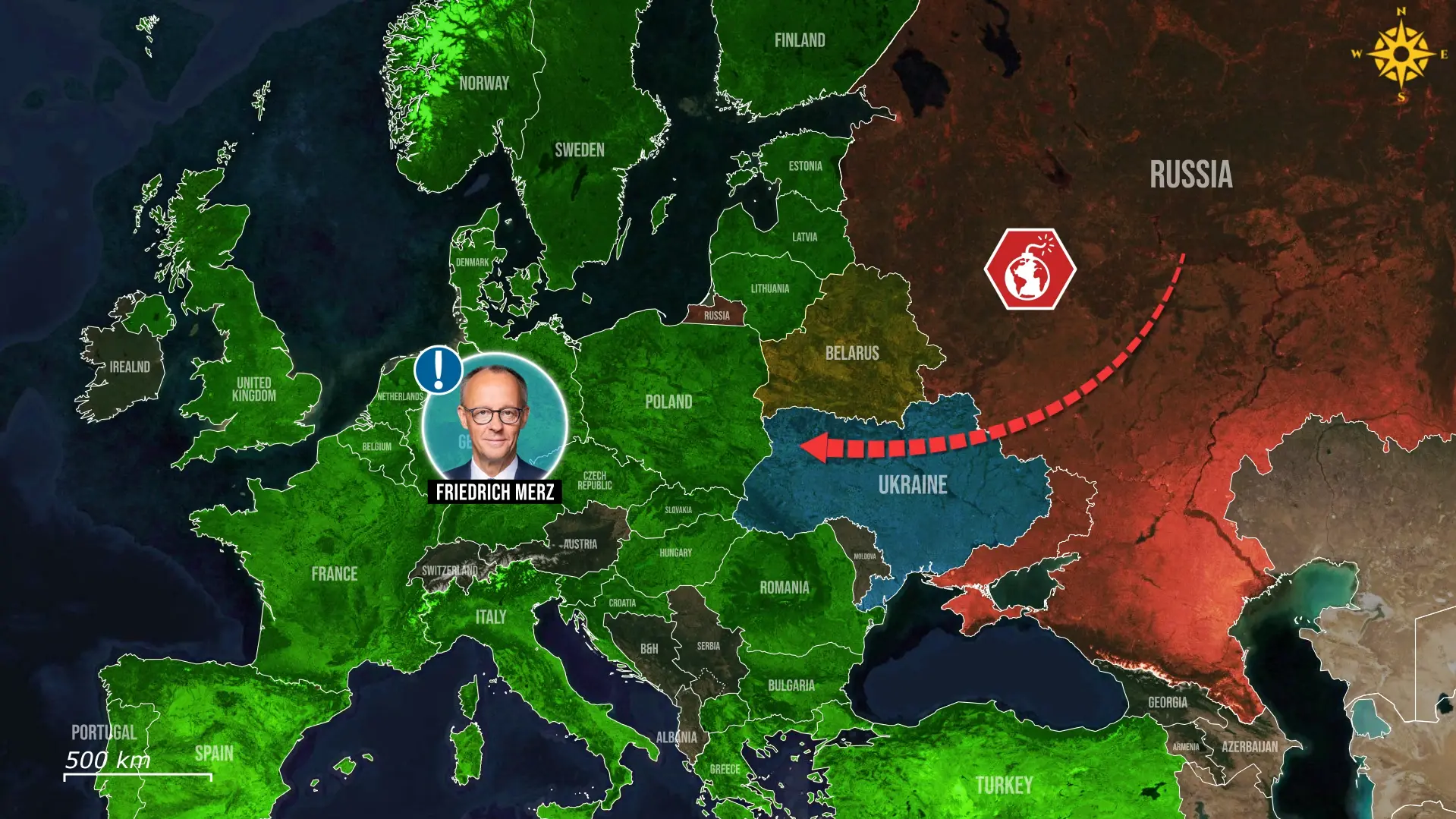
It’s important to note, however, that Russia will continue to be able to produce these weapons, as even with Western sanctions, Russia has produced Izdeliye and others using microelectronics from the United States, China, Europe, Switzerland, North Korea, and the Netherlands, routing imports through third-party states and companies. This disclosed information will serve as a clear warning to Western countries and strengthen the need to make the sanctions on Russia more effective; only then will they have a true decapitating impact on Russia’s military operations.

.jpg)

Comments