

.svg)
Today, there is important news from Belarus.
Here, Russian intel raised the alarm about preparations for a coup against the Lukashenko regime, causing a crisis unseen in years. The threat to Russian and Belarusian interests was so severe that the Belarusian military rushed into a mass and urgent mobilization.
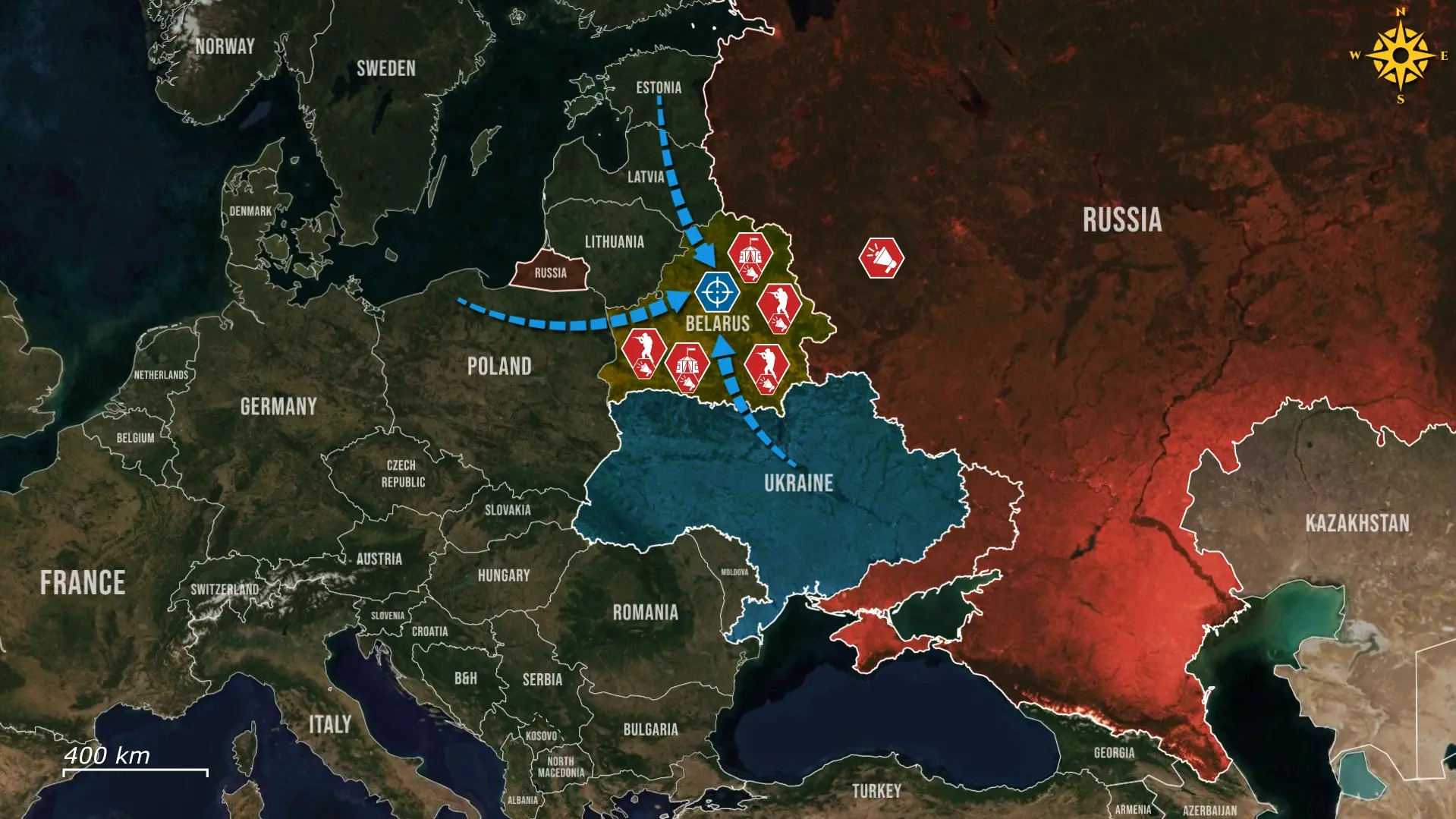
Reports from across Belarus started describing sudden reserve call-ups and rapid deployments near the borders with Nato states, confirming the silently launched mass mobilization. According to officials and residents, military summonses are now delivered without warning and often demand immediate reporting to service locations. In some cases, men receive a notice in the morning and must appear at a military unit within an hour, while in others, the summons arrives late at night with orders to report in another city by dawn. Those mobilized are transferred quickly to training grounds, where reserve formations are assembled already on the very same day. Their phones are confiscated, preventing contact with relatives, while social and medical exemptions are ignored outright. Officially, the authorities describe the activity as a sudden readiness inspection, but in practice, the scale and speed resemble a covert mobilization effort at a scale not easy to downplay.
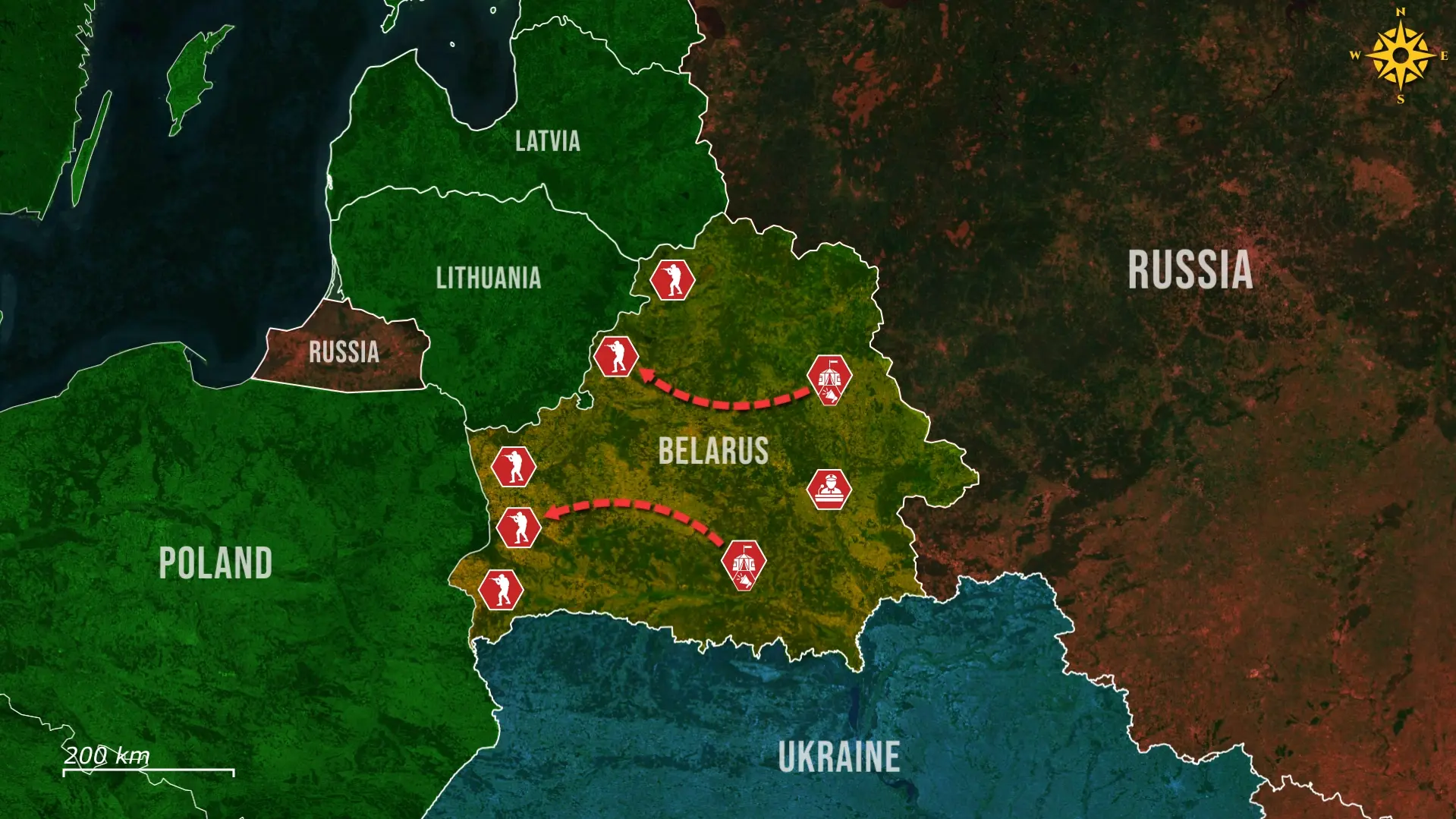
Behind this abrupt military activity lies growing alarm in both Minsk and Moscow about the possibility of a Western coup in Belarus. Russia’s foreign intelligence service recently warned that Nato-aligned organizations are preparing conditions for a constitutional change in the country.
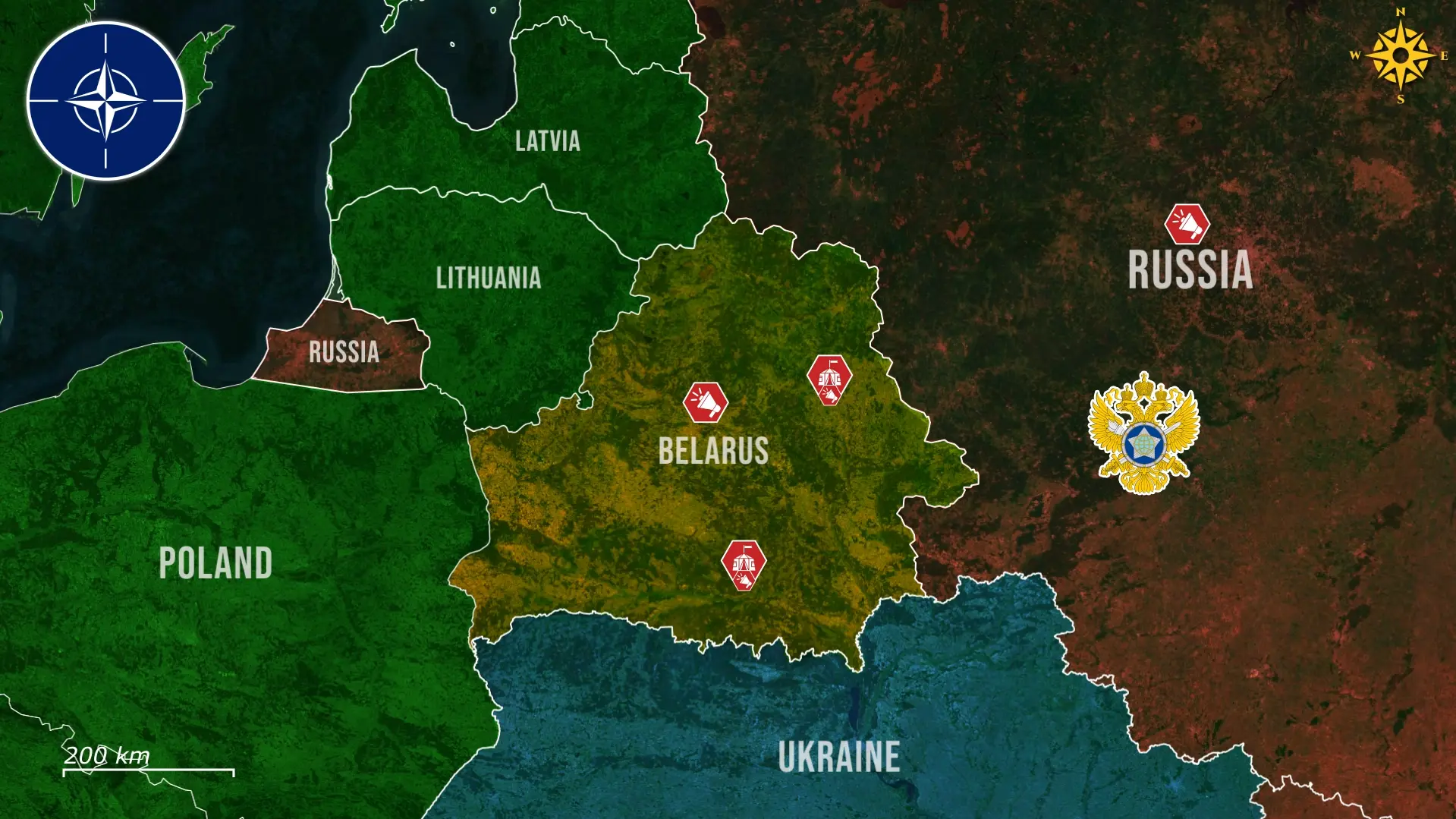
According to Russian assessments, the ultimate goal would be to weaken the strategic alliance between Belarus and Russia, and undermine their combined war effort against Ukraine. Russian officials claim that Western actors are looking for new leaders throughout Belarusian opposition networks abroad as they speak, and that such preparations could form the basis for renewed attempts to challenge the Lukashenko government.
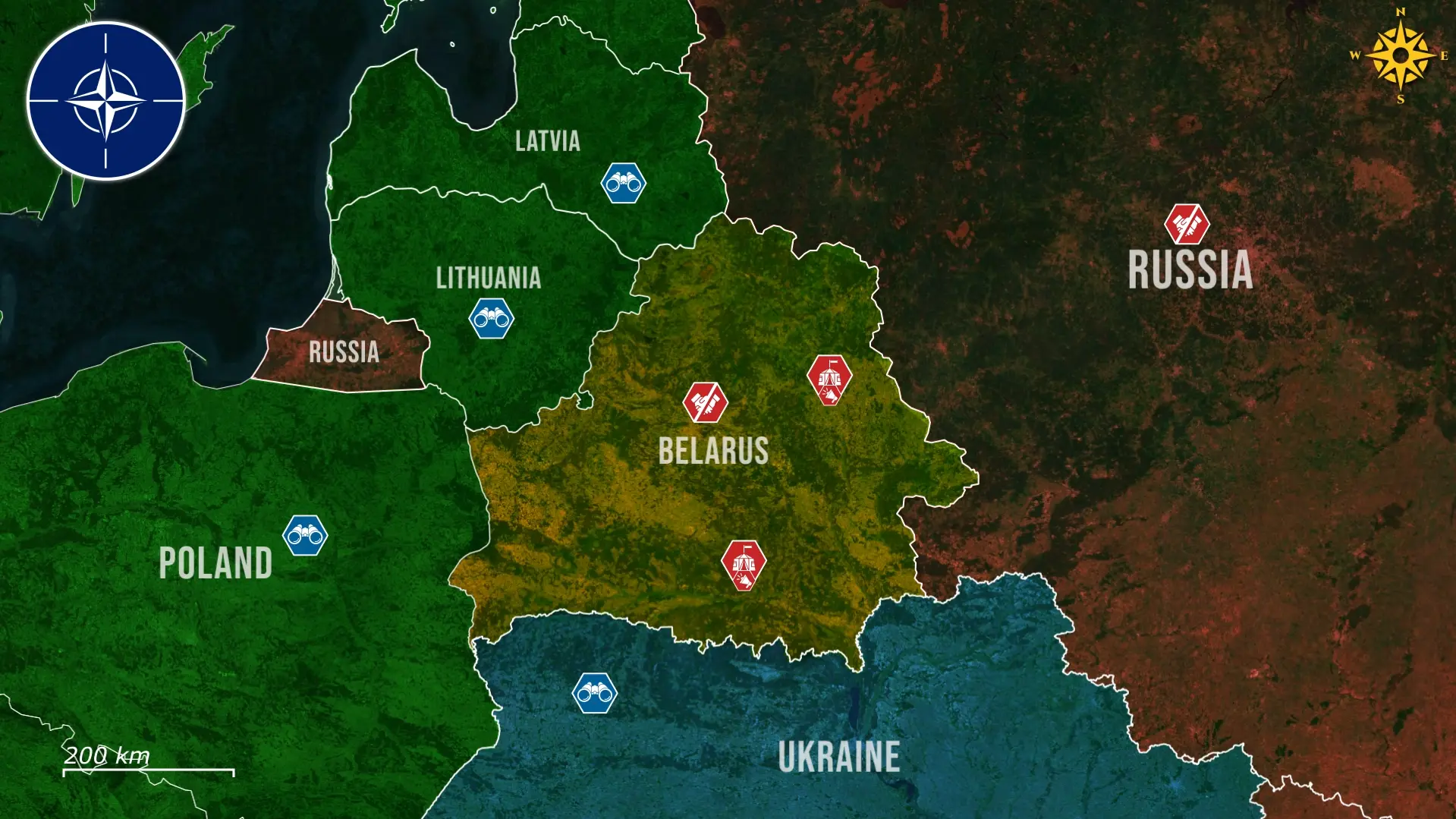
Analysts in Russia are compounding the alarm and appear to be analyzing several potential coup scenarios already. The first scenario revolves around a gradual, soft-approach strategy aimed at weakening the Belarusian regime without direct confrontation. This approach would rely on strengthening civil society networks, expanding independent media activity, and cultivating new political leaders capable of mobilizing larger protests.
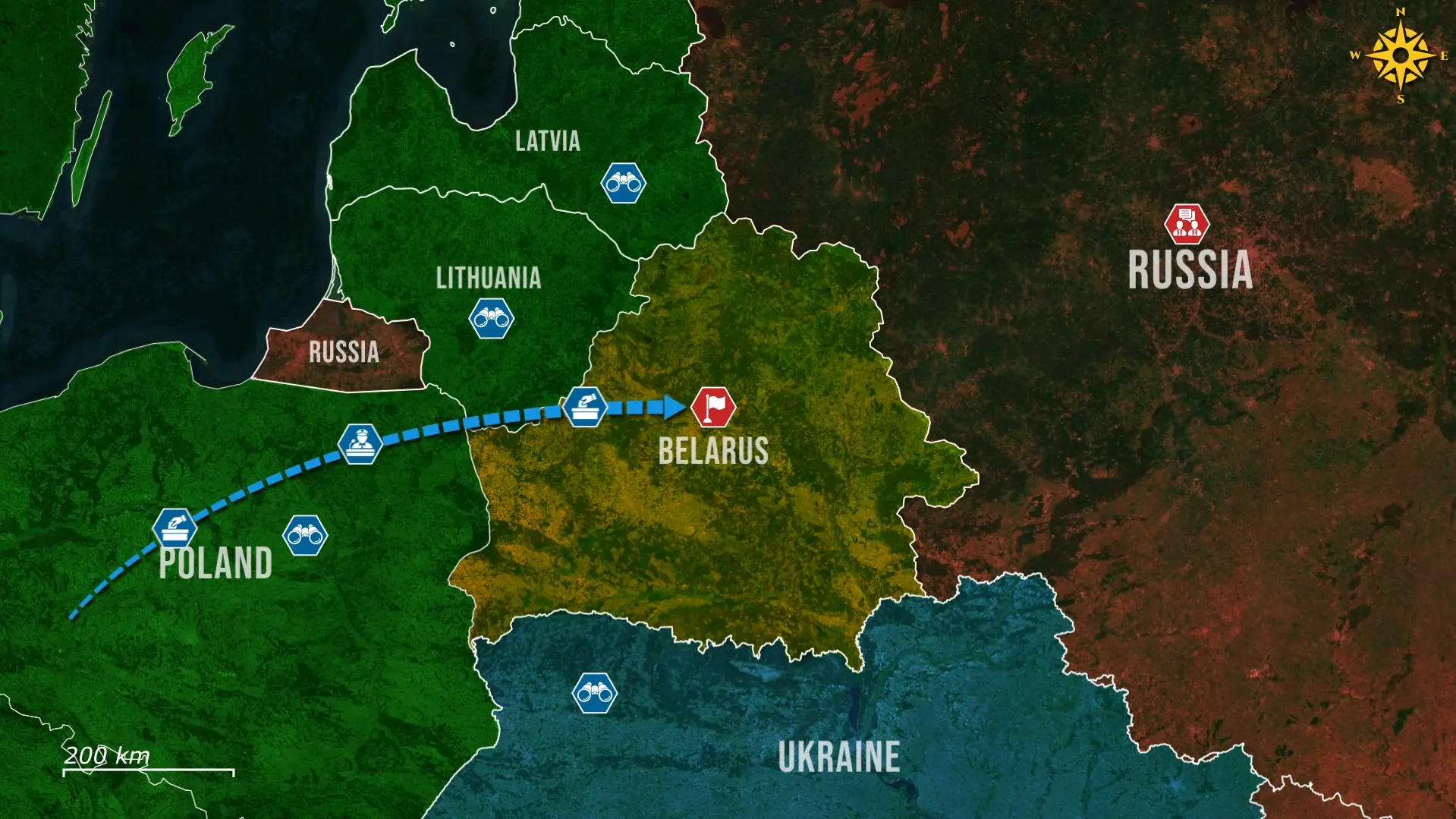
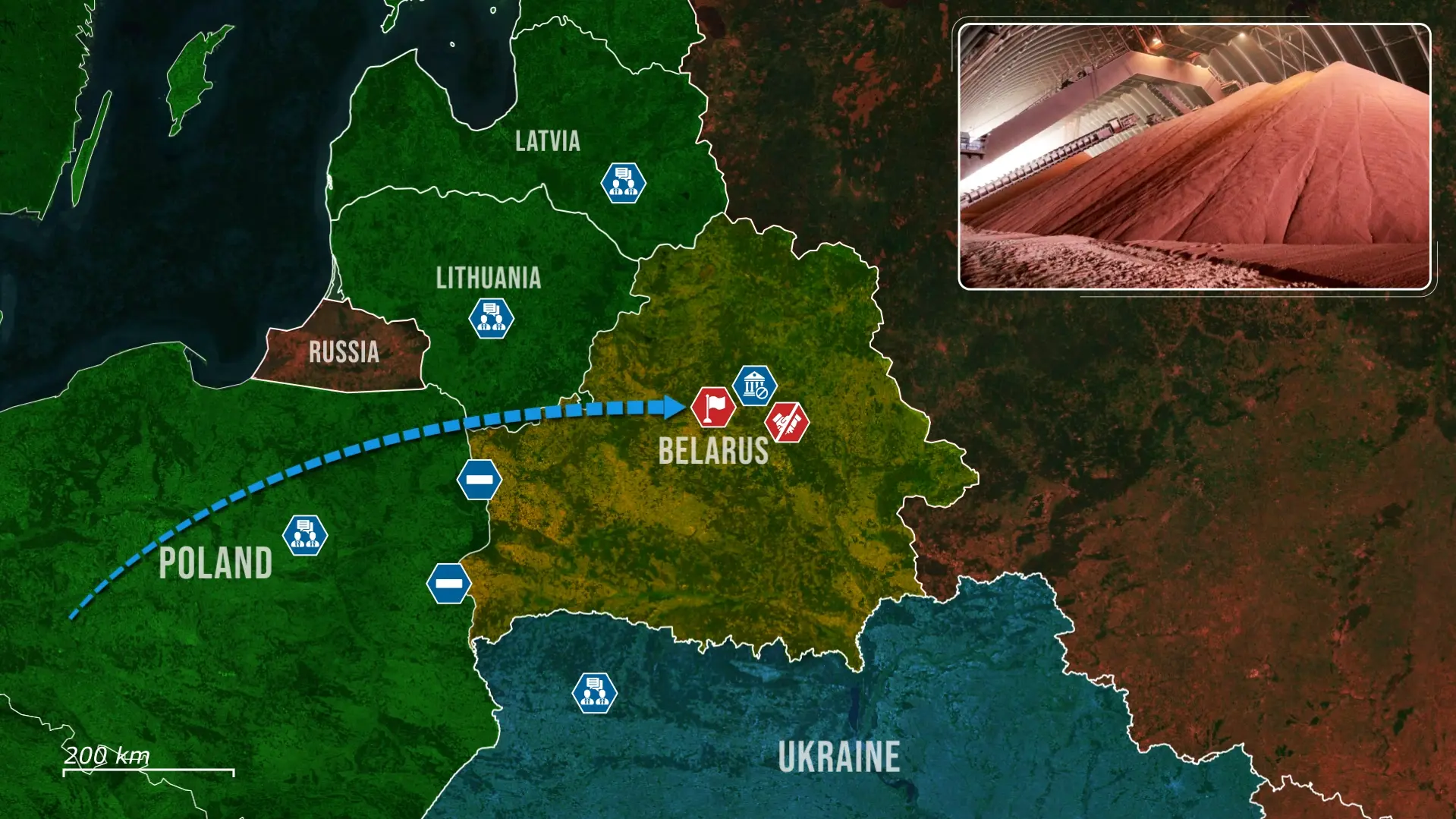
Training programs and activist coordination could occur online or outside of Belarus in neighboring countries to circumvent domestic restrictions. Economic pressure would play an additional role in the plan, as Belarus is heavily dependent on exports of potash fertilizers, with up to 90 percent of production sold abroad. Sanctions targeting these exports or further restrictions on logistics routes through Poland could impose severe economic strain, potentially fueling public dissatisfaction and undermining the regime’s ability to quell unrest. The objective would be the gradual erosion of state authority, eventually forcing Minsk to reconsider its close integration with Russia.
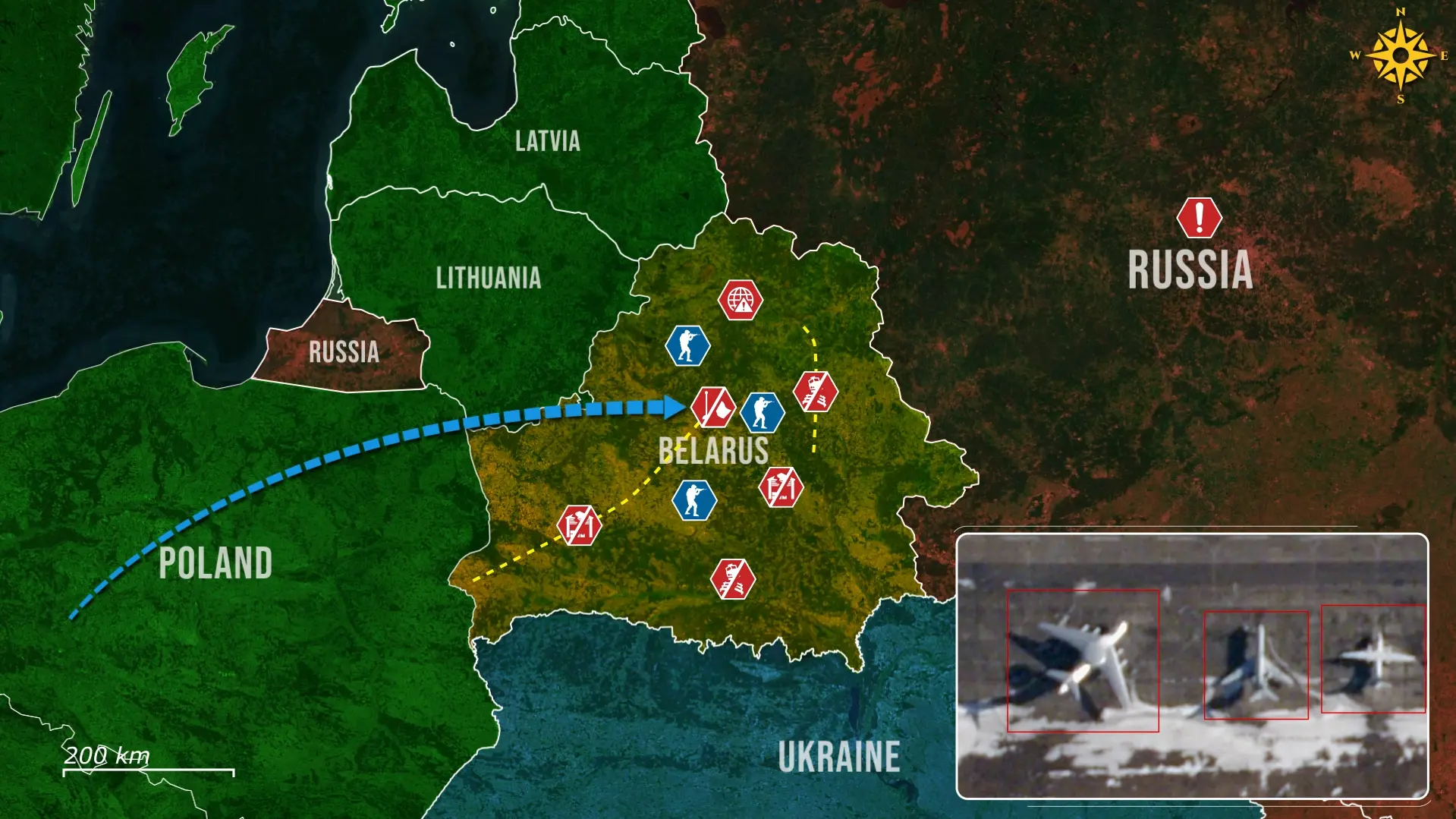
However, Russian and Belarusian intelligence also fear a far more direct scenario, claiming that sabotage and reconnaissance groups may already be receiving training in Poland. In this hard-approach scenario, destabilization would begin with low-level acts of sabotage akin to the ongoing Russian hybrid war against Europe, such as arson at warehouses, damage to railway relay cabinets, or cyberattacks targeting dispatch systems and power infrastructure. Key transit routes such as Brest to Minsk or Orsha to Vitebsk could be disrupted, undermining core civilian and military logistics. Small teams of three to eight operatives might conduct raids on critical facilities, including bridges, substations, or military depots. Airfields like Machulishchy, where sabotage already occurred in 2023, remain of particular concern. If these disruptions spiral into nationwide instability, they could trigger escalation and elite defections that ultimately force a change of government.
The reason both Minsk and Moscow treat these possibilities seriously lies in Belarus’s strategic role. For Russia, Belarus functions as a western buffer state and a vital logistical corridor supporting its military campaign in Ukraine.
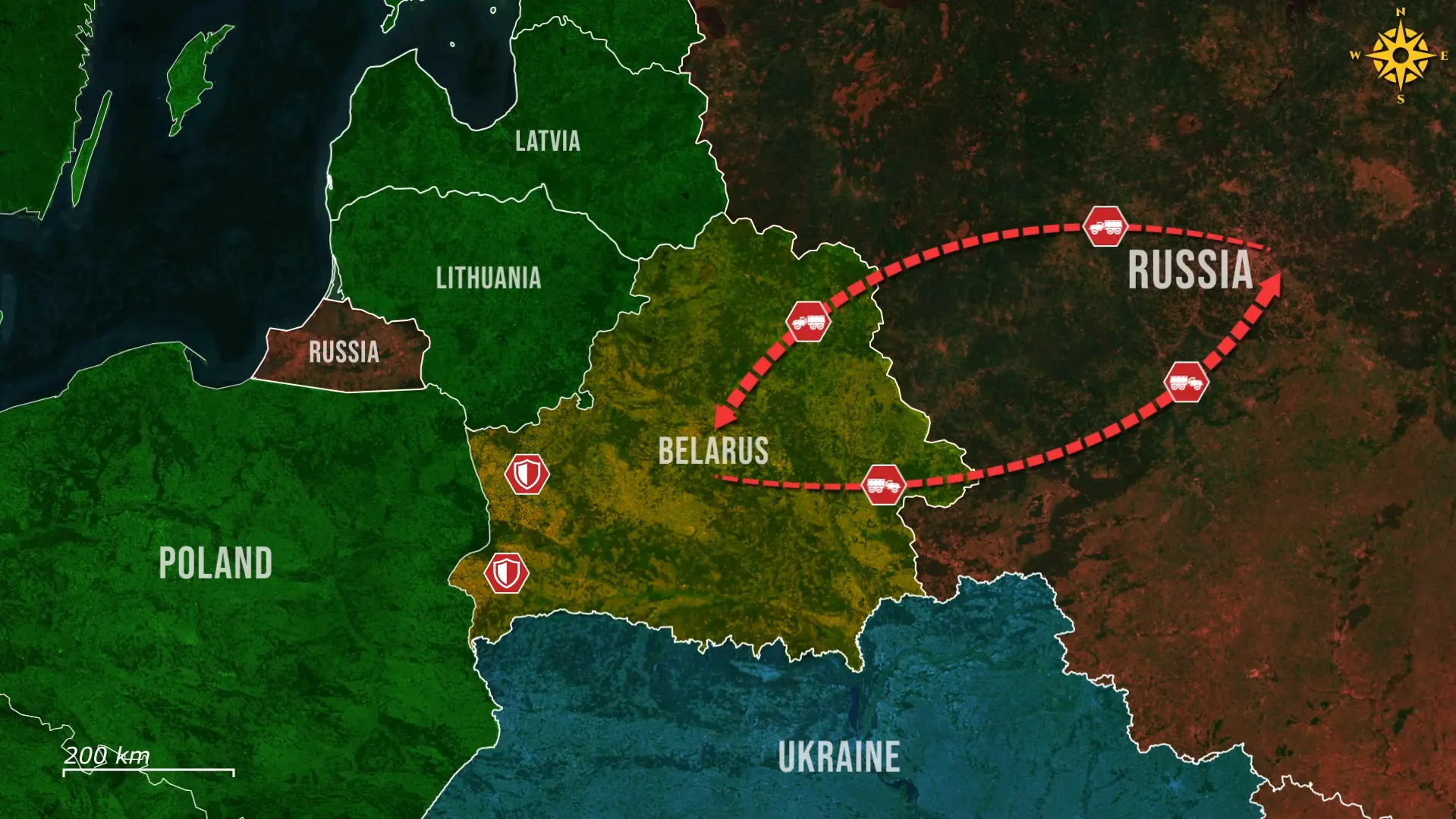
Russian forces rely on Belarusian territory for radar coverage, training areas, and potential staging points for operations and drone strikes against northern Ukraine, forcing Kyiv to constantly man and protect the northern border while battles rage on in the east.
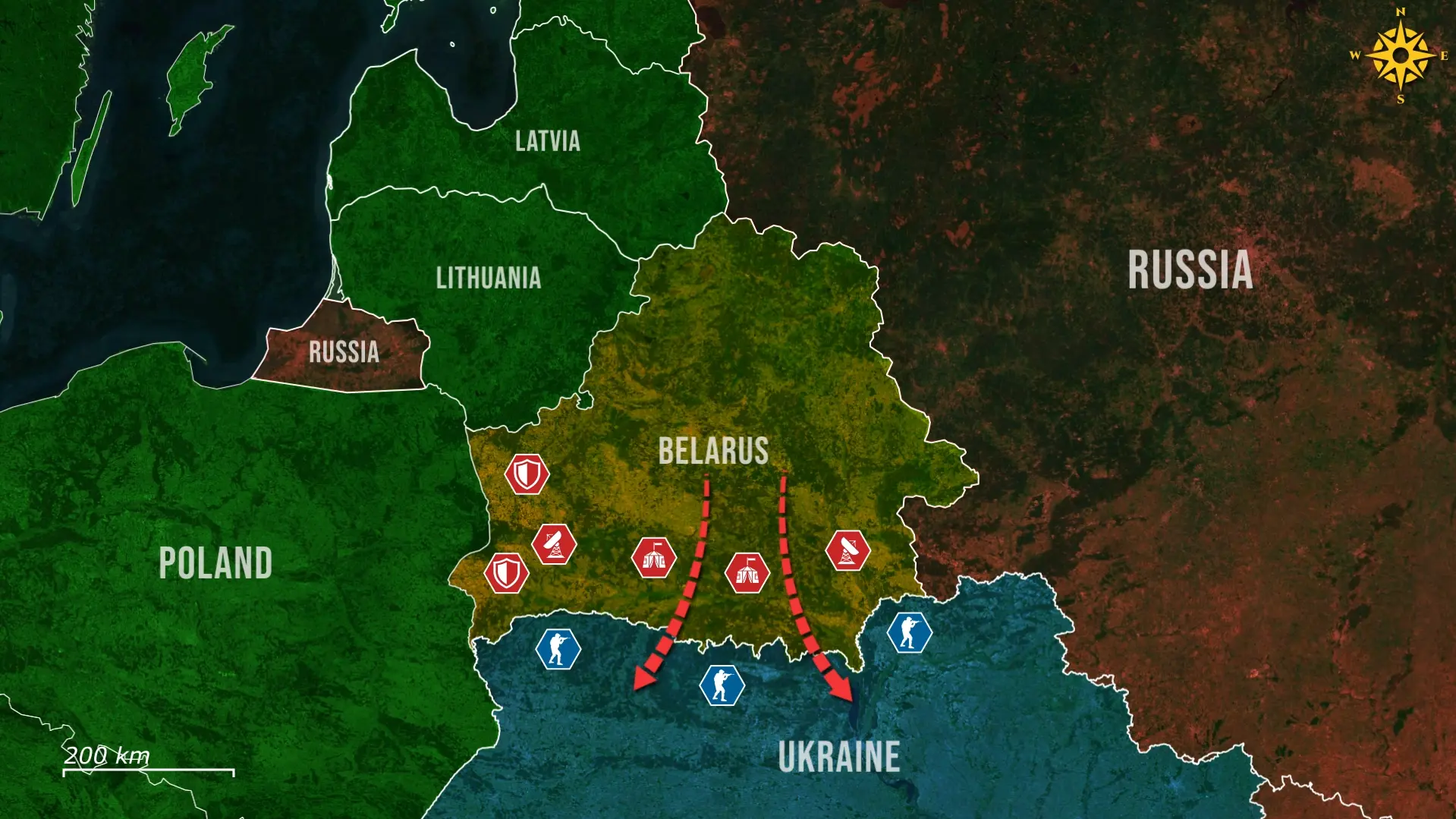
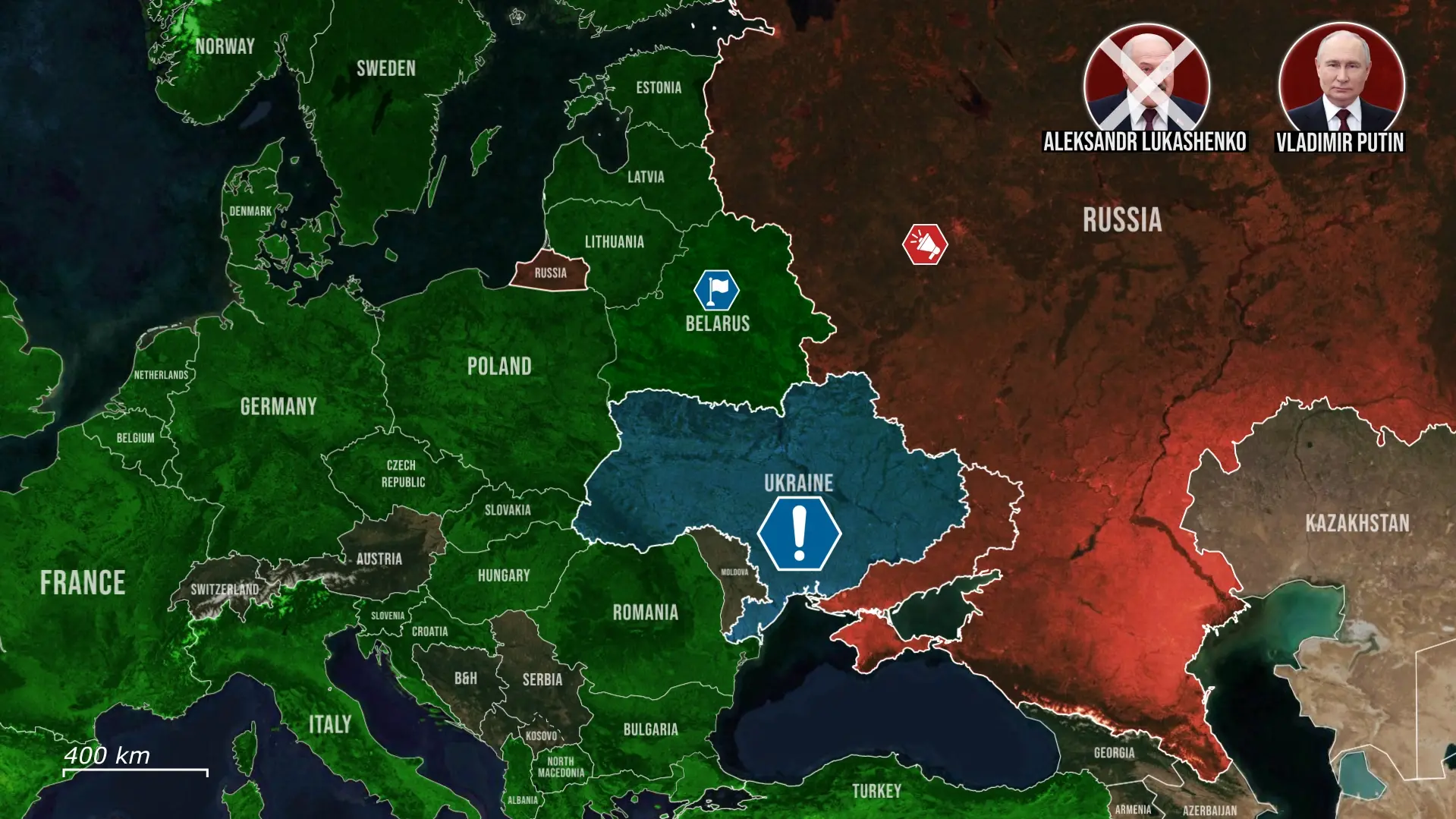
Rail networks running through Belarus also form a key link between central Russia and the western theater. A hostile or unstable government in Minsk could restrict Russian military access, expose infrastructure to Western influence, or disrupt these transport routes. The implications for Ukraine would be significant, as a coup in Belarus could eliminate the constant threat of attacks from the northern direction, allowing Ukraine to redeploy substantial forces to break the Russian offensive in the east.
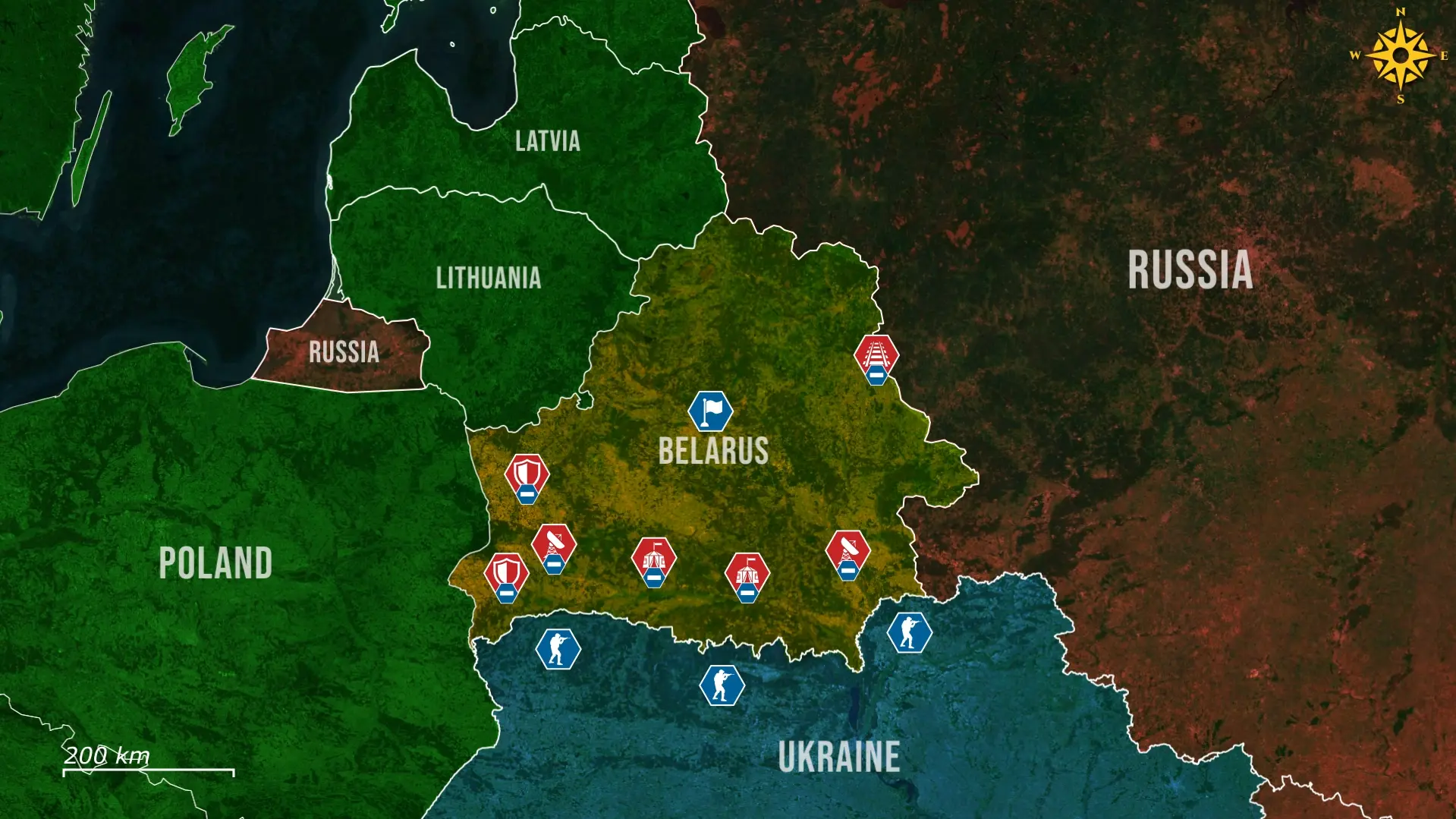
Overall, whether a genuine Western-backed coup plan exists remains unclear, but it is evident that both Russia and Belarus perceive the risk as real enough to warrant serious military preparation and investment. Their intelligence services are actively discussing multiple destabilization scenarios, while Belarus has already begun mobilizing reserves under the cover of readiness checks.
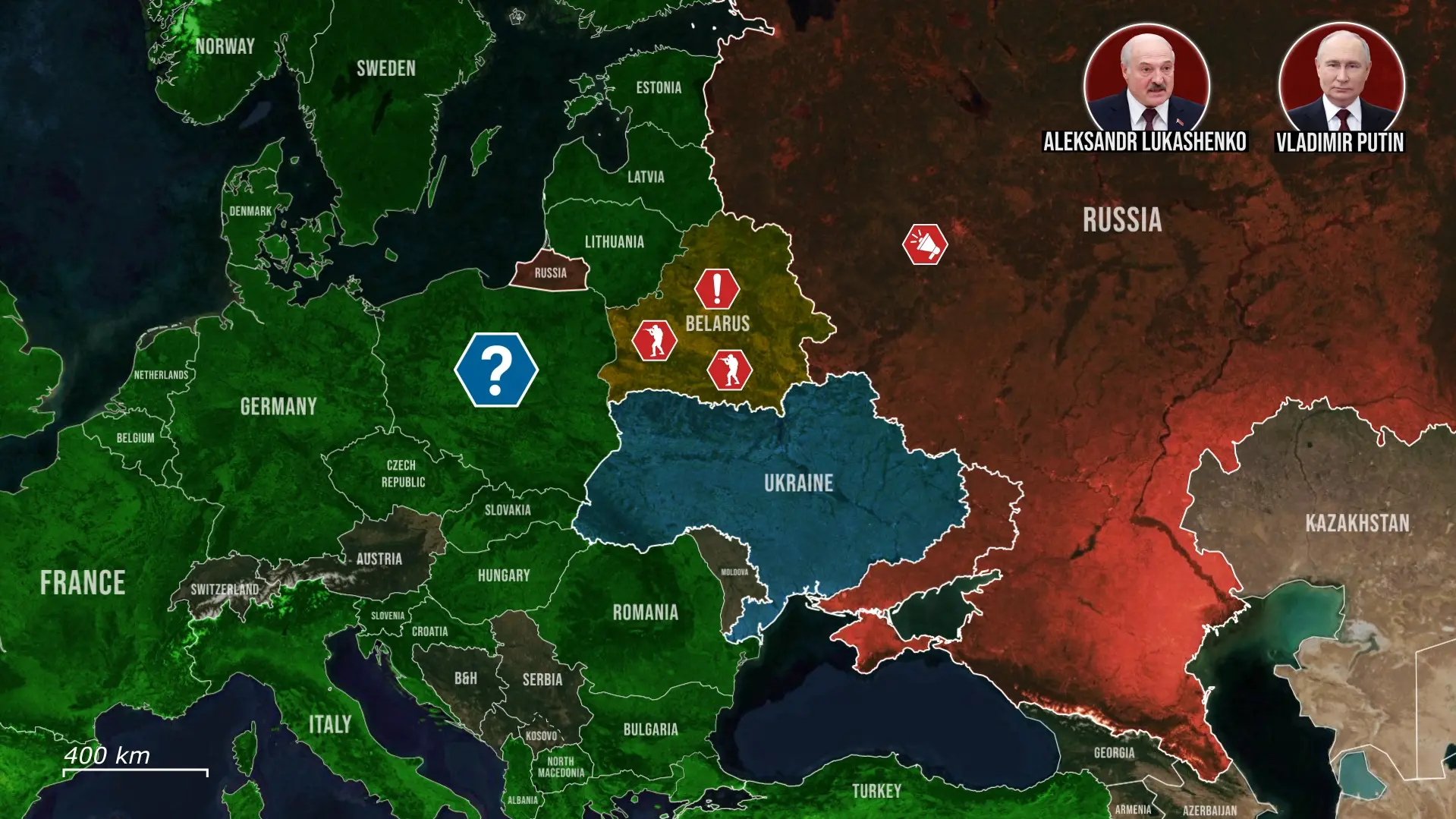
The scale and urgency of these measures reveal deep anxiety, as losing Belarus politically would not only weaken Russia’s strategic depth but also reshape the balance of the war in Ukraine.

.jpg)


Comments