

.svg)
Today, the biggest news comes from the Ukrainian battlefield airspace.
Here, for most of the drone war, the fight was about jamming, rapidly switching frequencies, and who could see or strike first, a balance which was completely upended by the introduction of unjammable fiber optic drones. However, this weapon that initially seemed unstoppable is now encountering physical problems left by the remnants of it’s own design, and it now seems that the window for fiber optic drones is closing itself automatically.
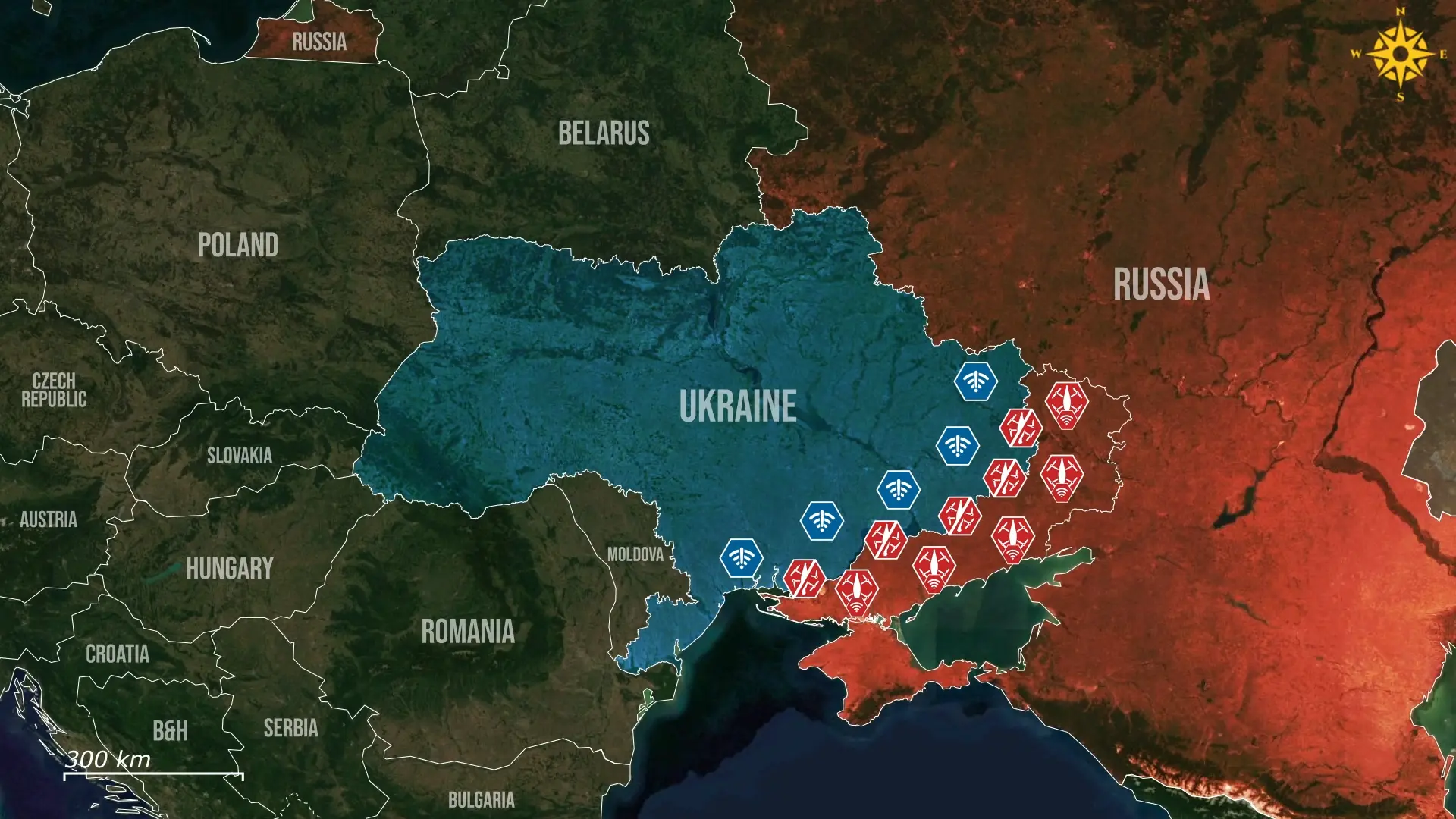
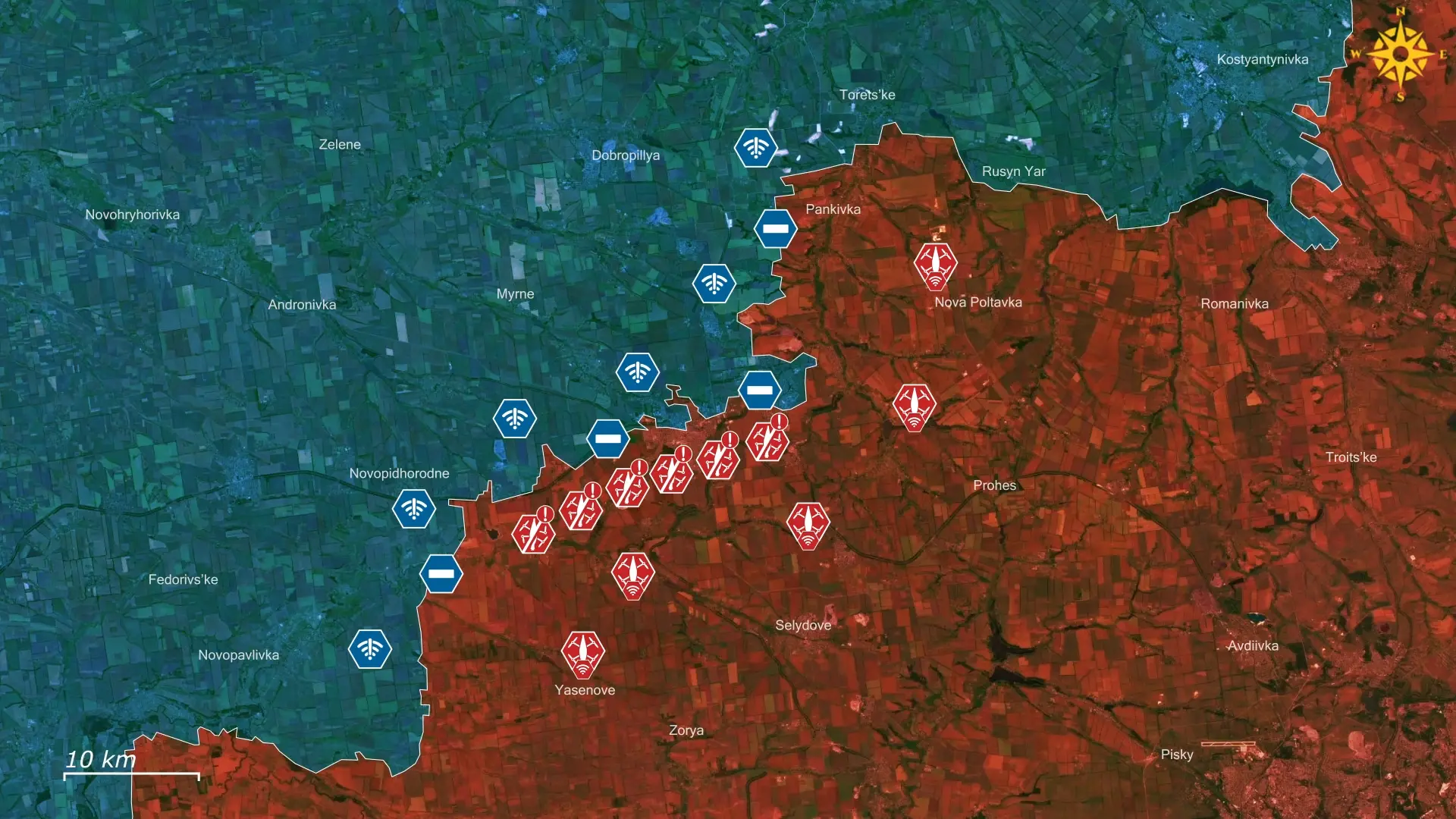
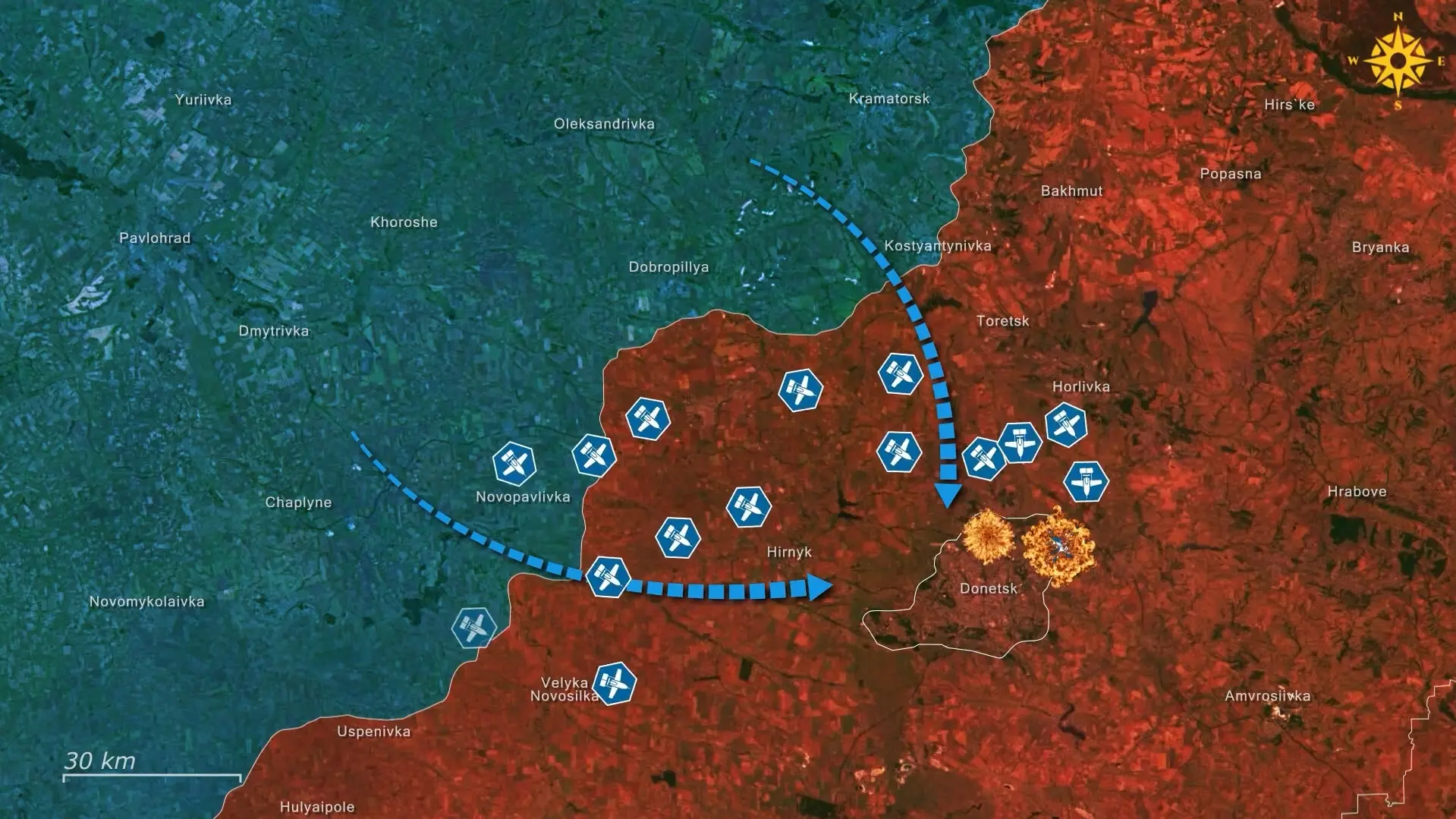
Russian forces have significantly increased the use of fiber-optic FPV drones across multiple sectors of the front. The effect is felt most sharply during routine movements, when even short rotations or resupply runs become high-risk events. Soldiers have reported they now dread rotating in and out of position, because it means exposure to enemy fiber optics. Fiber-optic drones remain controllable through physical cables rather than radio signals, making them effectively immune to jamming and allowing operators to maintain stable control deep beyond the frontline without having to worry about signal dead-zones. This capability compresses defensive space rather than destroying it, forcing Ukrainian units to remain static for longer periods and reducing their ability to relieve exhausted troops. Over time, this creates sustained psychological pressure as much as tactical pressure, because the threat cannot be passively countered through jamming, forcing soldiers to always be on high alert.
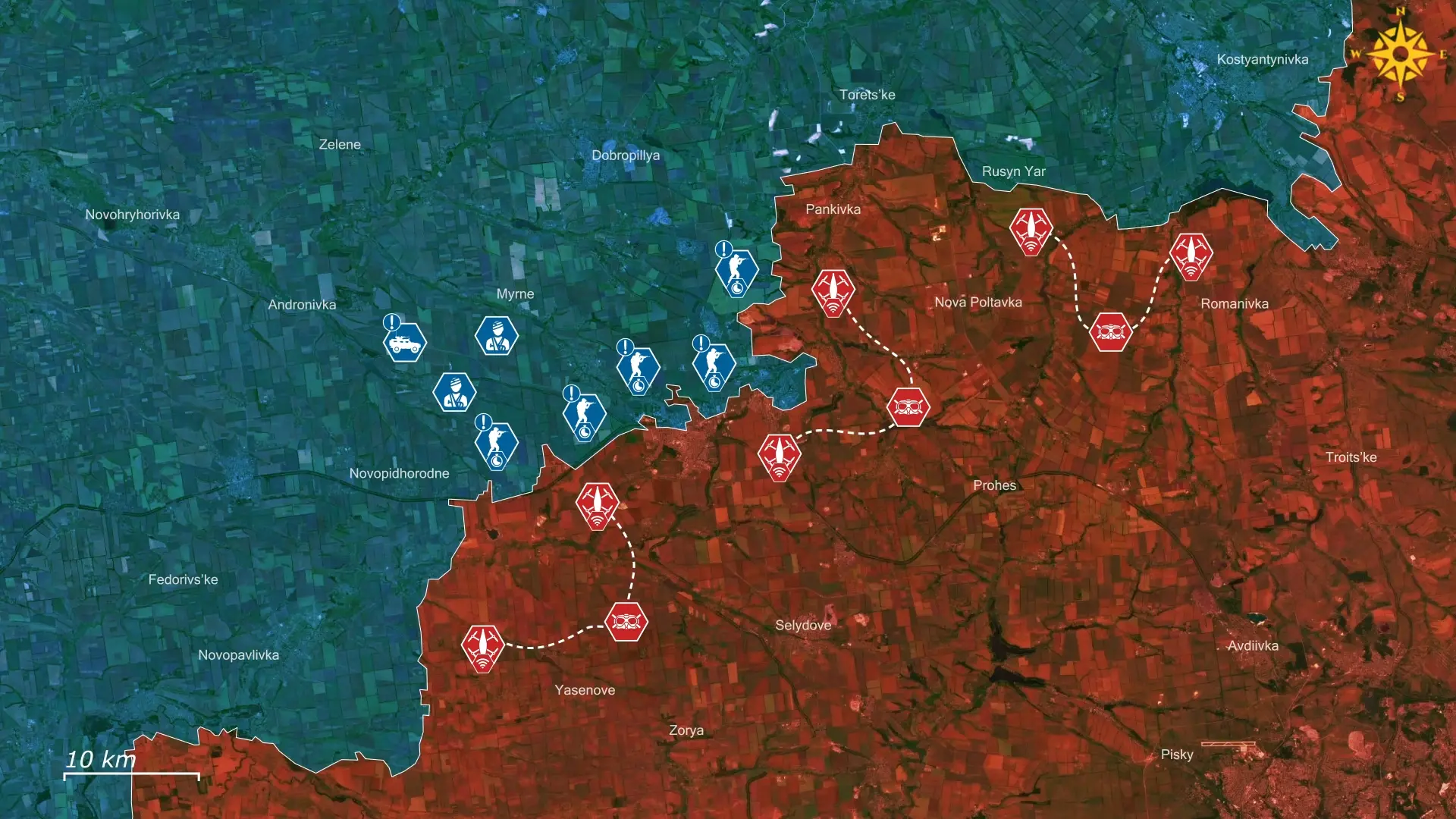
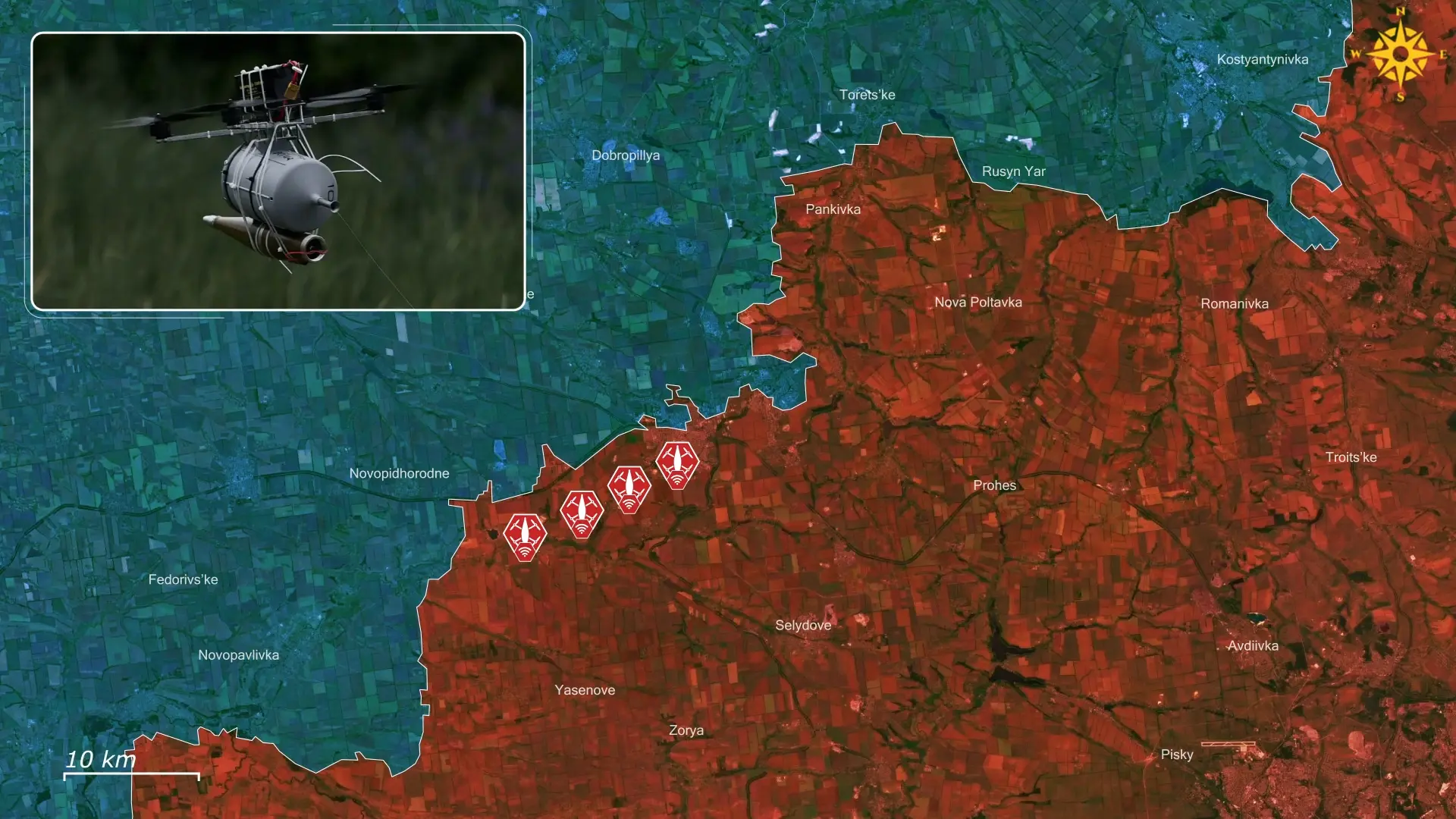
However, something new is happening in an increasing number of areas where these drones have been used in high numbers. The ultra thin wires left behind by earlier fiber-optic drones do not disappear after impact or loss, as the guidance wire that uncoils behind them during flight remains suspended across forests, plantations, and fields.
Over weeks and months of high intensity combat and drone usage, these strands accumulate into dense, spiderweb-like fiberglass nets stretching between branches and vegetation. In cold conditions, the fibers catch light and frost, creating a beautiful but deadly testament that masks a growing hazard in the low-altitude airspace.
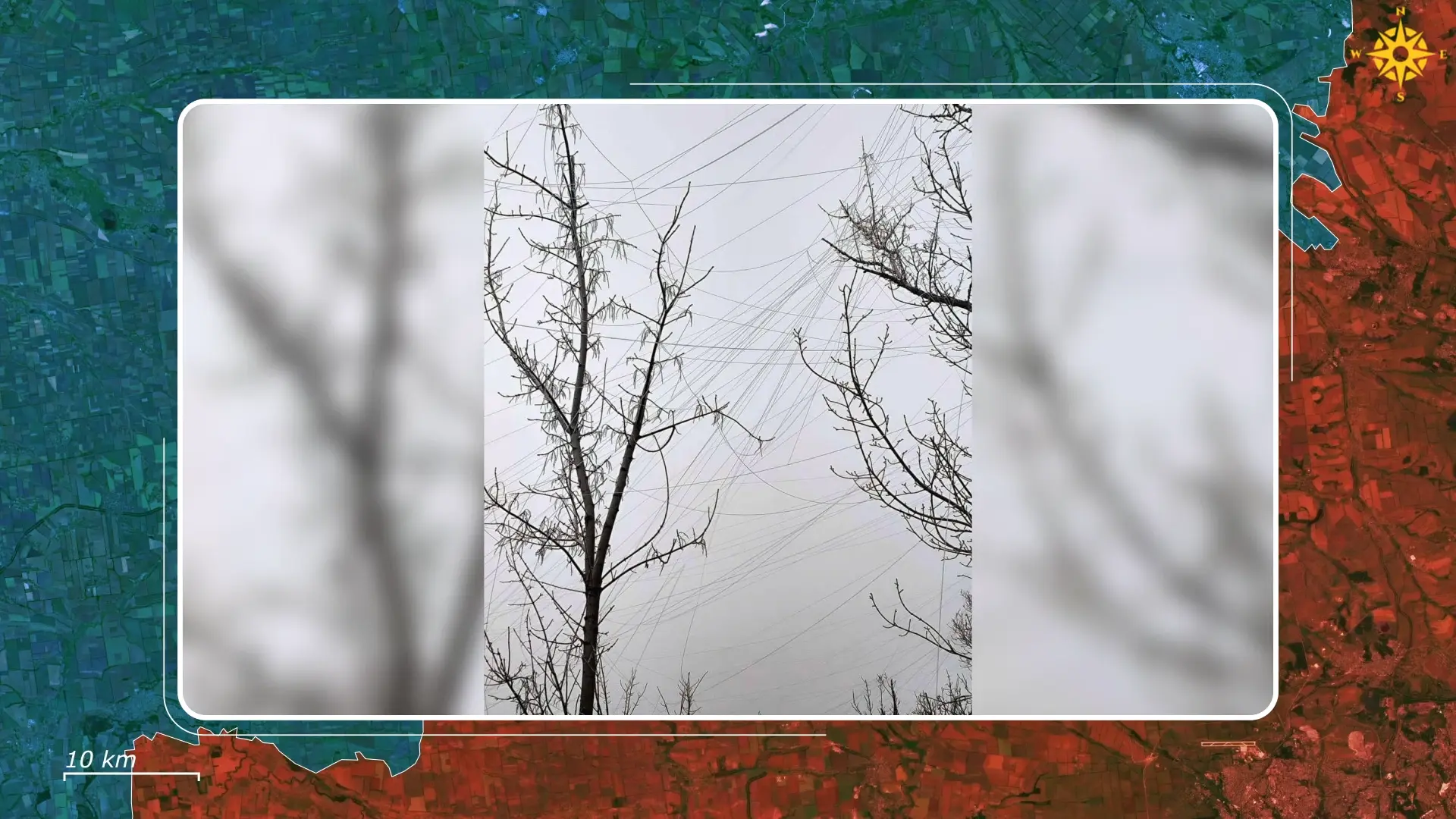
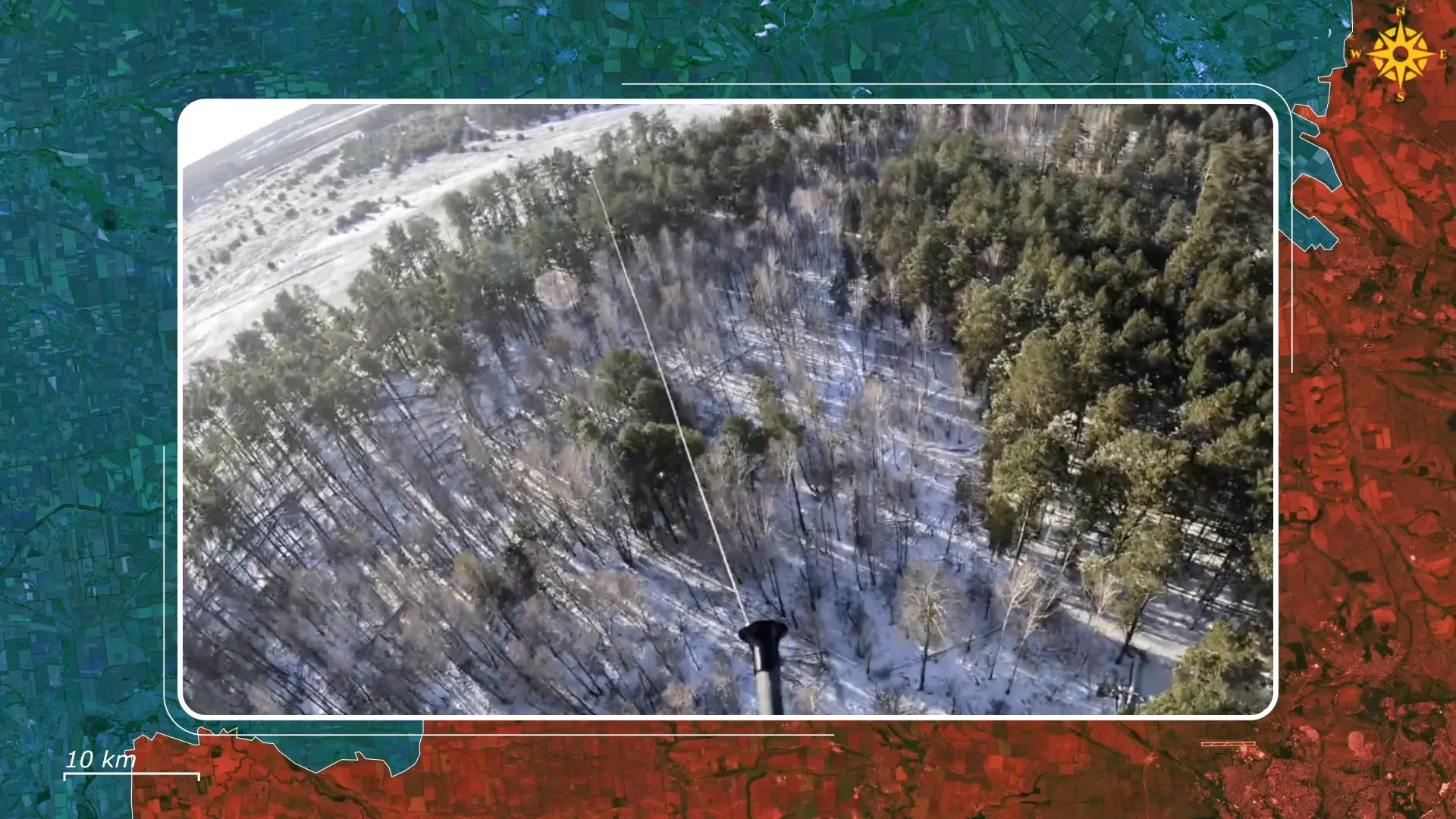
However, these fiberglass webs are extremely dangerous to incoming drones of all types, as exposed propellers and motors are easily entangled regardless of the control system. As the wires are so thin, operators find them near-impossible to detect through the camera of the drone, as the only existing footage and evidence is shot from above and with perfect lighting.
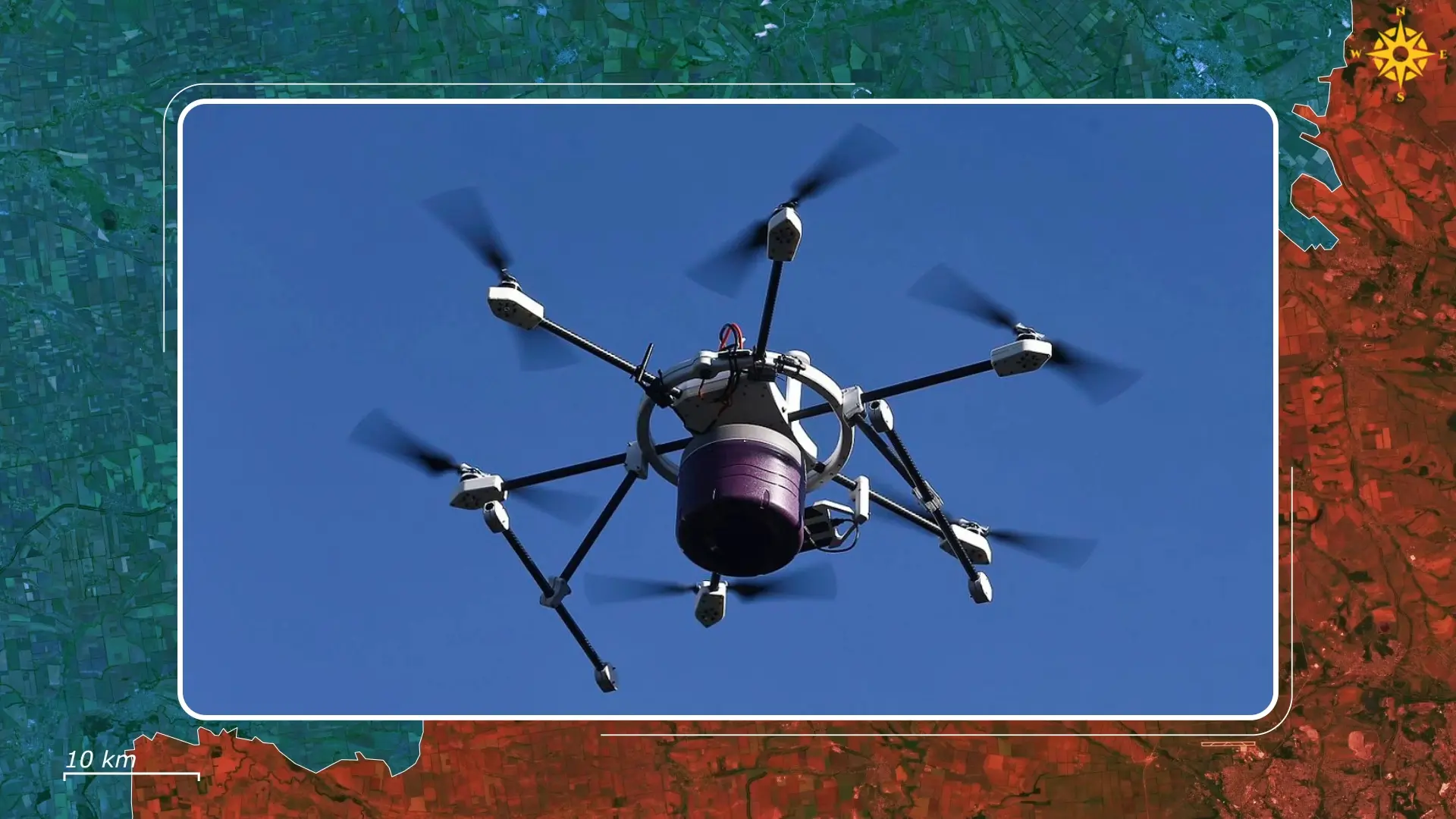
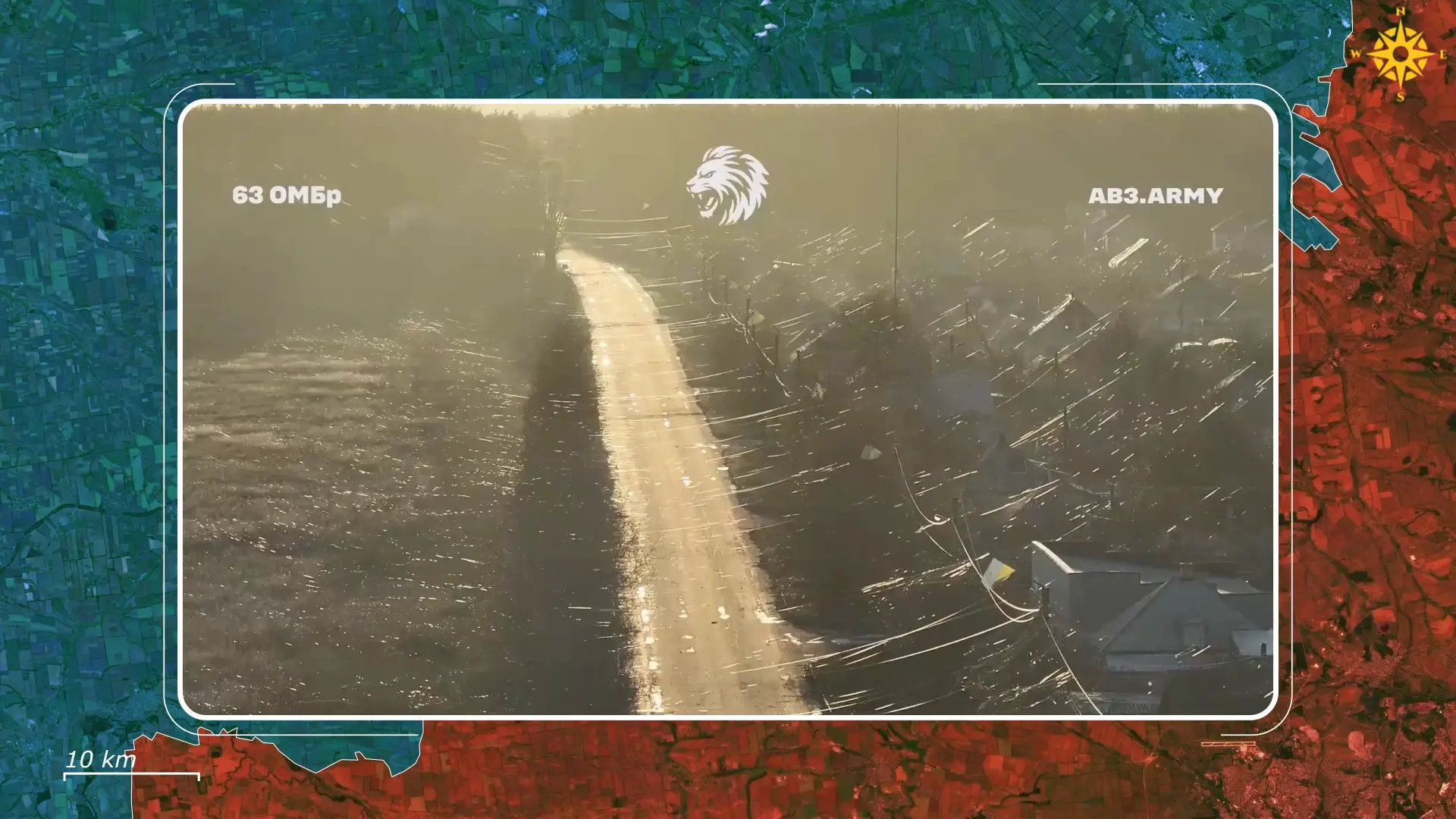
When a drone then unknowingly flies through the strands, the fibers instantly wrap around the spinning blades, pull into the motors, and cause an immediate and complete mechanical failure. Entanglement typically results in immediate loss of the drone, creating attrition without any active defensive engagement.
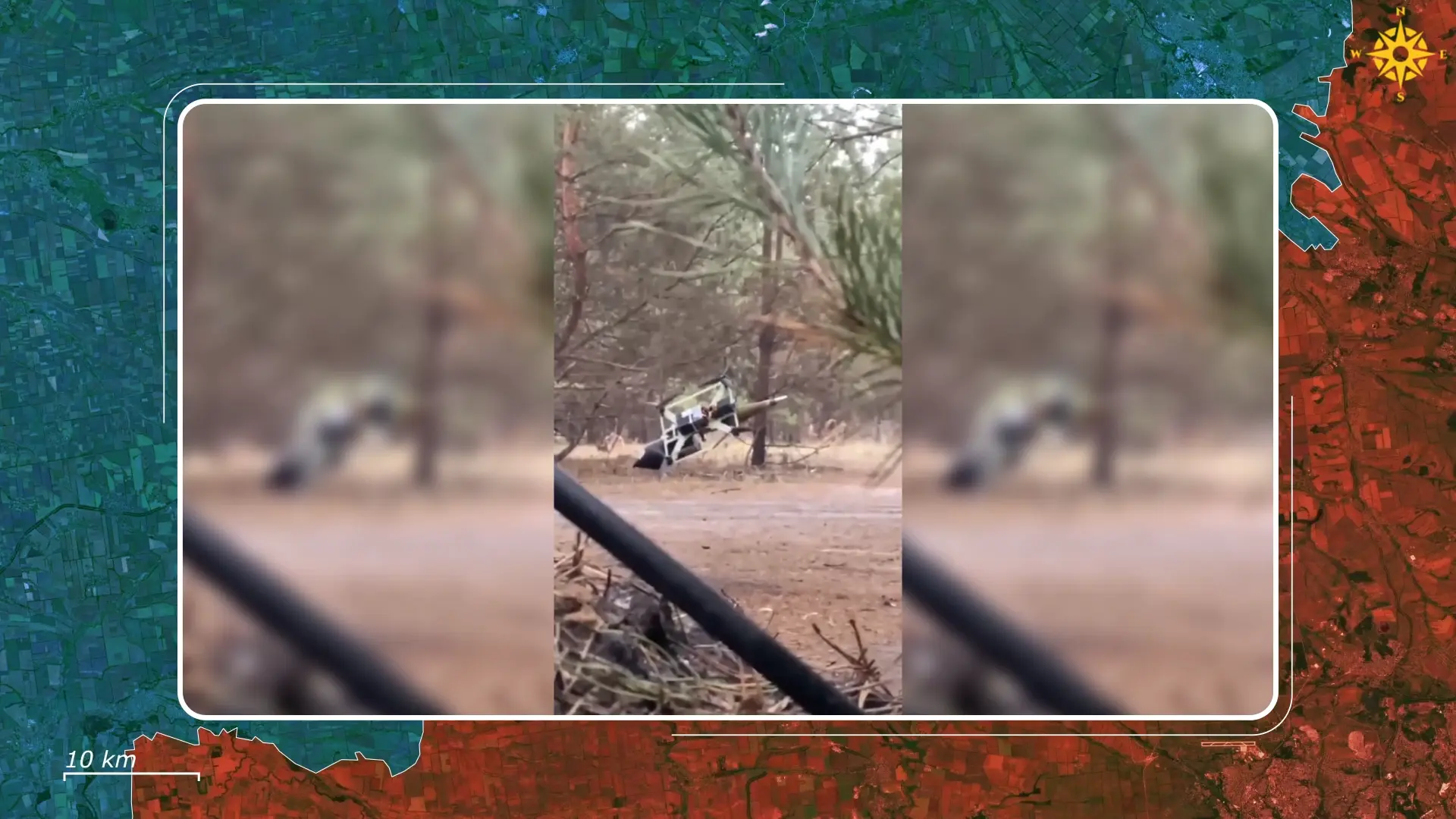
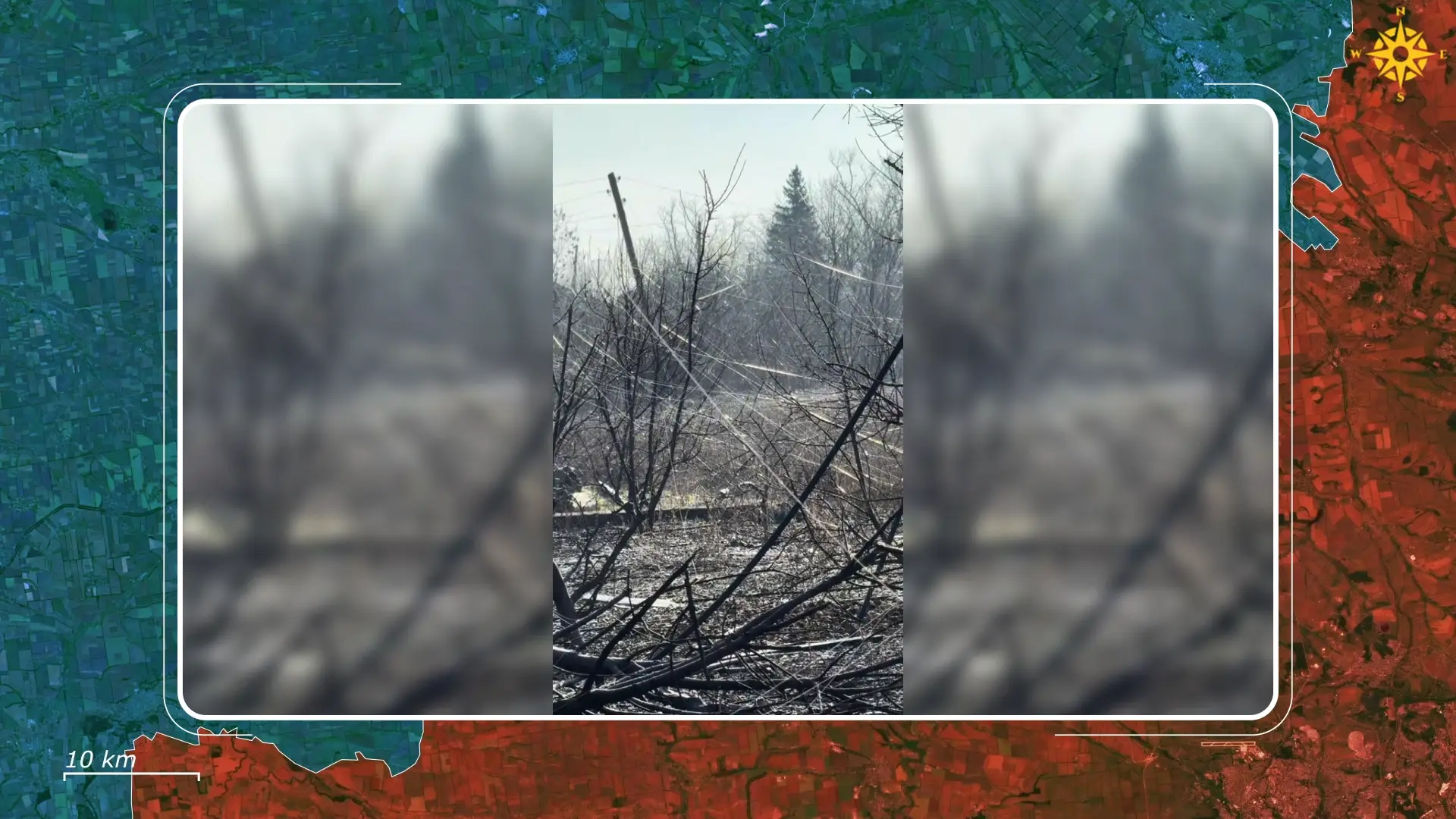
The practical effect is deeply ironic because Russia’s earlier drone waves are now passively protecting Ukrainian defenders. In practice, fiber-optic drones are highly effective when first introduced into a sector, as the airspace is still relatively clear. As usage continues, however, the accumulation of cable debris steadily turns that same airspace into a hazardous environment. Drone operators are forced to break into forests through a shrinking number of natural openings, as the safest and most efficient flight corridors are used first and gradually clogged by accumulated wires.
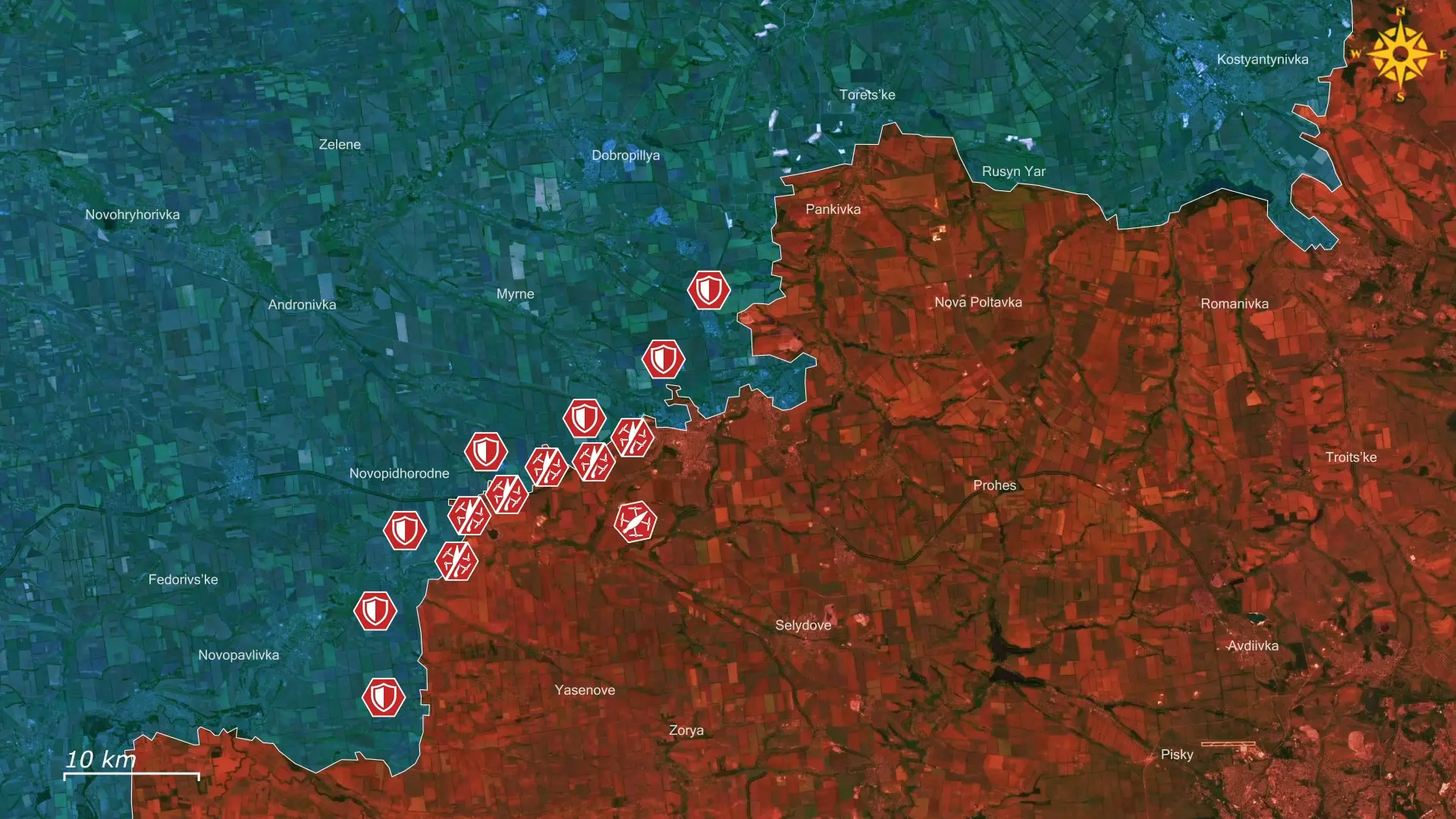
Operators are then pushed onto longer, more exposed routes through denser vegetation, increasing battery consumption and reducing loiter time. This also makes drones more vulnerable to wind, branches, and flying past drone-hunting infantry patrols, which lowers strike efficiency and shortens operational windows.
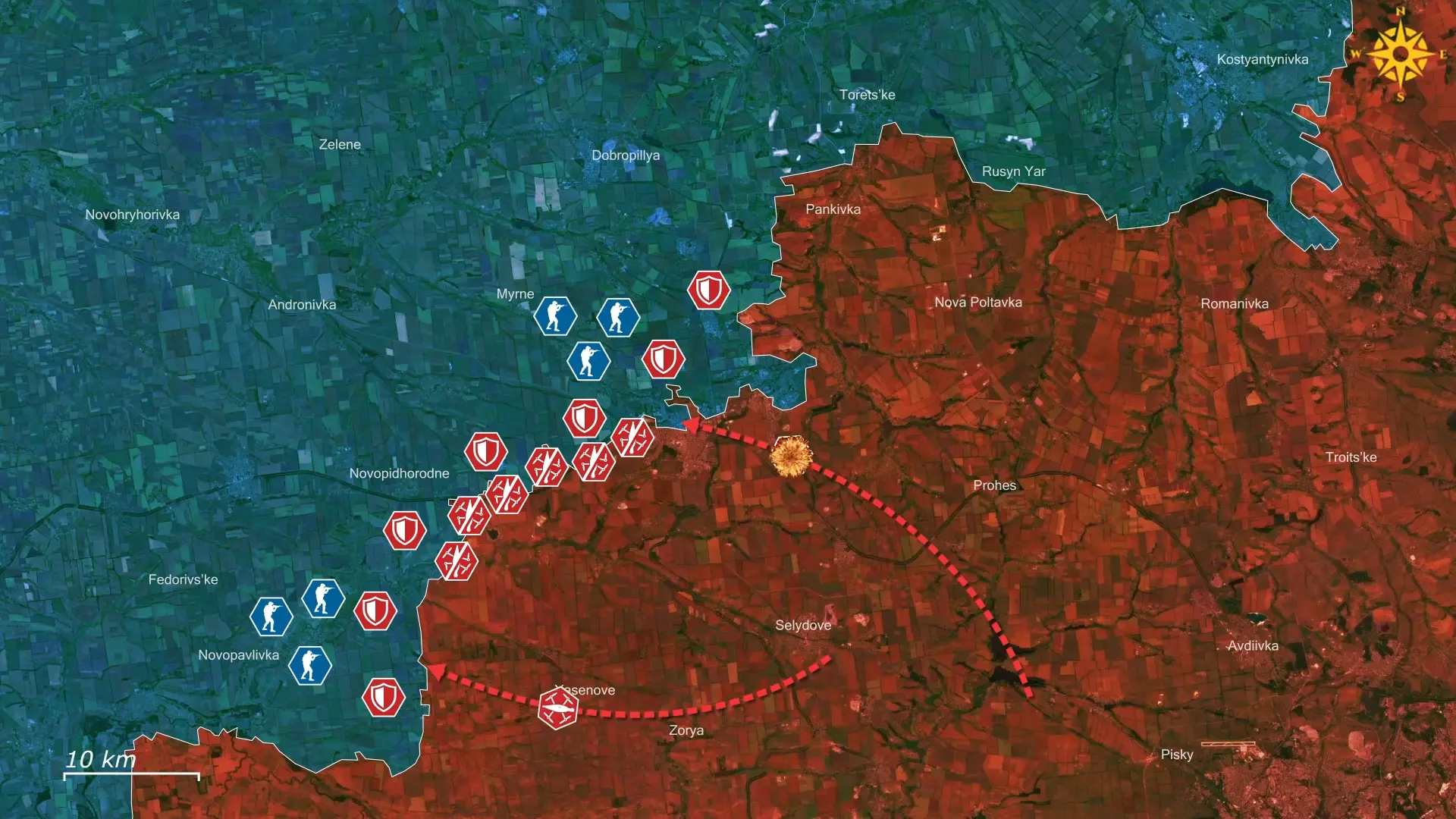
For Ukrainian defenders, this creates a strange form of protection that requires no active systems or coordination. Most notably, positions or supply routes that were heavily targeted earlier on in a given battle become the first to experience this effect. However at the same time, Ukrainian drones face the same risks, forcing constant adjustments in launch distance, altitude, and approach angles.
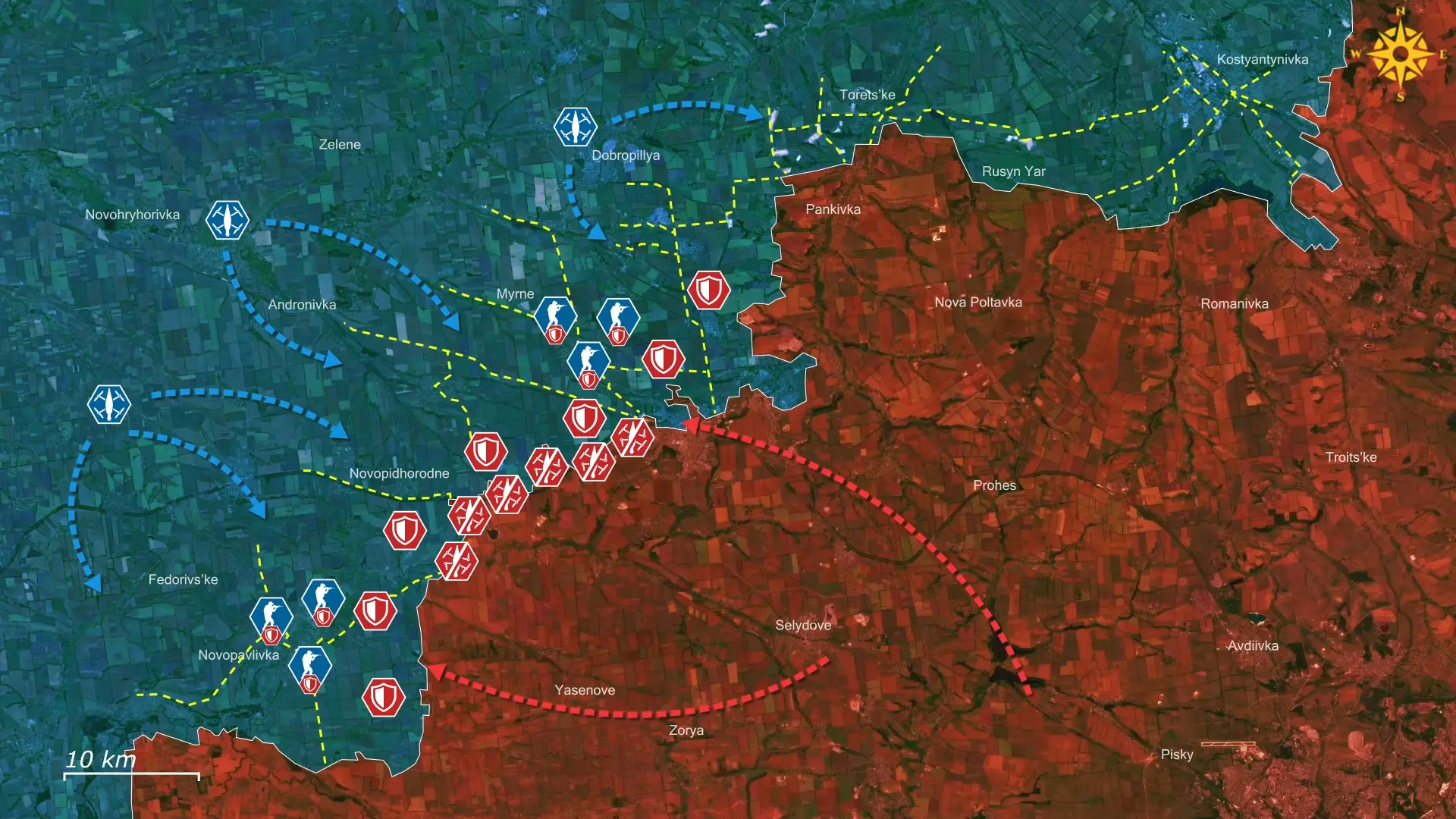
Overall, what began as a solution to electronic warfare has introduced a mechanical constraint that cannot be suppressed or bypassed electronically. This development highlights how unpredictable modern battlefields have become, as a technology designed to bypass jamming now restricts aerial operations for all sides. Yesterday’s threat has gradually transformed into today’s defense through accumulation rather than deliberate design. The war in the air is no longer shaped only by signals and sensors, but by what hangs between the trees.

.jpg)



Comments