

.svg)
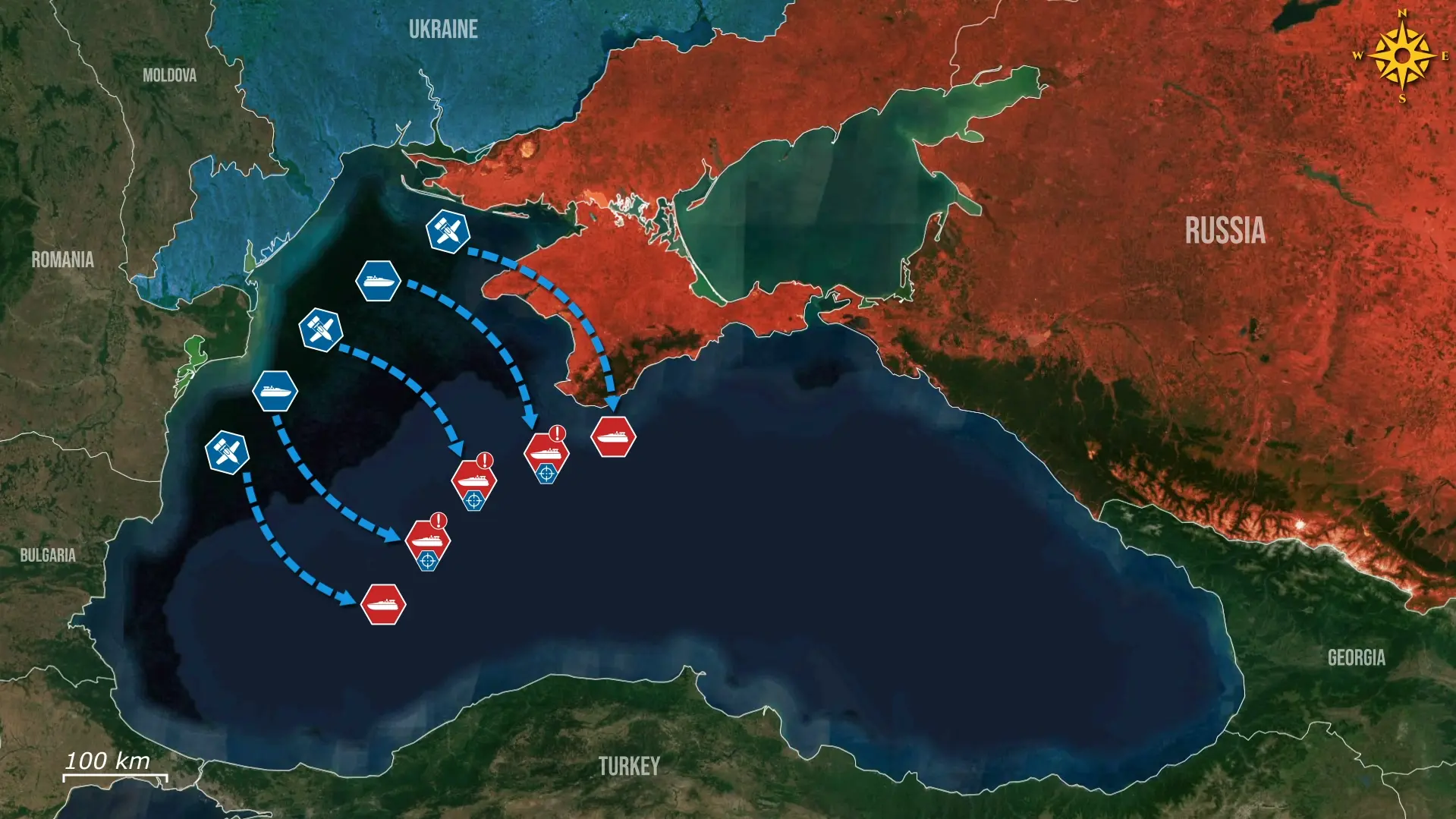
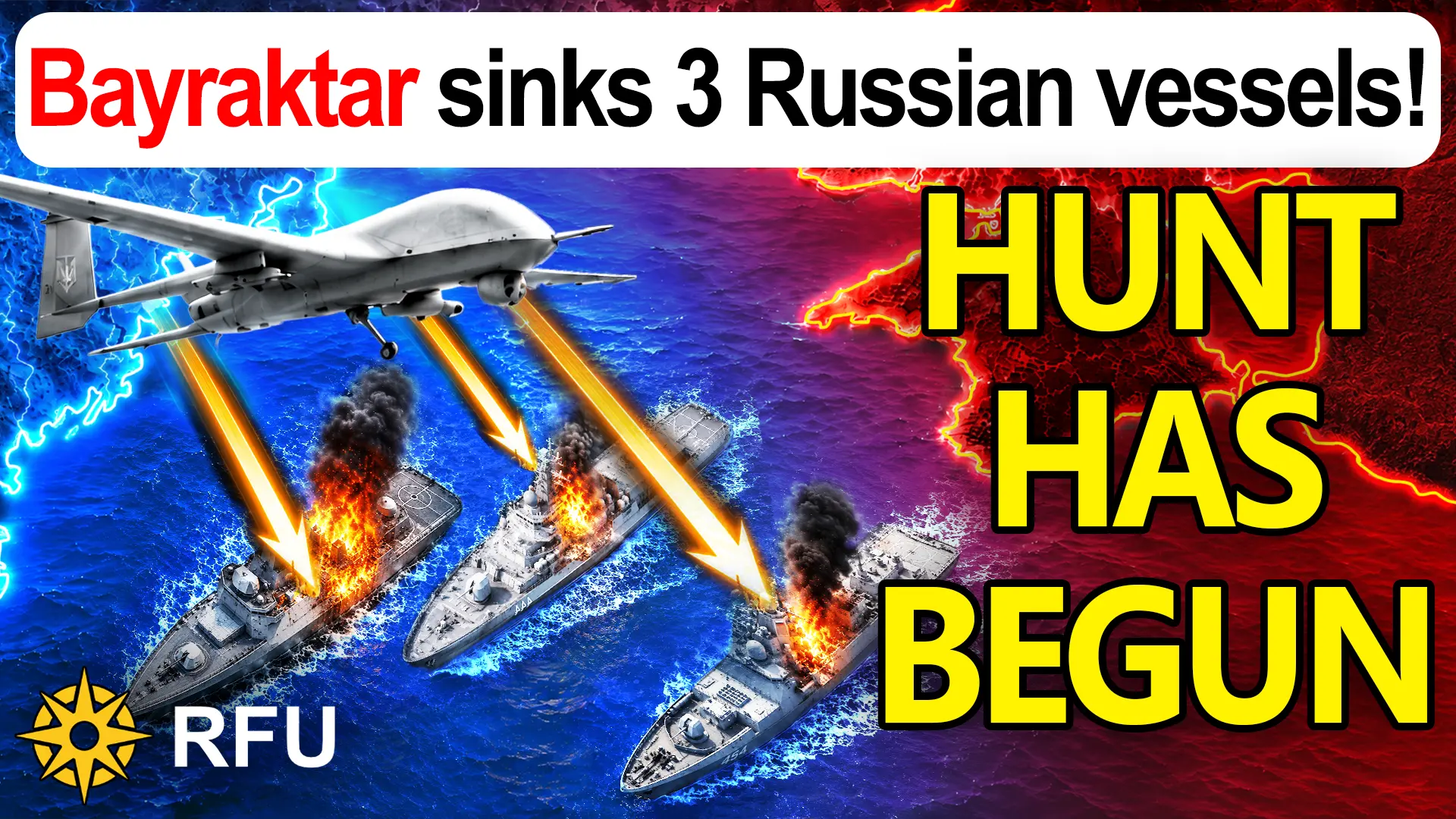
In recent updates, Ukrainian Bayraktar drones have destroyed three Russian naval drones in the Black Sea, preventing them from continuing their mission. The strikes were carried out before the uncrewed surface vessels could reach their intended operating area, demonstrating that Ukraine is already actively hunting this newly emerging threat. The engagement also highlights a significant shift in the naval dimension of the conflict, as for much of the war, Ukraine relied on naval drones to challenge Russia's conventional naval superiority. Those attacks forced the Russian Black Sea Fleet to reduce its freedom of movement and withdraw many of its major warships from their traditional operating areas. Russia has now begun adopting the same concept by fielding its own naval drones in an effort to threaten Ukrainian coastal infrastructure and maritime operations. Ukraine's rapid response in destroying these three Russian drones shows that it is determined to deny Russia the opportunity to establish a similar capability. As Bayraktar drones prove themselves as an effective first line of defense against emerging Russian maritime threats.
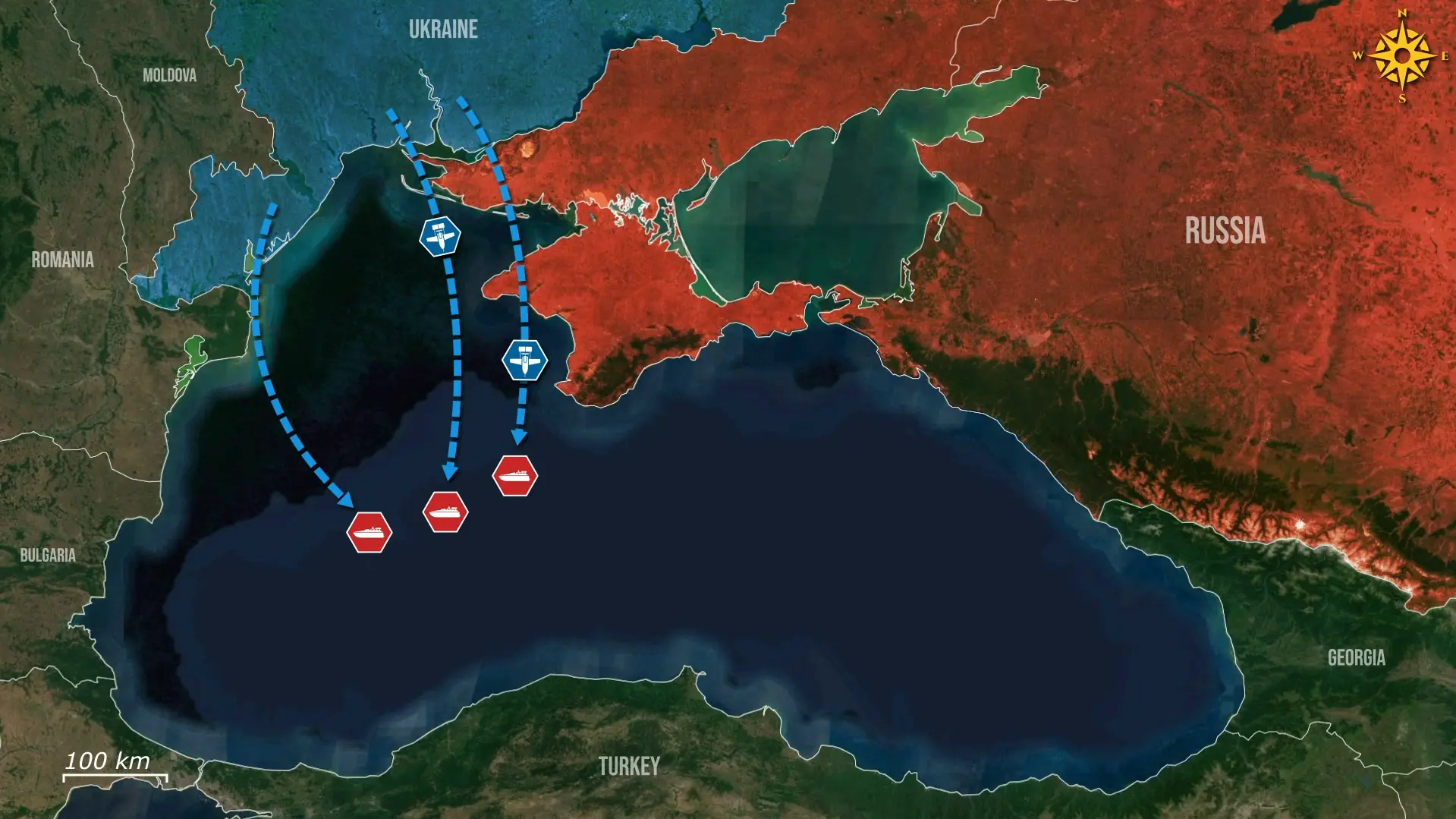
Russia's decision to develop new naval drone models reflects the changing balance of power in the Black Sea. Since the beginning of Ukraine's maritime drone campaign, the Russian Black Sea Fleet has lost much of its operational freedom, as persistent Ukrainian attacks have forced many of Russia's major warships to remain in protected ports, limiting their ability to patrol the northwestern Black Sea. In practice, the fleet only leaves the safety of the coastline to screen the area before launching cruise missile strikes against Ukraine. Naval drones offer Russia a way to restore some of the offensive capability at sea it has lost. These uncrewed surface vessels are inexpensive and can threaten ships and maritime infrastructure without exposing valuable warships to direct Ukrainian attacks. They can also be deployed in large numbers and are generally difficult to spot, forcing Ukrainians to monitor wide areas extremely closely and intercept multiple targets simultaneously.
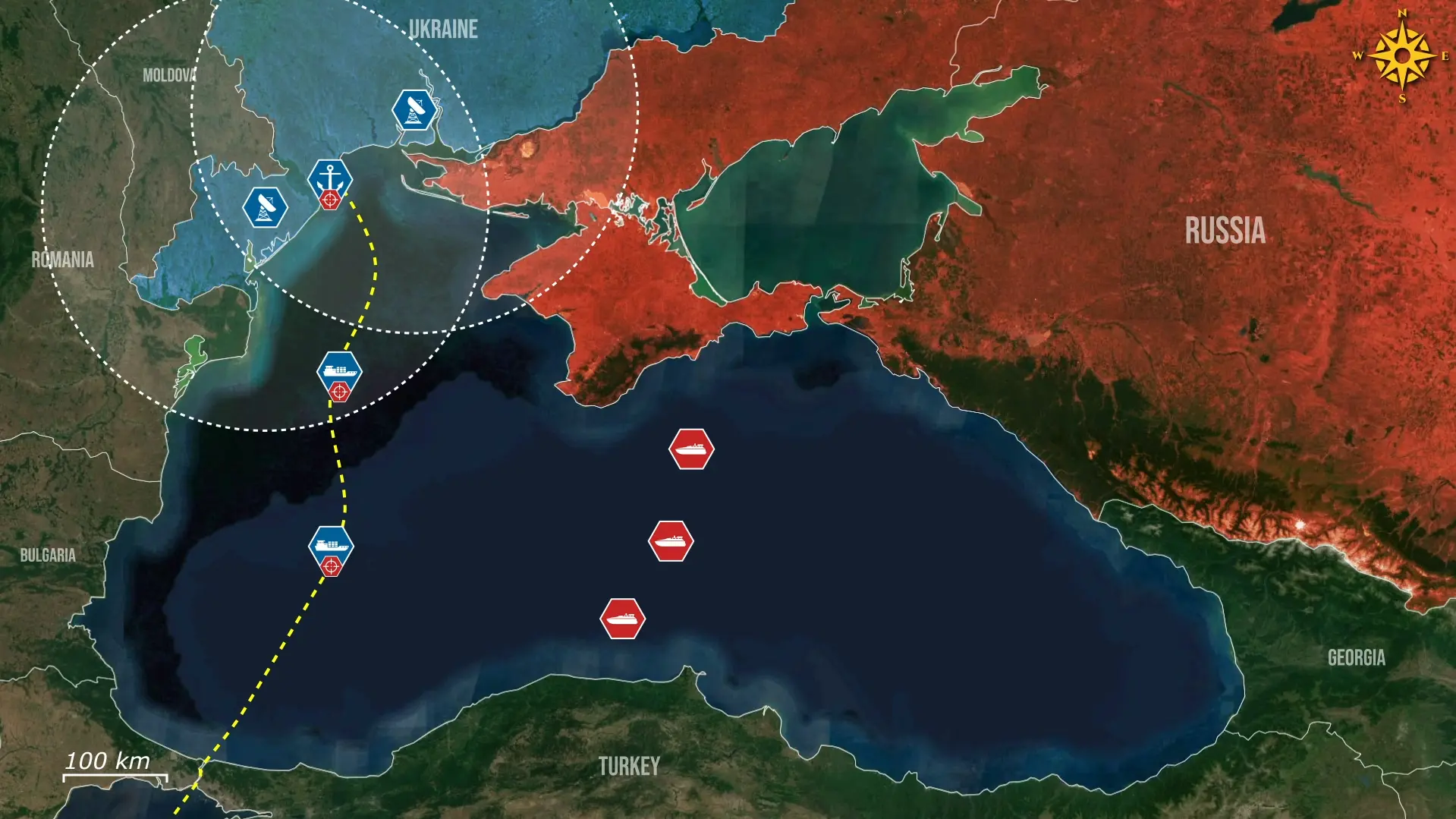
This mirrors the strategy that Ukraine has used successfully against Russian naval forces throughout the war. Control of the Black Sea is strategically important because it shapes both sides' ability to sustain the war. Ukraine seeks to deny Russia the freedom to move military supplies and generate revenue from maritime exports. Additionally, control of the black sea also extends into the sky; with no Russian ships active here, they cannot detect or intercept strikes as effectively; which effect we can see as Ukrainian strikes on Russian-controlled Crimea and refineries in the south almost always pass over the Black Sea first. By introducing its own naval drones, Russia hopes to impose these costs on Ukraine, as the goal is to complicate Ukrainian maritime operations and gradually contest Ukraine's growing freedom of action in the Black Sea without risking the fleet's remaining high-value warships.
Ukraine is treating the emergence of Russian naval drones as a serious new threat. Even relatively small uncrewed surface vessels can carry explosive payloads capable of damaging patrol boats, logistics hubs, or other critical coastal infrastructure that Ukraine relies on for both military and civilian use. A coordinated swarm attack would disrupt commercial shipping and increase the pressure on Ukraine's maritime supply routes. Although these systems cannot replace conventional warships, they offer Russia a cost-effective means of conducting persistent maritime attacks while reducing the risk to its own fleet.
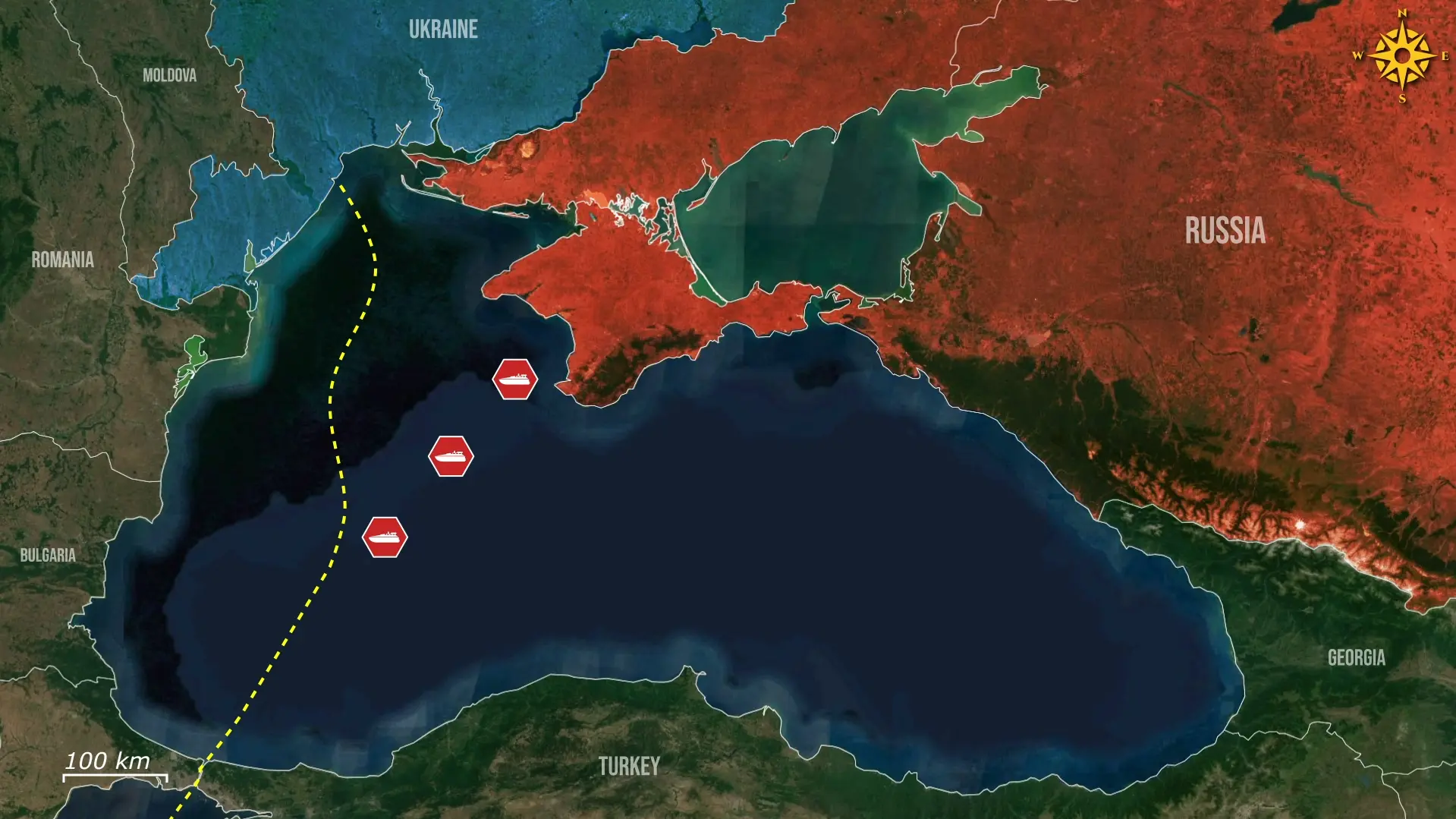
Countering this threat requires a layered approach, so early detection is essential in allowing Ukrainian forces to identify naval drones before they reach their intended targets. A combination of coastal surveillance, aerial reconnaissance and intelligence can provide the warning needed to intercept them at sea. The recent Bayraktar strikes demonstrate that armed drones can play a key role in this defense by locating and destroying hostile naval drones before they enter the final phase of an attack. When combined with naval patrols and physical barriers protecting key ports, Bayraktars become part of a broader defensive network designed to deny Russia the opportunity to establish an effective naval drone campaign in the Black Sea.
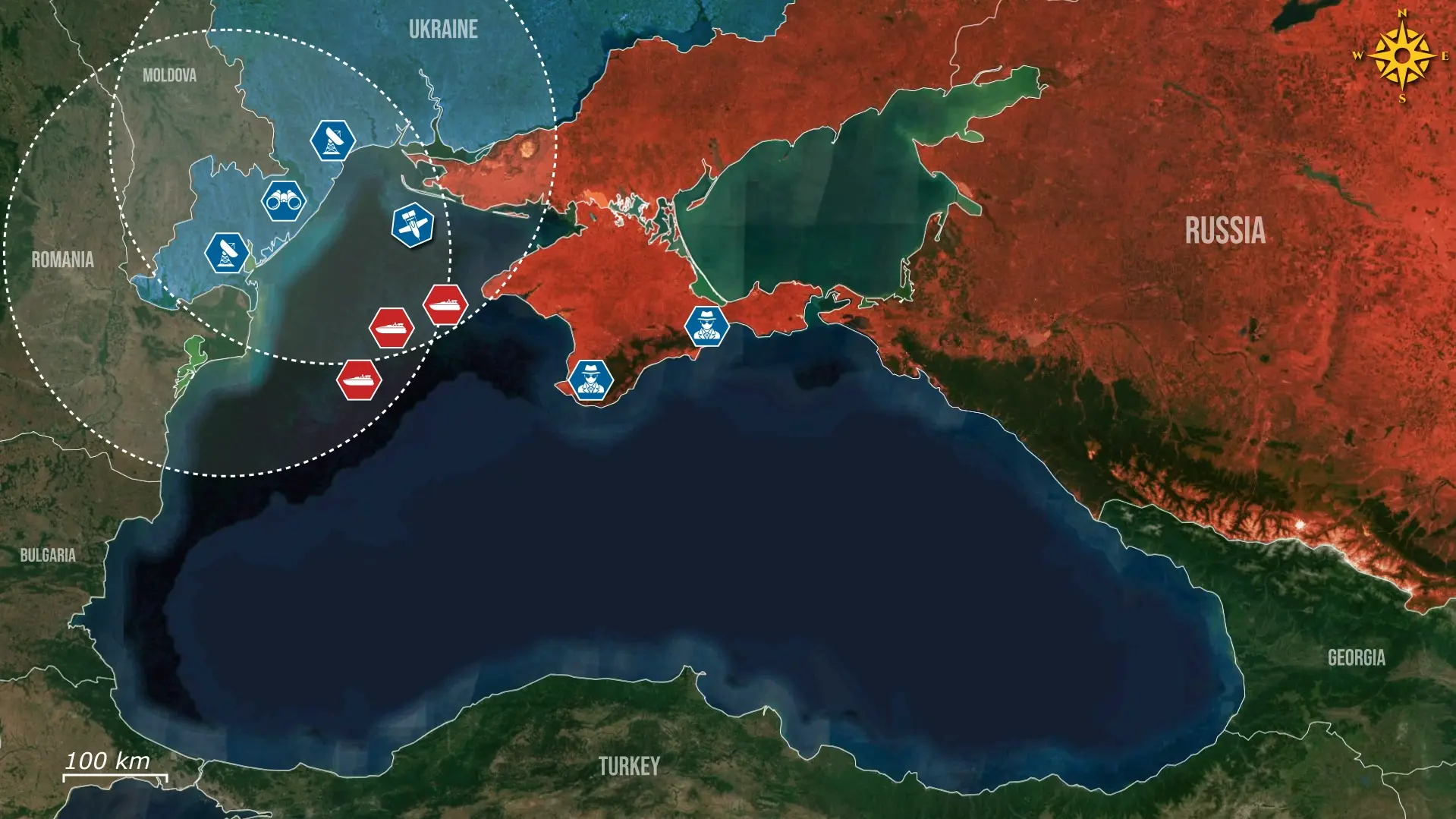
Overall, the appearance of Russian naval drones marks the beginning of a new stage in the contest for control of the Black Sea, but Ukraine has already demonstrated that these systems are vulnerable to timely detection and aerial interception. The successful Bayraktar strikes show that Russia cannot assume its uncrewed surface vessels will enjoy the same operational freedom that enabled Ukraine's own maritime drone campaign to reshape the naval balance. As both sides continue to expand their unmanned capabilities, success will depend less on the drones themselves and more on the ability to integrate them into a functional defensive network. Ukraine's early success in hunting Russian naval drones therefore strengthens its prospects of preserving maritime freedom of action while denying Russia an effective tool for challenging the existing balance in the Black Sea.
.jpg)

Comments