

.svg)
Today, the biggest news comes from Ukraine.
Here, the expanding role of Ukraine’s Unmanned Systems Forces confront Russia’s most advanced drone formations under Magyar’s leadership. This confrontation has become especially visible in the Pokrovsk sector, where Ukrainian unmanned units are now outperforming Russia in the very drone warfare Russia once claimed as its advantage.
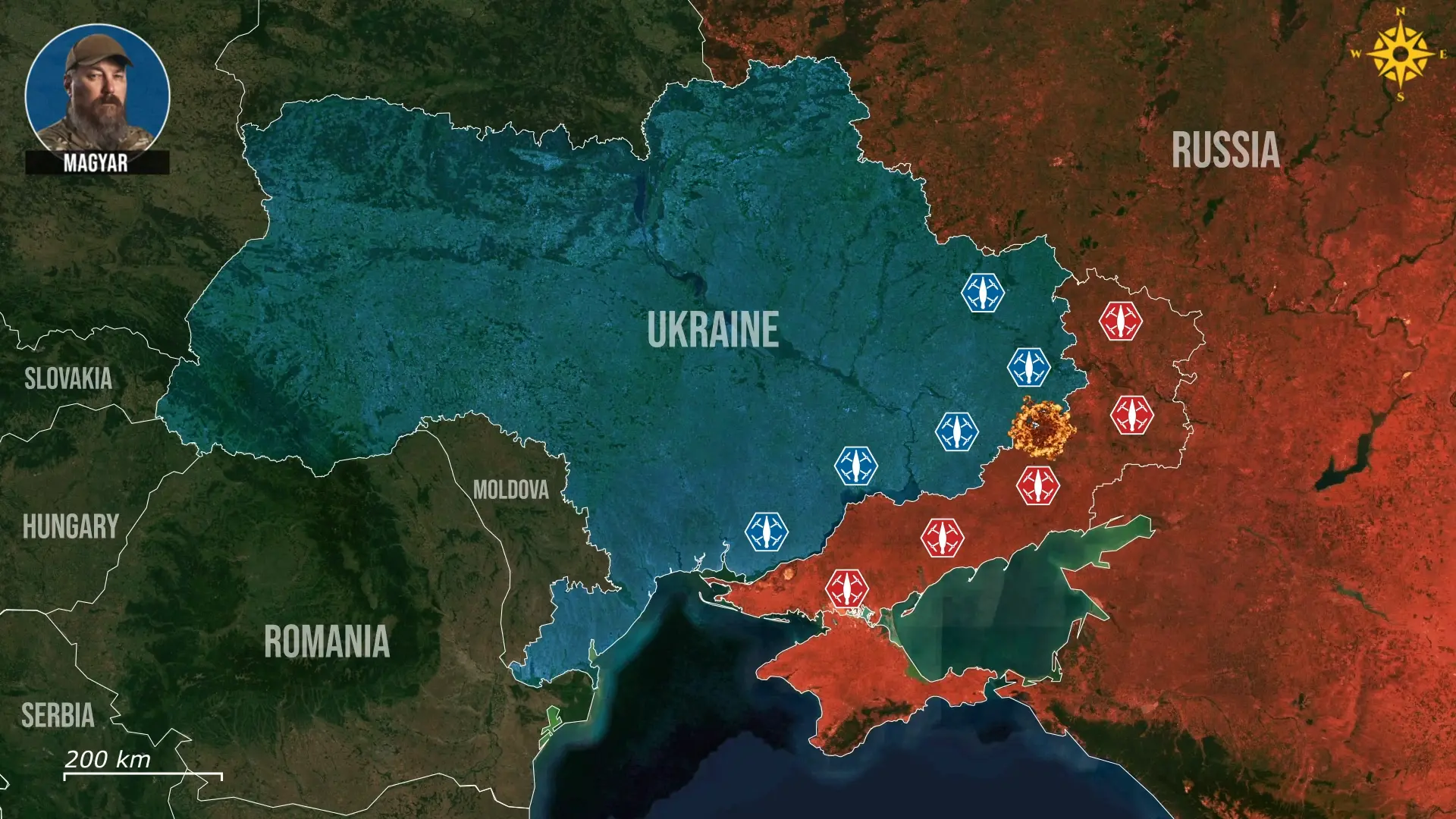
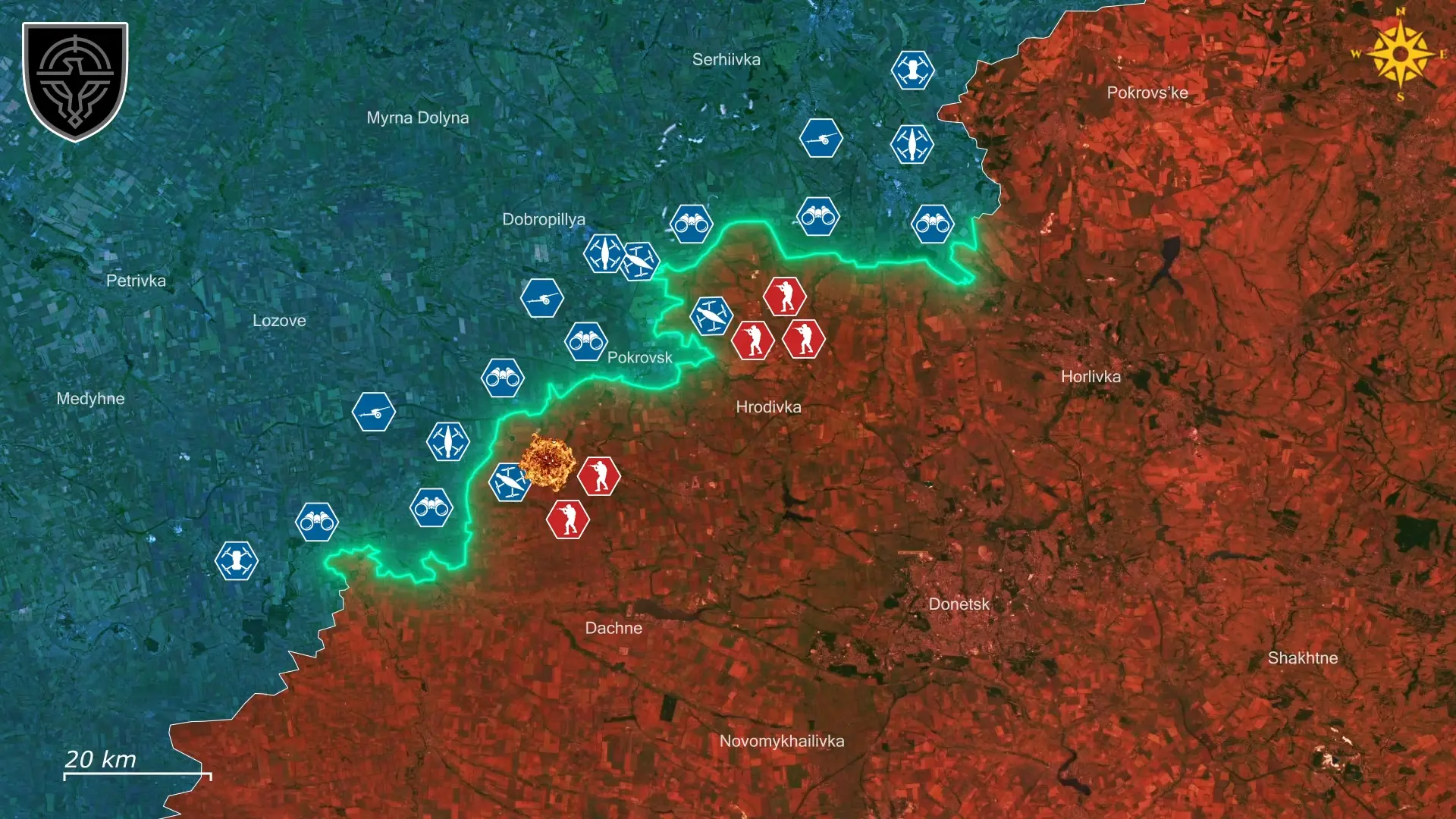
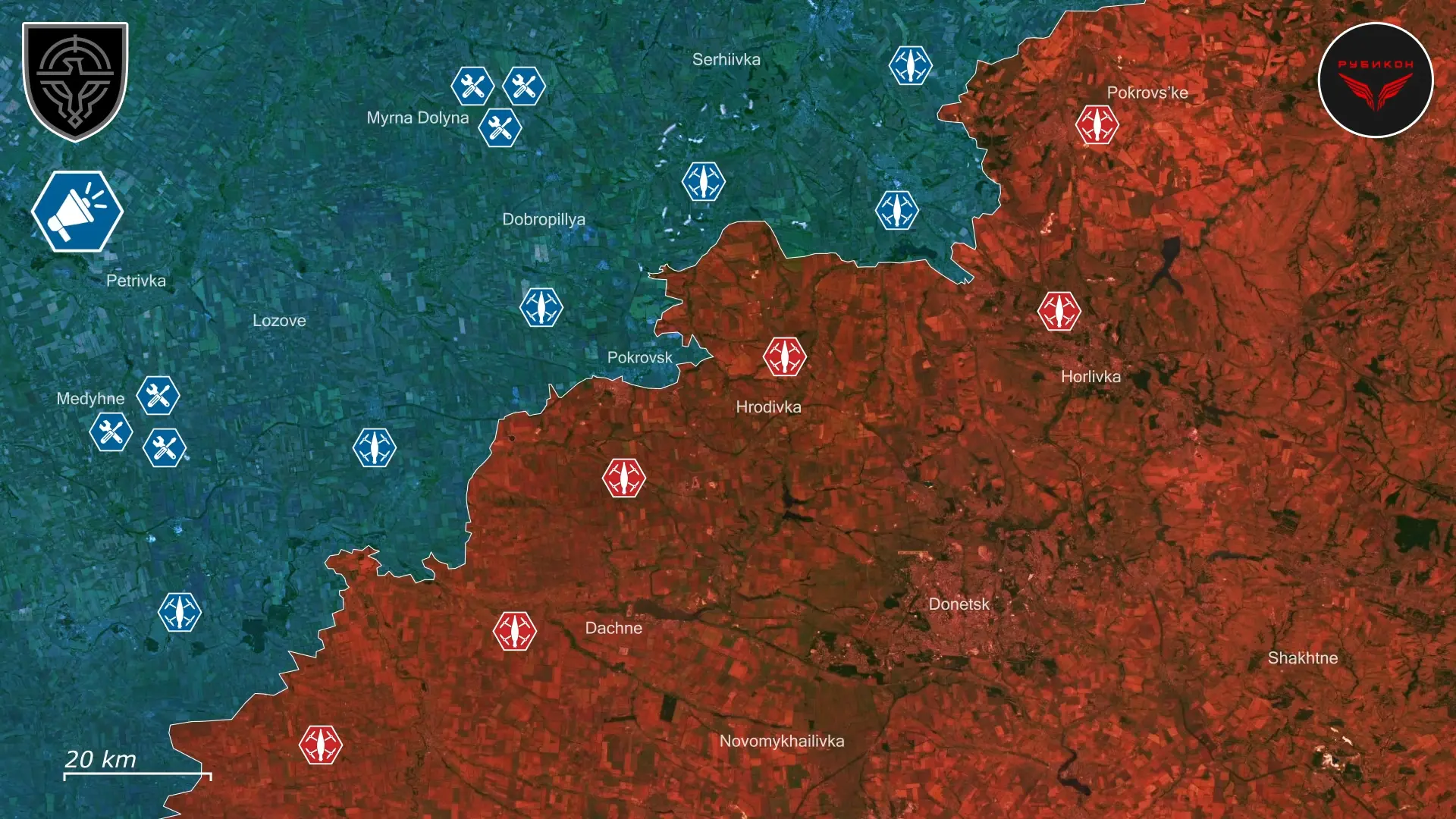
In the Pokrovsk direction, these forces were deployed as part of a broader operational belt that stretches far beyond the town itself and covers a network of surrounding settlements and defensive lines where Russian assaults and drone strikes have intensified. Their presence there is not symbolic but essential, as they restore situational awareness for Ukrainian units by providing continuous reconnaissance and mapping Russian movements in real-time. Building on that information advantage, formations such as Magyars 414th then use layered teams of observation drones, attack platforms and FPV specialists to strike Russian groups before they can assemble for an assault. The cumulative effect is a battlefield environment in which Rubicon-supported Russian units struggle to mass forces, sustain logistics, or exploit local breakthroughs, even in areas where Ukrainian troops are under heavy pressure.
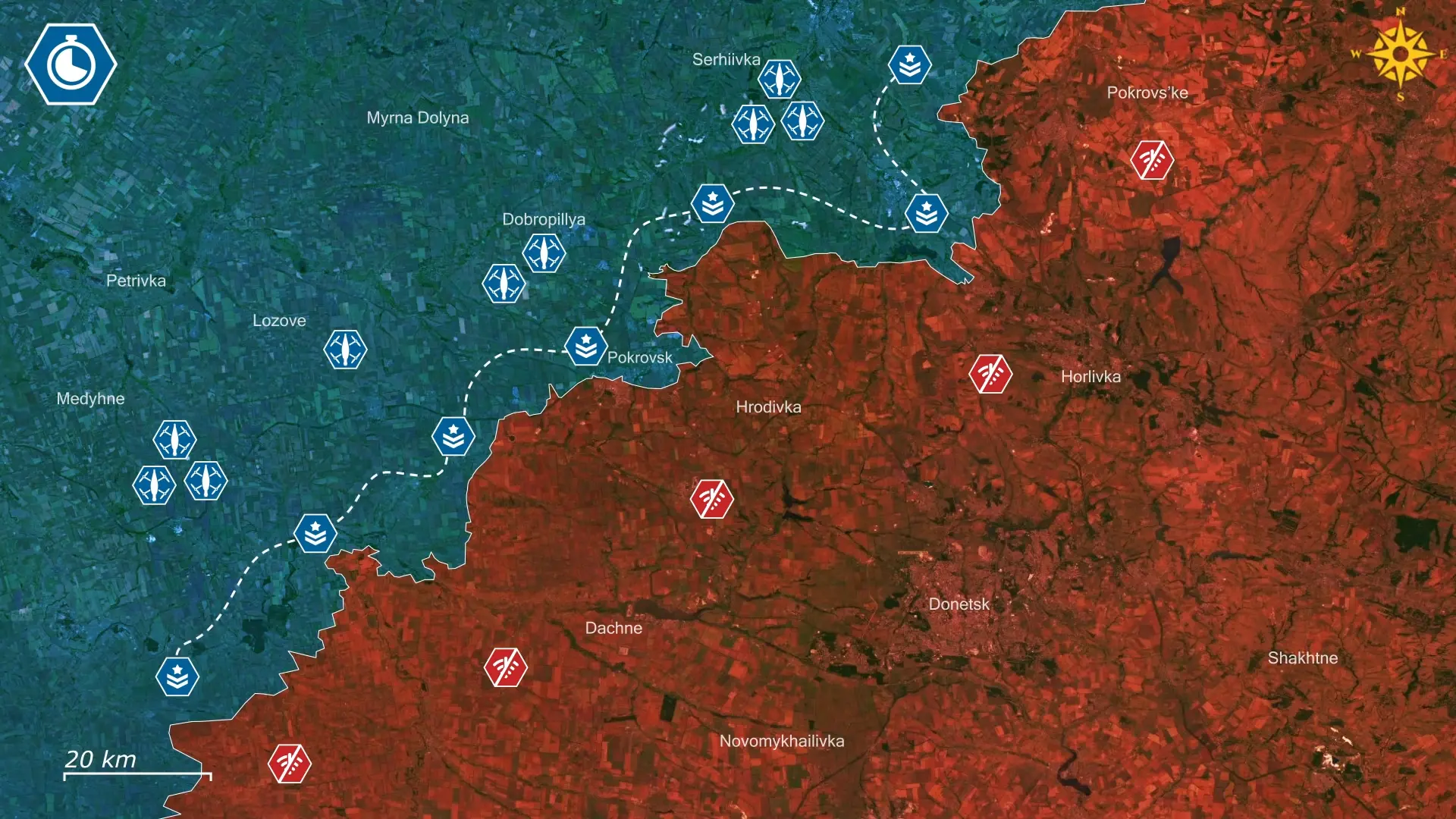
The reason these forces are so effective is rooted in how they were built and deployed from the beginning, since their structure emerged directly from frontline experience rather than top-down design. From their origins to formal integration, they developed a culture in which new tactics, methods, equipment adaptations, and counters to Russian systems are discovered quickly and can be implemented across multiple units in short order, as they all operate within the same unmanned systems branch. This allows them to adapt rapidly to Russian electronic warfare, shifting frequencies whenever jamming patterns change, and to redeploy drone teams fluidly as sectors rise or fall in importance. Their weaknesses, such as limited drone supply and the need to avoid concentrated positions, are addressed through dispersion, rapid relocation and a habit of assigning more drones where their impact will be greatest.
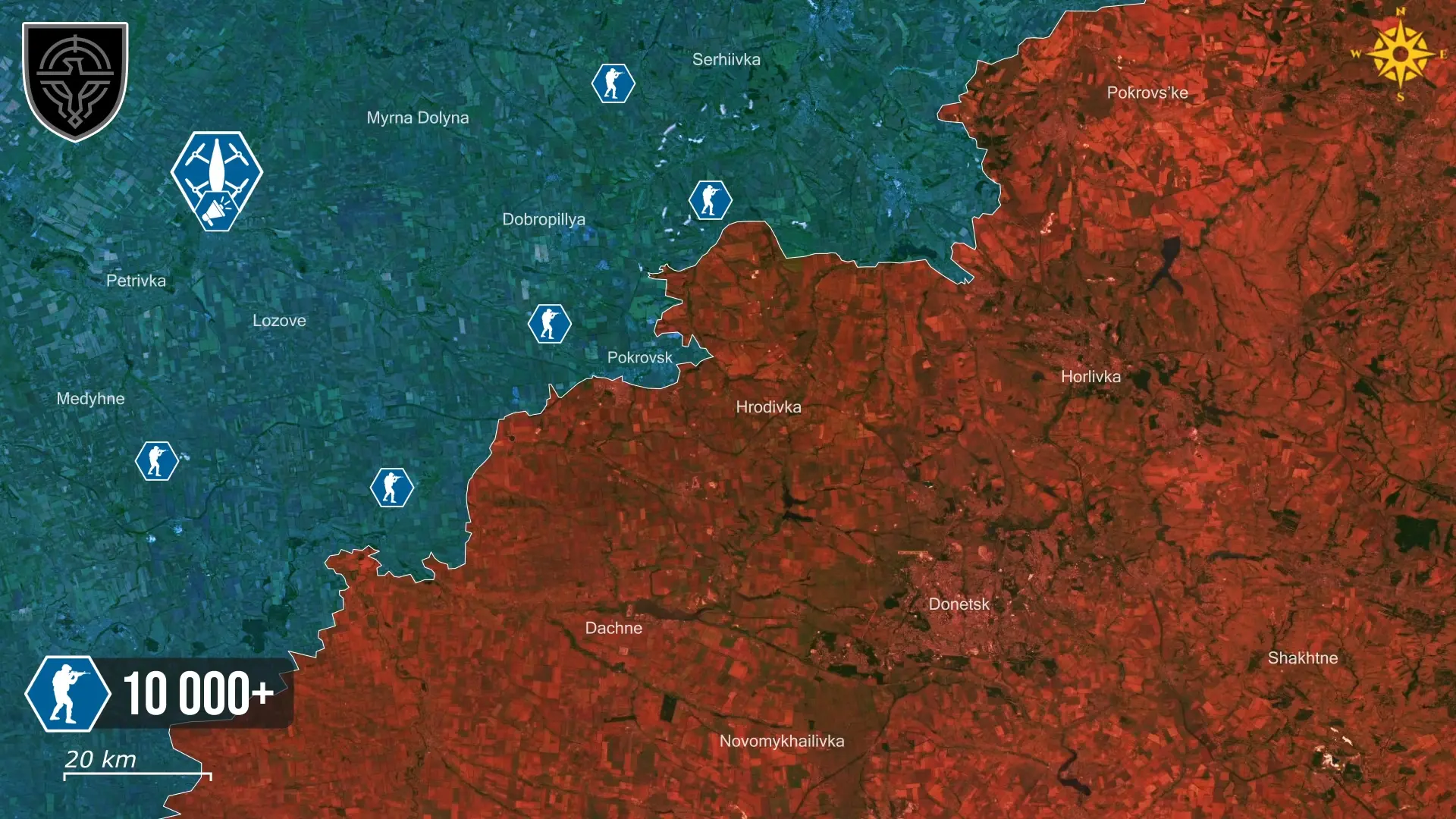
The scale of the Unmanned Systems Forces is increasing at a remarkable pace, reflected most clearly in the surge of new personnel entering the branch and the steady transformation of smaller units into regiments and brigades. Recruitment numbers in late 2025 show that the Unmanned Systems Forces received 10,000 applications in just 25 days, with the majority coming from soldiers already serving elsewhere, which indicates a strong internal pull toward unmanned warfare as the field where many believe they can make the greatest difference.
This expansion implies the emergence of a branch that is not only large but also deeply integrated with other components of the armed forces, since artillery, infantry and electronic warfare units increasingly rely on these drone formations for targeting, reconnaissance and strike support. As more serving soldiers transfer into the branch, they bring with them their frontline experience and their own tactical insights, enriching the development of unmanned systems with practical knowledge drawn from conventional combat.
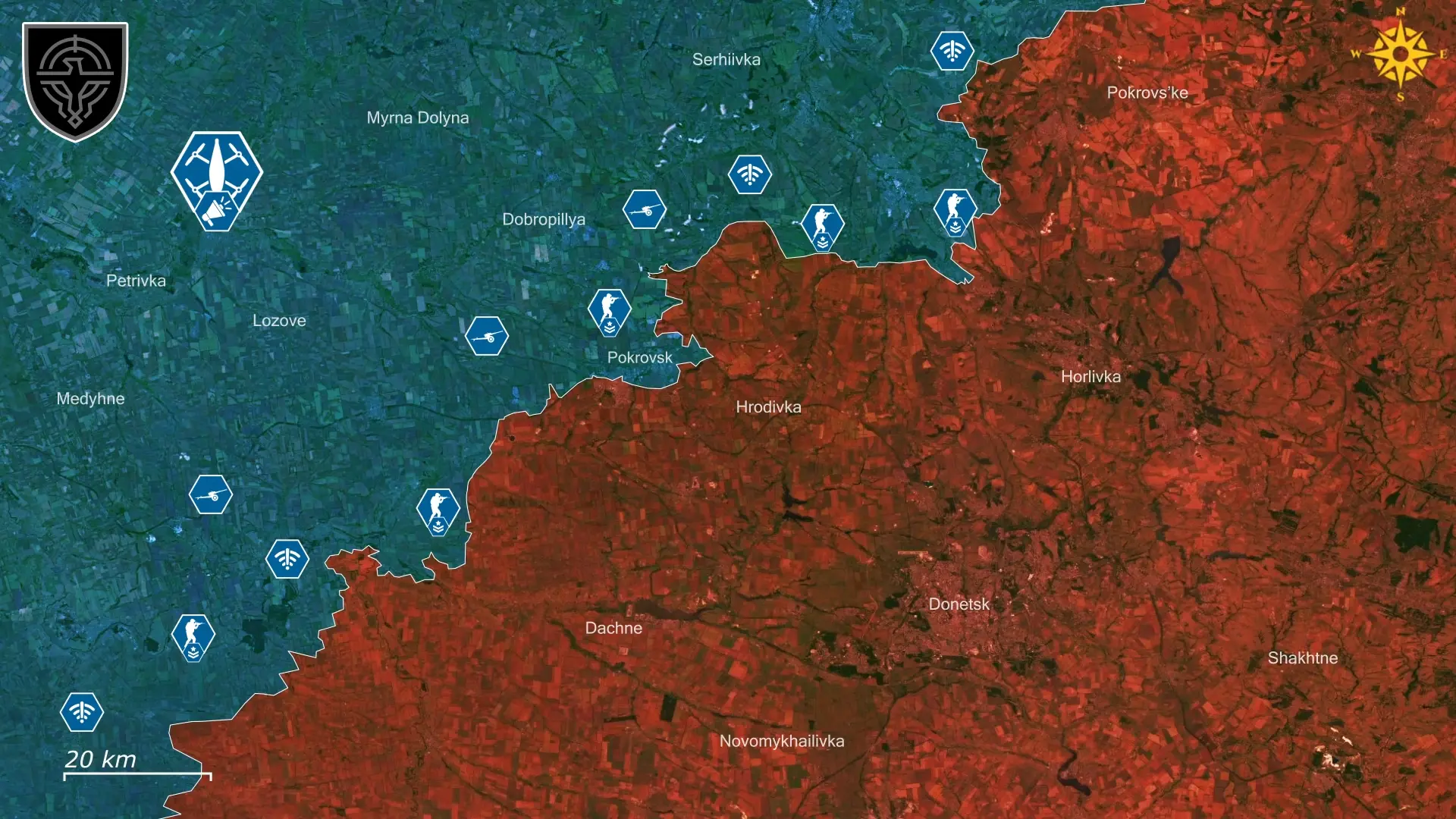
When compared directly to Russia’s Rubicon unit, the contrast becomes structural rather than tactical. Rubicon’s strength lies in its tight centralization, which gives Russia standardized training, unified equipment and a coherent set of drone tactics that can be deployed reliably across the front. Its weakness, however, is that this same rigidity slows innovation, because new battlefield insights must travel through a long chain of command before they can shape doctrine. Ukraine’s Unmanned Systems Forces, by contrast, operate as a distributed ecosystem where units experiment constantly, adapt to changing conditions and spread successful methods quickly across the branch, giving the Ukrainian counterpart a much faster learning cycle. This agility, however, places more responsibility on each unit to maintain high effectiveness without the safety net of rigid standardization. In essence, Rubicon is built for efficiency and discipline, while the Unmanned systems forces are built for agility and rapid evolution.
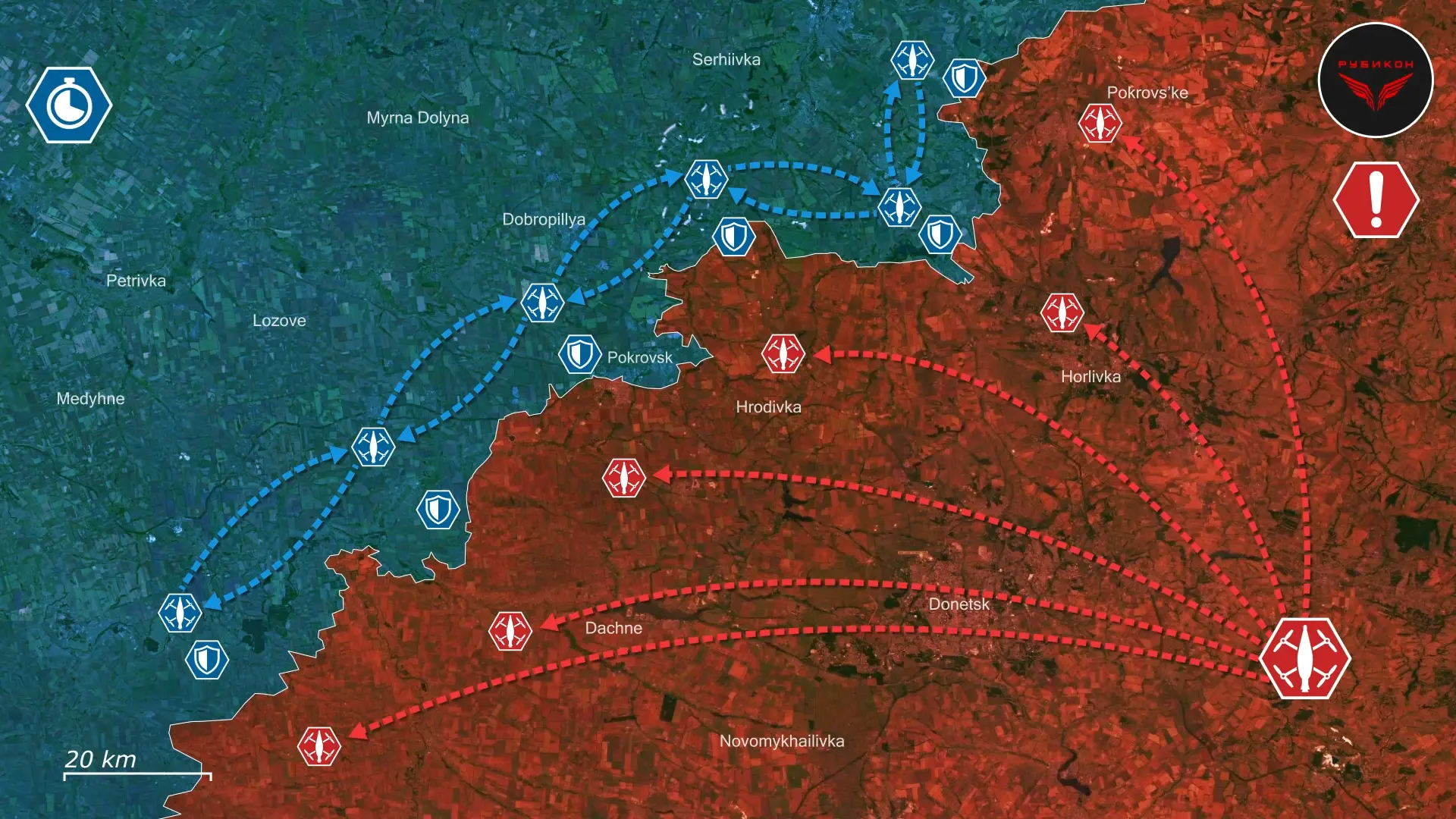
Overall, the rise of Ukraine’s Unmanned Systems Forces marks a shift toward a war defined by adaptation speed rather than sheer mass. Their expansion positions them not just as a counterpart to Rubicon but as a force capable of accelerating Ukraine’s decision cycles and compressing Russia’s reaction time. This points toward a future in which advantage goes to the side that integrates automation, AI support and cross-unit coordination the fastest. Ukraine’s best chance of prevailing lies in turning the USF into a fully networked ecosystem that evolves faster than Russia can adjust.

.jpg)




Comments