

.svg)
Today, the biggest news comes from Ukraine.
Here, Ukraine is beginning to replace the DJI Mavic, one of the battlefield’s most common reconnaissance drones that served as the ground unit’s eye in the sky. However, the familiar drone is now about to be replaced by a domestically produced system that could lead to a breakthrough in achieving a self-sufficient Ukrainian drone technology.
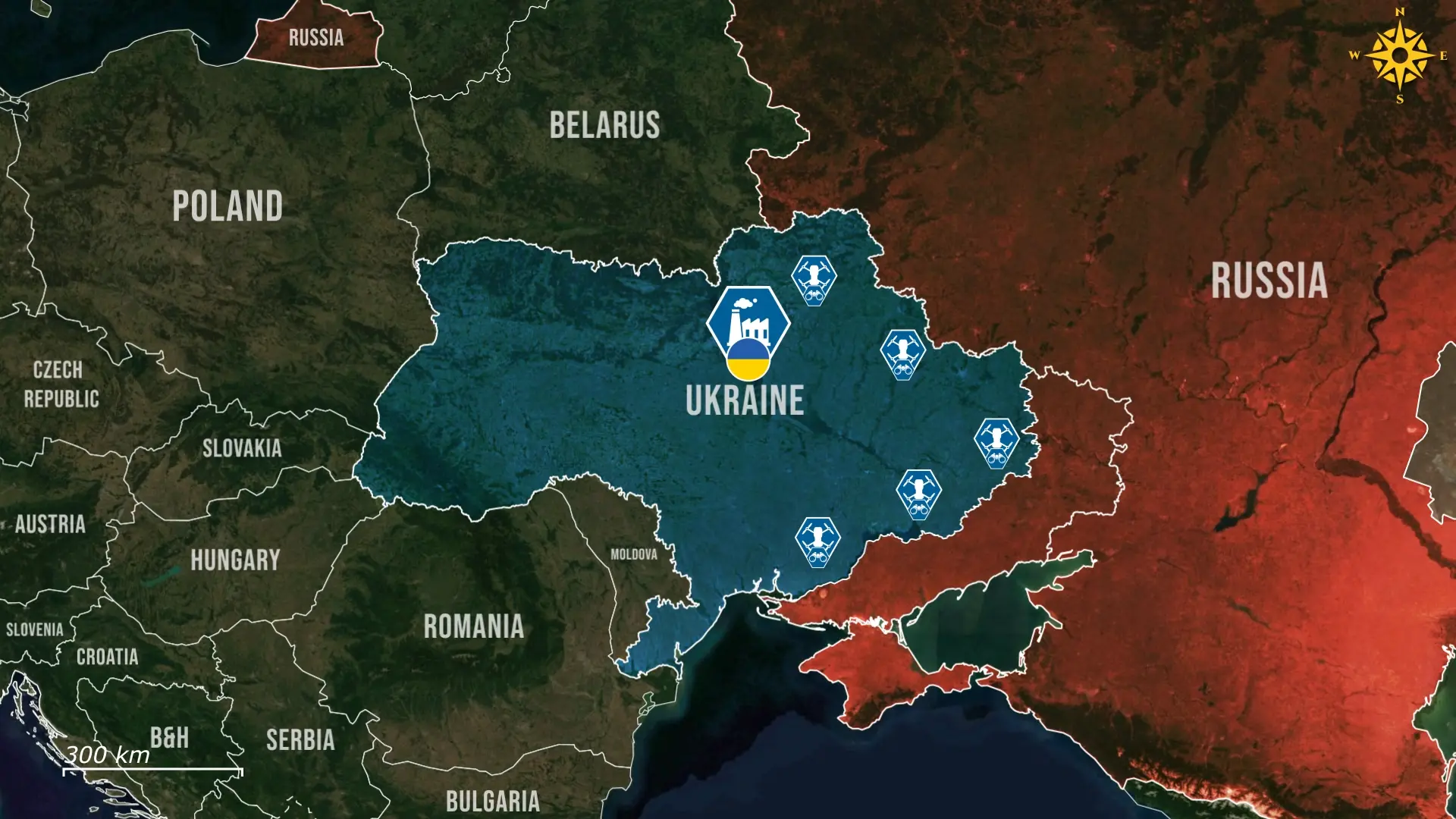
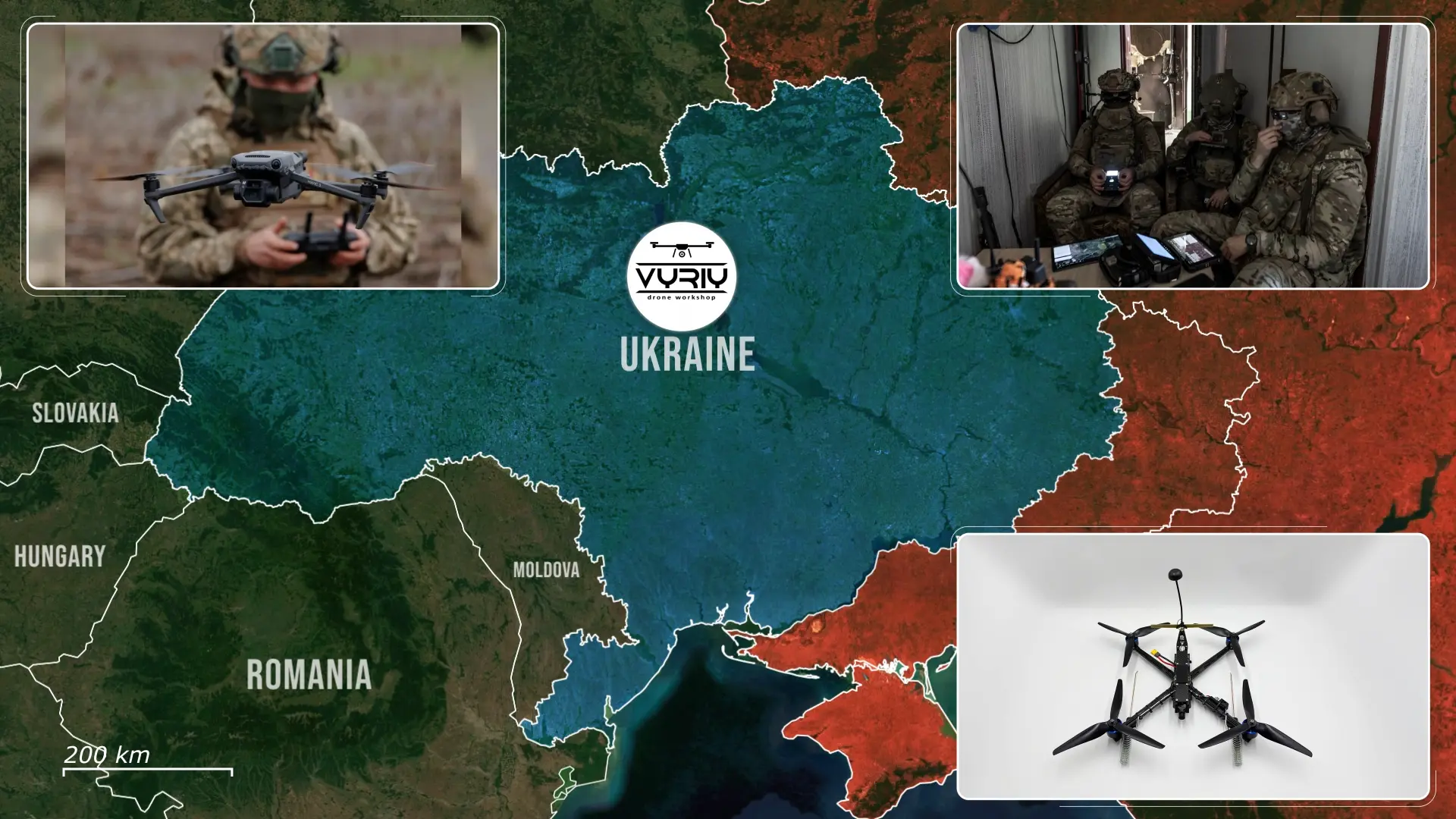
The Ukrainian company Vyriy has created a replacement for the Chinese-made DJI Mavic, giving an alternative in the reconnaissance drone class that frontline units use for aerial observation. Slavik is a prototype drone, already under testing, flying, and testing with stabilized video, and software designed to mirror DJI’s system. That similarity matters because it allows soldiers to switch to a domestic platform without needing a new workflow or a long learning process.
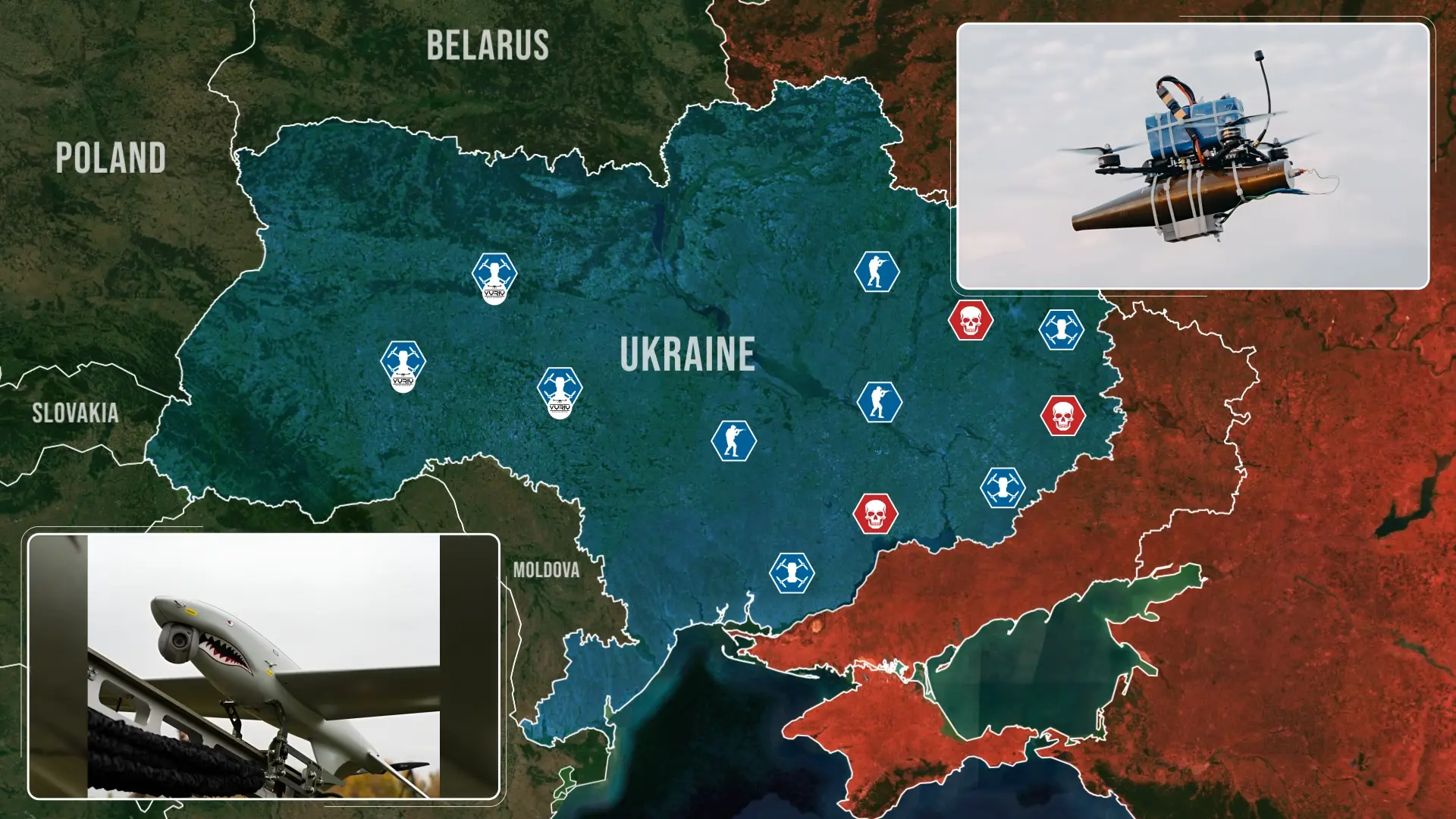
There is a simple logic behind this, as Mavic-type drones allow units to launch within minutes and detect enemy movement that would otherwise remain hidden. They help patrol trench lines from above, monitor roads and supply routes, spot approaching assault groups, correct artillery fire, confirm strike results, and hold targets in view long enough for other weapons to engage. Fixed-wing reconnaissance drones survey larger areas but require preparation and dedicated crews. FPV drones are used as kamikazes, and larger UAV’s operate at higher command levels with limited availability. Therefore, the Mavic category became indispensable because it gives frontline units continuous battlefield awareness, which is why Ukraine is replicating this exact class with Slavik instead of replacing it with other drone types.
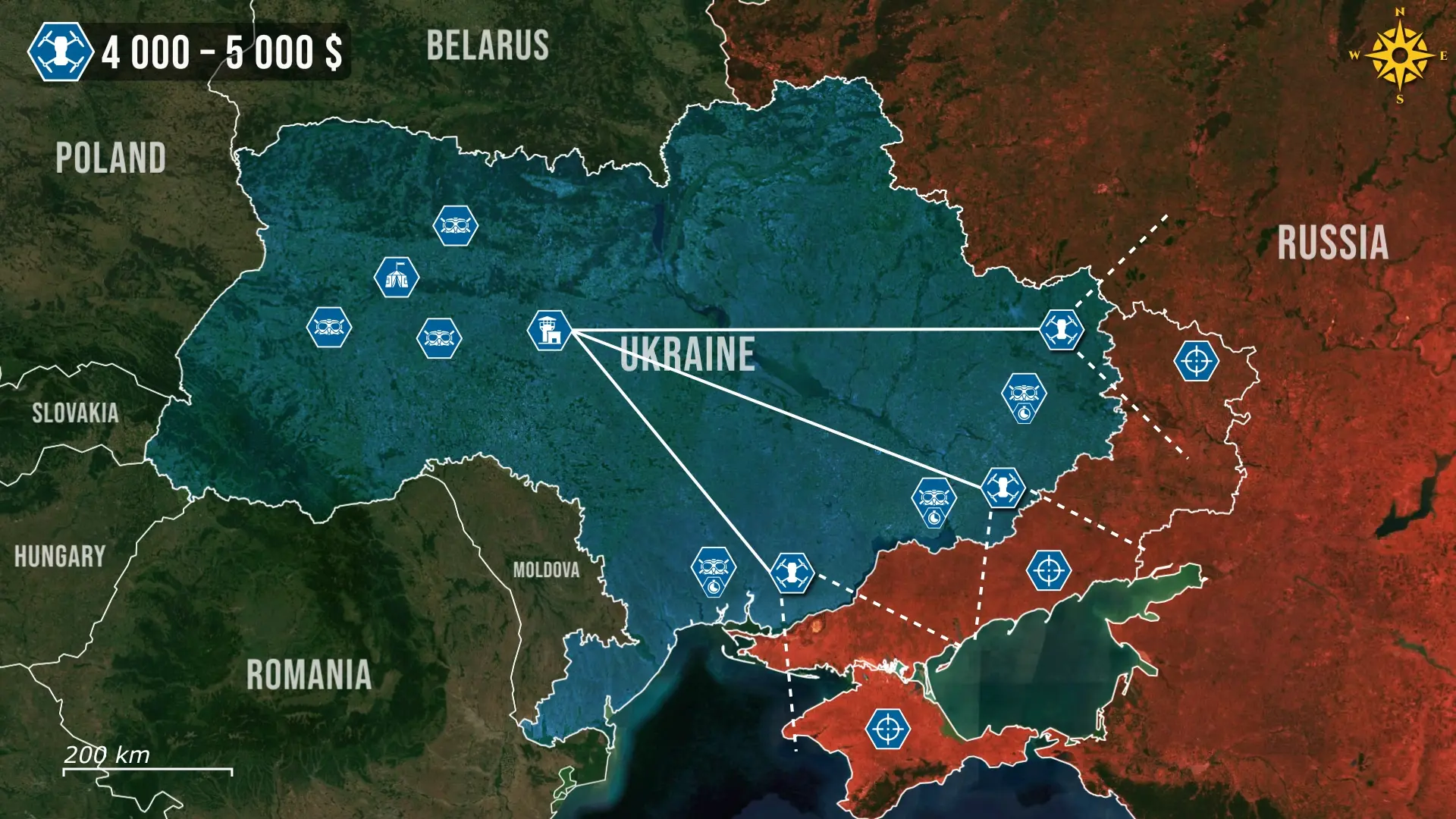
The Mavic drone family became dominant because it is easy to use and reliable enough for routine frontline missions. Stable flight and effective camera stabilization with clear optics gave operators a clear, steady view, allowing them to spot movement, tell real vehicles from decoys, and adjust artillery fire with greater accuracy. Reliable transmission kept the video feed flowing, protected control links reduced interference risks, and decent battery endurance allowed crews constant monitoring. A simple control layout allowed quick training, and Slavik is following these footsteps, but with reported improvements. Automatic hover, optical zoom, а stronger battery with flight time of up to two hours, and greater range are key benefits that matter because they reduce pilot workload and allow crews to observe targets from a safer distance. In a later version, the Slavik will be able to capture and track targets, with the daytime version of the drone expected to cost 4,000 to 4,500 US dollars, while the thermal imaging version will be around 500 US dollars more expensive.
The ability to use the Mavic repeatedly makes all the difference in comparison with FPV drones, which are mainly strike weapons built for one-way missions. Ukraine achieved a mass production of such expendable systems, relying on cheaper and basic components, but is now looking to make the next step.
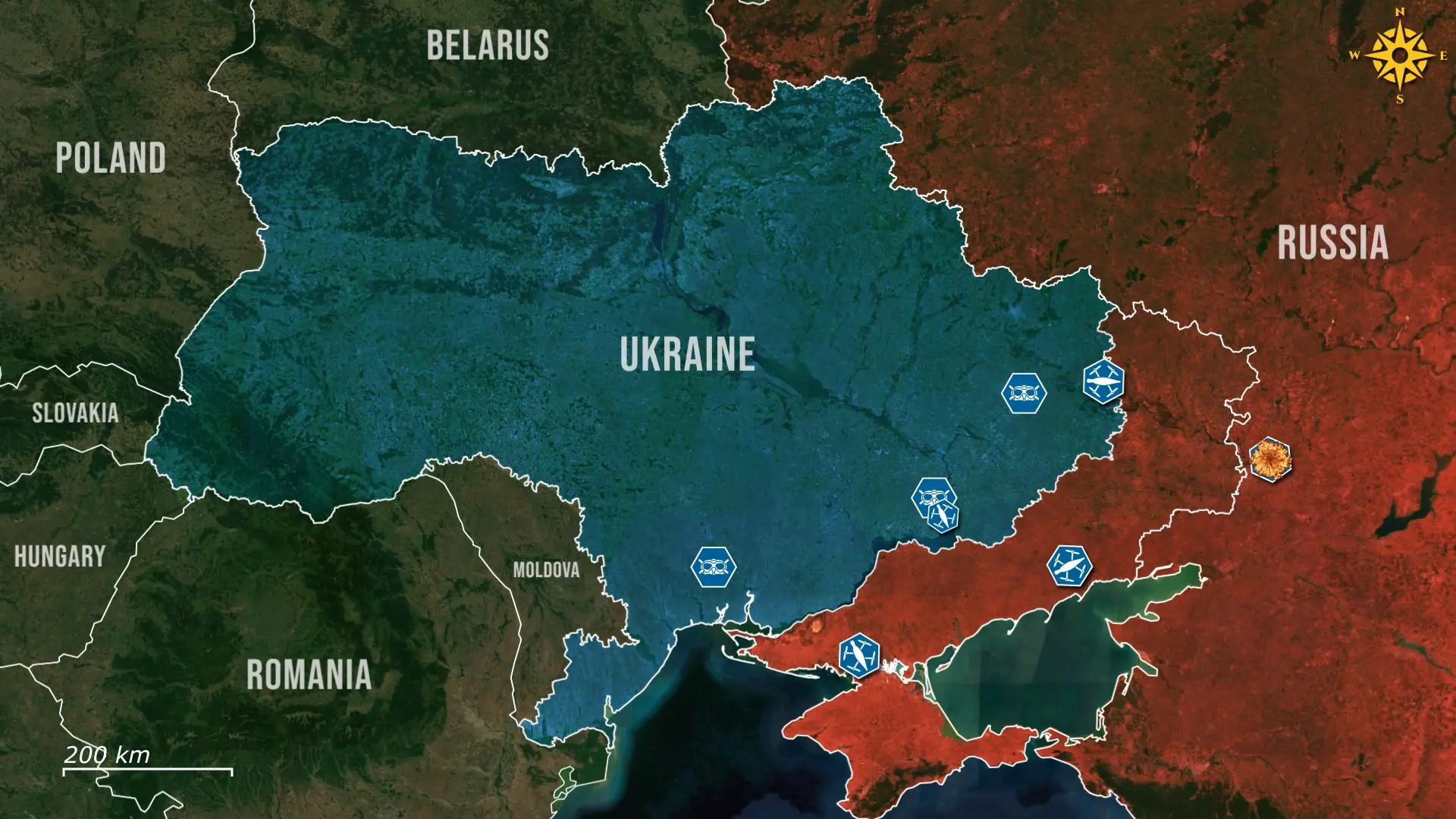
A Mavic-class drone serves a different purpose, and a domestically produced system of this type will give greater operational freedom to Ukrainian units to locate and keep targets under observation, while not depending on foreign products and unstable supply chains.
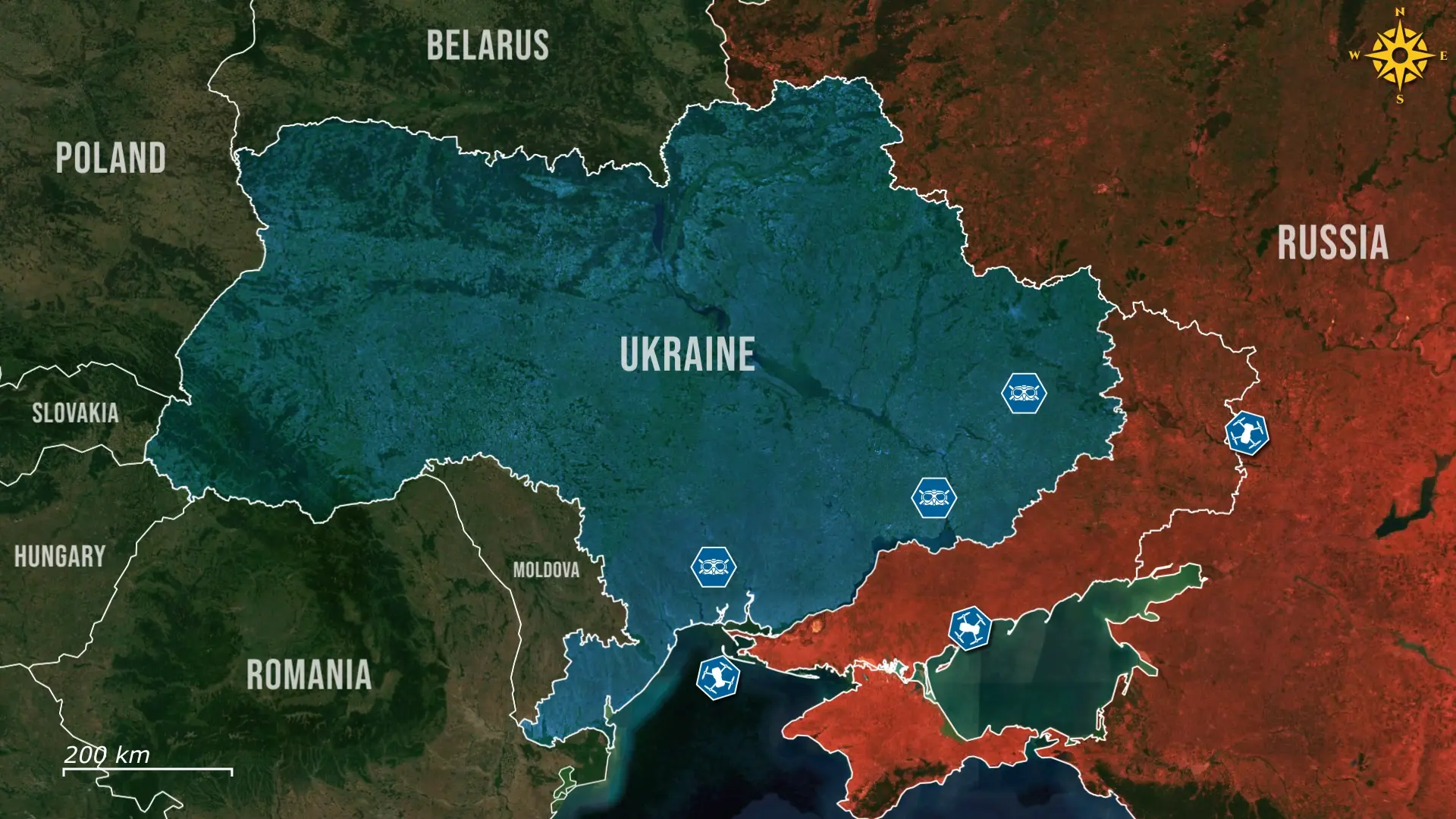
The real challenge is reproducing the full Mavic system, and achieving stable flight control with intuitive software, clear imaging with camera stabilization, and a reliable, encrypted data link that can still function under electronic warfare. Replacing the Mavic is harder than it appears, as many components remain tied to external supply chains. Yet, Slavik is nearly ready, and combat testing is expected to begin soon, followed by a public presentation and the launch of mass production.
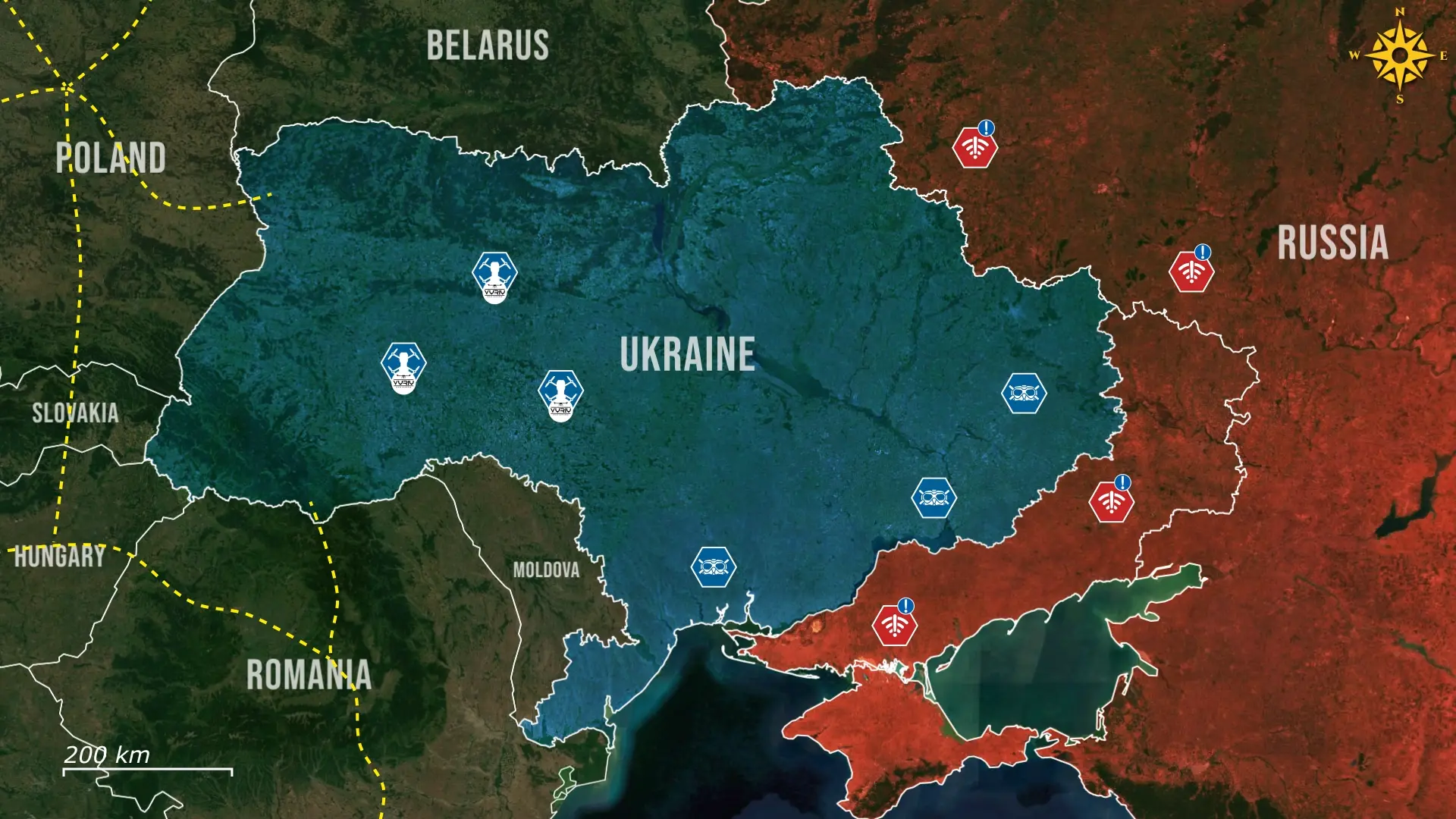
The breakthrough lies in shifting from dependence on imported finished drones to domestic production, focused on steady supply, experience-driven design changes, and the ability to sustain reconnaissance capability during wartime. Instead of adapting civilian drones built for commercial use, Ukraine can use tailor-made reconnaissance drones specifically for the current battlefield conditions and refine them directly without depending on foreign actors.
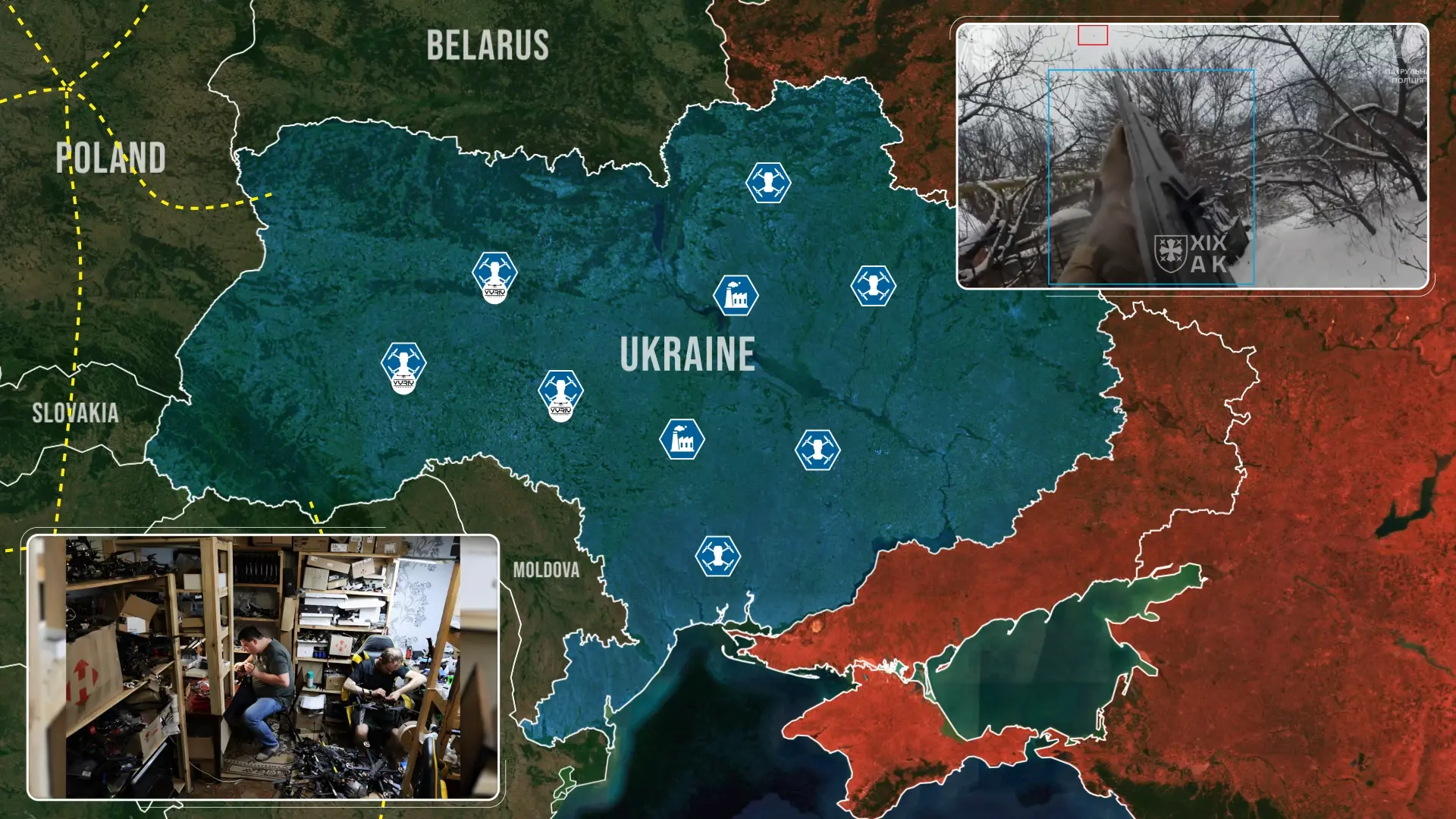
Overall, Ukraine is aiming to move one of the battlefield’s most important capabilities out of foreign dependence and under domestic control. Replacing the Mavic with a Ukrainian system means a more secure tool, no longer exposed to limiting factors, giving it the ability to evolve faster in response to jamming, losses, and operator feedback.
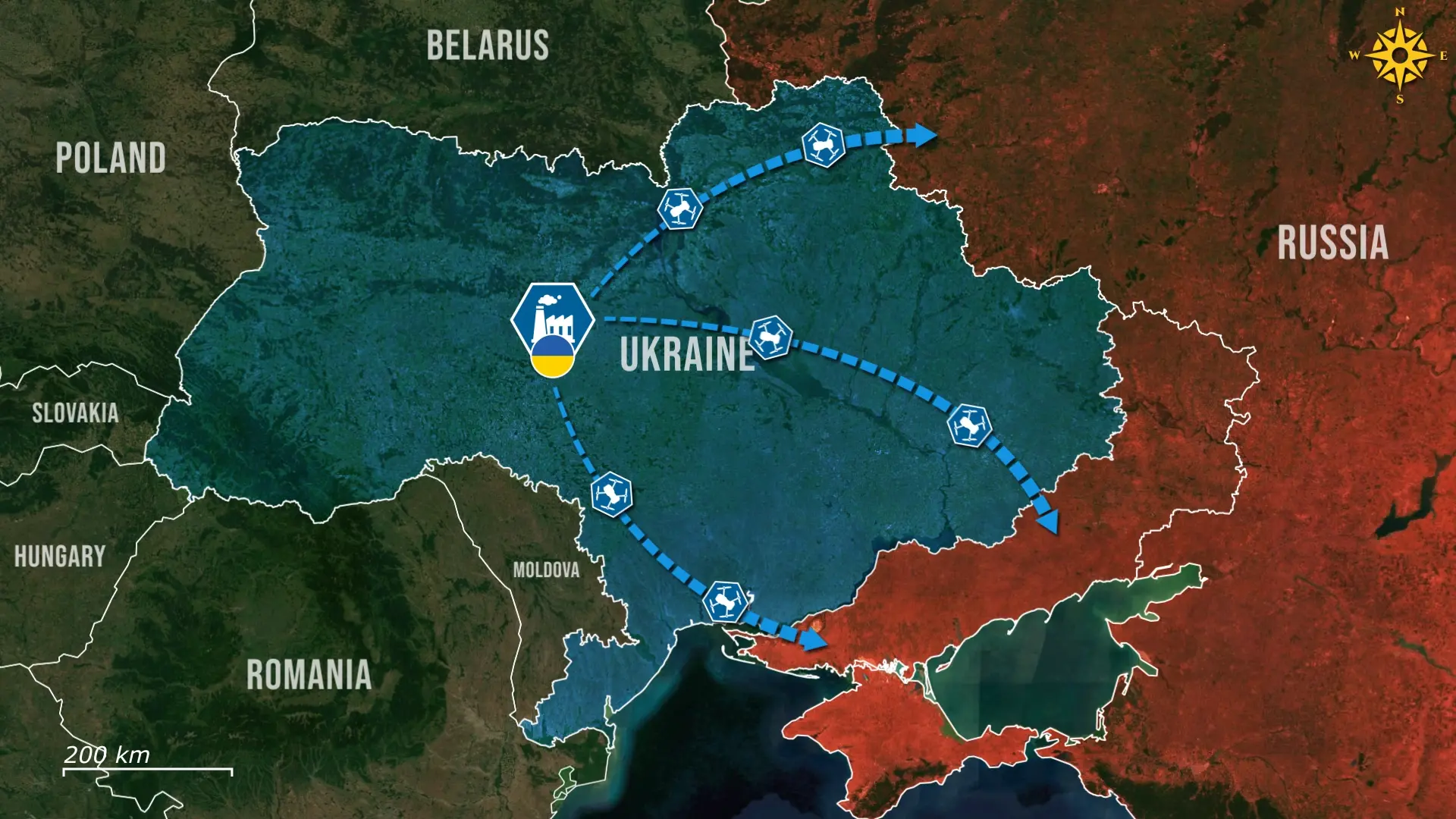
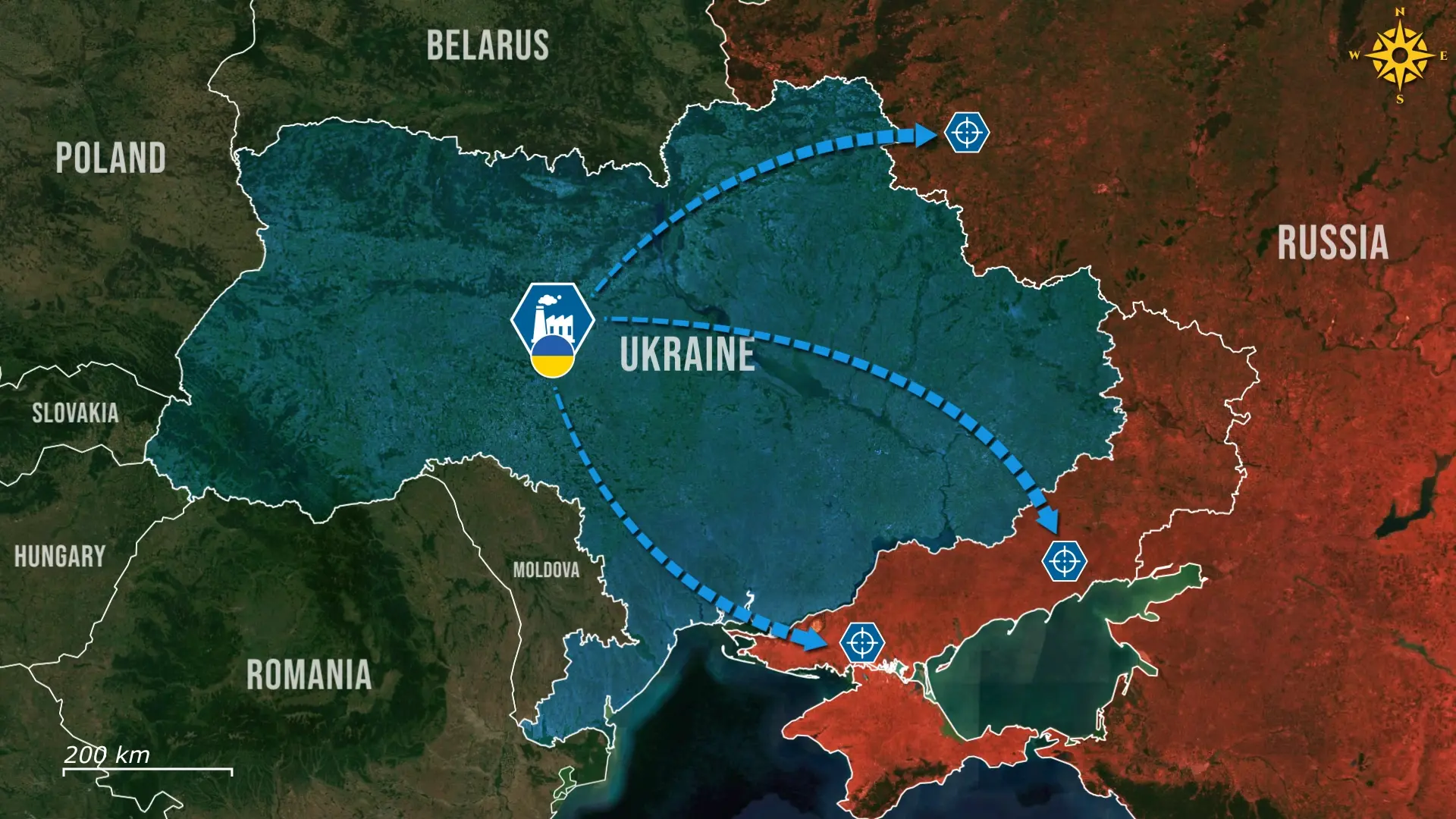
If that process continues to scale, Ukraine will not just have another new drone, but an independent control over one of the most fundamental layers of modern battlefield awareness.

.jpg)

Comments