

.svg)
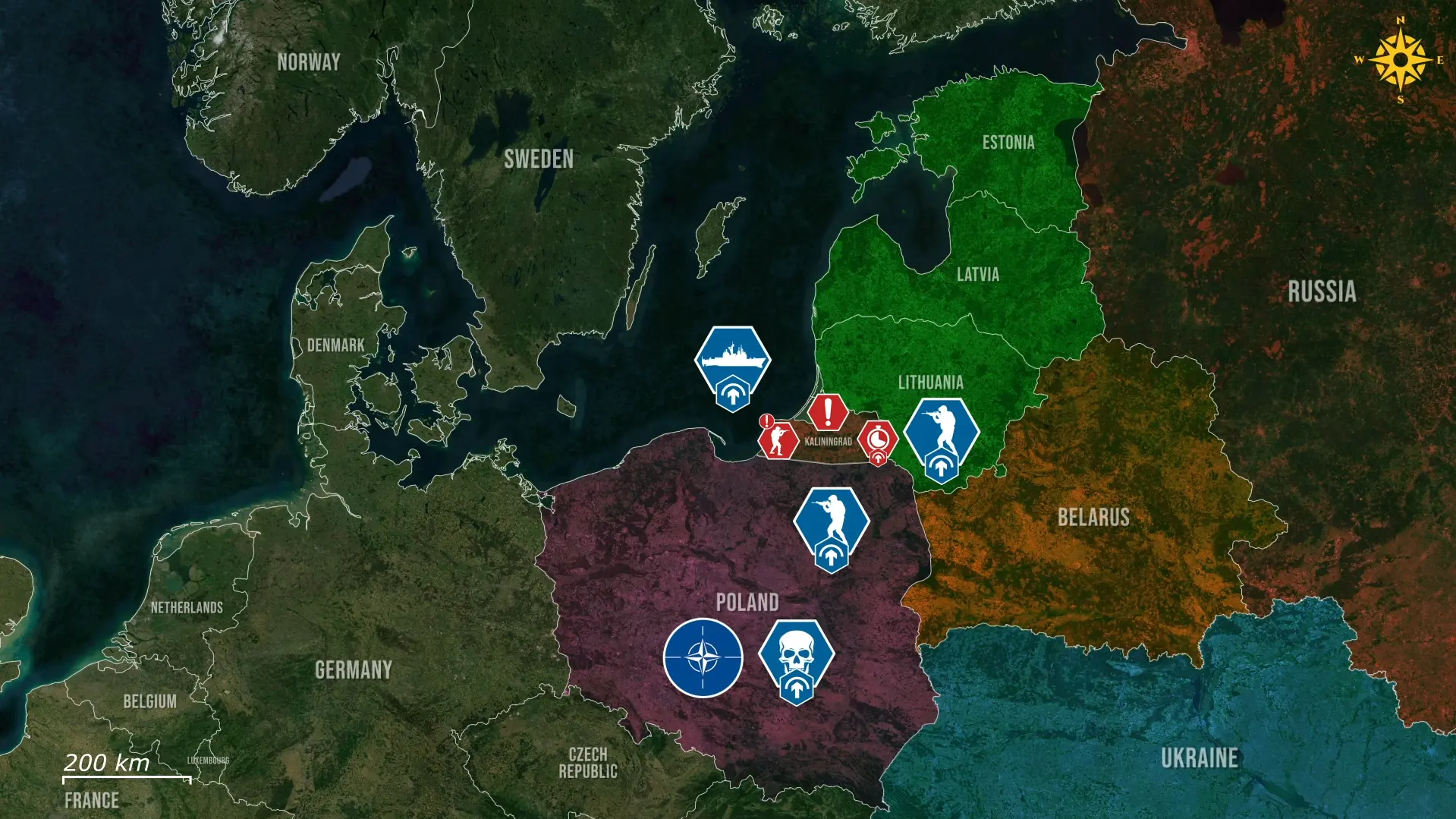
Recently, Poland held the Black Defender twenty six military exercise to assess its readiness for potential military threats from Russia’s Kaliningrad region. During the exercise, the Polish Army tested a new battalion structure known as Model forty four, consisting of three motorized companies and one unmanned weapons systems company. The structure is designed to shorten the time between identifying a target and engaging it.
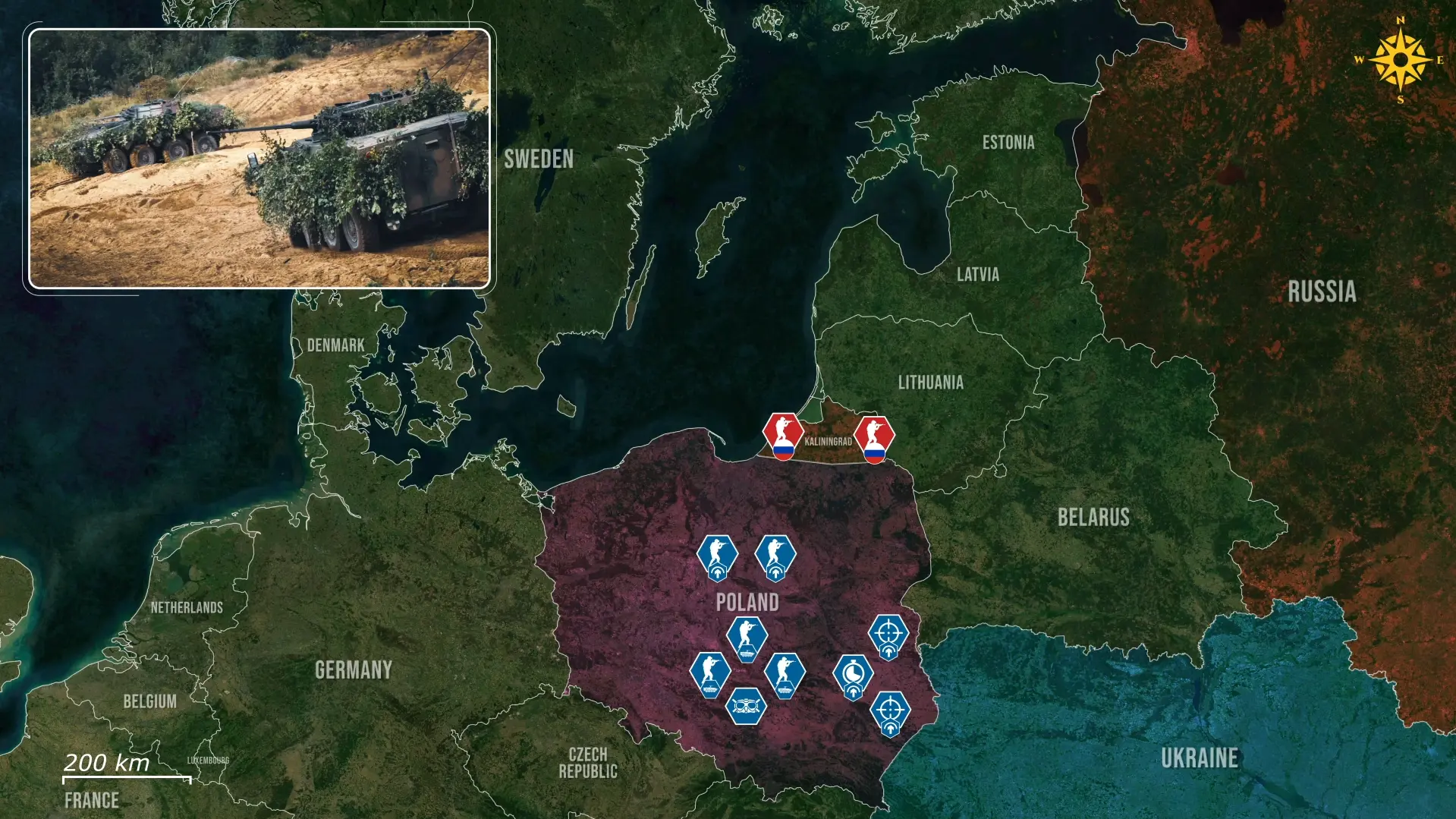
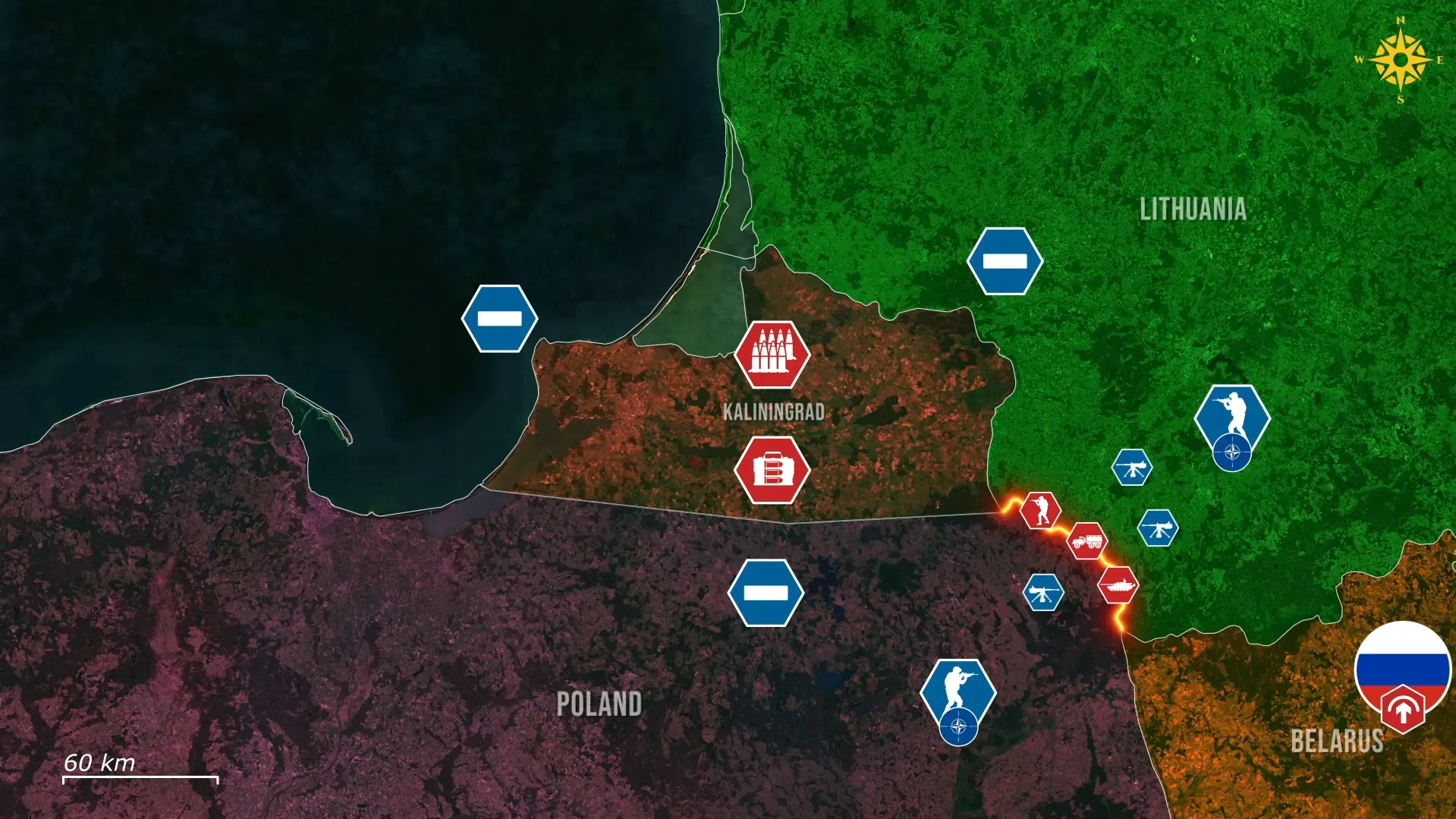
According to military analysts, the structure was developed based on battlefield experience from drone warfare in Ukraine. The war in Ukraine has demonstrated how drones can identify enemy positions, engage targets, and support ground operations, offering valuable lessons for Polish forces preparing for a potential conflict. In such a scenario, drones could help Poland monitor Russian troop movements, supply routes, artillery, and command posts across the Kaliningrad region. Kaliningrad is one of Russia’s most heavily militarized areas, hosting the main base of the Baltic Fleet, aircraft capable of carrying Kinzhal hypersonic missiles, and advanced missile systems. Geographically, however, Kaliningrad is completely separated from mainland Russia and lies between Poland and Lithuania. This position makes the sixty five kilometer wide Suwalki Gap between Belarus and Kaliningrad a critical land corridor linking Estonia, Latvia, and Lithuania with the rest of Nato.
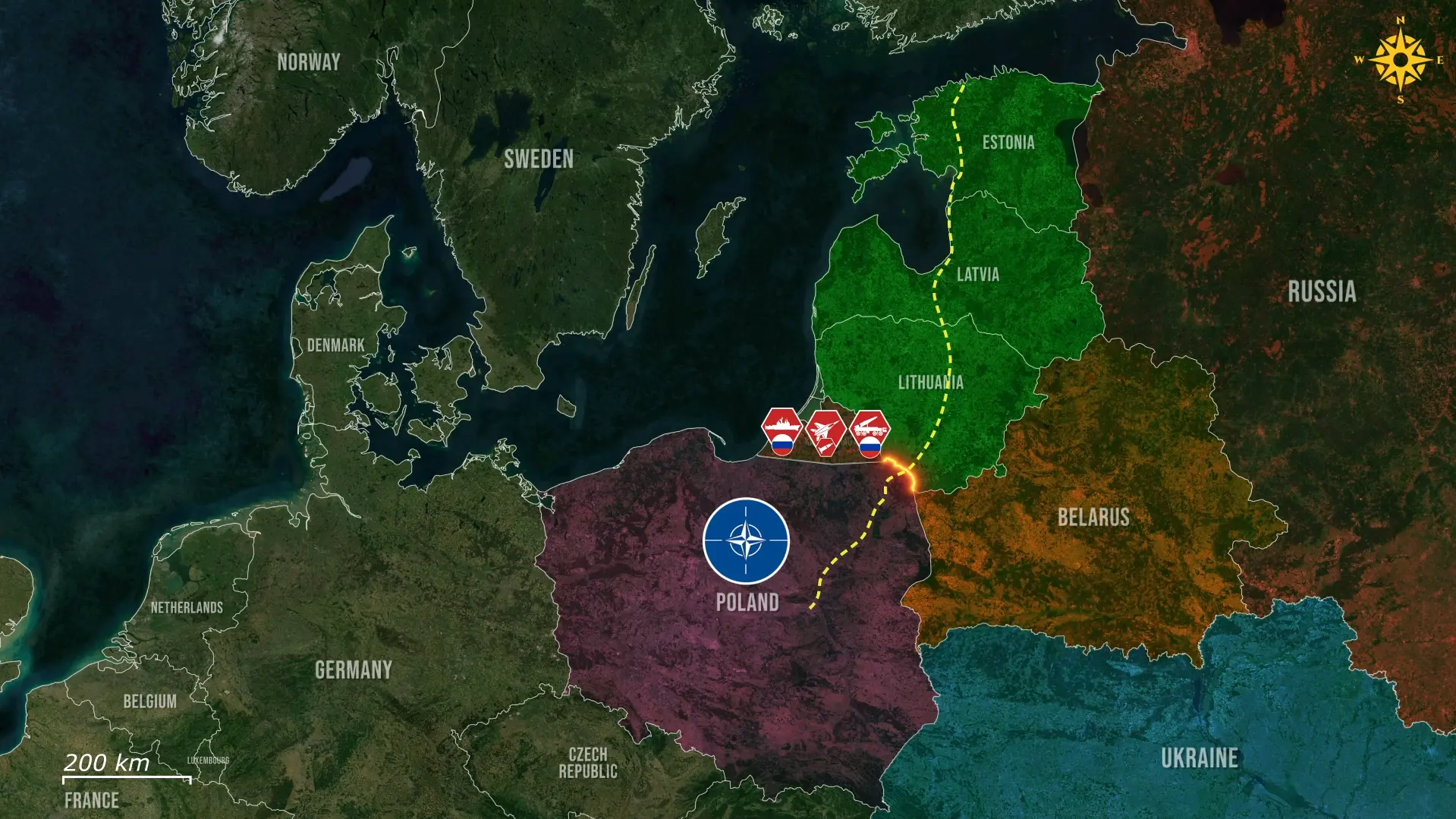
If Russia seized the Gap, it could connect Kaliningrad to Belarus and mainland Russia while cutting the Baltic states off from the rest of Nato by land. In the event of a broader conflict following such a development, Nato would face two main military options: isolating Kaliningrad through a blockade or launching a direct military operation to seize the territory.
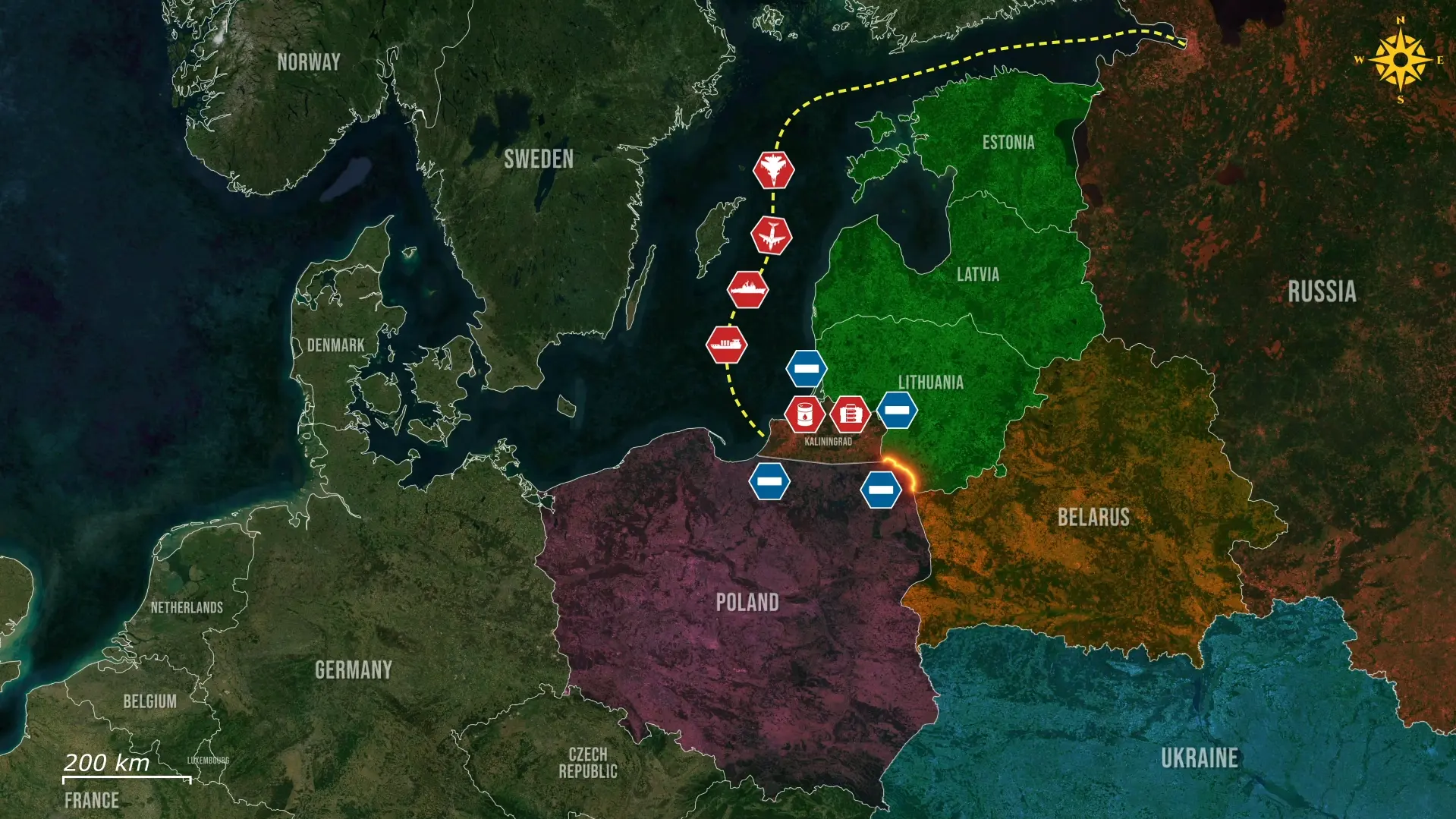
If Nato were to impose a blockade on Kaliningrad, its naval and air forces would patrol the Baltic Sea and surrounding airspace, intercepting or turning back Russian vessels and aircraft attempting to reach the exclave. Russia would gradually struggle to deliver ammunition and fuel or replace equipment lost in the fighting. However, Russia has already stockpiled ammunition and fuel in Kaliningrad, allowing its forces to continue fighting temporarily after a blockade begins. At the same time, Russia could use fighter aircraft, air defense systems, and Baltic Fleet ships to protect supply aircraft and vessels attempting to reach Kaliningrad despite the blockade. Therefore, the Nato blockade would gradually weaken Kaliningrad, but Russian forces would continue launching attacks in the meantime.
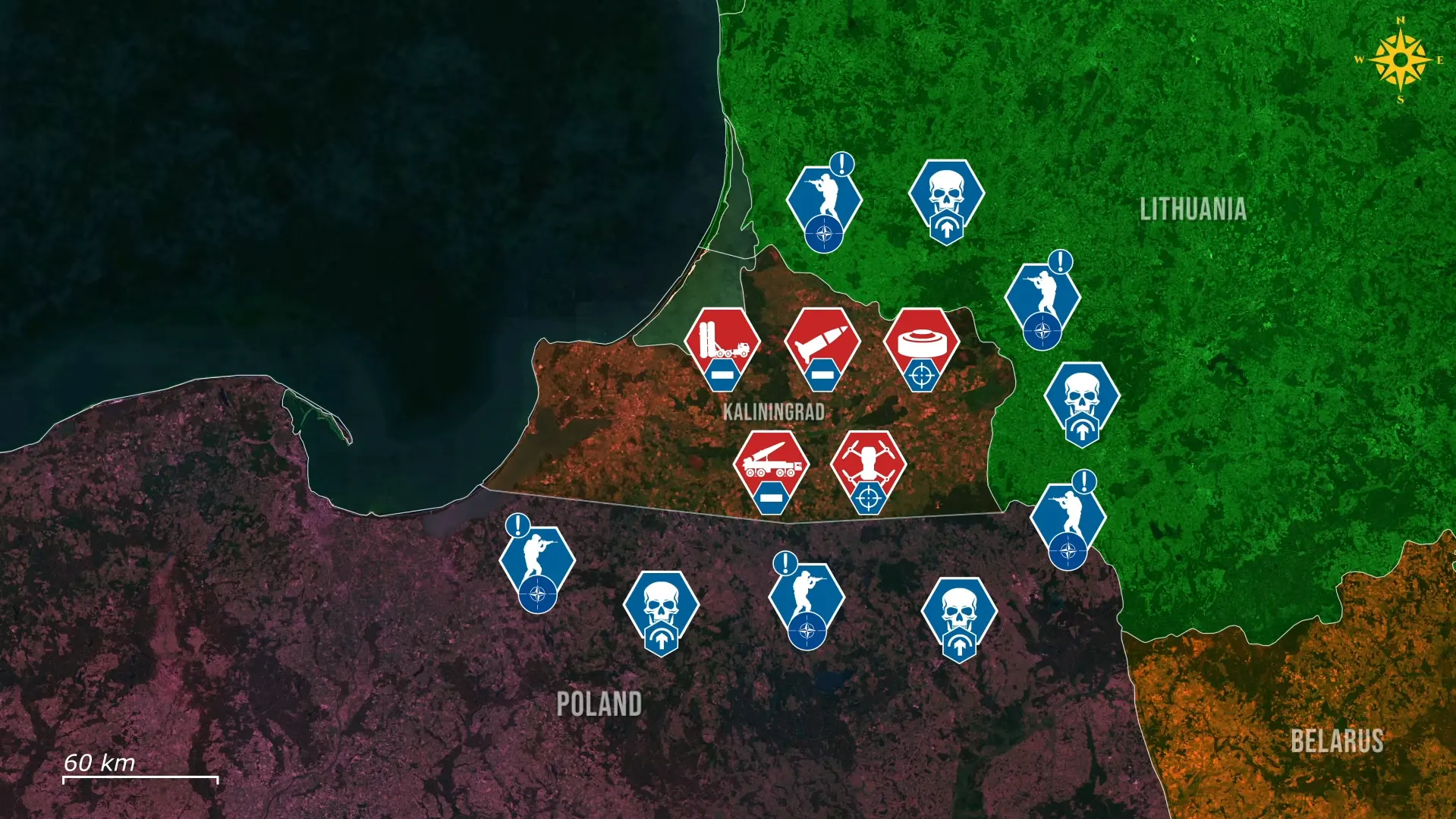
However, if Nato launches a full scale military operation in Kaliningrad, Nato forces would first need to neutralize Russian air defenses, artillery, and coastal missile systems, then contend with prepared ground defenses such as minefields and drone surveillance. Forests and prepared positions could slow Nato forces outside the cities, while fighting through Kaliningrad city and other towns would increase casualties. At the same time, Nato forces would need to defend supply routes from Russian drone and artillery strikes while evacuating civilians from towns caught in the fighting. Crossing the border would only begin the operation, because Nato would still need to capture and hold Russian ports, airfields, military bases, and Kaliningrad city.
Russia’s ability to hold Kaliningrad would depend on keeping at least one route open for supplies and reinforcements. If Nato blocked access by sea and air, Moscow could try to capture the Suwałki Gap and create a land corridor through Belarus. In this situation, establishing a land connection through Belarus via the Suwalki Gap could become strategically important. However, this corridor runs directly through Polish and Lithuanian territory, so even if Russia managed to seize the Suwalki Gap, its convoys moving through the narrow strip would remain exposed to Nato strikes from both flanks.
Overall, Kaliningrad would force Nato to choose between allowing a blockade time to weaken Russian forces and accepting the heavy casualties and escalation risks of a direct invasion. Russia could respond by threatening to widen the war, hoping political hesitation inside Nato would delay either operation and give its forces time to prepare. However, every delay would also leave Moscow defending an isolated region while Nato controlled the initiative and could increase pressure from several directions. Kaliningrad gives Russia leverage over the Baltic states in peacetime, but in a wider war its isolation could turn that strategic outpost into a trap for the forces stationed there.

.jpg)

Comments