

.svg)
Russia is going through a recruitment crisis that far extends the falling numbers on its frontline low-tech army, as it also affects its drone operators. Russia’s Defense Ministry hoped to recruit seventy eight thousand drone operators for its Unmanned Systems Forces in two thousand twenty six, with analysts estimating that roughly half of those should have been recruited by mid year to stay on schedule. However, Deputy Defense Minister Alexei Krivoruchko admitted that only about eight thousand specialists had completed training in the first six months, reaching roughly a quarter of its planned target. This shortfall mirrors the broader difficulties in Russia’s recruitment efforts for its infantry units, which continue to suffer severe losses each day. The scarcity of drone operator volunteers shows that the same reluctance is now hitting the sector that Russia hoped would help define its future doctrine.
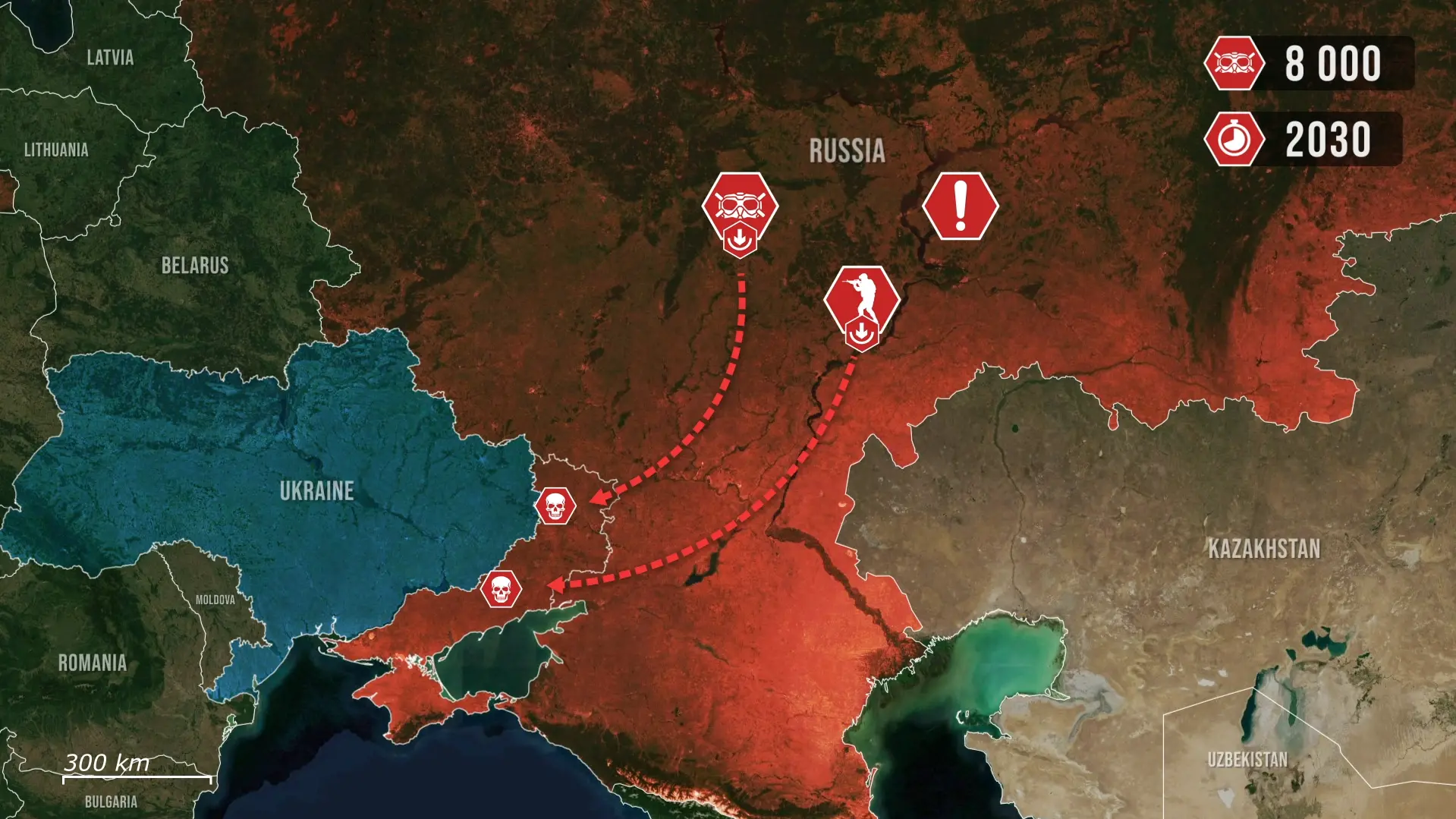
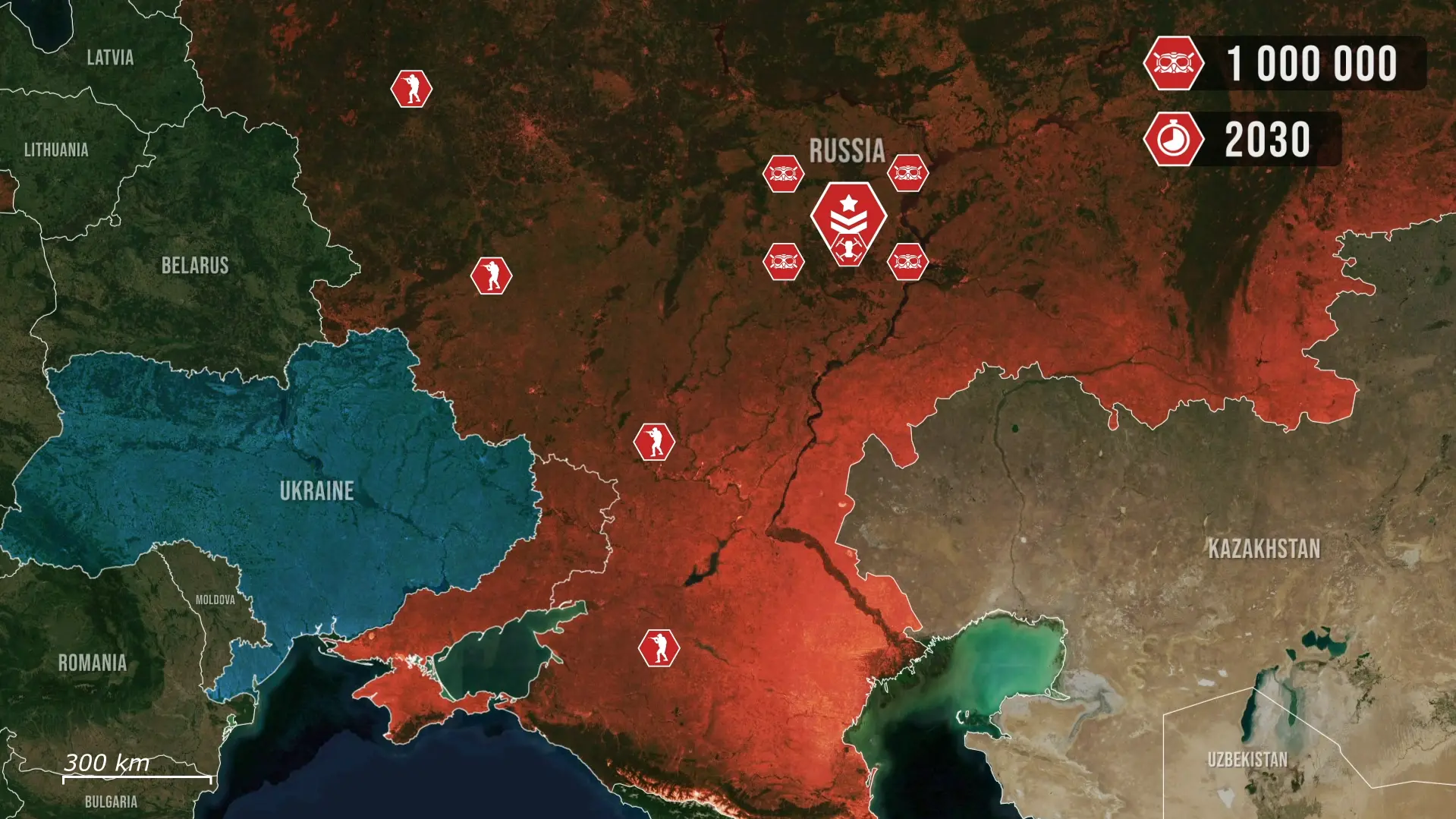
In fact, Russia’s long term vision for the future of its army is making unmanned systems and AI a national priority, highlighting a break from the legacy Russian ossified structure and doctrine. To this end, by two thousand thirty, Russia has set the ambitious goal of reaching one million specialists working in the unmanned sector, intended as a core element of its military modernization. Russia wants these forces to become a permanent part of its command system, with their own headquarters, and eventually nearly one thousand units spread across every major army formation.
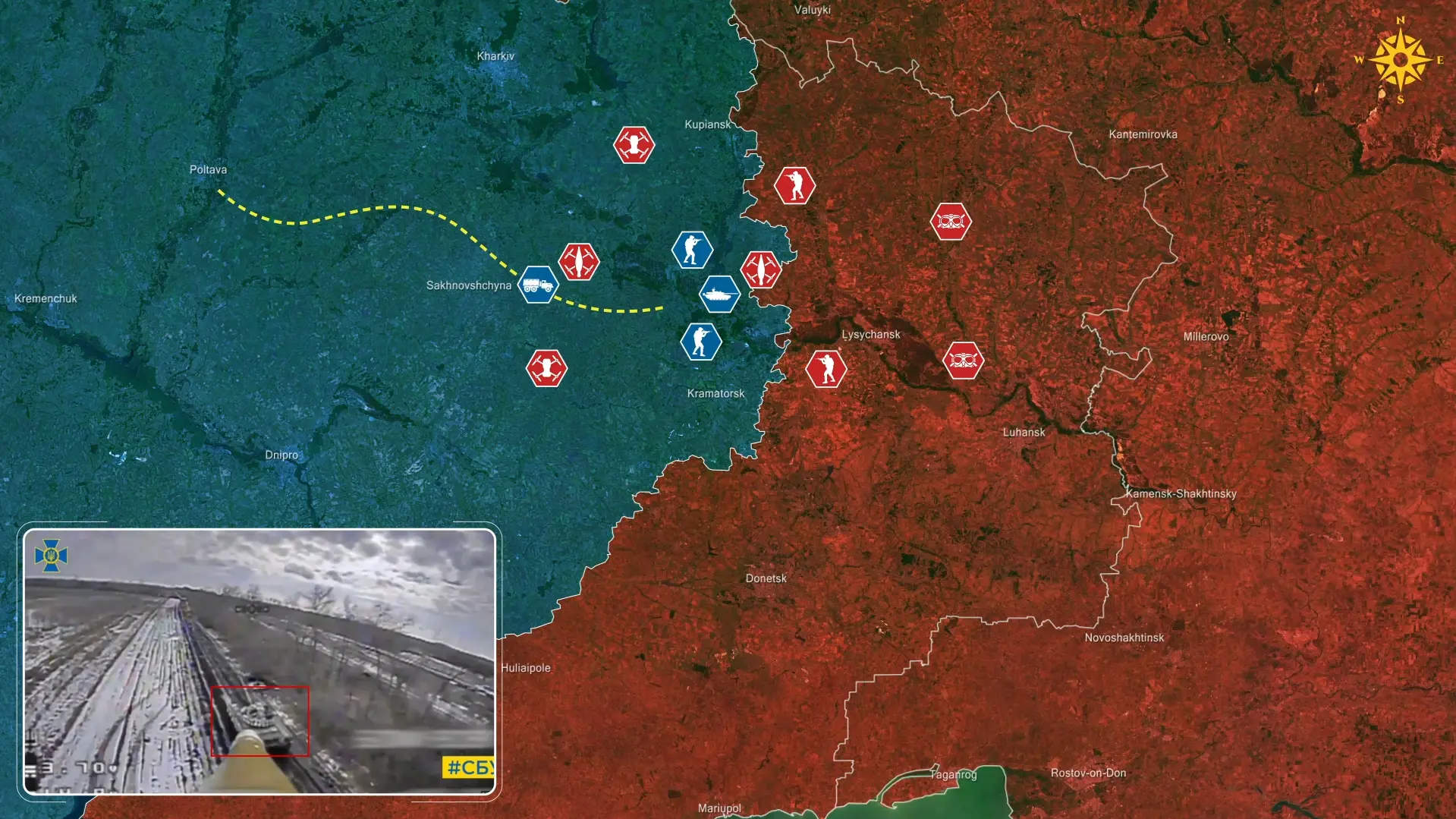
In contrast, Russia’s failure to recruit enough drone operators has immediate consequences on the battlefield in Ukraine, where unmanned units were supposed to compensate for Russia’s exhausted infantry. On the offense, drone pilots act as the eyes for artillery, spotting targets and coordinating fire correction in real time. Without enough pilots, artillery becomes less accurate, ground attacks slow down, and troops are left vulnerable to enemy fire. In defense, drone crews fly constant patrols so the enemy cannot infiltrate unnoticed. Crucially, FPVs also became the main anti tank weapon, not only stopping attacking enemy tanks before they reach the main defense line but also disrupting supply lines. Without enough drone pilots, it will be more difficult for Russia to appropriately defend its positions on every front, opening more opportunities for localized Ukrainian counterattacks.
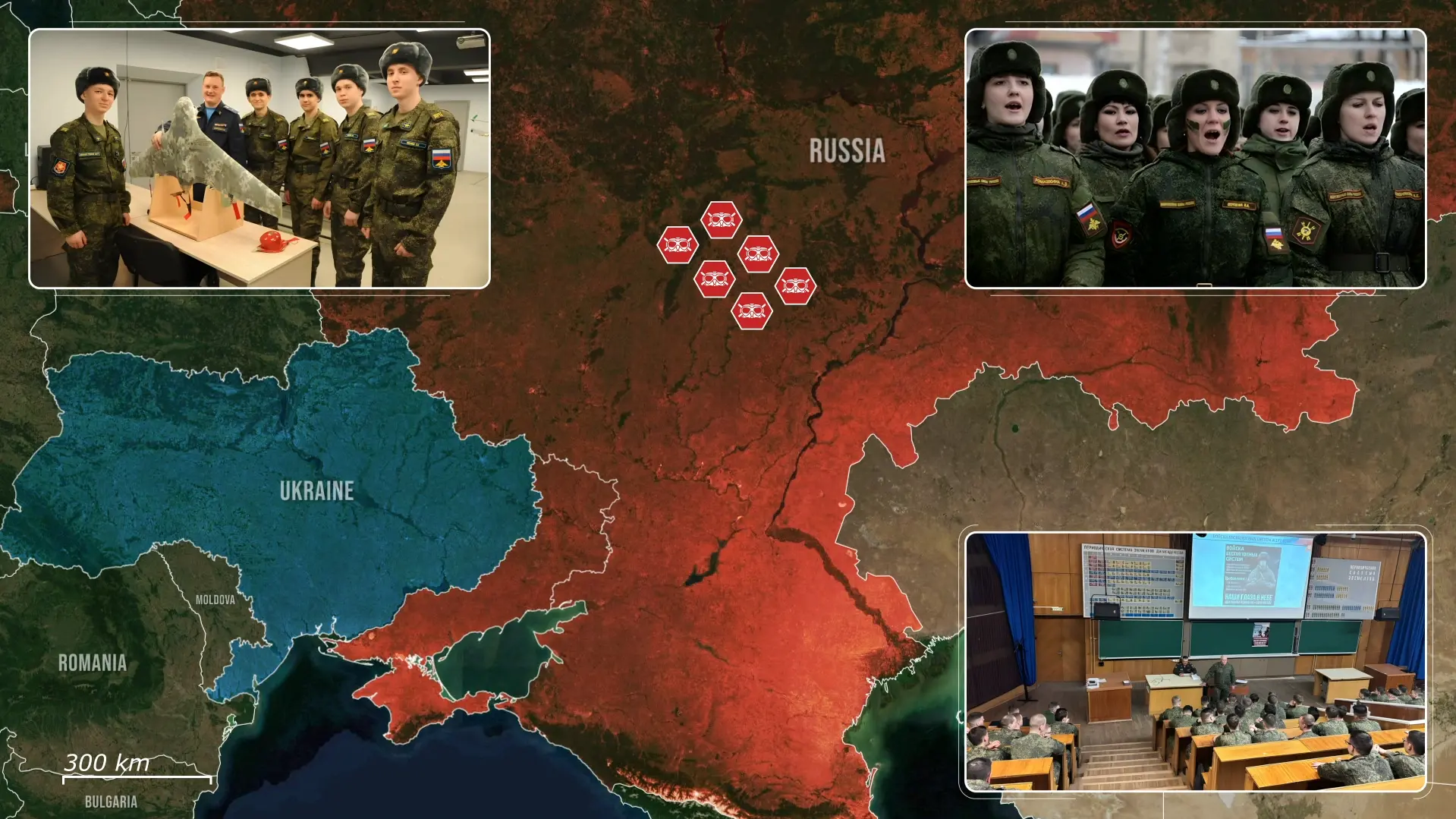
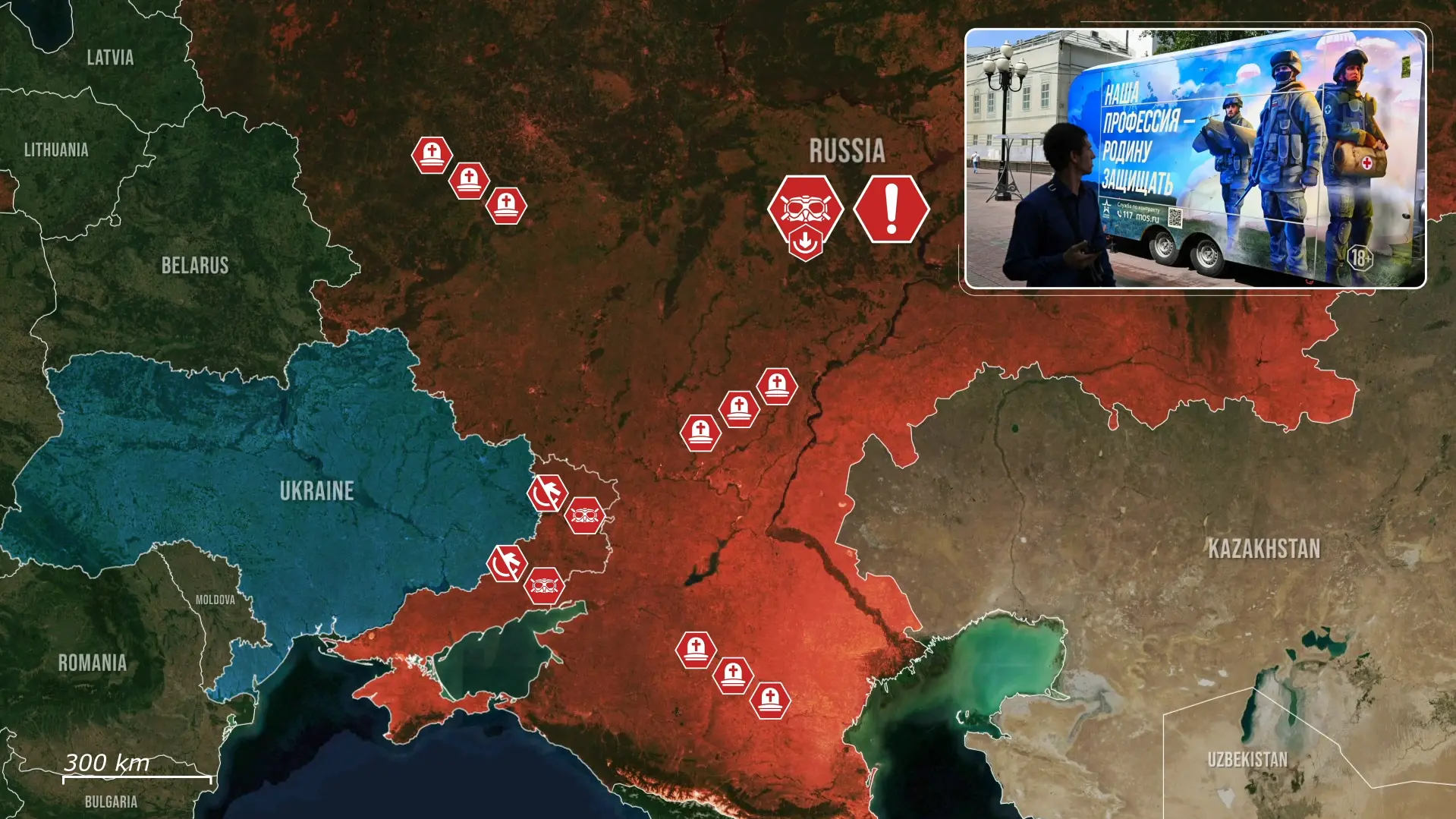
To meet its ambitious targets, officials expected to recruit fifty eight thousand people from universities, veterans of aviation units, and female recruits. Russia relied heavily on recruiting students, instructing institutions to send at least two percent of their students into unmanned units. In total, more than ninety universities and over one hundred vocational institutions were mobilized for this effort, which nonetheless failed in its intent. Even with contract bonuses rising by twenty five percent, young Russians did not rush to join the army as drone operators.
The core problem with Russia’s plan is that its high tech military vision depends on a generation that is not so eager to fight, especially given the current realities of frontline danger. In fact, after five years of war in Ukraine and staggering casualty rates, students see the risks clearly despite the Russian information masquerade. Reports have already emerged and reached Russian school institutes about young drone operators killed in Ukraine, including a twenty three year old student recruited through the university campaign. Notably, Ukrainian special services even once infiltrated a video call of a recruitment event at a University, where organizers tried to persuade students to join unmanned troops. The Ukrainian infiltrator bluntly warned attendees not to go to Ukraine, or they will be hunted down and killed.
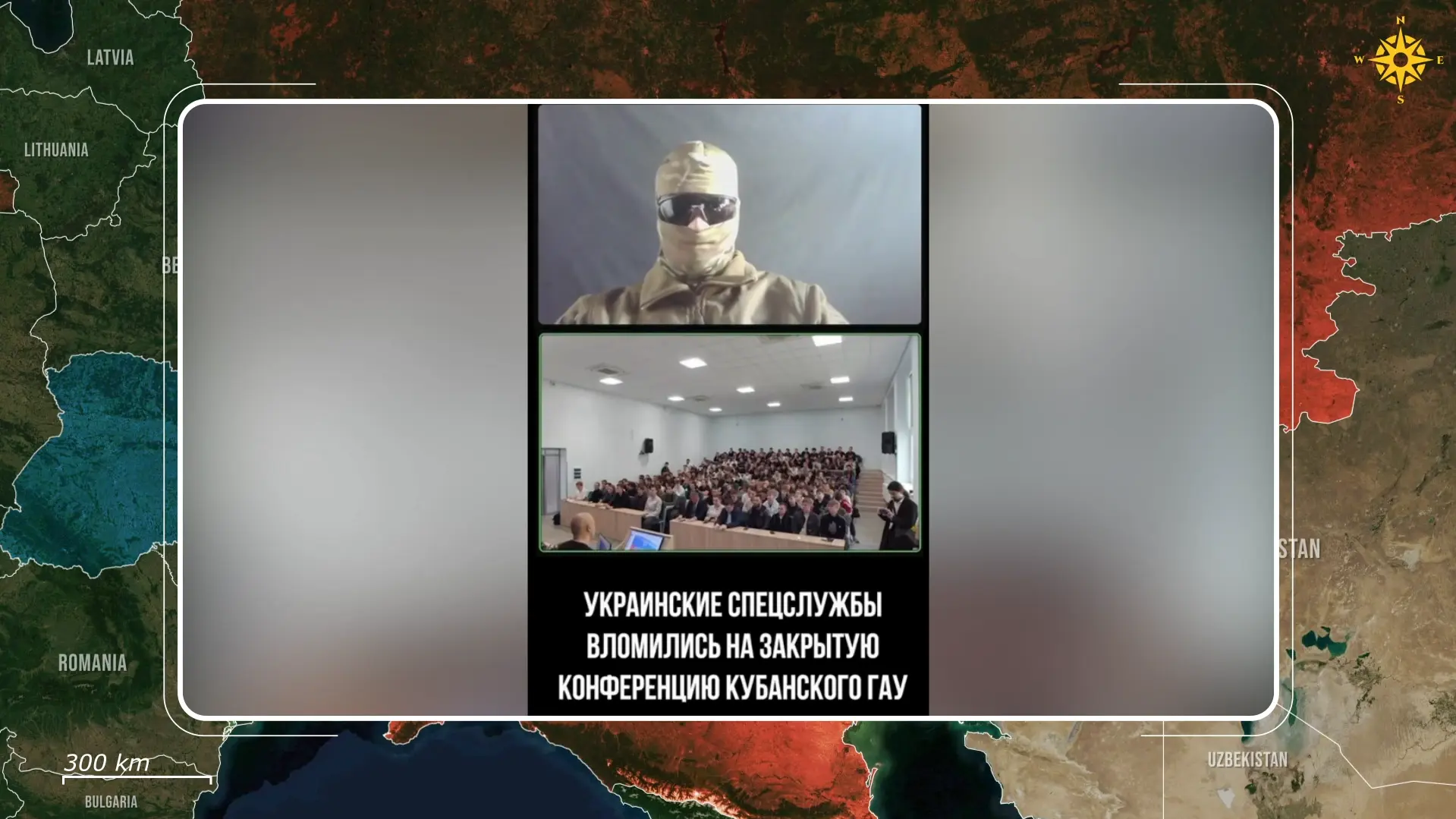
Overall, Russia’s failure to recruit enough drone operators exposes a major weakness at the heart of its military modernization goal. Russia wants a vast, technologically advanced unmanned army, but recruitment numbers reveal that young population enthusiasm is not keeping pace with ambition. Even high tech military roles are becoming less appealing to young Russians, who increasingly perceive the level of danger and who generally view the war in Ukraine more negatively. This shortage already carries consequences in Ukraine, where Russia cannot field the drone units it needs to sustain pressure, thereby limiting its ability to compensate for infantry losses and make territorial gains.

.jpg)

Comments