

.svg)
Today, there are important updates from Iran.
Here, high-ranking members of the Iranian government and key naval assets were targeted by precise US-Israeli strikes, plunging the country into chaos. This resulted in a total command breakdown and confusion, with what can only be described as a fractured and desperate response, leading to shocking accidents where Iran targeted itself.
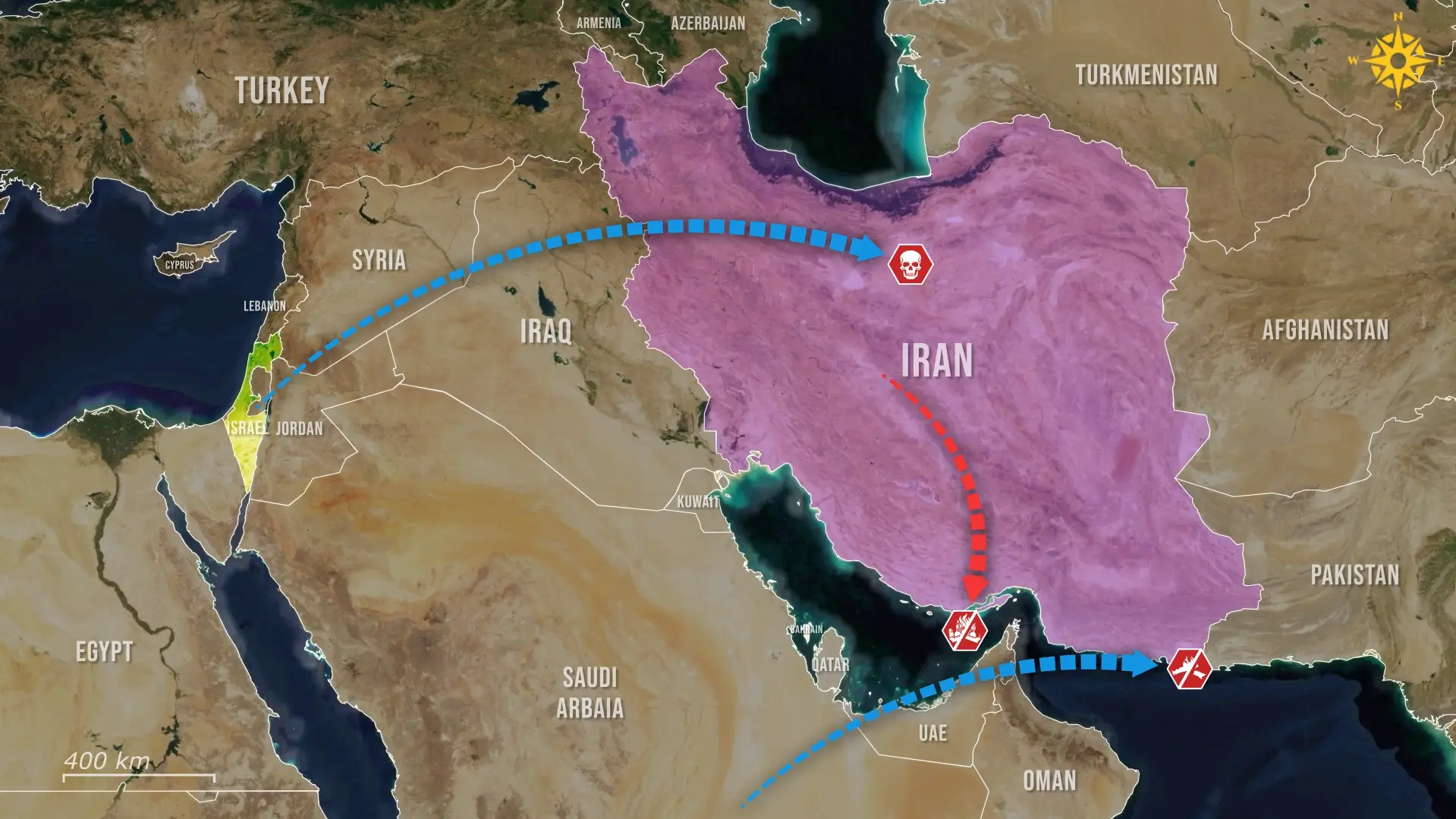
Amid an attempt to retaliate, confused Iranian forces struck and heavily damaged the tanker Skylight in a friendly fire incident. Ironically, the vessel is part of the Iranian-Russian shadow fleet and was transporting sanctioned Iranian oil. Four people were reportedly injured, and twenty crew members evacuated, including several Iranian nationals. Almost immediately after the strike, further reports emerged of additional Iranian attacks on two more shadow fleet vessels in the same maritime corridor.
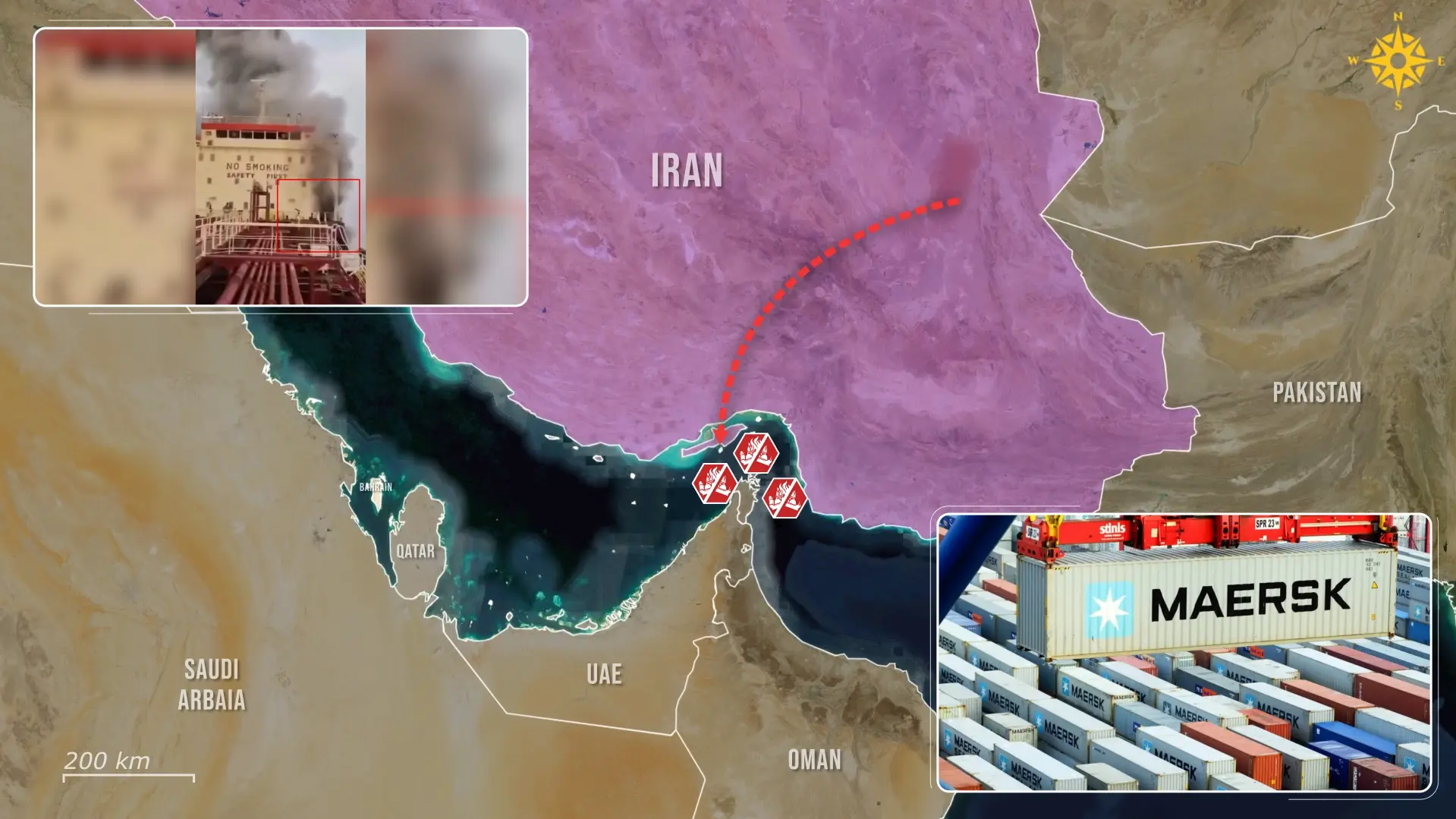
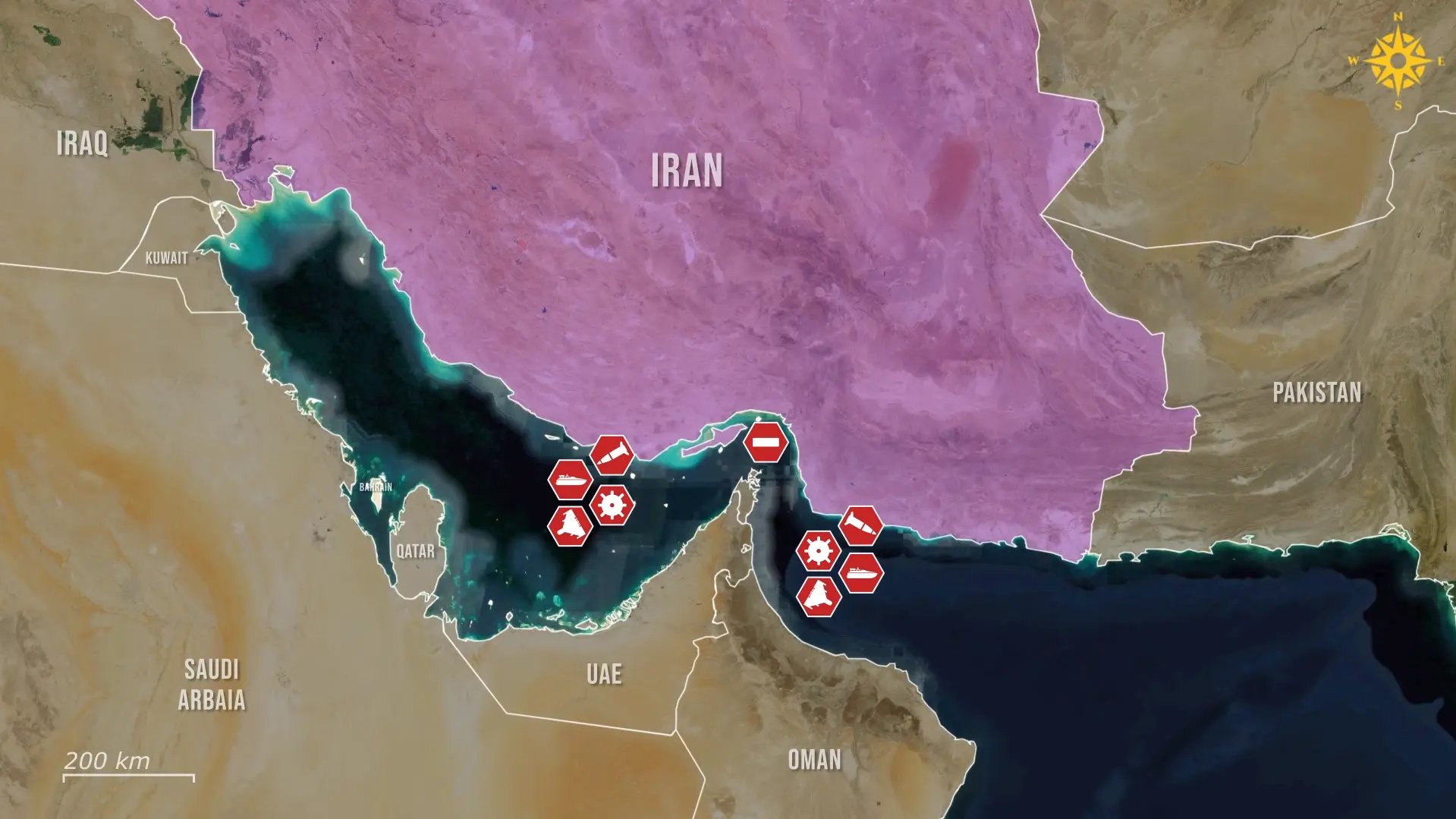
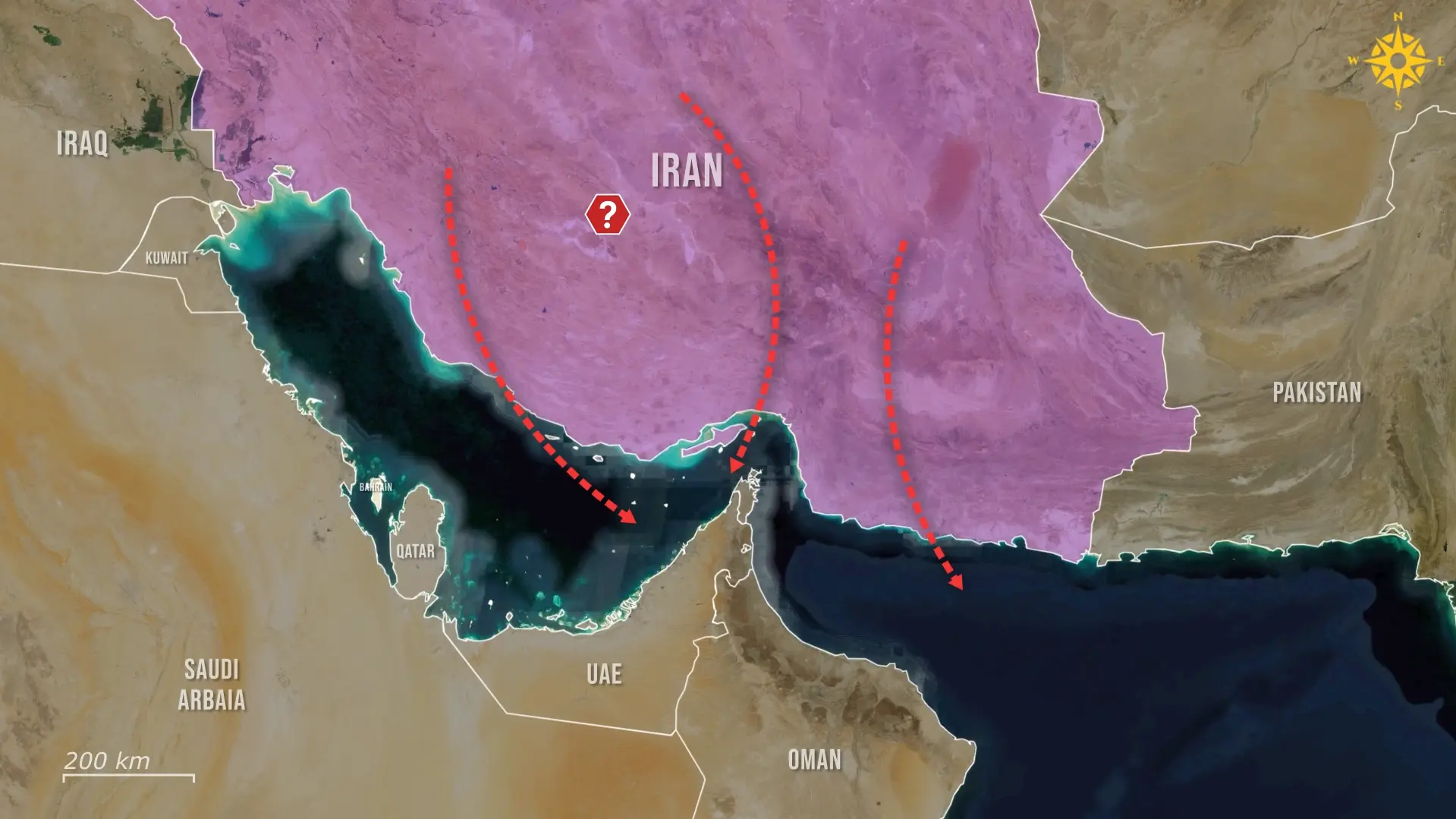
The broader Iranian plan had been to fully blockade the Strait of Hormuz as a pressure point against the United States. Roughly one-fifth of global oil and LNG flows transit this narrow waterway. The plan would have been to use naval mines, anti-ship missile salvos, and coordinated sea and aerial drone swarms, as already done by the Houthis in the Red Sea.
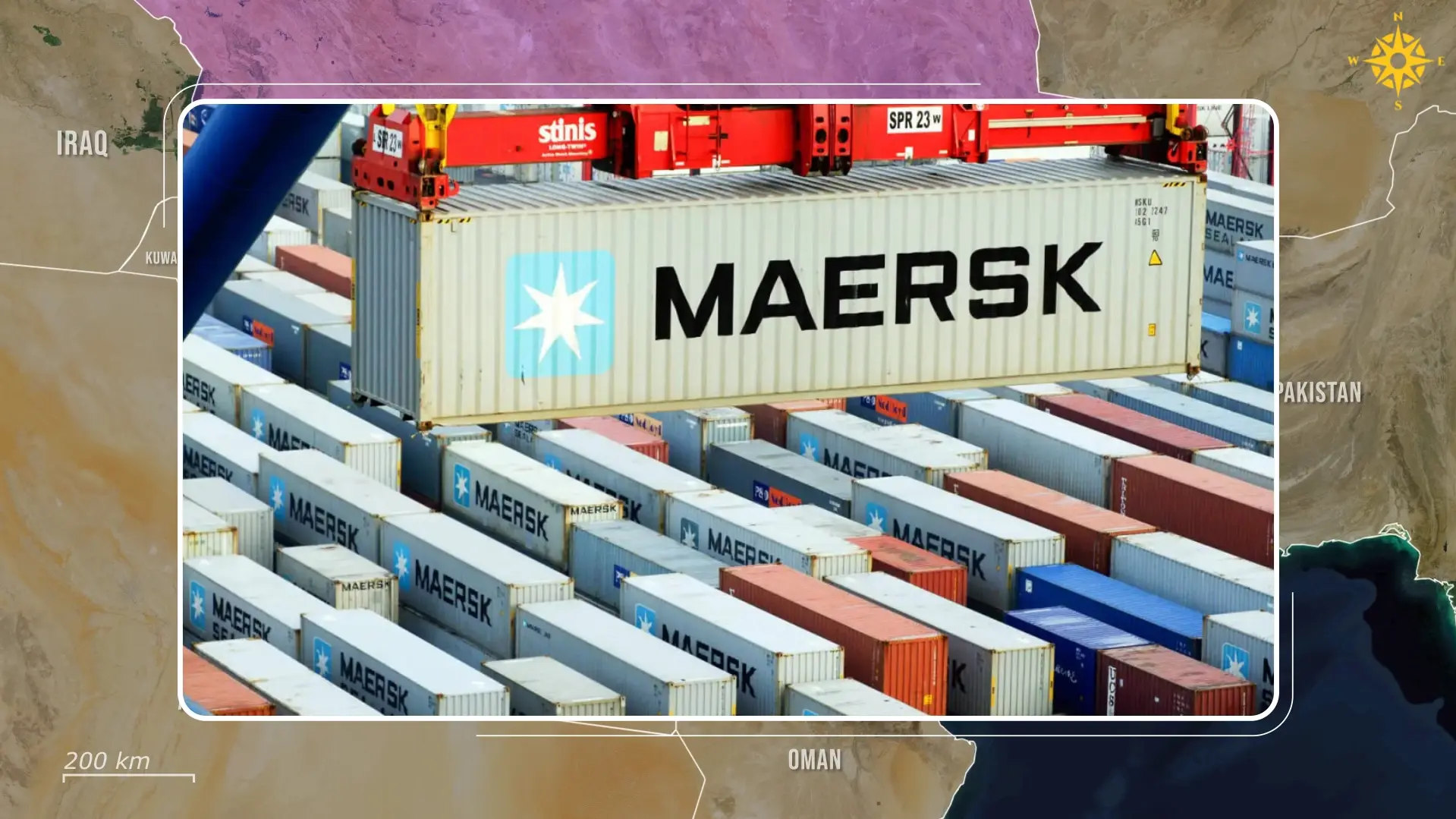
Although shipping volumes through Hormuz dropped sharply, as major carriers such as Maersk suspended operations, much of the disruption appears precautionary rather than the result of a properly executed Iranian blockade. Following the initial outbreak, Brent crude oil briefly surged above $82 per barrel, and approximately 150 vessels either anchored or drifted near the chokepoint as insurers reassessed whether they were willing to take the risk.
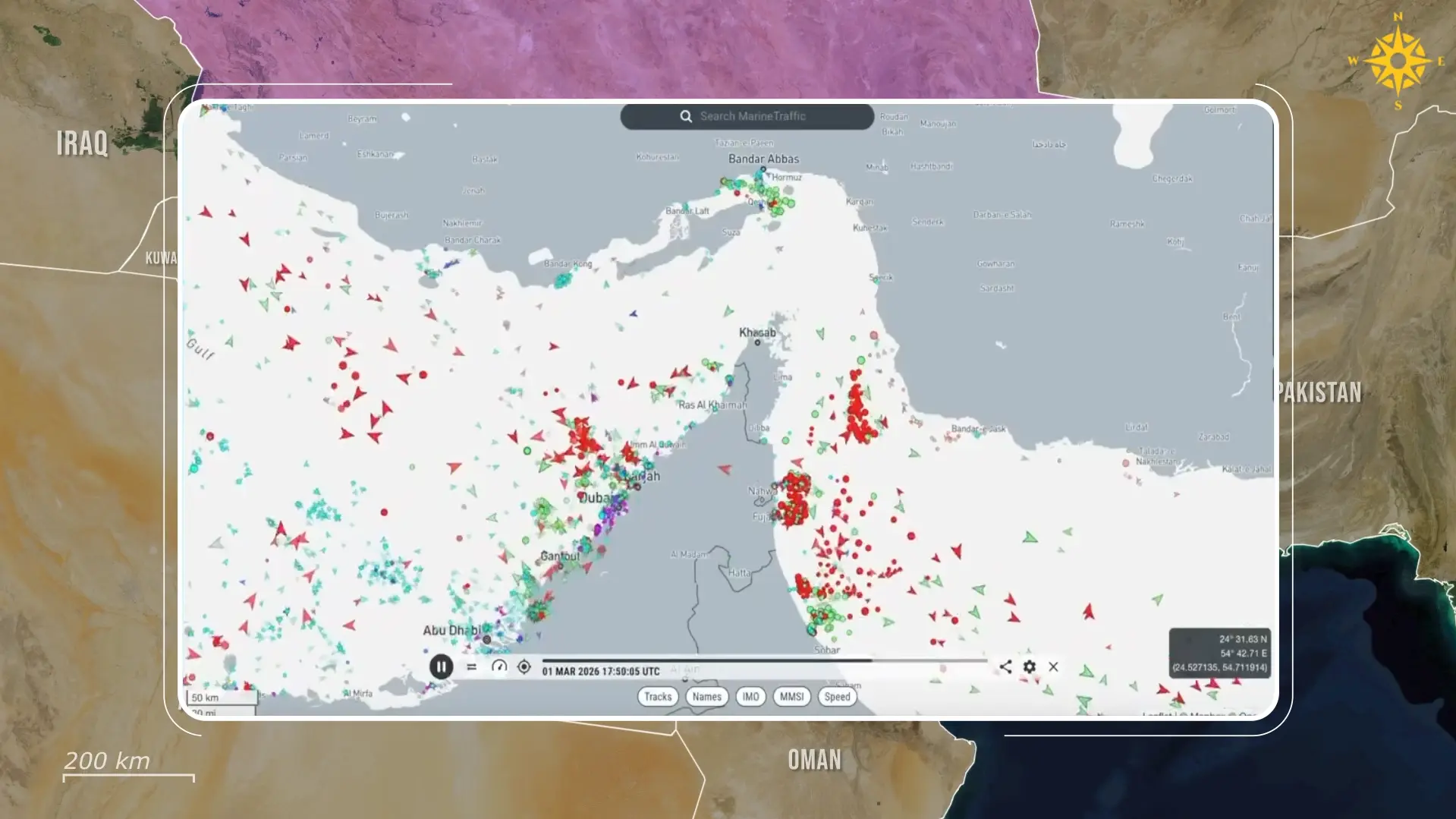
Despite this, the intended strategic shock that Iran hoped for has not materialized in coherent form, with the closure threats having been accompanied by sporadic vessel strikes and maritime alarms that suggest improvisation rather than a structured denial strategy, as confirmed by the fact that in the end, the Iranians targeted ships connected to their own shadow fleet.
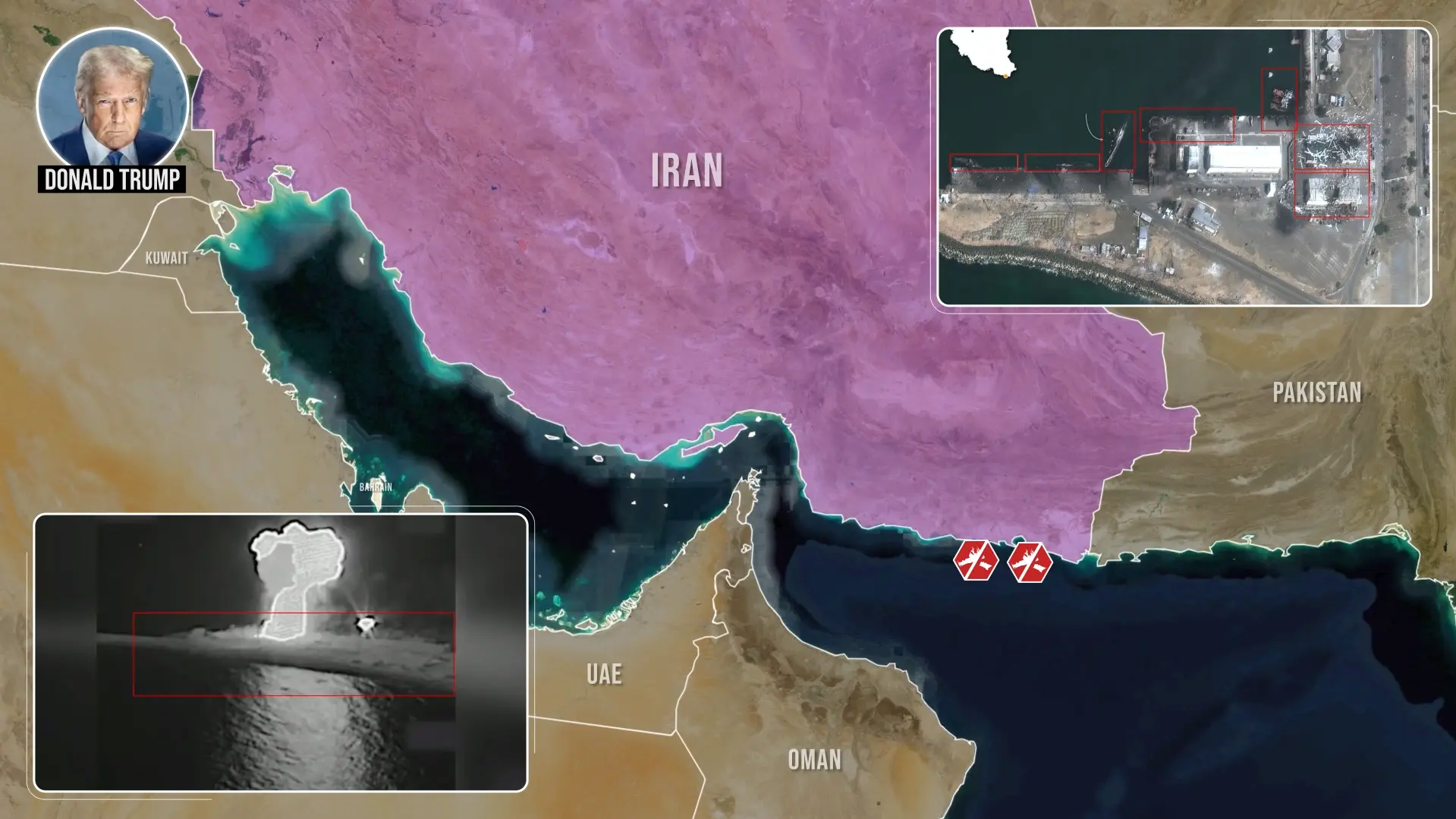
This incoherence comes in light of the severe damage inflicted on Iran’s naval capacity. US forces confirmed strikes on a Jamaran-class frigate at Chabahar naval base, one of Iran’s relatively modern surface combatants equipped with anti-ship missiles, air defense systems, and torpedoes. Satellite imagery from the Konarak naval base revealed extensive damage to naval facilities and multiple other ships. President Trump publicly stated that all 11 Iranian naval vessels had been destroyed or sunk, alongside significant damage to naval headquarters. The destruction of all forward-deployed warships before they could execute blockade operations effectively neutralized Iran’s most visible maritime deterrent.
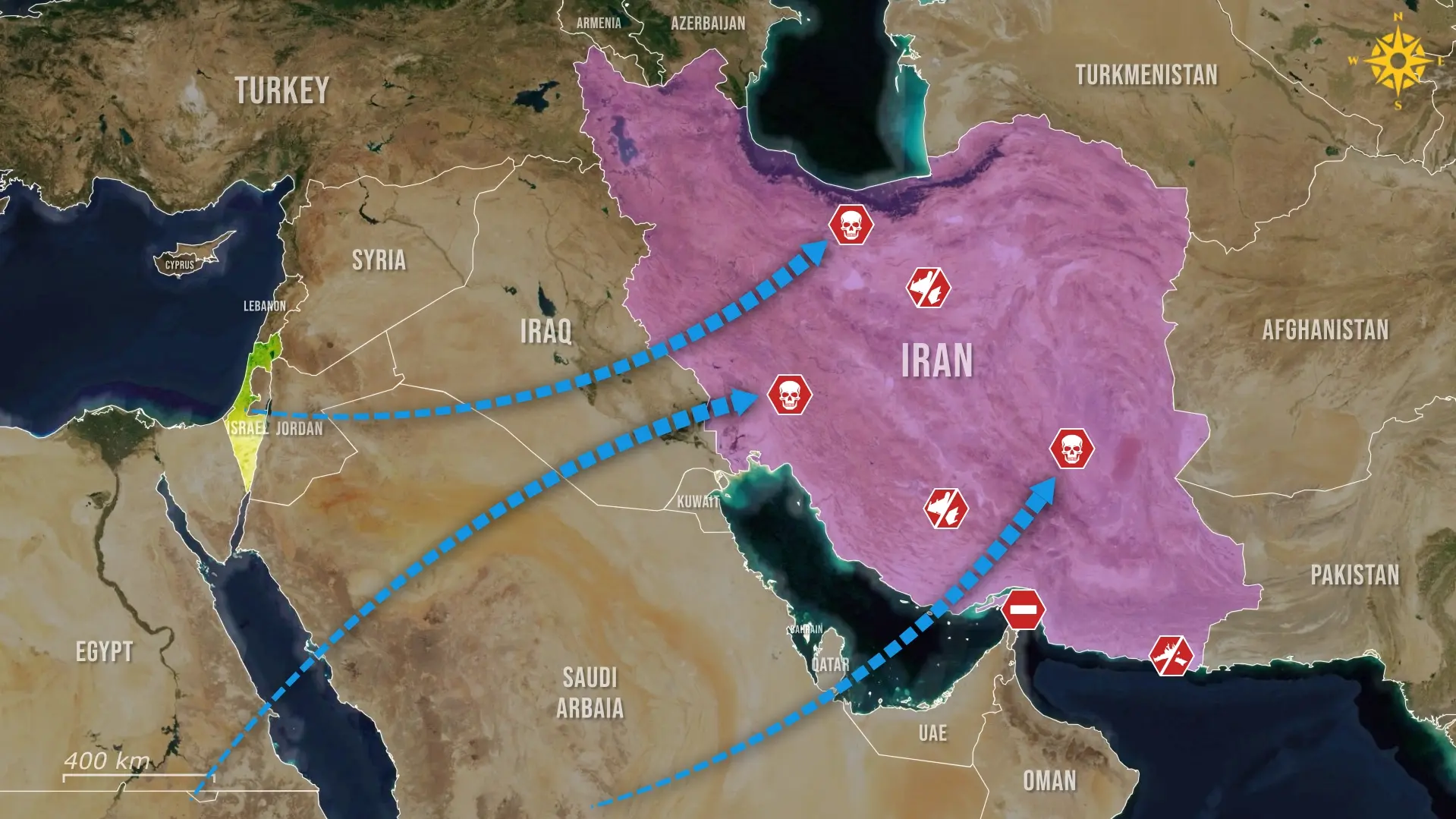
Simultaneously, the joint US-Israeli operation delivered a devastating decapitation blow to Iran’s centralized leadership. Precision strikes in Tehran reportedly eliminated Supreme Leader Ali Khamenei along with numerous senior military and political figures, including IRGC commander Mohammad Pakpour, Defense Minister Amir Nasirzadeh, Armed Forces Chief of Staff Abdol Rahim Mousavi, and other high-ranking officials.
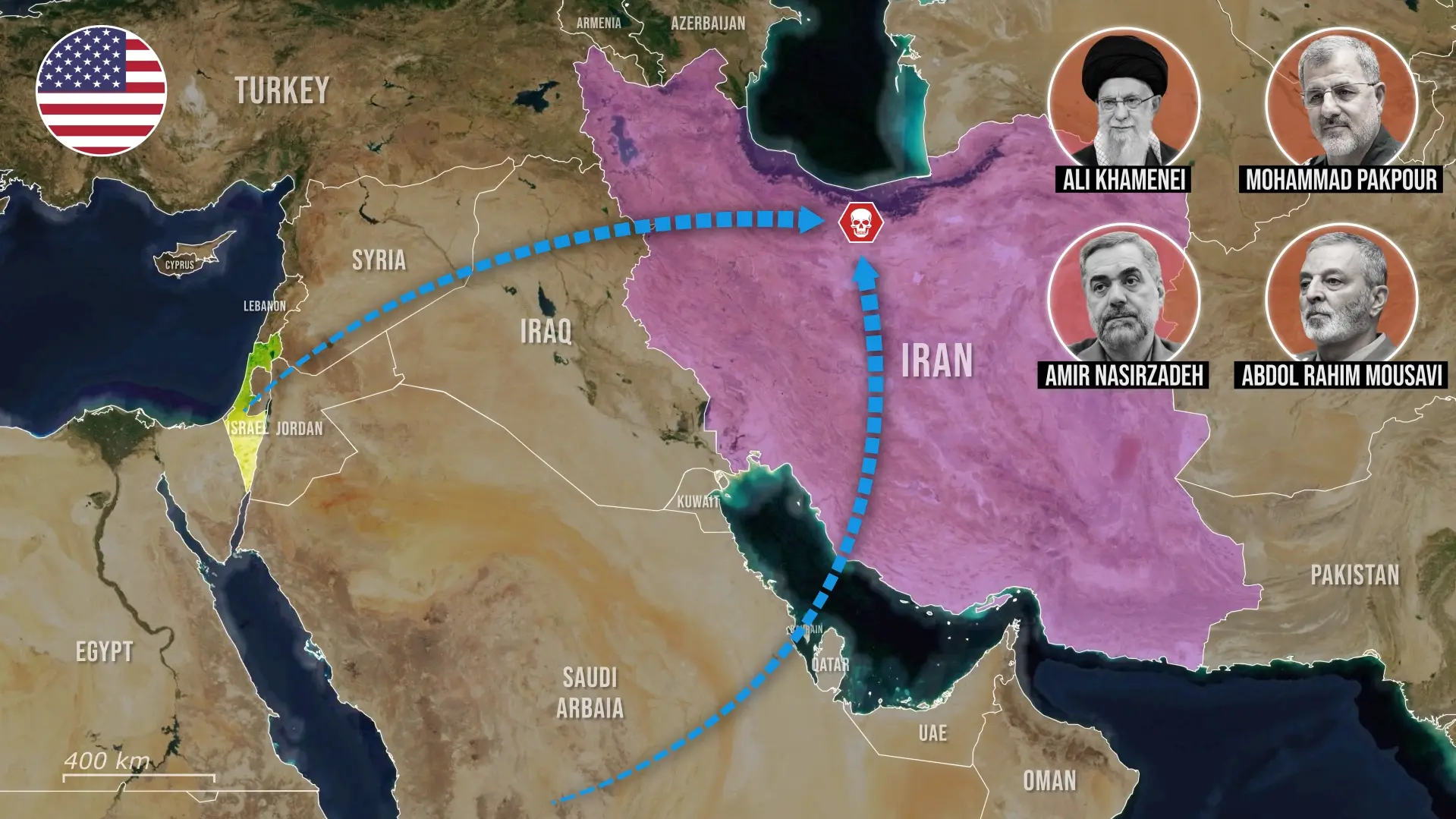
Command headquarters, government buildings, and key military academies were hit. Israeli and US sources describe near-simultaneous strikes within seconds that severed the apex of Iran’s command structure, with the symbolic raising of a black mourning flag in Mashhad by the Iranians underscored the magnitude of the loss.
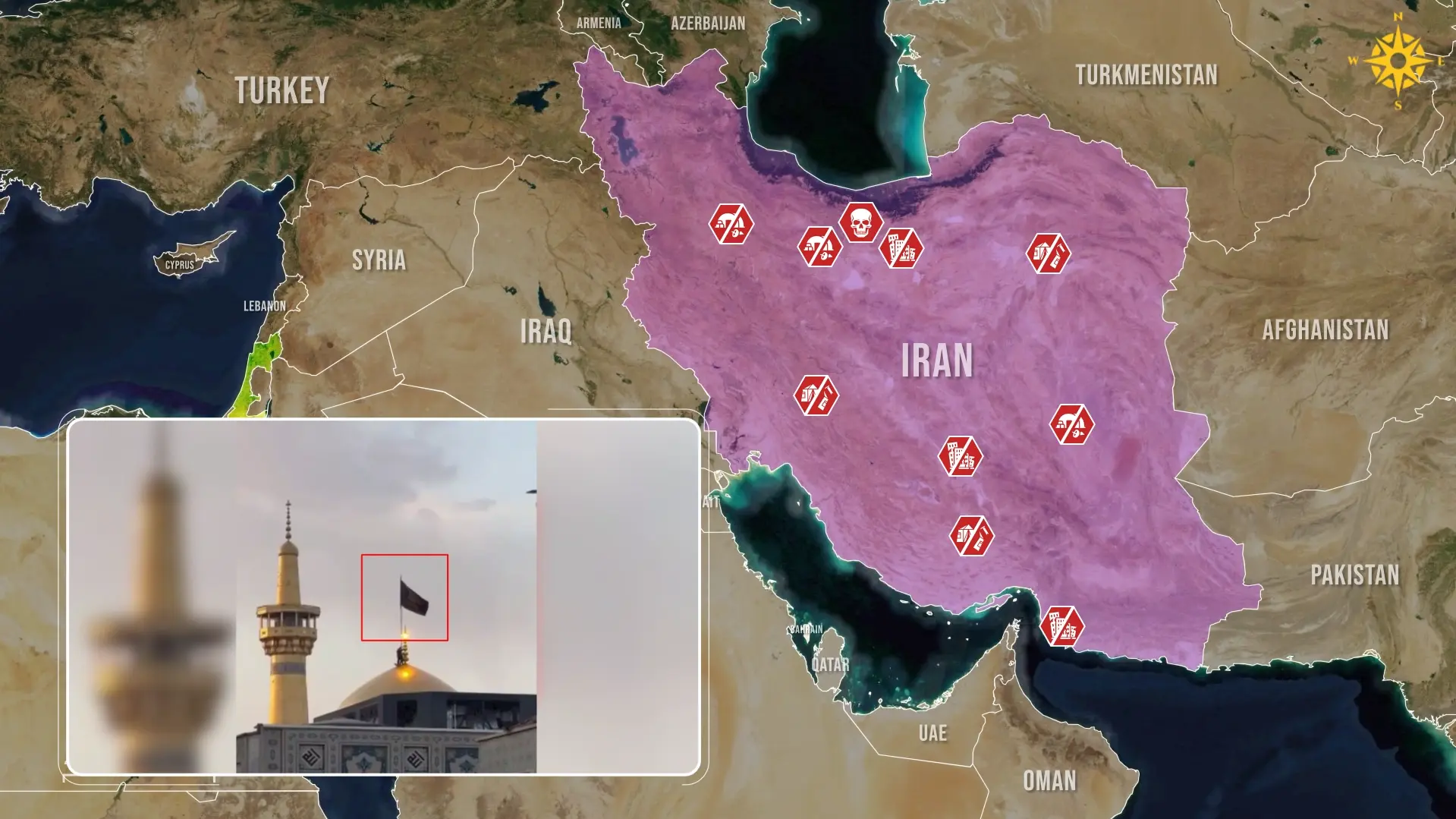
The operational consequences of these targeted eliminations are visible, as Iran’s response has appeared fragmented, reactive, and at times self-defeating. Instead of a calibrated denial campaign of the Hormuz Strait, Tehran has issued warnings, launched scattered missile and drone strikes, and misidentified targets, as seen in the tanker Skylight incident.
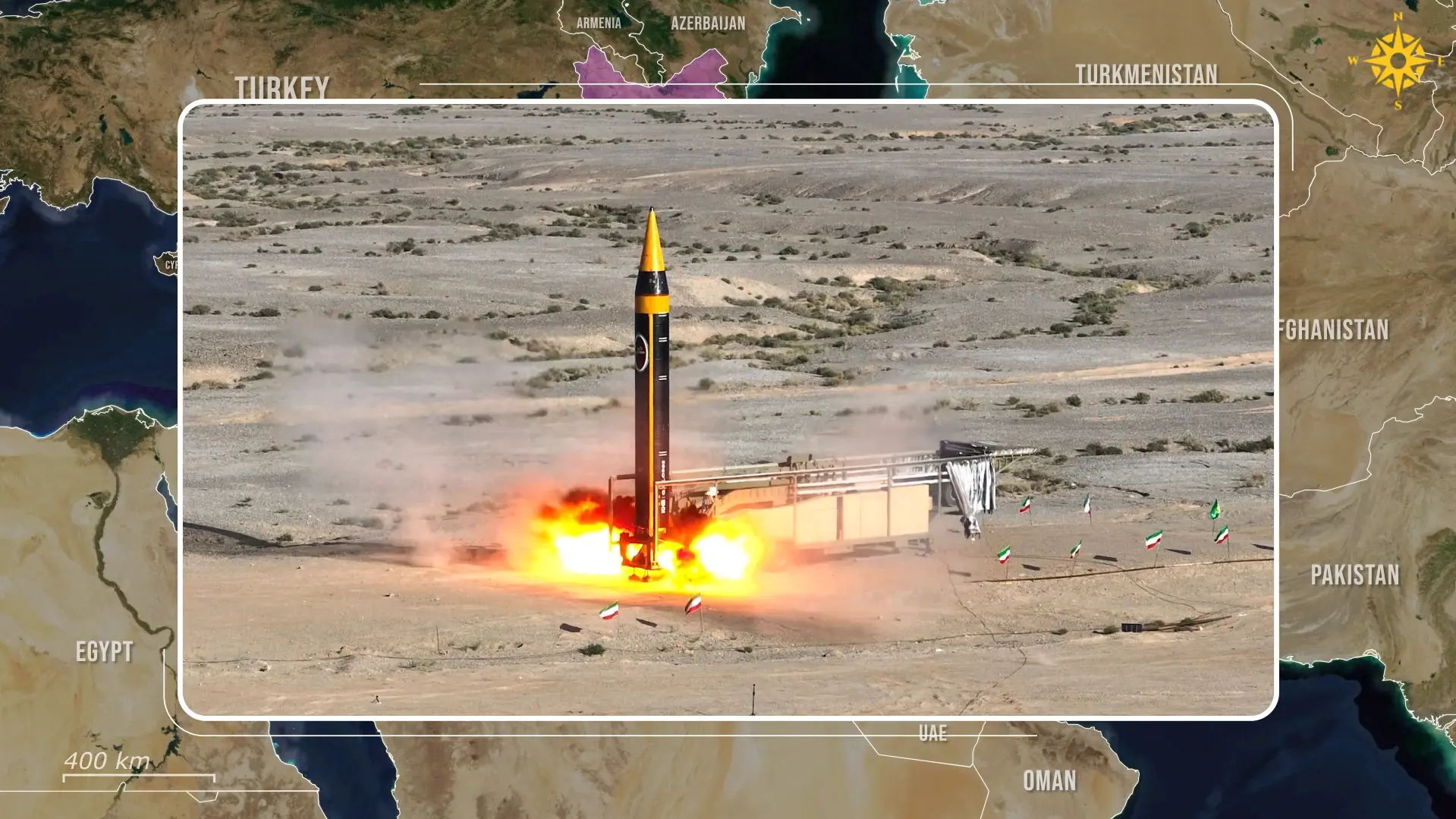
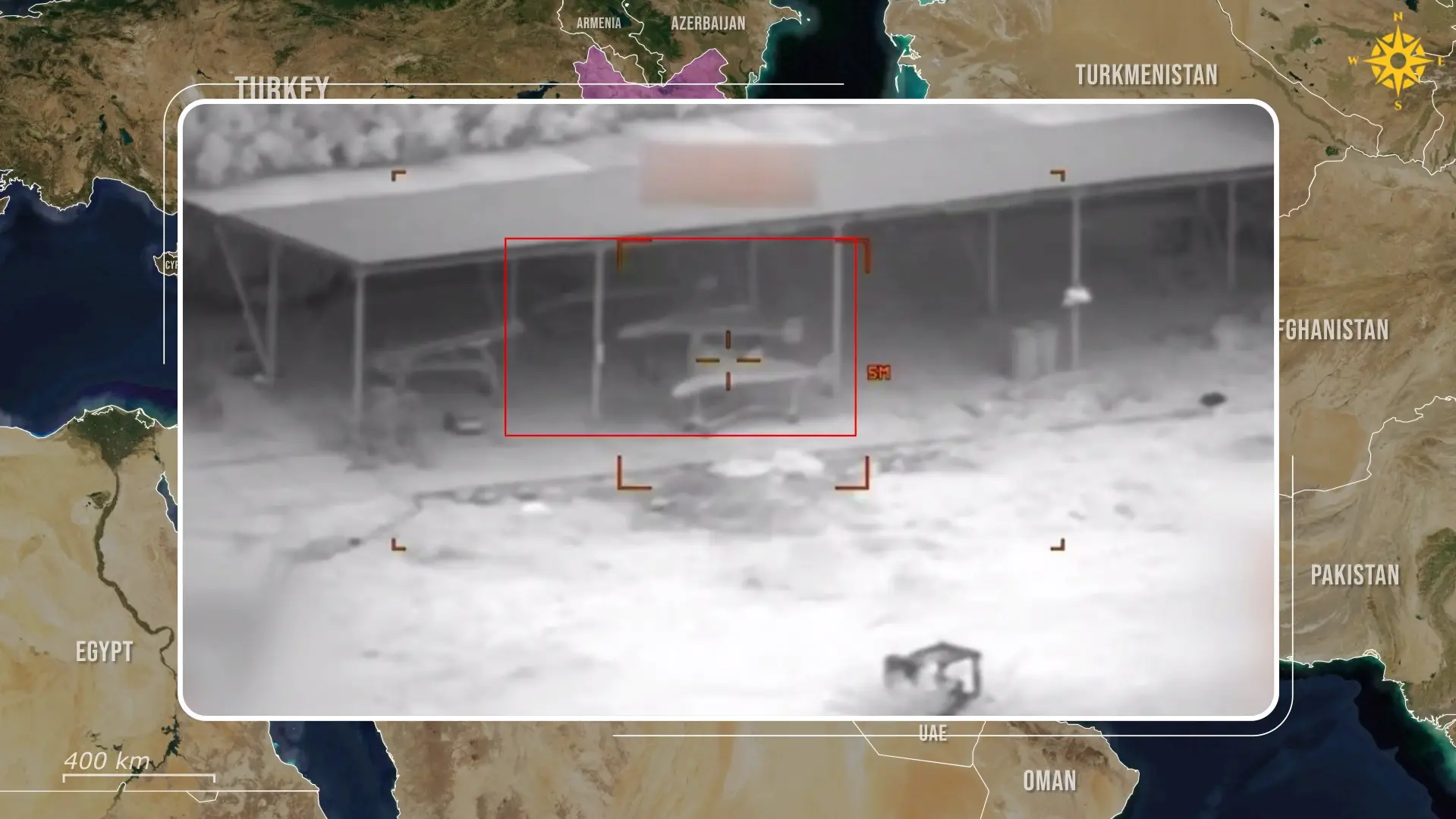
Shipping disruptions have been dramatic but tactically unstructured, with the attempted projection of control and a plan by the Iranians on how to counter US-Israeli attacks instead revealing total loss of control by the regime in Tehran.
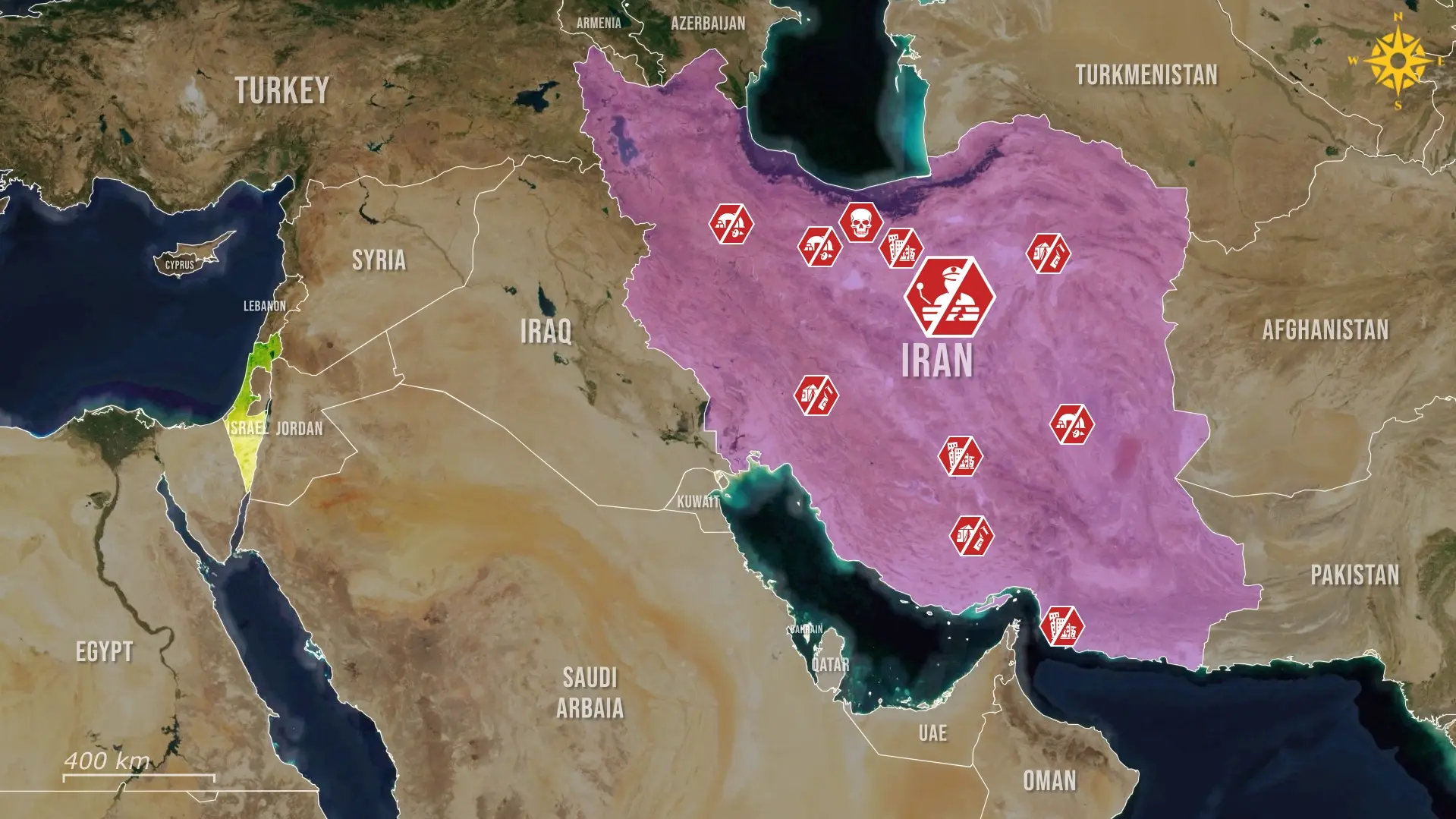
At a strategic level, inter-branch coordination appears just as strained as within the navy, with elements of the Islamic Revolutionary Guard Corps, the regular army, and naval forces operating with uneven synchronization. Foreign Minister Abbas Araghchi has indeed acknowledged that some units are functioning without control and are isolated. While contingency mechanisms resembling pre-delegated retaliation orders may exist, such rigid responses cannot substitute a well-functioning command. Against a technologically superior US-Israeli coalition possessing air dominance and rapid targeting cycles, flexibility is essential, while fragmented Iranian leadership cannot generate coherent escalation.
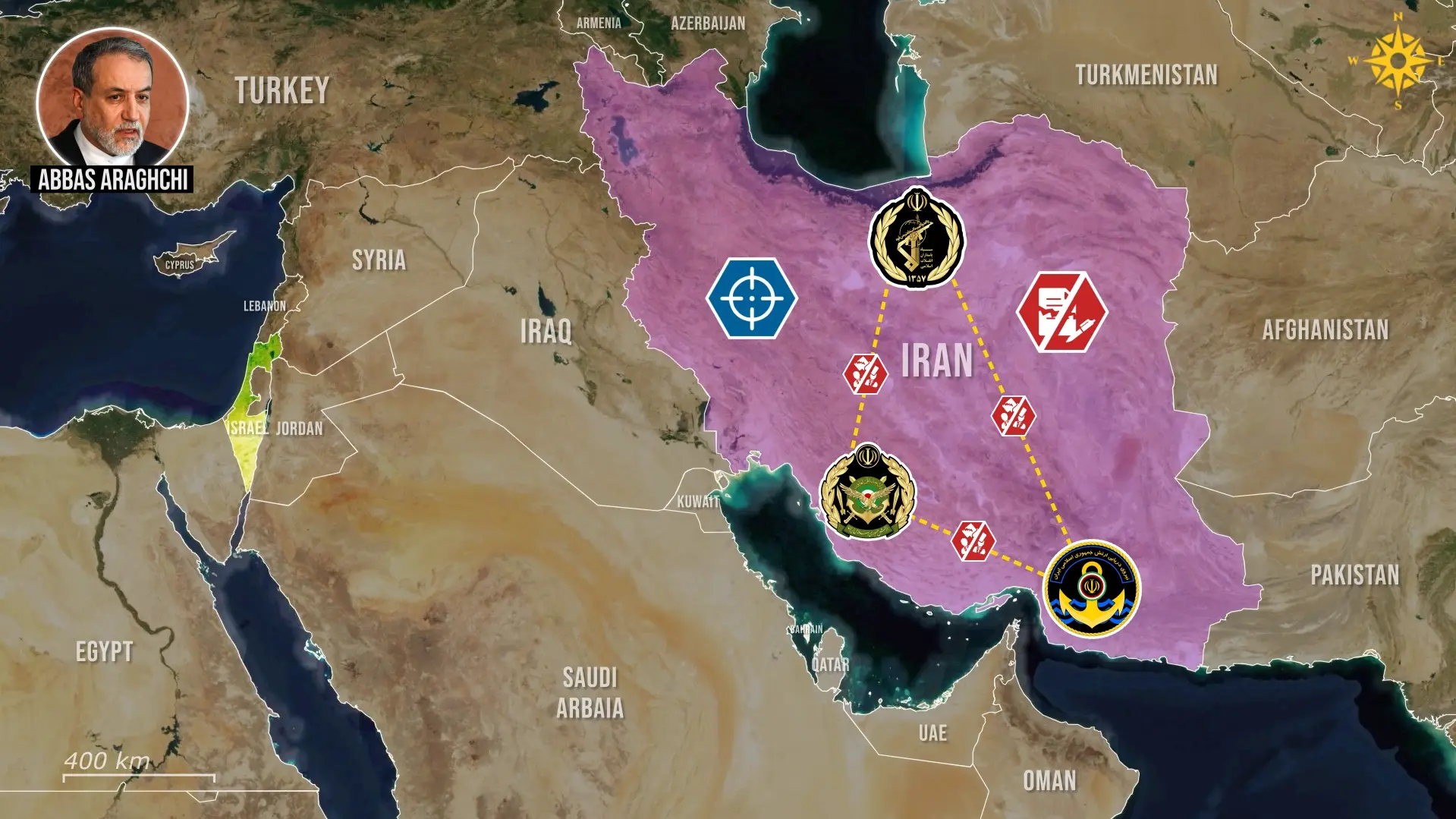
Overall, the cumulative picture from Iran is one of destabilization, with naval assets destroyed, leadership decapitated, and retaliatory efforts incoherent. Reports indicate that even newly appointed commanders replacing eliminated officials have themselves been targeted within hours, perpetuating confusion and discouraging decisive action.
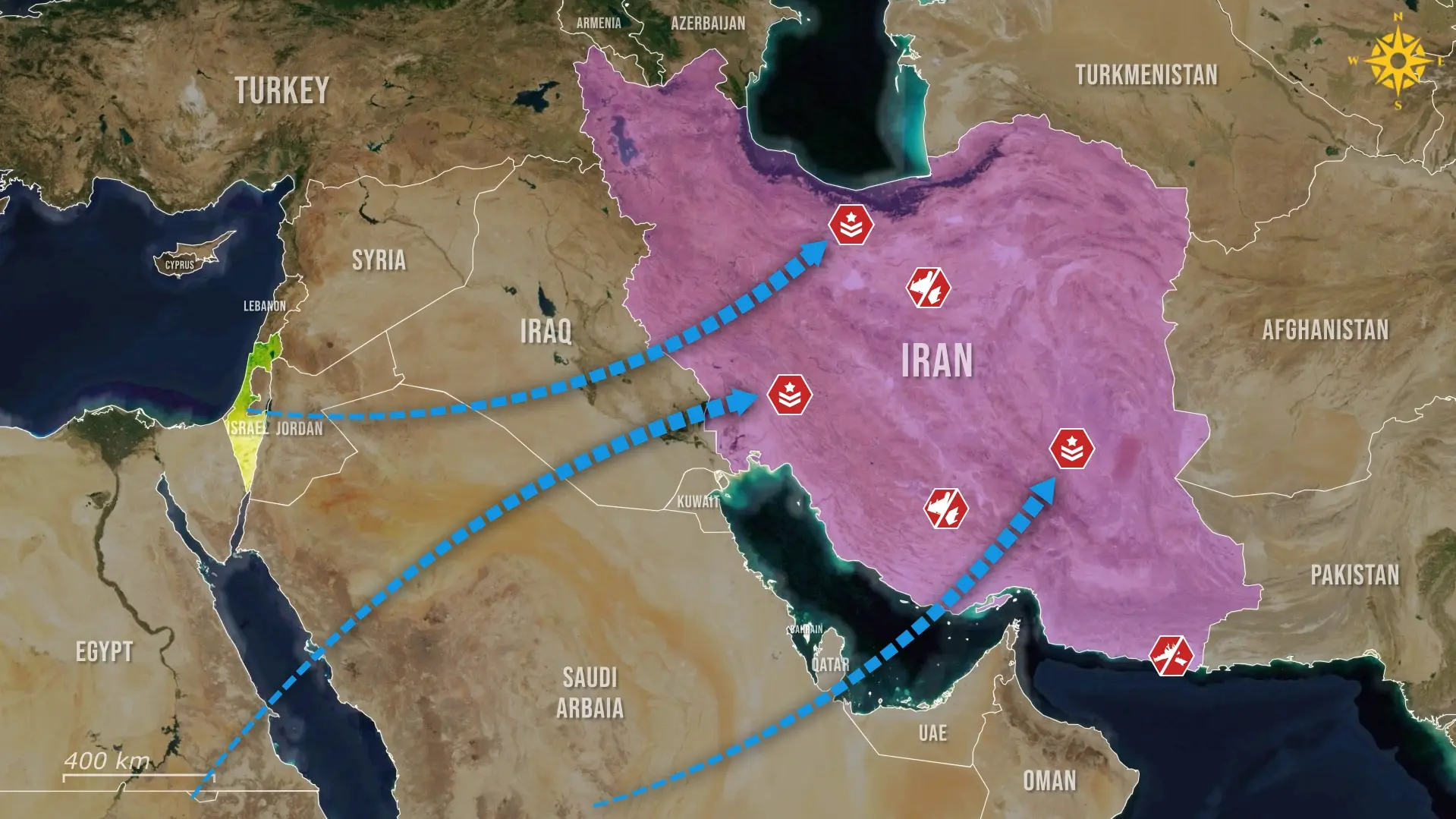
Rather than demonstrating controlled defiance, Iran’s actions suggest a regime struggling to maintain cohesion under sustained precision pressure. As a result, what was intended as the biggest positive, the asymmetric leverage through Hormuz, has instead exposed structural fragility at the core of Tehran’s military machine.

.jpg)

Comments