

.svg)
Today, the biggest news comes from Iran.
Here, after the stalemate resulting from the attacks and the attempt of regime change from the United States, Iran entered a challenging negotiation phase. However, aside from the clash with the US, Iran faces huge internal divisions that make external actors wonder whom they are really negotiating with and who is truly ruling the country.
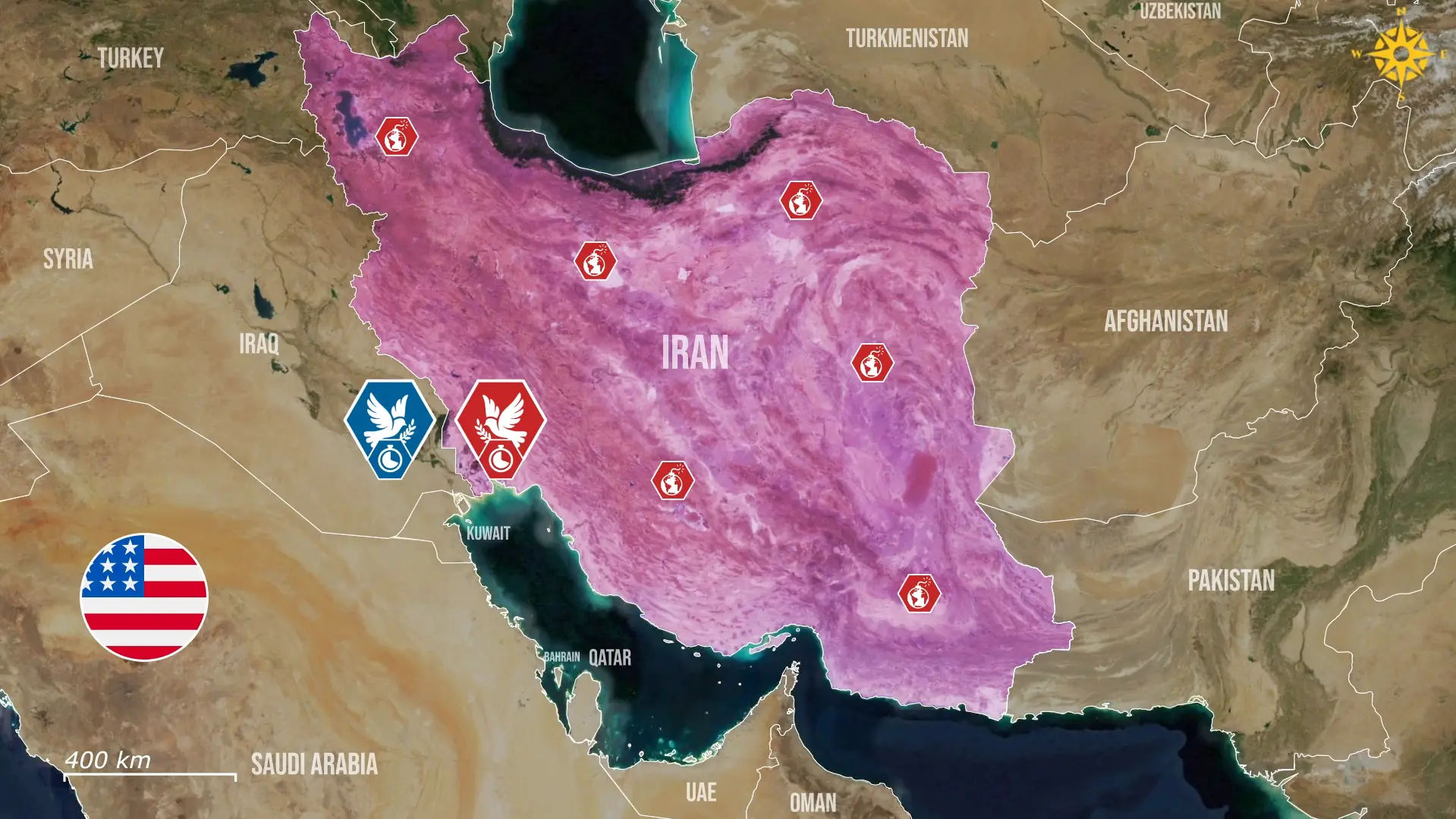
Iran’s political system has always contained rival power centers, but the current moment has turned those tensions into open fragmentation. The divide between moderates and hardliners is no longer a matter of ideological nuance but a structural clash over who gets to define Iran’s strategy in war and peace negotiations. As a result, the negotiation and the messaging towards the US can shift from conciliatory to confrontational within hours.
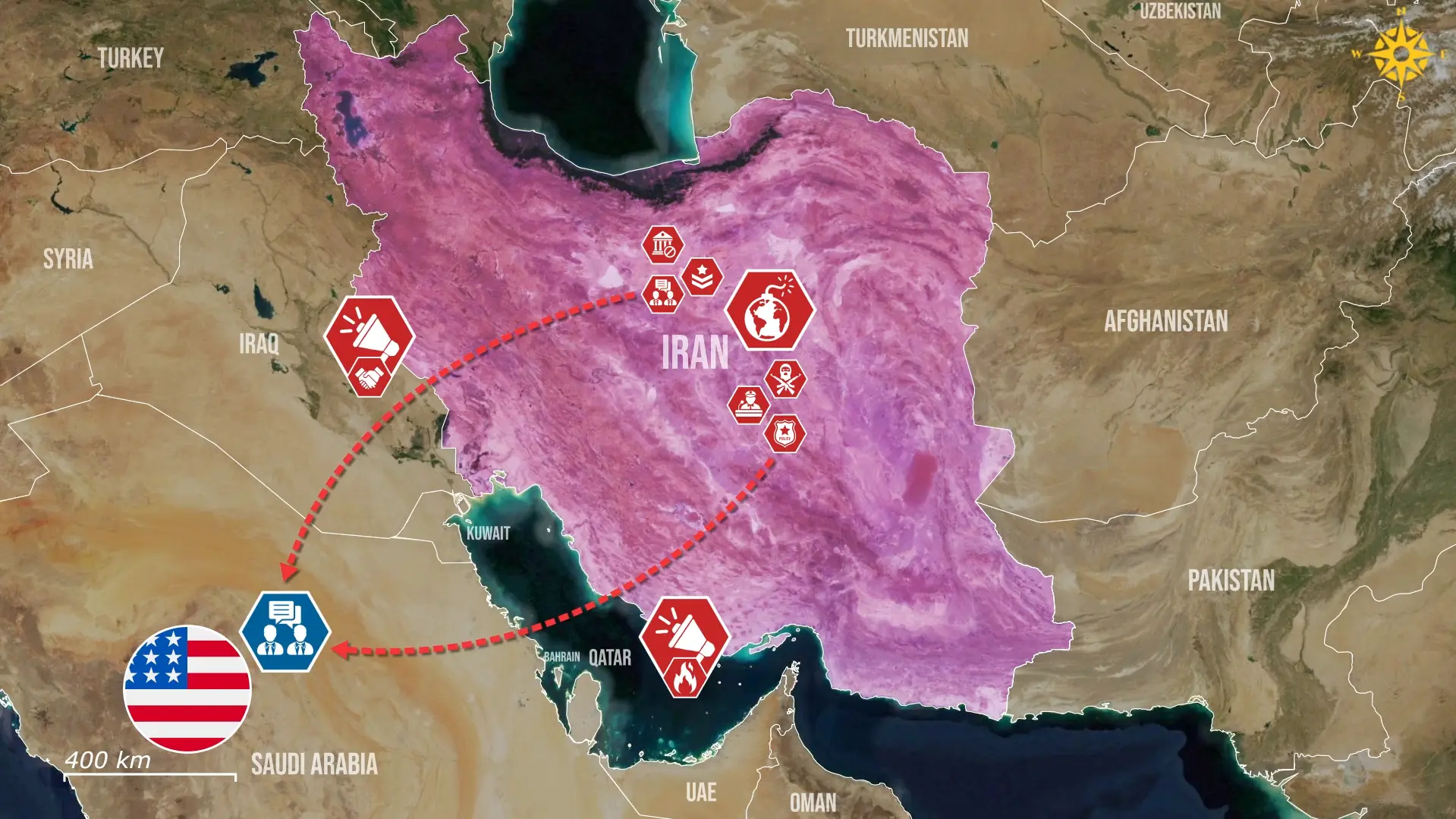
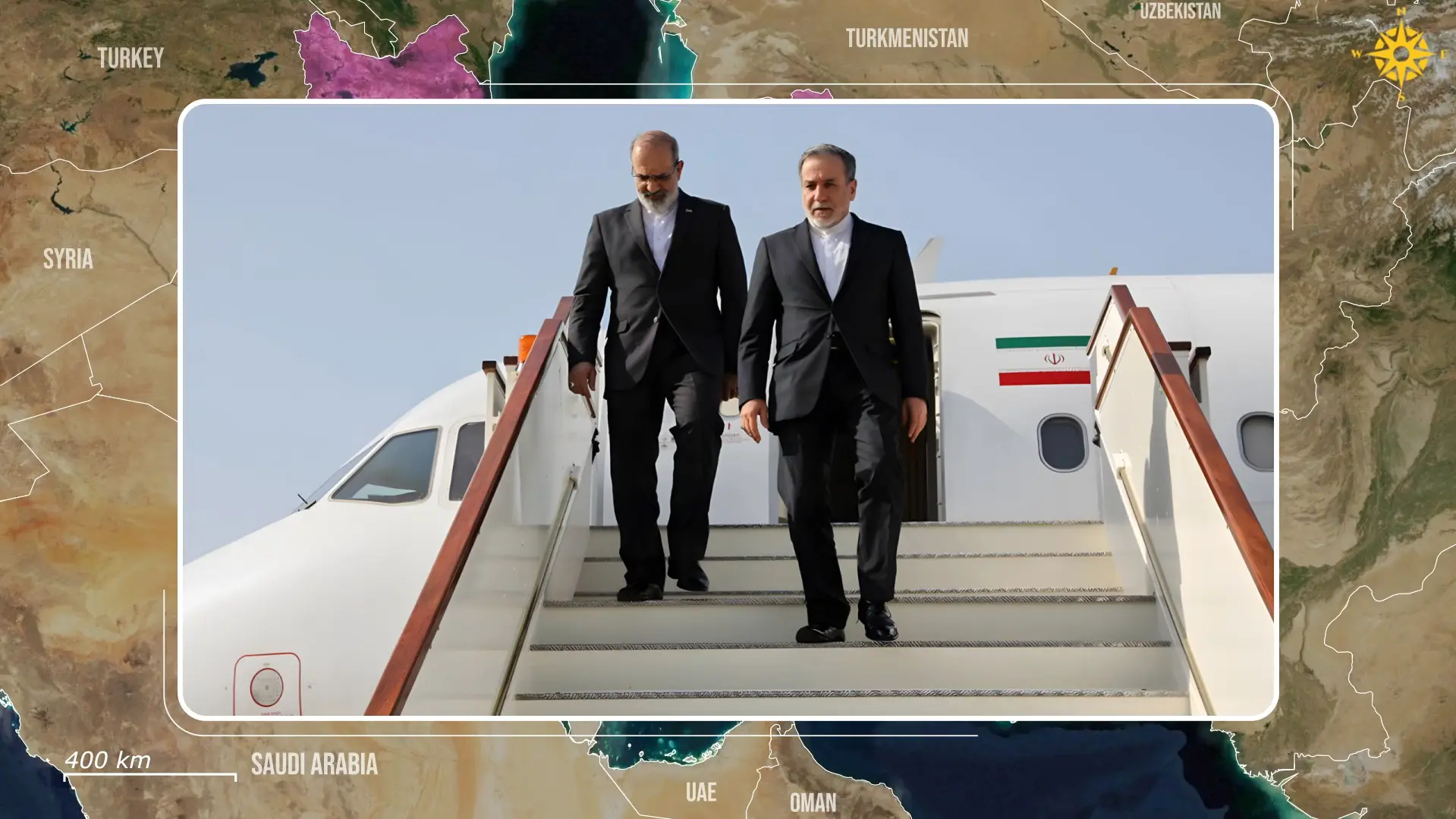
The moderate camp includes senior civilian figures such as Mohammad Bagher Ghalibaf and Abbas Araghchi, as well as pragmatic conservatives, technocrats, and officials who work within the main state institutions. Their influence comes from the parts of government they manage, such as the foreign ministry, sections of parliament, and parts of the economic administration. This position lets them keep diplomatic channels open and keep the basic machinery of the state running. They also have support from people who want stability after years of sanctions and internal crises, which helps them present themselves as the responsible side of the system. However, their power has limits because any decision requiring real enforcement still depends on the security establishment, which is controlled by the IRGC.
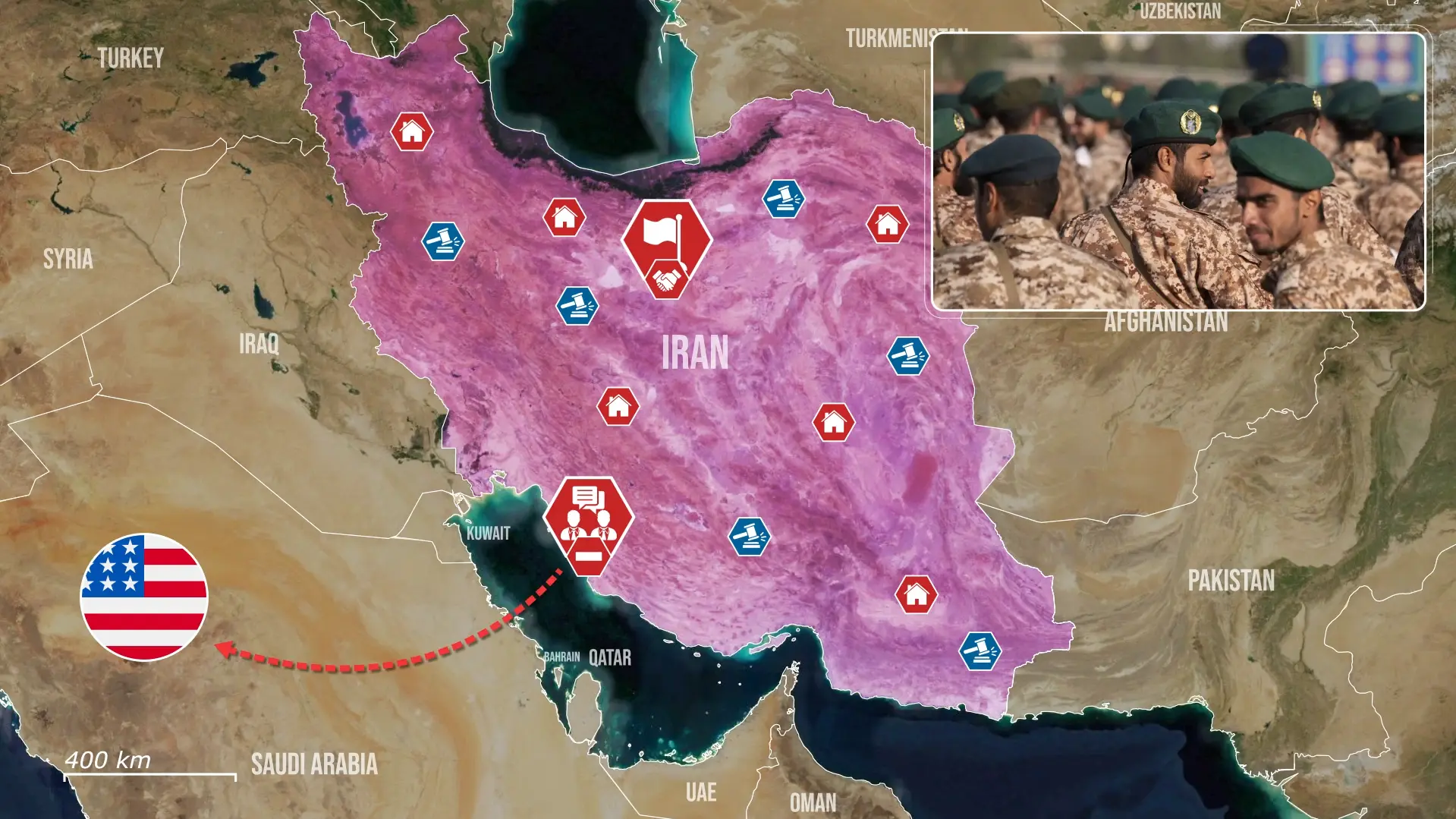
This is particularly challenging as the hardline faction is anchored in the IRCG leadership, the network of clerics and political figures aligned with them, such as Iran’s current interior minister, Ahmad Vahidi. The hardline faction believes that Iran survives only by projecting strength and that conceding anything to the United States only results in further pressure. Their influence comes from control of the security apparatus, which includes intelligence branches and independent armed forces that apply tight scrutiny to the civilian population. Because they have such control, they can influence how any policy is implemented, even when civilian institutions make the initial decision. Furthermore, their reach has also grown outside the security sphere. The IRGC now plays a major role in parts of the economy, for example, by controlling key ports and customs points, and by running large construction companies and other businesses in strategic sectors such as energy and telecommunications.
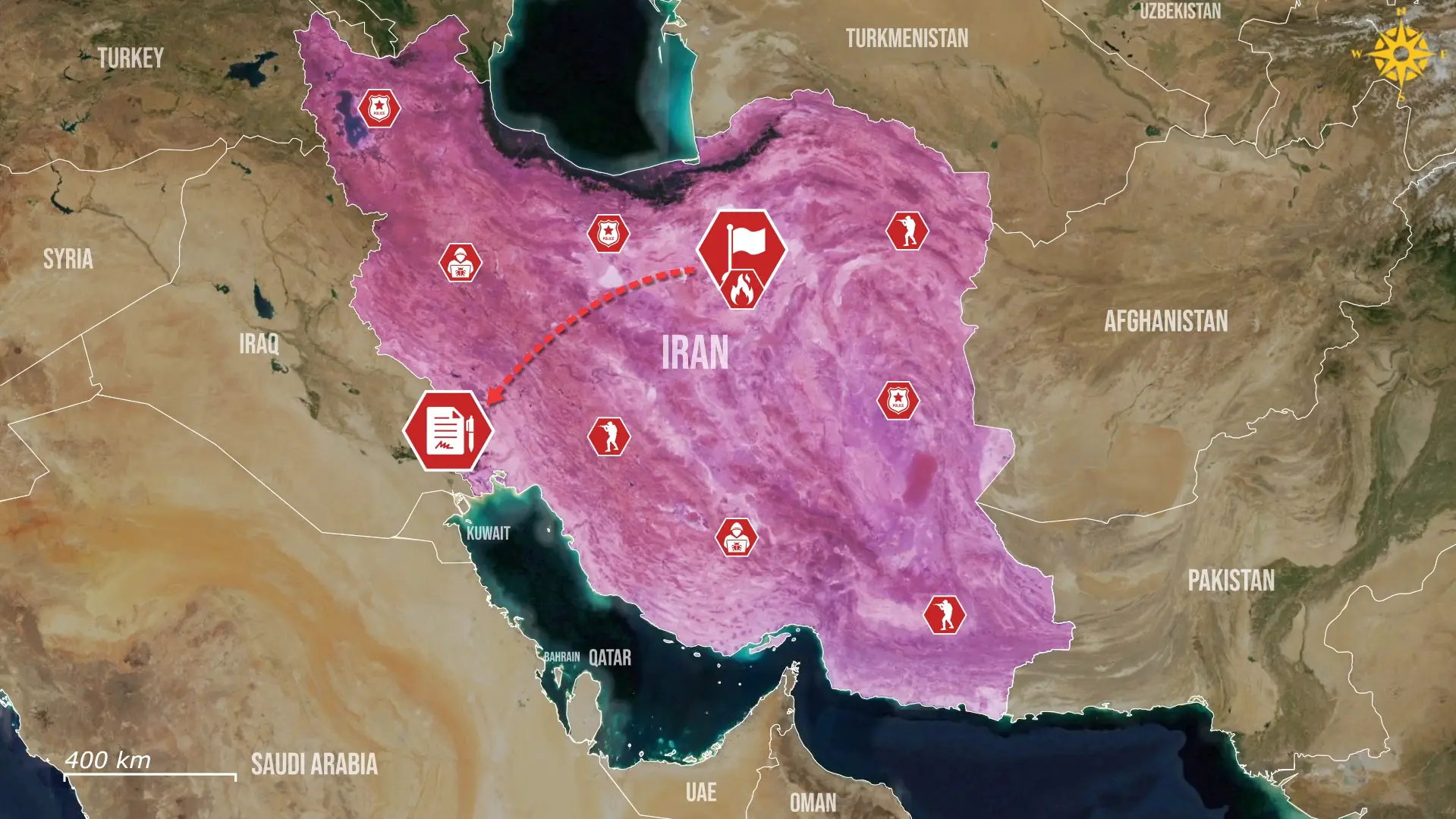
The clash between moderates and hardliners produces a system where no single actor can commit Iran to an agreement. The supreme leader’s office traditionally arbitrated disputes, but Mojtaba Khamenei’s leadership is less decisive and less interventionist than his father’s, leaving factions to interpret his silence as either approval or disapproval. This uncertainty causes the whole system to freeze because moderate institutional negotiators cannot promise that the security forces will follow through. In turn, the hardliners in the IRGC cannot negotiate or make concessions without weakening their own message of resistance. The result is a state that speaks with multiple voices and often contradicts itself.
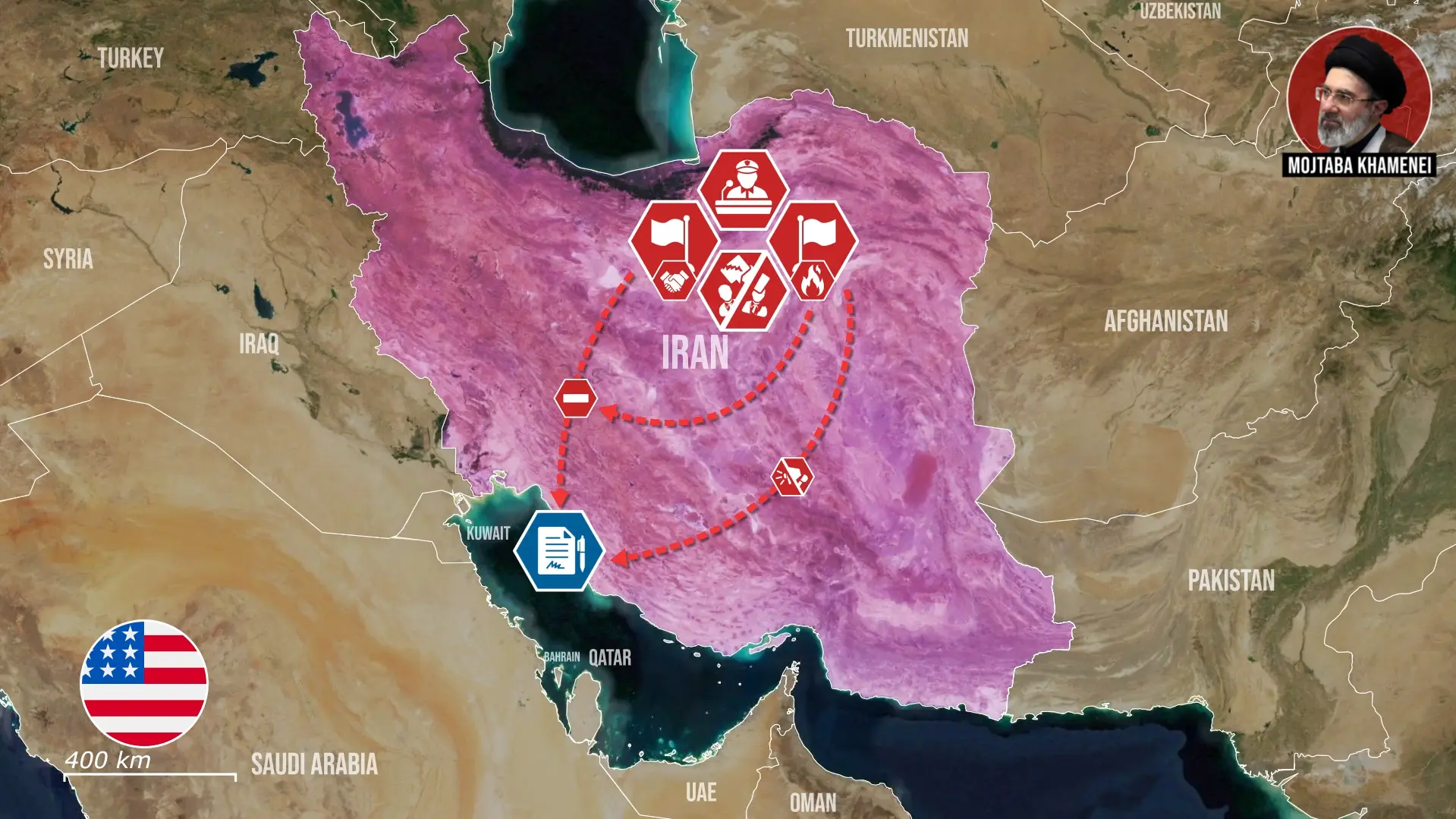
For instance, the contradictory signals around the Strait of Hormuz emerge when Iran's foreign ministry attempts to reassure that commercial traffic can continue. However, the IRGC naval commanders immediately responded by expanding military control over the strait, signaling a very different posture. The same pattern shapes the negotiations, as hardliners often respond to the moderates' diplomatic momentum with escalating rhetoric and threats. This allows them to reassert control and remind both domestic and foreign audiences that they hold the decisive levers of power.
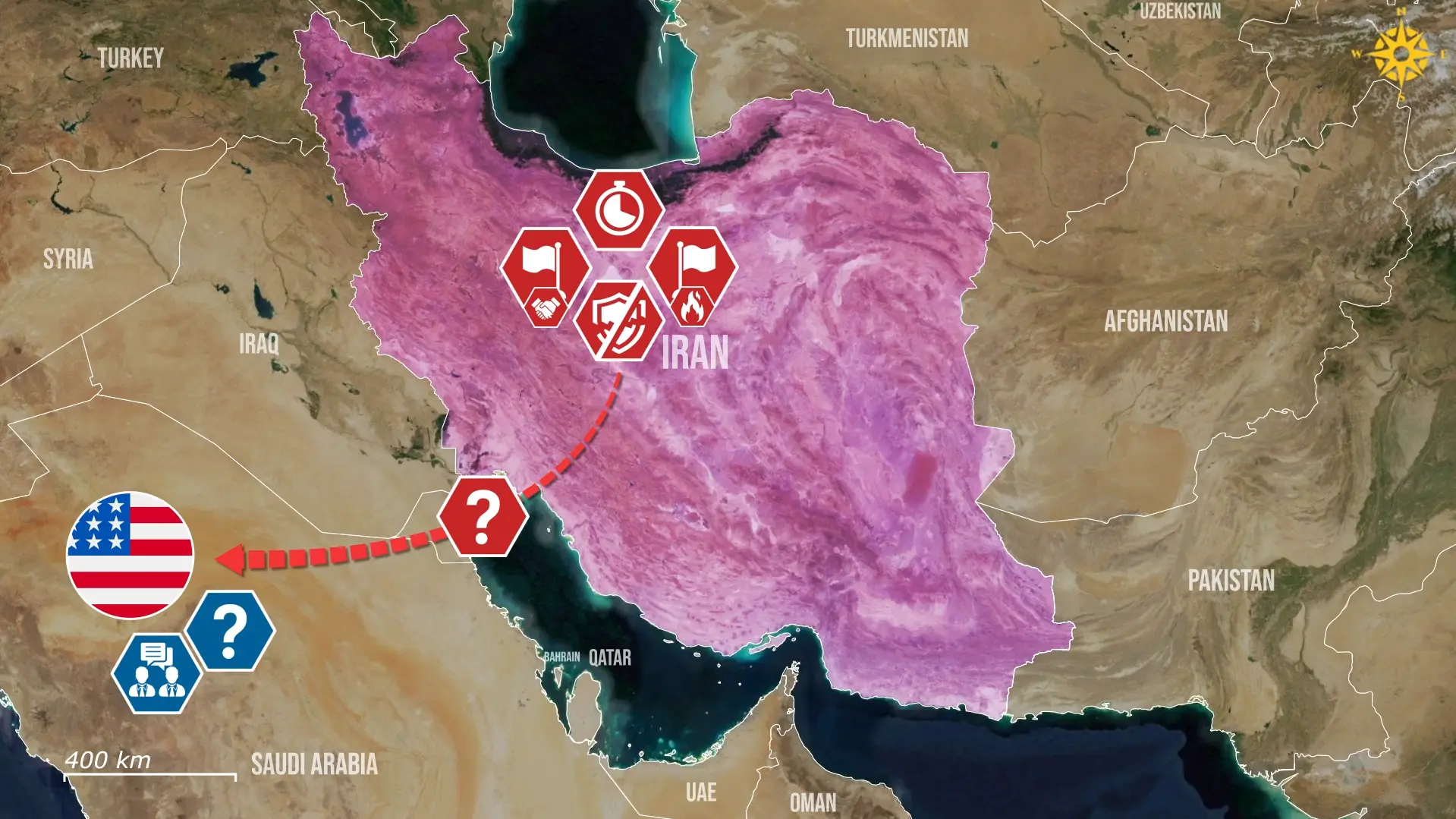
Overall, Iran’s leadership crisis is not a temporary political dispute but a deeper structural breakdown between moderates and hardliners. This fragmentation shapes every aspect of Iran’s behavior, and the longer this division persists, the more Iran risks drifting into a system where power is exercised through improvisation rather than coordinated statecraft. In turn, this leaves the United States with no obvious path forward, since negotiation strategies that rely on incentives or warnings risk being absorbed or distorted by Iran’s internal rivalries.

.jpg)

Comments