

.svg)
Today, the biggest updates come from Iran.
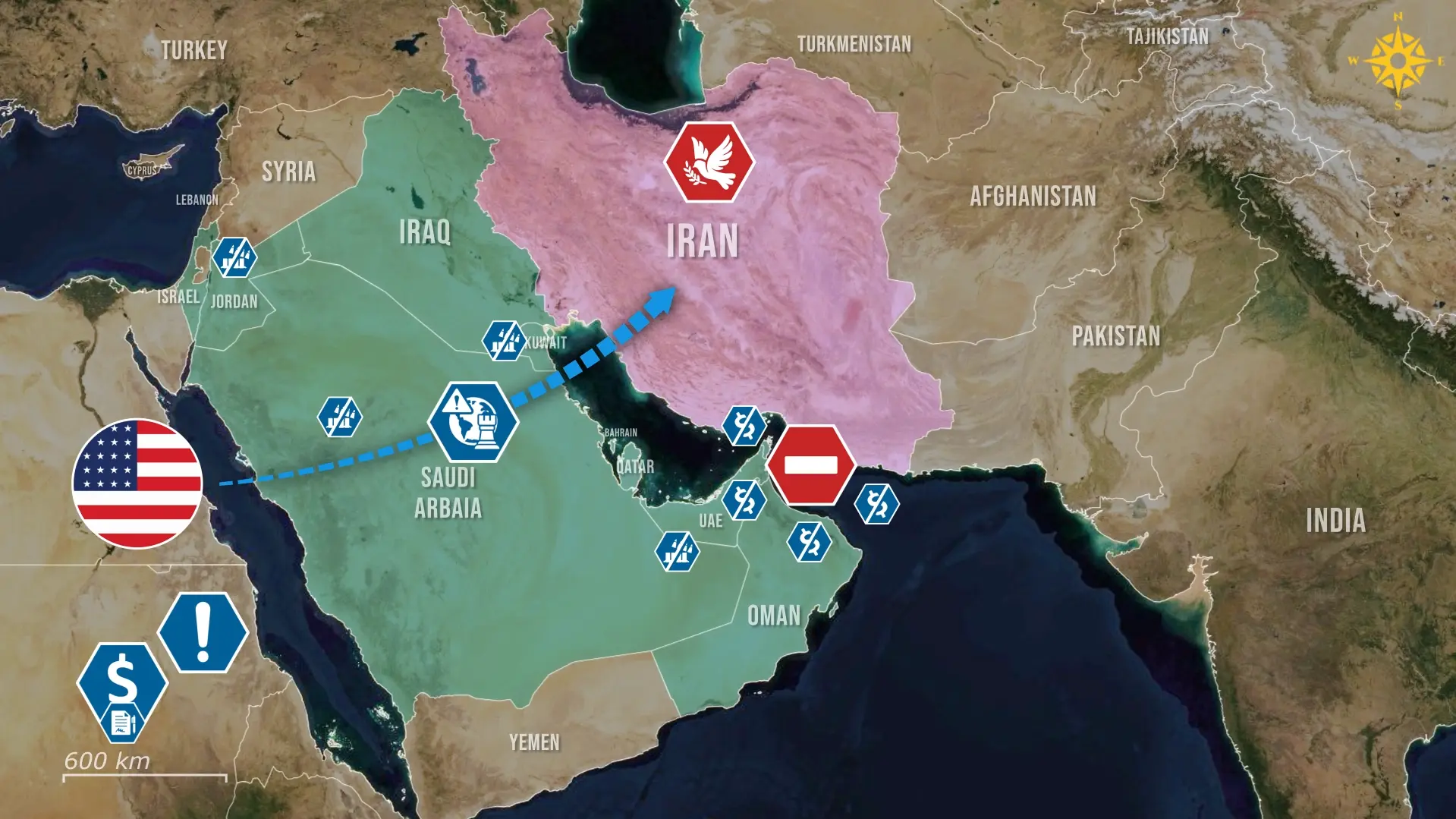
When the United States launched its attack on Iran, it expected very limited losses and contained expenses, especially after the glaring success of the Maduro operation. However, after reaching a stalemate, the true cost of the war in Iran is finally coming into focus, with numbers far more explosive than the early headlines suggested.
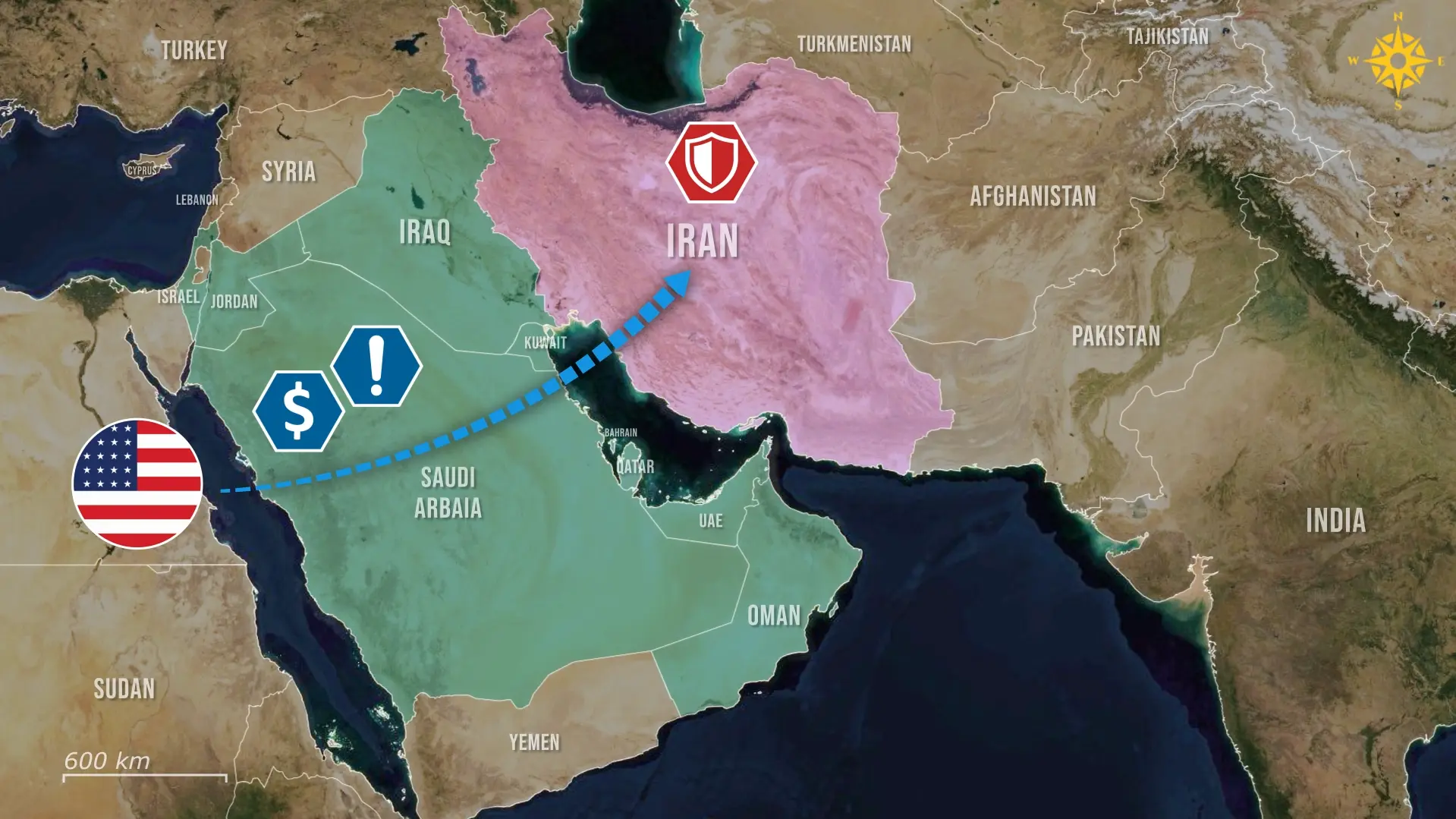
When the United States launched its first wave of strikes on Iran in February, officials framed the operation as sharp, limited, and financially manageable. However, that initial expectation collapsed almost immediately, as by day six the Pentagon acknowledged that the campaign had already cost eleven point three billion dollars, a figure that exceeded what planners expected for the entire opening phase. As the conflict expanded, the financial gap widened. As of late May two thousand twenty six, the Pentagon’s official direct military cost of the war against Iran still stood at twenty-nine billion dollars. However, external independent analyses now show that the real military cost of the war is far higher than the Pentagon’s official figure when everything is properly accounted. In fact, restoring the depleted stockpiles for the war in Iran will cost the United States an additional two hundred billion dollars, for which the White House is now seeking funding. The final amount could be even higher, since rebuilding readiness and restoring the force for future contingencies will drive additional procurement pressures in the coming years.
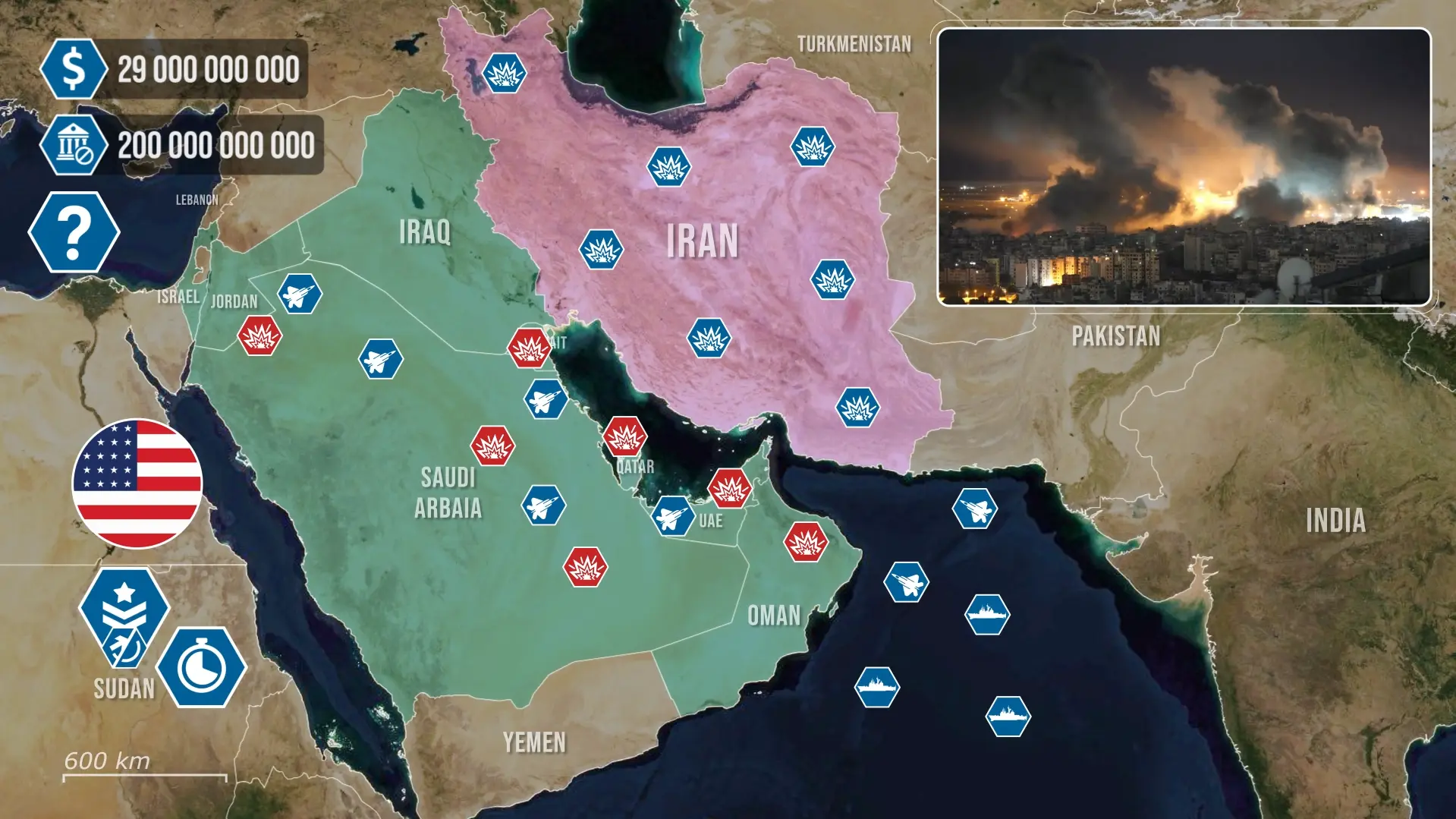
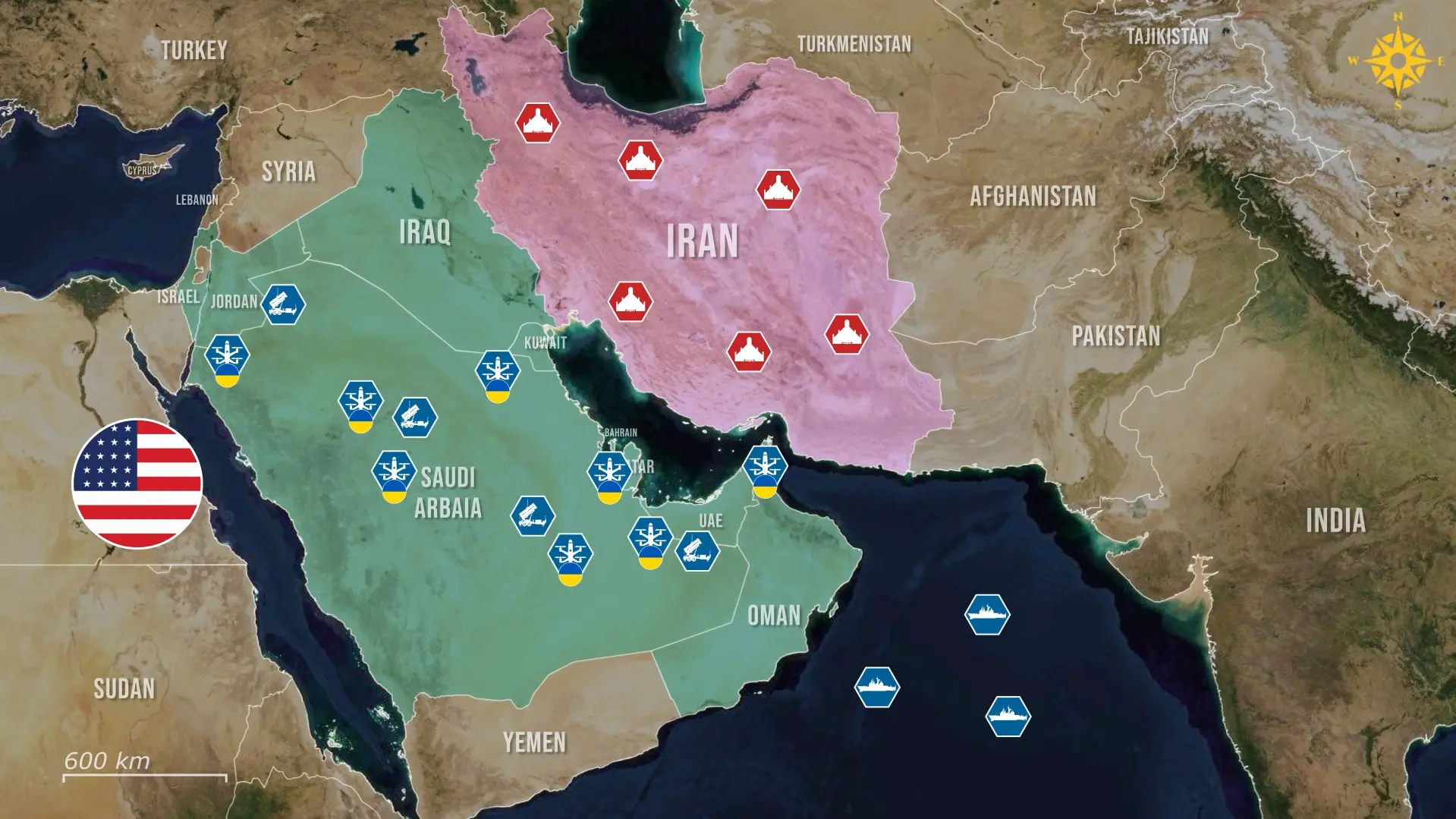
The financial burden stems from several overlapping factors, starting with the extraordinary rate of precision munitions used and long-range strikes carried out. The United States has fired more than eight hundred fifty Tomahawk cruise missiles, with an estimated cost of two million dollars each. Furthermore, sustained operations strained aircraft deployment and support costs, requiring accelerated maintenance cycles and increased refurbishment needs for fuel and spare parts. High munitions expenditure also affected air defense missiles, which were often used at an unsustainable pace to shoot down cheap Shahed drones, with no cheaper drone countermeasures available until Ukraine joined the effort. Beyond munitions and equipment maintenance, damage to United States bases in the region adds another layer, as Iranian strikes hit radars, shelters, and military equipment on the ground. These included parked aircraft, which, combined with the losses during combat duty, including Reaper drones, resulted in a total loss of forty-two United States aircraft. Additionally, several bases required rapid reinforcement to maintain operational readiness, and none of that work was included in the original cost estimates.
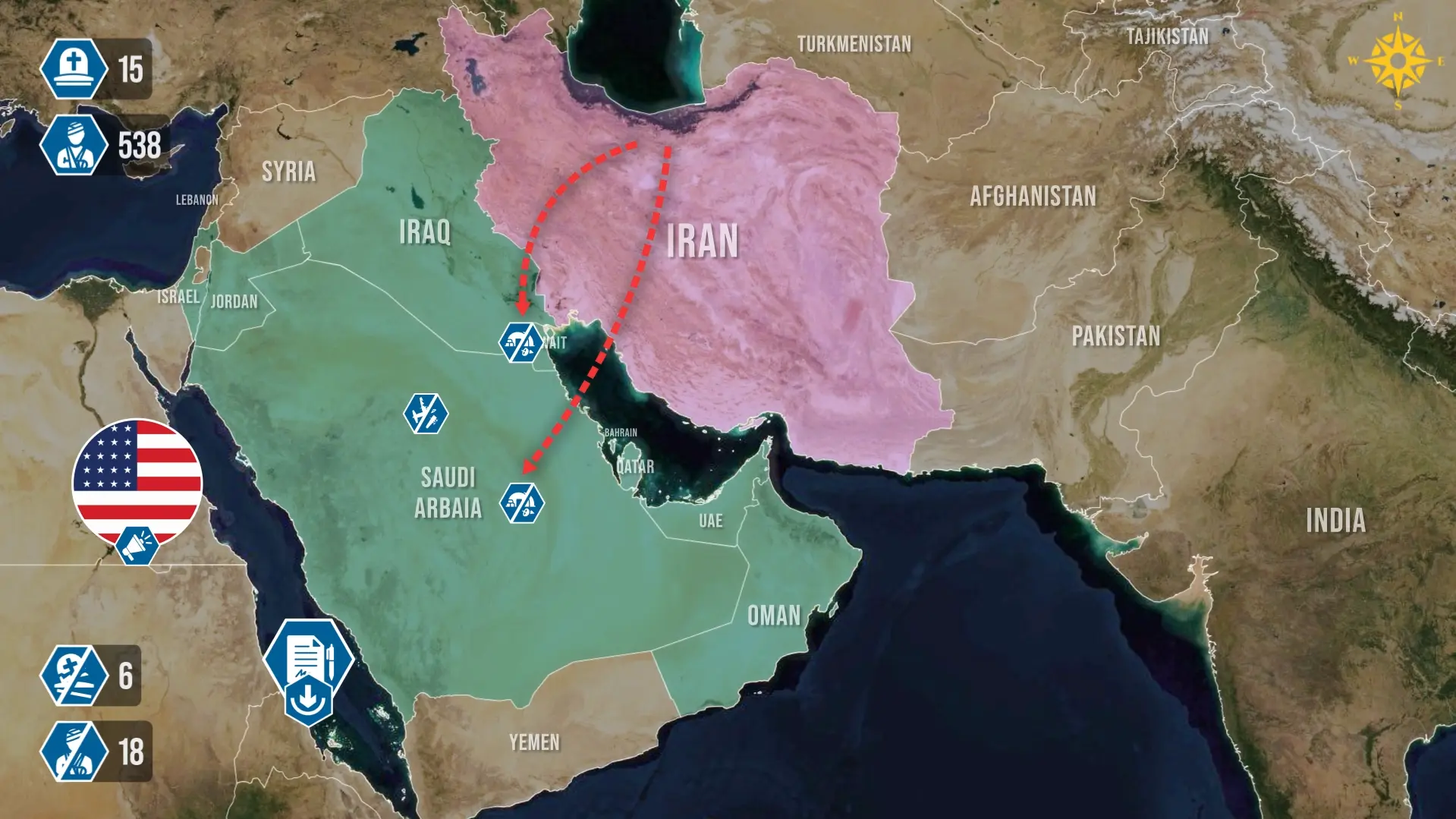
Aside from the economic figures, the United States human toll is turning higher than early statements suggested, which have now reached the number of fifteen deaths and five hundred thirty-eight wounded. Early official briefings initially cited six killed and eighteen wounded, but independent reporting later showed that the real number of wounded was significantly higher, revealing a clear delay in how casualty data was released. This gap emerged because frontline units were still consolidating reports while the Pentagon provided partial figures, a pattern that mirrors previous conflicts where early casualty reports downplay the true scale of losses.
Confronted with these costs, the prospects of continuing the war depend on whether the United States can sustain the financial, material, and political demands of another phase of fighting. While President Trump has stated that he is willing to accept higher casualties if the mission demands it, senior military officials have warned that the US force in the theatre has already gone through significant strain. The federal budget also leaves limited room for major new commitments, since most additional spending would require emergency authorizations or cuts to other priorities. Therefore, a continuation of the war would likely see a major shift in character, with more emphasis on cheaper autonomous systems reinforced by the new drone production agreements with Ukraine.
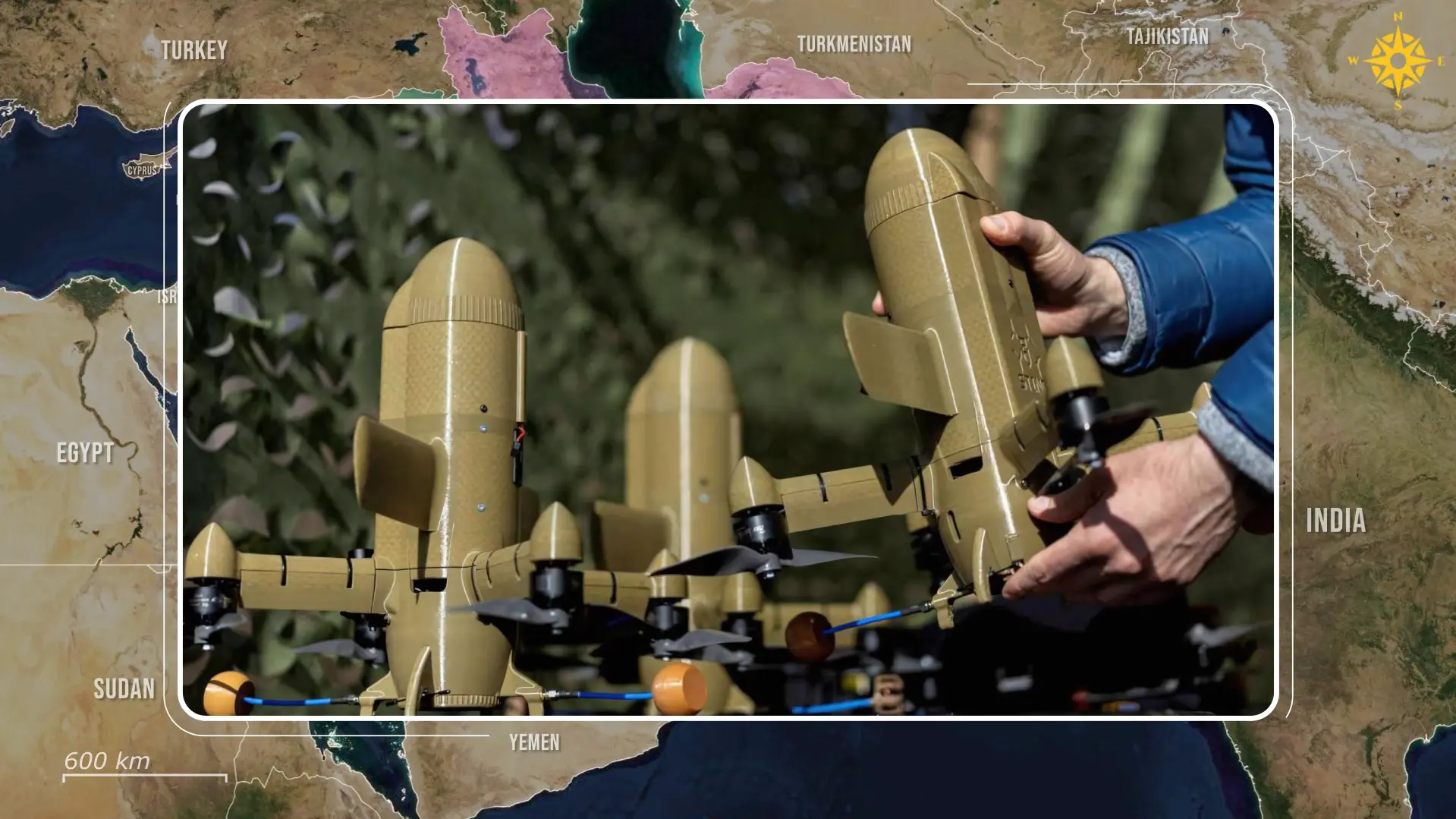
Overall, the war in Iran has revealed a costly burden far heavier than the United States initially expected, draining through the US strategic stockpiles. On top of the military costs, which have declined since the ceasefire, indirect economic effects remain a costly reality that intensified after the closure of the Strait of Hormuz. As the true costs of the war become clearer, the United States faces growing pressure to reassess the long-term objectives of the campaign; and whether it can justify the economic and political costs of staying on its current trajectory, escalating, or retreating entirely.

.jpg)

Comments