

.svg)
Today, the biggest news comes from Russia.
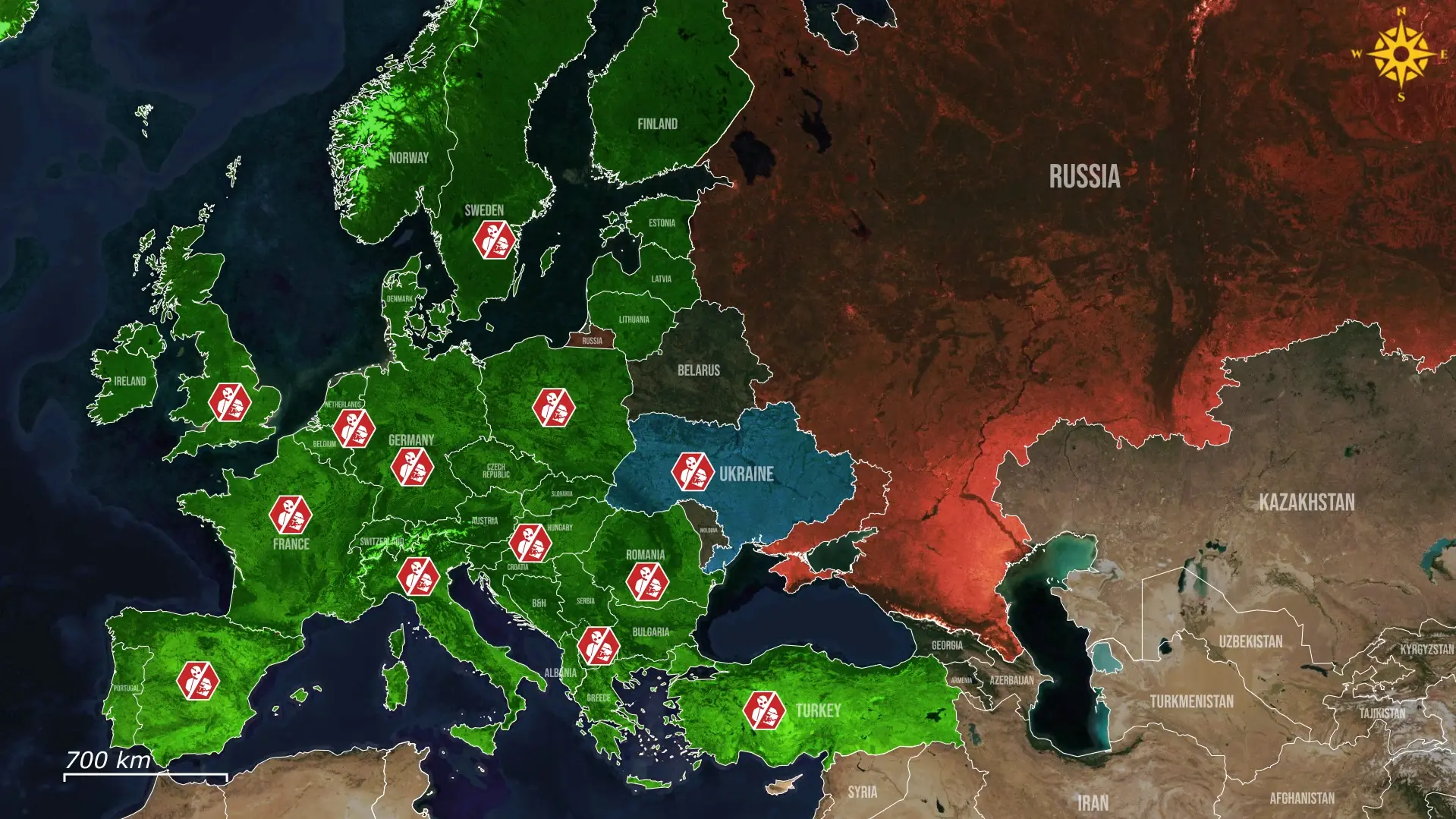
Here, Russian officials have launched new accusations, blaming Europe for a direct attack and sabotage against Russian targets. These Russian claims raised the stakes immediately, pushing the confrontation to Nato territory and gradually expanding the war beyond Ukraine.
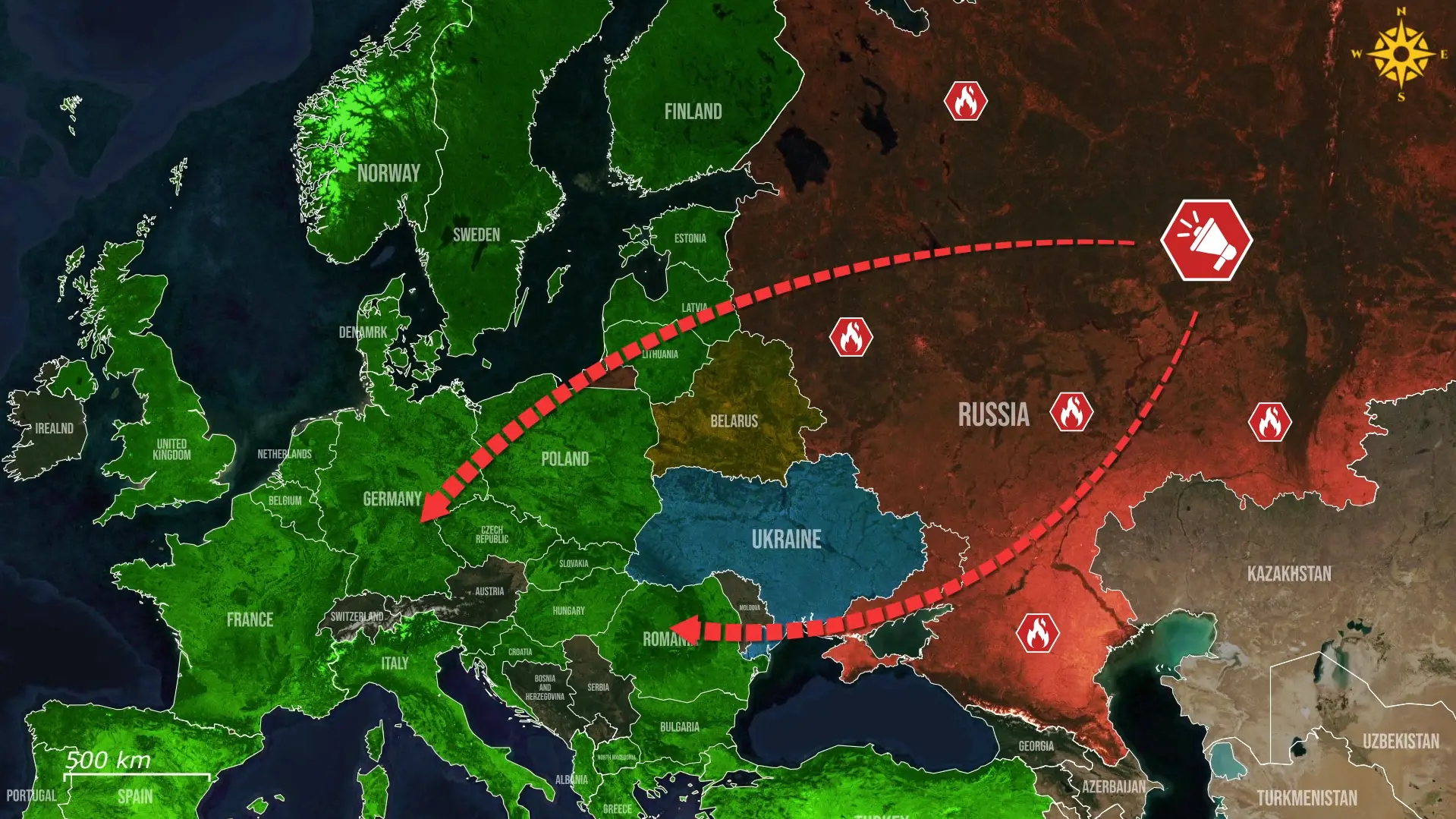
As you may remember from a previous report, the Russians claimed that Ukrainian drones were being launched from Baltic territory into Russia, naming five Nato bases in the area that were allegedly being used for this. With that claim, Russia accused the Baltic countries directly, paving the way to later justify its own strikes against them.
Now Russia is extending that same line of accusation beyond the Baltic region and into a major European port. Russian officials claimed that magnetic mines were found on the gas carrier Arrhenius after it arrived in Ust Luga from Antwerp in Belgium, suggesting that the mines must have been attached before the vessel entered Russian waters, directing suspicion straight toward its earlier stop in Antwerp. From there, the accusation widened into the claim that Ukrainian actors were operating from Antwerp with European support in order to target Russian shipping.
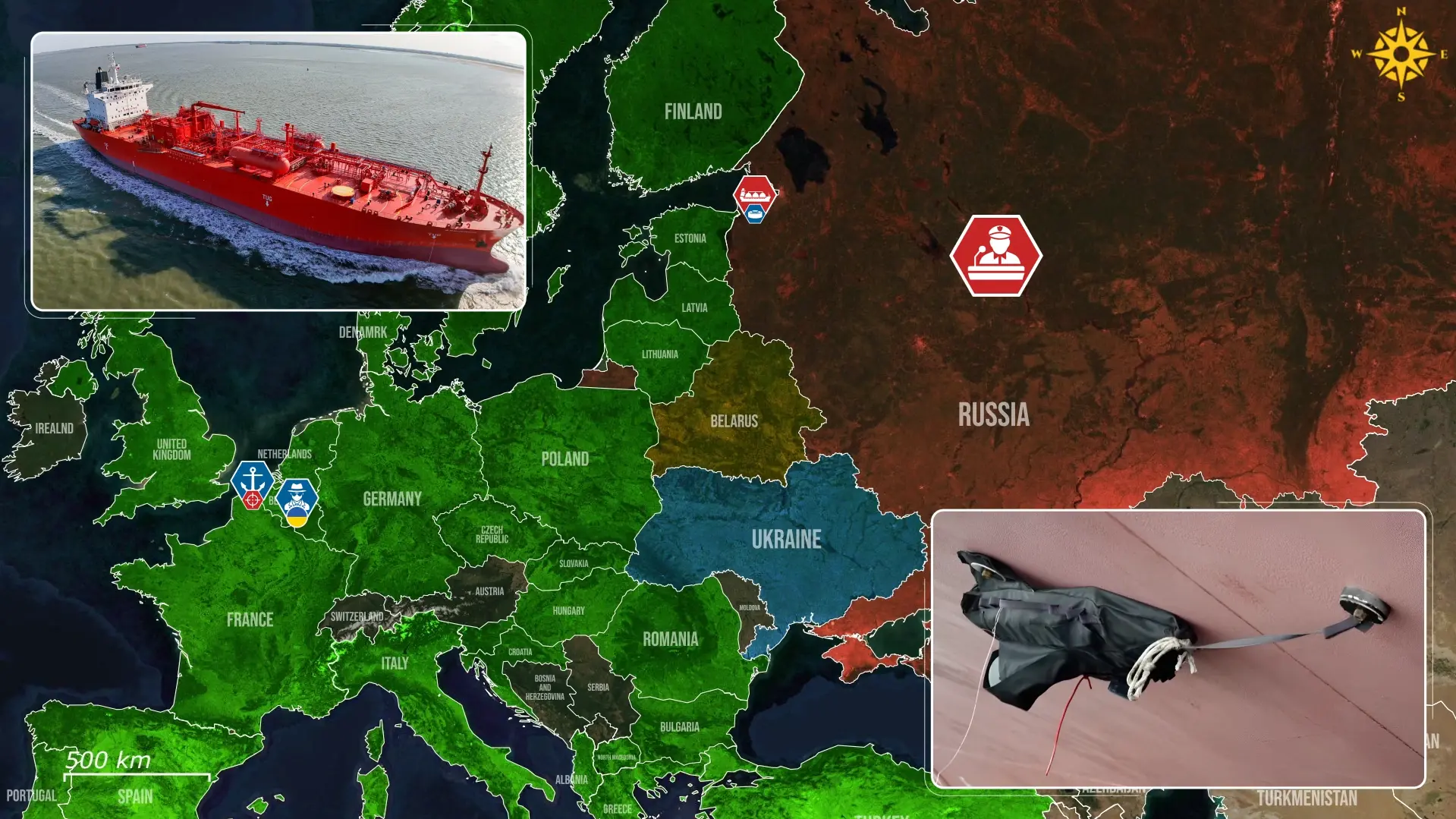
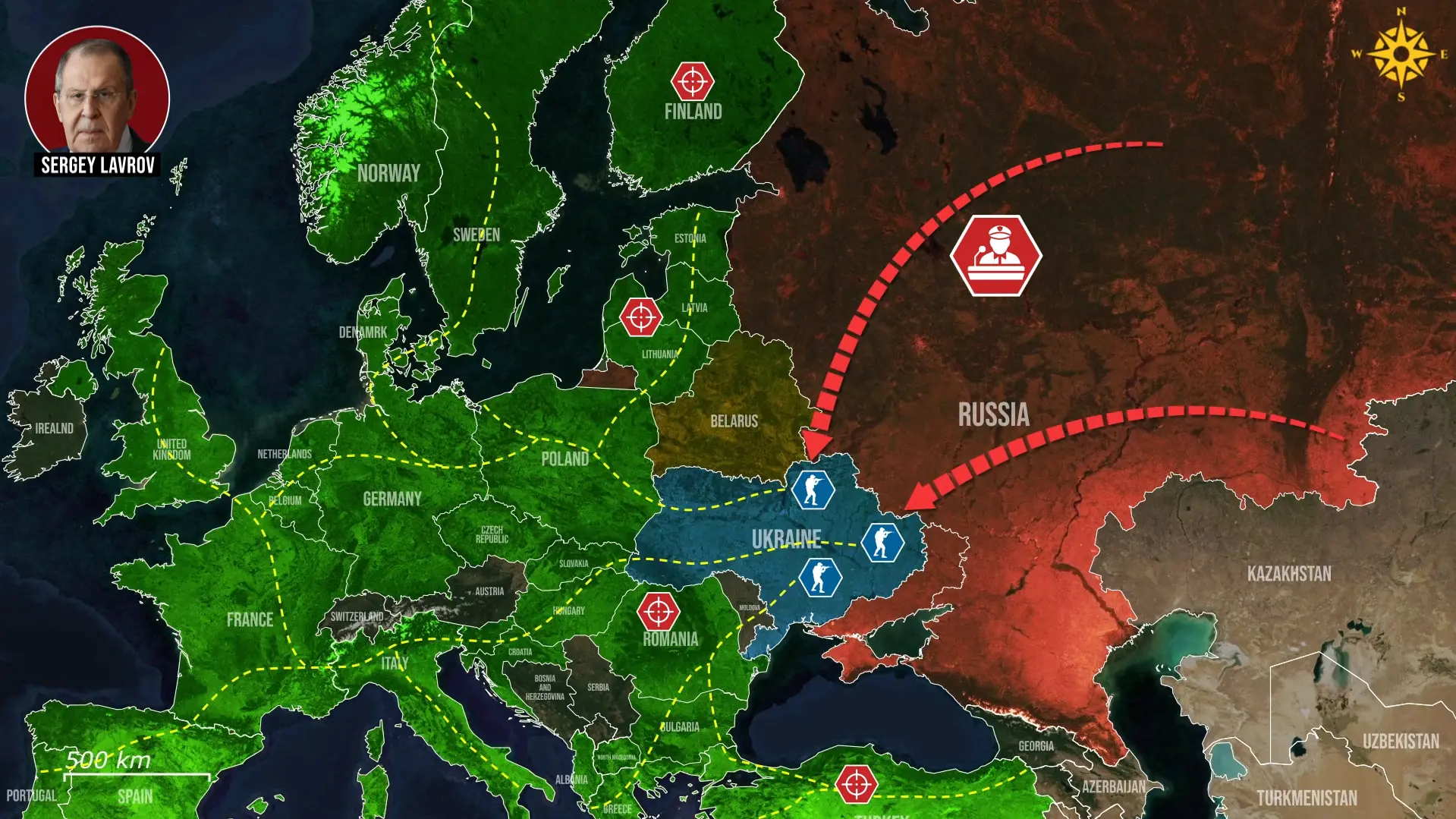
Russian Foreign Minister Lavrov then gave this claim its high-level political framing by declaring that Europe had openly declared war on Russia and is using Ukraine as its spearhead. This is a repetition of the well-known Russian narrative, reversing the actual sequence of events and shifting blame, because Russia invaded Ukraine while Ukraine is defending itself with Western support. This reversal serves a specific purpose, because it recasts European military aid, intelligence support, and political backing as direct participation in attacks on Russia. Once that political framing is established, Russian escalation against European targets can be presented domestically and diplomatically as a response to prior aggression.
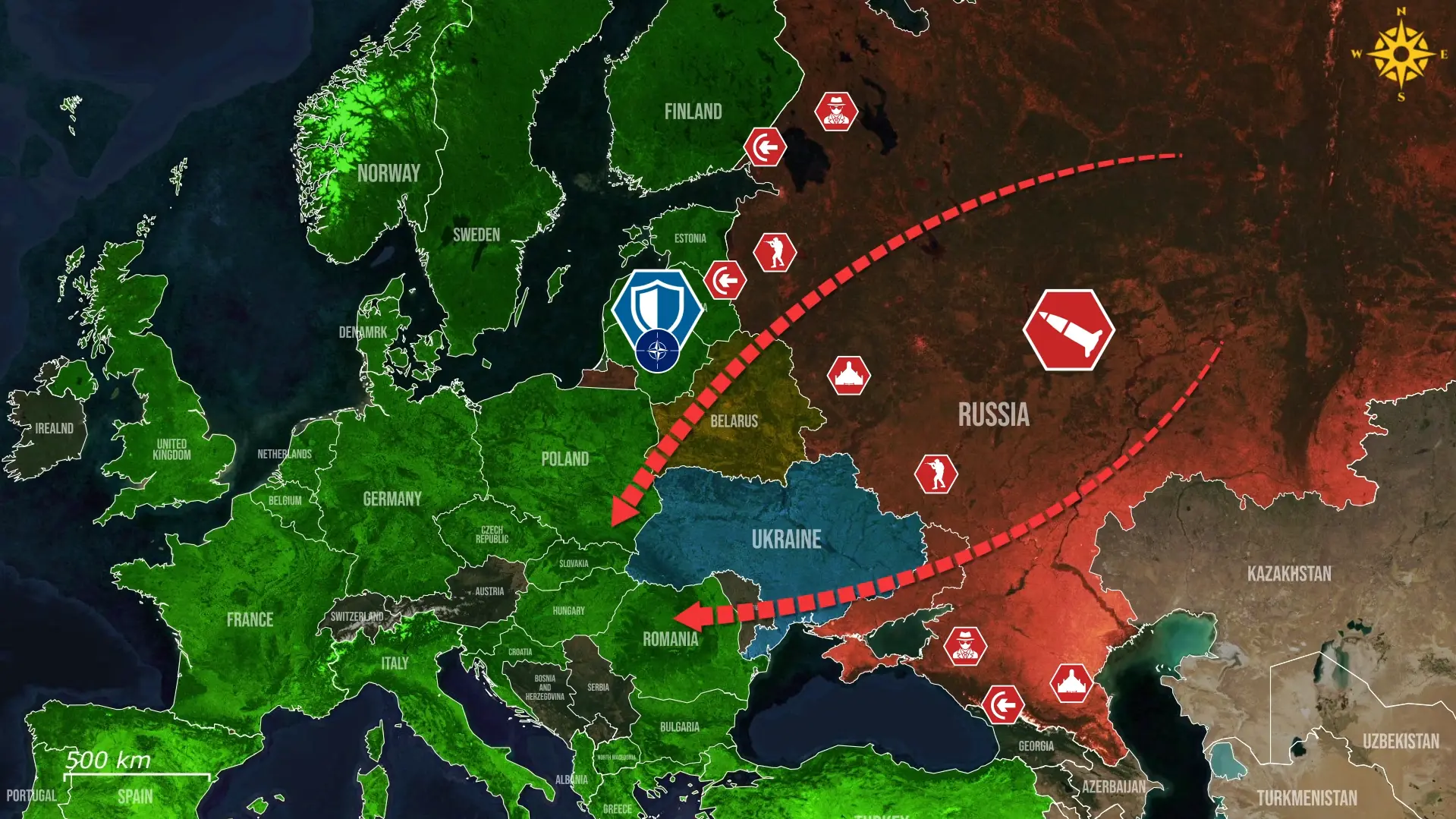
Russia is building a sequence of accusations that can later be used to justify a wider confrontation with Europe, in which Moscow creates a practical escalation ladder, where each accusation expands the category of hostile action and opens room for a stronger response. It can begin with smaller probing actions, using border pressure, airspace incidents, or covert sabotage to test Nato’s response without immediately opening a larger confrontation. If those moves produce hesitation or uncertainty, the same narrative can then be used to justify limited strikes presented as retaliation for hostile activity allegedly launched from Nato territory.
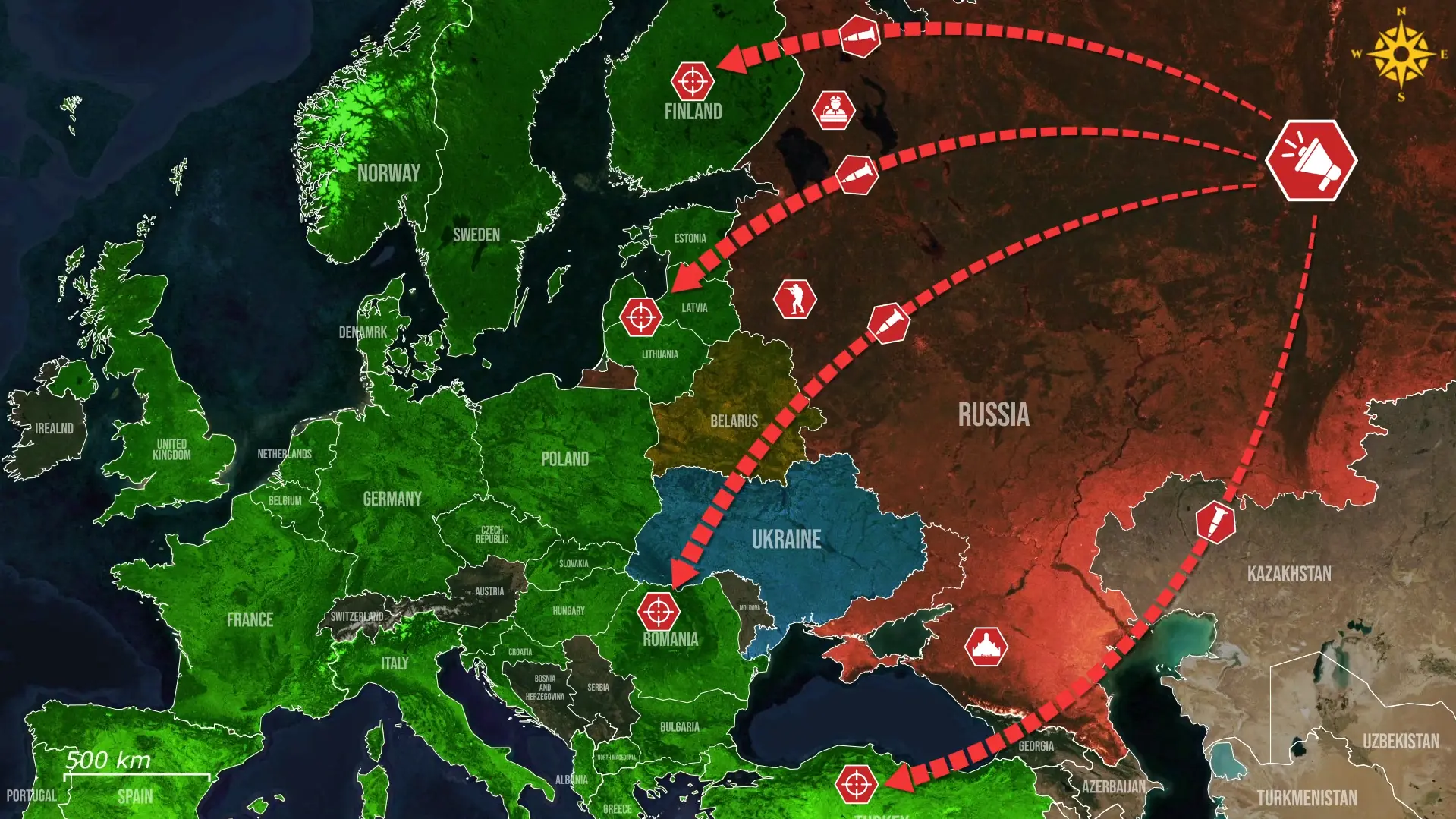
That makes the Baltics especially suitable for Russian provocations, because Russia can generate pressure there quickly while still claiming that it is responding to attacks rather than opening a new front. This is confirmed by Western intelligence, as US Secretary of State and National Security Advisor Marco Rubio warned that rising Russian activity targeting the Baltics could trigger a much broader conflict, as rising Russian pressure there is beginning to look less like signaling and more like preparation for further escalation.
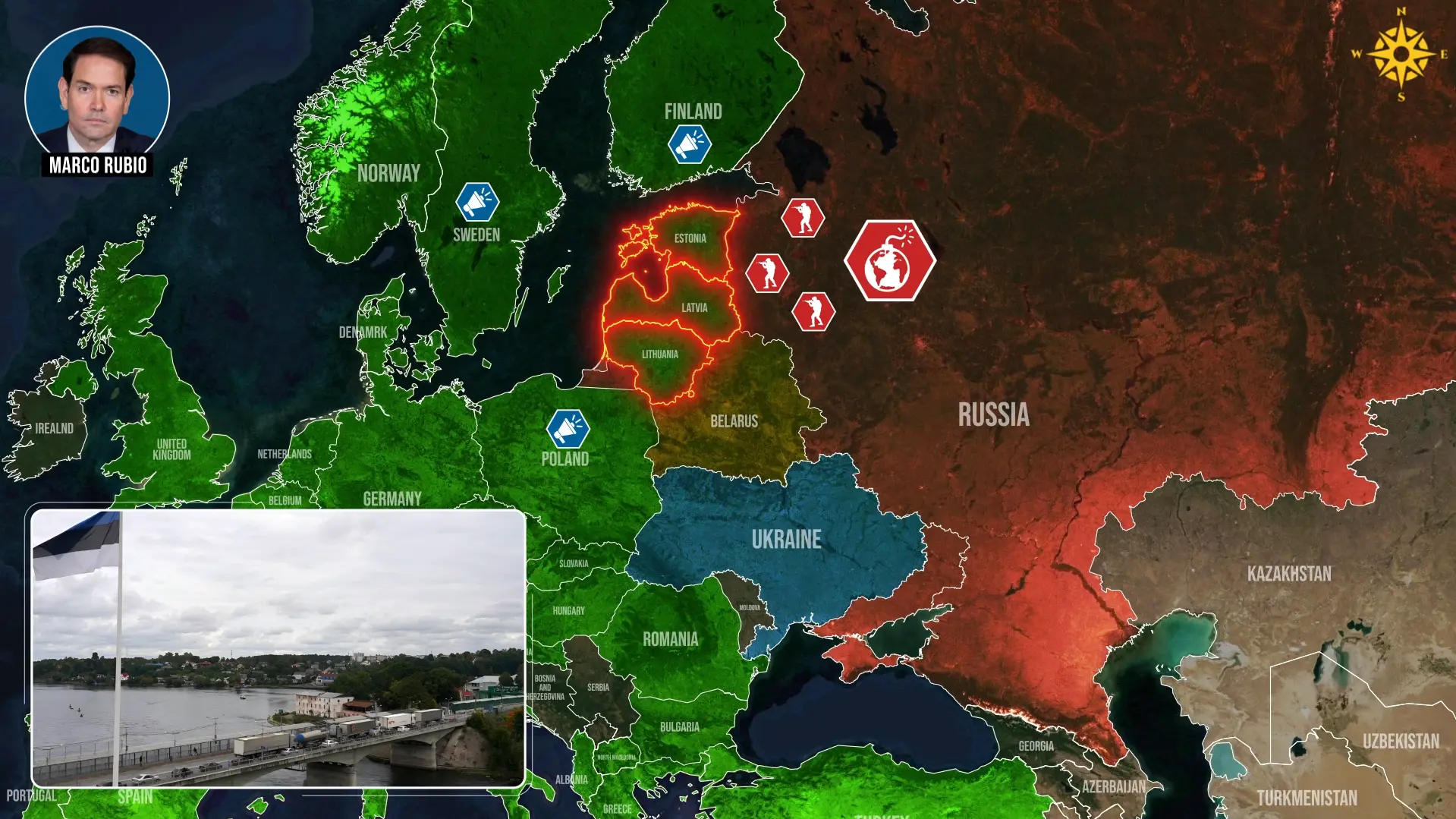
Overall, Russia’s narrative is an excuse to escalate through calibrated steps, beginning with covert sabotage, border pressure, airspace incidents, paving the way towards eventual limited strikes framed as retaliation. Current steps stay limited enough to avoid immediate full-scale war, but still push the confrontation forward, leaving Russia room to test the limits and escalate further if resistance remains weak. The Baltics remain the most dangerous arena for this approach, because their direct proximity to Russia gives Moscow the clearest opportunity to generate pressure quickly and probe Nato’s response along its frontier. If the Kremlin concludes that this tactic is creating enough confusion, the next phase will likely begin with a contained operation meant to probe how Nato will react to Russian action on its territory.

.jpg)

Comments