

.svg)
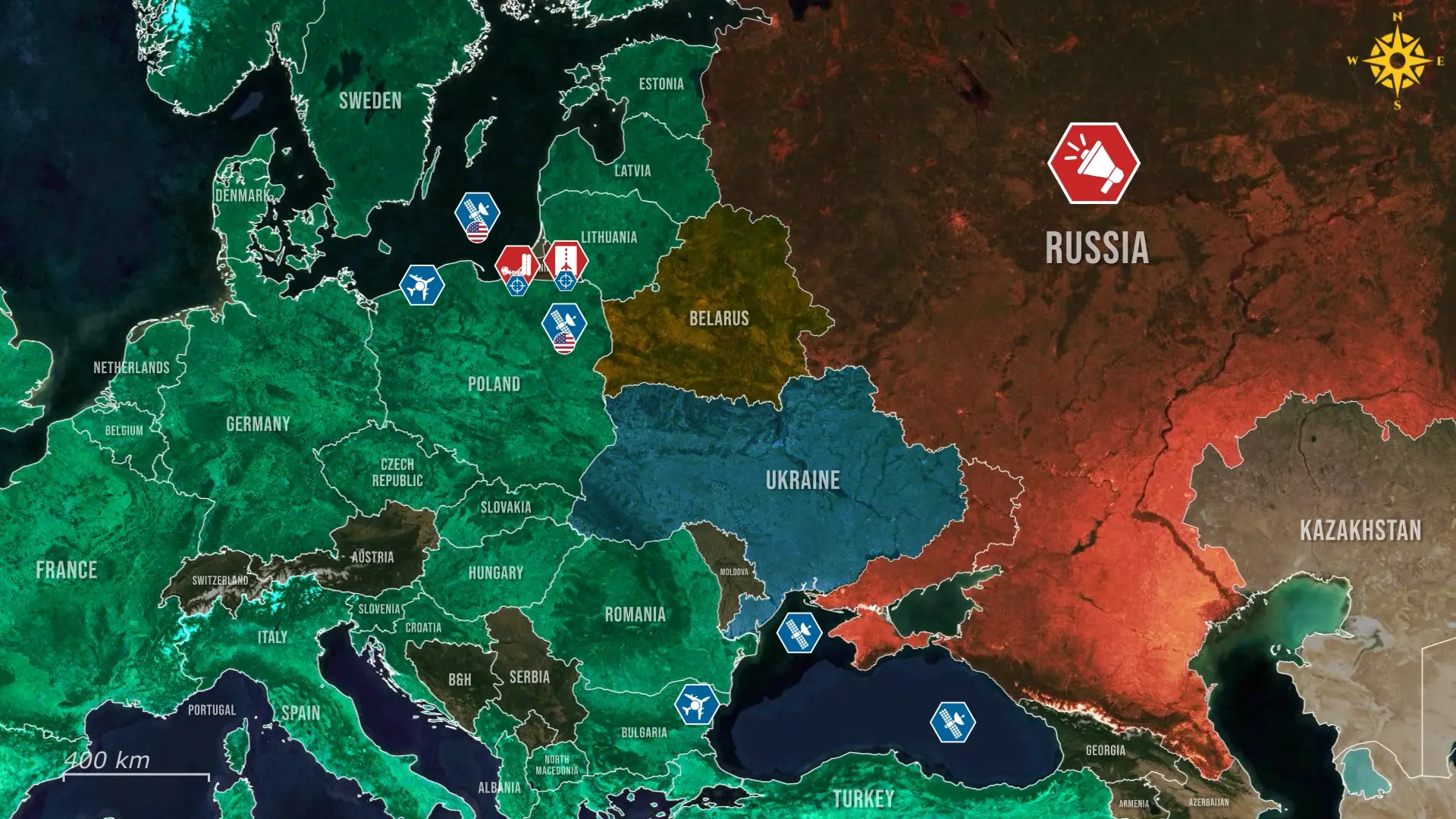
The Russians have now started to panic over the rapidly increasing threat to theirenclave of Kaliningrad. This panic was caused by severely ramped upreconnaissance missions against Kaliningrad. Over the past year, Nato hasintensified surveillance over Kaliningrad so much that it has trumped Natosatellite and aerial reconnaissance over Crimea, which is actively used toguide Ukrainian strikes. Nato Awacs aircraft fly along Kaliningrad practicallyevery day, while satellite reconnaissance is conducted continuously. An entireUS military satellite constellation now monitors Russian military facilitieshere on a daily basis, including the base in Baltisk, airfields, air defensepositions, and other Russian Armed Forces facilities. Given how unprecedented thechange of focus from Crimea to Kaliningrad is, these are preparations for theworst-case scenario to map out Russian military positions for targeting in theevent of war.
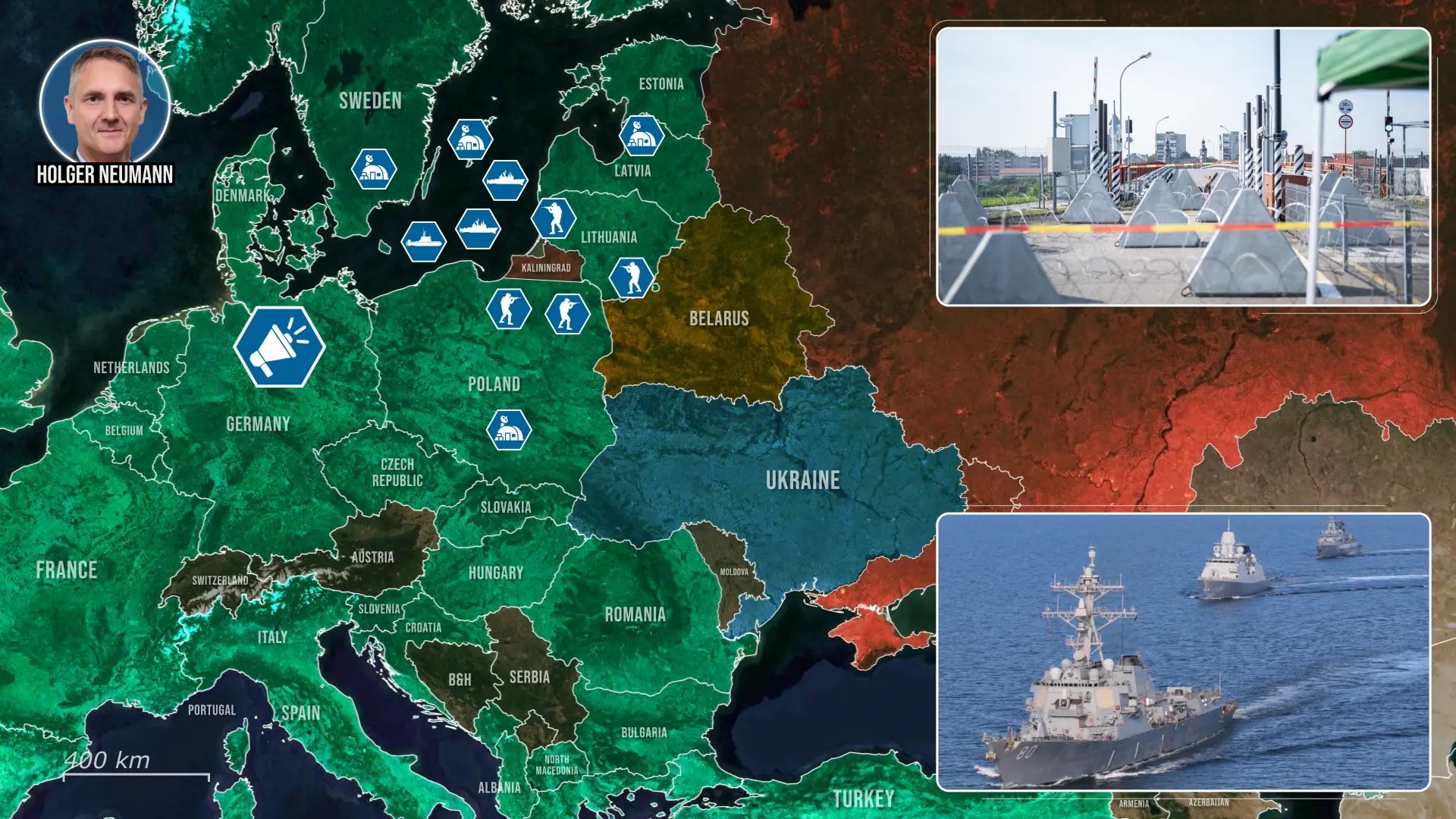
This intensified reconnaissance has led Russian military analysts to believe Natoand Ukraine are preparing for a strike against Kaliningrad already in the nearfuture. They quoted a German Air Force Commander Holger Neumann, who claimedthat in the event of a Russian attack, Germany is ready to fight as early astonight, and that Nato’s first targets would be strikes on Kaliningrad, theKola Peninsula, Saint Petersburg, and the Black Sea. Kaliningrad is especiallydifficult for the Russians to defend as the semi-exclave is surrounded by Natostates that are actively reinforcing their borders with both troops and forwardbases. This would make it convenient for Nato to blockade the region from theBaltic Sea, which is also completely surrounded by Nato countries, as since theaddition of Sweden and Finland to the alliance it has effectively beennicknamed the Nato Sea.
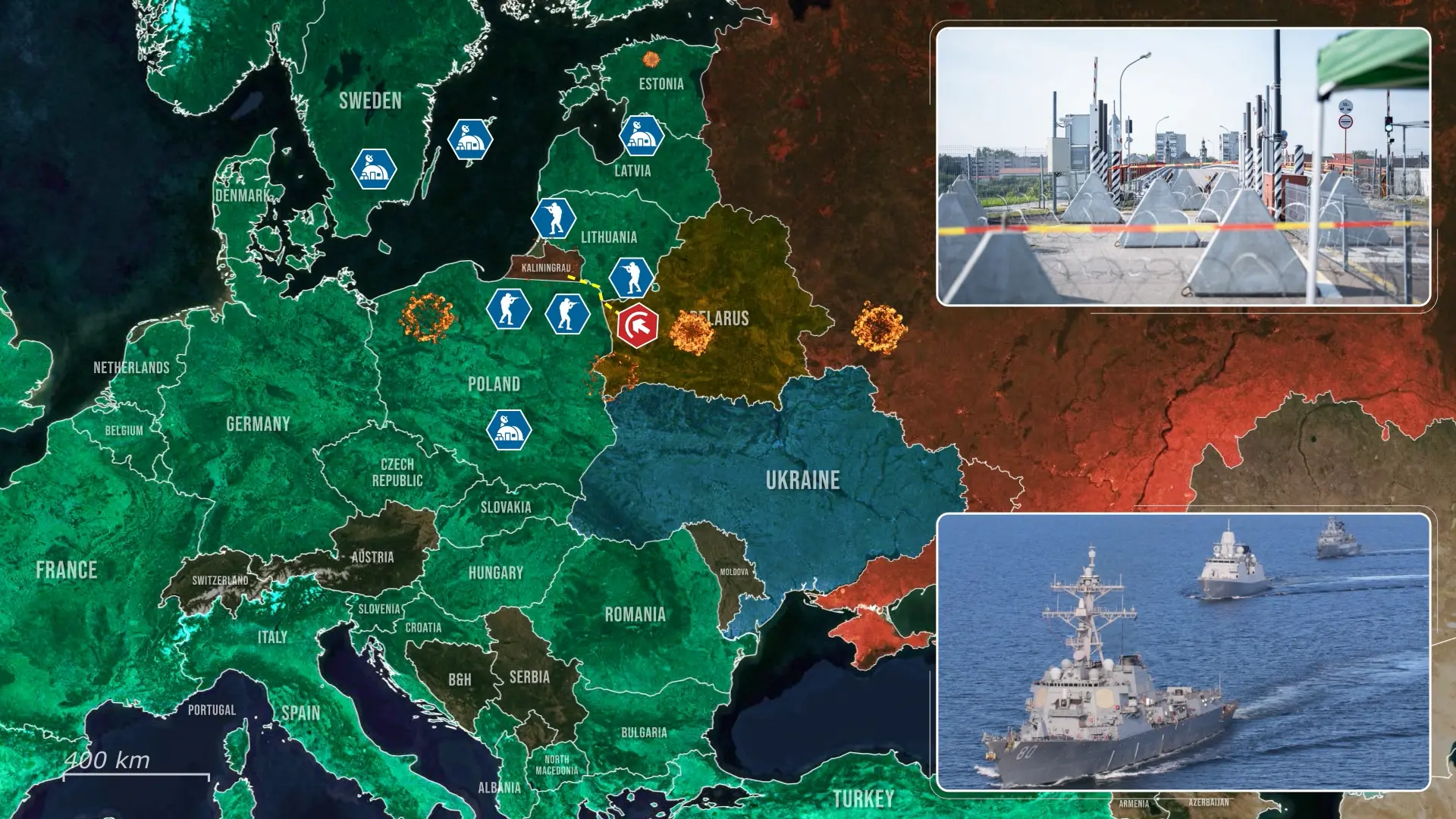
What makes it even worse for Russia, Europe has already imposed an aerial blockade above Kaliningrad, and Russia can only resupply it by flying from Saint Petersburg through international waters. Because of how geographically exposed Kaliningrad is, in the event of a conflict, every land, sea and air corridor would be completely shut by Nato forces. This would force Russia to try to seize the Suwalki Corridor, which is the only land route connecting the region with Russian-allied Belarus. However, this corridor is located between two Nato countries, Poland and Lithuania, which is why such an operation would result in the outbreak of full-scale war.
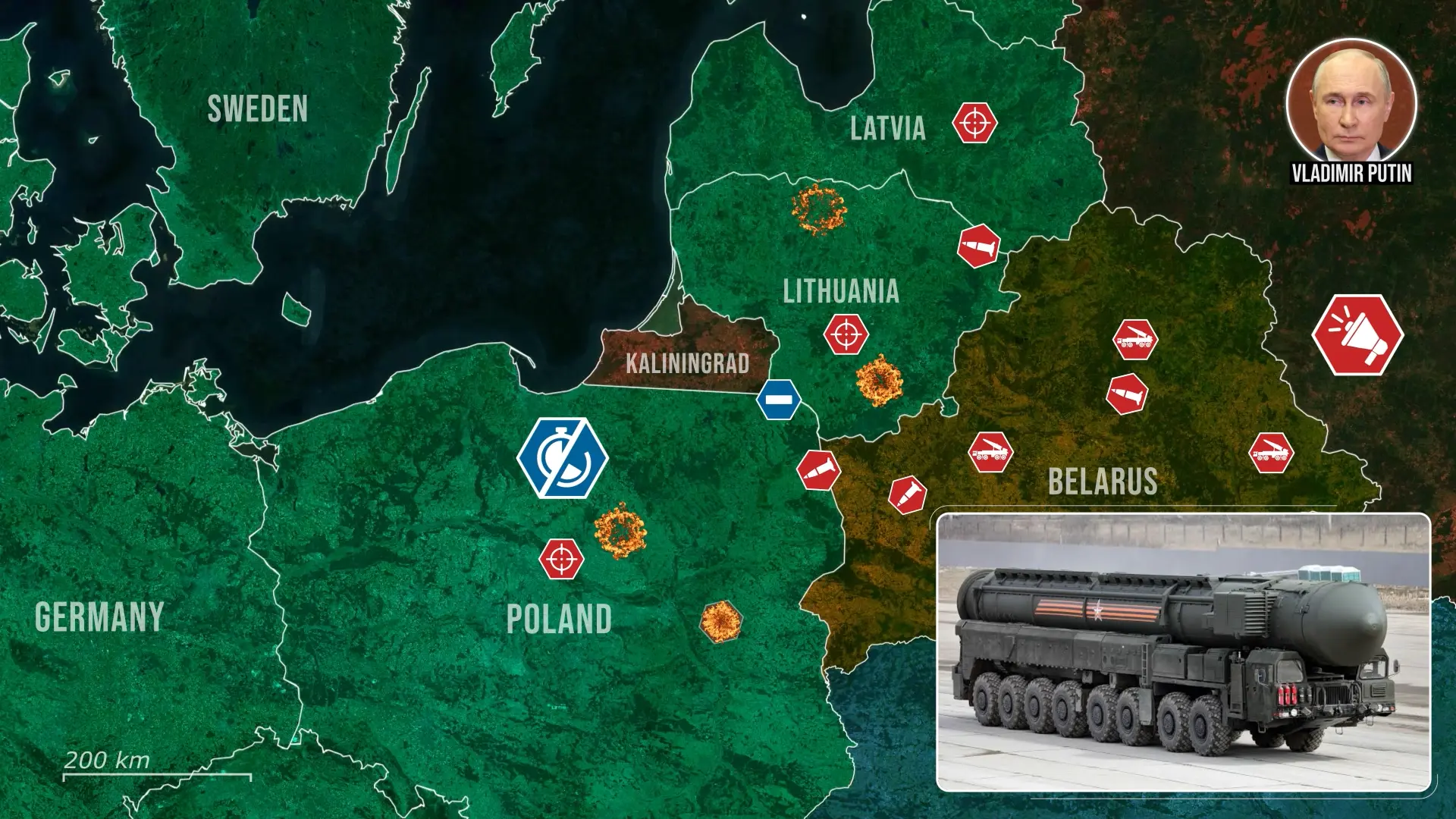
Knowing the vulnerabilities of Kaliningrad, Putin resorted to threats and announced that attempts to cut off access to Kaliningrad from Russia’s mainland will lead to an unprecedented escalation, stating that any threat to the semi-exclave would be neutralized. To prove his point, he stressed the importance of the deployment of Oreshnik medium-range ballistic missiles in Belarus. The missile carries multiple warheads, including nuclear ones, and the flight to Lithuania and Poland would be covered in only two to four minutes, giving Nato a very short time window to intercept them. With this, Russia intends to dissuade Nato from blockading Kaliningrad.
However, Russia’s reaction to ramped-up Nato reconnaissance is ungrounded, suffering from logical fallacies and skewering of the truth. Russia has been building up its forces in Kaliningrad for years. Approximately ten thousand Russian troops are stationed there, along with nuclear-capable short-range Iskander ballistic missiles, able to hit multiple European capitals at a range of five hundred kilometers, including Berlin and Warsaw. Moreover, Russia has been using Kaliningrad for years to jam aerial and maritime GPS signals and force civilian aircraft to rely on on-board navigation systems, endangering them during their flight, as has even happened to the President of the European Commission, Ursula von der Leyen’s aircraft. Given these Russian hybrid escalations, Nato has only begun more active surveillance of the Russian threats that cause this, while repeatedly and openly refraining itself from more direct action. Despite the by all measures constrained reaction of Nato, Russians are choosing to play the victim, despite triggering mass surveillance through their own actions, panicking and complaining that they will soon be attacked by Nato, even before Nato can begin lifting an actual finger.
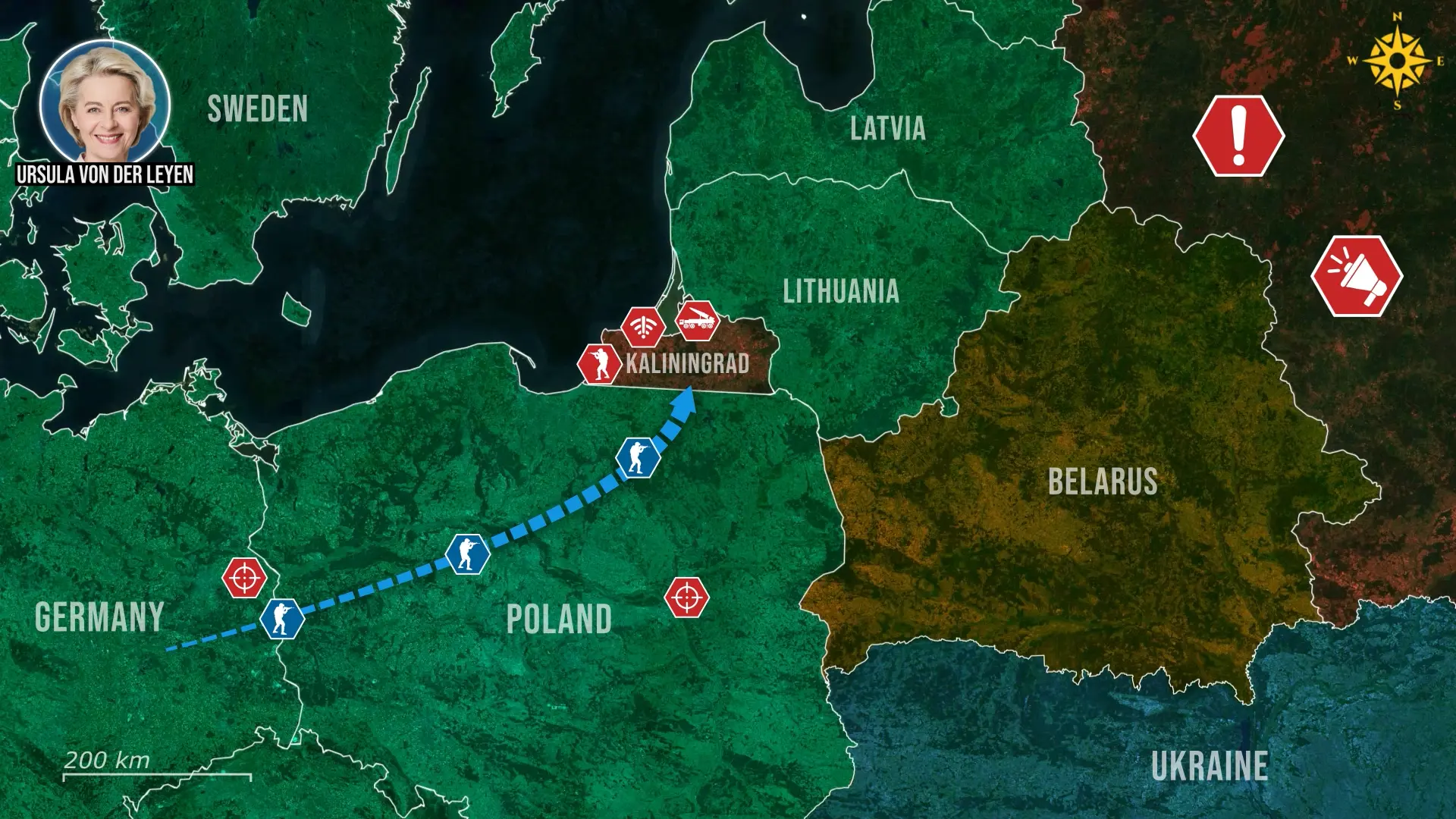
Overall, Nato's intensified surveillance of Kaliningrad reflects contingency planning rather than evidence of an imminent attack. Russia's own military buildup, missile deployments, and disruptive activities in the region have made the semi-exclave a priority for allied intelligence. As both sides increase military preparedness, Kaliningrad remains one of Europe's most sensitive flashpoints, where miscalculation or escalation could rapidly transform a regional crisis into a Nato-wide confrontation. This hasn’t happened yet, but the Russian military bloggers are already on the edge, fearing that an escalation would destroy Kaliningrad.

.jpg)

Comments