

.svg)
Today, there is important news from Central Asia.
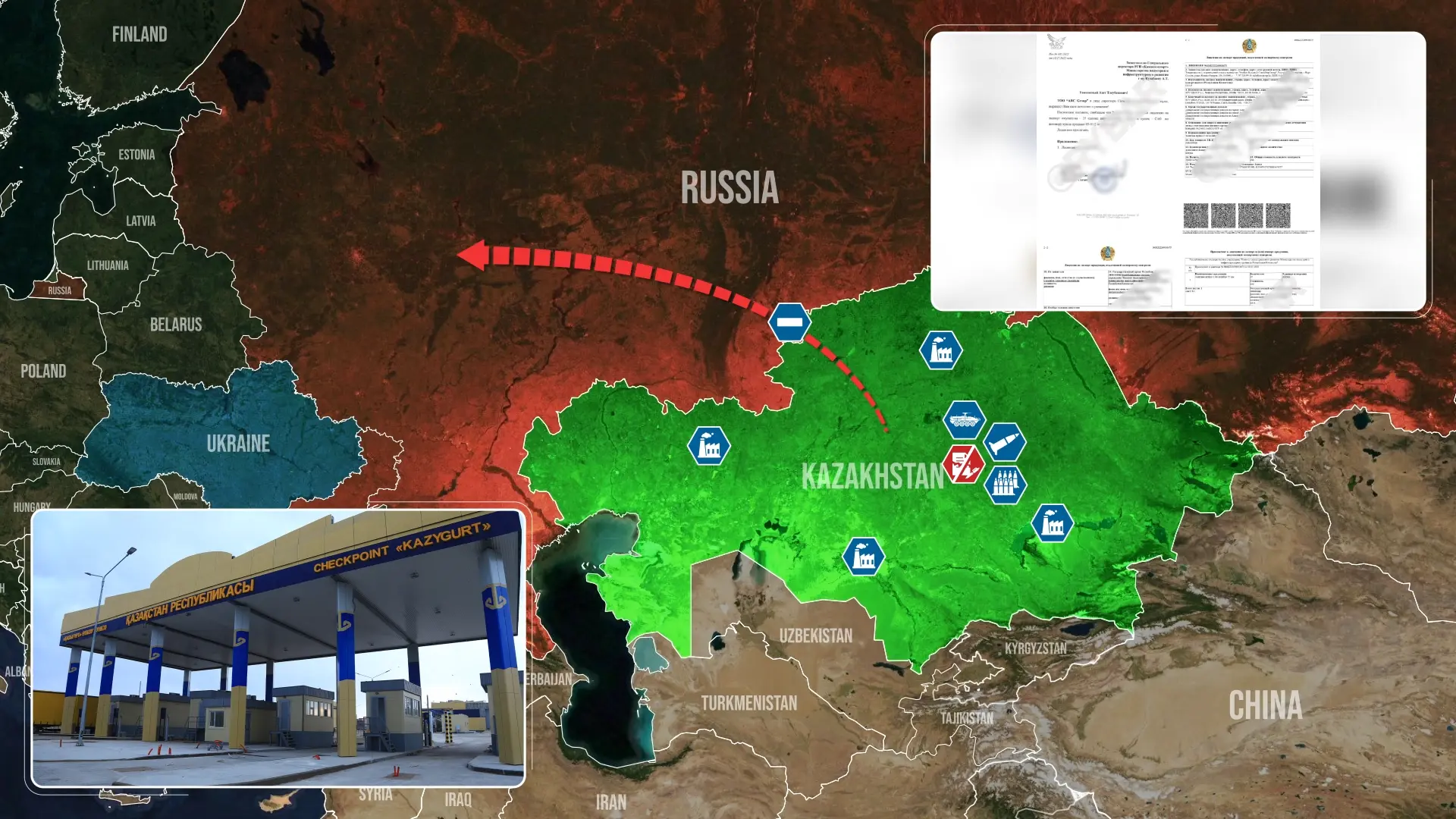
Here, Kazakhstan has taken a decisive step that signals a further sharp shift in its posture toward Russia. By enforcing strict border control, the country is signaling clearly that the time for silent support of Russian sanctions evasion is over.
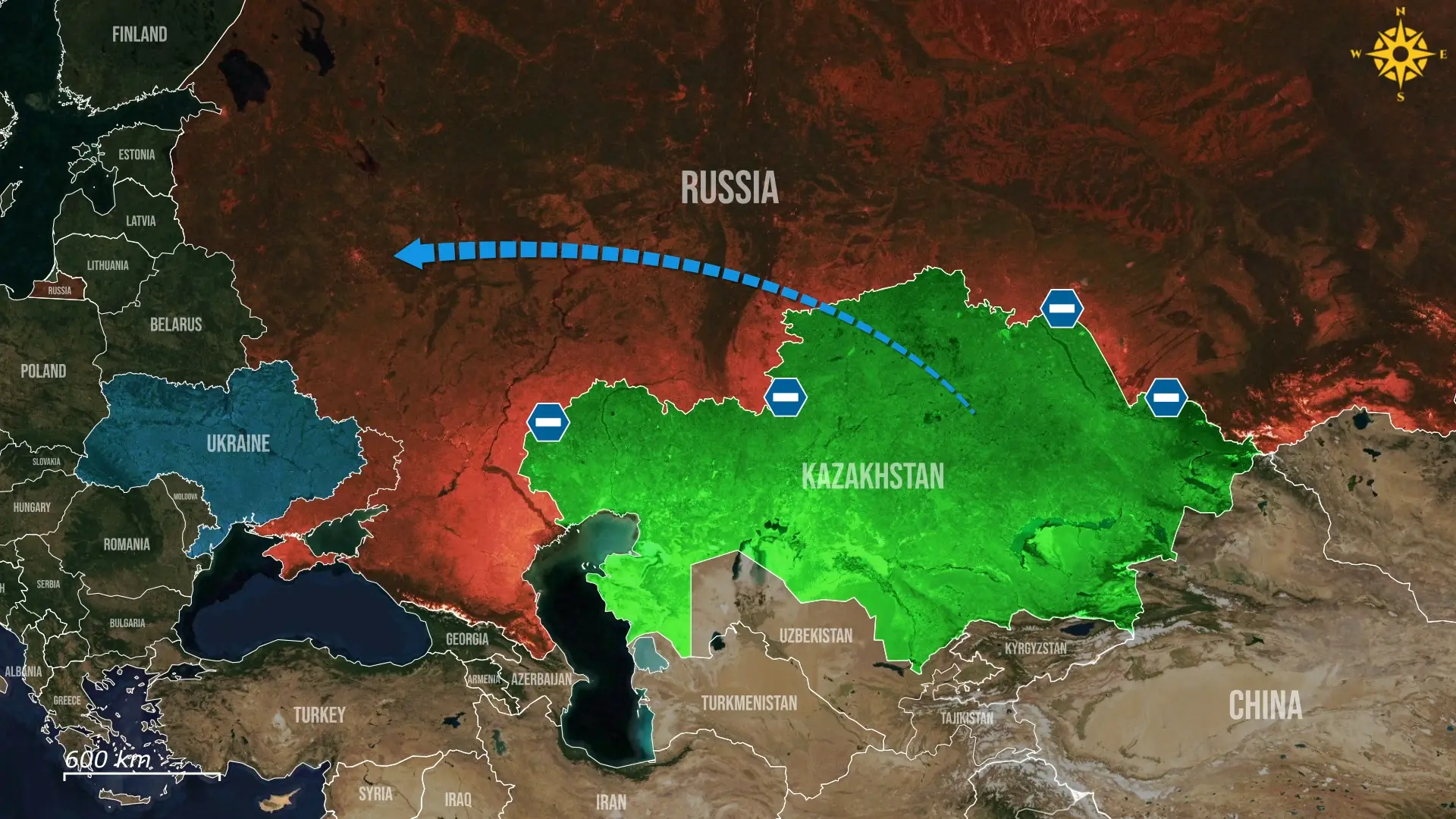
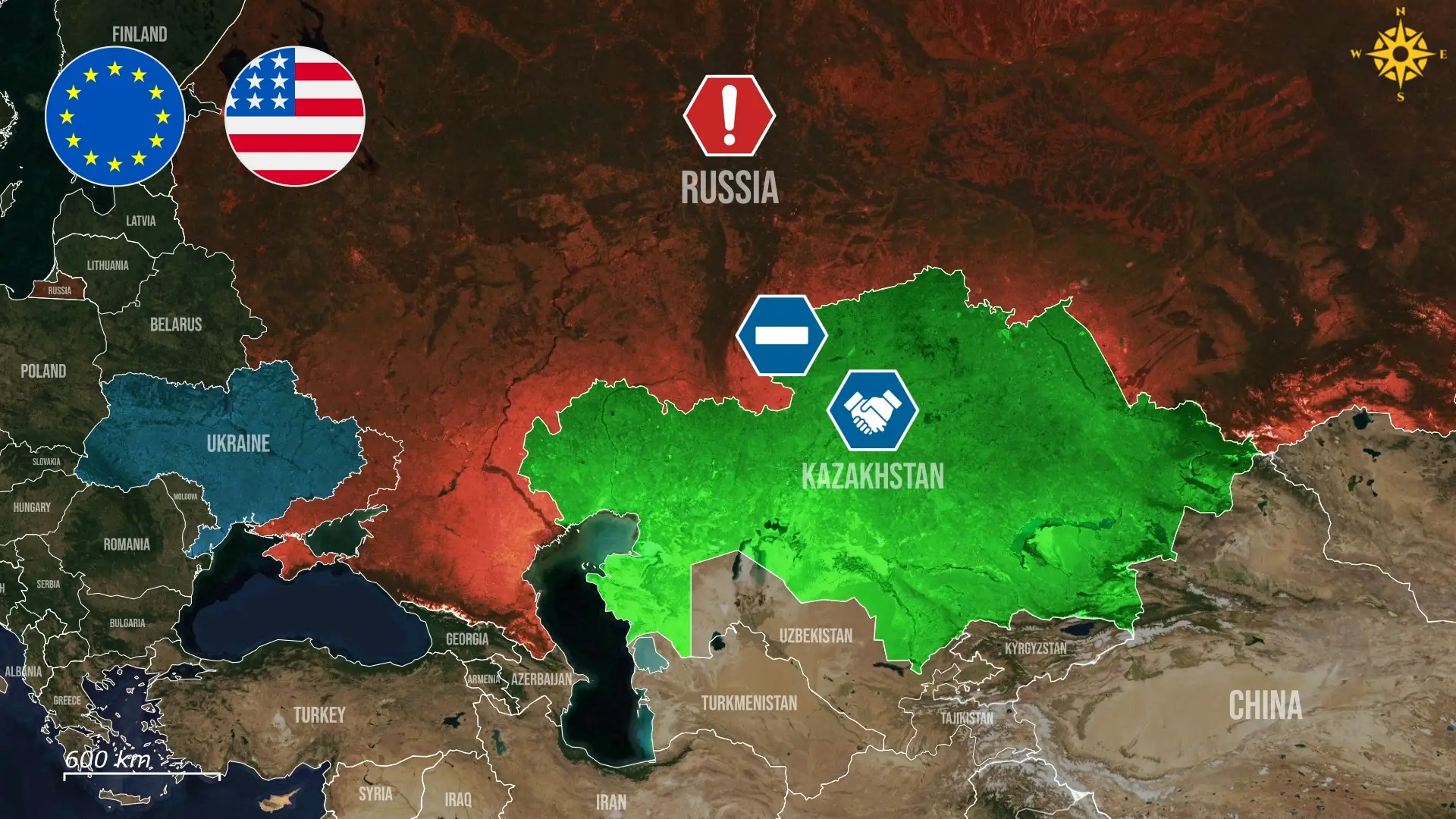
Kazakhstan has introduced new export rules that will remain in force for at least one year, aimed at restricting the re-export of dual-use goods to Russia and minimizing the risk of sanctions circumvention. Under the new rules, a wide range of products now require mandatory export licenses, while goods imported from the European Union, the United States, and the United Kingdom are placed under enhanced monitoring and explicitly barred from being re-exported to Russia.
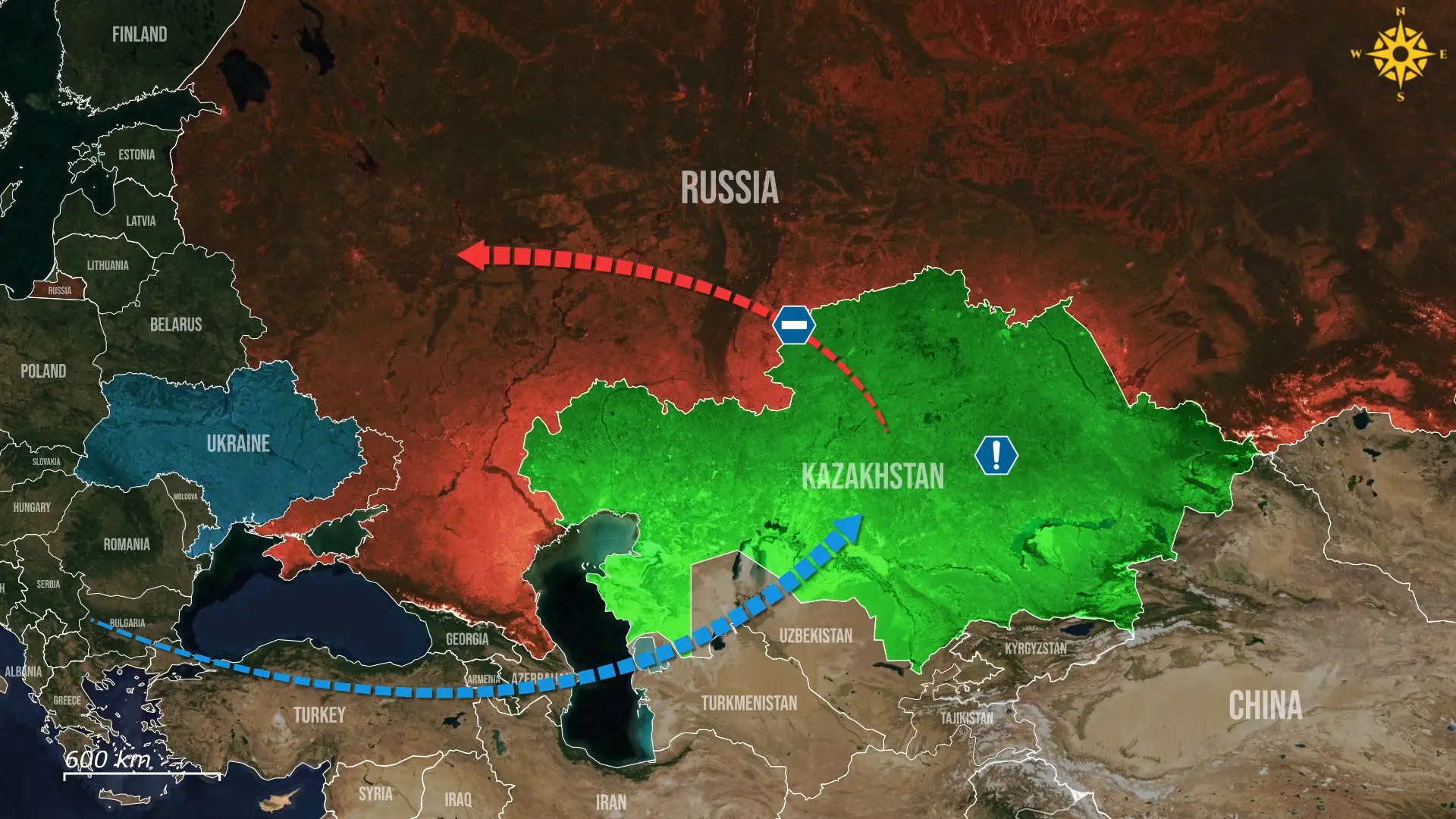
While Kazakhstan has not formally joined Western sanctions, it is clearly aligning its regulatory framework with them. This move is particularly significant given Kazakhstan’s own high industrial capacity, which includes the production of boats, armored and artillery vehicles, machine guns, night-vision equipment, grenades, torpedoes, and protective gear. Even without publicly acknowledging exports of such items to Russia, Kazakhstan is signaling that it is no longer willing to serve as a permissive transit hub for Moscow’s war economy.
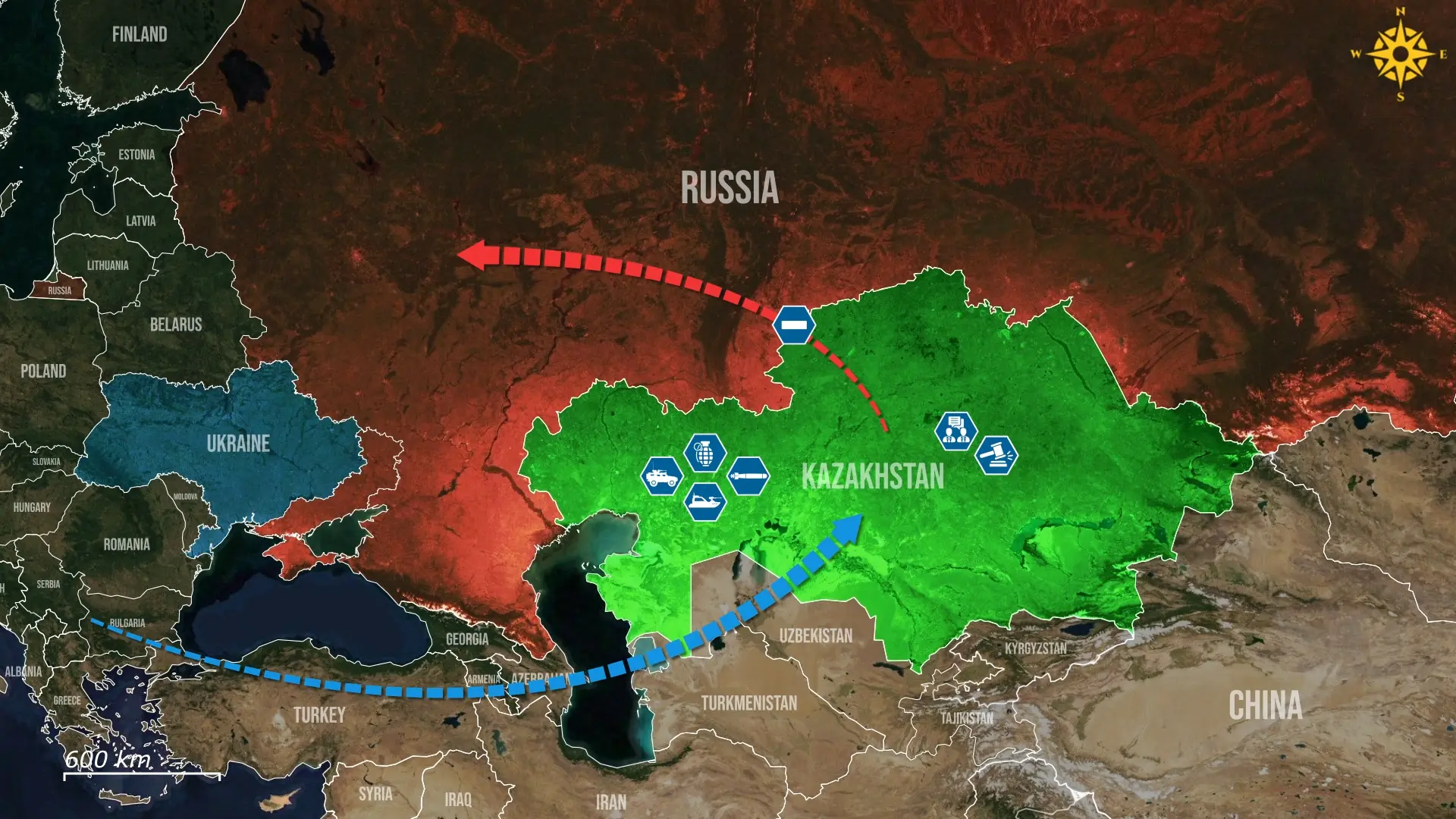
What makes this decision especially painful for the Kremlin is what has now been cut off. Following Russia’s full scale invasion of Ukraine, sanctions pushed Moscow to look more actively toward Kazakhstan’s defense industry as a compatible supplier. According to reporting, Russia had most recently planned a defense purchase from Kazakh companies, including artillery shells, mortar ammunition, rockets, and even armored personnel carriers.
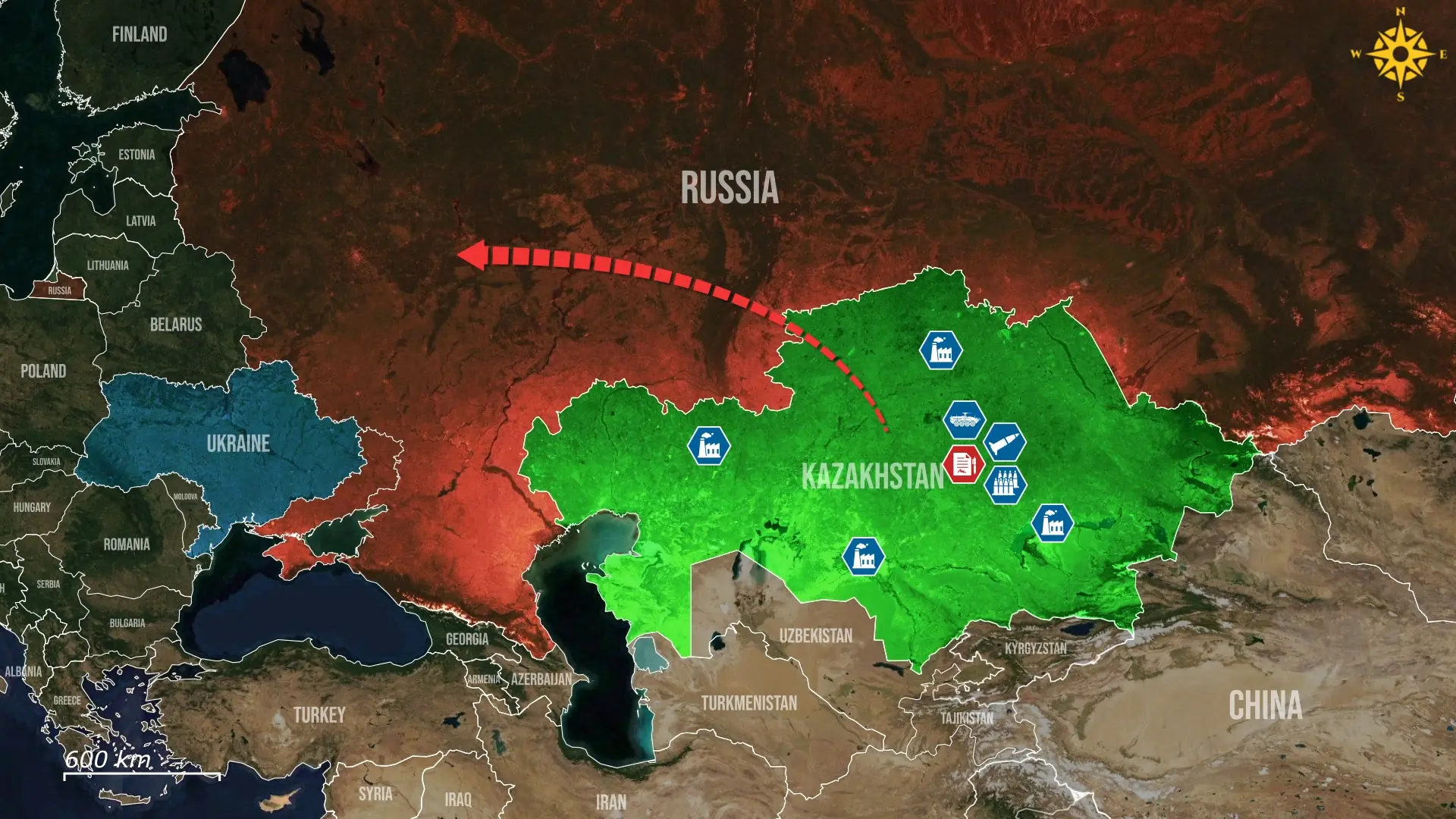
Although Kazakhstan’s Ministry of Industry and Infrastructure Development denied approving such deals, the government’s announcement of a one-year suspension on all defense exports effectively ends any ambiguity. Even pro-Russian attempts to publish alleged procurement documents failed to verify that such transfers were ongoing. Regardless, the suspension removes Kazakhstan as a reliable fallback supplier at a time when Russia’s traditional supply chains are already under extreme strain.
Beyond finished weapons, the real strategic blow lies in Kazakhstan’s clampdown on dual-use goods. For years, Kazakhstan played a central role in Russia’s sanctions-evasion network by re-exporting critical components sourced from Western countries or China.
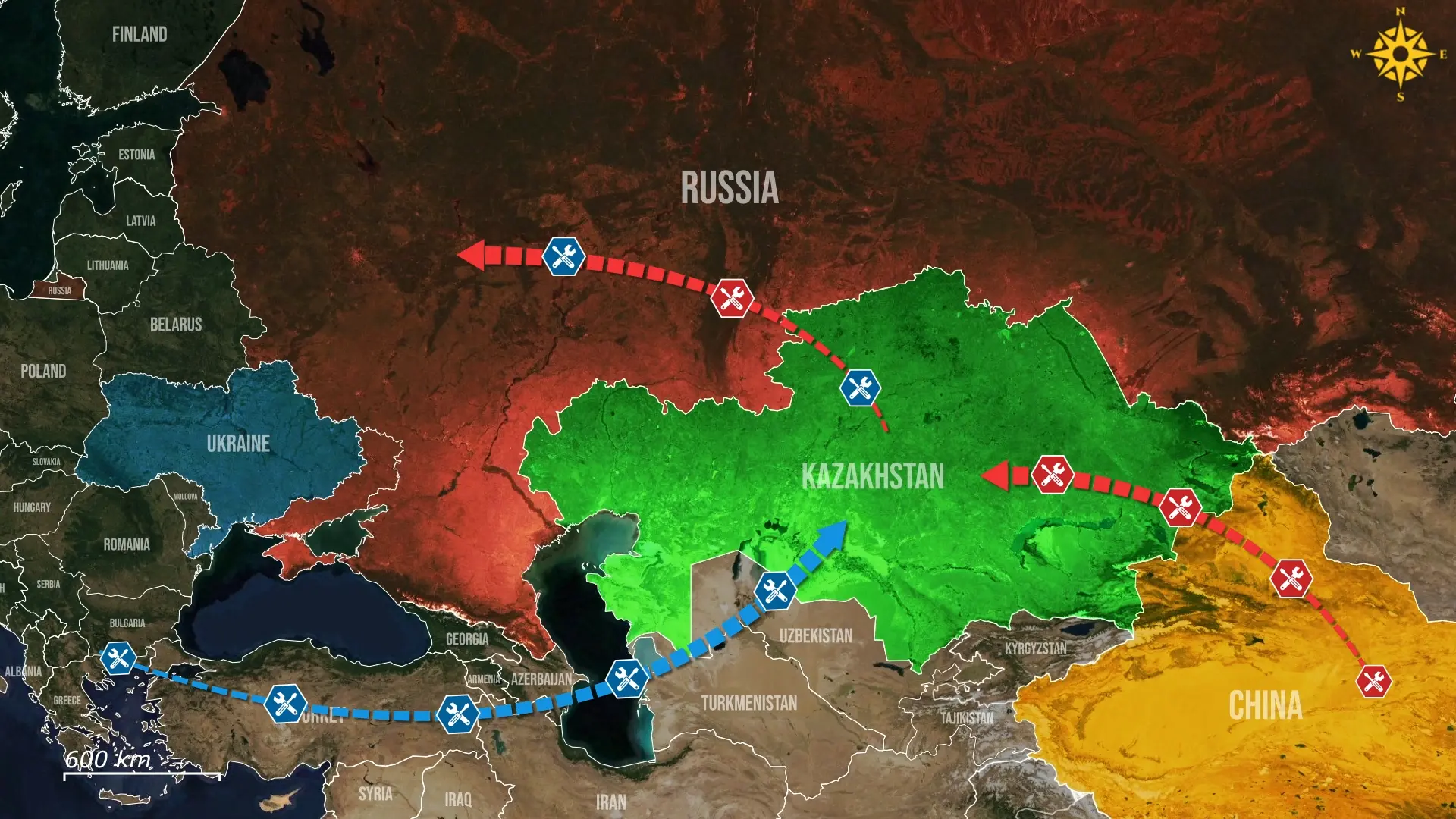
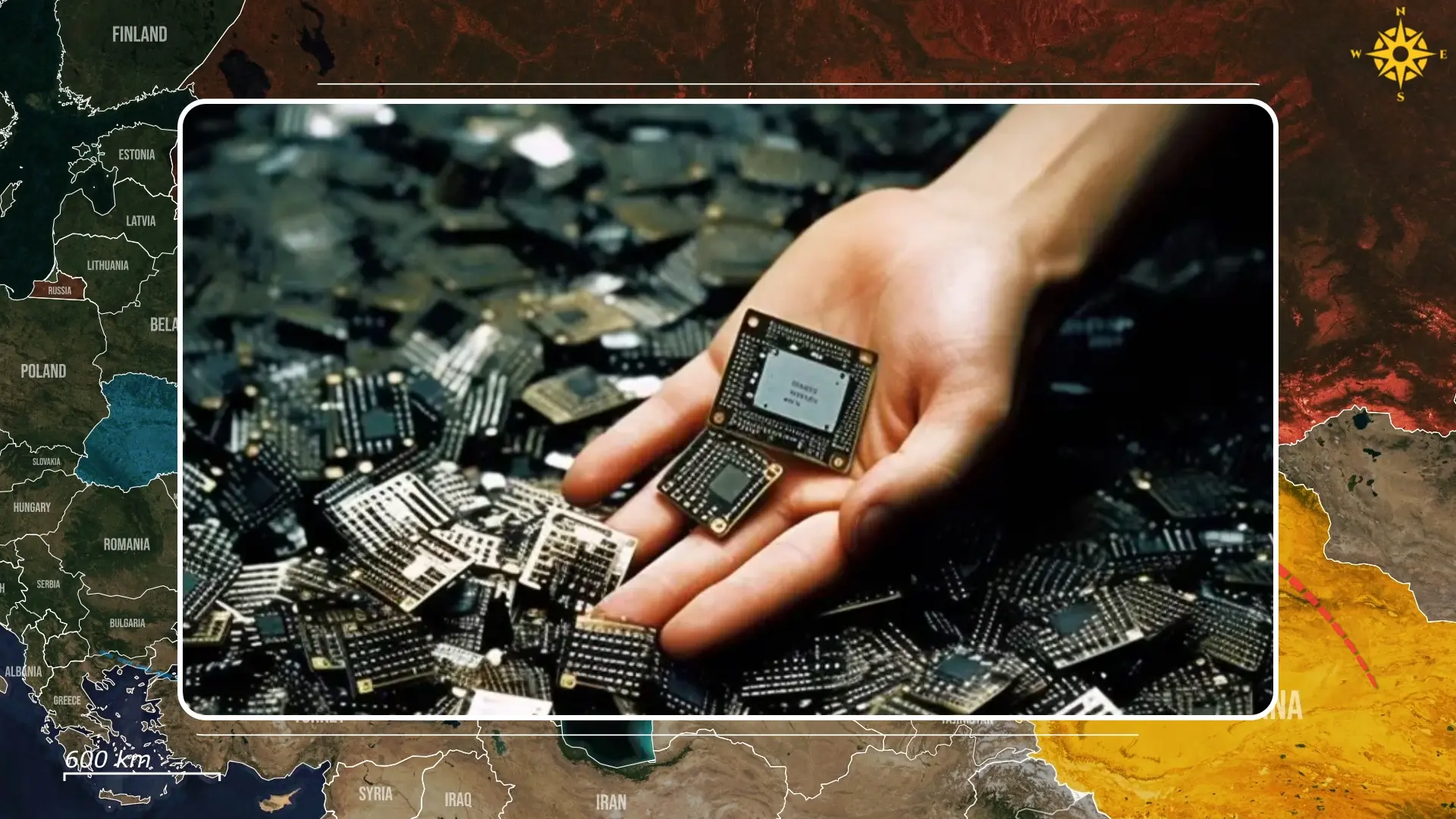
These items, while civilian on paper, are essential to modern warfare. Microchips and semiconductors are a prime example, as Kazakhstan’s exports of these components jumped from just 245,000 dollars in 2021 to over 18 million in 2022, while its own imports surged to over 75 million, largely in shipments to Russia. Electronics and specialized components followed the same pattern, with exports exceeding 575 million dollars in the first ten months of 2022, compared to only 30–35 million a year earlier. Computer hardware exports exploded from 127,000 in 2021 to nearly 296 million in 2022.
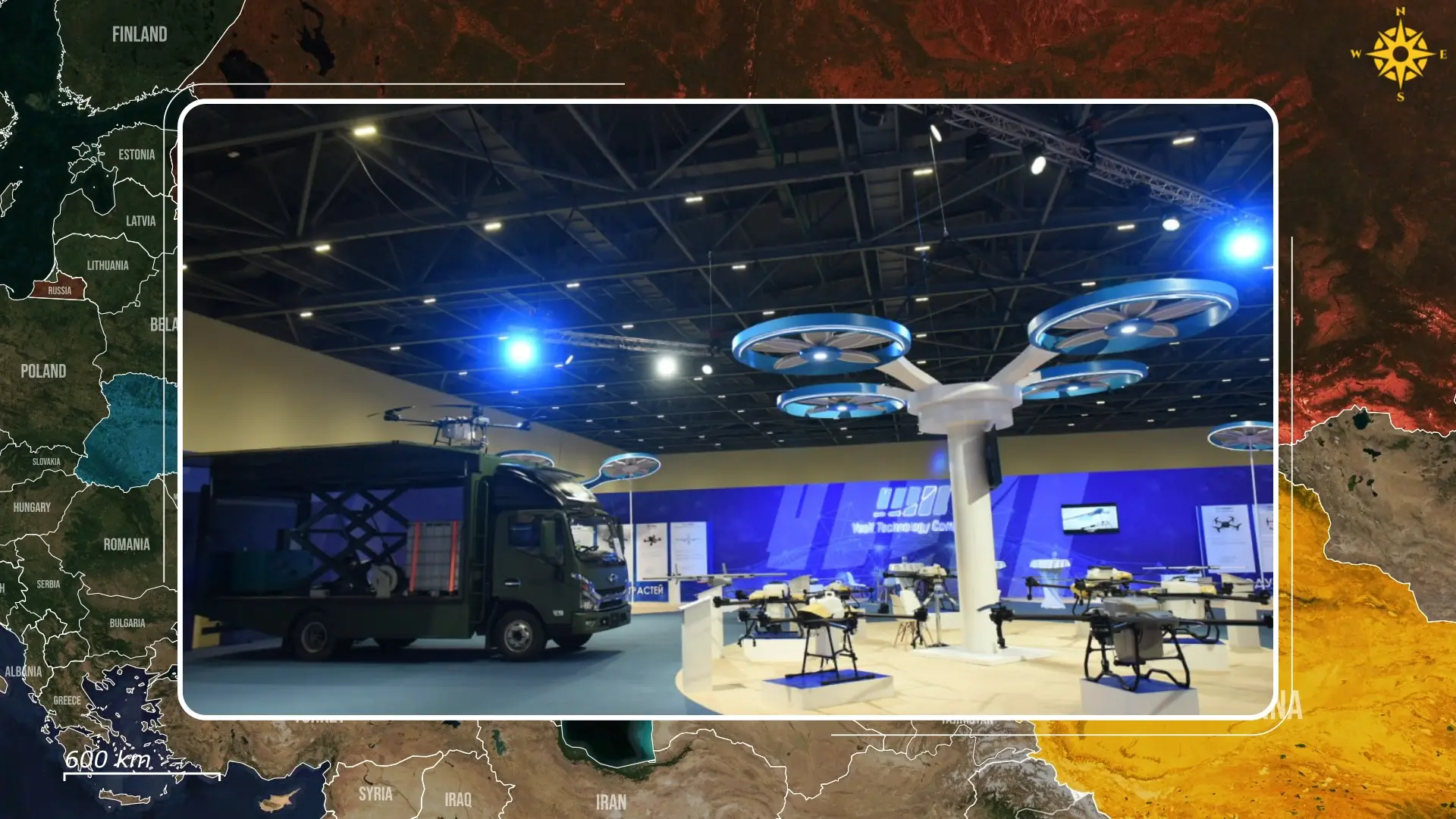
Kazakhstan also became a conduit for drones and their components, exporting over 1.2 million worth to Russia after importing far larger volumes, mainly procured from East Asia. Machine tools and precision equipment, often routed through newly created shell companies, further fed Russia’s military-industrial base.
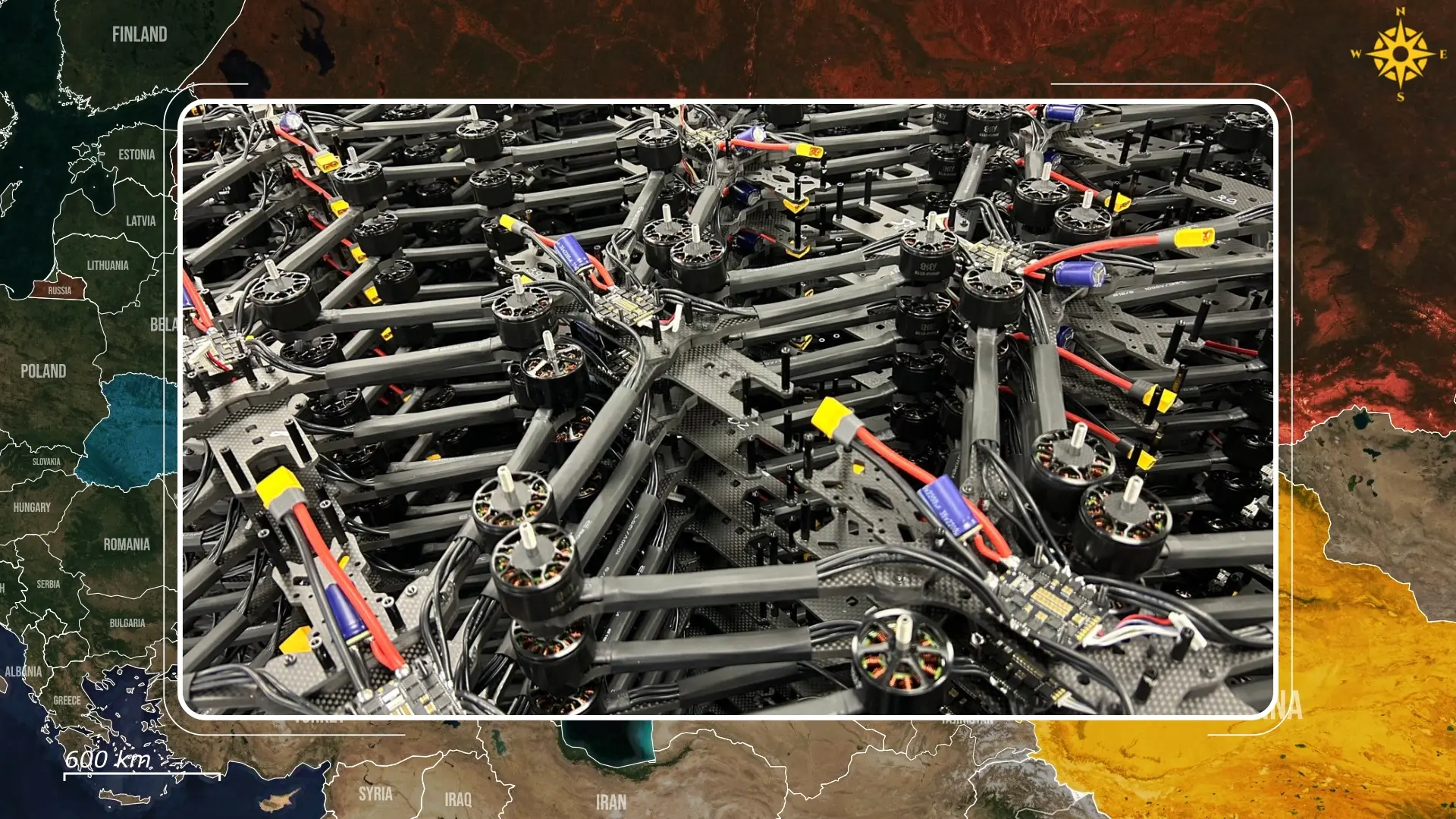
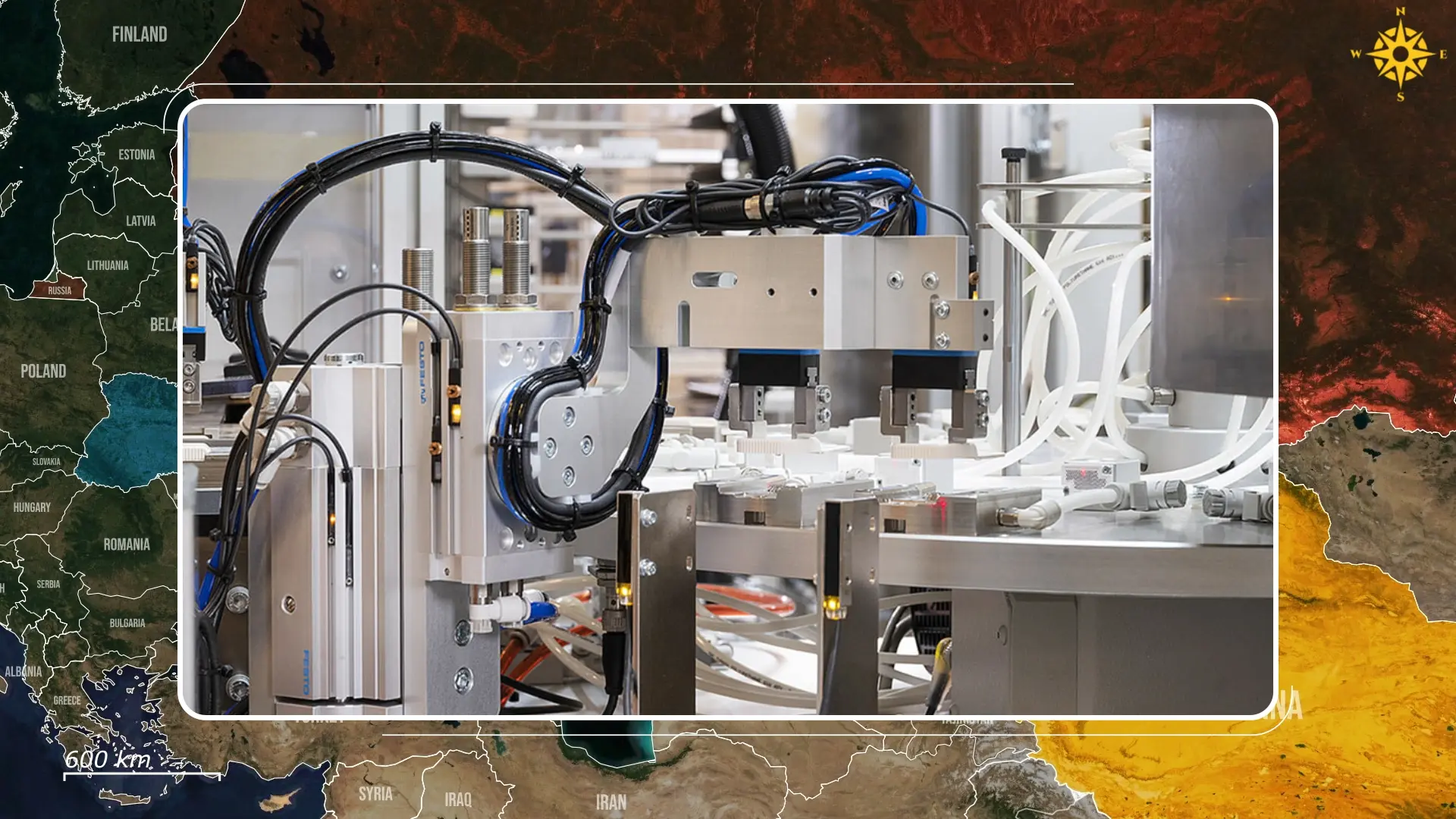
Kazakhstan's decision to tighten export controls on different goods to Russia stems primarily from escalating pressure to avoid Western secondary sanctions, as the country faces growing scrutiny and warnings of penalties for facilitating Russia's evasion networks.
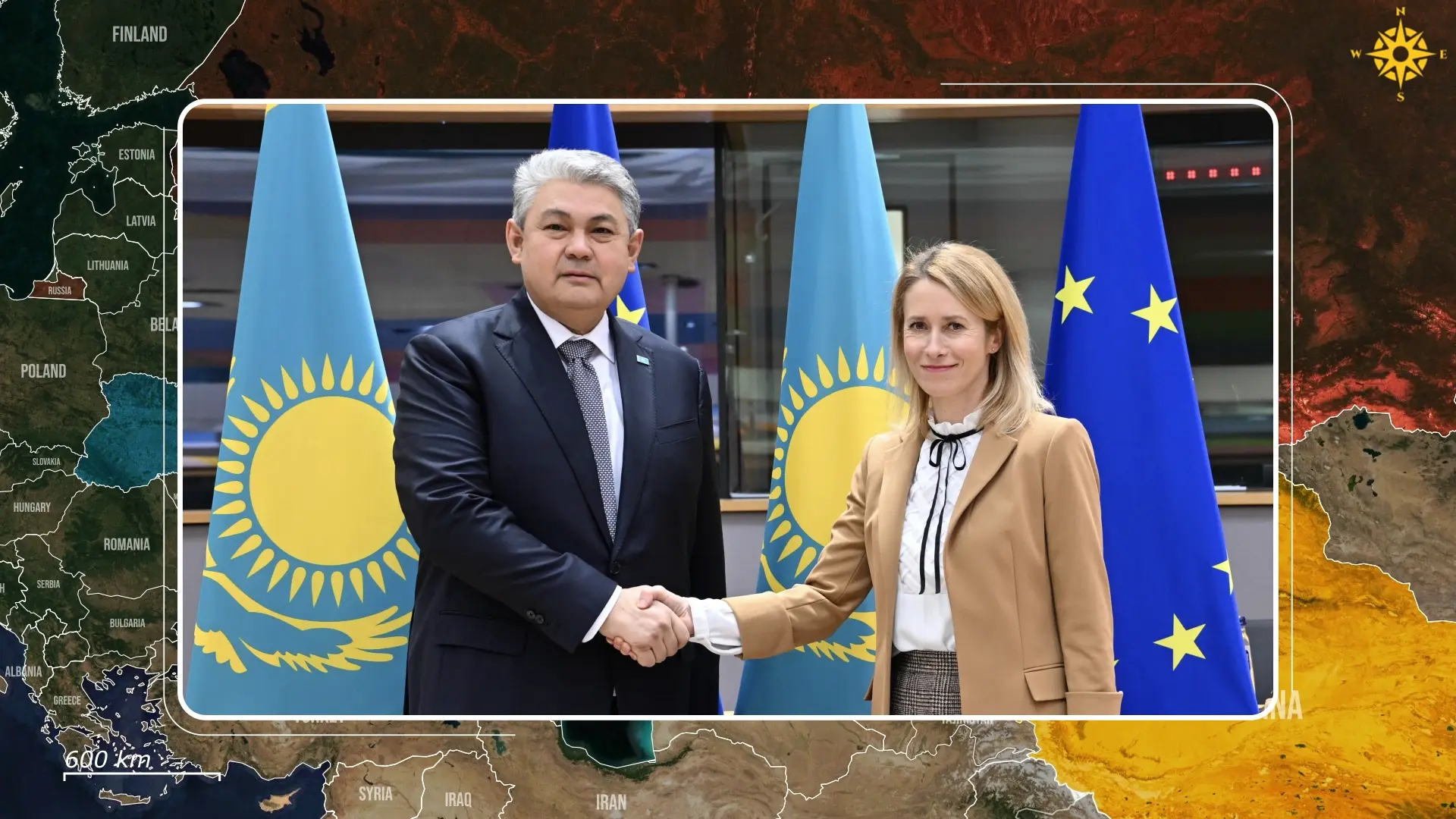
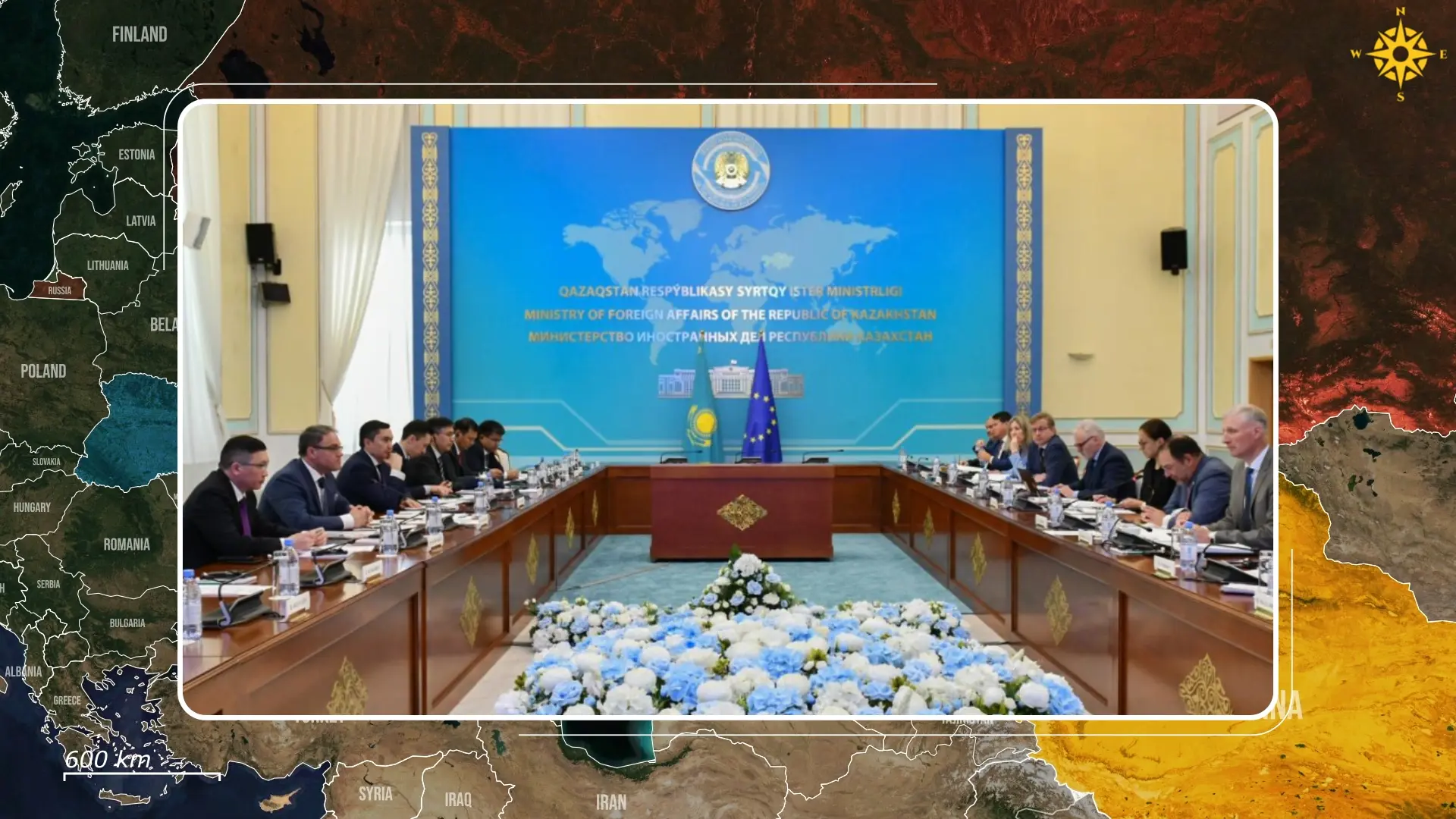
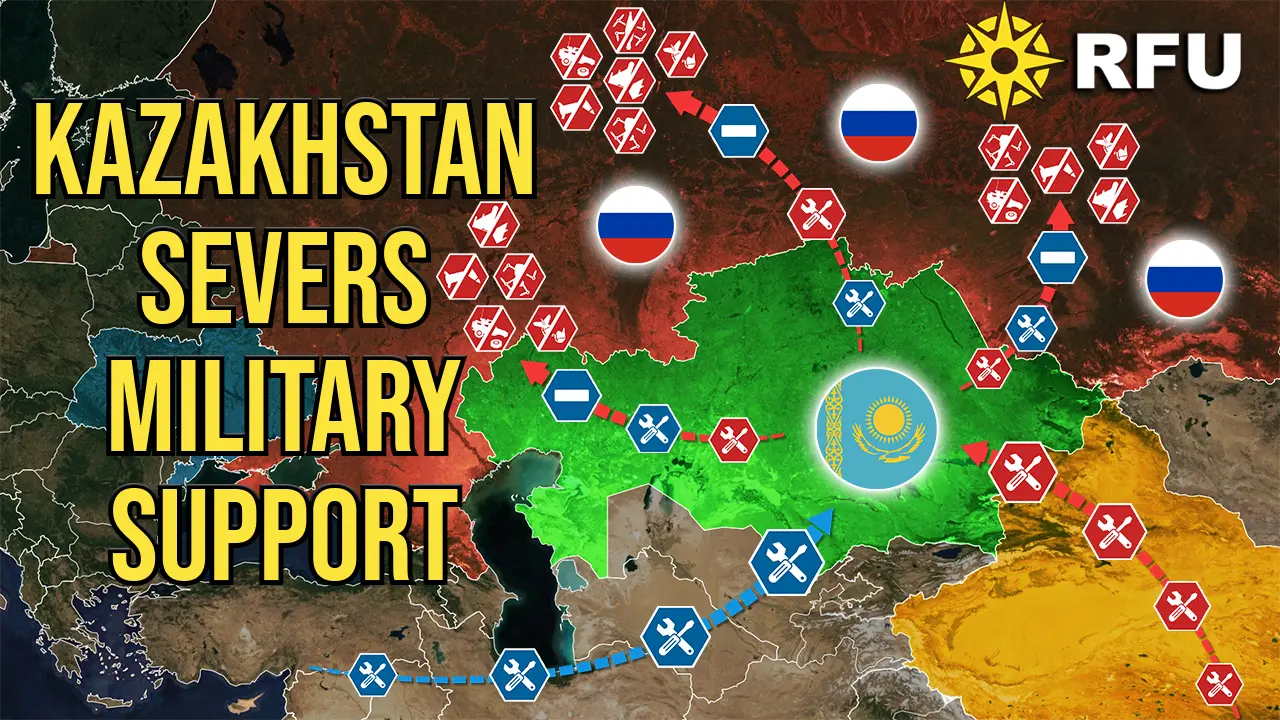
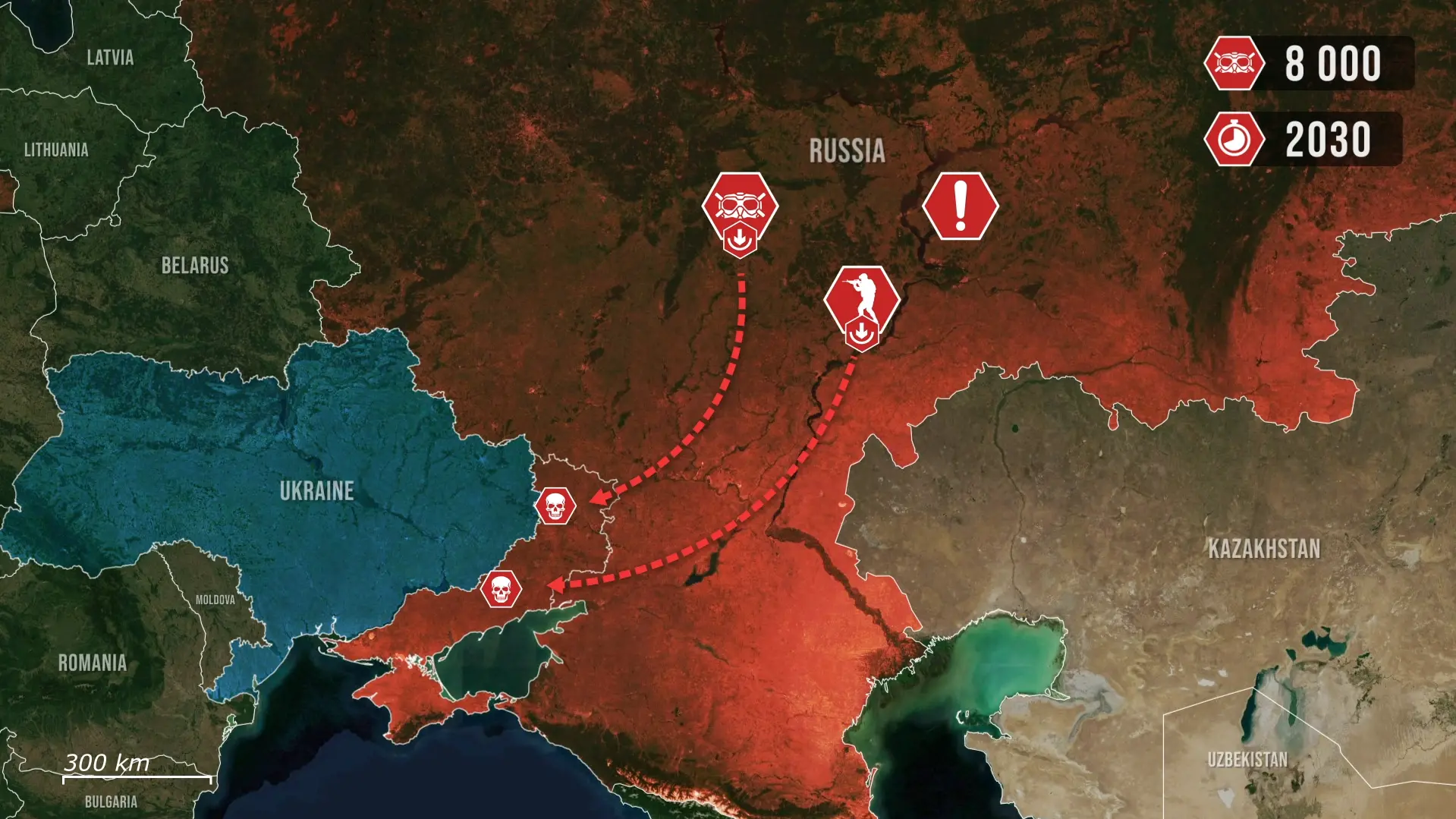
The consequences of shutting this pipeline are already tangible, as the new export controls have triggered immediate delay measured in months for Russia’s production timelines for systems such as Lancet loitering munitions, Orlan reconnaissance drones, Shahed guidance modules, and Kalibr and Iskander missiles, now looking to face months of delays.
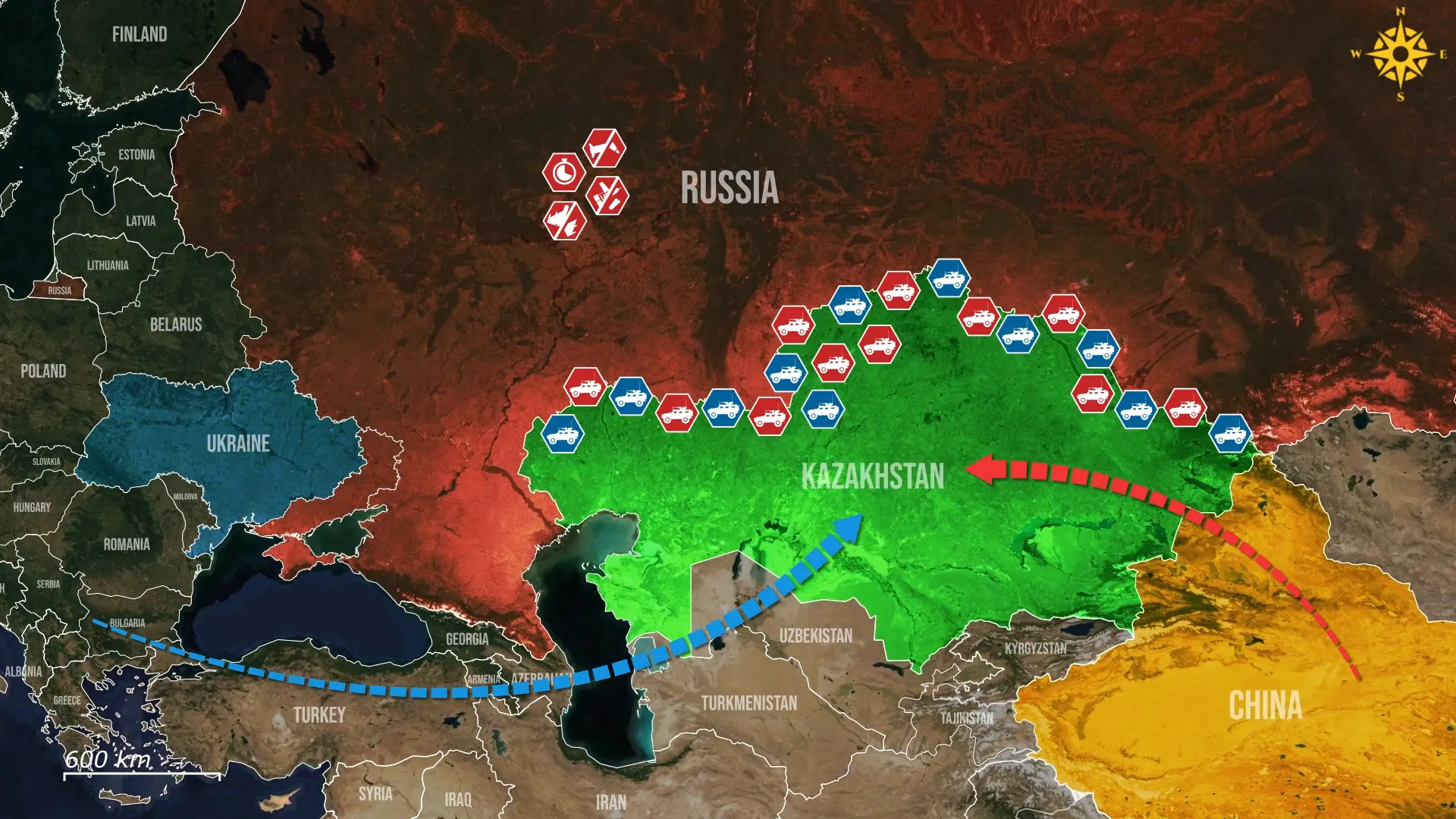
Russia’s defense industry, heavily dependent on imported electronics and components, is being forced to seek alternative routes that are more expensive, slower, and increasingly risky. This affects Russia’s ability to conduct attacks both on the frontline and also deep in the rear, as every weapon that is not produced is one weapon less to be used against Ukraine.
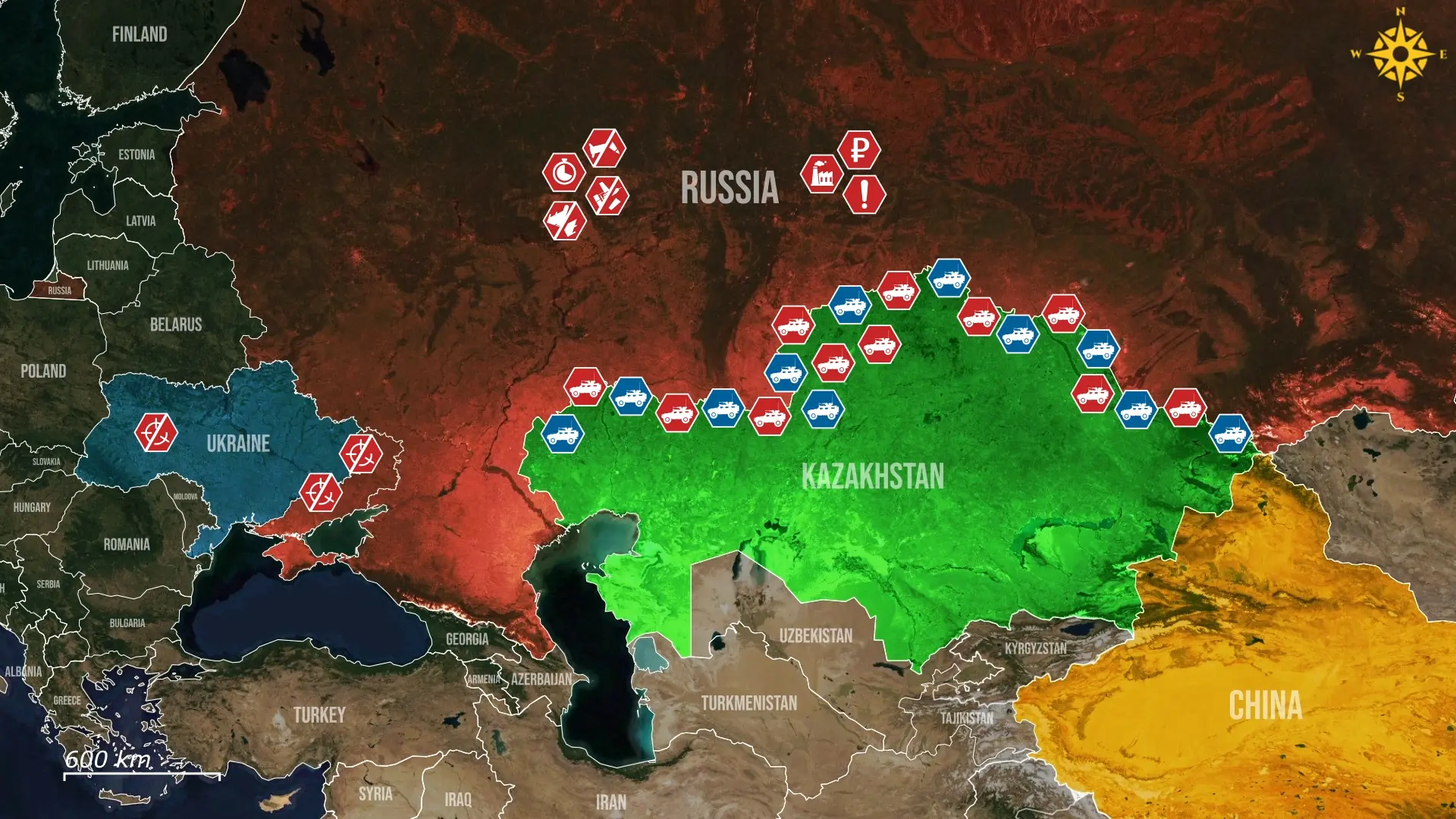
Overall, Kazakhstan’s decision marks a hardening of its strategic course away from quietly accommodating Russia and toward closer alignment with Western sanction enforcement. As new restrictions continue to emerge, the loss of Kazakhstan as a key import and transit hub will further weaken Russia’s ability to sustain its war effort. For a country already struggling to secure critical components, this move represents another serious blow.
.jpg)

Comments