

.svg)
Today, the biggest news comes from Iran.
Here, Iran has effectively put all of Ukraine in its sights after Kyiv pushed its anti-drone effort into the Middle East. What looks like a dangerous escalation for Ukraine may actually end up accelerating the spread of Ukraine’s technology that could break not only Iran but also one of Russia’s biggest wartime advantages.
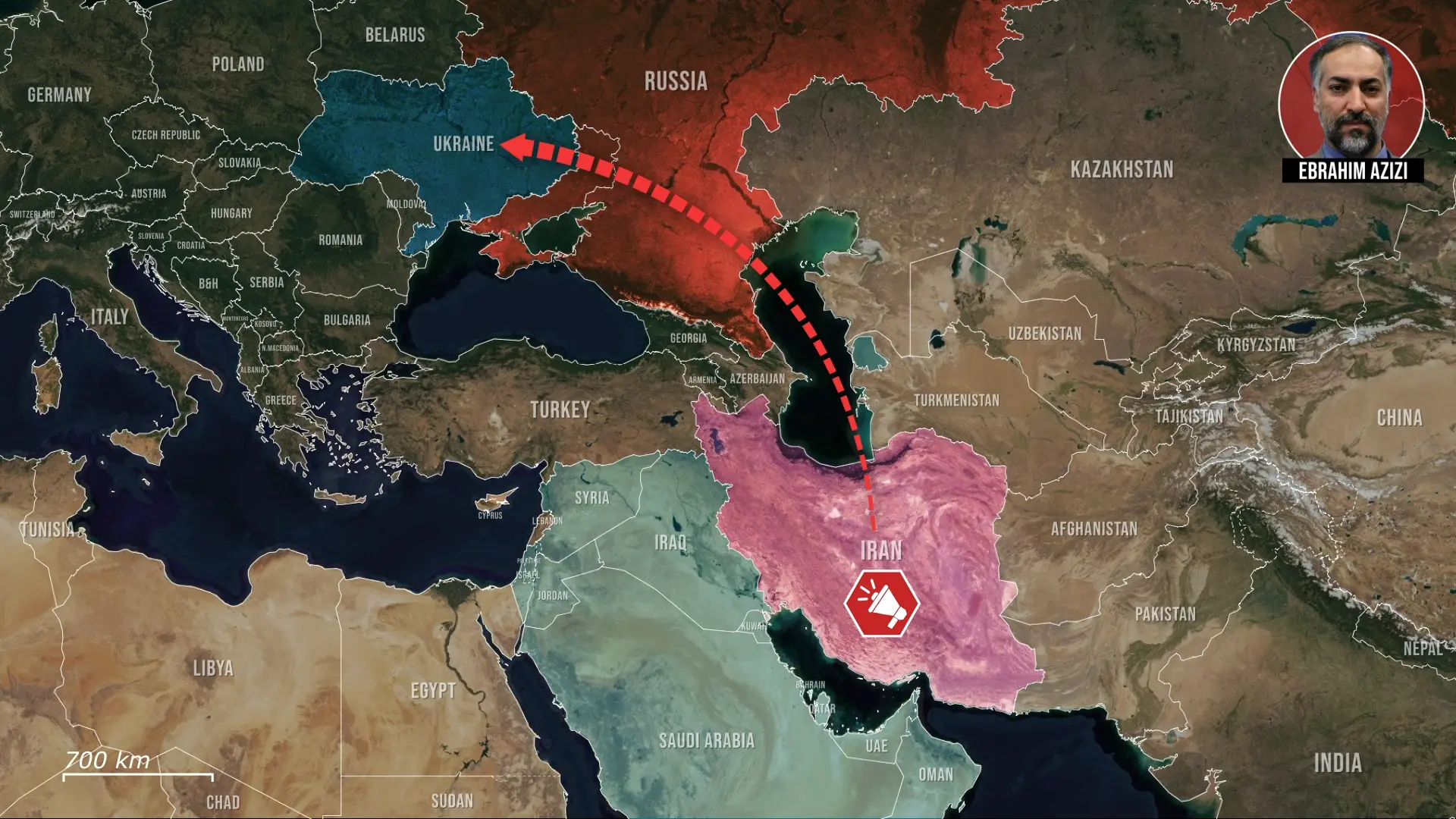
Recently, Iran has declared war on Ukraine, the latest in the series of outsider countries it has decided to target. Ebrahim Azizi, the head of Iran’s parliamentary national security committee, has officially stated that Ukraine has become a legitimate target and participant in the war by providing support to Iran's enemies.
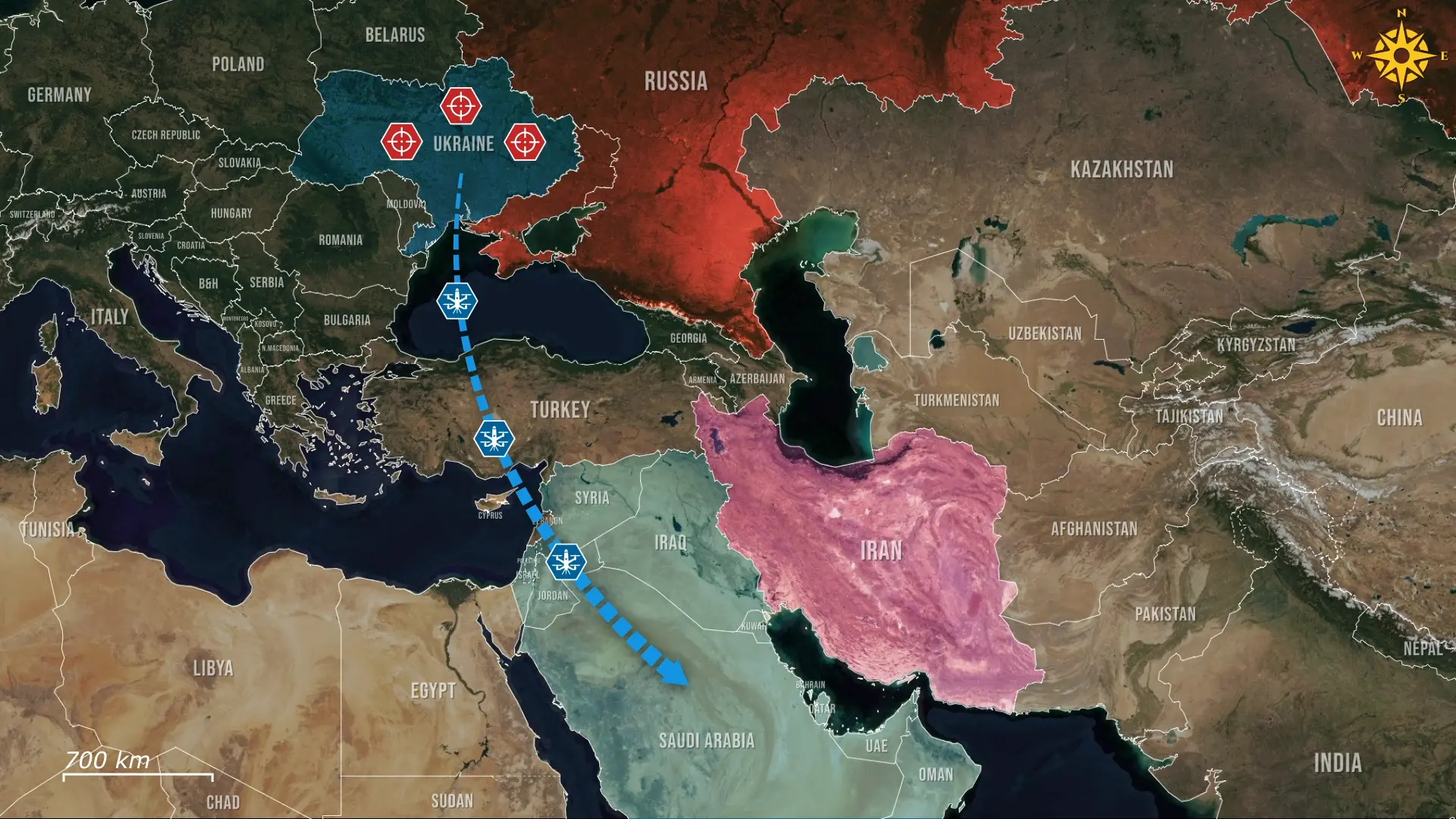
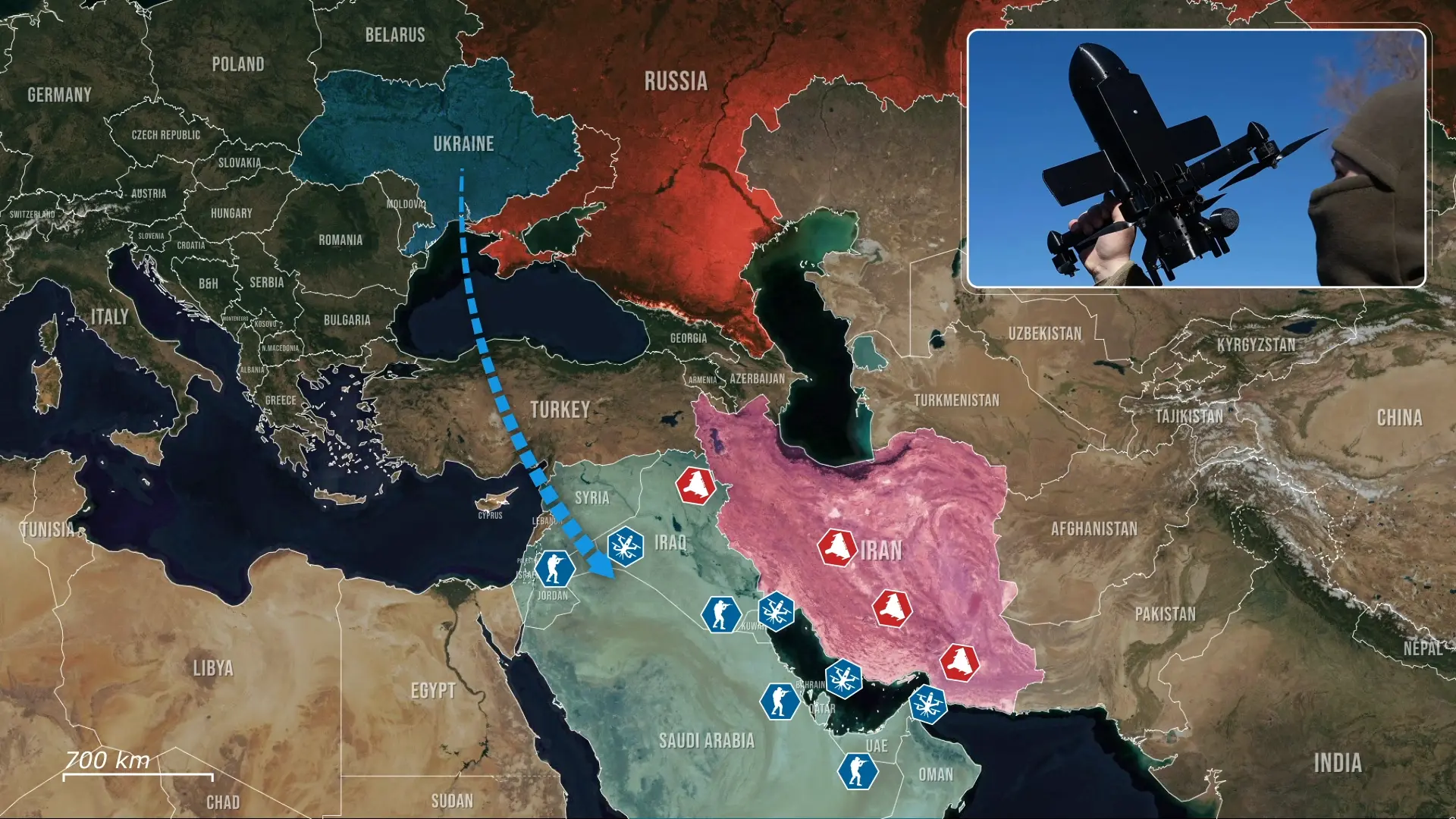
Ukraine has deployed four different groups of interceptor drone specialists to four countries under Iran's Shahed bombardment, supplying them with a total of 10,000 interceptor drones to protect the skies in the Middle East.
Weakening Iran carries strategic value for Ukraine, because Tehran has been one of Russia’s key arms suppliers, delivering approximately 2.7 billion dollars' worth of ballistic missiles and surface-to-air missiles since October 2021. Tehran also provided Shahed attack drones and transferred related production technology.
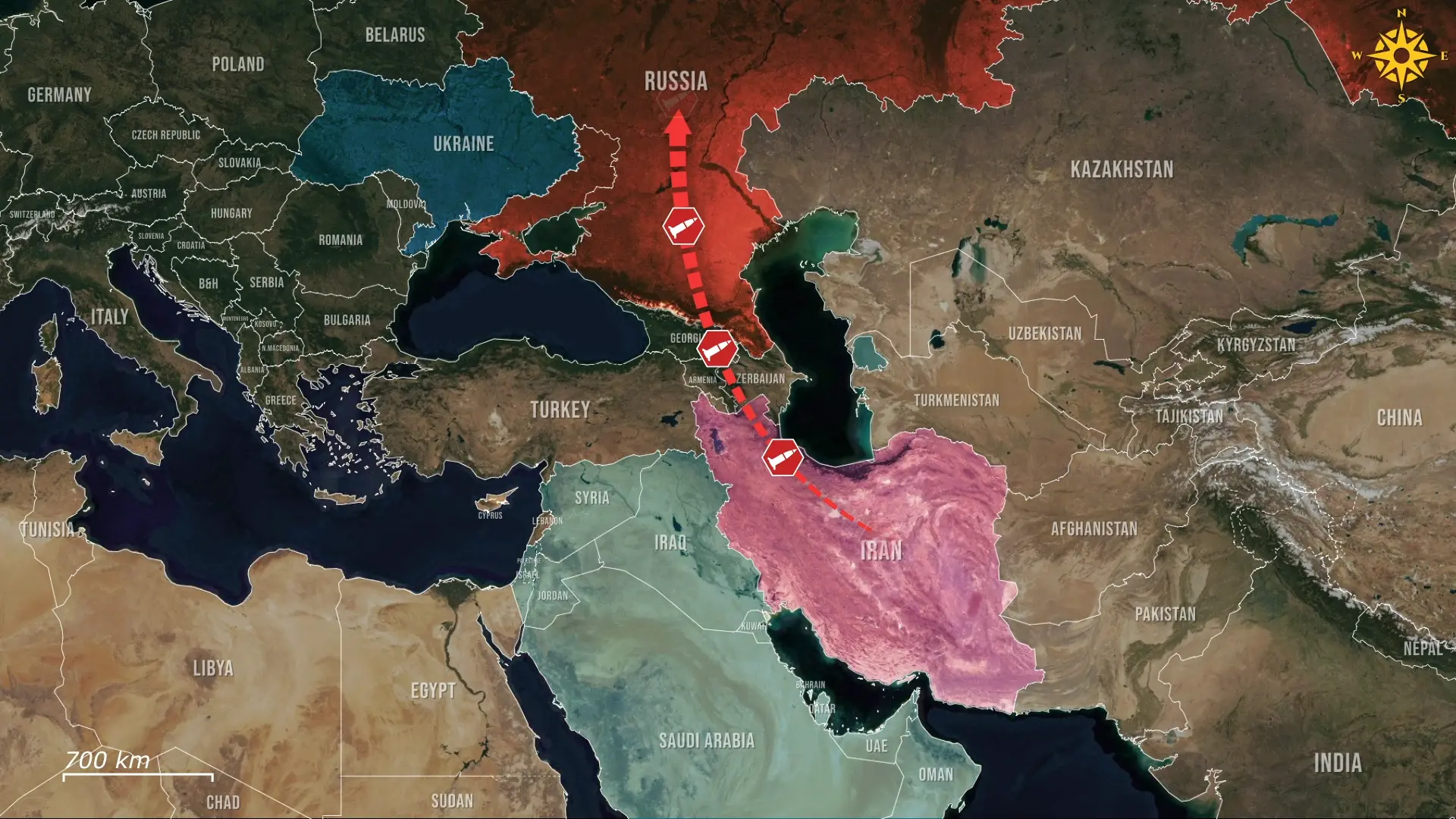
With Iran now tied down by war, those supplies are disrupted, giving Ukraine a rare opportunity to weaken one of Russia’s main weapons sources significantly. Ukraine also currently has surplus capacity in interceptor drones, which are most effective against Iran’s drone capabilities. Ironically, Iran contributed to this situation by supplying Shahed drones to Russia, which forced Ukraine to develop some of the world’s most effective countermeasures that are now sent to be used against the original creator.
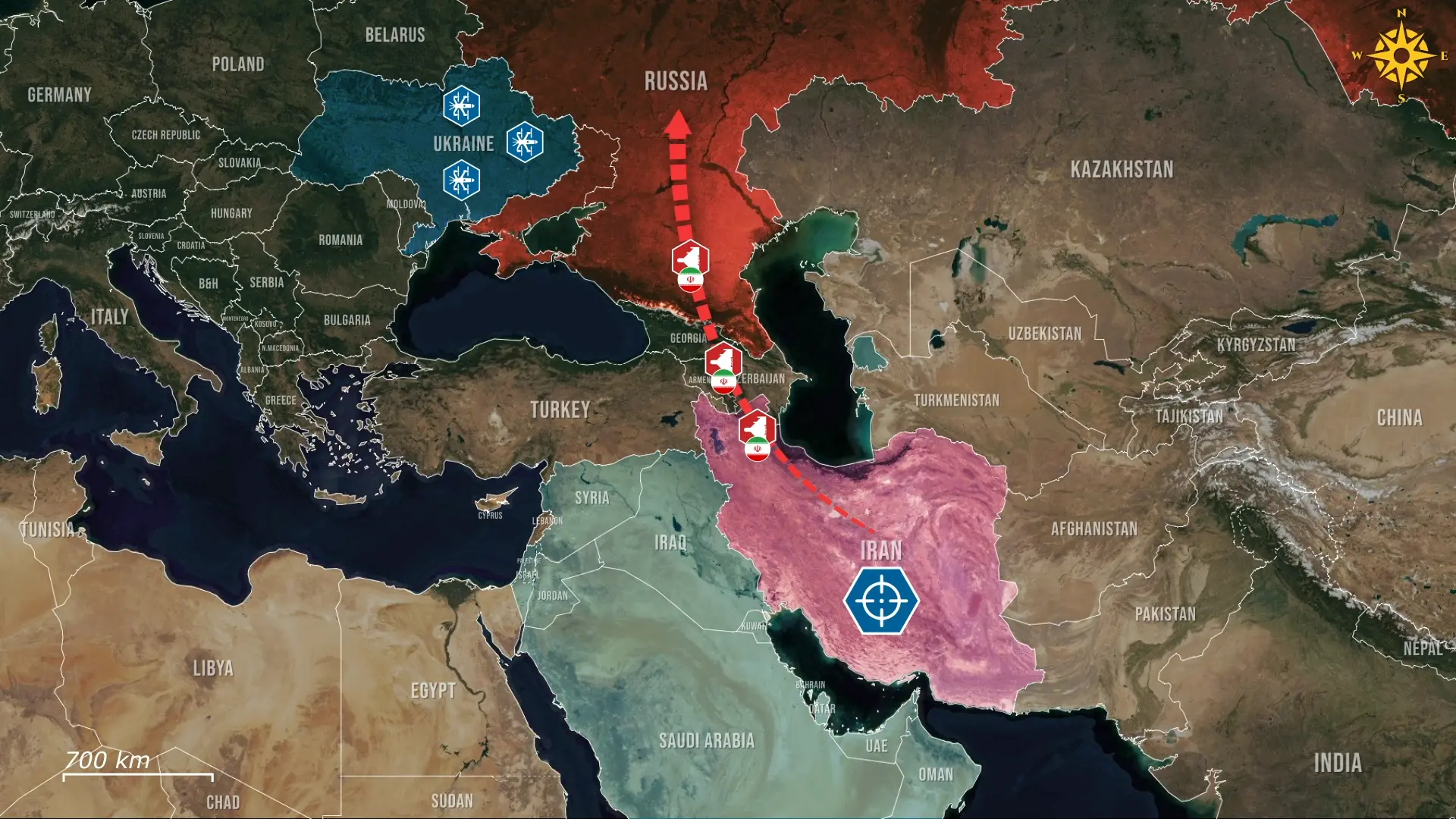
That is why demand for Ukraine’s drone-defense expertise is rapidly increasing. Many countries are looking to purchase interceptor drones and gain access to Ukrainian technology and operational experience.
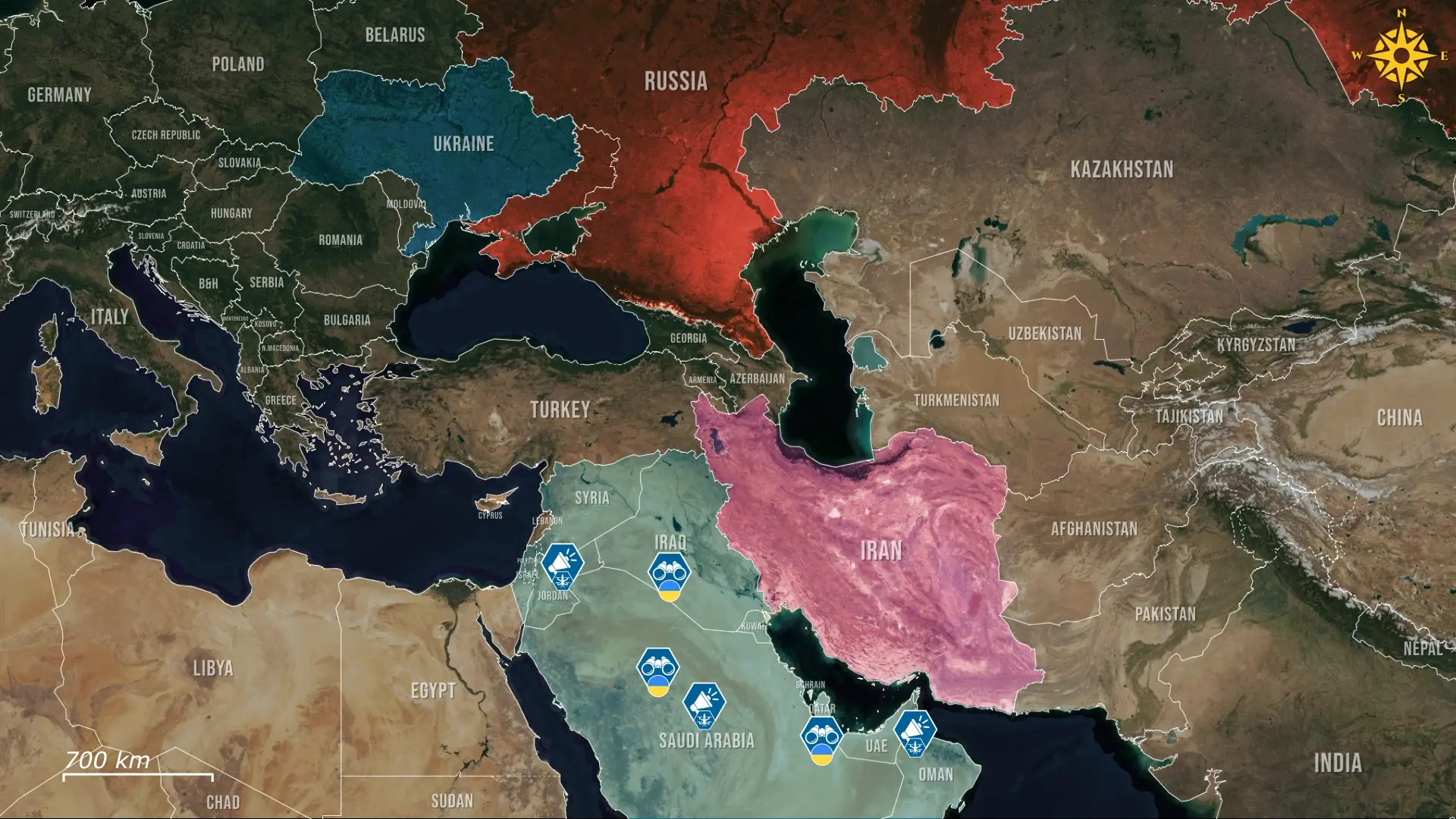
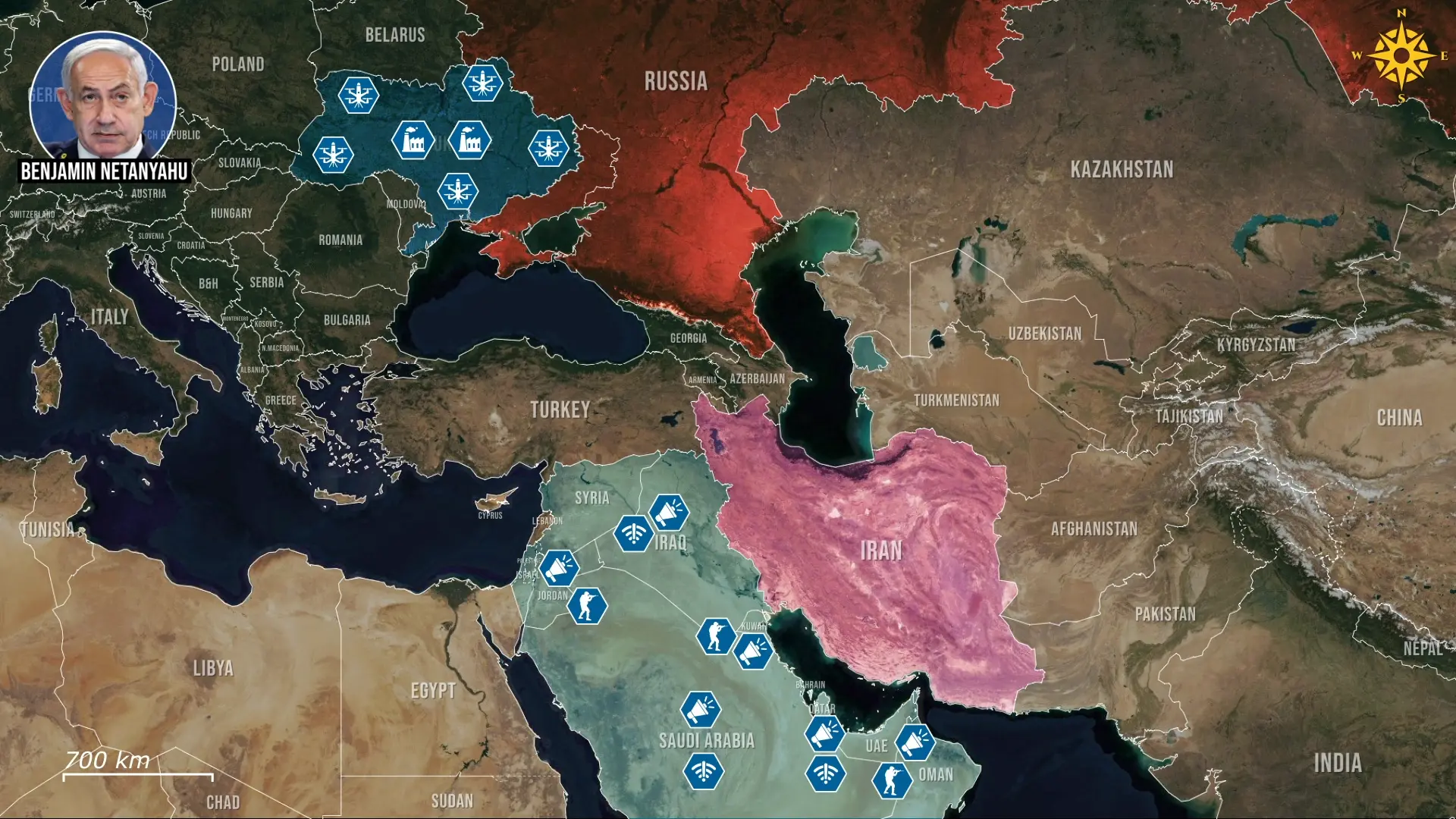
Years of defending against Iranian-made Shahed attacks have enabled Ukraine to develop countermeasures that are now widely regarded as among the most effective in the world. Volodymyr Zelenskyy said that 11 countries, including Iran’s regional neighbors, European states, and the United States, have requested Ukraine’s assistance in countering Shahed drones. The requests include interceptor drones, electronic warfare systems, operator training, and broader air-defense strategies. Israeli Prime Minister Benjamin Netanyahu has also asked Kyiv to arrange a conversation with Zelenskyy so Israel can study Ukraine’s methods of countering Shahed drones with drone interceptors.
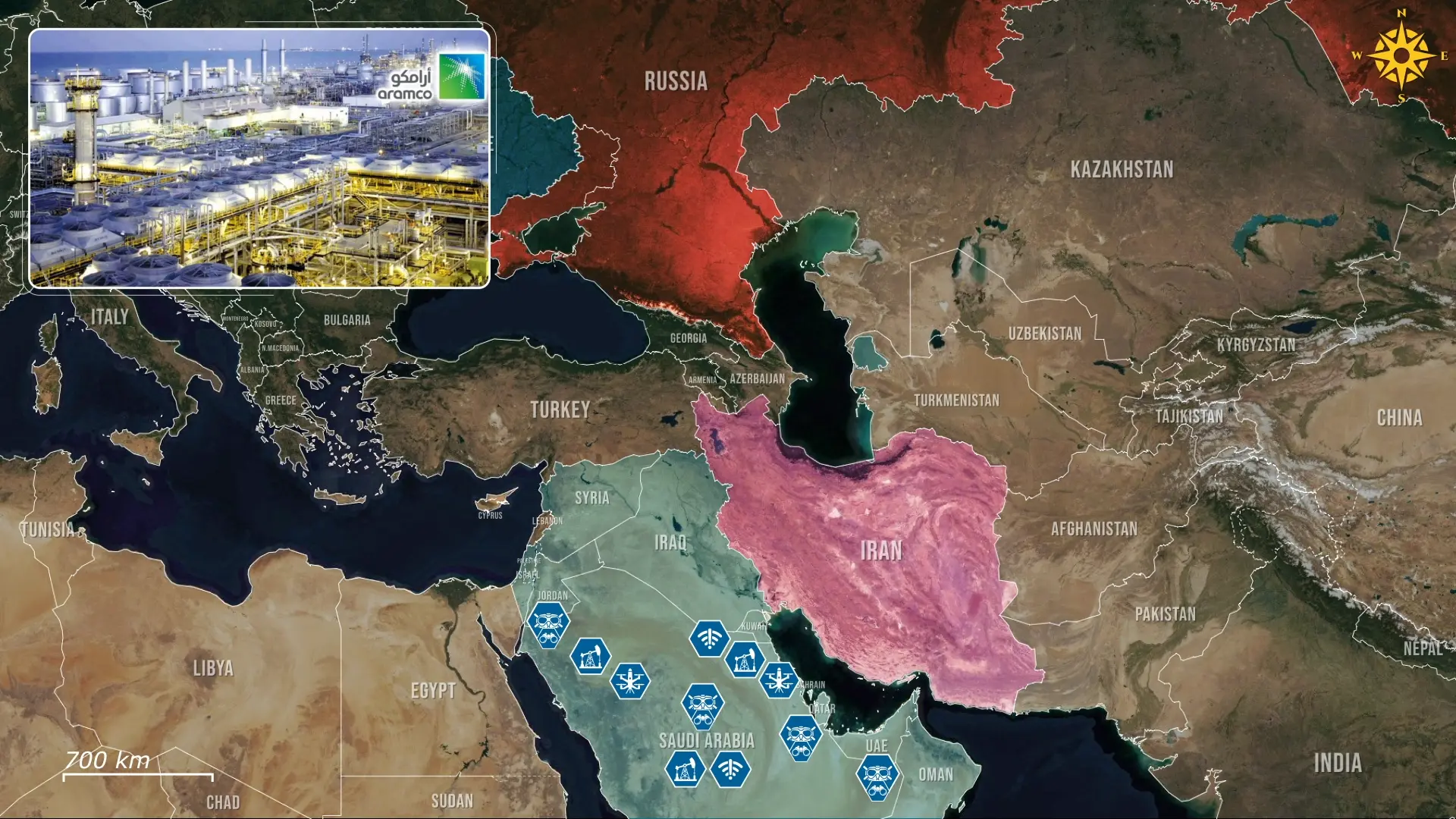
Meanwhile, the Saudi oil giant Saudi Aramco is in talks with Ukrainian firms SkyFall and Wild Hornets about purchasing interceptor UAV’s to protect oil facilities from Iranian drone threats, while also exploring electronic-warfare systems from Phantom Defense. According to Zelenskyy, Ukrainian expert teams have already been deployed to Qatar, the United Arab Emirates, and Saudi Arabia, and have also visited a U.S. military base in Jordan to assess anti-drone defenses and demonstrate counter-drone tactics. Ukrainian officials emphasize that these missions focus on evaluating defense systems and training personnel rather than participating in combat operations.
Zelenskyy has indicated that Ukraine expects compensation for sharing its expertise, which could include funding, technology transfers, or military equipment. One proposed arrangement involves partner countries supplying missiles for the Patriot air-defense system in exchange for Ukrainian interceptor drones. Japan, which manufactures Patriot missiles under license, is also reviewing its longstanding restrictions on exporting lethal military equipment as part of this discussion, and signaled readiness to send them to Ukraine.
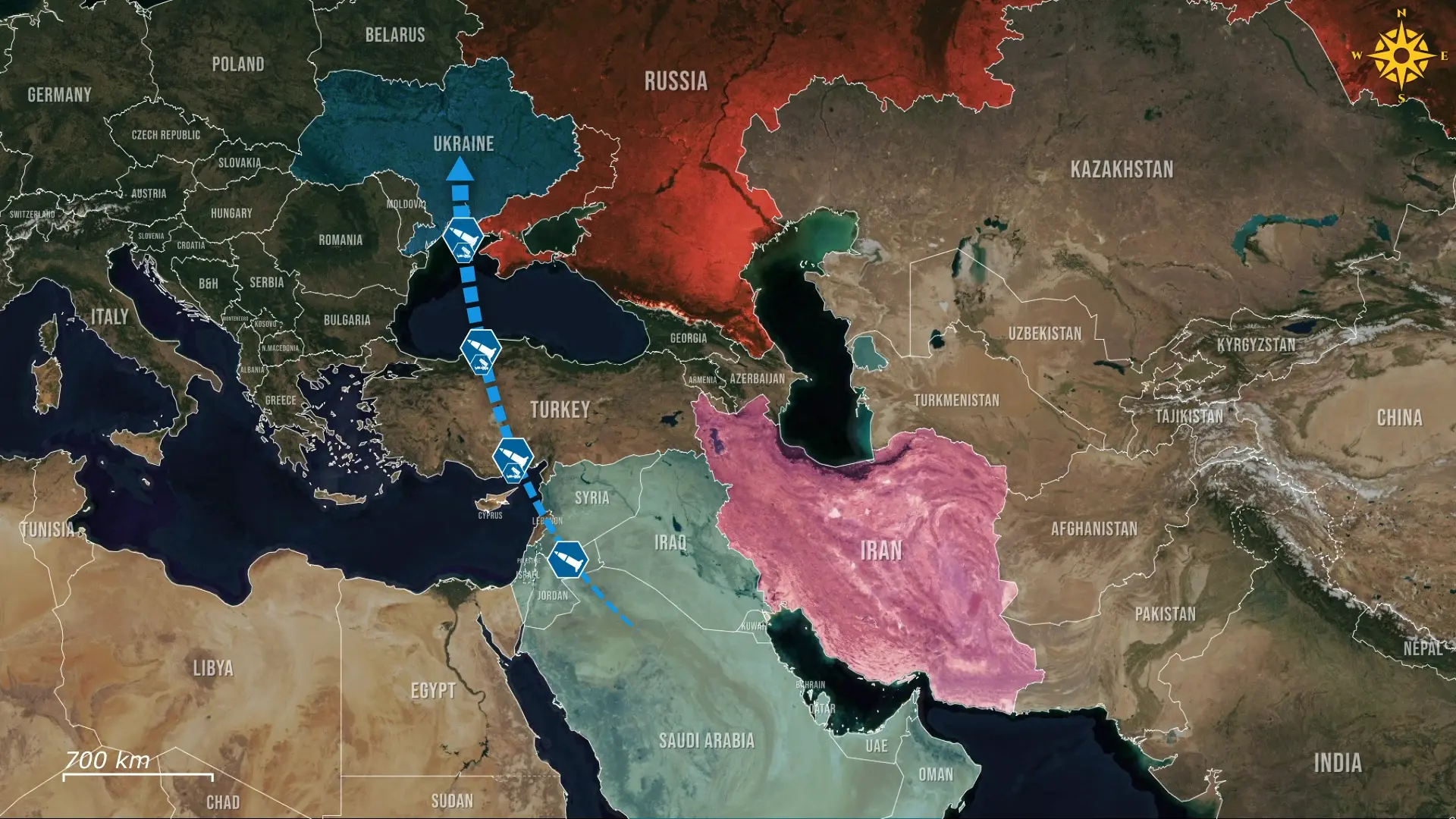
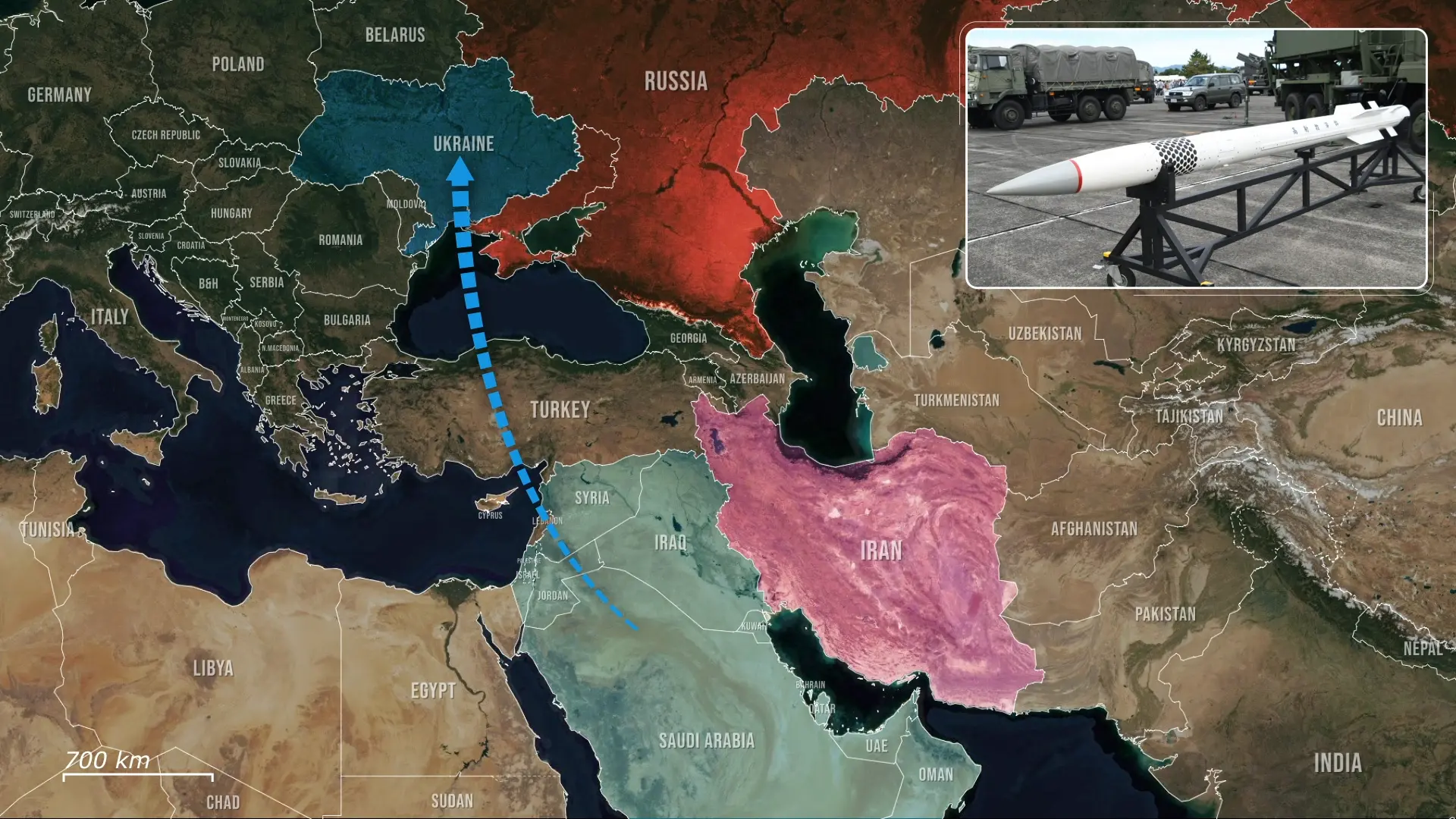
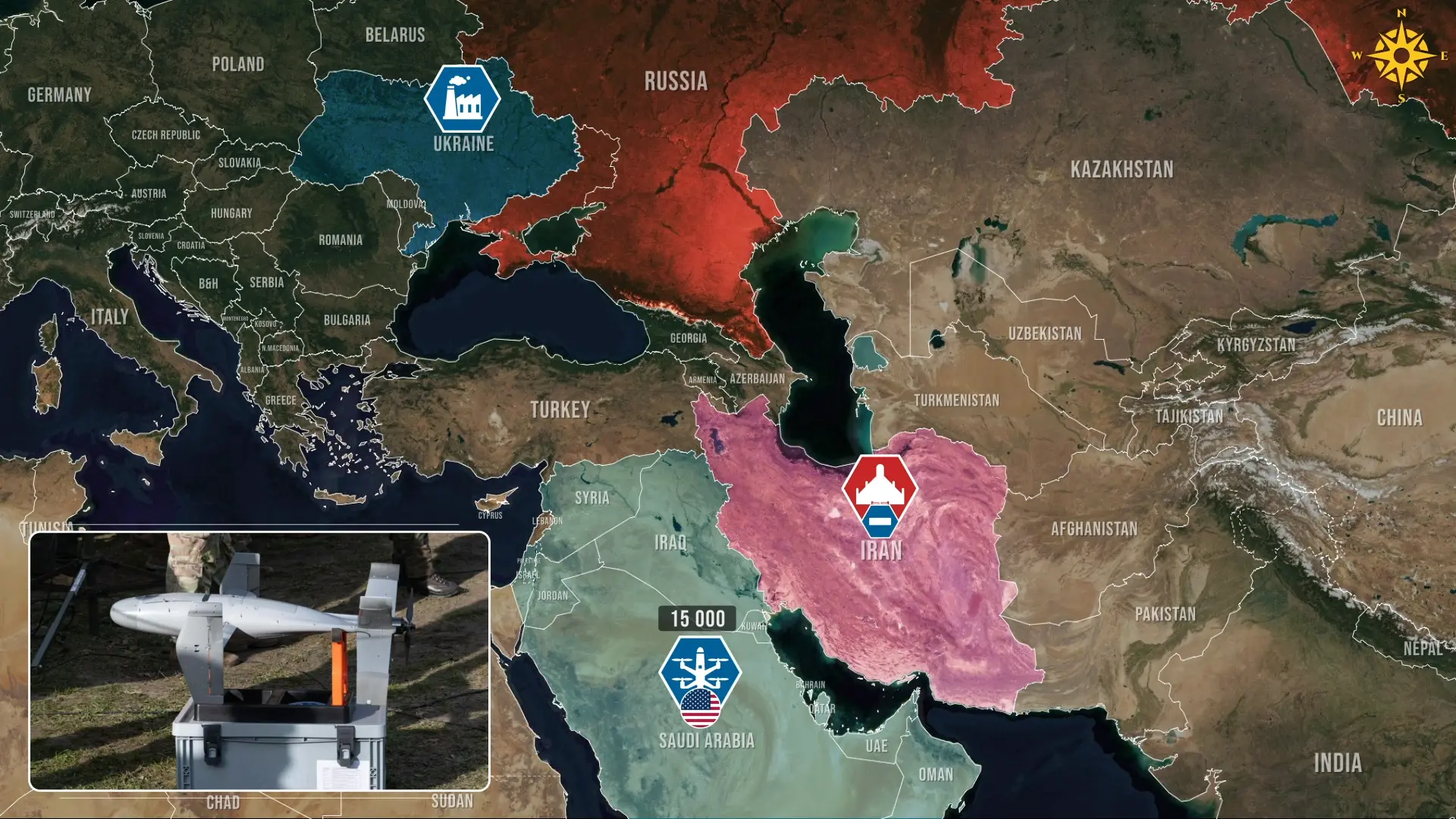
Ukraine’s defense-industrial base is expanding rapidly to meet the growing demand, with drone production increasing sharply and well beyond domestic needs to fight against Russian Shaheds. As more countries begin integrating Ukrainian interceptor drones into their armed forces, Iran’s primary strike capability, mass drone attacks, is becoming easier to counter. According to Bloomberg, the United States has deployed around 10,000 Merops drone systems to the Middle East to help defend against Iranian drone threats. Each drone typically costs about 15,000 dollars, though bulk procurement can reduce the price to 5,000 dollars per unit, far cheaper than using traditional air-defense missiles.
Meanwhile, Norway is exploring ways to integrate Ukrainian interceptor drones into the Nasams air defense network. Norwegian Foreign Minister Espen Barth Eide stated in Kyiv that the aim is to develop lower-cost interceptors that can be produced in large quantities, addressing the high cost and limited supply of current Western air-defense munitions.
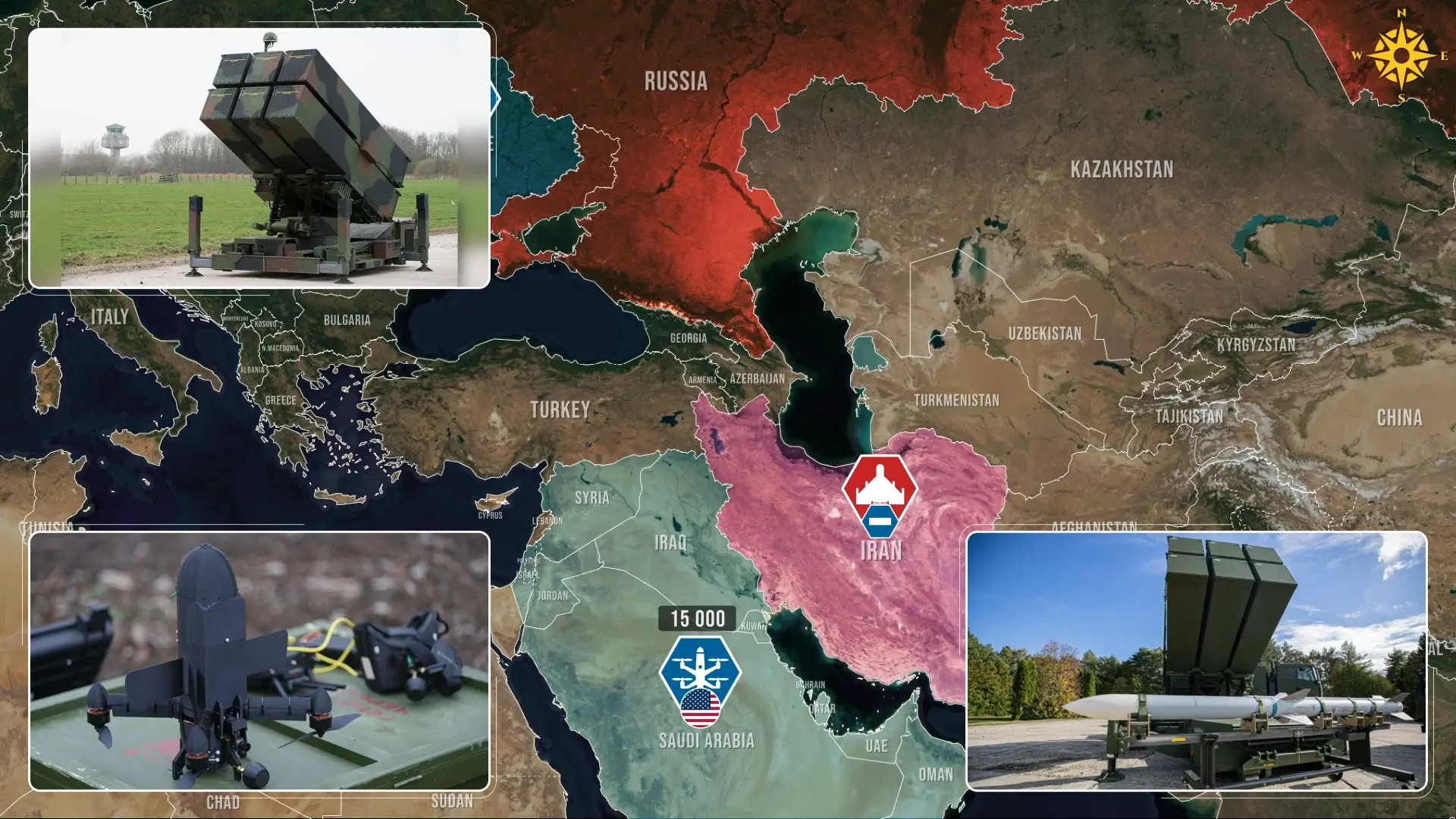
Overall, the transfer of Ukrainian drones to Gulf countries could significantly shift the balance in defending against Iranian drone threats, which helps explain why Iran has issued threats toward Ukraine.
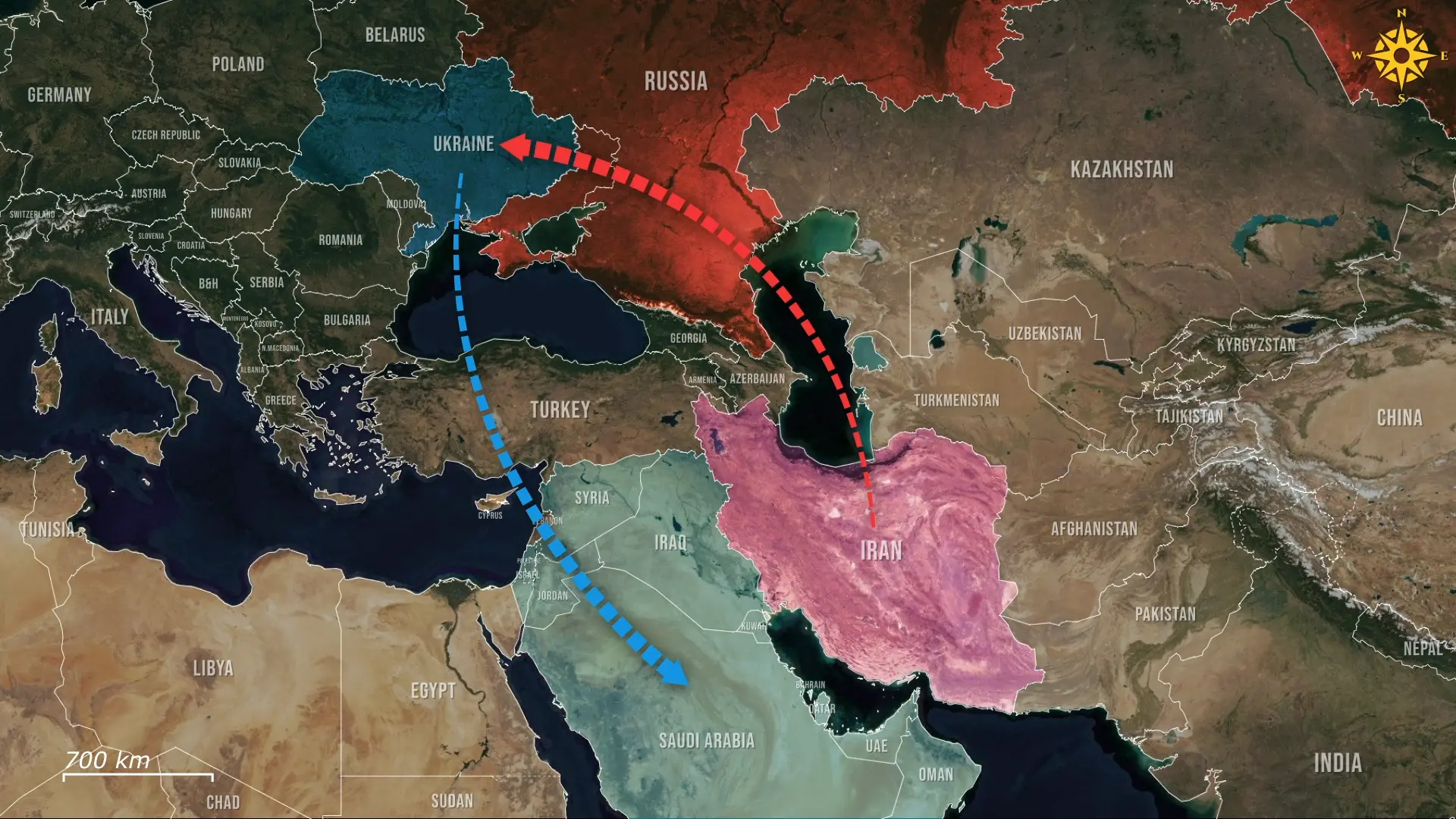
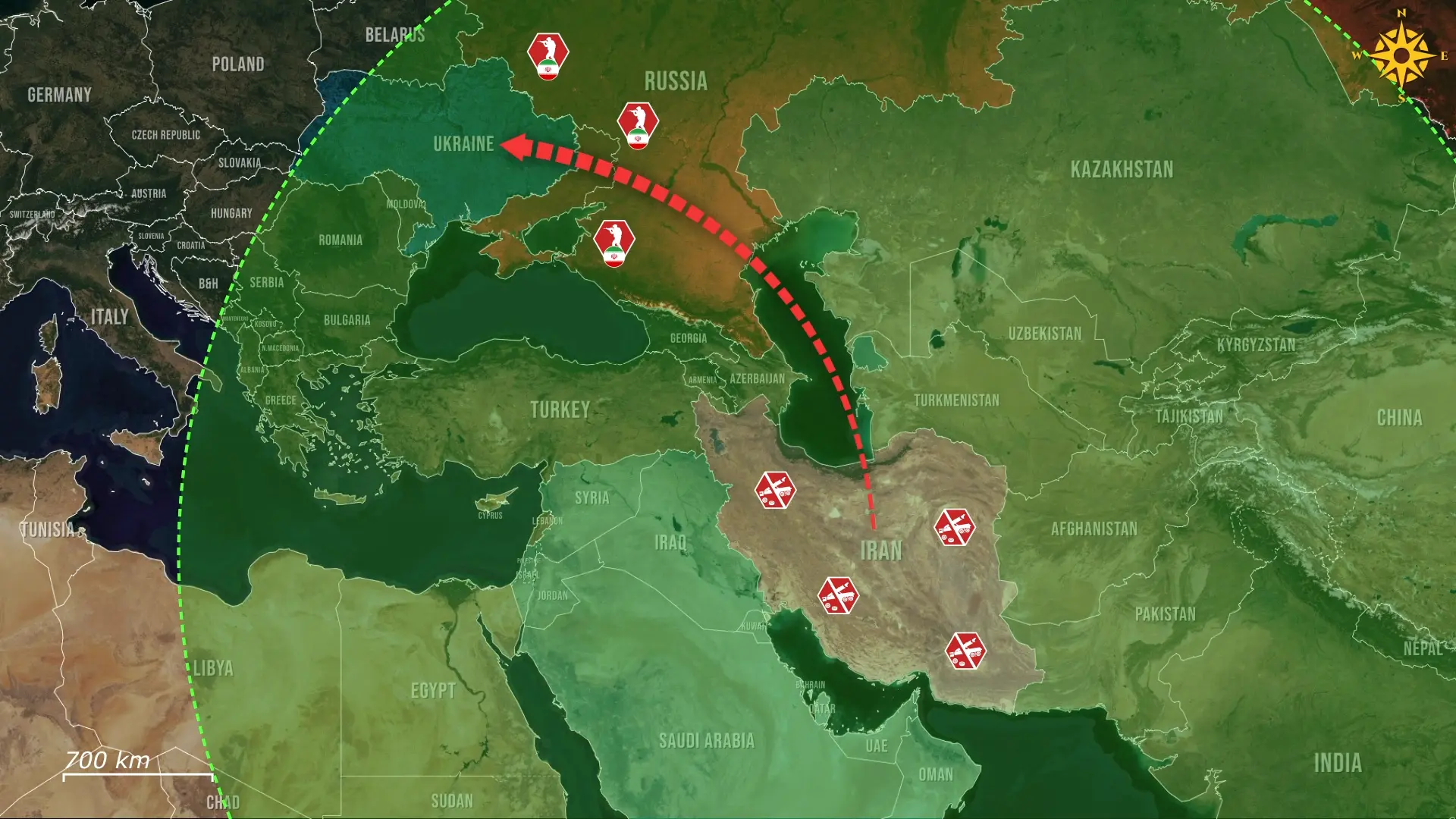
These threats are largely rhetorical, as Iran’s missile and rocket capabilities have been significantly degraded, although Iran possesses medium-range ballistic missiles with ranges of roughly 2,000 km. Iran could theoretically deploy personnel to assist Russia, but doing so would risk weakening its ability to manage domestic unrest or respond to potential ground threats at home. By sharing technology and expertise with Gulf states, Ukraine has therefore sacrificed very little while building significantly more valuable strategic partnerships and raising billions for arms manufacturing and purchases.

.jpg)

Comments