Thank you! Your submission has been received!
Oops! Something went wrong while submitting the form.

Latest News

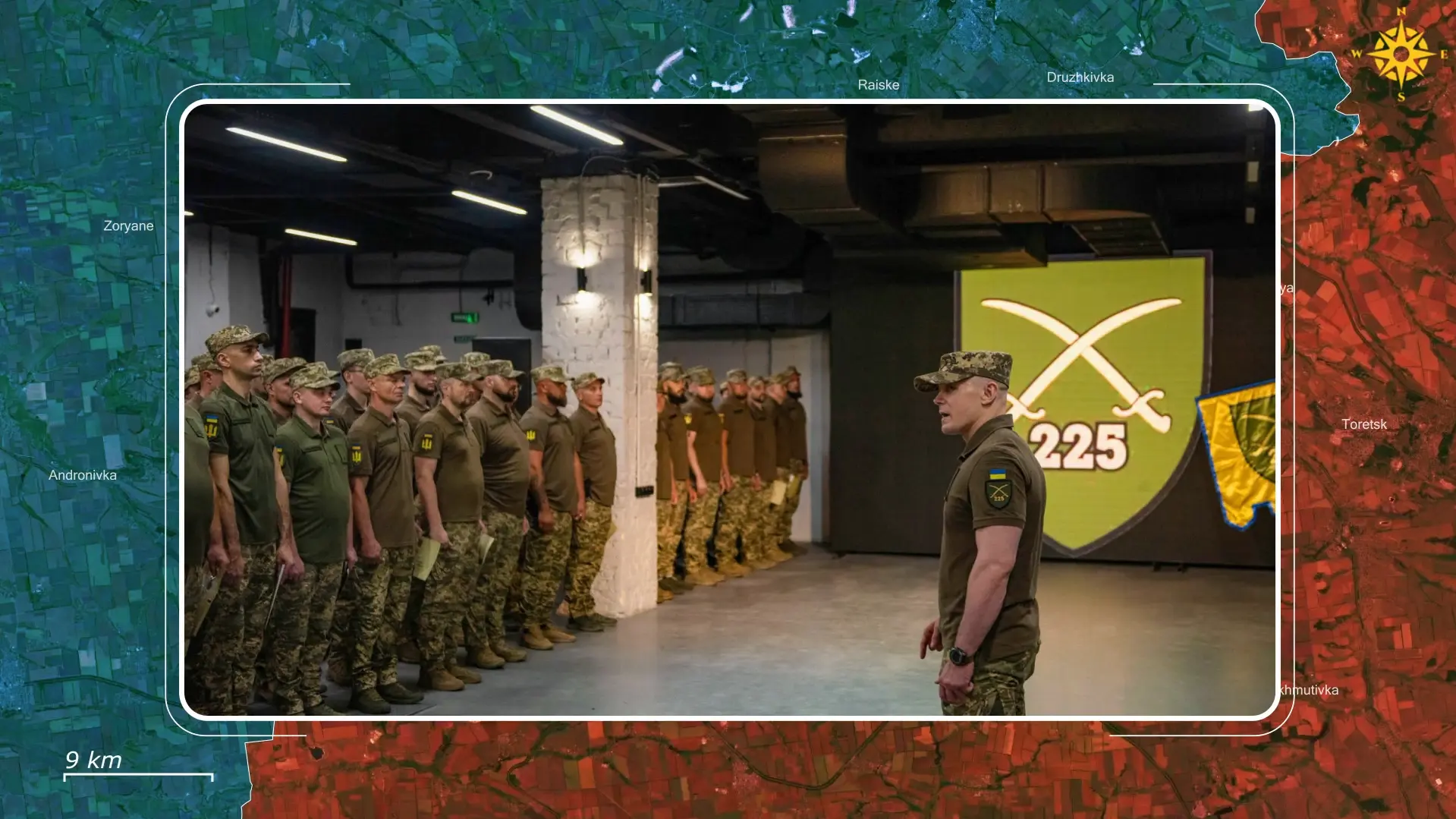
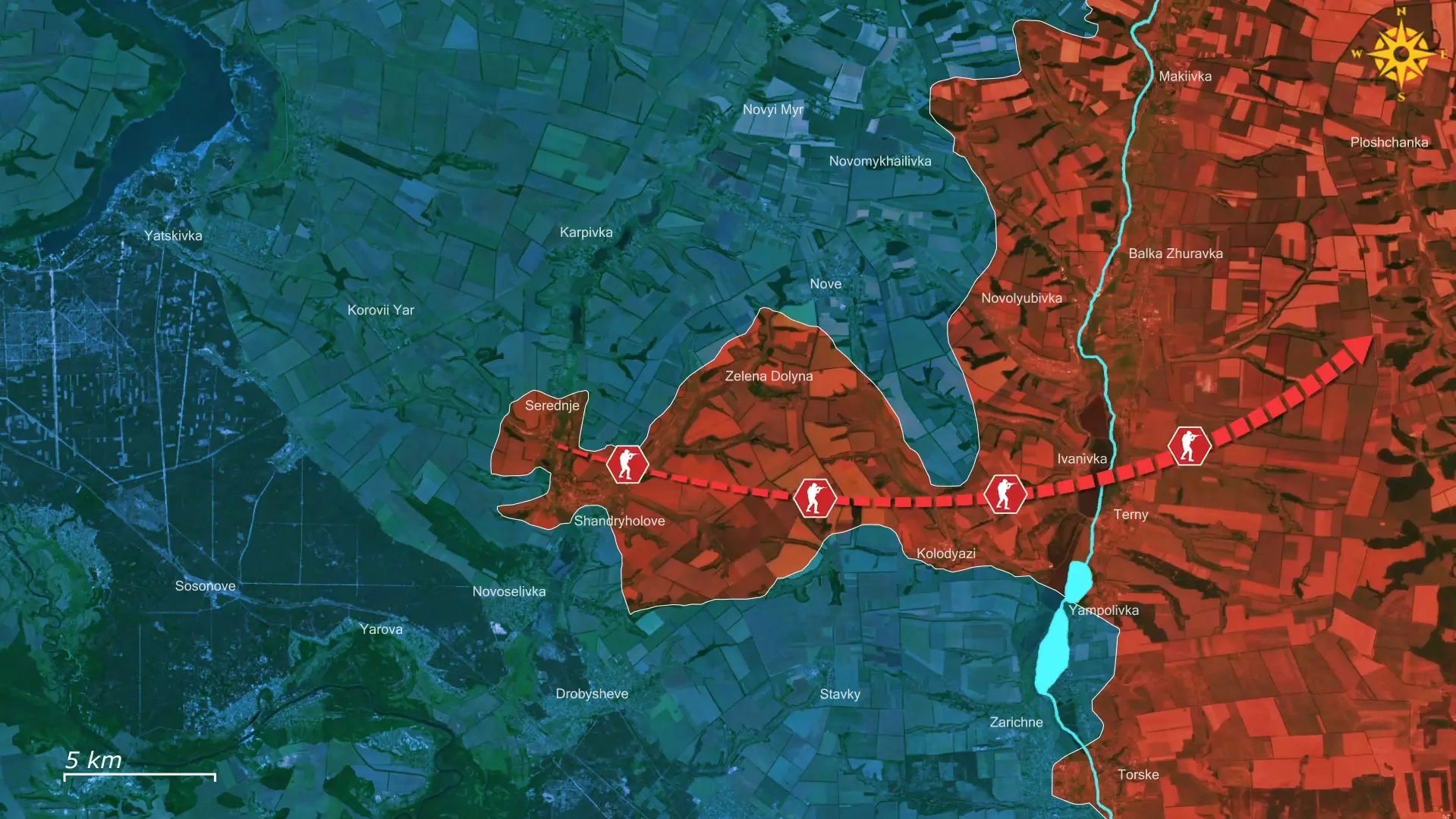
First time in 2 years! Russians lose front-wide initiative and retreat!

The culmination and subsequent stalling of the Russian 2026 spring offensive mark a critical inflection point, signaling a structural decline in Moscow's capacity to convert mass infantry assaults into operational breakthroughs. This stagnation is driven by the structural integration of pervasive drone reconnaissance and precision fire networks, which effectively deny Russian forces the ability to concentrate mass or maintain secure ground lines of communication. Consequently, Ukraine’s decentralized counter-reconnaissance and small-unit infiltration tactics have successfully seized the battlefield initiative, particularly in the Dnipropetrovsk sector, transforming the theater from a war of attrition into a dynamic fluid front. By systematically degrading enemy command-and-control nodes and neutralizing local fire support, Ukrainian forces are enforcing a net contraction of Russian-controlled territory for the first time since late 2023. This decentralized offensive model optimizes force preservation while compelling Russian commanders to commit operational reserves haphazardly into contested grey zones. Ultimately, this development alters the long-term strategic balance by demonstrating that distributed, technology-driven tactical maneuvers can systematically dismantle a numerically superior adversary's offensive momentum.

Exclusive

Available to Insider Annual tier and higher.
Upgrade here to access.

By
RFU News
Jun 5, 2026

Why Kurds refused to take their land from Iran during the war

The collapse of Washington’s projected Kurdish ground offensive highlights a critical systemic vulnerability in coalition-led proxy warfare strategies within the Middle Eastern theater. Faced with the limits of standalone deep-strike air campaigns to induce regime destabilization in Tehran, Western operational planning relied heavily on mobilizing transnational Kurdish networks to force a costly domestic troop diversion away from Iran's core security centers. However, this strategy collapsed due to a severe credibility deficit stemming from the prior abandonment of Syrian Kurdish forces, which structurally disincentivized regional proxies from absorbing initial kinetic retaliation without explicit, long-term security guarantees. By withholding active participation and explicitly denying cross-border operations, Kurdish leadership effectively paralyzed the opening of a western flank, leaving Western planners without a viable non-American ground force to exploit internal political friction points. Consequently, Tehran has successfully exploited this hesitation by executing pre-emptive precision strikes against opposition infrastructure in Iraq, neutralizing the threat before it could achieve operational cohesion. This outcome signals a long-term shift in regional power dynamics, establishing that early kinetic pressure can effectively deter indigenous proxy mobilization when the external sponsor's strategic commitment is perceived as unreliable.

Exclusive

Available to Insider Annual tier and higher.
Upgrade here to access.

By
RFU News
Jun 5, 2026

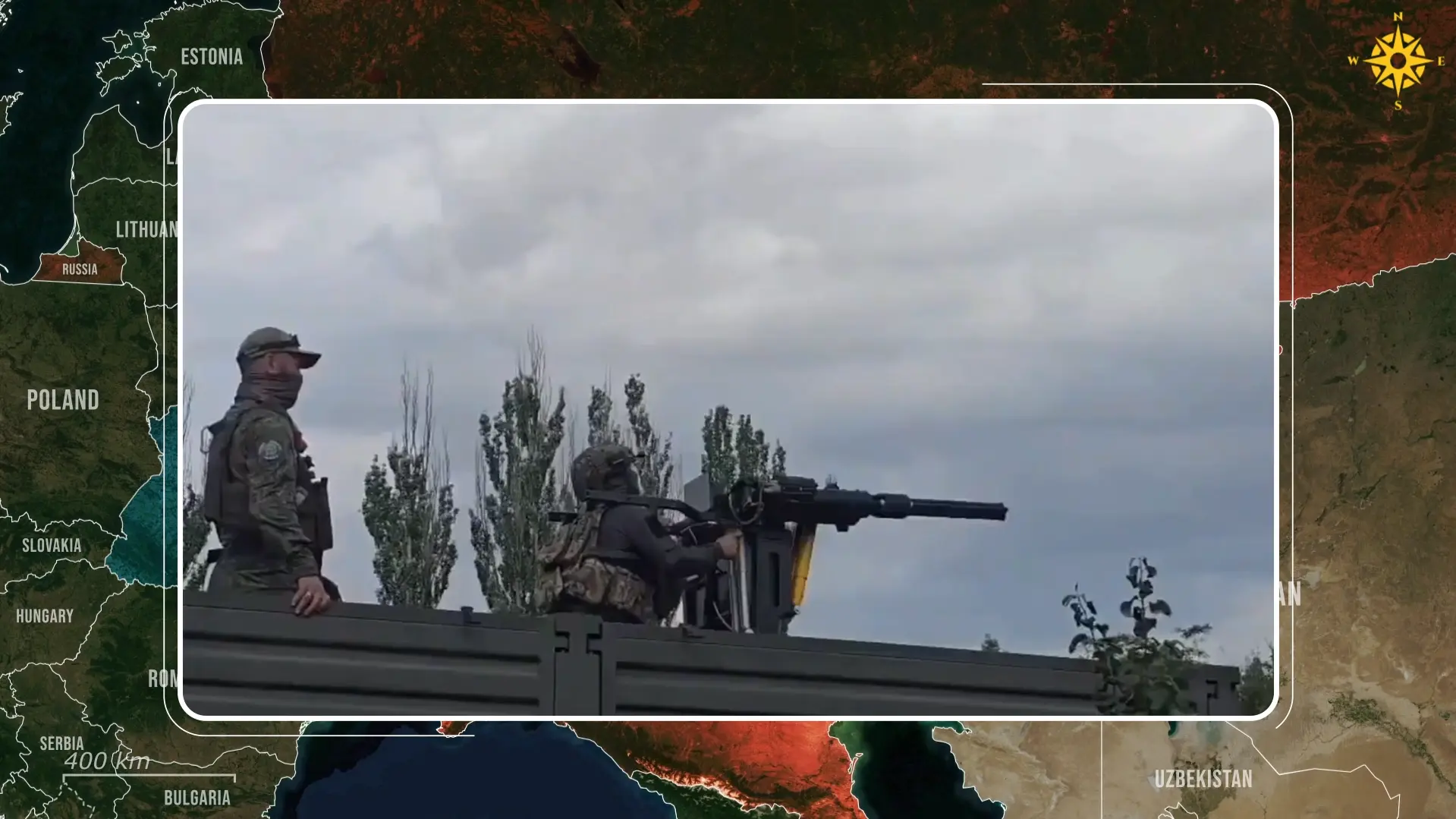
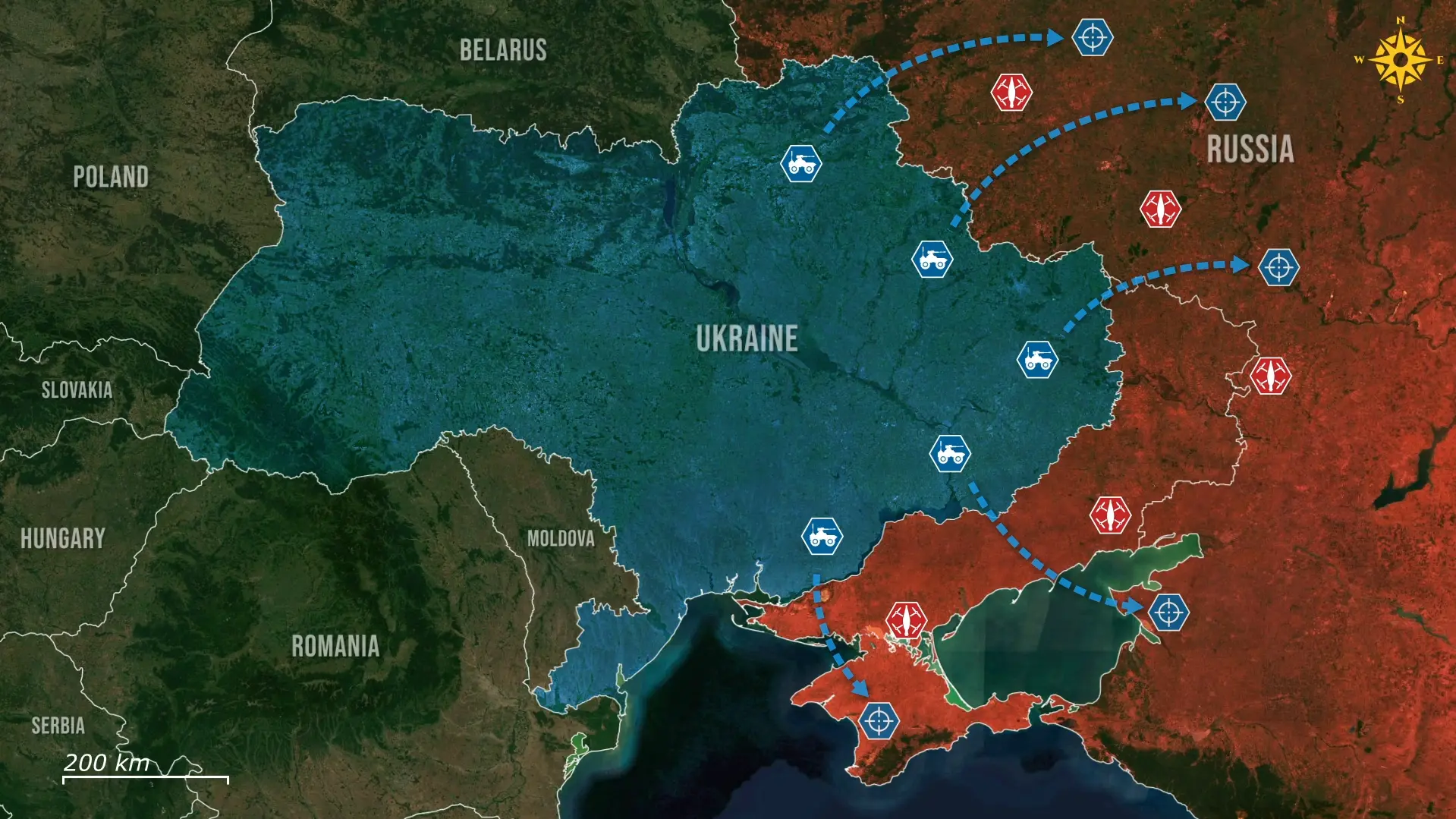
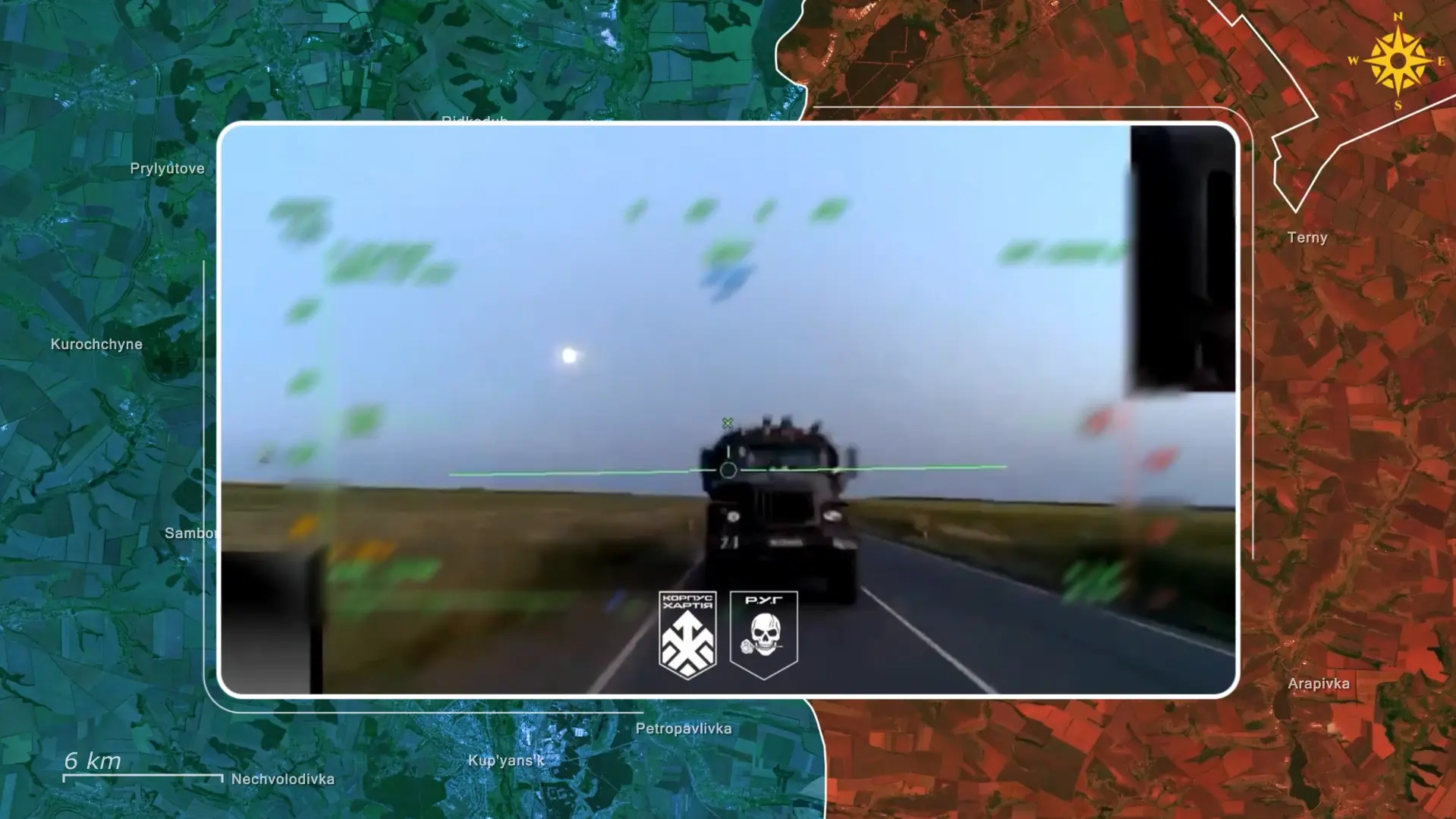
Mid-range strikes are creating death roads from Crimea to Mariupol to Donetsk

Ukraine’s maturation of a multi-layered, intermediate-range strike drone architecture has fundamentally reconfigured the theater-level logistics balance by imposing a structural "logistics lockdown" on Russian forces. By fielding a specialized third echelon of loitering munitions—such as the RAM X and Hornet platforms—capable of hunting moving targets between 30 and 150 kilometers behind the front lines, Ukraine has successfully eliminated Russia’s sanctuary in the near rear. This systemic degradation of critical ground lines of communication, specifically along the M-14, M-18, and M-30 highways, has systematically severed the operational continuity of the Azov Ring and the land corridor connecting Rostov-on-Don to Crimea. Operationally, this interdiction mechanics exploits a severe structural vulnerability: forcing the Russian military to displace its distribution nodes further backward exponentially increases cycle times, rapidly degrading its frontline combat mass and compounding artillery and fuel deficits in high-intensity axes like Pokrovsk and Donbas. Consequently, by exhausting localized Russian mobile air defenses and paralyzing the vehicular transport of fuel, ammunition, and reinforcements, this intermediate strike doctrine acts as a decisive force-multiplier that erodes Russia's attritional sustainability.

Exclusive

Available to Insider Annual tier and higher.
Upgrade here to access.

By
RFU News
Jun 4, 2026

No Results found

Please try different keywords