Search

Thank you! Your submission has been received!
Oops! Something went wrong while submitting the form.
Video

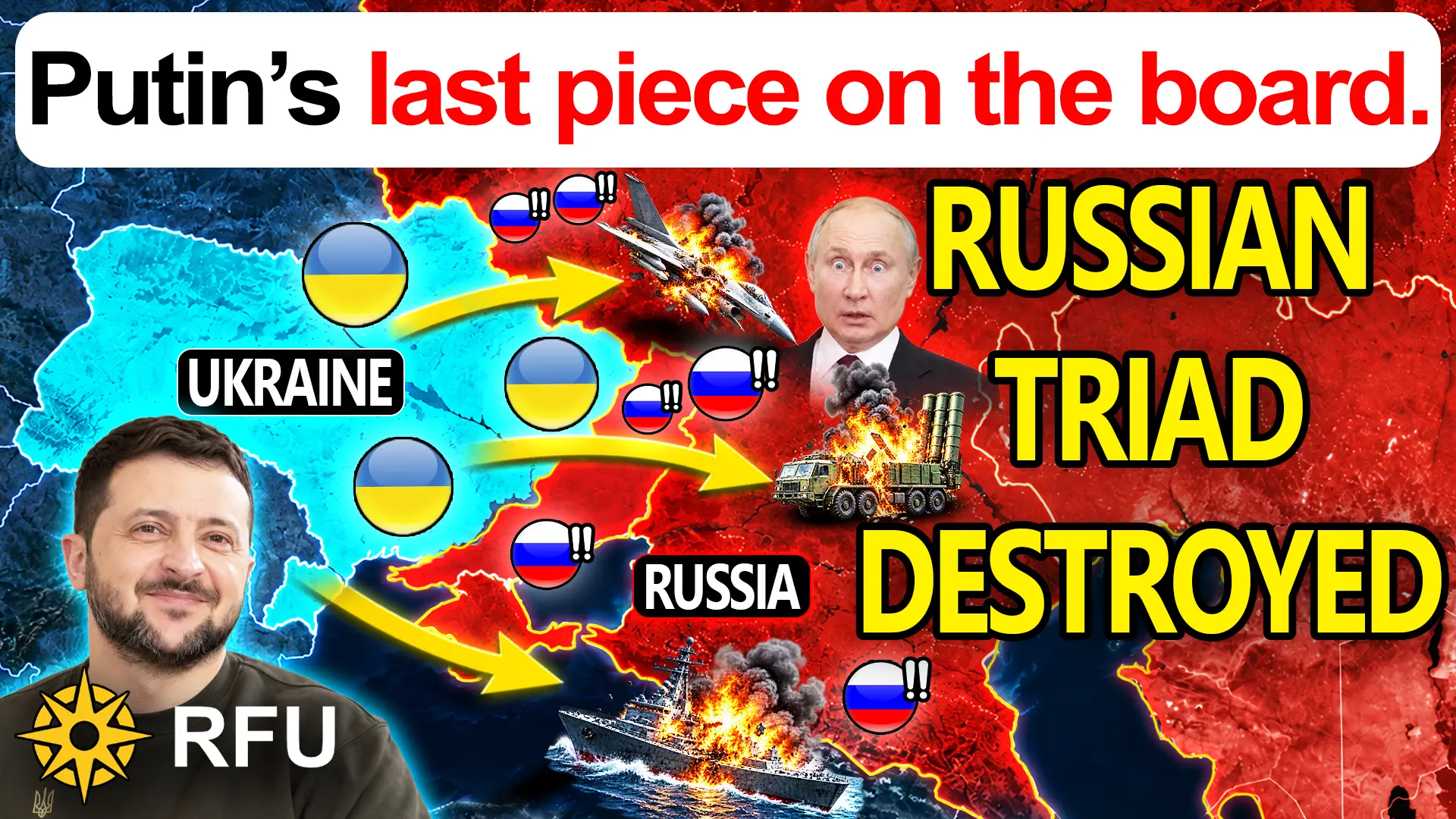
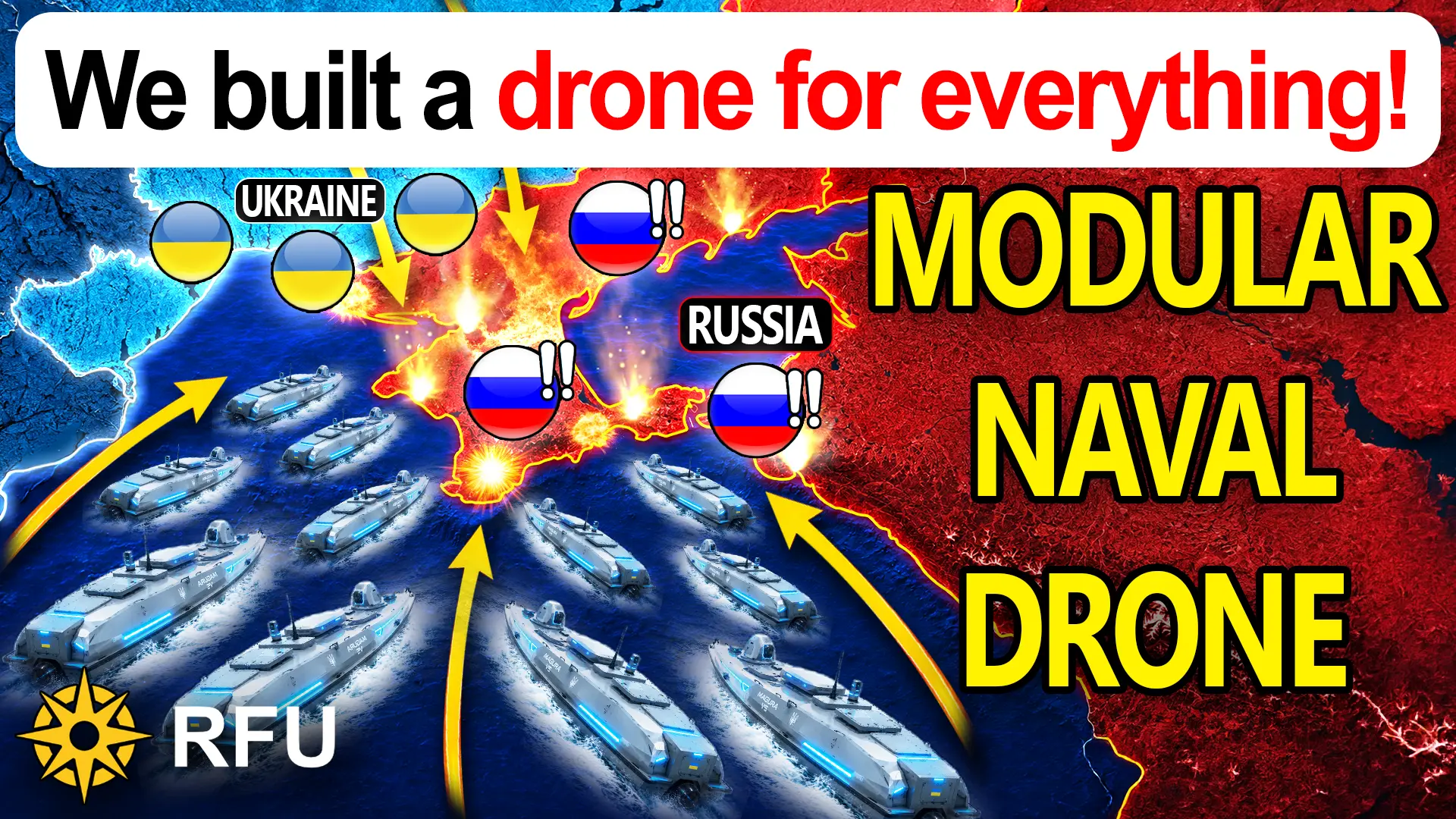
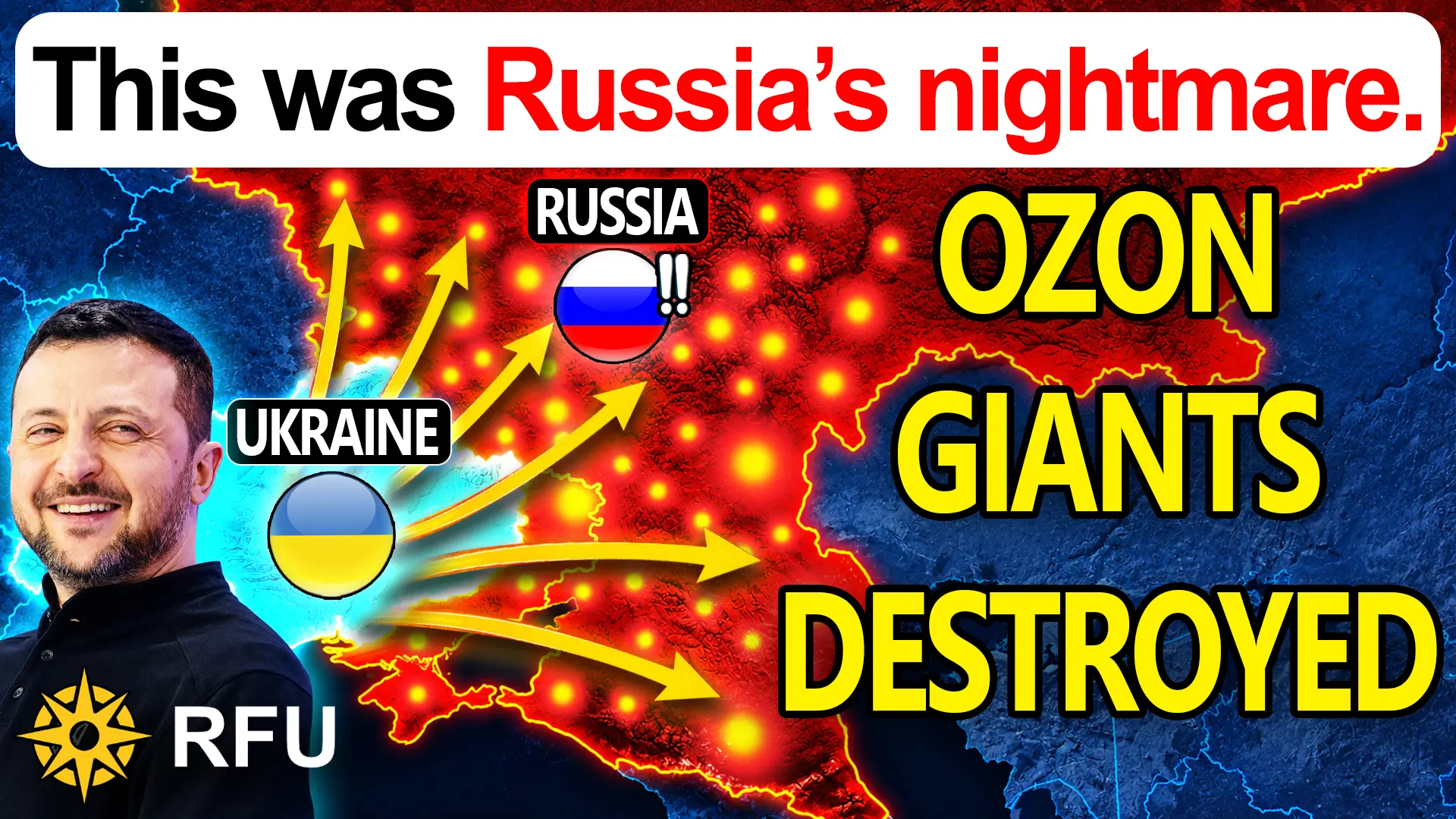
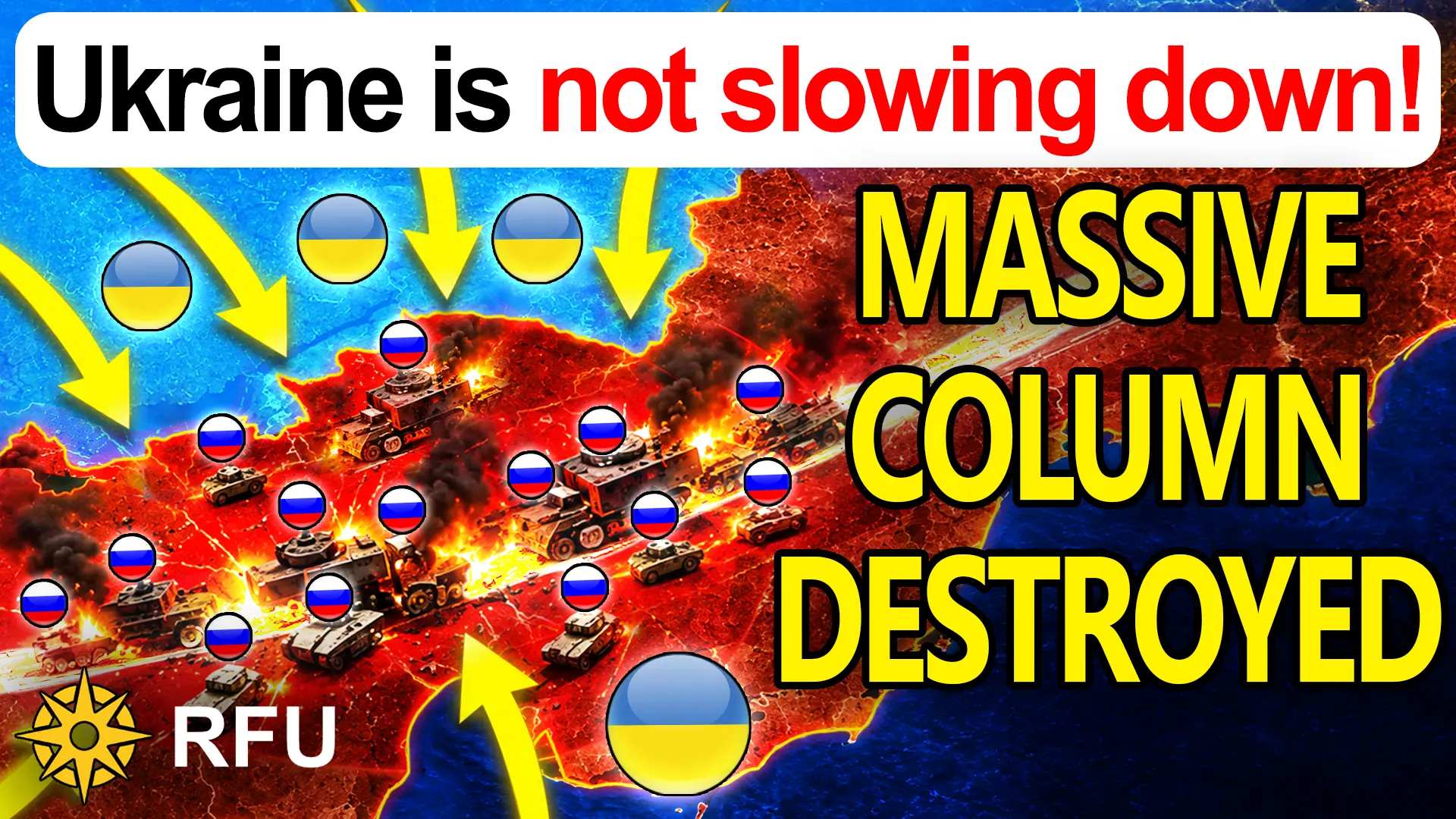
Completely untenable: Ukraine’s blockade strategy slowly squeezes Crimea from every direction

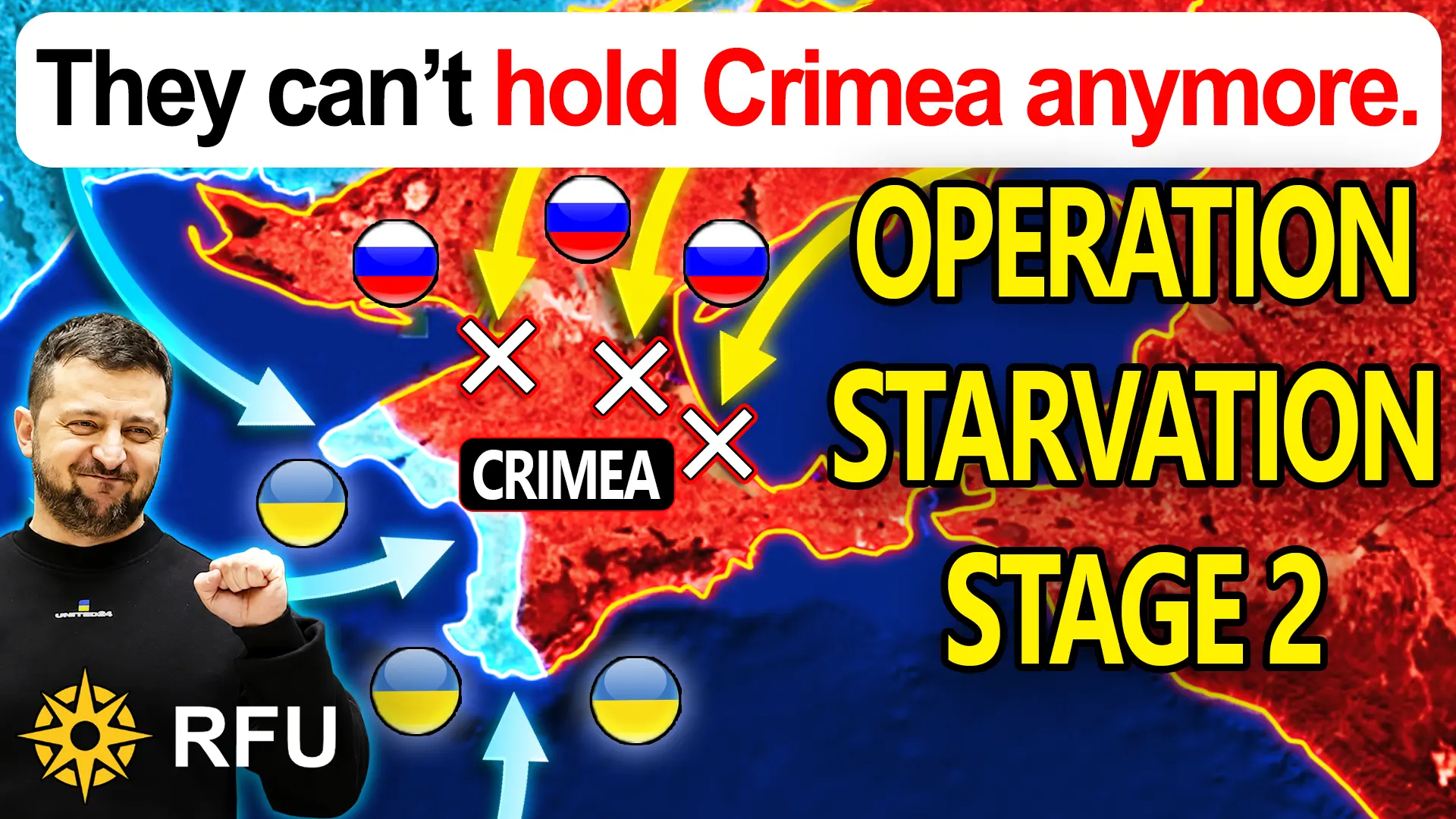
The coordinated Ukrainian interdiction campaign targeting Crimea’s energy infrastructure and transit corridors has fundamentally transformed the peninsula from a secure rear staging ground into an isolated operational liability for Russian forces. By integrating mid-range drone strikes against specialized transshipment hubs, such as the Feodosia and Semykolodezyanska depots, with precise artillery fire control over critical chokepoints like the Chonhar and Henichesk bridges, Ukraine has severely disrupted the Russian military's primary fuel distribution network. This systemic depletion forces the Russian command into an acute trade-off between sustaining civilian infrastructure and preserving localized tactical mobility for frontline units in southern Ukraine. Consequently, the operational tempo of mechanized forces has been throttled, limiting rapid cross-sector redeployments and degrading Russia's capacity to repel localized counterattacks along the Zaporizhzhia axis. Furthermore, this logistical paralysis imposes a compounding defensive burden, forcing the Kremlin to divert scarce air defense assets and security personnel from active frontlines to safeguard highly vulnerable logistical lines of communication. Ultimately, this asymmetry reshapes the strategic balance by shifting the locus of friction from direct frontline attrition to deep structural vulnerabilities within Russia's rear-echelon architecture.

By
RFU News
Jun 18, 2026
Video

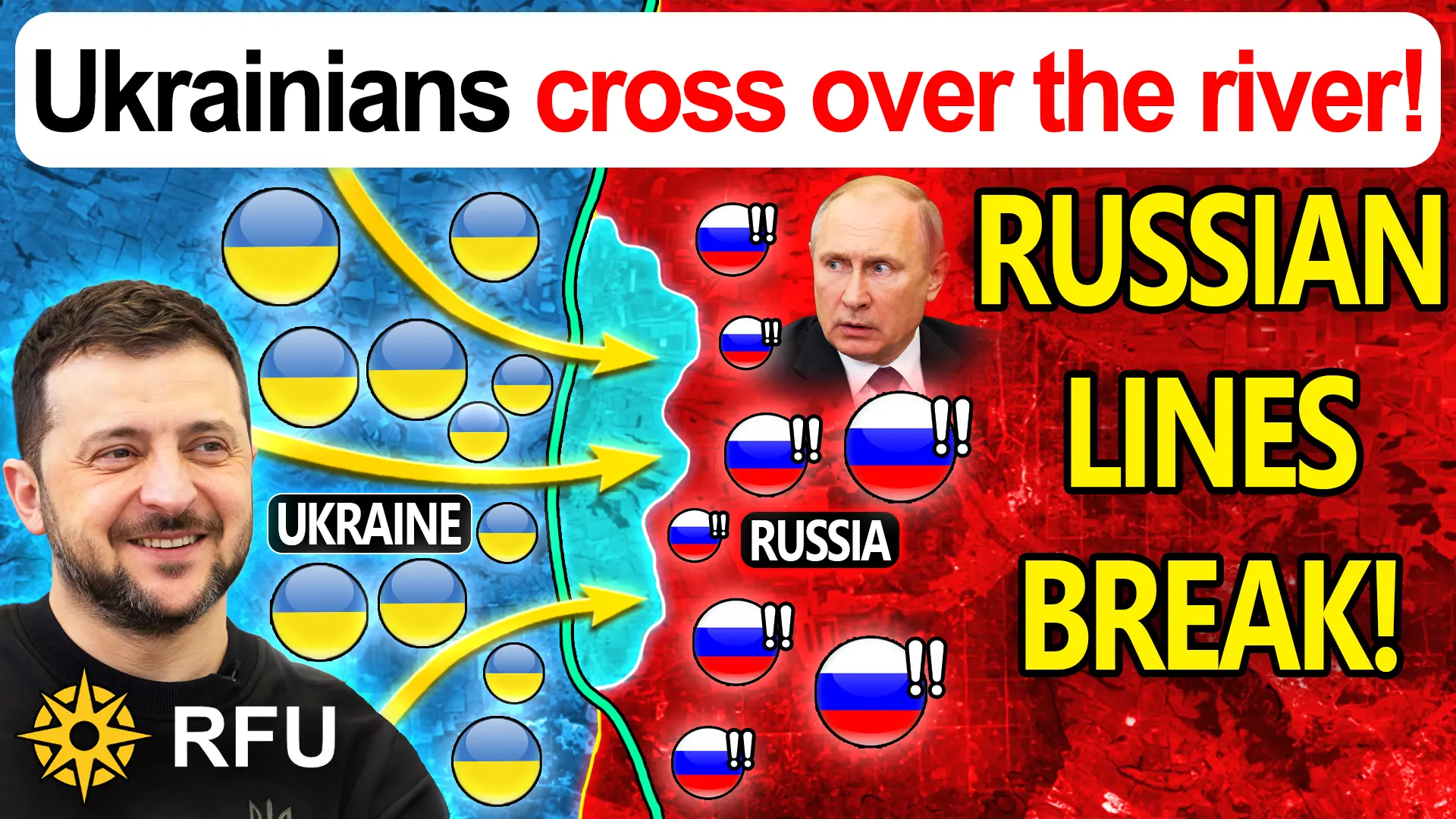
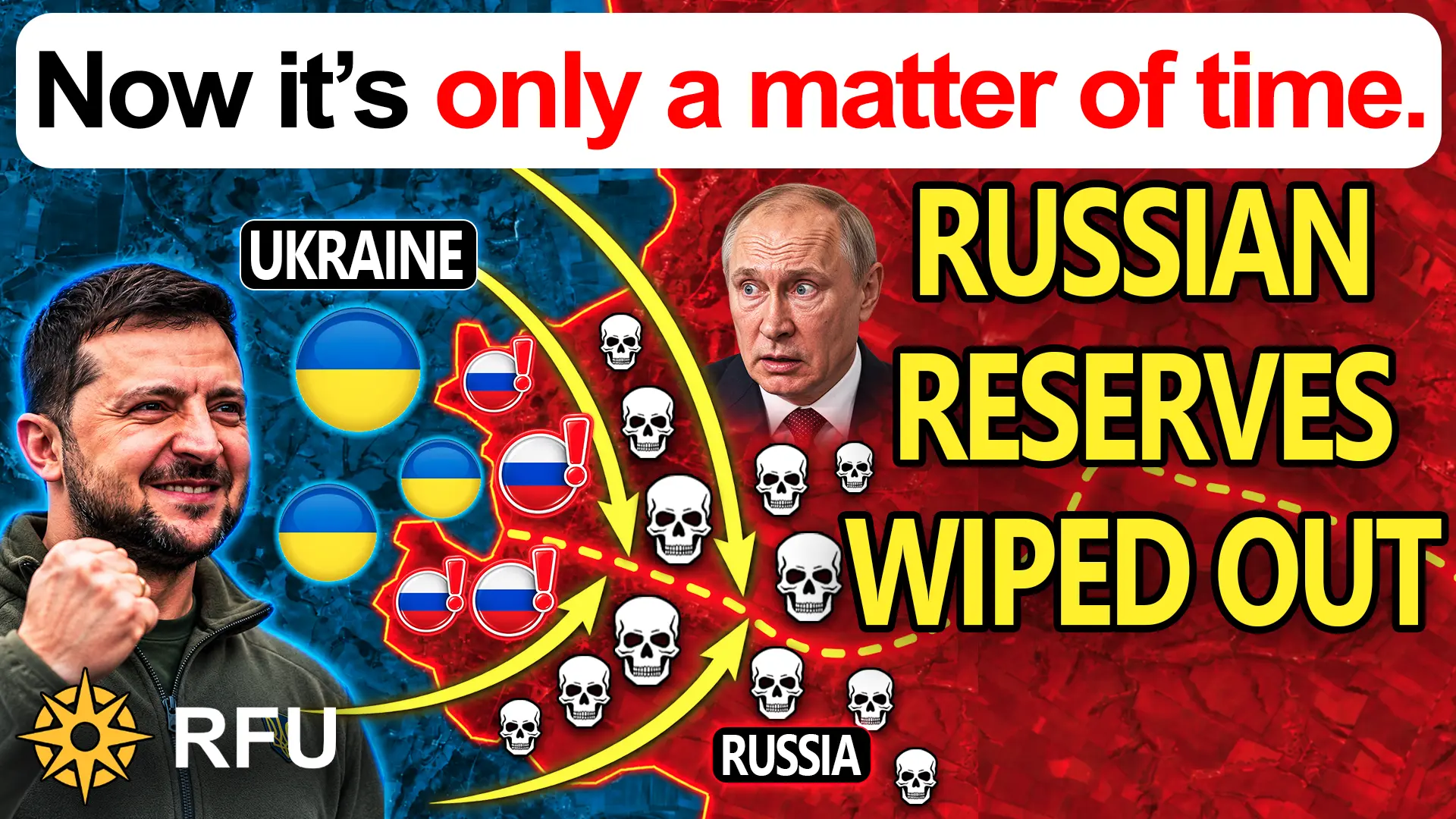
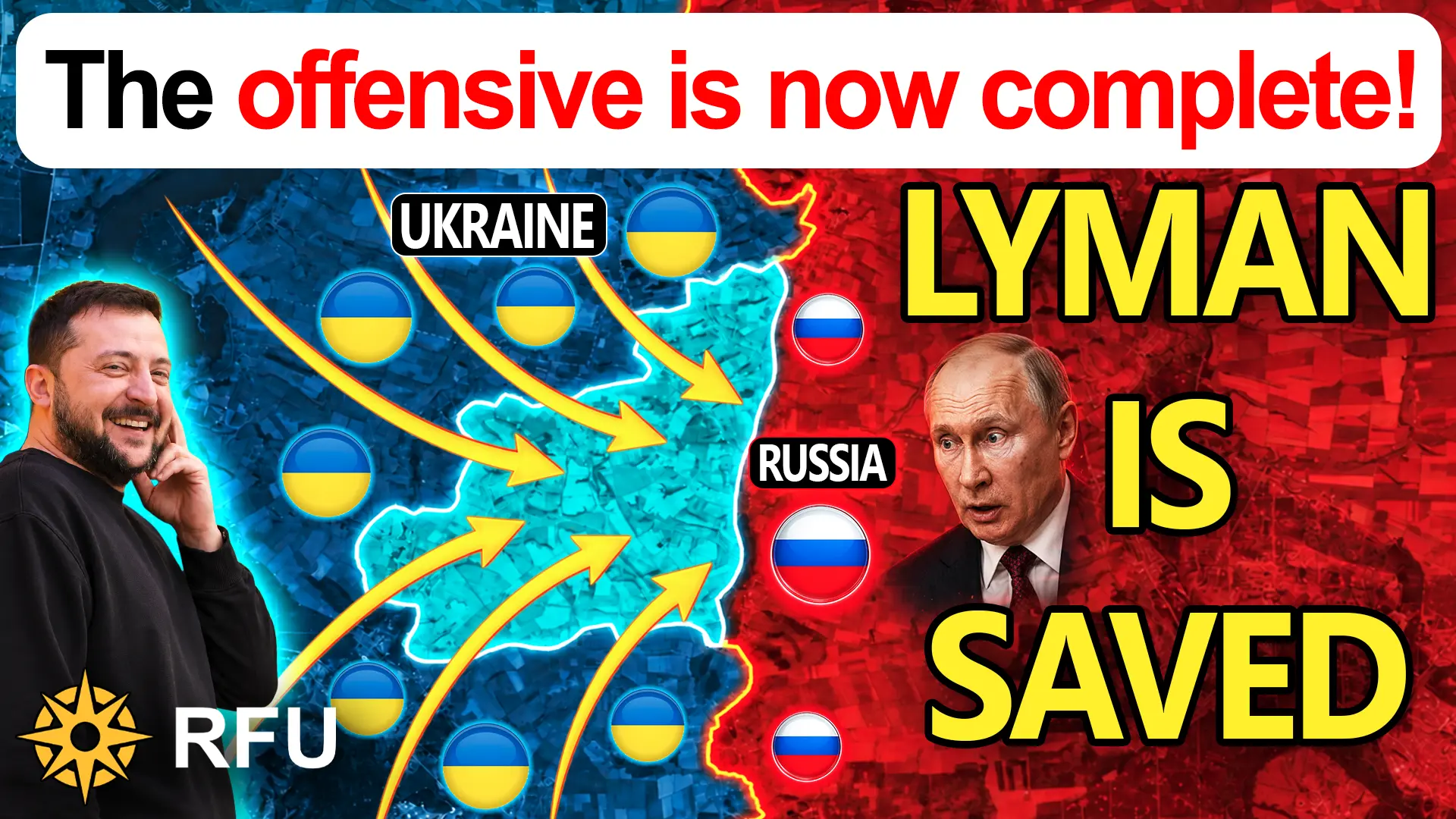
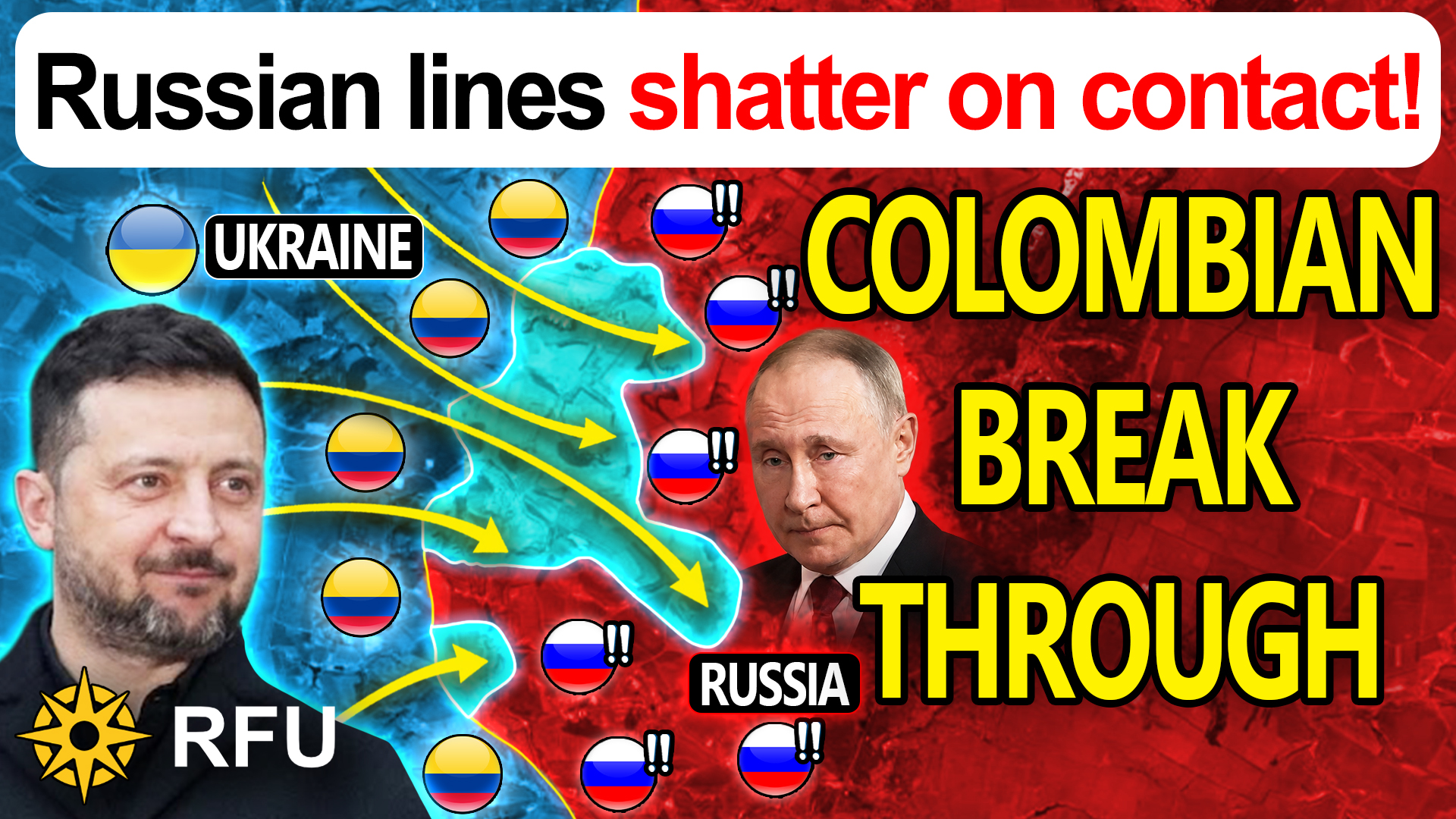
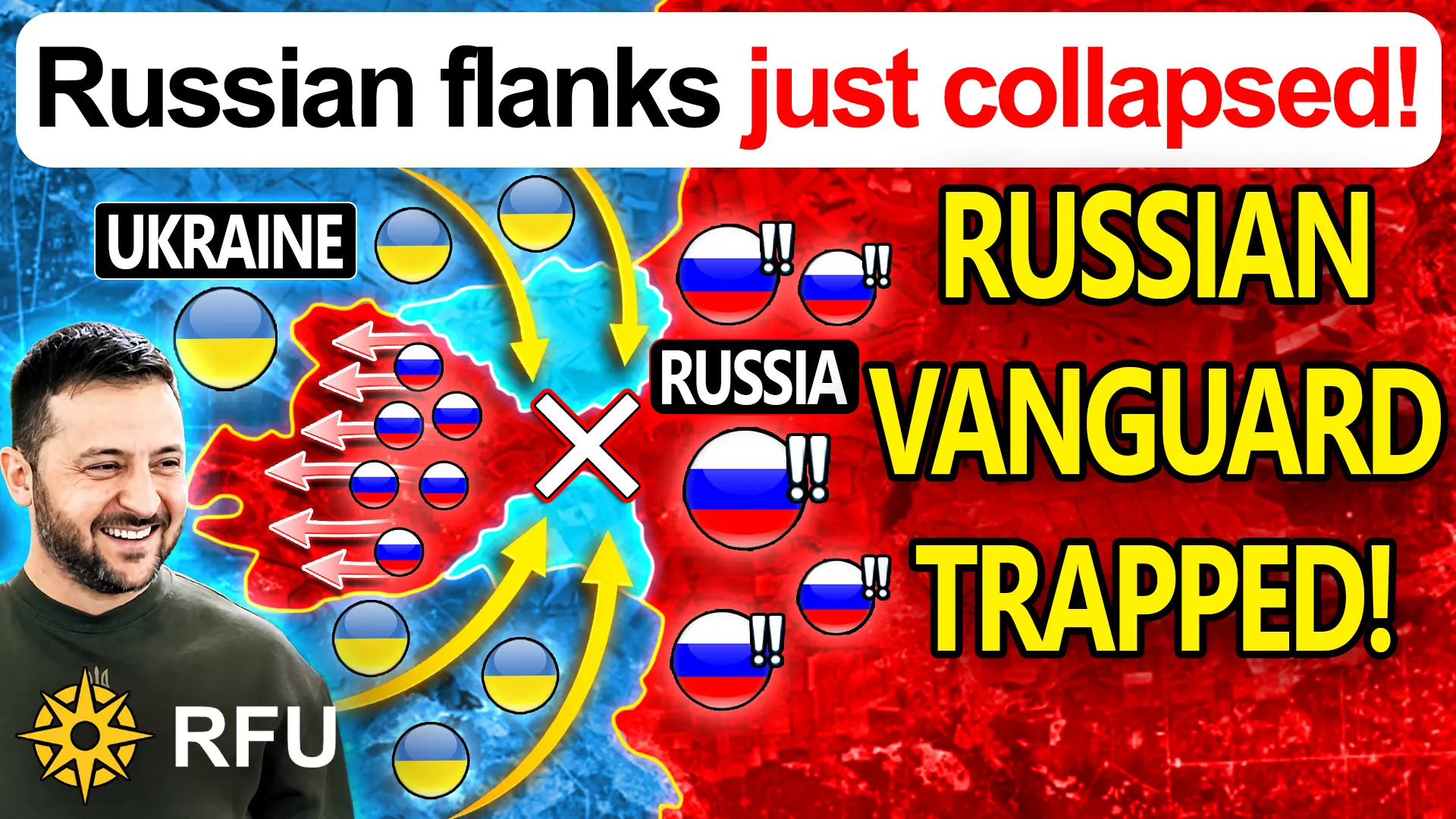
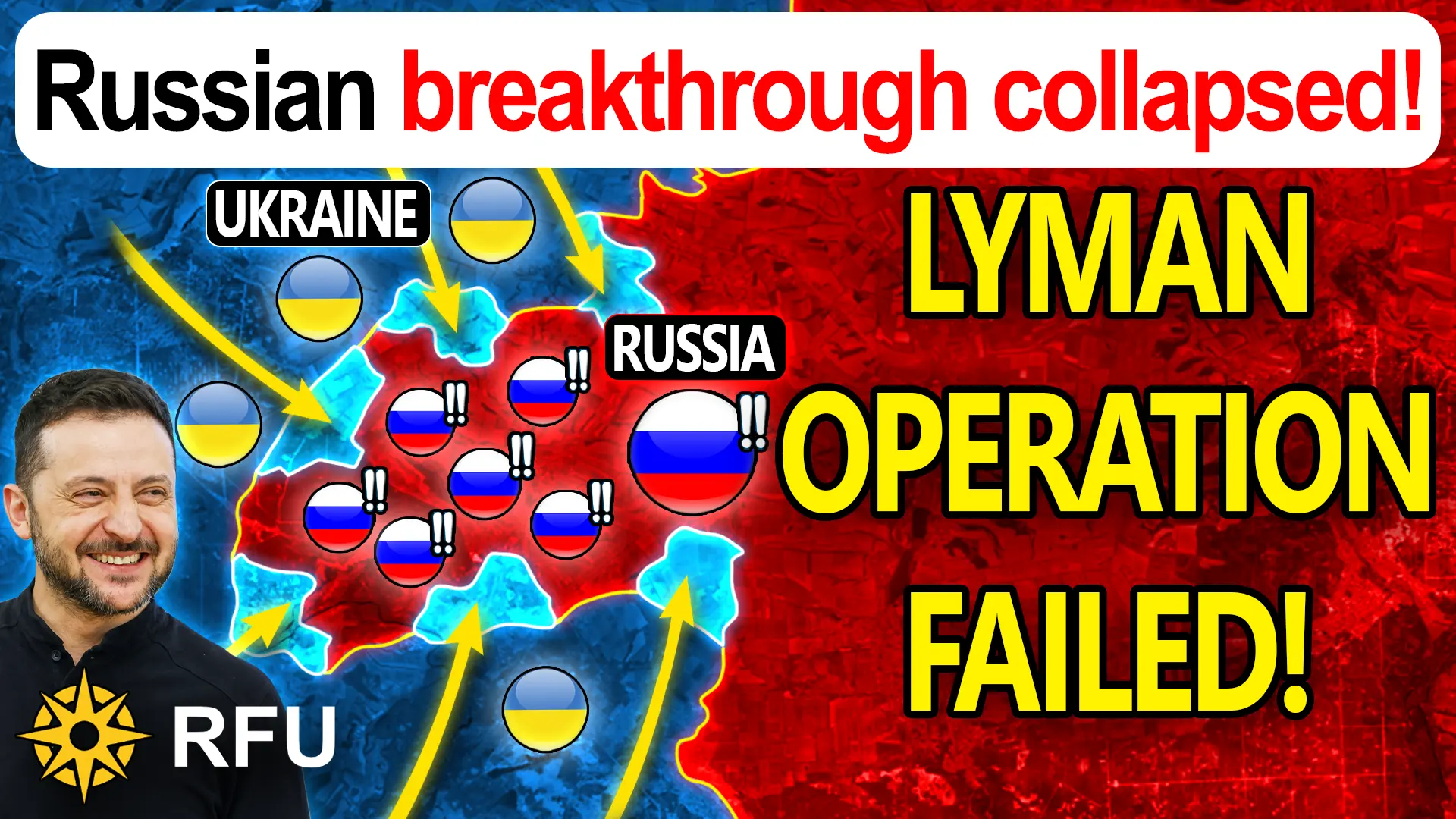
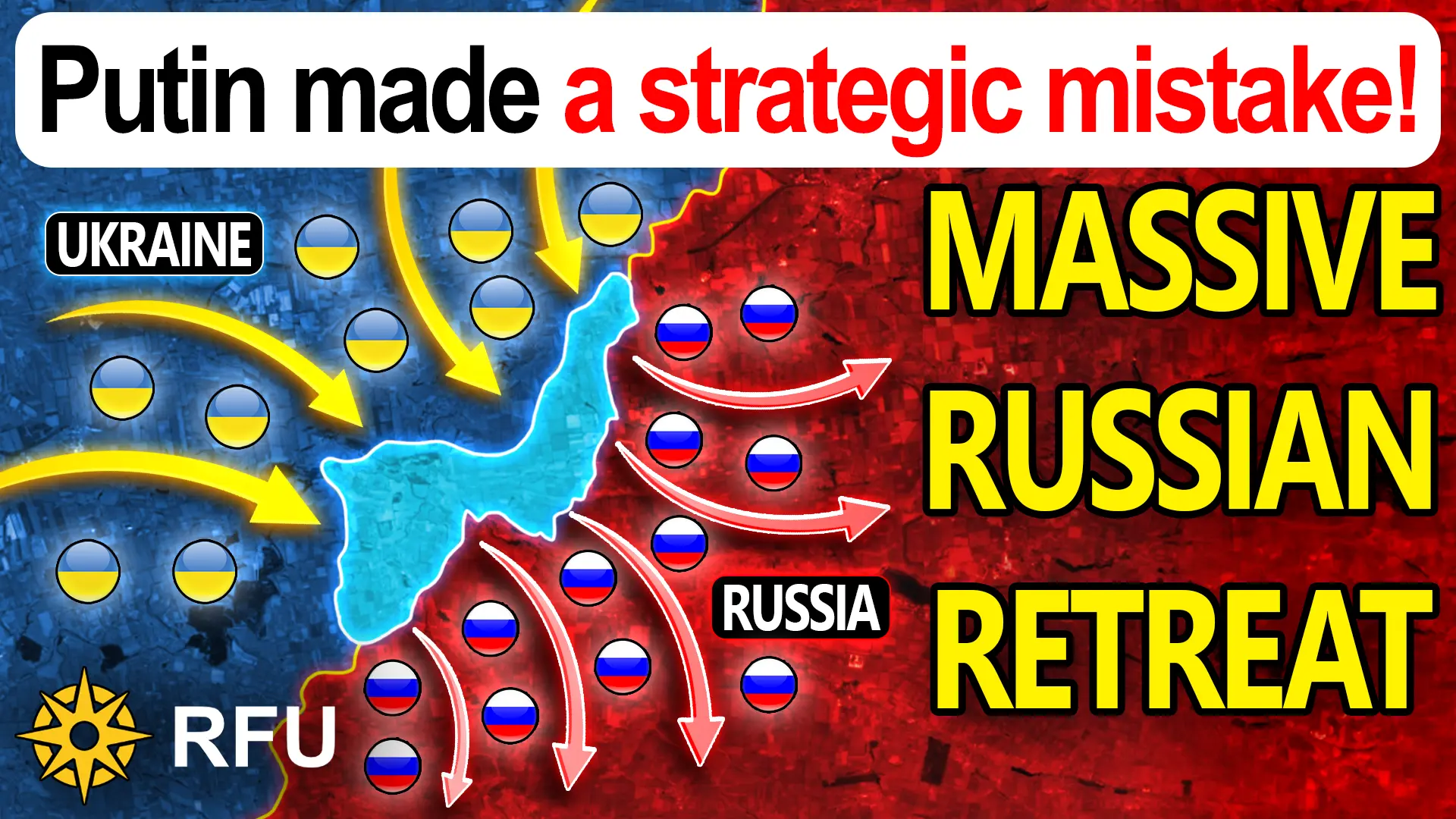
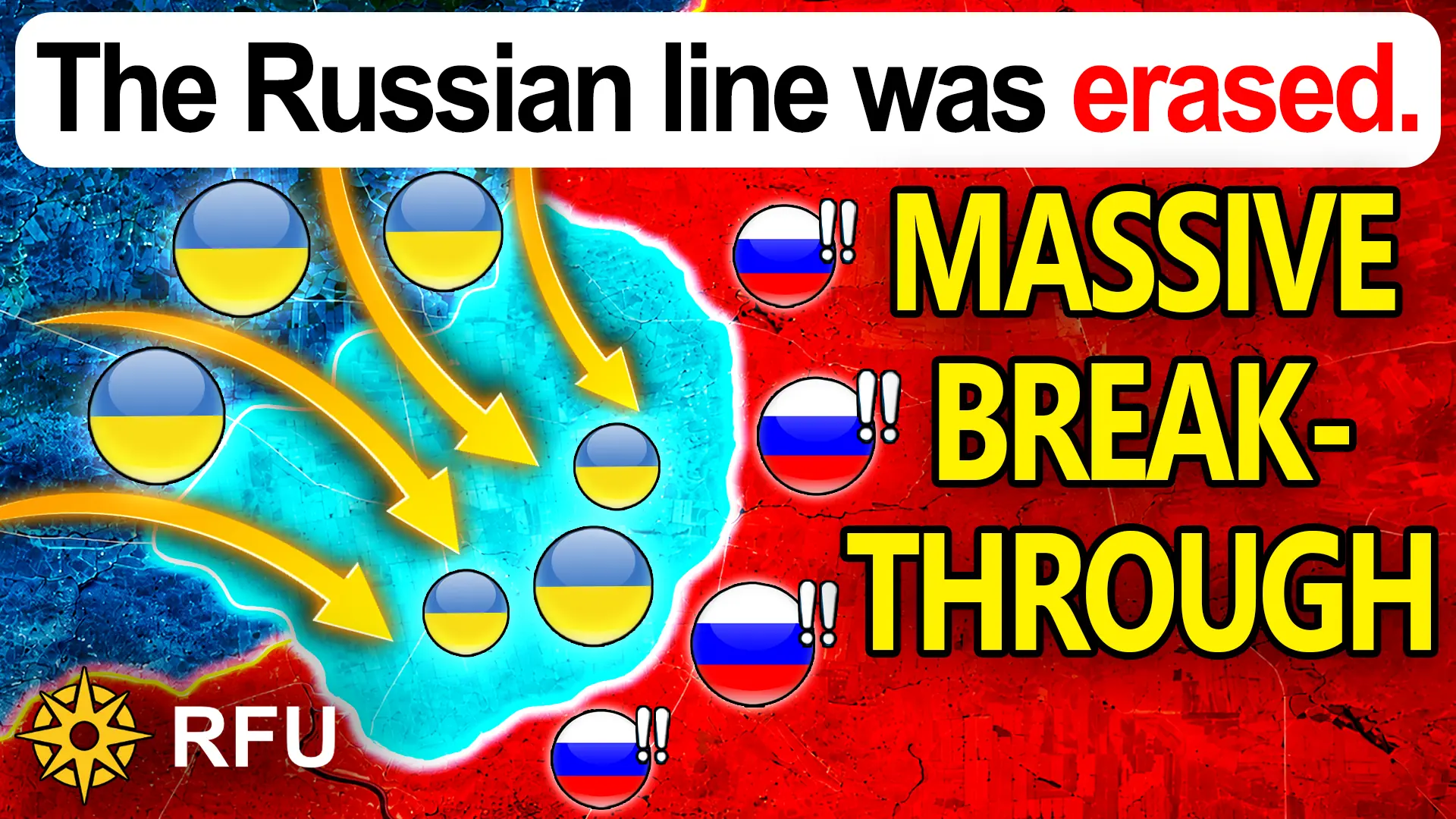
Ukrainians penetrate deep as Russians cannot plug the gaps anymore and reinforcements are wiped out

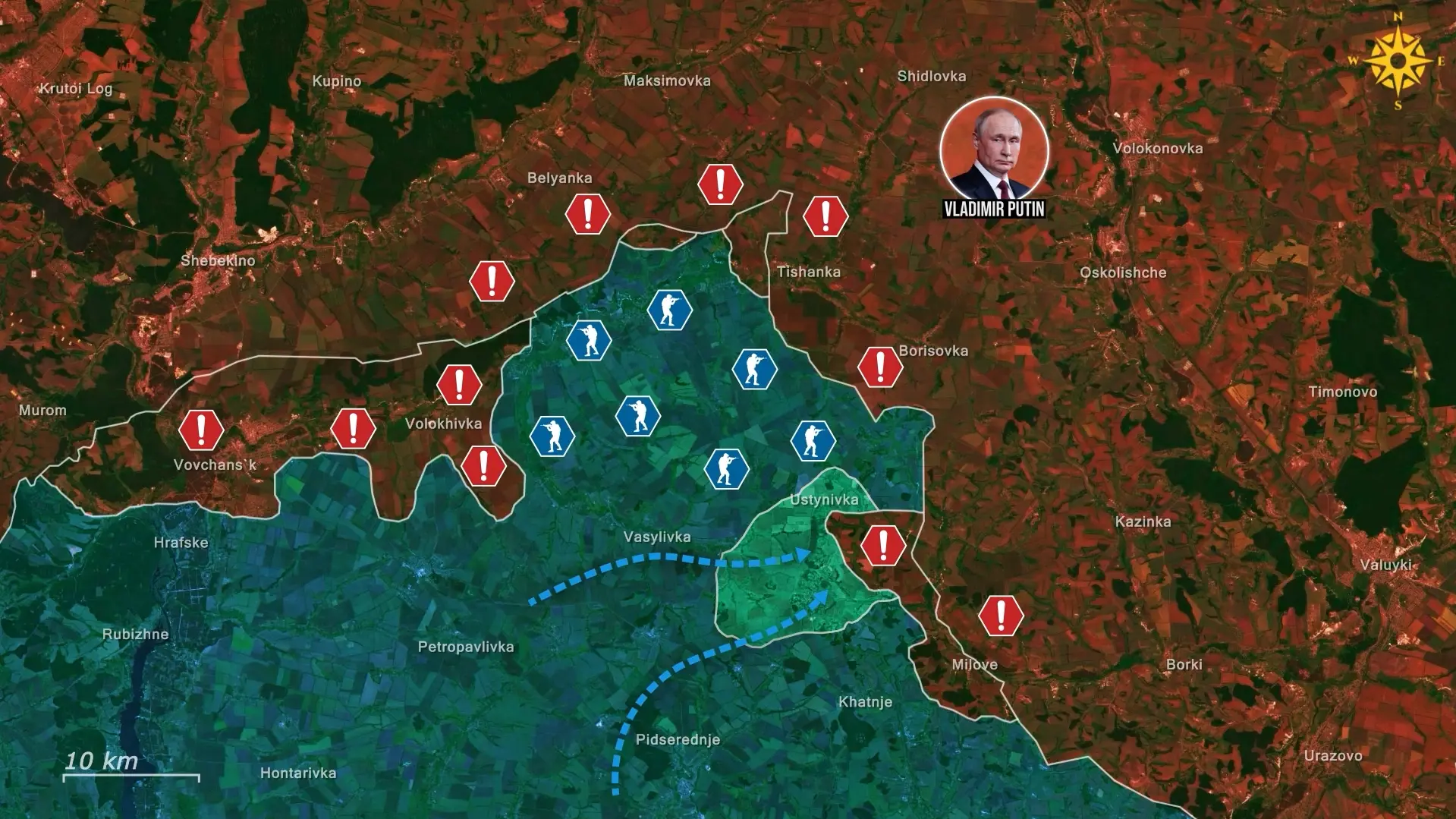
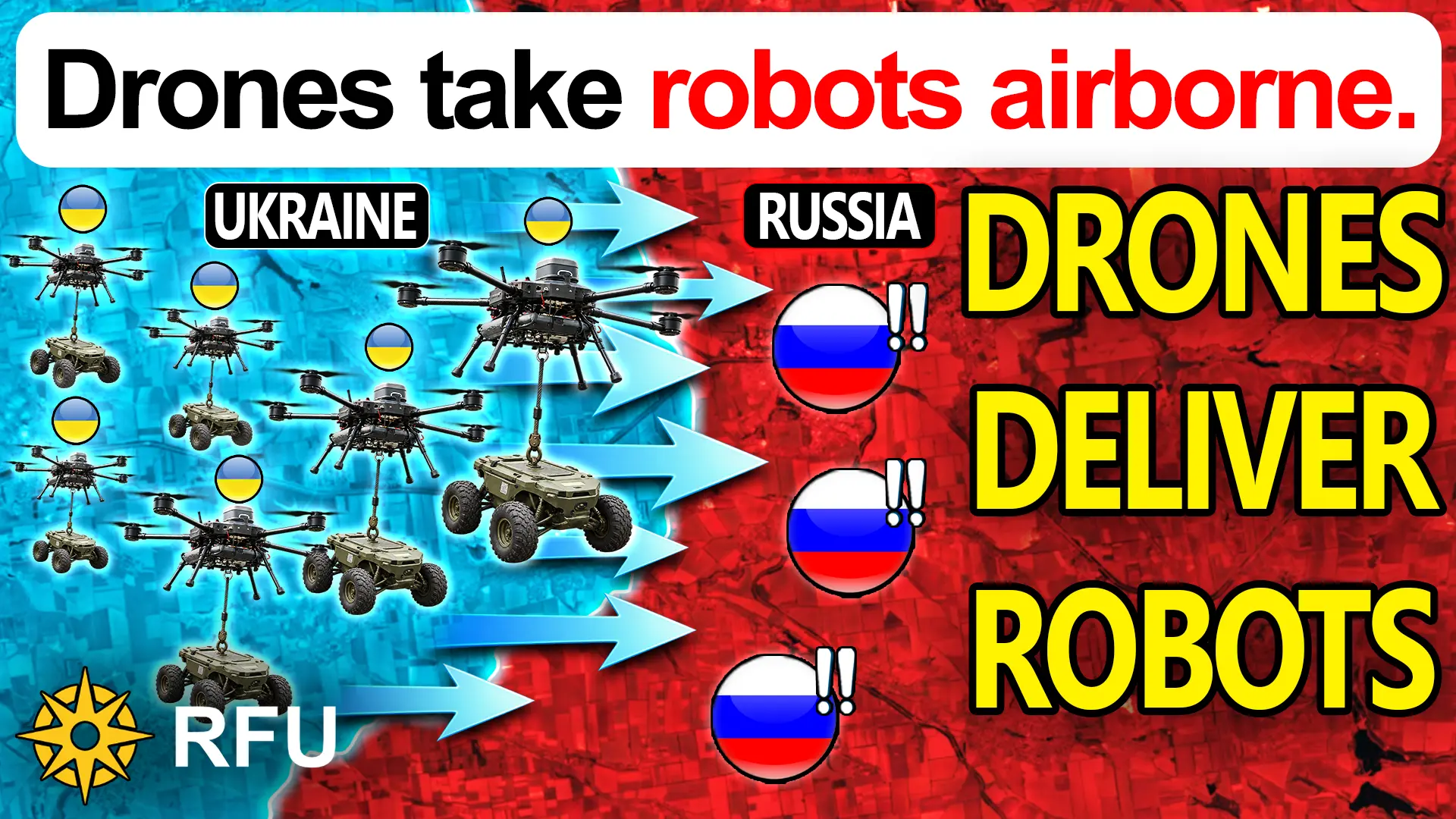
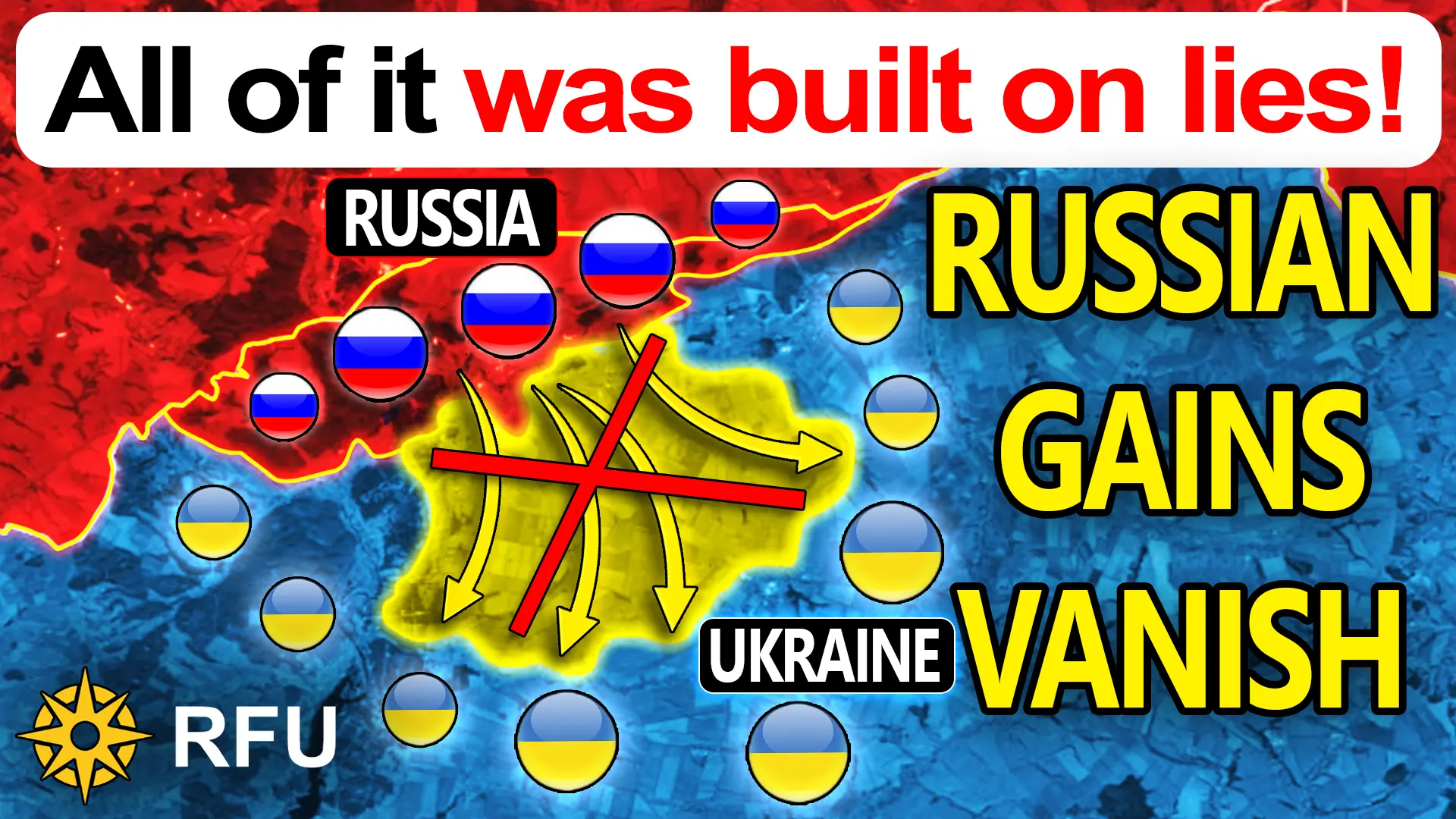
The successful execution of asymmetric pincer maneuvers north of Liman demonstrates a critical shift toward localized, high-velocity counter-offensives designed to exploit overextended enemy salients. By establishing absolute FPV drone fire control over the Zherebets River crossings, Ukrainian forces have structurally isolated forward Russian positions, preventing tactical reinforcement and transforming logistical supply lines into lethal chokepoints. Rather than relying on traditional, high-risk infantry breakthroughs, the operational logic here shifts to a deep containment strategy where localized pockets—such as Ridkodub and Shandriholove—are subjected to continuous precision attrition before ground forces move in. Central to this tactical evolution is the deployment of multi-role Unmanned Ground Vehicles (UGVs), which decouple frontline combat tasks from human casualty rates by undertaking high-risk bunker neutralizations and heavy machine-gun suppression. Consequently, this integration of aerial overwatch and ground robotics allows Ukrainian commanders to sustain offensive momentum within heavily contested zones without depleting critical manpower reserves. Ultimately, the Liman counter-offensive establishes a replicable model for modern attrition warfare, where technological adaptability and precise interdiction dynamically convert active defense into definitive territorial reclamation.

By
RFU News
Jun 17, 2026
Video

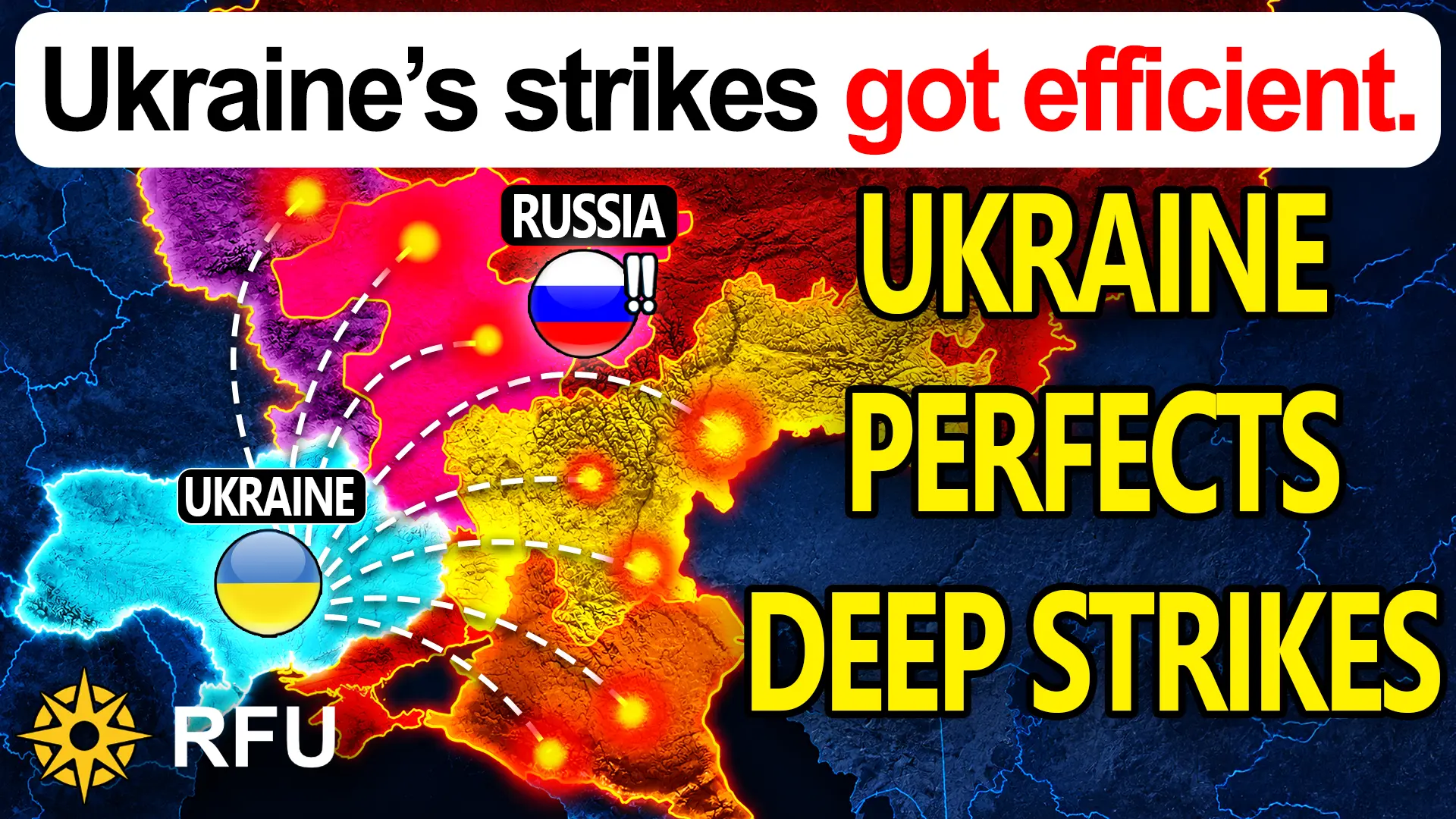
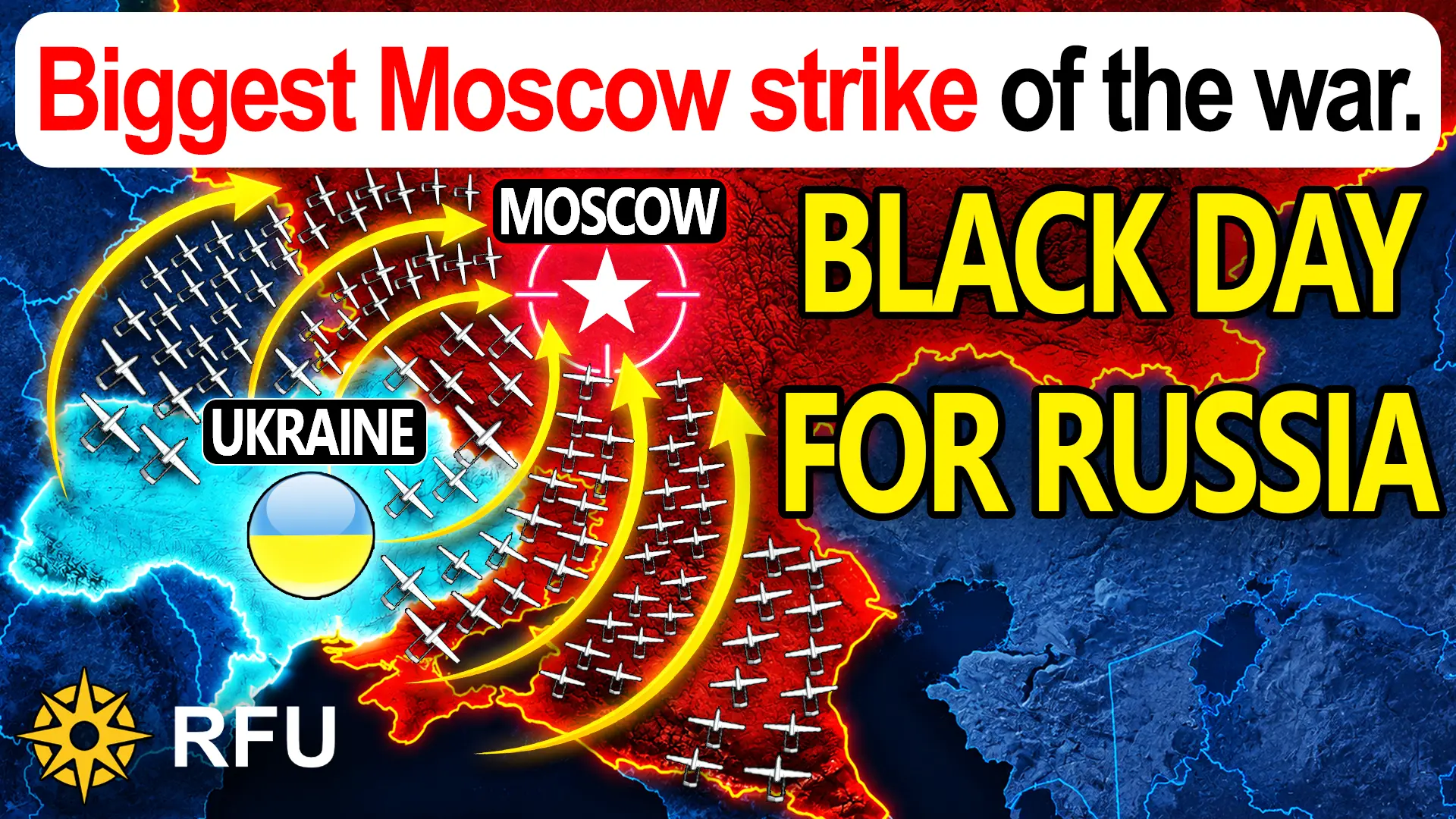
Ukraine executes its most intense four‑day missile campaign against Russia

The structural expansion of Ukraine's domestic long-range strike ecosystem—anchored by the mass production of decentralized, ground-launched cruise missiles—marks a critical pivot from localized tactical asymmetry to a systemic, theater-wide attrition campaign against Russia's deep rear. By compressing multi-vector salvos into tight, multi-day windows, Ukrainian forces generate operational density that systematically oversaturates and depletes localized Russian air defense networks, allowing subsequent precision munitions to exploit newly formed radar and interceptor gaps. This high-tempo operational framework shifts the targeting calculus away from temporary disruption toward permanent industrial denial, specifically degrading fixed, bottlenecked nodes within the Russian military-industrial base such as component factories and explosives manufacturing plants. Simultaneously, concurrent strikes on critical fuel-processing infrastructure and strategic logistics hubs compress the theater's logistical depth, severing the forward supply lines essential for sustaining heavy Russian mechanization and aviation. Ultimately, this operational shift degrades Moscow’s capacity to absorb structural damage at the rate it is inflicted, establishing a cumulative deficit in irreplaceable industrial components and specialized infrastructure that permanently threatens the sustainability of long-term Russian combat operations.

By
RFU News
Jun 16, 2026
Video

Why Kurds refused to take their land from Iran during the war

The collapse of Washington’s projected Kurdish ground offensive highlights a critical systemic vulnerability in coalition-led proxy warfare strategies within the Middle Eastern theater. Faced with the limits of standalone deep-strike air campaigns to induce regime destabilization in Tehran, Western operational planning relied heavily on mobilizing transnational Kurdish networks to force a costly domestic troop diversion away from Iran's core security centers. However, this strategy collapsed due to a severe credibility deficit stemming from the prior abandonment of Syrian Kurdish forces, which structurally disincentivized regional proxies from absorbing initial kinetic retaliation without explicit, long-term security guarantees. By withholding active participation and explicitly denying cross-border operations, Kurdish leadership effectively paralyzed the opening of a western flank, leaving Western planners without a viable non-American ground force to exploit internal political friction points. Consequently, Tehran has successfully exploited this hesitation by executing pre-emptive precision strikes against opposition infrastructure in Iraq, neutralizing the threat before it could achieve operational cohesion. This outcome signals a long-term shift in regional power dynamics, establishing that early kinetic pressure can effectively deter indigenous proxy mobilization when the external sponsor's strategic commitment is perceived as unreliable.

By
RFU News
Jun 6, 2026
Video

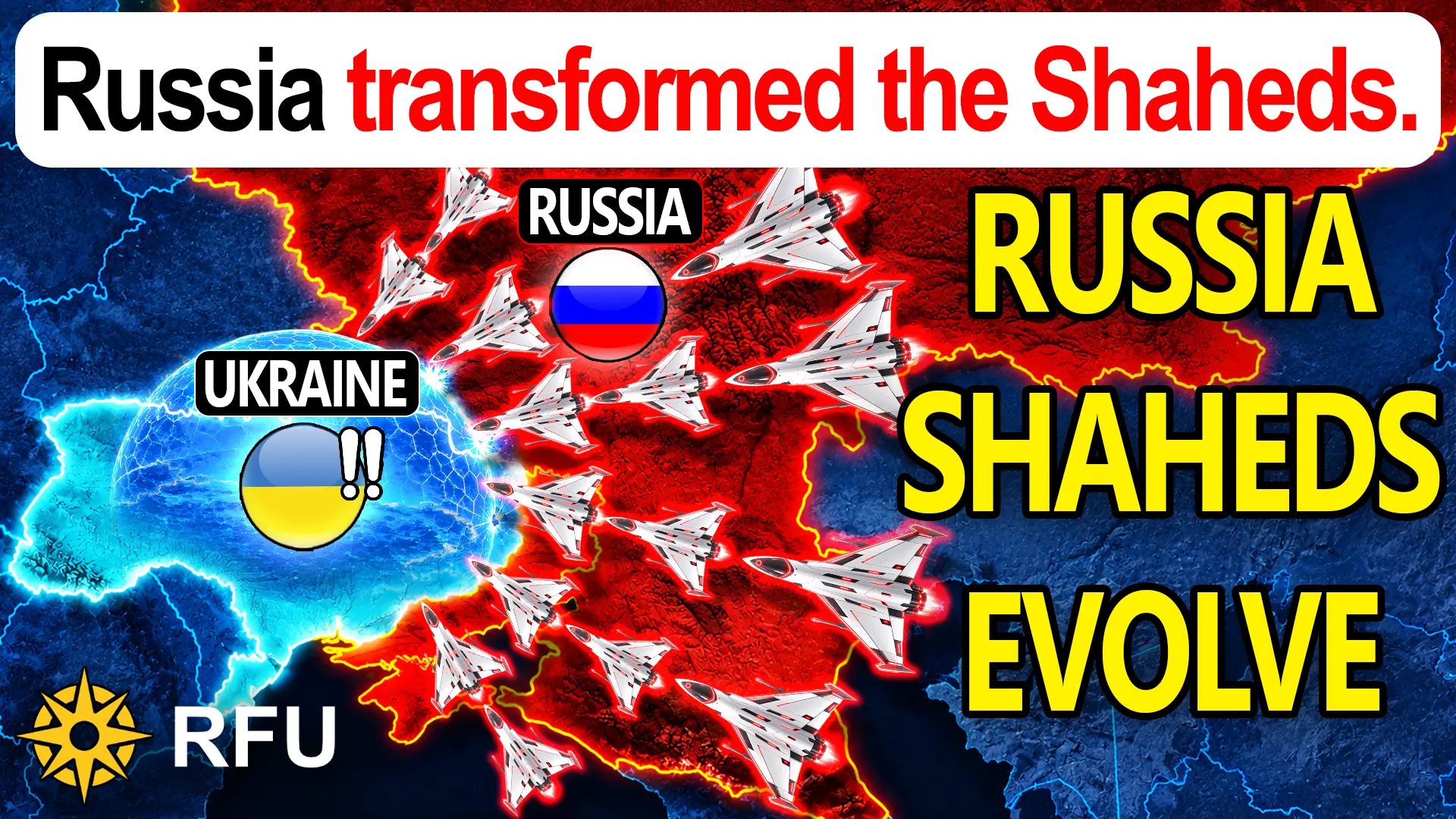
Shaheds search for mobile Ukrainian air defenses as losses reach breaking point

The operational landscape in Ukraine demonstrates a significant tactical inversion as Russian Shahed-series loitering munitions are increasingly redirected from structural targets to actively hunt the mobile air defense assets responsible for their high attrition rates. This shift underscores a systemic crisis in Russian strike sustainability, given that current loss margins have reached economically and operationally non-viable thresholds. Ukraine's mobile air defense infrastructure comprises over magnified decentralized ambush teams utilizing light platforms equipped with kinetic systems, thermal imaging, and real-time telemetry, which account for approximately fifty-five percent of total drone interceptions. To counter this, Russian forces are deploying Shahed platforms as tactical reconnaissance-strike assets, a measure that introduces severe technological trade-offs. Lacking autonomous target acquisition capabilities, these drones rely on manual human-in-the-loop guidance over low-resolution data links, rendering them acutely vulnerable to electronic warfare suppression and prolonged kinetic exposure at low altitudes. Concurrently, Ukraine is mitigating this evolving threat through technological acceleration, integrating artificial intelligence-driven automated weapon systems like the Sky Sentinel platform to enhance intercept probability while drastically reducing personnel exposure.

By
RFU News
Jun 4, 2026

No Results found

Please try different keywords