

.svg)
Europe is moving to strengthen its own nuclear deterrence as concerns grow that the continent must be able to defend itself against a potential Russian threat, even if American support becomes less certain. Rather than replacing the United States, European governments are seeking to build a stronger and more autonomous pillar of Nato's overall nuclear deterrence. This shift reflects the view that Europe needs credible capabilities of its own to deter aggression and reassure allies along Nato's eastern flank. France, the United Kingdom, Poland, Germany, Finland, Lithuania, and other European states are now taking steps that, together, point toward the gradual emergence of a more independent European nuclear shield while preserving the transatlantic alliance.
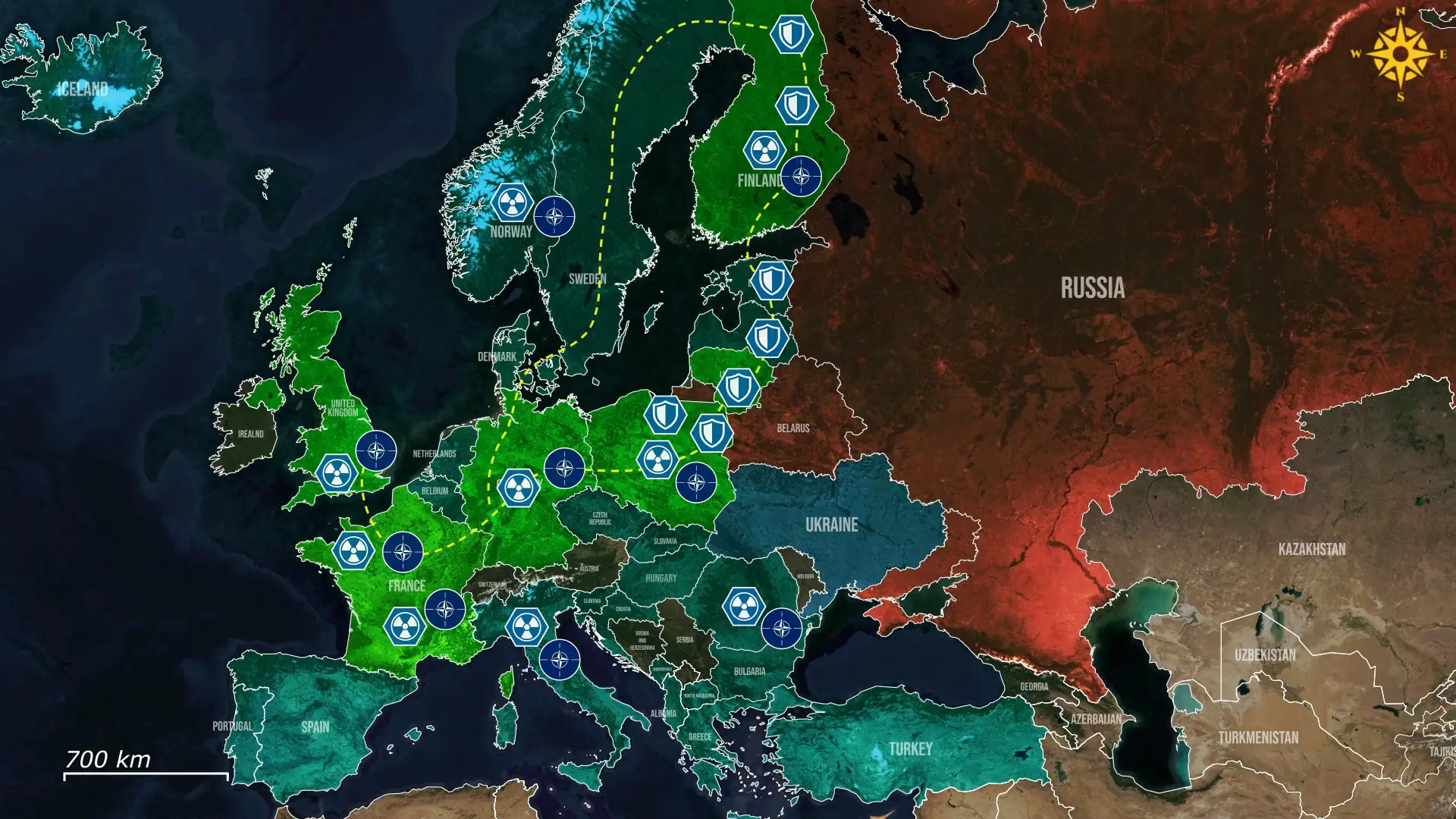
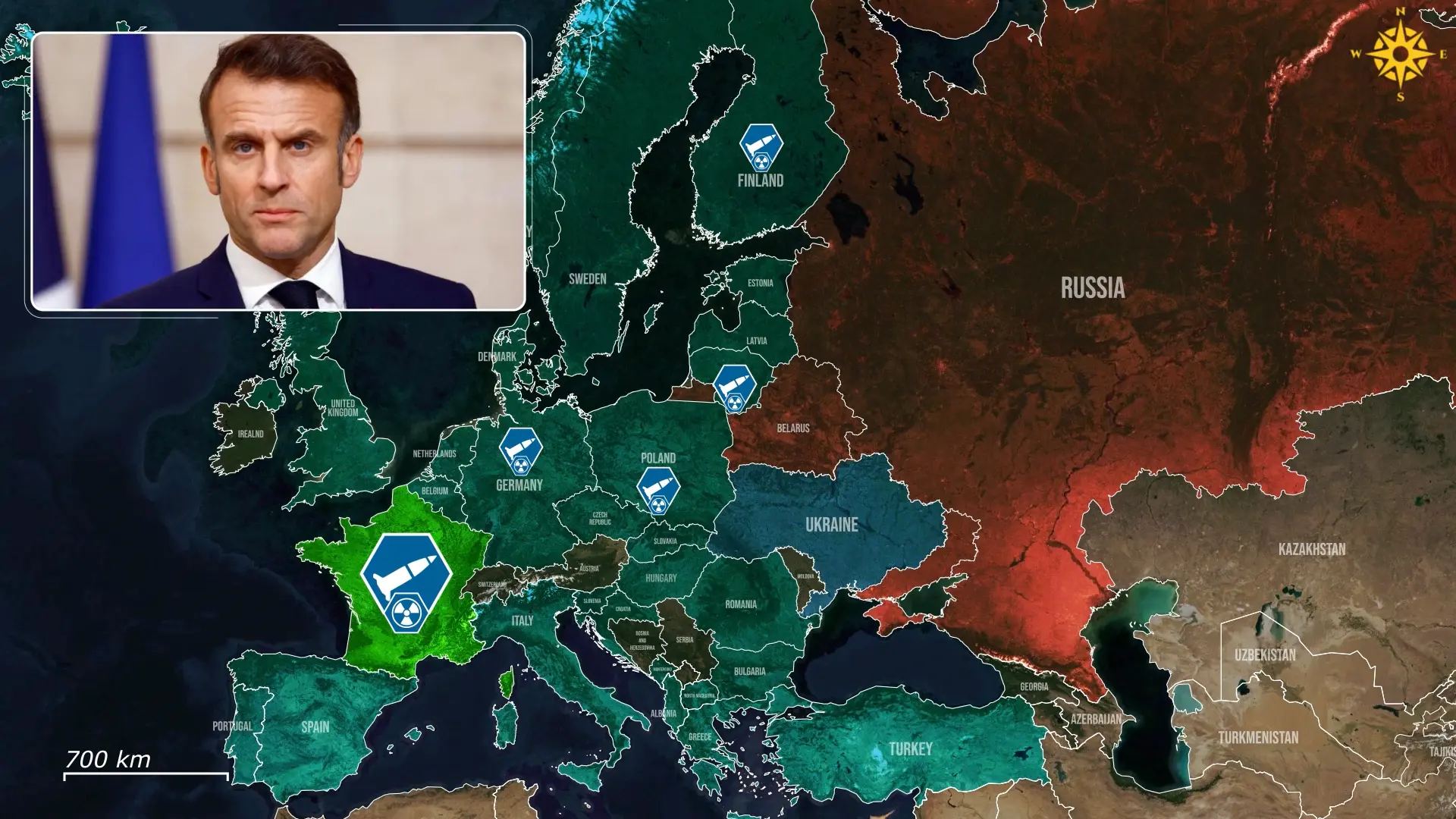
France has emerged as the driving force behind Europe's effort to strengthen its independent nuclear deterrent. As the European Union's only nuclear-armed member after Brexit, it possesses the capabilities needed to anchor a broader European nuclear shield. President Emmanuel Macron has argued that Europe must be able to guarantee its own security as the threat from Russia grows. In line with that objective, France plans to expand its nuclear arsenal while it will simultaneously stop all public disclosures of the overall numbers of warhead; moving from peace-time transparency to war-time secrecy with regards to its nuclear arsenal. Separately, Paris is also in talks to extend its nuclear deterrence umbrella to include new European partners, including Norway. These initiatives position France at the center of Europe's evolving nuclear strategy.
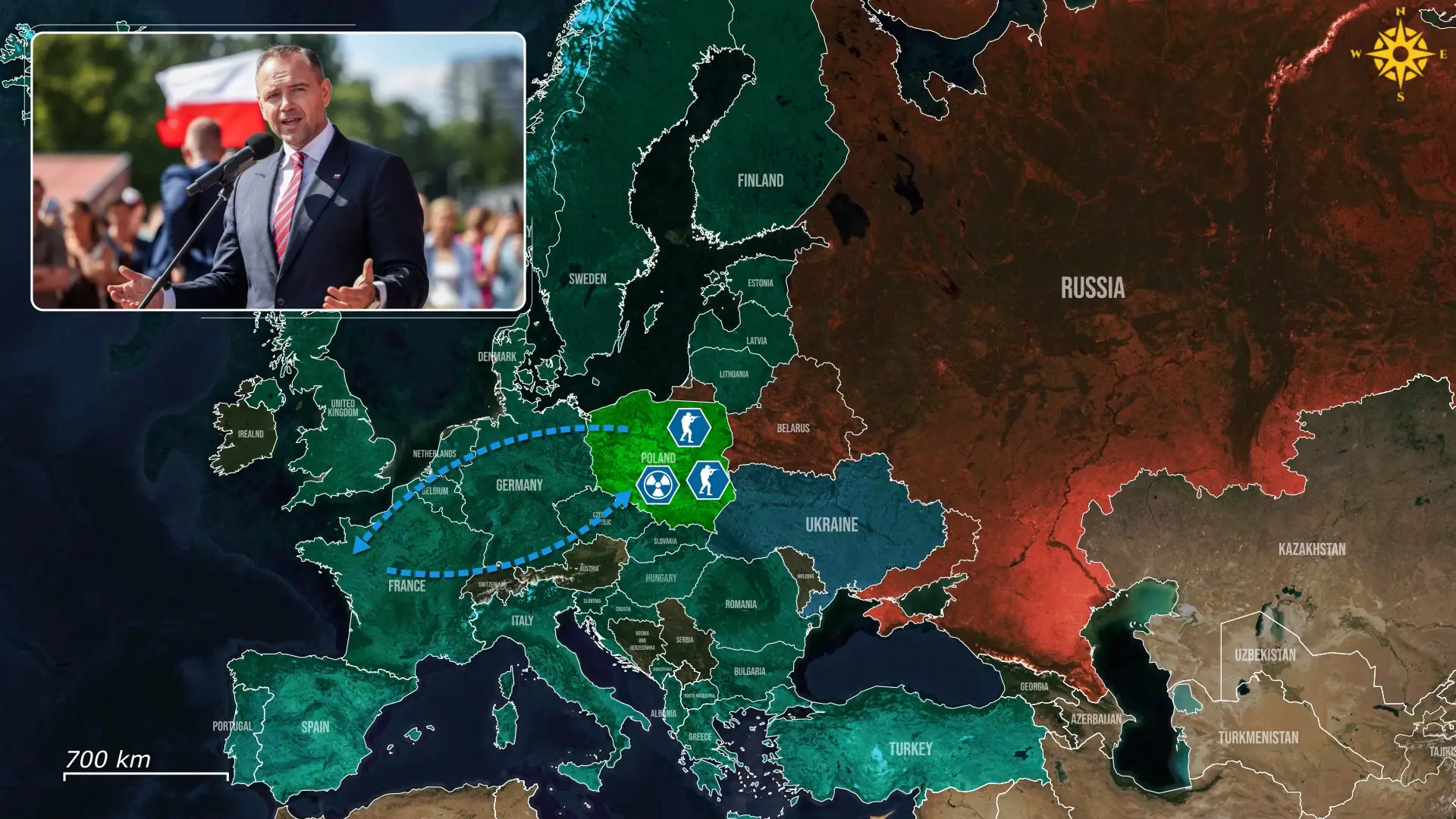
Poland has become one of the strongest advocates for expanding Europe's nuclear deterrence, reflecting its assessment that Russia poses an existential threat to the country. As Nato's frontline state on the alliance's eastern flank, Warsaw has accelerated preparations for a potential conflict while seeking stronger long-term security guarantees. Alongside calls to develop its own nuclear capabilities, Poland has deepened cooperation with France, Europe's leading nuclear power. The two countries are discussing nuclear readiness exercises in the Baltic region, signaling closer coordination on deterrence and crisis preparedness. Poland's growing partnership with France illustrates how Eastern European security concerns are increasingly shaping Europe's evolving nuclear posture.
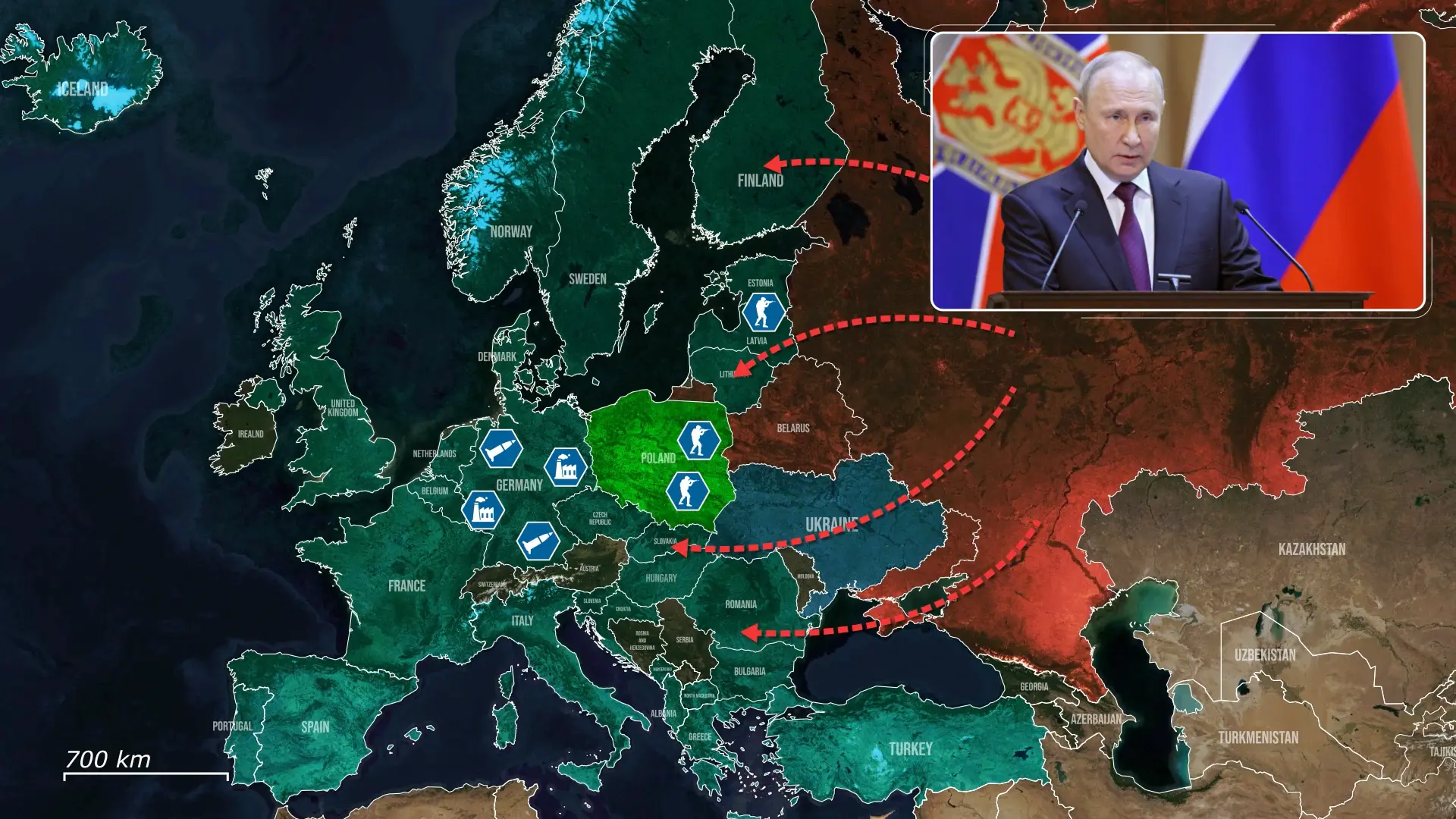
Although Germany remains committed to its non-nuclear policy and relies on Nato's nuclear deterrence, Russian officials have increasingly warned that Berlin possesses the industrial and technological capacity to develop nuclear weapons in a relatively short period if it chose to do so. Those concerns have intensified alongside Germany's broader military buildup and civil defense planning. German authorities have publicly accelerated preparations for the possibility of a Russian attack within the next two years. Tied to this, Moscow has claimed that Germany could produce weaponized plutonium within a month of starting, and manufacture a nuclear weapon in as little as two- to three years if it made the political decision to do so. From the Russian perspective, this combination represents an increasing long-term strategic challenge to its expansionism into Europe.
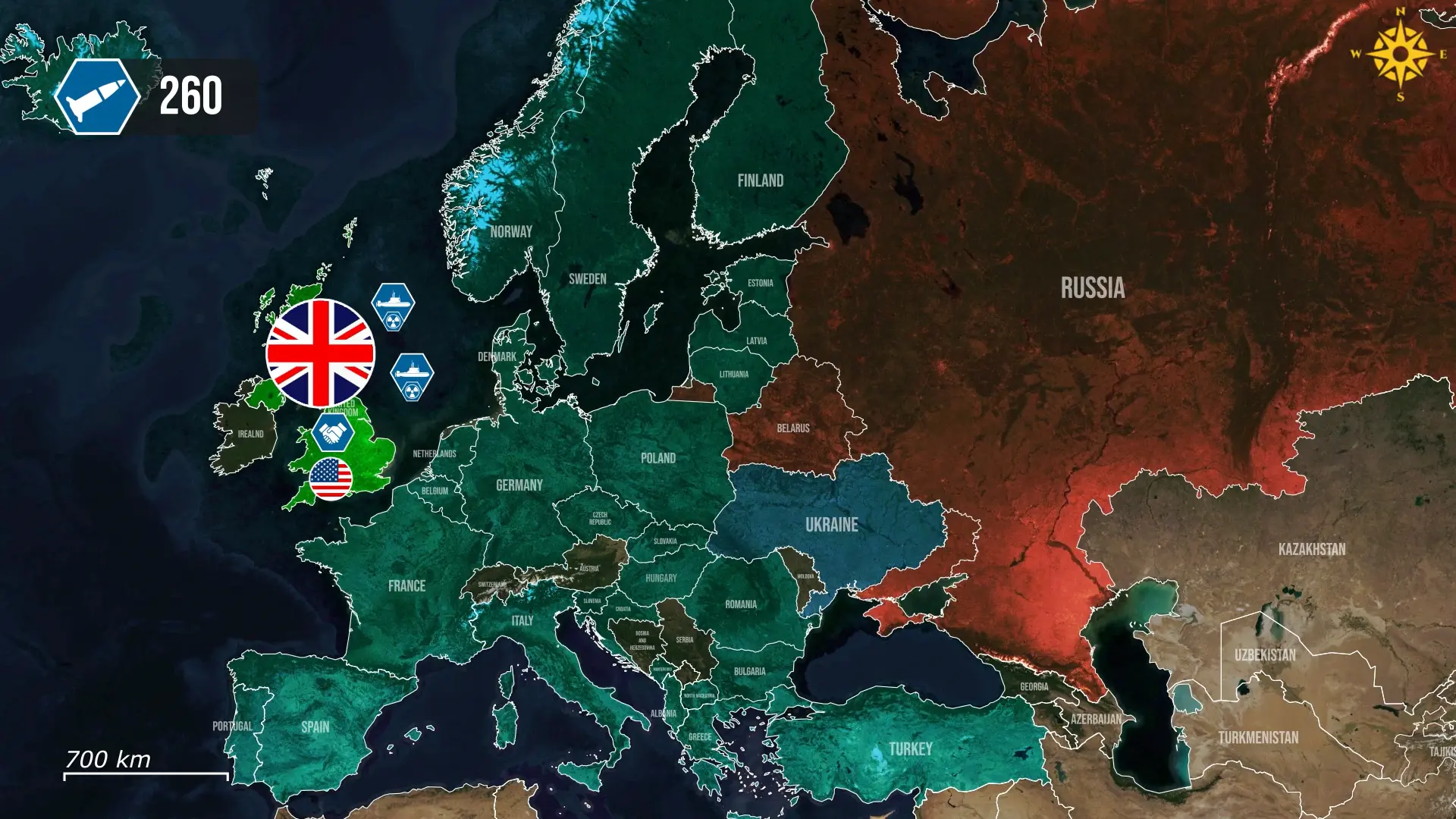
Outside of the EU but nevertheless a reliable European partner in Nato, the United Kingdom already possesses one of Europe's two established nuclear arsenals after France, and has long provided an independent strategic deterrent through its fleet of nuclear-armed ballistic missile submarines. Although it remains closely integrated with Nato and cooperates extensively with the United States, Britain's nuclear force operates under sovereign national control. In response to the deteriorating European security environment, London is strengthening its nuclear posture by increasing the ceiling on its stockpile from one hundred eighty to two hundred sixty nuclear warheads. Additionally, the British Royal Navy is modernizing its nuclear-capable fleet, replacing its Vanguard-class submarines with the next generation of Dreadnought-class ballistic missile submarines. This ensures that the United Kingdom remains a central pillar of Europe's overall nuclear capability.
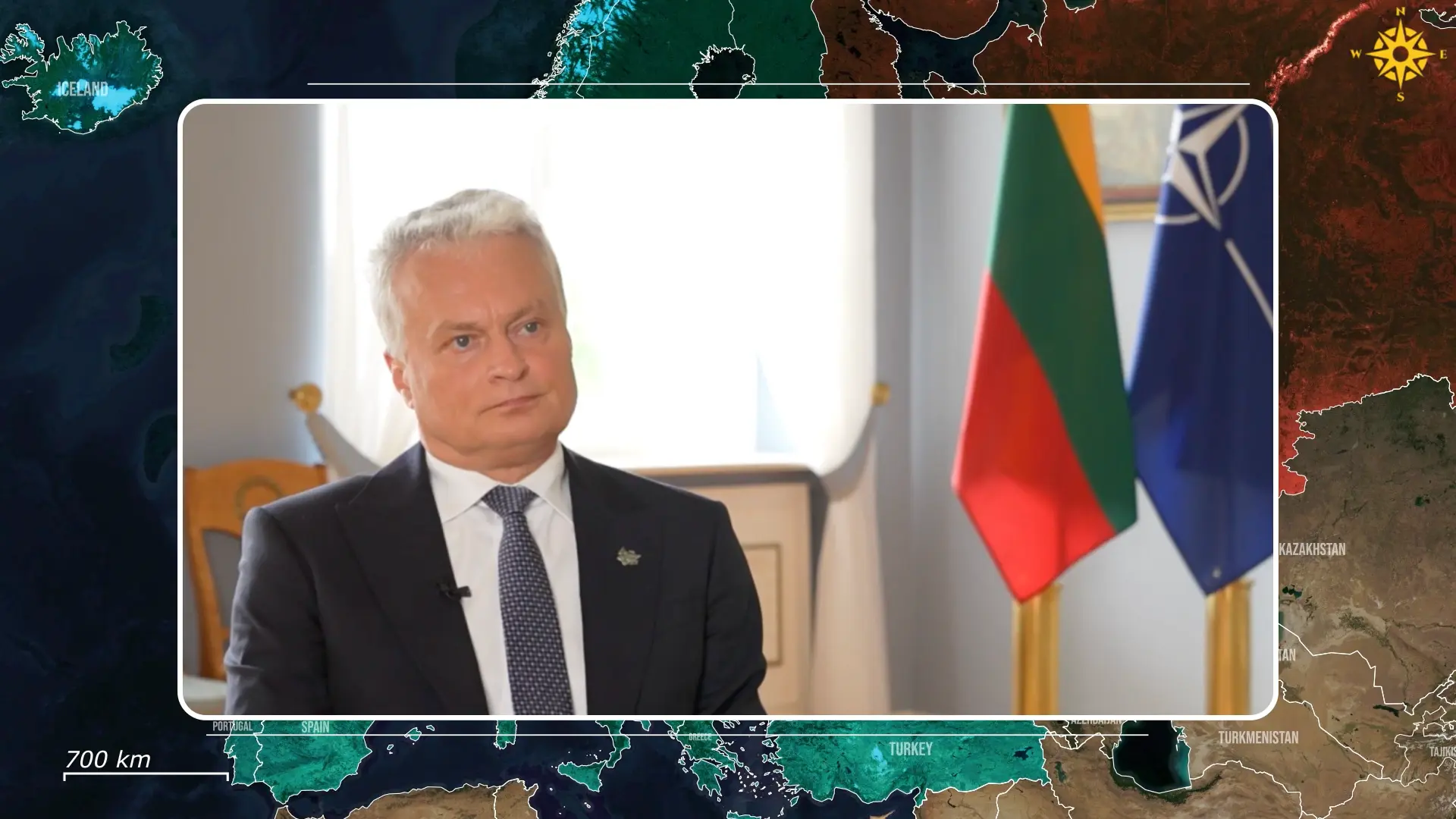
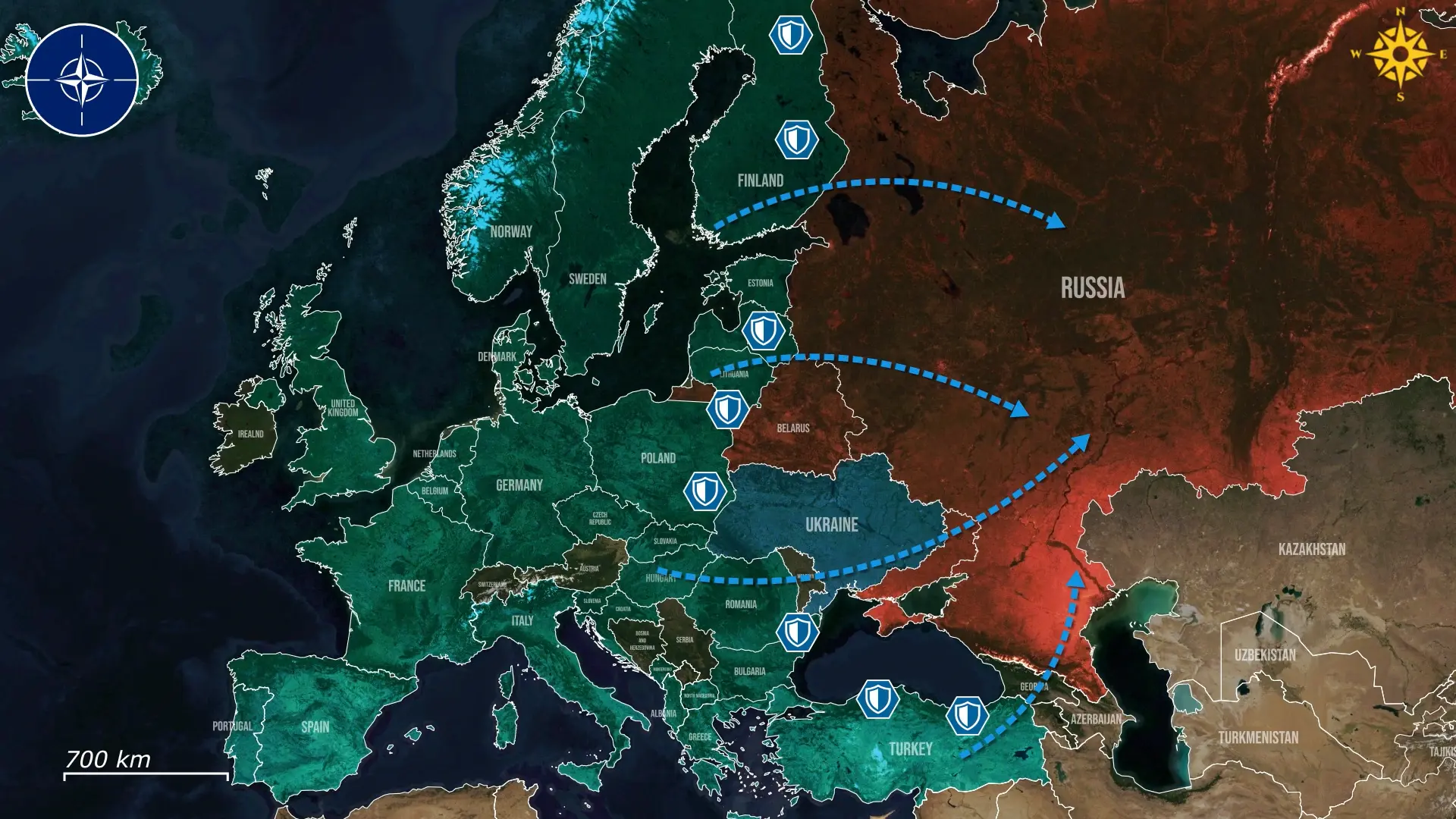
Europe's growing investment in its own nuclear deterrence does not signal a break with the United States. Instead, European governments are strengthening their own capabilities while continuing to deepen cooperation with Washington. Lithuania is holding discussions with the United States on the possible deployment of American nuclear weapons in the event of war. Finland is moving to lift its ban on hosting nuclear weapons, a step that would primarily facilitate future US deployments while also leaving open the possibility of closer cooperation with existing European nuclear powers like France and the UK. However, it is important to note that the United States are not abandoning Europe, as they are currently working to expand their nuclear-sharing arrangements to additional countries on the alliance's eastern flank. Such an expansion would bring more frontline allies into Nato’s nuclear deterrence framework, strengthening the alliance's ability to deter Russia while complementing Europe's own efforts to enhance its independent nuclear capabilities.
Overall, these developments point to Europe building a stronger and more credible nuclear deterrent of its own in response to a worsening security environment and the long-term challenge posed by Russia. Rather than replacing the United States, European governments are creating a more balanced security architecture in which the continent can shoulder a greater share of its own defense rather than solely rely on the US. This approach strengthens Europe's strategic resilience while preserving the transatlantic alliance as the foundation of Nato's collective deterrence. As a result, Europe is not moving away from the United States, but is ensuring that its own deterrence capabilities are robust enough to complement American security guarantees if future circumstances require it.
.jpg)


Comments