

.svg)
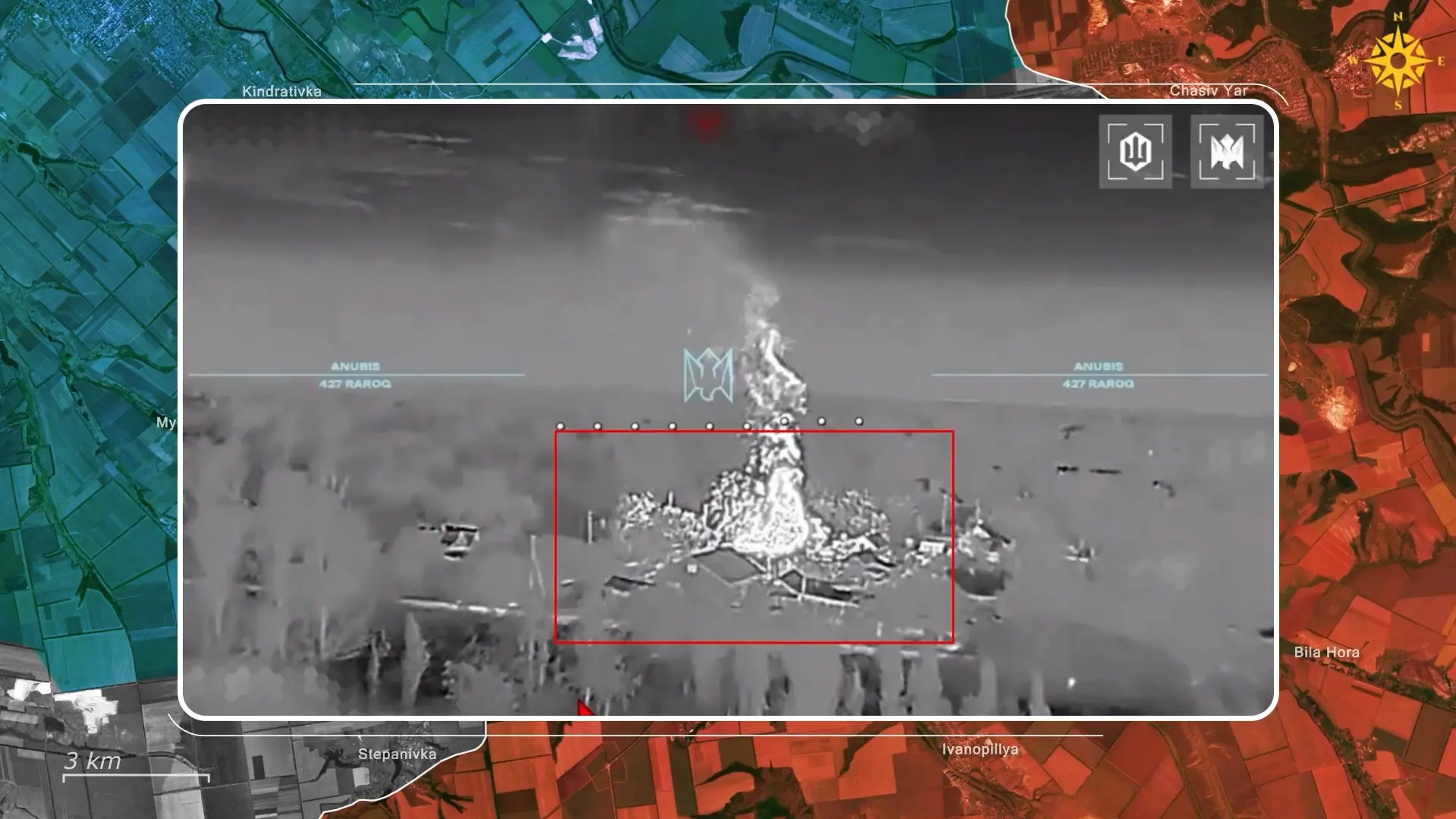
Ukrainian long range strikes on Russian satellite communications infrastructure have become more frequent in recent months. Footage shows drones reaching the Dubna space communications center near Moscow, and smoke rising from the compound. Satellite images showed that the strike hit different buildings and infrastructure, including the main antenna of the complex. The site is the largest satellite communications hub in Russia, supporting government communications, nuclear test monitoring, and the coordination of Russian forces. Days after the first attack, the site was struck again by Ukrainian drones, underlining the importance of the location. Additionally, Ukrainians have also targeted several other important communication facilities, such as the first Rubin Communications Node, part of the fourteenth Main Communications Center of the General Staff of the Russian Armed Forces. According to the General Staff of the Armed Forces of Ukraine, the facility was one of the most modern and capable military communications hubs operated by Russia in its central region.
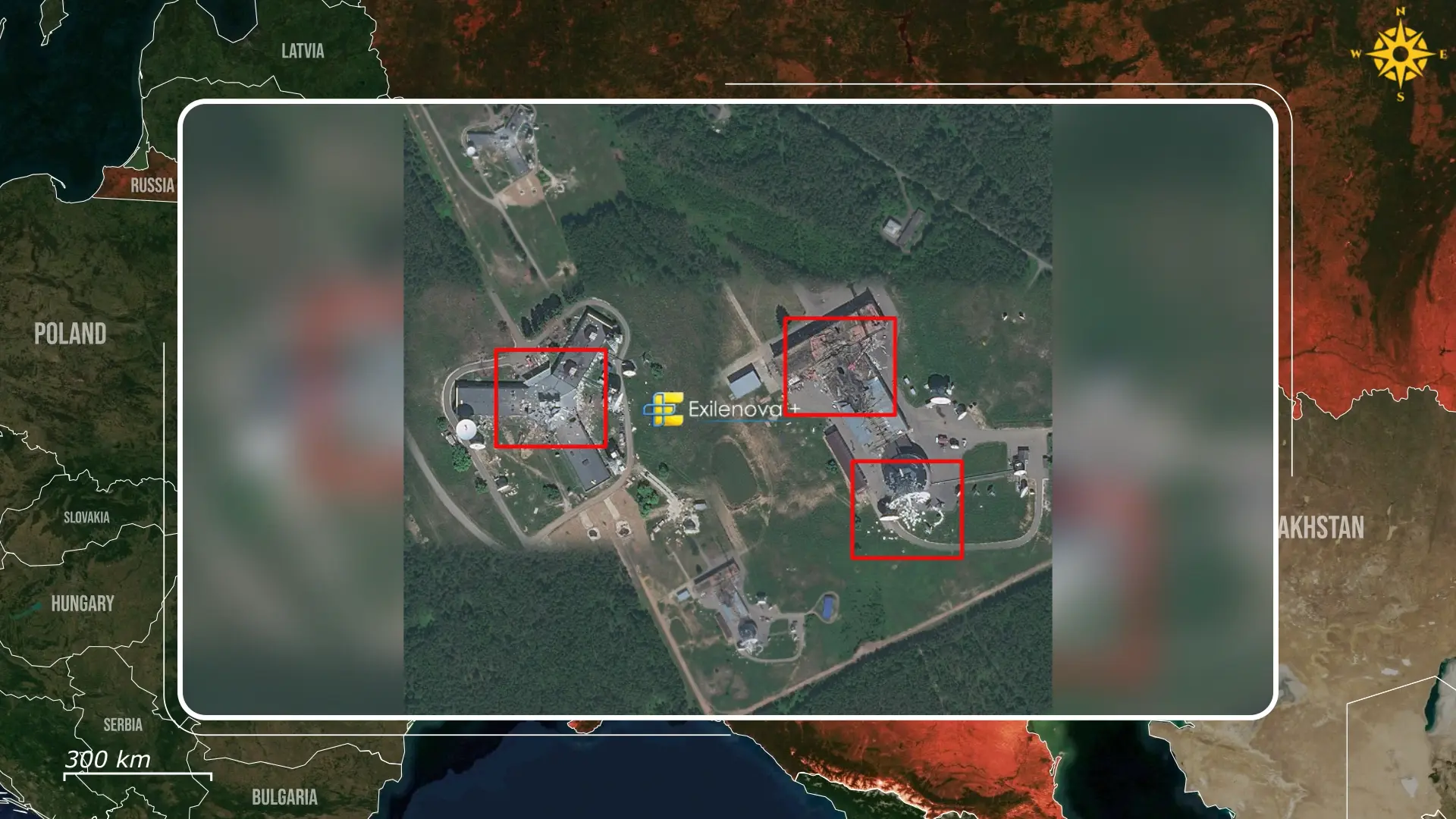
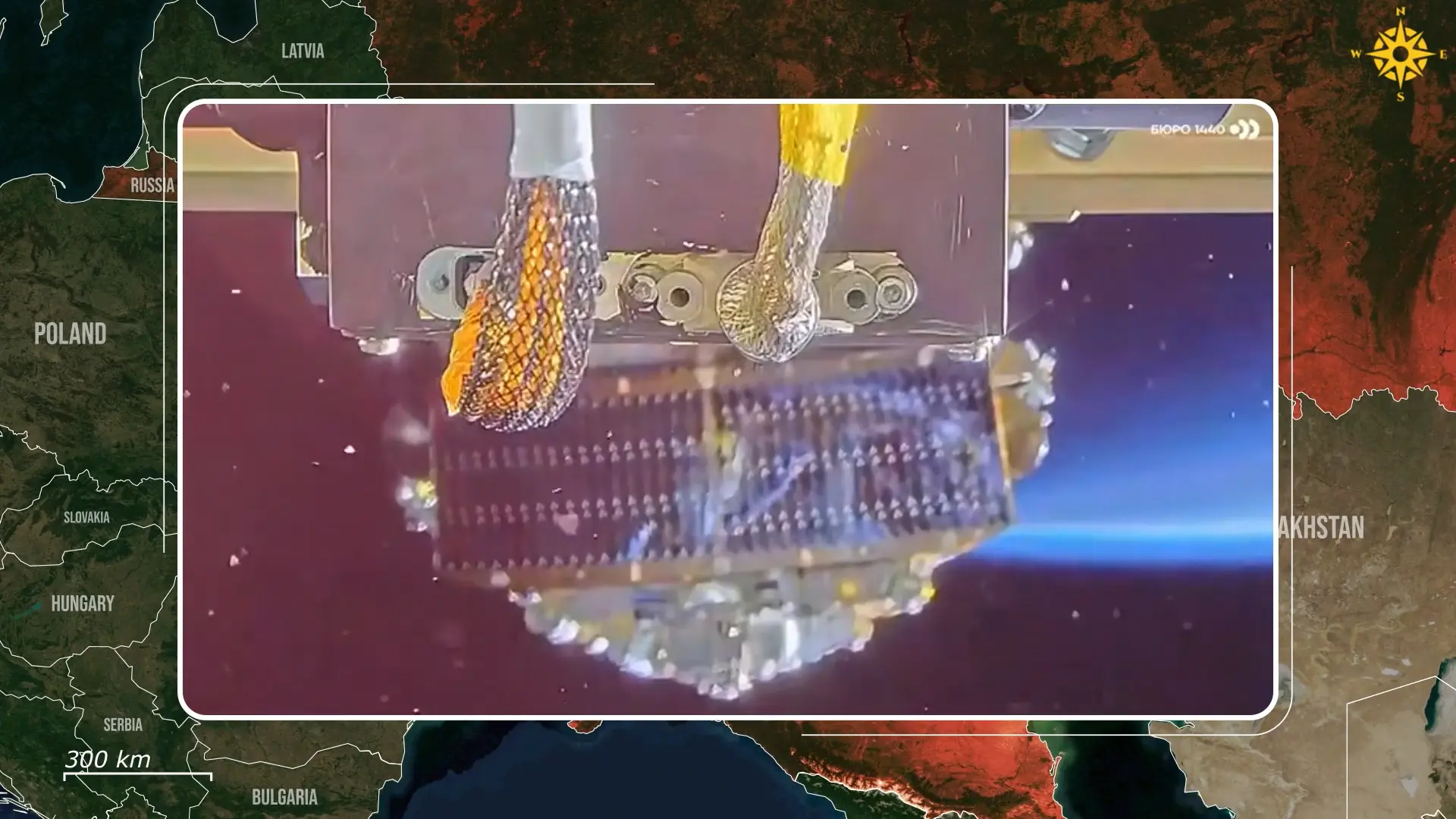
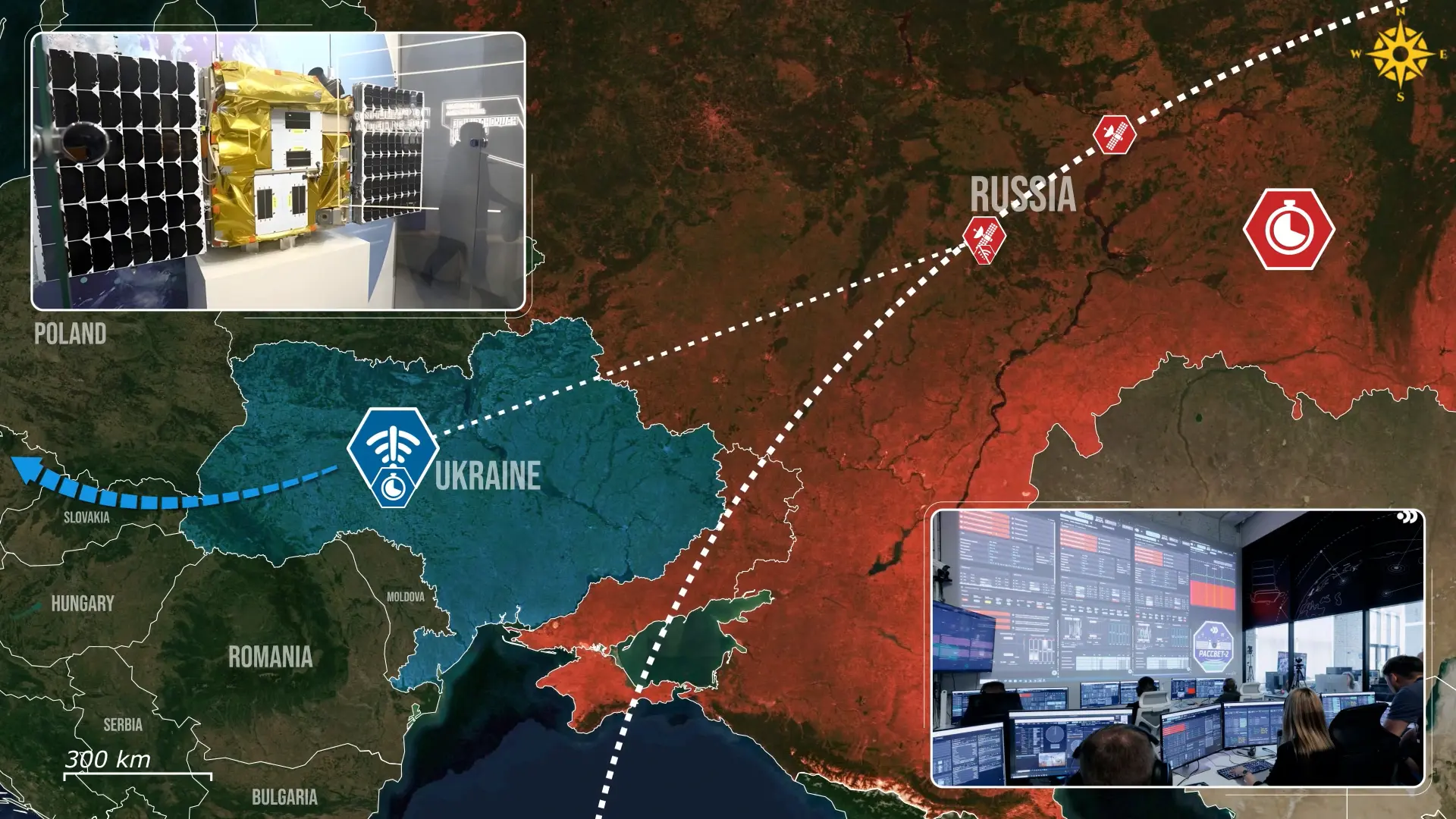
The strikes indicate a deliberate effort to degrade the ground infrastructure of Russia’s expanding space-based communications system. Notably, the timing of these strikes suggests that Ukraine is attempting to slow down the implementation of Russia’s new satellite constellation, which is increasingly being rolled out. In fact, Russia is working on what many call the Russian imitation of Starlink, meant to address the lack of a fast and reliable connection for the Russian forces in Ukraine after Starlink was shut down for them. In late May the first sixteen Rassvet satellites were launched and placed into testing. By the end of July, Russia had launched already a second batch of Rassvet satellites. Although even Russian sources acknowledge that a fully functional system would require roughly two hundred to two hundred fifty units, the gradual launch and activation of these satellites will increasingly improve the satellite communications capabilities for Russian forces in Ukraine.
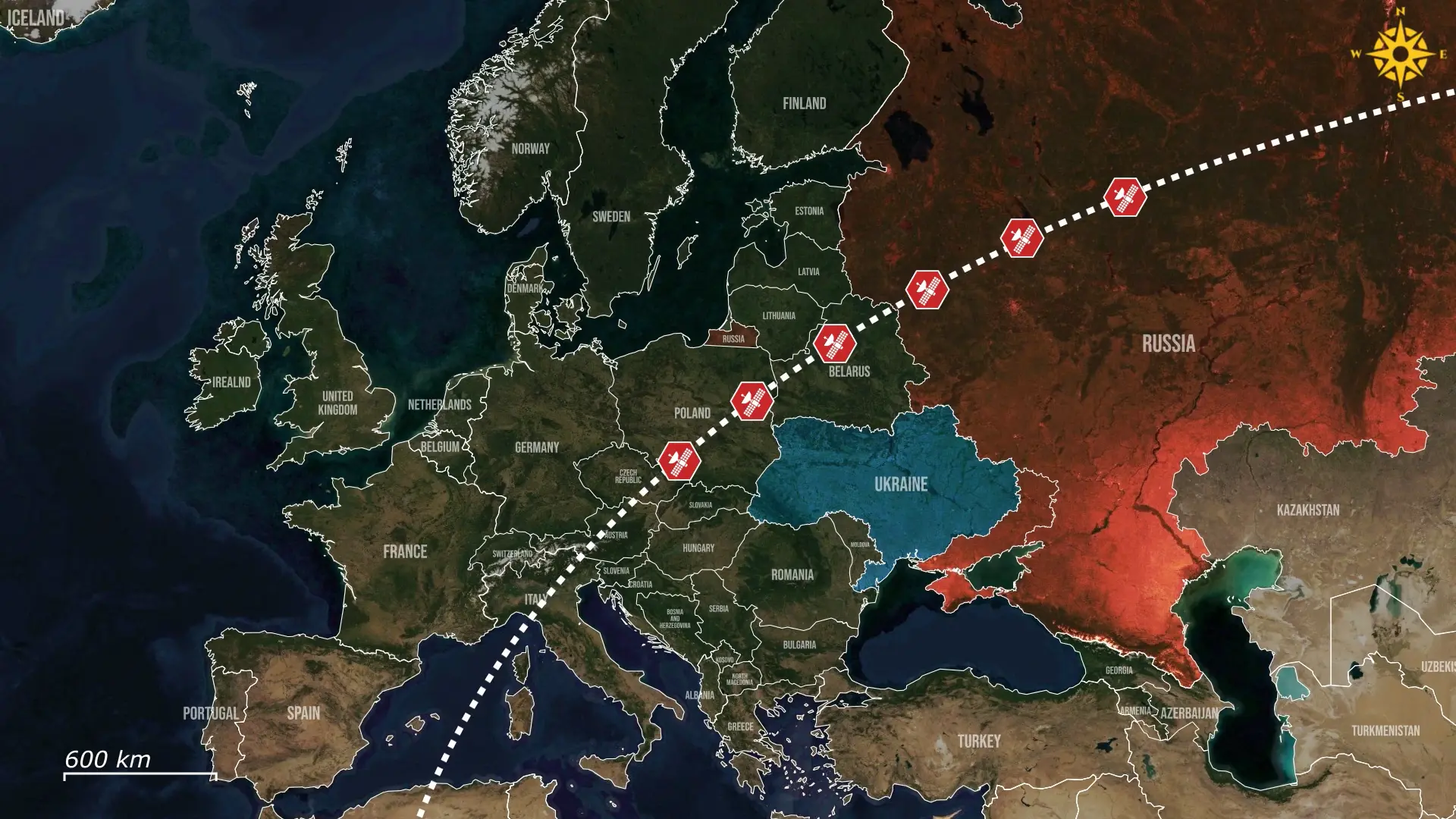
With only the current number of satellites in position, Russians already experience two significant communication windows per day over Ukrainian territory, together lasting more than one hour. While these windows are short and not yet optimized for controlling drones or tactical communications, they already in use by the Russian command to exchange data on the operational-strategic level, without relying on vulnerable ground-based infrastructure which Ukrainians can more easily jam and intercept. Russia aims to reach a global round the clock coverage by the end of two thousand twenty-seven when the number of satellites is expected to reach close to three hundred, and continue to expand until the satellite numbers reach the nine hundred units. Such an expansion would not only provide Russian forces with complete and fast satellite communications and data coverage within Ukraine, but providing secure communications for Russian actors within the entirety of Europe, as well as a tool for Russian foreign involvement worldwide.
Ukraine recognizes the risk that this project poses, as it is set to negate the advantage that it currently possesses with its access to Starlink, and is therefore rapidly working on developing and deploying countermeasures. These measures go beyond the strikes on satellite communication infrastructures that we have seen now, which already slow Russia’s rollout and implementation of the systems. In fact, once Russian satellites can communicate directly with mobile antennas, the value of hitting centralized ground hubs will decline. Hence, Ukraine is developing specialized satellite communication jammers designed to track groups of orbiting Russian satellites in real time. Then, Ukrainian antennas will be guided to these coordinates and at the appropriate frequencies, which will specifically jam only these Russian satellite communications. However, tracking satellites in low orbit requires precise timing and rapid beam steering to keep the signal jamming continuous, which suggests that Ukraine is investing in more sophisticated electronic warfare capabilities than might only seem on the surface. If they succeed, this jamming system will disrupt the communication windows that the constellation provides and force the Russian units to revert back to their slower and less secure channels.
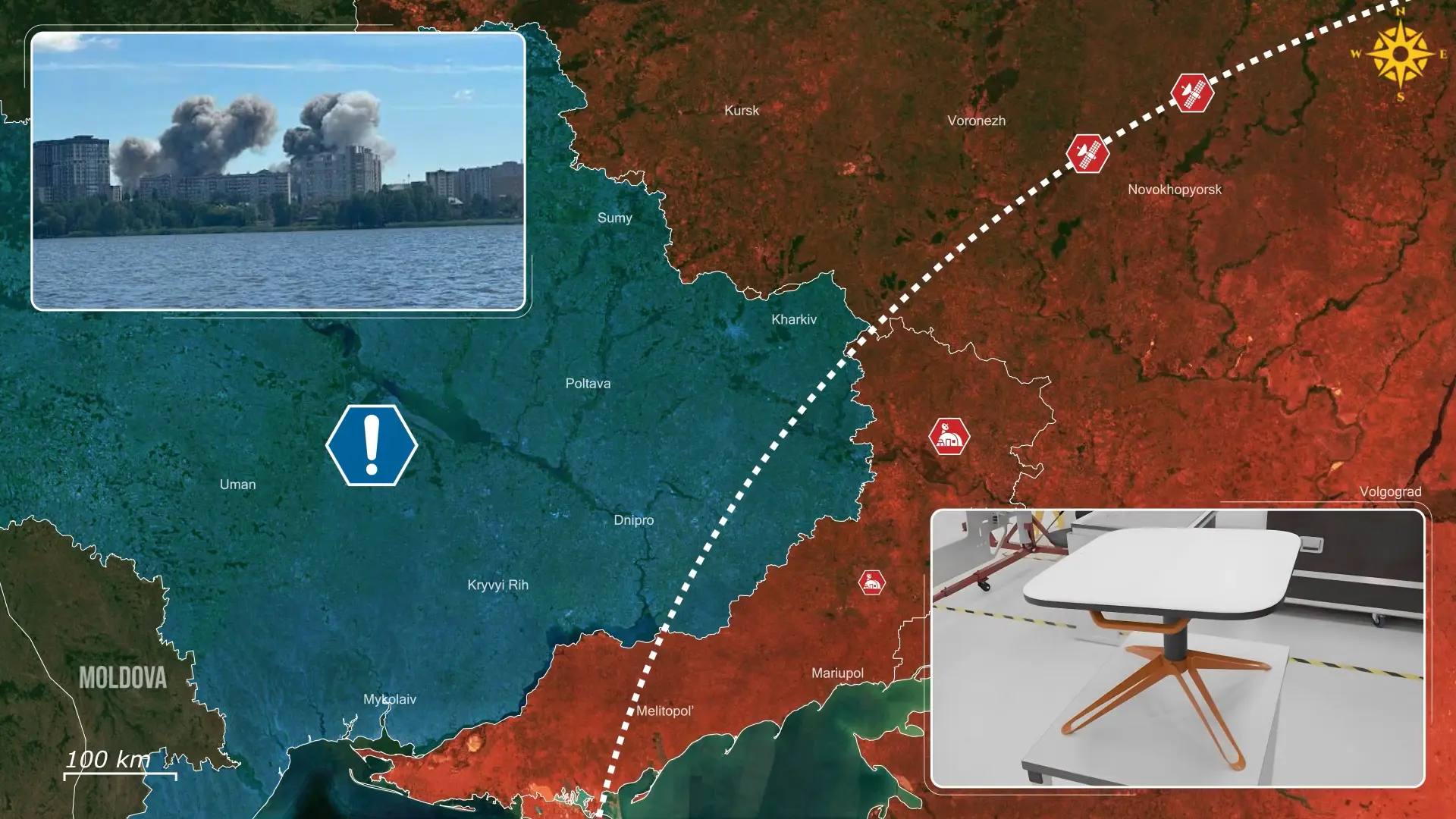
Overall, Russia’s development of its low-orbit satellites is a serious attempt to catch up on US space technology and reduce this strategic gap. Although the Russian constellation is still limited, its growing capabilities are already prompting Ukraine to develop countermeasures. Ukraine’s strikes on Russian satellite communications hubs and its push to develop satellite tracking jammers show how the war is expanding further toward space enabled warfare. This technology also carries implications beyond the current war, since a system capable of blocking low orbit military communications could potentially be adopted by Western partners to face future adversaries building similar constellations.

.jpg)


Comments