

.svg)
In this video, we will analyze how Cuba is preparing for war.
In recent months, relations between Havana and Washington have sharply worsened, with American officials increasing pressure on Cuba and openly raising the possibility of military action. Against that backdrop, the Cuban government has begun treating the threat as serious enough to prepare not only its armed forces, but also ordinary civilians across the island.
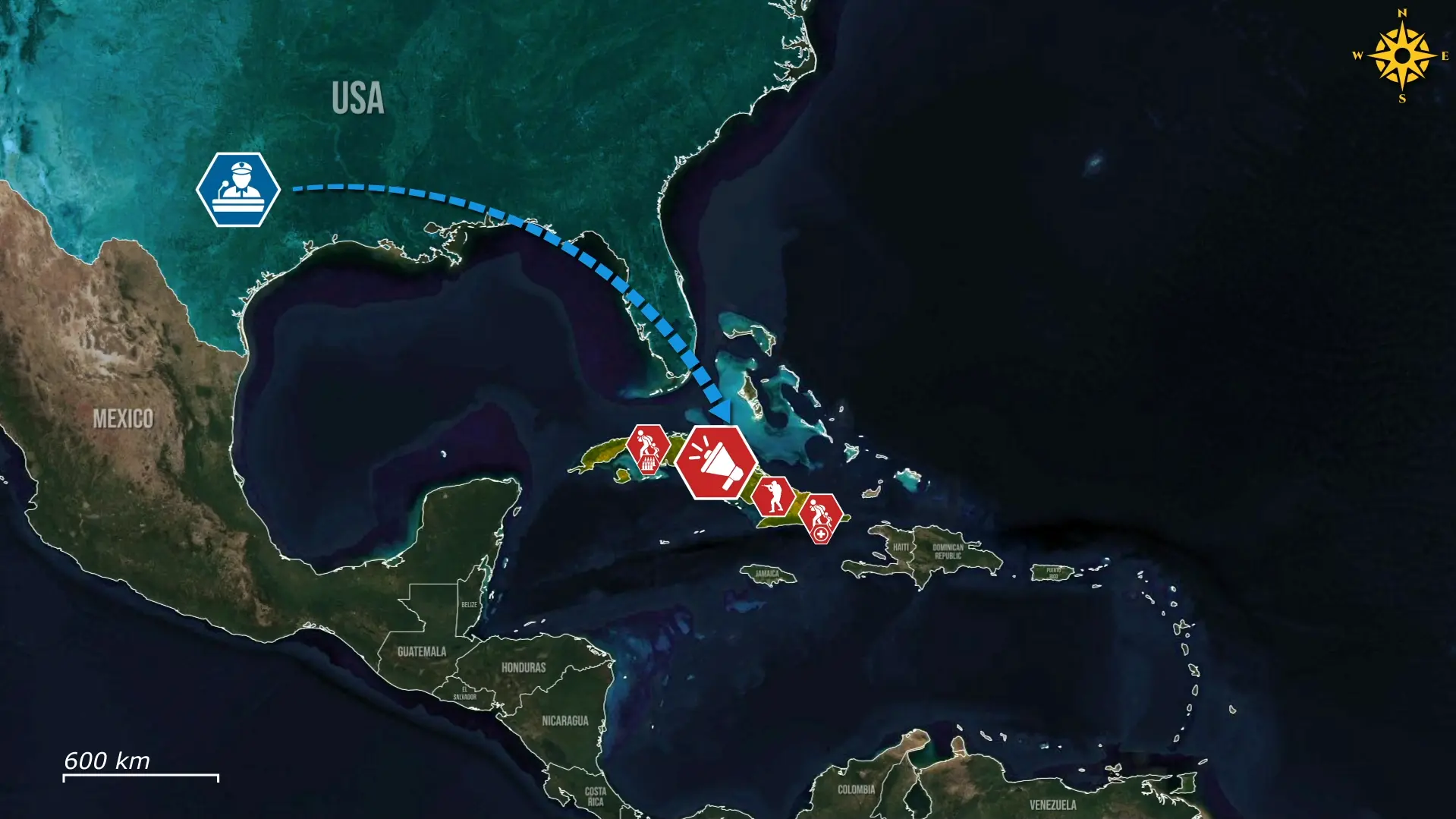
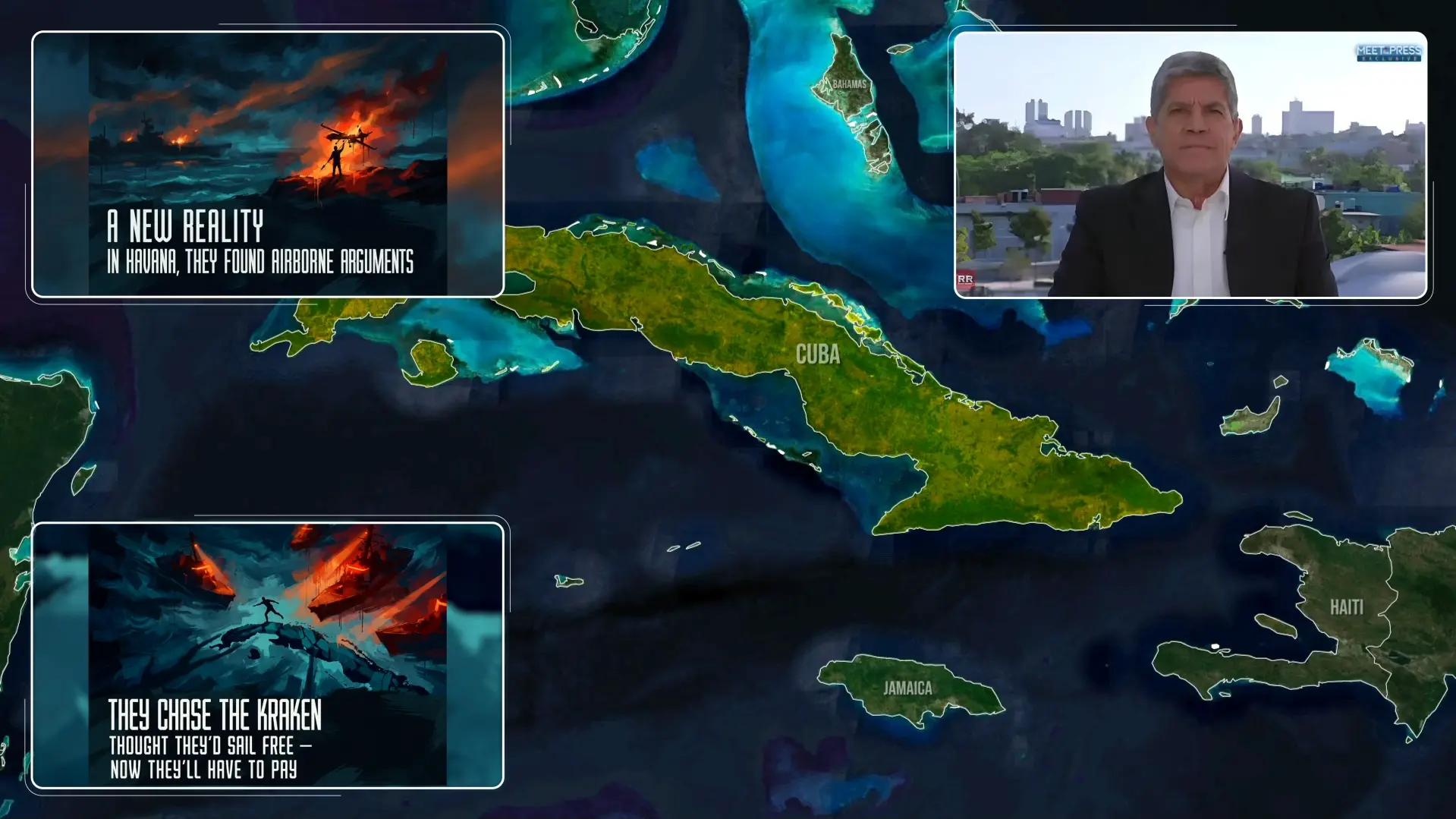
Cuba is preparing for what its leadership calls a real possibility of American military action rather than just another wave of diplomatic pressure. Cuban Deputy Foreign Minister Carlos Fernández de Cossío said the Cuban armed forces are ready to repel military aggression, while later reports described defensive positions being examined and wartime measures expanding, showing that Havana is turning its warnings into concrete preparation.
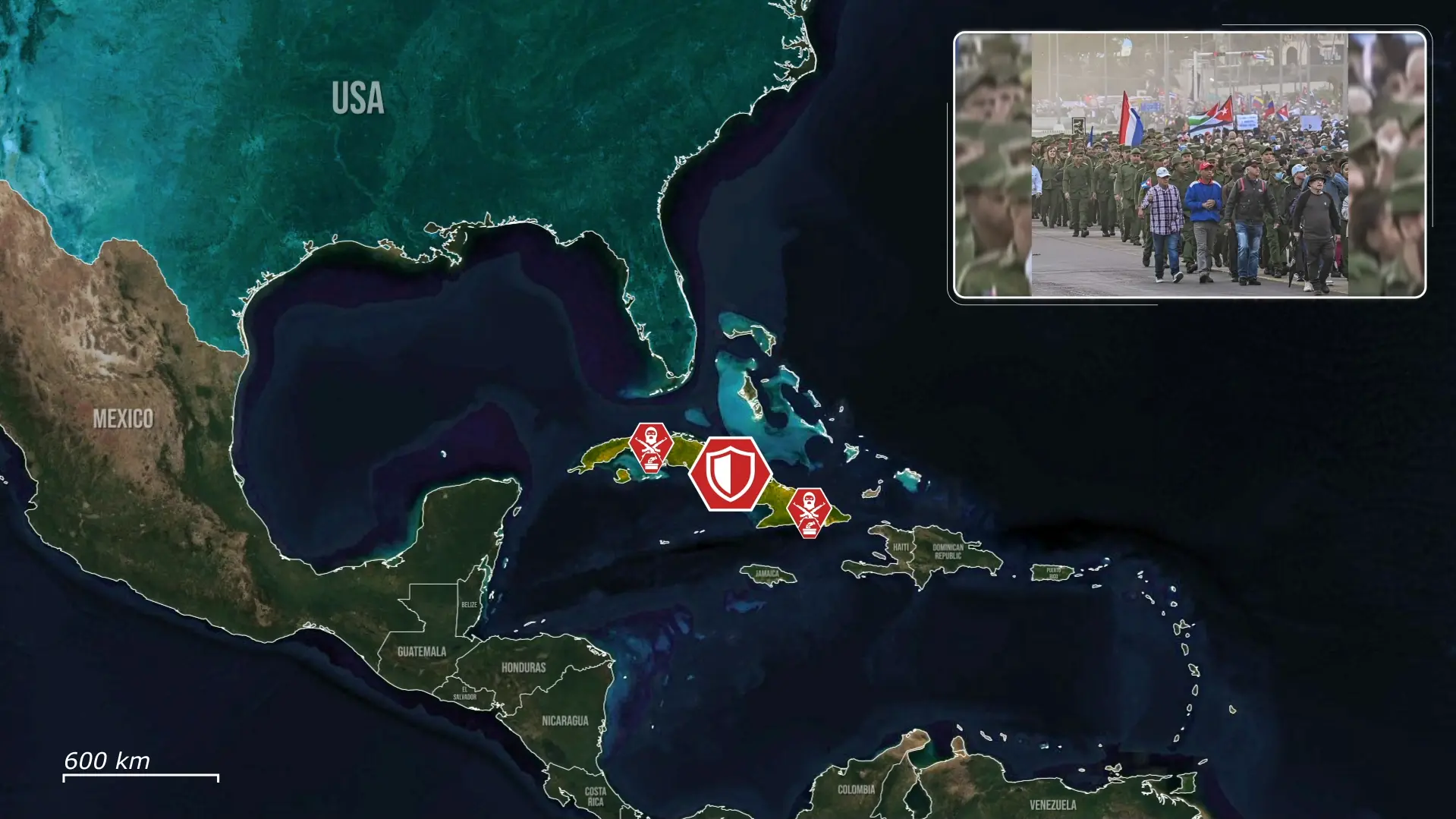
Cuba’s visible preparations also point to a broader defense logic centered on national mobilization rather than the regular army alone. Open source military estimates put Cuba’s active armed forces at about fifty thousand personnel, while roughly seven and a half million Cubans fall into the military age bracket. That means any attacker would face resistance far beyond the regular army, as a much larger share of society could be drawn into defense.
That wider approach was already visible in the large territorial defense exercises held earlier this year across Cuba as these were civilian military mobilization drills that brought soldiers, reservists, local defense units, and civilians into the same national defense framework. Cuba was testing whether it could organize the country for defense and keep key state functions operating under blockade, disruption, and external pressure.
That same preparation also extended into everyday life through information distributed to civilians for enemy strikes and possible invasion conditions, bringing war preparation directly into daily routines. People were reportedly told to prepare emergency kits, keep water, medicine, and documents ready, and learn what to do during air raids or serious injuries. This shows that civilians were being prepared for the practical realities of conflict.
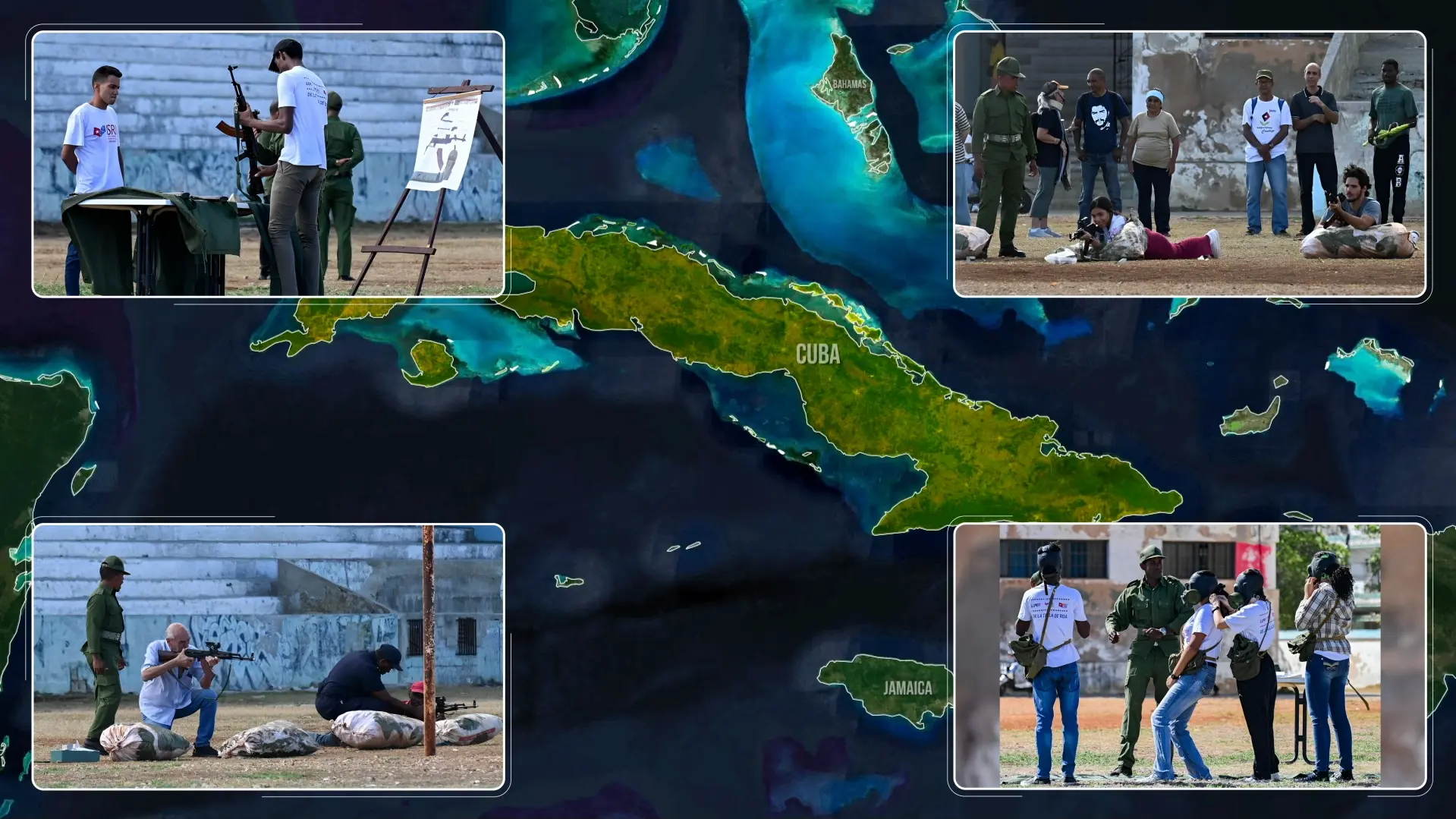
Cuba is now distributing weapons directly to civilians, marking the clearest escalation in its preparation cycle so far. Discussions of invasion logistics inside state buildings suggest that planning is no longer confined to the military, but is spreading into civilian institutions. This shows that civilians are no longer being prepared only to survive a confrontation, but are increasingly being instructed to take part in it if it arrives.
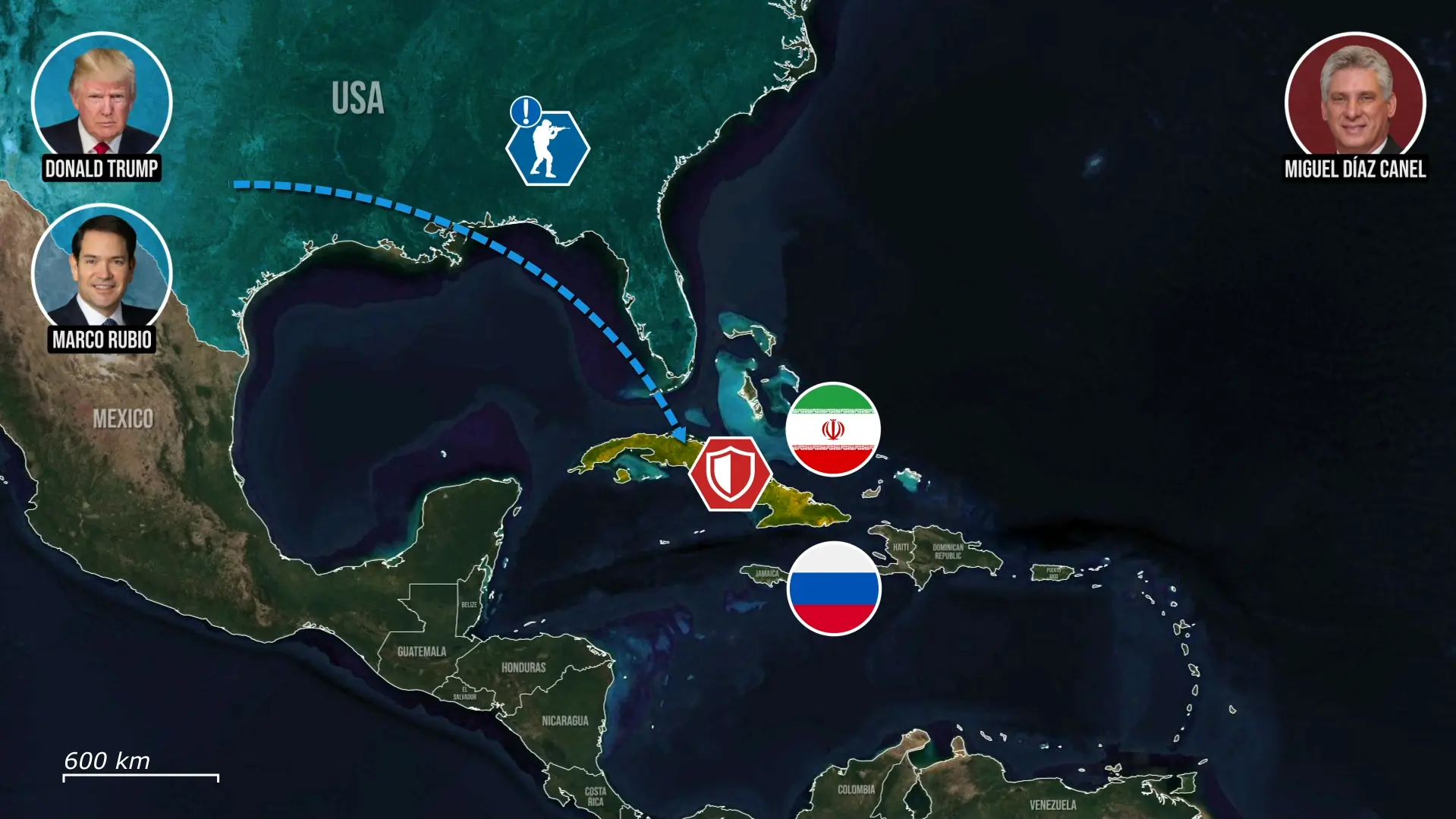
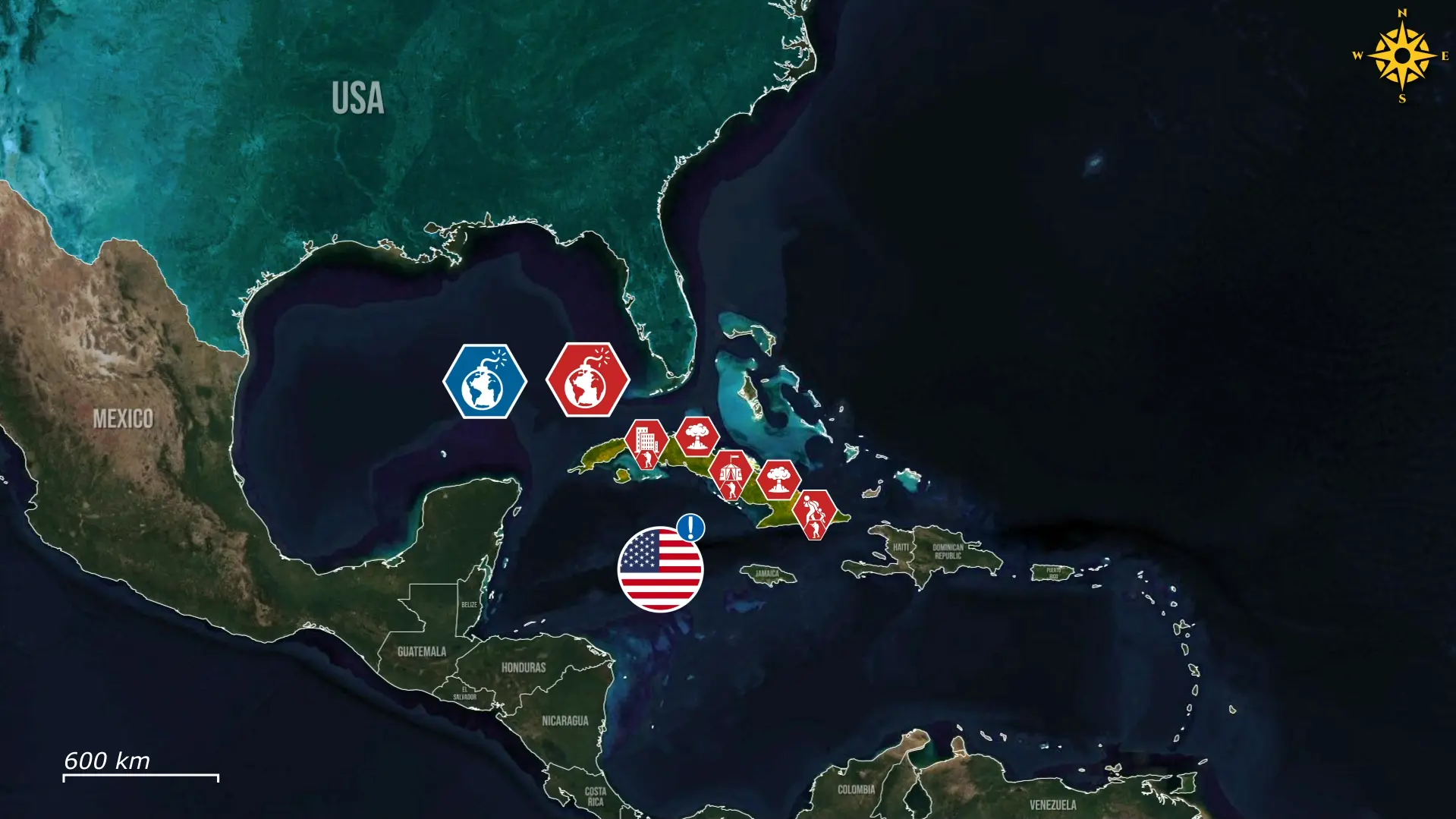
American pressure has intensified as Washington increasingly frames Cuba as both a political obstacle and a security concern, largely because Havana refuses major political concessions with the US and is deepening ties with Iran and Russia. Donald Trump and Marco Rubio then raised the possibility of military action more openly, which pushed the danger further out of the abstract and into Cuban planning. At the same time, President Miguel Díaz Canel has repeatedly said that Cuba is not seeking war with the United States, but is ready to defend itself if attacked.
This is what the Cuban government is trying to achieve by arming its people as part of a broader strategy of national defense and political survival. The goal is to prepare society for conflict in a way that makes escalation harder to control and much more difficult to reverse once it begins. Once weapons are distributed to civilians, the state is no longer preparing only for defense, but is restructuring society around the expectation of conflict. That changes the nature of any future crisis, because armed civilians introduce decentralized resistance and make escalation harder to manage from either side. At the same time, it also binds the population more directly to the state, because participation in defense becomes part of political alignment.
Overall, Cuba appears to be preparing not for immediate victory, but for a crisis that could become harder to control once both sides lock themselves into escalation. If this process continues, the island is likely to become more militarized internally, with civilian life, local administration, and urban infrastructure increasingly reorganized around defense needs. Arming civilians may strengthen deterrence by making any American intervention look bloodier, slower, and politically harder to sustain. But once a population is armed and organized for resistance, that process becomes much harder to reverse and pushes the crisis further toward escalation.

.jpg)

Comments