

.svg)
The Ukrainian attack on the warehouse belonging to the major Russian online retailer Wildberries in the Moscow Region was not an isolated strike. Instead it was the opening blow of a much larger campaign against the logistics system sustaining both Russia’s economy and its war.
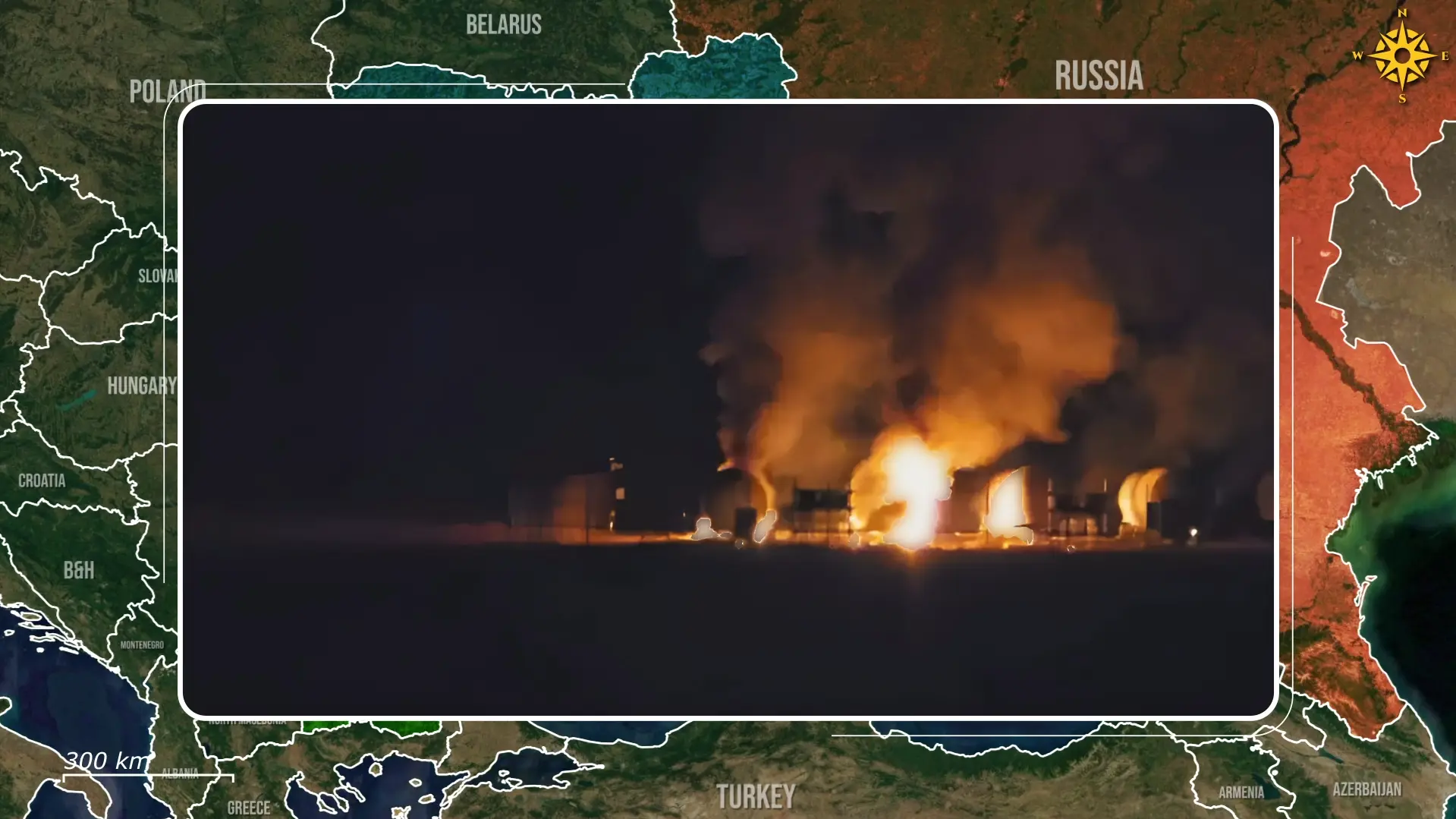
Ukrainian long-range drones penetrated deep into the Moscow Region and ignited a massive fire inside the distribution complex.
Videos showed flames consuming the building, walls collapsing, and workers fleeing into nearby parking areas as thick black smoke covered the site. The fire continued for hours because packaging materials, stored goods, and warehouse infrastructure fed the blaze faster than emergency crews could contain it. Subsequent satellite imagery confirmed that the complex was effectively destroyed, with the roof collapsed across most of the structure and extensive burn damage visible throughout the facility.
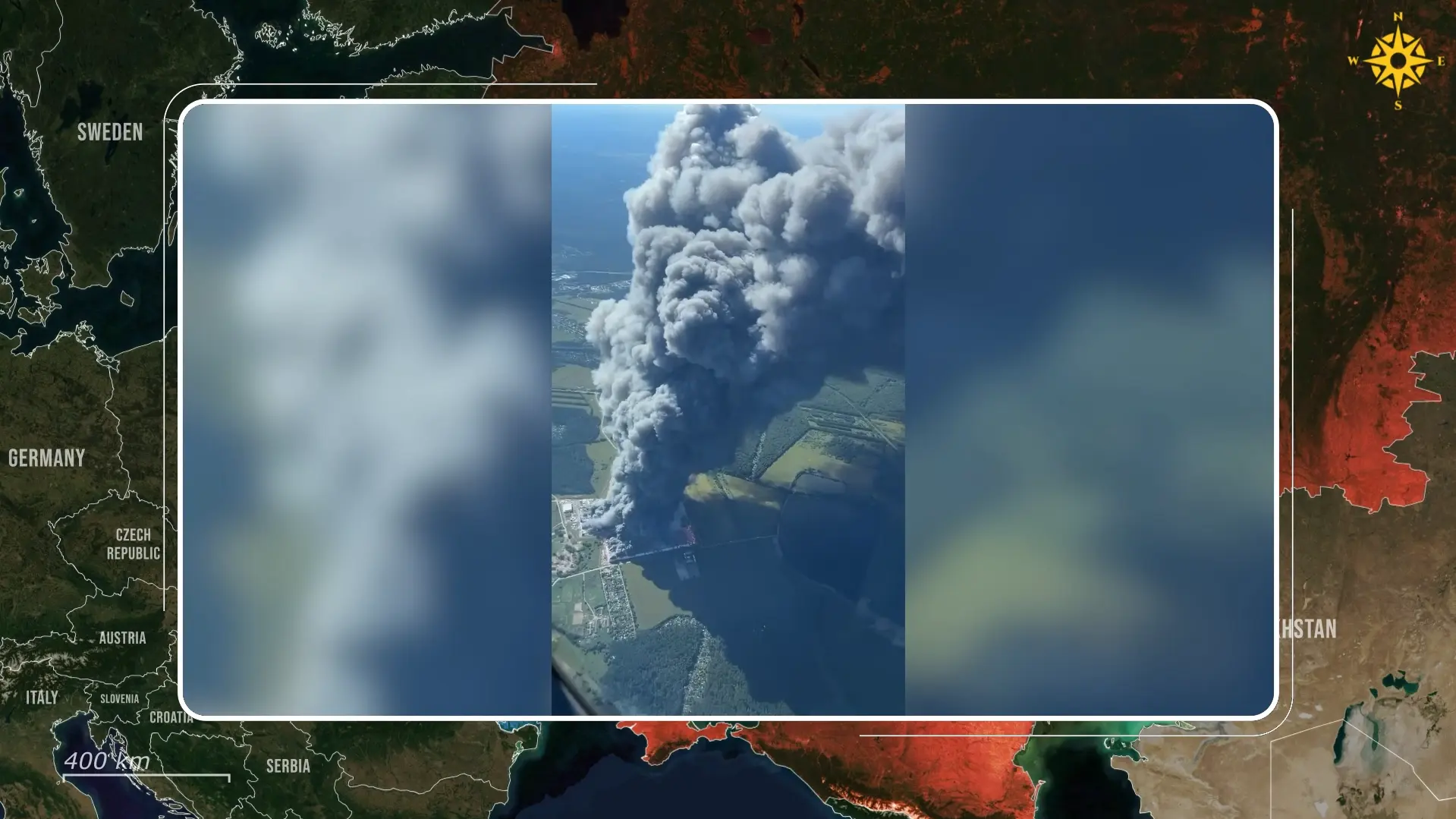
On the day of the first strike, another Wildberries warehouse was targeted in Kotovsk in the Tambov Region, suffering damage from the fires caused by the explosions. Follow-up strikes on July twentieth hit the Wildberries logistics complex at Koledino near Moscow, the company’s largest sorting center, while another major warehouse complex near Domodedovo was also burning on the same day after another Ukrainian drone strike.

Some analysts described the attack as retaliation for Russia’s repeated strikes against post sorting terminals, depots, and parcel collection points across Ukraine. Wildberries is Russia’s largest online marketplace and operates an enormous, centralized warehousing and distribution network, making the comparison obvious. However, Wildberries takes orders and delivers to Russian positions, distributing radios, body armor, drone components, electronics, sanctioned goods, volunteer aid, and other dual-use materials used by Russian troops and defense manufacturers.

However, the Ukrainian objective is broader than simple revenge, as Kyiv is not merely responding warehouse for warehouse, but beginning to dismantle Russian logistics systematically, targeting storage centers, sorting hubs, transport nodes, fuel infrastructure, and distribution networks that connect civilian commerce with military supply.
That distinction is critical because Russia depends far more heavily on centralized warehouses and Ukraine has now started targeting them one by one. Combined with previous attacks, four of roughly twenty logistics hubs larger than fifty thousand square meters in European Russia have already been struck. Wildberries alone may have lost around one-quarter of its storage capacity, while Moscow and the surrounding region have effectively lost much of their logistics capacity.
The remaining sixteen major hubs therefore become obvious future targets. Ozon, Russia’s second-largest online marketplace and Russian post facilities, may temporarily absorb some displaced cargo, but that would only concentrate more traffic, goods, and military-related supplies inside its own facilities, making it the logical next target.

Destroying the largest facilities would overload smaller centers, delay deliveries, paralyze regional distribution, and inflict enormous losses on merchants. Estimates suggest the destruction of two major Wildberries warehouses alone could generate losses exceeding one billion euros. At the same time, ordinary Russians using the platform as independent sellers will bear much of that cost because the recently adjusted Wildberries contract terms exclude liability for losses caused by drone or missile attacks.
Ukraine can exploit these vulnerabilities because Russia has already concentrated much of its air defense around oil refineries, after long-range Ukrainian strikes disabled around forty percent of Russian refining capacity, forcing Moscow to transfer many of the remaining air defense systems to protect the energy sector while leaving warehouses, factories, and logistics terminals exposed. With these targets now an easy prey, every new successful Ukrainian strike also increases insurance costs, dispersal requirements, and public anxiety nationwide across Russia, which is already affected by the continuing fuel crisis.

Overall, Ukraine is opening another front against the infrastructure supporting Russia’s war, targeting the country’s largest warehouses individually until disruption becomes paralysis. Although this is only the beginning, the consequences will reach far beyond military supply. Fuel shortages are already affecting daily life; delayed parcels, destroyed inventories, failed businesses, and rising prices will now spread the cost further. Ordinary Russians and small online merchants are being forced to pay for facilities used to sustain Putin’s war. No matter what Russian officials promise now, Russian life will not return to normal, because Ukraine’s campaign is designed to ensure that the logistical foundations of that normality collapse alongside Russia’s military supply system.


.jpg)

Comments