

.svg)
In this video, we will analyze why Cuba is getting Russian long-range drones.
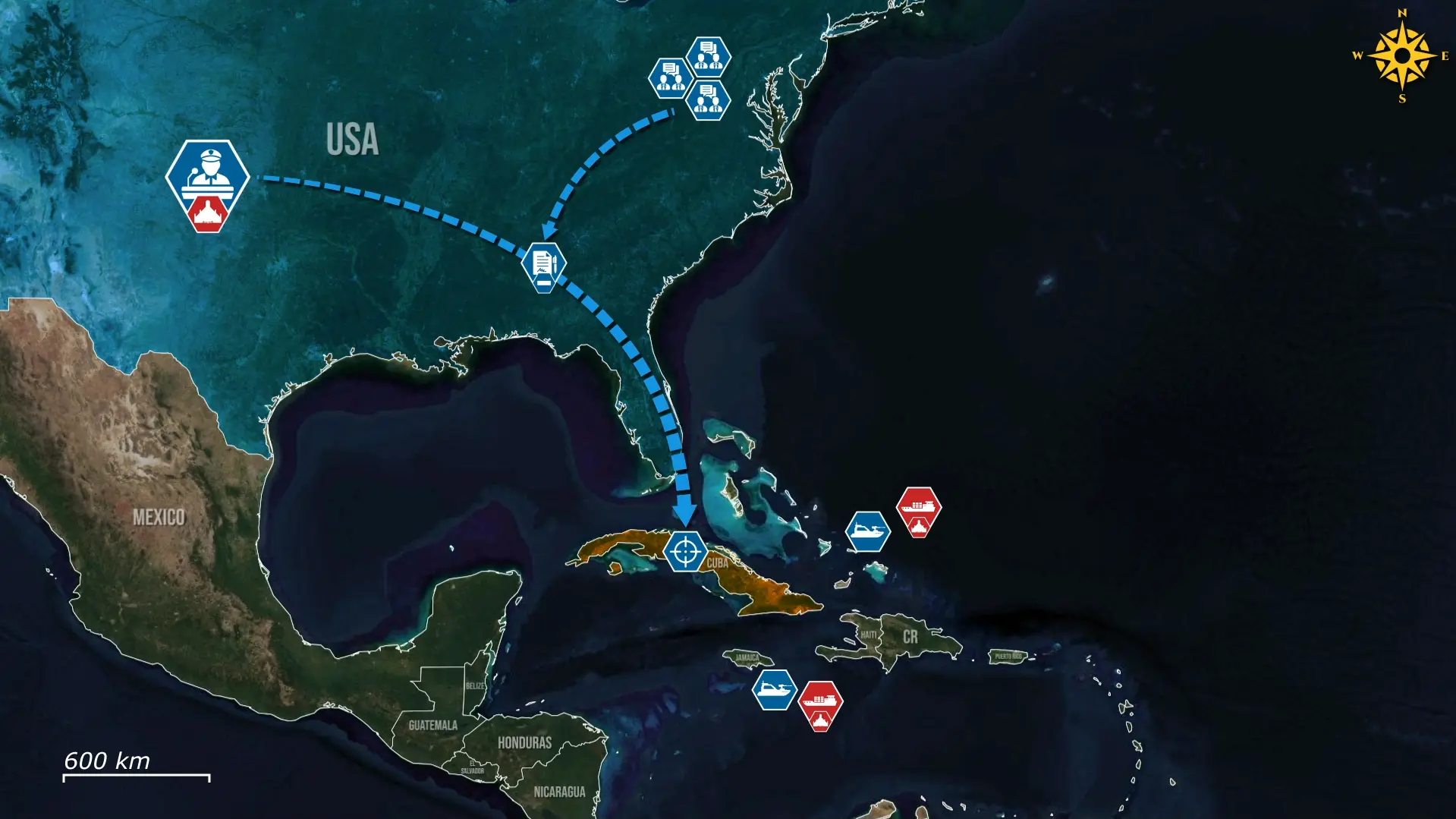
The United States has gradually increased pressure on Cuba, as US officials amplify the rhetoric that Cuba poses a national threat to the United States. However, the Russian transfer of drone capabilities to Cuba might turn what seemed like political theater into a sound new military threat for the US.
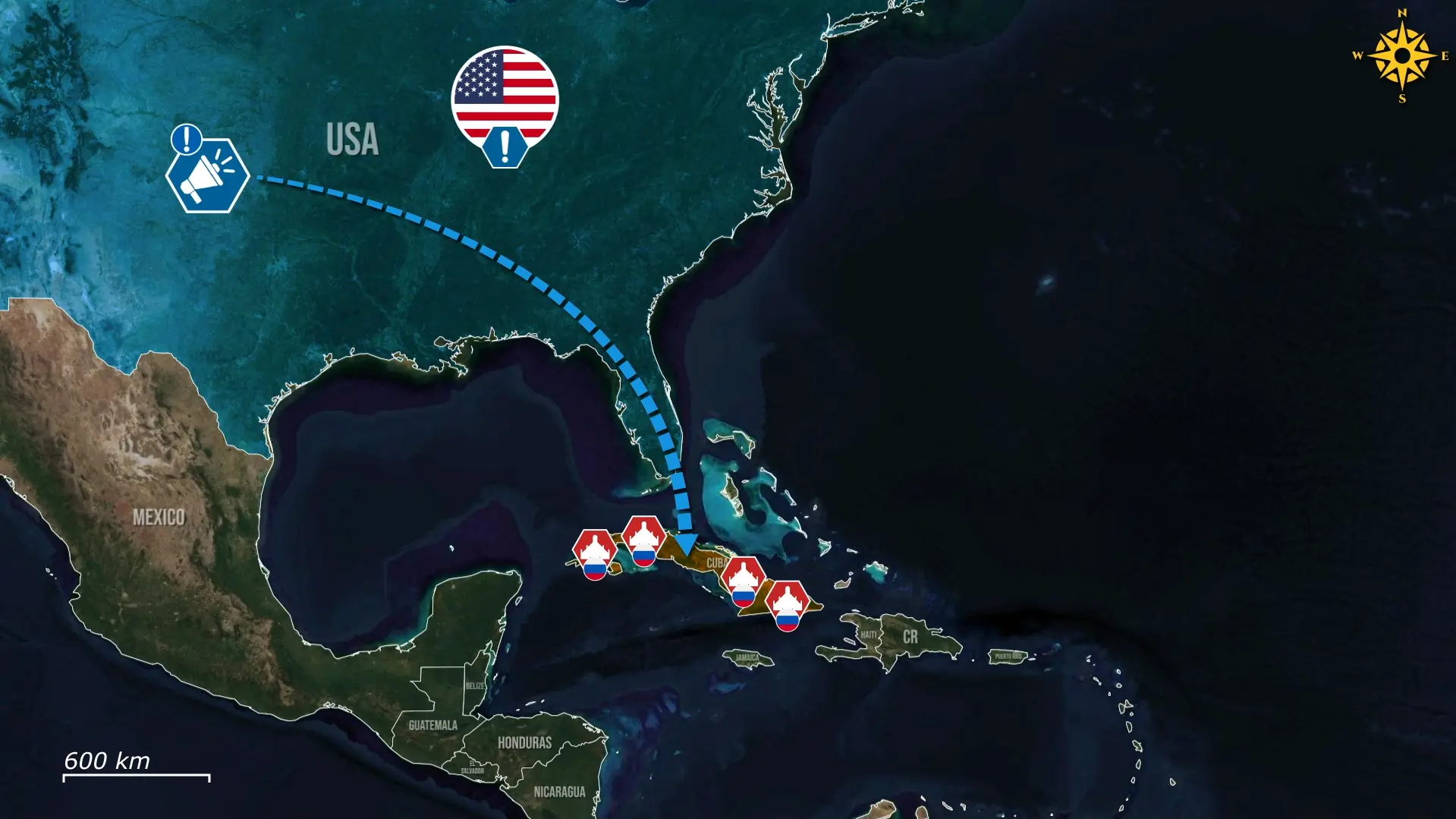
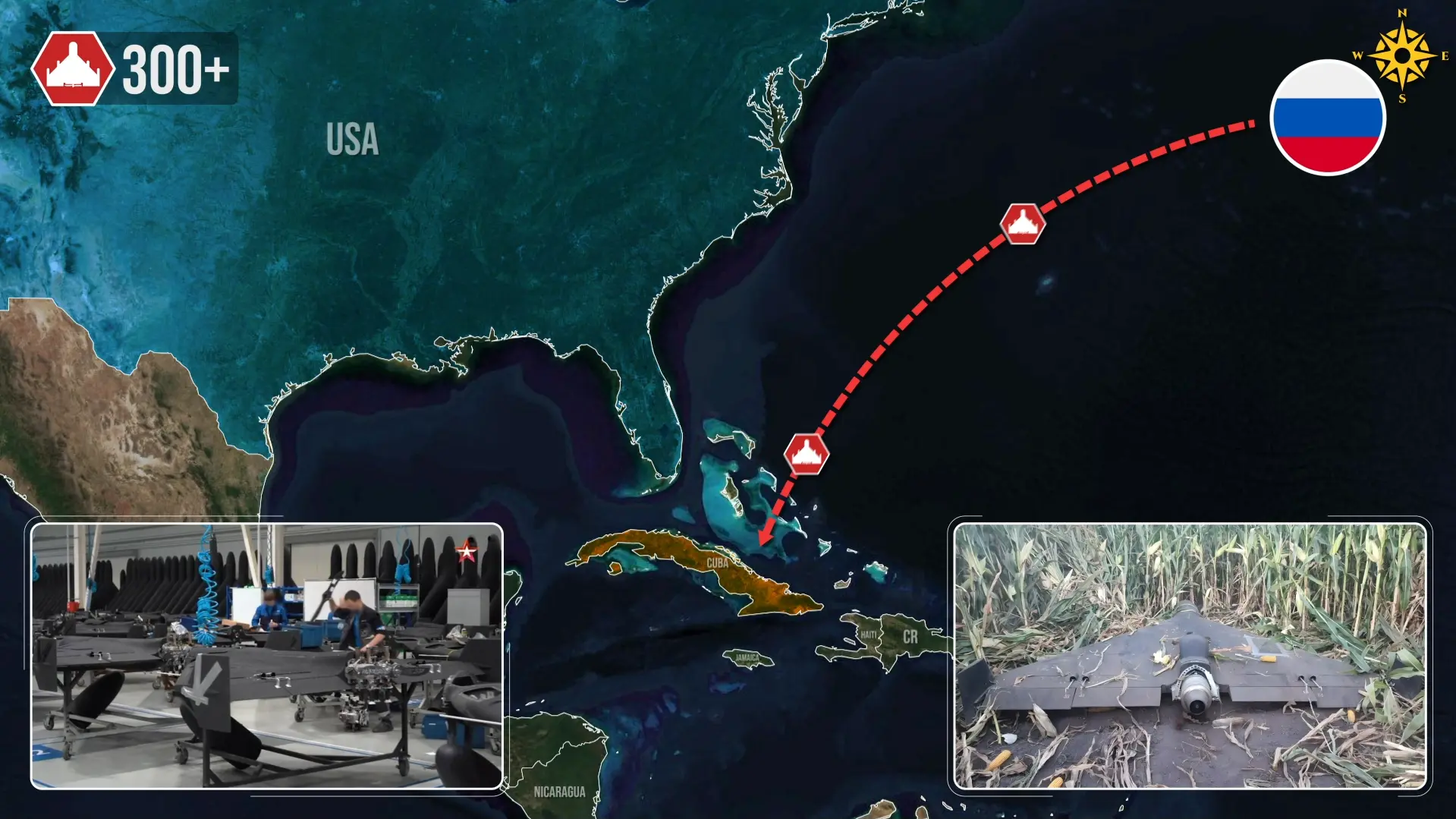
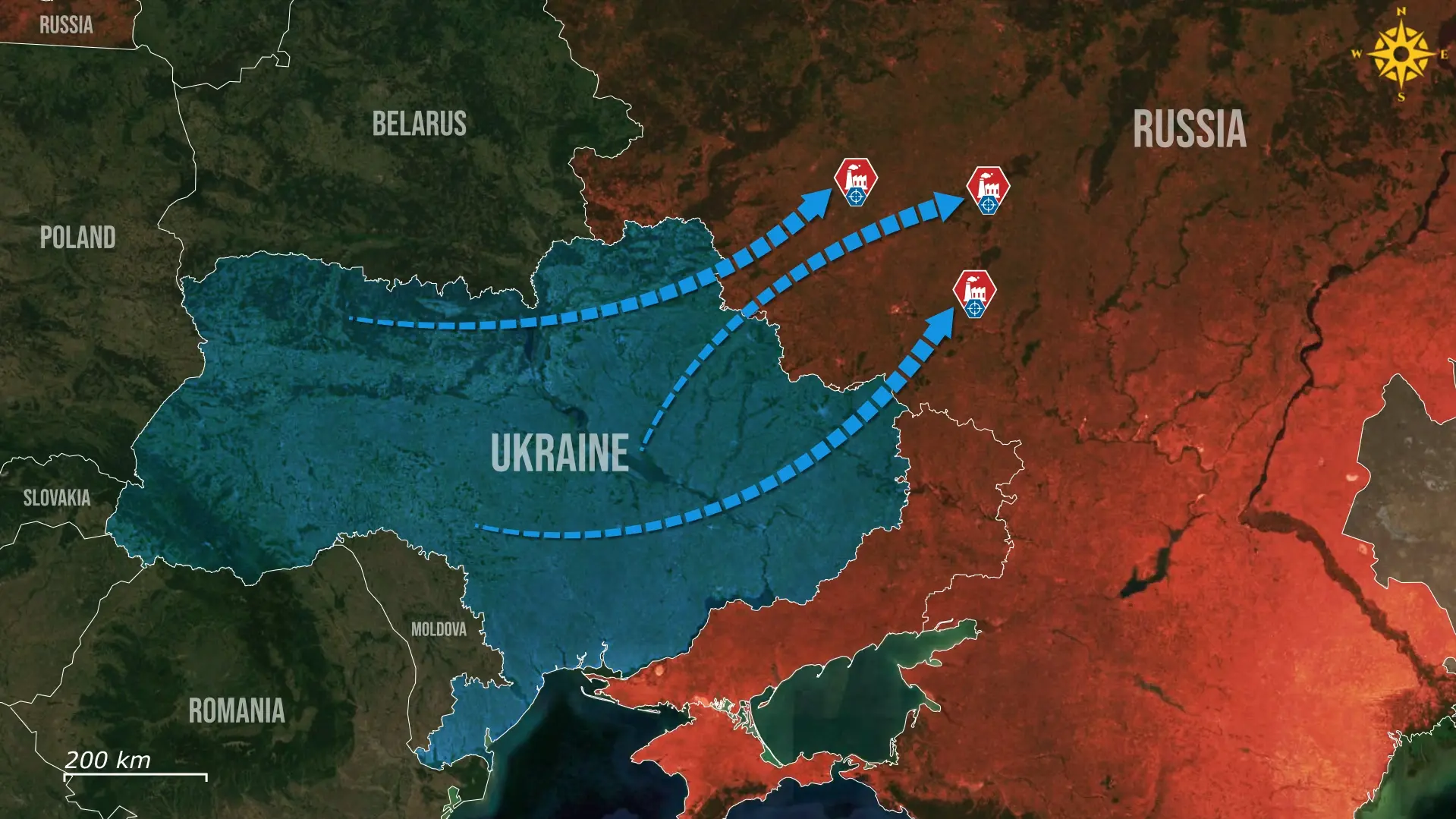
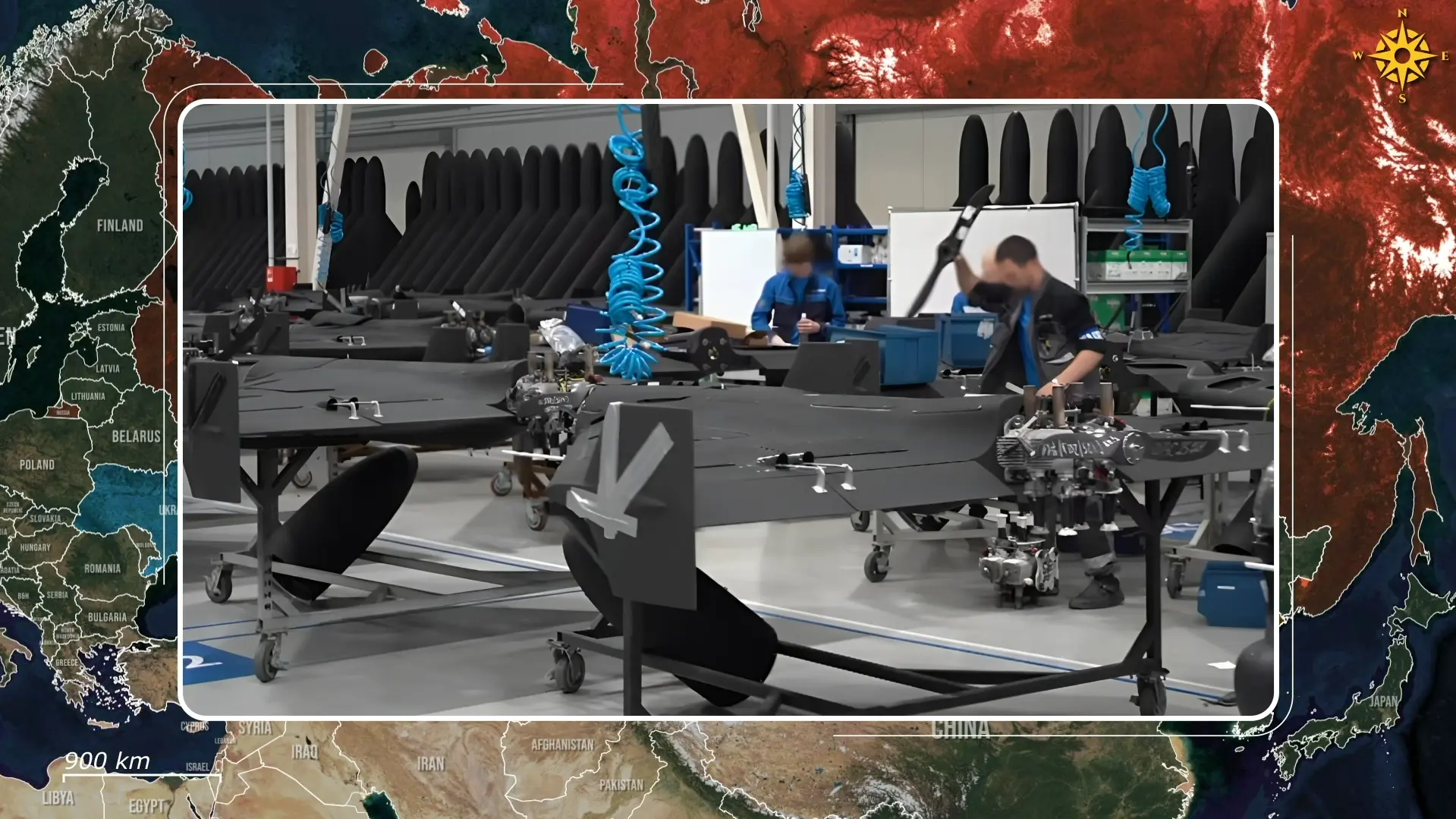
Cuba’s close ties with the Russian state might have gone further recently with the acquisition of more than three hundred Shahed‑type attack drones from Russia, extensively used in the war against Ukraine. Russia has spent years refining the Iranian Shahed line into its improved version, known as the Geraniums, enhancing navigation, speed, range, countermeasures, and payload capacity. These long-range drones are not simply one of the many one-way munitions in Russia’s arsenal but have evolved into the main weapon that Russia uses to conduct strikes on Ukrainian cities and infrastructure. Although rumors of Cuba obtaining Shahed drones from Russia and Iran have circulated since 2023, now they sound more substantiated as a natural response to sustained US pressure and embargo, which have left Cuba trapped in a permanent energy deficit. In fact, the US has kept raising the pressure using sanctions, oil and fuel embargo, ship inspections, and loud public warnings to other countries to isolate the island, hoping to force political change.
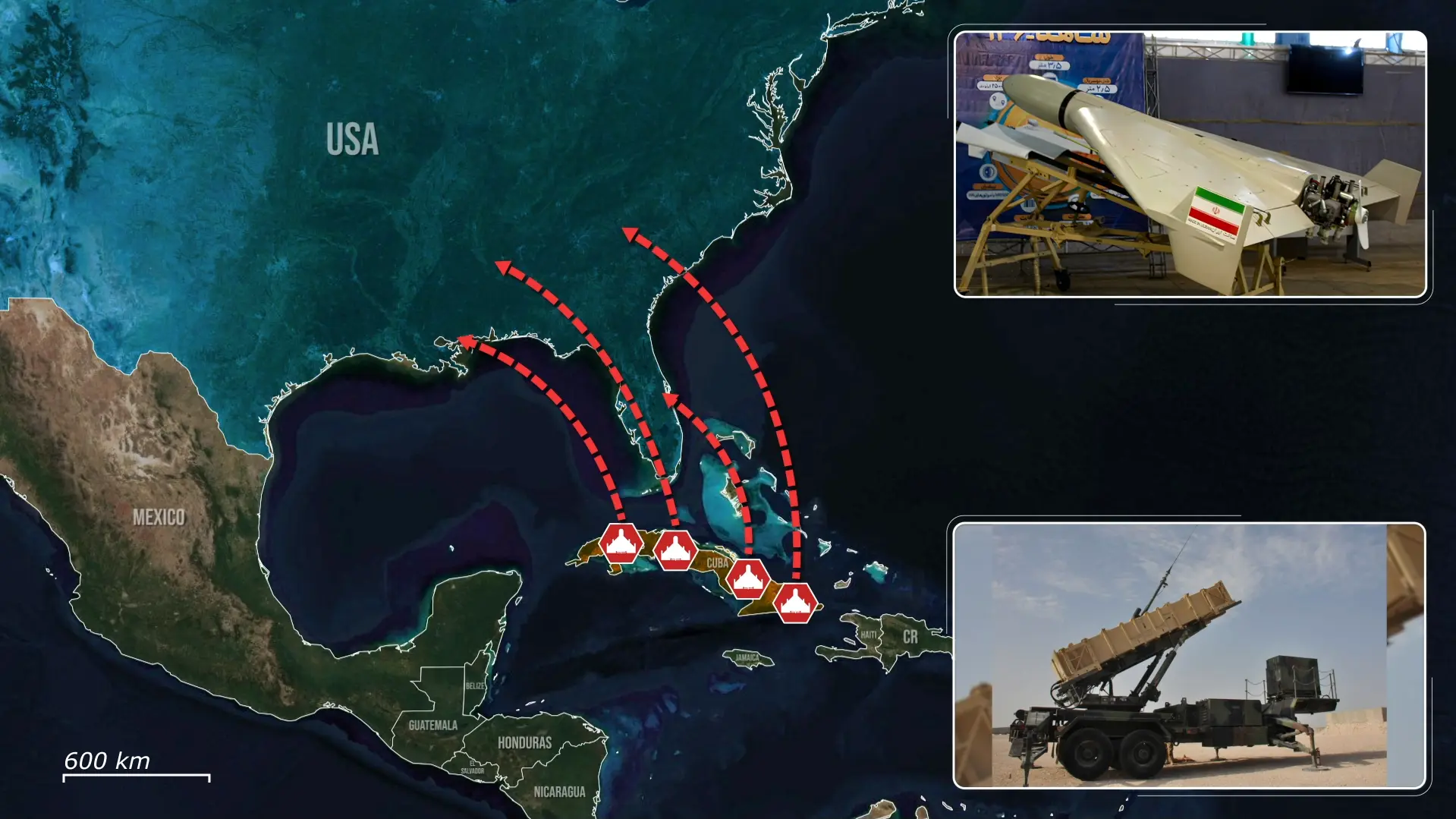
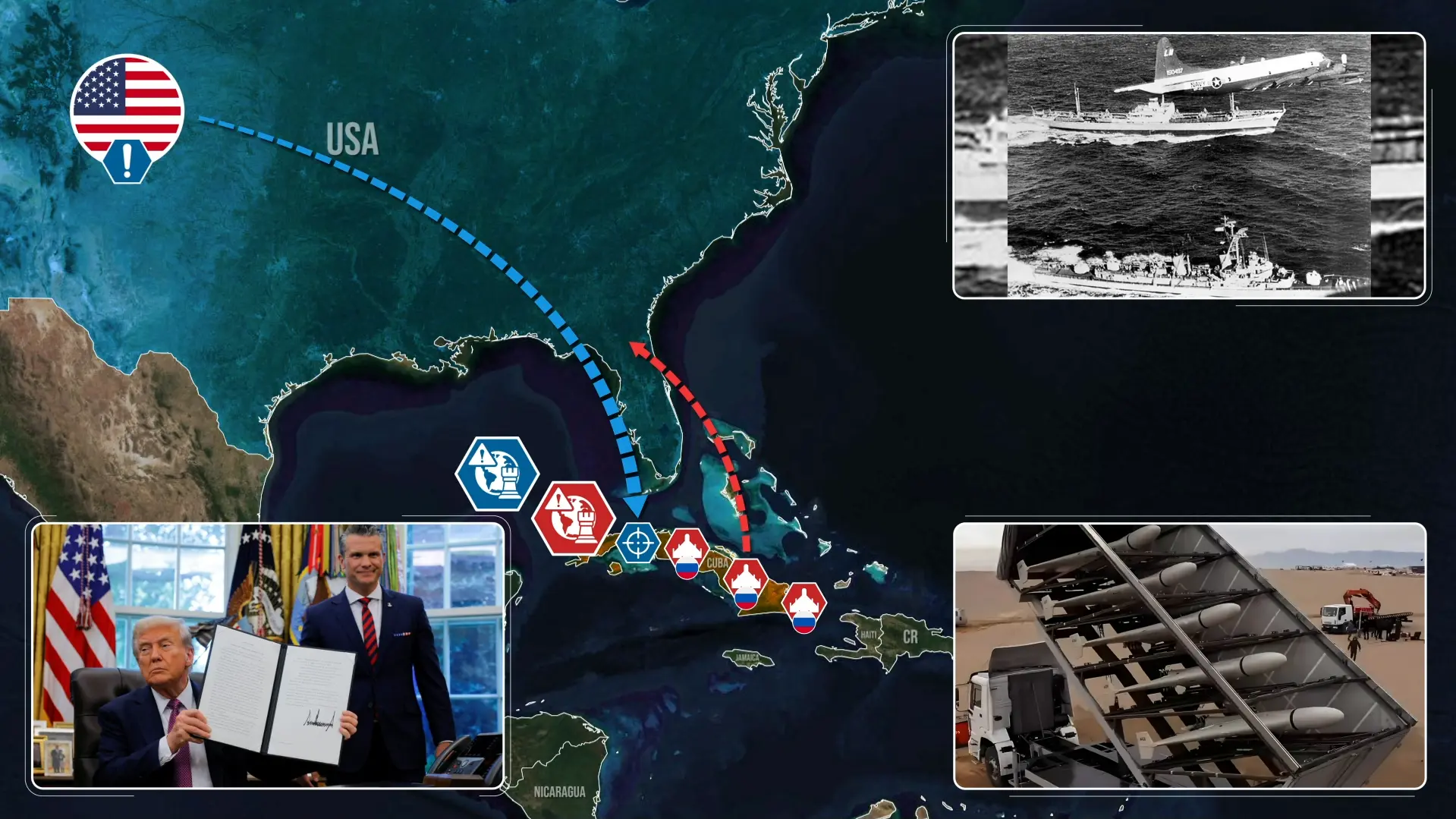
The acquisition of advanced Shahed-type drones by Cuba is an important development because it poses a real threat to US mainland territory, giving Cuba an opportunity to regain some leverage. The Shaheds have already been instrumental in causing havoc against US bases in the Gulf, as the United States proved to be unprepared to face such a threat sustainably, without using much more expensive patriot missiles. This means that if Cuba has received even a limited batch of Shahed drones, it would mark the first time that the US faces a threat that it has until now proved unable to counter so close to its territory. A Shahed launched from Cuban territory with an average payload could travel up to about two thousand kilometers, which is enough to reach large parts of the southeastern US and several major population centers well beyond the coastline.
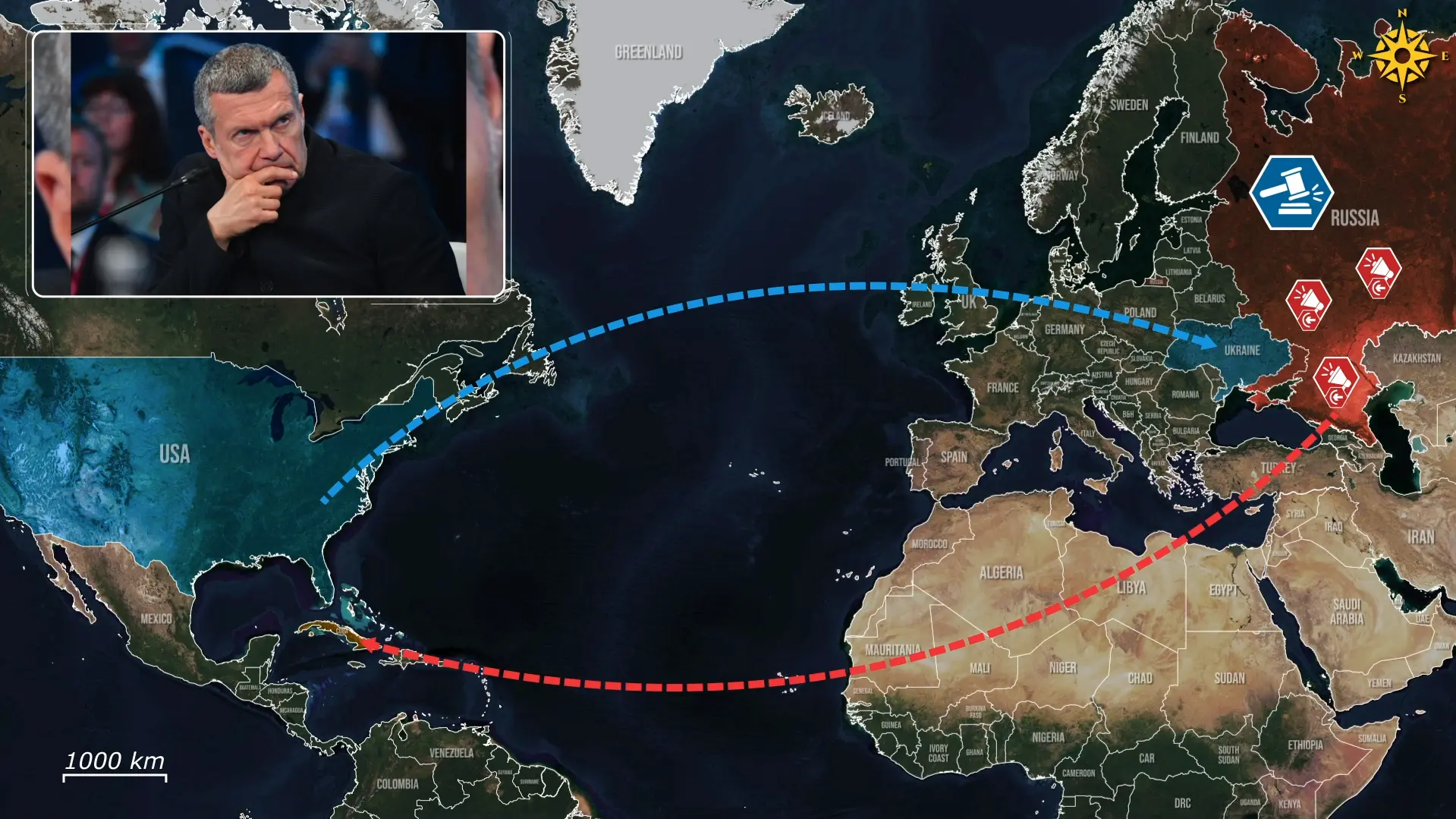
Although Russian officials publicly deny any transfer of advanced drones to Cuba, their media ecosystem tells a different story. The difference is remarkable as commentators, state‑aligned analysts, and military influencers openly praise the idea of arming Cuba with systems such as the Geranium drones that could counter-pressure the United States. They frame it as a response to US support for Ukraine and sanctions against Russia, pointing to Cuba as a place where Russia can help an ally stay independent. These remarks, as relevant, consider that when Russia wants to act without taking direct responsibility, it often speaks through its media ecosystem rather than its diplomats.
In the meantime, the United States has already extended the order to detain and inspect all the vessels heading to Cuba. This could be a sign that the US expects more than routine cargo, and it aims to intercept weapon shipments such as the Shahed drones before they are deployed. However, these inspections could also serve the scope of continuing the pressure strategy on Cuba, which, in combination with this newly declared drone threat, might escalate into a broader military action against the regime. Critics of this potential path have already voiced concerns, as more than thirty US congressmen have sent a letter to the Trump administration, urging a categorical refusal of a military operation in Cuba.
Overall, the possibility of Cuba receiving advanced Shahed drones from Russia arrives at a moment when tensions between the US and Cuba are already rising, adding another layer of urgency. The setup carries a clear echo of the old missile crisis of the Cold War, because once again, the US faces the prospect of a nearby island gaining the capability to reach deep into its territory. The difference today is that the threat comes from cheap long-range drones instead of nuclear missiles, but the strategic impact remains significant. Furthermore, as the US administration is currently attempting to recover from the failed regime change in Iran, the diversion to another potential threat closer to home increases the chances of escalation with the intent to obtain a quick political victory.

.jpg)


Comments