

.svg)
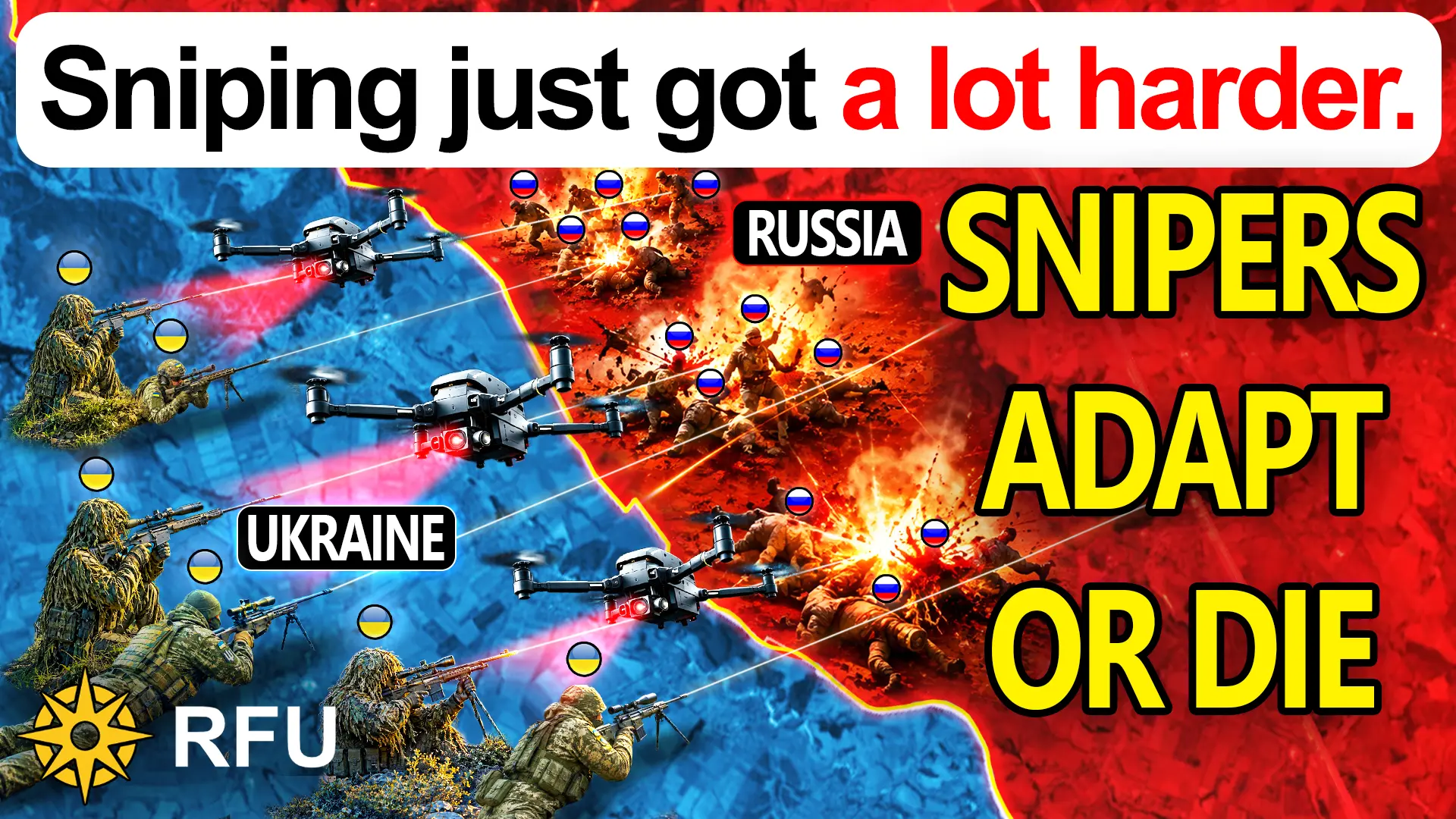
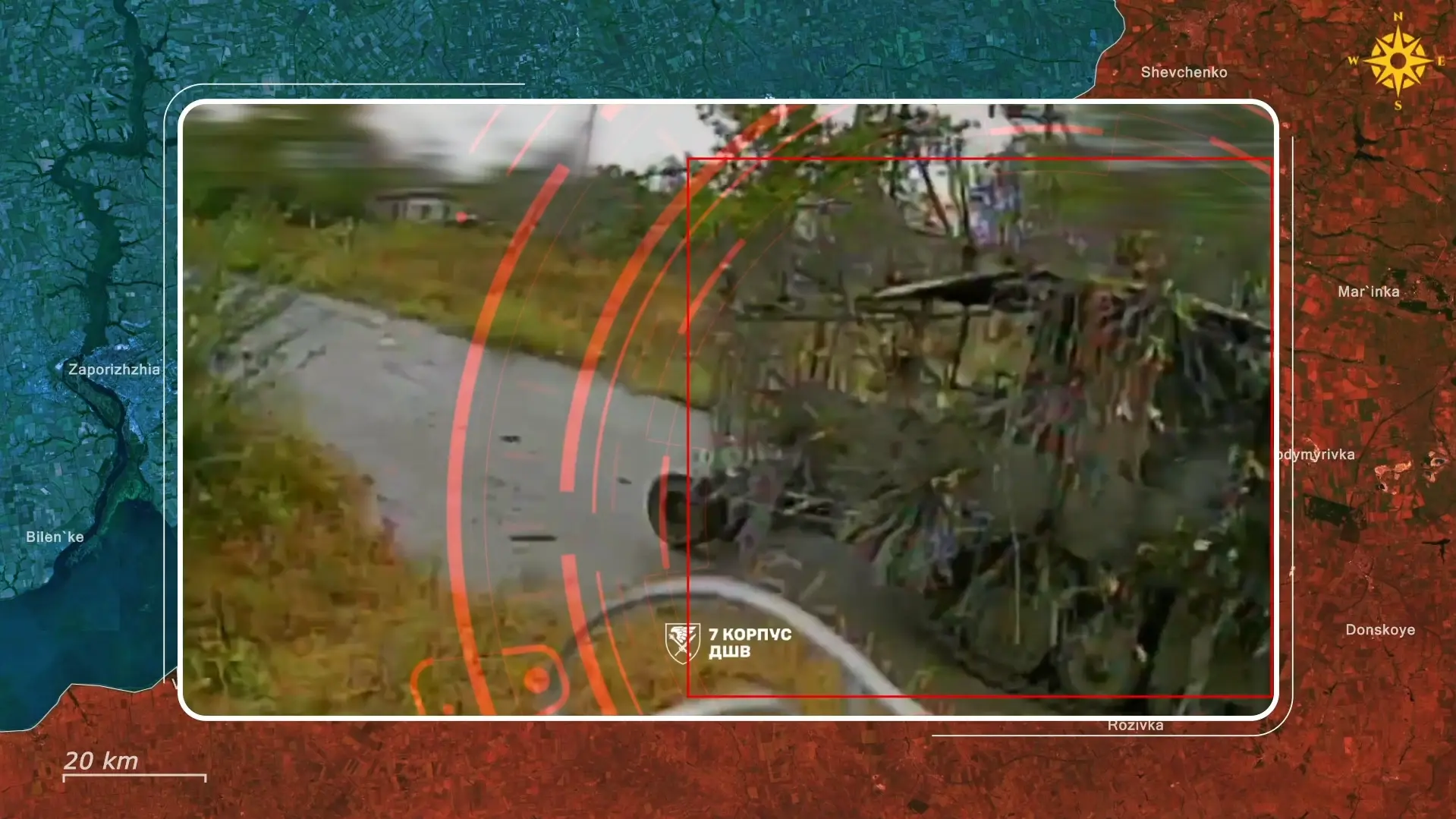
The battlefield has changed and Ukrainian snipers are changing with it. In training demonstrations, instructors from Ukraine’s Khartiia National Guard Brigade show a form of sniping that looks very different from the textbook image of a marksman hidden in a carefully prepared position. The examples are striking, as snipers are shown firing from rooftops and even operating from beneath a vehicle. The point is not that these positions are replacing traditional sniper hides, but that the range of places from which a sniper may have to operate has expanded.
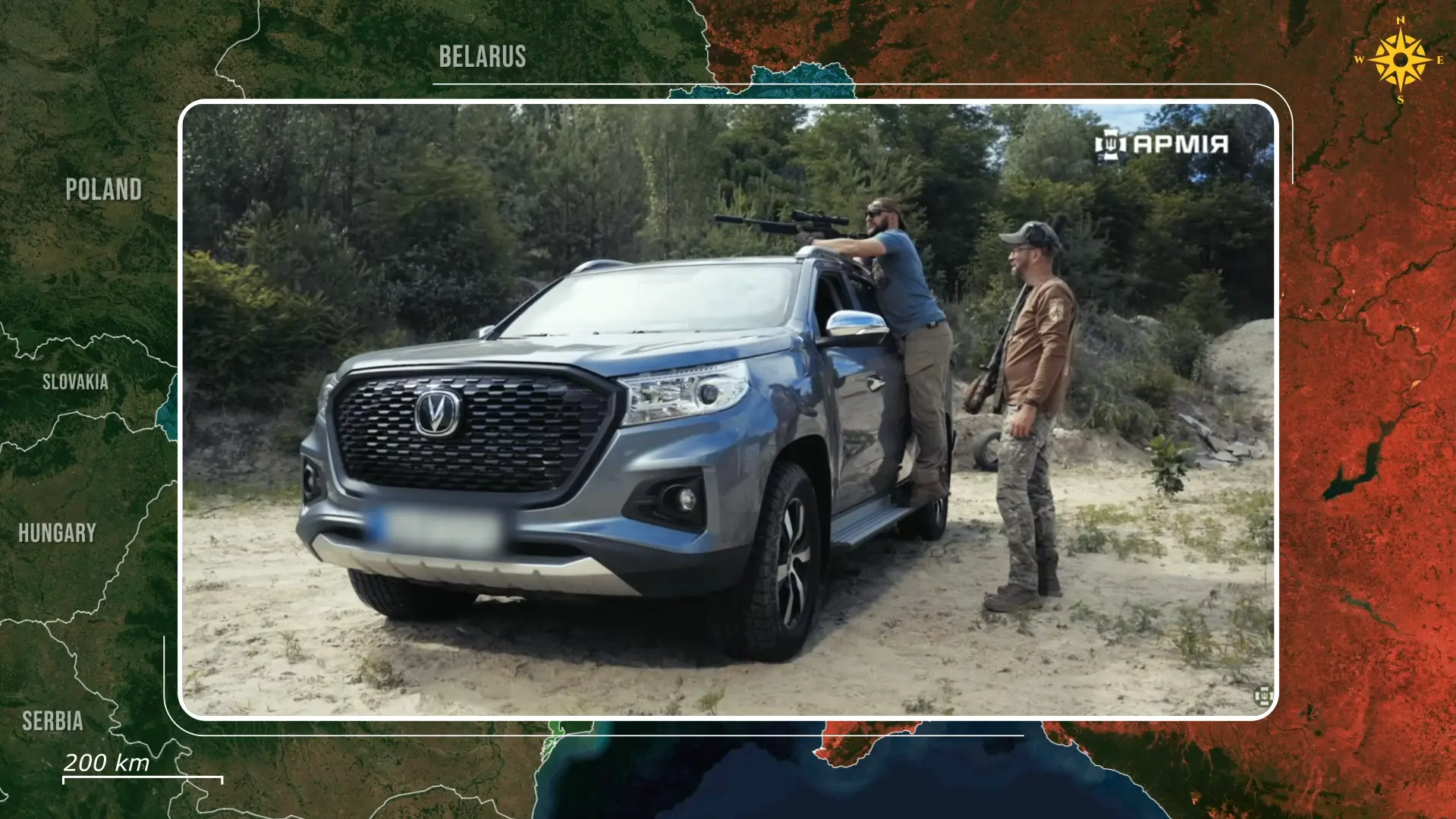
This reflects a battlefield where remaining in one predictable position can be increasingly dangerous. For snipers, that means concealment can no longer depend simply on staying still and waiting, as the old image of the sniper patiently disappearing into one carefully prepared position is becoming harder to sustain. Instead, the demonstrations point toward a more fluid reality in which survival increasingly depends on shifting positions and avoiding predictable patterns. Sniping remains relevant, but the conditions under which a sniper can survive and operate effectively have become much harder.
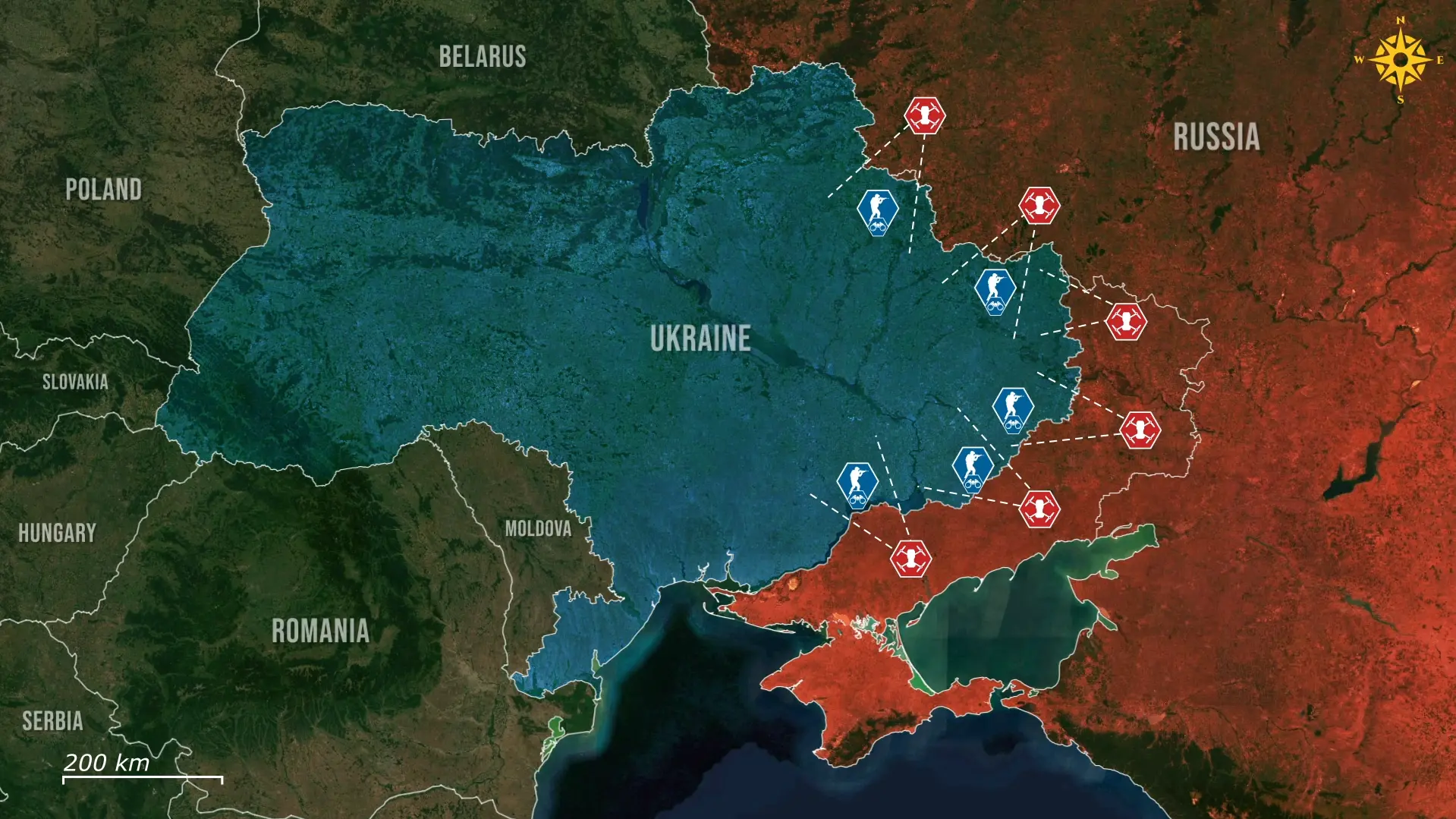
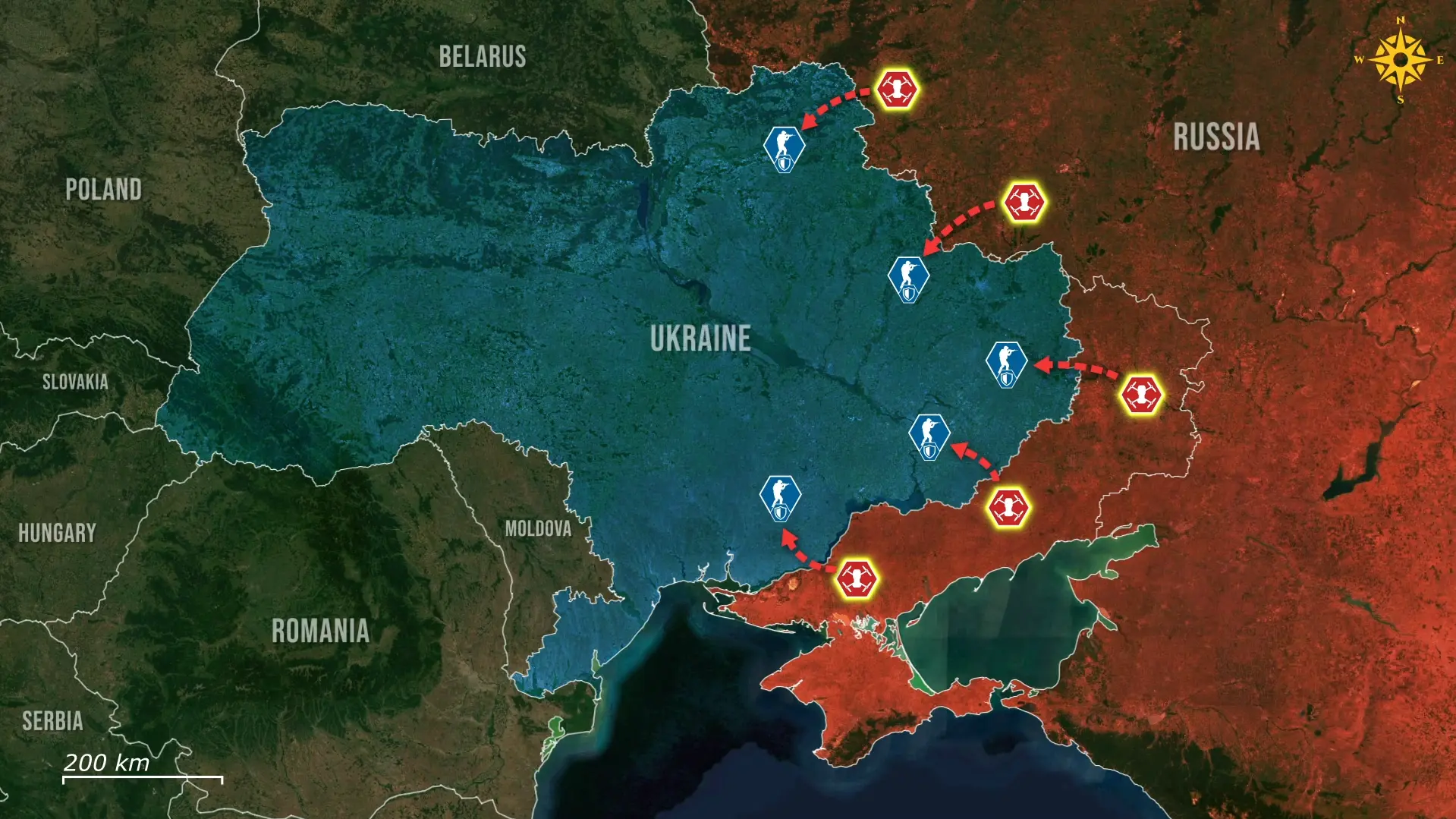
The reason for the change is simple, as drones have made it far harder to remain hidden on the battlefield. Small reconnaissance drones can constantly search the ground, while strike drones can quickly attack anything they detect. A sniper who remains in one position for too long risks being found and targeted from above, forcing a much more mobile approach to traditional concealment. Traditional sniping still depends on finding a concealed position and waiting for the right moment to fire, but remaining there for too long can now become a liability. The sniper therefore has to think differently, because concealment is no longer only about disappearing into one carefully prepared hide. Now, it is also about avoiding patterns that a drone can observe and exploit. This is why Ukrainian instructors demonstrate positions that would once have looked unusual. A rooftop, a piece of cover, or the space beneath a vehicle can become useful if it allows a sniper to appear where an enemy does not expect them. The consequence is straightforward: snipers have to adapt or risk being detected and killed. As drones become more pervasive, the challenge is not that snipers must suddenly learn to move and improvise, but that predictable movement and familiar positions are now punished far more quickly and aggressively.
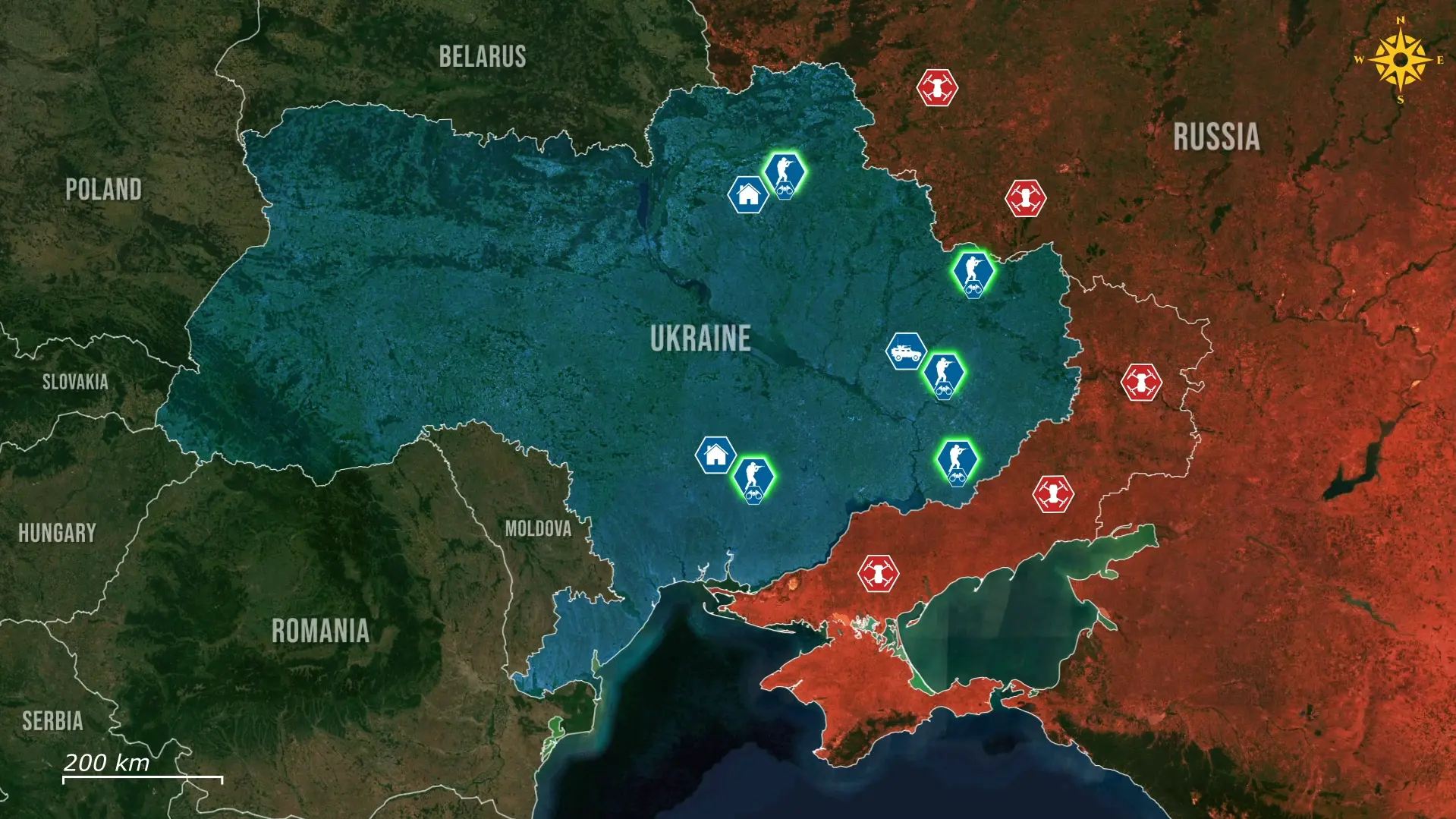
This change is also reflected in the experience of former US special operations personnel who have trained and fought alongside Ukrainian forces. One former US Special Forces operator, Matthew Creedican, described how the growing presence of drones has fundamentally changed the way snipers operate. He recalled that during the battle for Bakhmut, drones were already constantly overhead observing positions and directing artillery fire, adding a persistent aerial threat to the dangers snipers faced on the ground. Another former US special forces operator, known by the call sign Xen, said that by two thousand twenty four, Ukrainians had become world leaders in drone warfare, yet this same transformation had made traditional special operations missions increasingly difficult. Snipers and small teams could no longer move or operate with the same freedom because drones made their movements easier to detect and their positions easier to target. For snipers, concealment and patience remain essential, but the ability to stay in a fixed position for extended periods without being detected is becoming increasingly difficult. The challenge now includes operating under persistent aerial observation, where detection from above can happen at almost any moment.
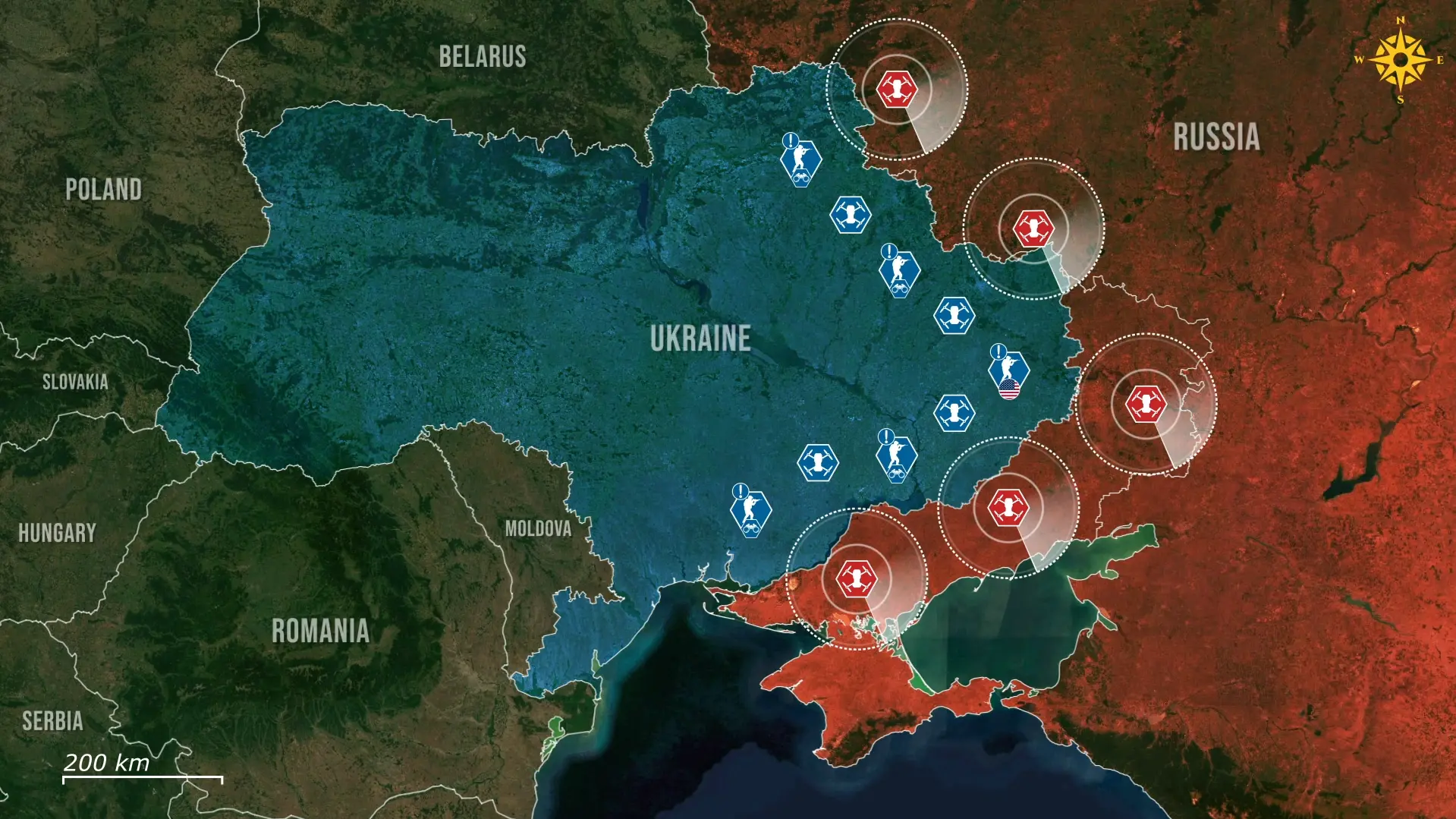
Overall, the rise of drones is not simply making sniping more dangerous but changing the conditions under which snipers can operate effectively. Persistent aerial observation is making static, predictable concealment harder to sustain, forcing snipers to combine traditional concealment and patience with greater movement. This reflects a broader transformation of the battlefield, where even highly capable Ukrainian forces must continually change their methods as technologies they have mastered also make traditional combat roles harder to perform. For Ukrainian snipers, adaptation is no longer simply an advantage or refinement of established tactics, but a basic requirement for survival and effectiveness on the modern frontline
.jpg)

Comments