

.svg)
Today, the biggest news comes from the Ukrainian frontlines.
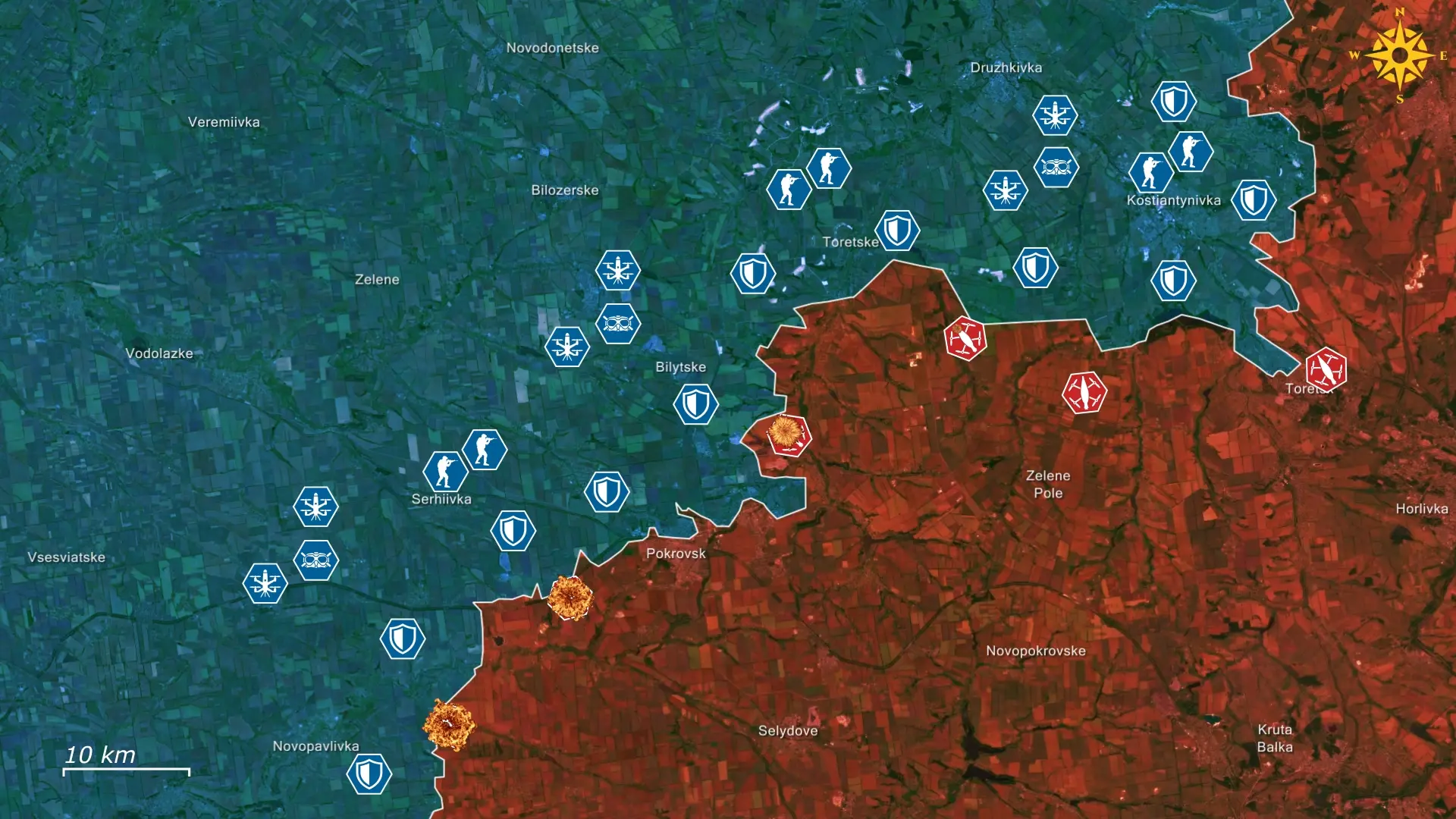
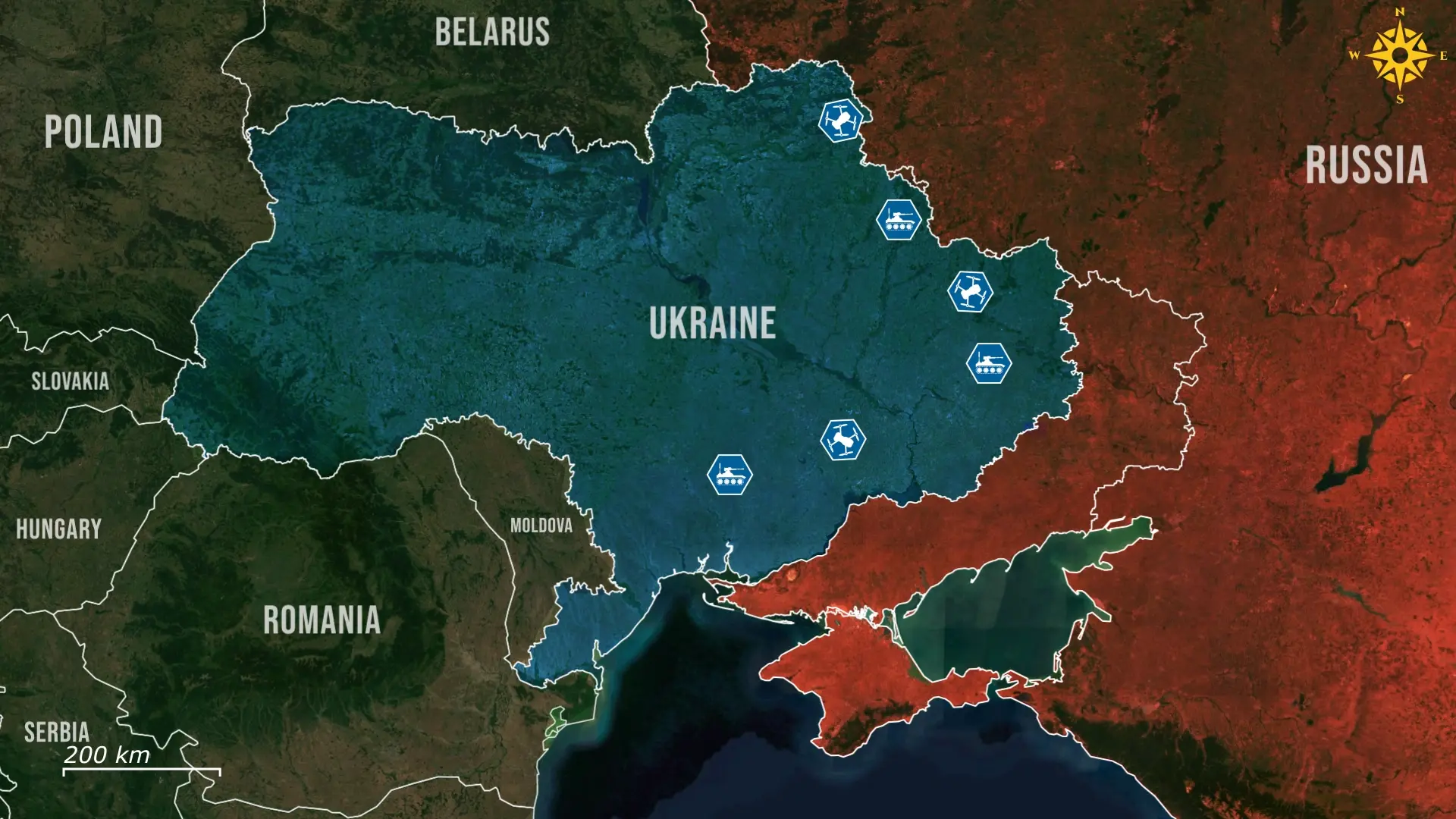
For months, attack drones ruled the air above the trenches, where survival meant staying hidden and hoping the sky stayed clear. Now the shift is in how that threat is handled, as Ukraine deploys dedicated drone-hunting teams that systematically track and intercept enemy drones, turning the frontline sky into a truly contested space, covering for the ground operations unfolding below.
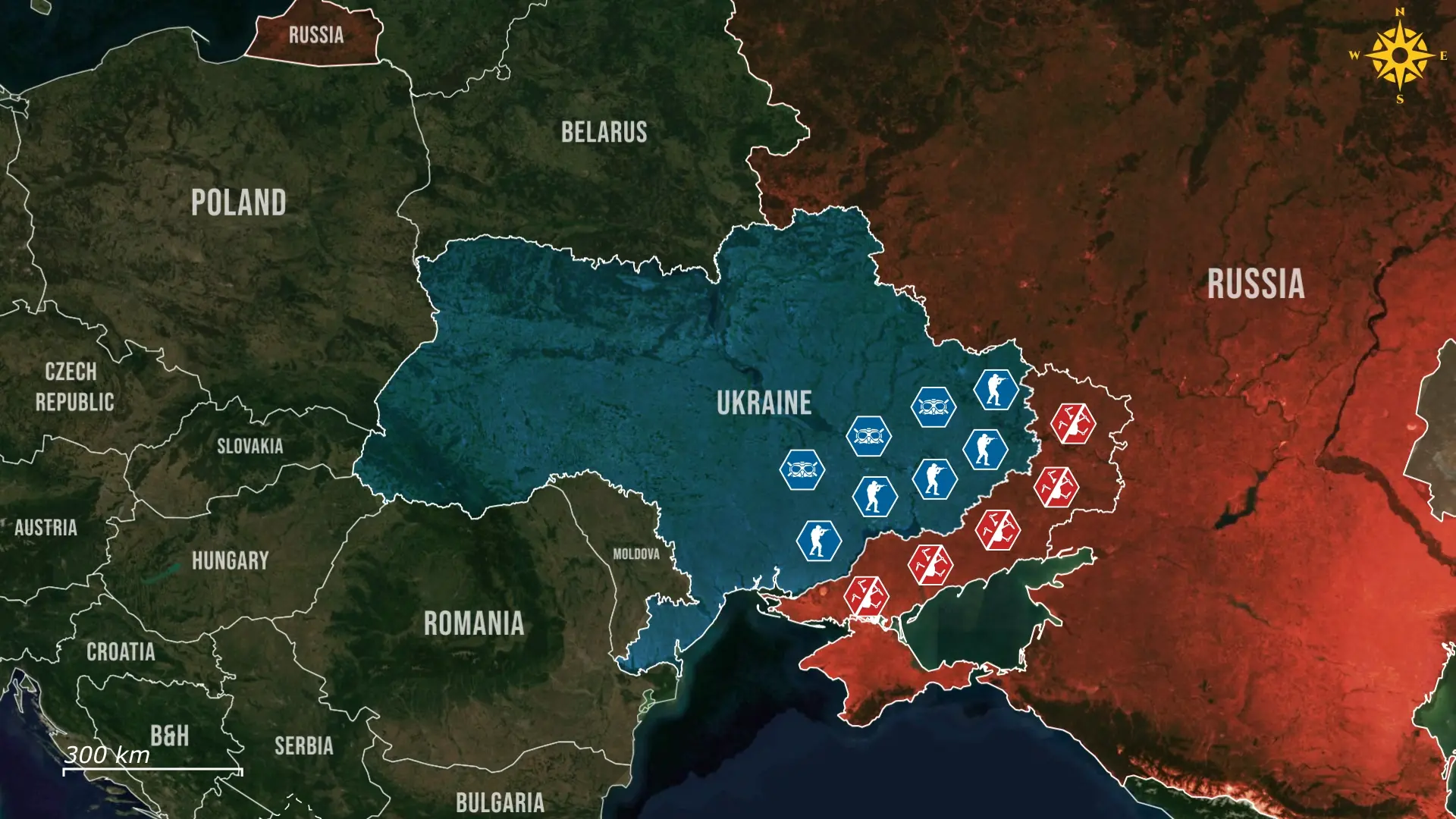
Drone warfare along the frontline has entered a new evolutionary phase, shaped less by breakthrough technologies and more by how forces organize, coordinate, and deliberately manage unmanned systems in combat environments.
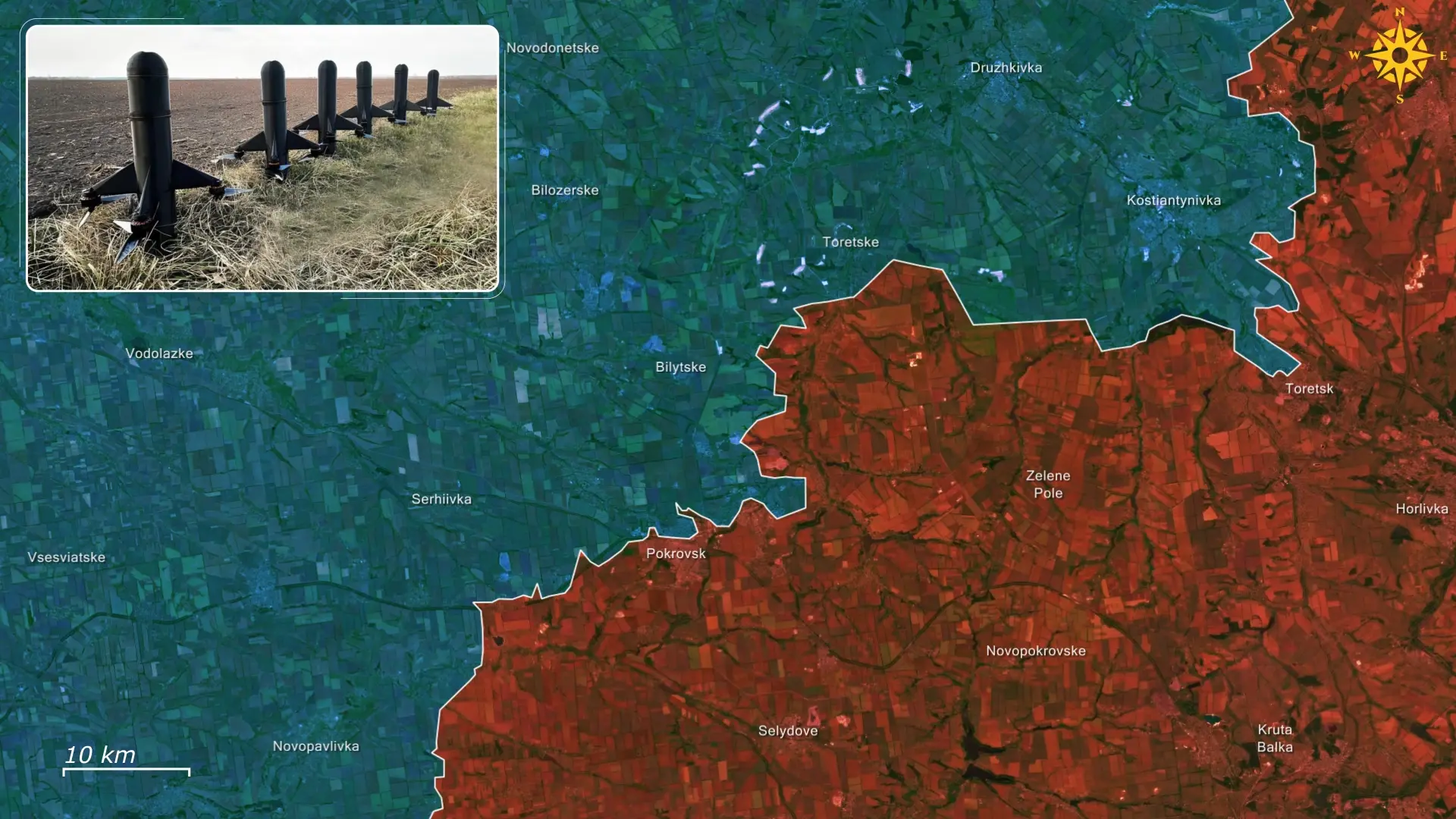
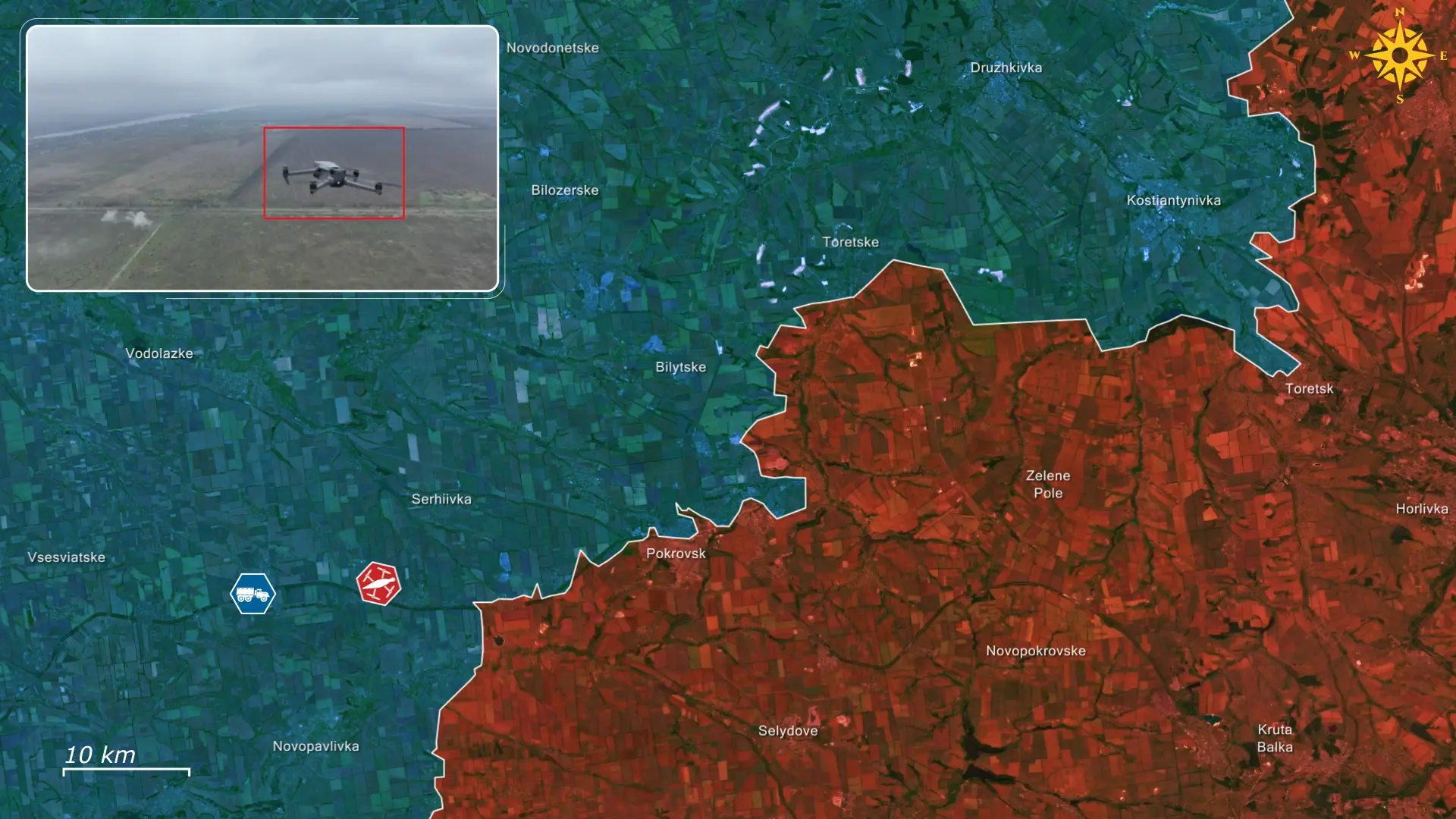
Earlier in the war, Ukrainian and Russian forces often used drones to shoot down enemy drones on an ad-hoc basis but without a unified system to control the airspace reliably. This gap had direct consequences on the ground, as periods of clear weather often allowed Russian drones to target Ukrainian supply routes, at times leaving frontline units pinned down without resupply when movement became too dangerous.
However now, recent developments show a shift toward treating low-altitude airspace as a managed part of the battlefield, where drones are given sustained roles instead of being used only for single attacks. Rather than taking down enemy drones only when an opportunity appears, dedicated drone units and specialized operators are tasked with maintaining a continuous presence over specific areas, monitoring the skies to protect ground forces below.
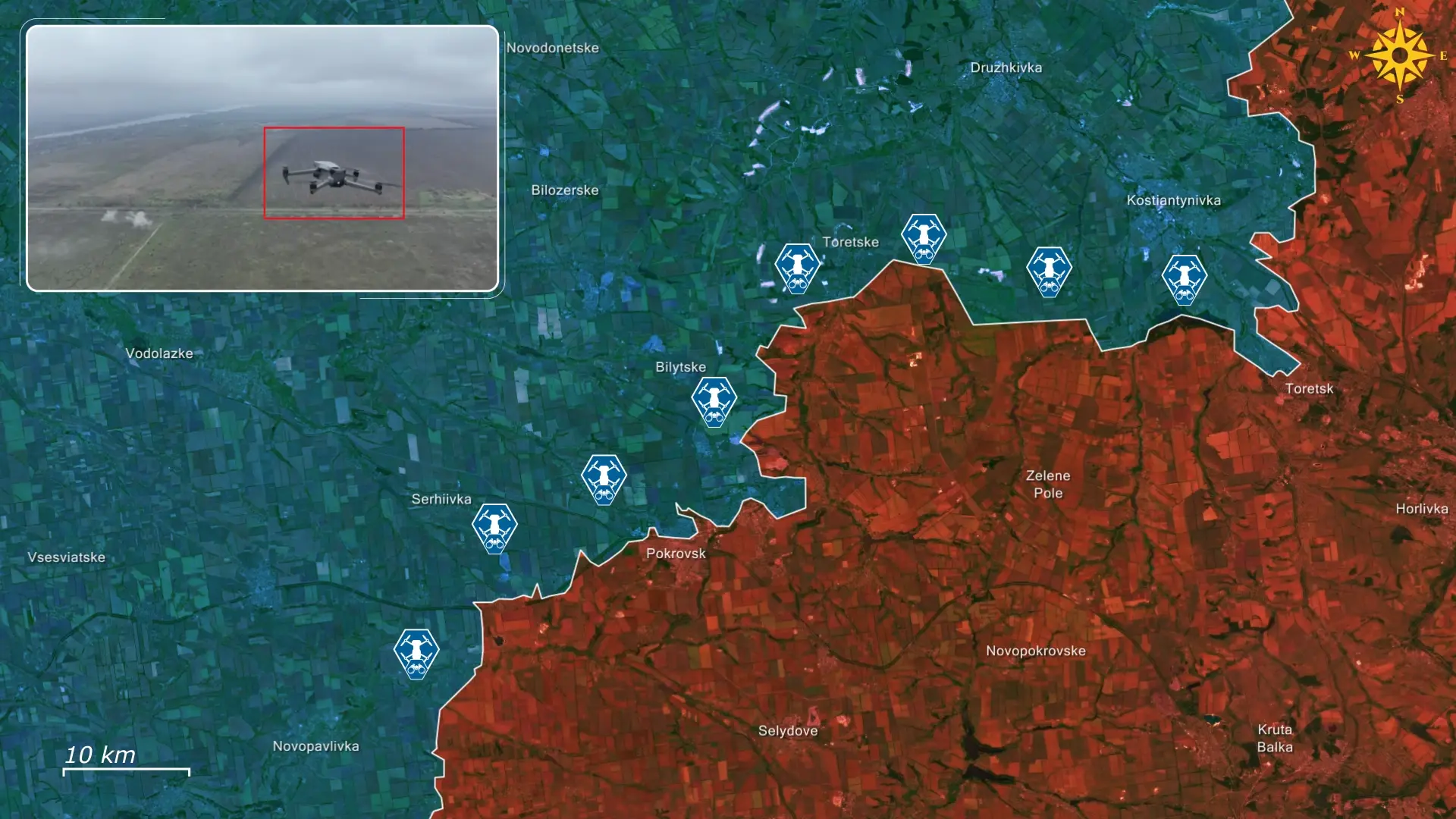
This organizational transformation is most clearly visible in the emergence of specialized drone operators dedicated exclusively to aerial coverage and enemy drone detection and interception, rather than ground attack tasks. Observation drones are positioned along known approach corridors and over important positions, allowing coverage to be established before enemy drone threats fully materialize. This constant monitoring gives them high situational awareness, allowing interceptor drones to be positioned in advance rather than launched in last-second emergency responses. When an enemy drone is identified, interceptor platforms are guided into close engagement, typically neutralizing the target through deliberate collision and proximity-based detonation, or shotguns mounted on the intercepter to allow for reuse.

The operational logic behind this system mirrors traditional air combat doctrine, where strike aircraft do not operate alone but are protected by escort fighters tasked with intercepting threats before they can engage. That analogy matters because it marks a shift from using drones solely as tools to strike enemy assets, to organizing them as a coordinated force designed to control airspace. The same principle now applies at extremely low altitude, with unmanned interceptor drones acting as protective escorts for infantry units, vehicles, and fixed defensive positions.
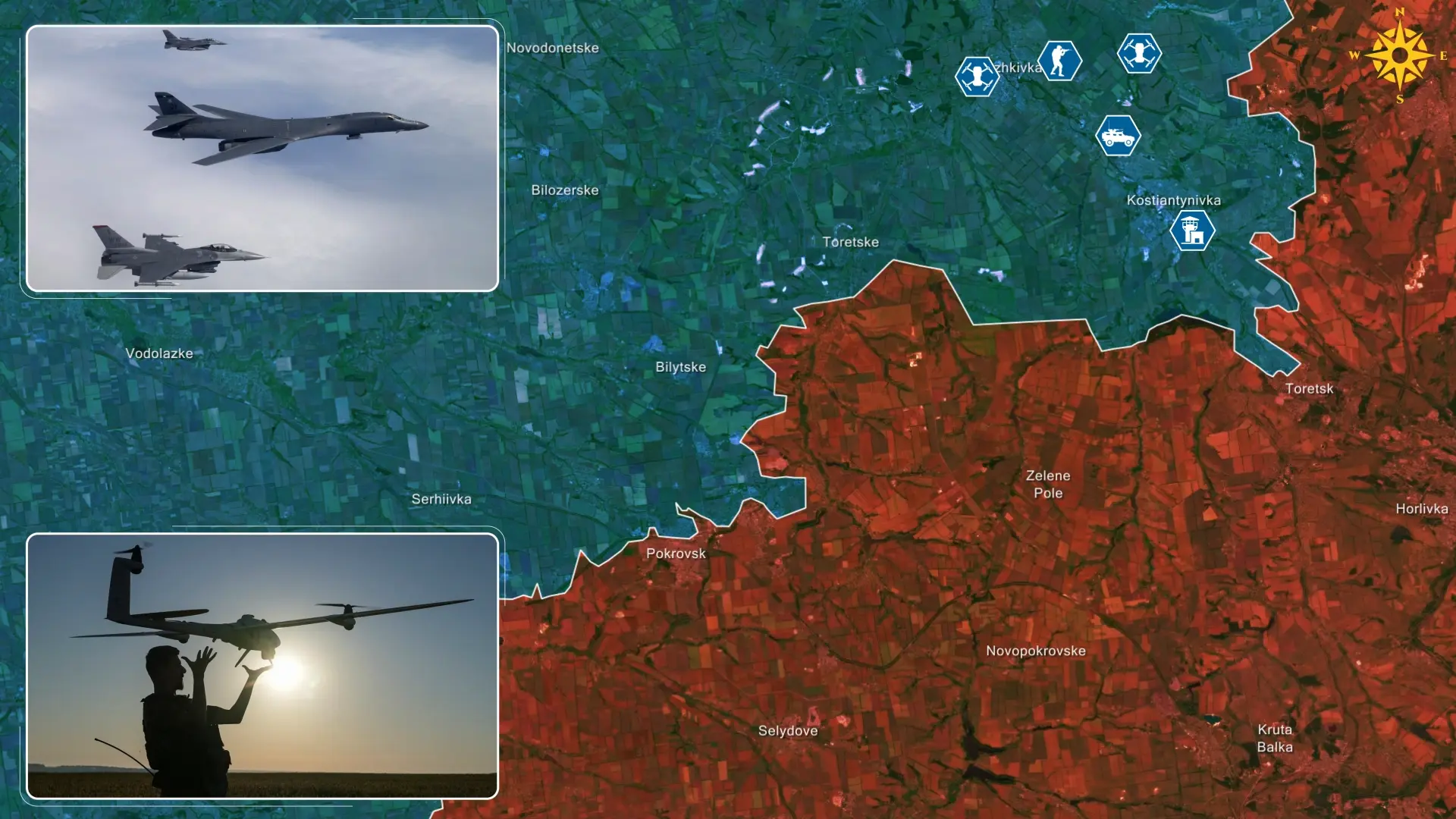
Hostile FPV drones and loitering munitions can no longer operate freely, but must first break through an interception layer, sharply increasing their chance of failure. As a result, the air above the frontline shifts from an uncontested danger zone into a contested operational domain, where control of low-altitude airspace directly shapes movement, survivability, and battlefield outcomes.
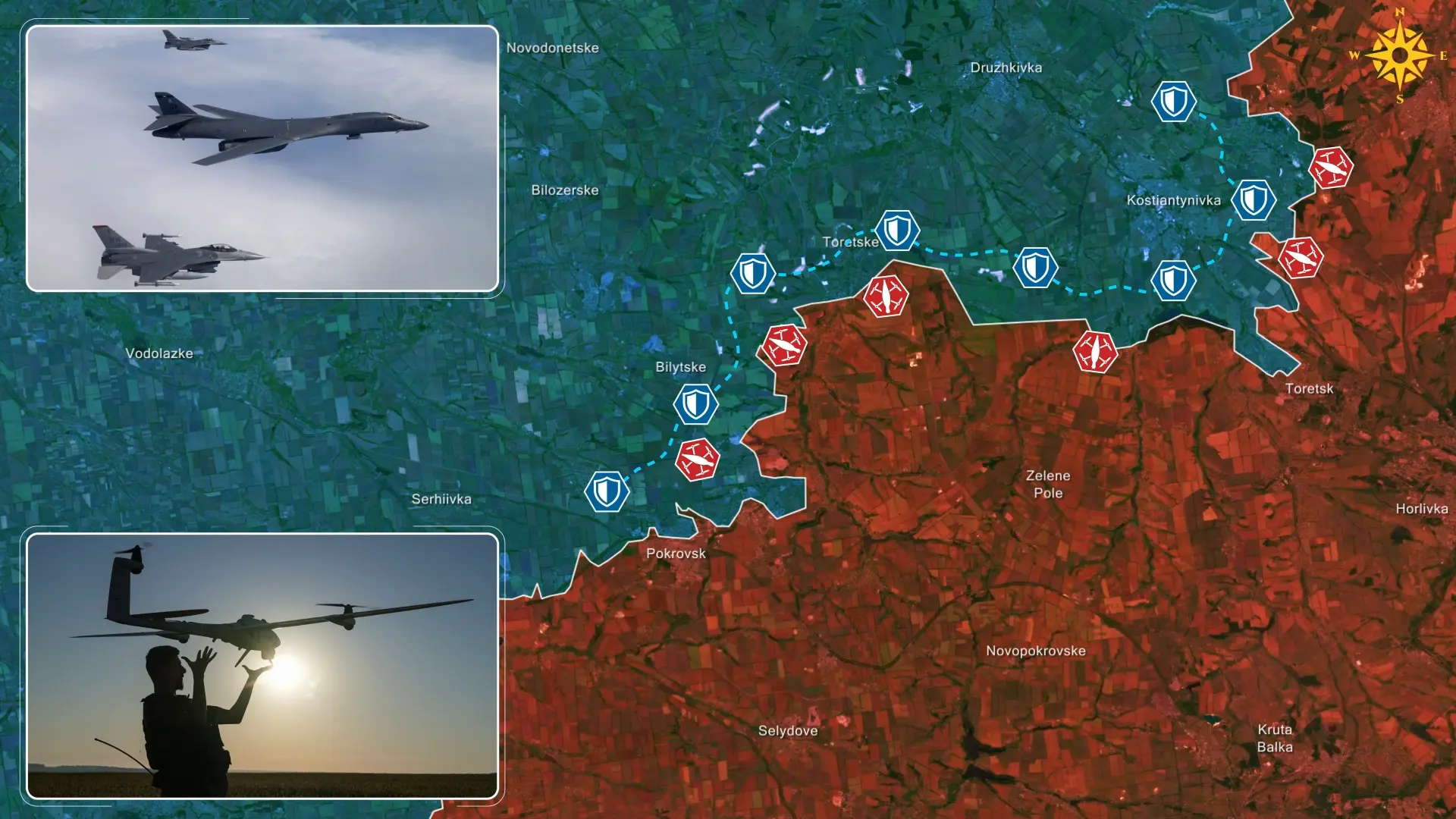
This is not just a tactical adjustment, but the emergence of a structured drone air force, where airspace is actively defended, contested, and managed rather than simply endured. This change in low-altitude air control reshapes how ground forces operate. When the air above them is now actively cleared from threats, units can move, resupply, and rotate with greater confidence instead of assuming every action risks a drone or directed artillery strike.
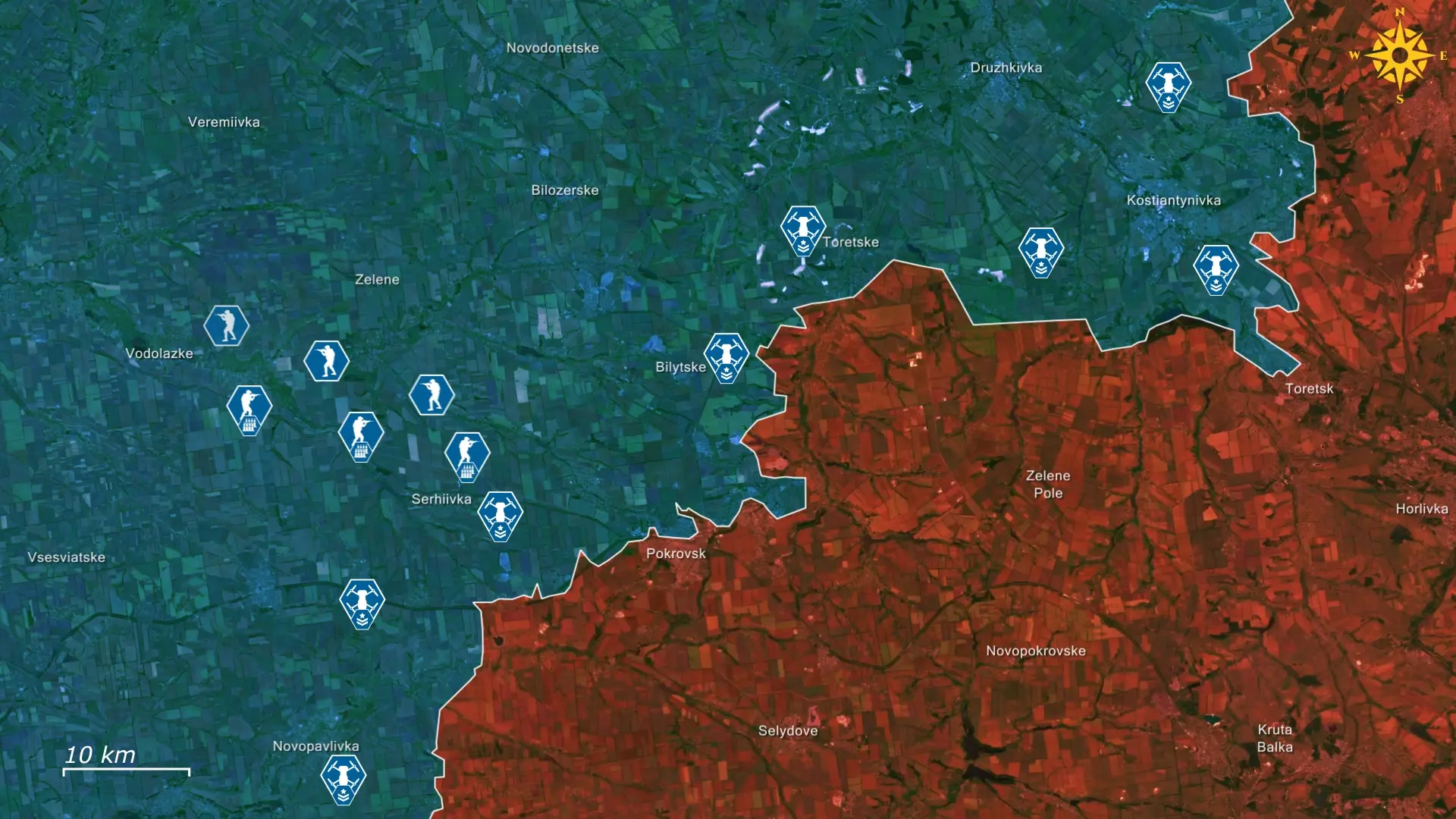
Commanders are no longer planning under permanent uncertainty, but around expected levels of aerial protection, as the battle for the lower sky has become a new battlefield throughout eastern Ukraine.
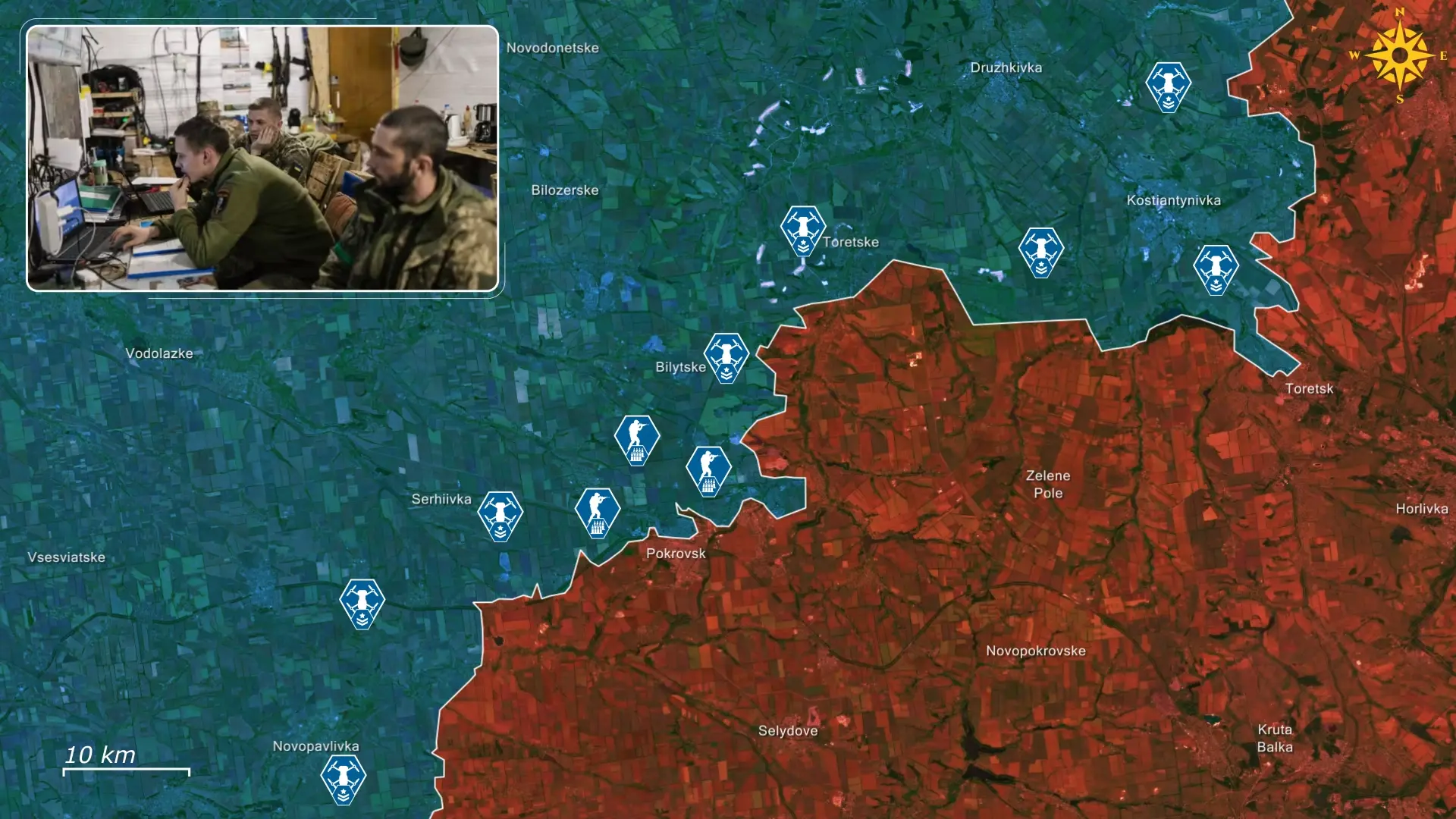
Overall, counter-drone warfare is no longer defined by uncoordinated strikes and constant improvisation or jamming, as control of the low-altitude airspace is becoming a deliberate operational objective. The introduction of dedicated drone interception and coverage roles shows that aerial protection is now treated as a necessity rather than an advantage. What is changing is not how often drones are used, but what they are used for, as dedicated drones are now tasked with keeping the air above ground forces clear. As this approach spreads, drone warfare becomes more organized, with drones fighting for control of the sky just meters above the battlefield so soldiers can move and operate more safely below.

.jpg)
Comments