

.svg)
Today, the biggest updates come from Ukraine.
In a brutal war of attrition where Russia sustains its offensives by mobilizing waves of manpower at staggering human cost, Ukraine faces an existential demographic imbalance that threatens to erode its defensive lines. The new Minister of Defense is now staking the nation's survival on a radical technological counterstroke where machines increasingly shoulder the burden once carried by soldiers.
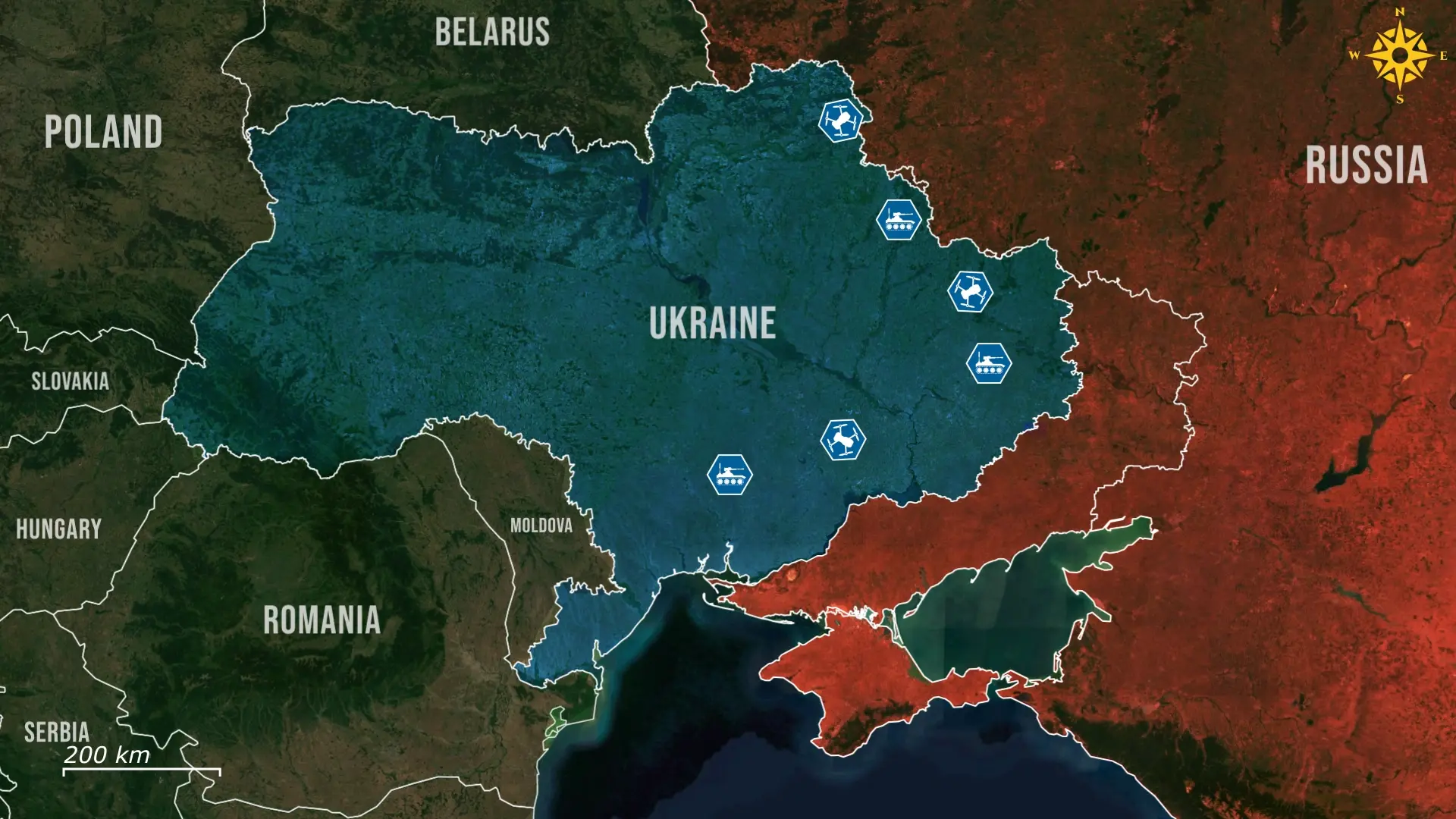
President Volodymyr Zelenskyy recently nominated Mykhailo Fedorov, the 34-year-old First Deputy Prime Minister and former Minister of Digital Transformation, as Ukraine's new Minister of Defense. This is no routine cabinet reshuffle but a deliberate signal of profound military restructuring, elevating a tech-savvy civilian to lead the defense establishment amid a grinding war of attrition where technological superiority could prove decisive.
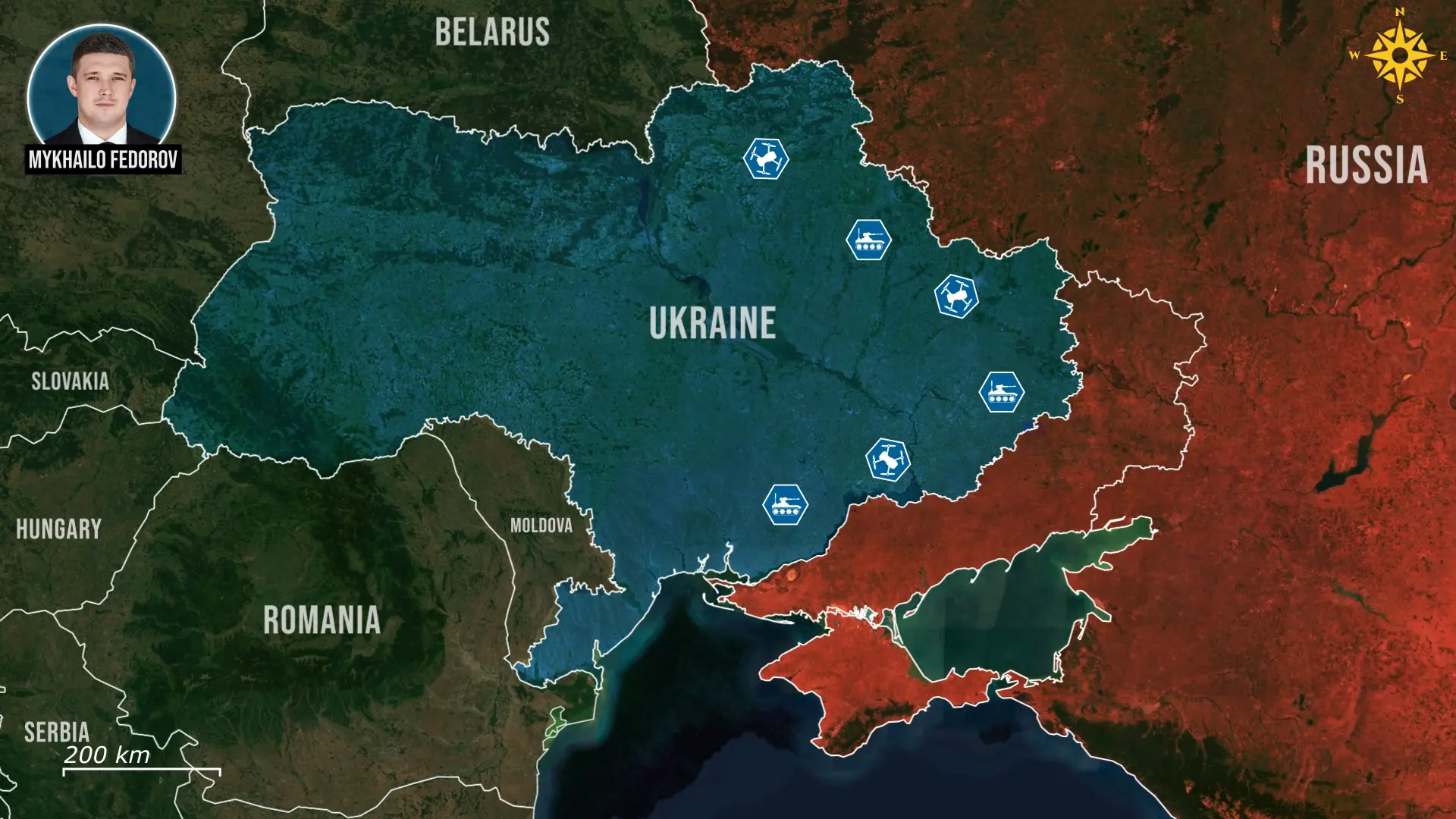
Fedorov, Ukraine's youngest-ever minister when first appointed in 2019, built his reputation as an innovation-driven leader focused on systems, automation, and scalability. He spearheaded the transformation of government services through the Dia app that allows citizens to interact with the state digitally, turning Ukraine into a global leader in digital governance.


During the full-scale invasion, he orchestrated the Army of Drones initiative, procuring thousands of UAV’s via crowdfunding, launching the Brave1 defense-tech cluster to directly connect unmanned systems companies with military personnel on the ground, and has become a driving factor in the Drone Line initiative. His approach emphasizes rapid iteration and integration, data-driven decisions, and integrating AI-based and unmanned systems at scale.
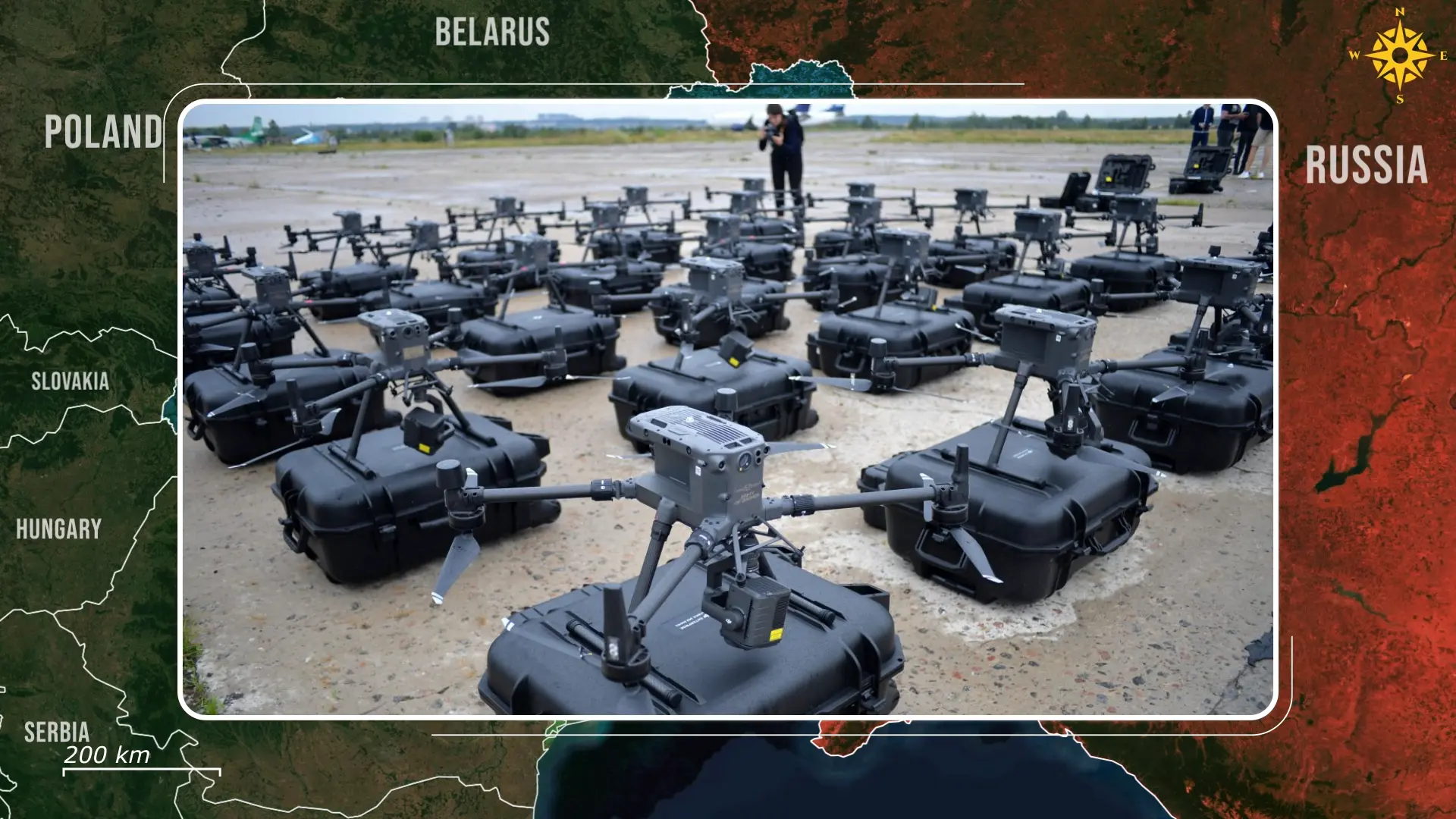
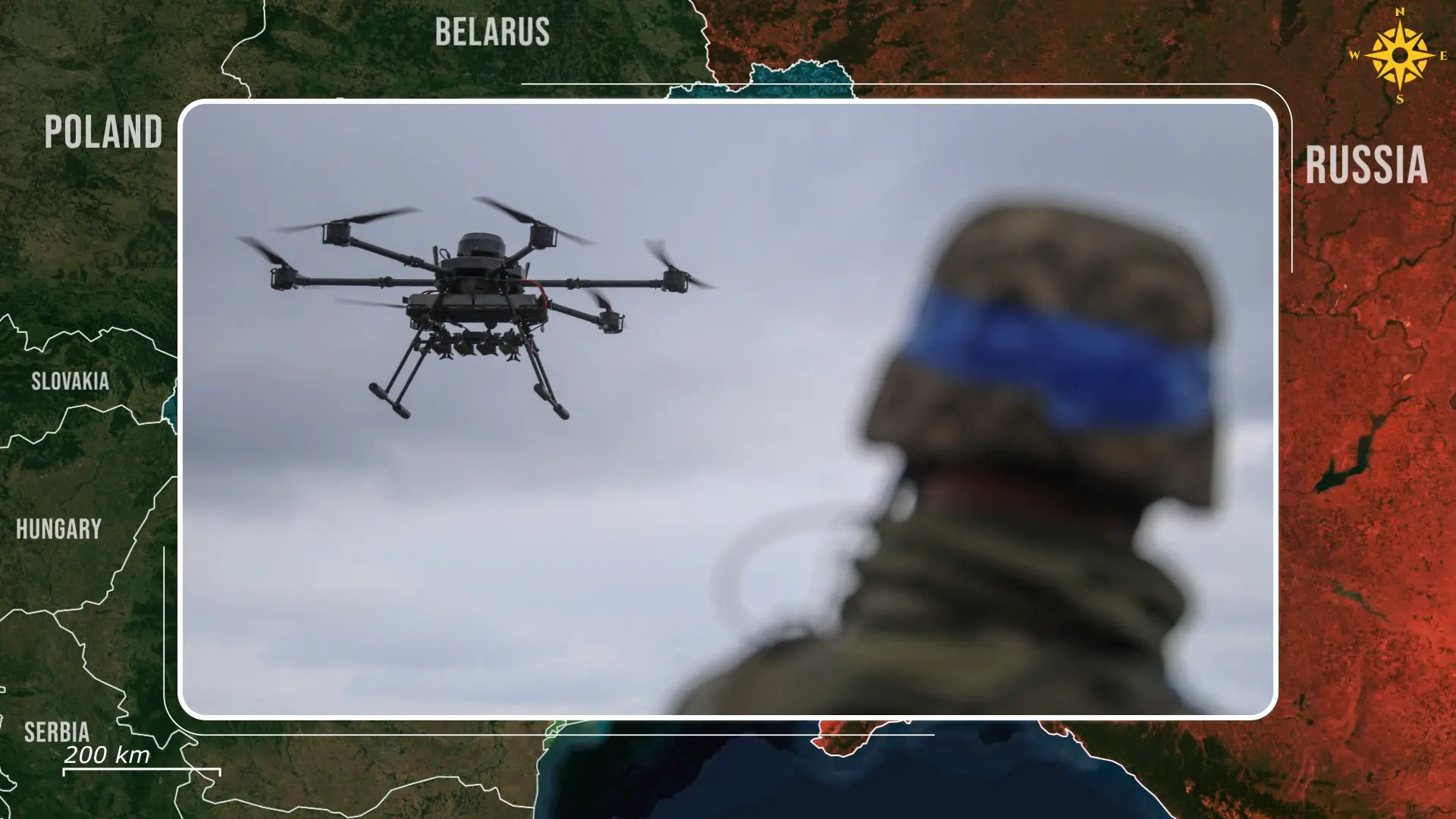
Fedorov’s appointment marks the decisive acceleration of Ukraine’s transformation into a military built around unmanned systems, AI-enabled command networks, and mass-produced robotic platforms that can be fielded faster and cheaper than human formations. Facing a chronic manpower deficit, Ukraine's core strategy is now explicit: replace the most dangerous, attrition-heavy infantry roles with machines. Those will absorb fire, deliver supplies, evacuate wounded, and conduct assaults without risking irreplaceable lives.
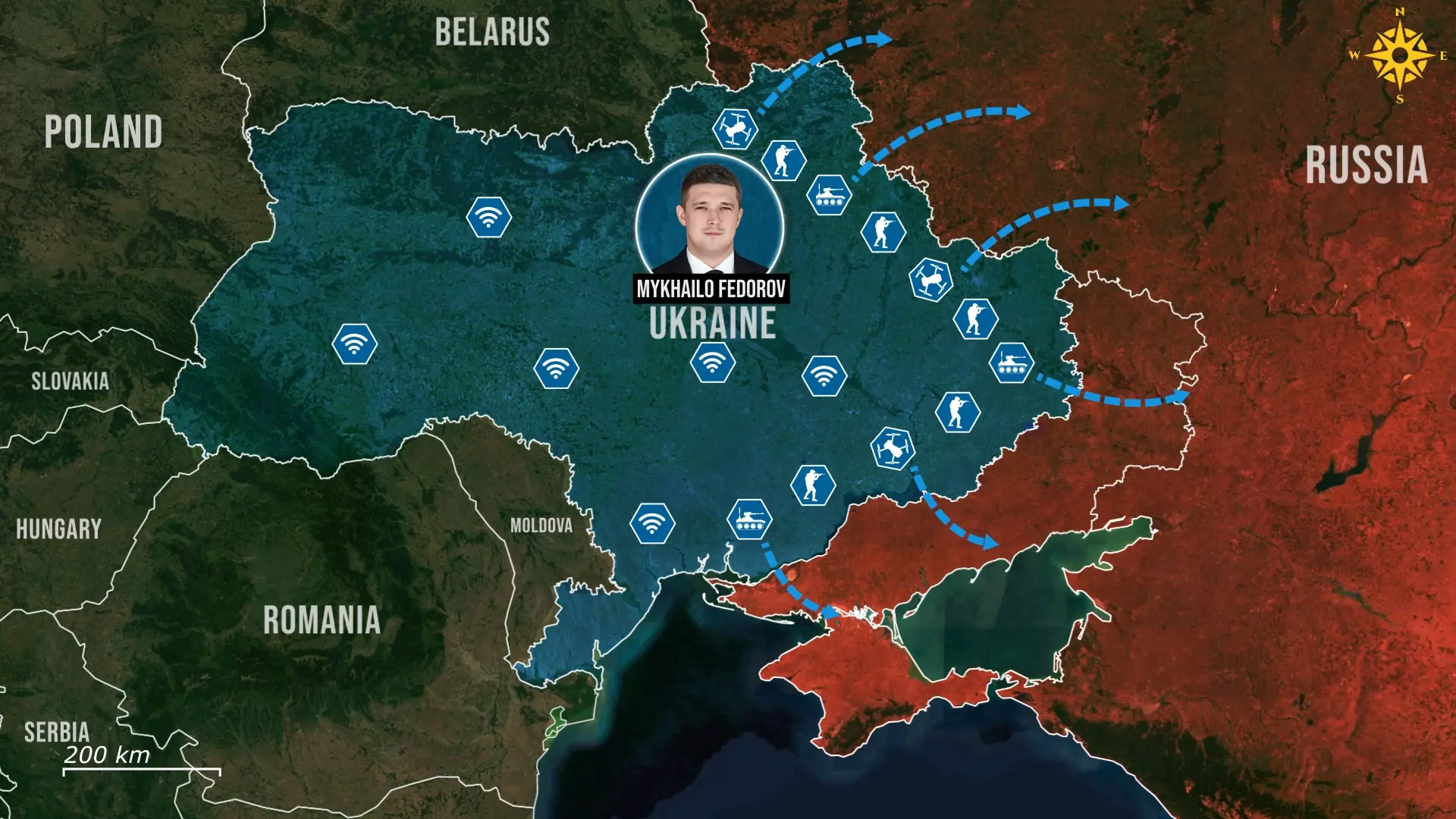
By early 2026, the Armed Forces aim to deploy 30,000 ground robotic systems, ranging from logistics carriers to turreted combat platforms like Termit and Protector, many already proven in robot-only attacks that captured Russian positions with zero Ukrainian casualties. AI-driven targeting, mesh communications, and rapid domestic production, scaled from dozens to thousands per month, will allow these platforms to hold trenches, clear mines, and suppress enemy infantry at a fraction of the human cost. This is not augmentation but substitution, with robots increasingly becoming the frontline force, preserving soldiers for command, complex maneuvers, and final consolidation while turning Russia’s numerical advantage into an expensive liability against disposable machines.
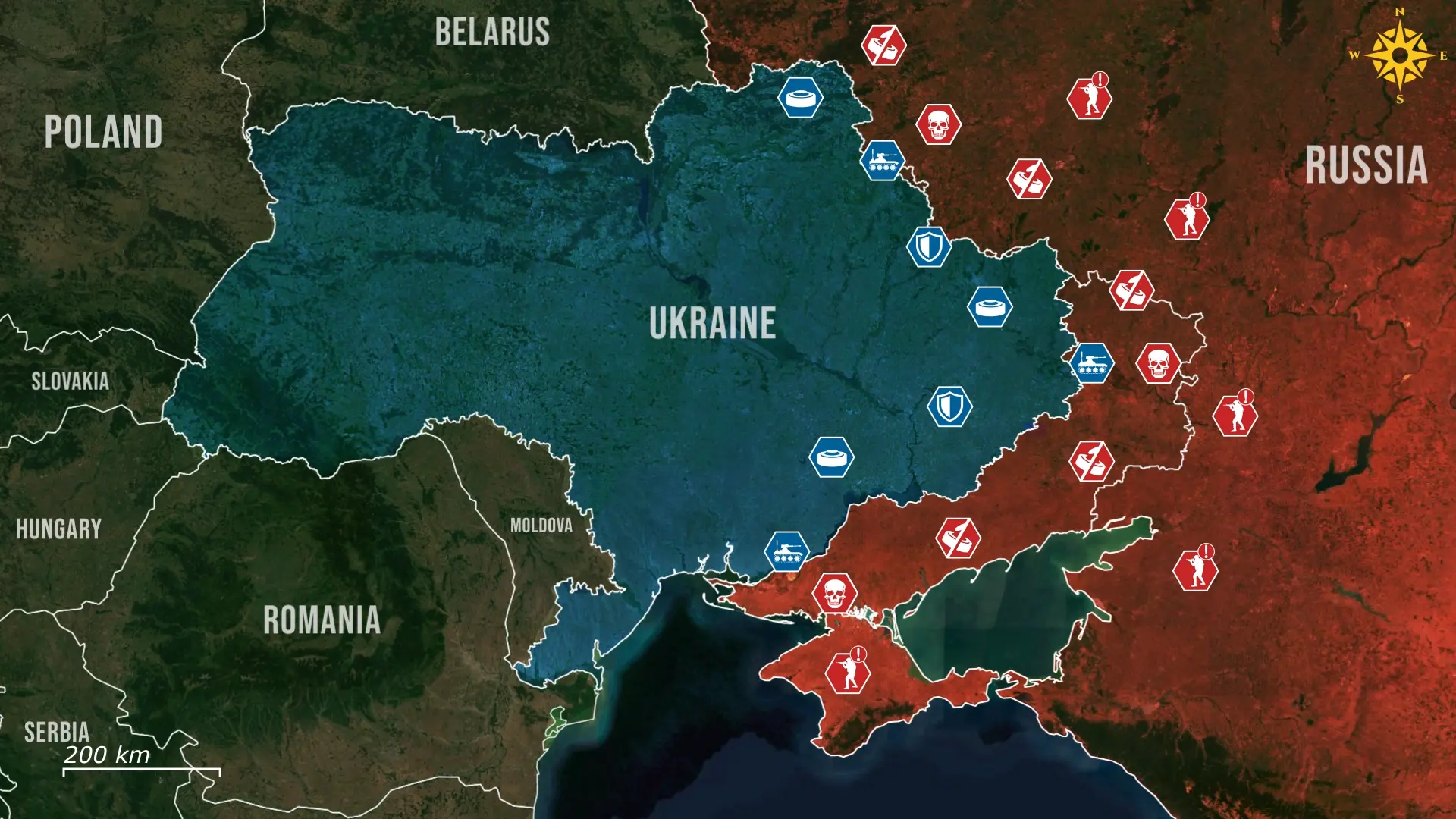
While Ukraine accelerates a systemic shift to unmanned ground vehicles, AI networks, and scalable robotic platforms to substitute for soldiers in the most perilous roles, Russia remains locked in a manpower-intensive approach that treats human lives as expendable fuel for incremental gains.
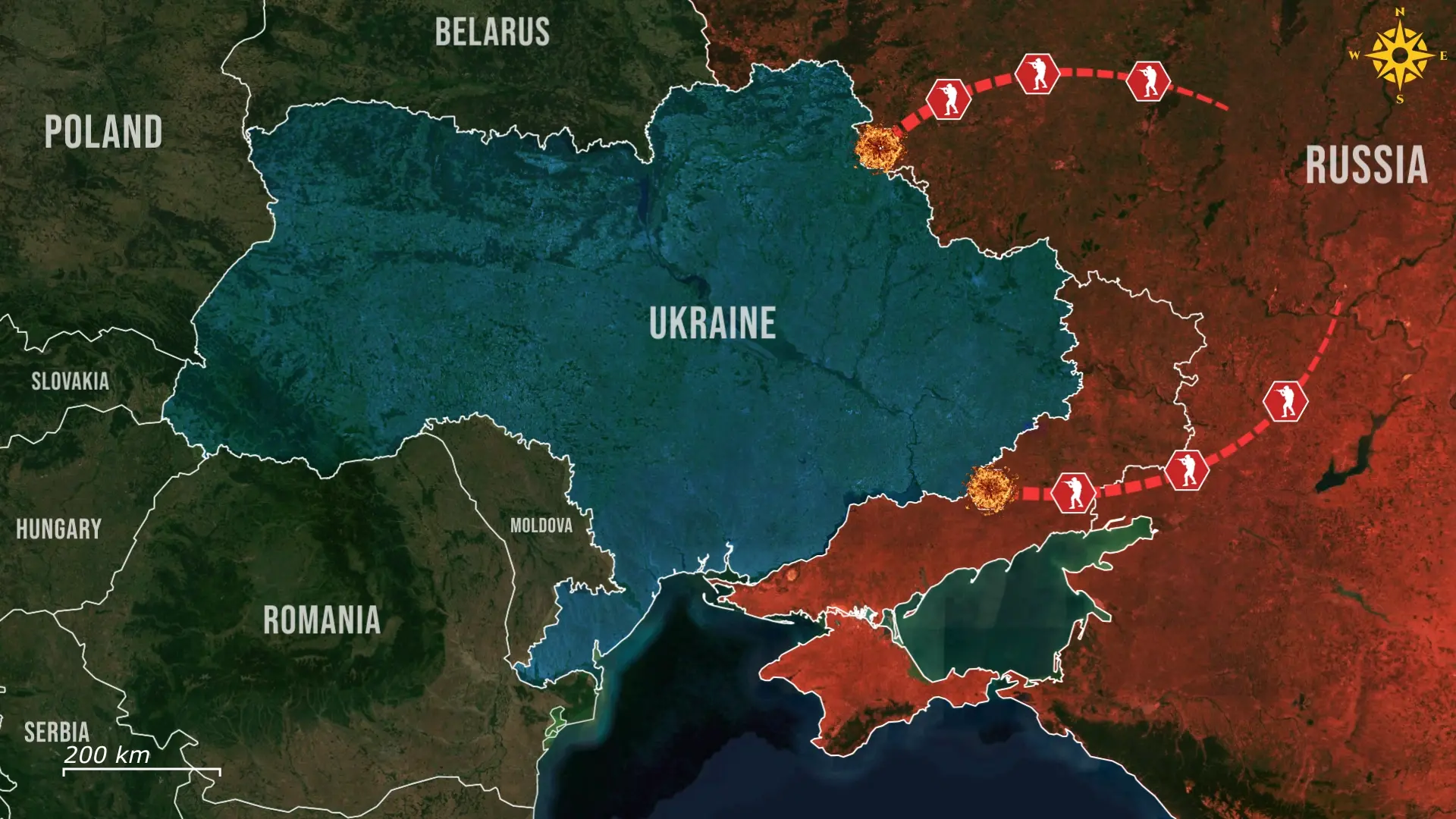
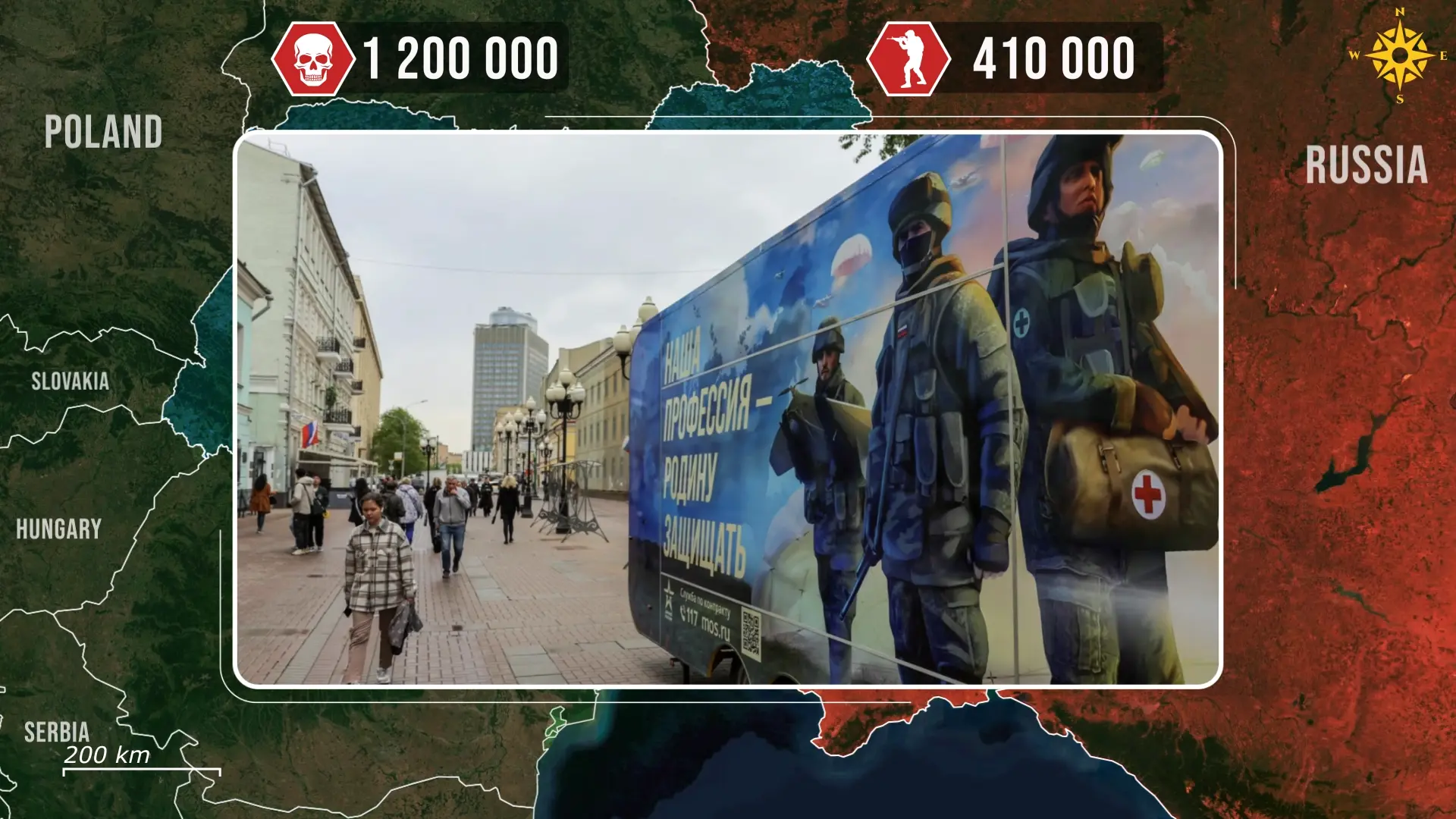
Facing unsustainable casualties, estimated at over 1.2 million killed or wounded by the end of 2025, Moscow recruited around 410,000 contract soldiers in last year through escalating financial incentives, regional bonuses reaching millions of rubles, and increasing coercion, including pressure on enterprises, migrants, and conscripts to enlist. With recruitment targets again set at over 400,000 for 2026 amid tightening budgets and waning voluntary enlistment, Russia is poised to rely more on deceptive tactics, forced contracts, and potential draft expansions to sustain its meat-grinder infiltration offensives.
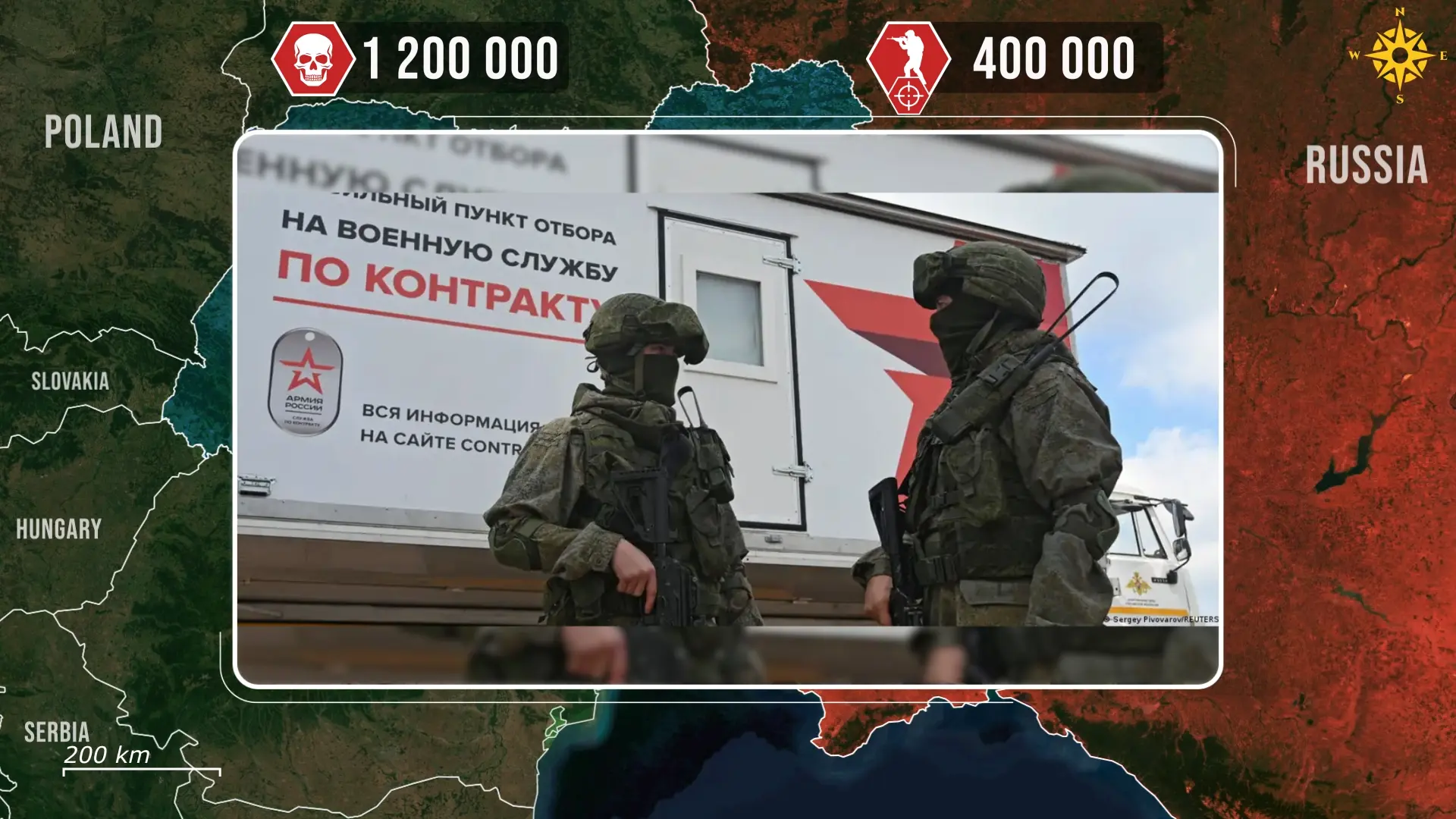
Although Russia is developing its own unmanned systems branch and has now started fielding ground robots in limited roles for logistics, these efforts massively lag in scale, effectiveness, and integration compared to Ukraine's rapid mass-production and battlefield substitution strategy. Russia's numerical edge thus comes at the horrific cost of burning through irreplaceable manpower, while Ukraine bets on machines to neutralize that advantage without equivalent human loss.
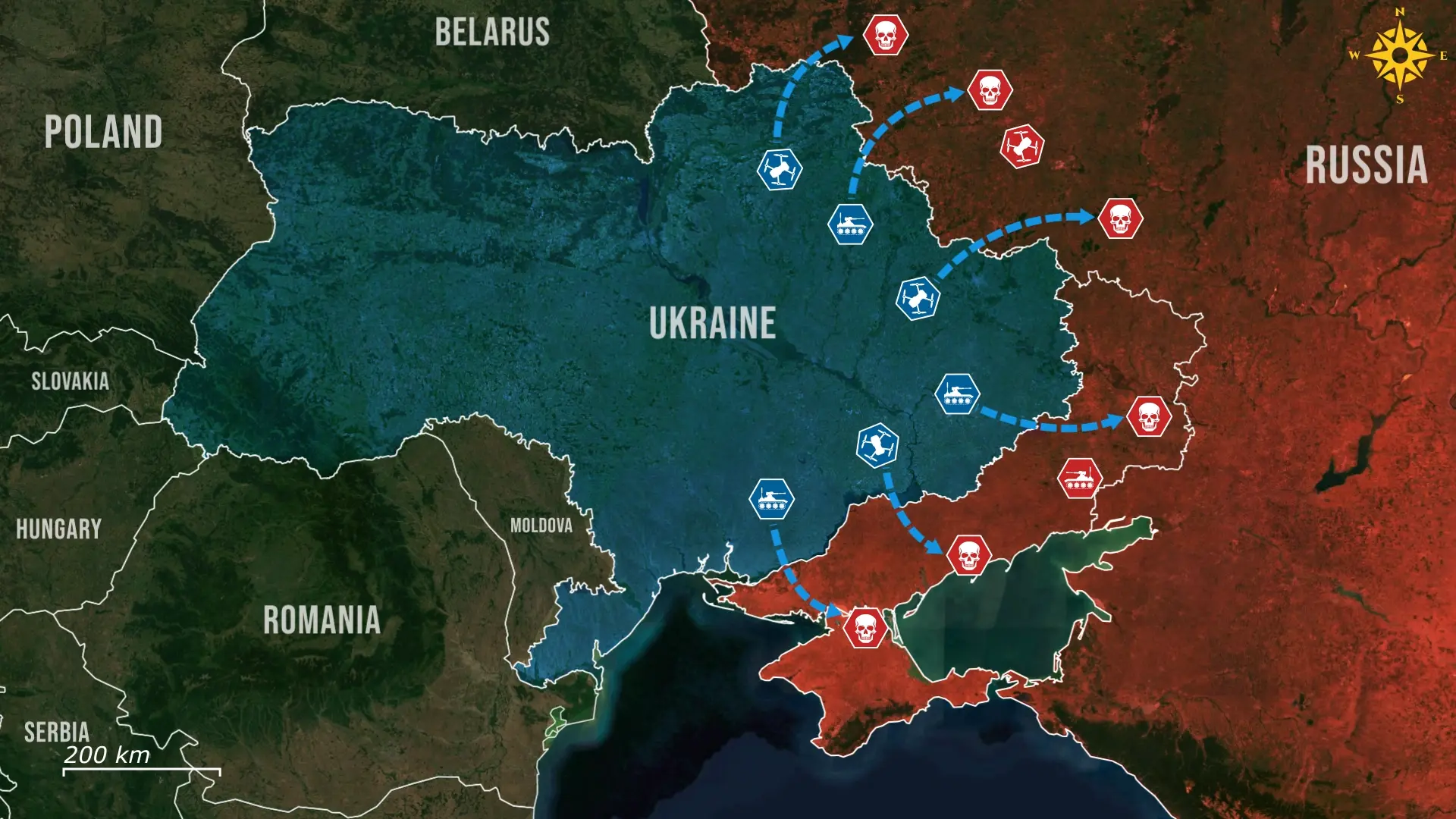
Overall, Fedorov’s appointment as Defense Minister crystallizes Ukraine’s strategic pivot toward a robotized military, where mass-produced unmanned ground systems increasingly substitute for soldiers in high-risk infantry tasks, directly addressing the manpower asymmetry that has defined the war. By aiming for tens of thousands of robotic platforms in active service by 2026, Ukraine is transforming attrition from a demographic vulnerability into a technological advantage. In stark contrast, Russia’s reliance on ever-costlier human recruitment and coercion to offset staggering casualties risks long-term exhaustion of its manpower reserves.
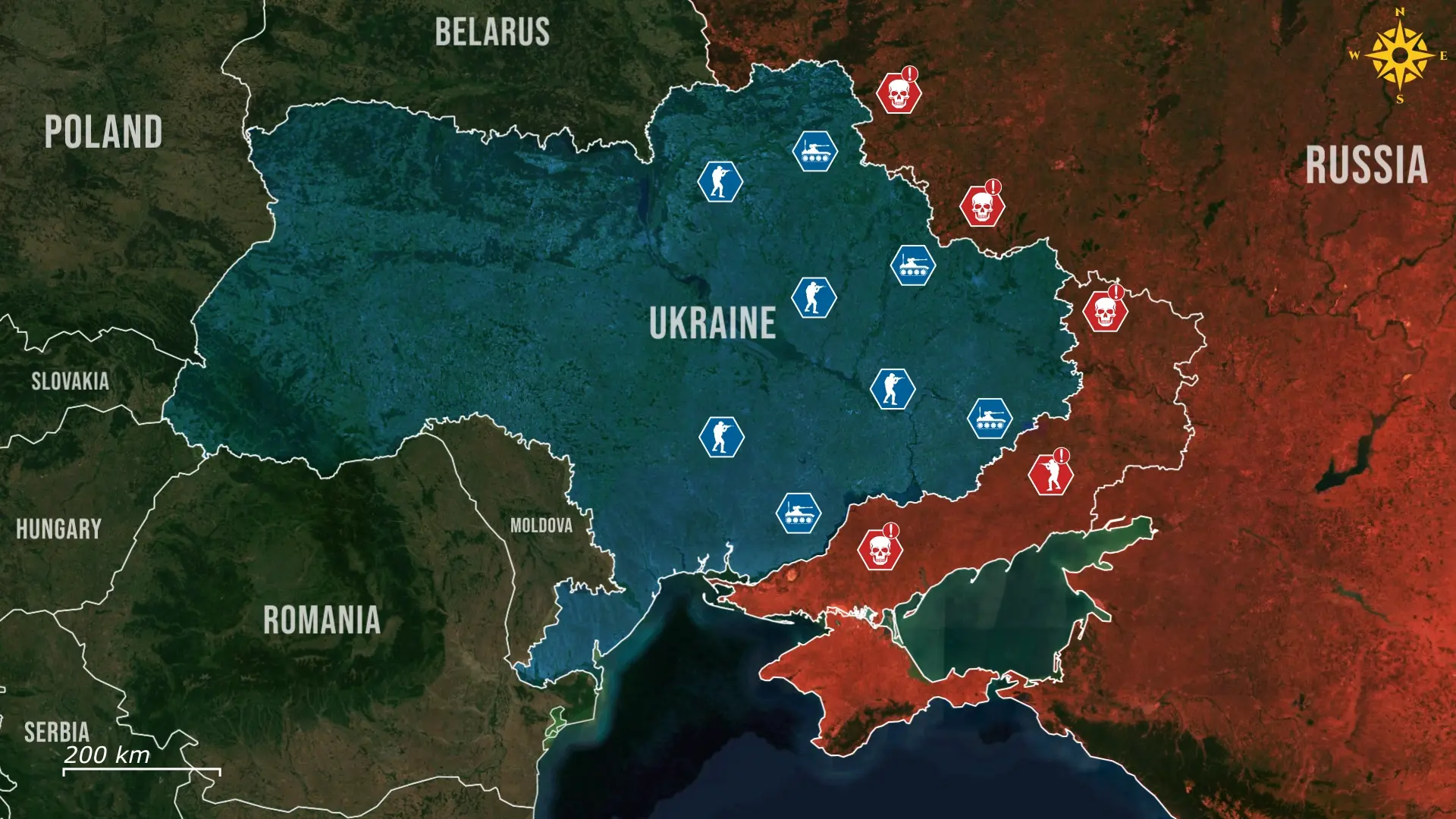
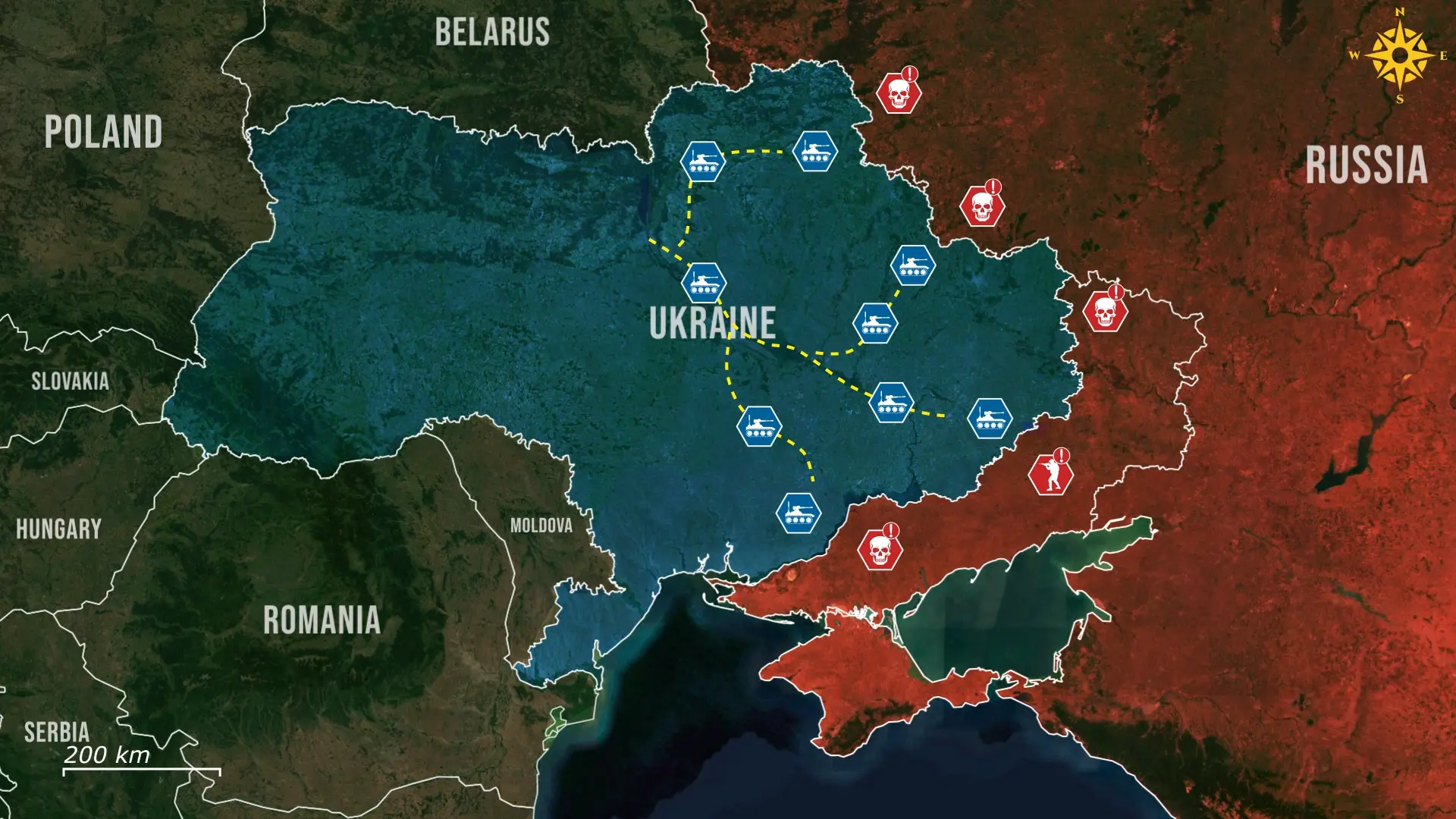
This diverging path underscores a broader implication where in prolonged industrial-scale warfare, the side that most effectively replaces irreplaceable lives with scalable machines may secure the decisive edge in sustainability and battlefield dominance.

.jpg)

Comments