

.svg)
Today, there is important news from Ukraine.
Here, the country was blackmailed by Hungary and Slovakia to help them buy Russian crude oil, which ultimately, backfired against them. Ukraine refused to bend and reacted decisively, shocking the two countries by making further oil imports from Russia impossible with one operation.
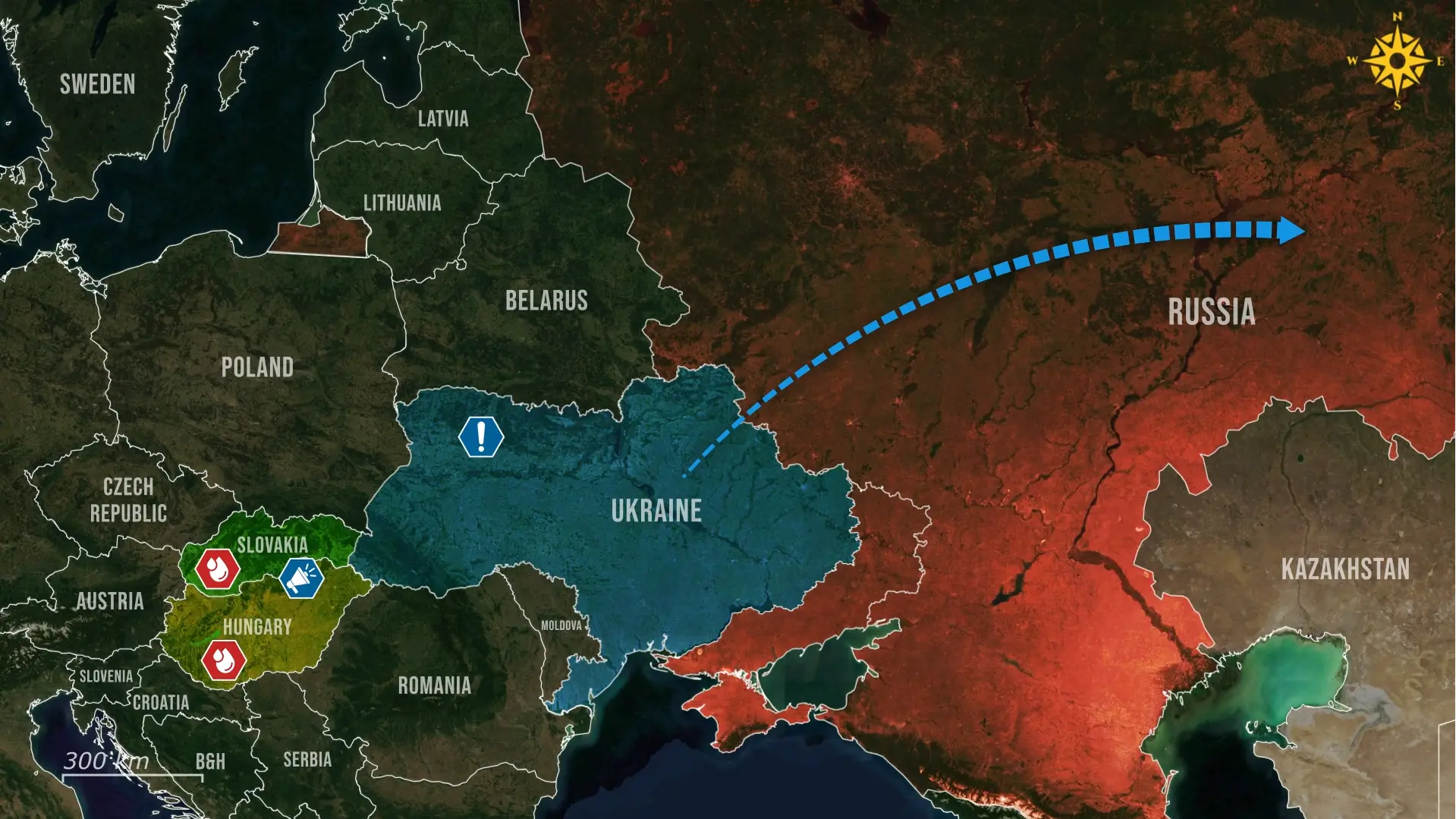
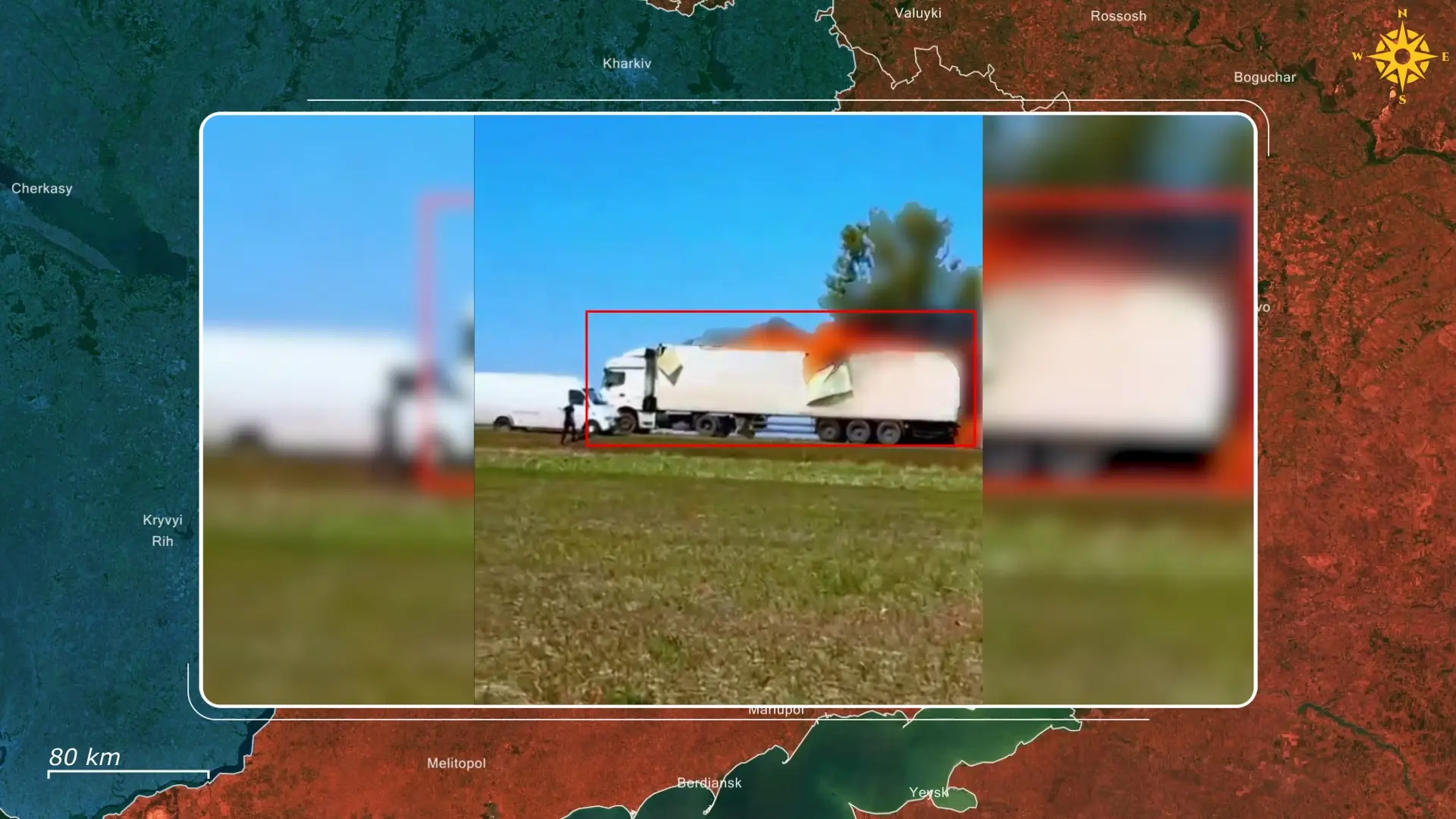
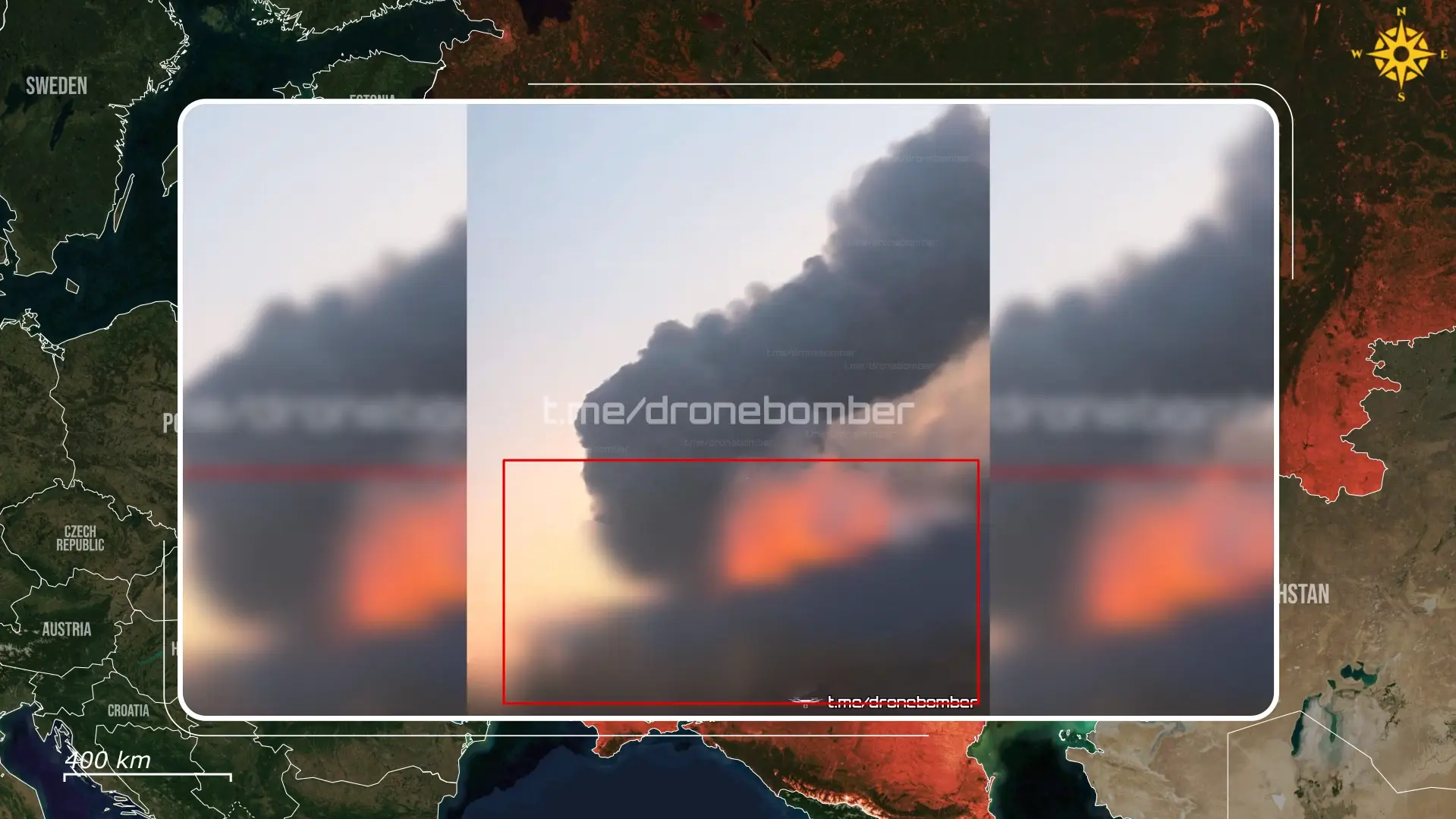
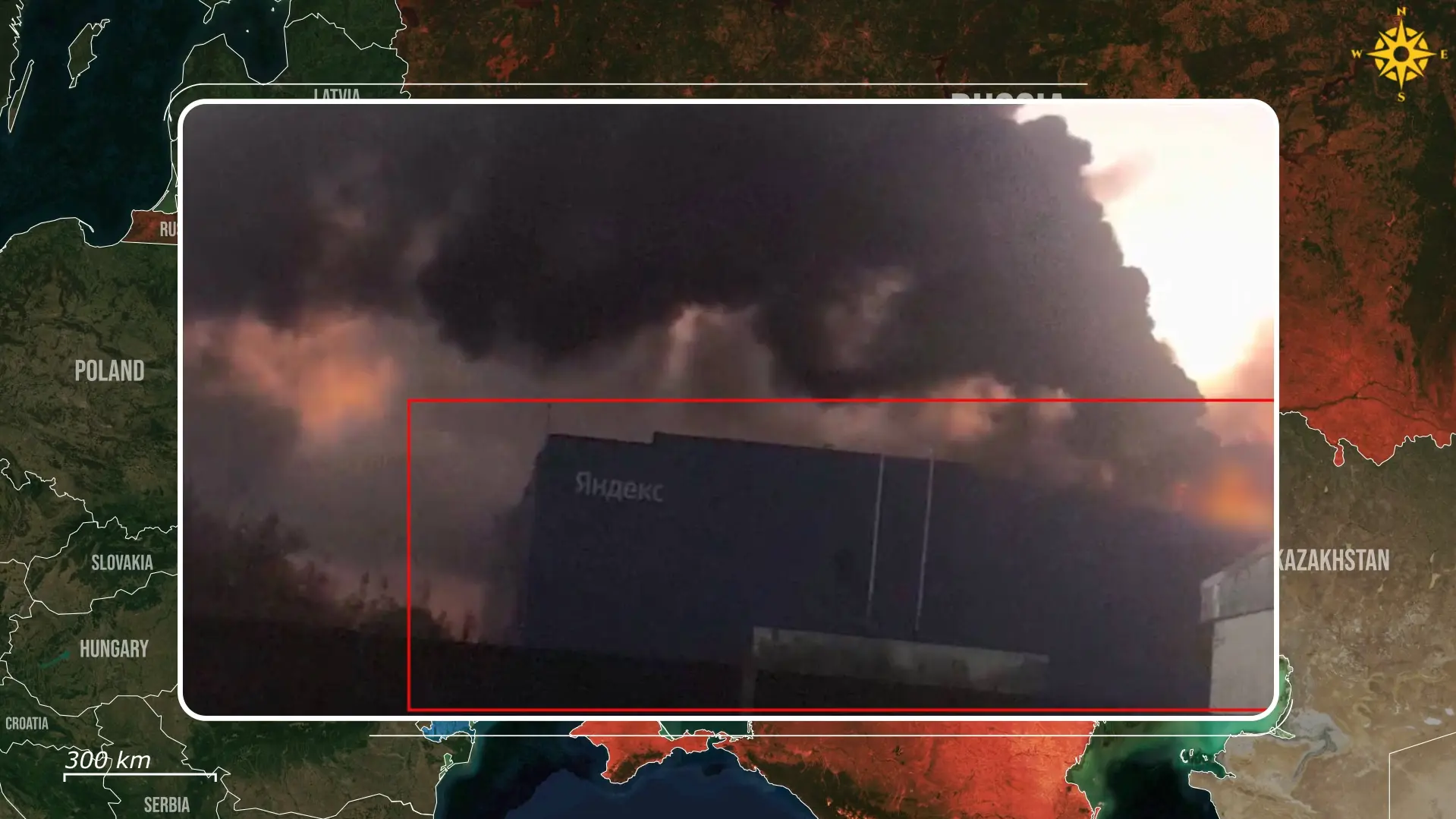
Ukrainian drones hit the Kaleikino pumping station, one of the most critical nodes feeding the Druzhba oil pipeline, igniting a massive fire at storage tanks that serve as buffer reservoirs for Russian crude exports to Central Europe.
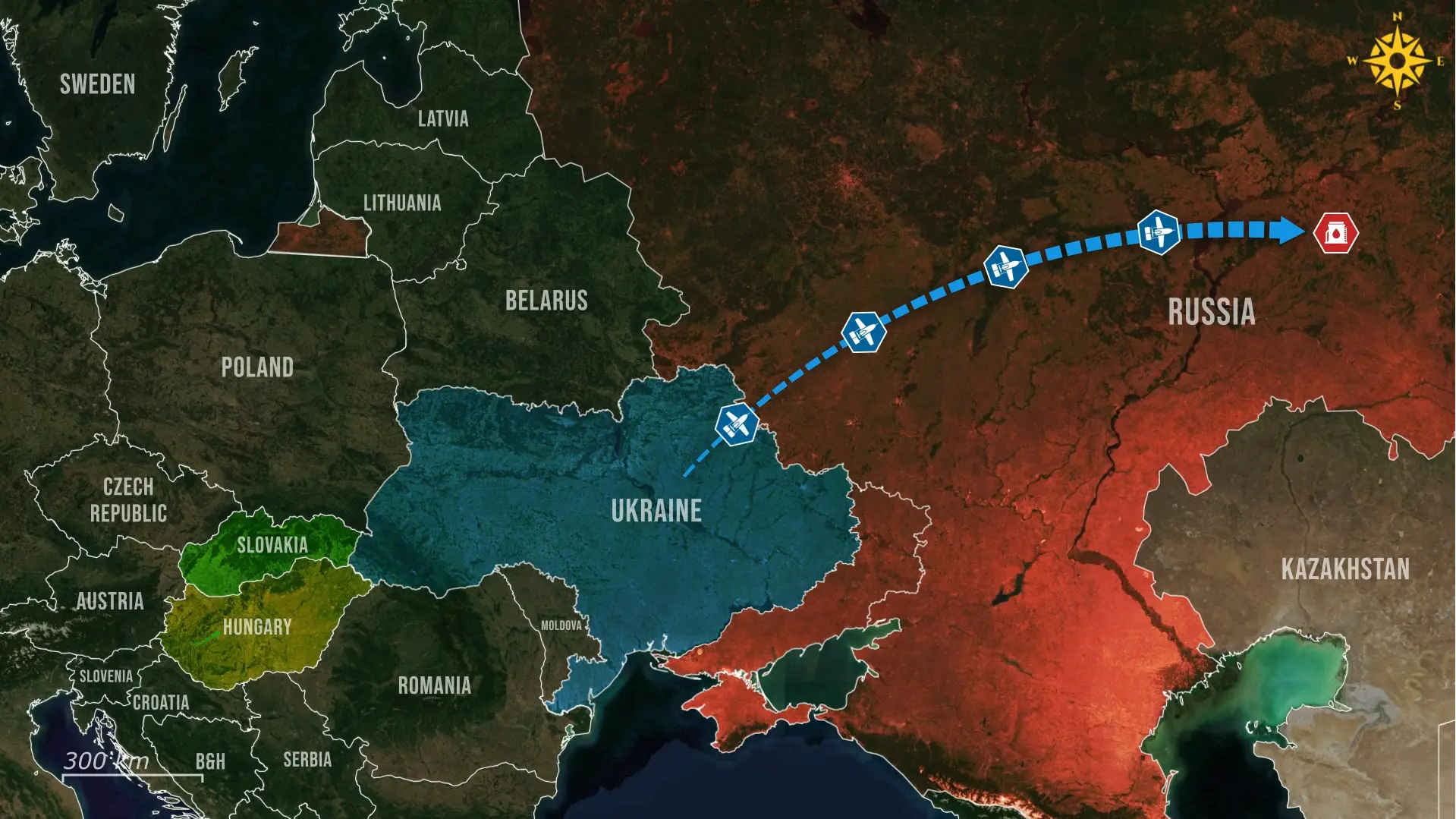
The scale of the blaze, with multiple explosions reported and flames still visible a day later, dealt devastating damage to this strategic artery. The facility, located more than 1,200 kilometers from Ukraine’s border and operated by Transneft, is a key component of a 4,000 kilometer pipeline system capable of transporting up to 1.2 million barrels per day.
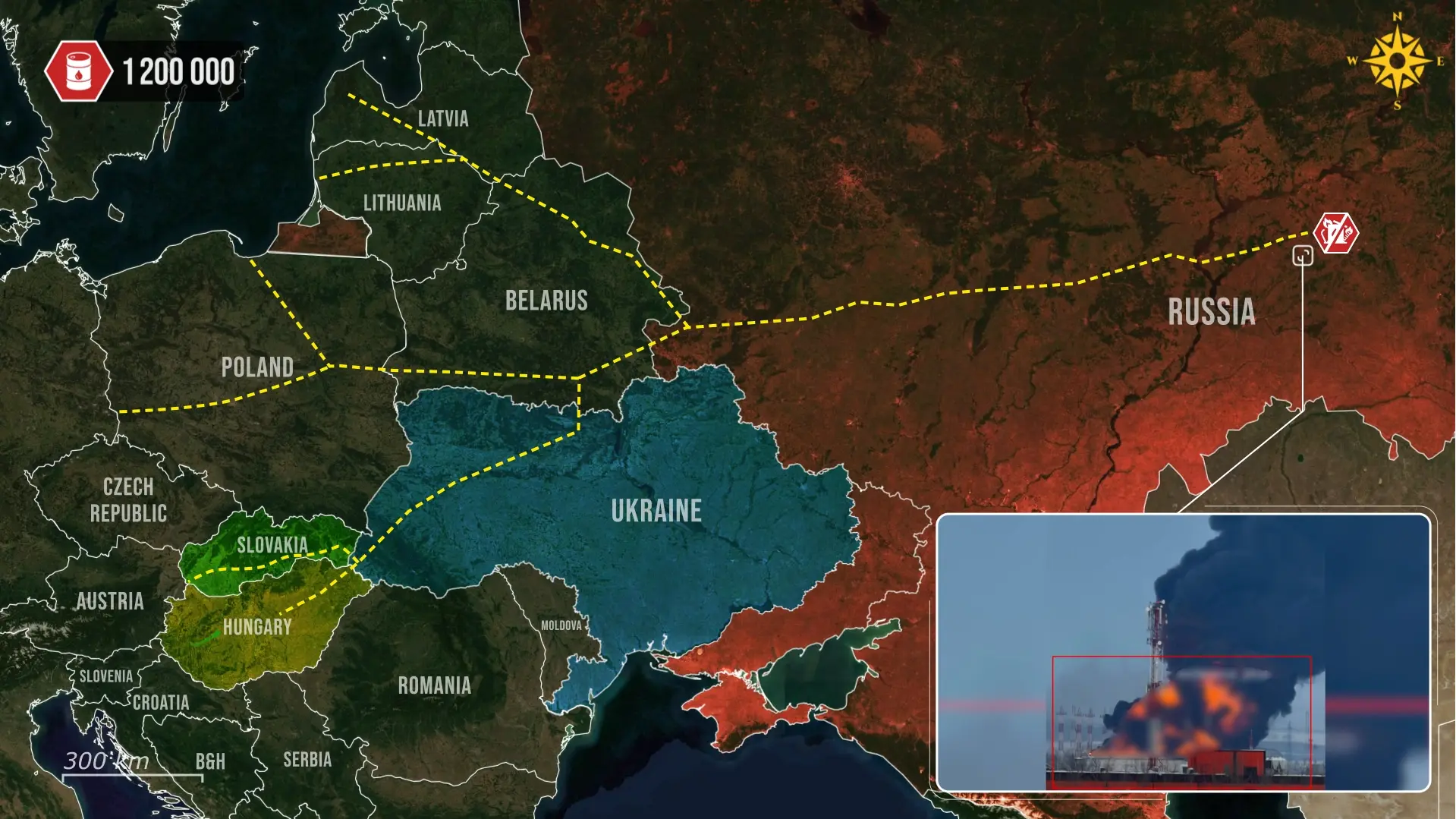
The successful strike in Tatarstan sent shockwaves through Hungary and Slovakia, as Druzhba was essential for both countries. Hungary and Slovakia were the last in the EU still importing Russian crude through the pipeline, with Hungary alone receiving roughly 80 to 90 percent of its oil through it.
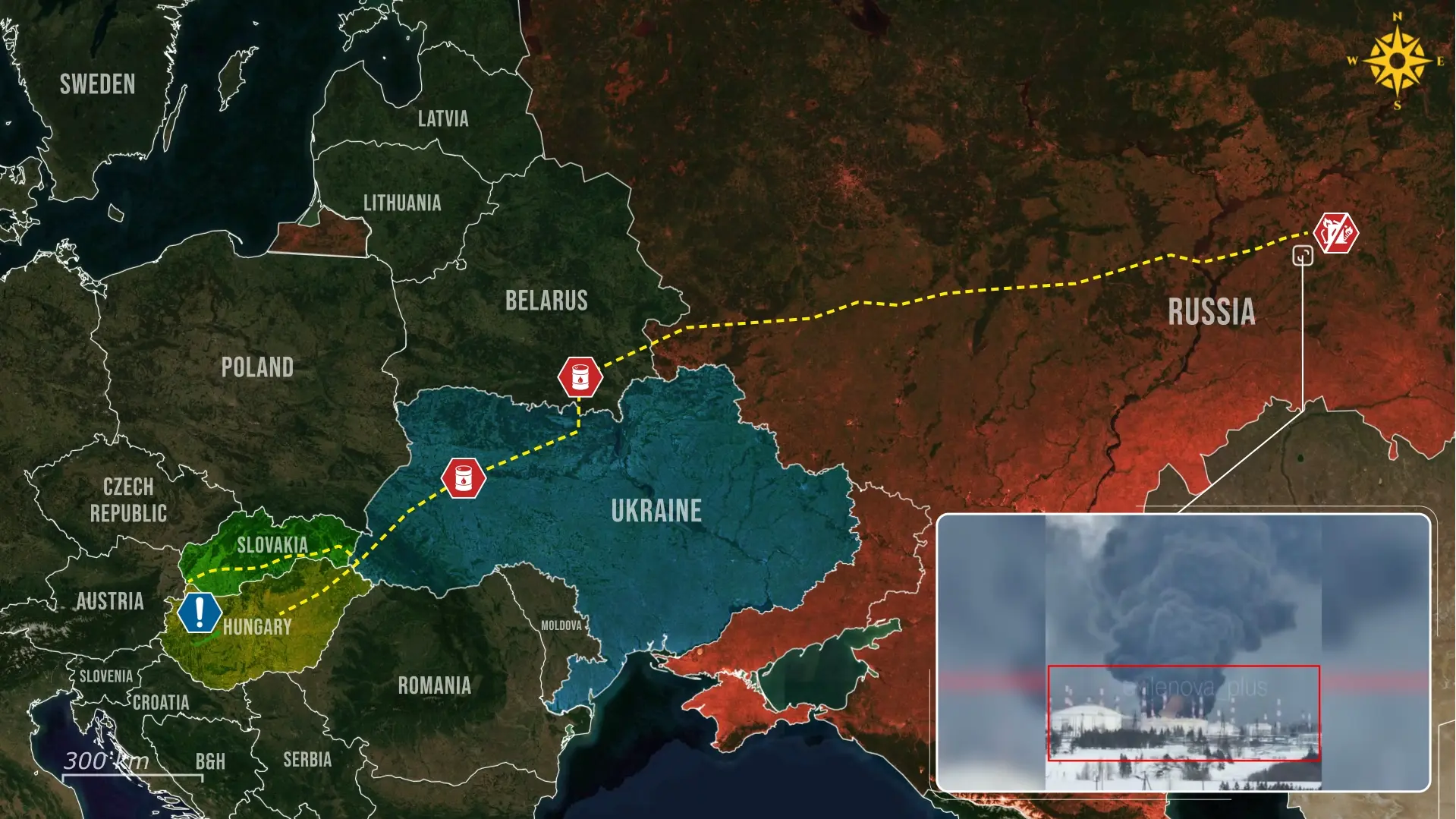
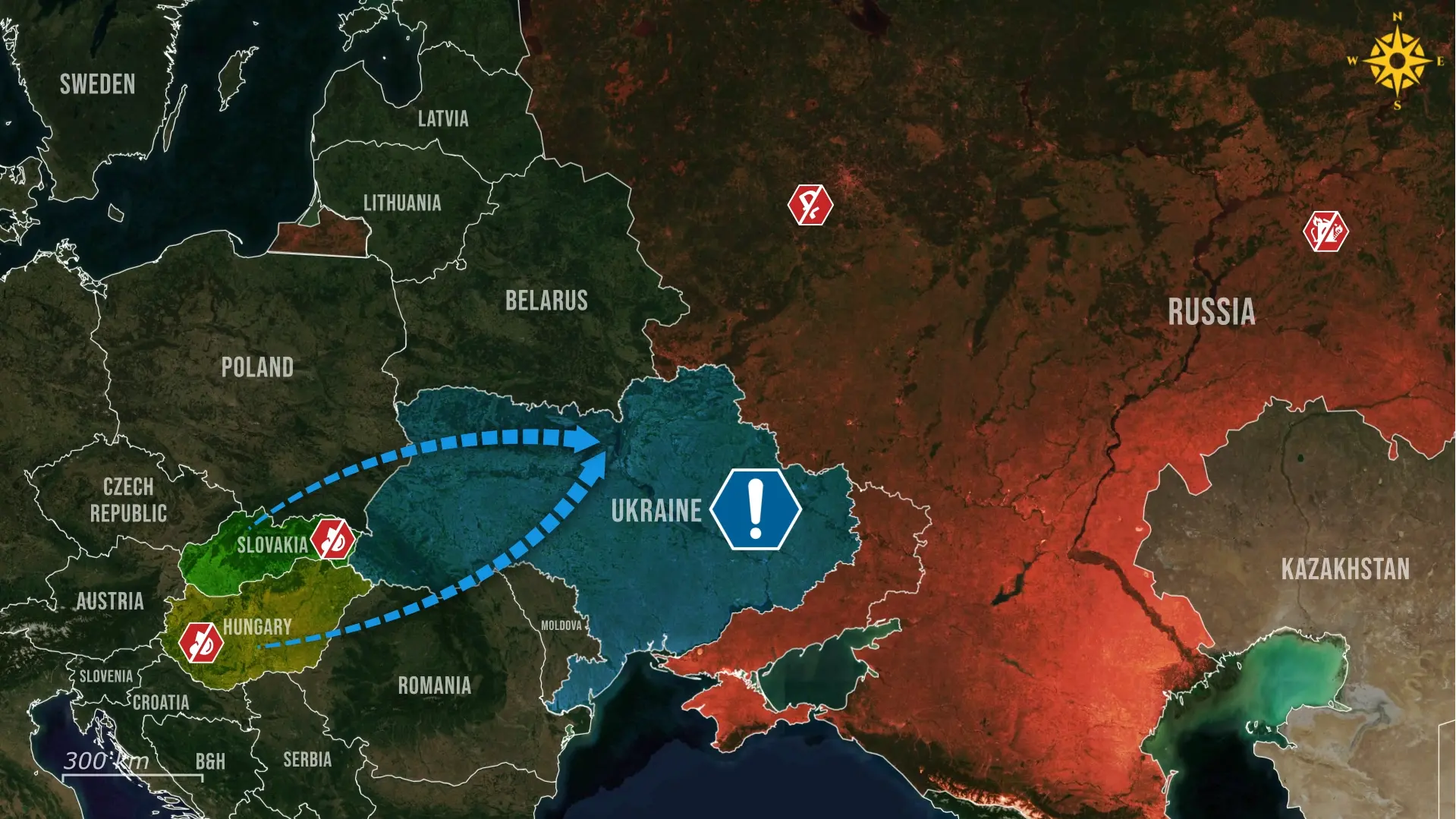
The Ukrainian attack struck at the heart of a structural dependency that both governments had sought to preserve despite broader European efforts to phase out Russian energy. The political context is critical, as in the days preceding the strike, Hungary blocked a 90 billion euro loan to Ukraine and vetoed the 20th European sanctions package against Russia, explicitly linking its decision to the repairs of Druzhba taking too long and pressure on Ukraine to open transit. Slovakia also halted emergency electricity supplies to Ukraine and, alongside Hungary, suspended diesel exports to Kyiv, conditioning their resumption on Ukraine facilitating the flow of Russian oil.
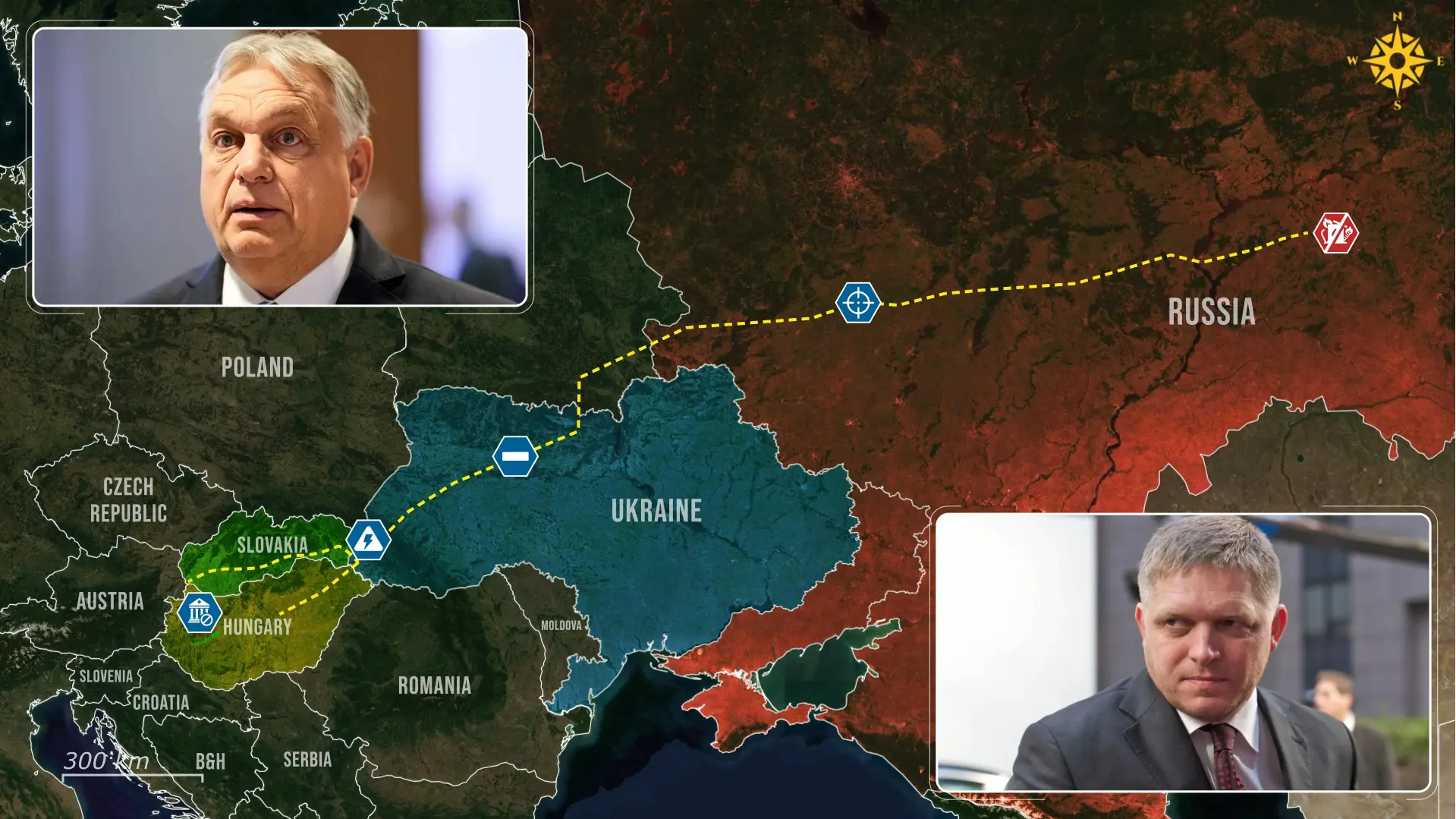
The coordinated pressure campaign from both countries aimed at compelling Ukraine to resume transit of Russian crude oil, which would simultaneously be providing revenues to Moscow to sustain its war effort. Ukrainian officials described this stance as an unhealthy dependence on Russian energy, reflecting growing frustration over what it viewed as political blackmail disguised as commercial necessity.
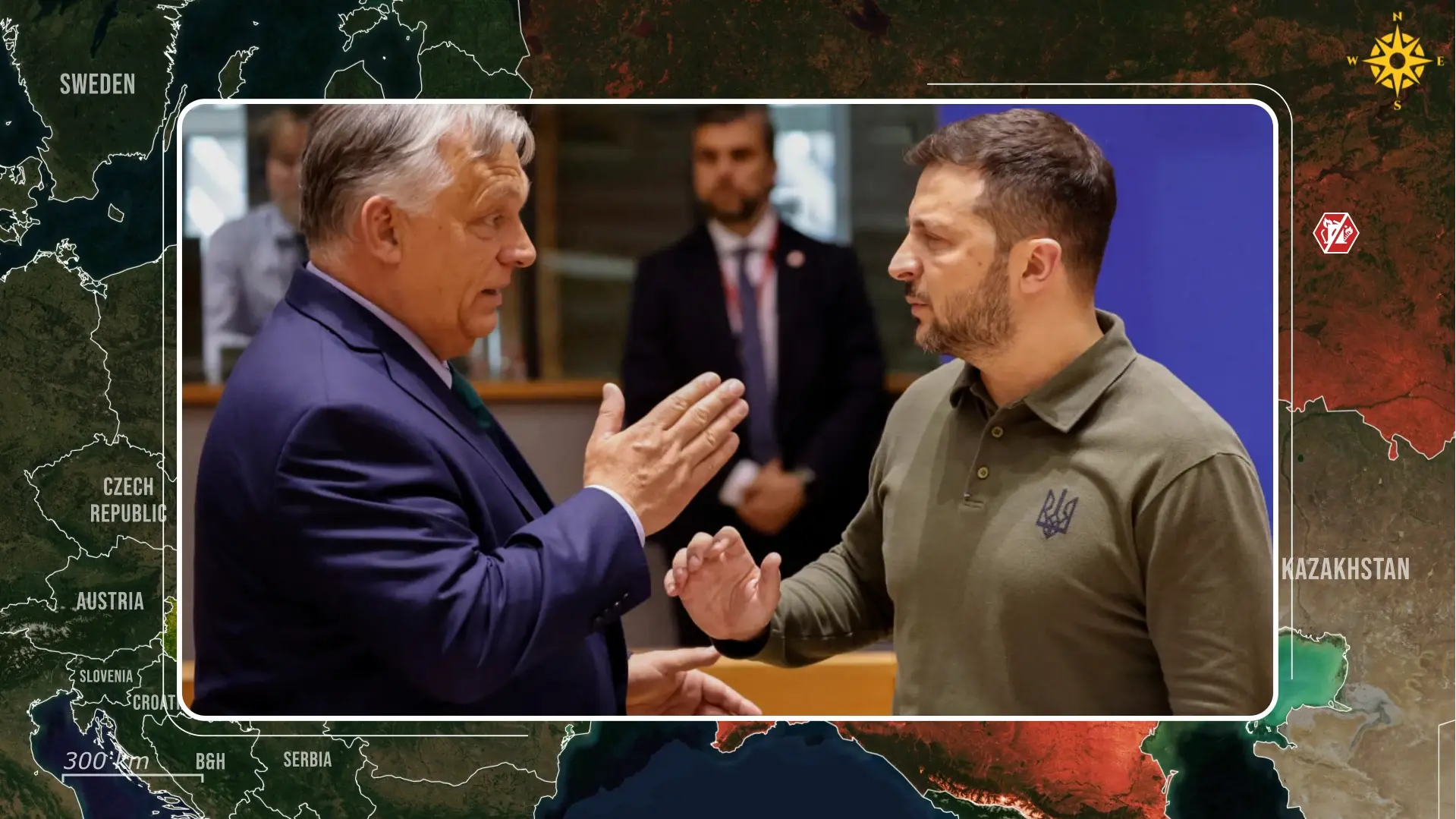
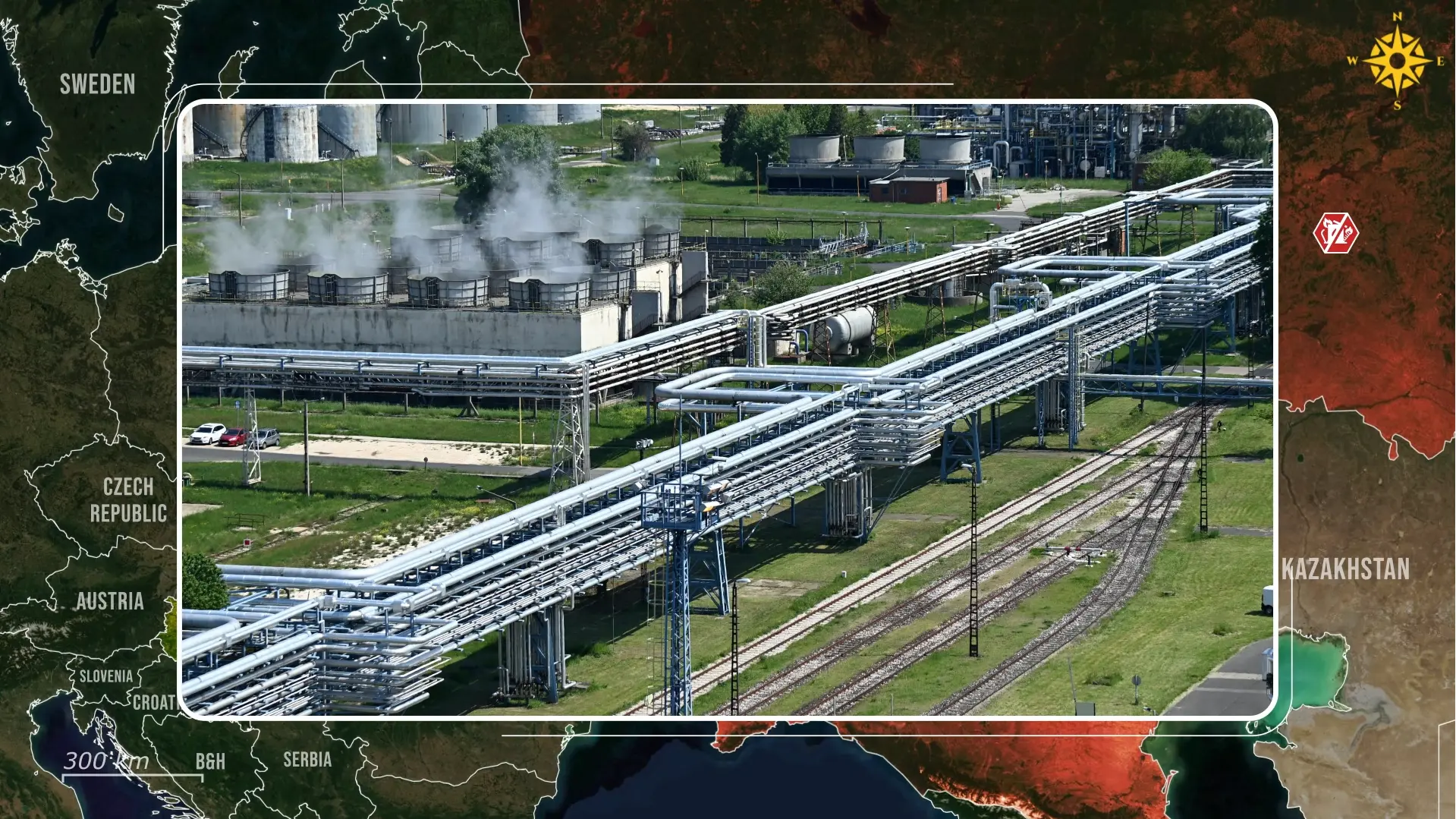
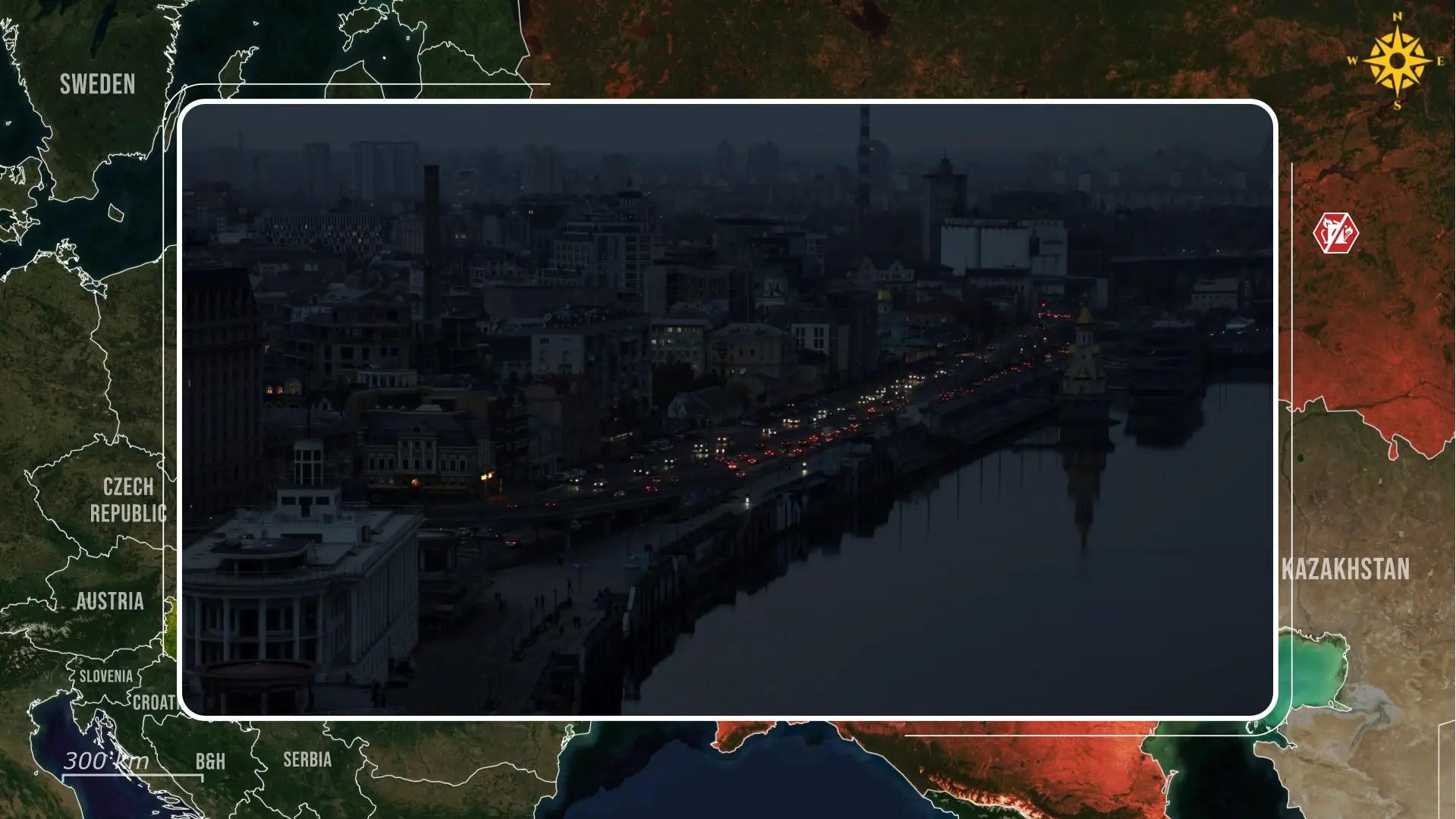
They also underlined that this backstab comes during the most difficult winter of the war so far, in which Ukraine’s own energy infrastructure is under constant Russian attacks, and millions in Ukraine live in temperatures reaching minus 20 degrees Celsius without heat and electricity.
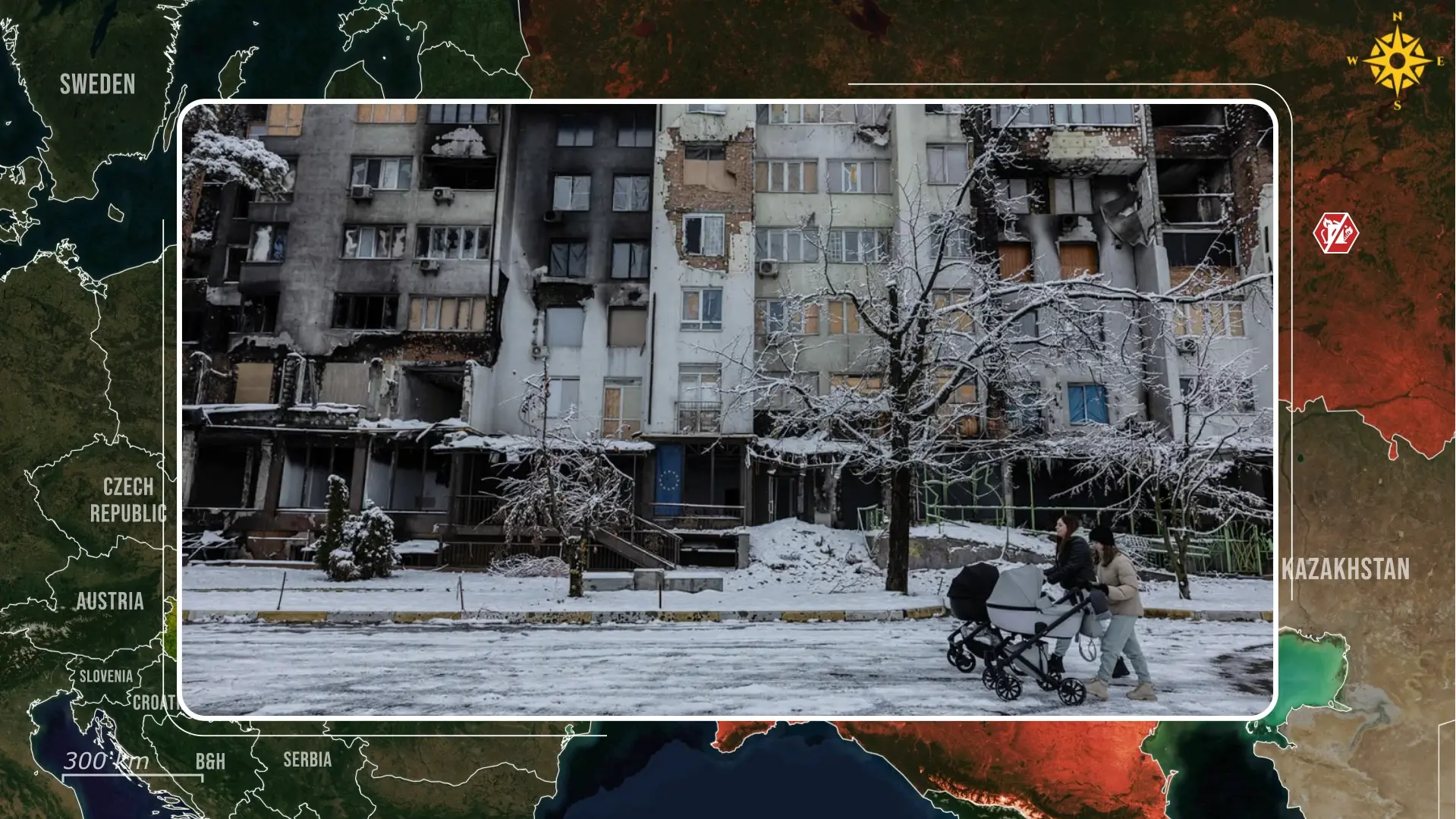
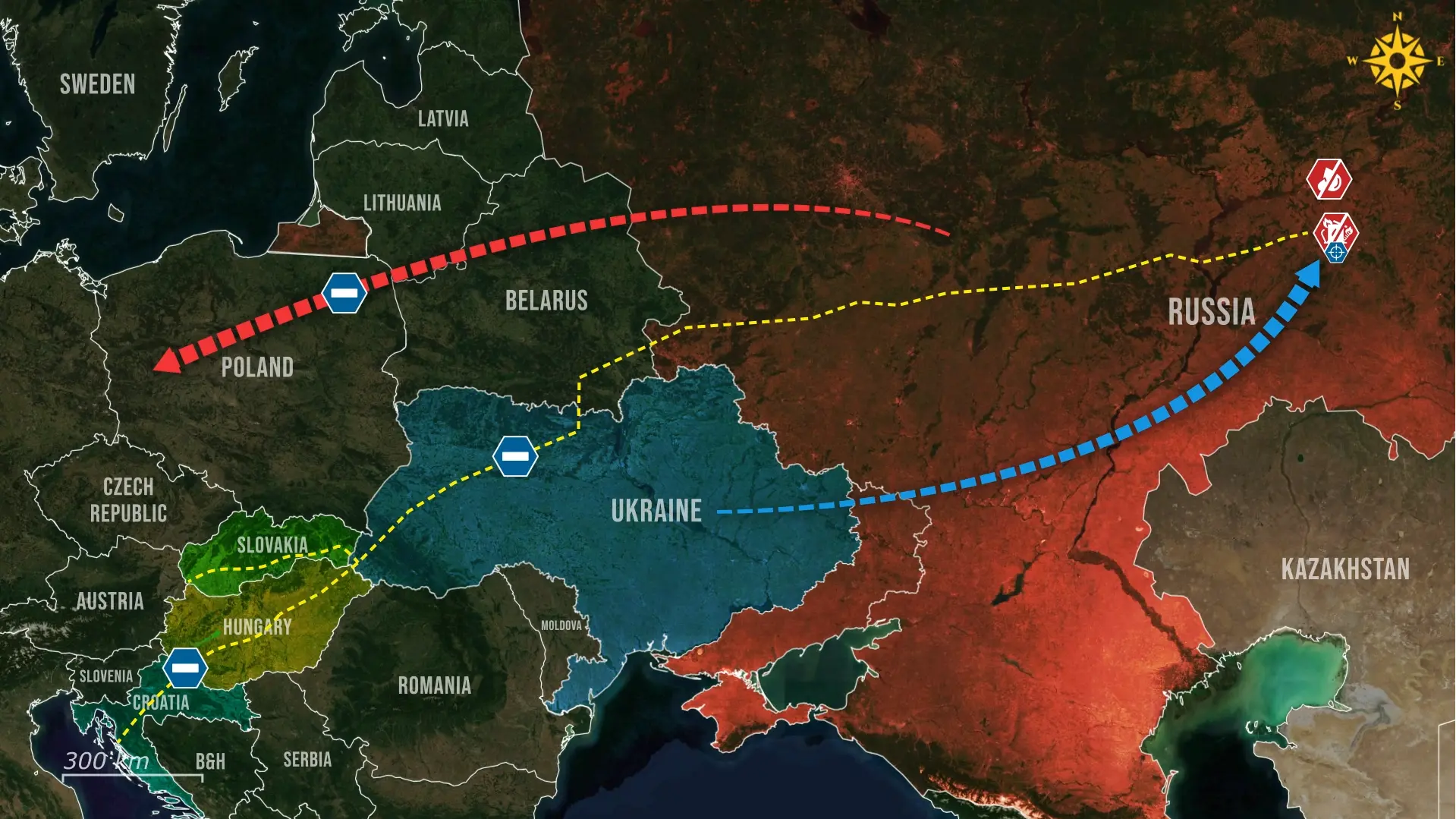
At the same time, attempts by Hungary and Slovakia to secure an alternative route for Russian crude via the Adriatic pipeline were rejected by the Croatian authorities, explicitly noting that continued purchases of Russian oil finance the war against Ukraine. Ukraine’s response by striking the pumping infrastructure inside Russia rather than negotiating transit conditions, signaled that if energy flows are weaponized politically, they become legitimate military targets.
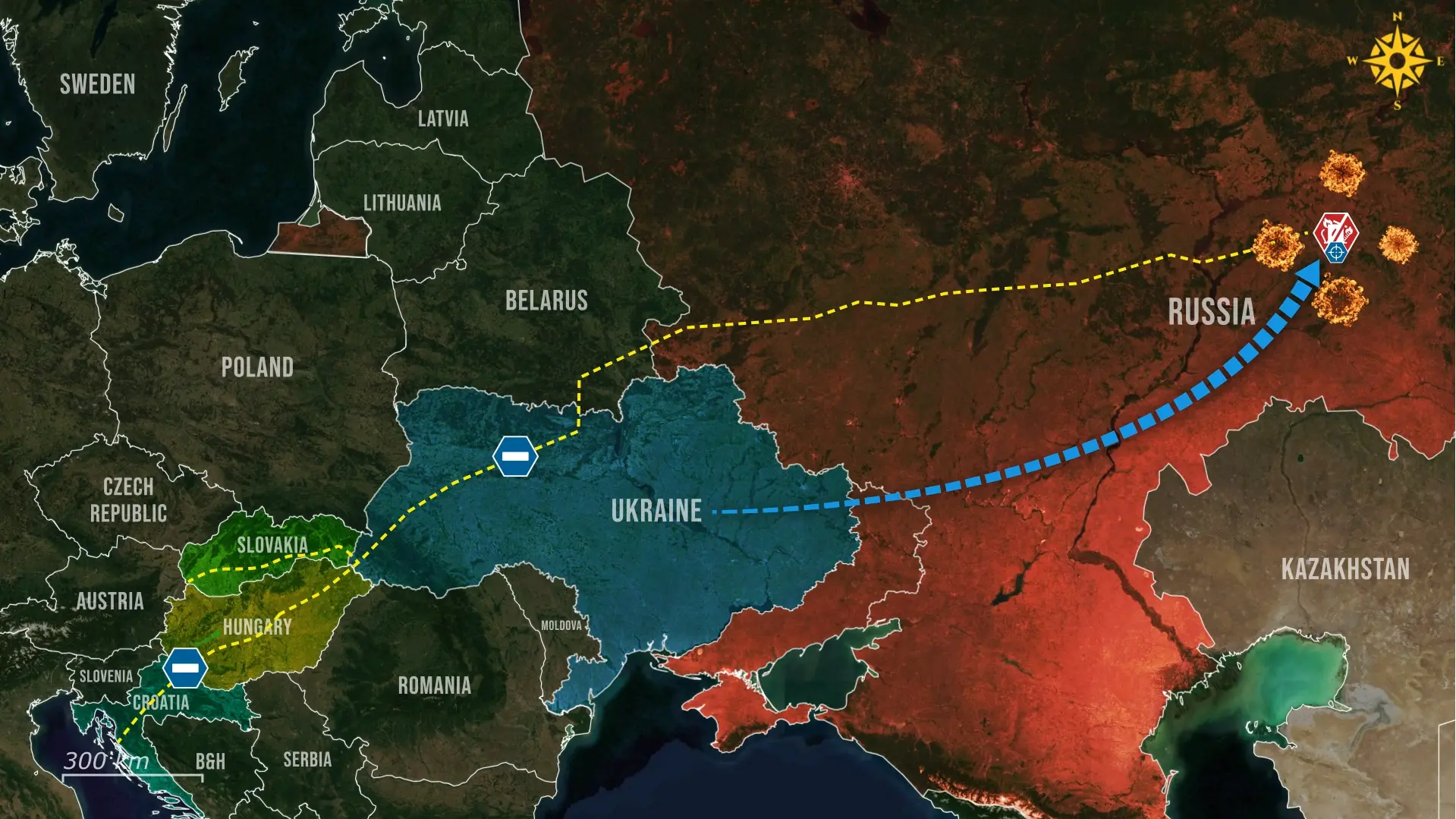
The attack on Kaleikino disrupted both the Russian infrastructure and the operational reliability of the entire export chain, as the damaged large reservoirs risk the prolonged supply instability and limit Russia’s ability to use the pipeline as a tool to sabotage EU policies through Hungary and Slovakia.
Slovakia reacted quickly to the Ukrainian strike, as Slovnaft, the Bratislava-based refinery owned by a Hungarian company, quickly began importing crude from Saudi Arabia, Norway, Kazakhstan, and Libya, with seven tankers ordered to offset disrupted supplies. This oil will now transit through the Croatian Adria pipeline, representing a historic move away from exclusive reliance on Druzhba, illustrating how quickly strategic calculations can shift if real pressure is applied, willingly or not.
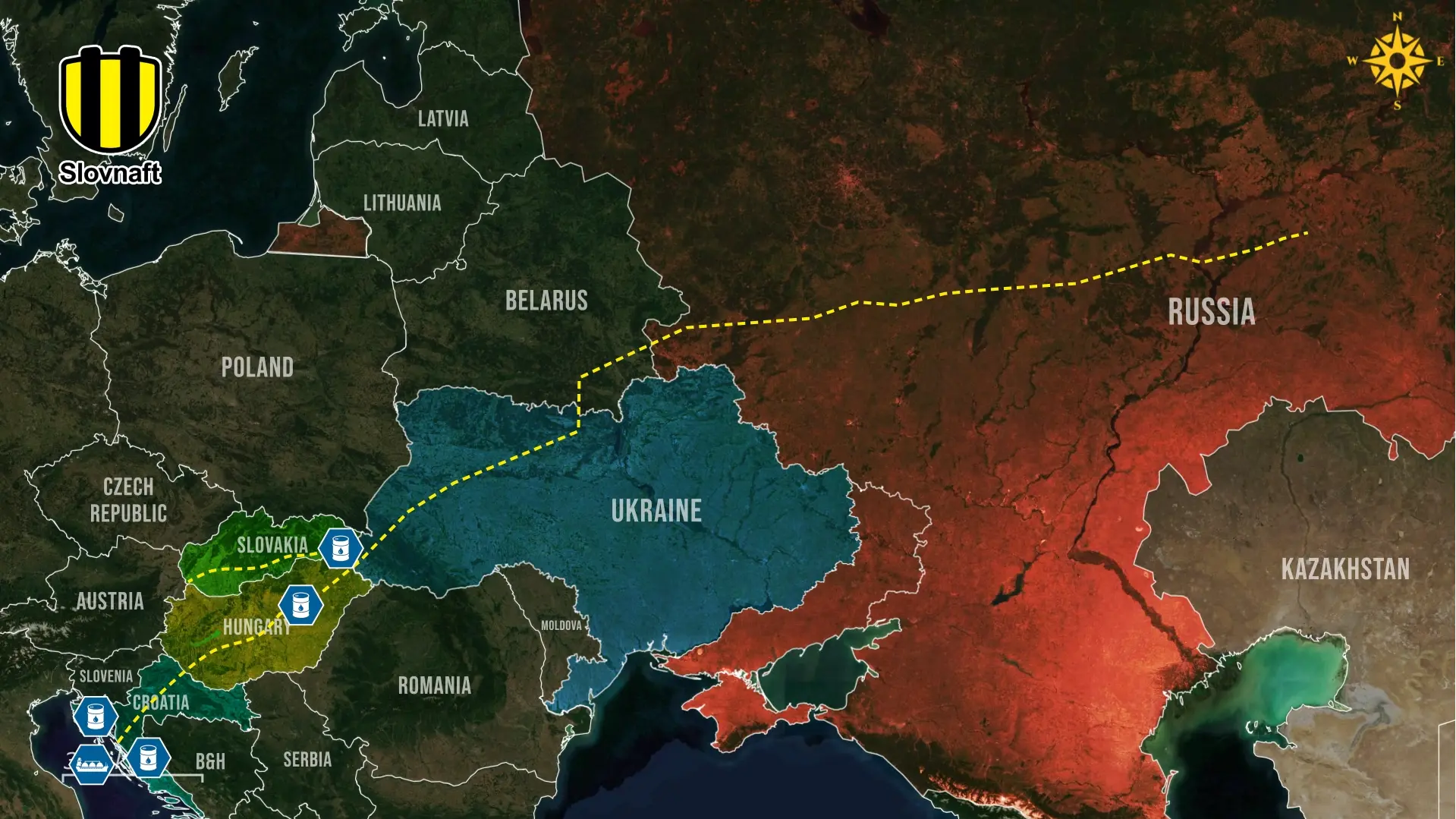
As can be seen, despite trying to blackmail Ukraine initially, Slovakia buckled in and started diversifying supply channels once confronted with the new reality, acknowledging the fragility of the previous arrangement.
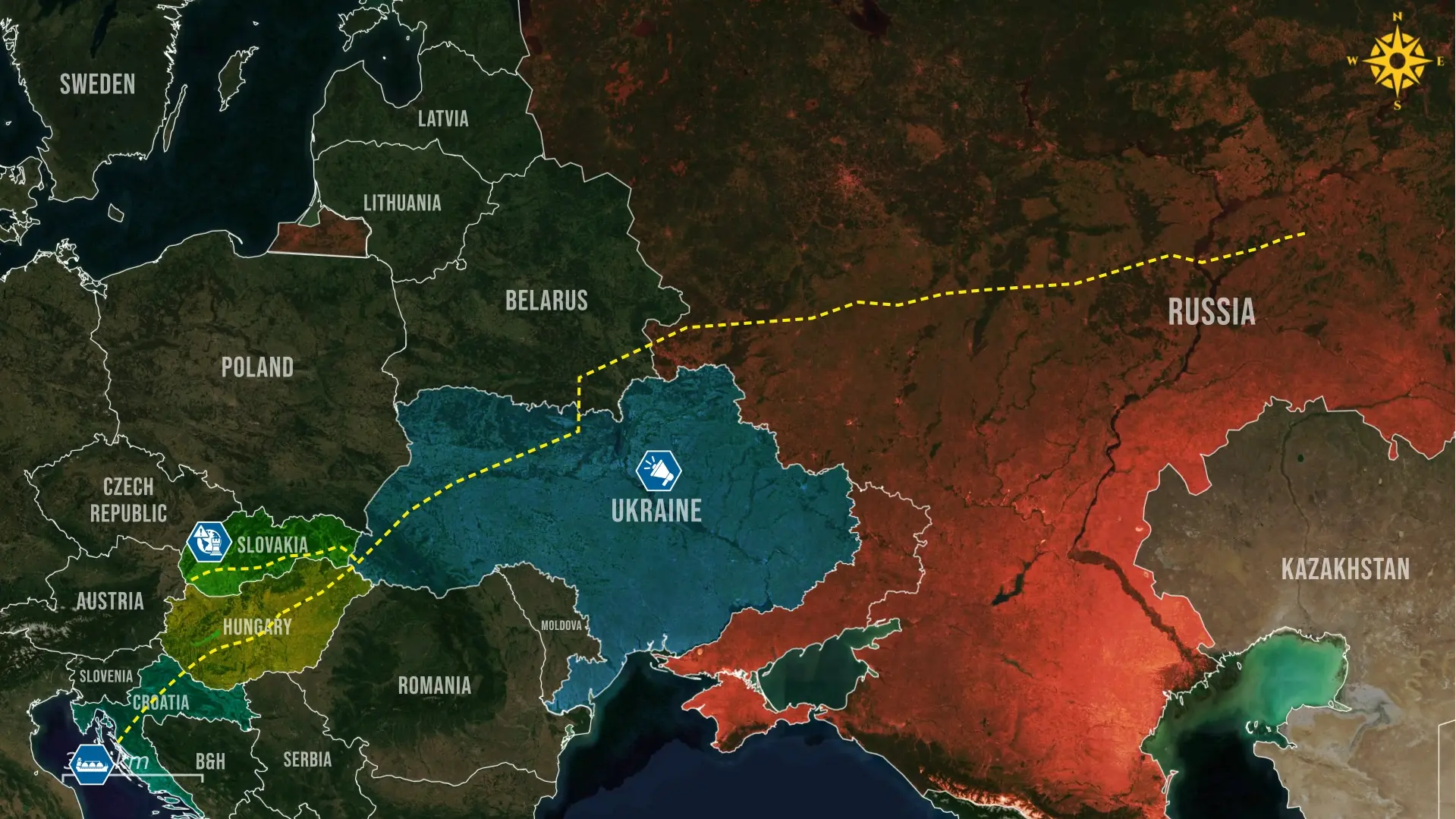
The broader implications are structural, as four years into the war, Hungary and Slovakia still depend on Russian crude, sustaining the Kremlin’s fiscal capacity. For Ukraine, restarting transit under coercion would have meant facilitating revenue streams that fund daily missile and drone strikes against its own cities.
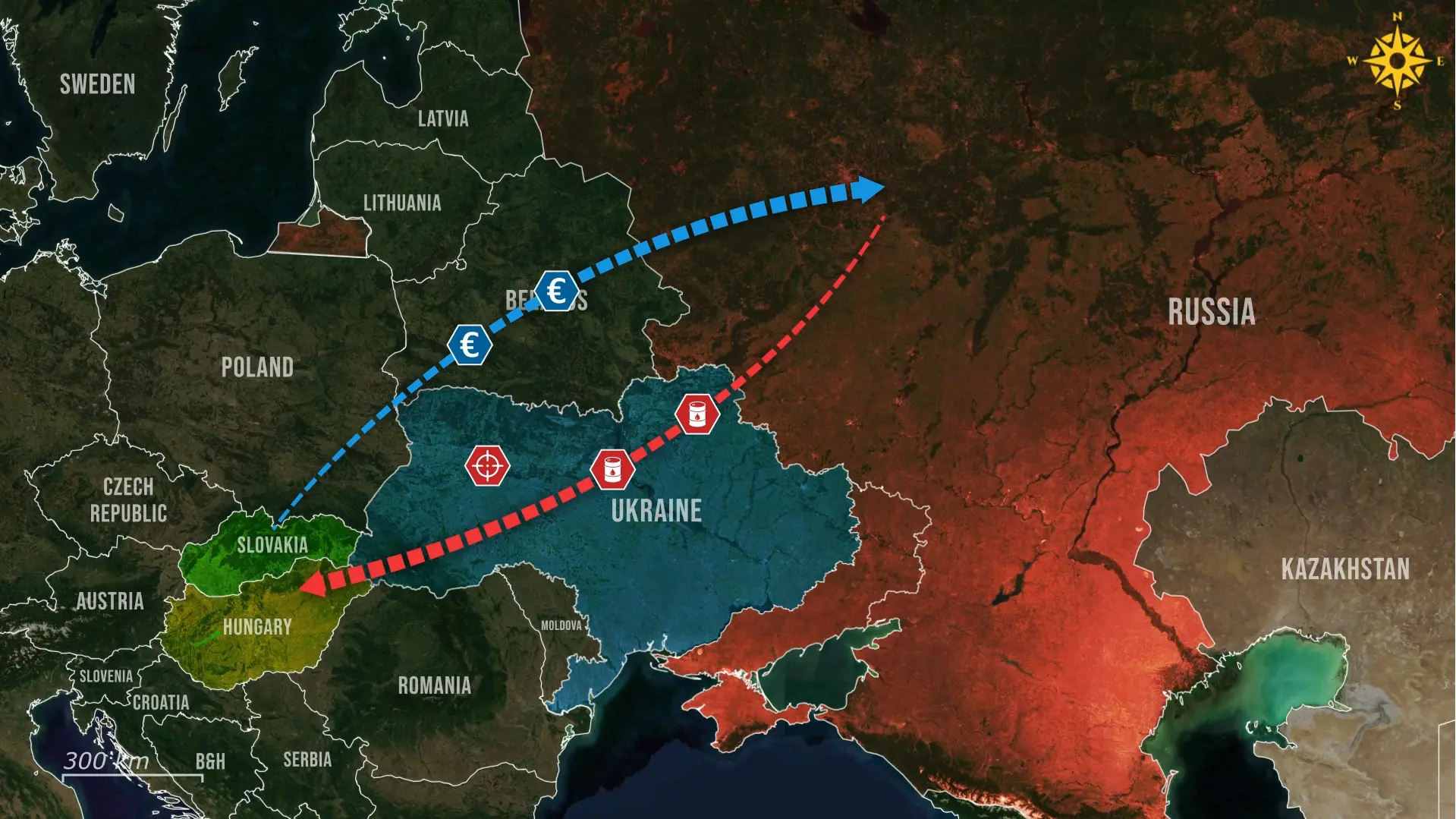
By targeting the infrastructure itself, Kyiv effectively removed the leverage that Hungary and Slovakia sought to exploit.
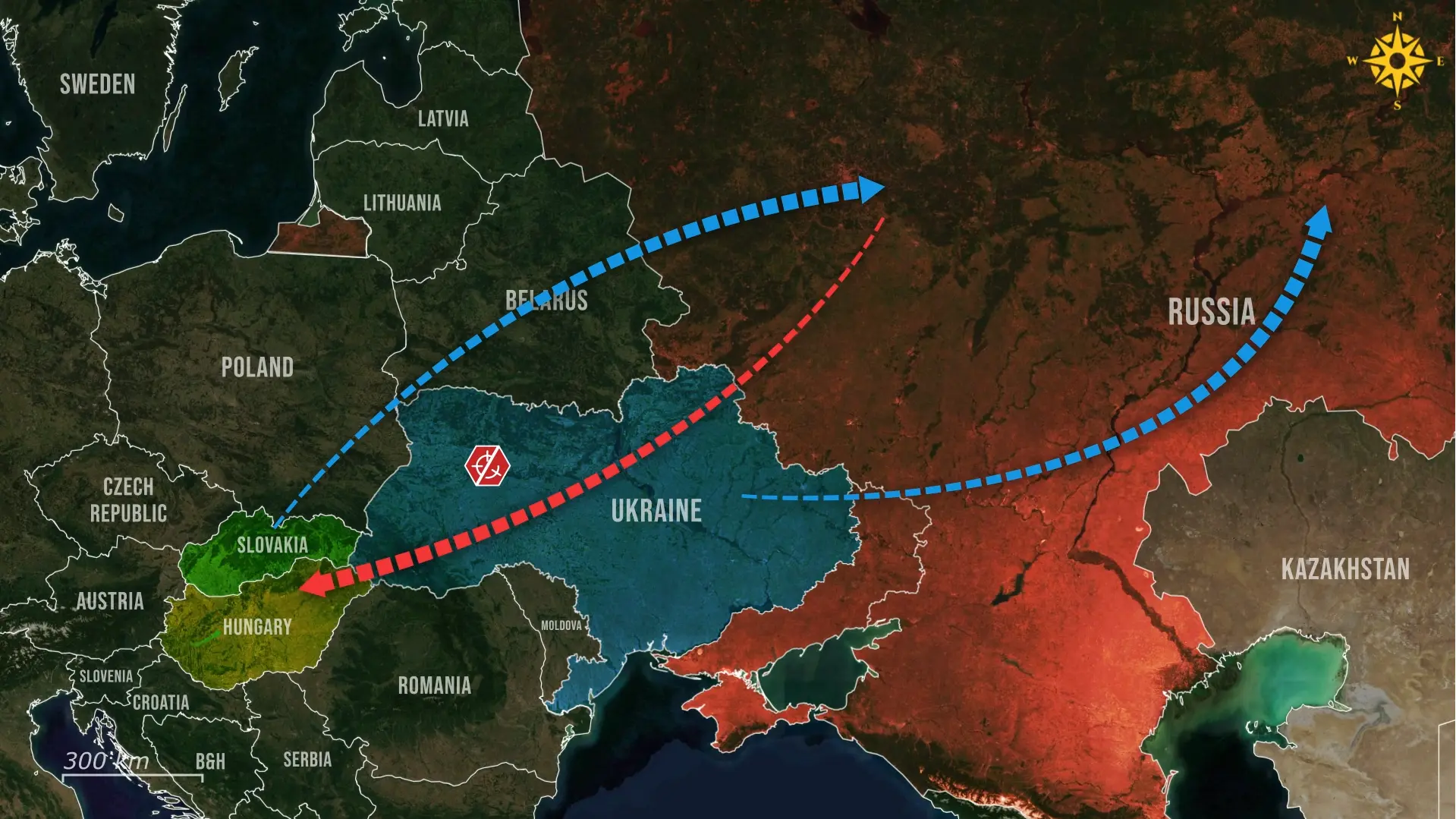
Overall, the destruction of the Druzhba pipeline reflects the continuous shift in wartime logic, with the focus switching from the battlefield to what allows the war machine to run. Hungary and Slovakia attempted to use transit dependence as an instrument of strategic contestation and political leverage, but Ukraine responded by exposing the physical vulnerability of that dependence on Russia. The result is a forced recalibration in Central Europe’s energy posture and a clear message that wartime blackmail carries escalating risks for everyone.

.jpg)

Comments