

.svg)
Today, there is interesting news from the Dnipropetrovsk direction.
Here, the Russian lines started cracking as the Ukrainians broke through and recaptured important positions. However, Ukraine isn’t giving the enemy time to adjust and opened a second axis from the north, threatening an even bigger disaster for the Russians.
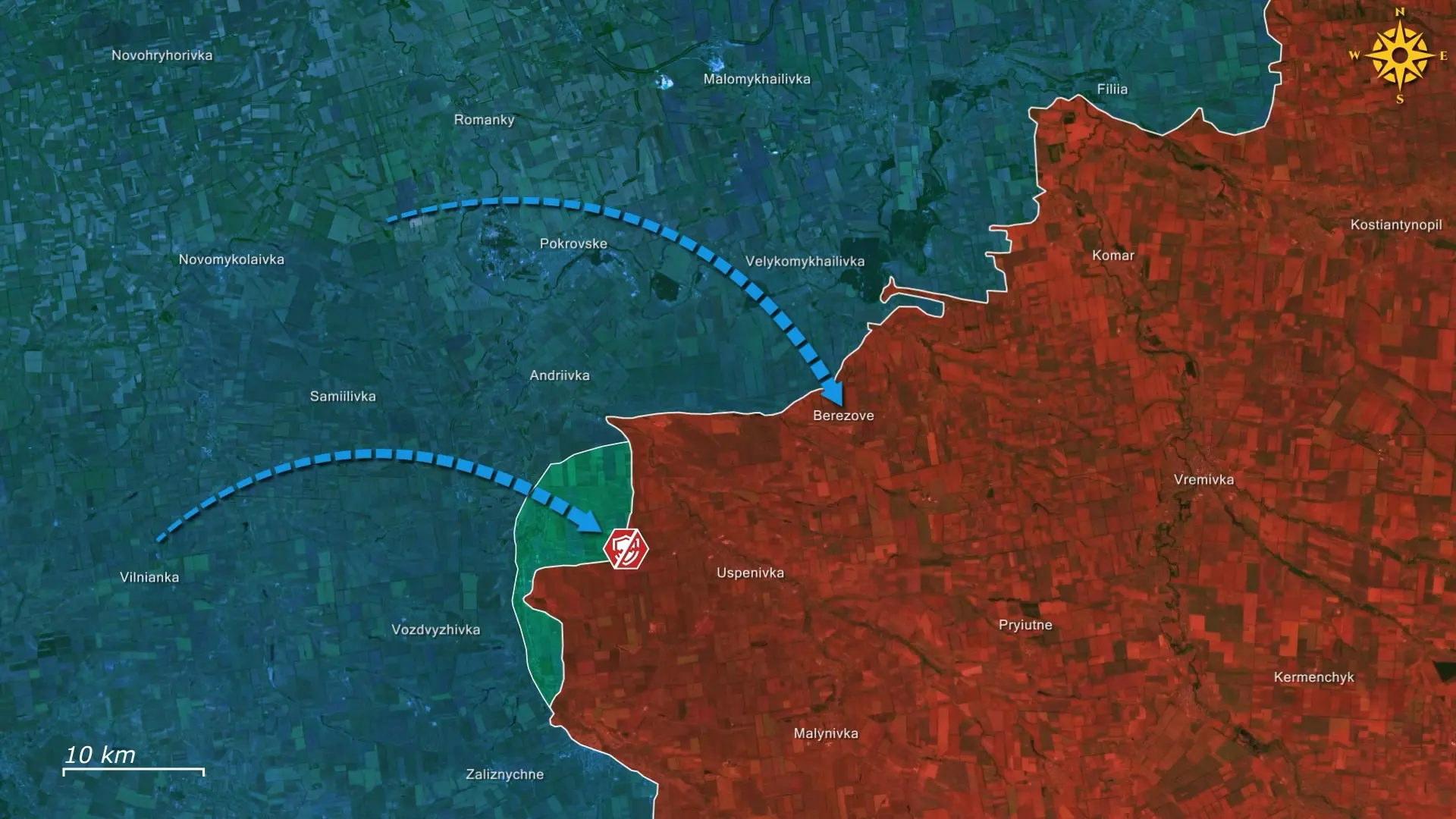
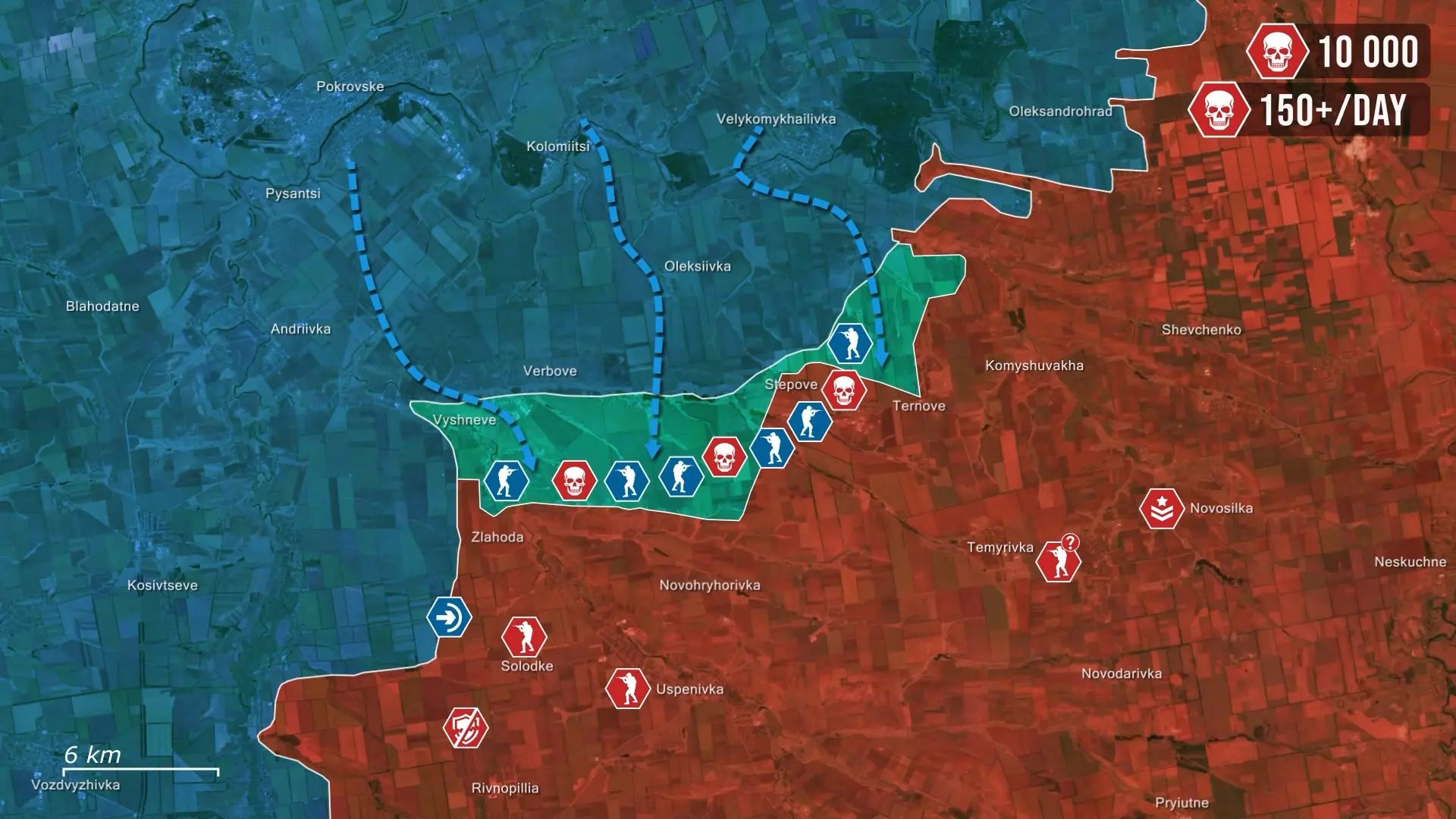
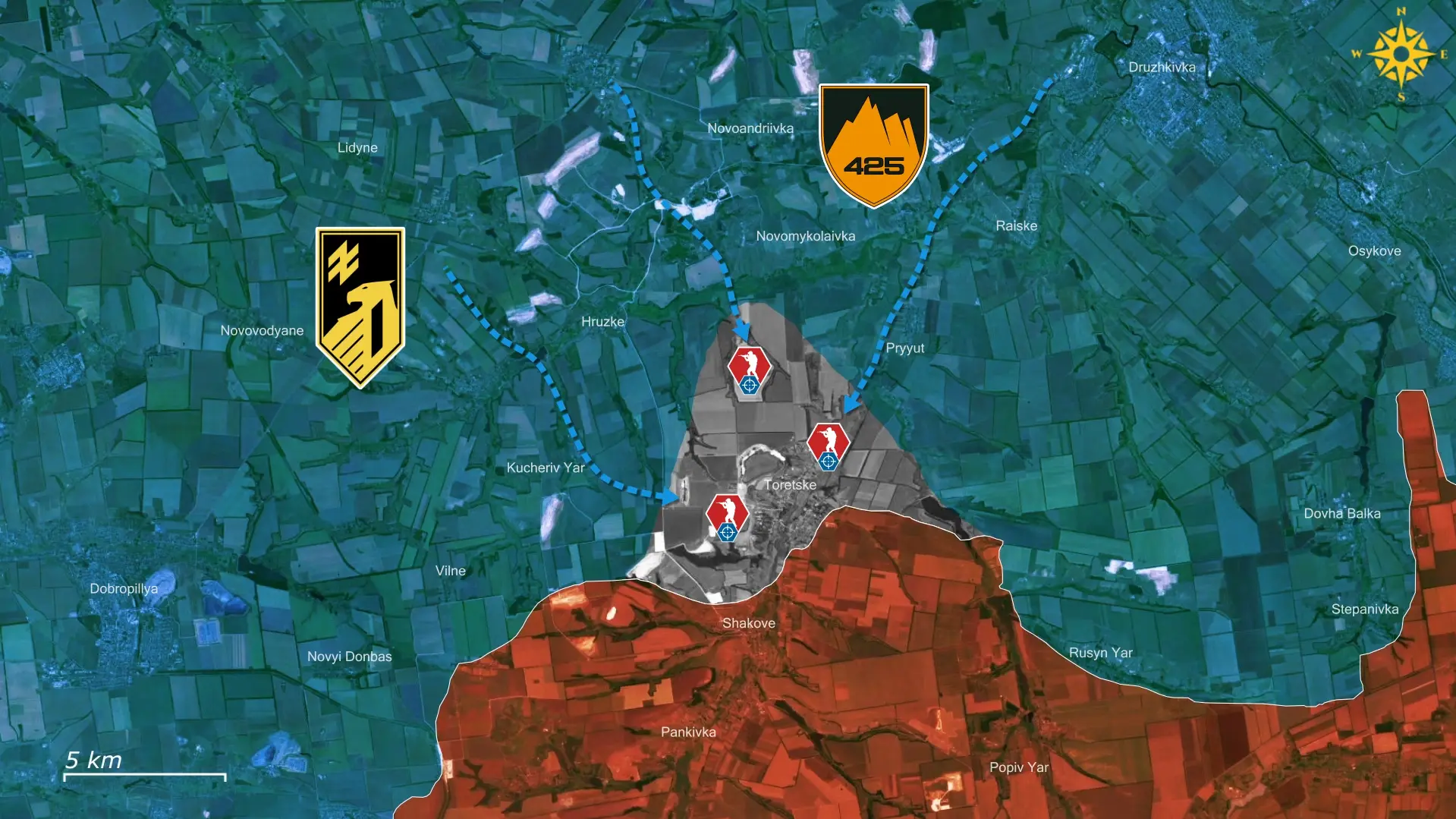
Ukrainian forces have pushed near Huliaipole, creating the first significant breach in Russian positions from the west and northwest, pushing them further behind the Haichur River. They are now exploiting this breakthrough by launching a secondary attack from the north near Velykomykhailivka.
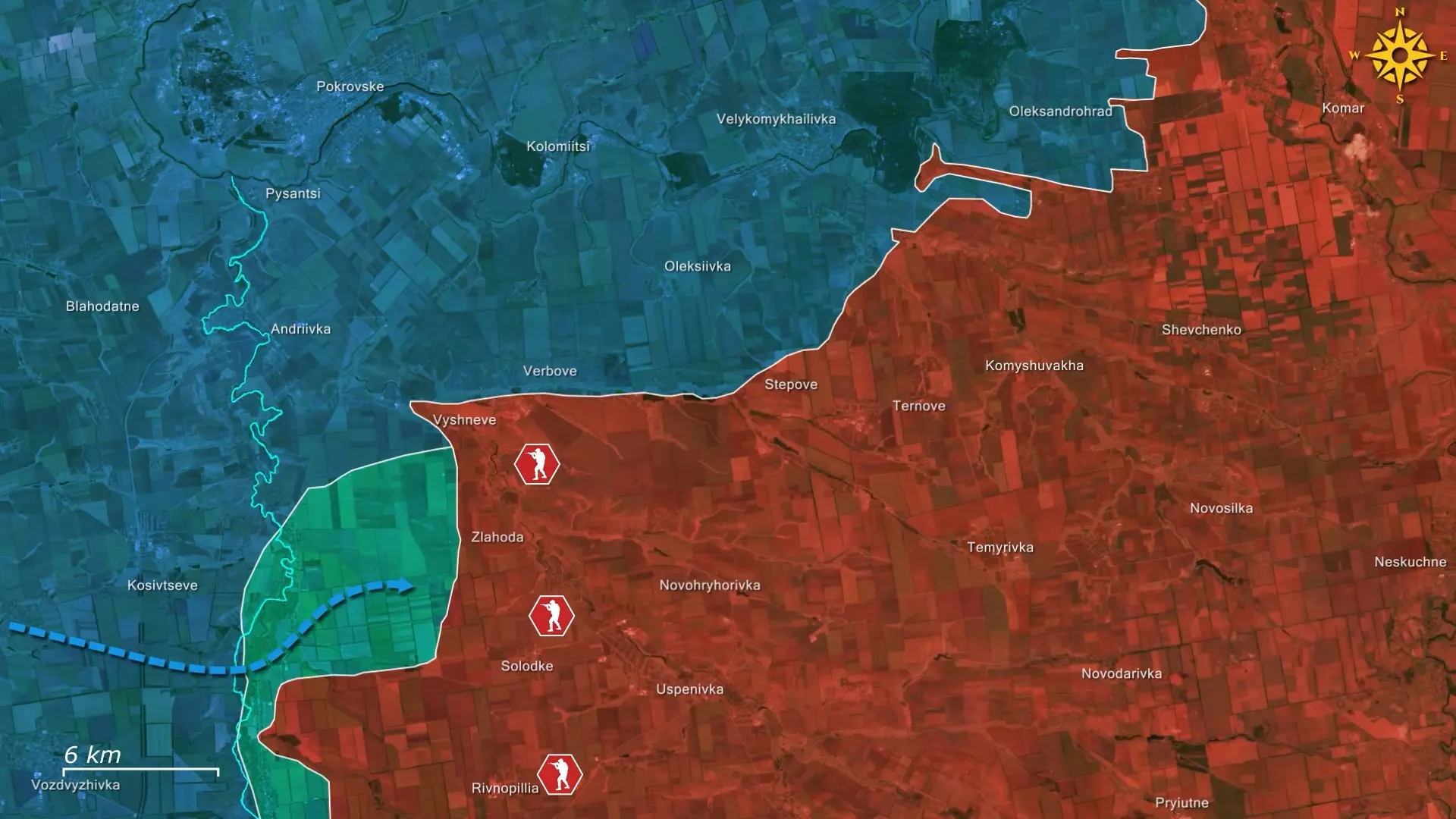
This new attack vector complements the initial push, attacking the Russian salient from the flanks, while they are focusing on protecting it from the west. The new efforts aim to recapture villages along the initial Ukrainian defense line and eliminate the Russian bridgehead over the river.
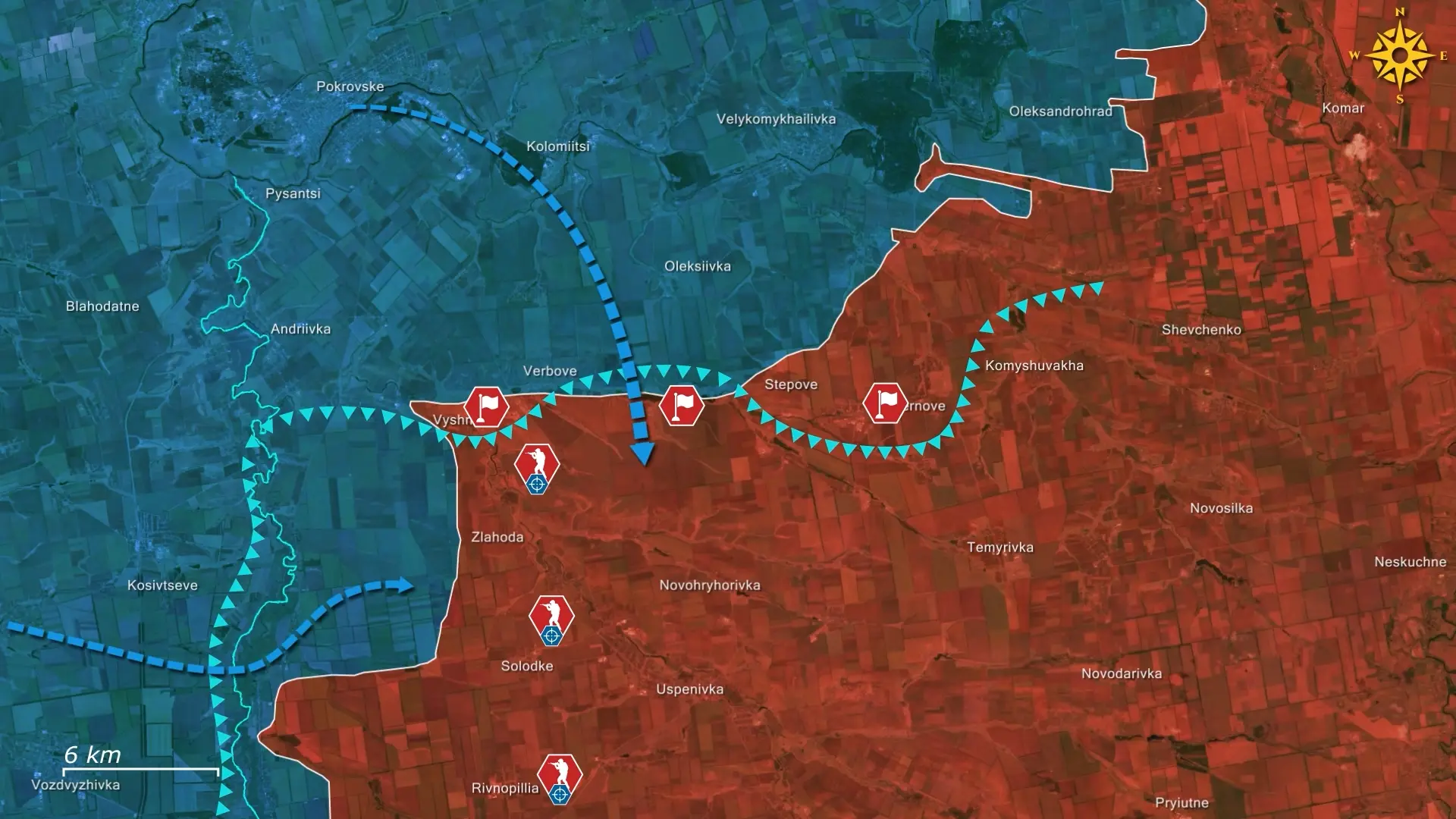
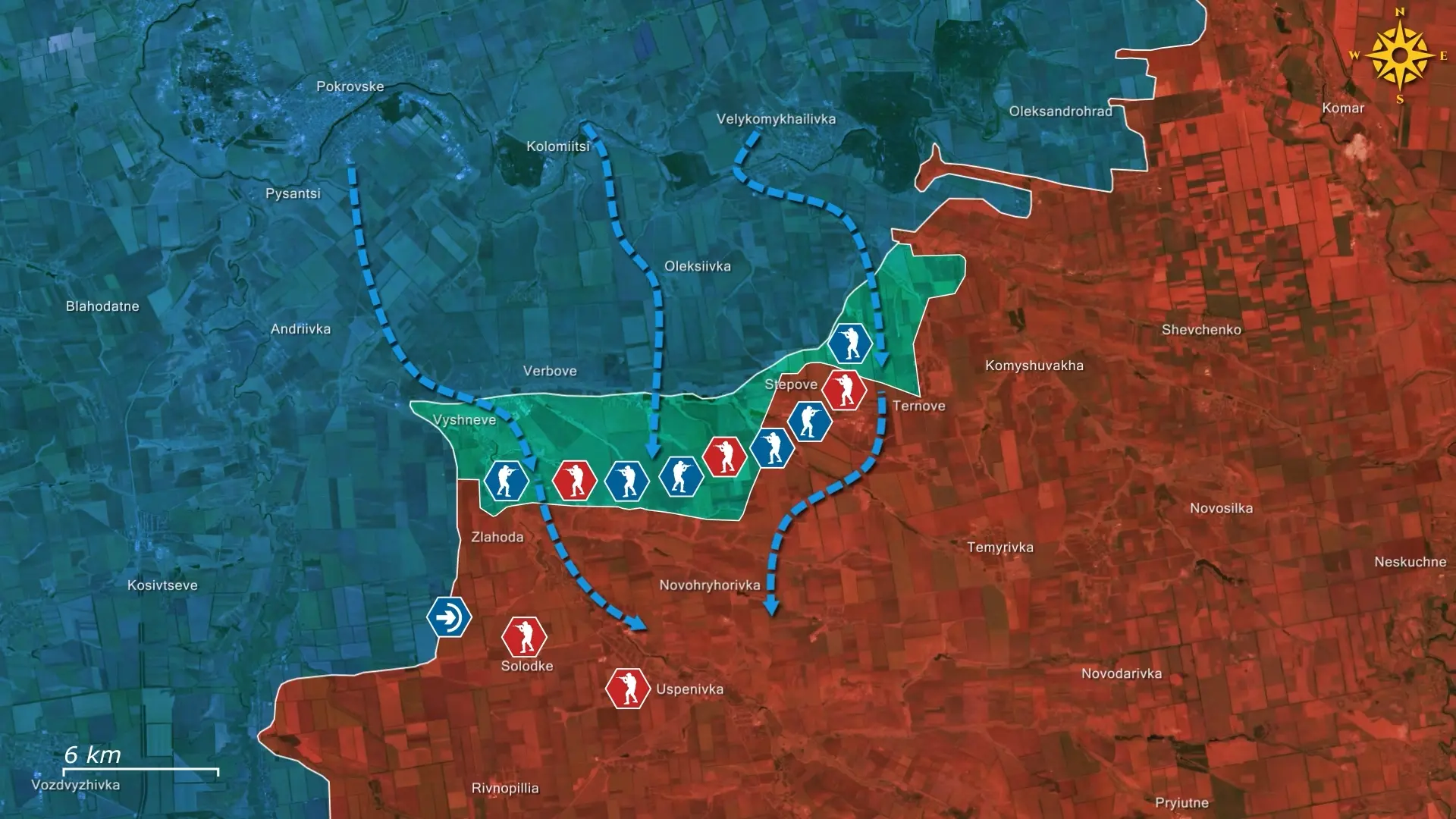
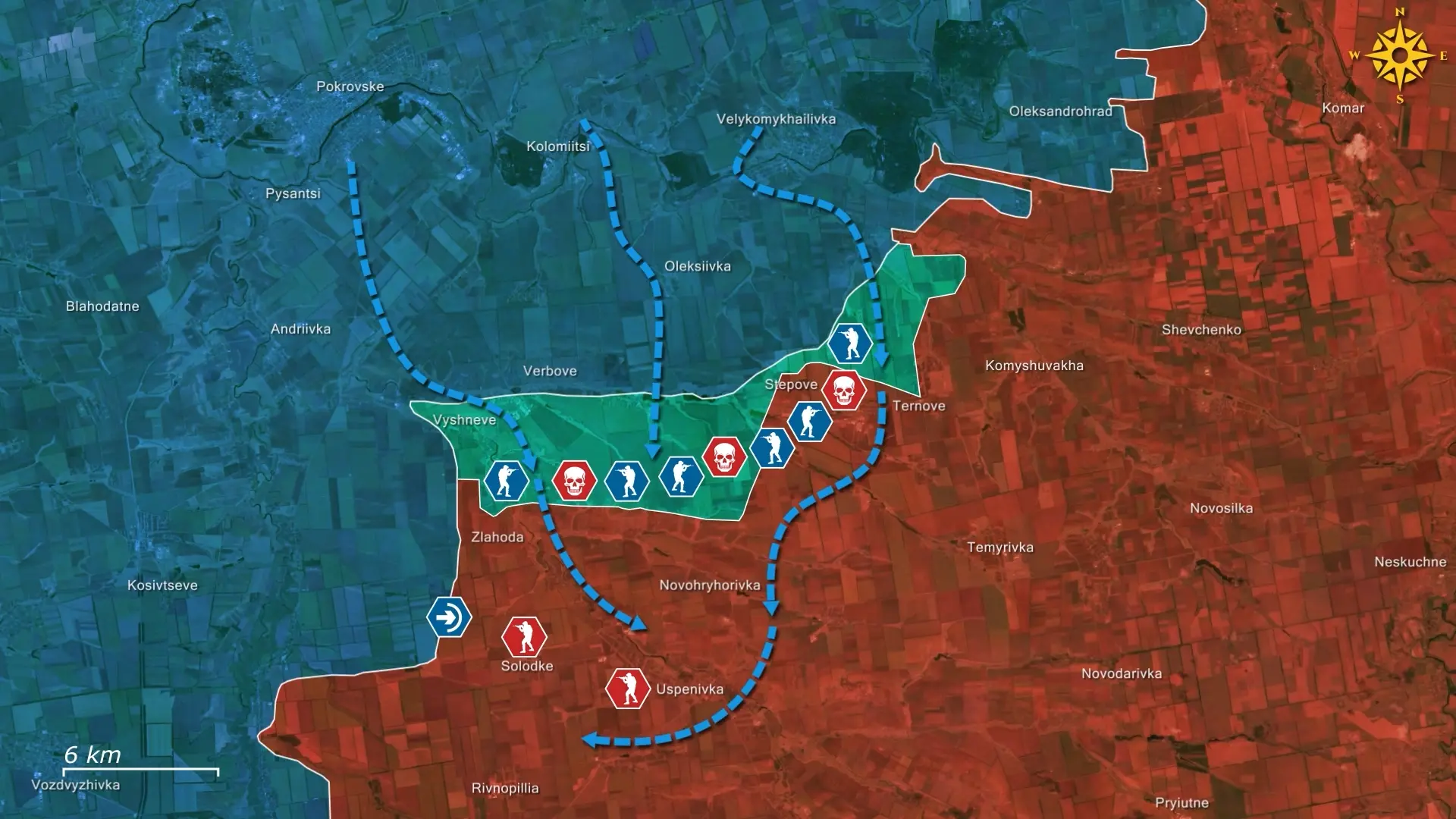
The Ukrainians launched their new attack from the north, along 3 separate vectors. First, they mounted an assault towards Vyshneve along the Yanchur river to flank Verbove from the west and push forward. Simultaneously, the second vector complemented the first one, attacking Verbove directly to regain control over the defense line north of the settlement. The third assault aimed to capture Ternove to envelop villages north of the defense line.
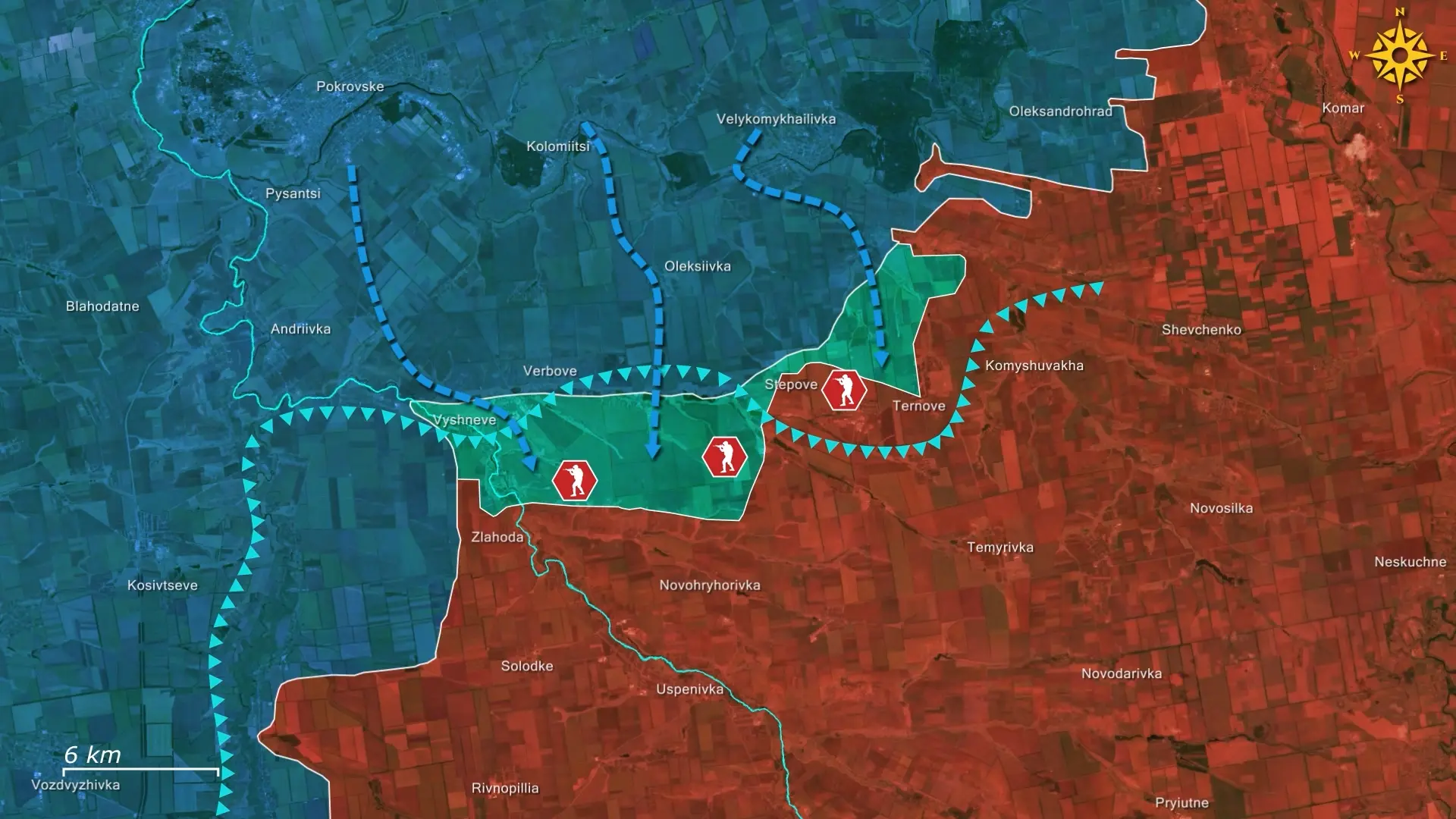
This cuts the Russians off from reinforcements, as their vehicles cannot go through the defense line, consisting of various anti-tank obstacles. Securing these villages, Ukraine regained key defensive positions along its second defense line, which was partially under Russian control. This tactical success enables better defense against future Russian assaults and creates the opportunity for a deeper breakthrough southward.
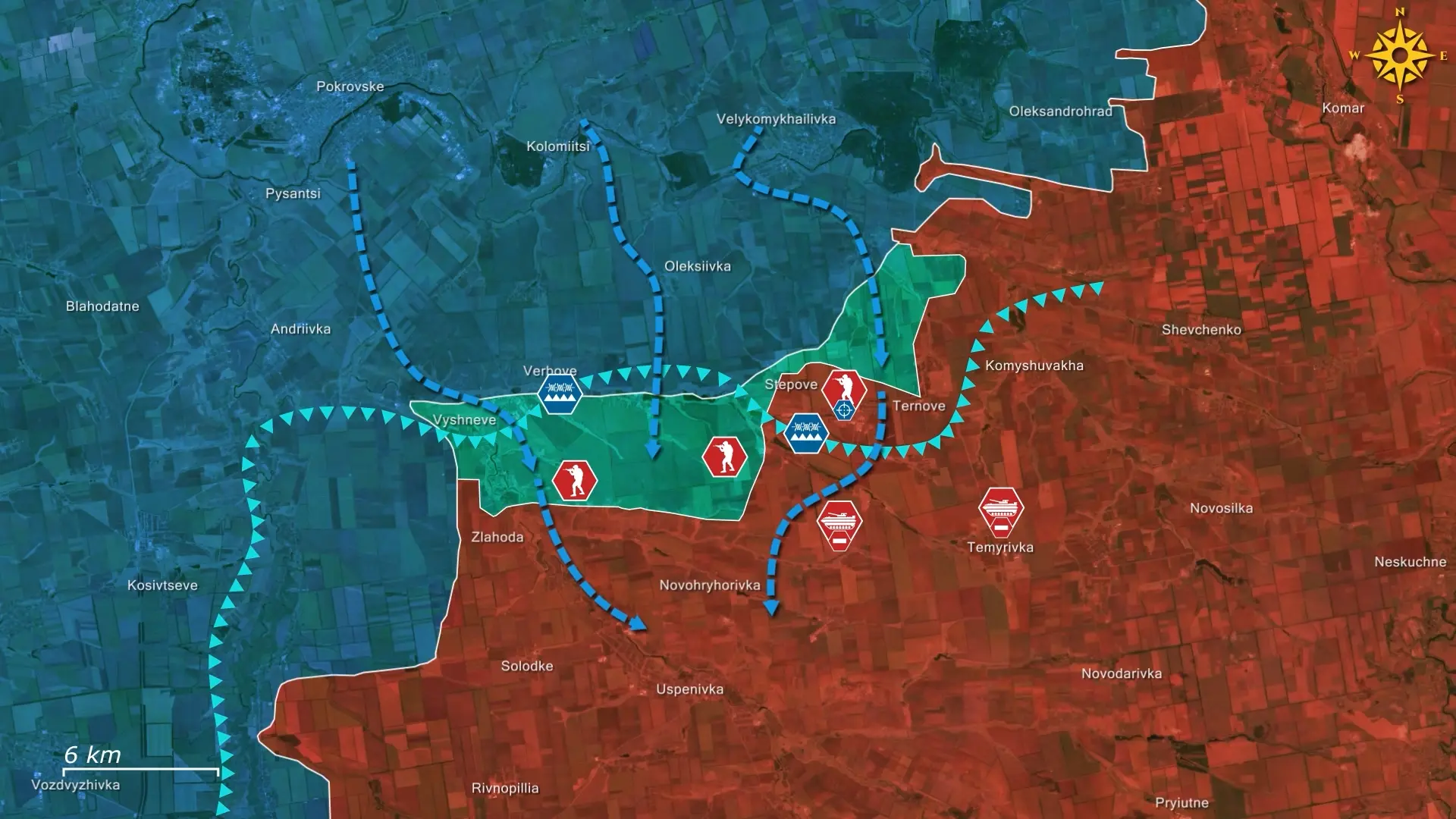
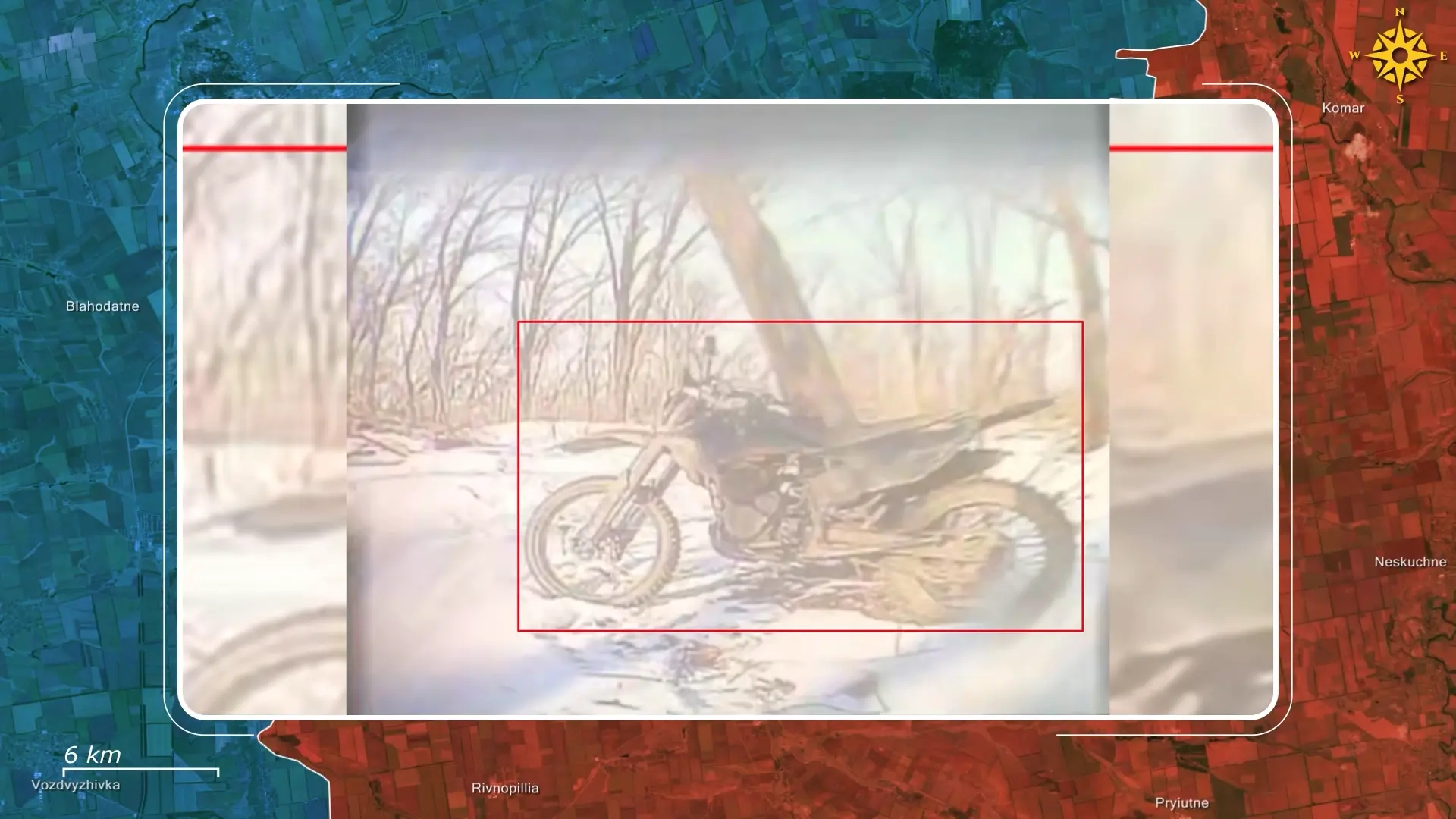
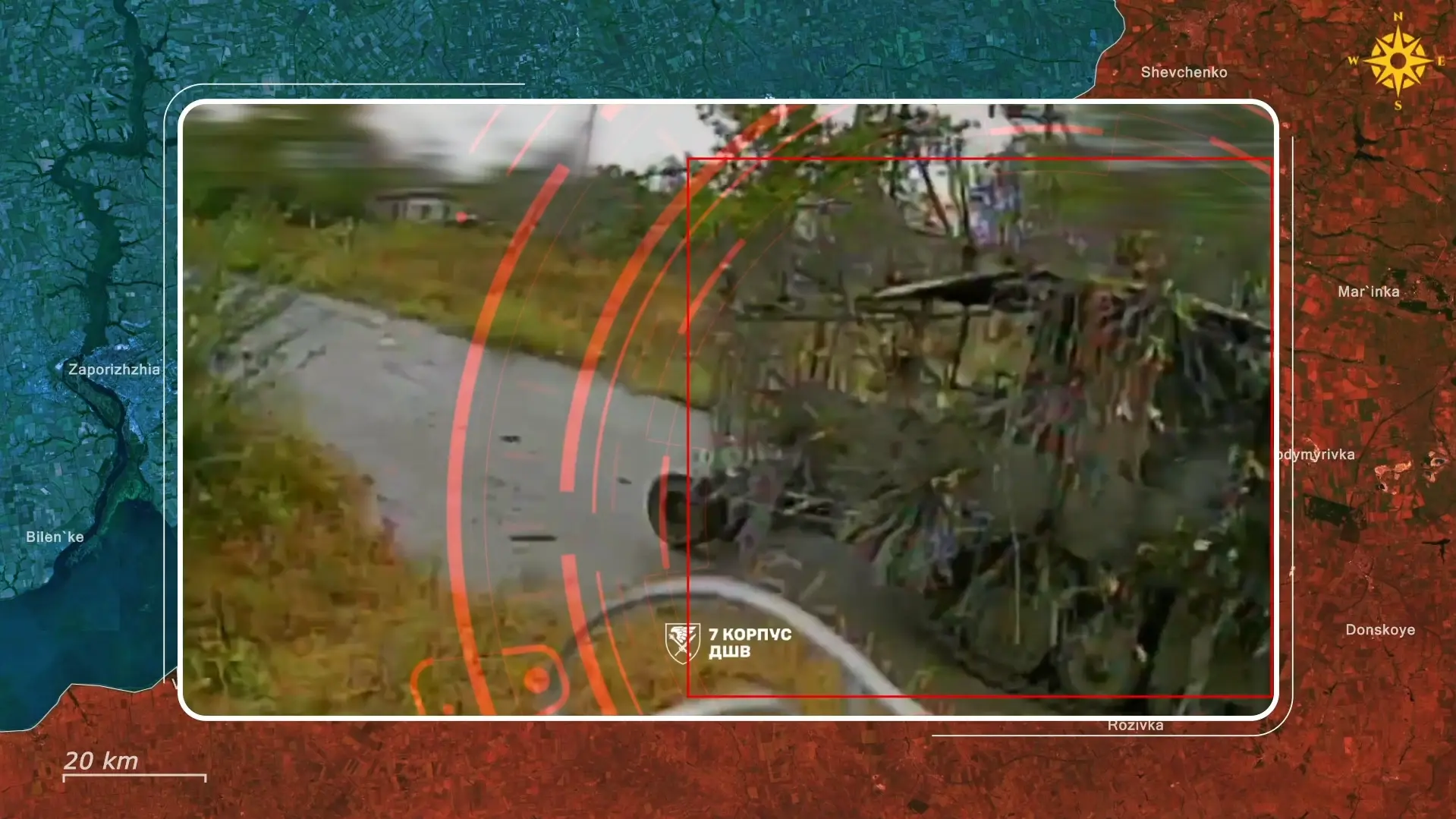
To protect its operation from a Russian surprise attack, Ukrainian drone operators targeted Russian troops in their dugouts near Stepove, as can be seen in a geolocated video, ensuring troops on the ground will meet less resistance.
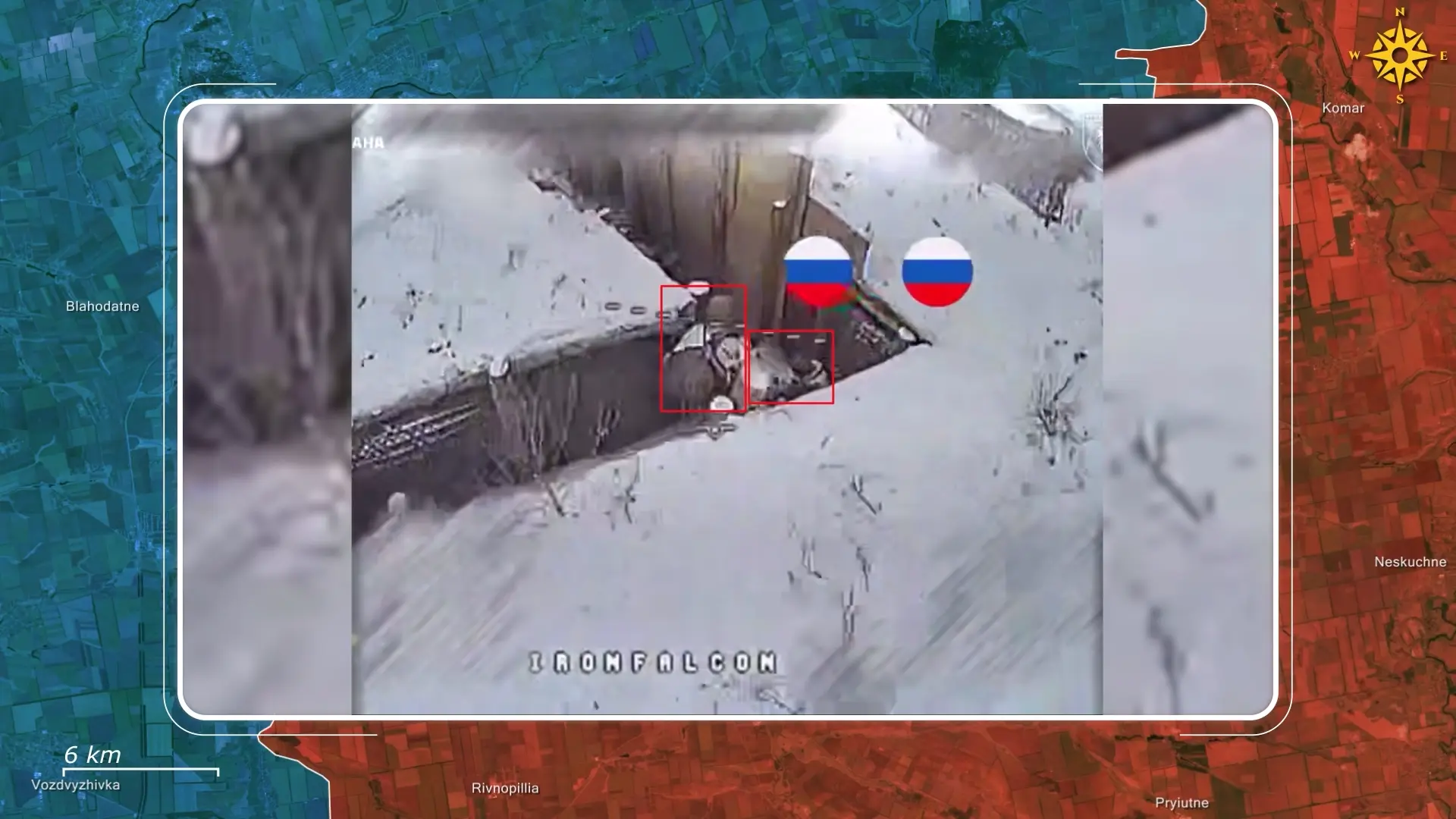
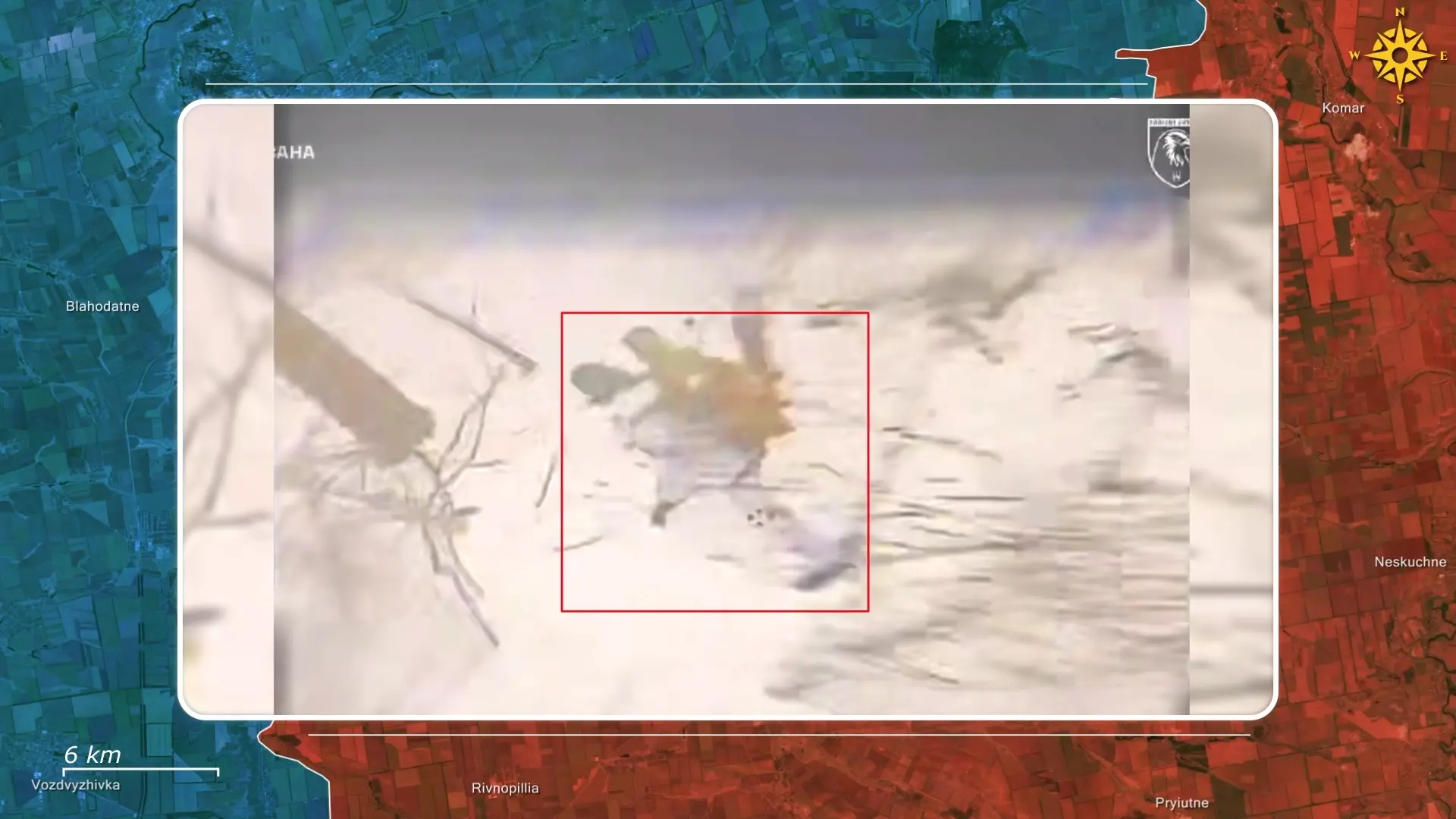
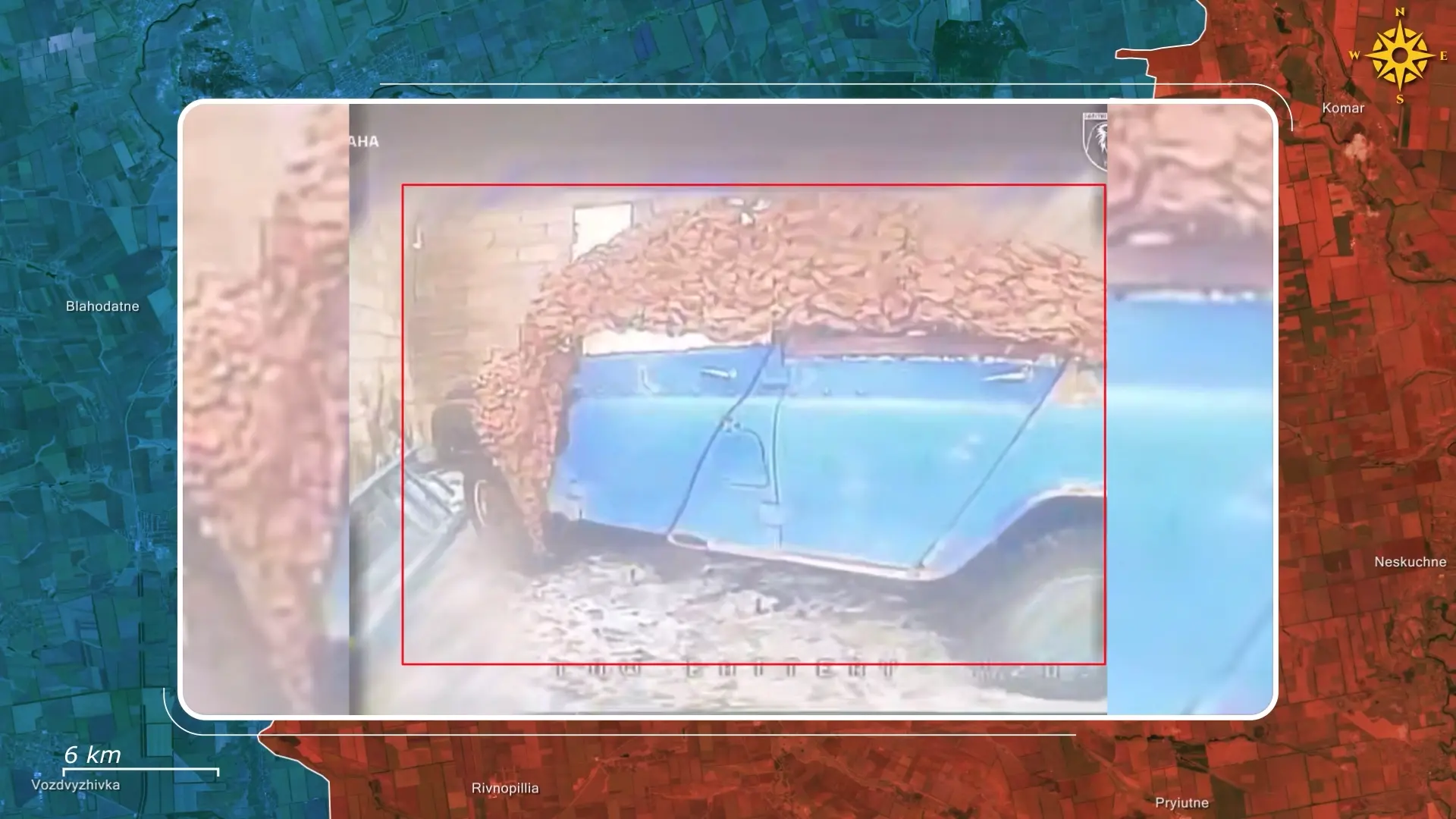
At the same time, additional Ukrainian kamikaze drones also struck Russian transport vehicles and bikes, reducing their ability to counterattack or quickly redeploy, leaving them without transport and means to maneuver.
Having already pushed Russian units from the west, Ukrainian troops are now applying pressure from the north as well, with these sustained efforts generating a double risk for the Russian forces. On the one side, isolated Russian positions in the fields are surrounded on the tactical level and left without supplies and reinforcements.
On a bigger scale, several Russian-held villages are becoming enveloped as well, and this could trigger a bigger breakdown among Russian forces, as positions secured after months of heavy fighting are now surrendered at the first Ukrainian push.
The threat of being surrounded is especially serious, as Ukraine is forcing Russian commanders to shift limited reserves around constantly instead of focusing on strengthening the front line in one place. Despite Russia committing troops from at least three combined arms armies to capture Huliaipole, the Russian command lacks enough backup forces in reserve.
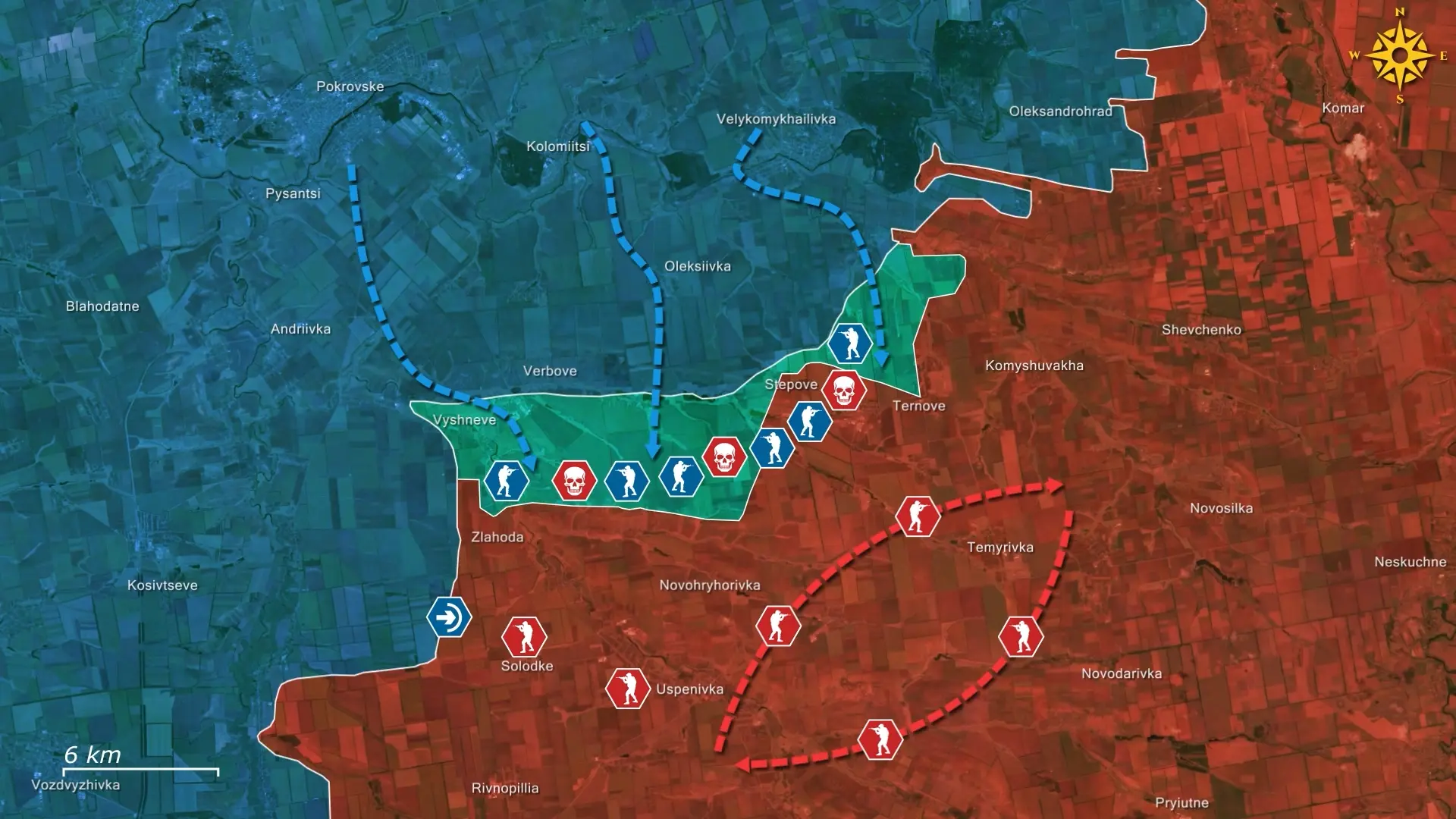
Notably, after stepping up its efforts, Russia lost over 10,000 troops on the southern axis, with the majority in the Huliaipole area, where more than 150 Russian soldiers are being eliminated every day. The lack of reserves only accelerates the encirclement dynamic, as Russia cannot stop the Ukrainian counterattacks without enough troops.
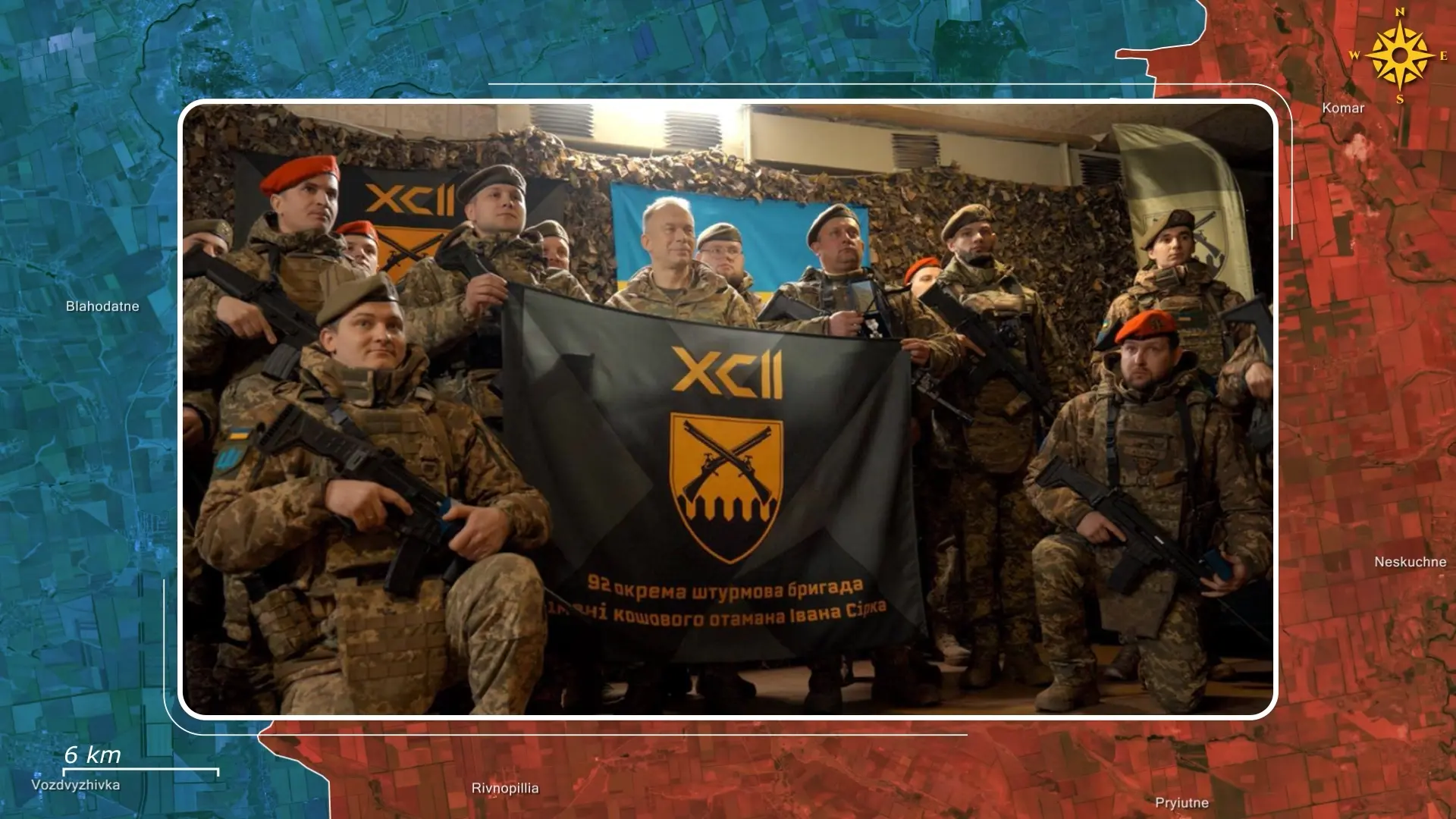
After the successful opening of a second vector from the north, Ukraine’s Commander-in-Chief, Oleksandr Syrskyi, visited several command posts of units engaged near Huliaipole, awarding soldiers for their courage and resilience. Such visits signal confidence in the success of the operation and are used to plan next steps with Ukraine’s command, planning to exploit the situation further and encircle as many enemy soldiers as possible. It also provides direct, real-time insight into frontline conditions, streamlines the chain of command, and enables faster, more informed decision-making.

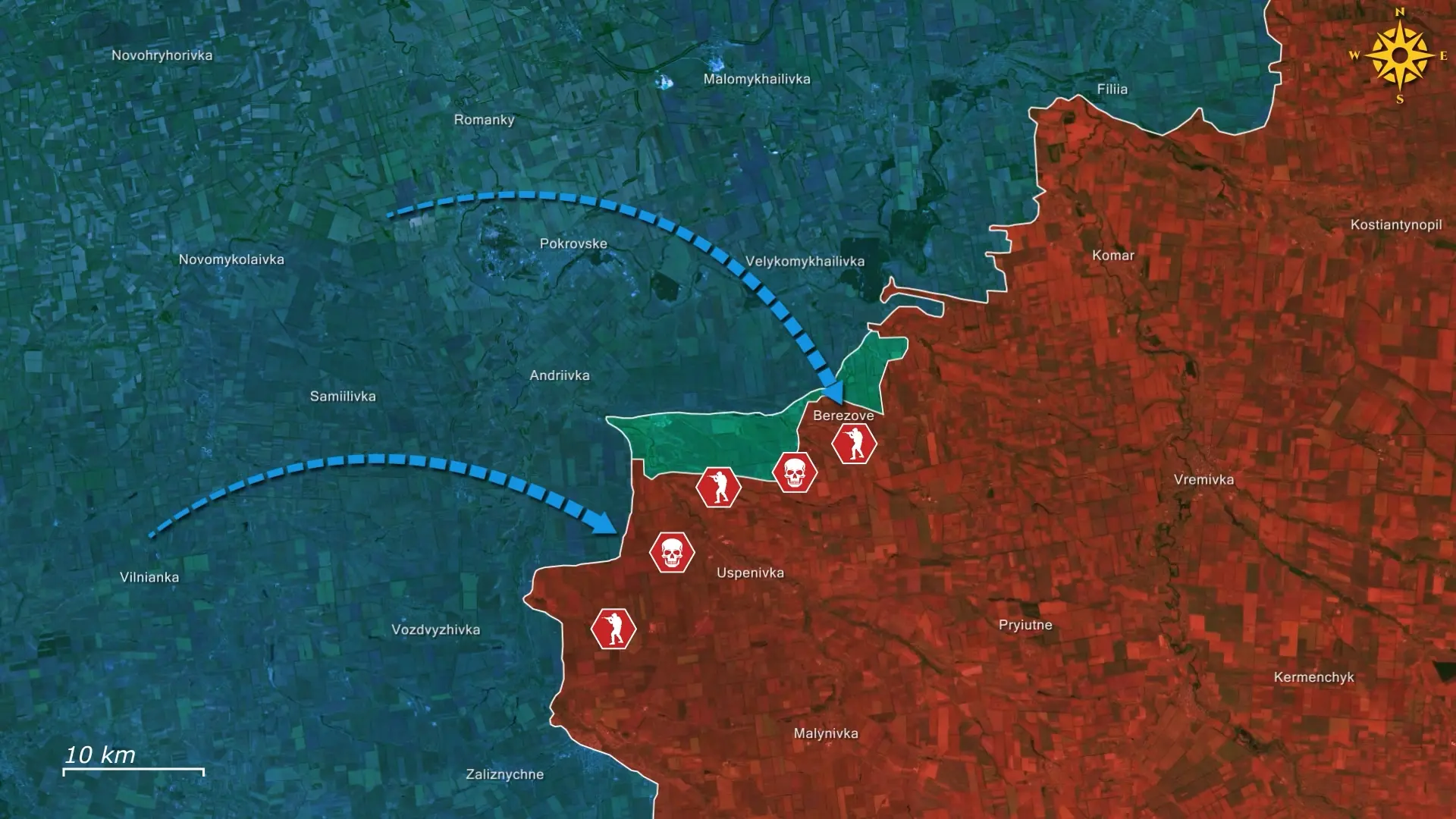
Overall, Ukraine successfully coordinated attacks from different directions aimed at stretching Russian forces to their limits and exposing weak points that can be exploited with additional quick raids. If this pressure continues, these breakthroughs could turn into potentially bigger encirclements, forcing the Russians to pull back to avoid heavier losses.
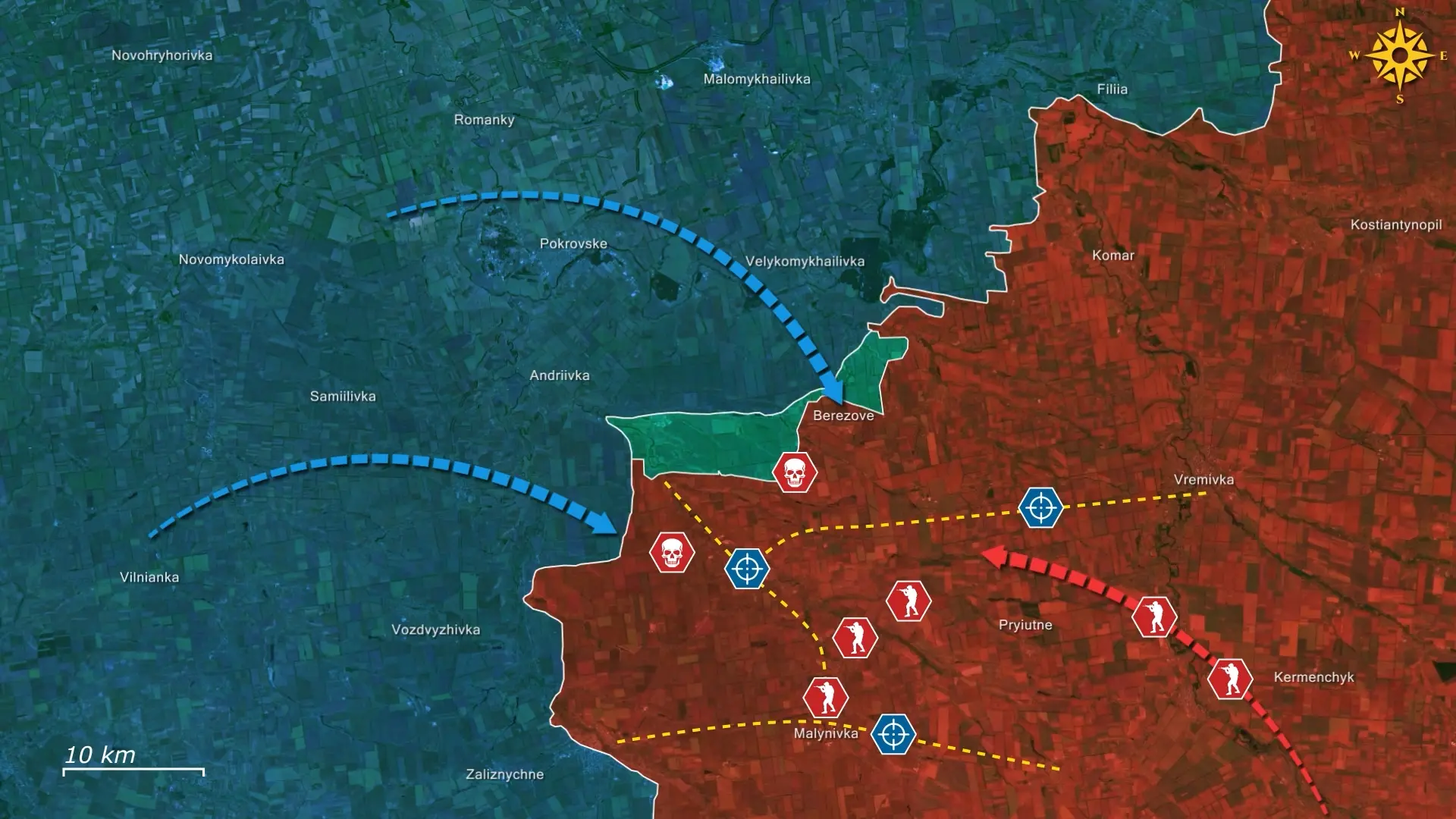
With limited reinforcement options and supply routes under Ukrainian fire, the Russians are left without choice but to reallocate manpower from other directions to stabilize the frontline here, at the risk of a collapse elsewhere.

.jpg)

Comments