

.svg)
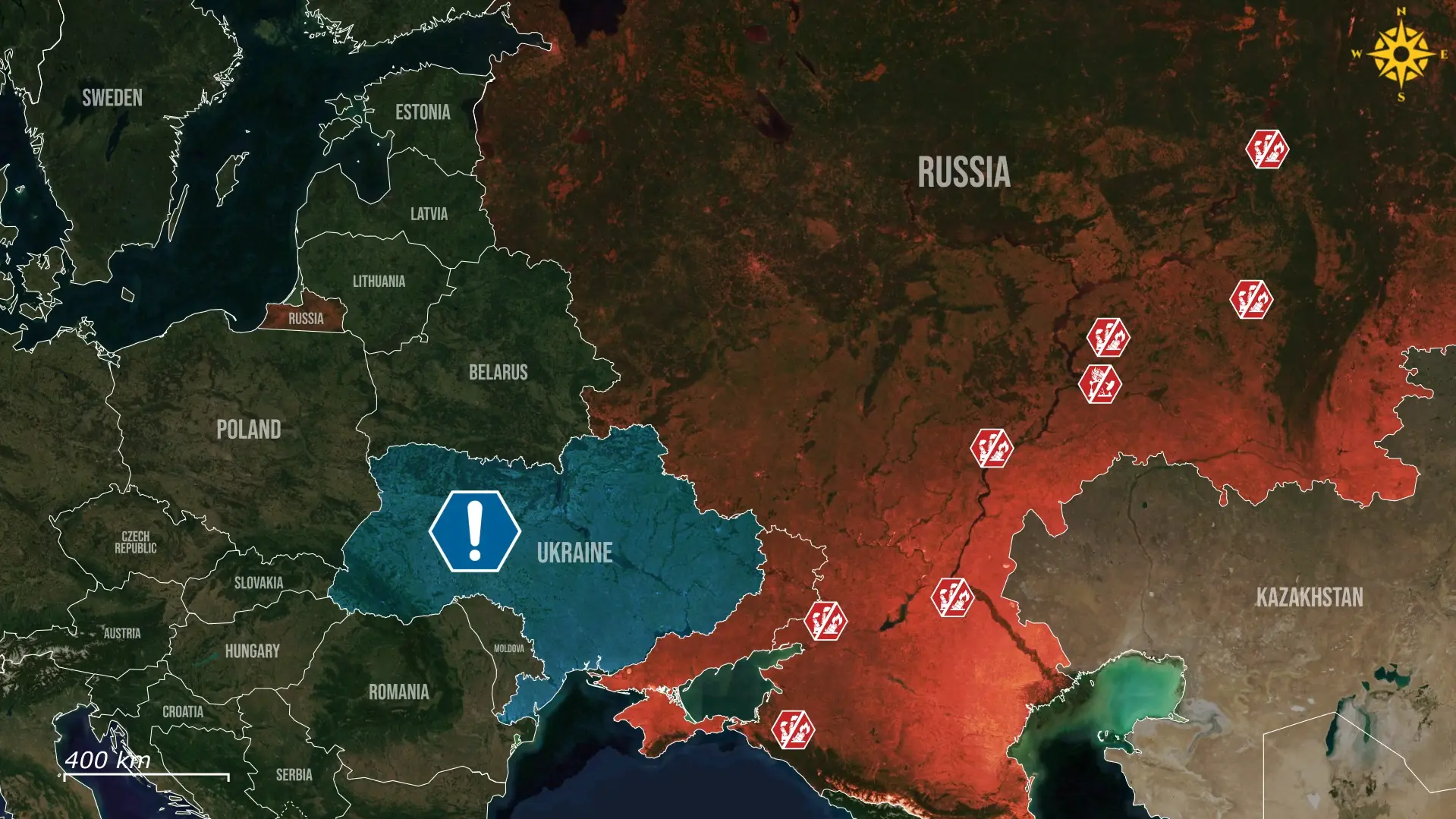
Today, there are interesting updates from the Borova direction.
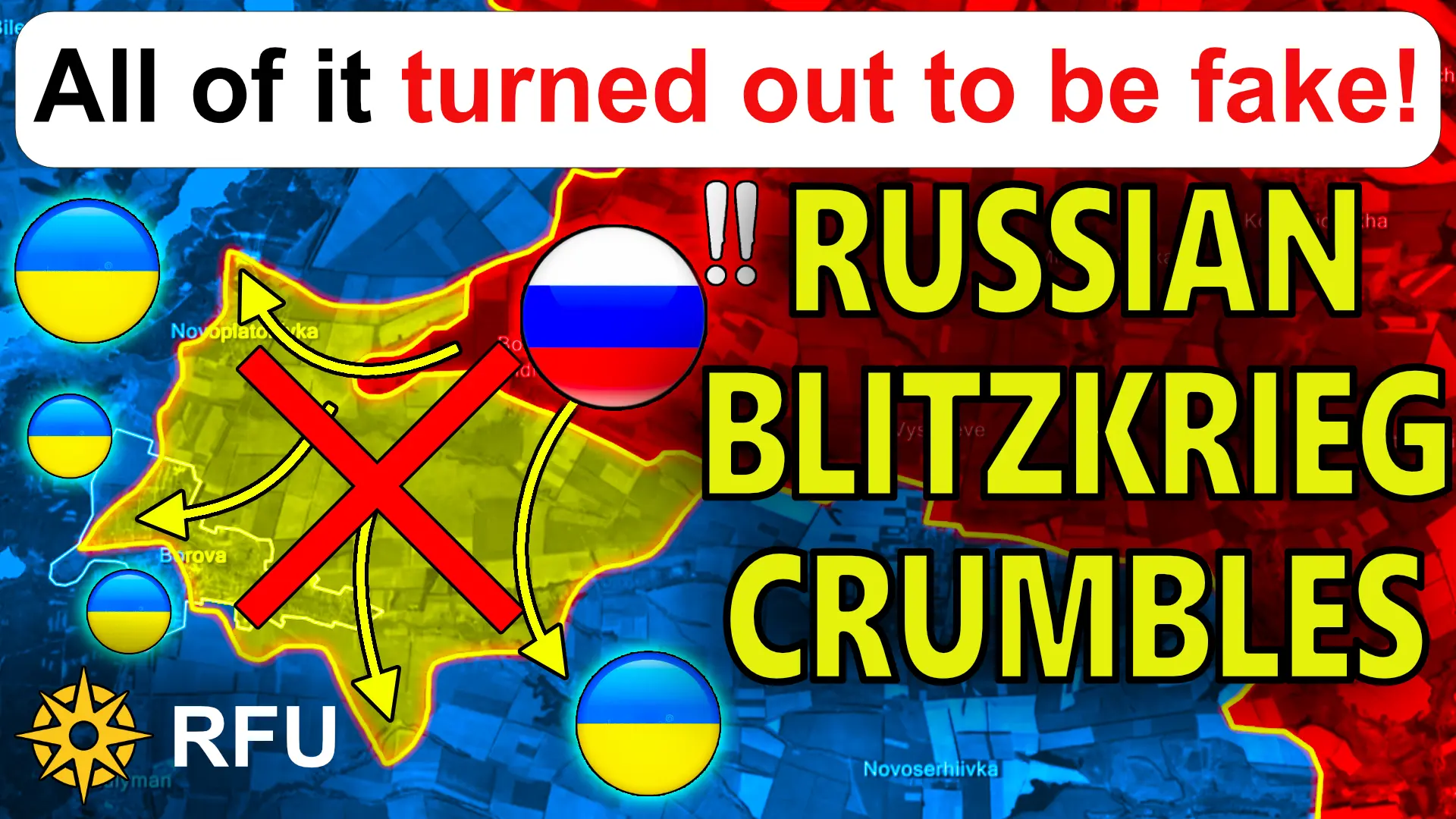
Here, Russia’s biggest victory of the year rapidly turned into one of the most embarrassing disinformation attempts of the entire war. All Russian claims hung in the air, forcing the Russian command into a hopeless situation.
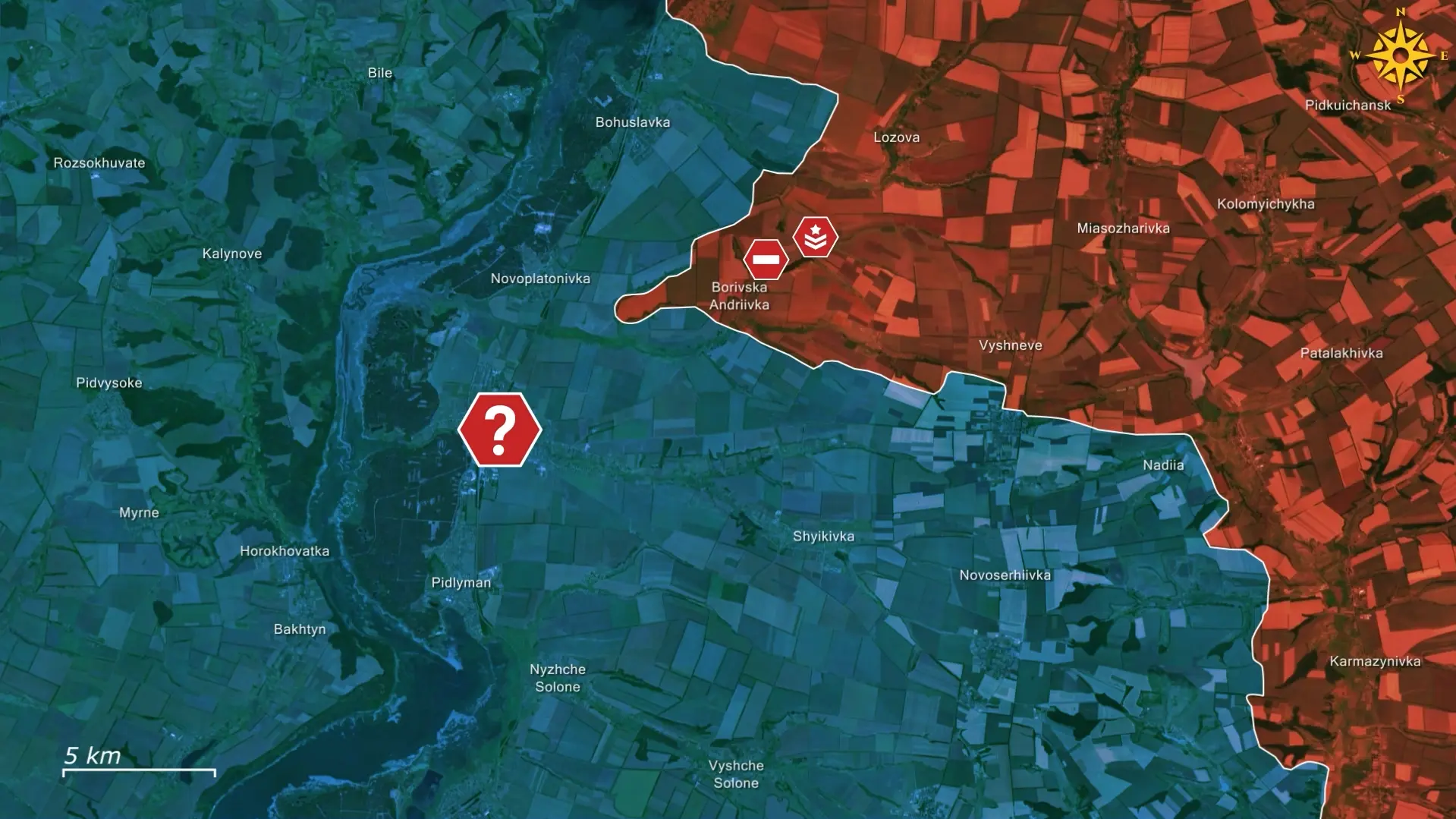
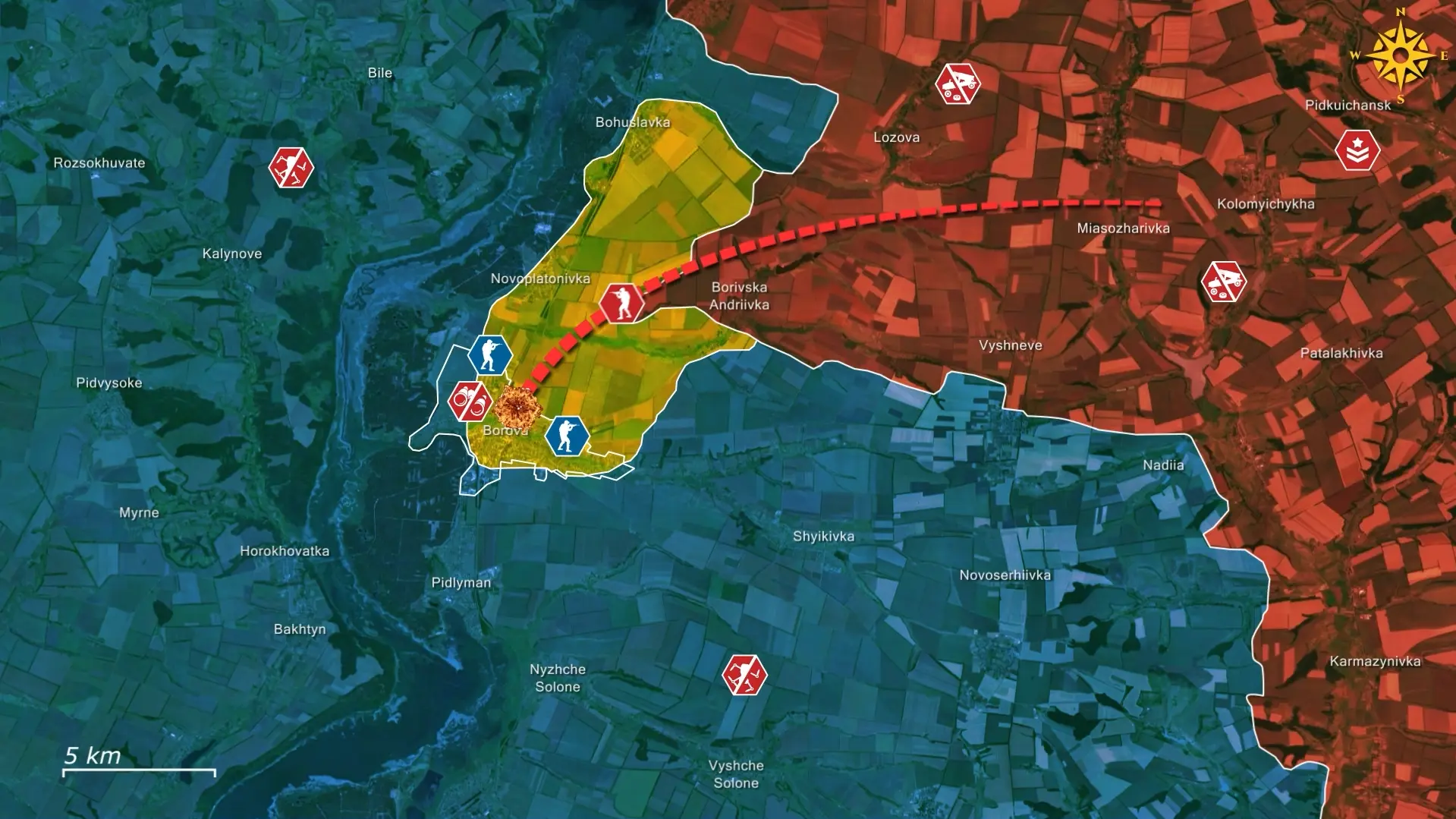
Initially, Russian sources claimed to have achieved a major advance near the town of Borova, a strategically important settlement along the Oskil River in Kharkiv Region. According to Russian military analysts, units of the Russian West group of forces had broken through Ukrainian defenses around the small settlement of Borivska Andriivka, cleared a chain of Ukrainian strongpoints, and entered Borova itself. Russian sources described and praised a methodical operation involving Russian drone reconnaissance, extensive artillery preparation, followed by Russian infiltration groups in a series of coordinated assaults.
The story only grew larger with each passing hour, as Russian analysts claimed that troops of the Fourth tank division of the First Russian Tank Army had seized the settlement after intense fighting and were already conducting clearing operations. Reports described Russian soldiers searching houses, basements, and forest belts while eliminating isolated Ukrainian troops that were supposedly left behind without a chance of survival. Other Russian sources claimed the settlement had been heavily mined and that demining operations were already underway, mocking those within the Russian media who questioned the reports, insisting that the capture of Borova had already been officially confirmed at the highest levels.
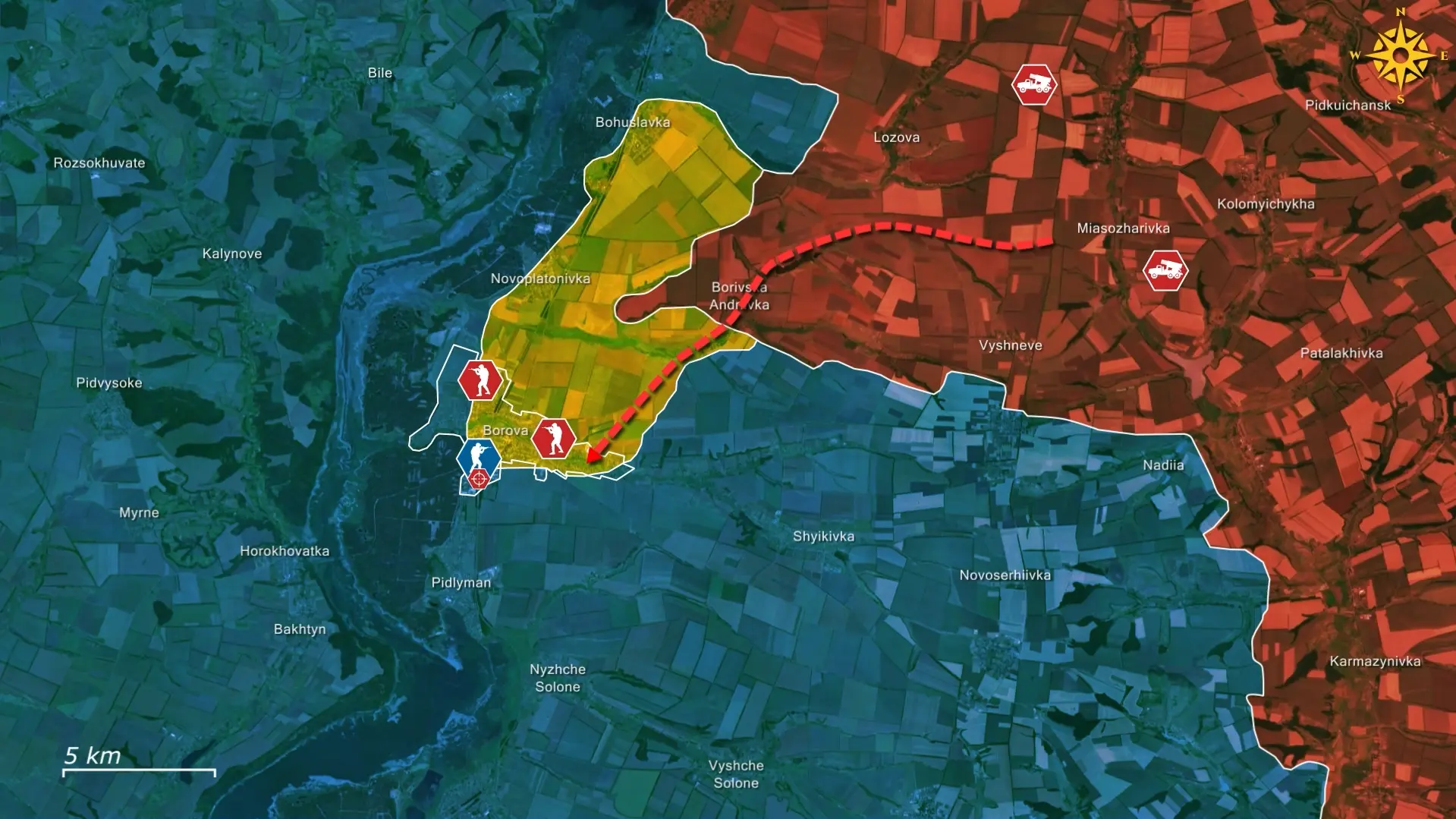
Borova occupies a key position on the Oskil River axis, and if Russian forces actually captured it, they could have improved fire control over nearby Ukrainian supply routes, effectively taking out the central point of the Ukrainian defense on the Oskil River. This could have threatened Ukrainian positions across much of the riverbank and opened opportunities for larger operational maneuvers and future advances towards Izium. After months of costly fighting and limited territorial gains, it would have been Russia’s most significant success of two thousand twenty six.
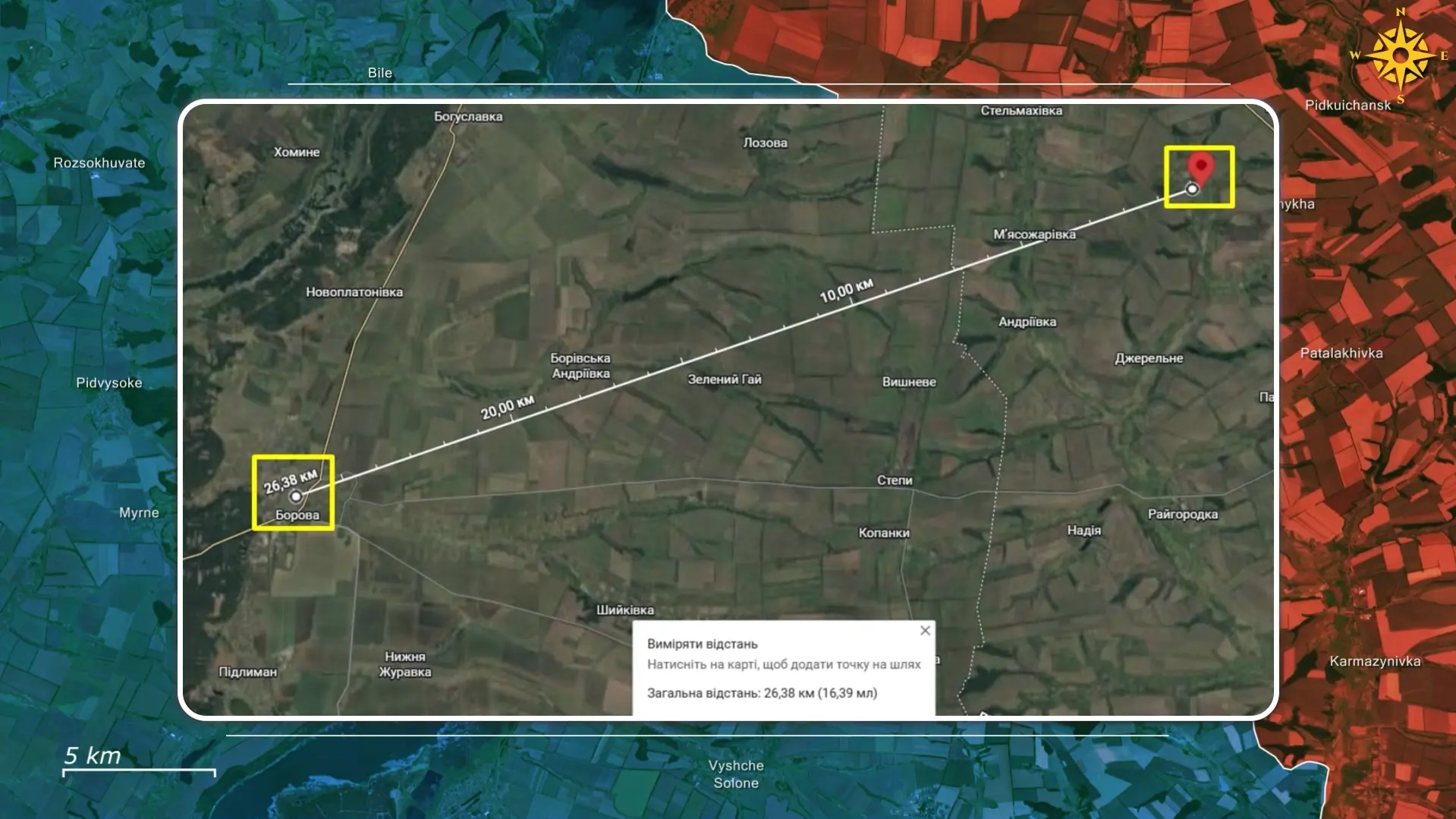
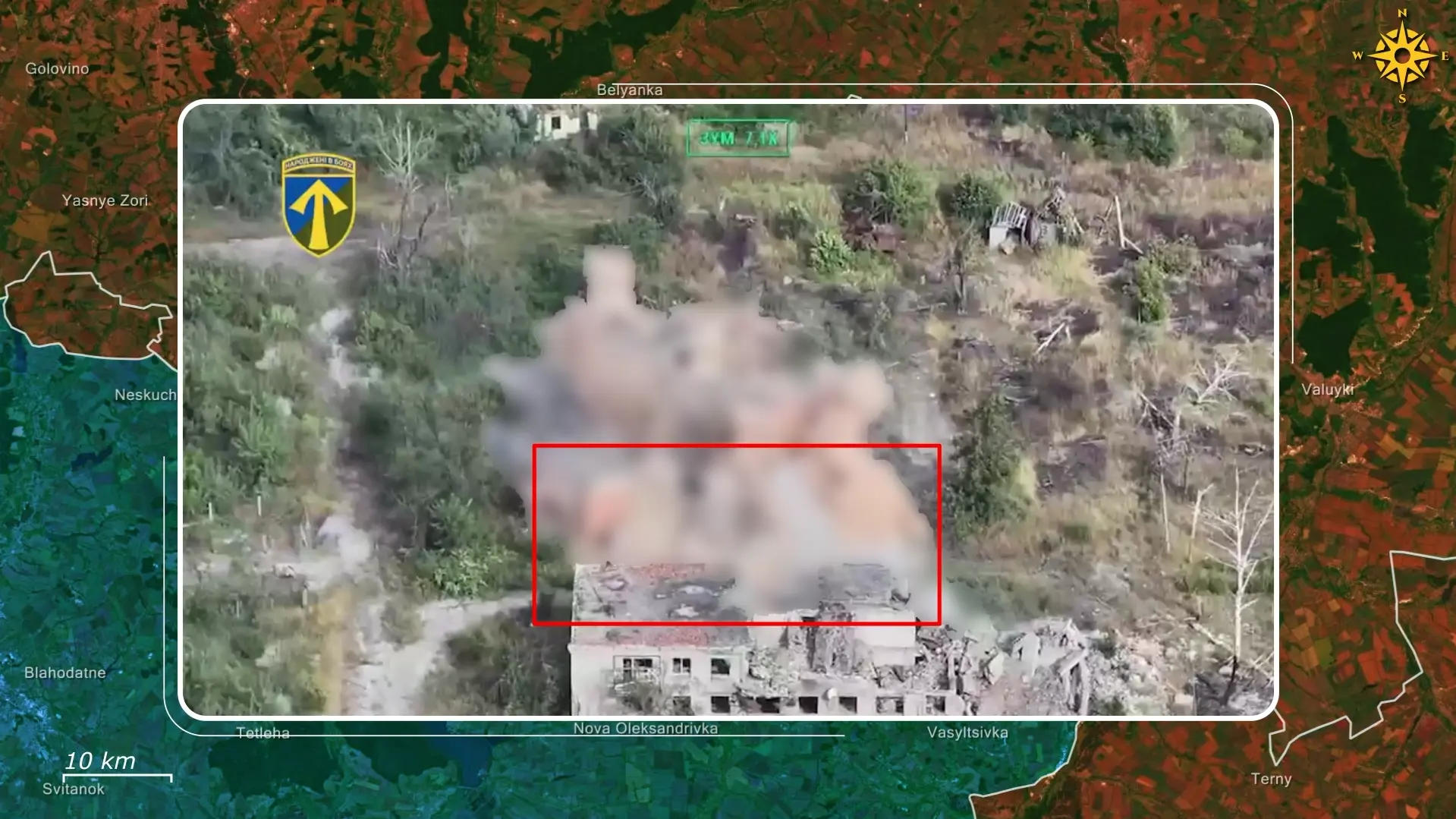
However, the problem was that none of it was true, and the entire story began unraveling almost immediately after the videos supposedly proving the capture appeared online. Open-source intelligence analysts quickly geolocated the footage and discovered that the Russian soldiers shown storming houses were not in Borova at all. Instead, the video shows them operating roughly twenty-five kilometers away in the already long-ago captured settlement of Kolomyichykha in Luhansk Region.
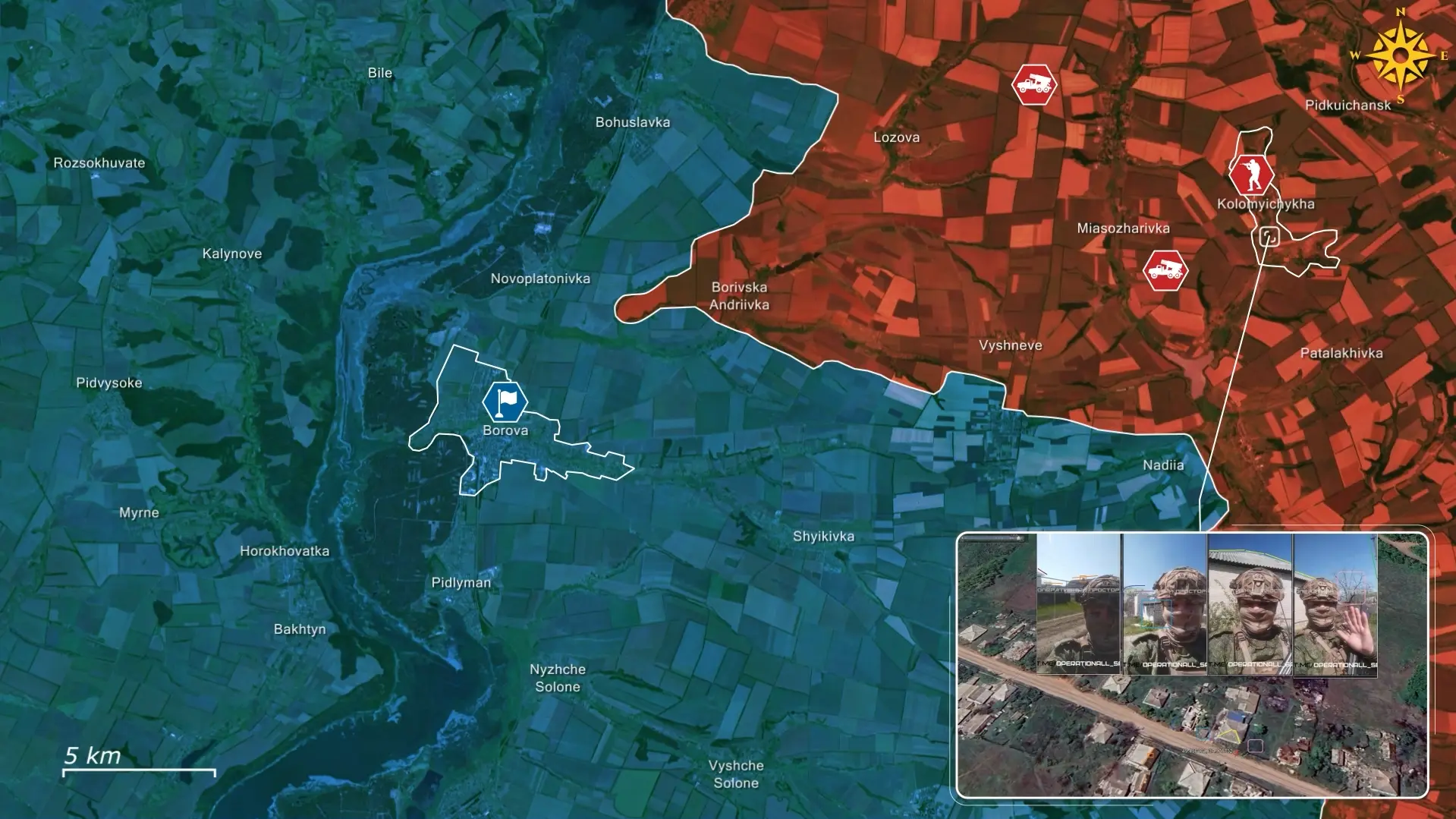
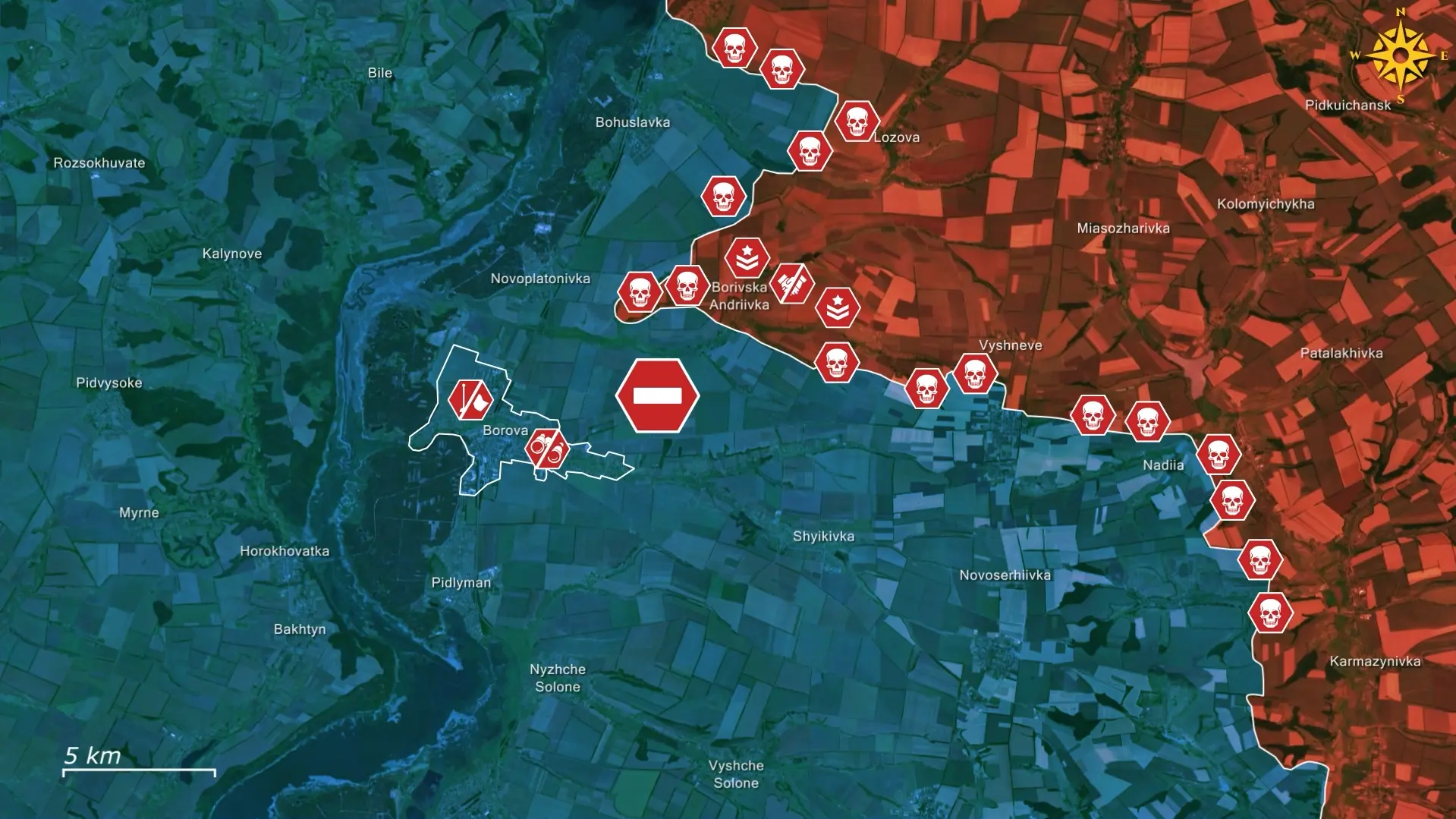
Russian troops simply filmed infantry movements in one location, combined them with drone footage taken over Borova by a reconnaissance drone, edited everything together, and presented the result as evidence of a successful penetration of the frontline. The report then moved up the Russian chain of command until it reached the highest levels. Valery Gerasimov, Chief of the Russian General Staff, publicly hurried to announce the liberation of Borova without verifying the claims of his subordinates properly. Meanwhile, the Ukrainian General Staff did not even report active fighting for the settlement, which remained firmly under Ukrainian control. Within hours, the supposedly historic Russian victory had collapsed under the weight of basic geolocation analysis.
This event highlights a much deeper problem inside the Russian military, with false reporting repeatedly emerging throughout the war because commanders face intense pressure to demonstrate progress. As battlefield information moves upward through the hierarchy, achievements are often exaggerated while failures are minimized. Over time, these accumulated false reports mean that Russian headquarters end up planning operations based on a battlefield picture that does not actually exist.
The consequences are serious, as if senior Russian commanders believe a settlement has already been captured, artillery support may be redirected elsewhere, reconnaissance assets reassigned, and follow-on attacks ordered under false assumptions. Russian units advancing over supposedly secured roads often instead encounter Ukrainian ambushes and suffer huge losses. In other cases, reserves, ammunition, and armored vehicles can be rushed toward fabricated breakthroughs, depriving sectors facing genuine pressure of critical resources at the worst possible moment.
Overall, another supposed Russian victory spectacularly collapsed within hours as simple geolocation exposed the deception. While staged successes may help officers temporarily save face before their superiors, they ultimately create even greater embarrassment when the truth emerges. More importantly, such fabrications distort battlefield awareness and undermine Russian military decision-making. After losing more than thirty thousand soldiers every month while achieving almost no gains, some Russian commanders appear increasingly tempted to manufacture victories on paper when they cannot achieve them on the battlefield.
.jpg)

Comments