

.svg)
Today, the biggest shifts on the battlefield are taking place in Ukraine.
Here, Ukraine has unveiled its first original domestically developed guided aerial bomb for combat use, turning repeated strikes on Russian forces into a scalable devastating campaign. This new weapon is opening a new phase in which Russian lines are beginning to cave in under pressure, as Ukraine gains one of Russia’s main weapons used for advancing.
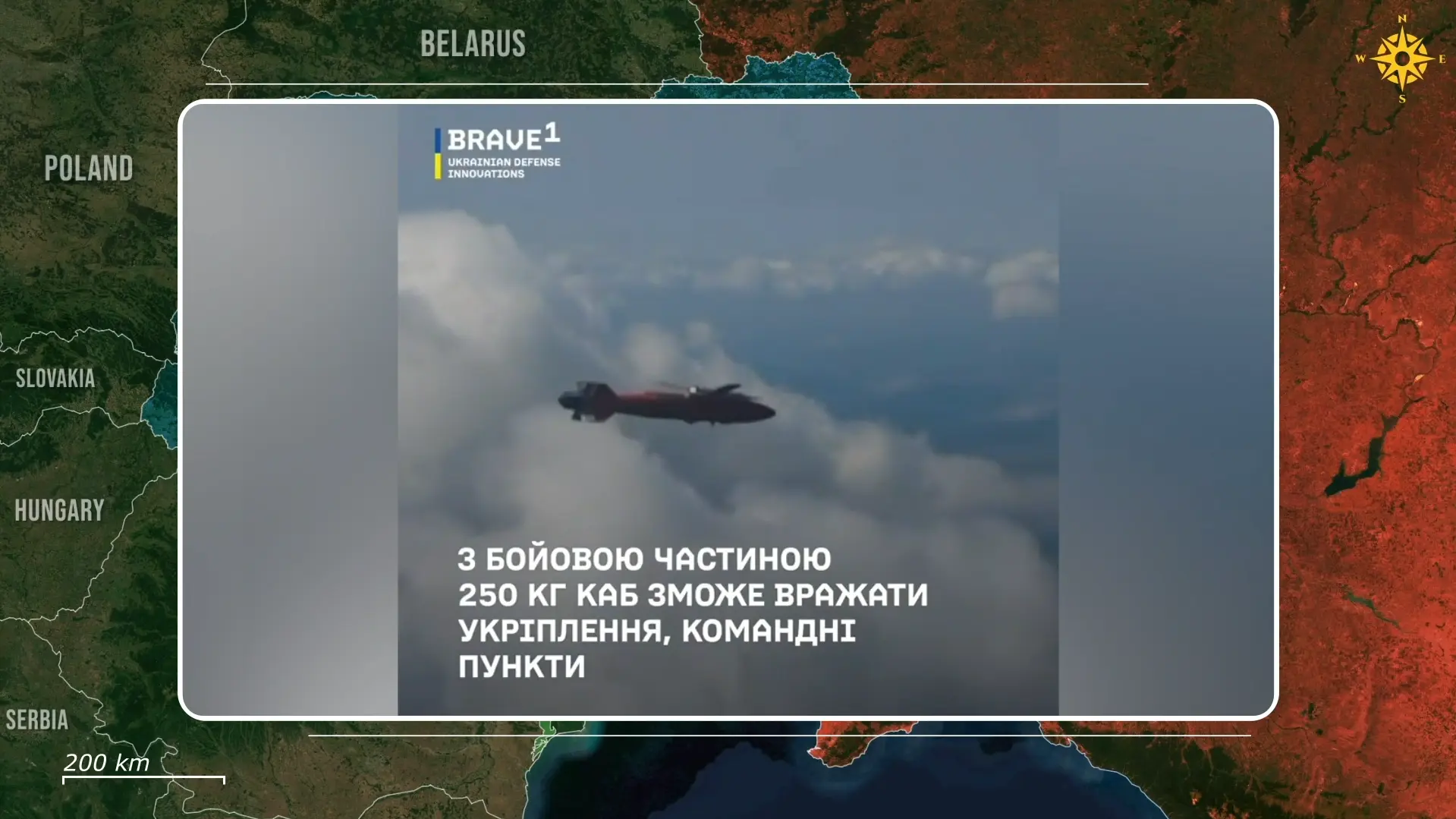
Ukraine has now officially revealed that its first domestically made guided aerial bomb is ready for combat use. The bomb, known as Vyrivniuvach, carries a two-hundred-fifty-kilogram warhead, which gives it enough destructive power to demolish fortified positions and other fixed battlefield targets. Ukrainian officials emphasise that this is a fully original Ukrainian design, not a modified copy of an older Western or Soviet bomb. The first batch has already entered into service, while pilots continue to experiment under wartime conditions to integrate the weapon into real combat missions to the greatest effect.
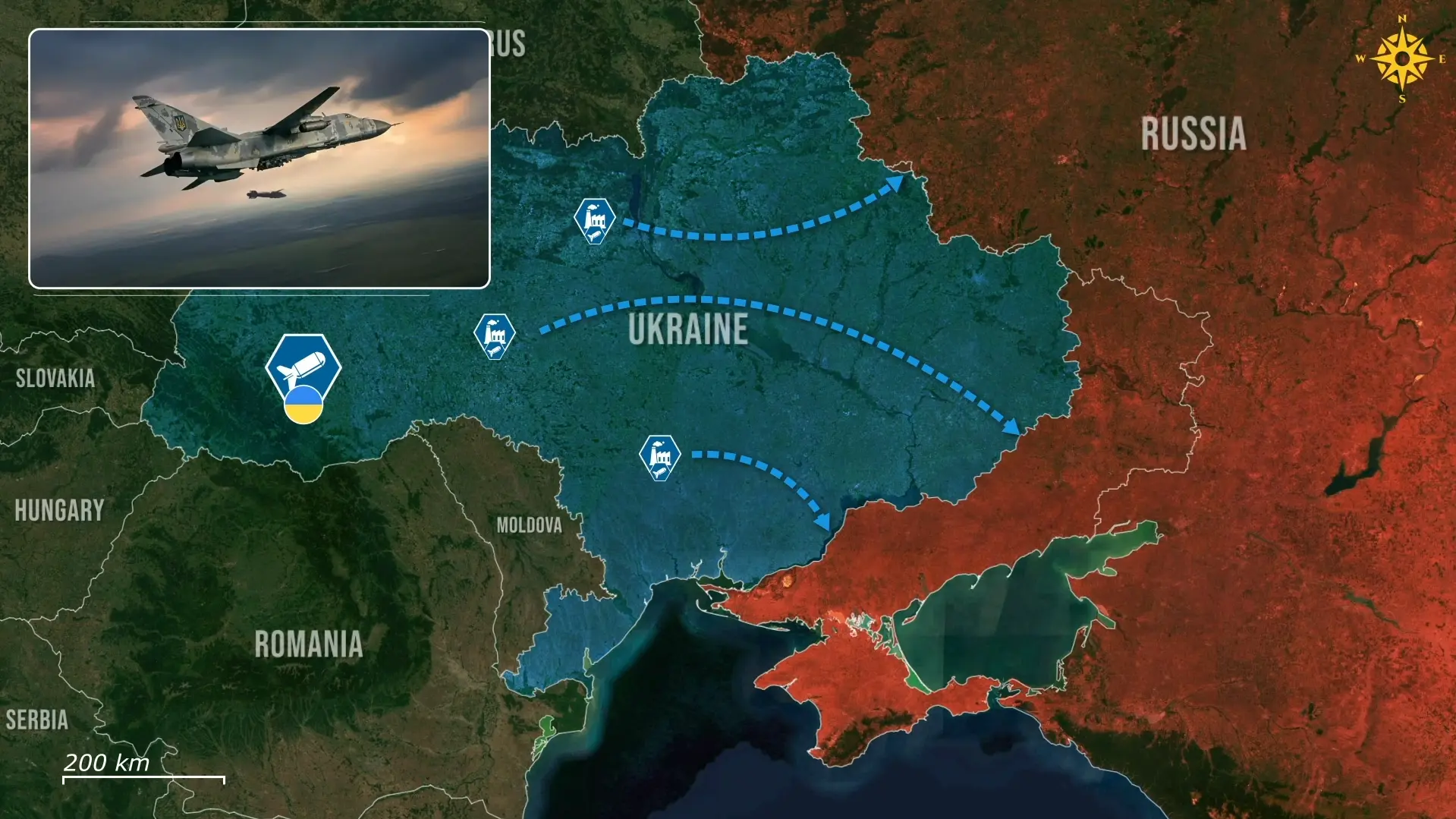
The importance of this weapon lies in how it lets Ukraine sustain precision airstrikes more reliably over a long war. Until now, these attacks depended heavily on foreign deliveries of French hammer and US J-dam and GBU bombs, which meant Ukraine had to operate within outside limits on supply and timing. A domestically produced guided bomb changes that completely, by giving Ukraine a practical strike tool it can produce itself and therefore use more consistently against Russian positions. Targets such as command posts, drone operator positions, and fortified buildings do not demand the most sophisticated weapon, but they do demand a bomb that can be employed often enough to keep those positions under constant pressure. In that sense, a relatively straightforward domestic bomb can support a much broader campaign against Russian battlefield infrastructure.
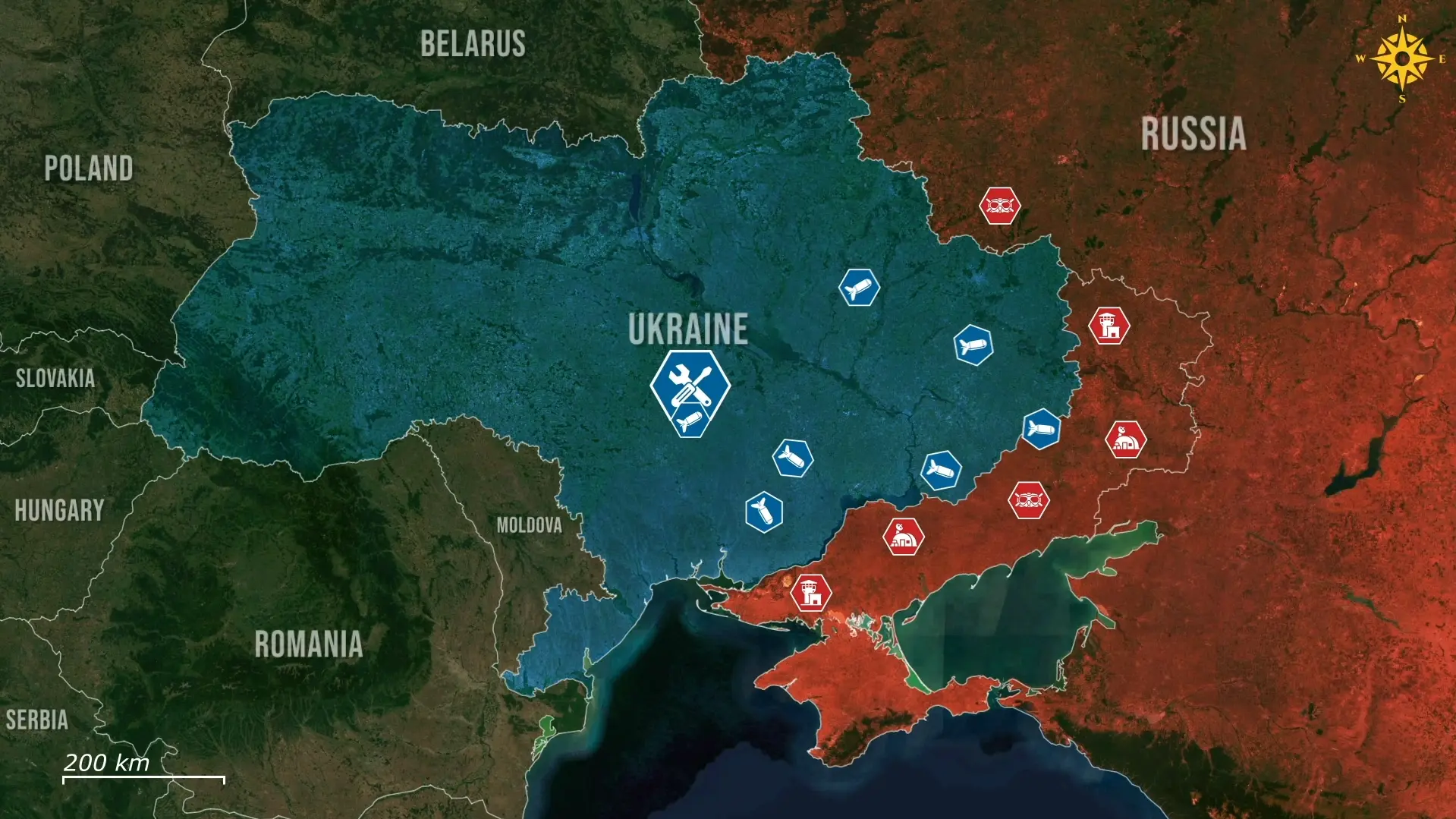
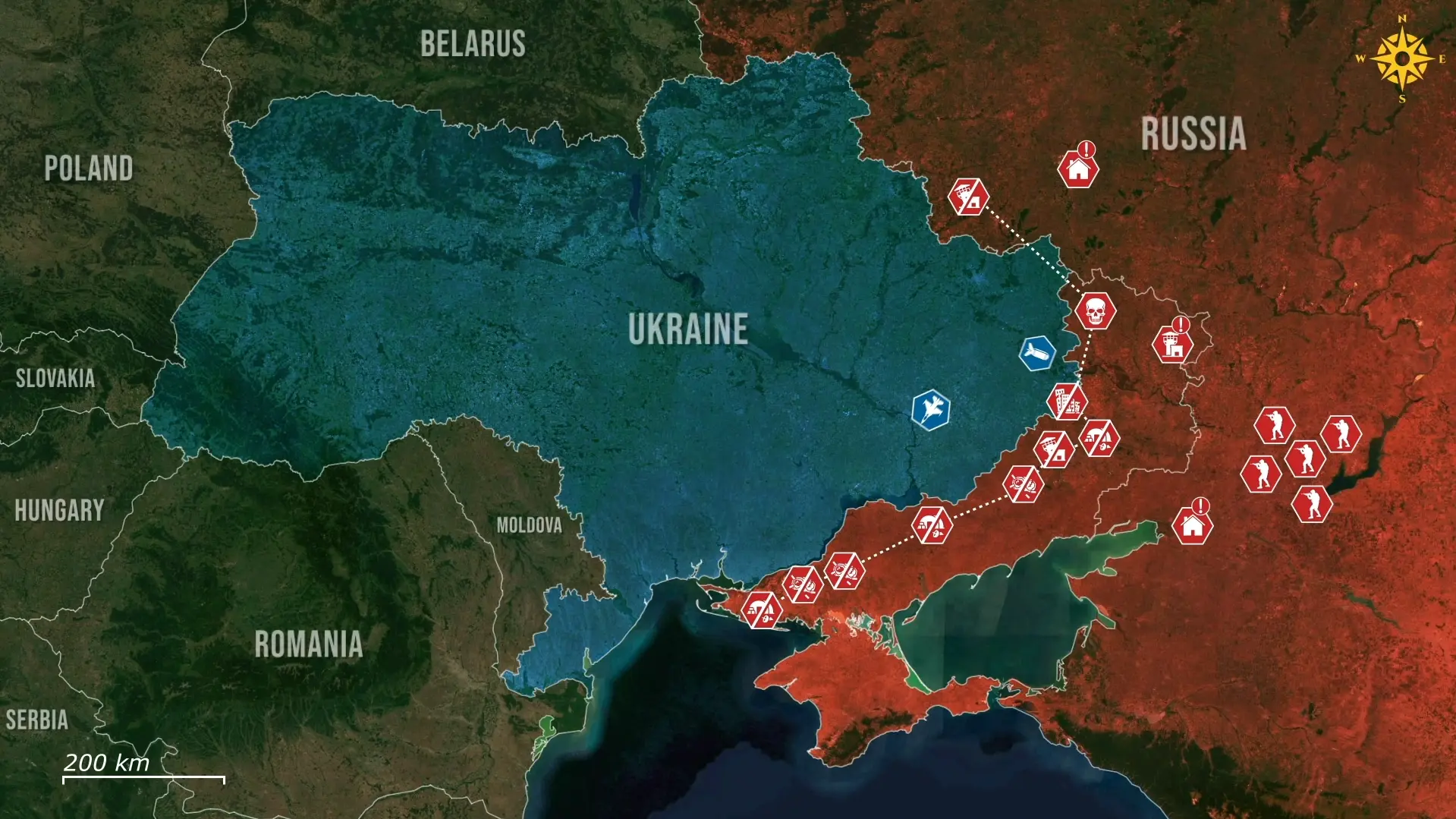
Ukraine has been conducting a growing number of airstrikes in which the exact bomb type was left unspecified in the released footage. Even without proof that the new bomb was used, these attacks already show the kind of damage Ukraine intends to inflict as production begins to scale up. In Hola Prystan, Ukrainian aircraft destroyed a Russian UAV command post hidden inside a former government building, while in Stara Zburivka they hit a former prison turned control post. In Oleshky, Ukrainian aviation targeted Russian drone operators inside a high-rise building, while in Kamianske a strike destroyed another drone control center. In Huliaipole, a strike hit a UAV command post, while in Hryshyne Ukrainian aviation destroyed a school building turned into a Russian stronghold. In Rodynske, high-precision bombs struck both a Rubicon drone center and high-rise buildings used to gather Russian infantry before assaults. In Pokrovsk and nearby Rivne, Ukrainian aircraft hit buildings used by Russian UAV operators, together with nearby Russian troop concentrations. Together, these strikes show a broader effort to destroy the structures Russia uses to observe the battlefield and prepare attacks.

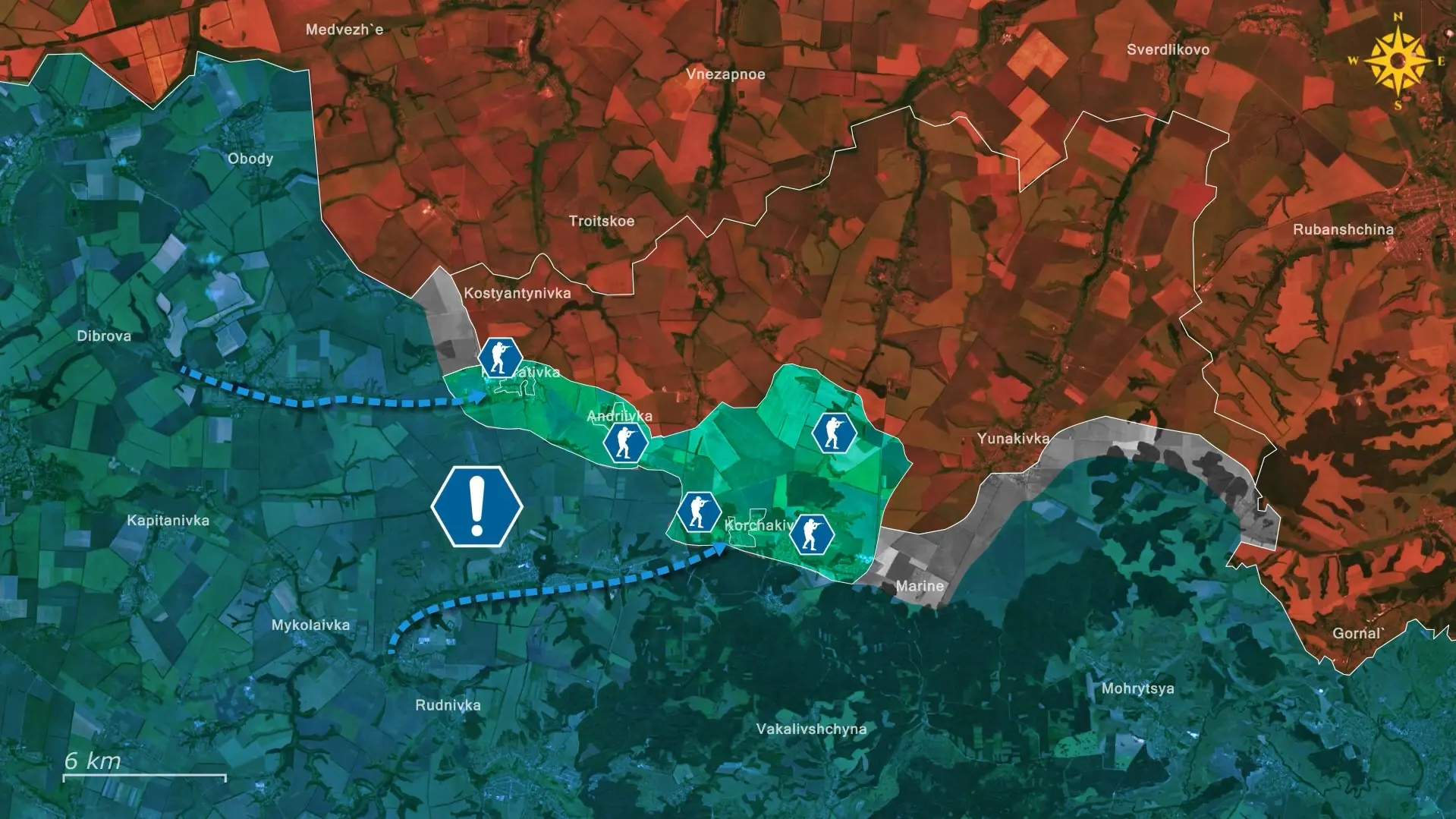
The Kupiansk strike in January adds another layer to this story and helps connect the development timeline to battlefield use. Ukraine’s new bomb has been in development for seventeen months and has now passed all required tests before public deployment. That makes it plausible that earlier strikes seen this year, including Kupiansk, were part of testing and battlefield adaptation before the official unveiling. In Kupiansk, Russian infantry sheltering inside the city hospital was hit by two precision bombs after Ukrainian reconnaissance fixed the position. A recent strike in Tyotkino followed the same pattern, with multiple guided munitions hitting shelters, basement troops, and a firing position in sequence. Whether these attacks used the new bomb or not, they show the exact role this weapon is meant to fill. Ukraine is building a repeatable strike method that can collapse the Russian positions holding local sectors together.
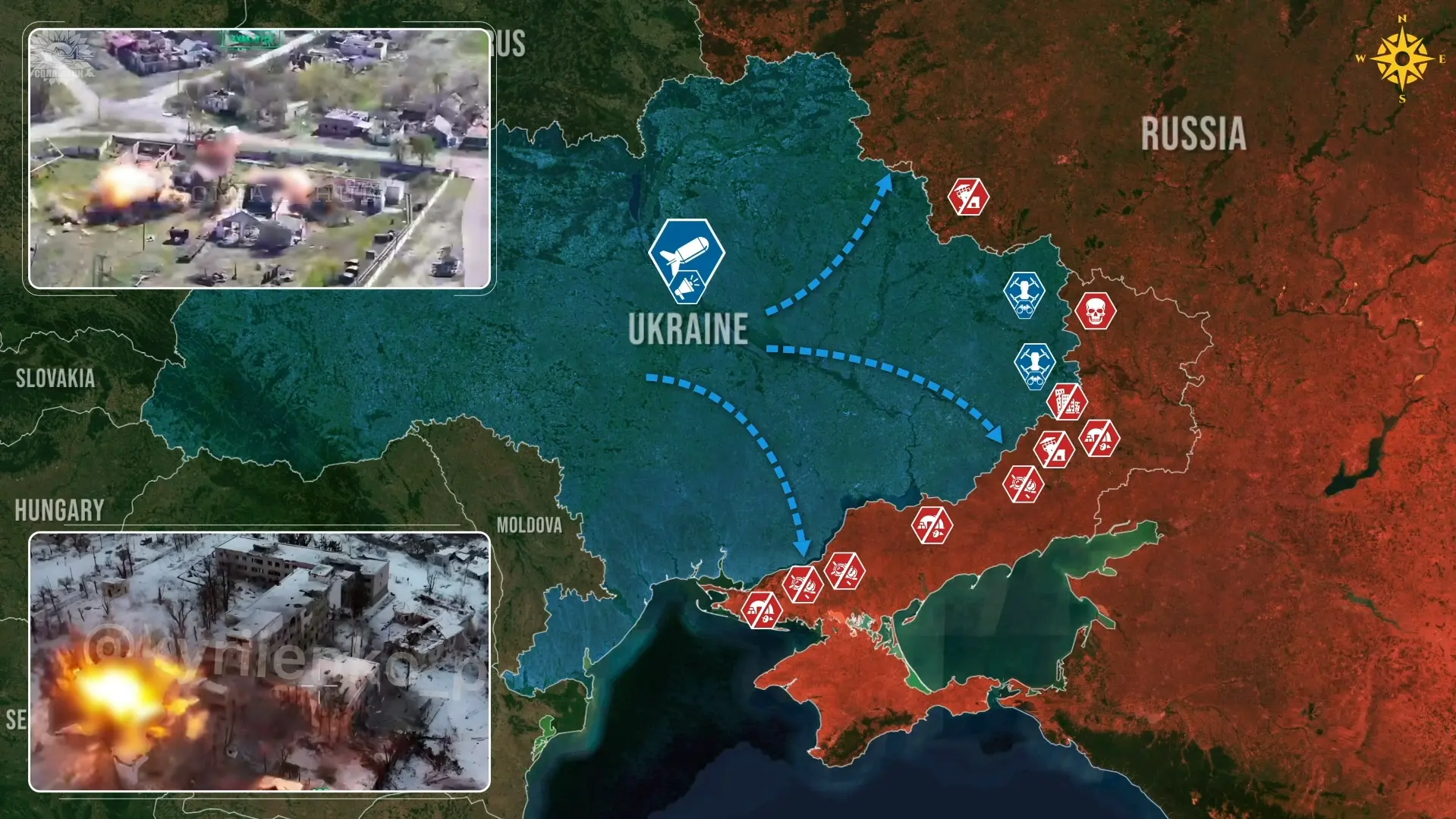
Overall, the deeper consequence of this bomb is that it gives Ukraine a way to turn successful strikes into a sustained operational method rather than a series of isolated hits. As this capability grows, Russian forces will have to operate with less confidence in the buildings and rear positions that have allowed them to coordinate attacks close to the front. Over time, that could erode one of Russia’s most important advantages, because the same kind of air delivered destruction Moscow used to open the way for its own assaults can now be directed back at Russian positions on a broader scale. If Ukraine can scale production, then once a Russian position is found, destruction may follow almost immediately.

.jpg)



Comments