

.svg)
Today, the biggest news comes from Syria.
For more than a decade, Syria has been shaped by war, fragmentation, and the deep entrenchment of Russian military influence that once seemed impossible to dislodge. However, signs are emerging that this long‑standing presence is now being challenged in ways that could redefine who holds real authority and influence on the ground in the new Syrian state that emerges.
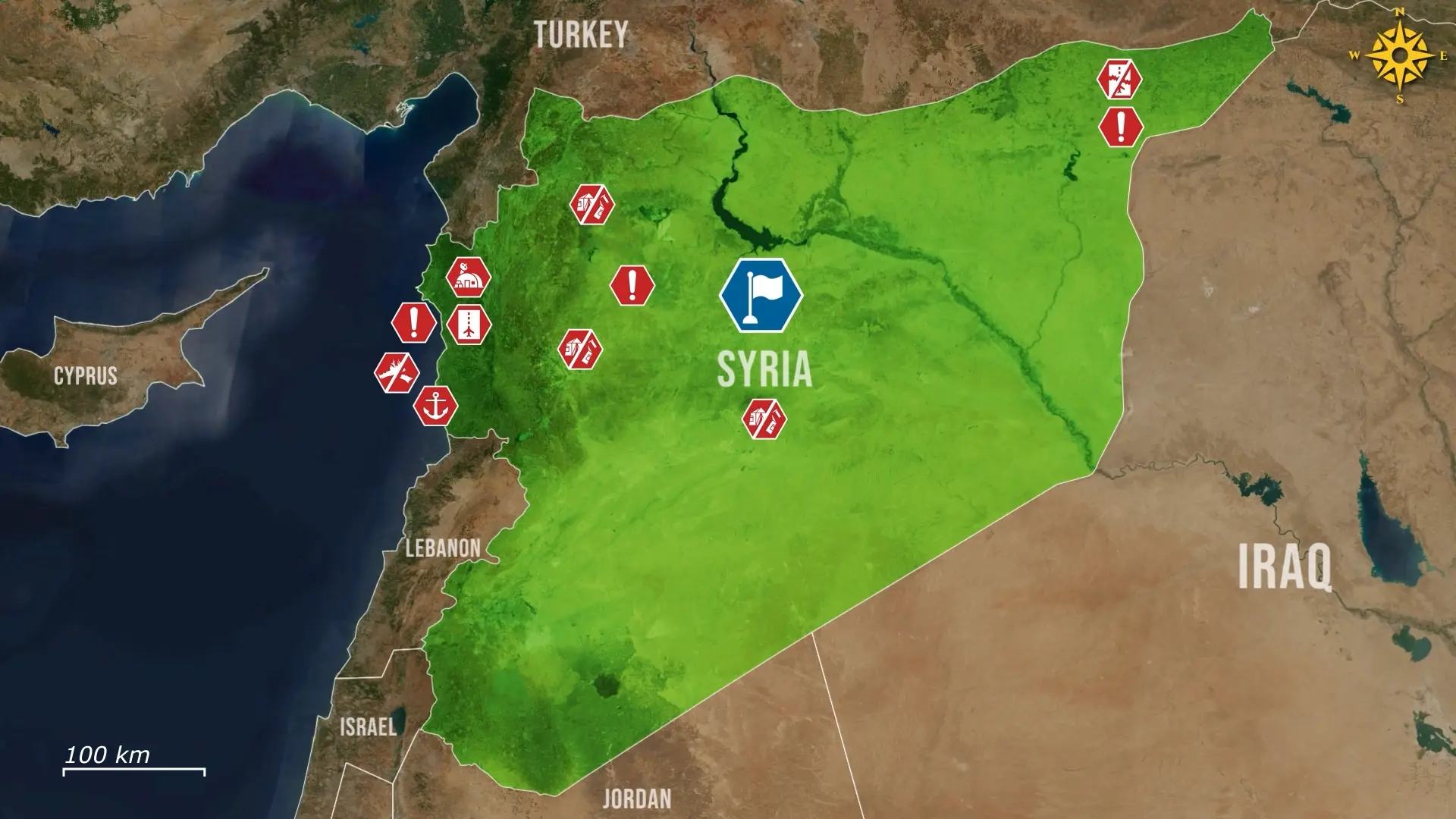
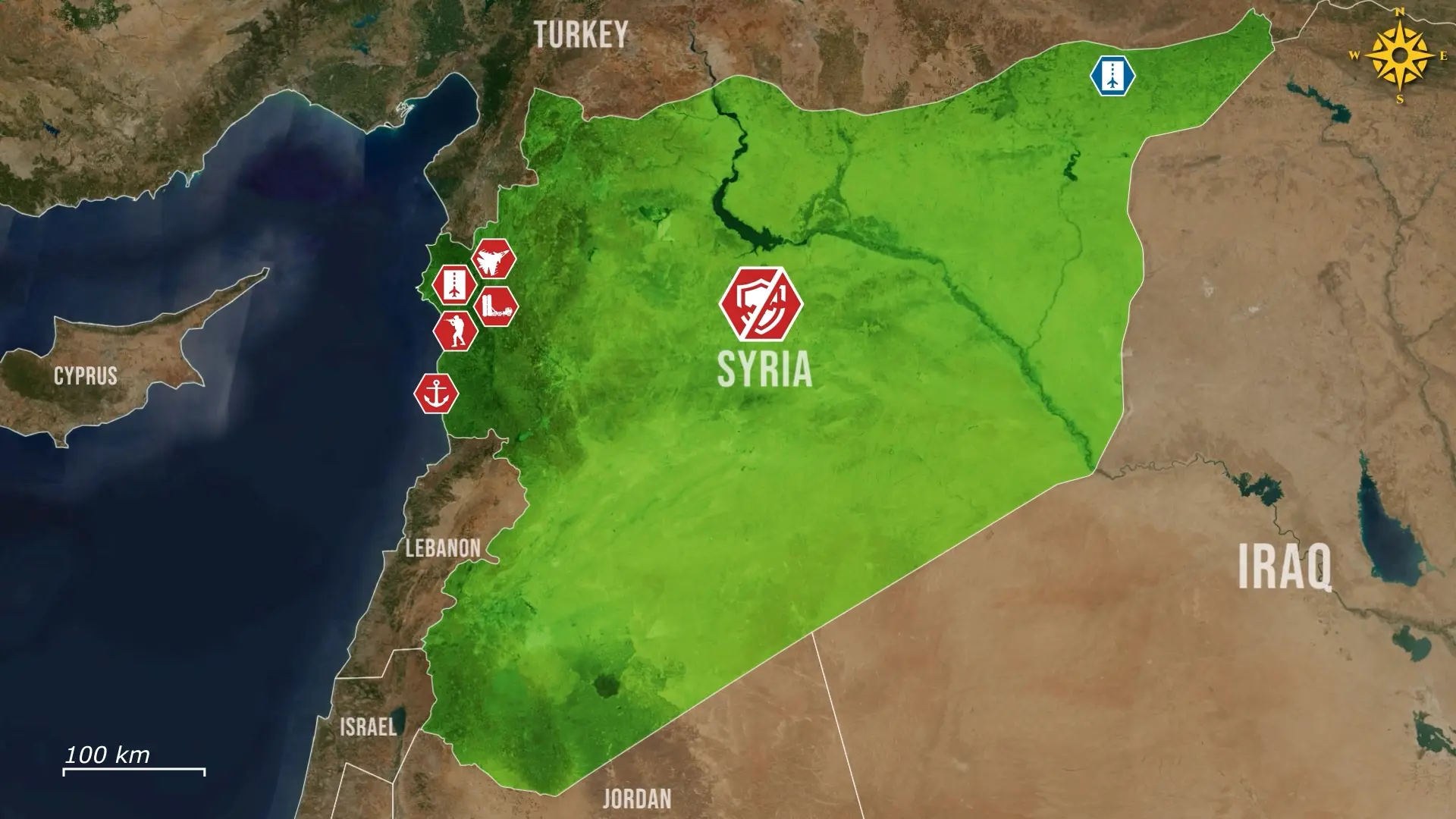
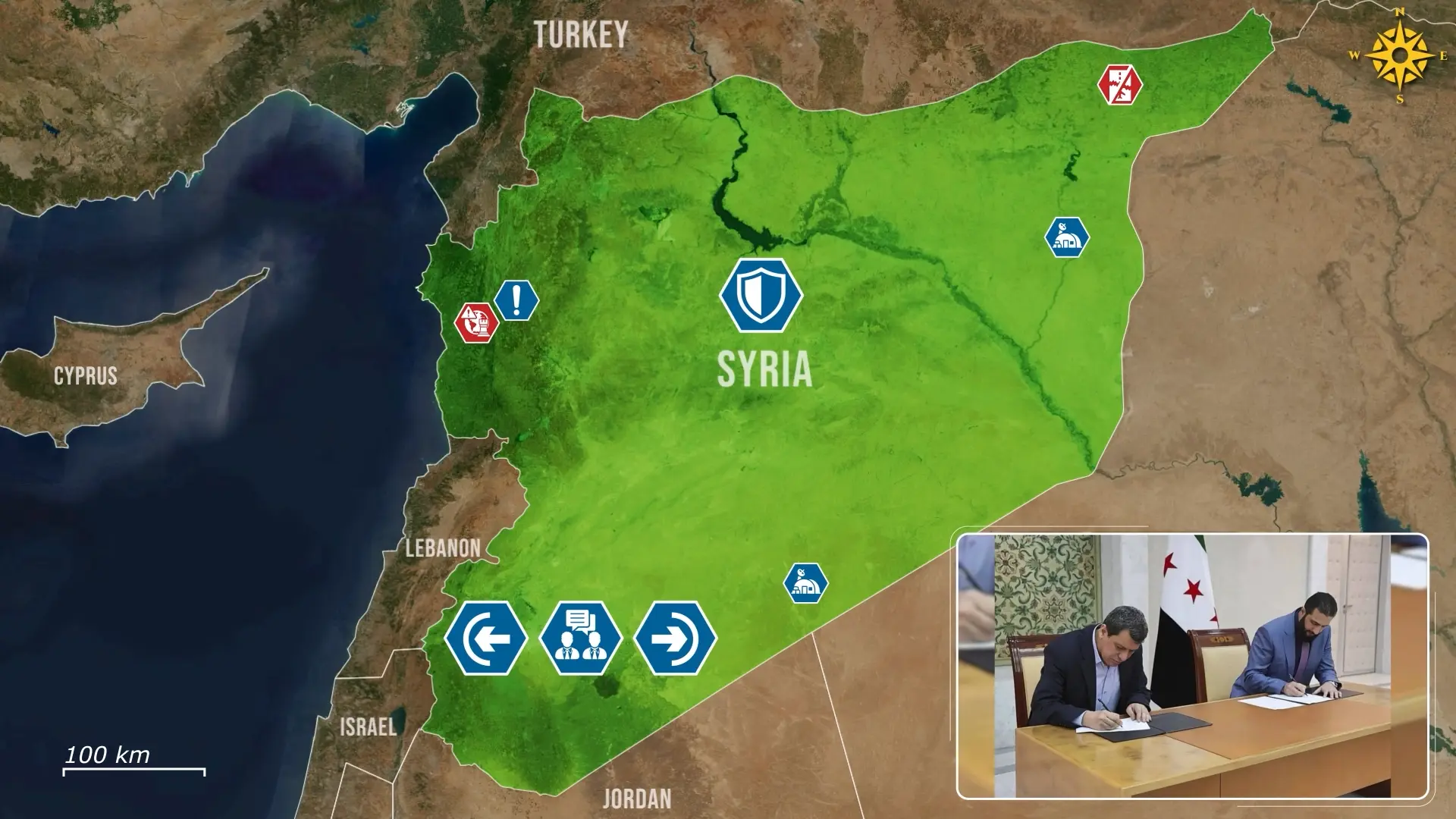
The new Syrian government has ordered the complete withdrawal of all Russian military personnel and assets from Qamishli. Russian forces entered the site in 2019 under an agreement with the SDF, which controlled much of the northeast at the time.
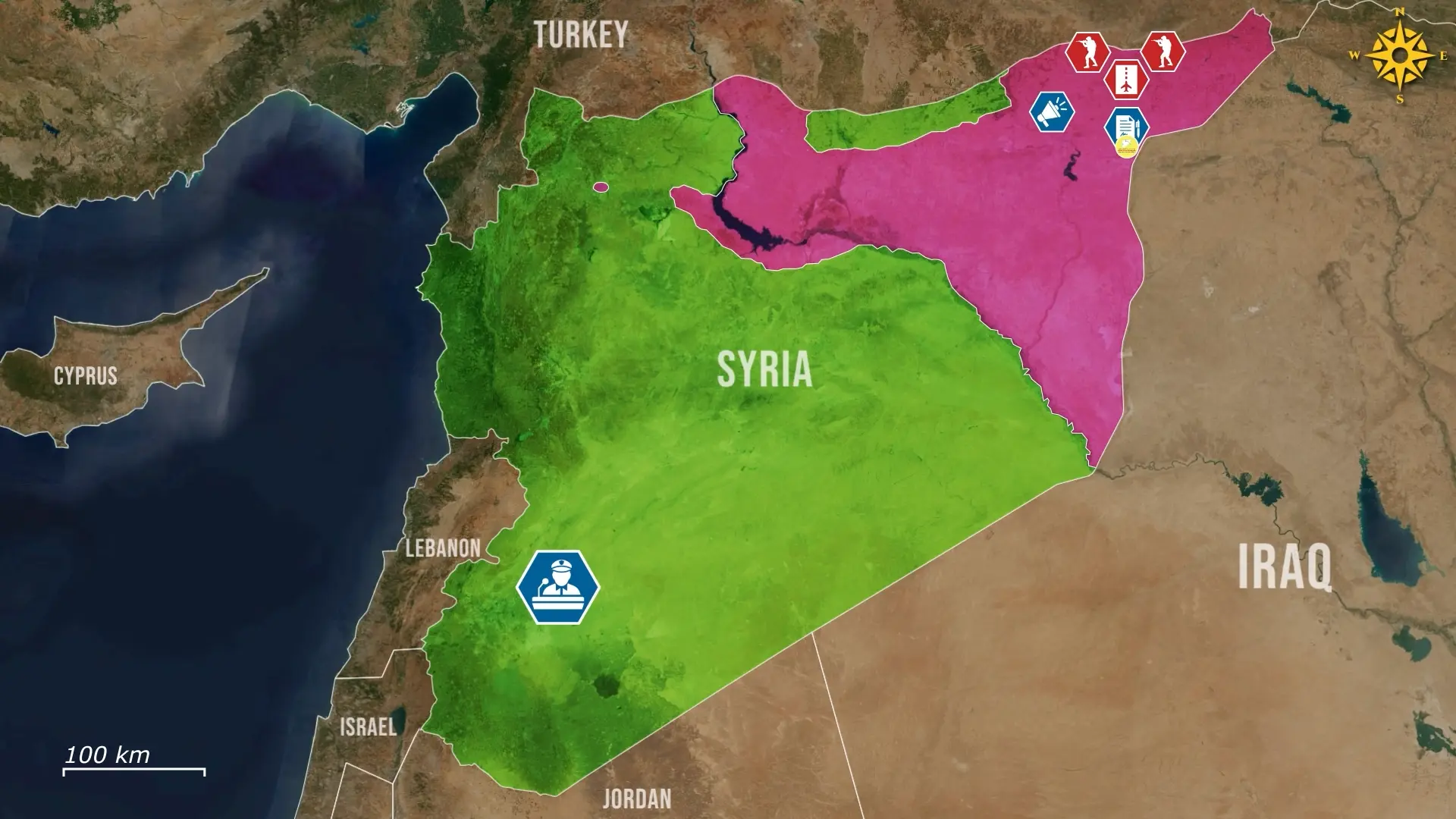
With the fall of Kurdish authorities in Syria, and its autonomous structures gradually integrating into the new Syrian administrative and military system, the Syrian government has moved to assert full authority over the airport as well. Russian units have already begun transferring equipment from the site, with some convoys heading west toward Khmeimim air base, and others to Russia to be then redeployed in Ukraine.
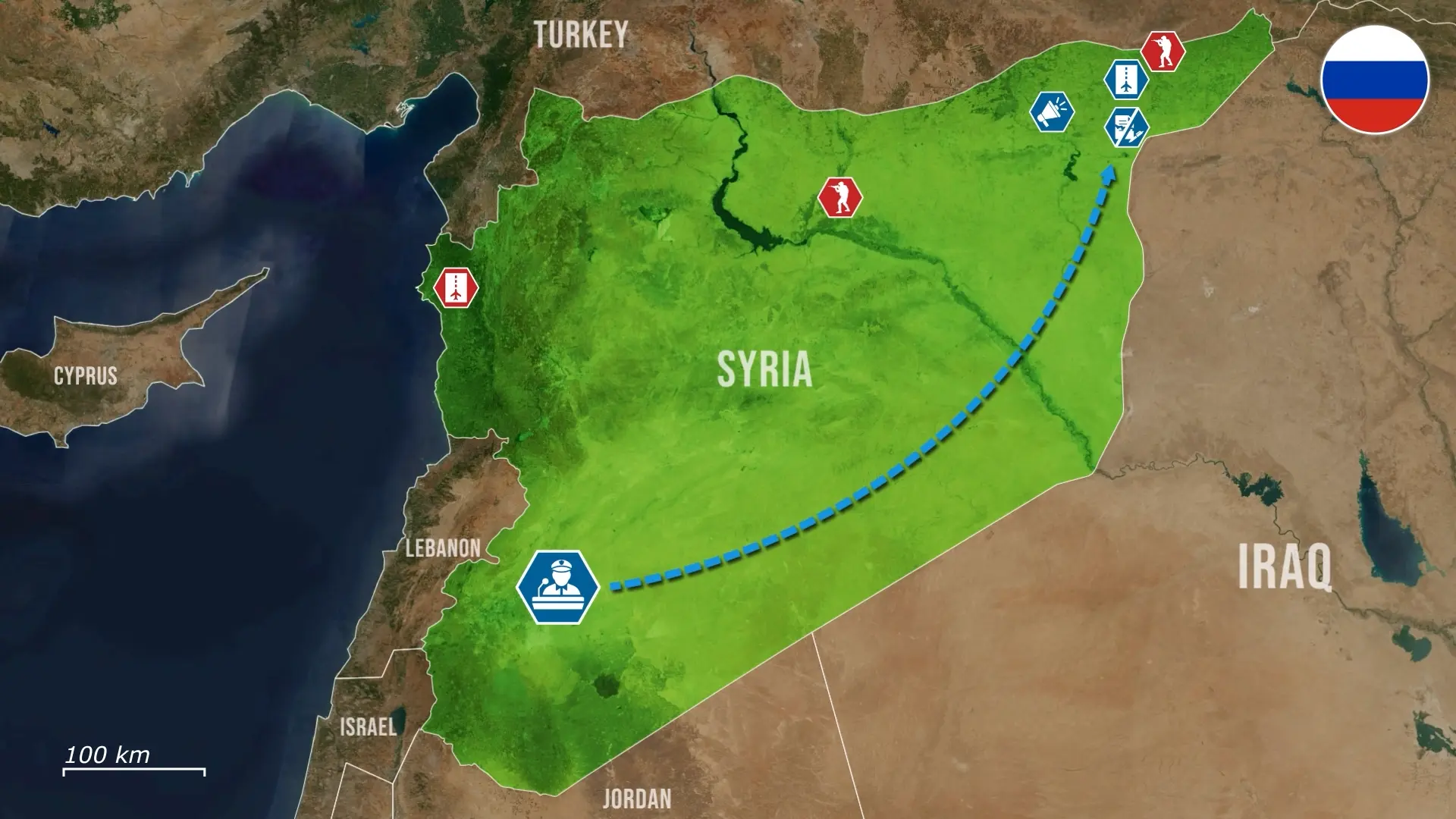
Although this development does not yet represent a nationwide expulsion, it accelerates a broader trend of diminishing Russian influence, marked by the fall of Assad. Russia’s presence in Syria was once anchored in a network of positions stretching from the Mediterranean coast to the Iraqi border.
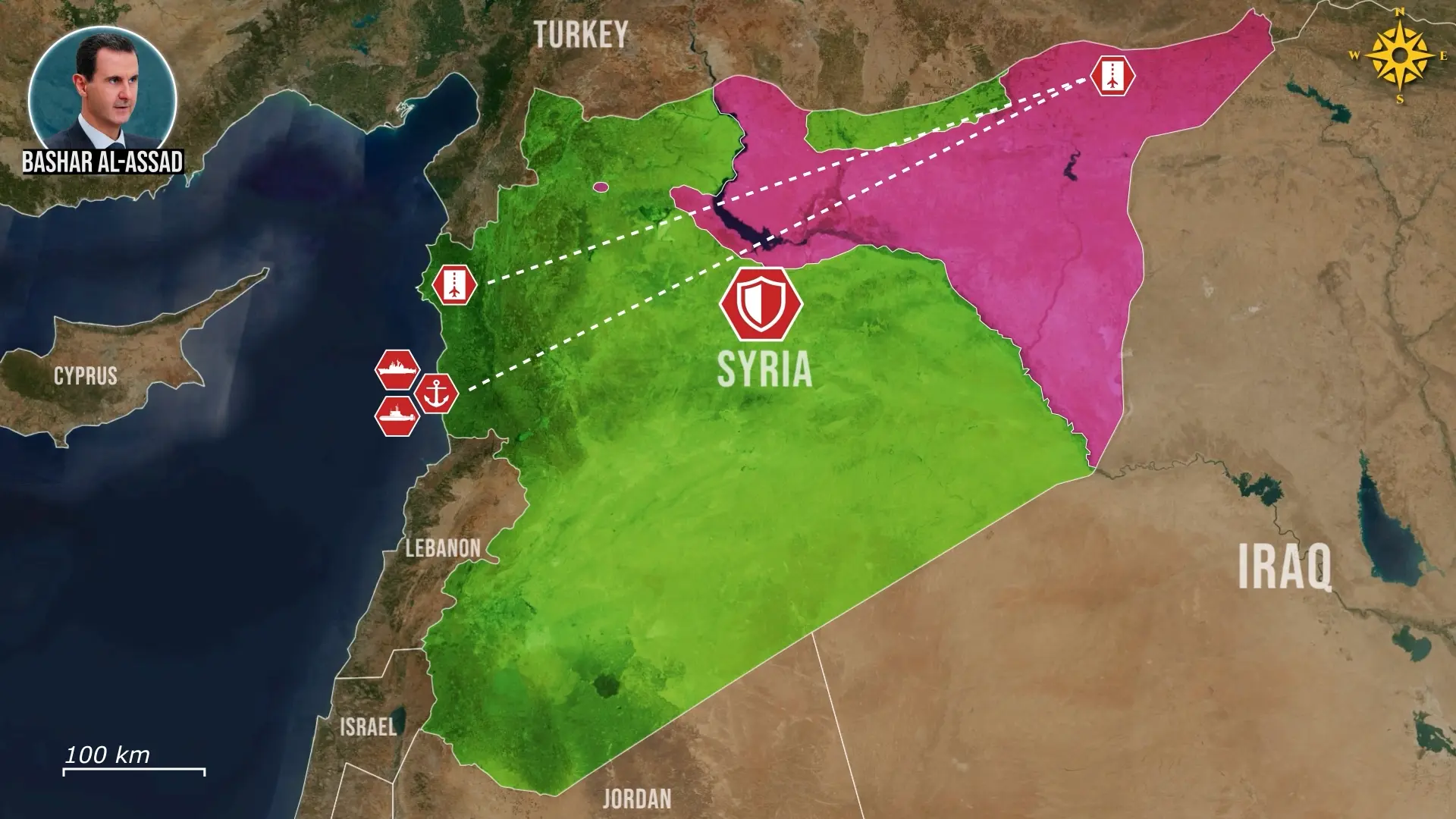
However, since 2025, the new Syrian government has tightened control over Russia’s port in Tartus and other surrounding facilities, reducing the autonomy Russia once exercised there. Russia’s remaining assets in Syria are now concentrated west, at the Khmeimim Air Base, which continues to host Russian aircraft, air‑defense systems, and a reduced contingent of military personnel.
The United States is undergoing a parallel but distinct process. Several American bases in the northeast, including Al‑Tanf and Al‑Shaddadi, are also being transferred to Syrian government forces. These include facilities previously used to support operations against the Islamic State and to coordinate with former Kurdish partners.
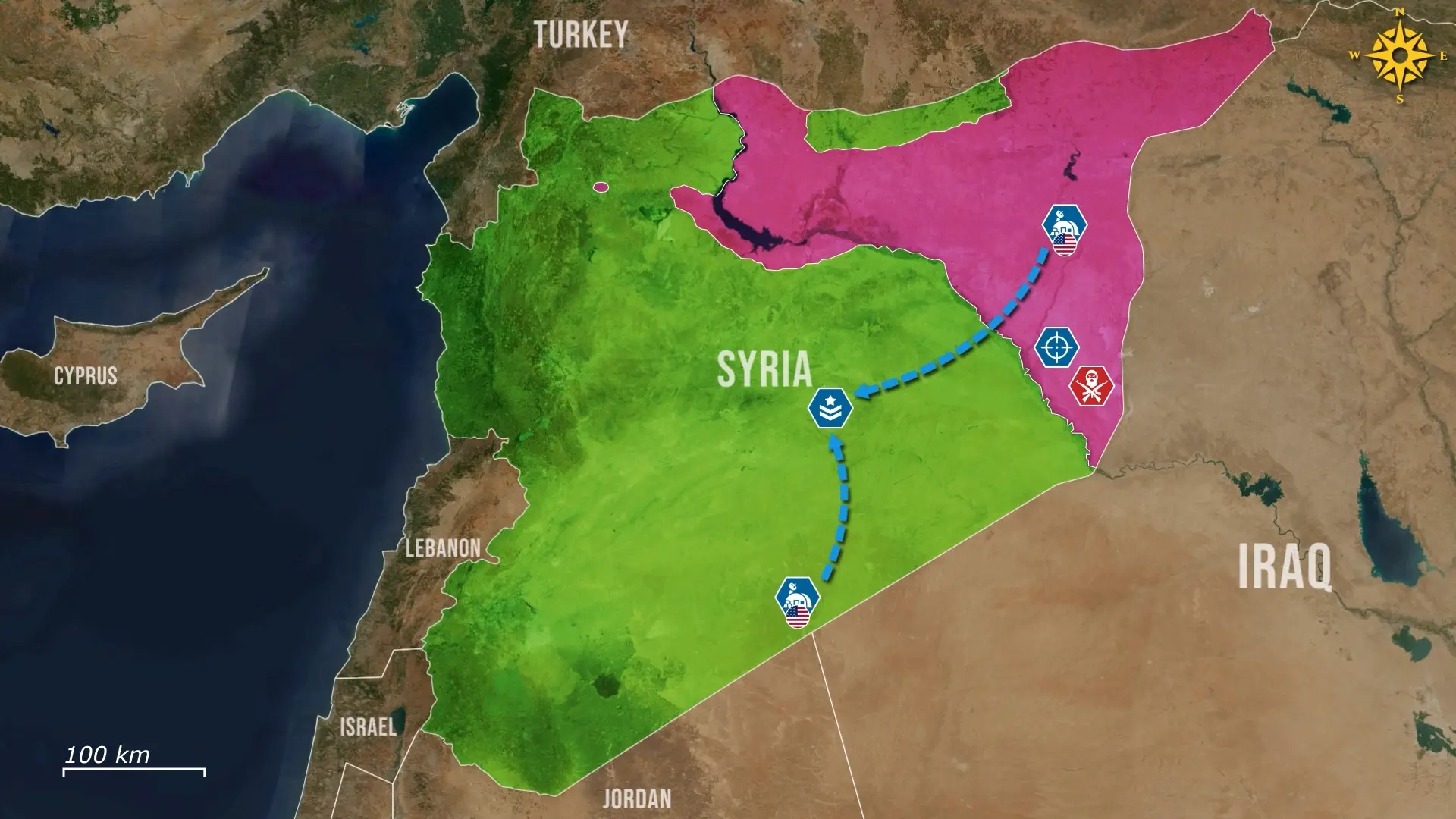
However, the departure is voluntary and not forced, as the US never fought against the new Syrian government and did not even interfere as the Syrian army began its advance on the Kurds, being former US allies in the fight against Isis. On the contrary, the US shifted its stance completely to support a unified Syrian state. As a result, American companies are now already negotiating development contracts with the Syrian government for oil fields previously controlled by the Kurds.
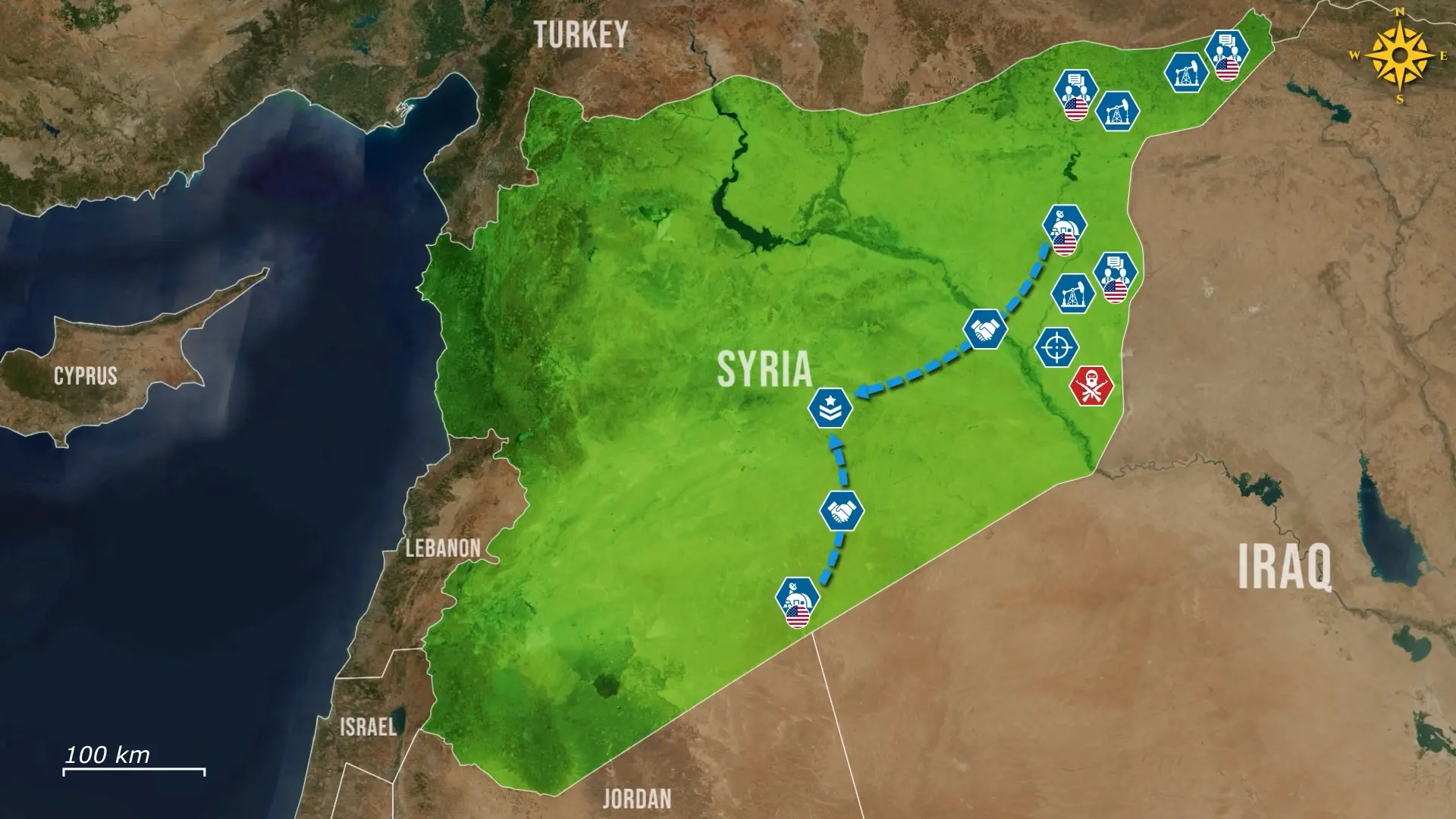
The contrast between the two withdrawals is significant, as the US is conducting structured handovers that resemble negotiated transfers of responsibility. This reflects a shift from military involvement toward economic engagement, with Washington ensuring continuity of access while reducing its physical footprint.
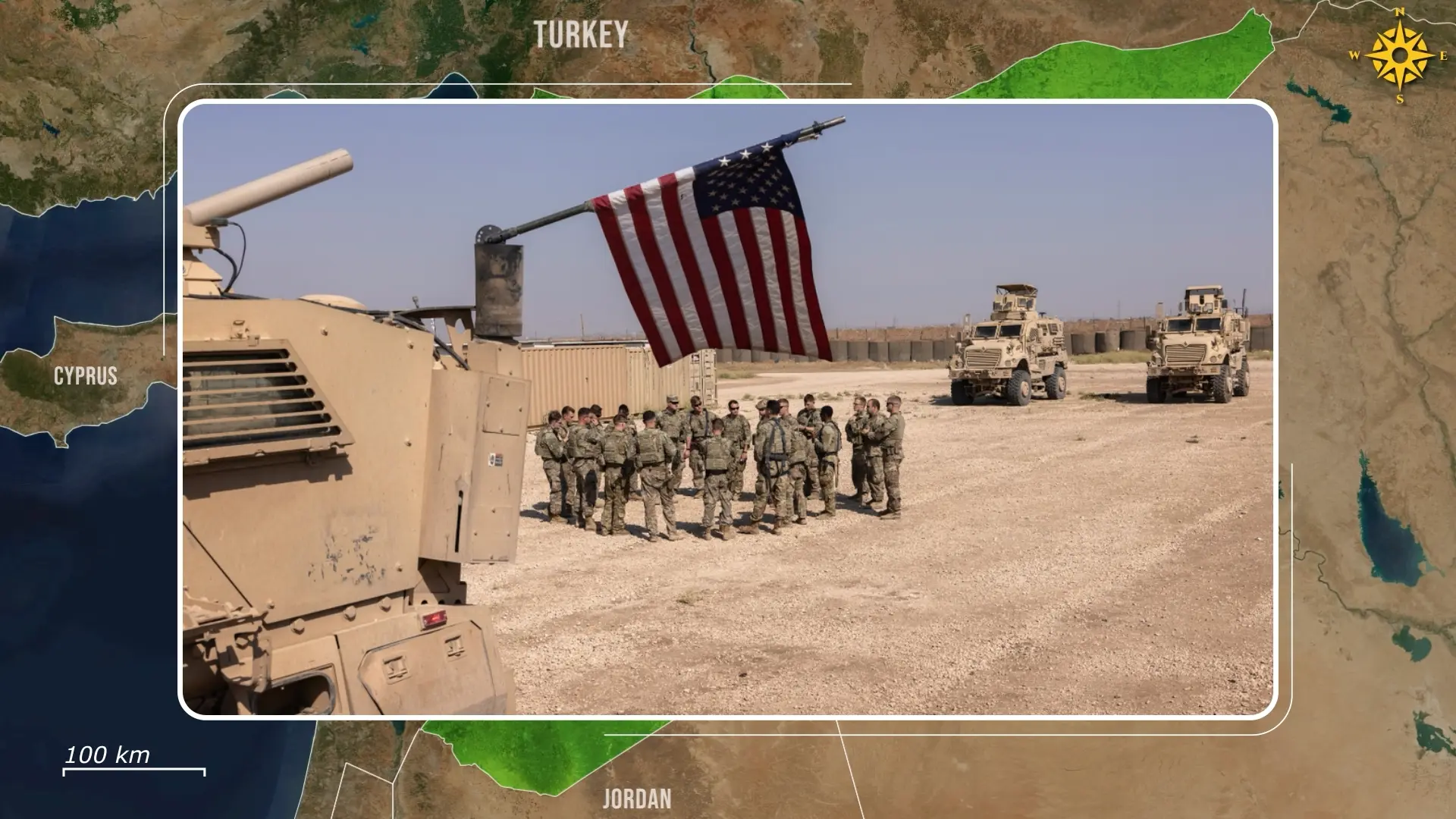
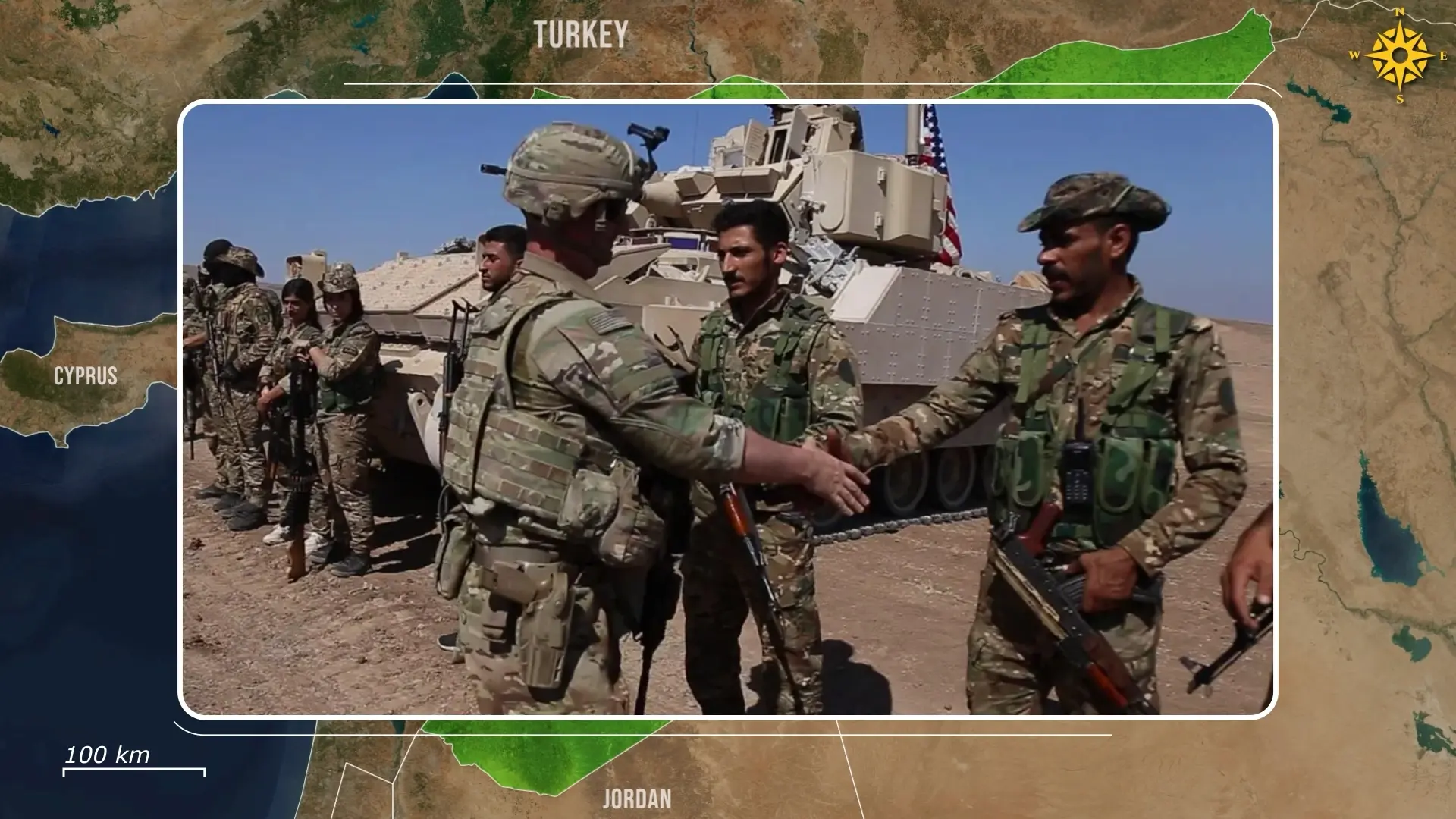
Syrian officials have also maintained pragmatic channels with the United States, including diplomatic visits and discussions on regional stability. Russia, by contrast, is being pushed out of the northeast as its role as a security guarantor has vanished.
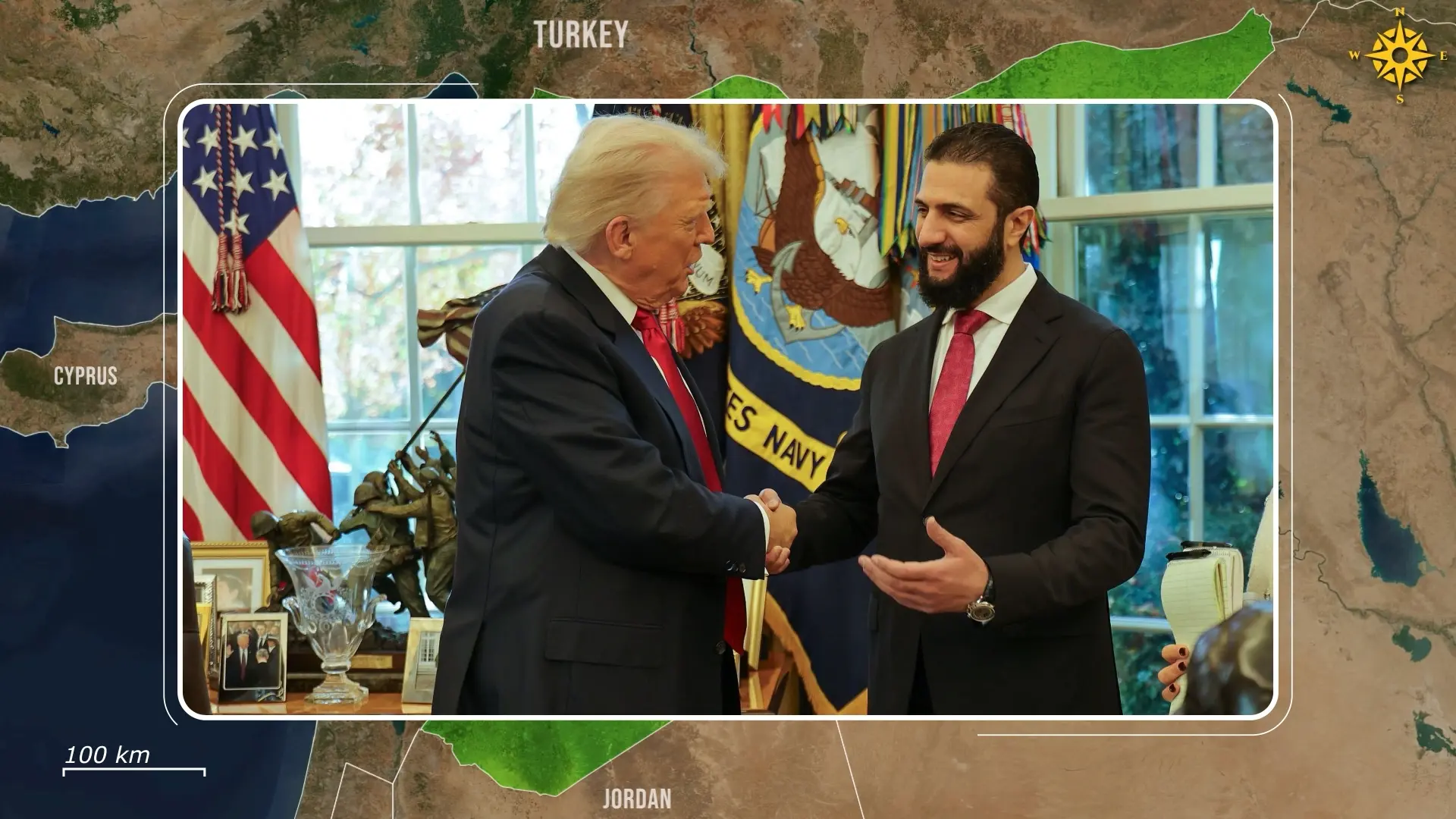
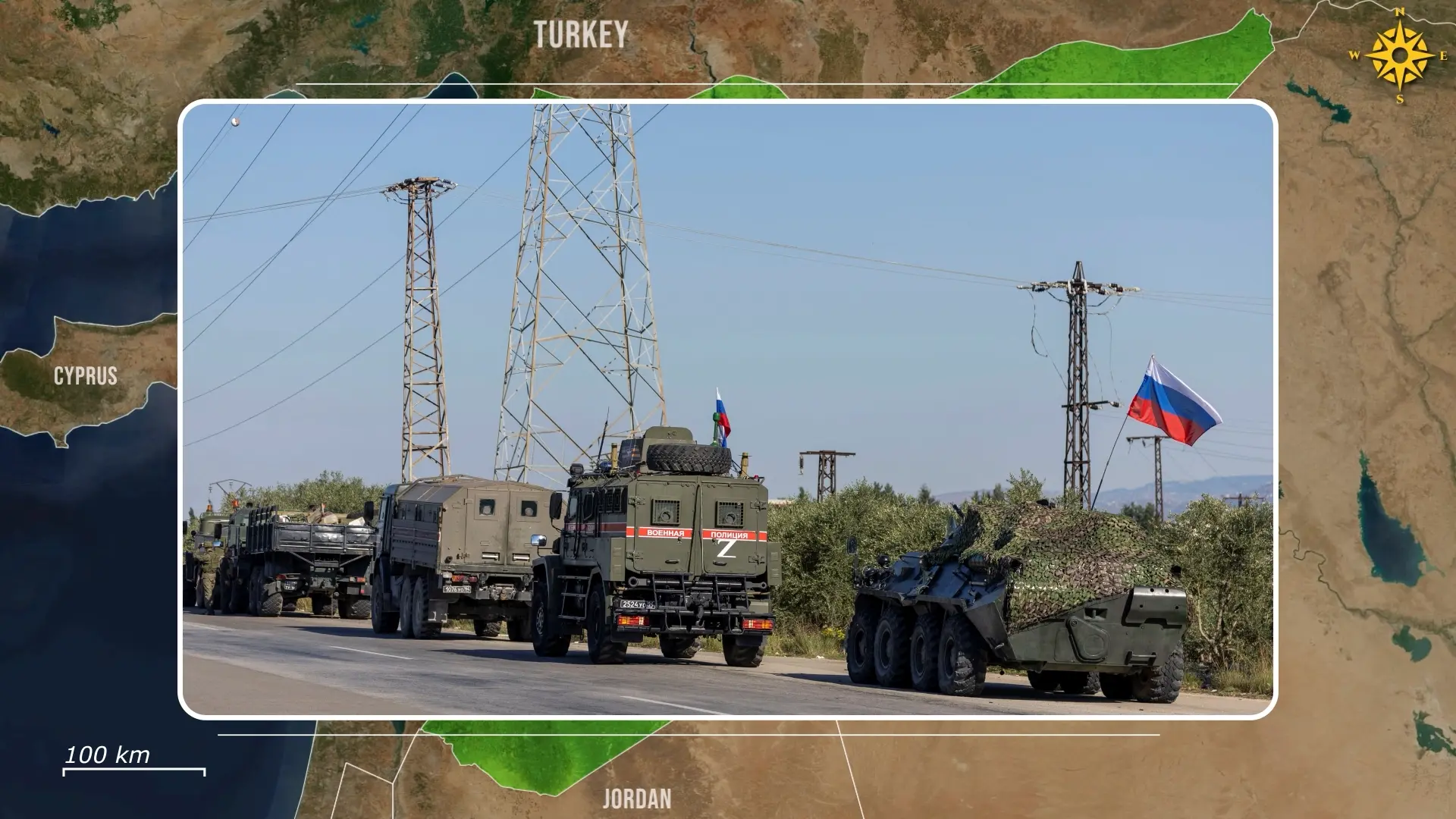
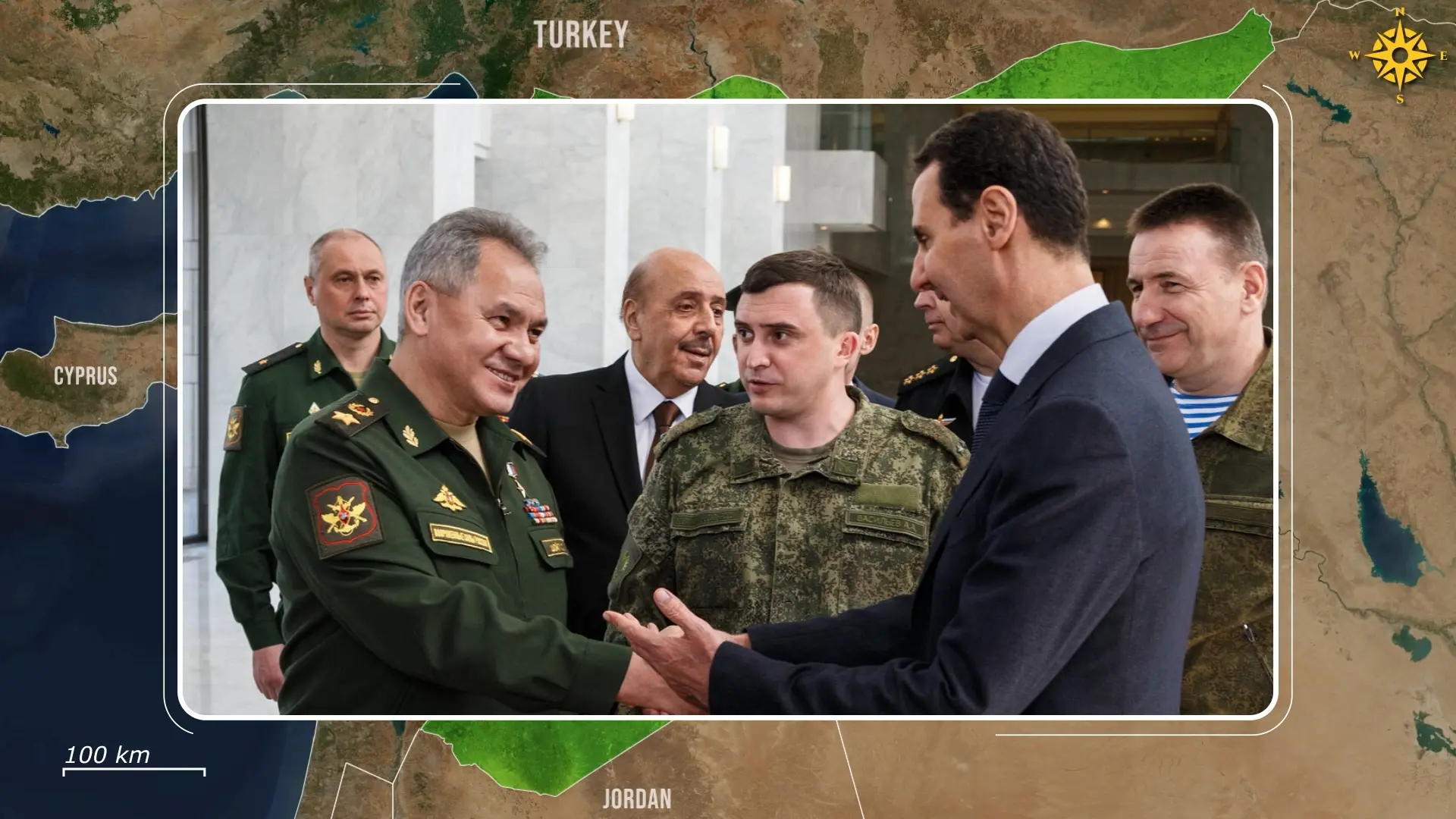
Russia is associated with the previous era of conflict, when it aided the Assad regime against the rebel forces with direct military and economic assistance, helping the regime to survive, only falling due to Russia’s inability to prevent it. As Russia’s influence has diminished, the new Syria is reorienting its alliances and asserting greater autonomy.
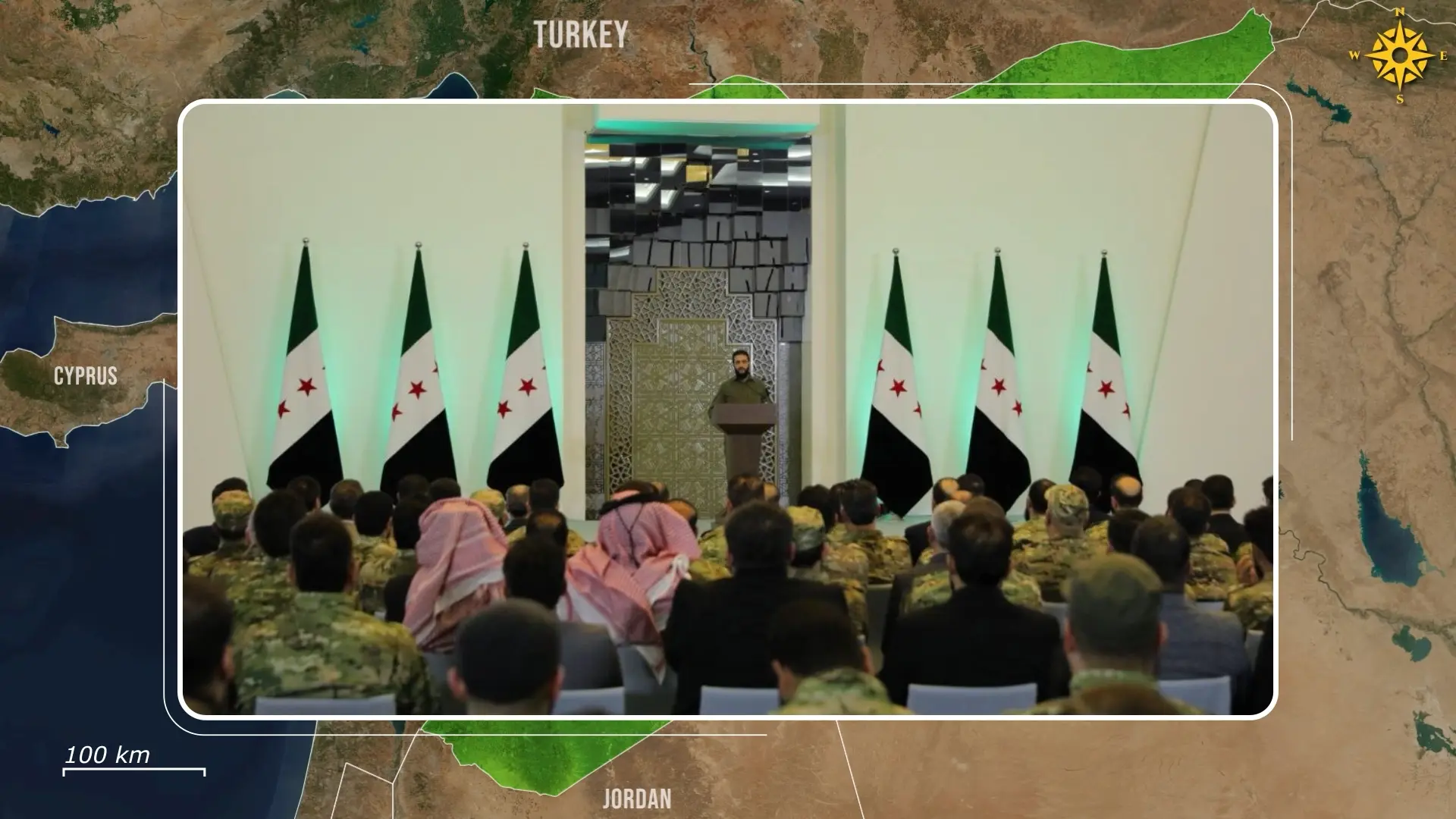
Strategically, the new Syrian government is expanding its diplomatic channels while it consolidates its internal security structures. The government is pursuing new deals not just with the United States, such as significant energy infrastructure investments from Qatar and Turkey, totalling several billion dollars.
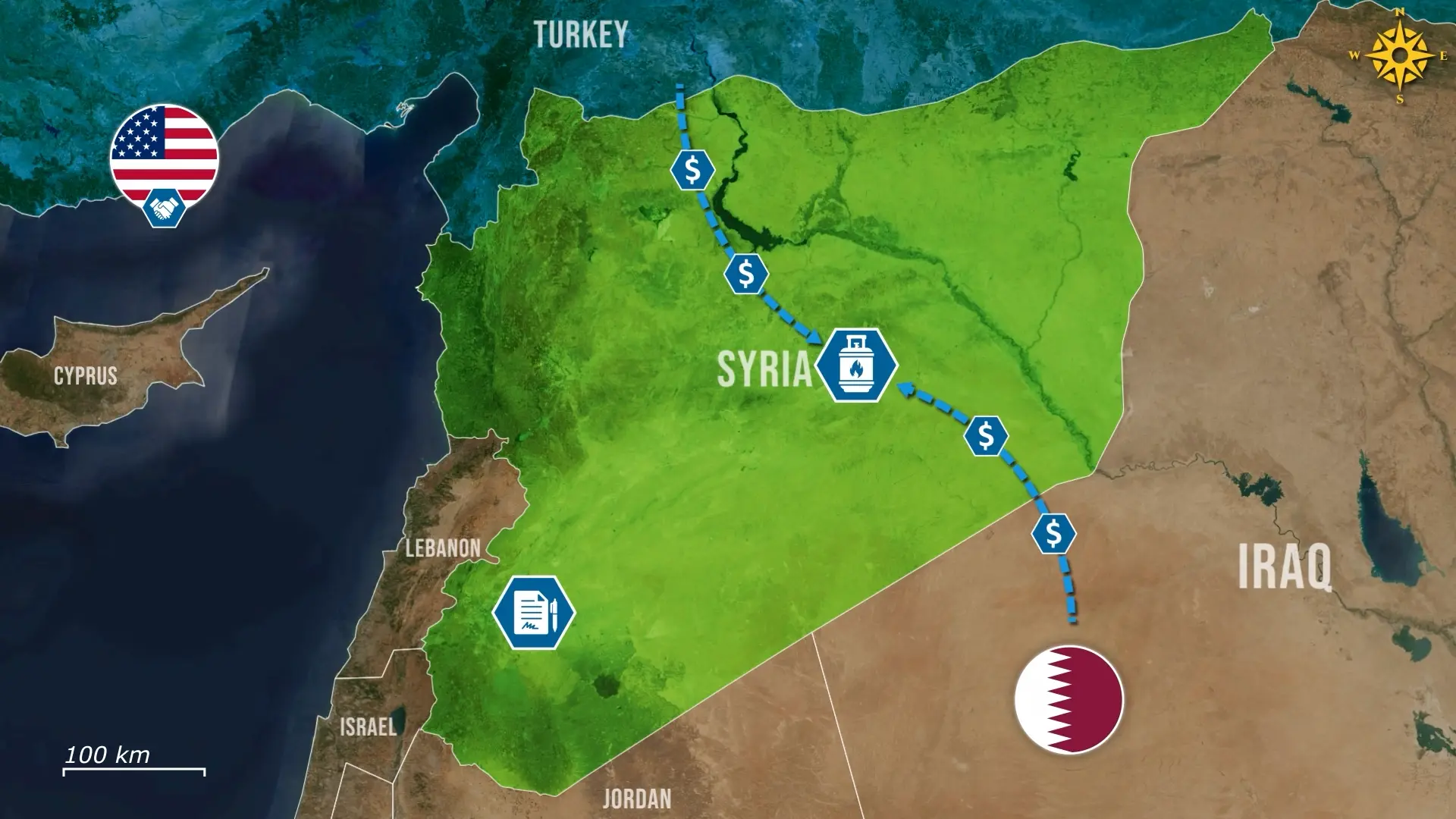
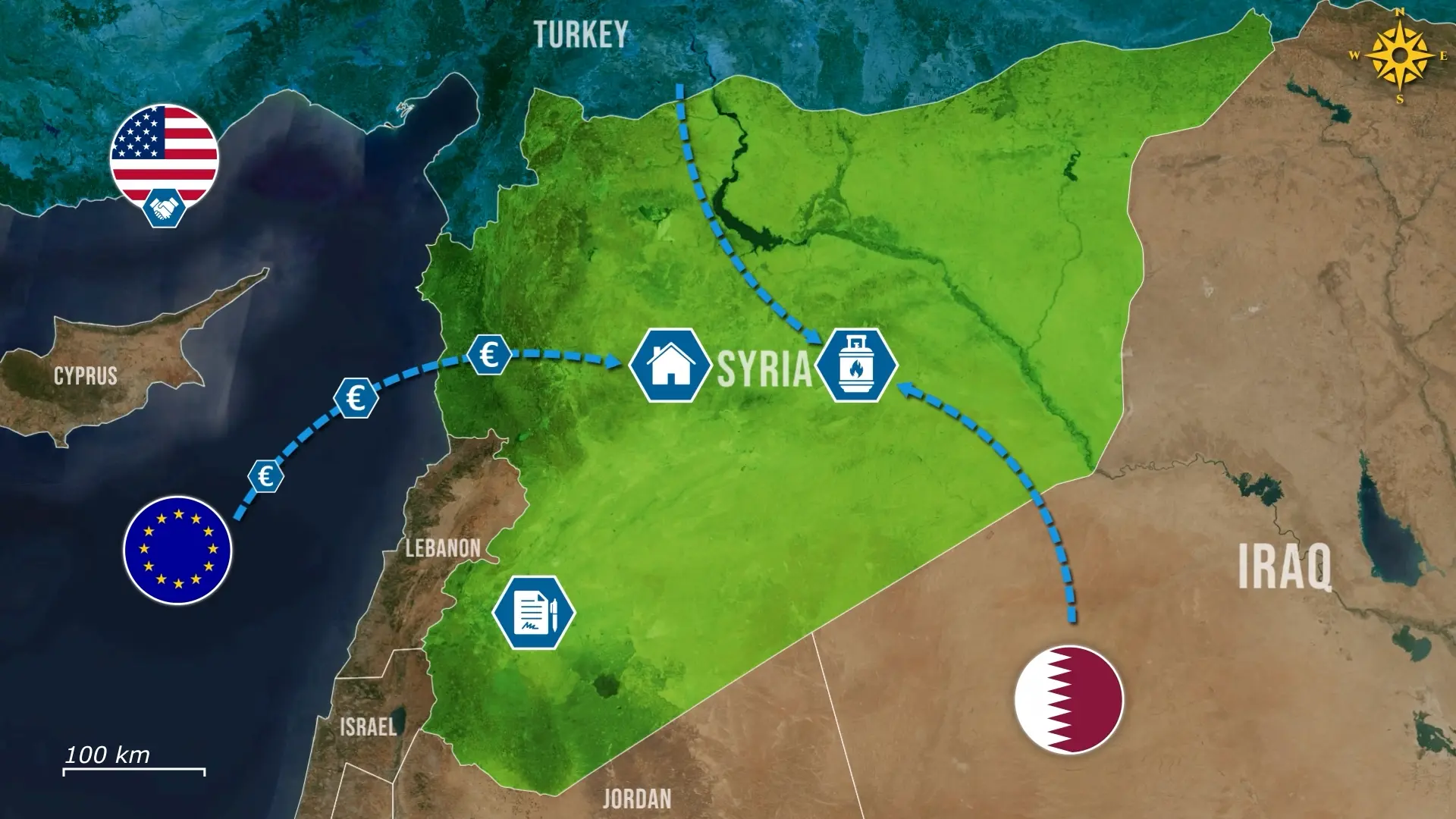
The European Union has similarly transitioned from a policy of isolation to active engagement with Syria, pledging a 620-million-euro financial package for 2026 and 2027 to facilitate private investment and socio-economic recovery.
These moves, along with a nationalization drive of foreign military bases, indicate a broader strategy from outside and inside of Syria to stabilize the state and reduce external military autonomy within its territory. Whether this trajectory positions Syria as a regional actor or simply restores internal coherence remains uncertain, given its emergence from a long period of war and internal fragmentation. The country’s ability to face economic constraints, reconstruction needs, and a complex regional environment will shape the scope of its resurgence.
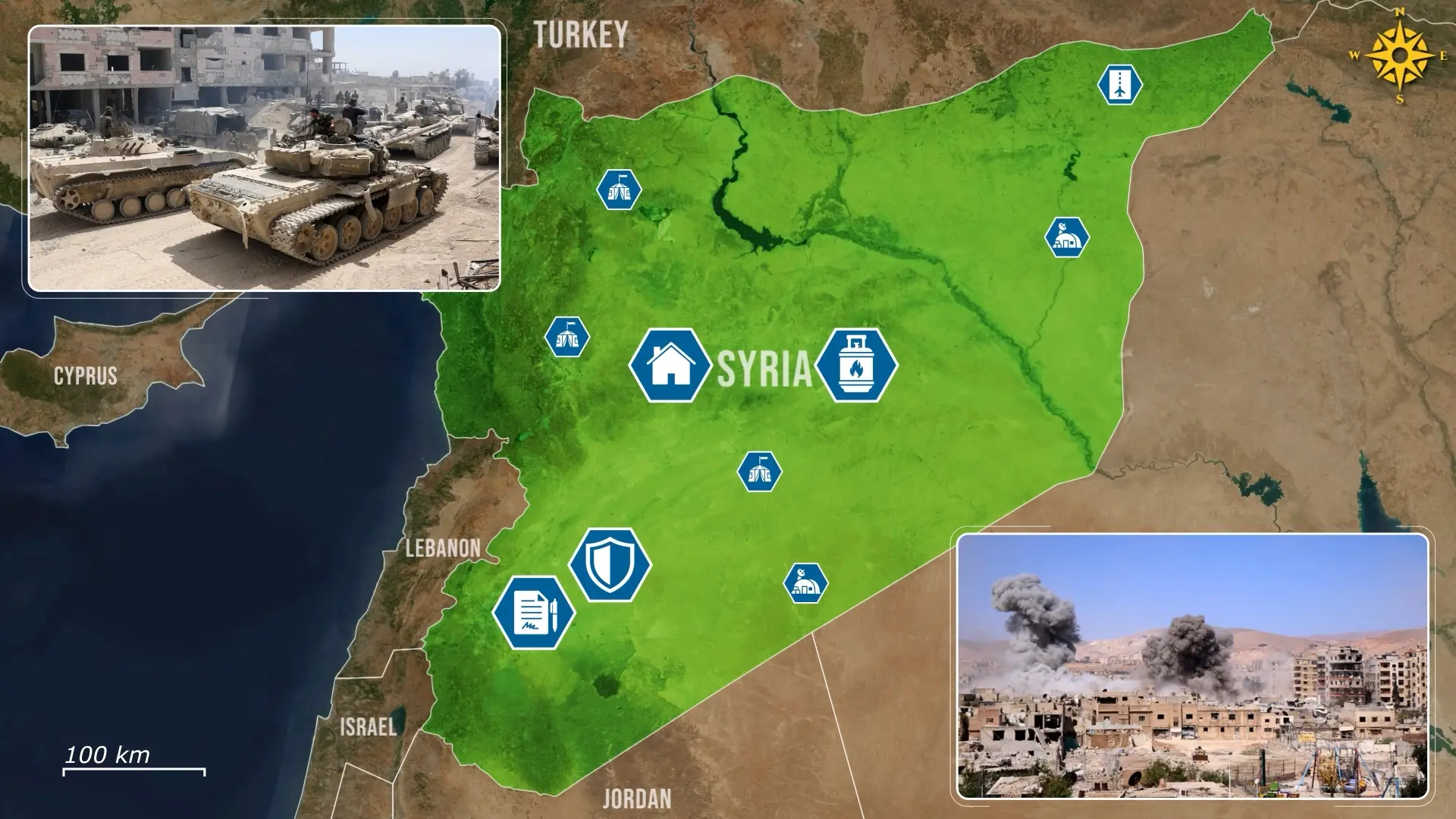
Overall, the removal of Russian forces from the northeast and the coordinated departure of American units illustrate Syria’s effort to reclaim direct control over its territory and security architecture. The government is maintaining diplomatic flexibility, economic incentives, and military consolidation to reshape its strategic environment. These developments suggest a state seeking renewed agency after years of fragmentation and foreign dependency. The extent of Syria’s resurgence will depend on its ability to manage regional relationships, rebuild its institutions, and sustain internal cohesion as it transitions into a new political phase.

.jpg)

Comments