

.svg)
Today, there are important updates from the Russian Federation.
Here, the Russian command is copying Ukrainian helicopter tactics but facing a number of result-limiting issues. Forced to move them across the widening theater, Ukrainian forces have just opened the hunt for Russian helicopters with devastating results.
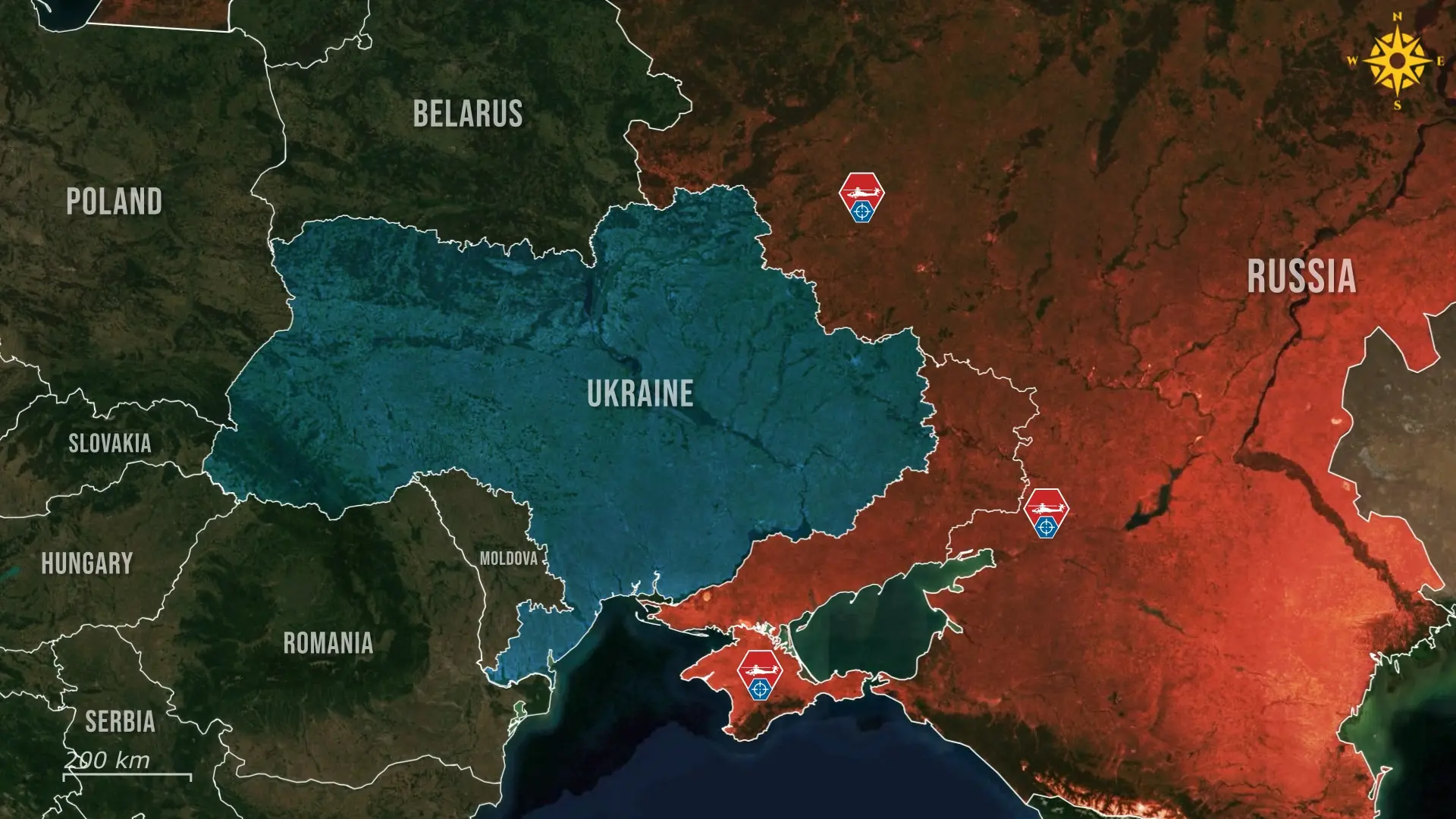
Recently, Russia has begun expanding the use of Ka-52 and Mi-8 helicopters as mobile counter-drone platforms, a tactical shift born out of necessity due to the persistent Ukrainian long-range drone raids penetrating deep into rear areas. Equipped with onboard radars, optics, and cannons, these helicopters act as flexible gap-fillers in an overstretched air defense network, with Russia increasingly deploying them to intercept slow, low-flying Ukrainian drones.
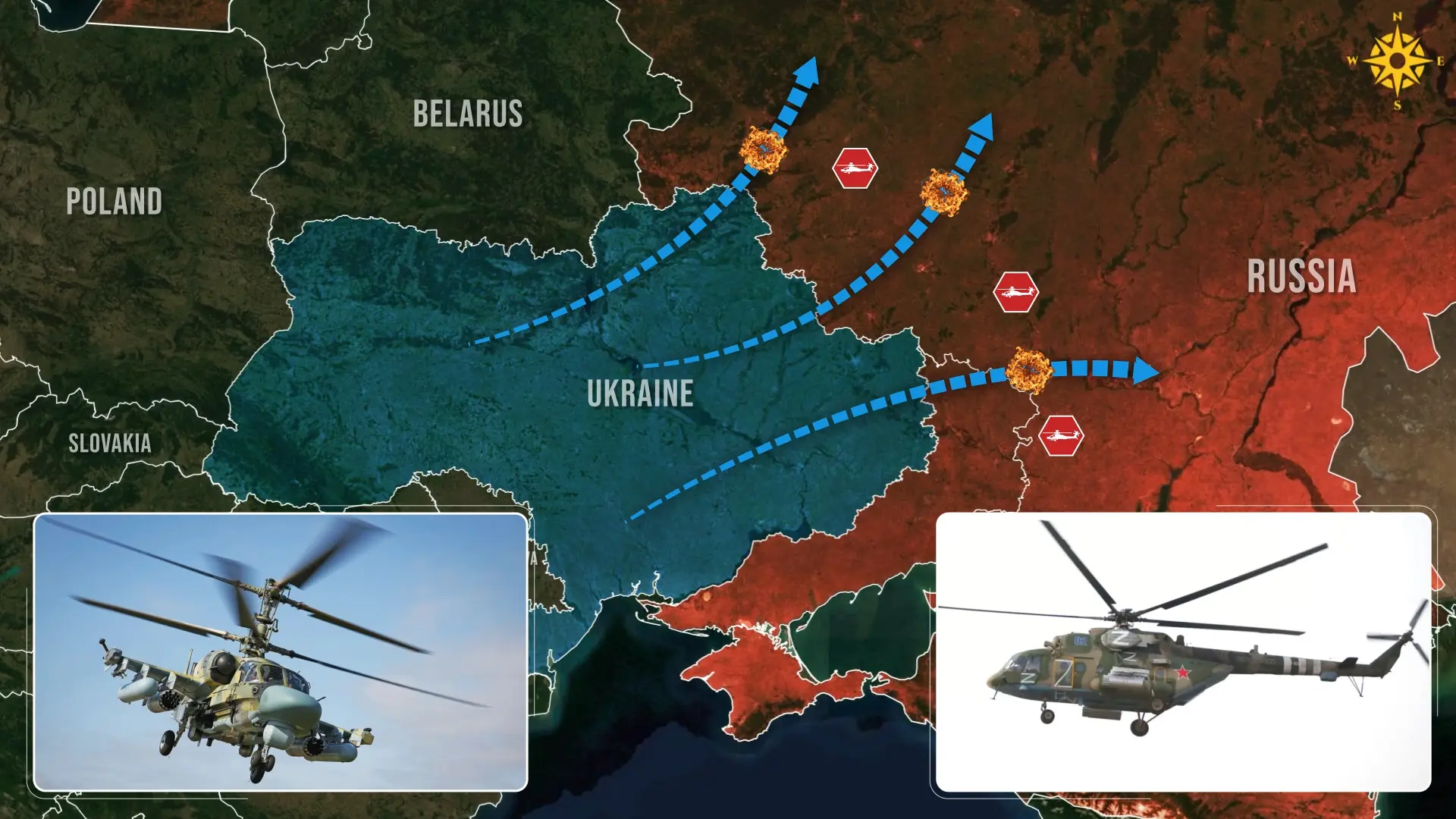
The concept mirrors Ukraine’s earlier adaptation of helicopters and light aircraft to counter Russian Shahed drones. Russian analysts had been urging the Ministry of Defense since 2023 to adopt this Ukrainian tactic in defense against Ukrainian drones as well, arguing that Ka-52 and Mi-28 platforms could effectively hunt drones, but it still took the Russian command over 2 and a half years to embrace the approach and under mounting pressure.
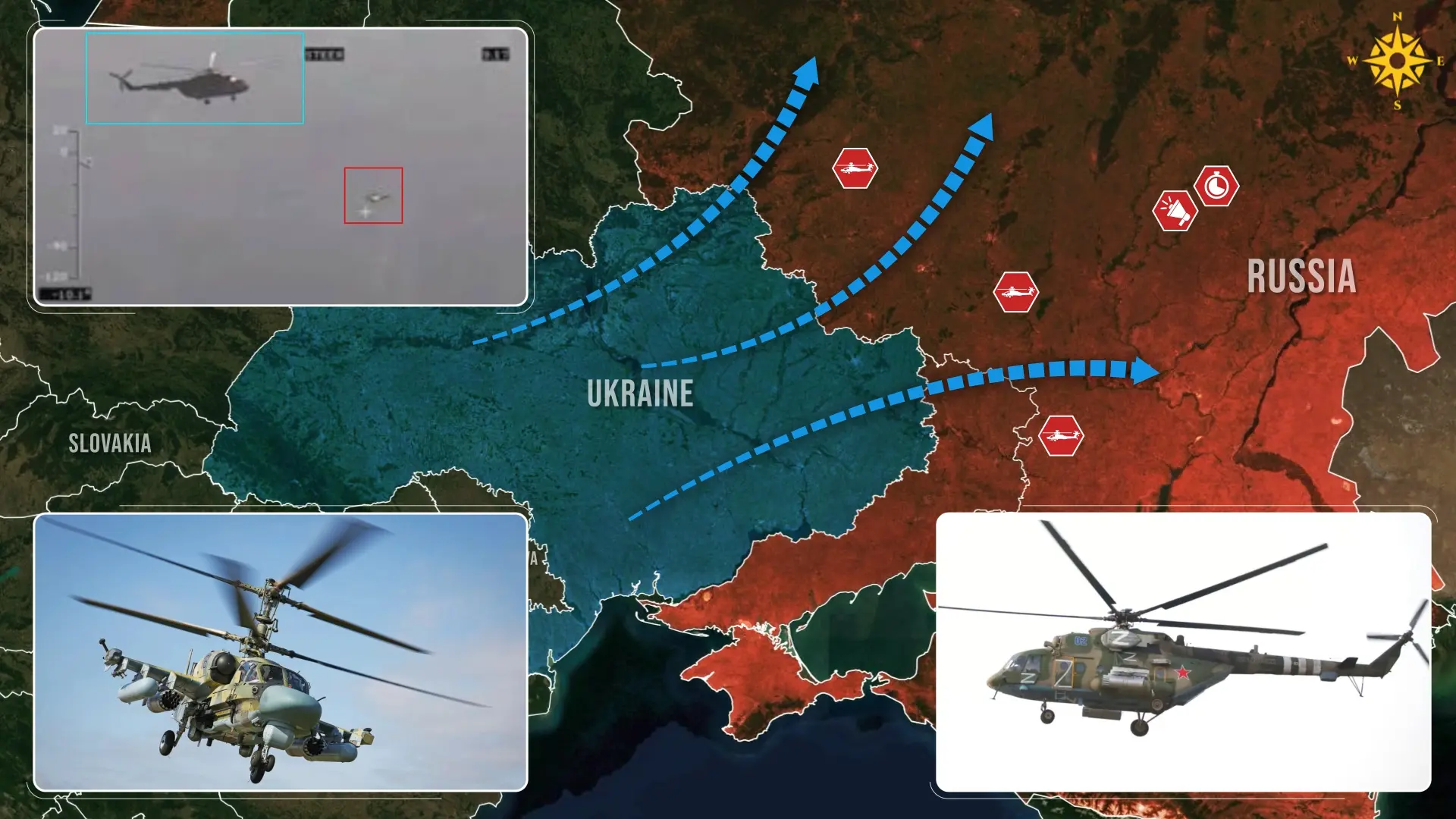
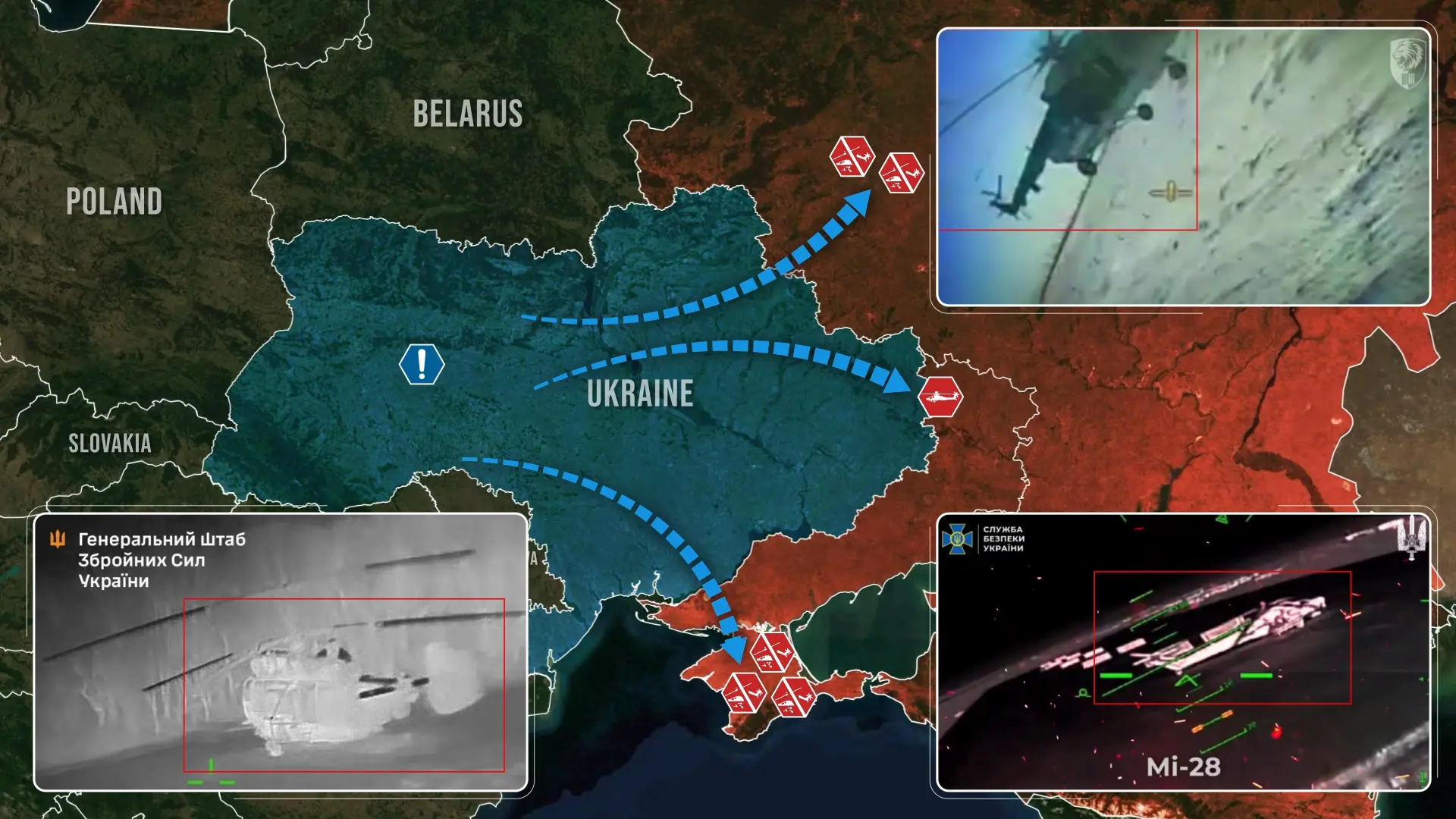
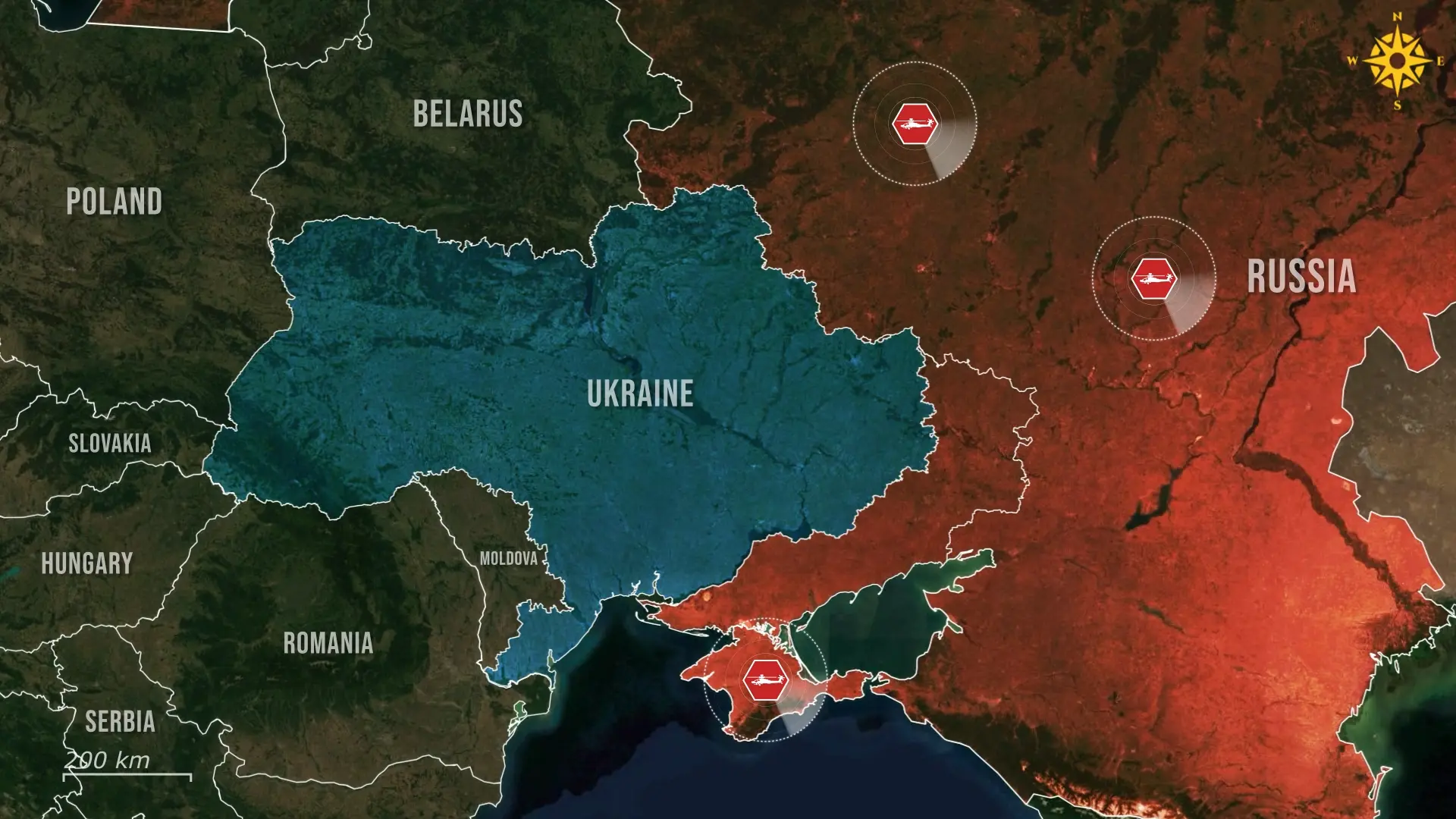
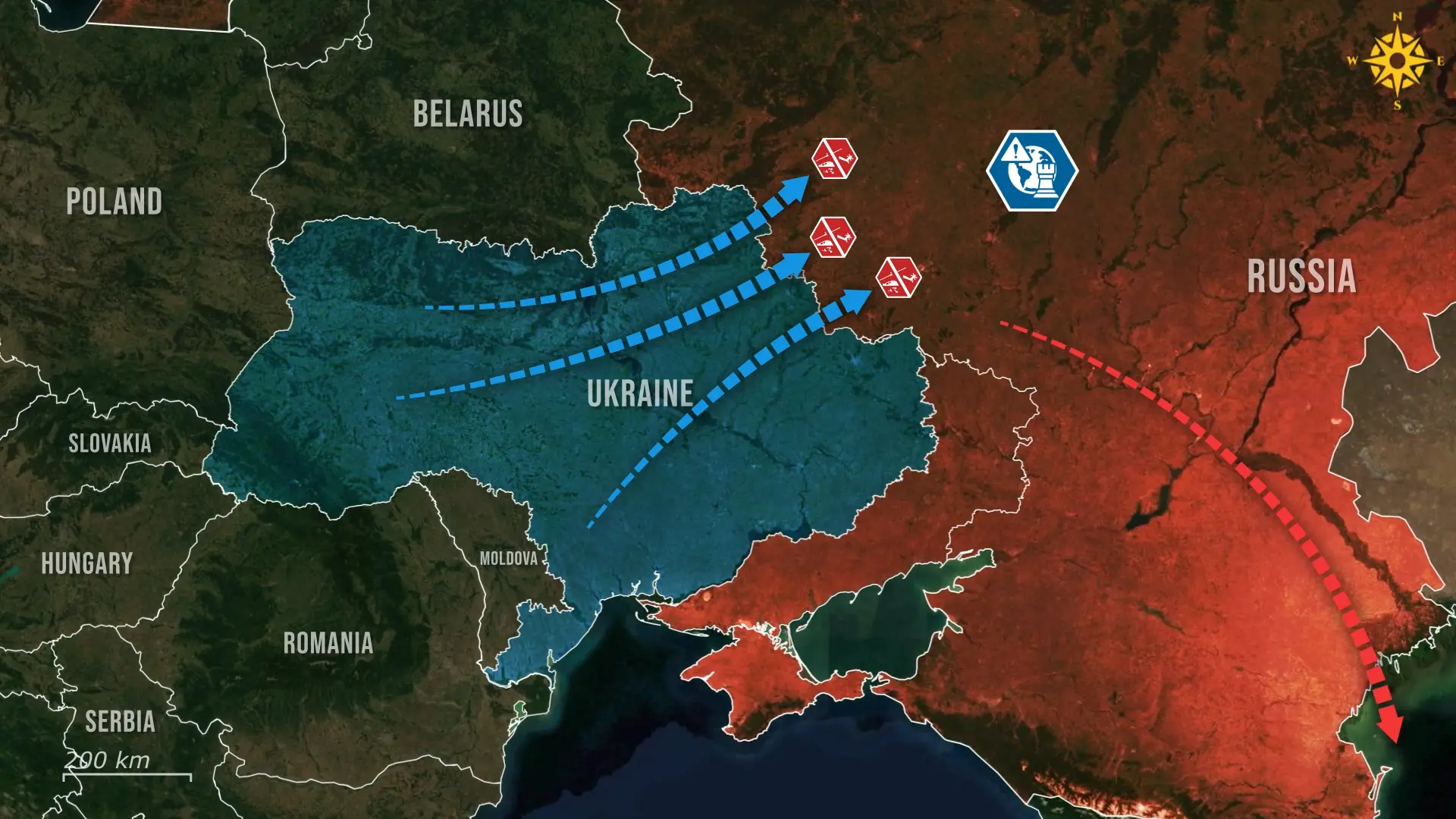
While Russia attempts to repurpose its fleet, Ukrainian forces have begun actively hunting helicopters themselves. On February 20, Ukrainian drones struck the Pugachevka airfield in the Oryol region, destroying a Mi-8 and a Ka-52, with both aircraft assessed as beyond repair. Days earlier, a Ukrainian FPV drone attempted to intercept a Mi-8 in flight, as confirmed by recently released footage. In Crimea, Ukrainian forces confirmed a strike on a Russian Ka-27 naval helicopter near Kamyshly. Additionally, Ukraine’s Alpha unit reported hitting five Russian airfields last year, destroying 15 aircraft, including three helicopters.
Rising crashes and emergency landings linked to maintenance strain are compounding combat losses, with Western sanctions restricting access to avionics, certified overhaul services, and critical components. Russian operators increasingly cannibalize airframes and extend service intervals beyond recommended limits.
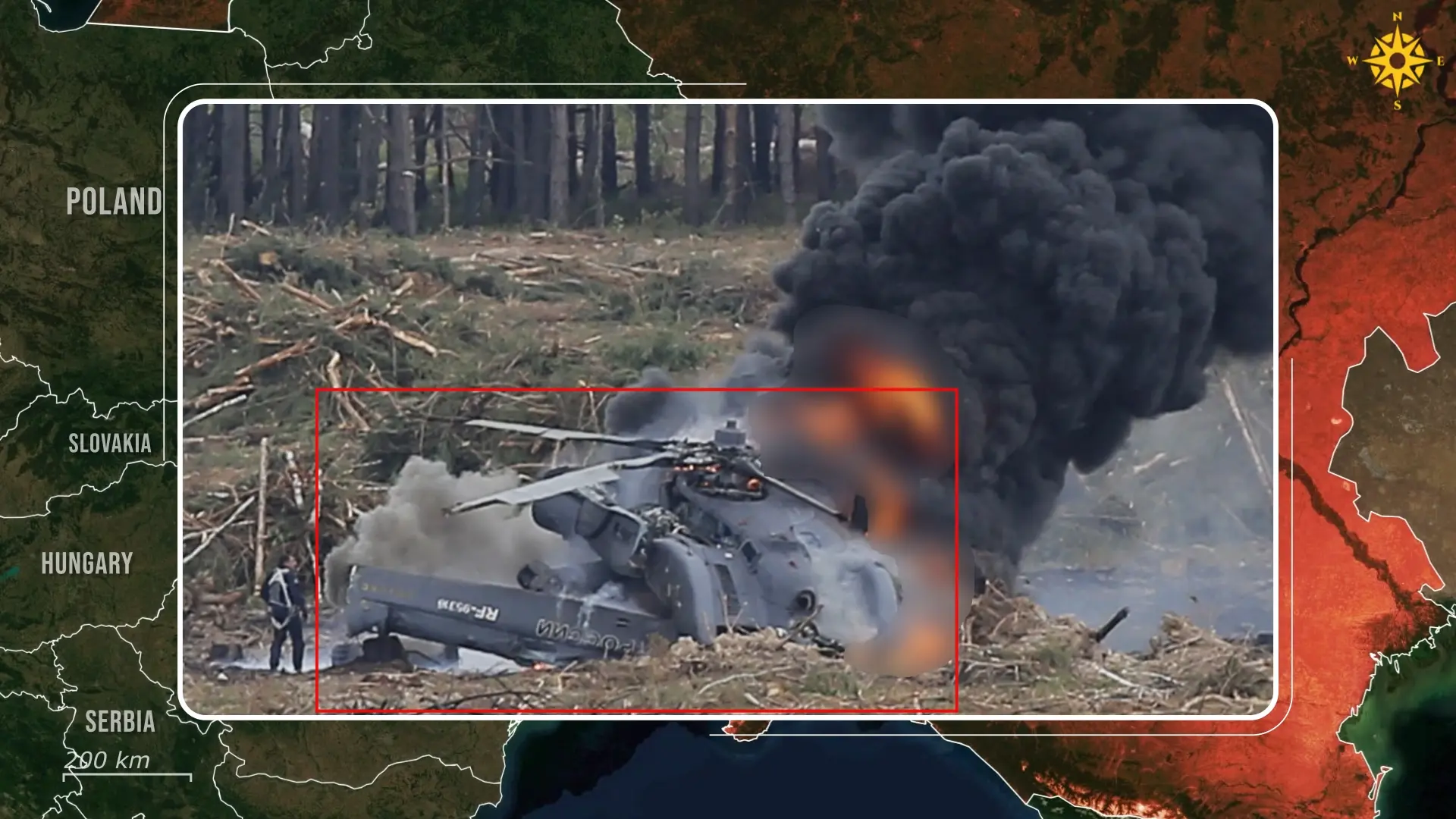
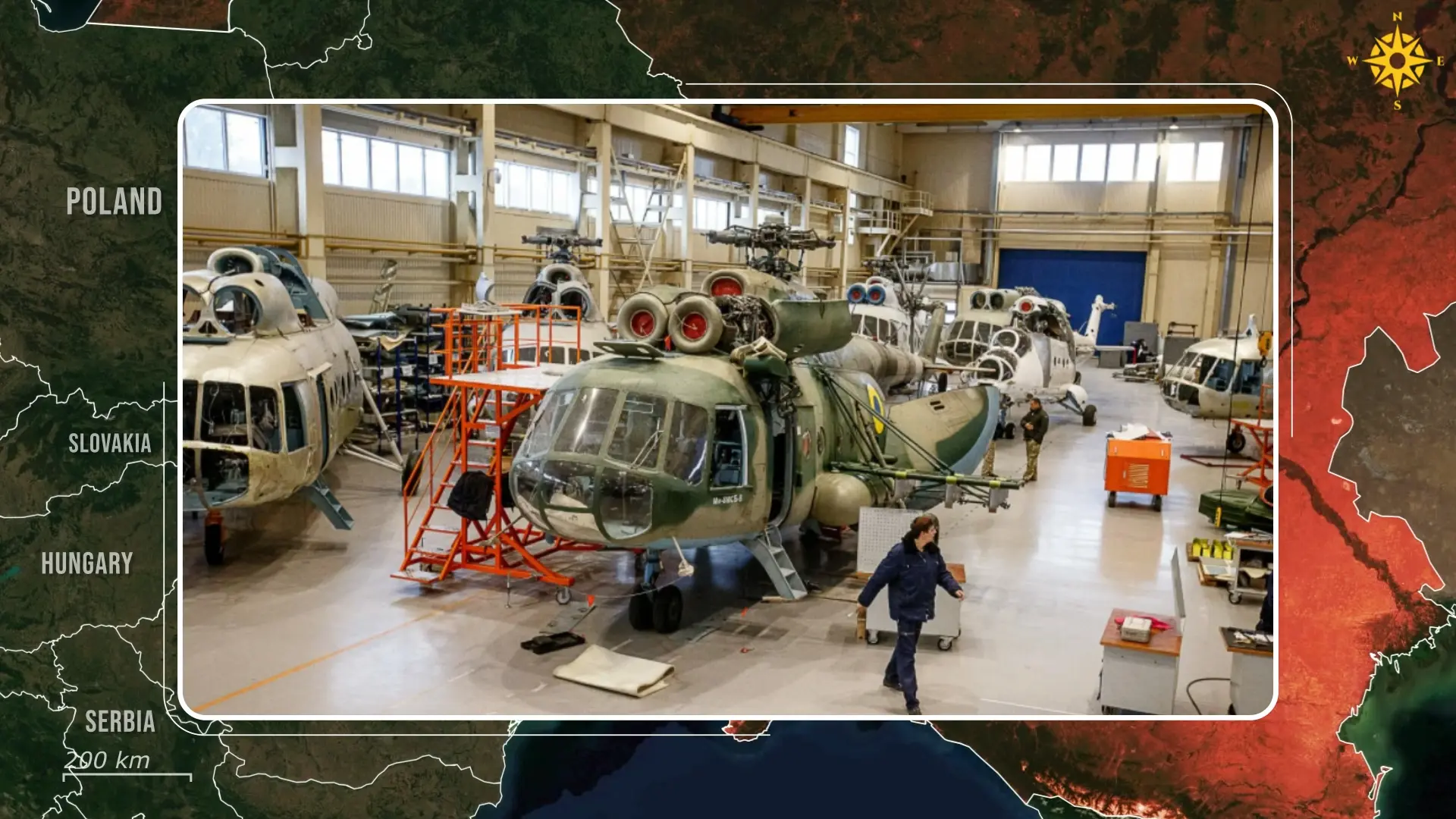
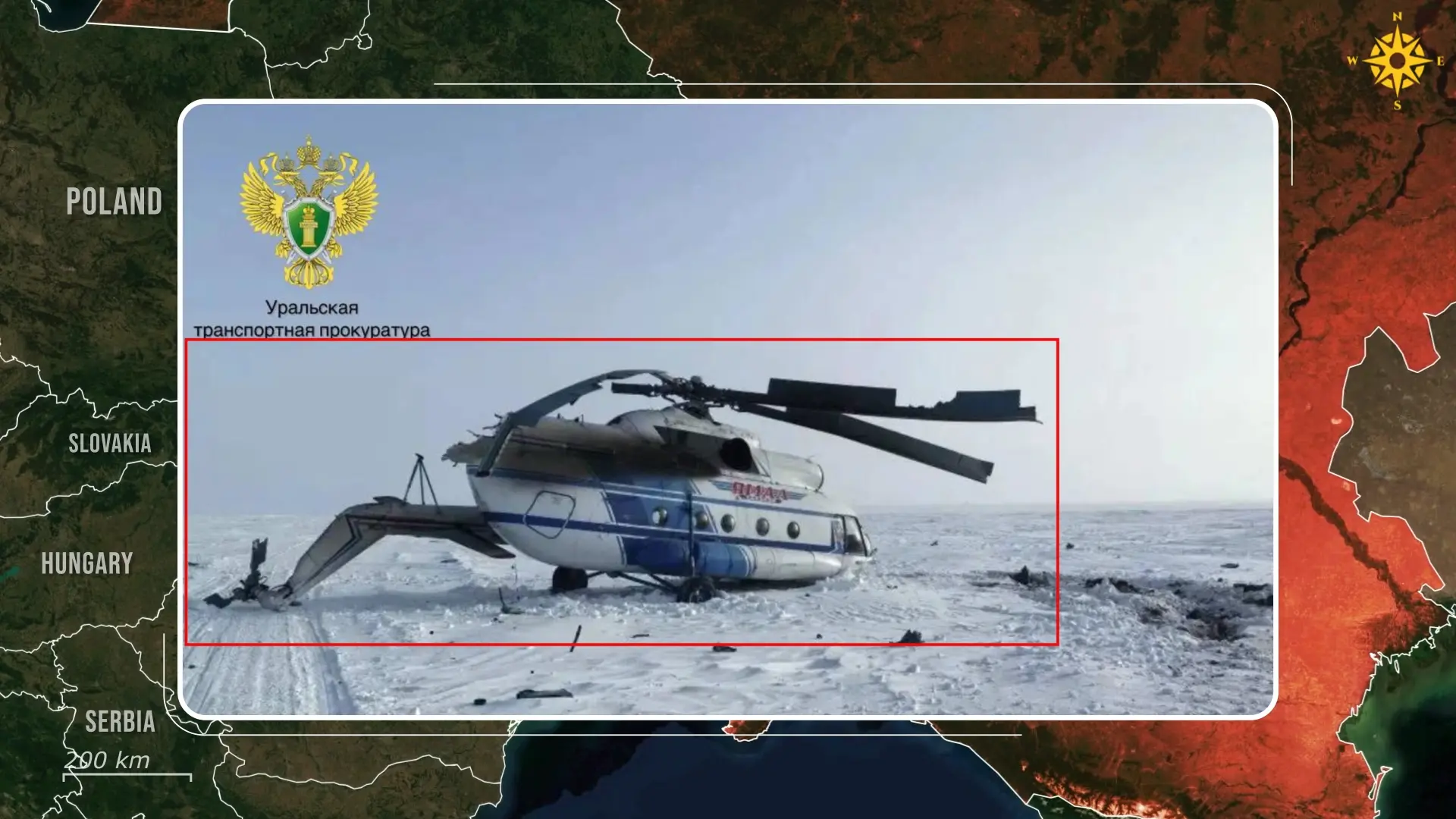
Gearbox and engine failures are becoming more frequent, particularly under high operational tempo. The latest incident involved a Mi-8 making a hard landing in the Yamal region after on board equipment failed, leaving the aircraft severely damaged and crew members seriously injured.
Frustration is visible among Russian military commentators who argue that current helicopter numbers are insufficient to provide adequate aerial interception coverage across vast regions. After starting to use helicopters, Russians began boasting of downing dozens of Ukrainian drones in single helicopter sorties, but Ukrainian assessments question these claims, noting ammunition and flight-time constraints.
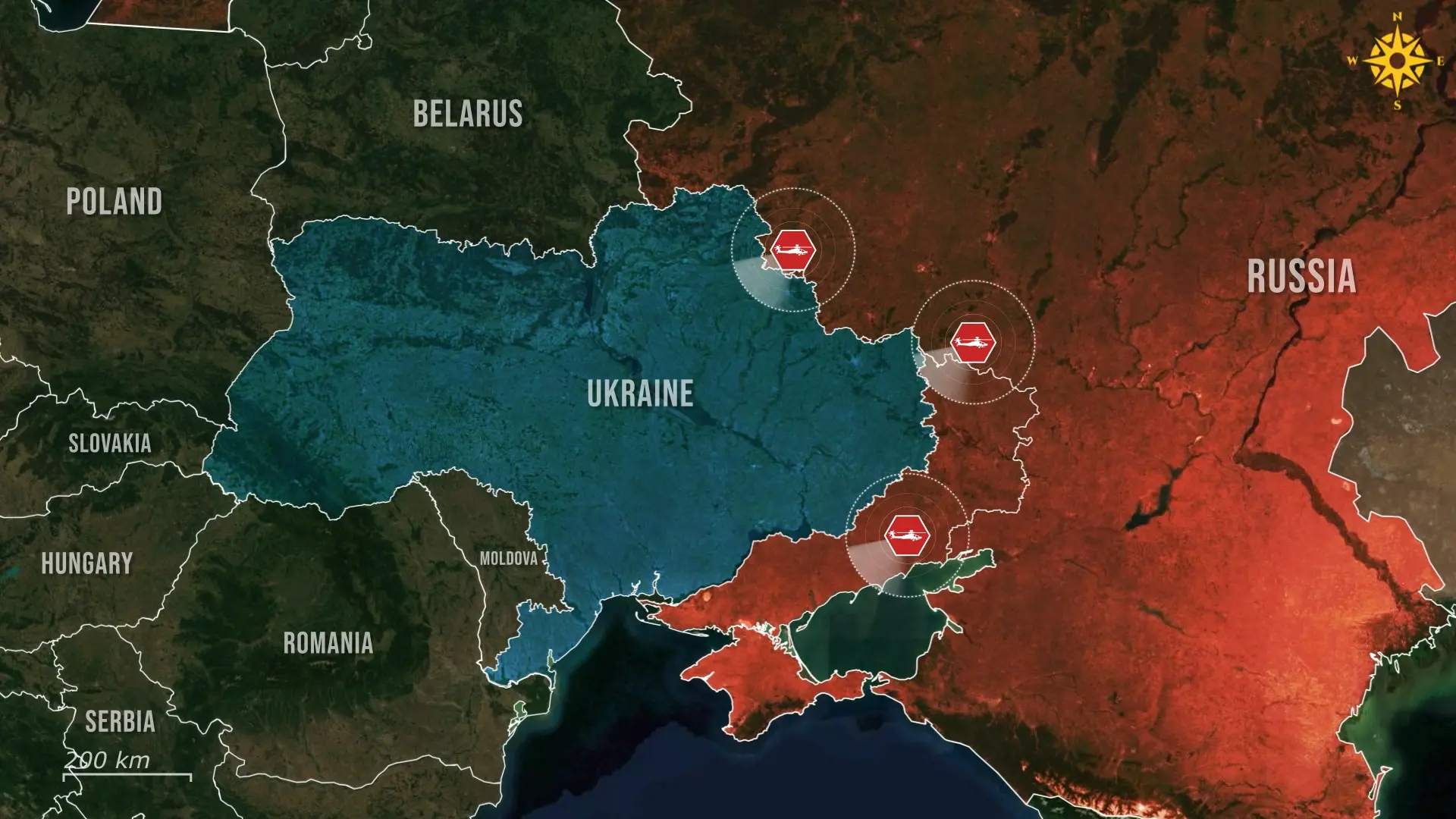
Moreover, all of the intercepted drones in a recently published Russian video have been Ukrainian Maya decoy drones, designed to exhaust air defenses and divert attention from more valuable strike assets.
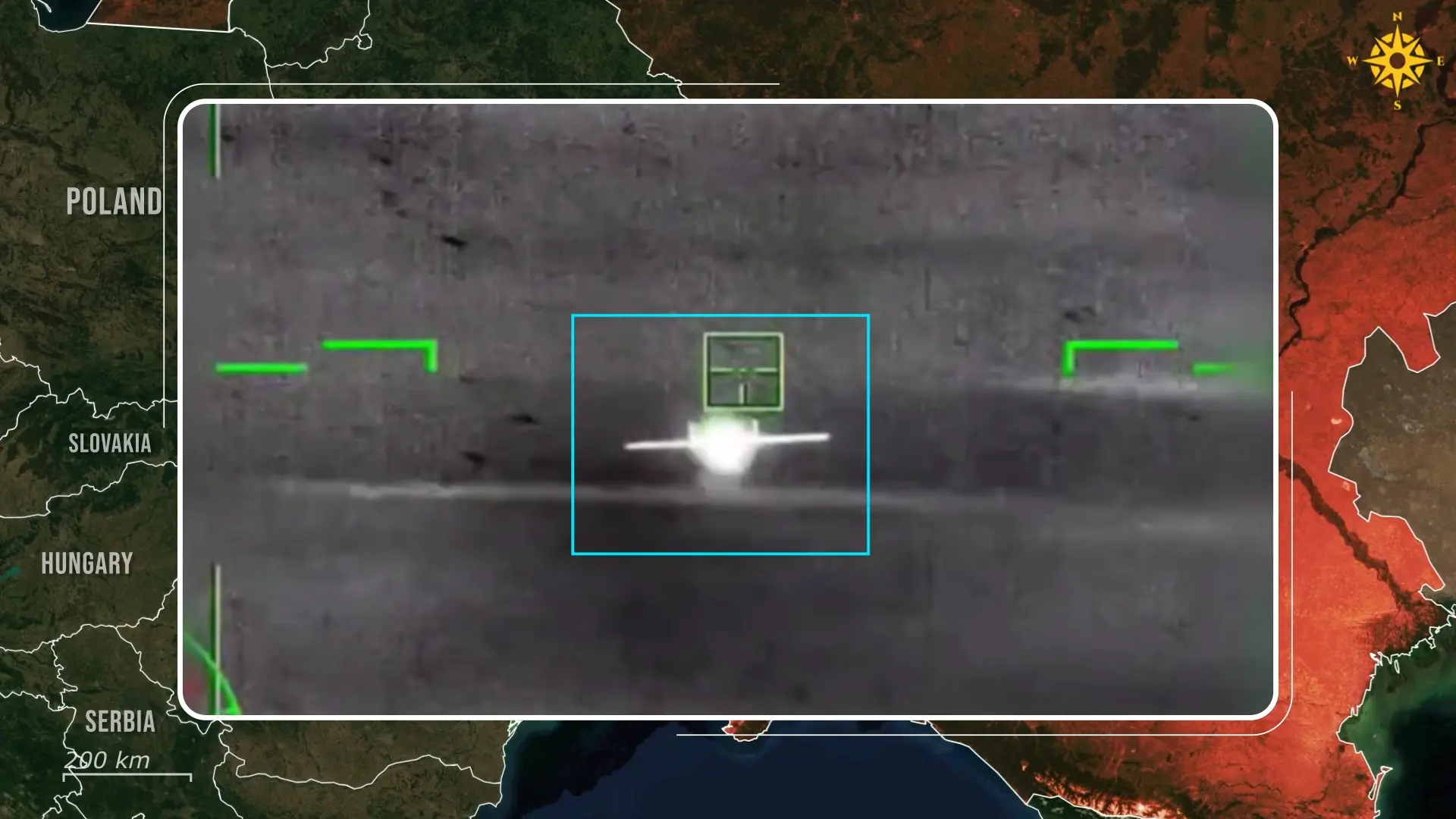
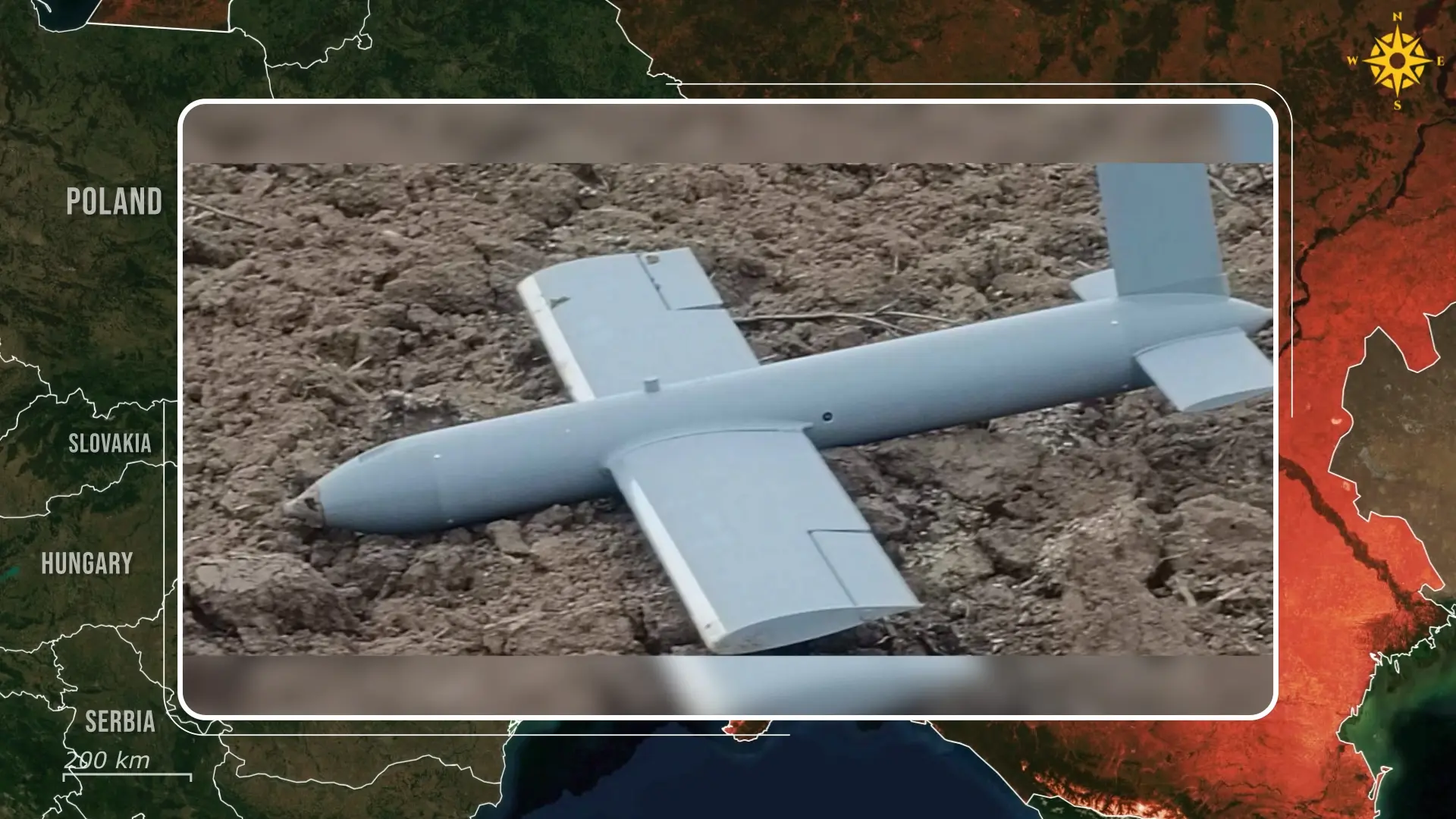
Heavy losses earlier in the war forced the Russian command to pull these surviving helicopters away from the frontline, and now they are being used in defensive patrols, outside their primary design, filling the gap in Russian air defenses at the cost of accelerated wear.
Despite this already existing shortage, Russia transferred more than 20 attack helicopters Mi-28 to Iran in January under a prior contract. The timing shocked everyone, with the deliveries occurring just as 1,500 Ukrainian drones appeared over multiple Russian regions just over the last week. From a purely operational standpoint, retaining those helicopters would have strengthened domestic air defense, but geopolitical commitments and symbolic gestures to allies took precedence instead.
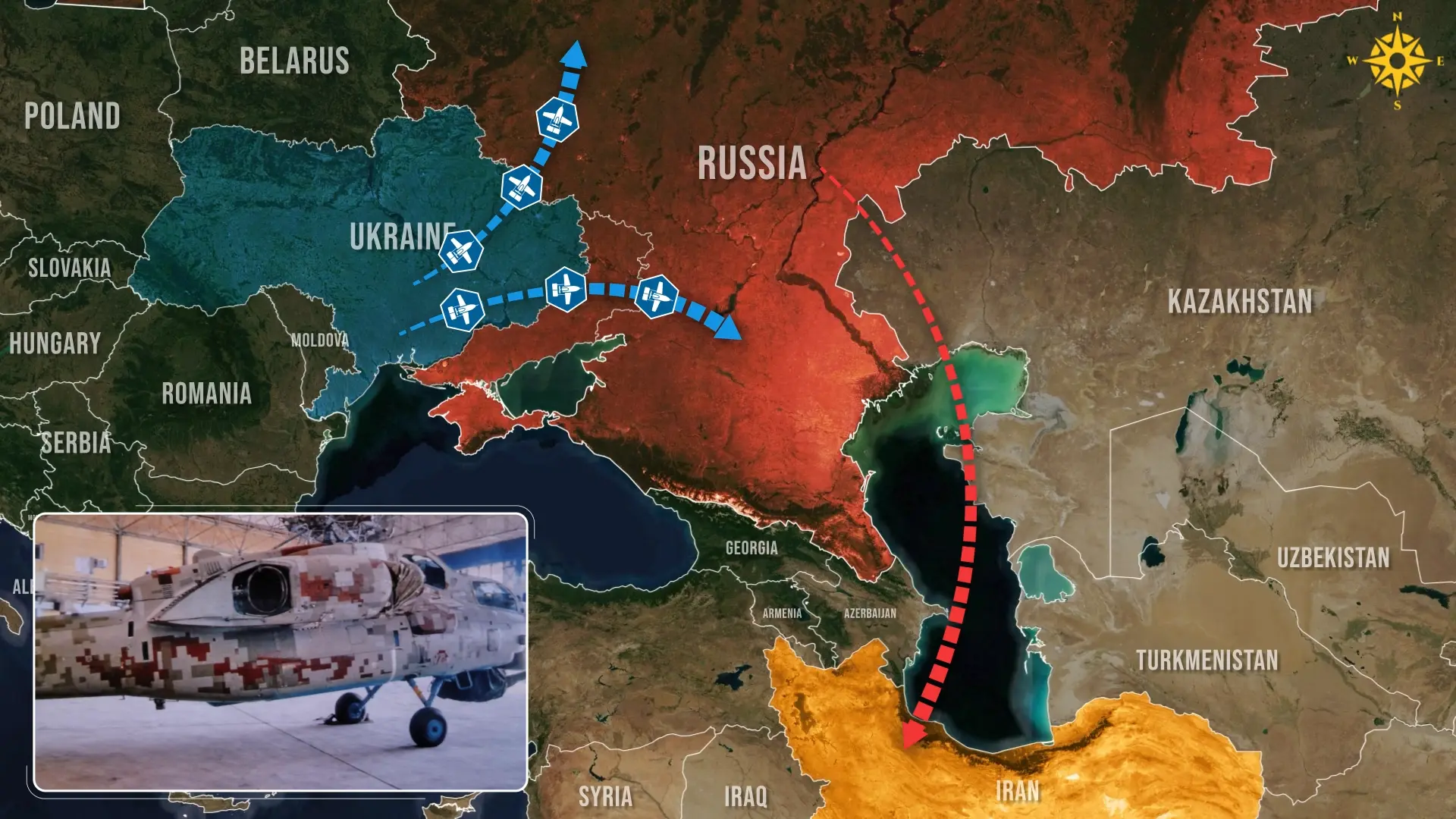
This decision reflects a broader strategic dilemma, as Russia has seen its global influence erode in recent years, losing allies in Armenia, Syria, Venezuela, and now Iran, which is now under threat of a new American-Israeli operation. Despite Russia trying to prevent another one of its allies from falling, the development shows exactly why they cannot, as not committing 100% of their resources to the war against Ukraine would mean leaving gaps open for Ukrainians to exploit, and losing critical infrastructure to Ukrainians as a result.
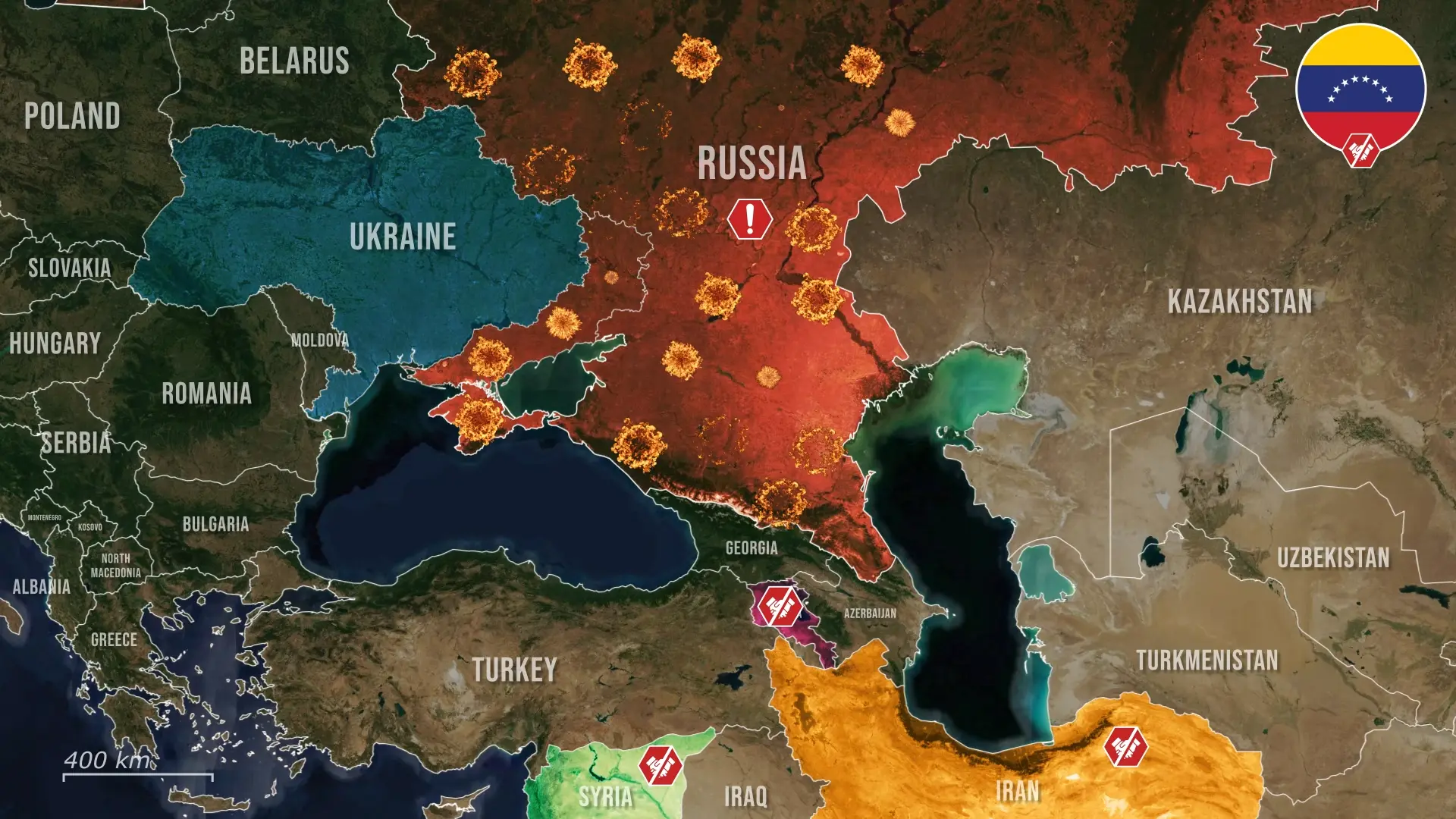
Overall, Russia’s delayed adoption of helicopter-based drone interception underscores reactive adaptation rather than proactive strategy. While Moscow attempts to catch up, Ukraine has moved ahead, deploying interceptor drones capable of targeting helicopters directly.
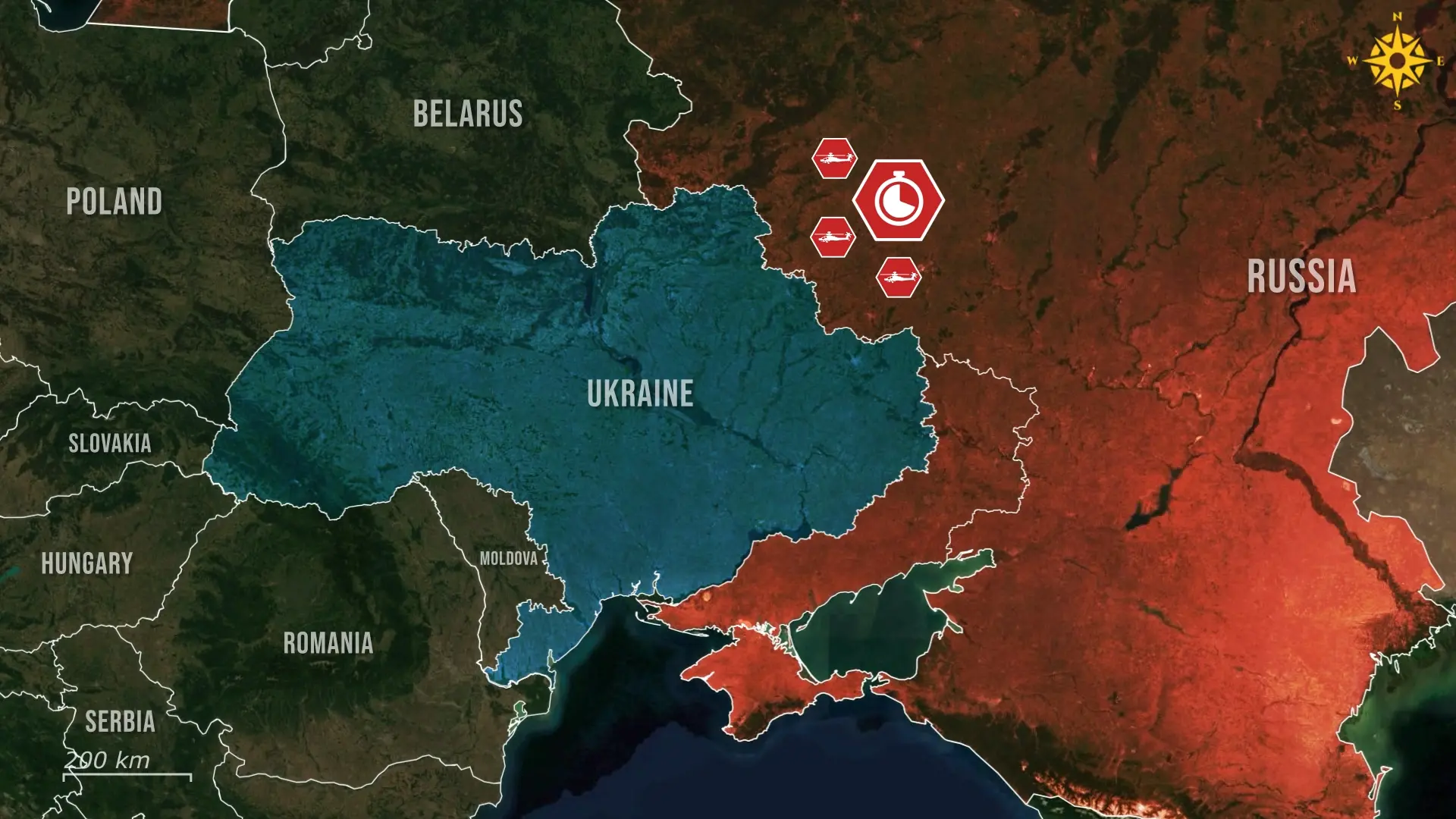
The transfer of helicopters to Iran highlights geopolitical signaling but weakens domestic resilience already under strain due to losses and a spare parts shortage. As Ukrainian long-range drone operations intensify, Russia finds itself losing not only aircraft but also the initiative in the evolving aerial contest.

.jpg)


Comments