

.svg)
Today, there are important updates from Iran.
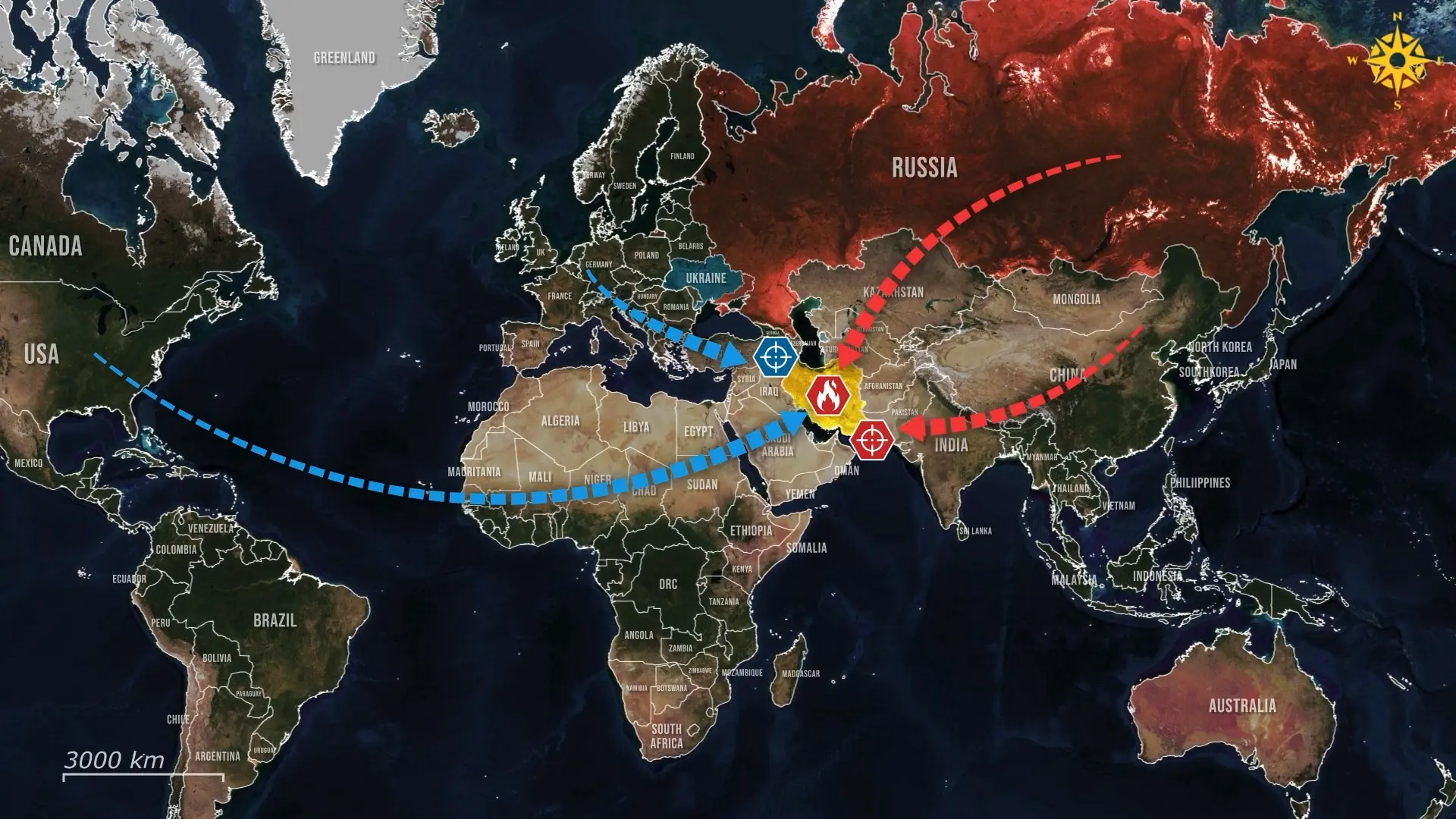
Here, as thousands of people are gathering in the streets for weeks and the power of the Iranian regime approaches on the verge of ruin, desperate pleas turn outward for help from their allies. However, after decades of making only enemies, and friends turning their backs, it seems that everyone is uniting against Iran, ready to exploit the inevitable collapse.
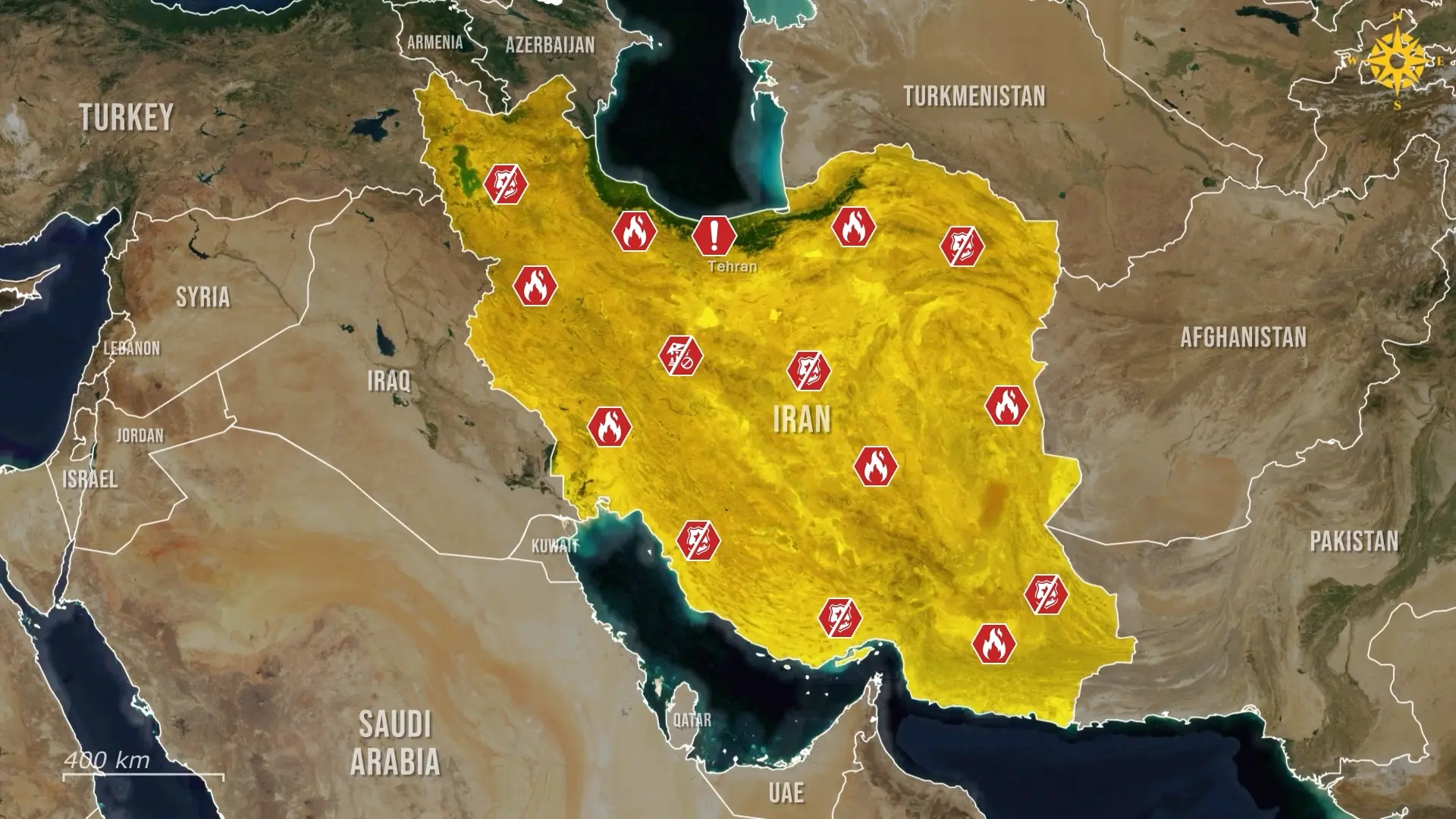
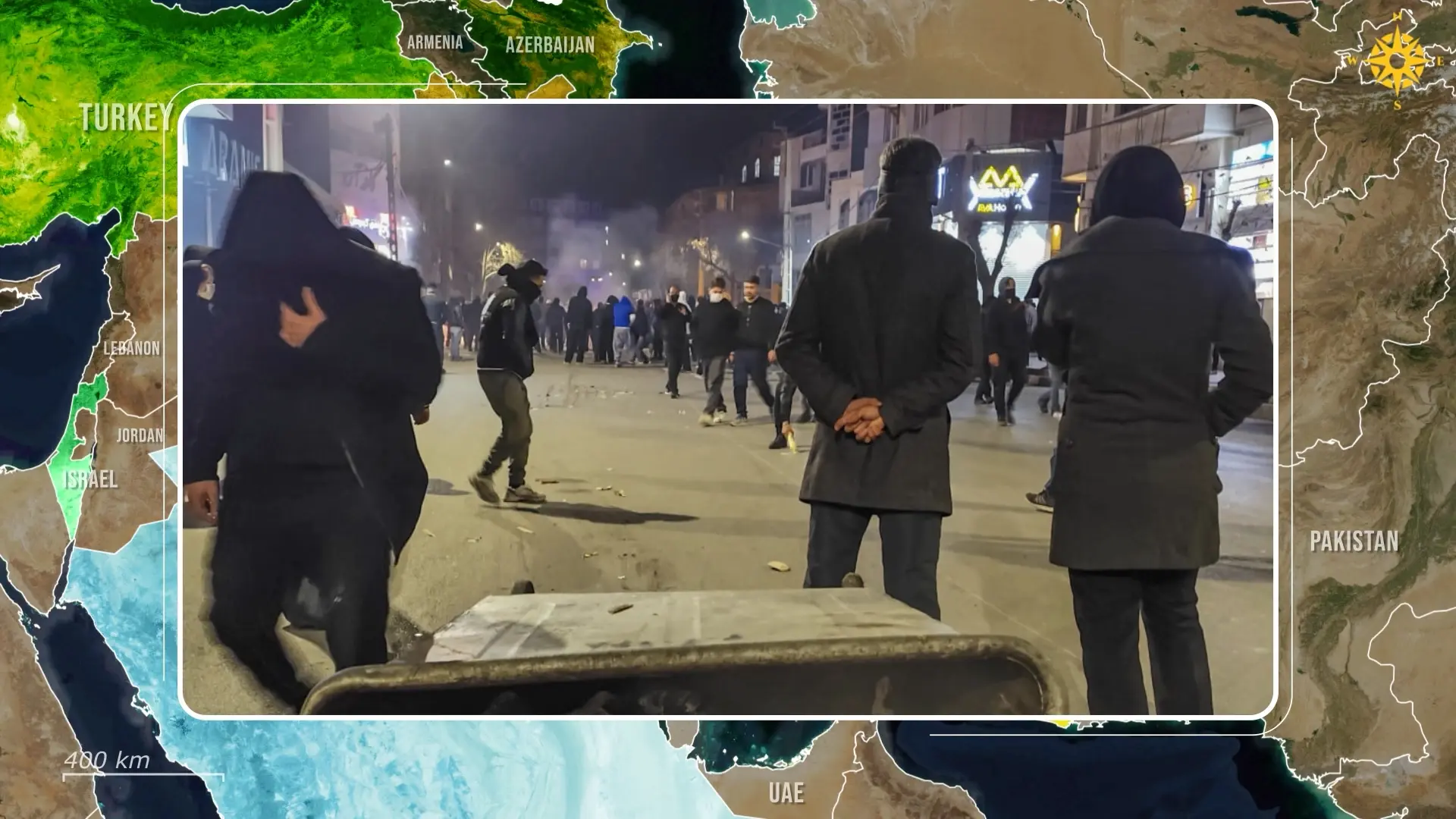
In the first two weeks of the new year, protests turned violent and expanded to roughly 180 to 200 towns across all 31 provinces, including former regime strongholds, transforming economic grievances into a nationwide challenge to the political system. Even the residents of traditionally loyal cities such as Qom have converged in protest, as government buildings are being set on fire.
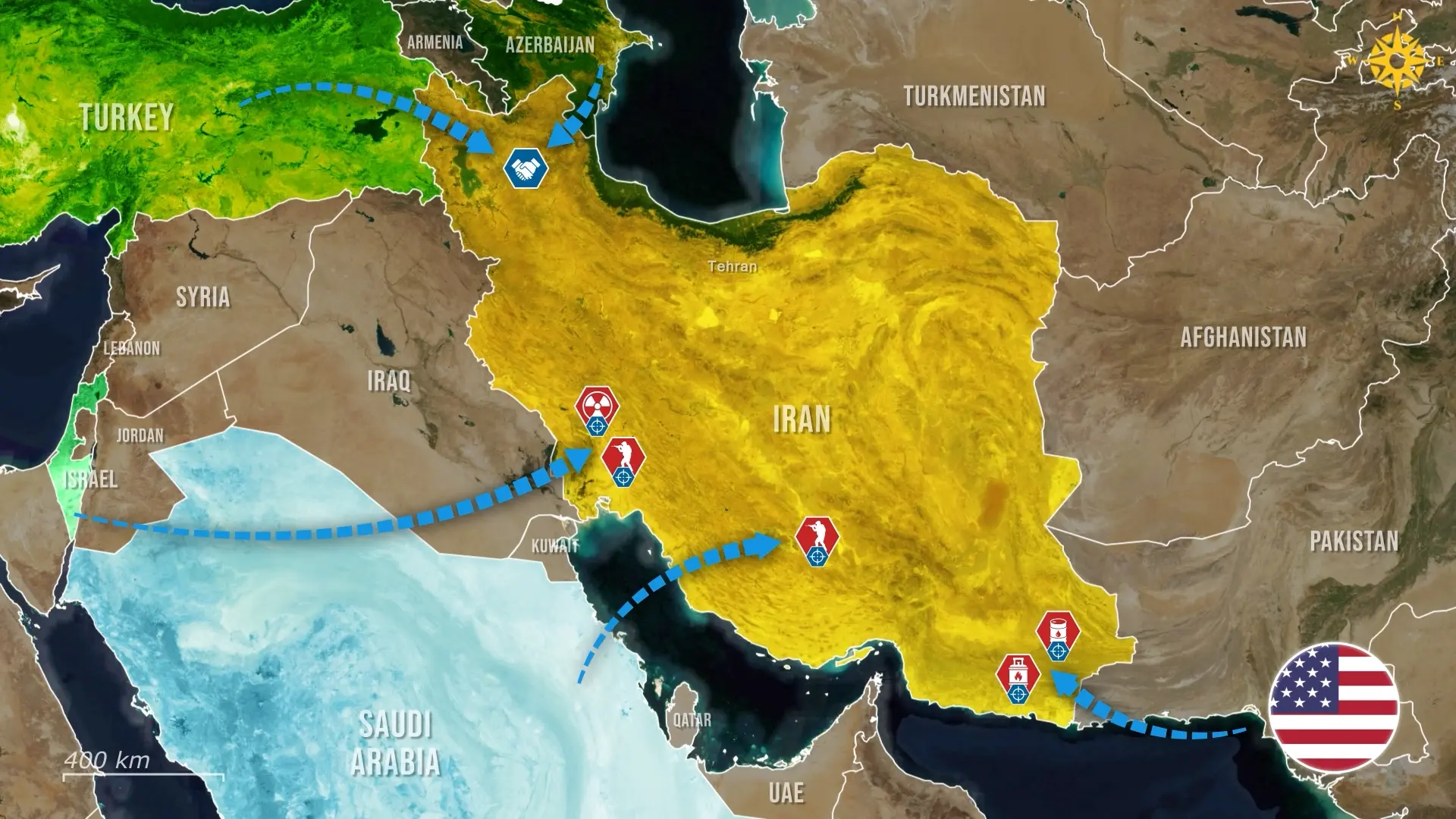
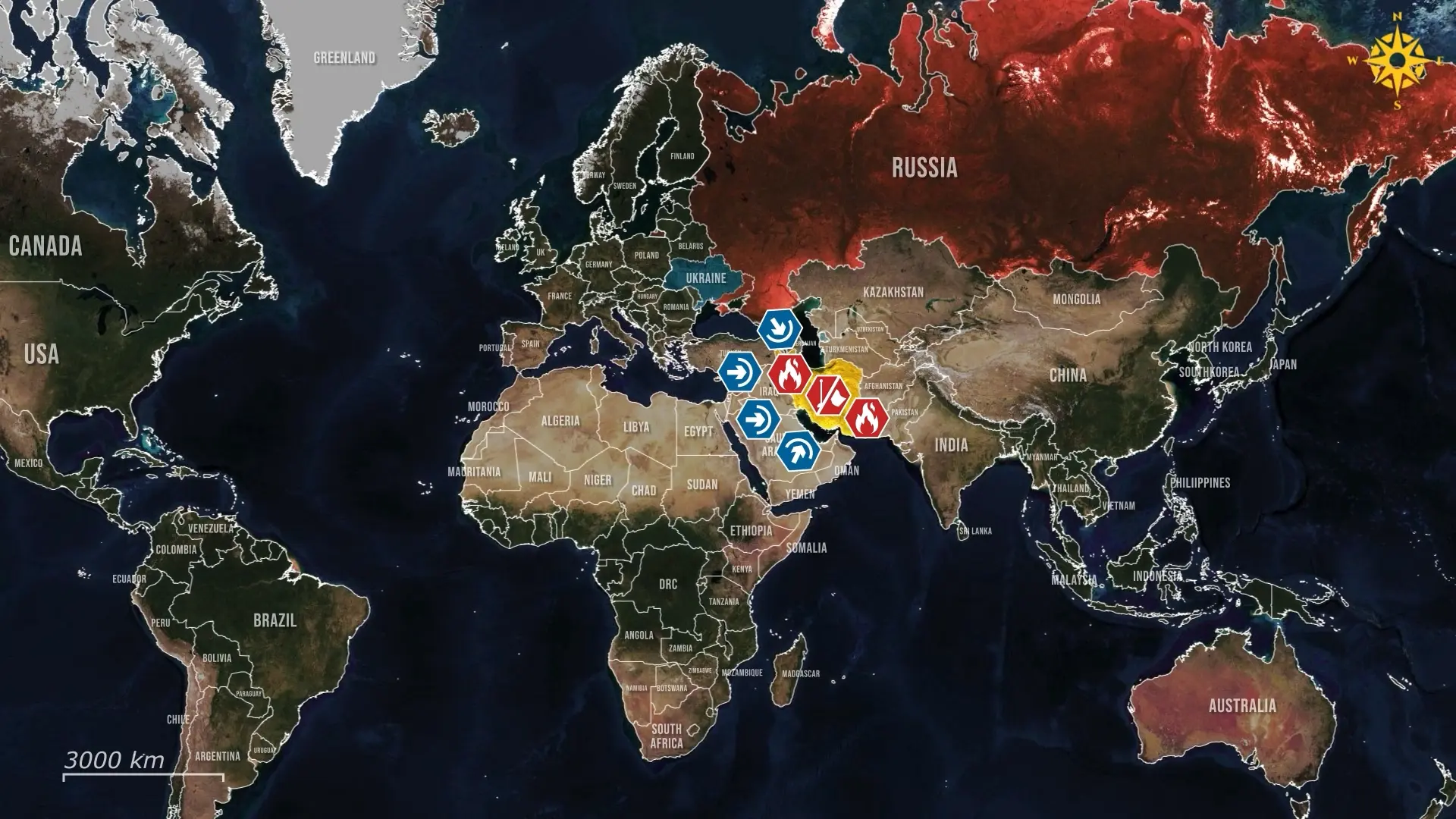
Iran’s Islamic Republic has accumulated a broad spectrum of external enemies through decades of confrontational foreign policy, sanctions evasion, and funding of various regional military organizations serving as proxies, leading to a lot of countries wishing for the regime change or territorial and strategic rebalancing.
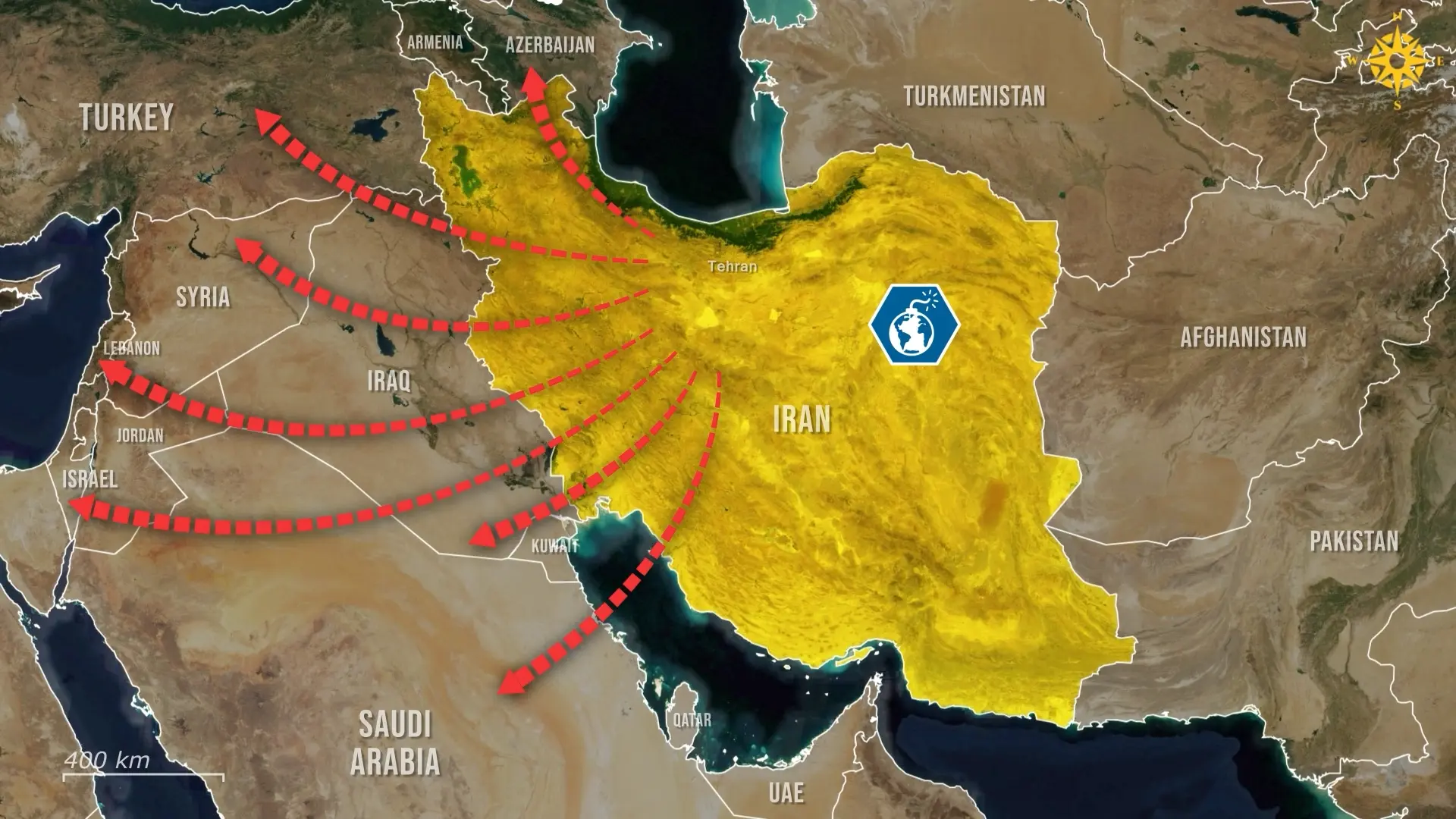
Israel views Iran as its primary external threat and seeks the elimination of its military, nuclear, and proxy capabilities, as it is the main backer of organizations such as Hezbollah and Hamas. Simultaneously, the United States pursues weakening the hostile Iranian regime that is controlling vast oil and gas reserves and limiting Iran’s regional influence. For Saudi Arabia, predominantly following the Sunni teaching of Islam, Shia-majority Iran represents a long-term sectarian and geopolitical rival, especially dangerous in light of Saudi Arabia’s own Shiite populations in oil-rich eastern provinces and Iran’s history of proxy activity.
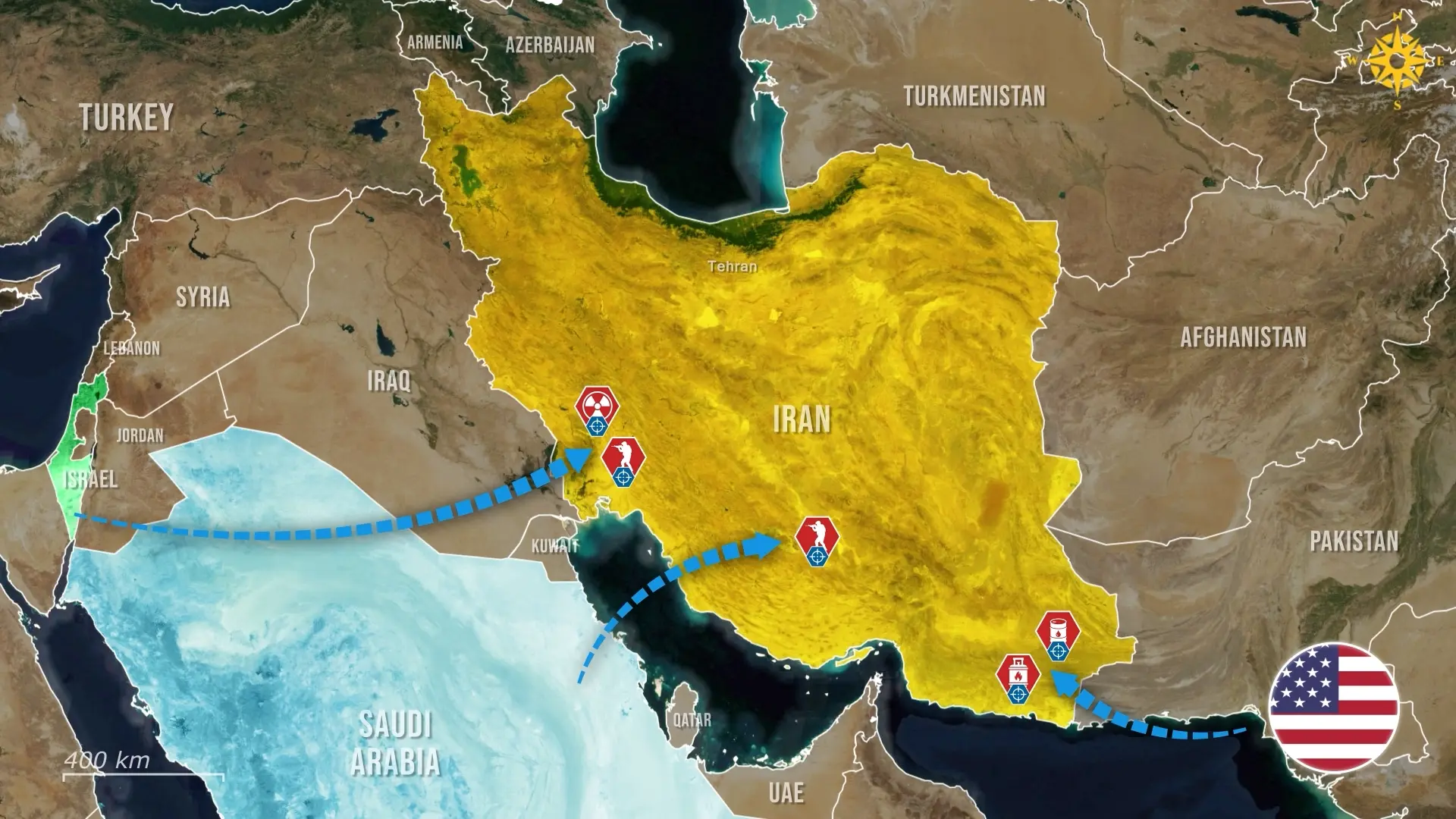
At the same time neighboring countries perceive the current Iranian state as an obstacle to regional restructuring. Turkey competes for influence across the Caucasus and Middle East and aims to gain even more dominance. Azerbaijan seeks opportunities to consolidate territory in northern Iranian regions which would allow it to secure a durable corridor to long-term ally Turkey at Iran’s expense.
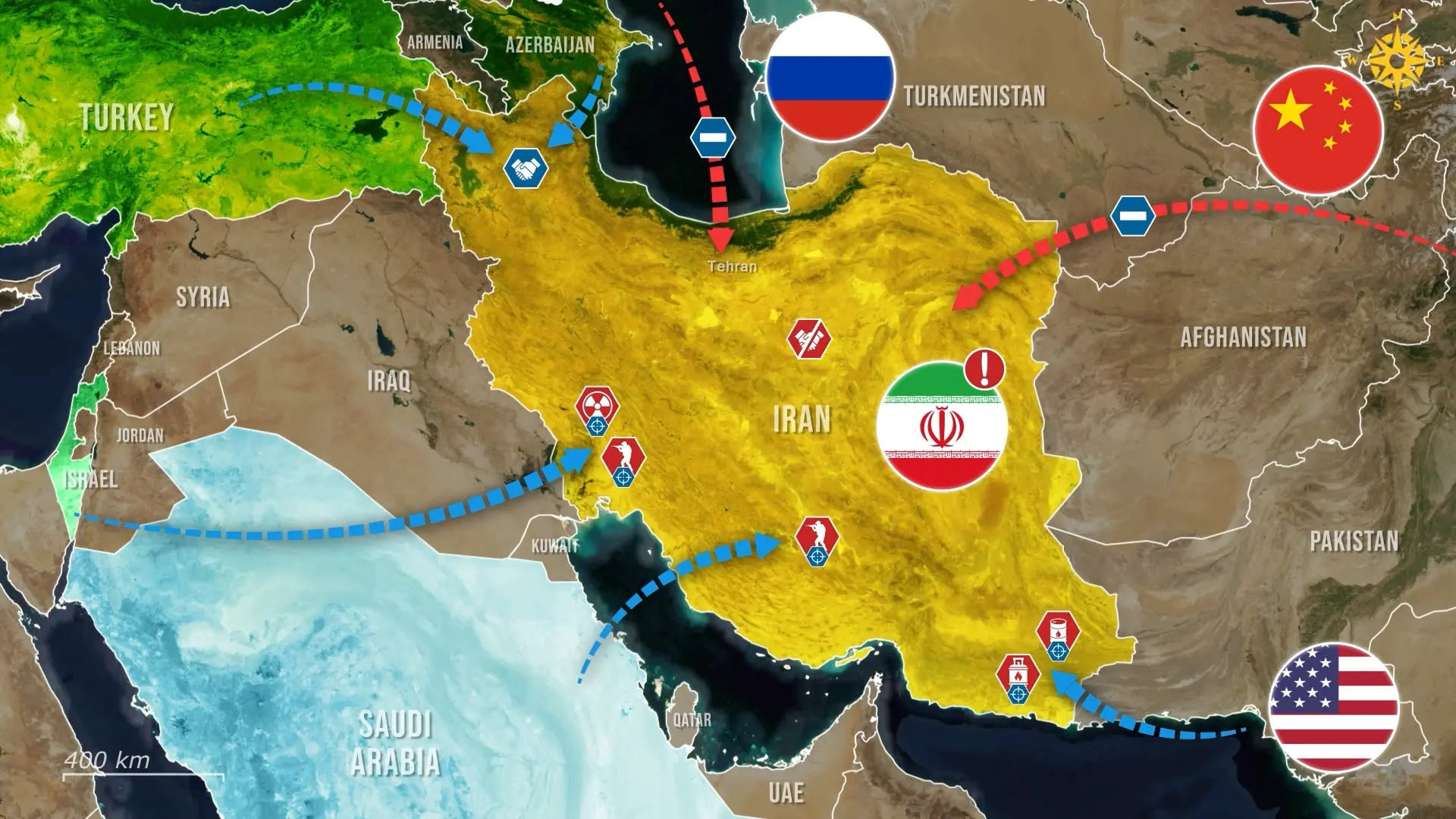
Iran’s list of adversaries is combined with the fact that the country’s traditional partners offer little practical support. Russia favors regime continuity only insofar as it limits Western influence, yet Moscow is constrained by the nearly 4-year war in Ukraine and exhausted by the sanctions, reducing its capacity to project power or provide material assistance. China on the other hand, prioritizes strategic competition with the United States, and generally avoids entanglement in foreign internal crises, following the Chinese policy of non-interference as a cornerstone of their foreign policy. As a result, the regime faces coordinated external pressure from all sides, without a reliable security guarantor or allies that are willing and able to help.
These choices have amplified internal economic stress and reframed domestic dissent, and now, instead of fragmented opposition limited to specific classes or ethnic groups, the regime faces cross-societal hostility.
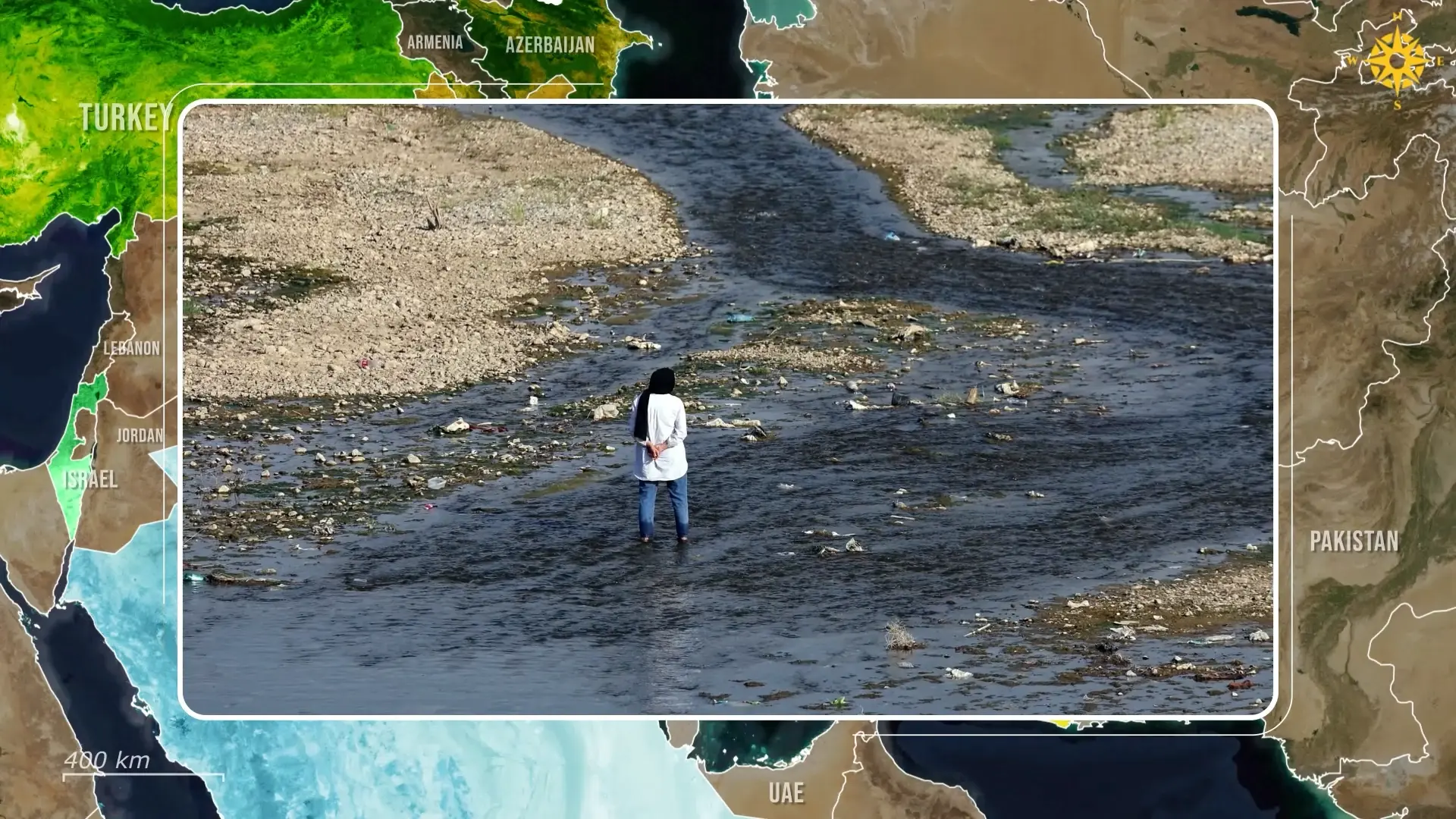
Authoritarian control, corruption, and economic mismanagement have alienated broad segments of Iranian society, while chronic problems like water scarcity, pollution, and electricity shortages have intensified under acute economic collapse.
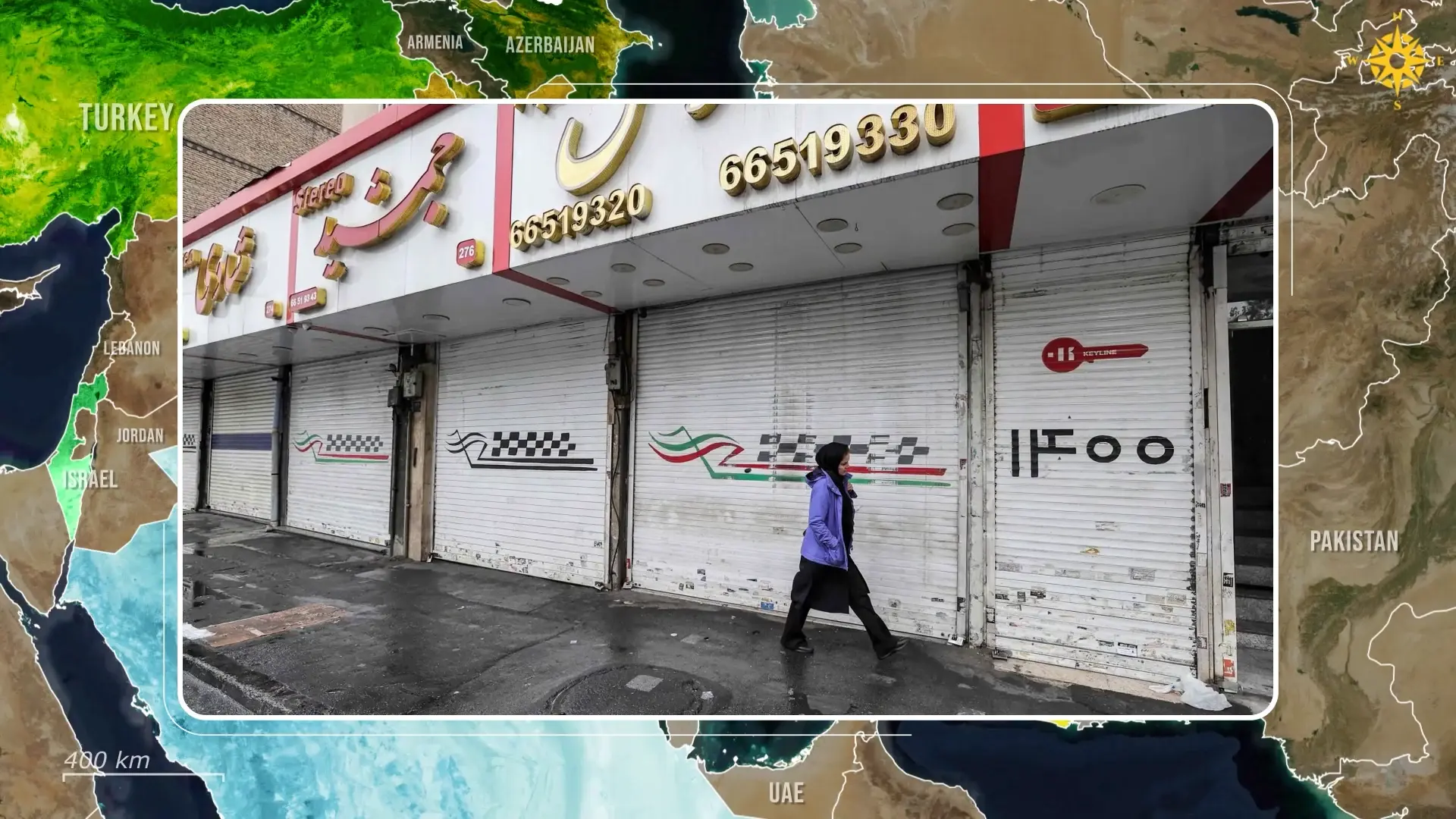
Iran's currency, the rial, depreciated to roughly one and a half million per one US dollar, inflation exceeding 40 percent, and food price increases of up to 72 percent have rendered basic goods inaccessible. Subsidy cuts, including the removal of preferential exchange rates for importers, triggered shop closures and supply shortages.
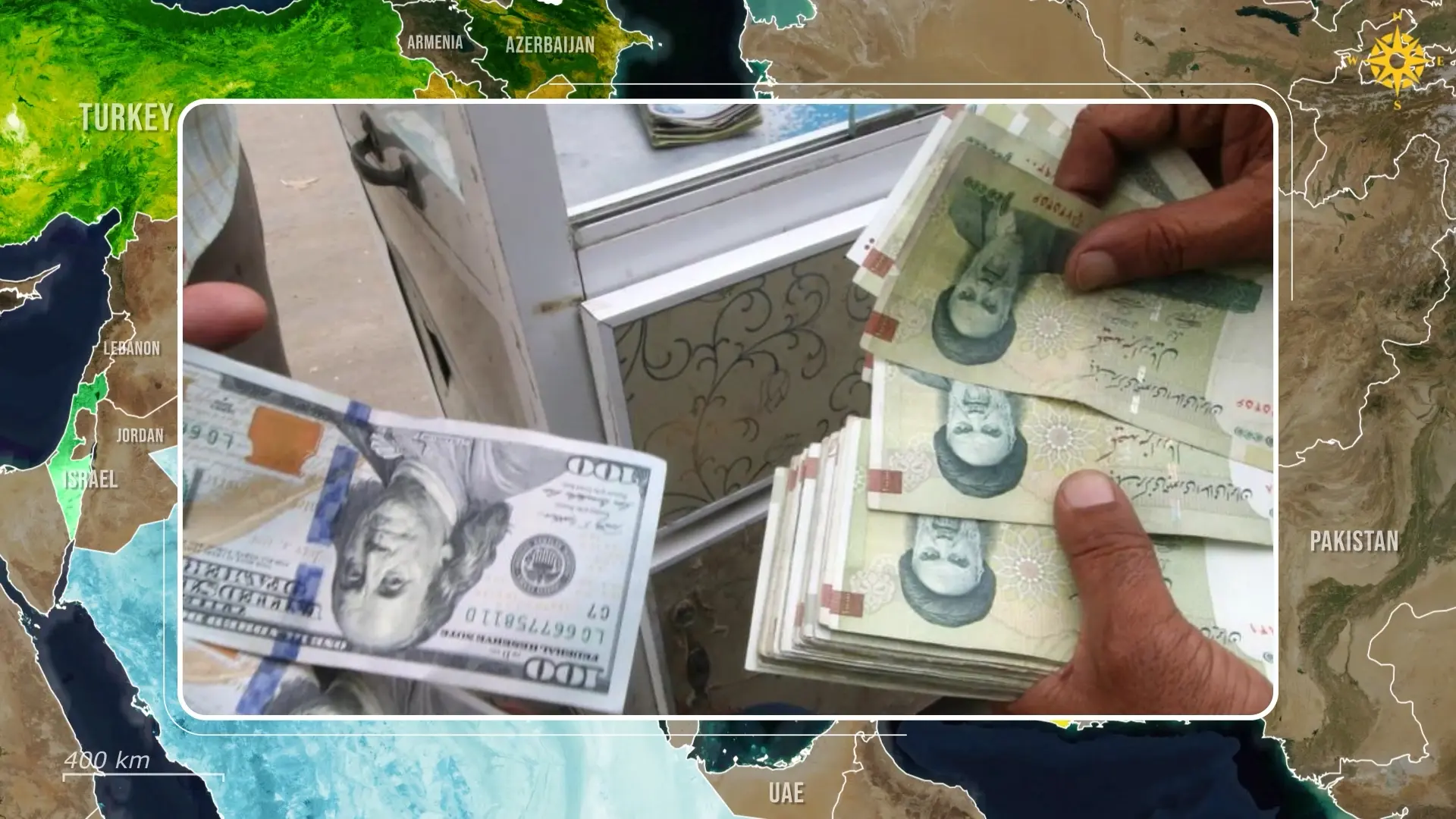
The government’s limited response of cash transfers of roughly seven dollars per month has failed to restore confidence, while repression following earlier protests, left unresolved grievances, particularly among women and ethnic minorities, which now resurface in a more systemic crisis.
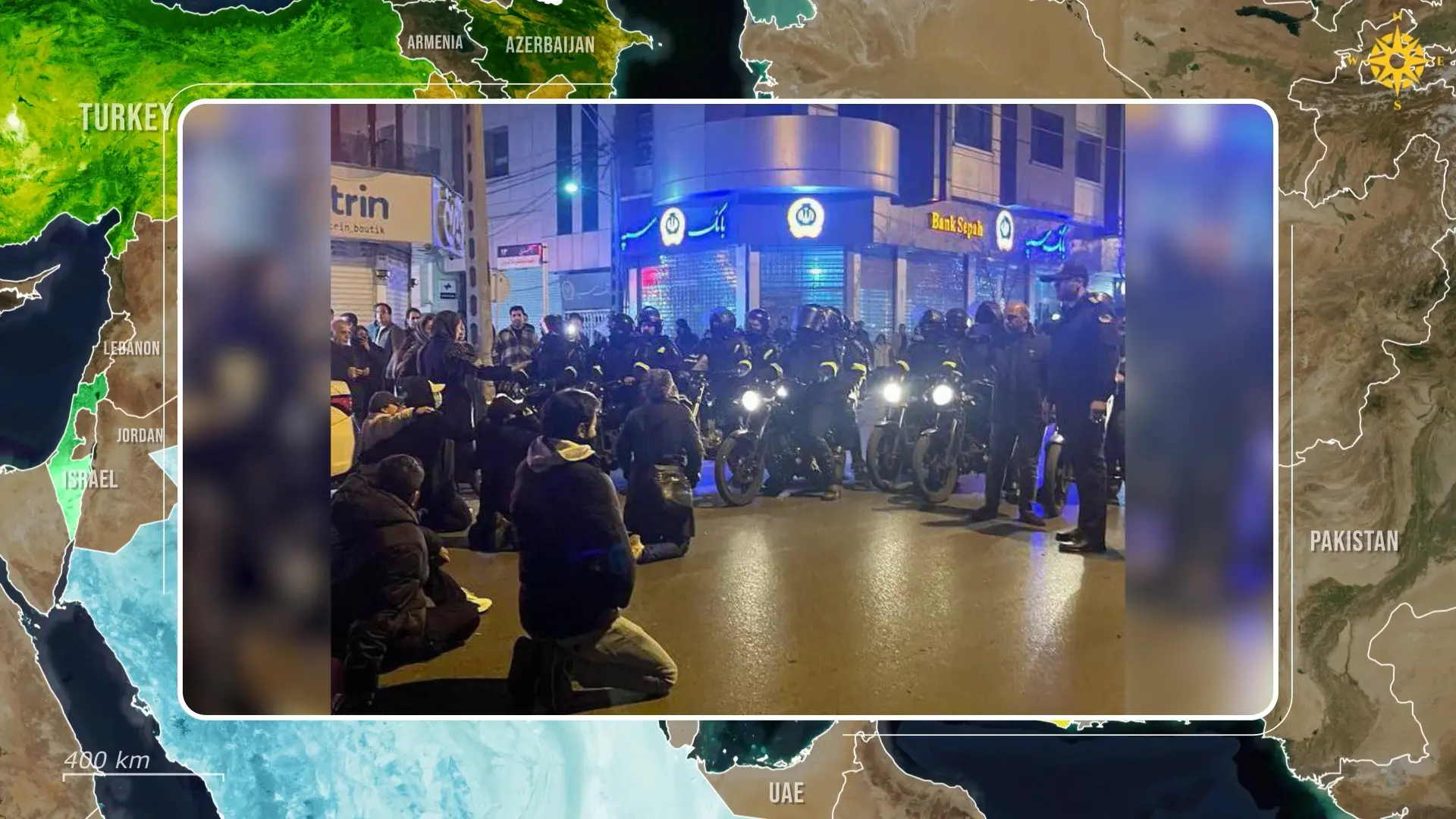
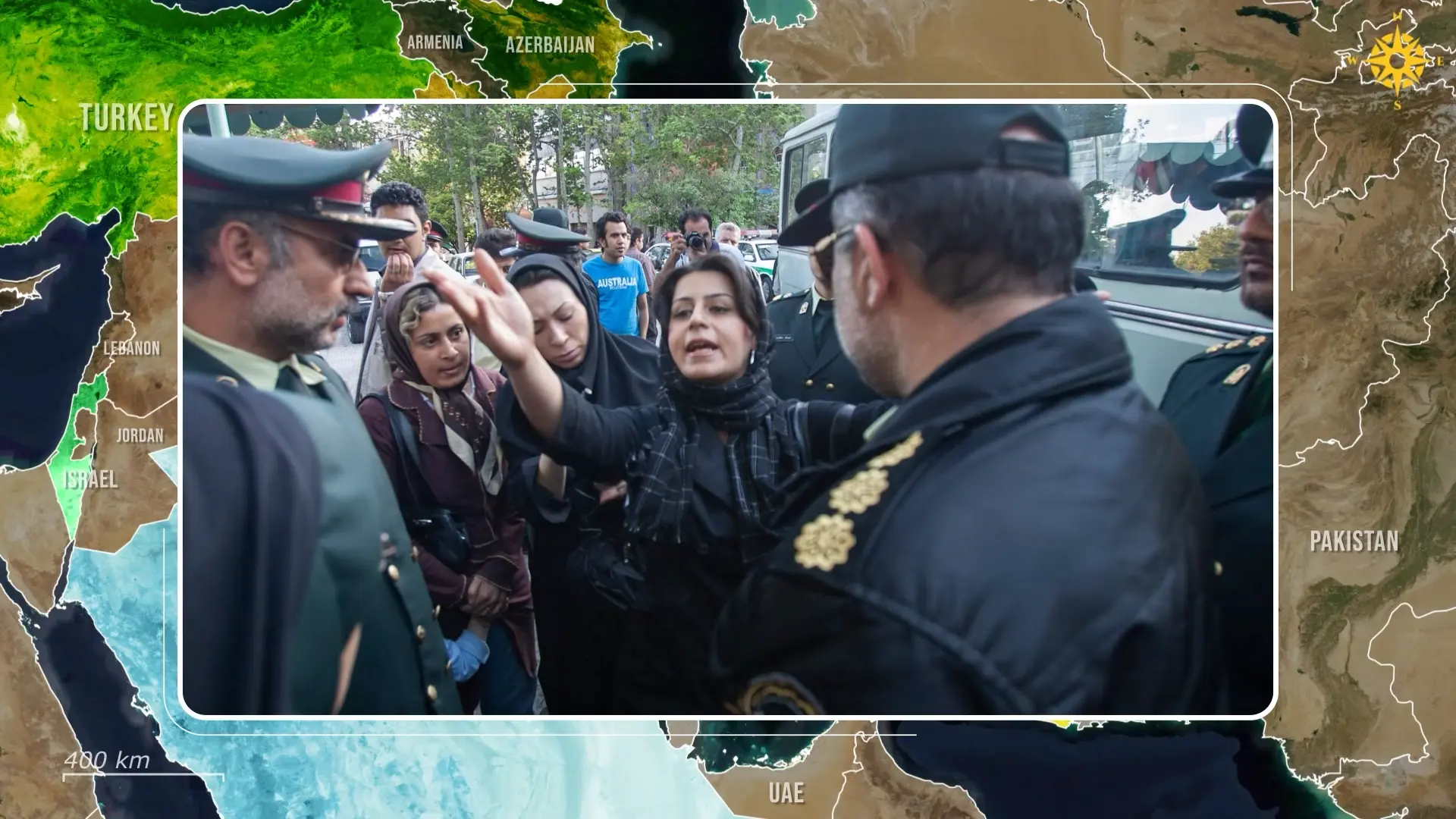
Logically, recent protests have shifted from economic demands to explicit calls for regime change, and security forces, despite extensive arrests and lethal force, have struggled to reassert durable control. Internet shutdowns, curfews, and special forces deployments have produced limited effects, while alternative communication channels continue to circulate evidence of unrest. Demonstrations have spread to major urban centers and minority regions simultaneously, overwhelming localized containment strategies. The absence of credible economic remedies, combined with recent external setbacks and declining deterrence, suggests a shrinking capacity for long-term stabilization under existing structures.
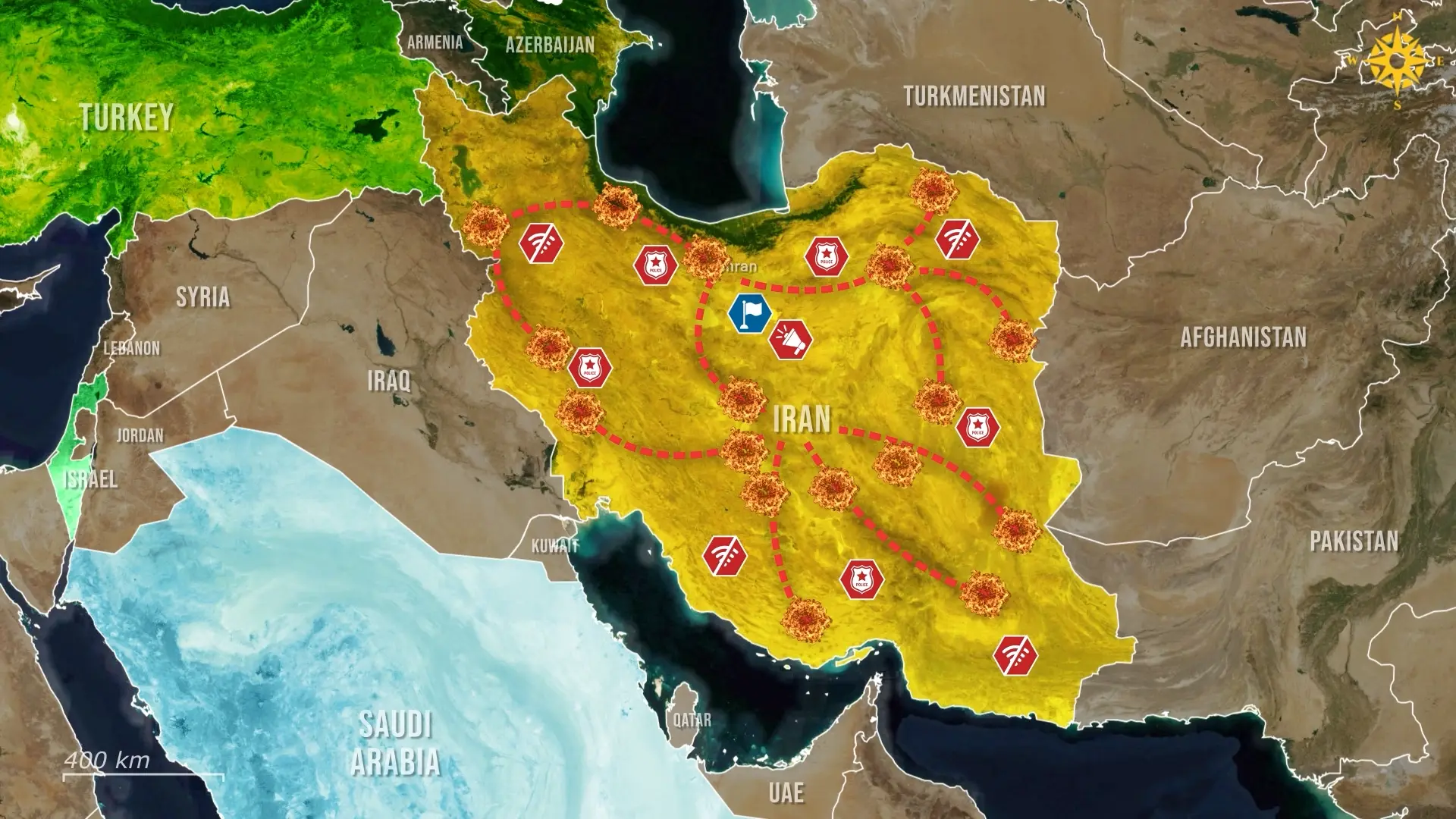
Overall, Iran’s prolonged self-isolation has driven economic collapse, as the country is left without allies that can help the regime, while everyone around them would love to see them fall. Now that internal unrest has triggered massive protests, the authorities are facing a strategic zugzwang, in which repression deepens resistance, while concessions may be perceived as weakness that can lead to unraveling of the whole regime, be it from the inside or out.

.jpg)

Comments