

.svg)
Today, there are interesting updates from the Atlantic Ocean.
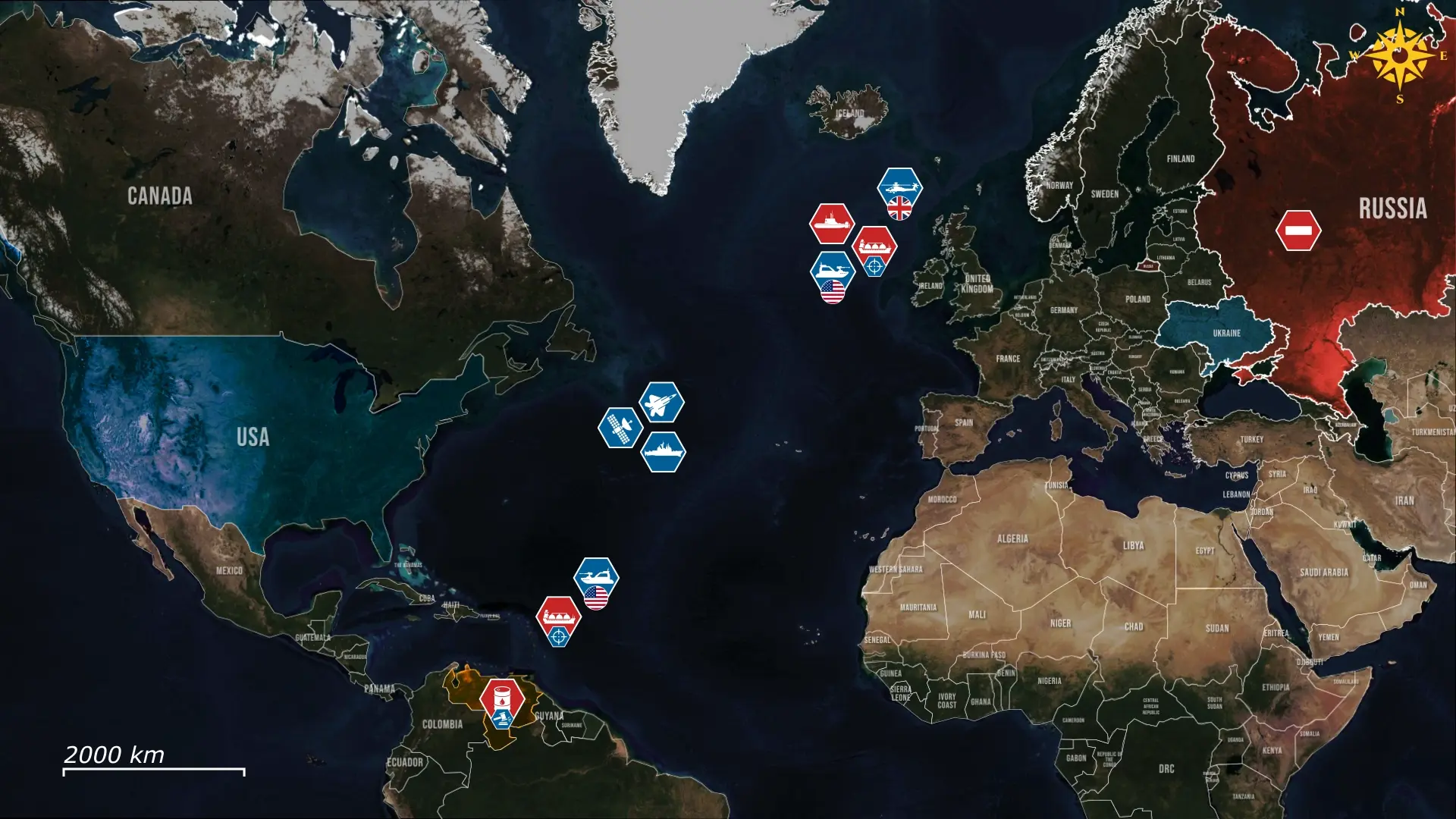
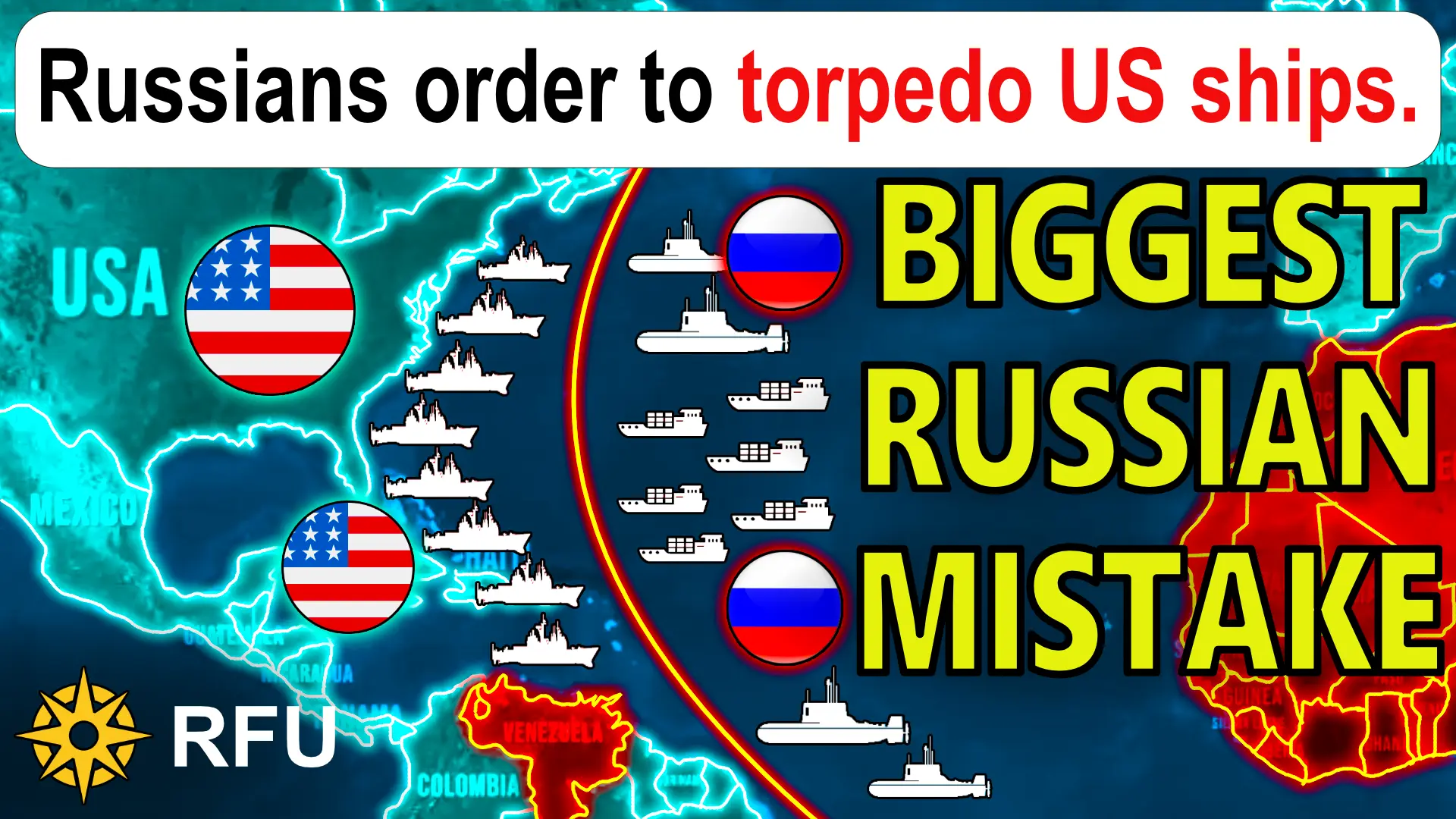
Here, the US Navy targeted two Russian oil tankers in one day, tracking them for weeks in a cat-and-mouse game throughout the Atlantic. With Russian warships and submarines rapidly advancing to intercept the mission, and the threats by Russian officials to torpedo American vessels, the USA was poised to call the riskiest Russia’s bluff since the cold war.
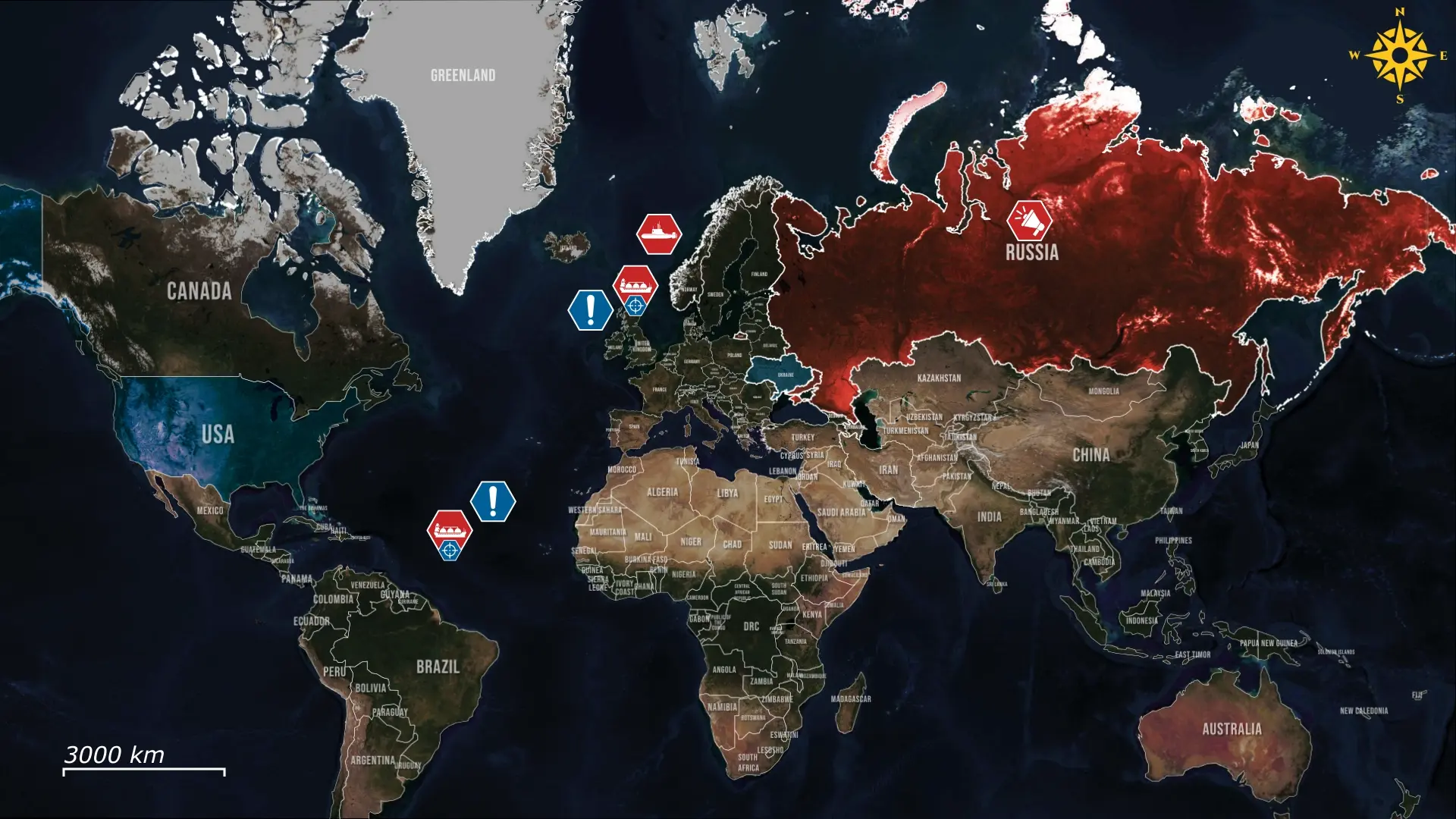
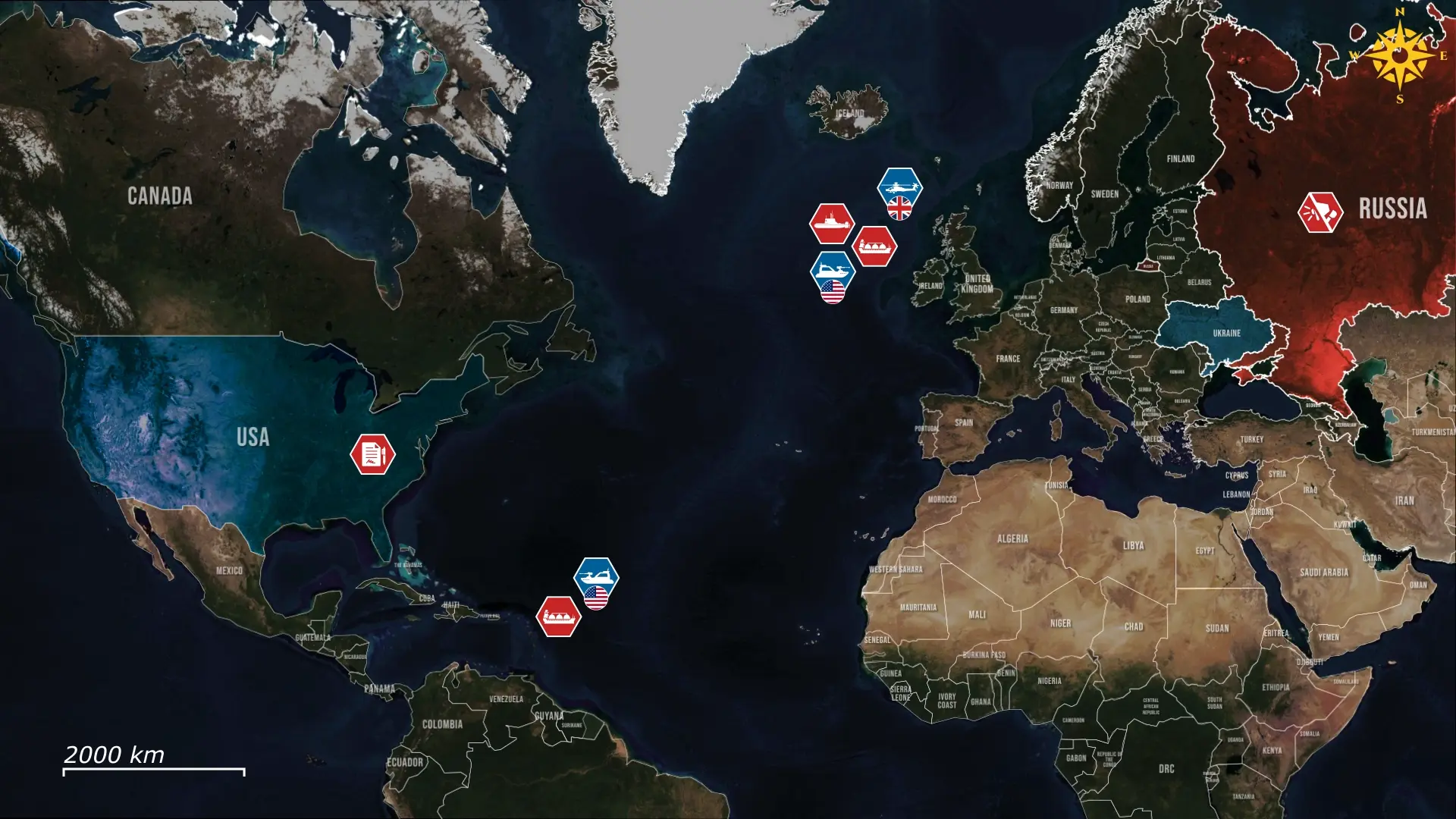
In back-to-back operations, US forces recently seized two tankers tied to Venezuelan oil exports, one in the North Atlantic, the other in the Caribbean, demonstrating how exposed Russia’s maritime sanctions-evasion network has become.
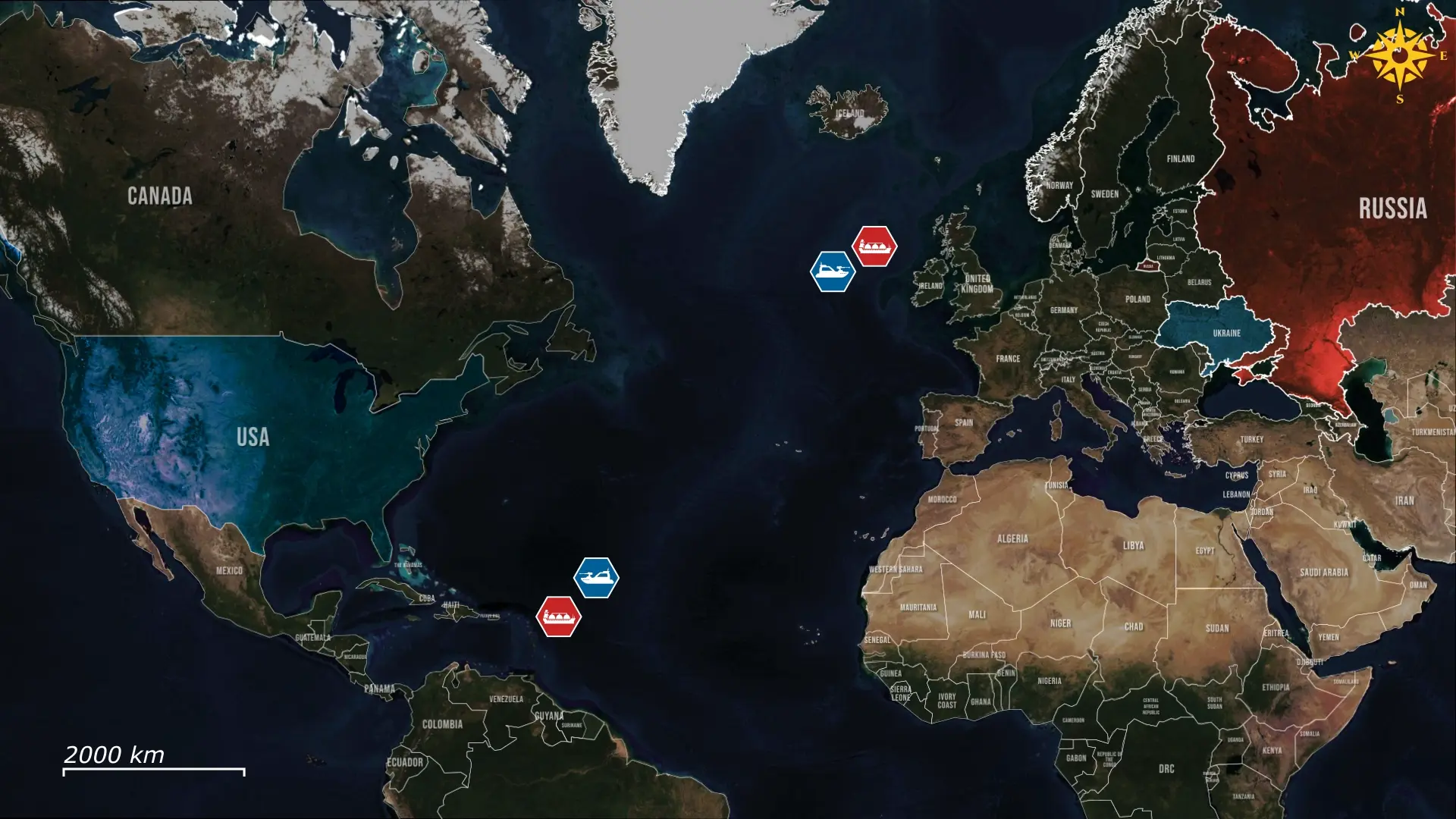
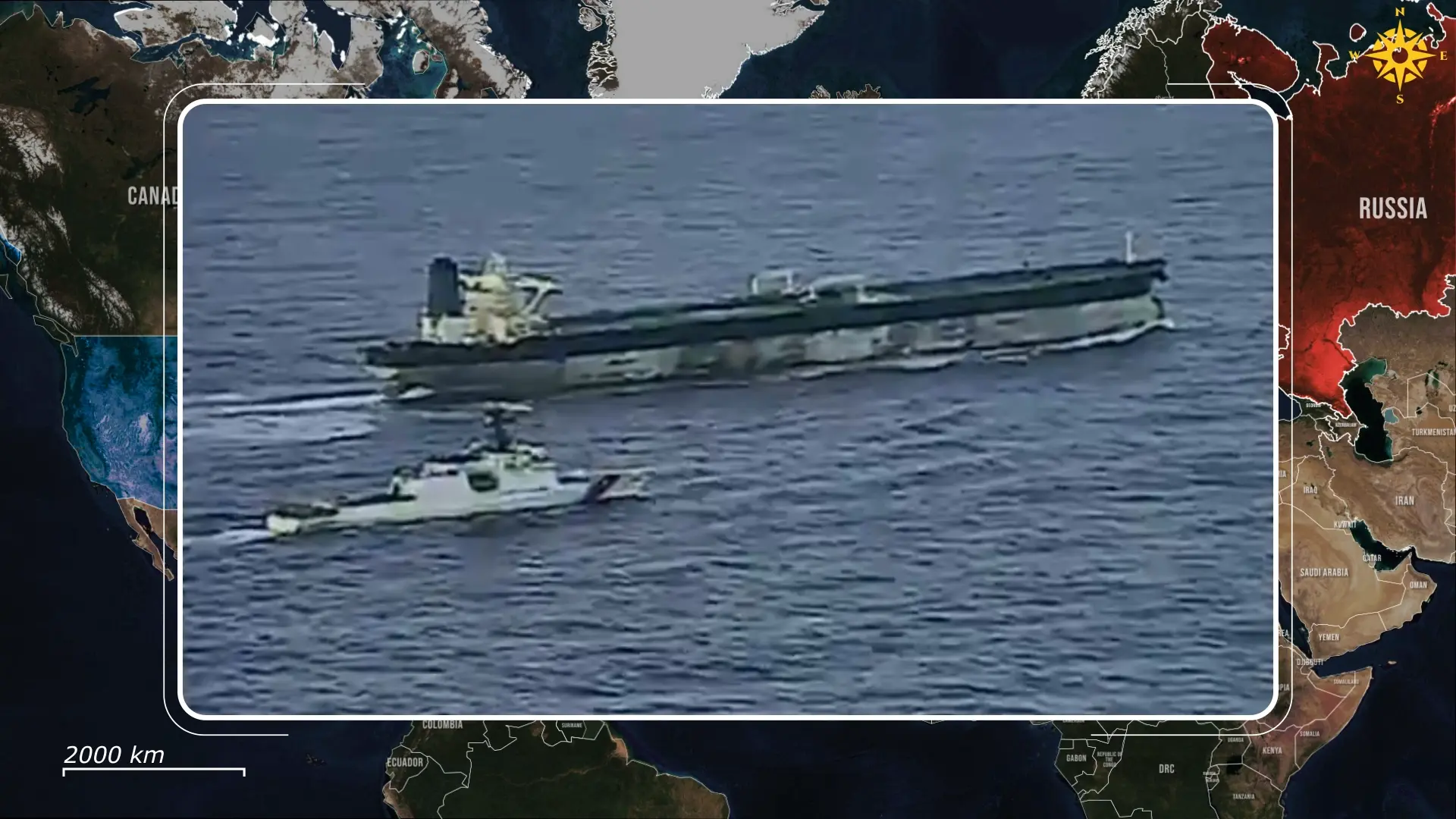
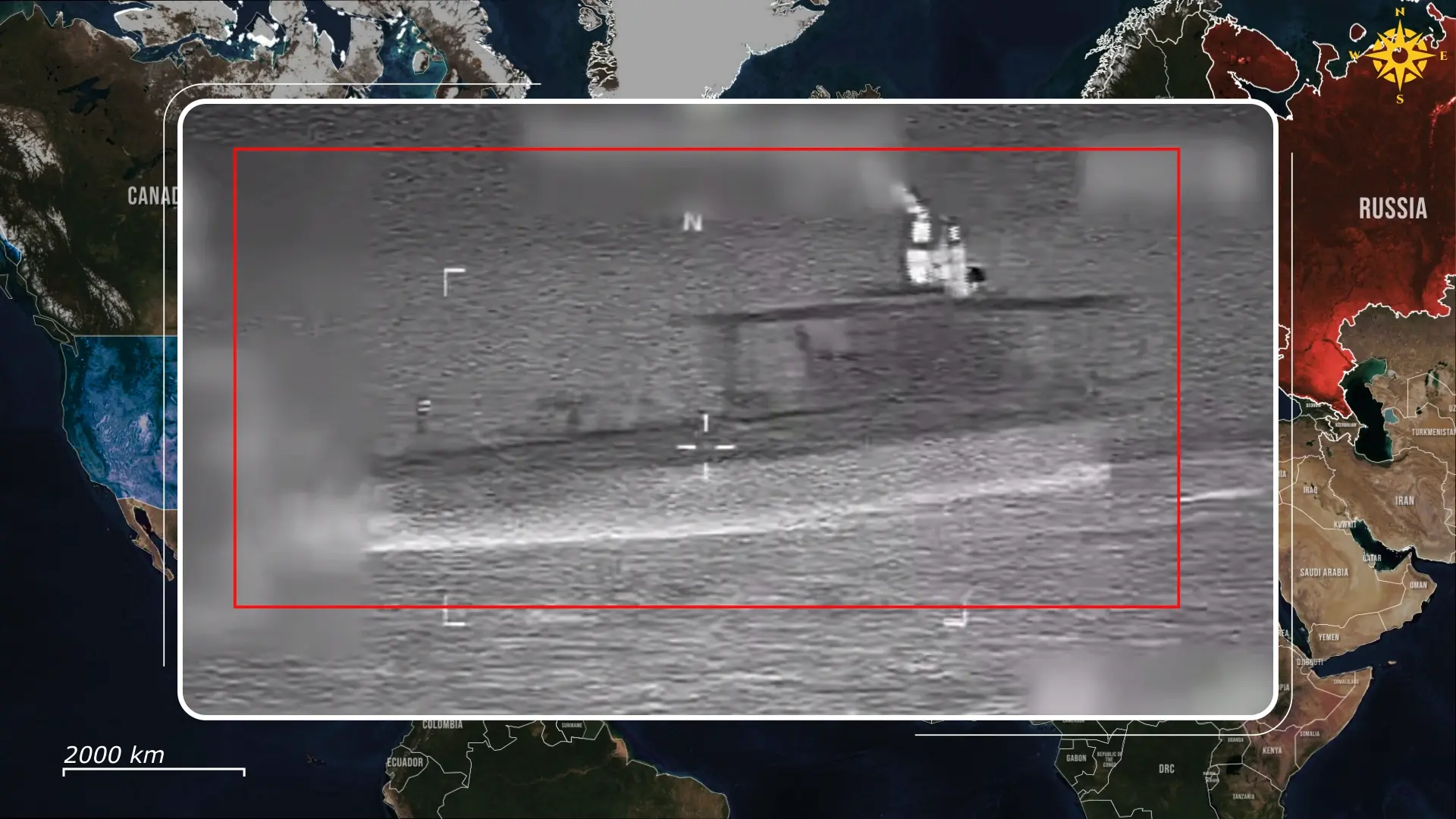
The first vessel, the Russian-flagged Marinera, was boarded after a pursuit lasting nearly two weeks as it sailed between Iceland and Scotland. Previously operating under multiple flags, the tanker had long transported Iranian and Venezuelan oil blended and shipped onward to China in a classic sanctions-evasion scheme. The second tanker, Sophia, was boarded in the Caribbean on similar accusations of illicit activity.
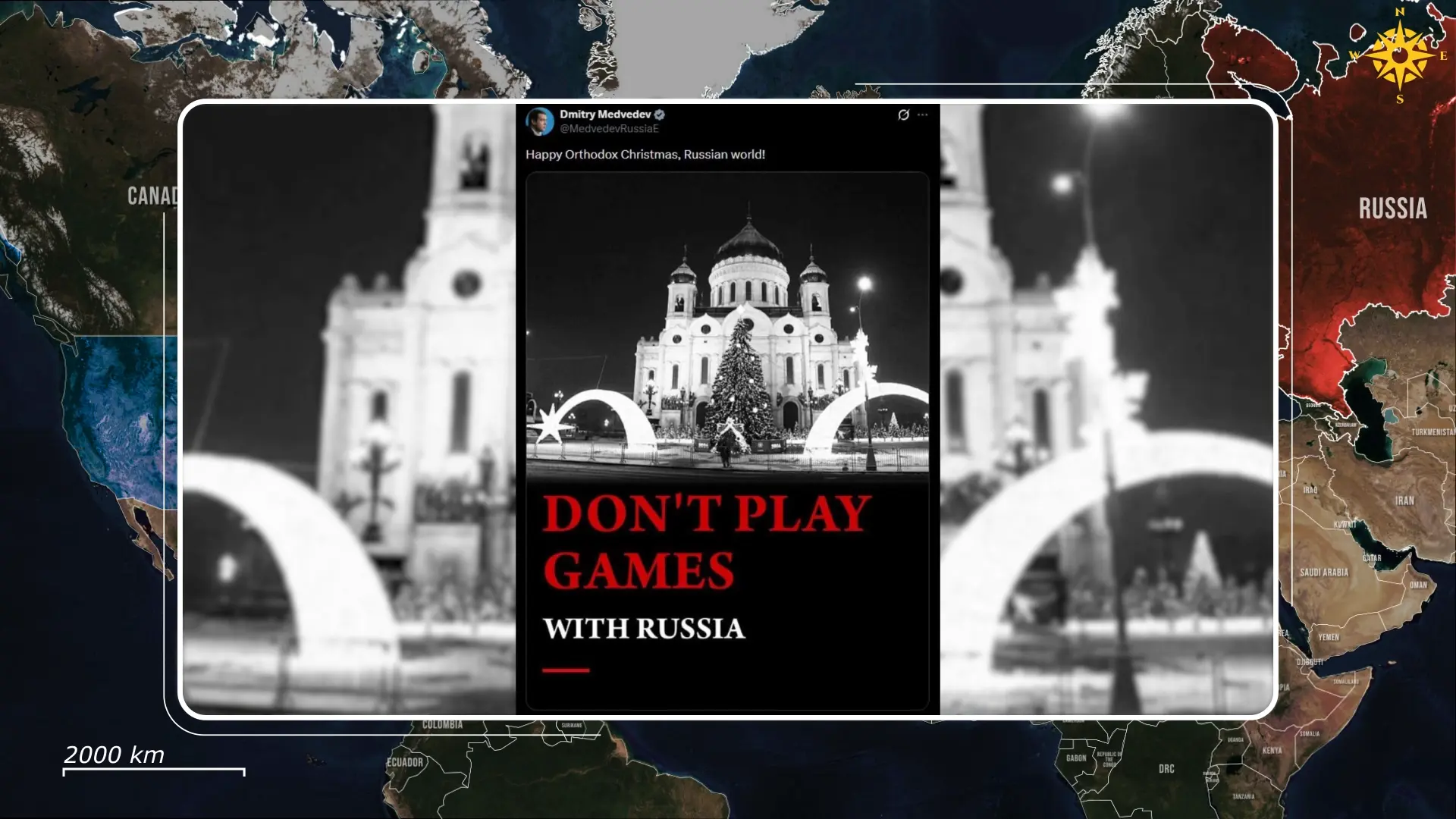
Hours prior to the events, Russia unleashed its aggressive rhetoric and posturing, but this time against the United States, with former Russian President Dmitry Medvedev posting a menacing warning not to play games with Russia, accompanied by imagery heavy with symbolism.
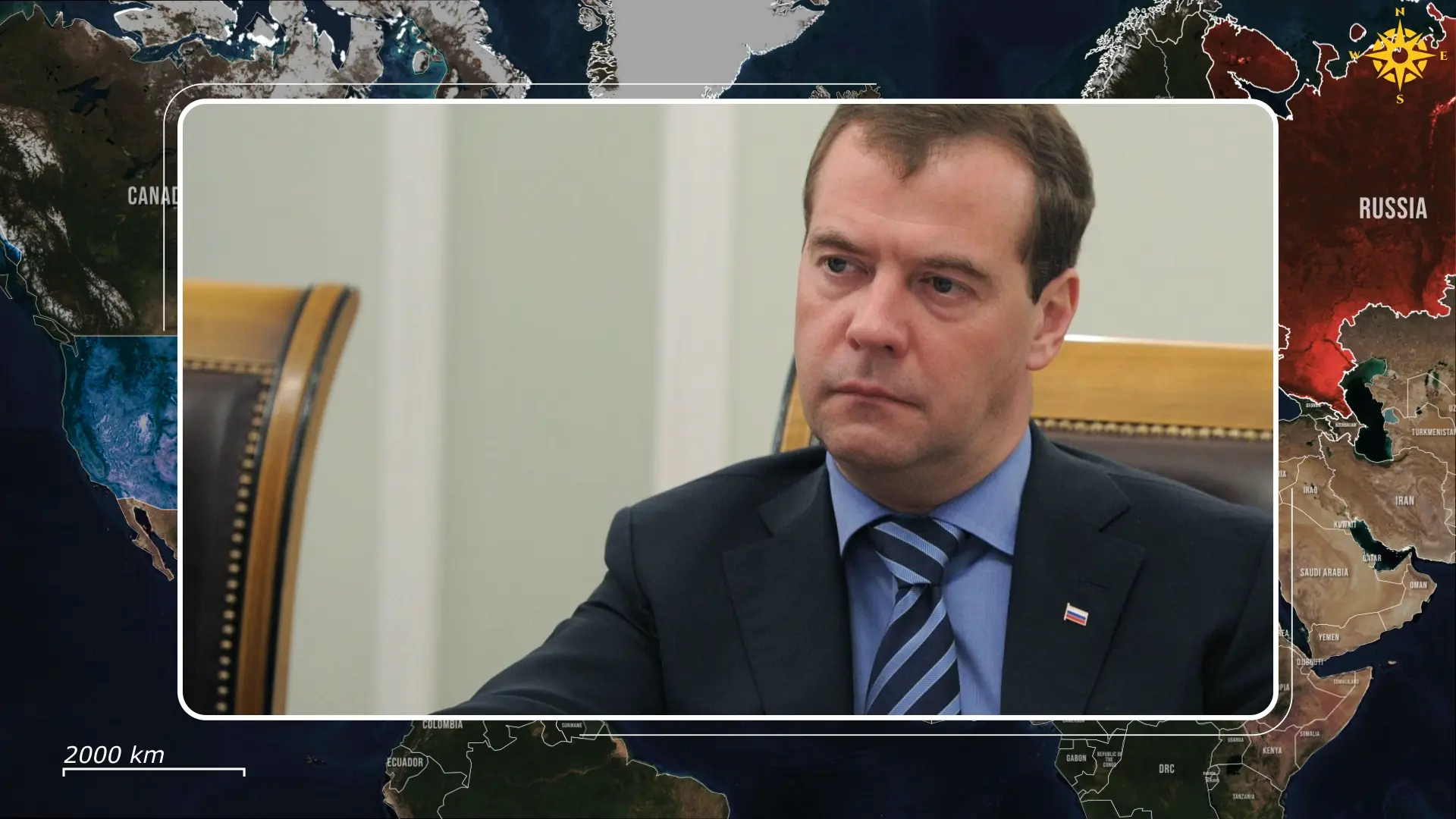
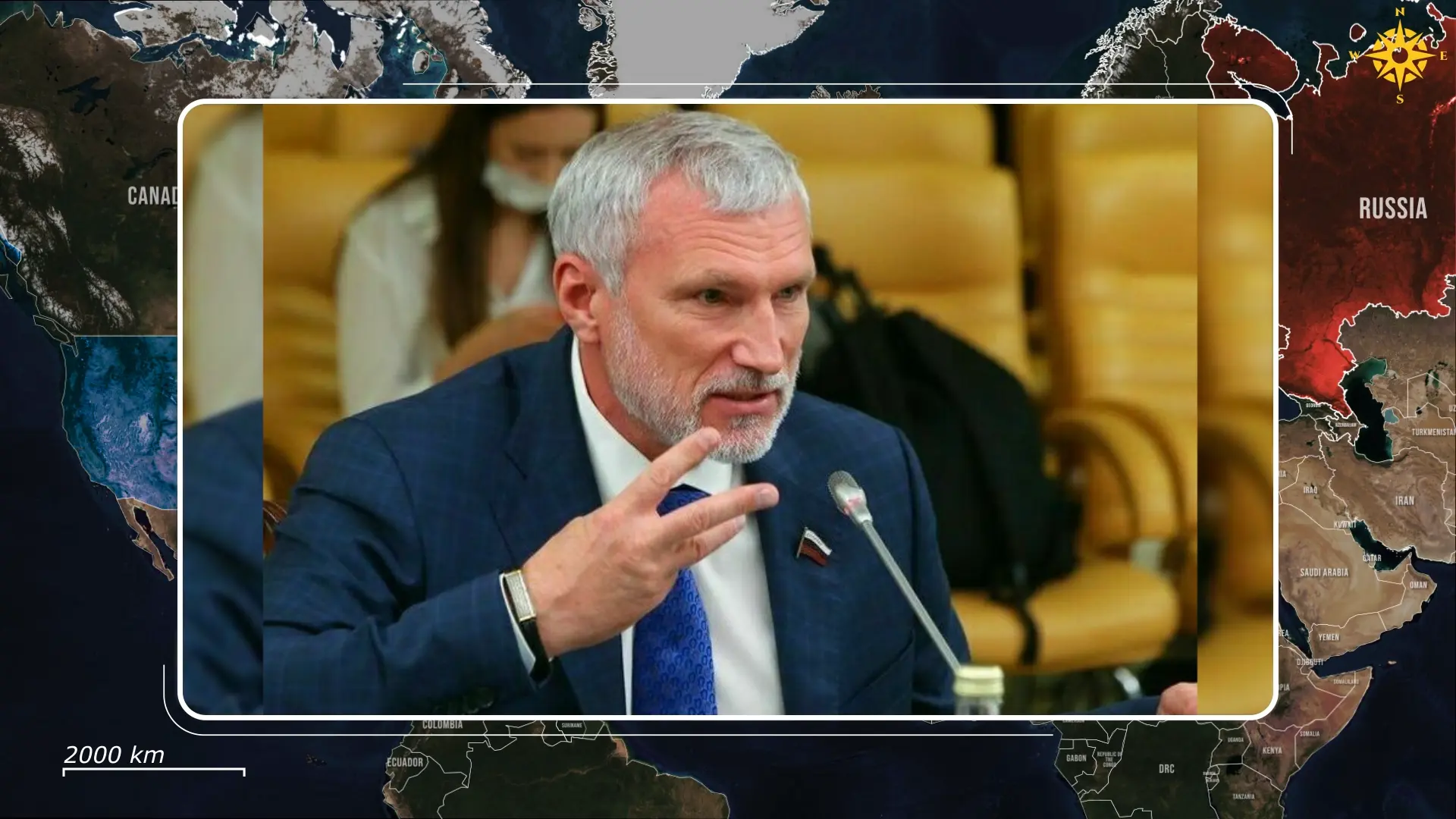
Alexei Zhuravlev, deputy chairman of the State Duma Defense Committee, went further, demanding a military response and openly suggesting that Russia should strike US ships with torpedoes. He argued that any interference with Russian-flagged tankers should be treated as an attack on Russian territory.

Russia had even dispatched a military submarine and surface vessels to escort the Marinera, meant to scare off any American action. The language was extreme, theatrical, and deliberately escalatory, yet it evaporated the moment real consequences loomed, and US forces took decisive action.
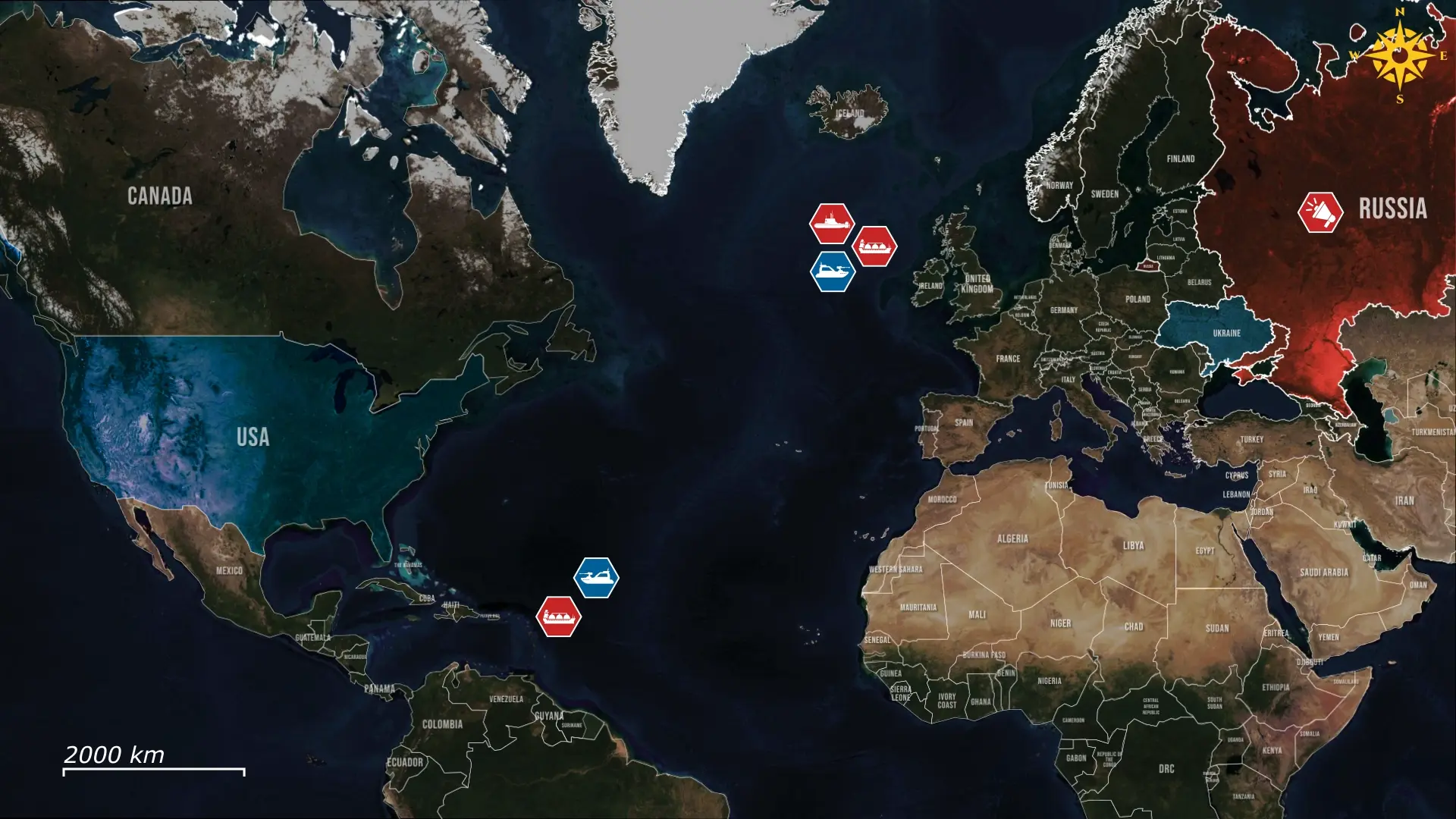
The operations were conducted with overwhelming confidence, and US forces seized both vessels without resistance, while in one case, the UK Royal Navy provided logistical support by air and sea. Videos released by the US military showed calm, methodical seizures, without standoffs, warning shots, or any sign of interference. Russian naval vessels loomed ominously nearby, yet when push came to shove, they did nothing to interfere as US forces climbed aboard, besides watching on from a distance.
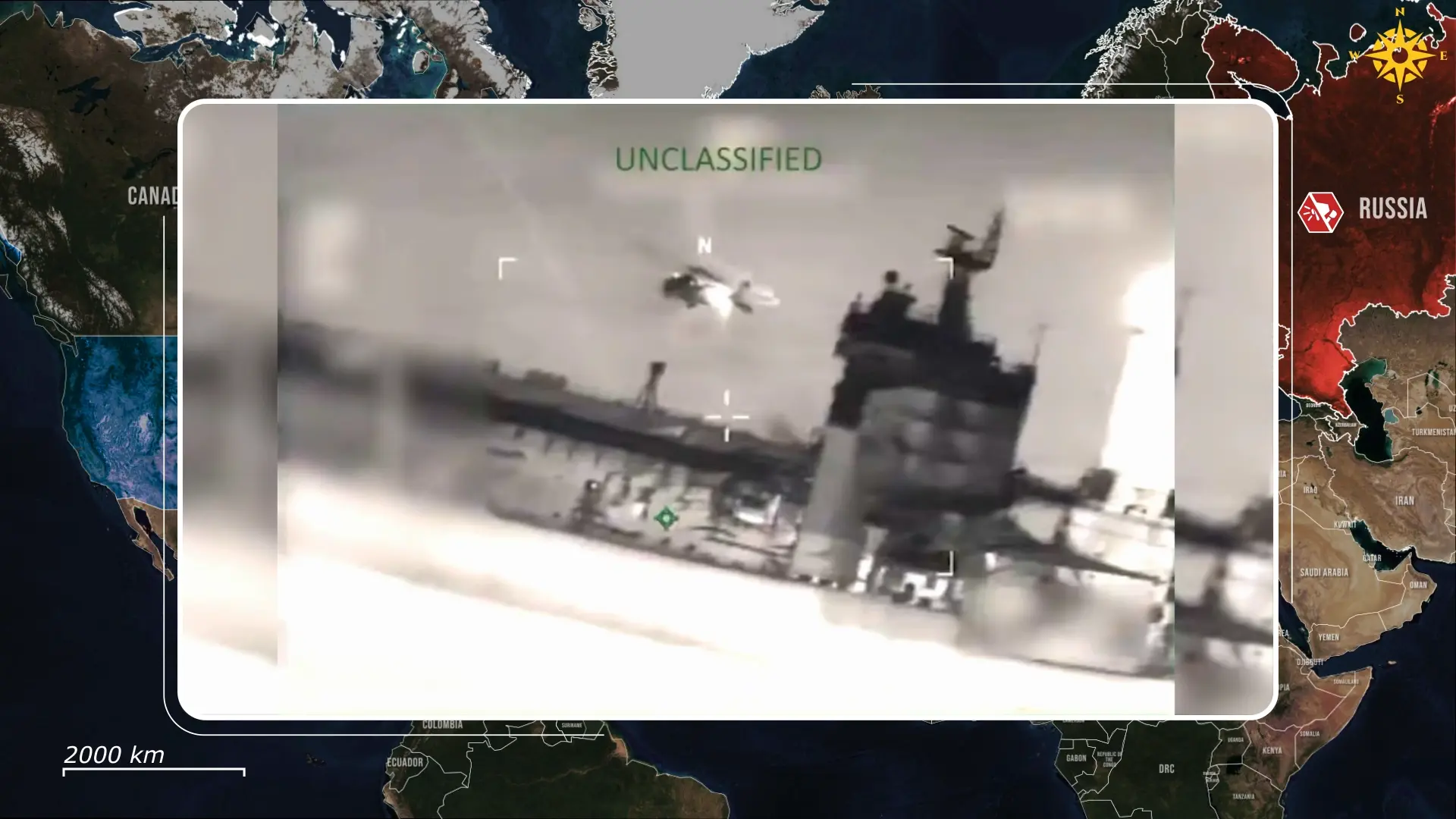
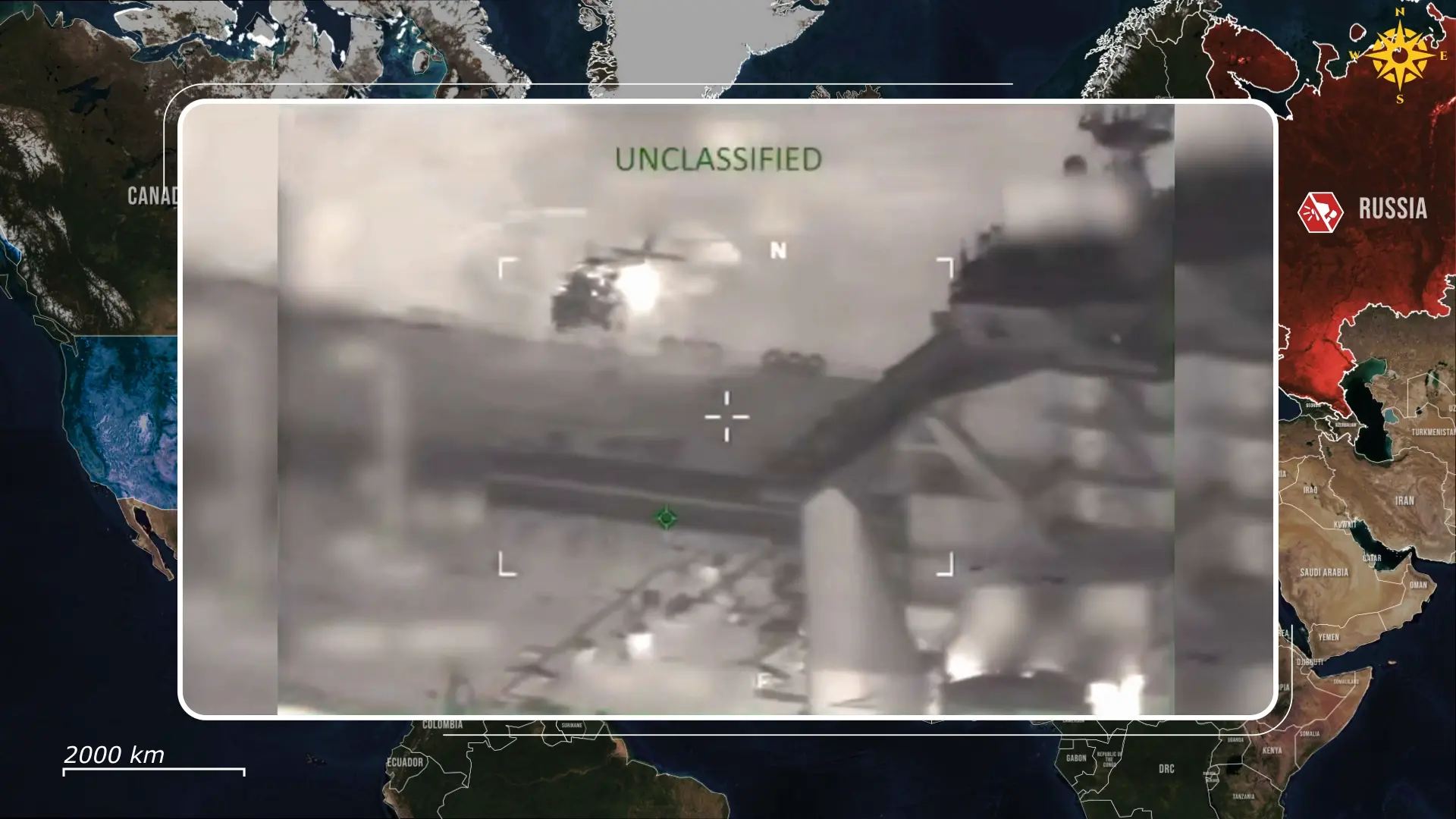
Russia later dryly confirmed the boarding had taken place and limited its reaction to formal complaints and a request that Russian crew members be treated properly and repatriated quickly. The reason for this gap between words and action is simple, as Russia cannot afford a naval confrontation with the United States due to an overwhelming imbalance.
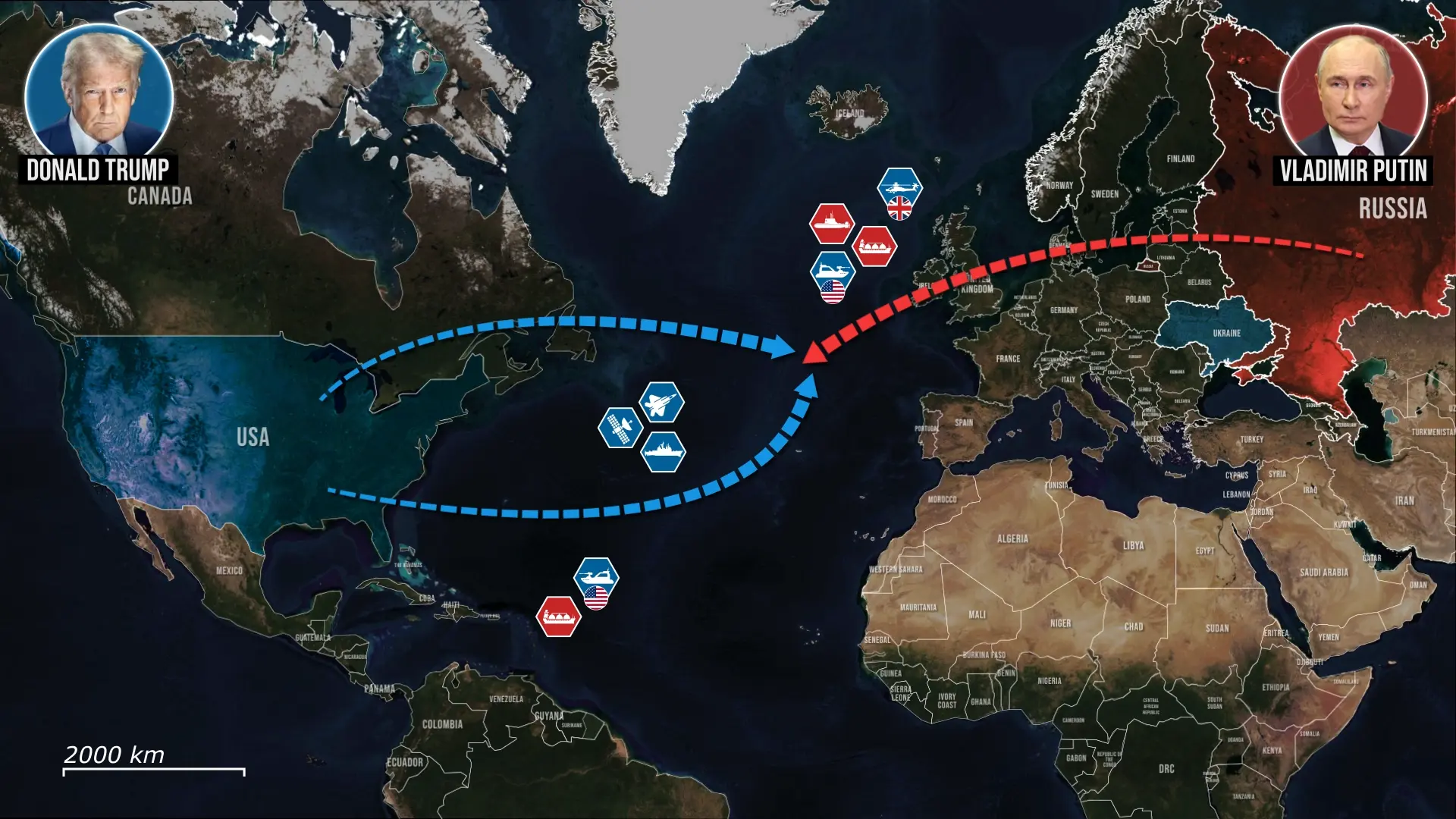
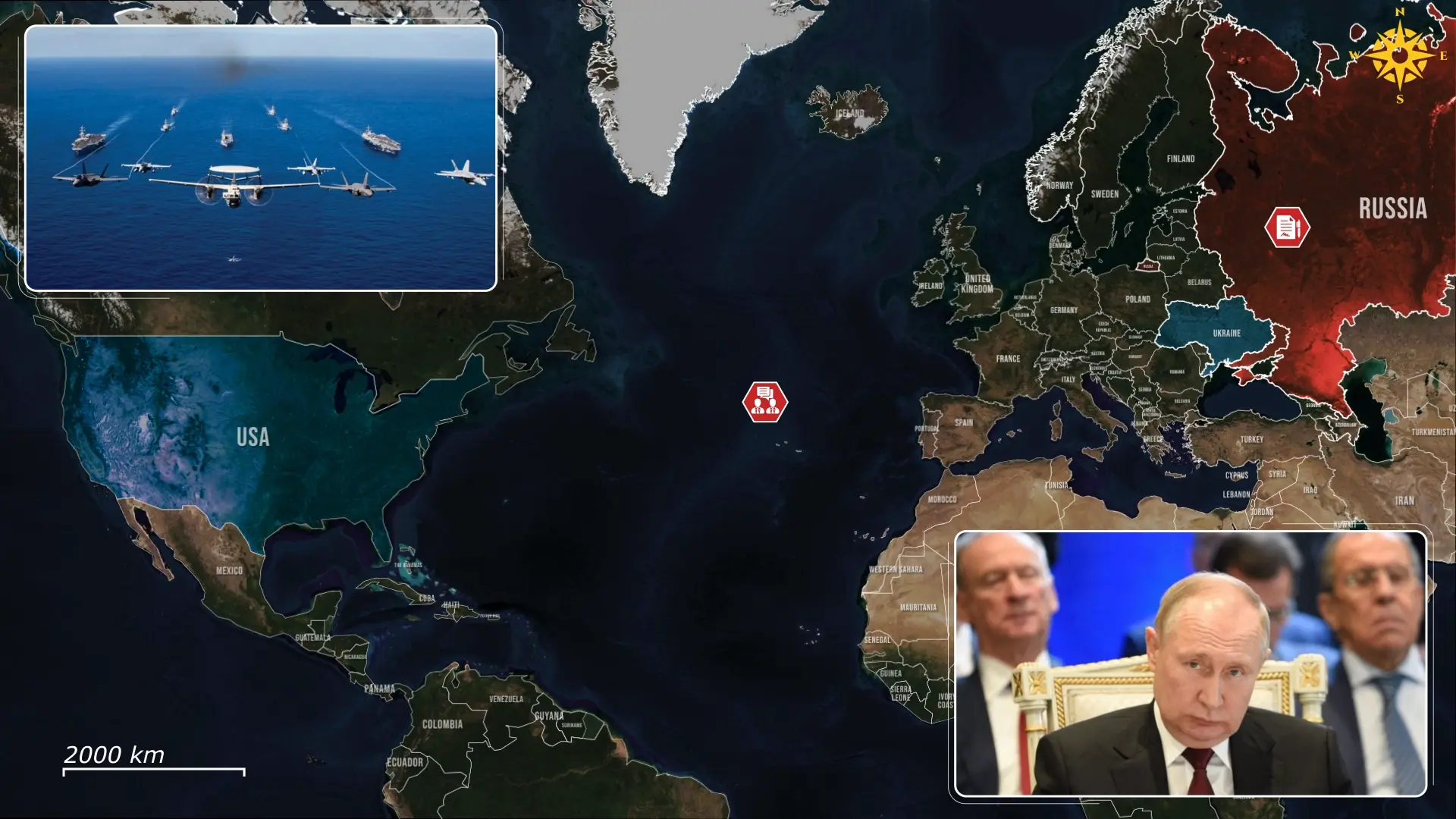
The US Navy dominates global maritime space through carrier strike groups, long-range aviation, satellite and signals intelligence, and rapid interdiction capabilities. Any attempt by Russia to interfere with American enforcement actions would risk immediate escalation, one that Russia could neither control nor survive, lacking both the global naval reach and the legal footing to challenge US operations conducted under sanctions enforcement and judicial orders.
Some Russian analysts have already begun reframing the seizures as legally ambiguous, arguing that international maritime law is complex and that Washington may indeed have had valid grounds to act. They point out that Venezuelan oil was nationalized in violation of earlier agreements and that vessels repeatedly transporting sanctioned cargo can be treated as instruments of illicit activity regardless of the flag they fly, especially when that flag changes constantly. This excuse, while legally convenient, masks obvious anger and backpaddling: the United States ignored Russian naval presence entirely and acted without hesitation, while Russian forces stood by.
The whole process fits a familiar Russian response pattern, in which first comes performative escalation with Medvedev-style warnings, parliamentary calls for torpedo attacks, and language designed to project defiance.
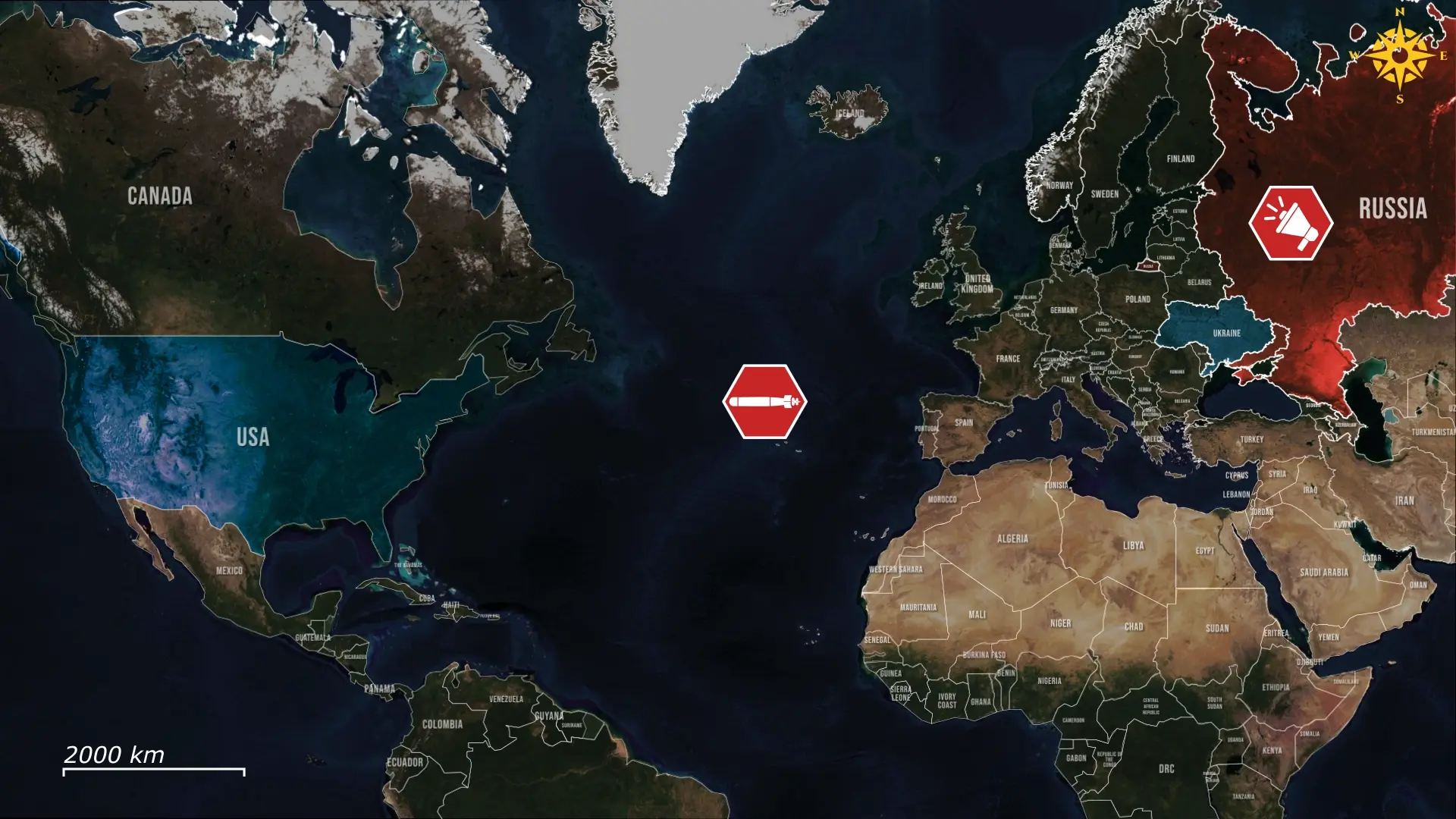
Then comes immediate diplomatic retreat with polite notes, crew repatriation requests, and silence on acts of aggression. The torpedo threats were never signals of intent; they were markers of frustration and loss of control, as the Russian leadership knows exactly that it cannot match Western power at sea.
Overall, the broader picture at sea is getting grimmer for Russia with each new accident. Its shadow fleet is now exposed and hunted across multiple oceans. In the Atlantic and Caribbean, US enforcement proceeds unchallenged, EU control tightens in the Baltic Sea, while in the Black Sea, the Russian fleet hides in the far eastern ports, under constant threat from Ukrainian drones and missiles. Russia’s only remaining maritime tool is intimidation, and even that is wearing thin. When confronted by action, the bluster collapses, and US boarding teams walk onto decks while Russian submarines watch and do nothing.

.jpg)

Comments