

.svg)
Today, the biggest news comes from Moldova.
For years, the country has lived with a quiet tension on its eastern edge, where an old conflict with Russia stayed in the background and quietly influenced politics without attracting much attention. That balance no longer holds, as Moldova and Ukraine have started closing the access that kept this conflict alive for decades.
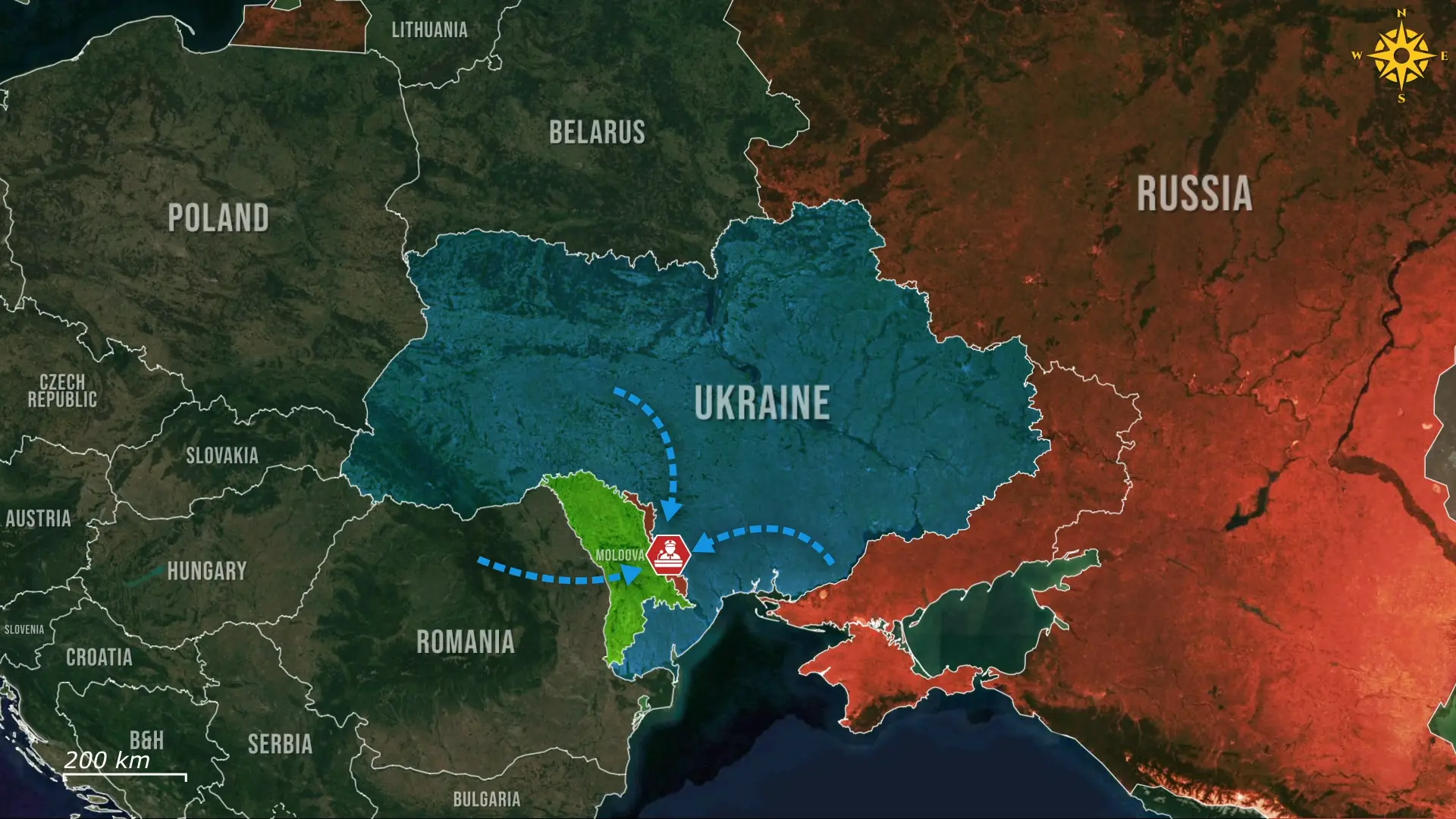
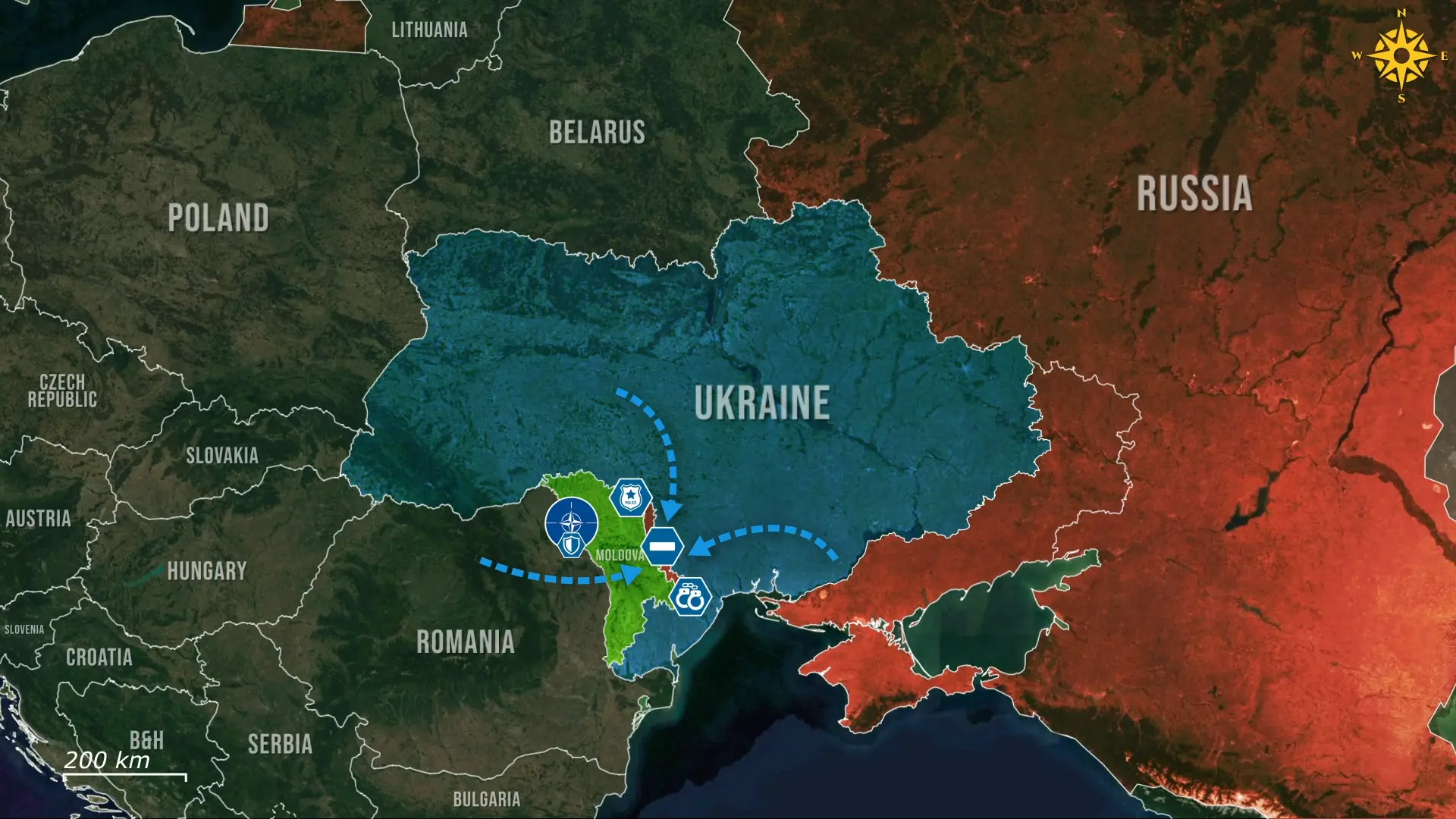
Ukraine and Moldova have now jointly enacted a full blockade against Transnistria, marking a clear policy shift, by closing all crossings and applying customs and security controls to everything moving in or out of the region. At midnight on January first, Ukraine began enacting strict controls along the roughly four hundred and fifty kilometers border with Transnistria, requiring inspections for any permitted movement of goods or people.
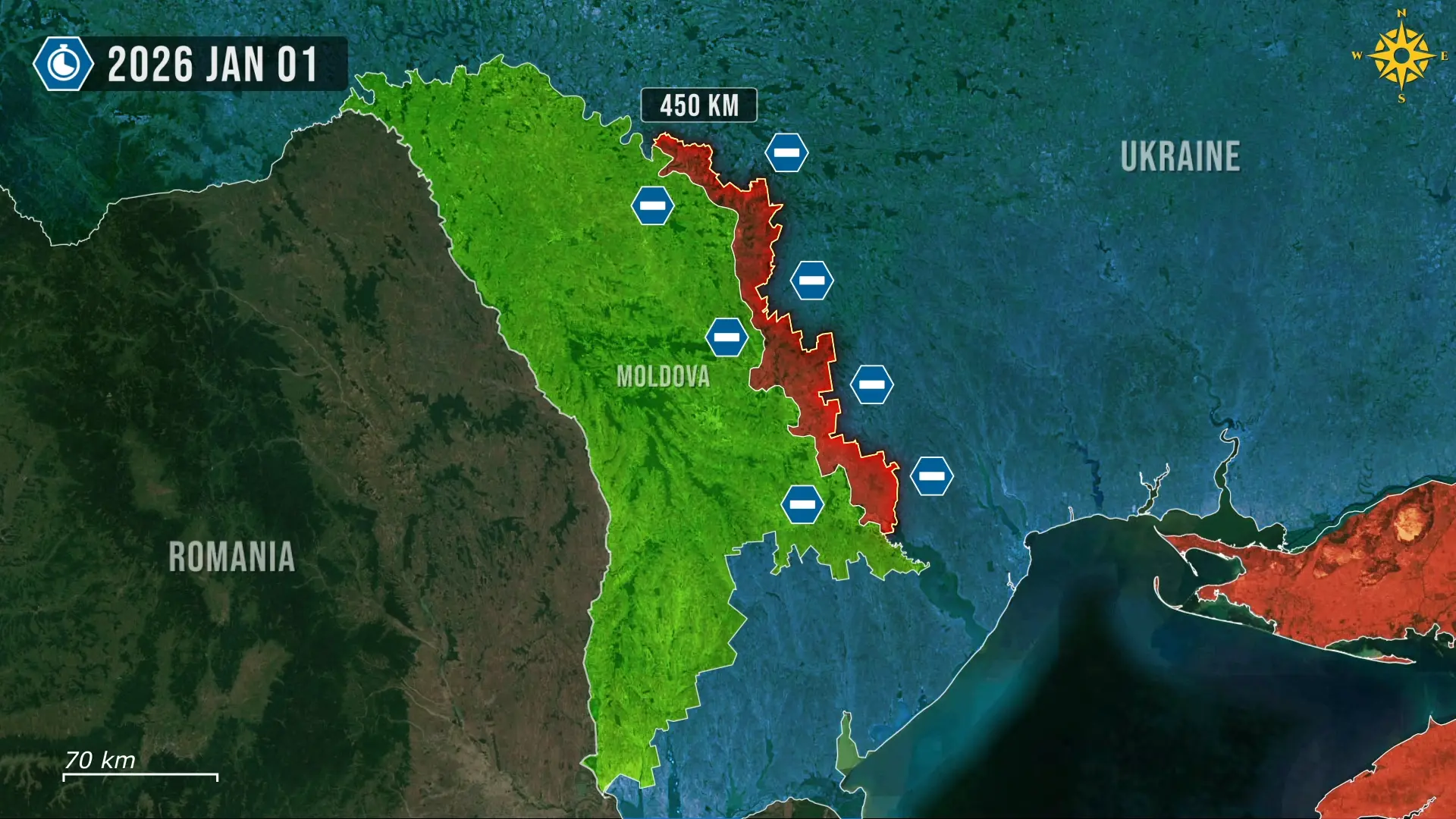
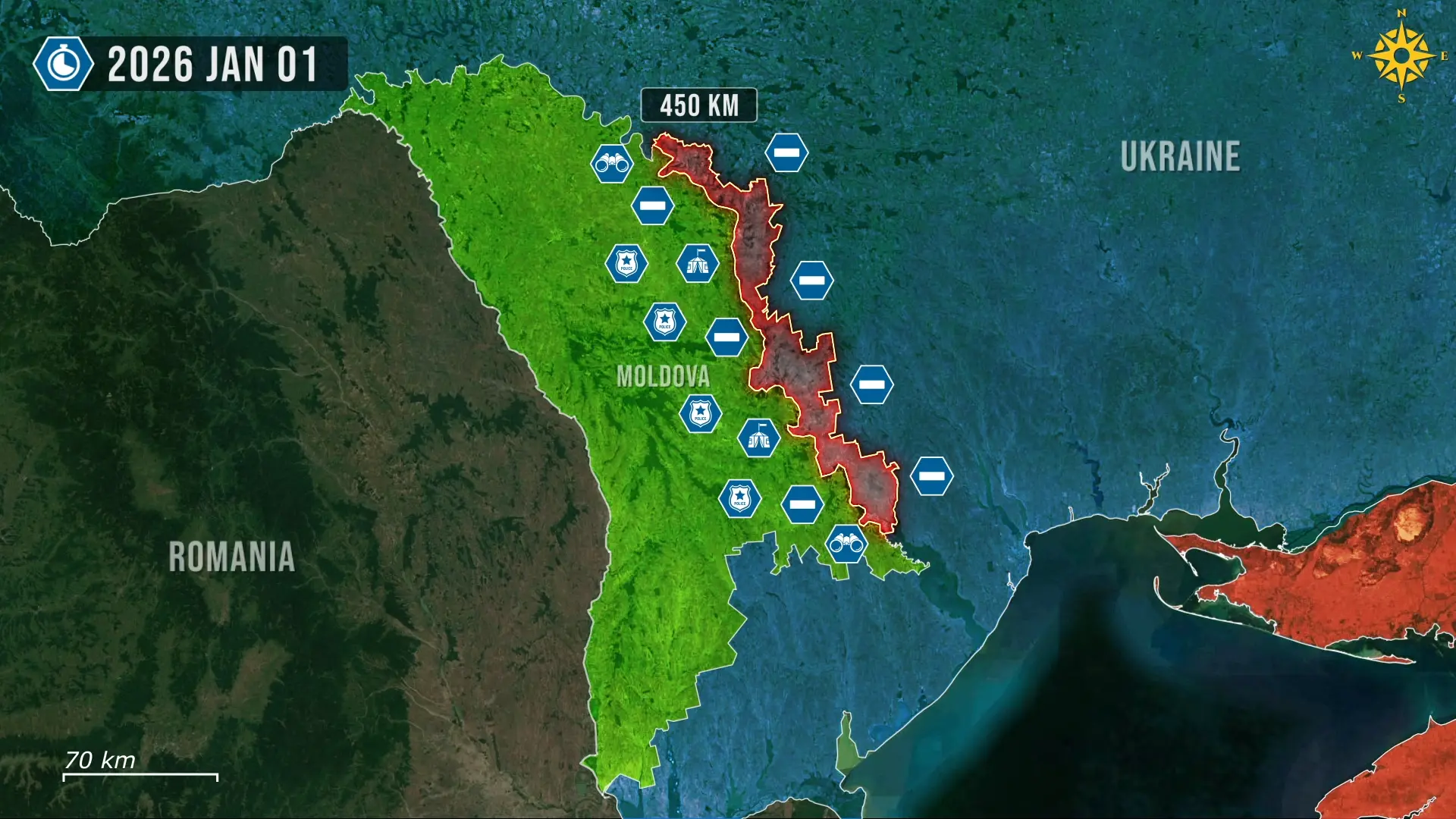
At the same time, Moldovan authorities strengthened checkpoints and expanded border enforcement, using mobile units to support controls beyond fixed crossings. Together, these steps turn Transnistria from a gray zone Russia could manage quietly into a controlled space where outside support becomes highly visible.
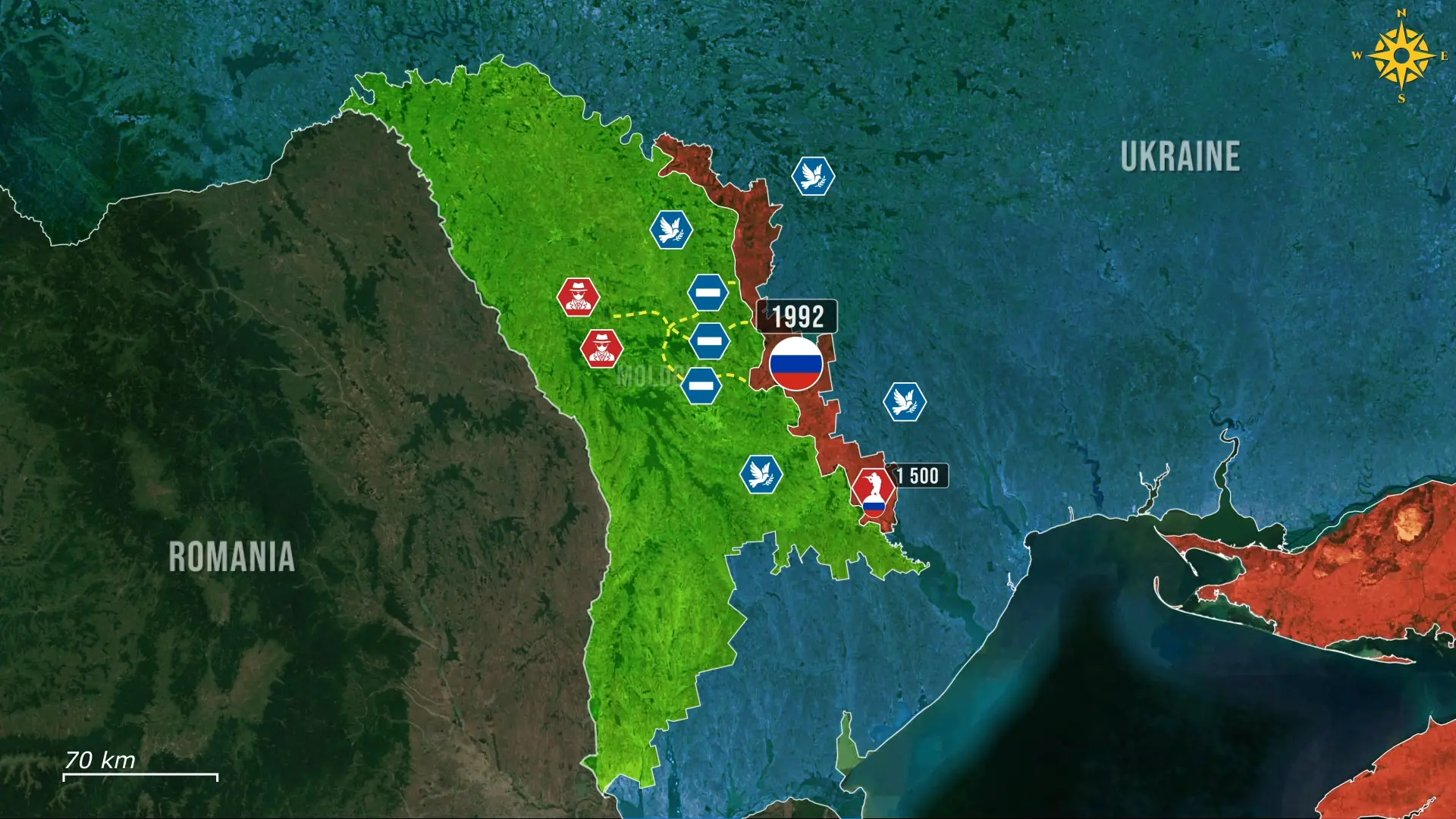
The goal of this move is to cut off Russian influence in Transnistria without starting a war. Over time, it also aims to weaken Russia’s power in a region it has used for pressure since 1992. This begins with political isolation, as the separatist leadership loses outside contacts and the freedom to act on its own. The blockade also cuts logistics, because around fifteen hundred Russian troops depend on steady access to fuel, equipment, and daily supplies. For years, much of this support moved through informal trade routes, friendly businesses, and loose customs checks that avoided full Moldovan control. By shutting these routes down, Moldova and Ukraine make Russia’s presence harder to sustain and far less effective as a tool of pressure near the European Union.
The blockade works through basic border, airspace, and customs controls that both countries have the legal right to enforce, without using force or triggering clashes. Moldova and Ukraine now coordinate their border systems, so people or goods can only move if both sides allow it, closing gaps that once existed.
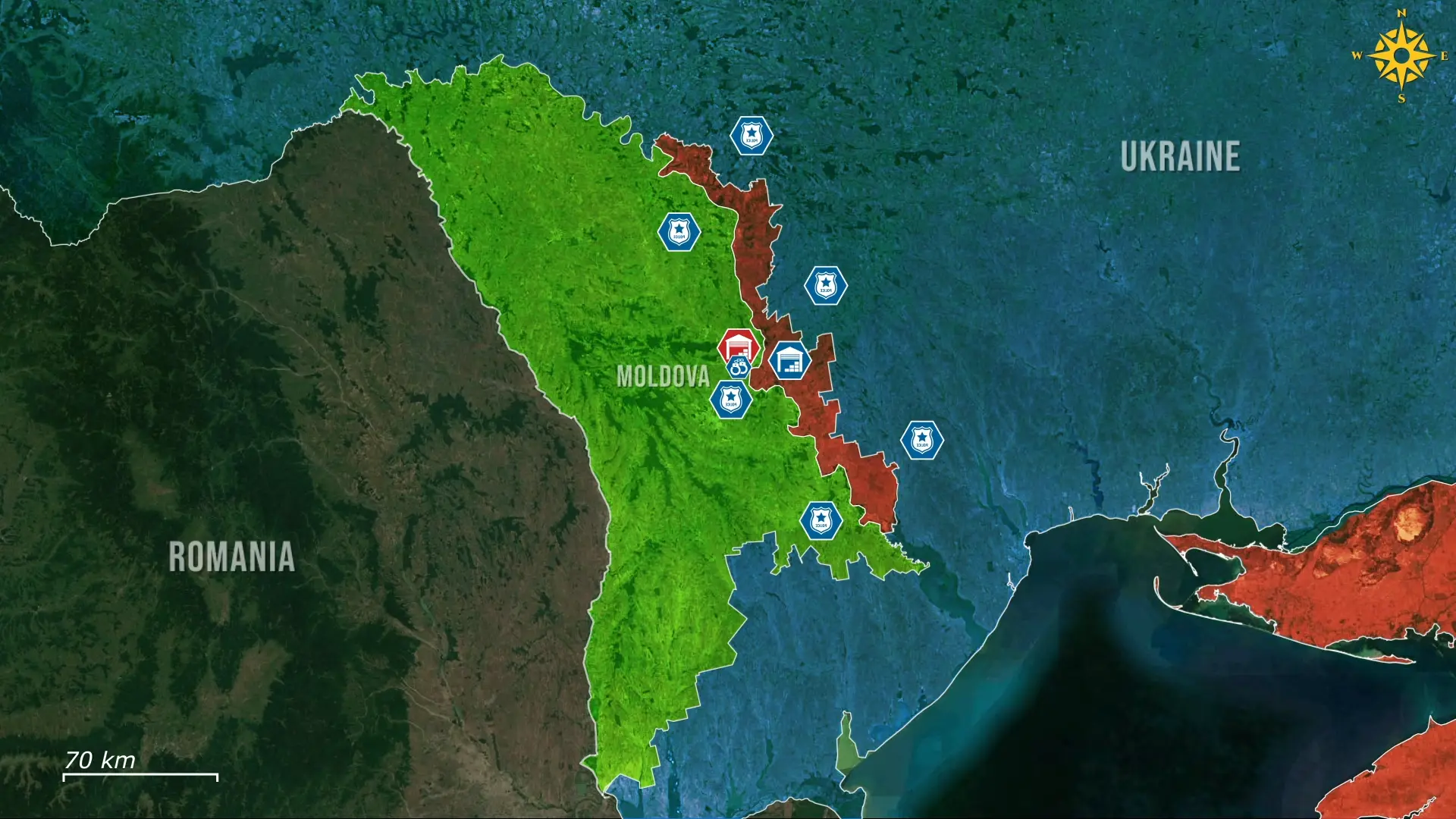
Moldovan control of airspace blocks any air deliveries into Transnistria, while rail and road traffic is stopped unless it meets strict customs rules. In simple terms, Transnistria is no longer a free passage zone, but a tightly controlled area where outside support is difficult and visible.
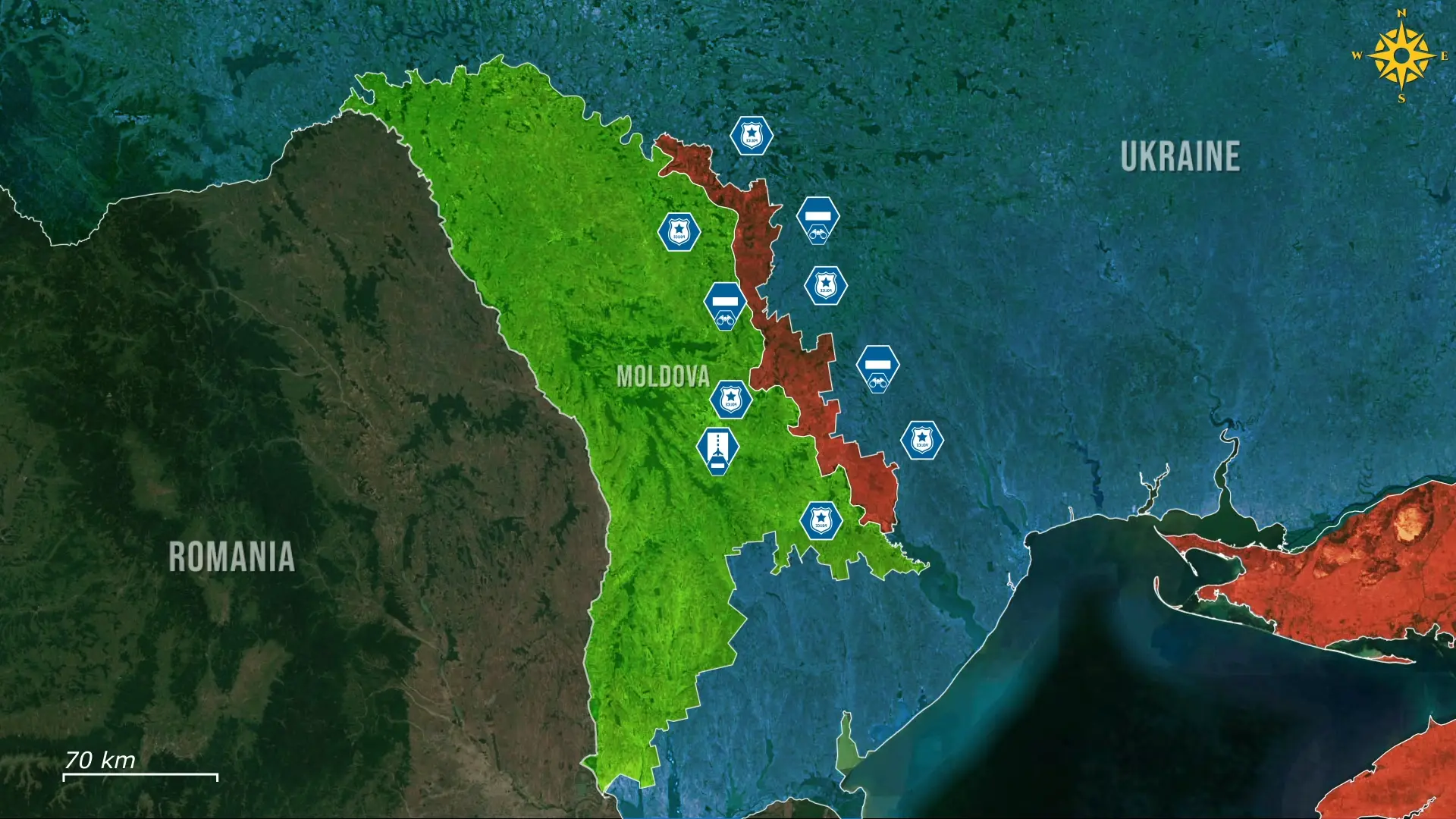
At the same time, the Moldovan government is strengthening control inside the country by bringing autonomous regions more firmly under central authority, reducing room for Russian influence. This internal consolidation is closely linked to the blockade, because cutting off Transnistria’s outside access also cuts off a key source of political and economic support for Russian-aligned actors inside Moldova. With no land routes, no air access, and no legal trade flows, Russia can no longer easily fund, supply, or coordinate pressure through local groups and allies. This weakens the influence networks that relied on cross-border support and makes it easier for the central government to assert control over autonomous regions. Any secret attempts to move supplies or influence now face a high risk of being exposed, while open military support is not possible without crossing Ukrainian or Moldovan territory.
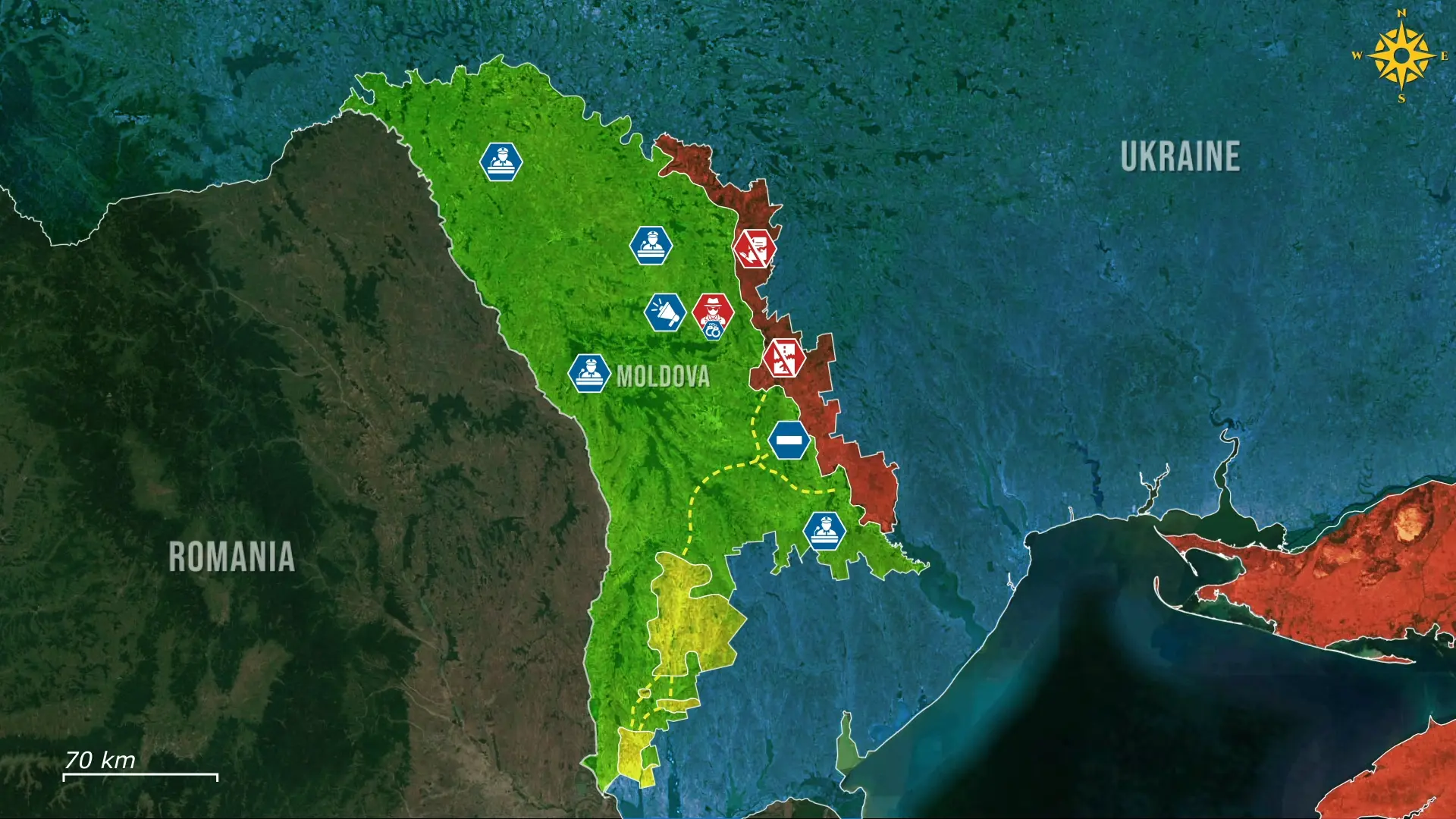
Russia has very few realistic ways to respond because there is no safe route to send supplies or rotate troops without passing through areas fully controlled by Moldova or Ukraine. Attempts to bypass the blockade in secret would carry serious political costs if exposed, while open efforts would quickly trigger international attention. With no sea access and no workable air link, the landlocked region cannot be reliably supported from the outside, which means Russia’s influence there continues to shrink as time works against it and local options continue to narrow.
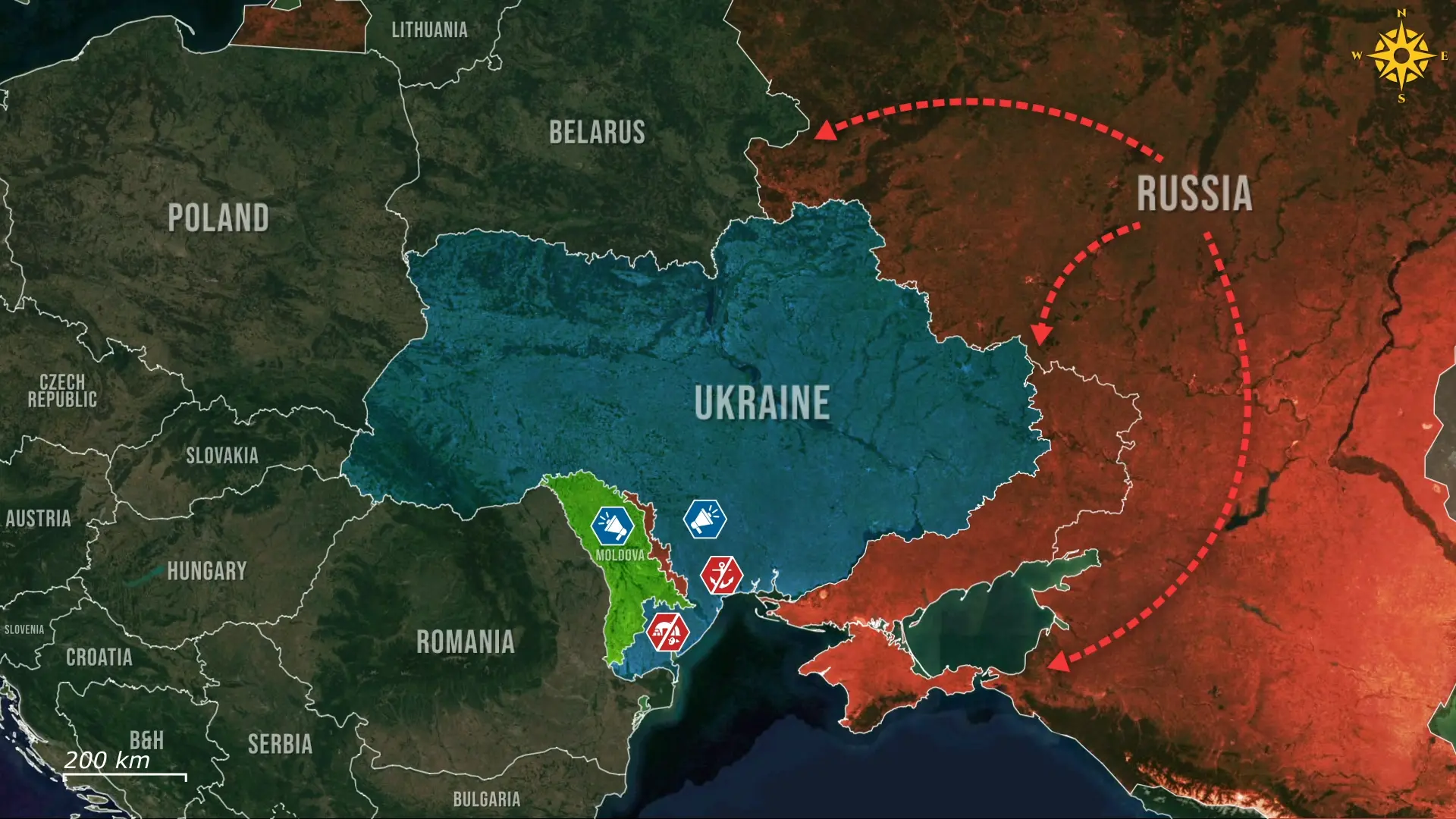
Overall, this joint blockade shows a clear change in how Moldova and Ukraine are dealing with Russian influence, choosing consistent pressure instead of open conflict. By cutting Transnistria off from the trade that kept it running outside Moldovan control, both countries are making it harder for the region to be used by Russia. This is not about starting a fight, but about slowly tightening control through laws and enforcement. If the pressure continues, Russia’s position in Transnistria will weaken over time, while Moldova moves closer to stronger security ties with Europe.

.jpg)

Comments