

.svg)
Today, the biggest news comes from Yemen.
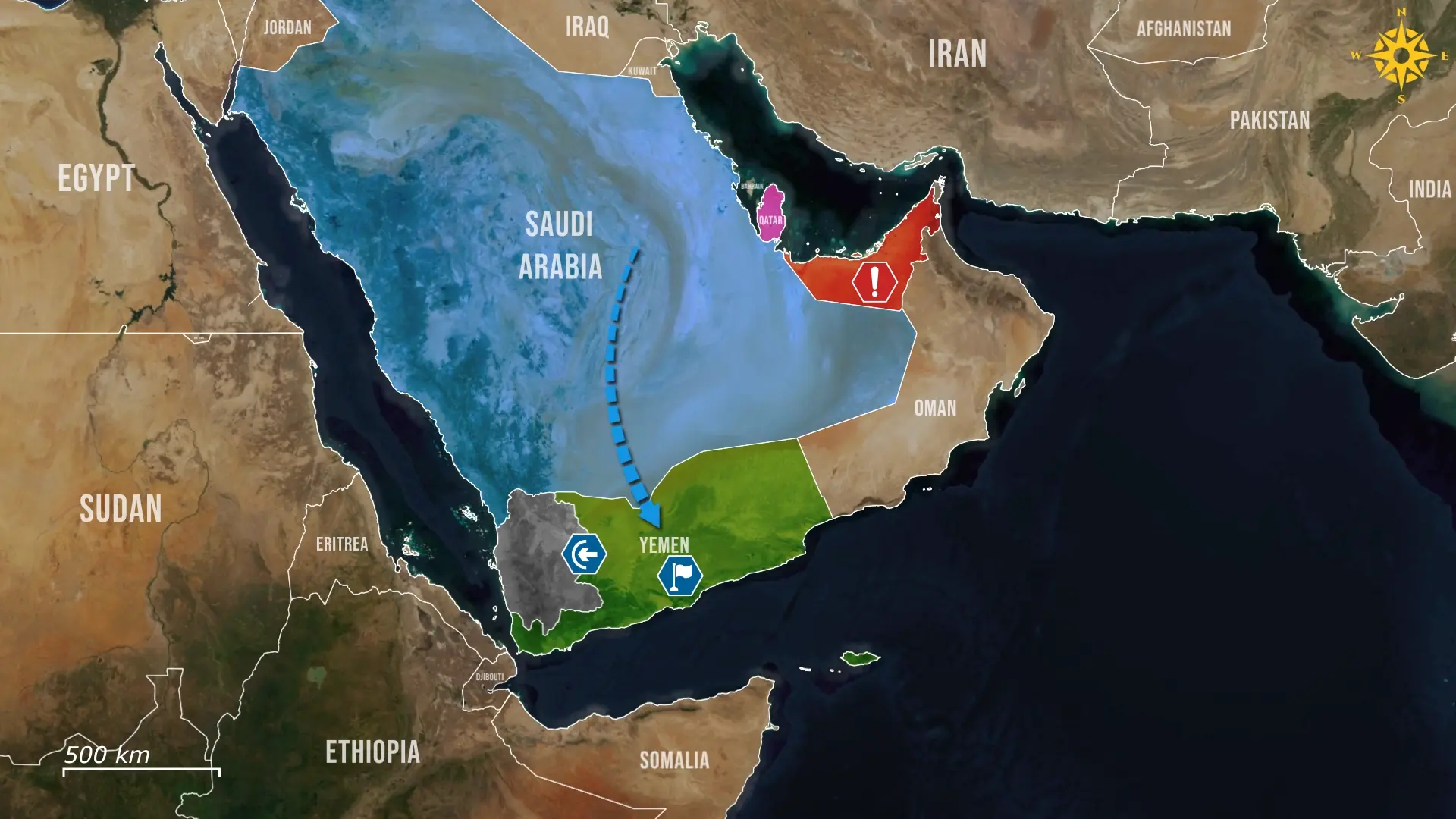
For years, the UAE backed a secessionist movement to restore South Yemen, assuming their coalition partner would tolerate the divide. However, instead of mirroring a proxy confrontation, Saudi Arabia has crushed that strategy by choosing to resolve the conflict through direct, overwhelming intervention.
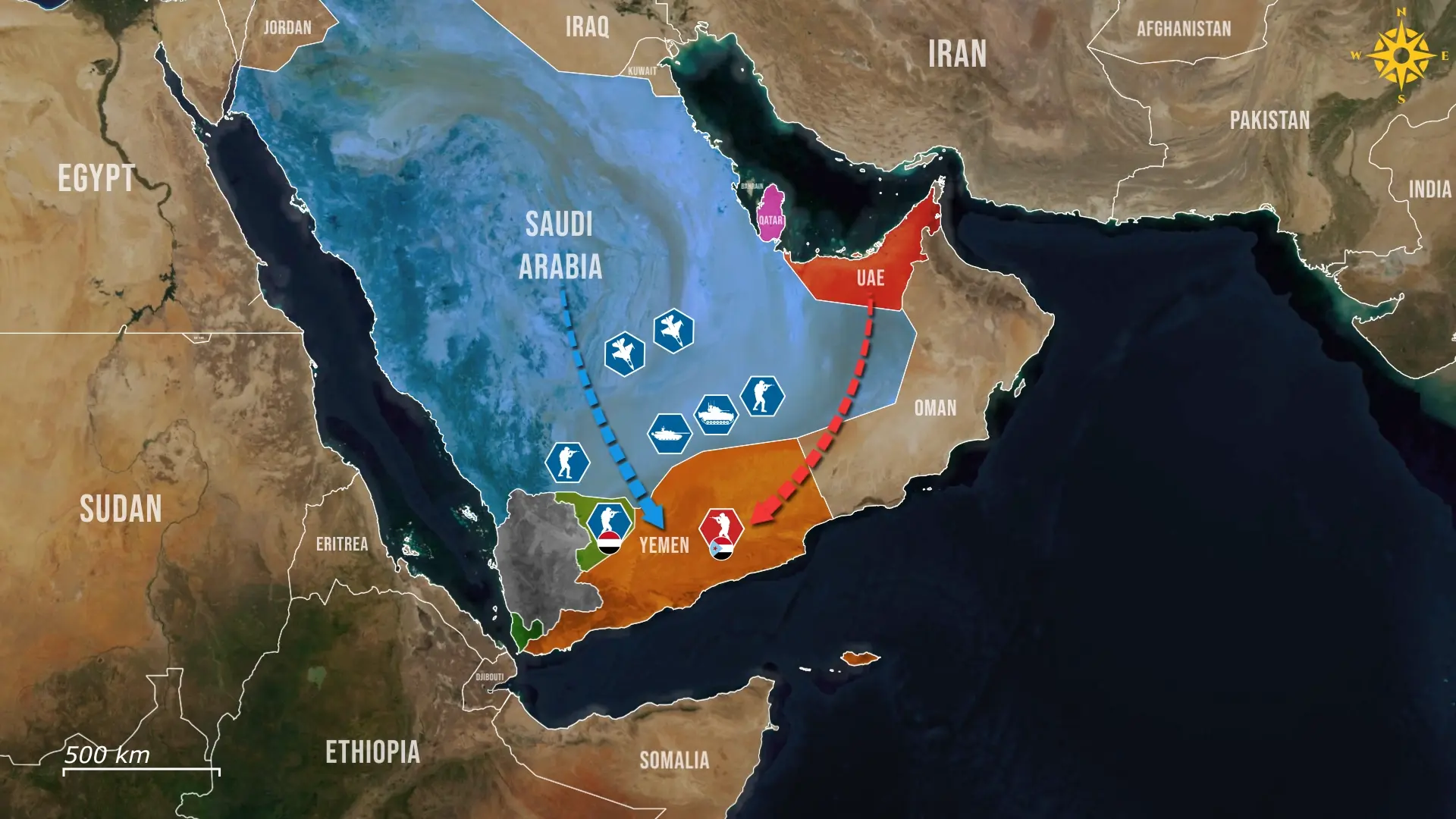
Saudi-backed forces have defeated Emirati-supported factions across southern Yemen and taken control of major cities, transport routes, and military installations.
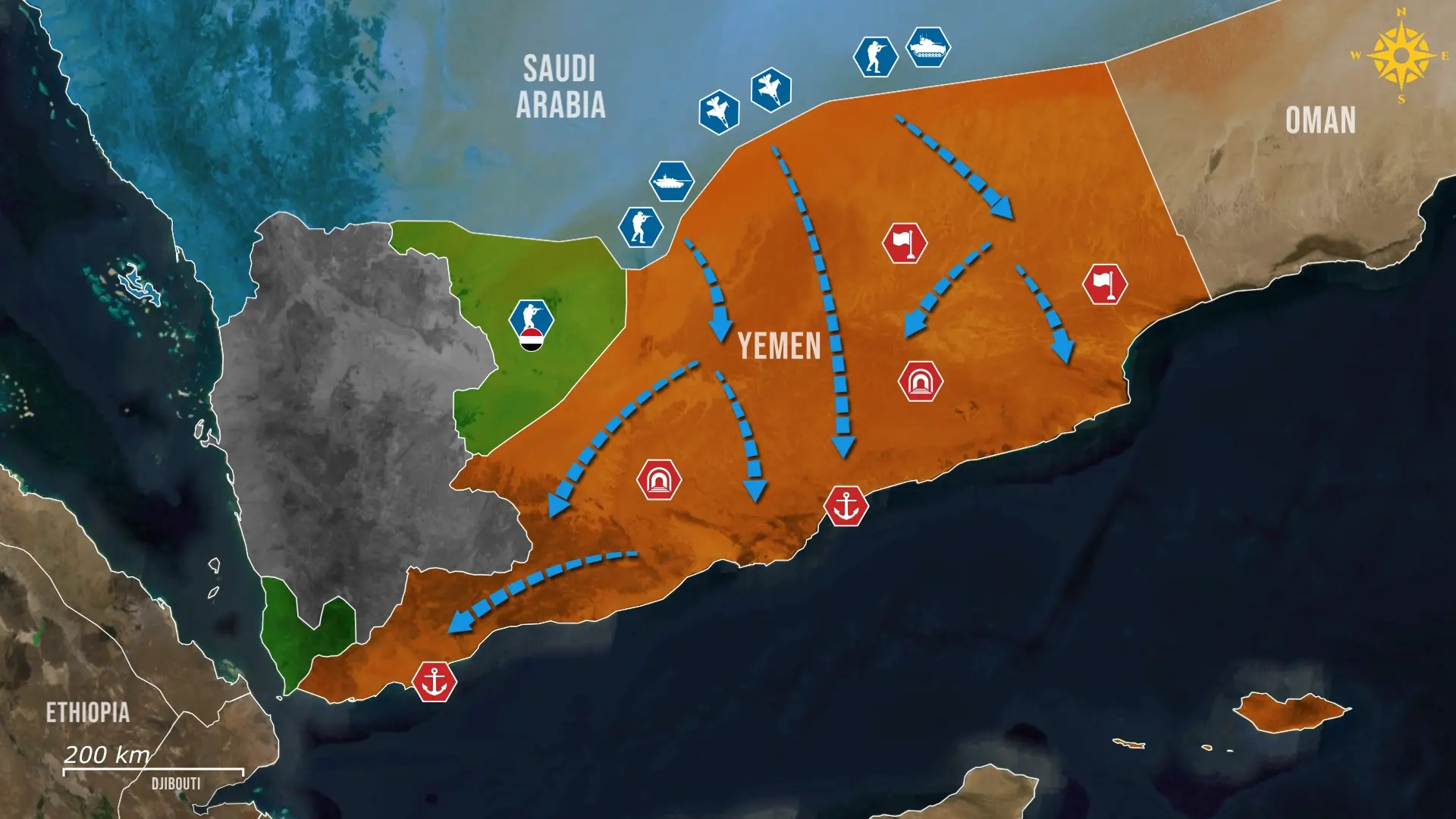
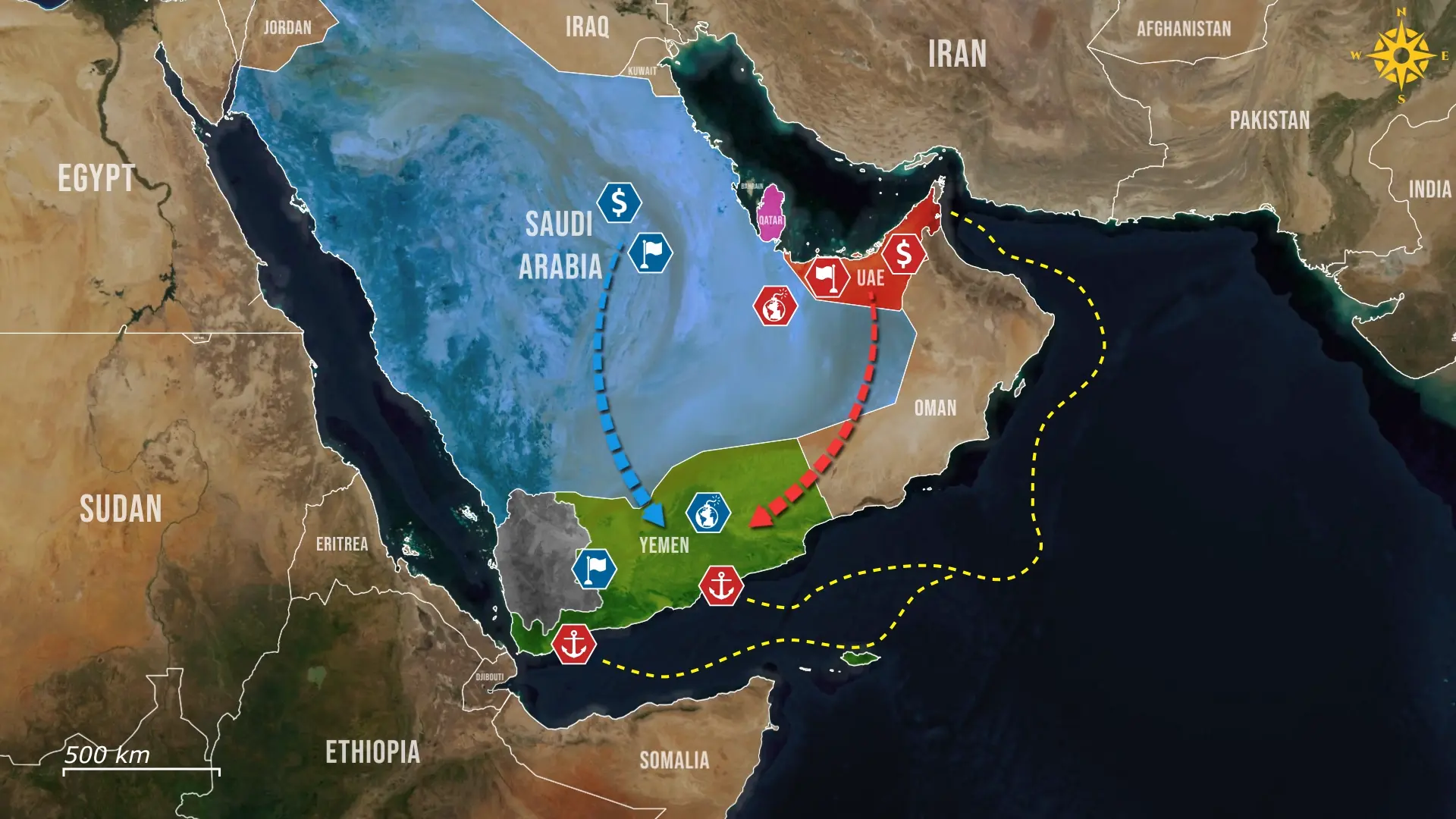
The operation followed months of Emirati interference through proxy building in the south and dismantled the influence of Emirati-aligned units that had dominated security in Aden, Shabwa, and parts of Hadramawt. These areas combine key ports, transport corridors, and influential population centers that shape control over southern Yemen’s political and economic landscape.
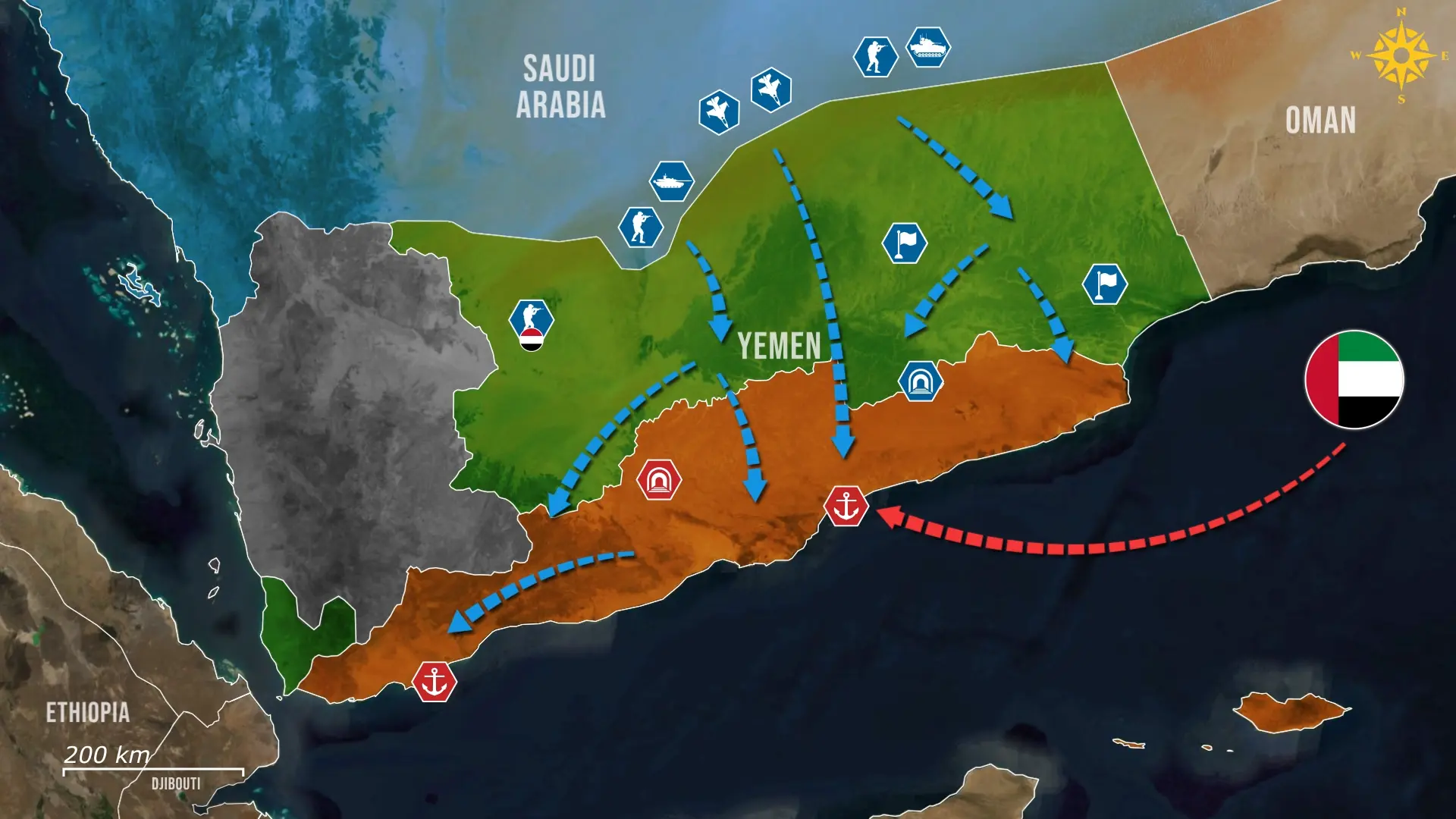
As a result, Saudi forces and their partners now control the south, while many Emirati-backed groups have withdrawn or been absorbed into Saudi-led command networks.
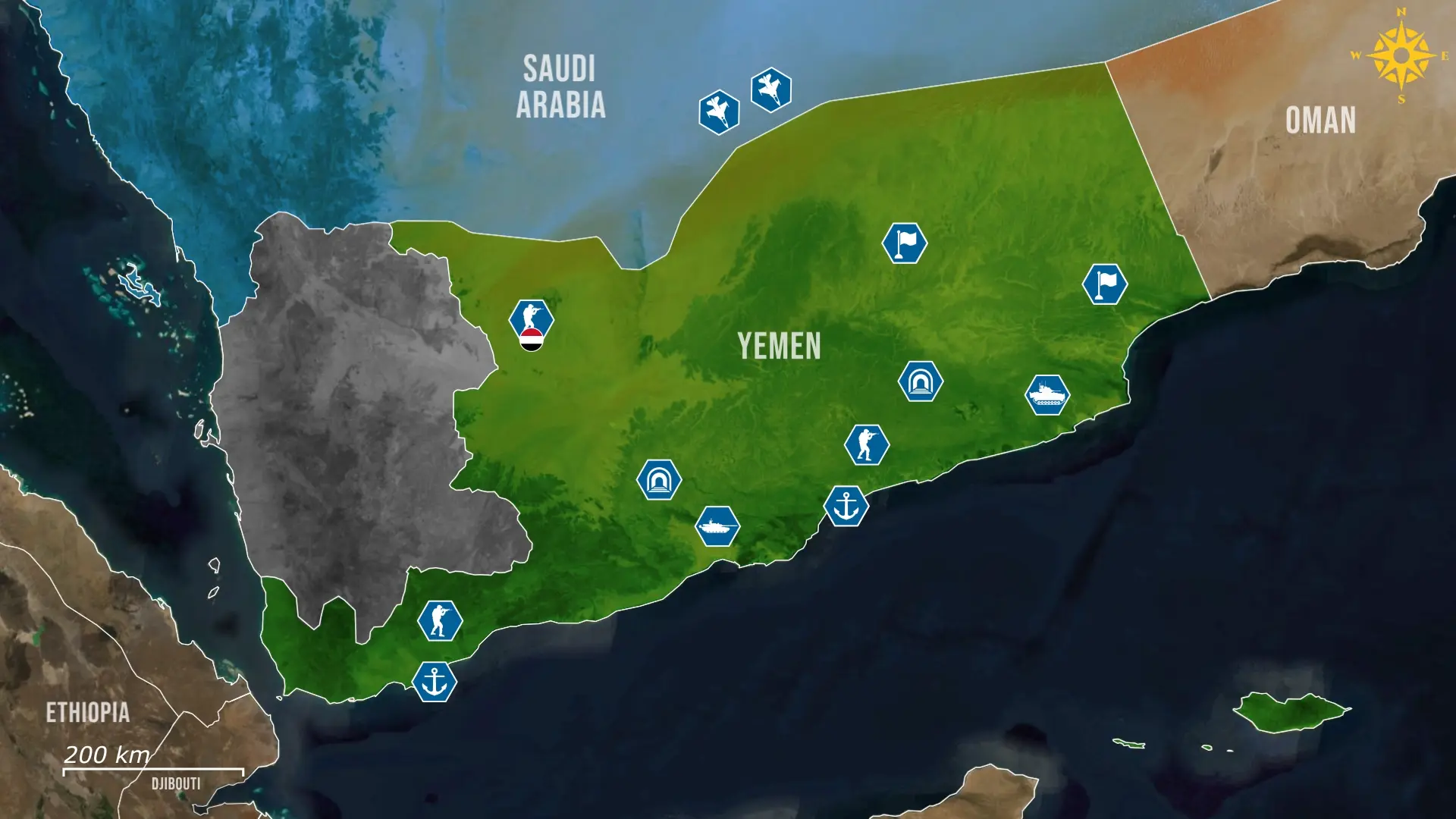
This marks the first time Riyadh has directly displaced the Emirates in Yemen rather than relying on negotiated arrangements or proxy forces. The lack of a unified Emirati response accelerated the collapse of local resistance and exposed structural weaknesses in the Emirati proxy system.
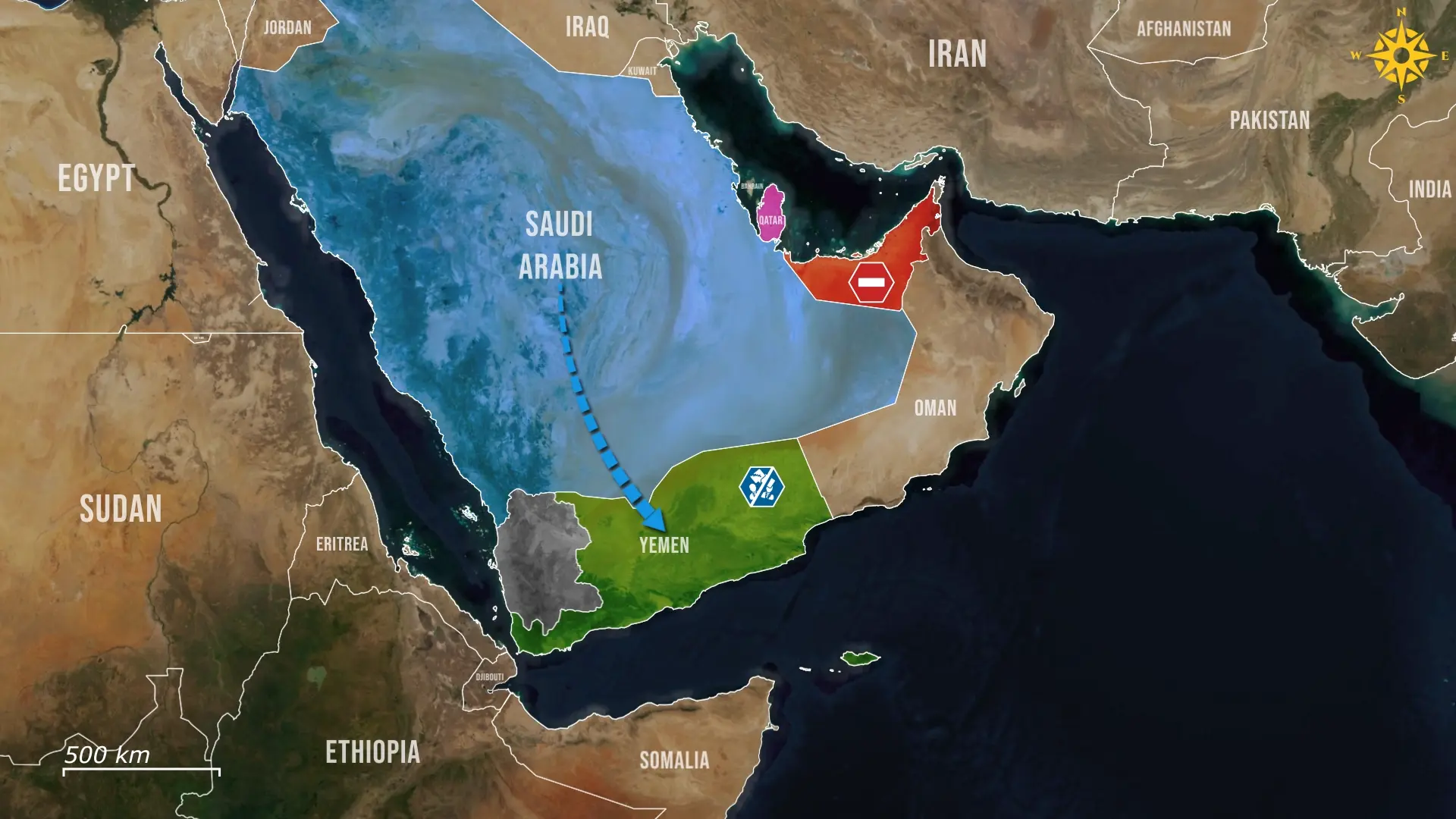
Tensions between Saudi Arabia and the UAE have built up for years, as they became locked in a zero-sum competition for economic dominance, tourism, and regional leadership, while diversifying their economies away from oil. In fact, although they entered the war in Yemen as allies, their priorities diverged as the conflict evolved. Saudi Arabia seeks a unified Yemeni state that secures its southern border and reinforces its control, while the UAE views the south as a maritime asset that strengthens its network of ports, islands, and local proxies for trade.
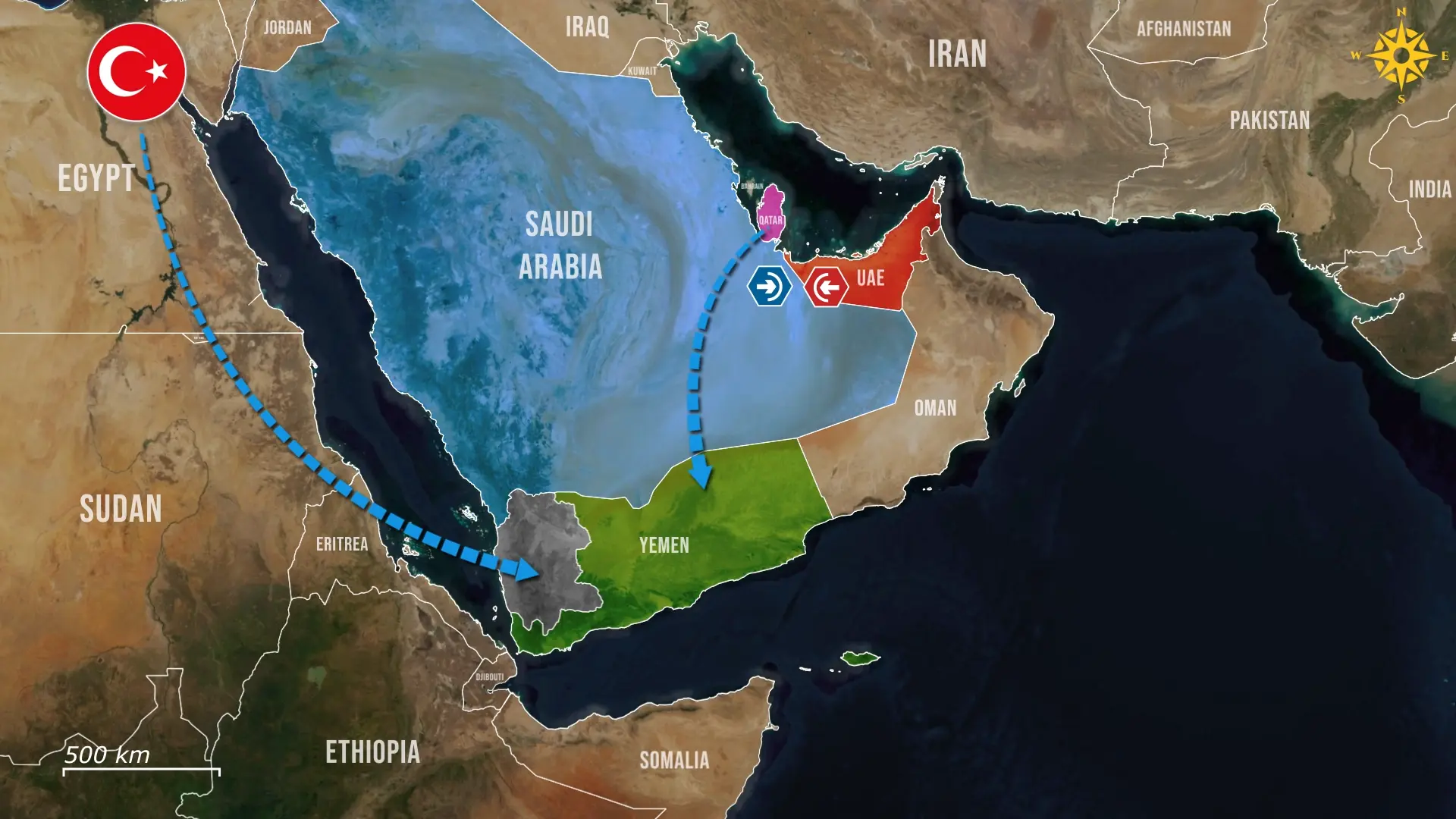
The divergence deepened during the Qatar diplomatic crisis, which left Saudi Arabia dependent on the UAE and pushed Qatar and Turkey into a separate regional bloc. By now restoring ties with Qatar and expanding cooperation with Turkey, Saudi Arabia regained partners who would support Yemeni unity mainly to oppose Emirati-backed separatism.
This alignment gave Saudi Arabia the diplomatic and operational space to counter Emirati actions without risking regional isolation. The Yemen operation, therefore, functions as both a military intervention and a geopolitical signal that Saudi Arabia is prepared to enforce its strategic interests even when they conflict with Emirati-backed structures.
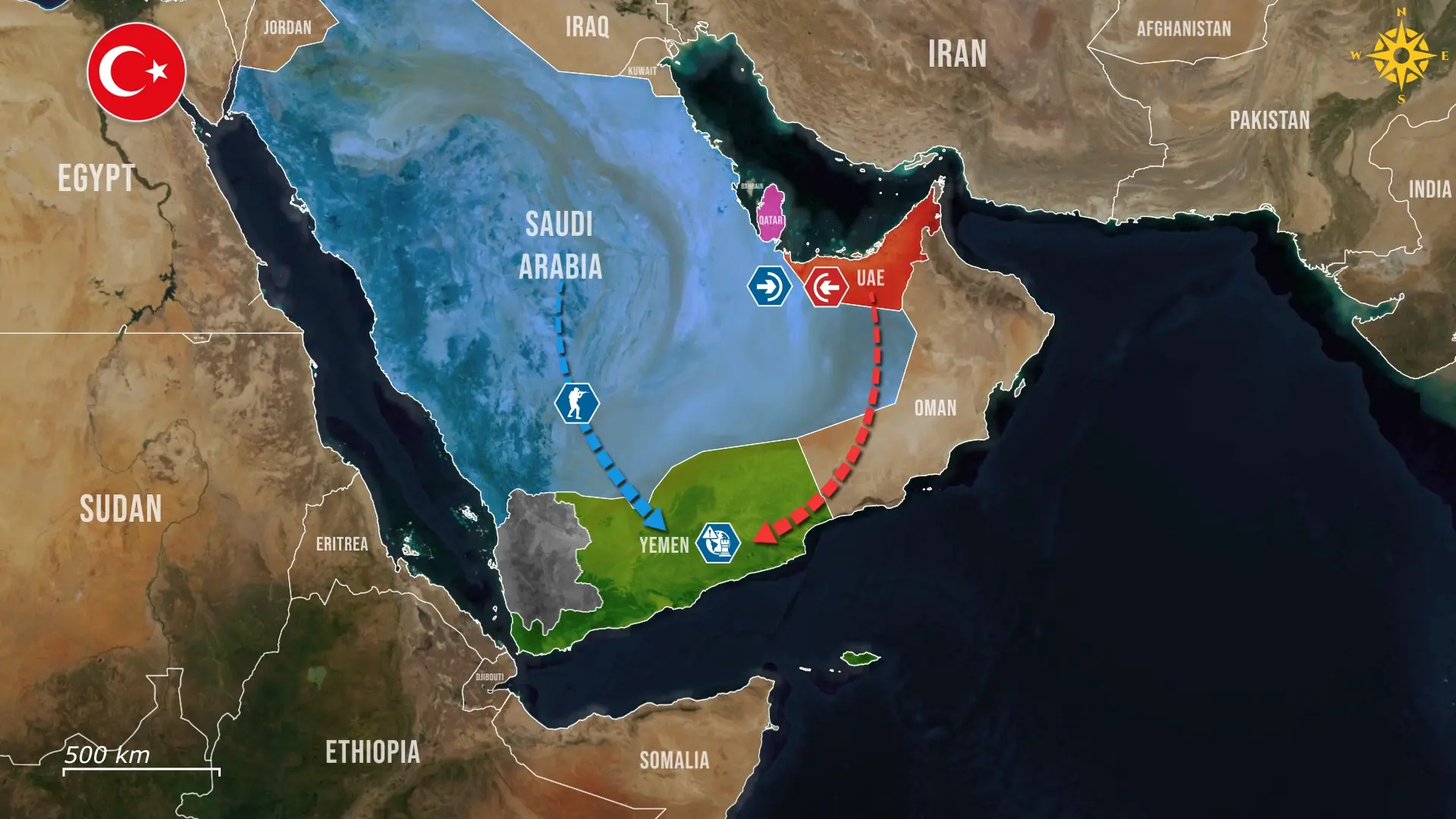
Saudi success in southern Yemen rests on air superiority, logistical control, and coordinated ground movements. Riyadh used its air power to exert dominance over supply routes, enemy airfields, and cross-border corridors, maintaining an operational tempo that Emirati-backed forces could not match.
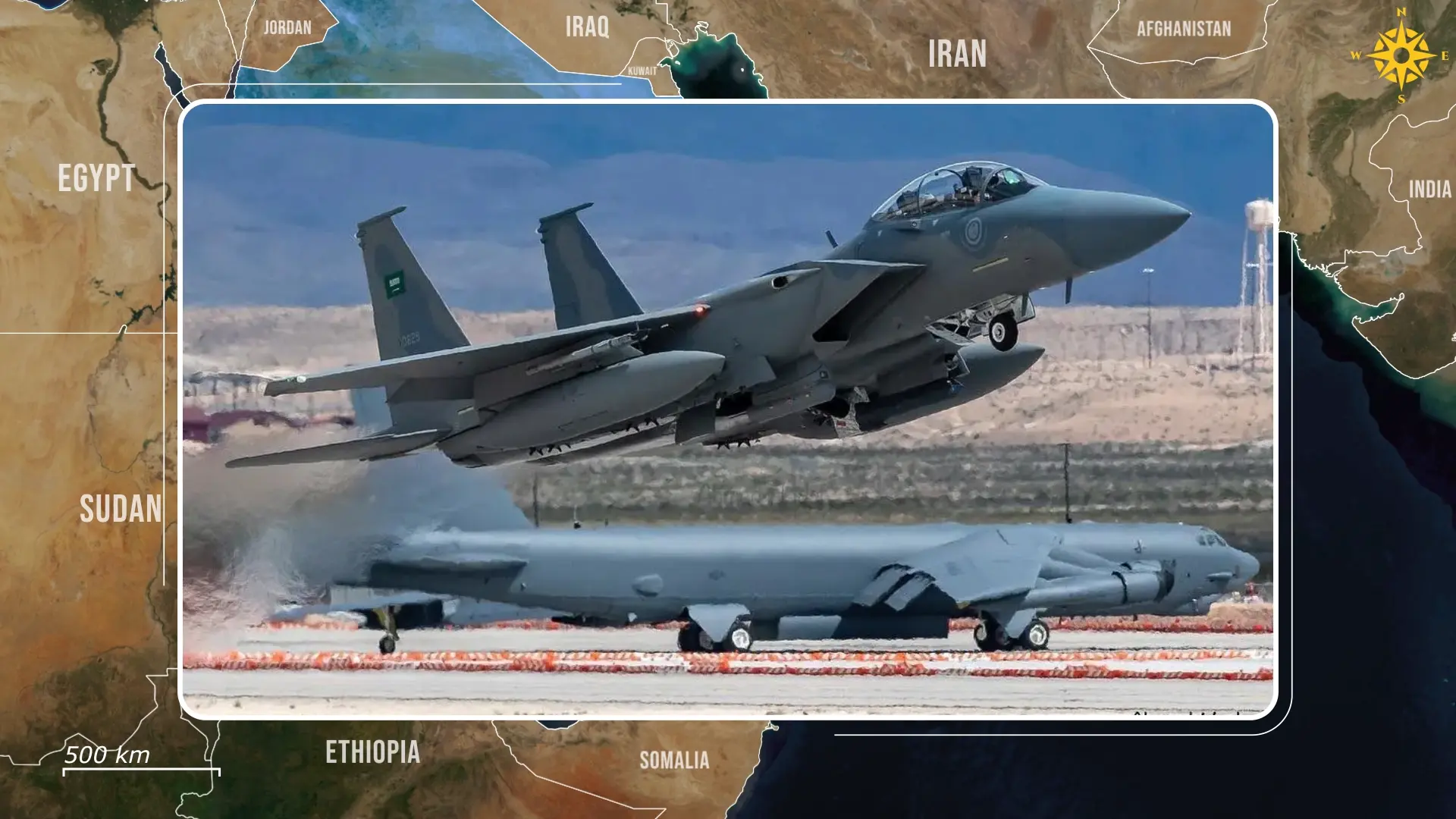
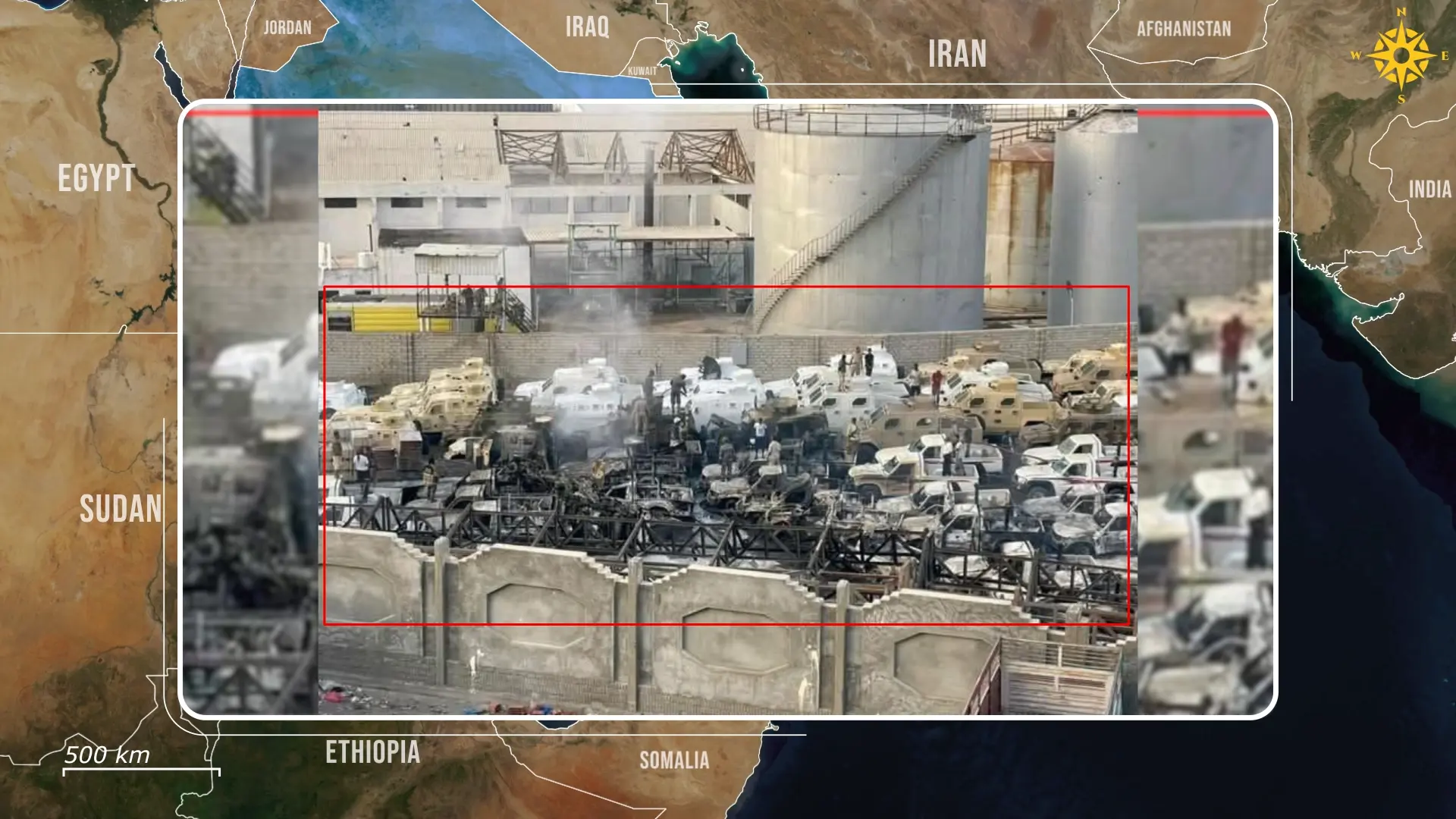
Saudi airpower sustained dozens of sorties per day during the opening phase, striking command posts, ammunition depots, and transport hubs used by Emirati-aligned units and applying continuous pressure on their logistics and mobility corridors. On the ground, this allowed Saudi-trained Yemeni brigades to advance at a steady pace that isolated and encircled Emirati proxy forces and cut their access to coastal supply lines, being their only connection to their UAE allies and hope for relief.
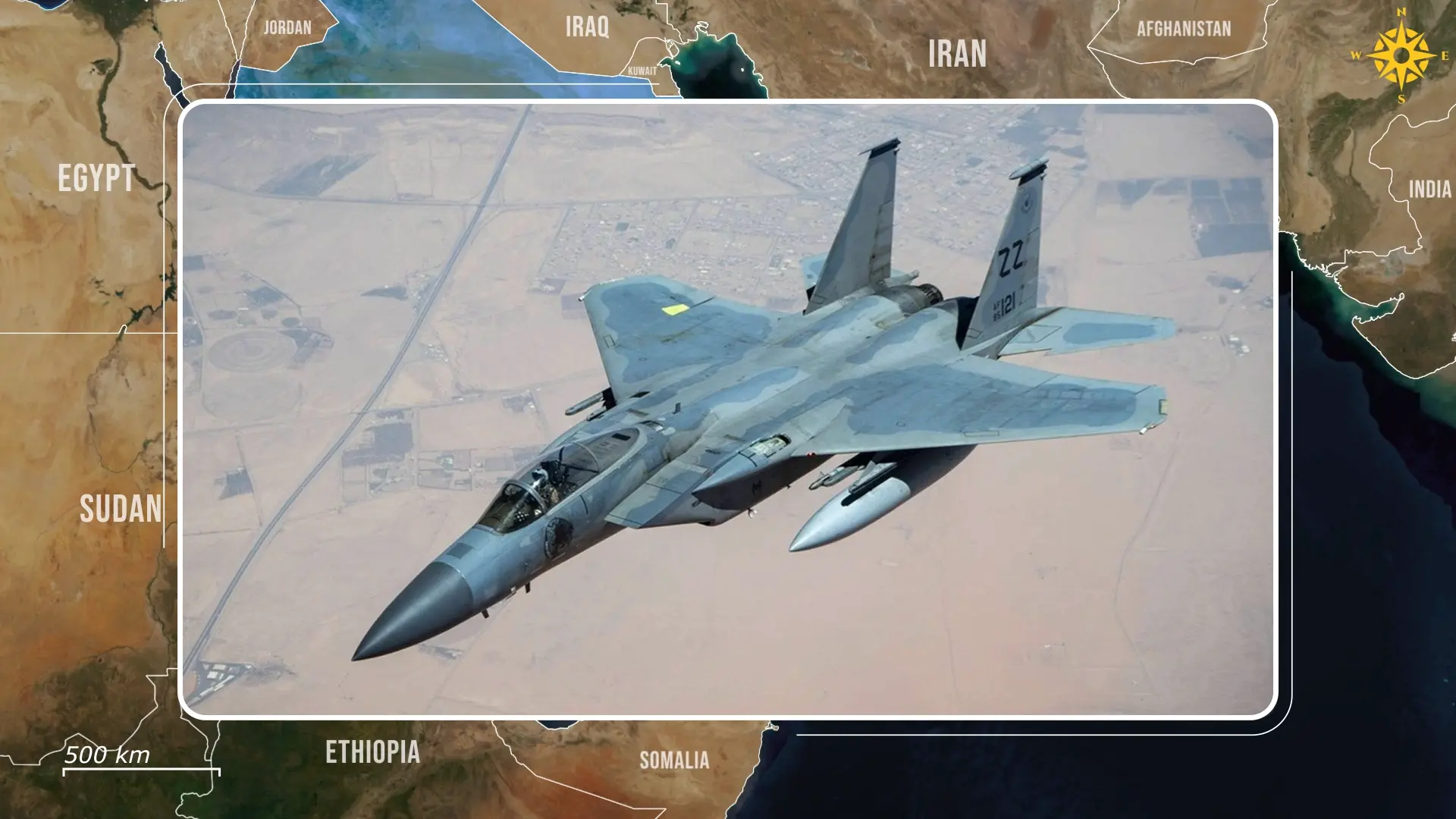
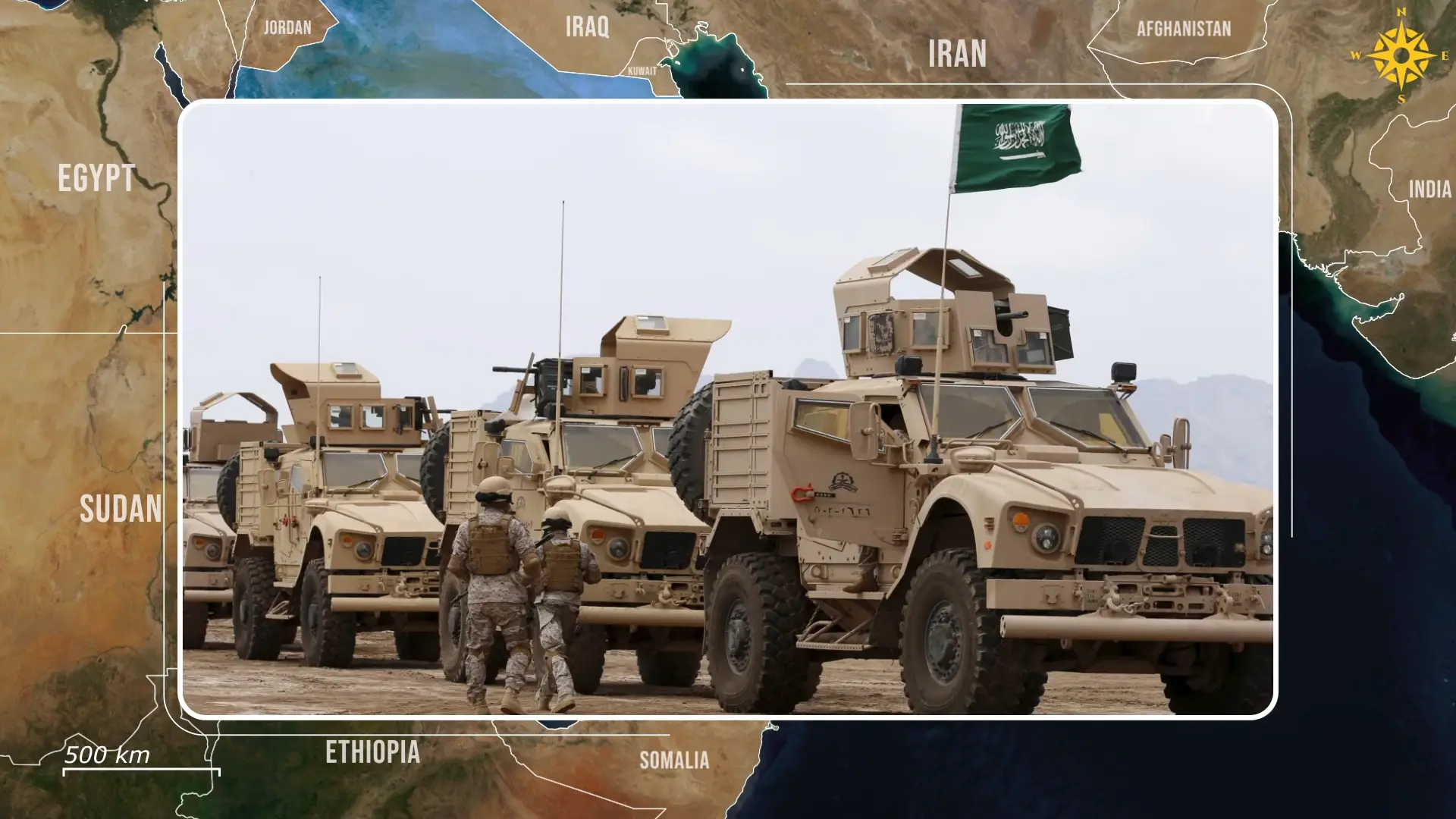
The structure of the operation suggests extensive planning, with Saudi forces exploiting complex internal divisions within the Southern Transitional Council, which delayed the enemy’s response time to Saudi movements.
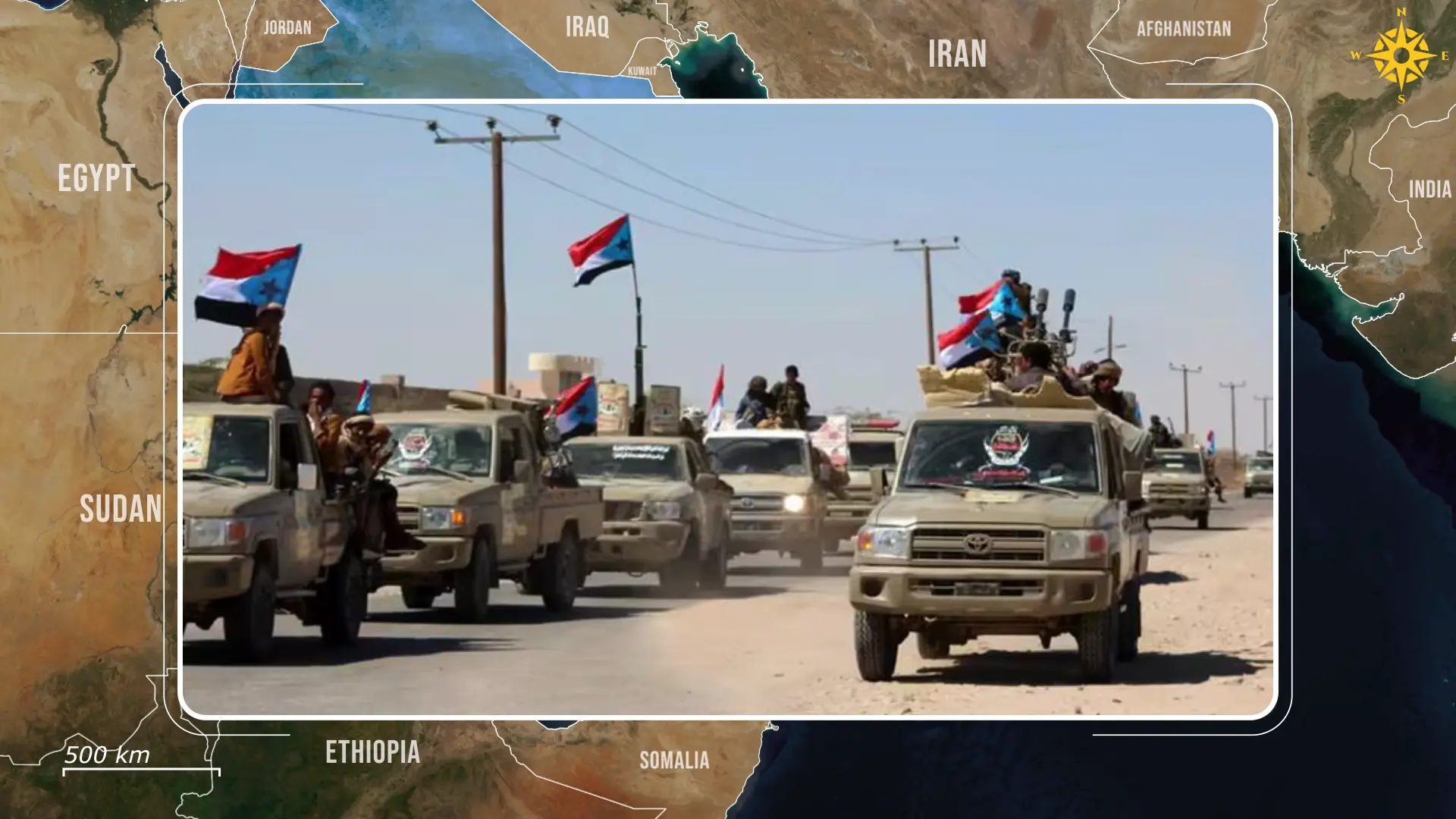
The confrontation has revealed the limits of the Emirates in Yemen. Emirati efforts to counter Saudi advances relied on rotating small units, moving light equipment through coastal points, and issuing political signals. However, none of these measures shifted the balance once Saudi forces launched a coordinated push.
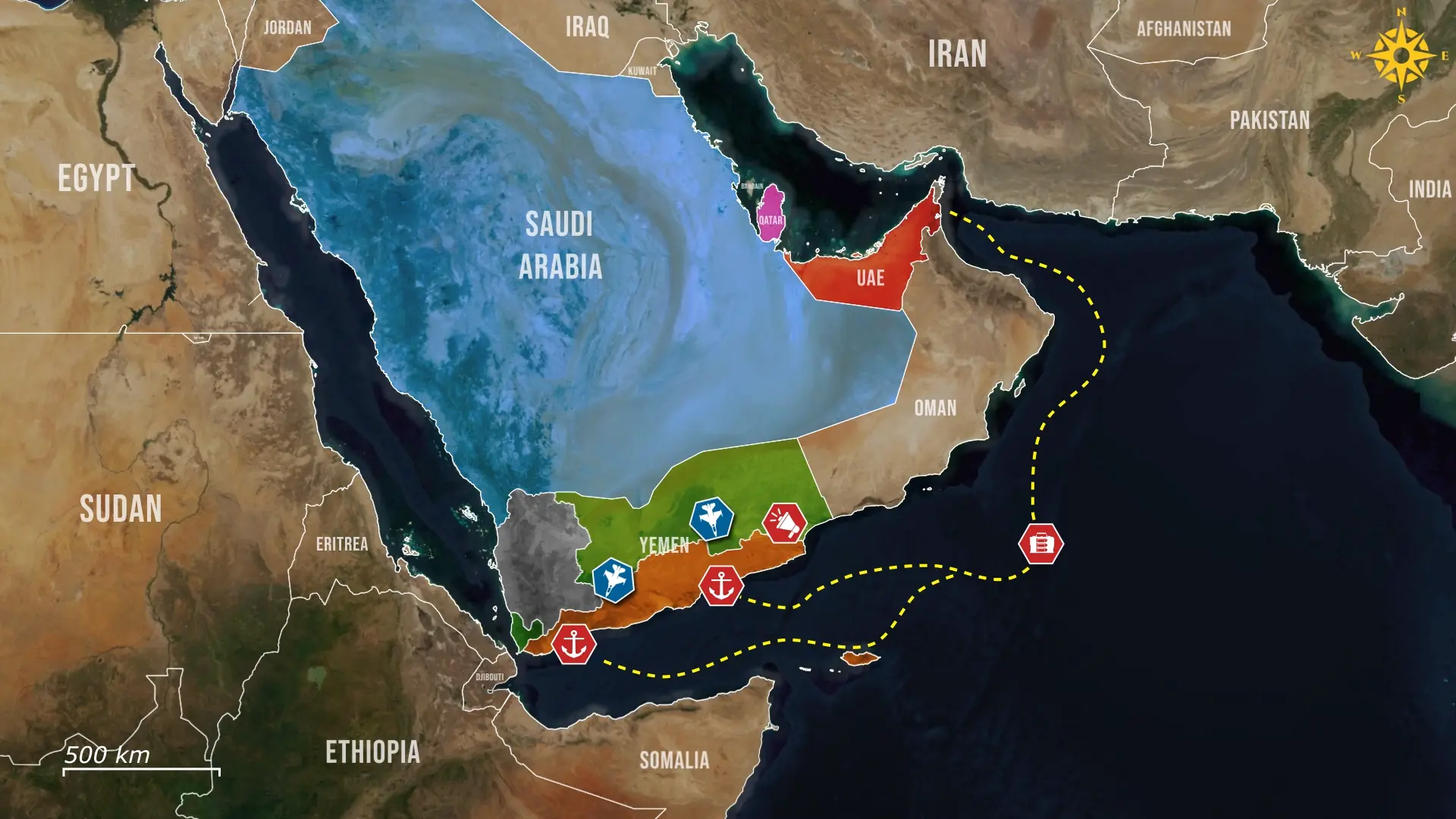
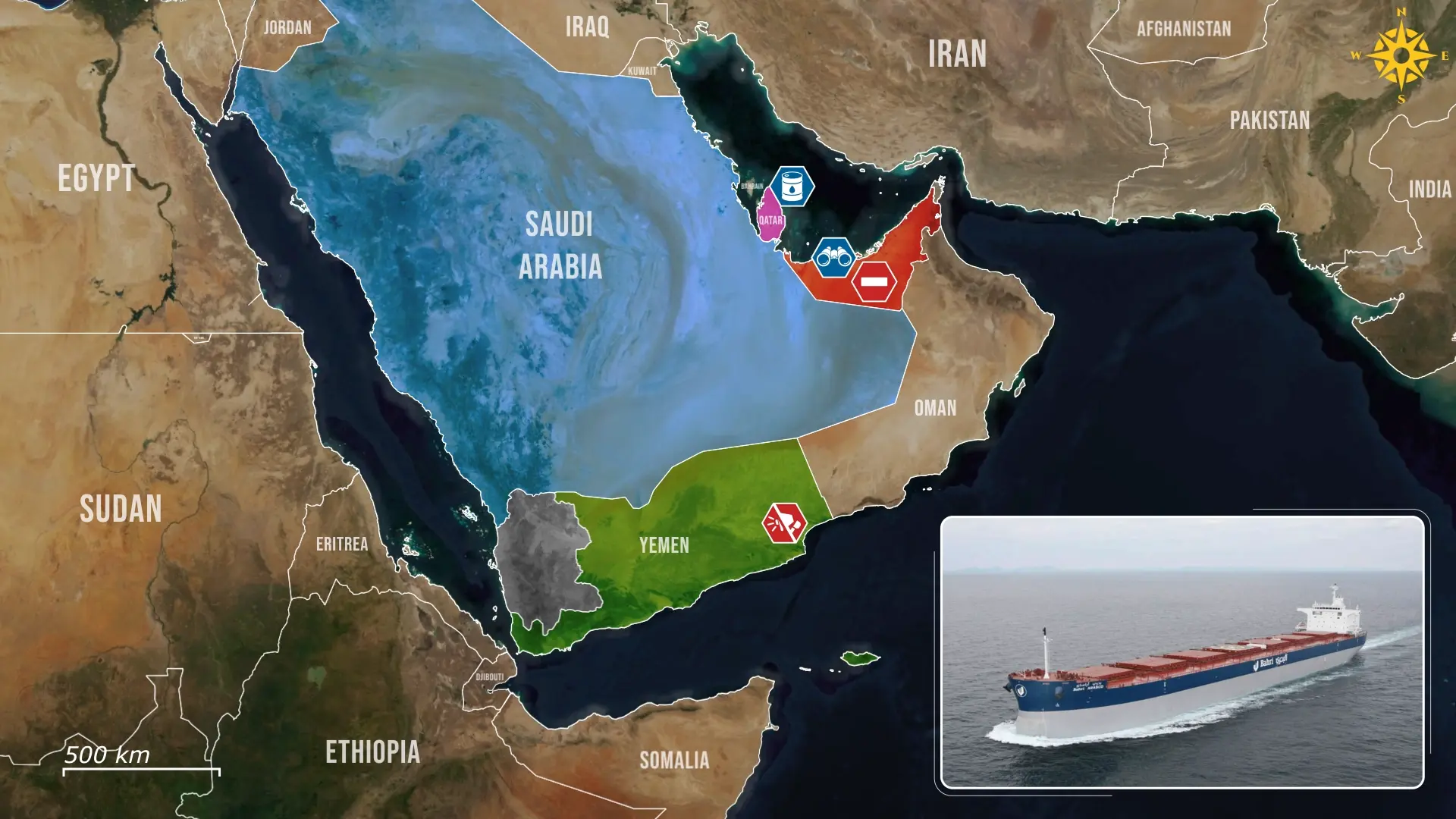
Covert equipment shipments could not be integrated into a coherent defense, while Emirati diplomatic messaging failed to convince the Saudis to halt their advance, underscoring its limited ability to contest Riyadh in a direct military conflict. These revealed shortcomings in the UAE’s approach to regional politics could set precedent, allowing the Saudis or other local power blocs to further call the Emirate’s bluff, though risking the stability of the world’s cheap oil supply flowing from the region.
Overall, the Saudi victory in southern Yemen establishes a new balance of power. Riyadh has confirmed itself, rather than the Emirates, as the dominant external actor shaping Yemen’s political and military trajectory. Yemen remains internally fragmented, but the hierarchy of influence has shifted, as Saudi Arabia has demonstrated both the capability and the willingness to impose outcomes unilaterally by displacing Emirati-aligned structures and consolidating control over key southern territories.
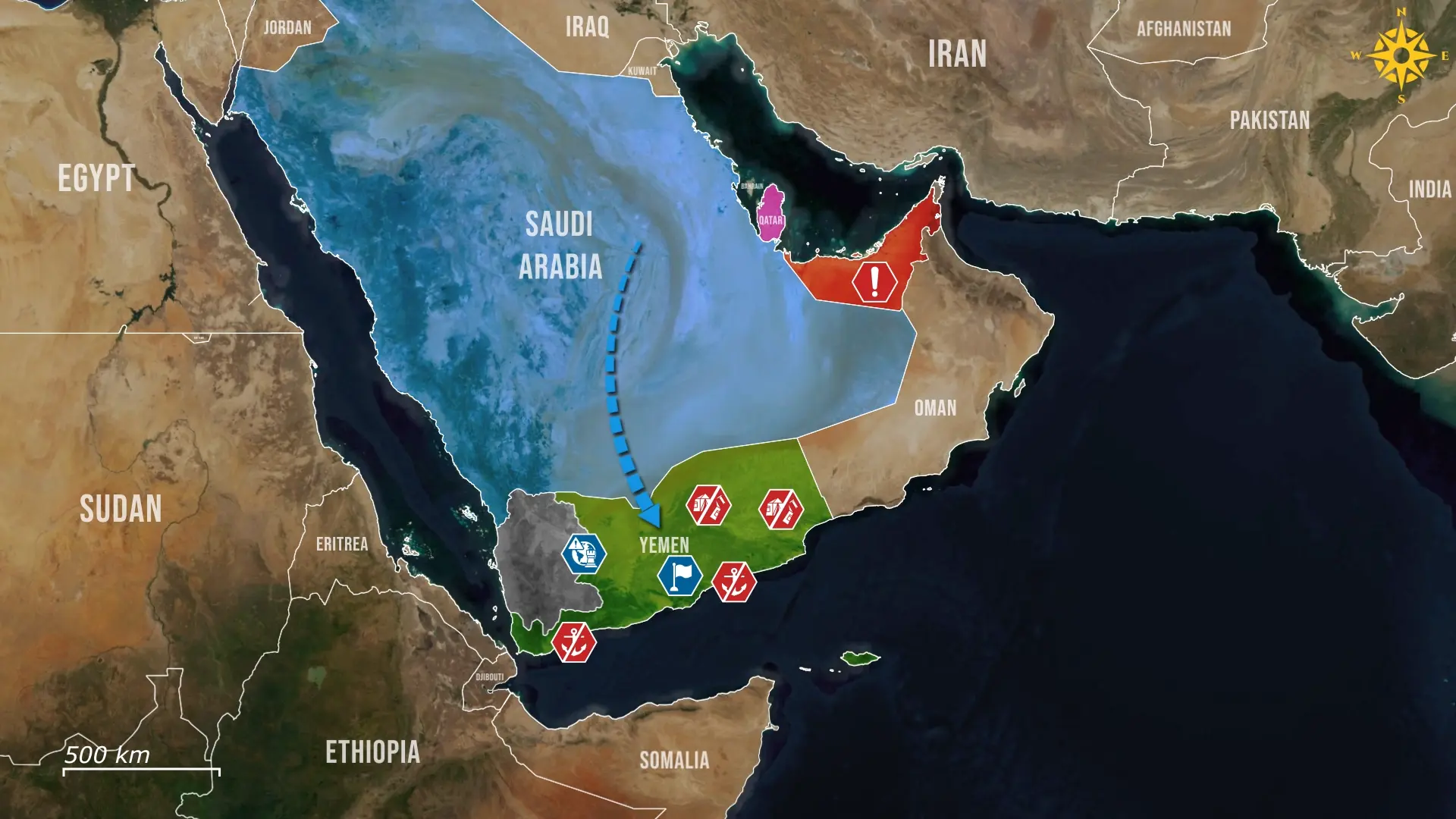
This position allows Riyadh to shape the next phase of the conflict, which will revolve around countering southern separatism while restructuring the anti-Houthi camp under Saudi oversight.

.jpg)


Comments