

.svg)
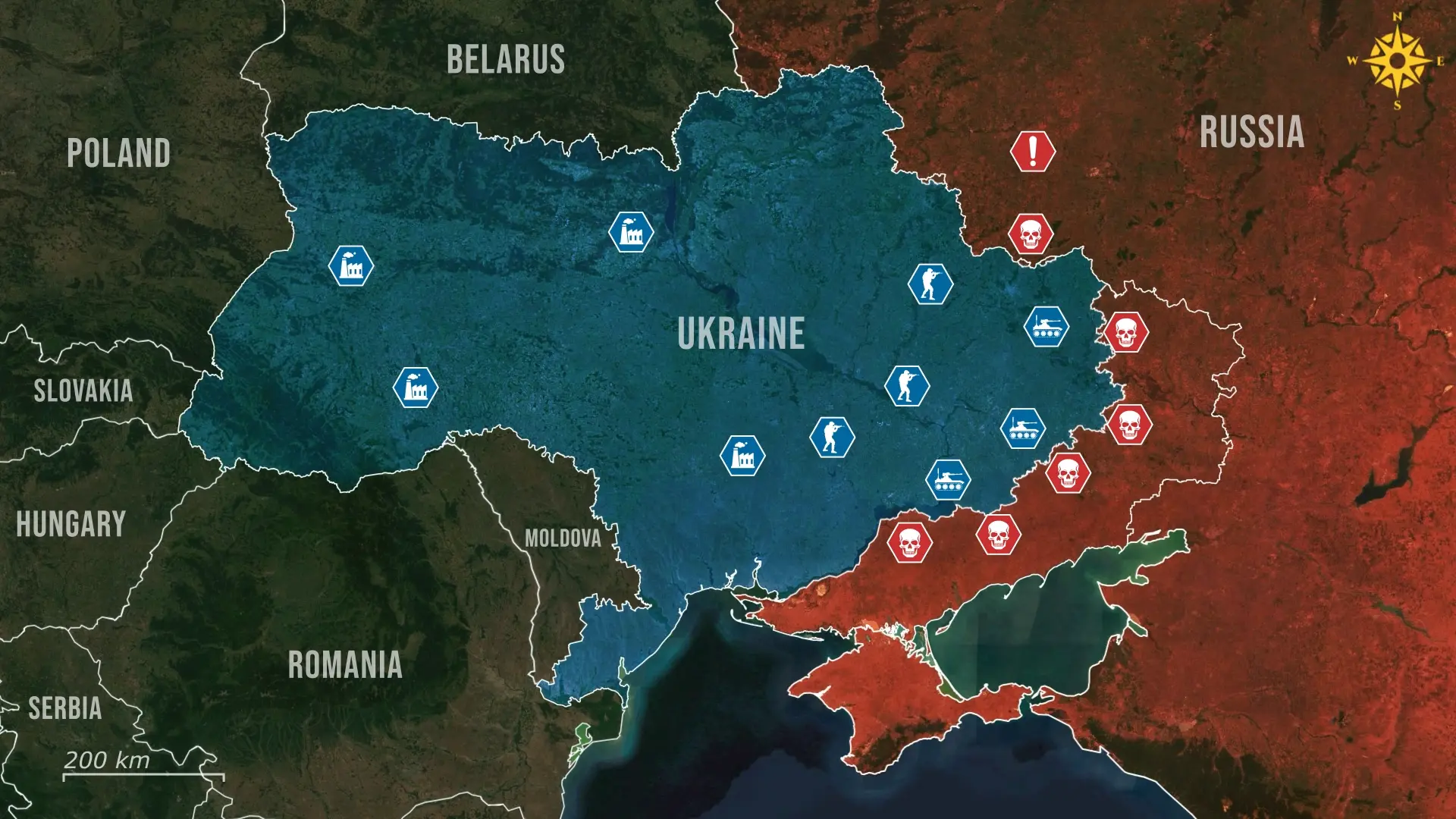
Today, there are interesting updates from Ukraine.
Here, the Ukrainian army is rapidly transforming warfare by implementing the use of ground drones for active frontline combat across an increasing number of its units. This counters Russia’s manpower supremacy and creates a battlefield environment where waves of Russian soldiers are ambushed by Ukrainian robots.
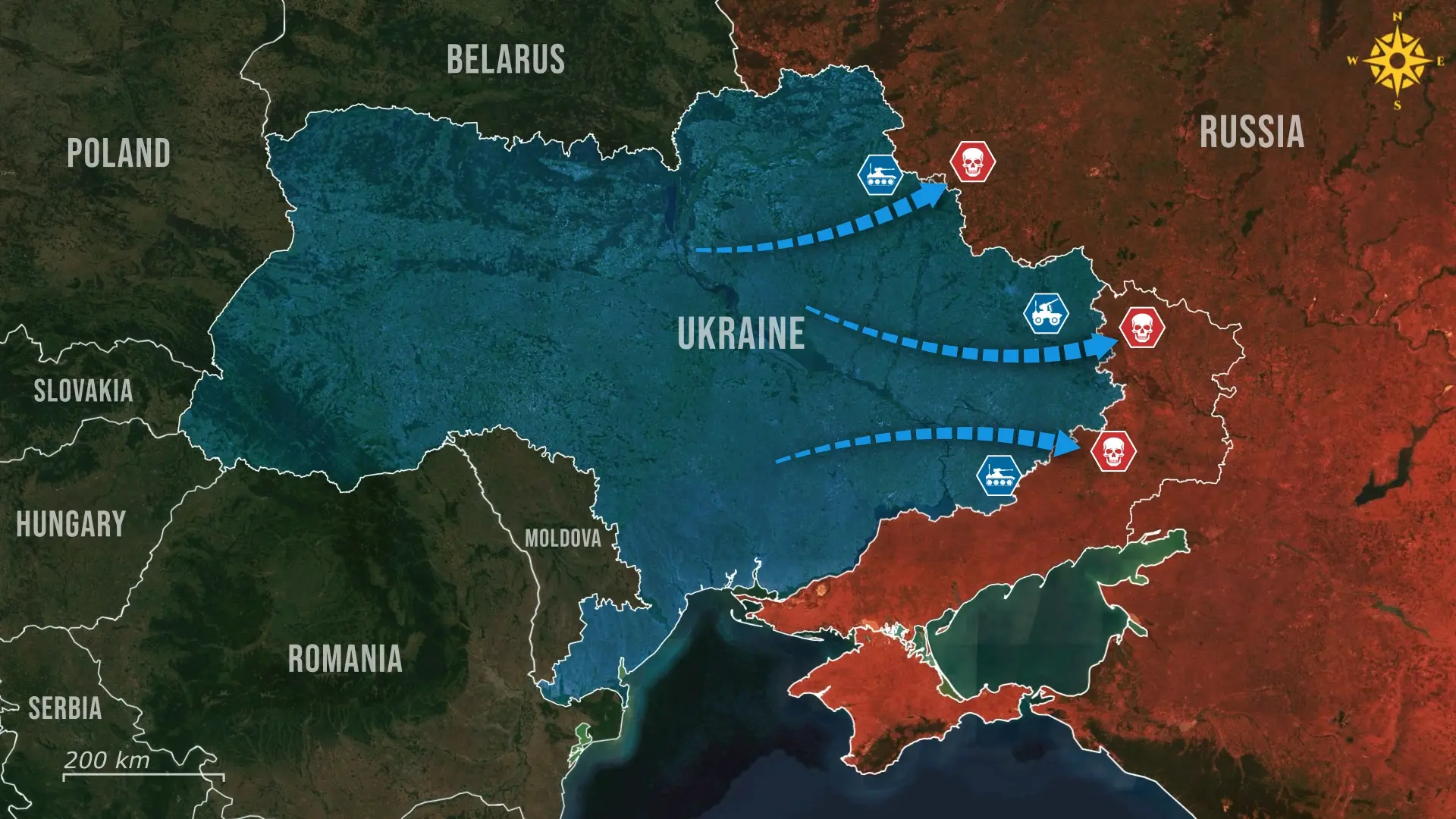
The Ukrainian 5th Assault Brigade has emerged as one of the key drivers of this shift in their sector in Dnipropetrovsk. Their soldiers are building on operational lessons pioneered by the Third Army Corps around Liman, focusing on expanding the frontline combat role of ground robots from support tools used for logistics, transportation, and evacuation, into autonomous hunters that dominate contested terrain through direct combat roles. The workshops and mentors of the Third Corps have become a regional hub for dozens of Ukrainian units, doing far more than service the Corps itself: units arrive for training from scratch, others bring damaged or incomplete drones for configuration, and engineers receive hands-on guidance on how to establish their own frontline robotics workshops. The main change is that more units now see the potential of using such drones on the attack as an efficient tool to counter superior Russian manpower in their sectors.
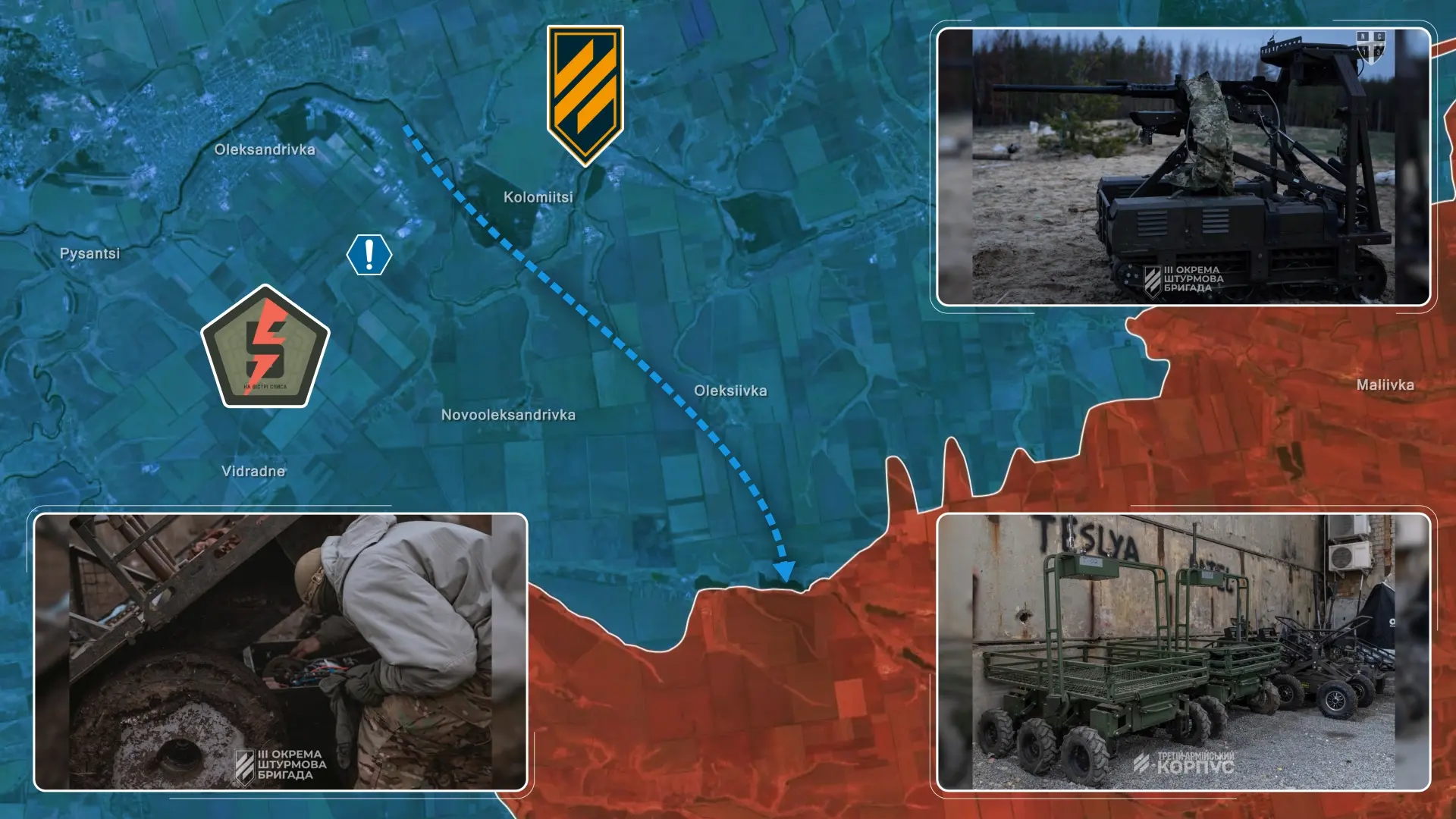
As a result, Ukrainian armed ground robots are increasingly deployed as persistent road guardians that not only monitor the situation but are also able to strike. Concealed along tree lines, embankments, or ruined structures, they patrol key routes and logistics choke points using thermal sensors and night vision.
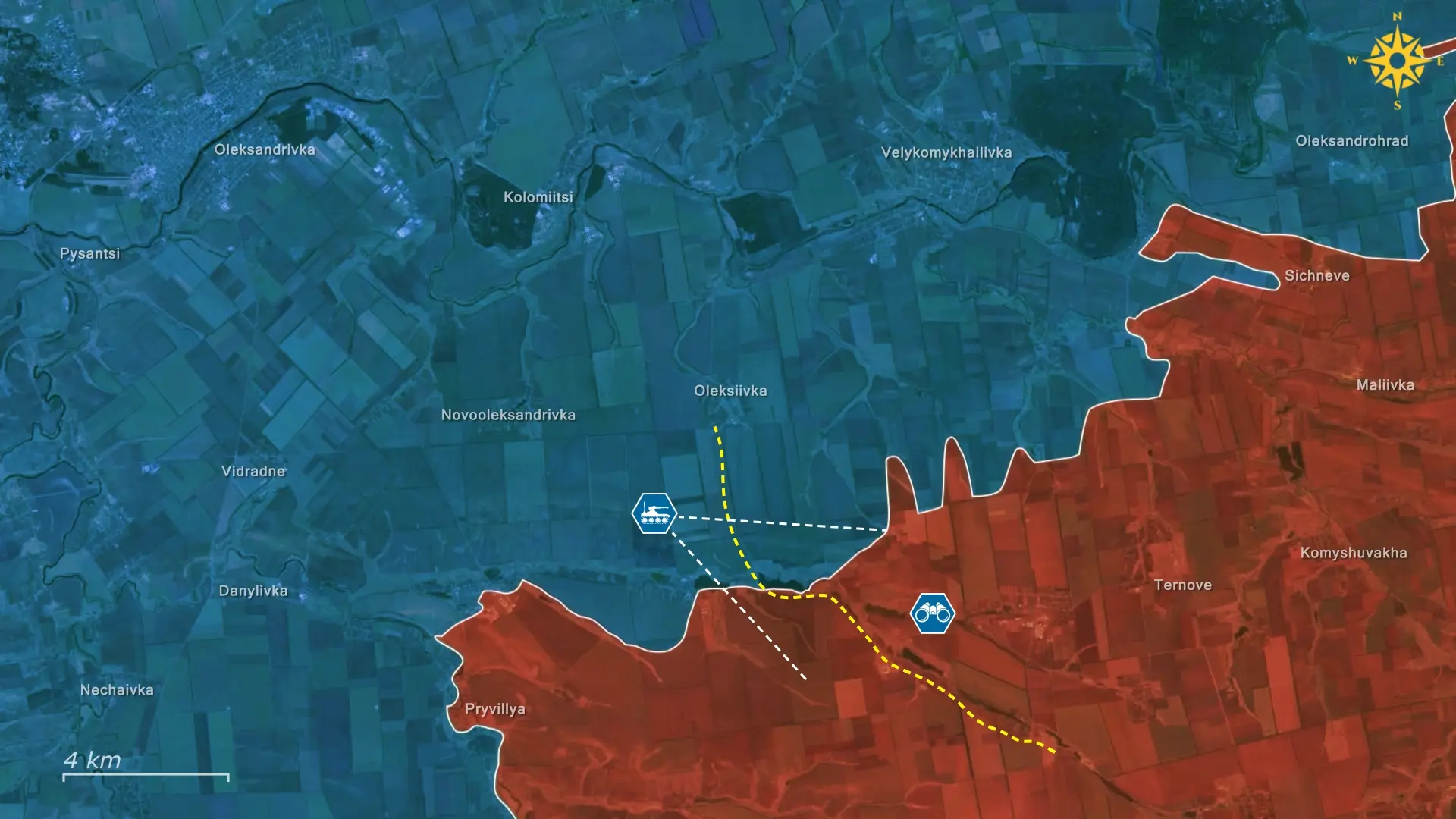
From these positions, they ambush vehicles, engage infantry with mounted machine guns or grenade launchers, lay mines, or cue aerial drones for follow-up strikes. Compared to aerial drones, ground robots excel in this role, as they are harder to detect, less vulnerable to weather, and able to remain in place for long periods without revealing their position, making them the perfect ambush tool. Their heavier payloads and stable firing platforms allow sustained, accurate fire with different weapon systems that aerial drones cannot match.
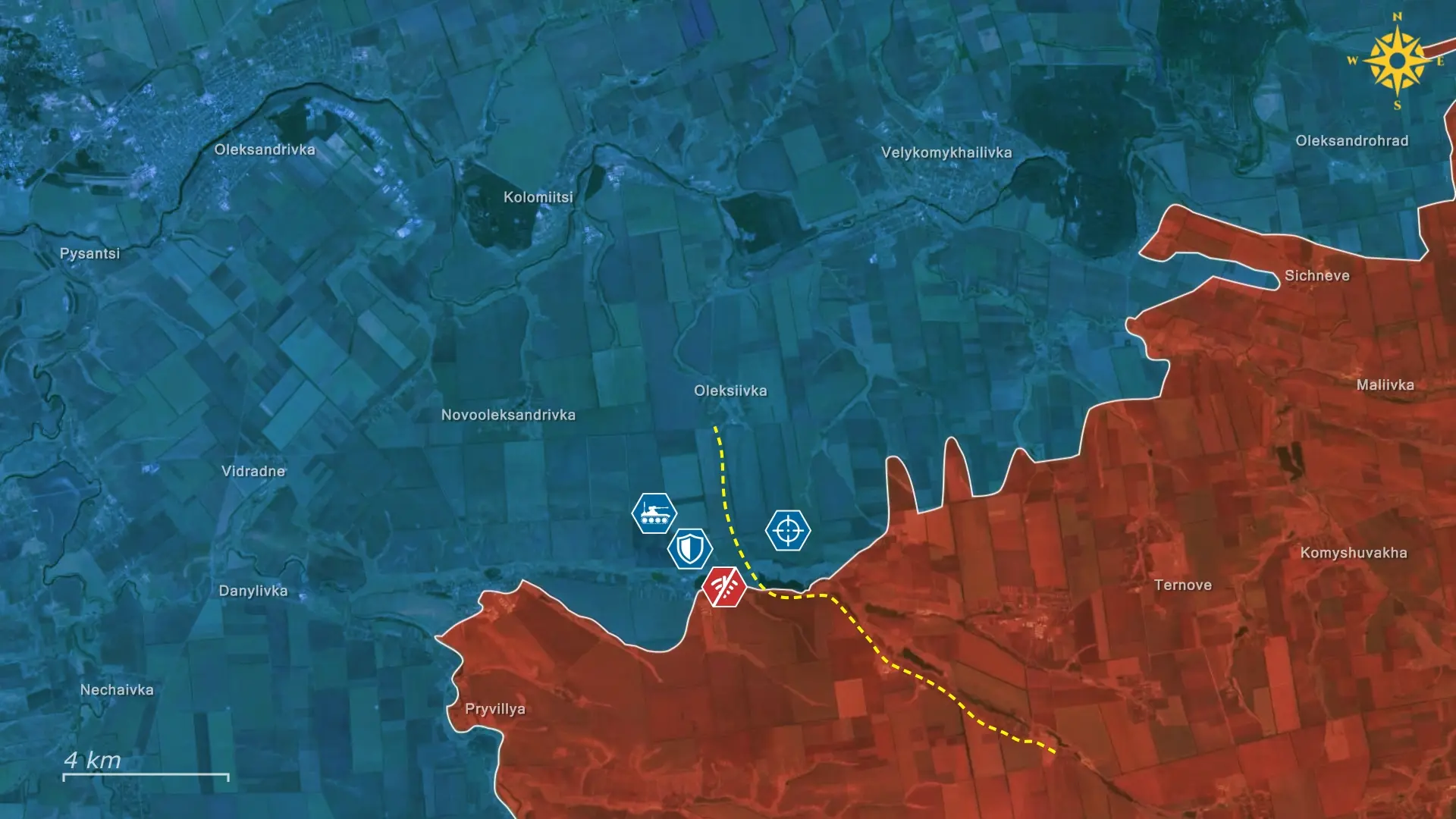
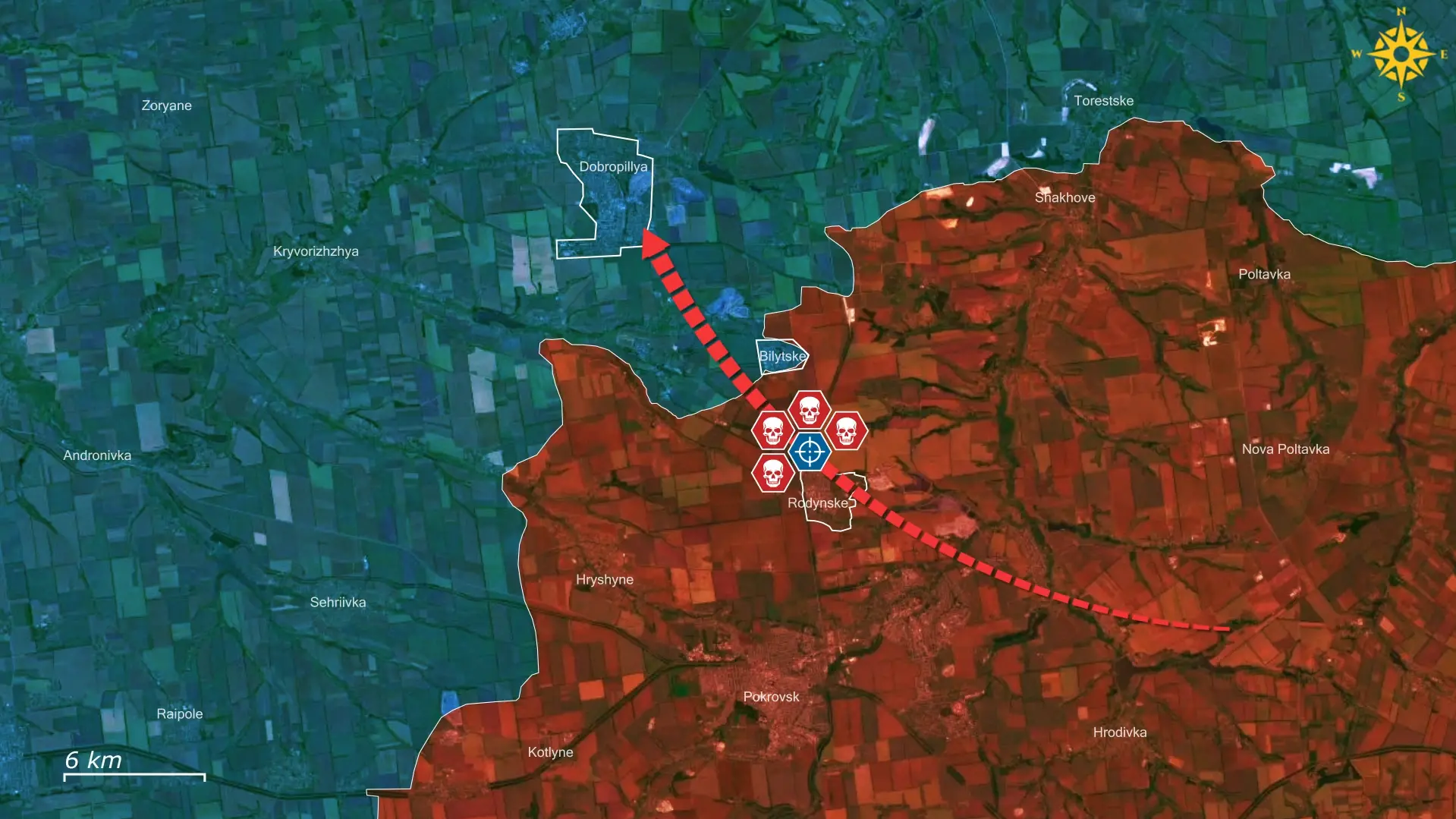
One released combat video from the 5th Assault Brigade illustrates this, as a Ukrainian ground drone equipped with night vision was sent on a patrol mission along a route the Russians use to push assault groups toward Oleksiivka. While moving along a forest road, the Ukrainian drone spots an enemy armored vehicle and decides to take an ambush position in the dark. A lightly armored Russian personnel carrier advances without comparable night vision capability, unaware it has been detected by the Ukrainian drone.
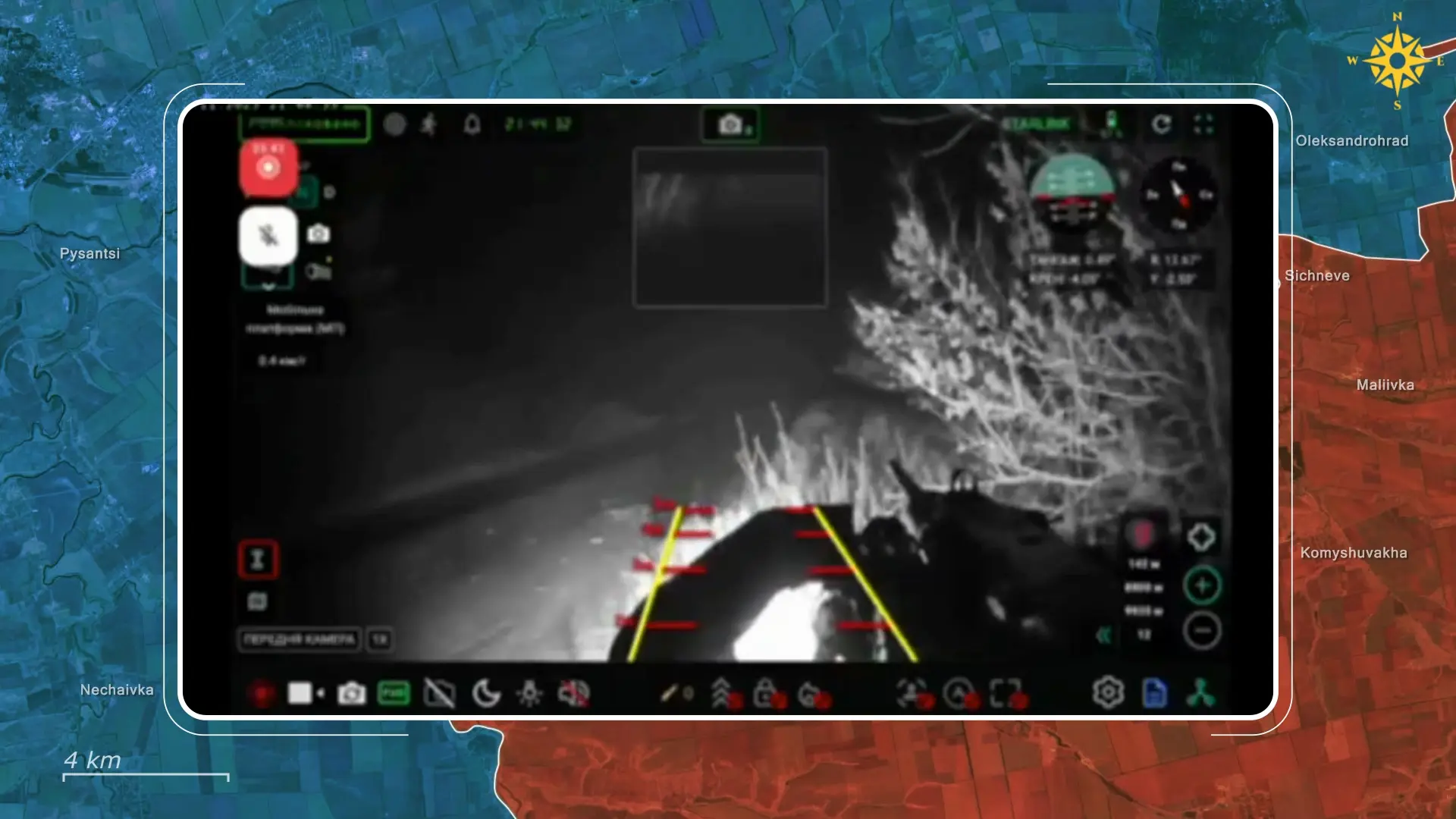
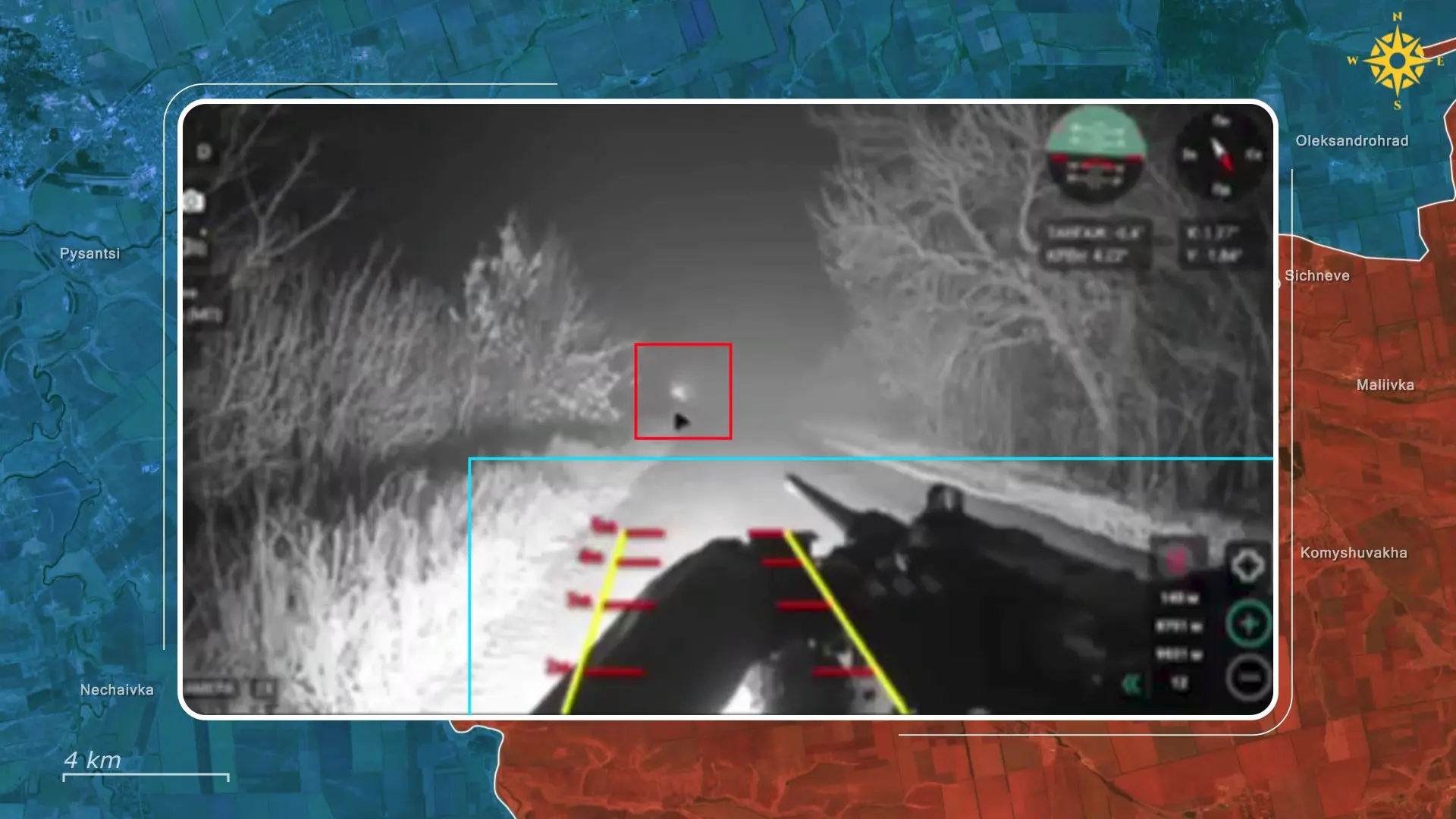
At almost point-blank range, the robot opens fire with a 50 caliber Browning M2 machine gun, with the rounds punching through the thin armor with ease, riddling the vehicle and its crew inside. The attack is effectively repelled, and the enemy killed, without a single Ukrainian soldier exposed to danger.
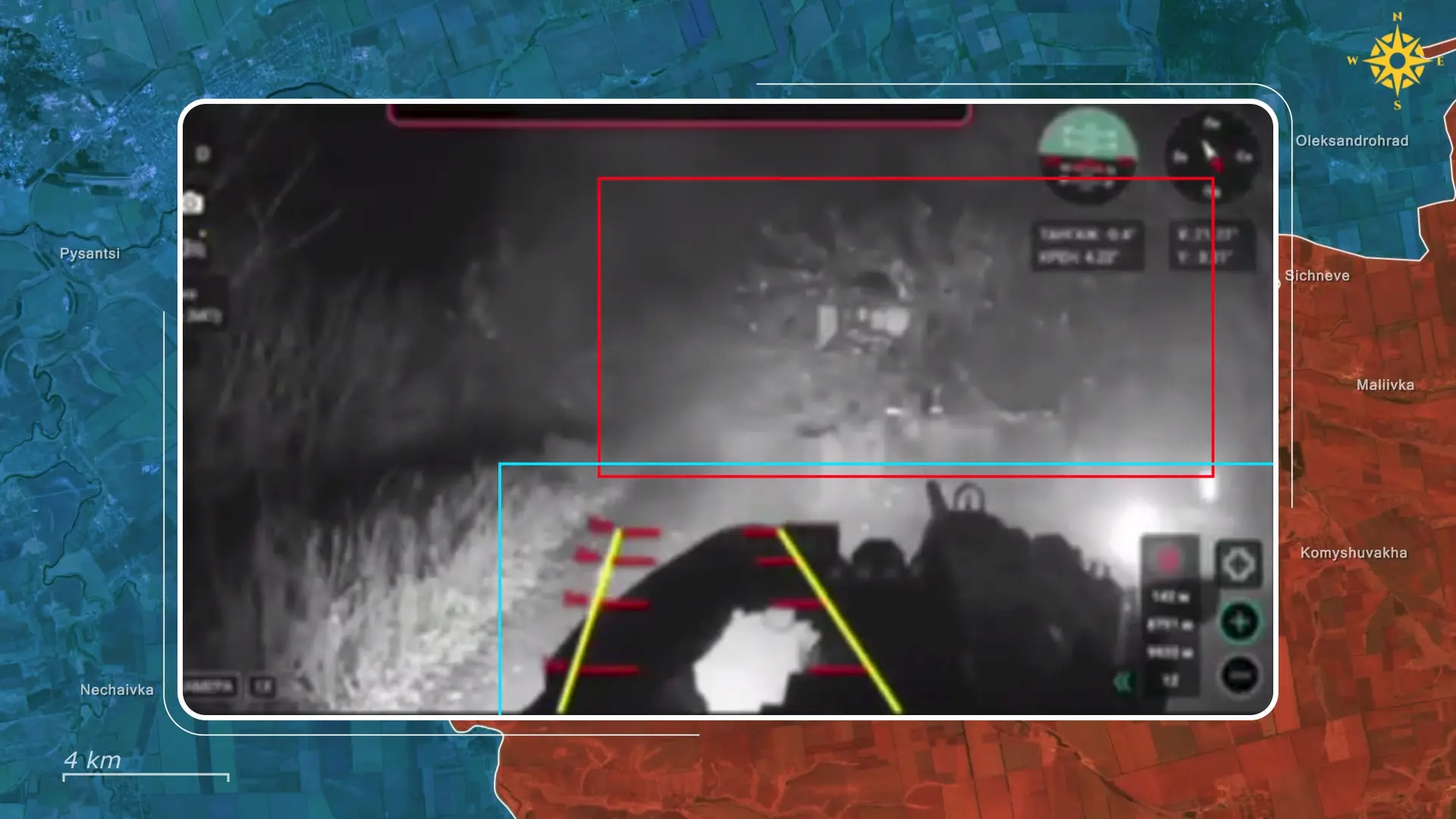
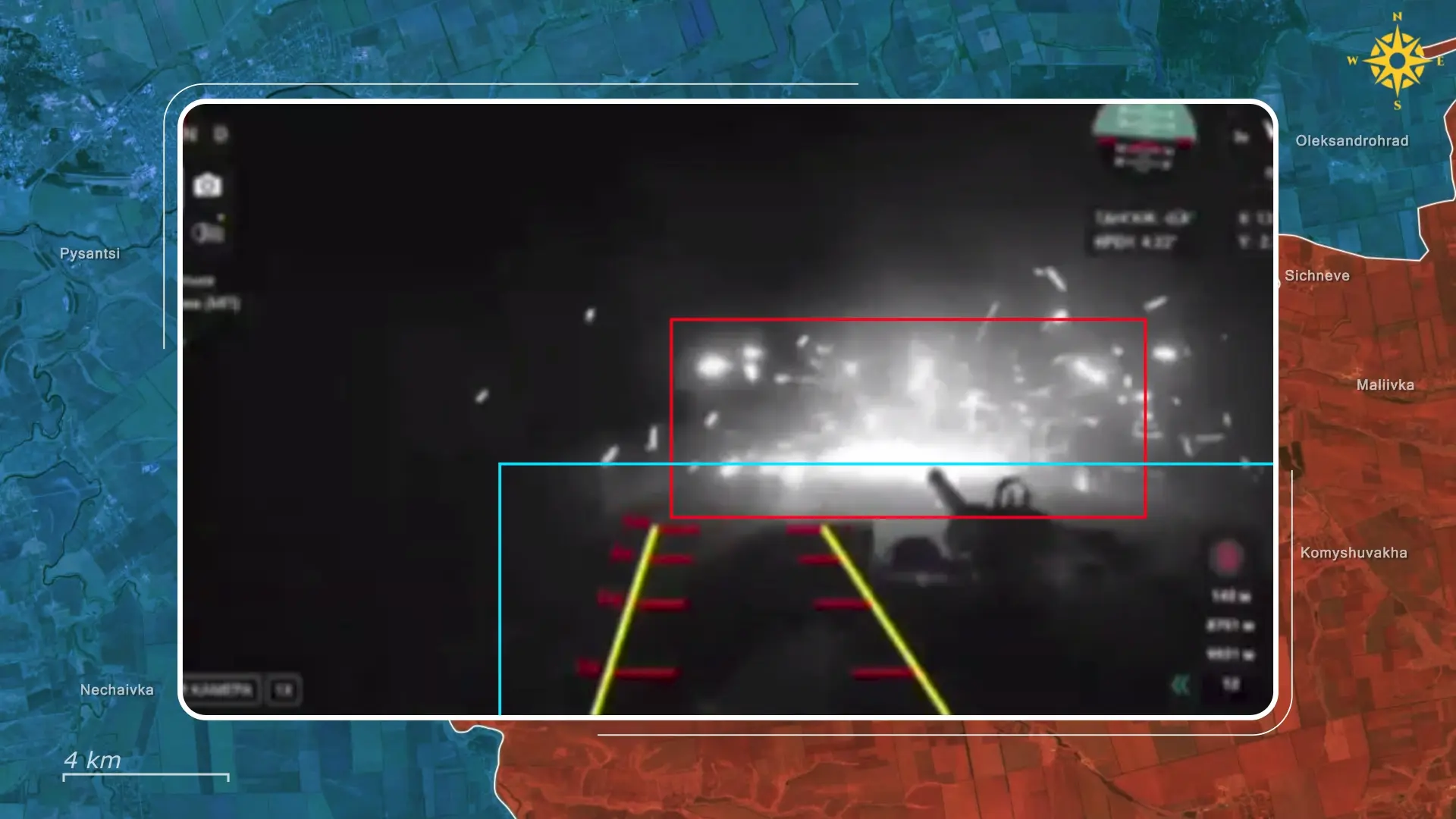
On a battlefield where the outcome of engagements is entirely decided by sensors, remote control, and pre-positioned firepower, this brings the 5th assault brigade a tremendous advantage in their area of responsibility.
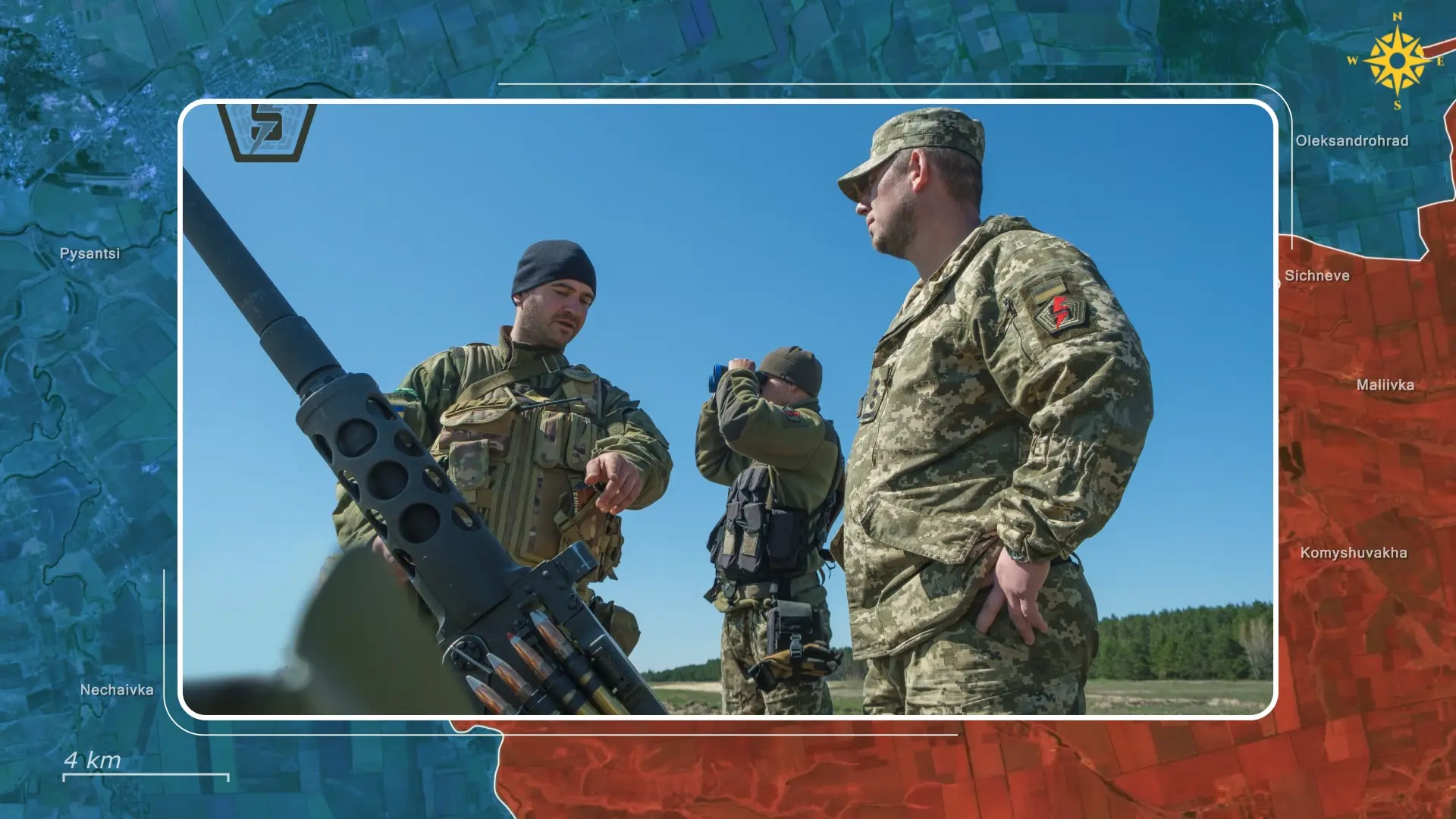
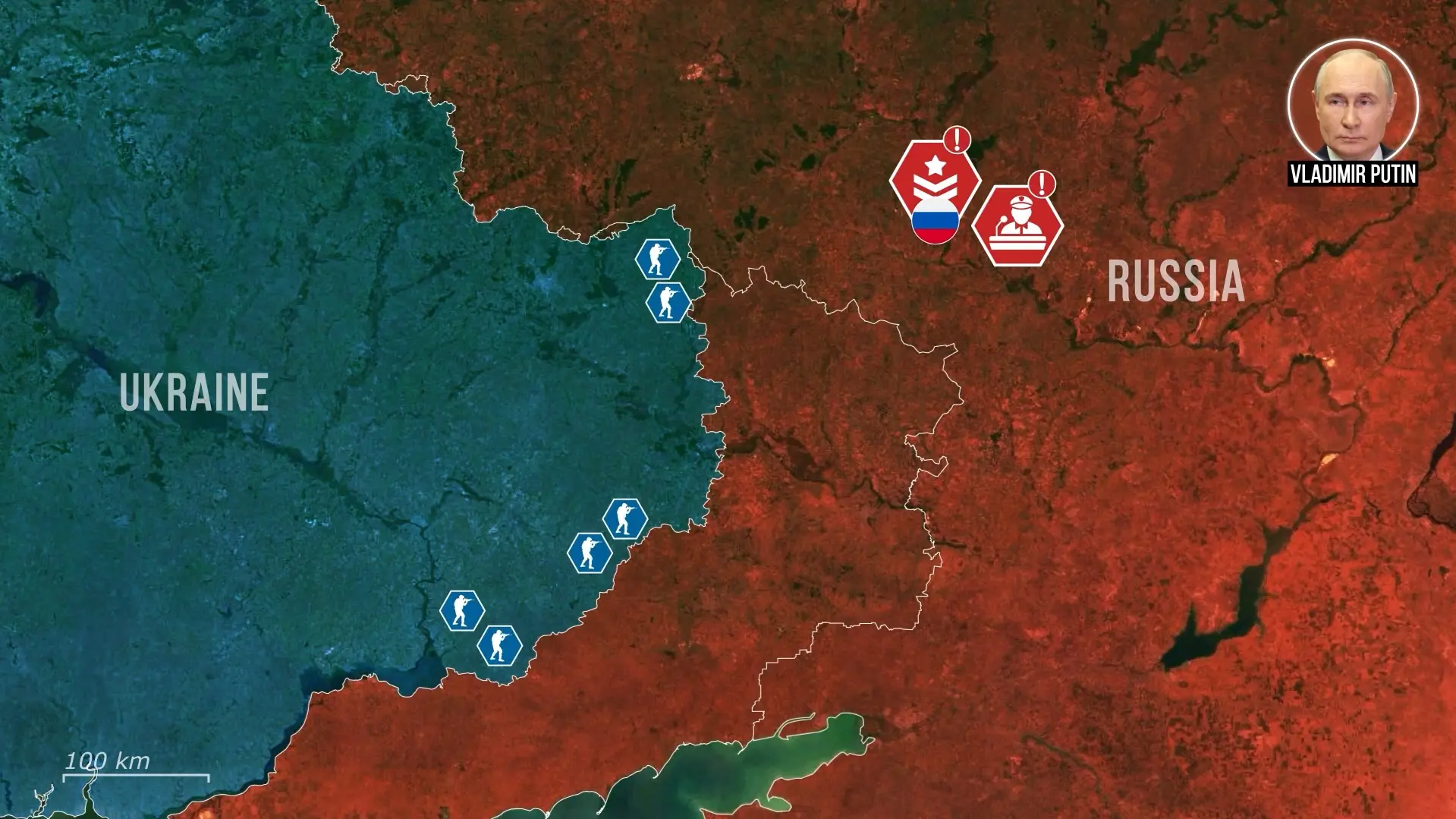
While Ukraine starts to replace another battlefield role with drones, Russia continues to rely on manpower-heavy assaults by mobilized soldiers, many of whom receive minimal training and are often sent forward exhausted and poorly equipped. Against them, Ukraine fields tireless, semi-autonomous systems that operate day and night, unaffected by fatigue, fear, or darkness.
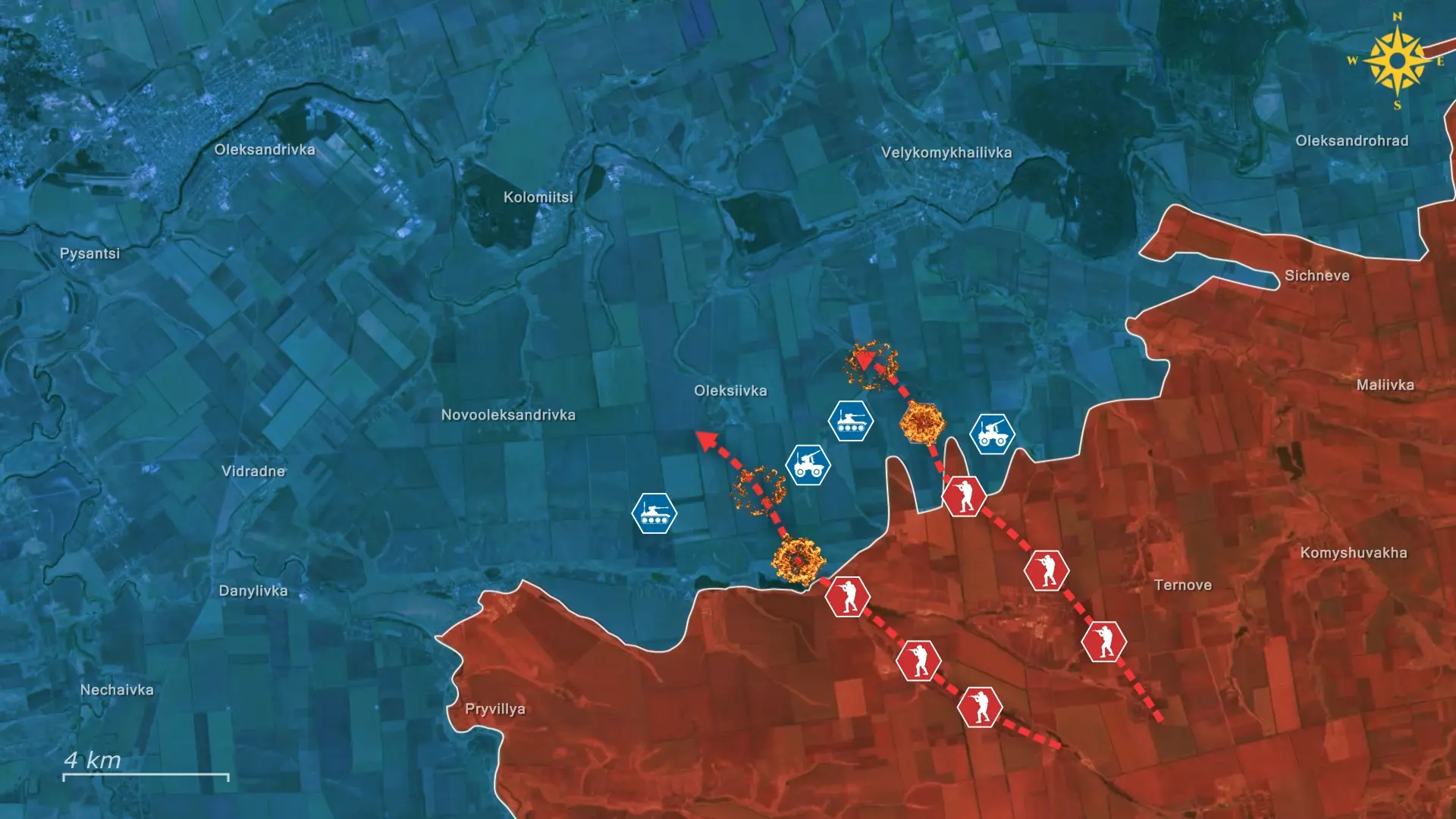
This trend developing in the latter half of last year has led to another massive spike in Russian casualties, with Ukrainian drones hitting over 106,000 targets and eliminating record high number of 33,000 enemy soldiers in December alone. Empowered by effective engineers and well-prepared logistics, drone batteries are swapped, weapons reloaded, and Ukrainian robots can return to position within minutes for their next task.
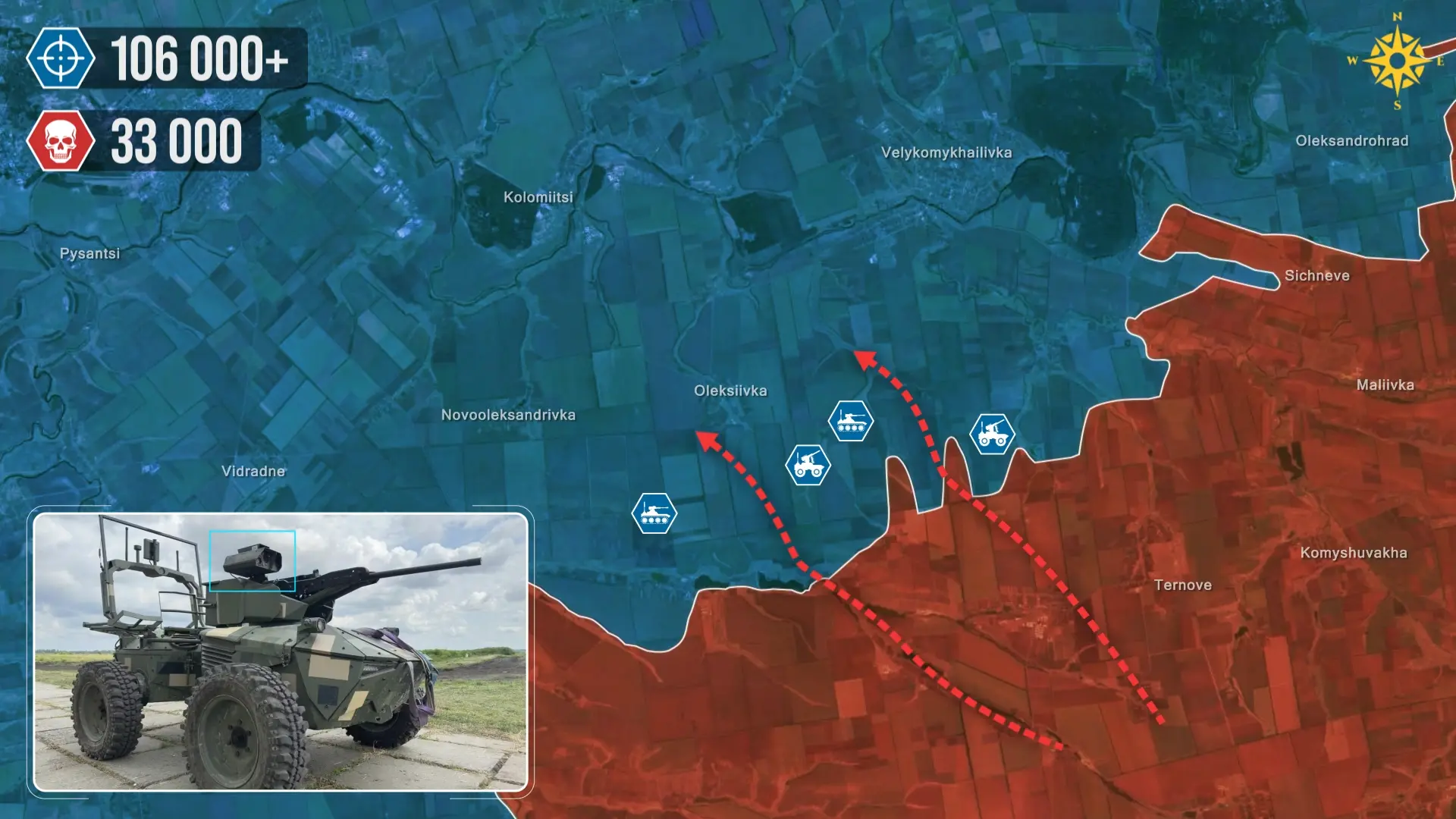
Equipped with thermal vision, night optics, and coordinated by aerial drones, weather and darkness offer no concealment for Russians, which leads to an accelerating attrition cycle in which unprepared human formations are fed into robotic kill chains, with the death toll expected to rise further as Ukraine continues to implement ground-based drones for more offensive tasks on the front line.
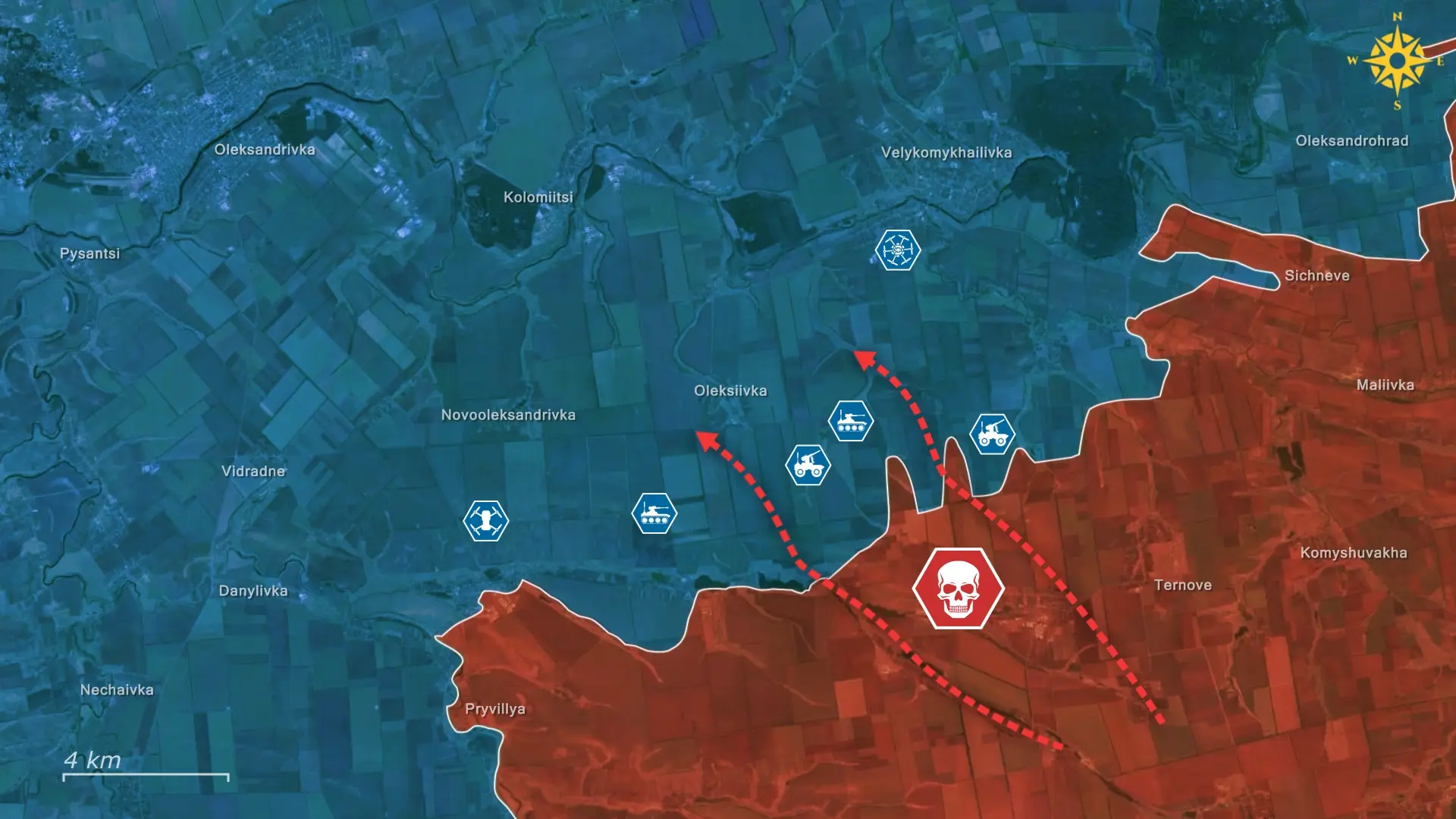
Overall, as Ukrainian ground robots increasingly replace soldiers in reconnaissance, suppression, logistics, and close assault roles, the logic of mass infantry attacks collapses. Quantity alone no longer compensates for vulnerability, and the more Ukraine scales drone systems, the more Russia’s traditional attritional tactics become obsolete. Remarkable moments such as these show the continuing development, turning manpower, regardless of numbers, into a predictable and costly input against an automated, adaptive defense.

.jpg)


Comments