

.svg)
Today, the biggest news come from Sudan.
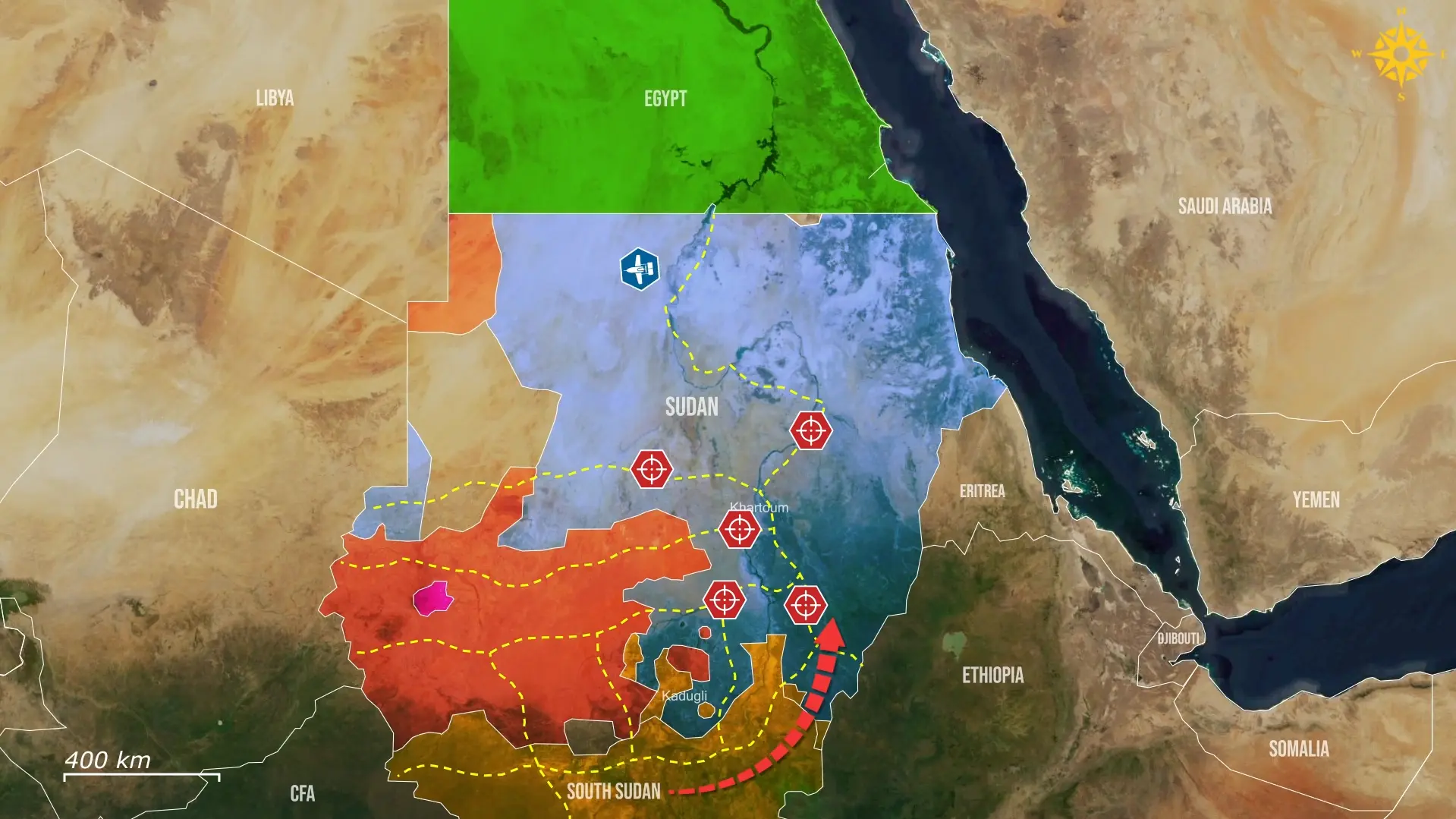
Here, a brutal civil war between the national army and the RSF has already split the country into multiple active battlefronts. However, a completely new front has now opened from across the border in South Sudan, bringing a new direction of attack and creating the risk that government forces could soon be hit from behind.
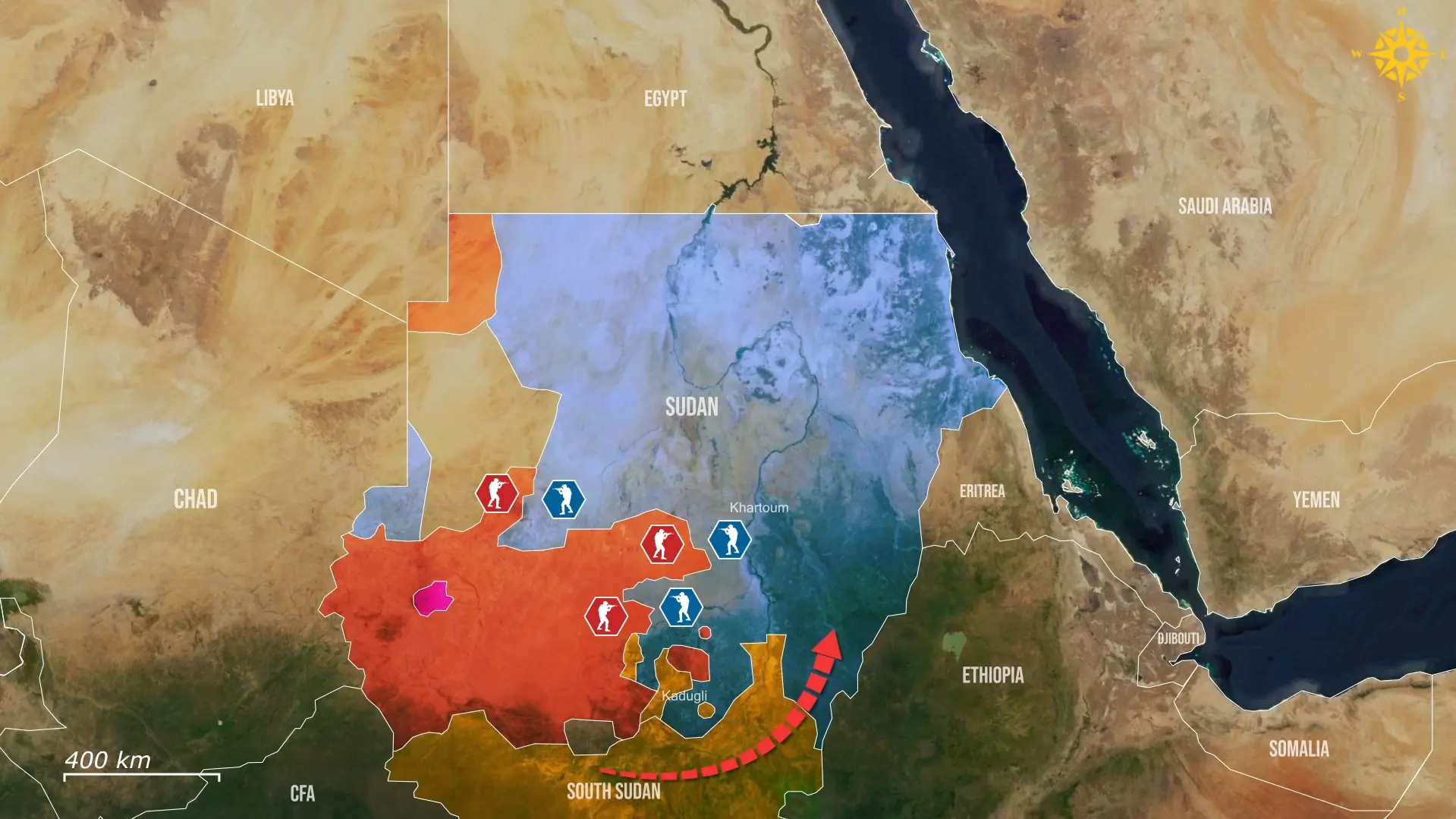
On January 25, Sudanese officials reported that the Rapid Support Forces, the paramilitary force opposing the government, and the Sudan People’s Liberation Movement North, a long-running Sudanese rebel movement, crossed into Blue Nile State from South Sudan and opened a new southern frontline. They moved against positions around Al-Sillik and Milkan and expanded fighting across parts of Bau County, where they clashed with the Sudanese Armed Forces’ 4th Infantry Division, the government formation responsible for defending the area.
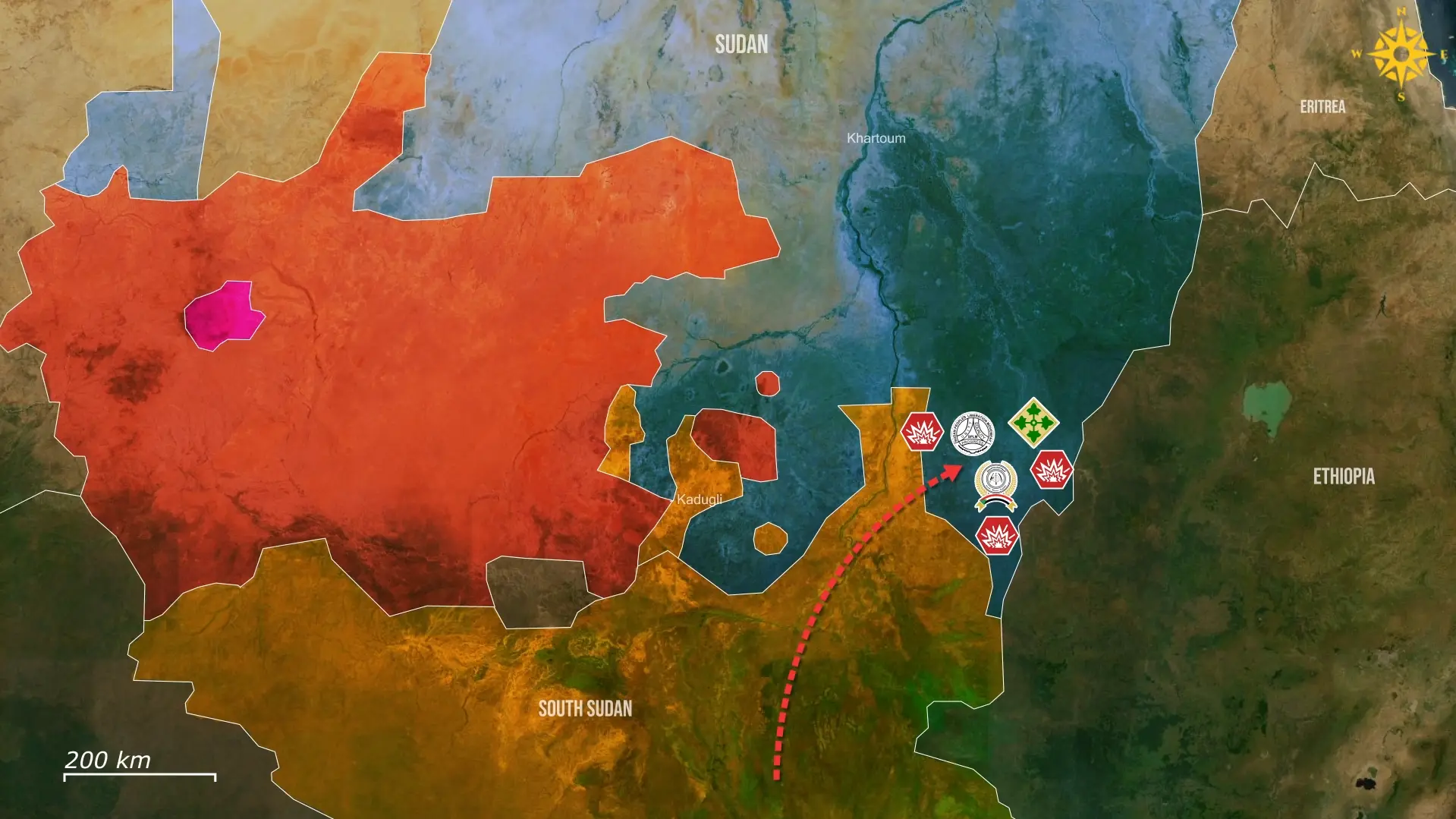
Reports also said the attackers captured Deim Mansour as well as Bashir Nuqu and Khor al-Budi in Kurmuk County, which sit on border approaches connecting South Sudan to routes leading toward al-Damazin. This matters because the Blue Nile corridor concentrates roads and settlements along the river, so controlling it can quickly translate into control over movement and supply routes.
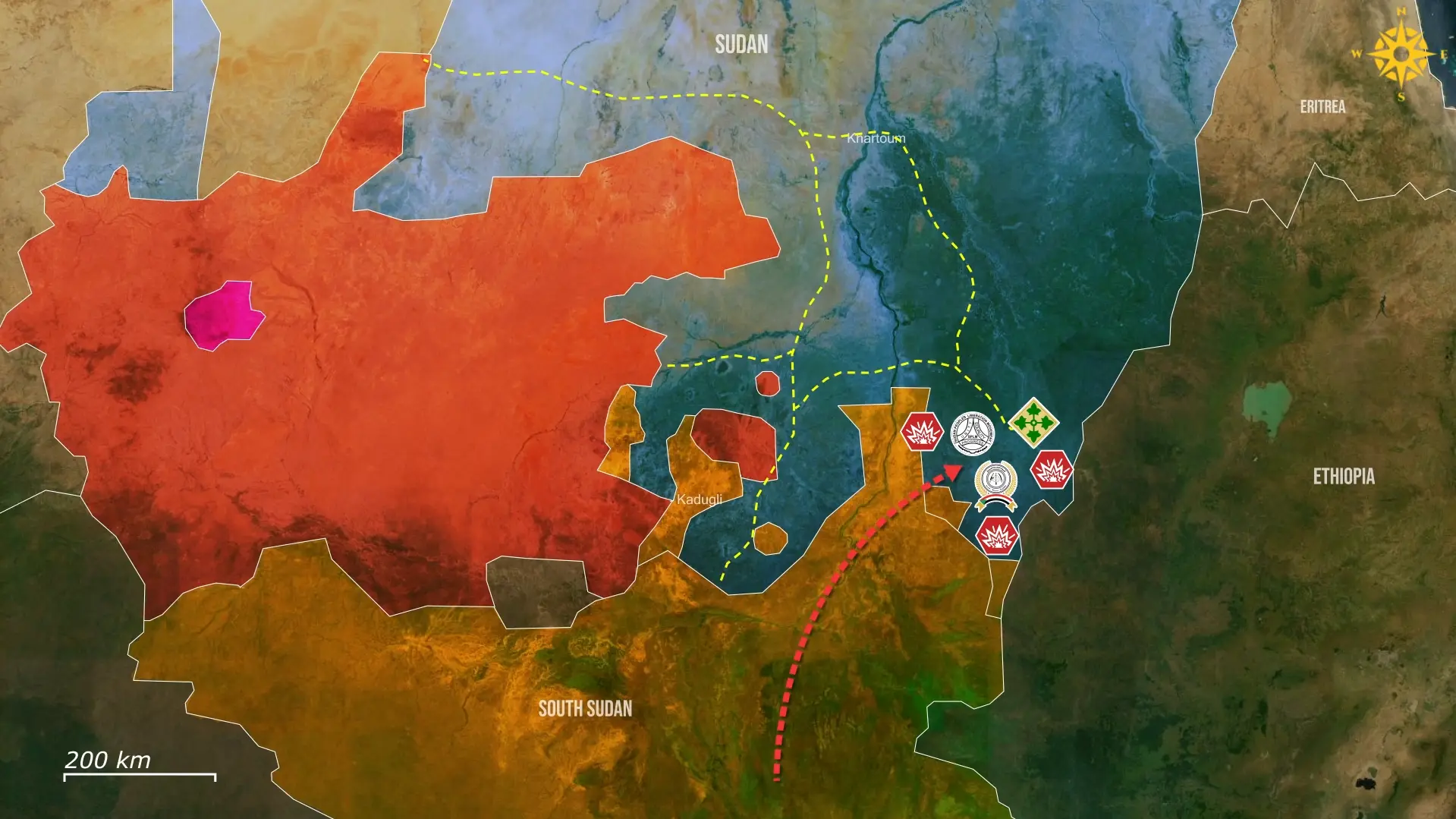
Sudan’s war began in April 2023 after a power struggle split the state between the Sudanese Armed Forces and the Rapid Support Forces. Since then, both sides have treated logistics as a weapon, because controlling roads, junctions, and river corridors often matters more than holding empty terrain. Opening a new front can therefore force the other side to defend supply lines instead of concentrating combat power elsewhere.
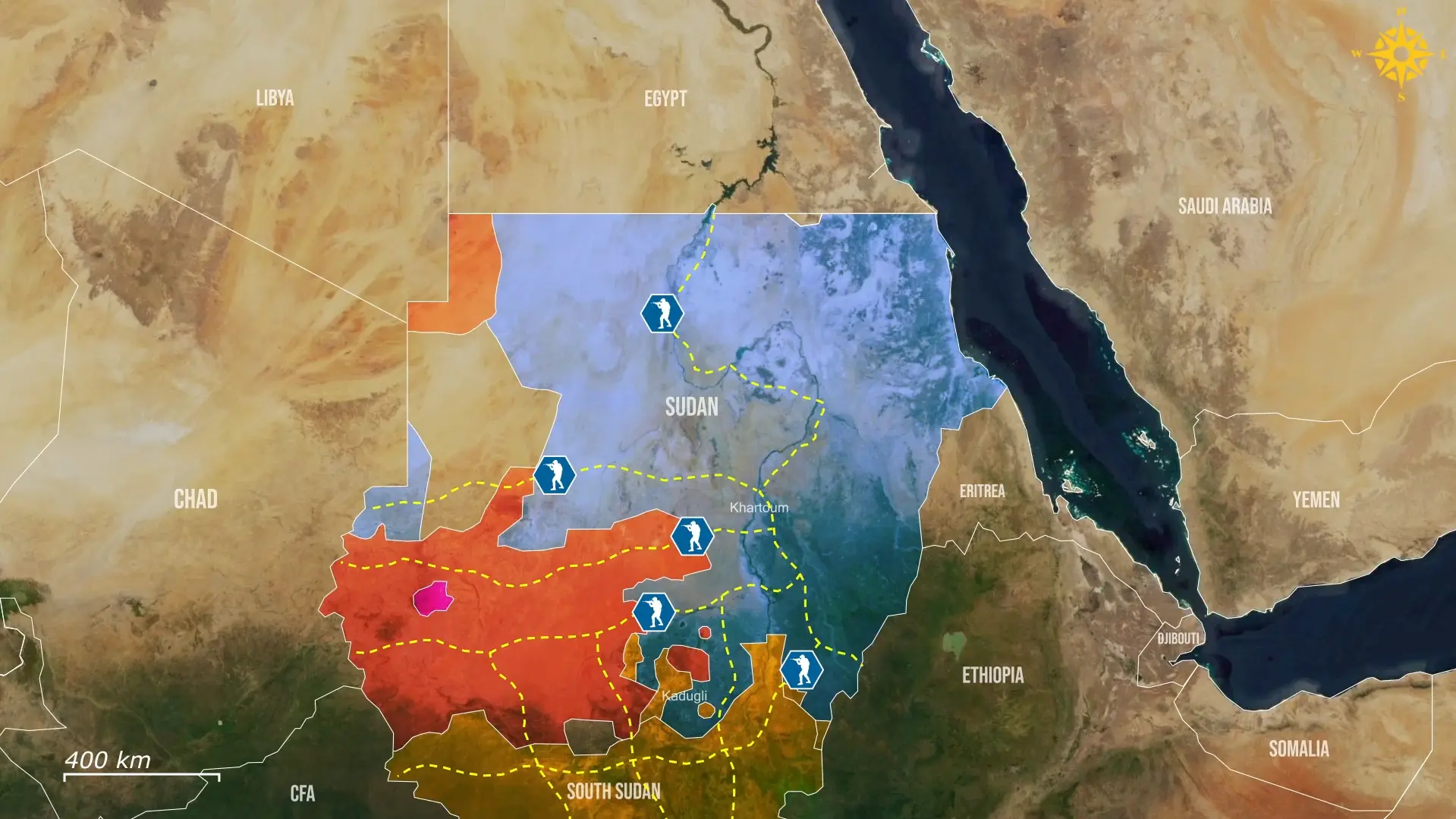
The RSF’s southern offensive follows recent SAF gains in breaking RSF encirclements around key towns and garrisons. This disrupts the RSF’s primary strategy of isolating SAF-held cities and forcing them to collapse through siege. The SAF has reopened routes to places like Kadugli and al-Dalanj, restoring ground access for supplies and reinforcements, even though fighting continues nearby. These gains are meaningful, but they do not amount to an RSF collapse, because they still retain mobility and the ability to strike supply movement.
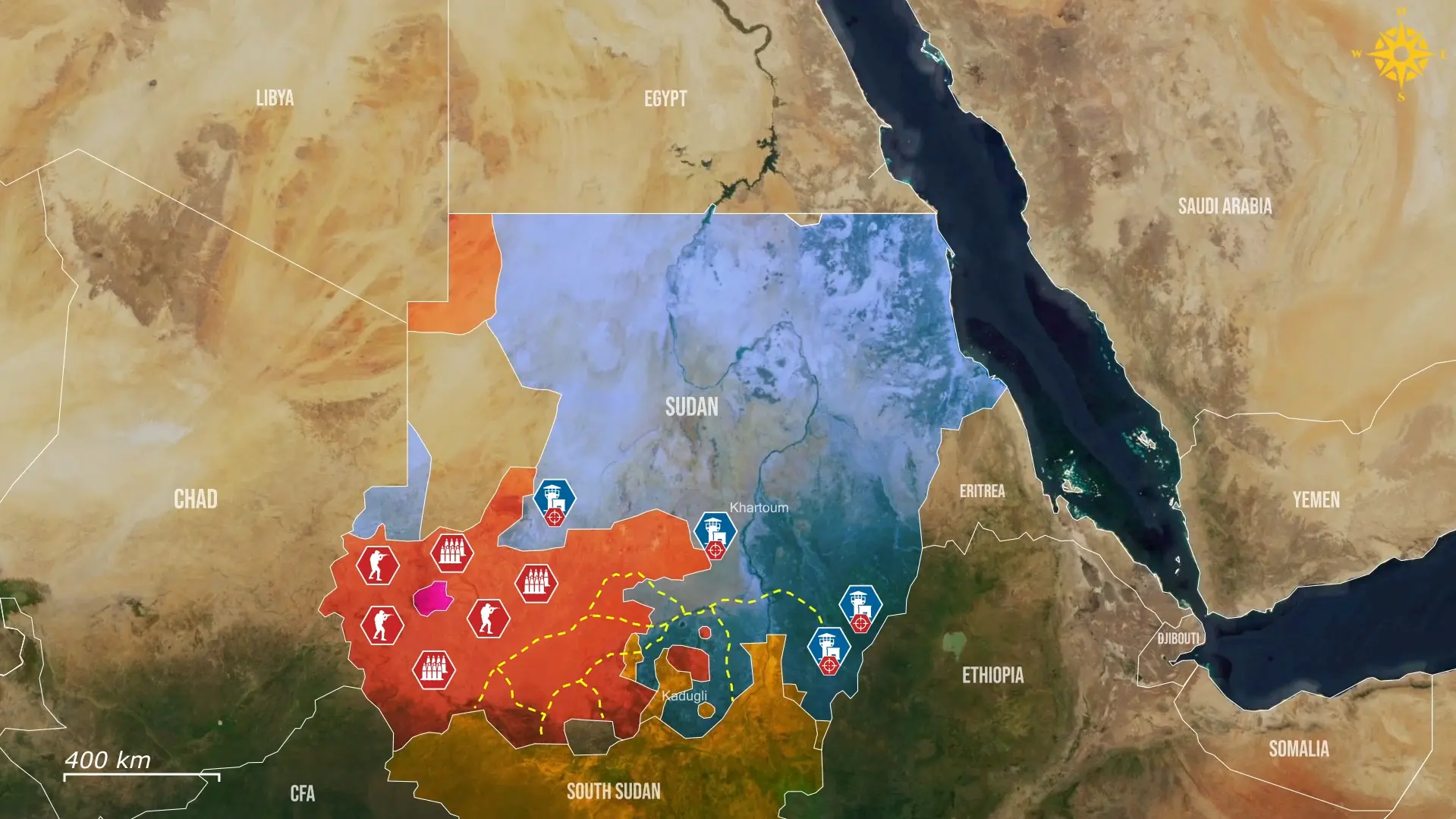
This shift helps explain why the RSF has expanded into Blue Nile, because a southern front forces the SAF to divert units away from siege relief and toward defending rear routes. The RSF can attempt this because it is working with the SPLM-N faction led by Abdelaziz al-Hilu, which operates in the border region and provides fighters familiar with the terrain who can hold ground after crossings are secured.
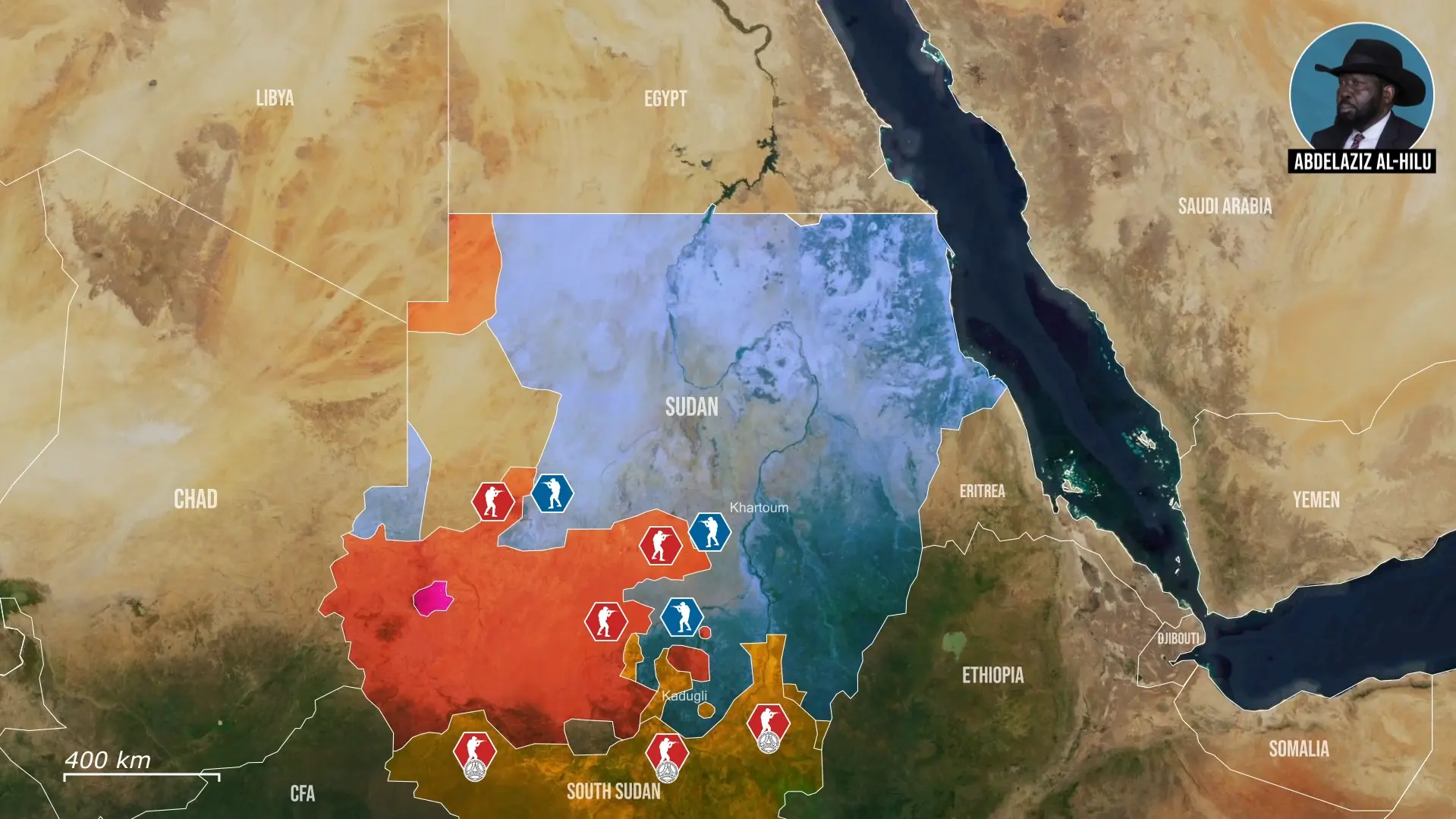
The SPLM-N aligns with the RSF because both share a common enemy in the SAF, and cooperation allows the group to weaken government control and improve its long-term negotiating position. South Sudan becomes central because cross-border access gives RSF-aligned forces a rear area for staging and resupply, making the new front harder to isolate. This creates the conditions for an attack from behind, because pressure in Blue Nile can threaten roads connecting SAF interior positions to the east and center.
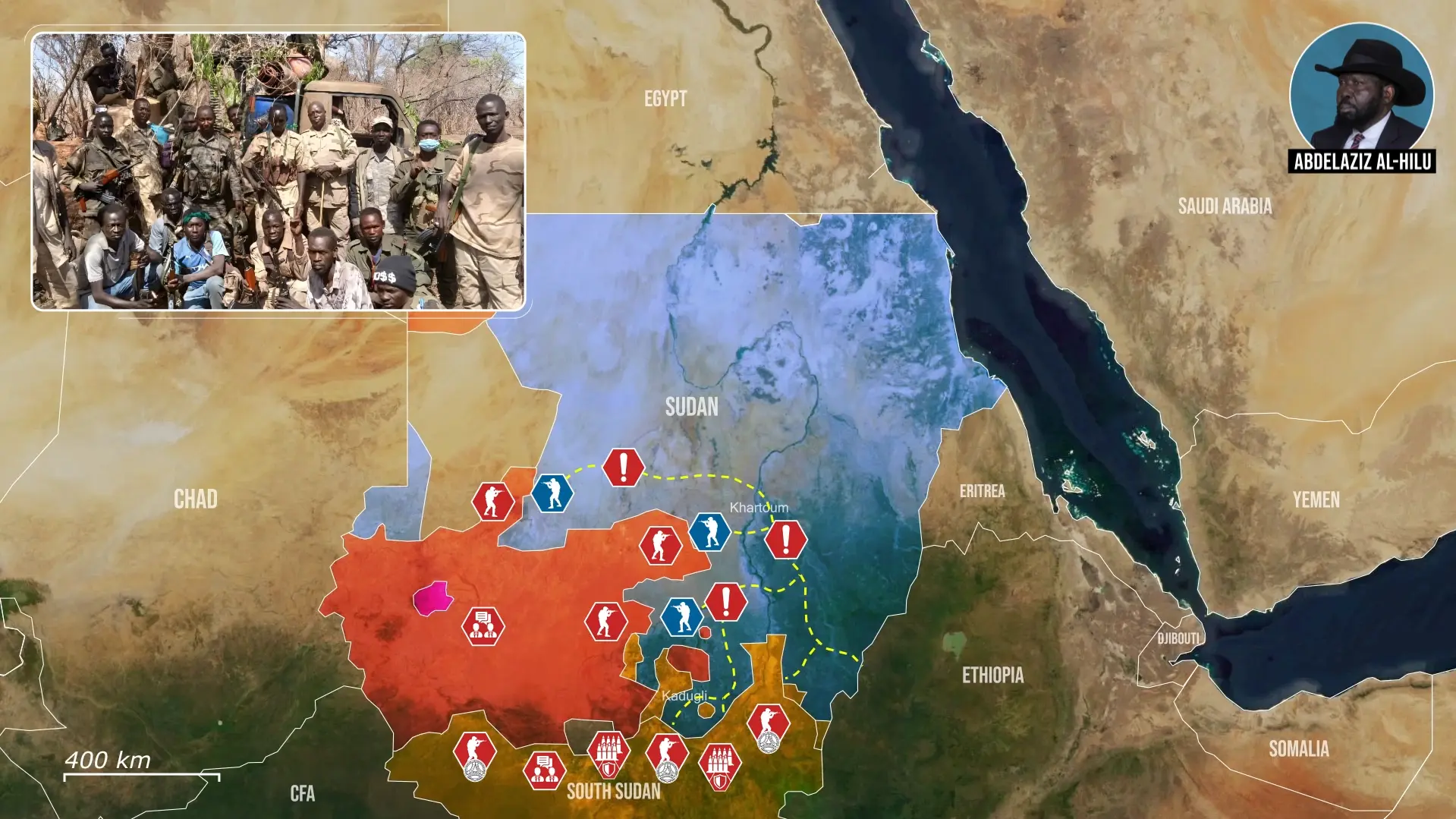
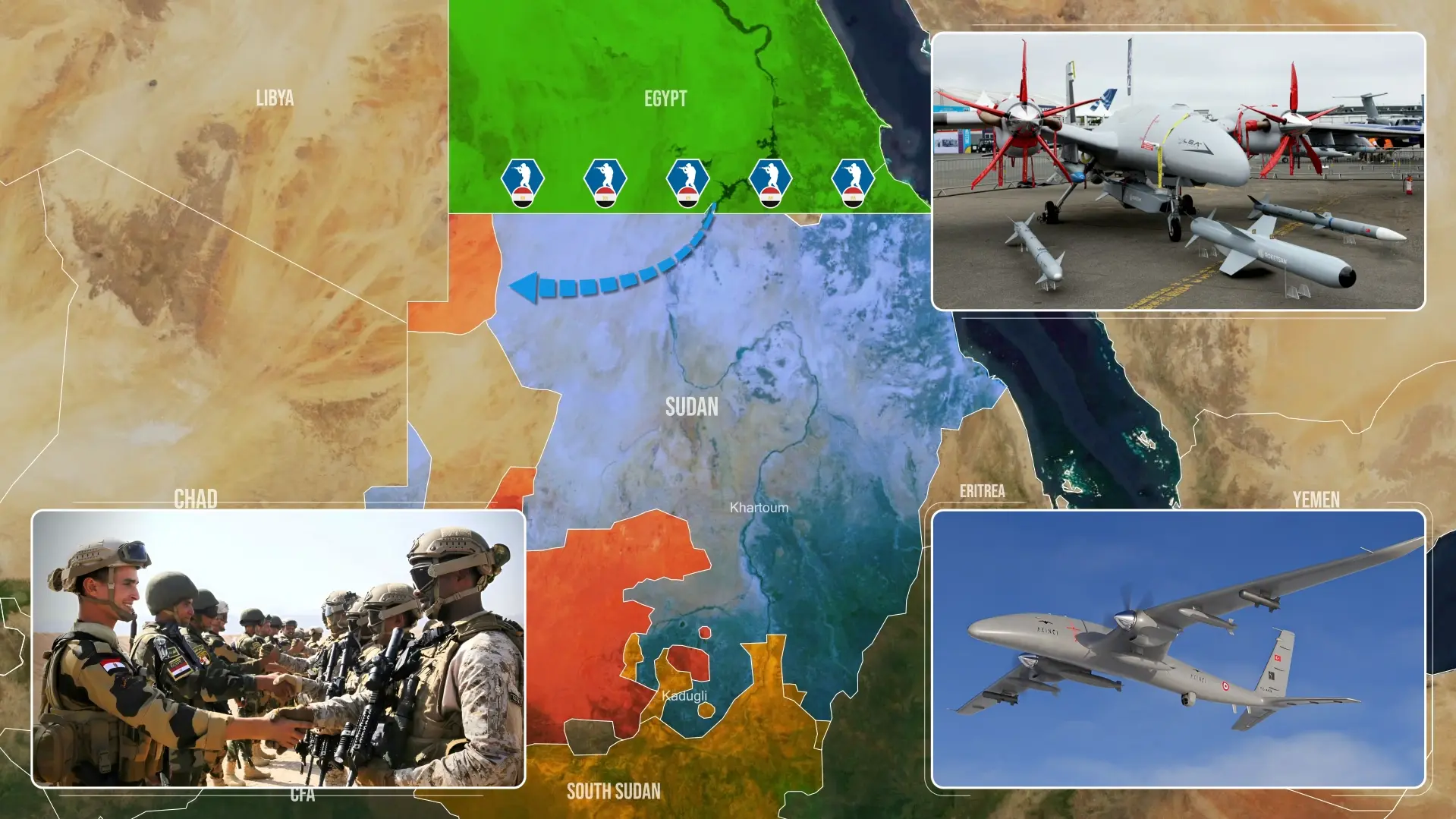
However, the RSF is not the only actor expanding the war, because Egypt is emerging as an openly anti-RSF player and building a military posture along Sudan’s northern border. Egypt backs the SAF and views the RSF as a destabilizing paramilitary force that threatens regional stability and Nile security. In response to the RSF opening a southern front, Egypt is positioning assets that could allow strikes into RSF-controlled territory from the north.
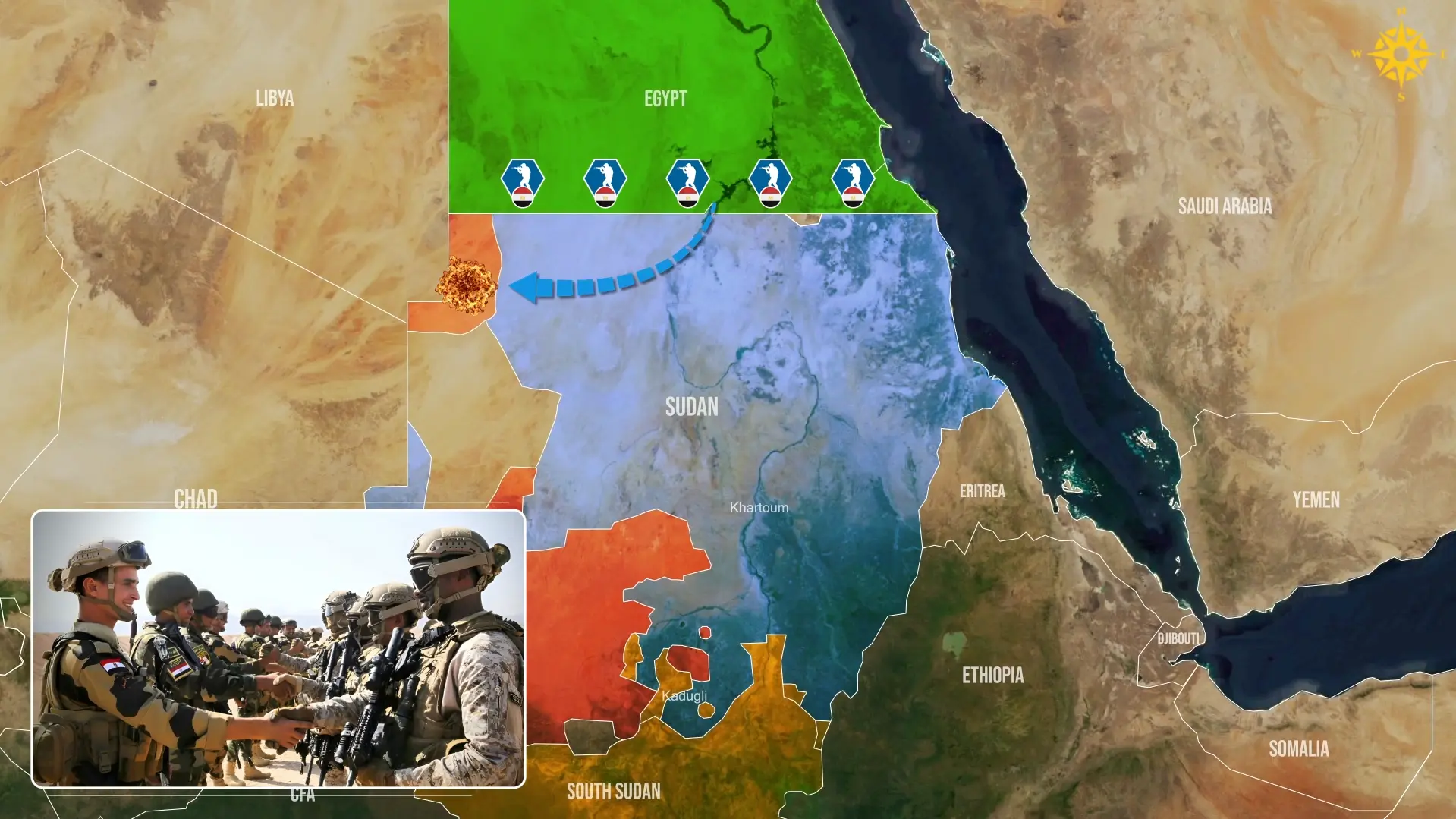
Satellite imagery showed Bayraktar Akinci drones at Egypt’s East Oweinat airstrip about 60 kilometers from Sudan. These drones can remain airborne for up to 24 hours, allowing surveillance and precision strikes against convoys and supply hubs, which could expose RSF logistics far behind the frontline.
Overall, the Blue Nile offensive is best understood as an RSF attempt to regain initiative by widening the war and forcing the SAF to defend multiple distant fronts. The risk for the RSF is that expanding the front also stretches its supply lines, creating more opportunities for disruption. And Egypt’s growing drone presence introduces a new constraint, because it could turn northern border areas into persistent surveillance and strike zones. The outcome will depend on whether the RSF can secure and supply its southern gains faster than the SAF and its partners can exploit the vulnerabilities created by this expansion.

.jpg)

Comments