

.svg)
In Kursk, a series of devastating Ukrainian strikes has just inflicted new heavy losses on the Chechen Akhmat special forces. As a result, dissatisfaction started growing among the Chechen fighters, with some seeking to abandon the Russian army altogether and switch sides.
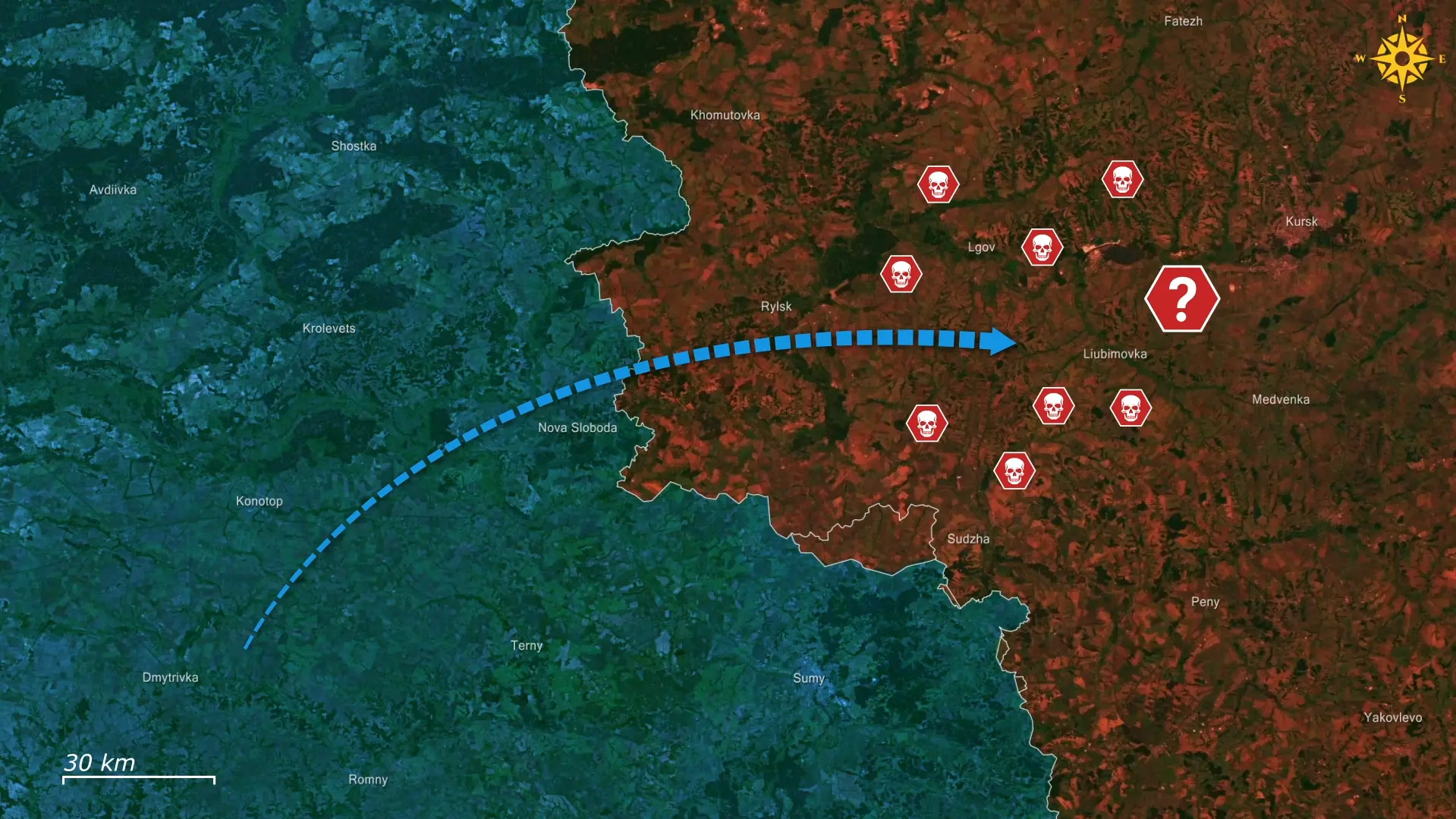
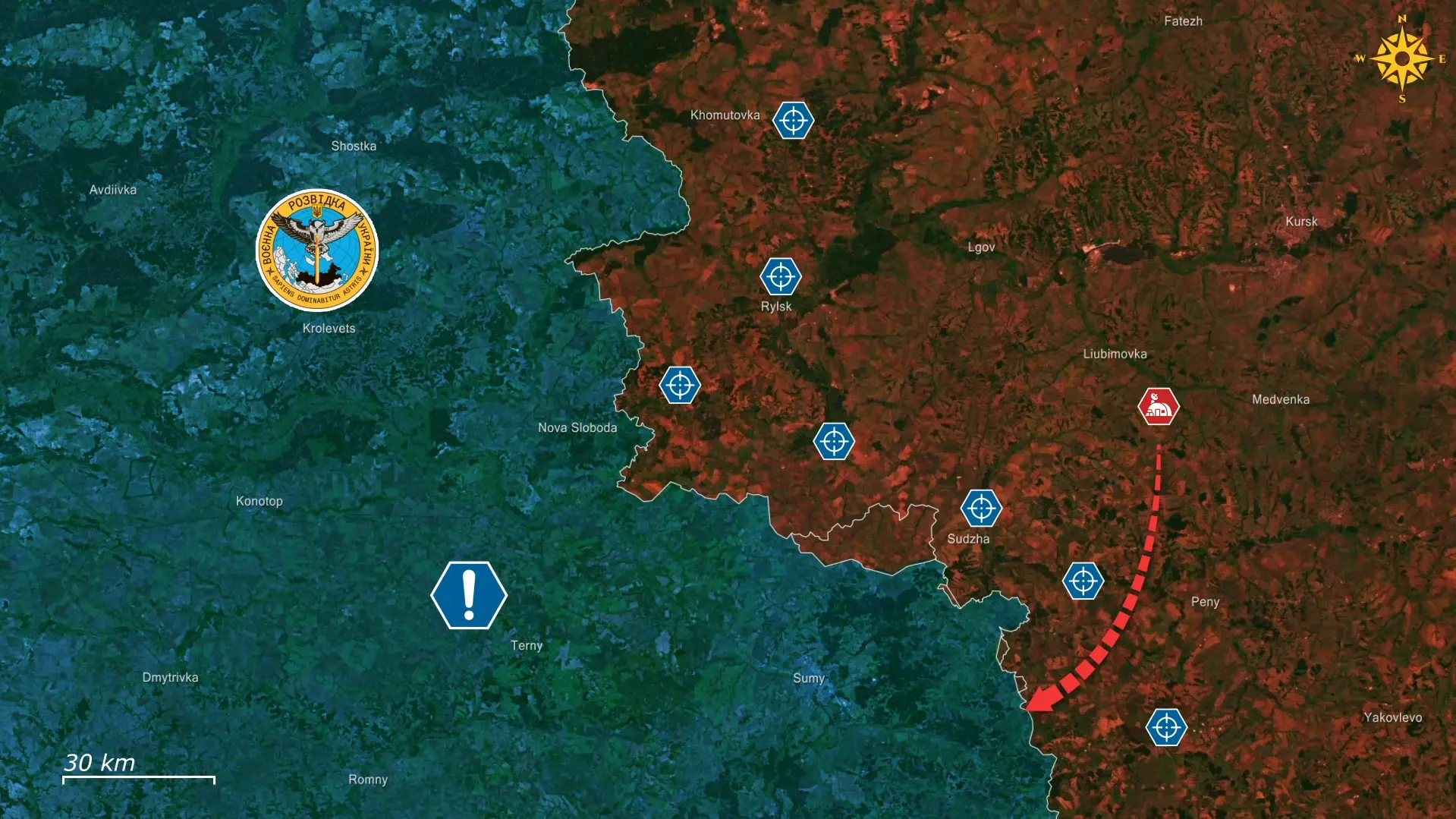
As you remember from a previous report, the Ukrainian military intelligence conducted one of its most successful operations against the Akhmat units by infiltrating the formation and managing to place a listening device that exposed their plans, so the Ukrainian forces systematically targeted the Chechen formation.
While Russian security services have likely discovered the bug after suffering those losses, the consequences of the intelligence breach continued to haunt the Chechen unit. Even this didn’t force the Russian command to change location, which allowed Ukrainian forces to remain remarkably effective at targeting Akhmat positions with precision strikes.
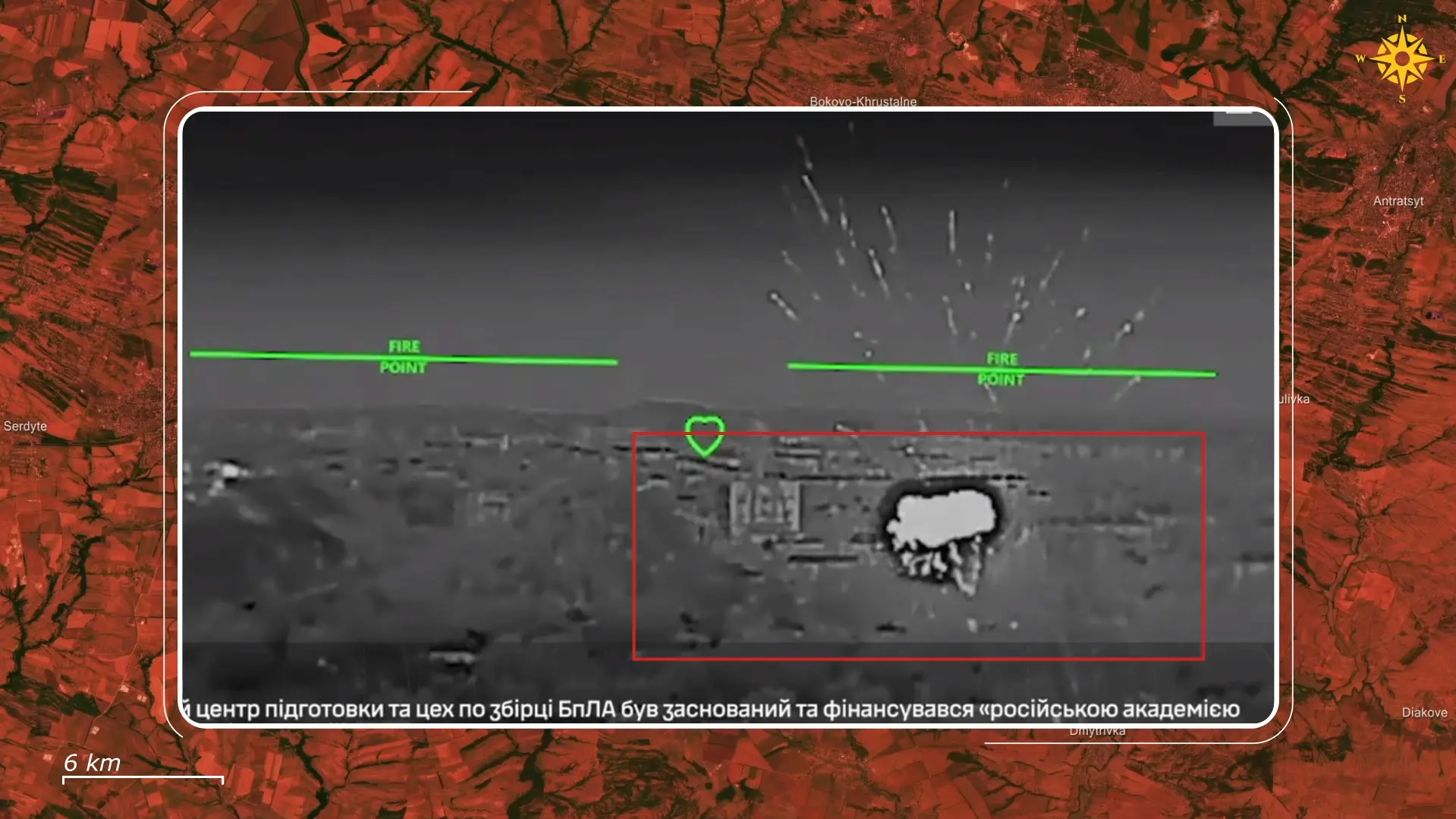
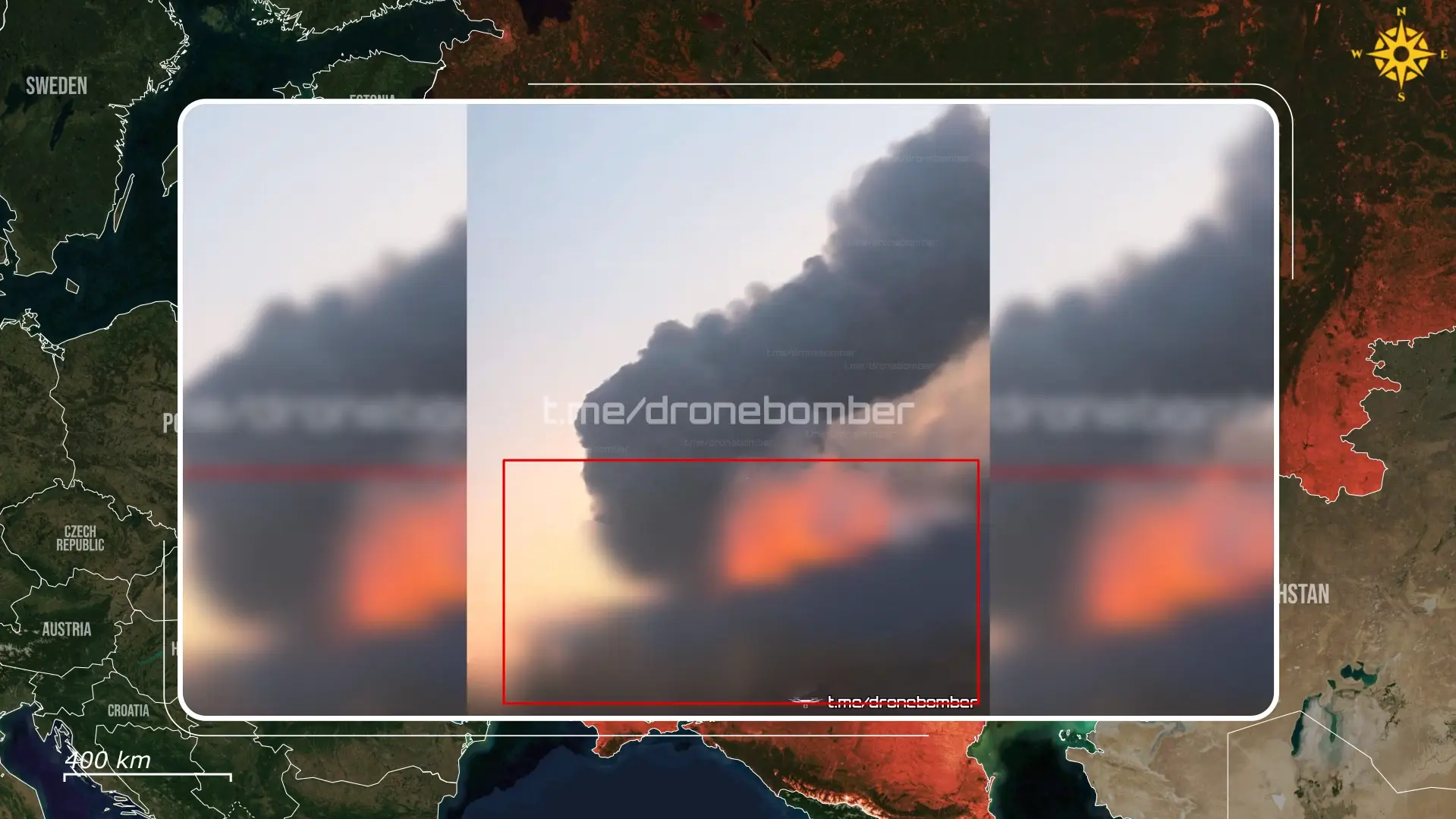
One of the most devastating examples occurred in Snizhne, in the Russian-controlled Donetsk region, as Ukrainian FP-Two long-range strike drones targeted a training facility for drone operators and cadets, used by the Seventy-eight Akhmat Special Forces Regiment. The Ukrainian forces launched a coordinated attack involving eleven strike drones, each carrying warheads weighing one hundred kilograms, launching them in successive waves. The main target, a large two-story compound spanning nearly two thousand five hundred square meters, suffered catastrophic damage when ammunition stockpiles stored in the basement detonated during the attack, significantly increasing the strike's destructive effect. Approximately sixty-five Akhmat soldiers were killed, including the commander of the center that housed personnel sleeping rooms, drone assembly workshops, and facilities used for preparing warheads. Geolocated footage from multiple Ukrainian drones showed enormous secondary explosions and the complete collapse of the compound.
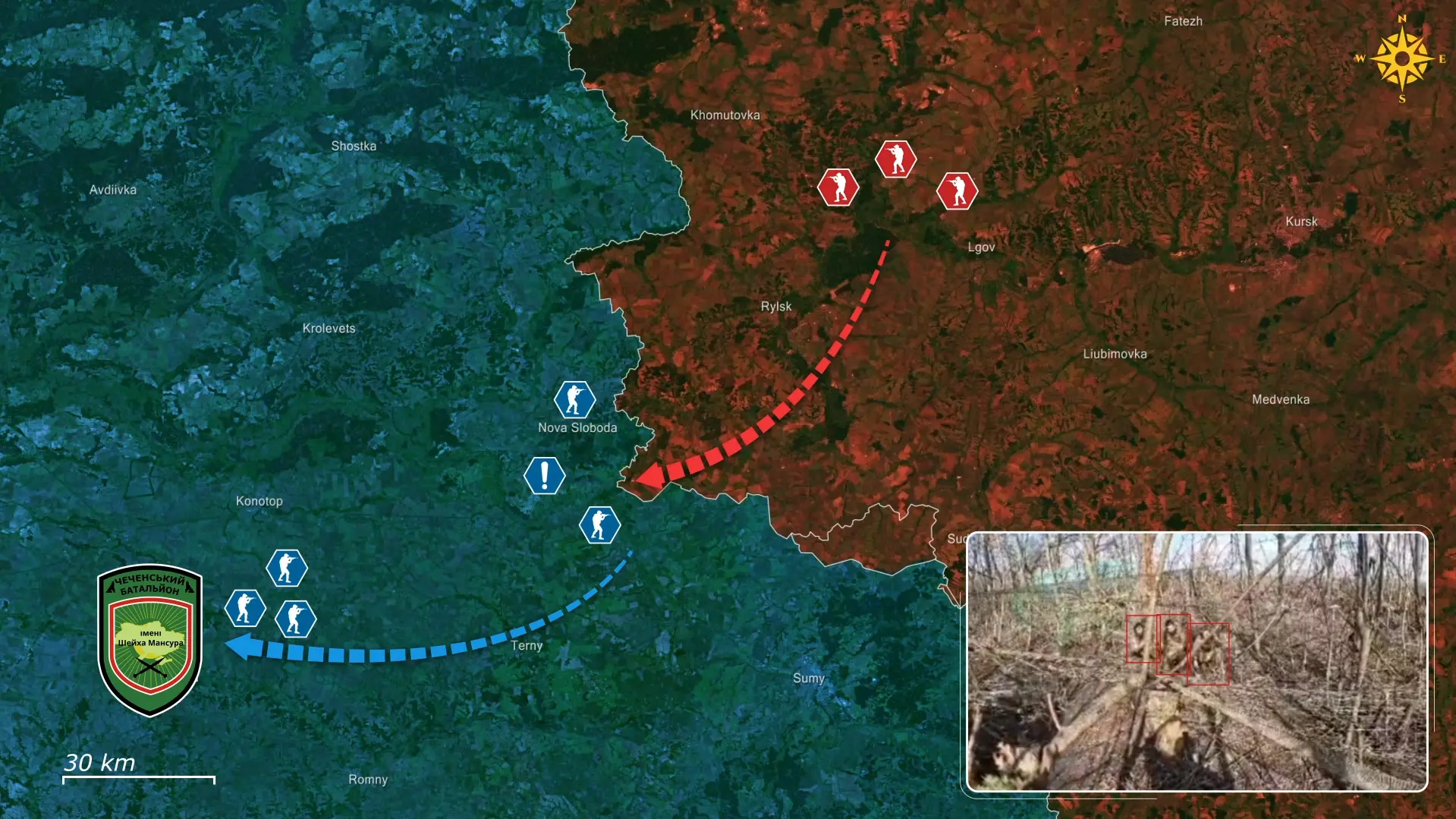
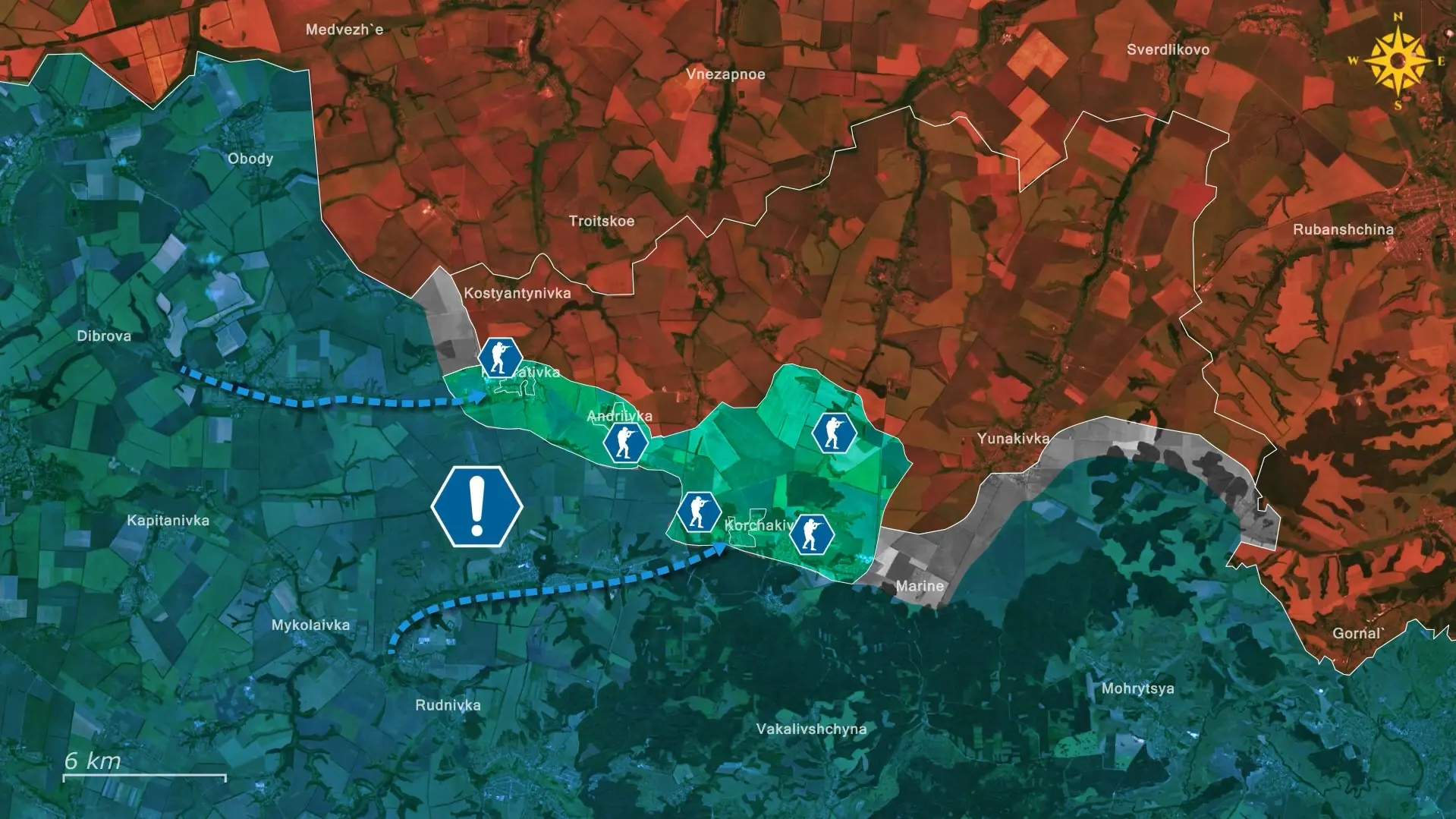
Soon afterward, Ukrainian reconnaissance drones easily tracked another concentration of Akhmat forces trying to relocate in Russia’s Kursk region by following them from their starting location. Footage released by Ukrainian operators shows enemy activity in a forest near the border. In a moment, Ukrainian forces launched a Himars strike against the location, with several rockets striking the area one after another. Later footage recorded by surviving Chechen soldiers showed the aftermath of the strike, revealing a large area littered with casualties and destroyed equipment. Around sixty Chechen special forces were killed, while many more were wounded.
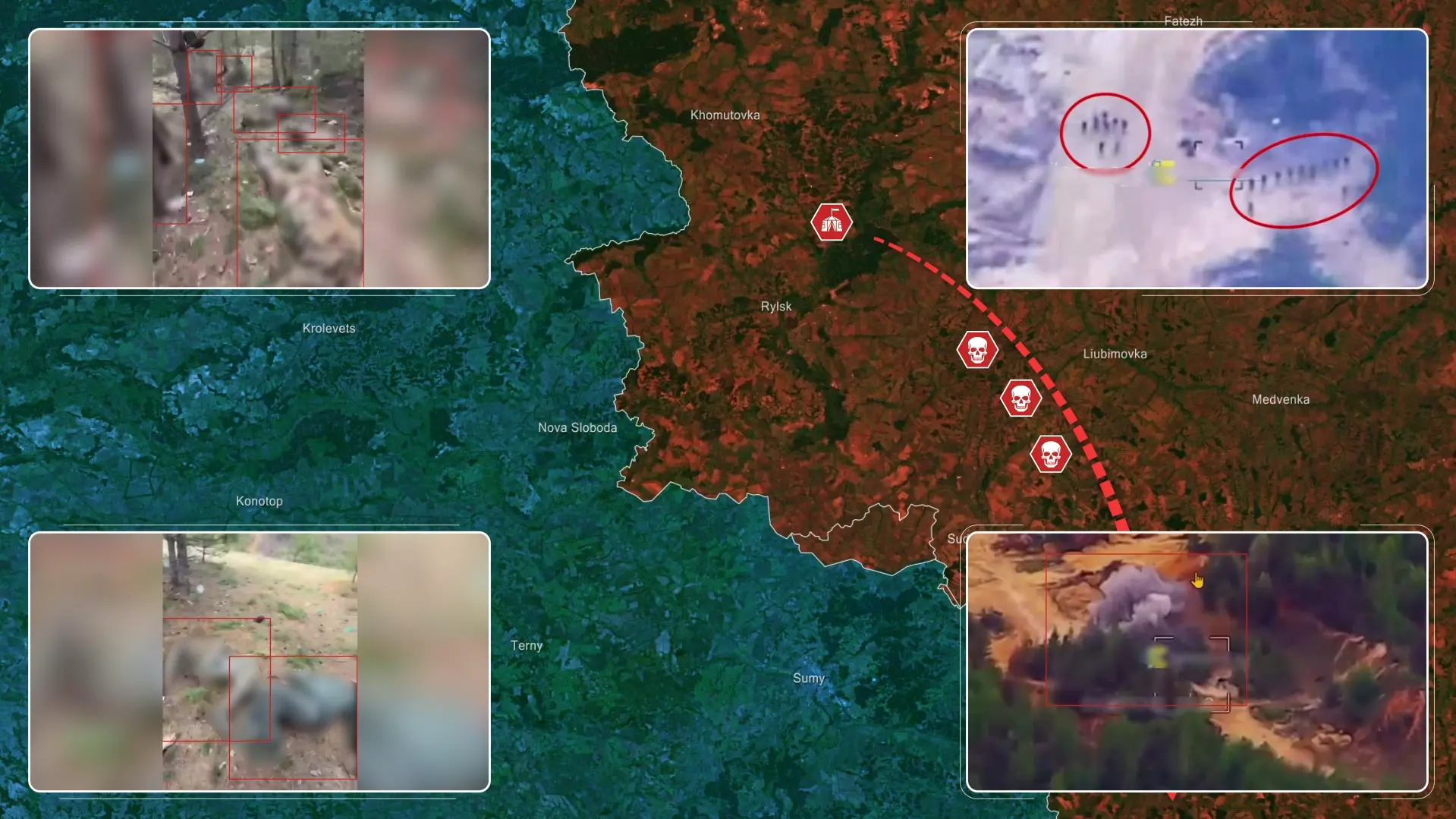
Combined with the earlier strike in Snizhne and losses from previous operations, Akhmat units suffered roughly two hundred fatalities within a relatively short period. The significance of these losses extends beyond simple numbers, as repeated strikes against staging areas, training grounds, and concentration sites have reportedly caused growing frustration among Chechen fighters, many of whom believe their commanders have repeatedly exposed them to danger while failing to provide adequate protection.
This frustration became visible during a recent Ukrainian search-and-destroy operation, when a Ukrainian patrol encountered three Akhmat soldiers who voluntarily approached Ukrainian positions. After securing them, Ukrainian forces reportedly learned that the men were not simply seeking to surrender. Instead, they expressed a desire to join the ranks of Chechen volunteers already fighting alongside Ukraine, within formations such as the Sheikh Mansur Battalion. The captured soldiers expressed anger toward pro-Russian Chechen commanders and blamed them for the deaths of many of their compatriots. Rather than continuing to fight for Russia, they wished to switch sides and participate in operations against Russian forces.
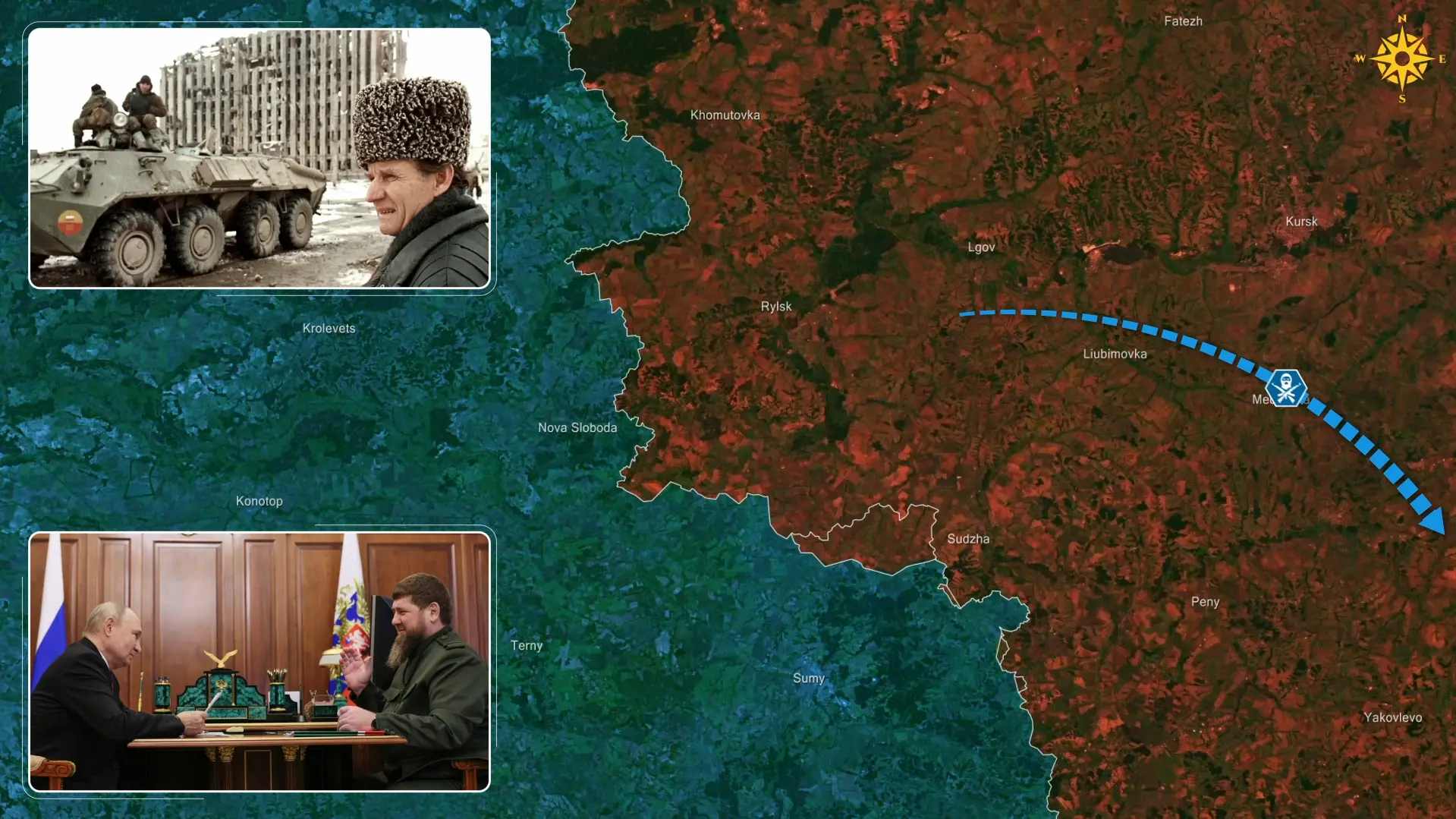
Overall, many Chechens fight not only for military or financial reasons, but also because of deeply rooted questions of identity, nationalism, religion, and historical memory. The legacy of the Chechen wars remains powerful for many families, and resentment toward Moscow has never fully disappeared. As losses continue to mount and confidence in pro-Russian leadership weakens, some fighters appear increasingly willing to reconsider where their loyalties lie. If Russia's broader position continues to deteriorate, such tensions could become even more significant, particularly in regions that maintained strong independence movements after the collapse of the Soviet Union and where old grievances remain very much alive.

.jpg)

Comments