

.svg)
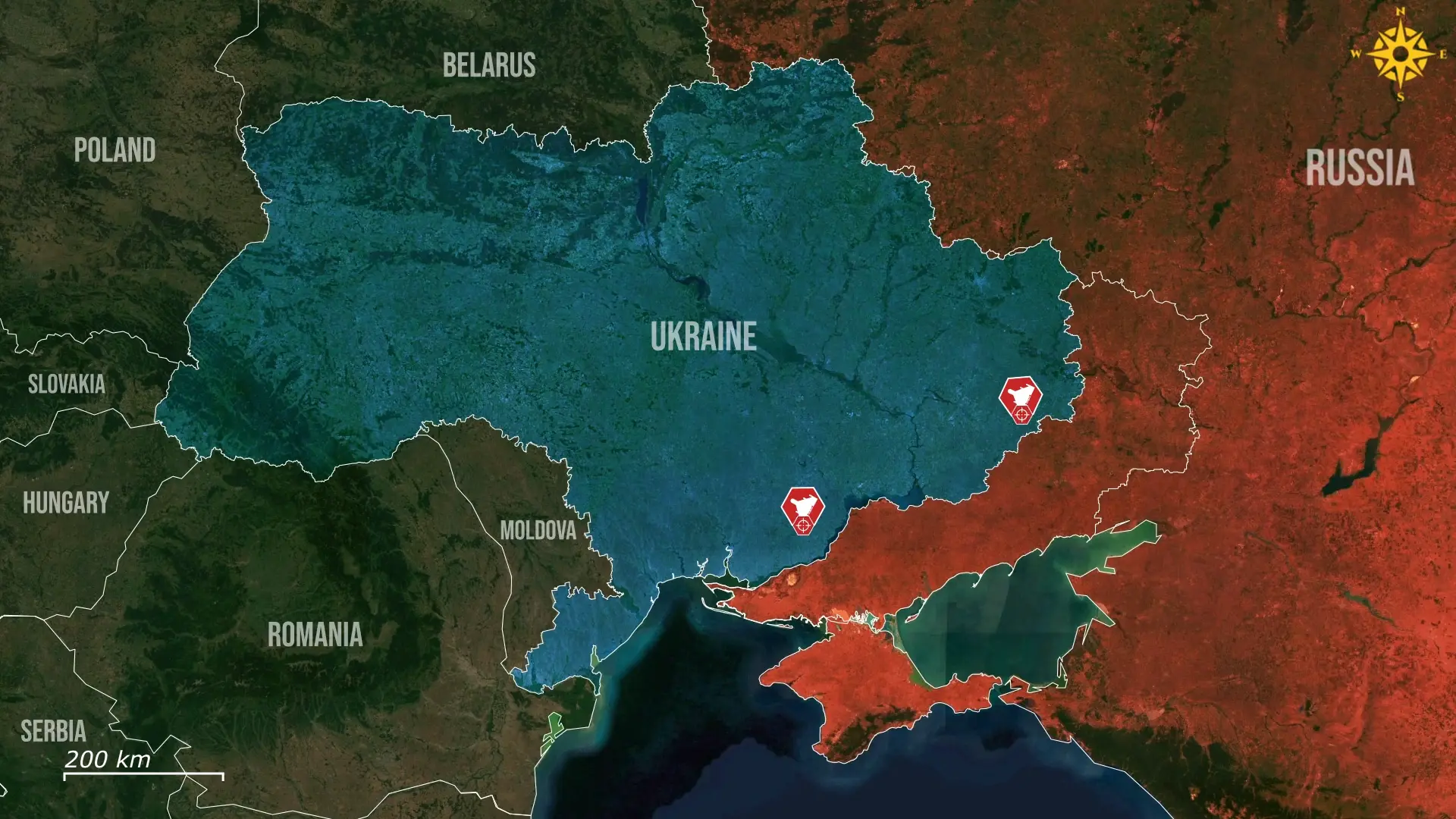
Today, the biggest updates come from Ukraine.
The skies over Ukraine have witnessed countless Russian attempts of constantly modifying their Shaheds in an effort to achieve air dominance over the Ukrainians. However now they made a mistake, as instead of making Shaheds more survivable, Russians put a massive target on them, and the entire Russian counterplay to Ukrainian interceptions is dismantled by equipment Ukraine already owns.
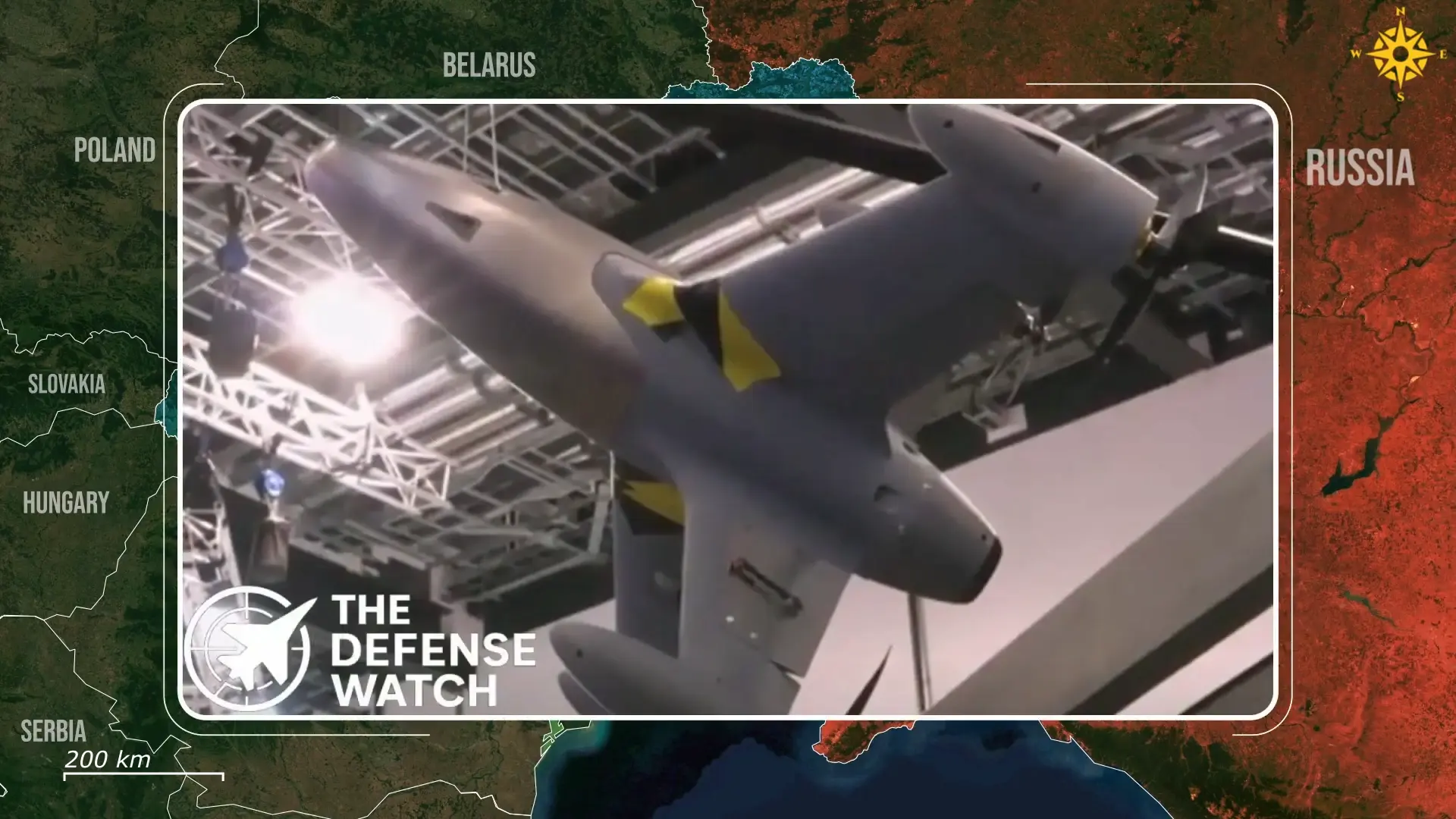
Recently, Russian forces introduced a powerful infrared spotlight to their Geran 2 loitering munitions. The new modification consists of an array of high-intensity Infrared diodes mounted on the drone's fuselage. This addition was first documented on downed specimens recovered in Ukraine and analyzed by specialists. This development aligns with Russia's ongoing pattern of adaptations to preserve the effectiveness of its low-cost, long-range drone strikes against Ukraine's layered air defenses.
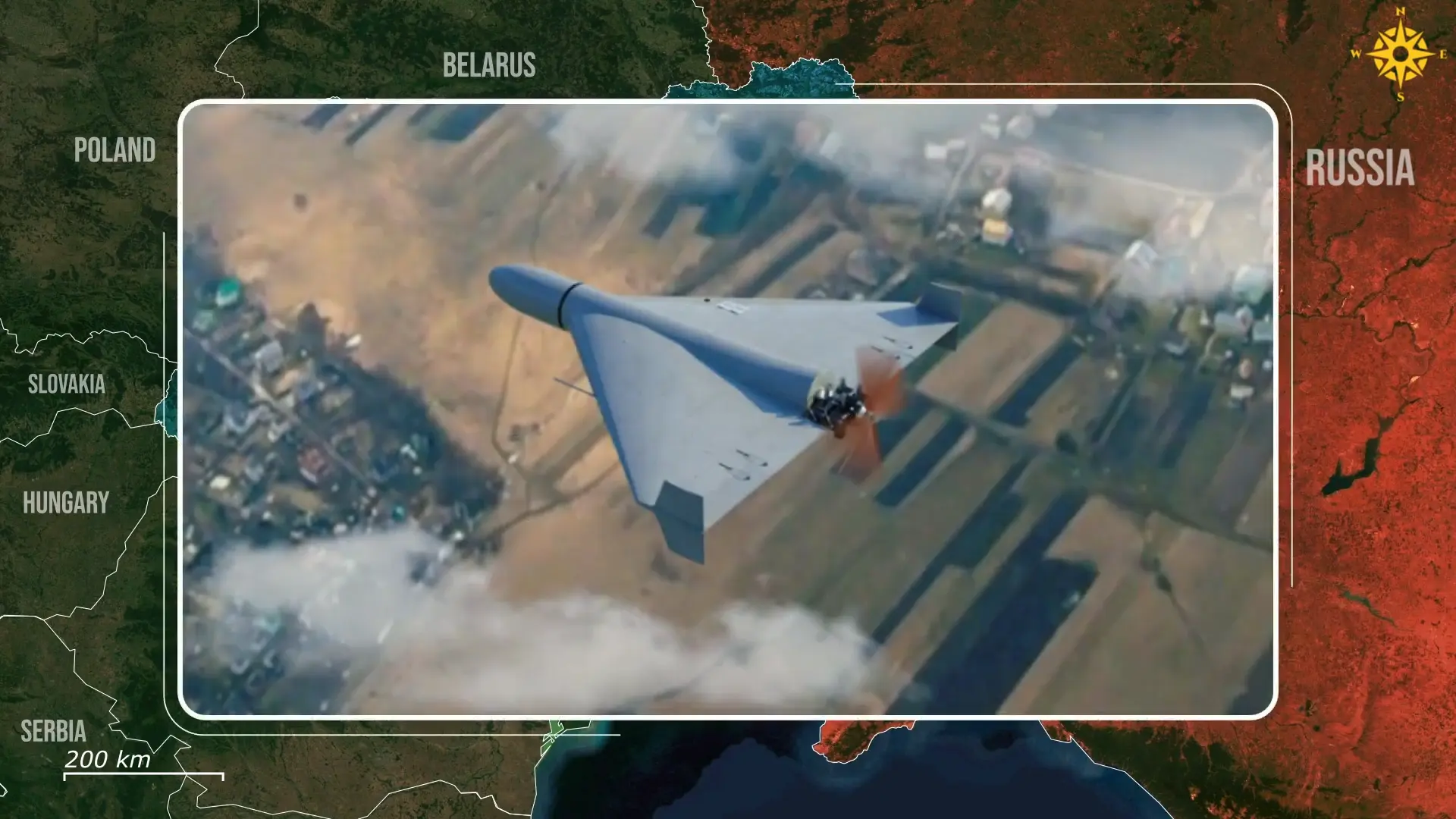
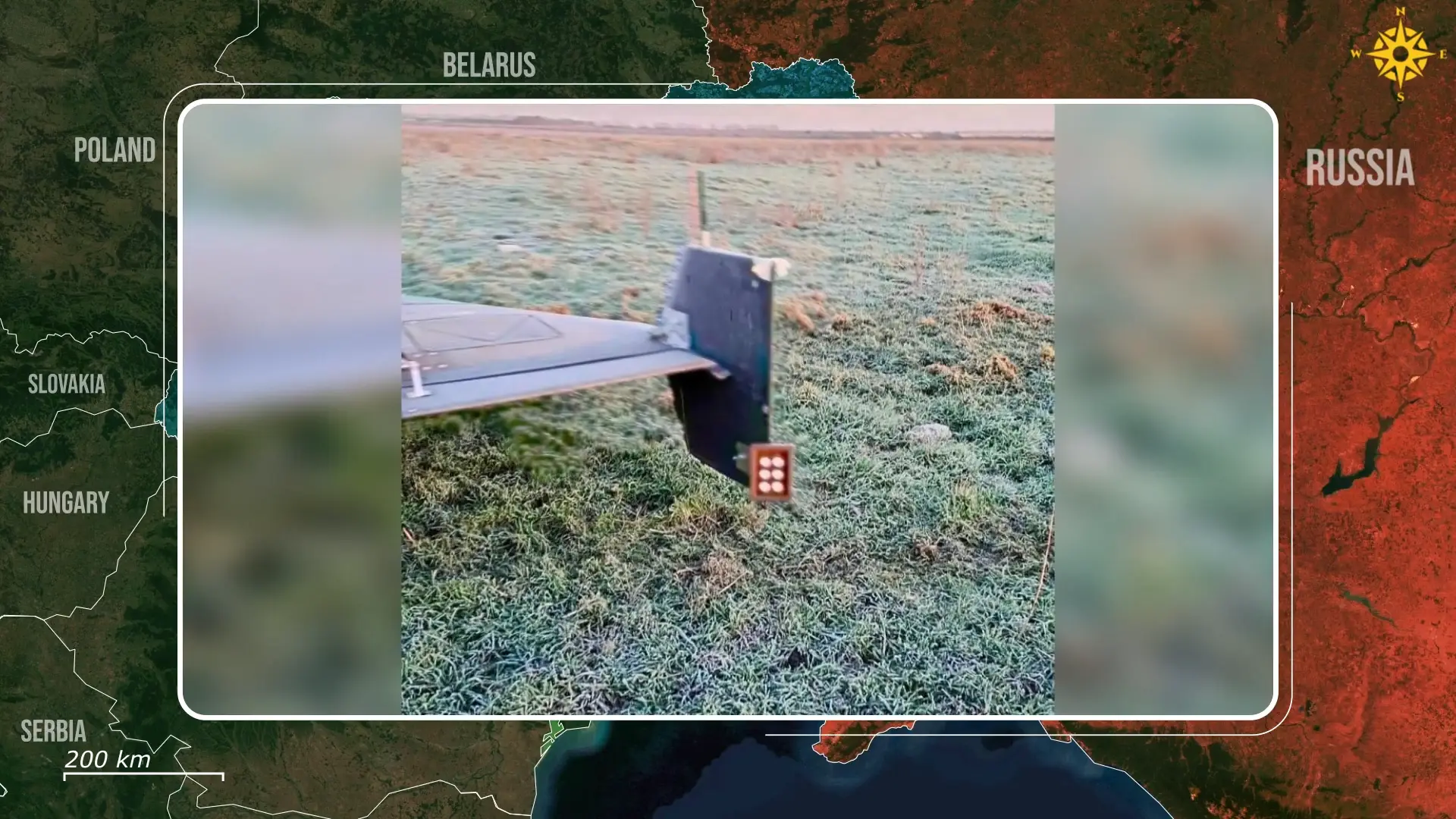
The new modification on Russian Geran-2 drones operates in the near-infrared spectrum of approximately 850 nanometers, with the device emitting light invisible to the unaided human eye but detectable by infrared sensors. This spotlight is designed to overwhelm IR-based detection systems employed in Ukrainian nighttime air defense operations.
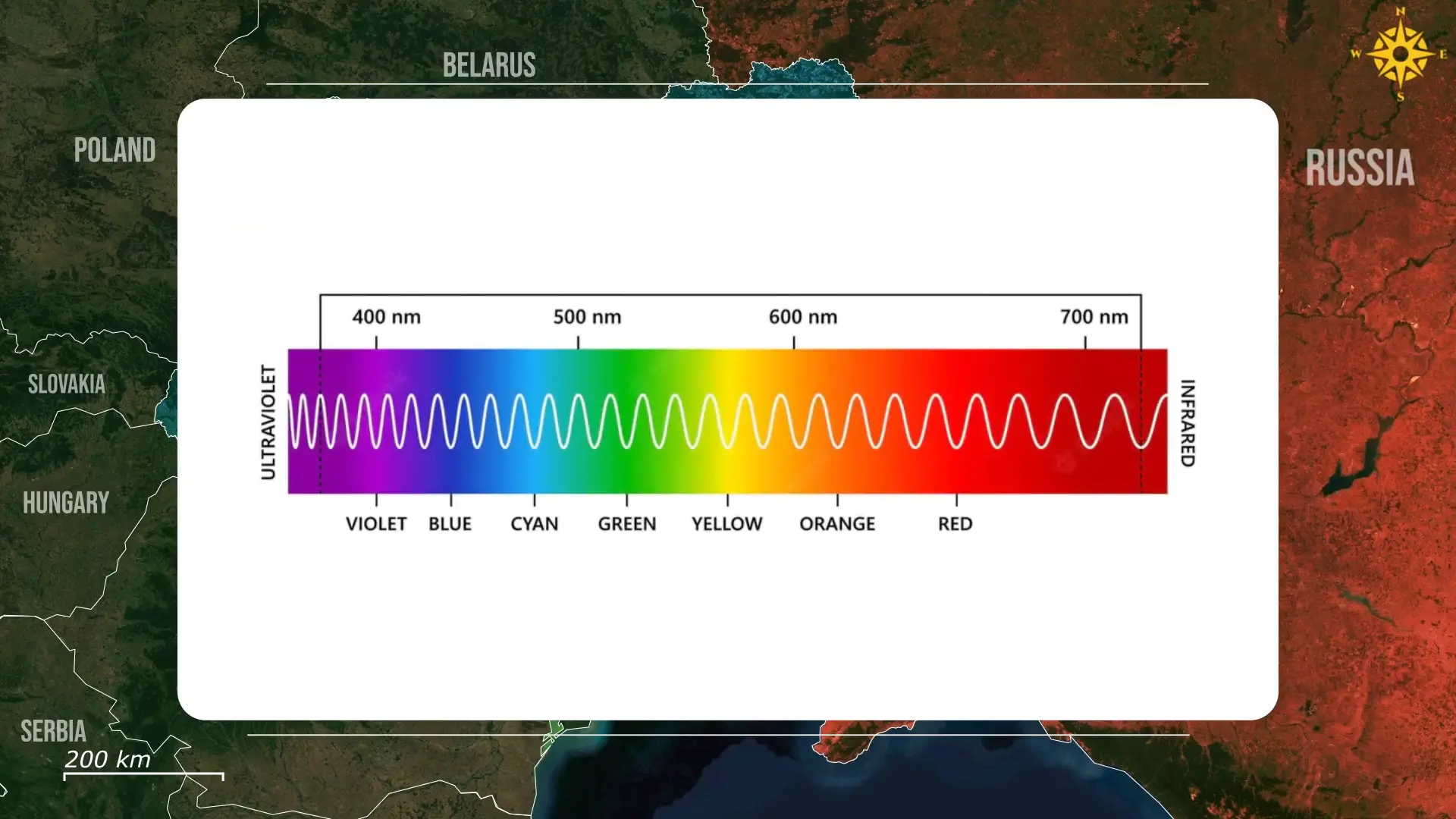
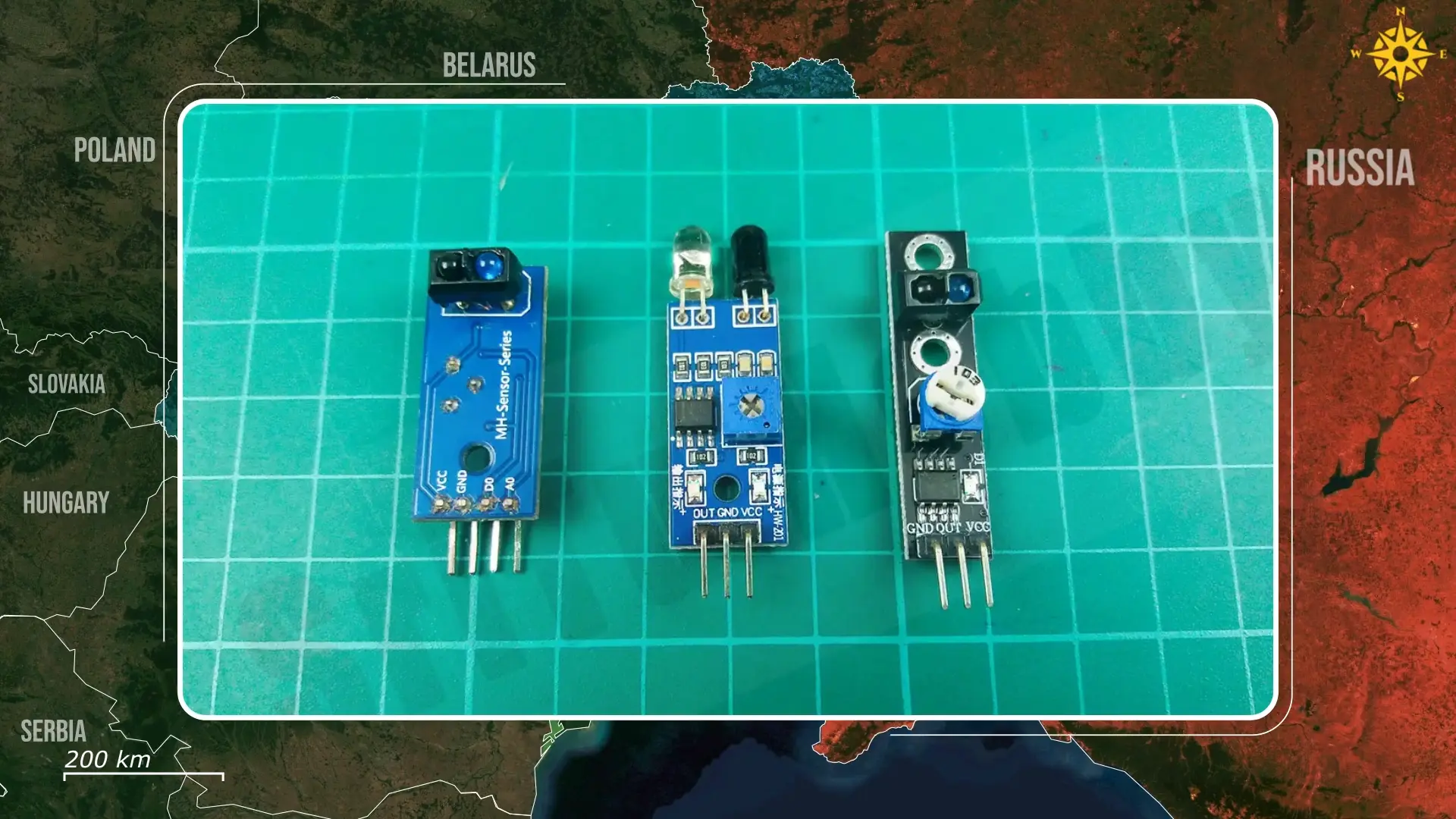
It targets three primary categories of threats. Firstly, it targets night-vision goggles and IR-enhanced optics used by pilots of manned aircrafts. It also targets electro-optical or infrared sensors on Ukrainian interceptor drones, which often rely on thermal imaging for terminal guidance during intercepts. Lastly, it is used to target heat-seeking missiles that use infrared homing. By flooding the Ukrainian sensors on these weapon systems with intense infrared light, the spotlight creates blooming, reduced contrast, or temporary overload in the imaging chain, degrading tracking accuracy and engagement effectiveness.
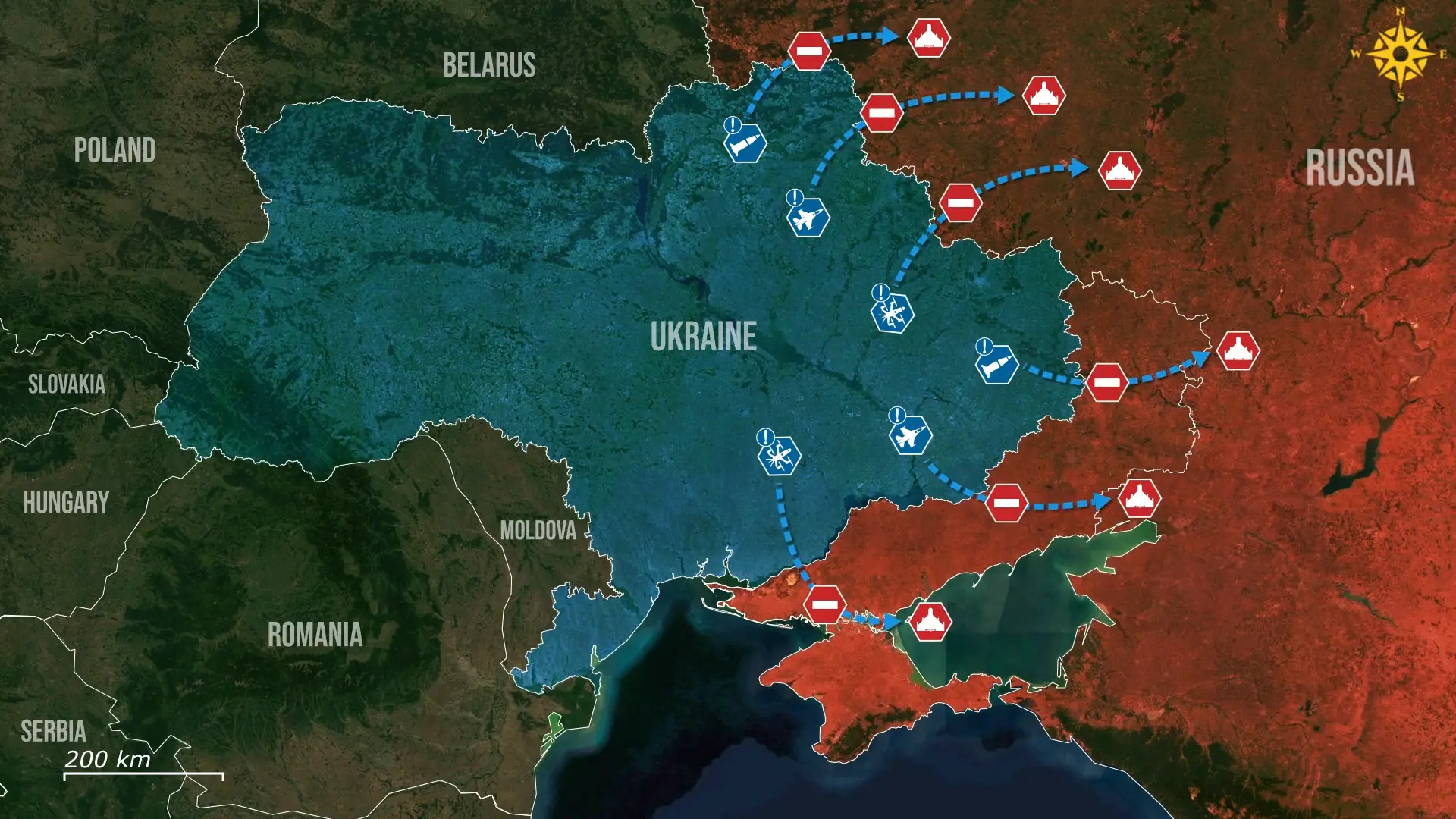
The modification represents a pressure-driven improvisation rather than a carefully planned or comprehensive upgrade. It has emerged as a direct and reactive response to Ukraine’s marked and accelerating success in conducting effective nighttime interceptions of Russian long-range drones. Over recent months, Ukrainian forces have dramatically increased their ability to detect, track, and neutralize Geran-2 and Shahed-type drones during nocturnal operations, inflicting heavy attrition rates that have severely eroded the drones’ once-reliable survivability after dark.
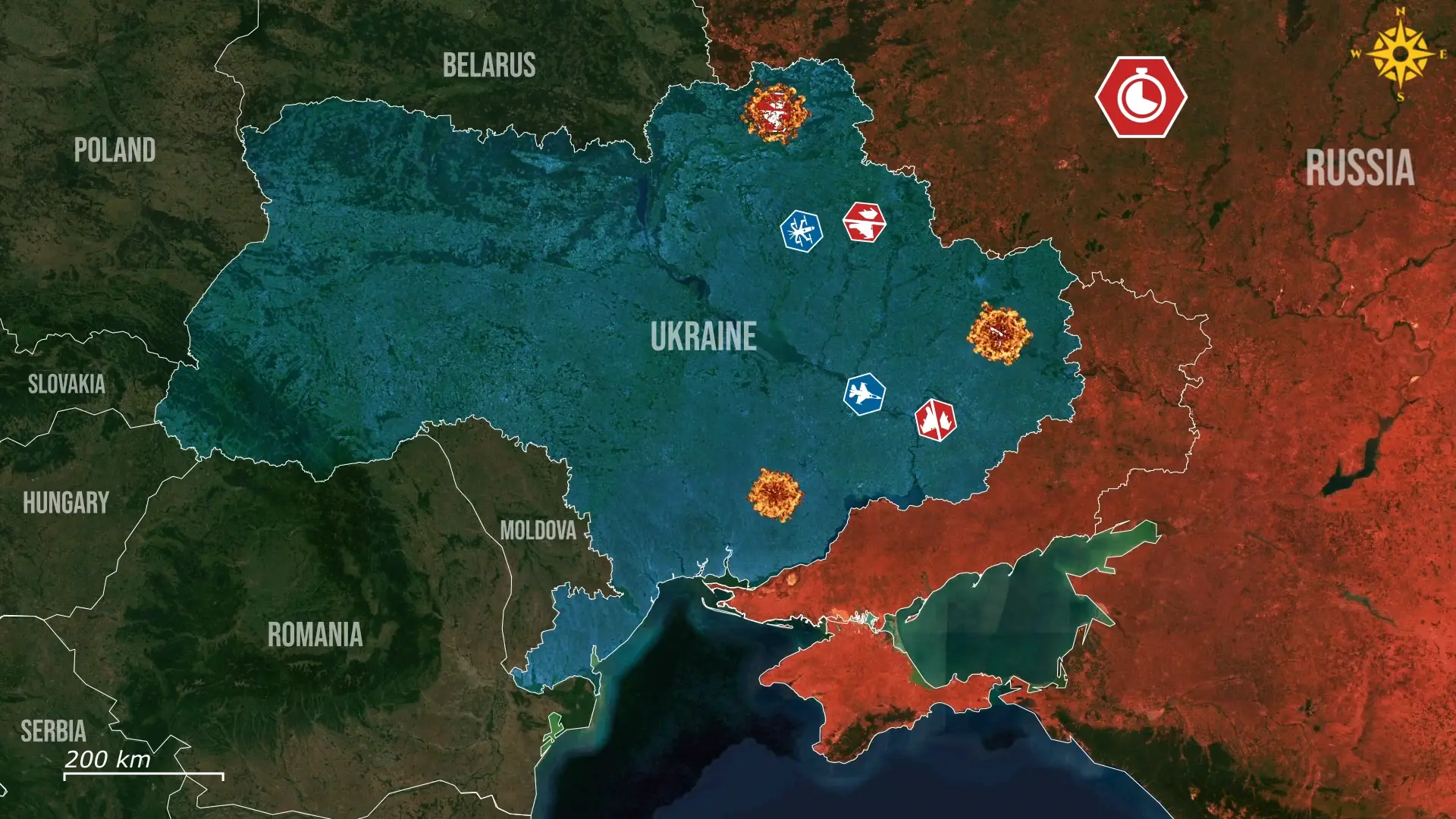
Faced with this growing and increasingly consistent threat to their night missions, Russian developers and operators have been compelled to introduce this hasty countermeasure in an attempt to regain some degree of operational viability. The adaptation is therefore not the product of strategic foresight or systematic engineering refinement, but rather a last-ditch effort born out of acute battlefield necessity to blunt the impact of Ukraine’s enhanced nocturnal air defense capabilities.
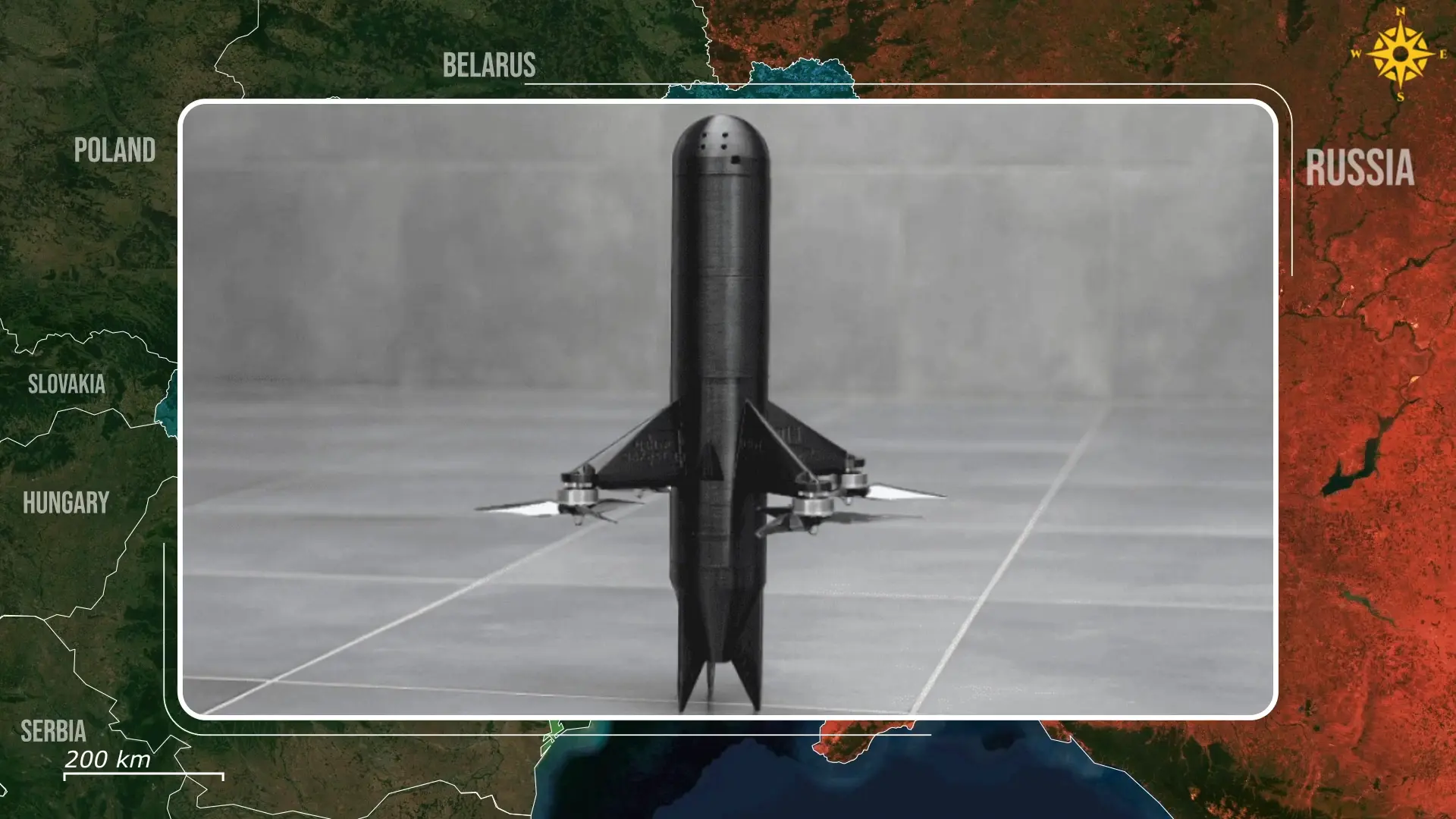
The introduction of IR spotlights on Geran-2 drones has driven Ukraine to prioritize sensor upgrades on its interceptor fleet to counteract near infrared dazzle effects. Ukrainian analysts note that while thermal imagers operating in mid- or long-wave IR bands remain largely unaffected, many existing interceptor drones and older-generation night-vision systems are vulnerable. Central to this adaptation is the accelerated integration of mid-wave and long-wave infrared thermal imagers on racing drone-style interceptors, which detect the drone's engine heat signature rather than relying on near-infrared illumination.
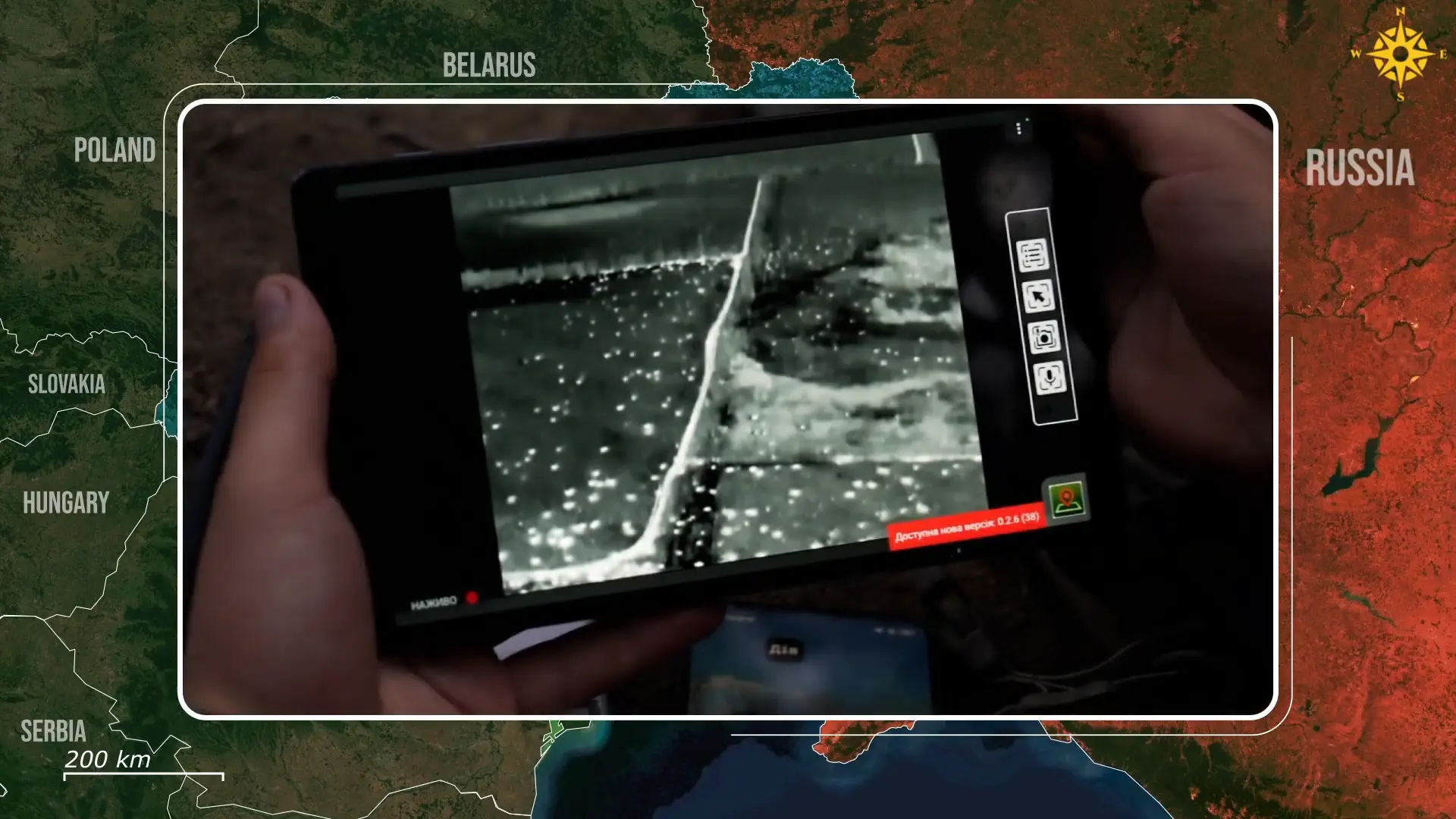
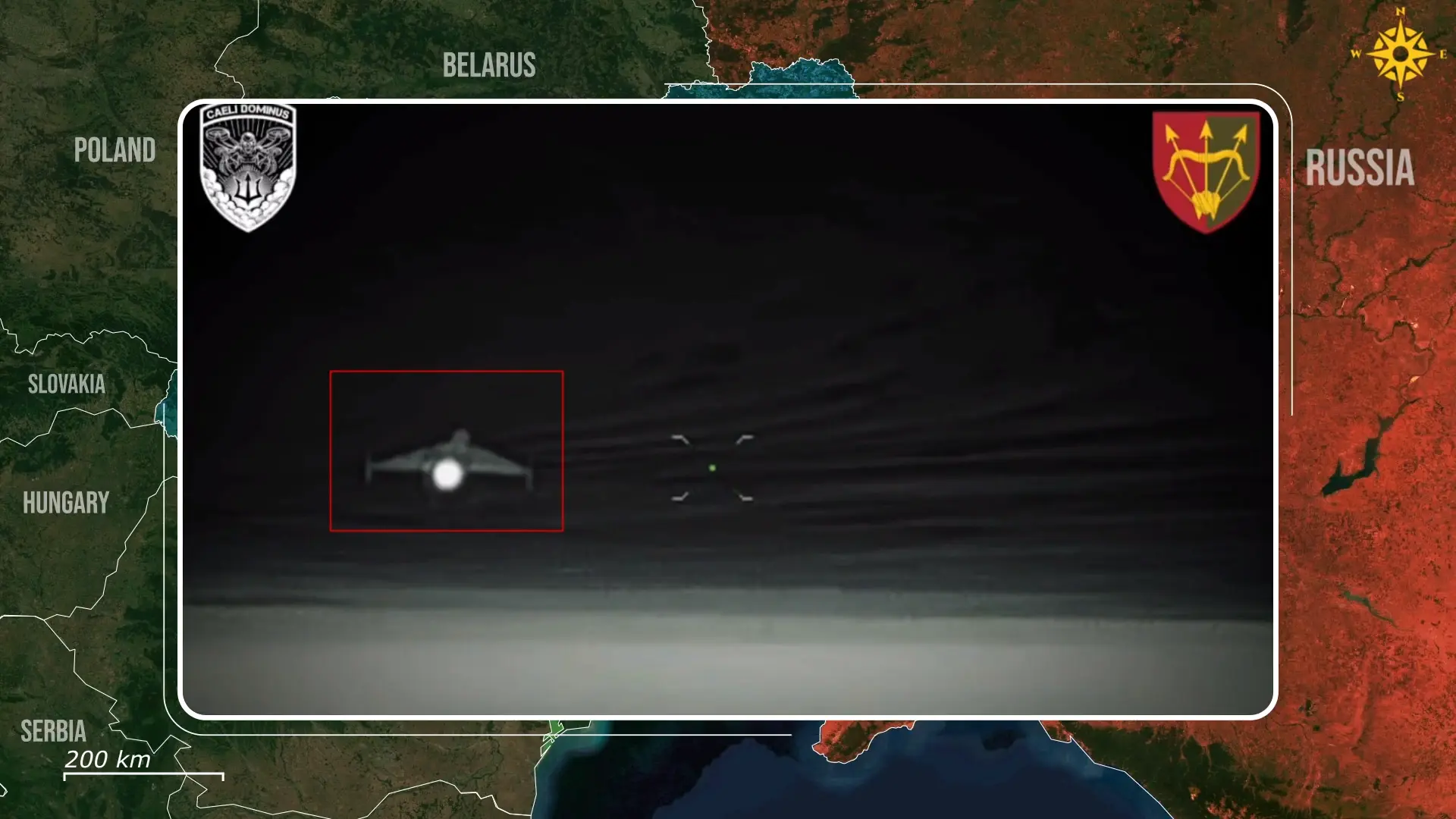
This renders the spotlight ineffective, as thermal bands remain unaffected by the emitted radiation, allowing sustained target acquisition and kinetic ramming at ranges up to 5 to 10 kilometers during nocturnal operations.
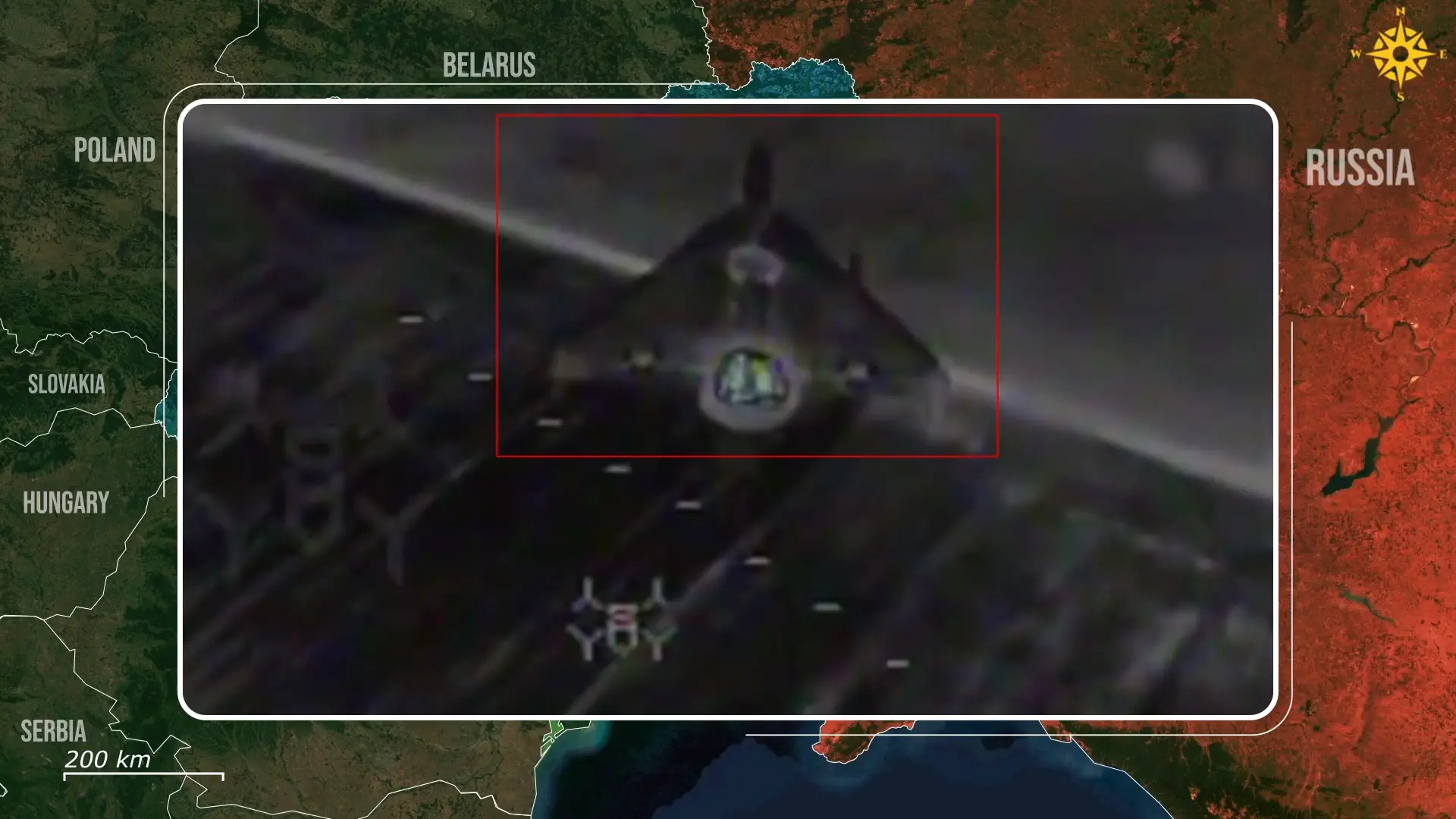
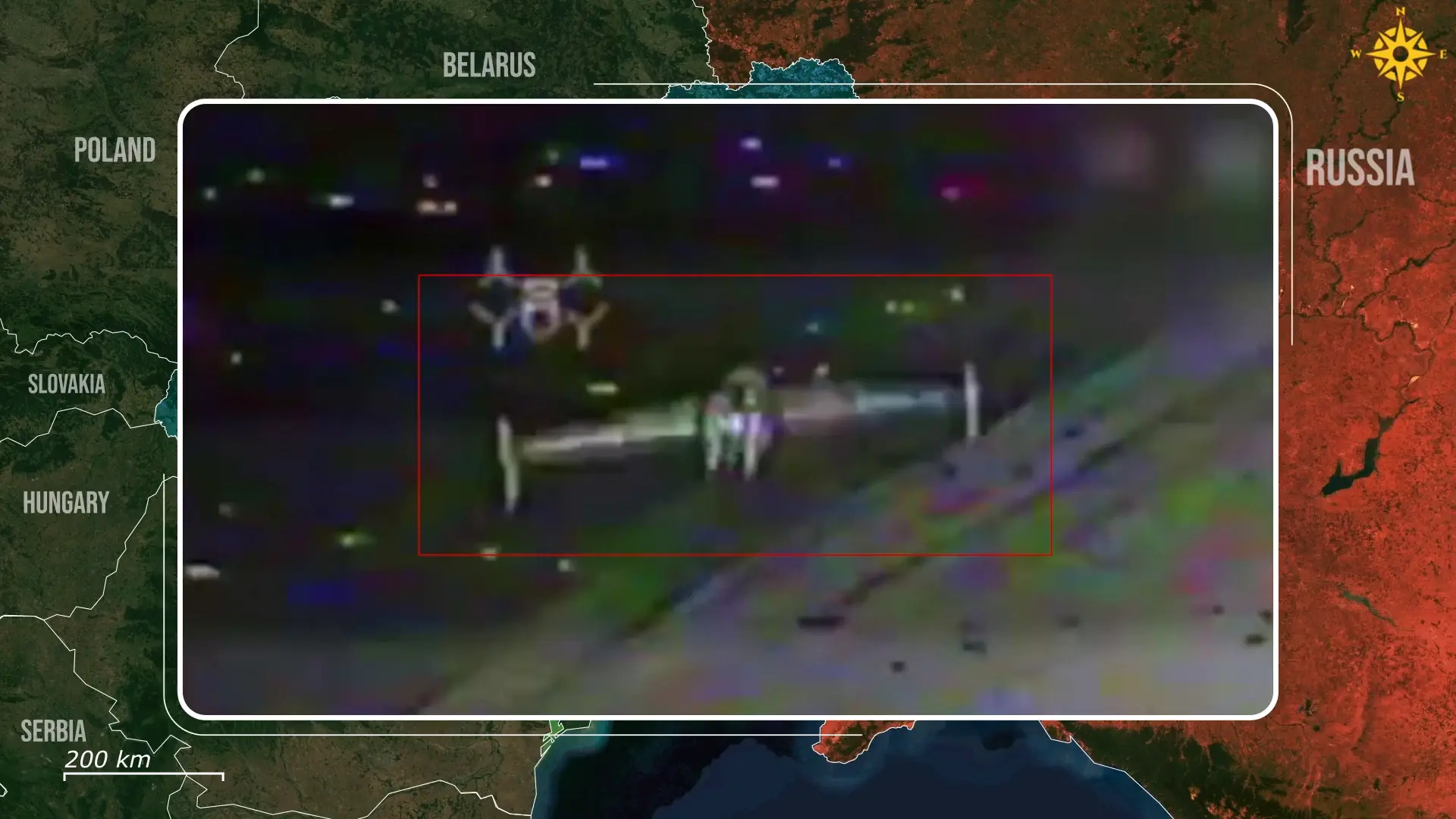
These measures, drawing on already existing technology and scalable domestic production reaching 1,500 units daily by January 2026, exemplify how Ukraine leverages modular upgrades to neutralize Russian innovations without overhauling entire systems.
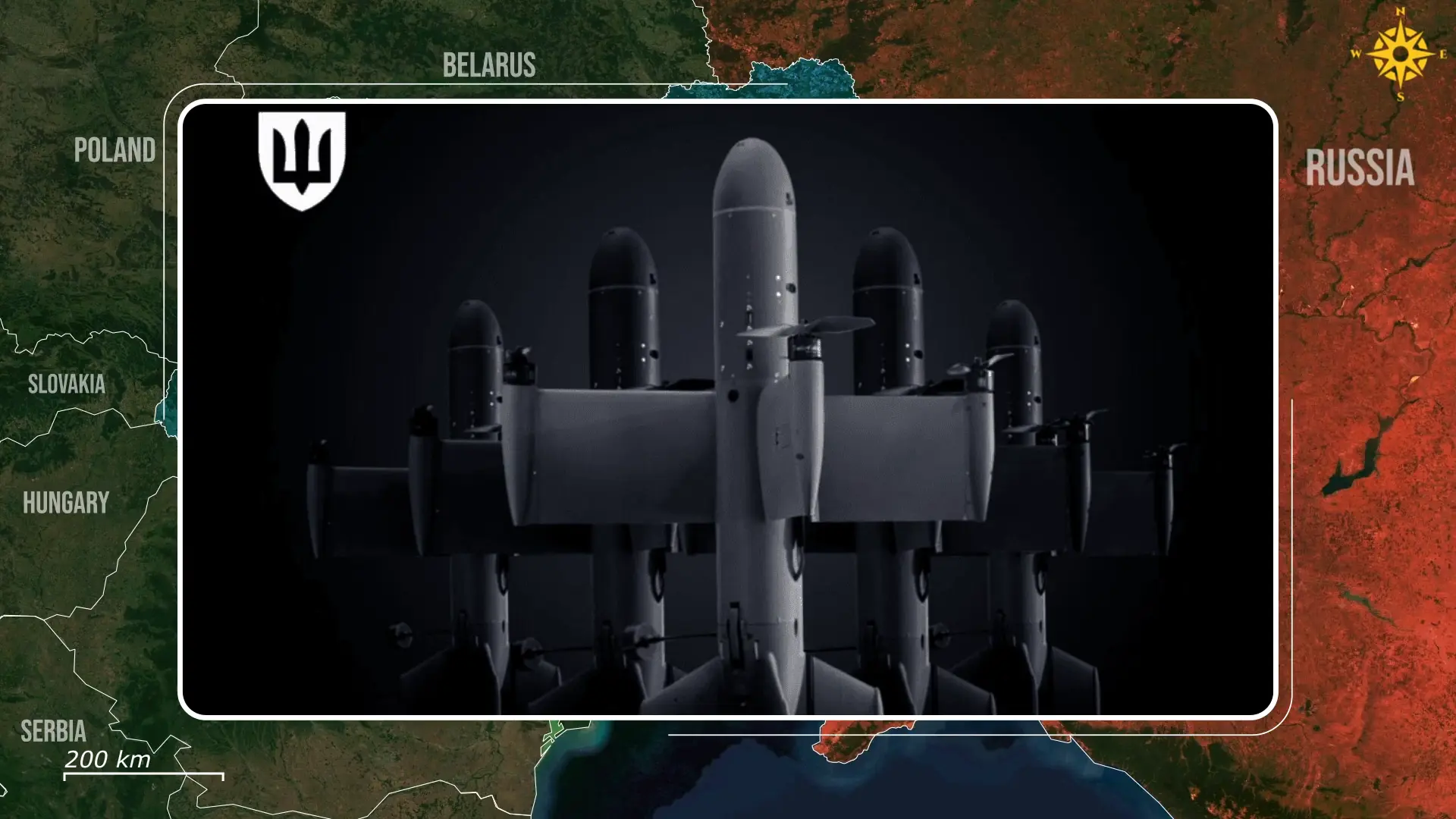
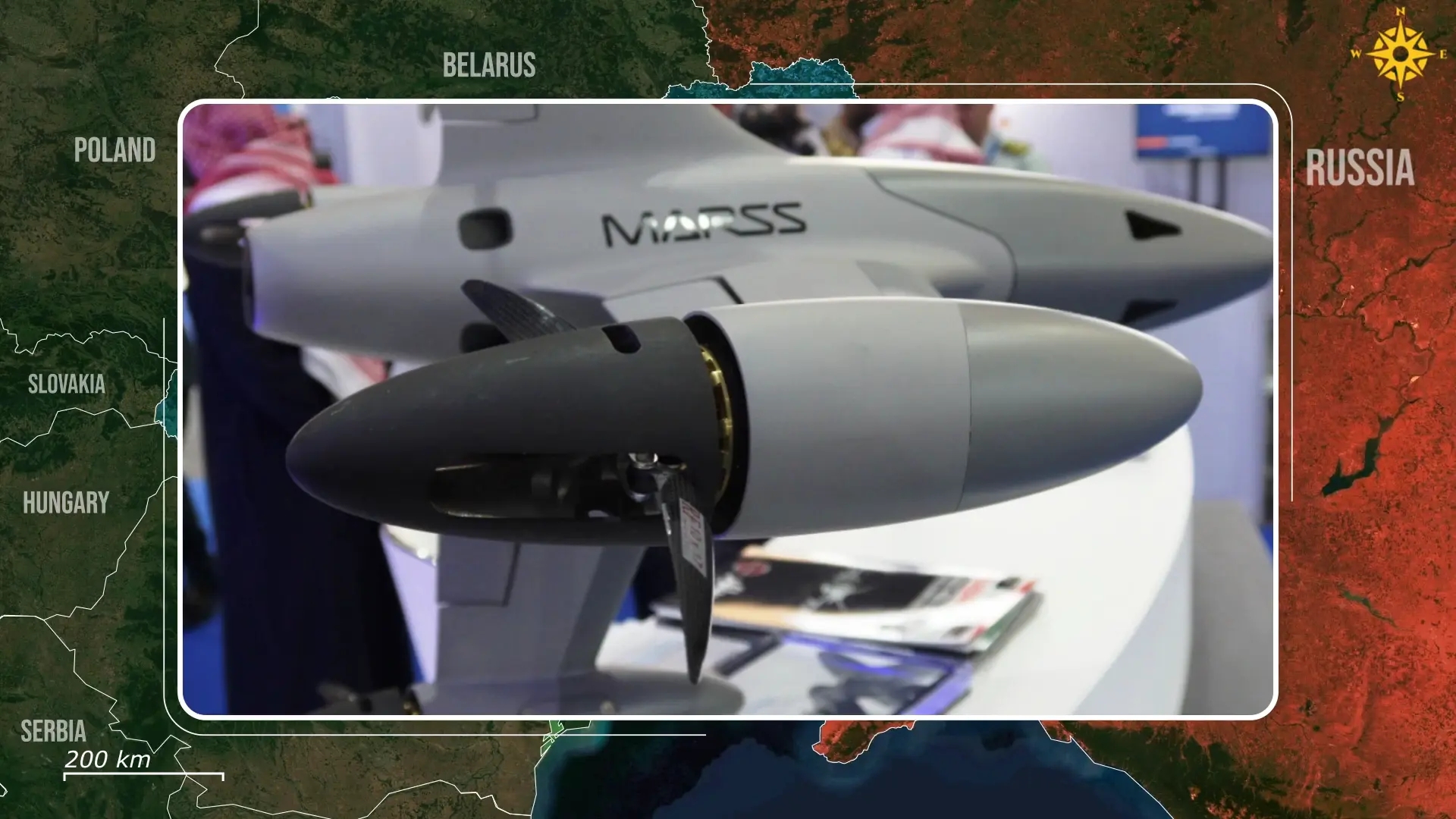
Overall, the rapid cycle of Infrared spotlight integration on Geran-2 drones and Ukraine’s immediate shift to dazzle-resistant thermal imagers and filtered sensors underscores how both sides are locked into an evolutionary arms race where no Russian tactical advantage endures for more than weeks. Russia cannot secure lasting dominance through singular, low-cost modifications because each upgrade invariably triggers faster, cheaper, and more scalable Ukrainian countermeasures.
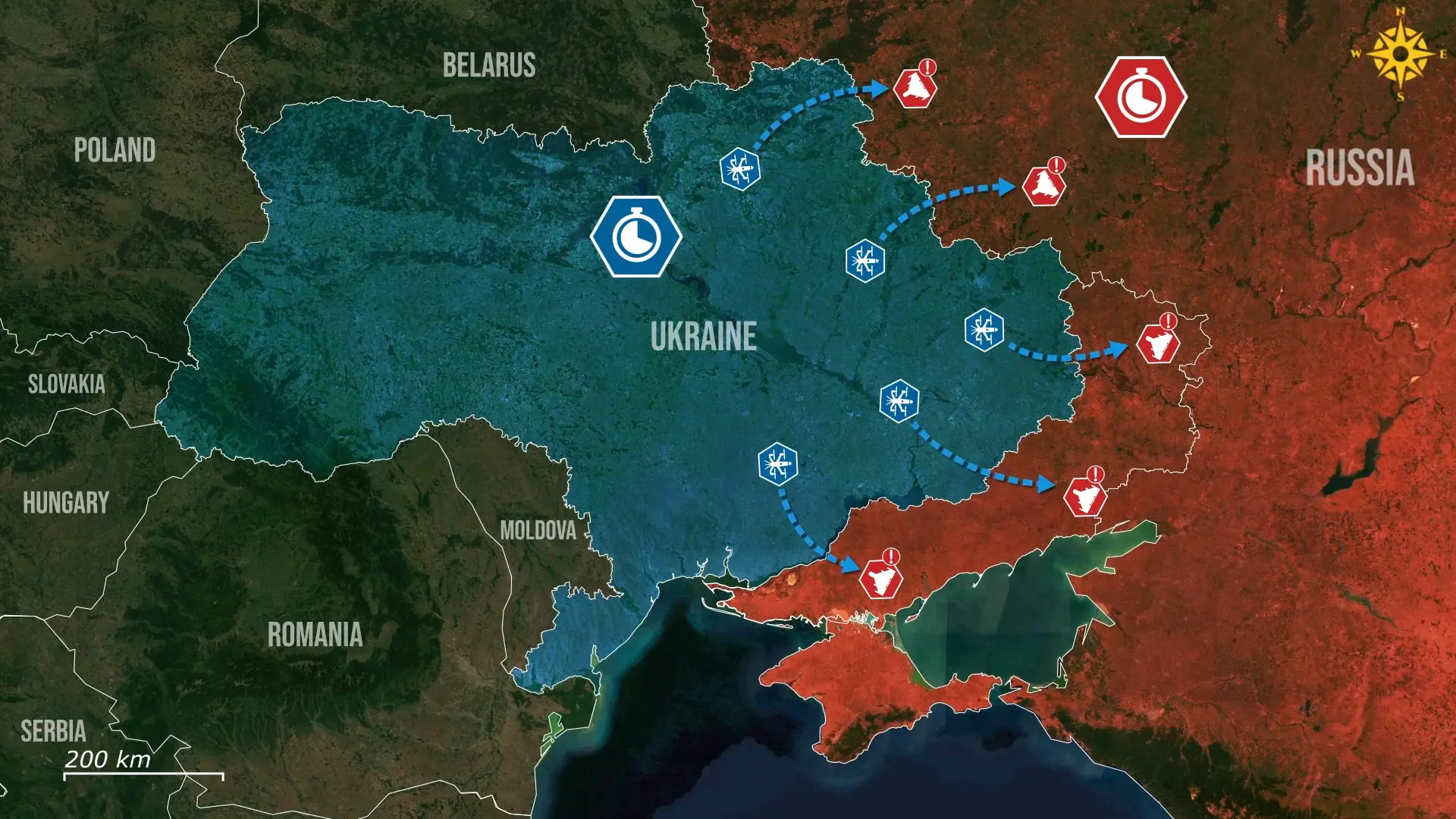
This dynamic permanently shifts the balance toward the defender who can out-iterate on production volume, sensor diversity, and software agility rather than relying on incremental hardware changes to the attacking platform. In the end, the massive and growing strain on Ukraine’s air defenses stems not from any decisive Shahed evolution, but from Russia’s inability to break out of this high-speed attrition loop.

.jpg)



Comments