

.svg)
Today, there is important news from the Druzhkivka direction.
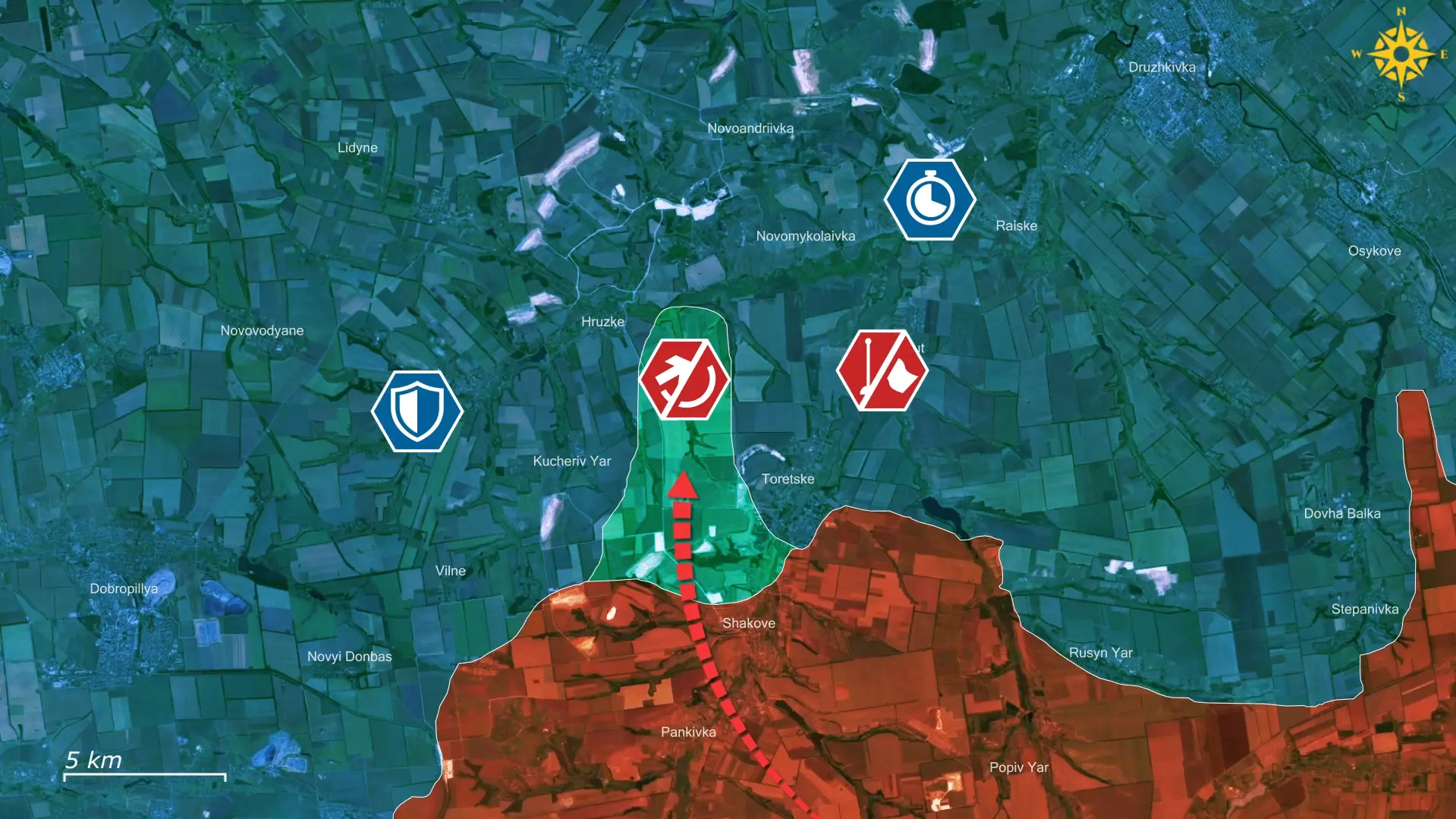
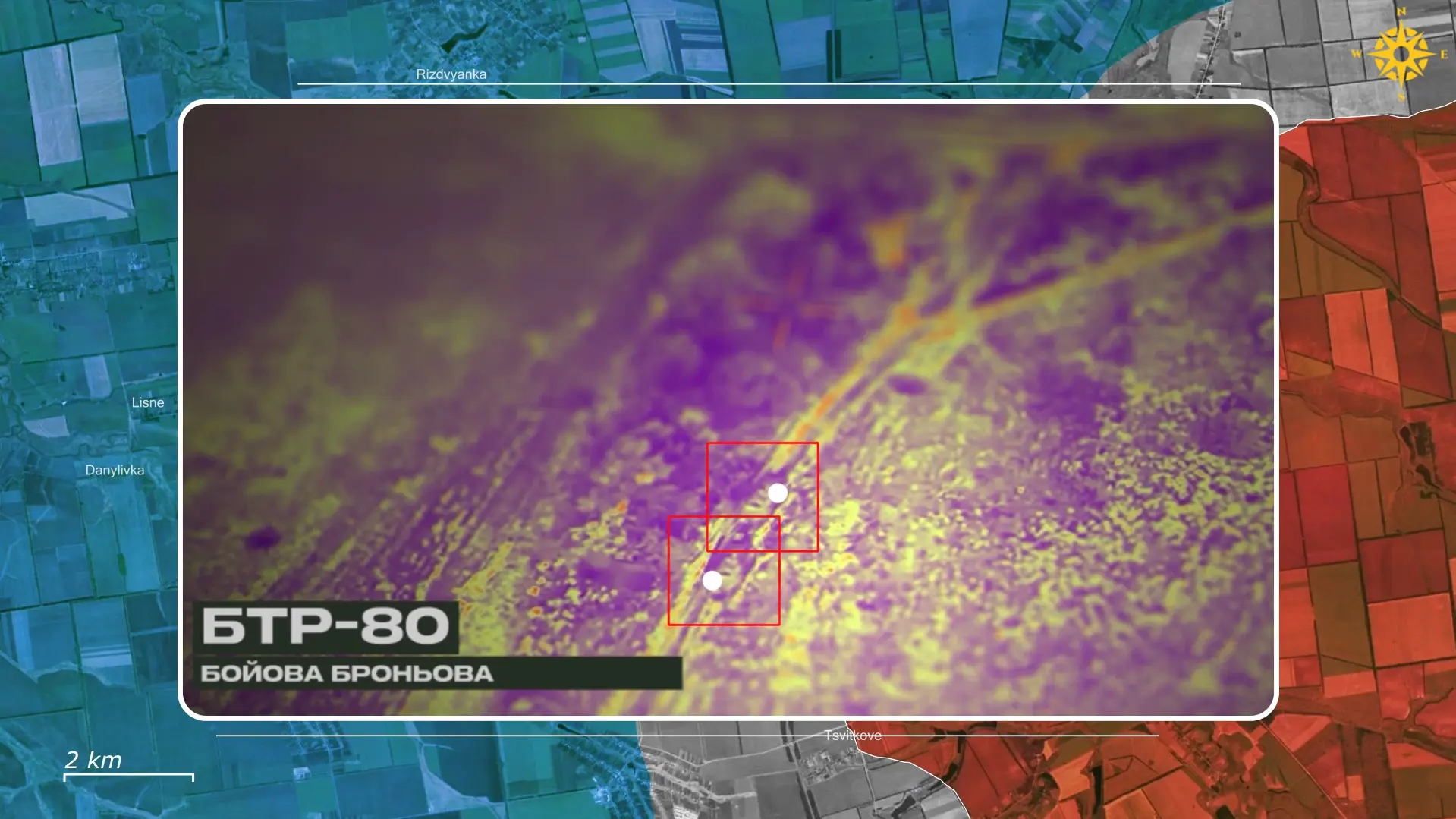
Here, a dangerous Russian penetration formed northeast of Dobropillia, as Russian forces had spent time accumulating troops around the Shahove area, attempting to expand in several directions around Hruzke and Novomykolaivka. Elements of Russia’s Ninetieth Tank Division and the Eighth Combined Arms Army sought Ukrainian logistical routes that could support an operational encirclement of Druzhkivka while opening another route toward Dobropillia. Had that worked, Russia could have threatened communications supporting the wider Ukrainian defense of the Sloviansk-Kramatorsk agglomeration. Instead of waiting for that to develop, Ukraine attacked the penetration systematically from multiple directions.
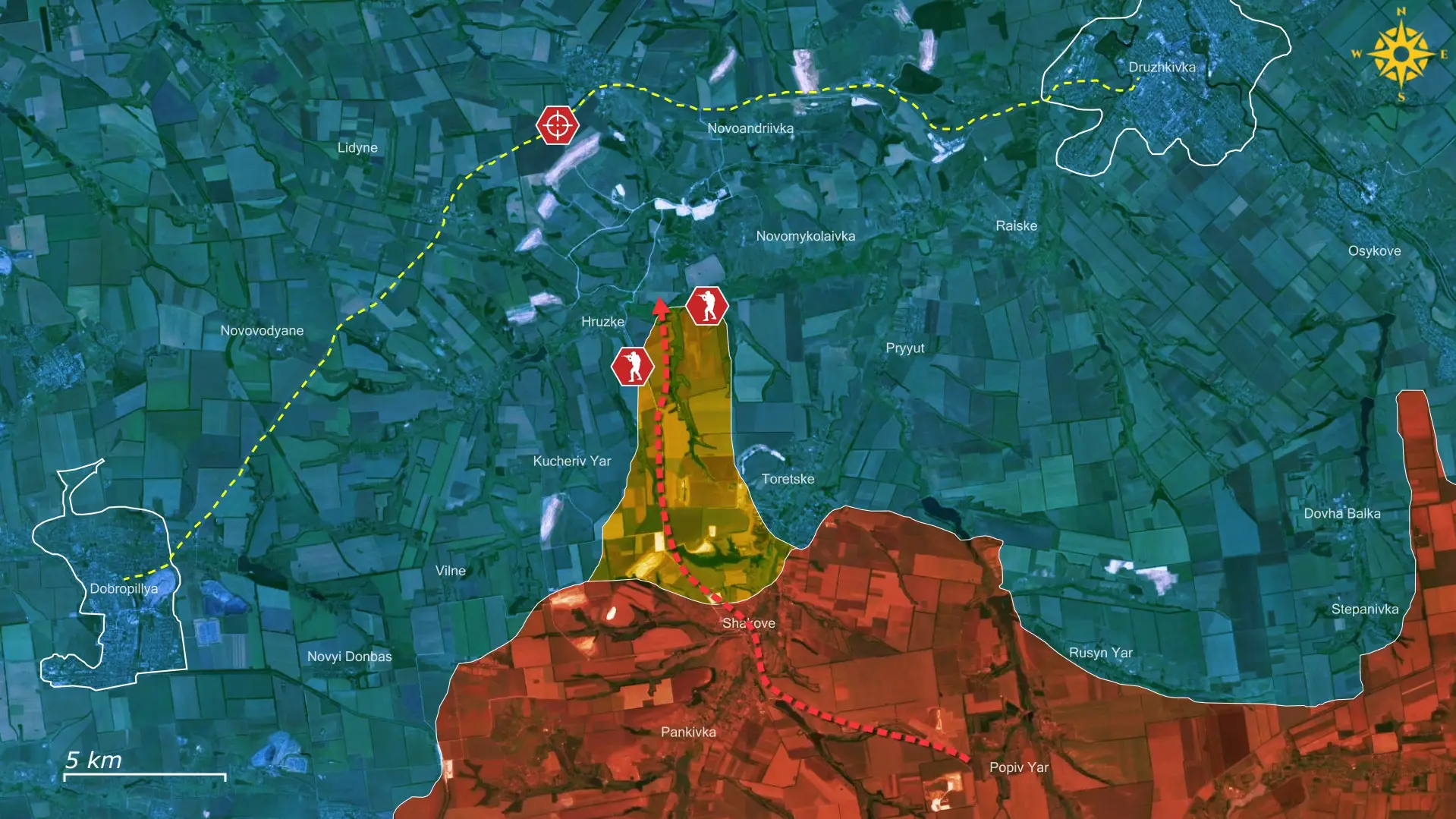
Once Ukrainian commanders concluded Russia was establishing a staging area rather than conducting isolated infiltrations, reinforcements were called in. The First Azov Corps deployed its Tuman special-purpose detachment alongside elements of the recently subordinated Skala Assault Regiment. The operation also involved Azov reconnaissance battalions with experienced drone operators. Crucially, representatives from participating formations planned the operation together rather than operating independently.
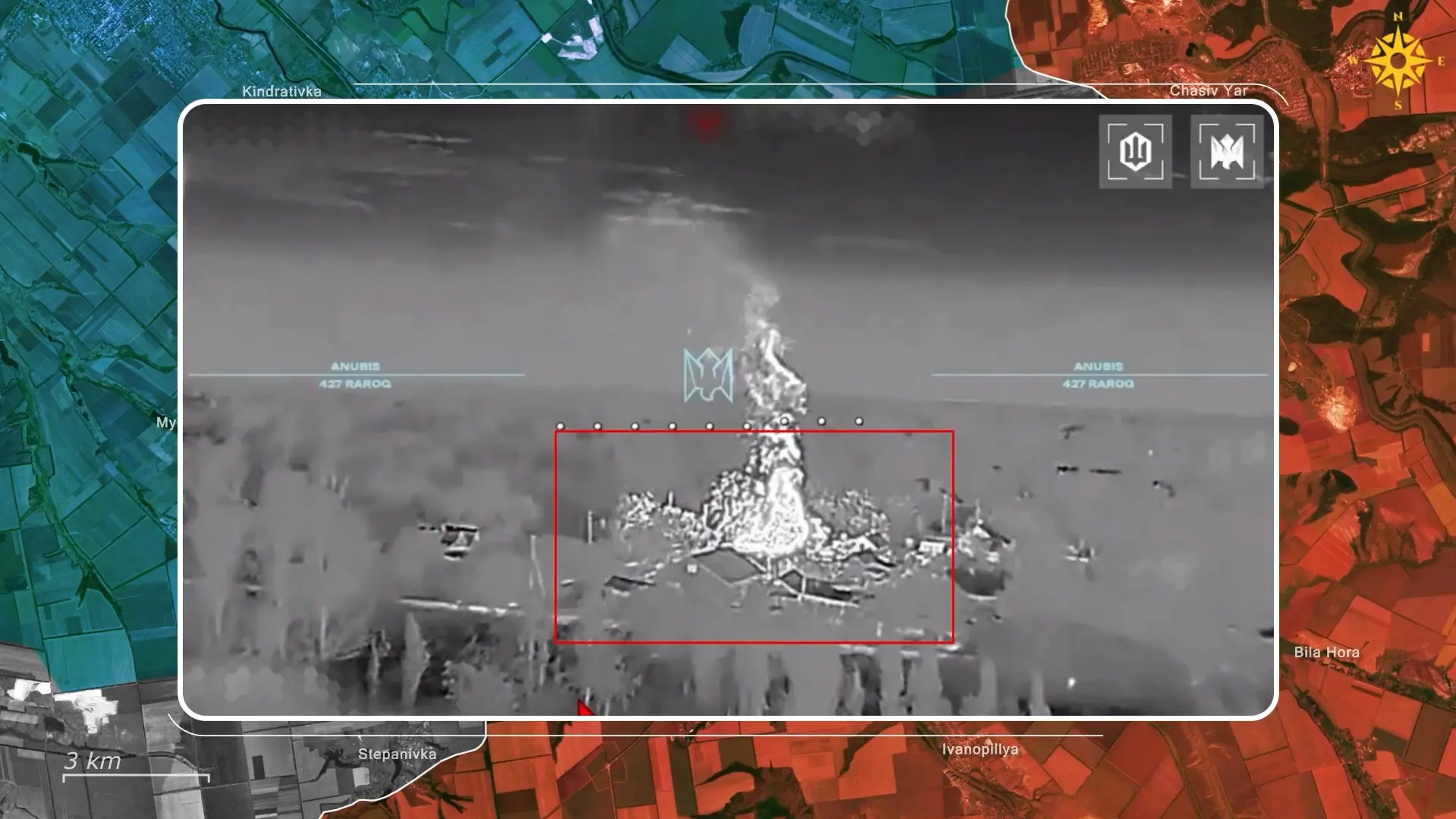
Their first objective was not immediately storming Russian positions. Ukraine instead isolated the concentration area with firepower, restricting Russian movement and preventing additional expansion before assault groups advanced. The Ukrainian soldiers attacked the Russian positions on the ground while FPV drones, bomber drones, and artillery worked around them. When Russian soldiers entrenched themselves in shelters that would have been expensive to storm directly, Ukrainian troops stopped, transmitted their locations, and requested drone strikes. Once those positions were suppressed or destroyed, assault troops moved forward and cleared them.
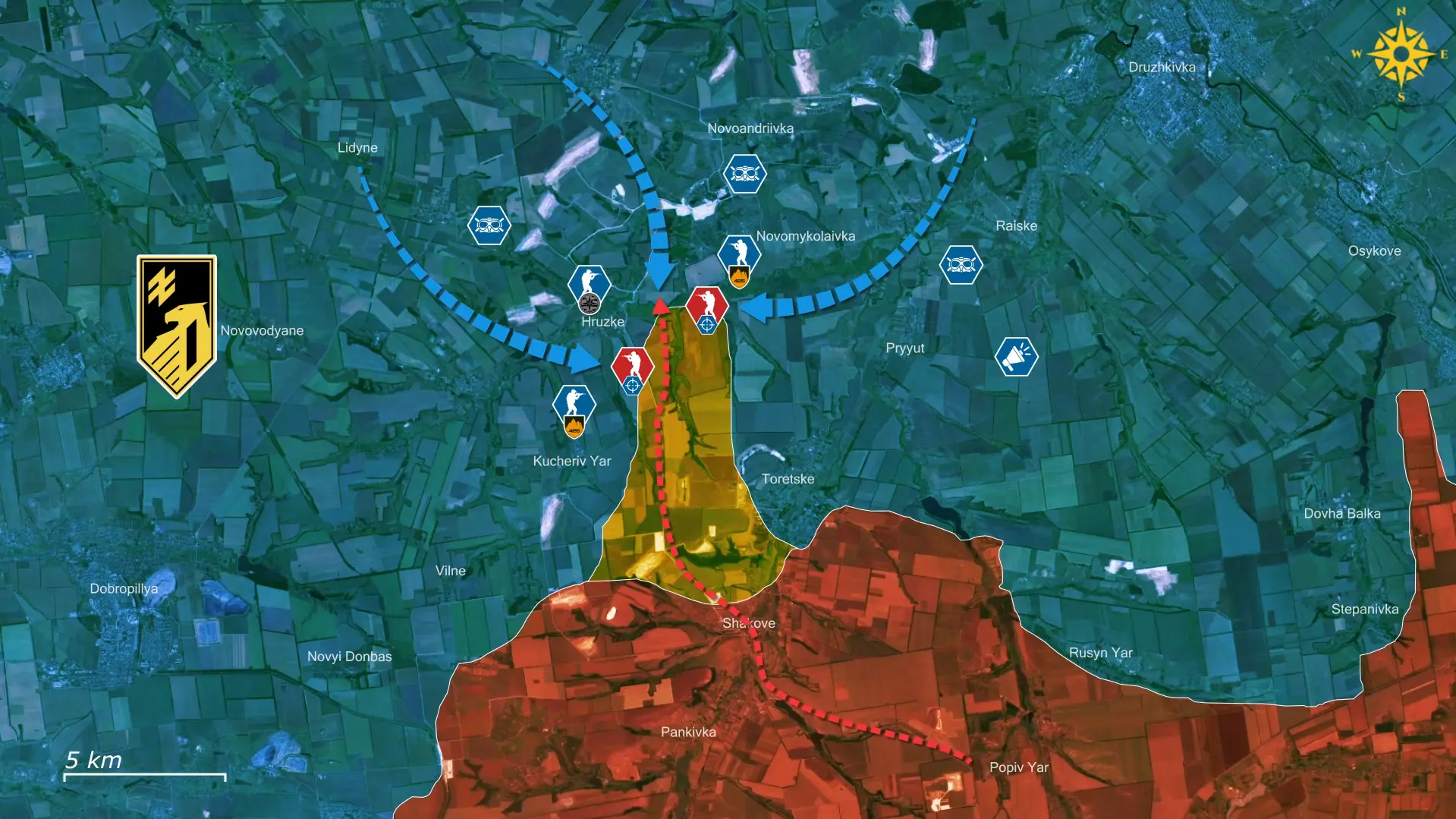
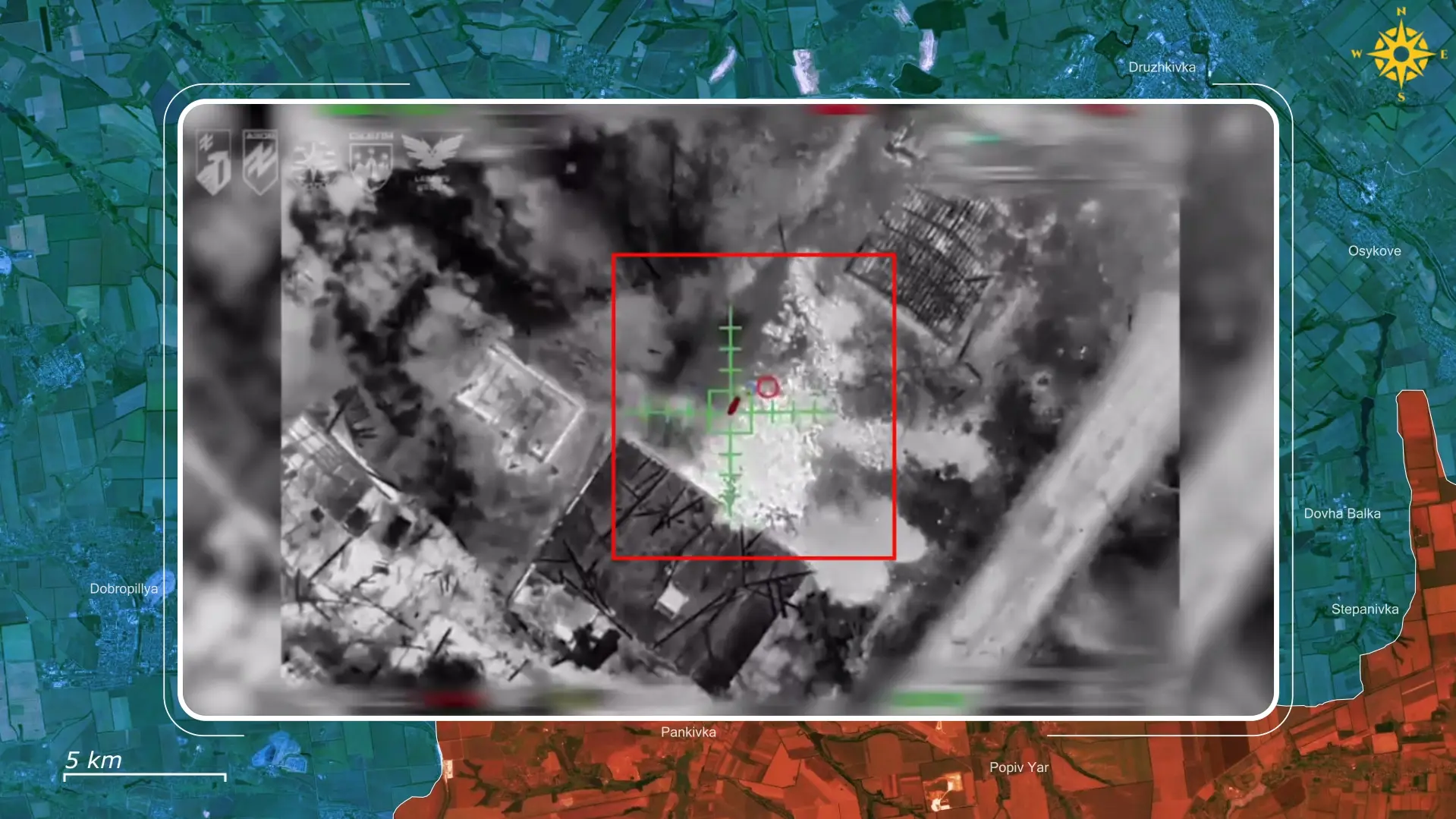
That coordination allowed Ukraine to squeeze the penetration from multiple directions rather than simply pushing against its strongest point. Ukraine simultaneously attacked Russia’s fire support by conducting a specialized operation against Russian artillery, employing drone-delivered munitions designed to damage howitzer barrels. Destroying those guns reduced Russia’s ability to suppress Ukrainian assault groups while they advanced, while Ukrainian artillery provided another layer of support, creating a combined reconnaissance-strike system around infantry moving through extremely difficult terrain.
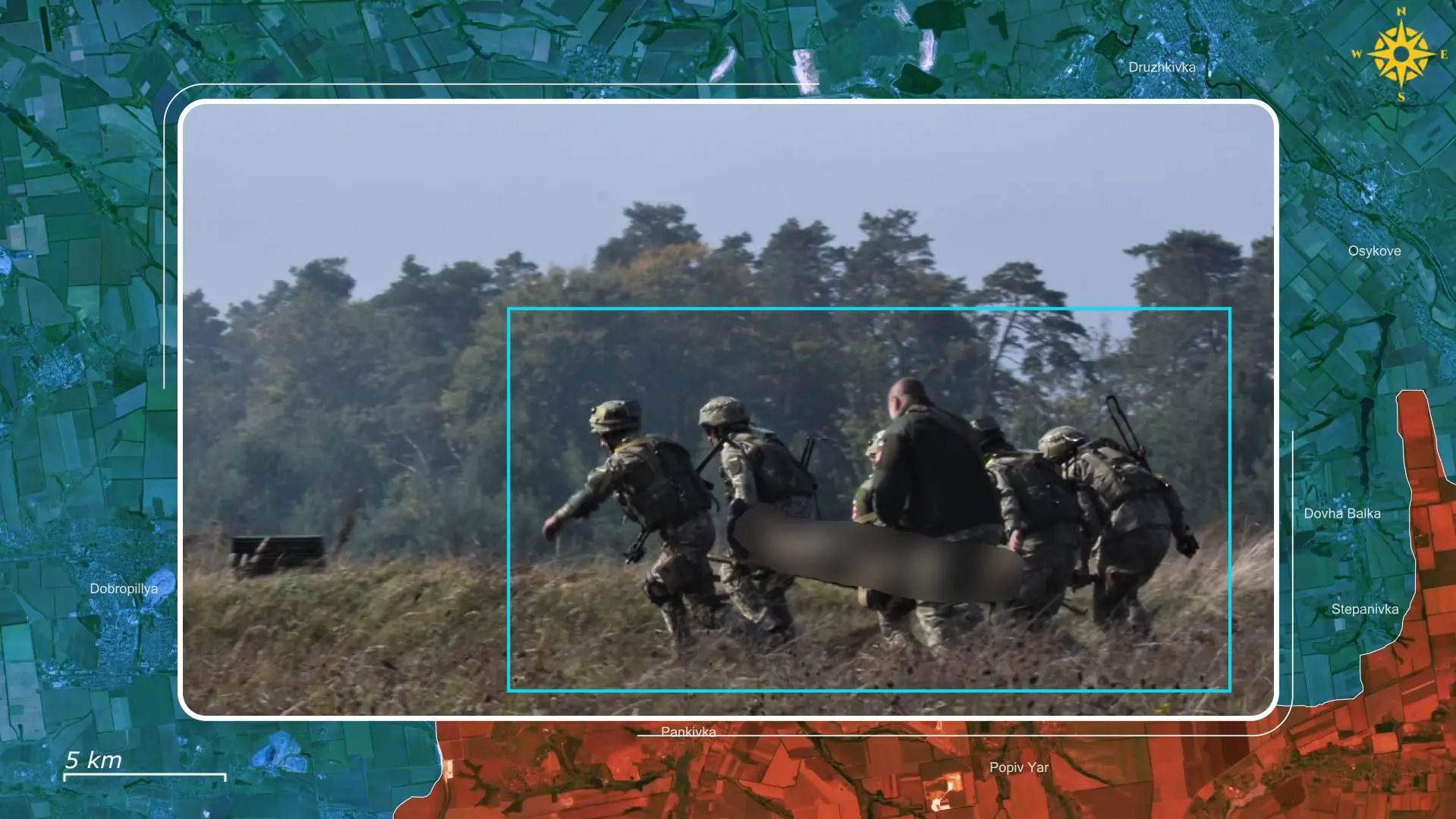
This was particularly important because evacuation was dangerous, as open terrain and dense Russian drone activity meant a seriously wounded Ukrainian soldier could be difficult to extract. Commanders therefore emphasized destroying detected Russian positions remotely whenever a direct assault created unnecessary risk.
To achieve the essential real-time coordination, a liaison officer from the Twelfth Azov Brigade remained at the command-and-observation post, allowing assault troops, drones, and supporting formations to exchange information immediately. Skala’s participation was particularly significant because this became its first operation under Azov’s operational command. The result was the dismantling of the Russian concentration and the complete elimination of the breakthrough that had taken months to establish. Azov reported two-hundred-thirty-seven Russian soldiers killed, forty-four wounded, and three captured during the operation.
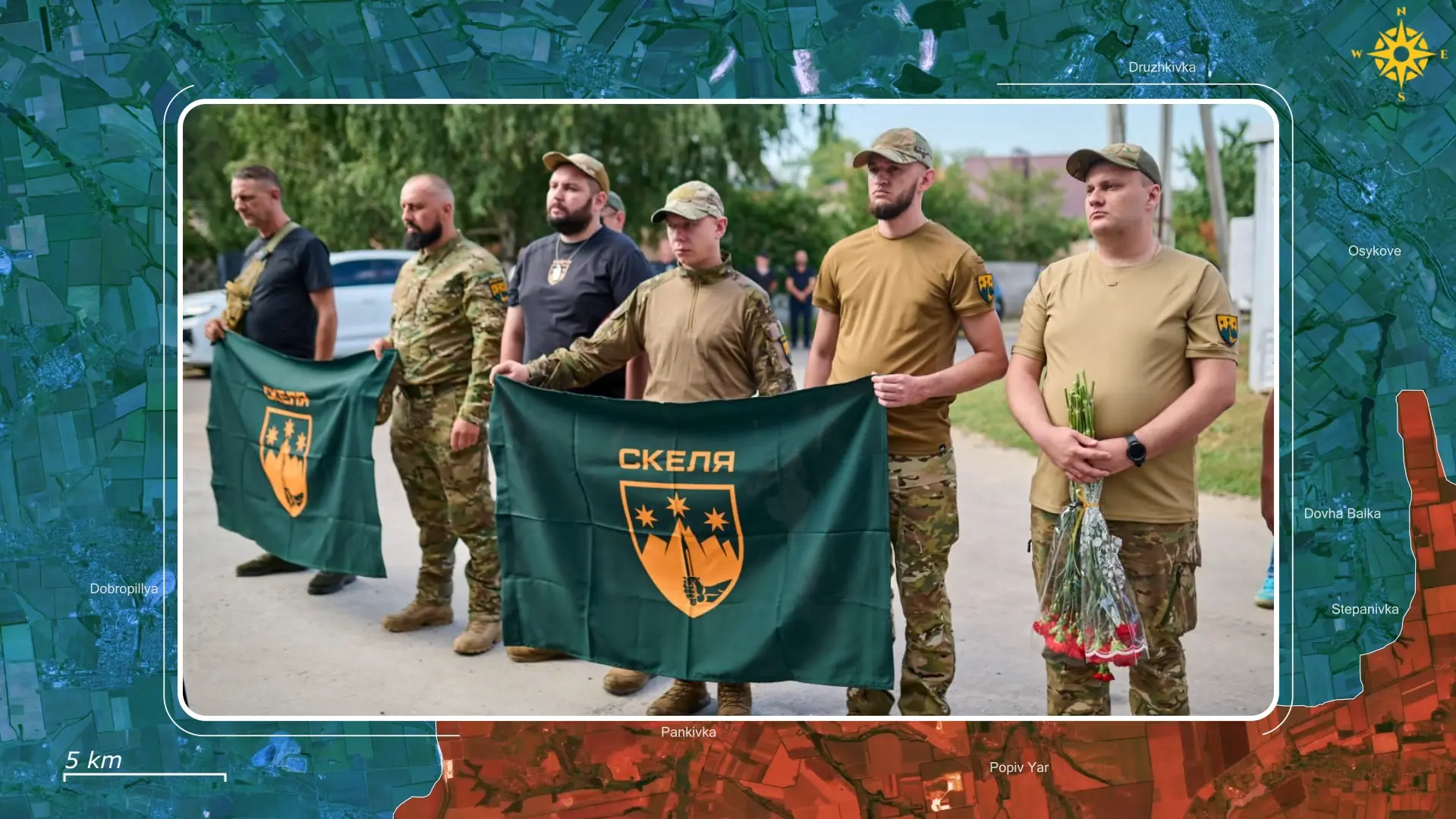
Overall, more importantly than the number of losses, Russia failed to transform its infiltration into the logistical breakthrough it needed. As a result, the reinforced Russian formations around Dobropillia failed to generate major advances despite substantial redeployments during the summer. At the same time, Ukraine has now bought additional time around Druzhkivka and Dobropillia while forcing Russia to absorb another round of losses. Instead of becoming the staging ground for a wider breakthrough, the penetration became an isolated concentration attacked by Ukrainian infantry, artillery, and drones from multiple directions. That means another delay for the Russian command’s broader objective: breaking Ukraine’s Donetsk defenses and capturing the remaining Ukrainian-held part of the region.
.jpg)

Comments