

.svg)
In this video, we will analyze what the Russians are building inside North Korea.
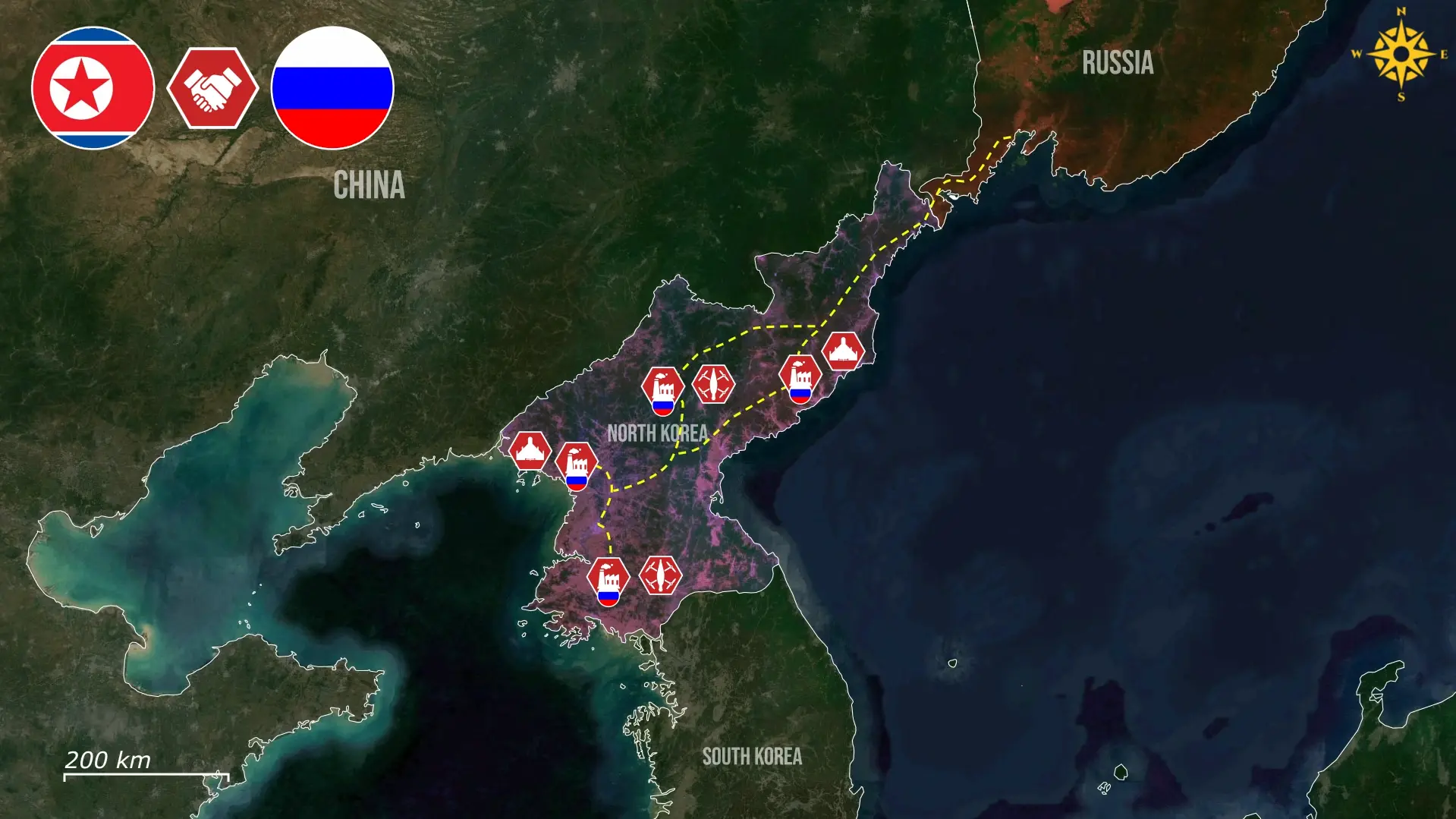
North Korea's landscape above Pyongyang appears from orbit like another restricted industrial zone shaped by factories and routine construction activity. However, new satellite imagery is beginning to reveal that Russia may be building something much larger inside North Korea, with a massive drone operation emerging hidden in plain sight.
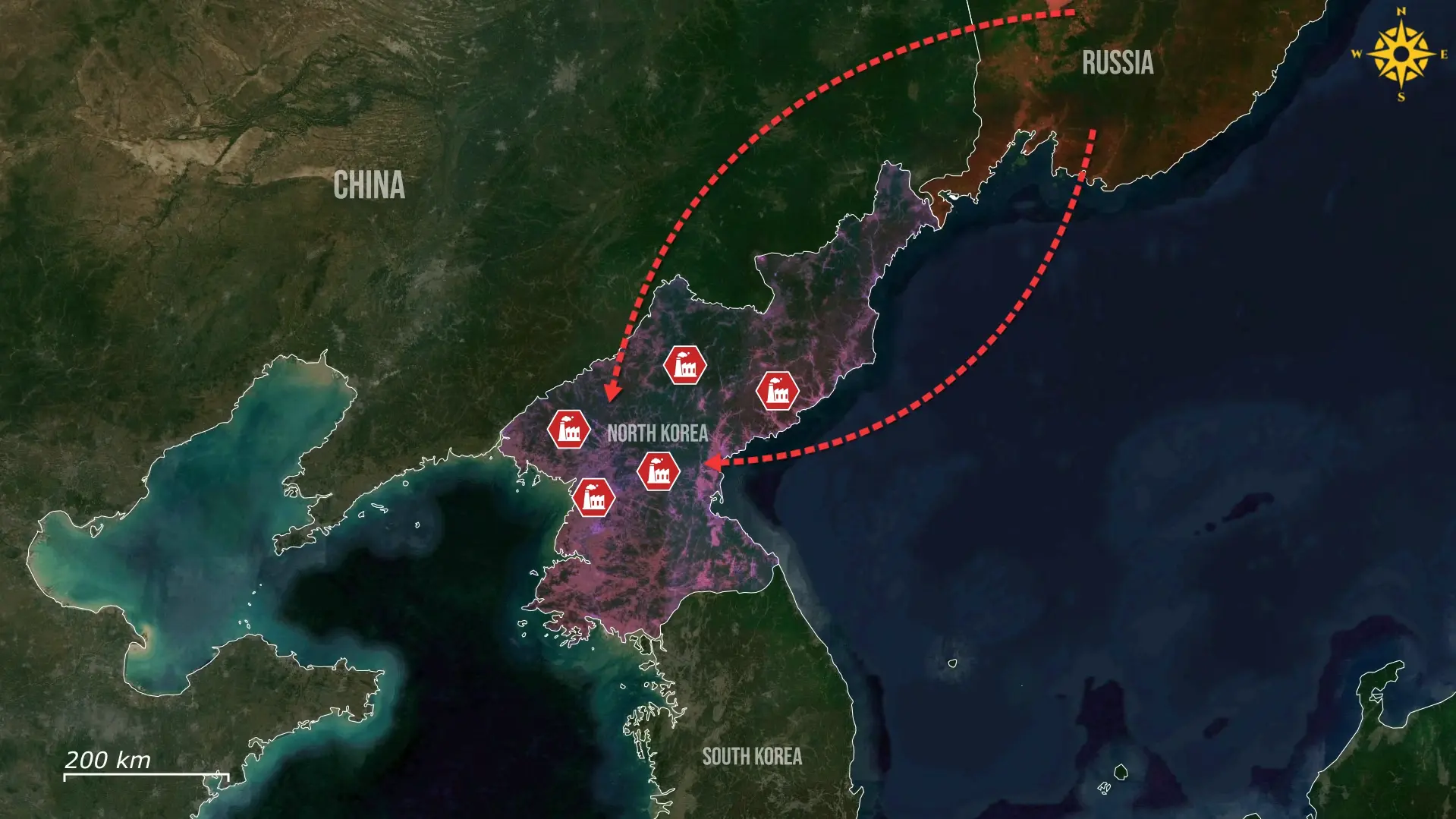
Recent satellite imagery and intelligence reporting have drawn attention to an expanding industrial zone north of Pyongyang that appears increasingly connected to drone production activity. Analysts tracking construction patterns have pointed to new facilities and growing logistical infrastructure around the area. The changes stand out because they suggest more than isolated military development projects, as they point toward an industrial effort operating at a larger scale. US intelligence assessments have reportedly also identified North Korea's growing role in drone manufacturing and that matters because drone warfare has become one of the defining features of modern battlefields. What once looked like another restricted industrial district may now be part of something much larger taking shape behind North Korea's closed borders.
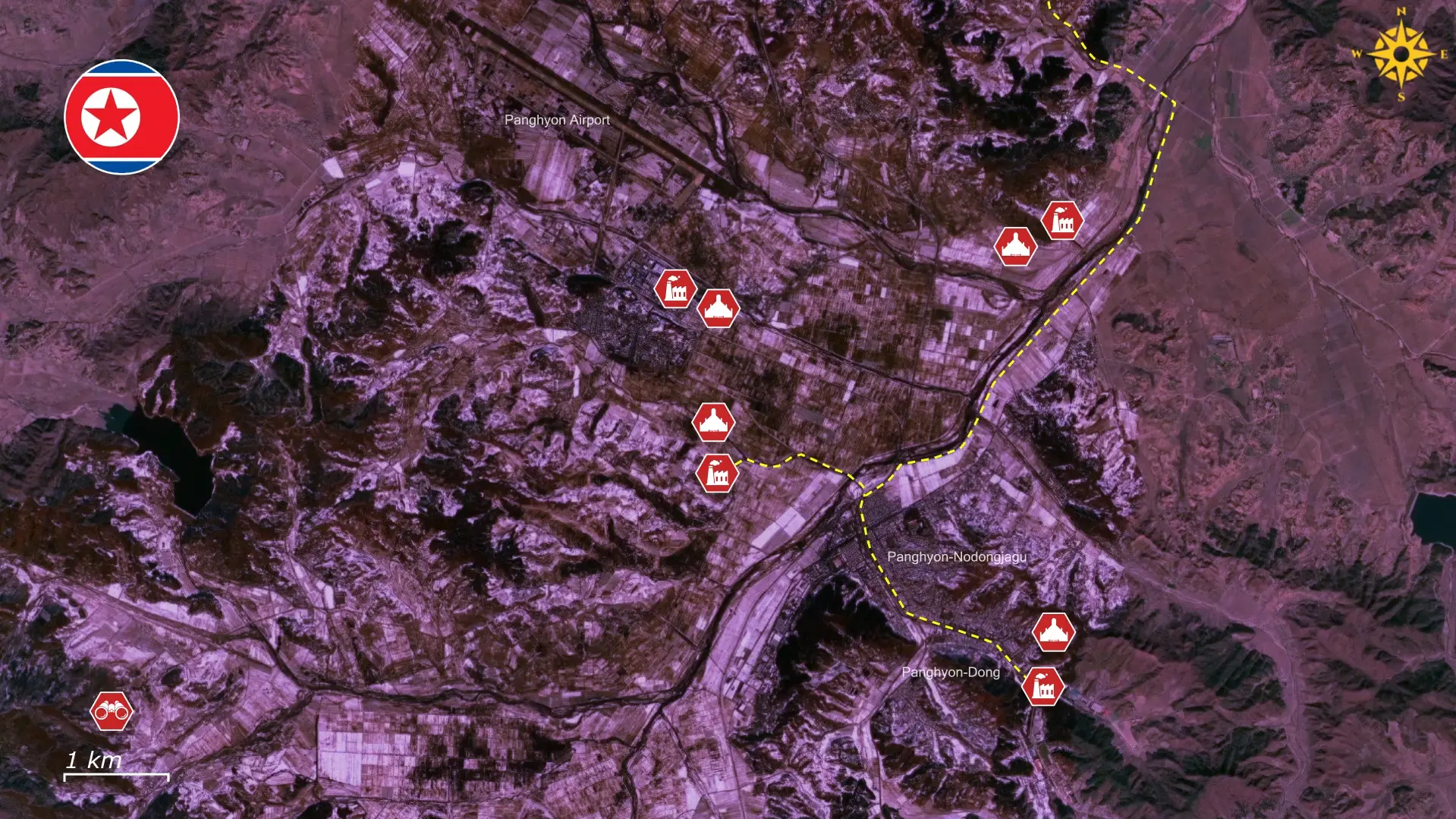
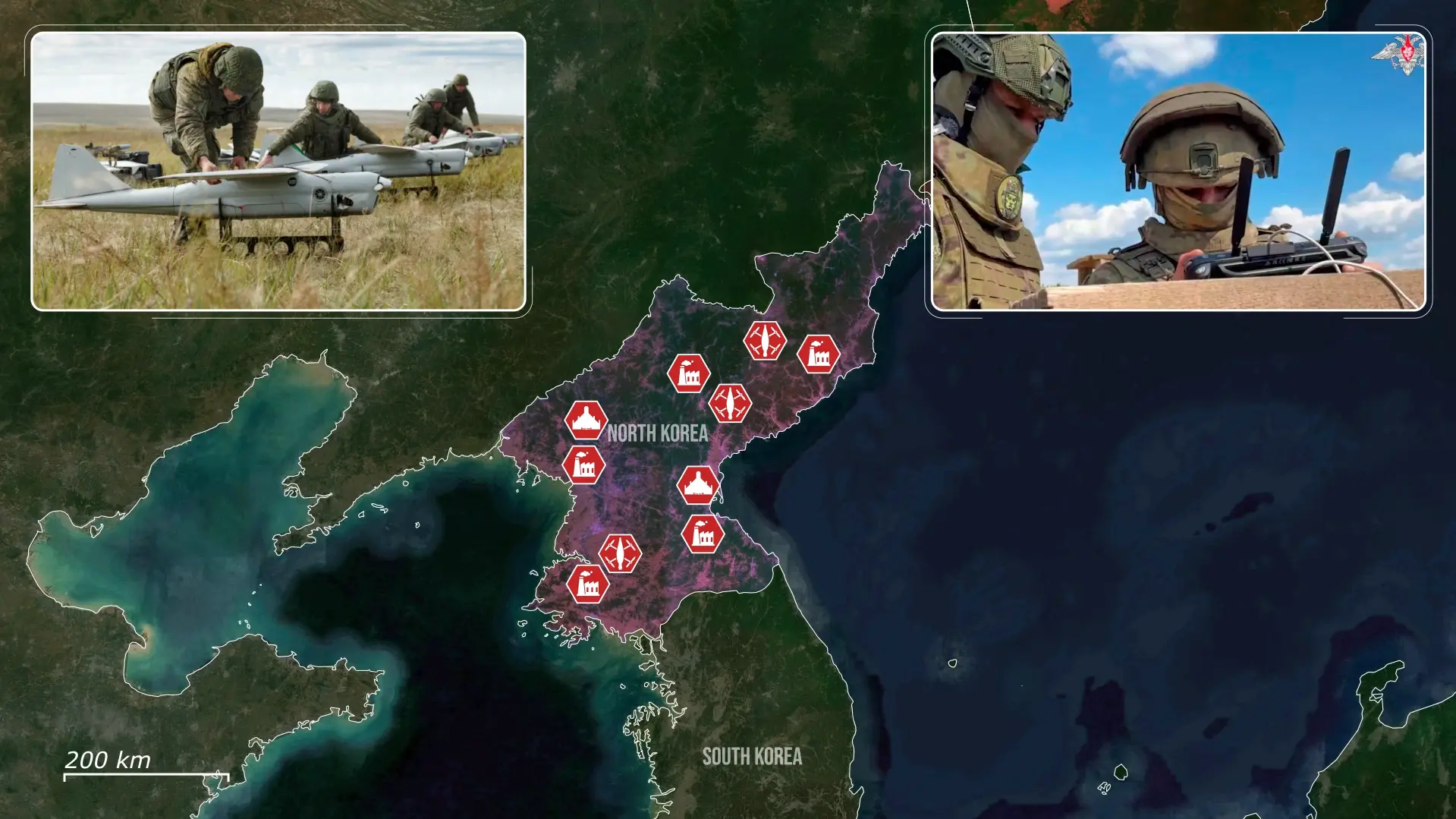
The next question is not whether North Korea is expanding production capacity, but what that capacity is being built to produce, as Russian and North Korean military cooperation increasingly aligns with the battlefield requirements that emerged during the war in Ukraine. The emphasis is on drones that can be manufactured quickly and fielded in large numbers rather than expensive and highly specialized systems. Modern warfare has shown that cheap unmanned platforms can generate disproportionate effects through scale alone. Russian forces have relied extensively on drones for reconnaissance and strike missions throughout the conflict. Production at scale allows damaged systems to be replaced rapidly while sustaining a constant flow of battlefield assets over long periods of fighting.
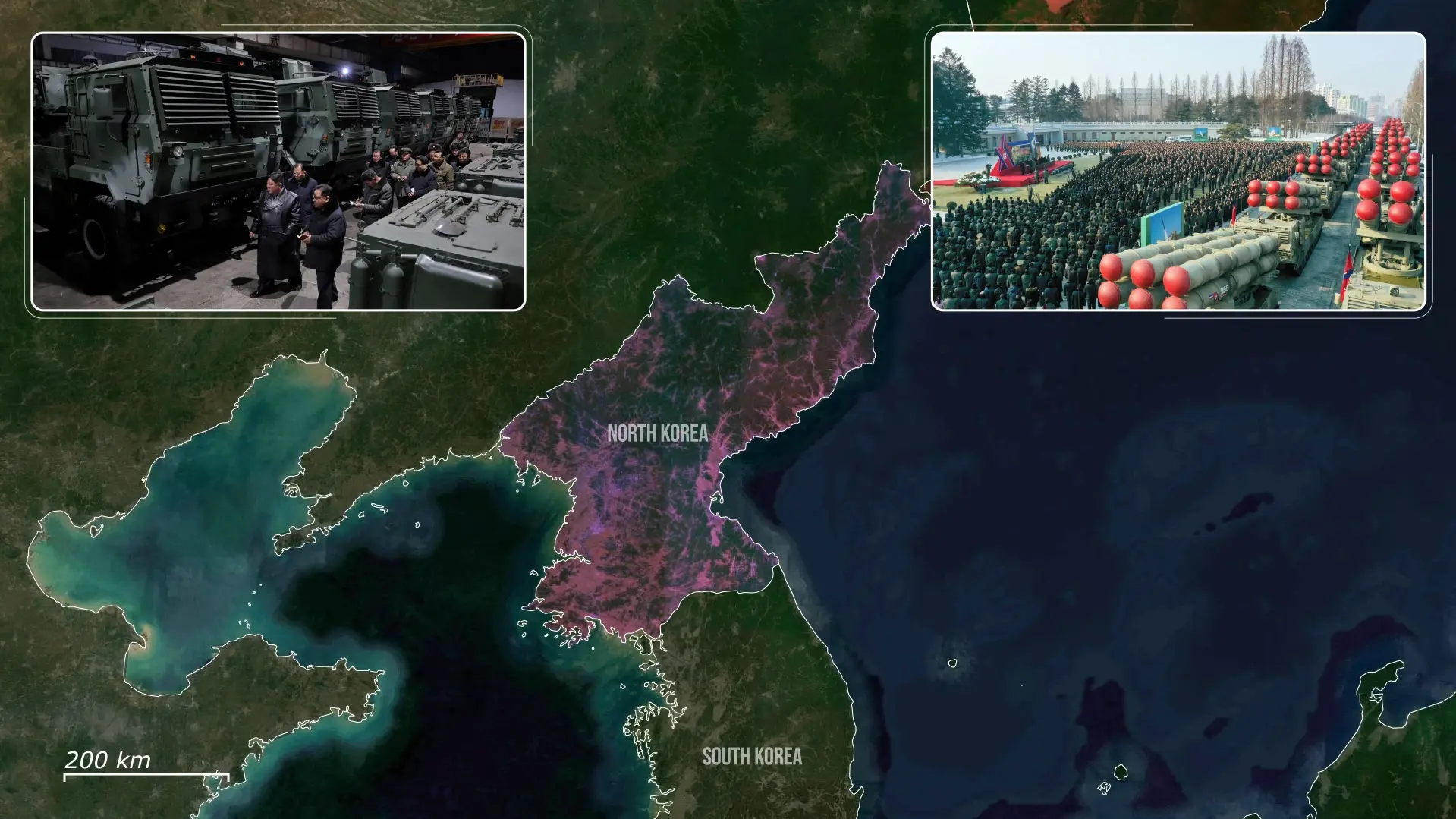
The expansion of military production becomes more significant when viewed alongside the scale of material already moving between the two countries. Multiple reports indicate that North Korea has transferred between seven to thirteen point eight billion dollars worth of military equipment and ammunition to Russia over the course of their growing partnership. The shipments have included approximately thirty three thousand containers, containing around fifteen million artillery shells along side rockets, missiles and other battlefield supplies needed to sustain high-intensity operations. Some assessments have also suggested that parts of this cooperation extend beyond simple transfers of existing stockpiles. They will also extend towards joint development efforts involving weapons systems and technology sharing between both sides. That distinction matters because supplying equipment and developing equipment are not the same thing, as one supports a war effort, while the other creates an industrial relationship capable of expanding far beyond a single conflict.
Military cooperation between Russia and North Korea expanded significantly after North Korean forces became directly connected to operations around the Kursk front. What initially looked like battlefield support gradually evolved into a broader strategic relationship built around long term coordination rather than short term wartime needs. Russia and North Korea reinforced their Comprehensive Strategic Partnership treaty while continuing discussions aimed at extending cooperation beyond the war in Ukraine. As the relationship deepened, military coordination increasingly began to overlap with technology sharing and weapons development designed to strengthen the capabilities of both countries. The shift also started moving beyond defense matters alone, creating stronger links in transport and economic coordination. The almost completed road bridge between Russia and North Korea reflects this transition because it turns political cooperation into physical infrastructure designed to last.
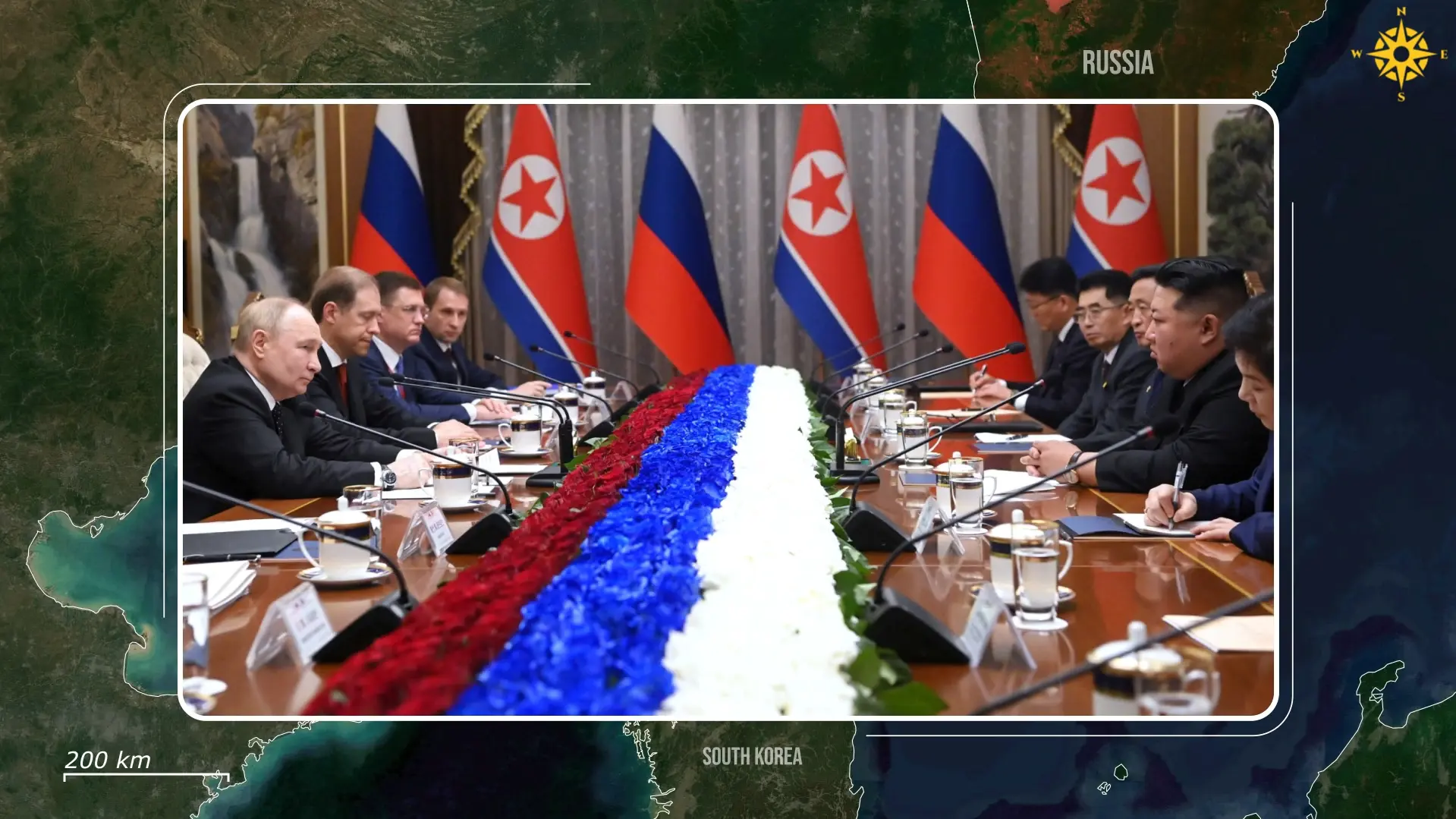
Overall, the most important development may not be the appearance of new facilities or the movement of weapons across borders, but the emergence of an integrated military ecosystem between Russia and North Korea. Industrial capacity and technology sharing become far more significant when they begin operating as parts of the same system. This creates a relationship that can continuously generate new capabilities instead of simply consuming existing stockpiles. What appeared to be isolated events hidden in plain sight may increasingly represent the foundation of a longer-term strategic architecture with consequences extending well beyond Ukraine or the Korean Peninsula.

.jpg)

Comments