

.svg)
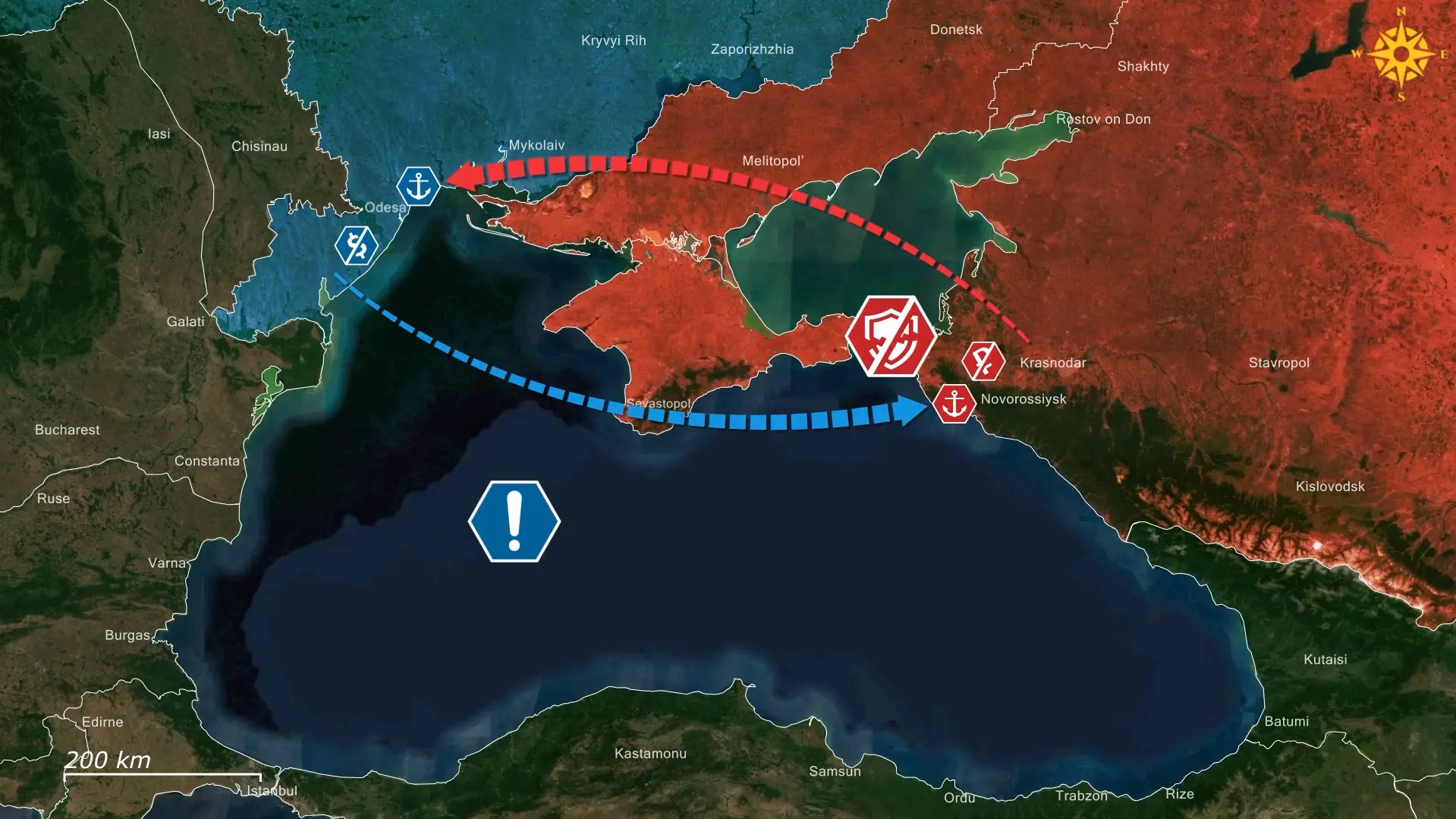
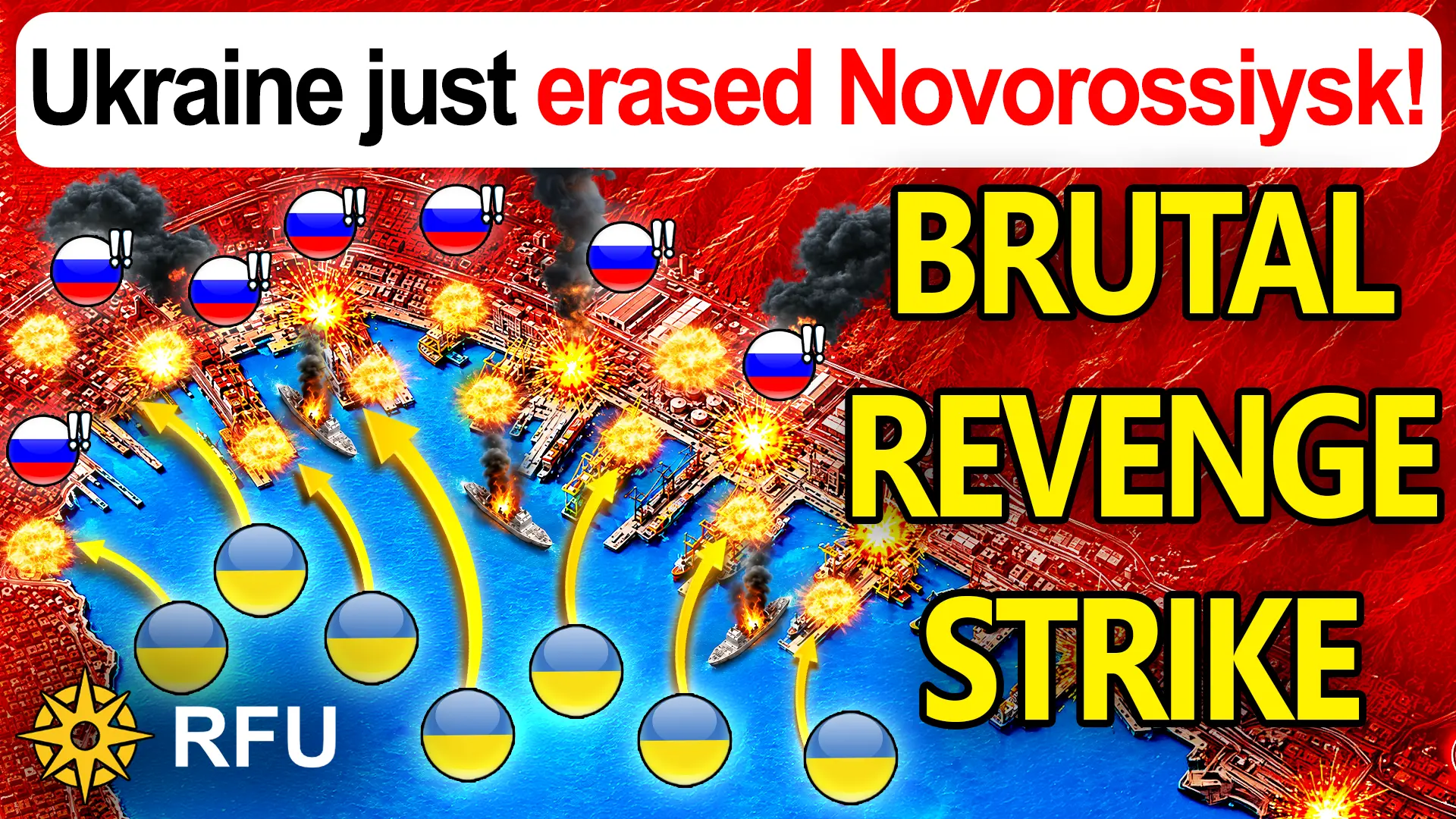
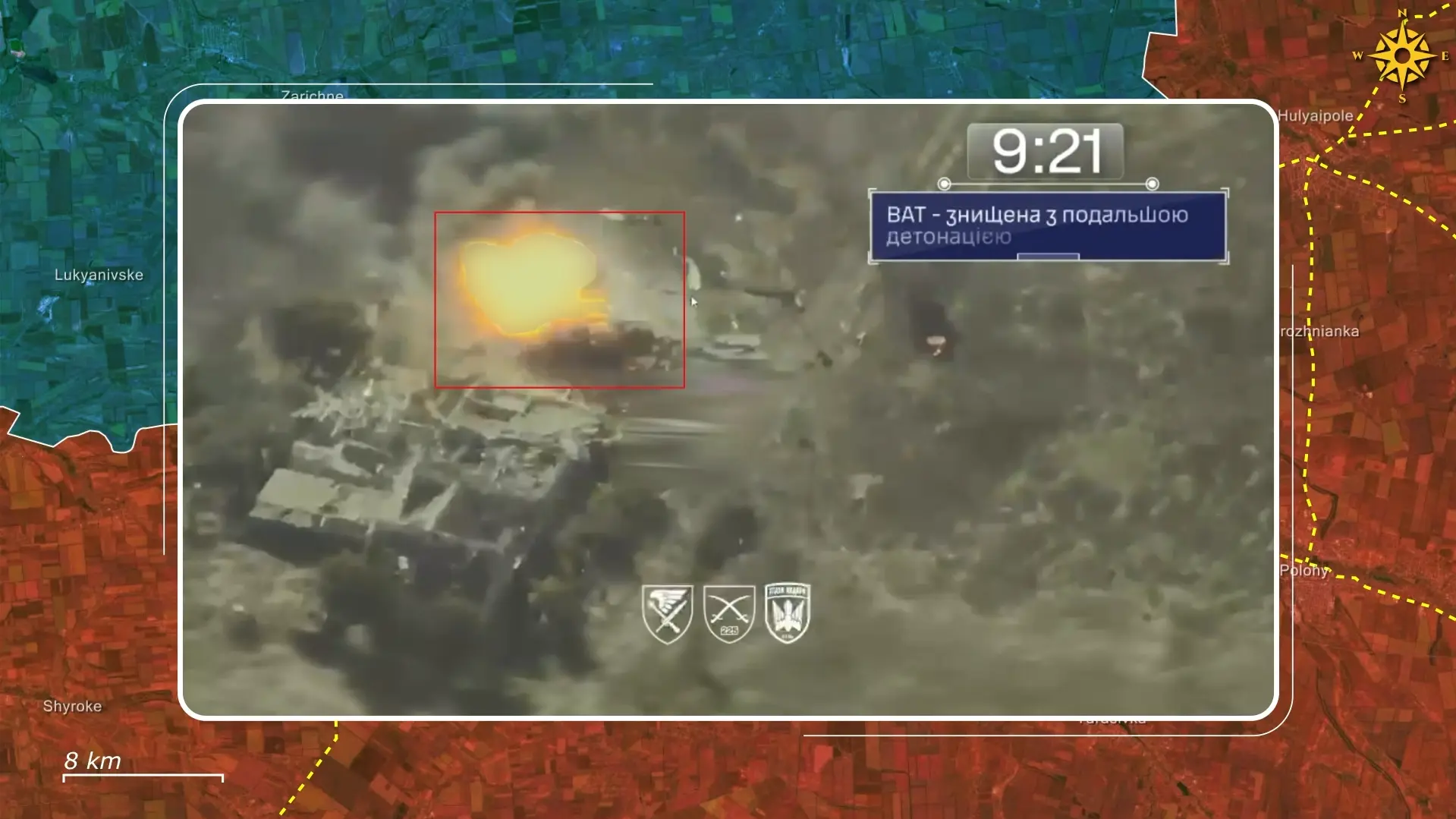
Today, Ukraine launched its largest strike on Novorossiysk since the war began, pounding Russia’s principal Black Sea naval refuge for hours with more than five hundred different weapon systems and erasing the port city. President Volodymyr Zelensky confirmed the use of Palianytsia drone-missiles, Neptune missiles, and naval drones against the port. Russia claimed more than five-hundred Ukrainian drones were intercepted in the Krasnodar region overnight, while local footage showed intense air-defense fire over Novorossiysk. Ukrainian strikes hit air-defense positions, piers, port infrastructure, and facilities connected to the naval base. Fires erupted around the military harbor while Russian mobile air defense groups struggled under saturation pressure. Reports from Russian military analysts suggested that the Russian air defense systems S-Three-hundred, S-Four-hundred, and Pantsir suffered from a lack of interceptors, which Ukraine exploited for its prolonged attack. Two major grain terminals were damaged and suspended operations, while fires also affected industrial facilities and water infrastructure, forcing authorities to halt water supplies across the city.
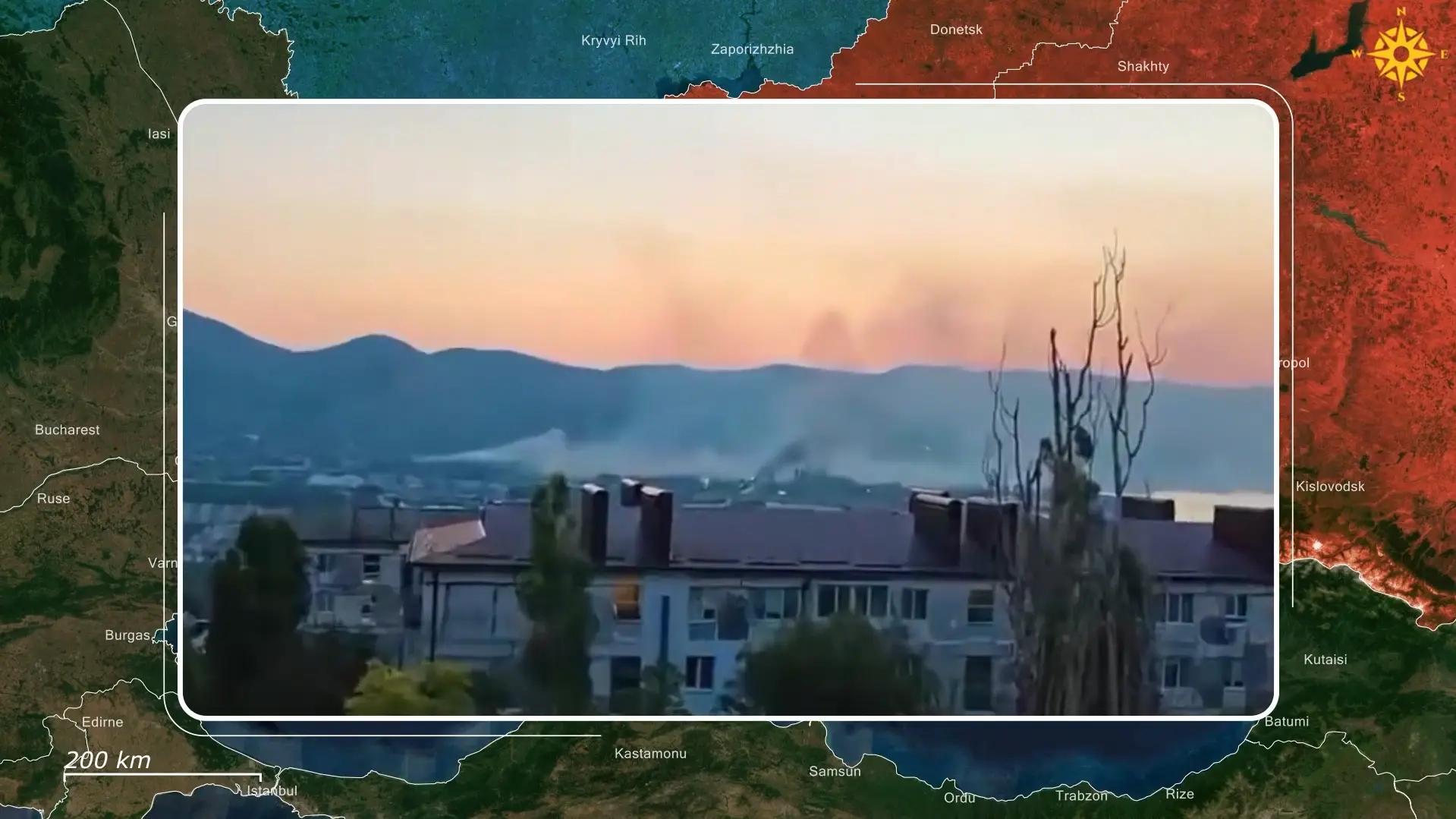
The devastating Ukrainian operation came as revenge for Russia’s campaign against the Ukrainian port city of Odesa and Ukraine’s maritime export corridor through the Black Sea. Russia carried out more than thirty strikes on port infrastructure and attacked at least two dozen civilian vessels, with ships suffering various damage and some of them sinking. This prompted Ukraine’s Navy to rescue crew members of different nationalities after Russian drone strikes caused major fires on ships, while casualties were also confirmed. As a result, Russian Black Sea attacks halted shipping across the region, with Ukrainian agricultural exports suffering heavily after the strikes against ships carrying Ukrainian grain to foreign markets.
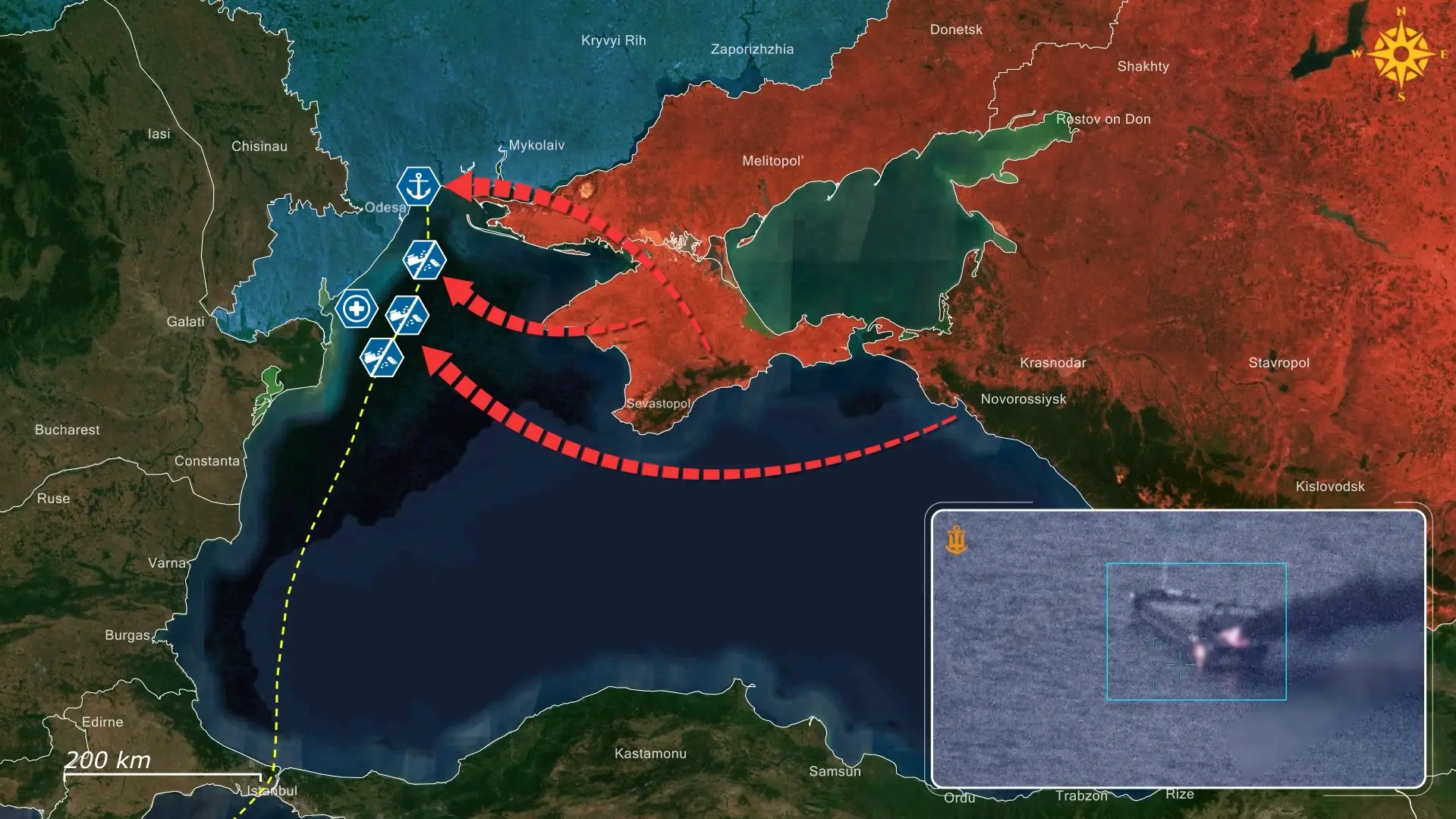
These shipments are bound for African countries facing severe food shortages, threatening to deepen global food insecurity and potentially leave thousands of vulnerable people at greater risk of hunger and starvation. More than eight thousand ships had used Ukraine’s maritime corridor since it opened after the war started, but repeated attacks reduced this number to zero, as confirmed by satellite data.
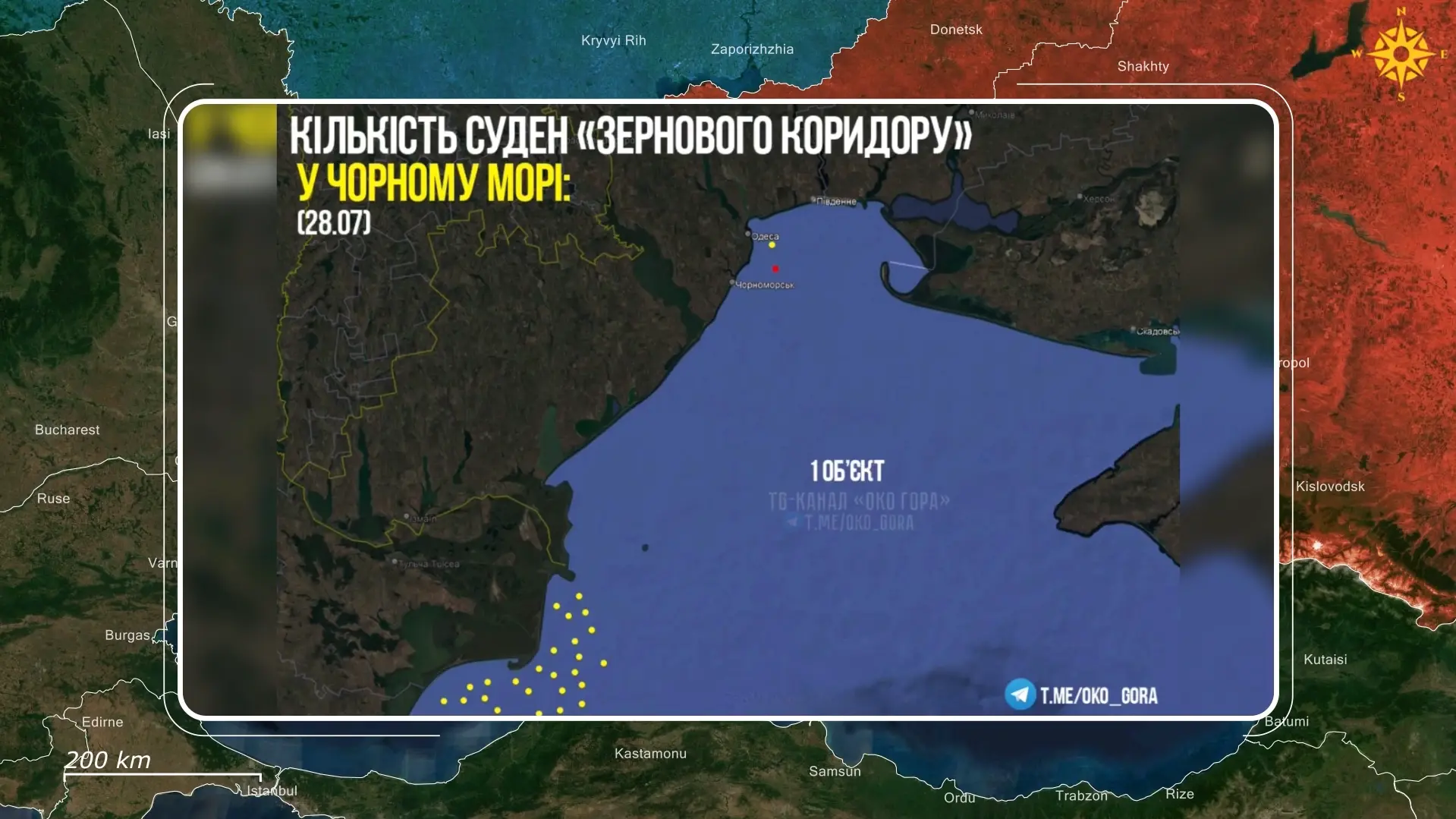
Ukraine’s answer in Novorossiysk therefore mirrored Russia’s pressure campaign but expanded it simultaneously against Russia’s economic and military infrastructure, with persistent attacks against export infrastructure that make shipping increasingly expensive, unreliable, and dangerous.
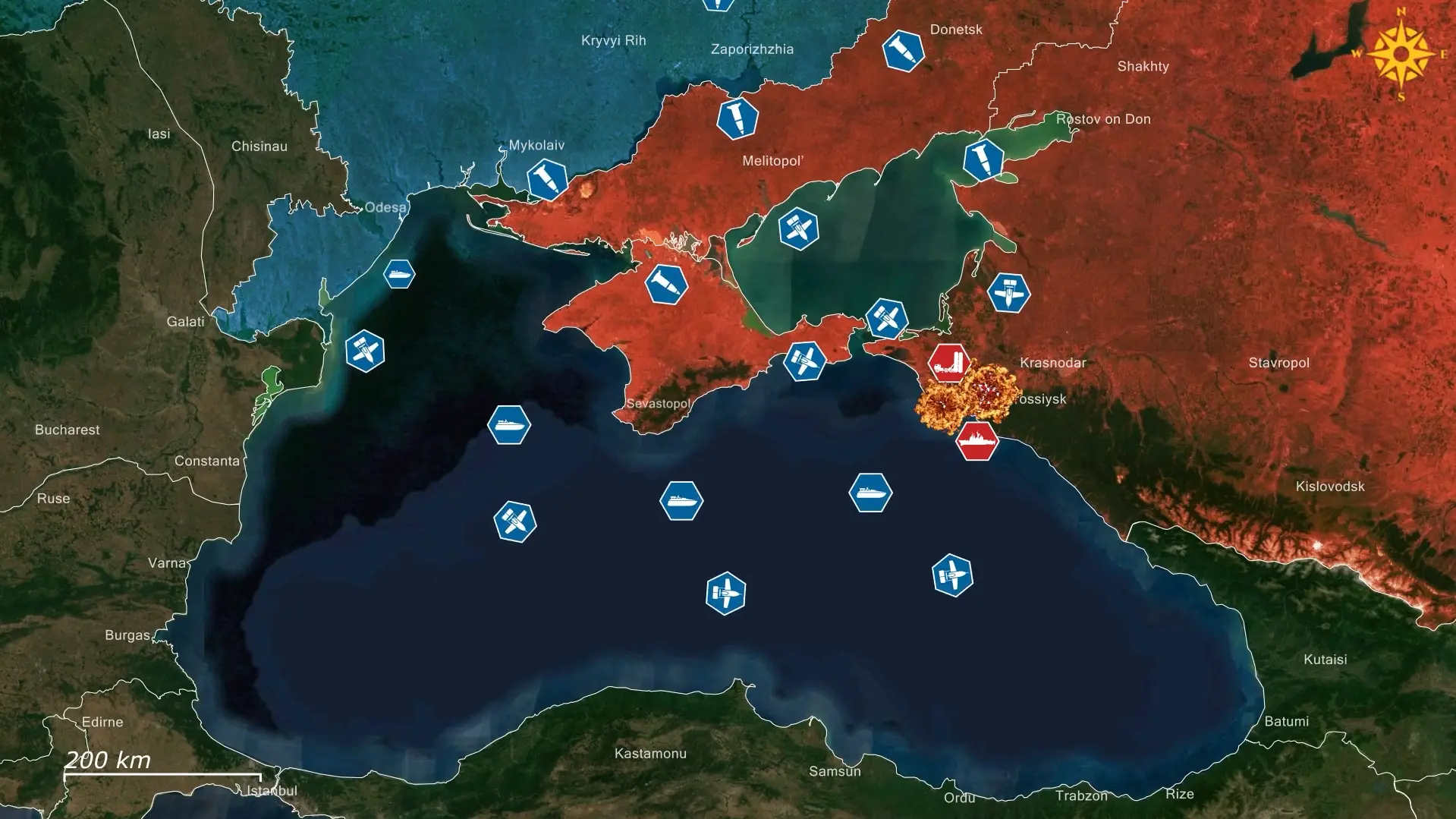
The Novorossiysk Grain Products Plant was among the damaged facilities, while another major grain terminal also halted operations for damage assessment. These facilities form part of Russia’s enormous Black Sea export system, meaning every closure creates additional repair costs, loading delays, insurance pressure, and congestion.
However, Ukraine also struck the Russian naval base itself, as Novorossiysk became the Black Sea Fleet’s principal sanctuary after repeated Ukrainian attacks forced Russia to relocate many vessels away from Russian-controlled Crimea. Residents reported strikes against naval infrastructure, air-defense positions, and piers, while large fires were confirmed by Nasa fire-monitoring data that shows multiple hotspots across the port area. Although not the first Ukrainian attack against it, this was the most massive until now and turns Novorossiysk from Russia’s supposedly protected fallback base into another location where ships, repair infrastructure, and supporting facilities can no longer operate safely.
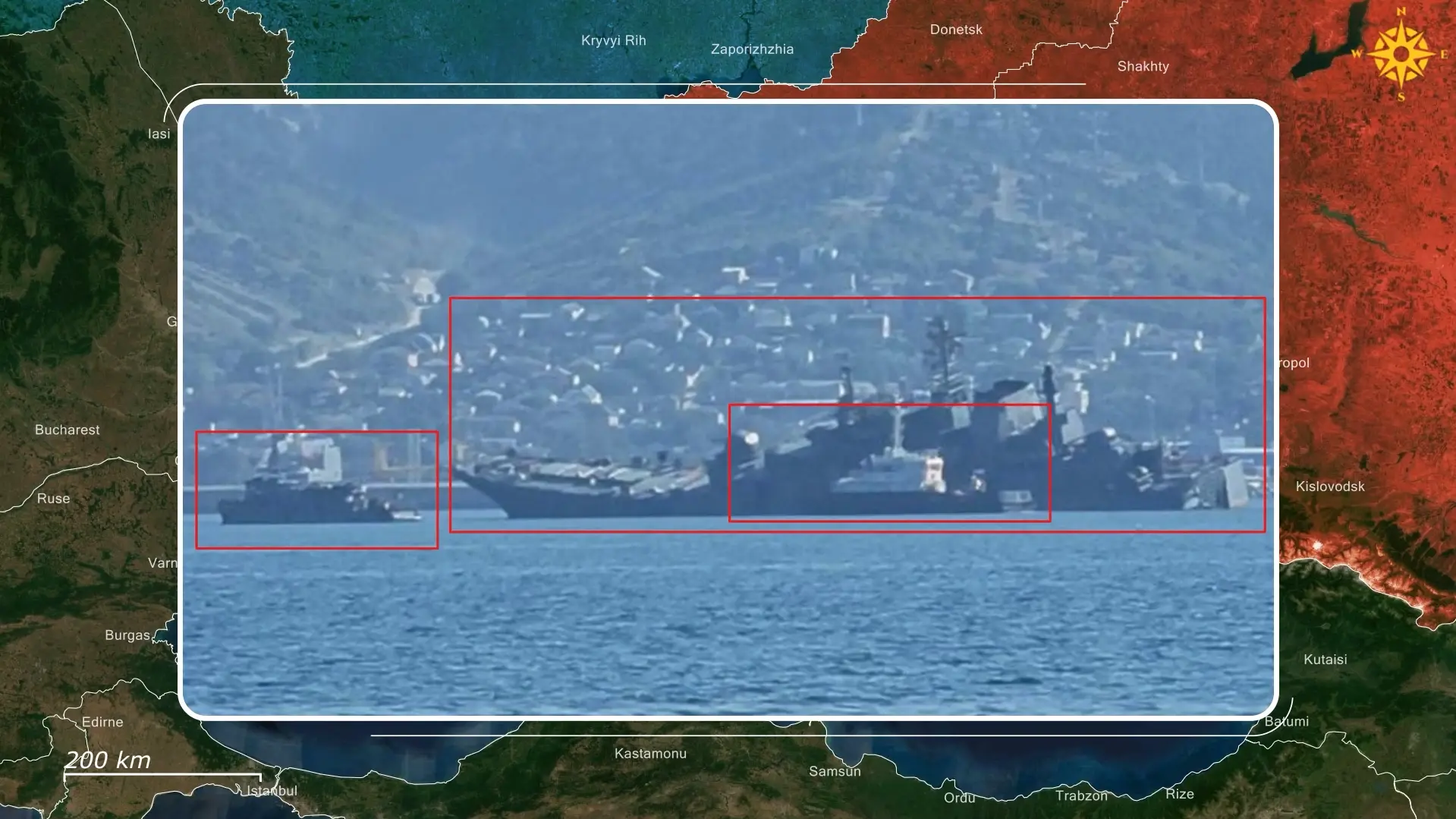
Overall, Russia attempts to make Odesa unusable as Ukraine’s maritime Black Sea gateway, and Ukraine’s response is now making Novorossiysk progressively less reliable as Russia’s own. Every damaged terminal, burning pier, destroyed air-defense position, and interrupted export operation increases the economic and military cost of maintaining the port. Novorossiysk was supposed to be the Russian Black Sea fleet’s last safe refuge, but now the Russian command even lacks interceptors to protect it; the port is unprotected, and after the last massive strike, that assumption has finally disappeared.
.jpg)


Comments