

.svg)
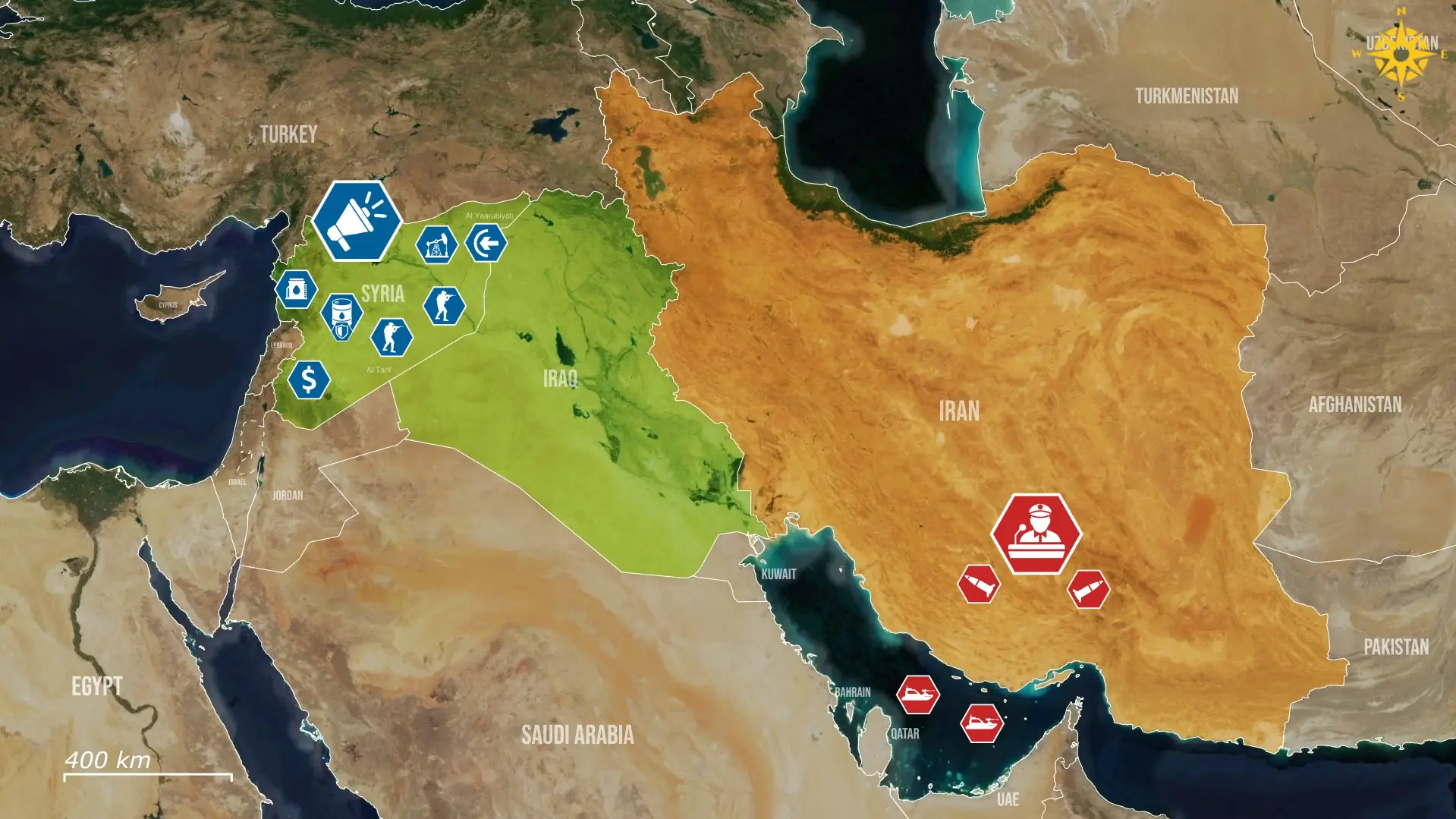
Syria is opening a new export corridor that gives Iraq access to the Mediterranean, as the Strait of Hormuz remains unreliable and unsafe for oil transit due to the war between the USA and Iran. Iraq is redirecting part of its oil west by tanker trucks through different road networks, with one route running from the Al Walid crossing in Iraq into Al Tanf in southern Syria, while another enters farther north through Al Yaarubiyah. The trucks then converge on Baniyas, where the oil enters storage before being loaded onto tanker ships for international export. The corridor cannot replace Iraq’s southern exports at its current scale, but it can preserve part of them during disruptions around Hormuz and demonstrate how an overland route could reduce exposure to the chokepoint.
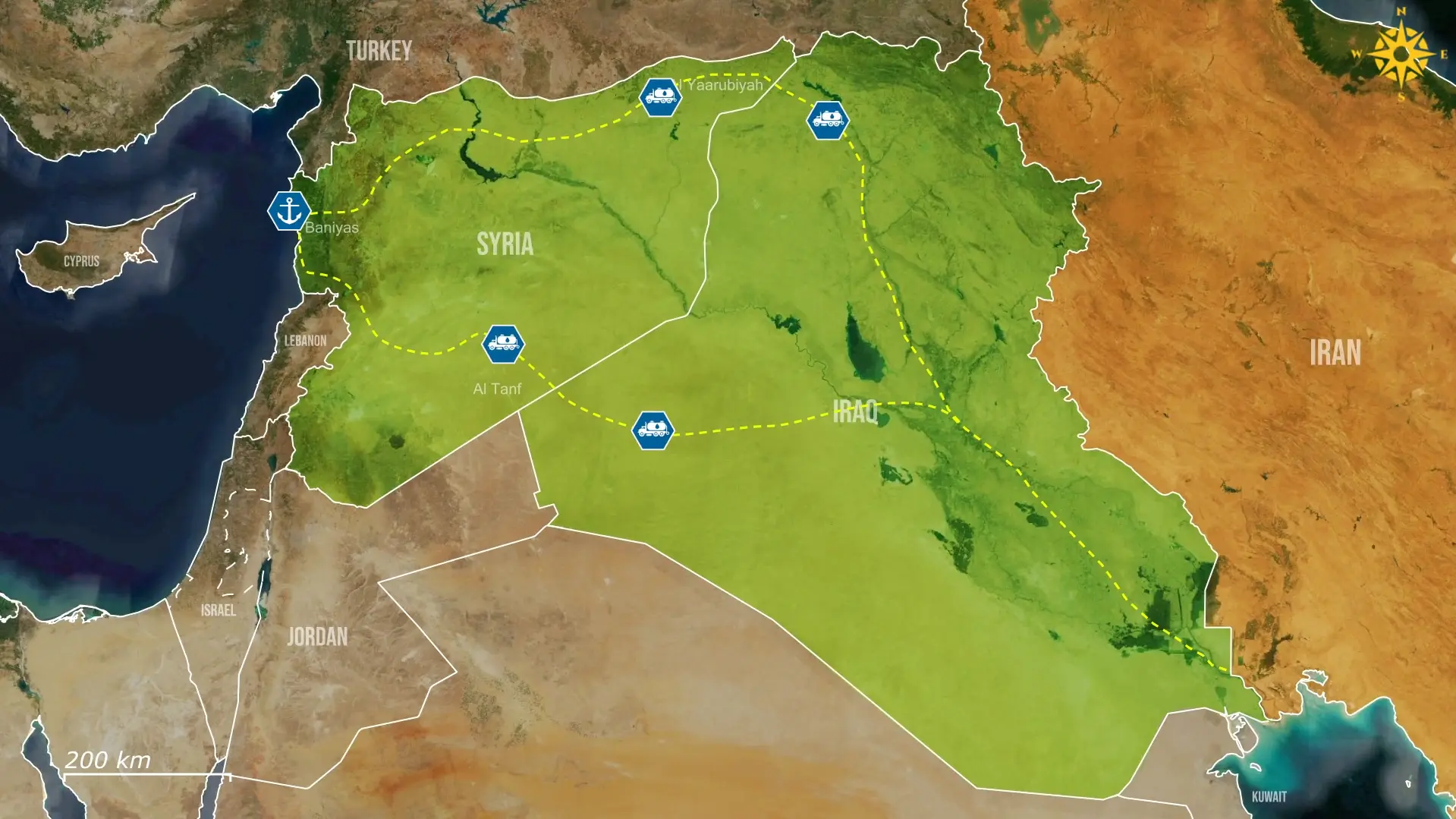
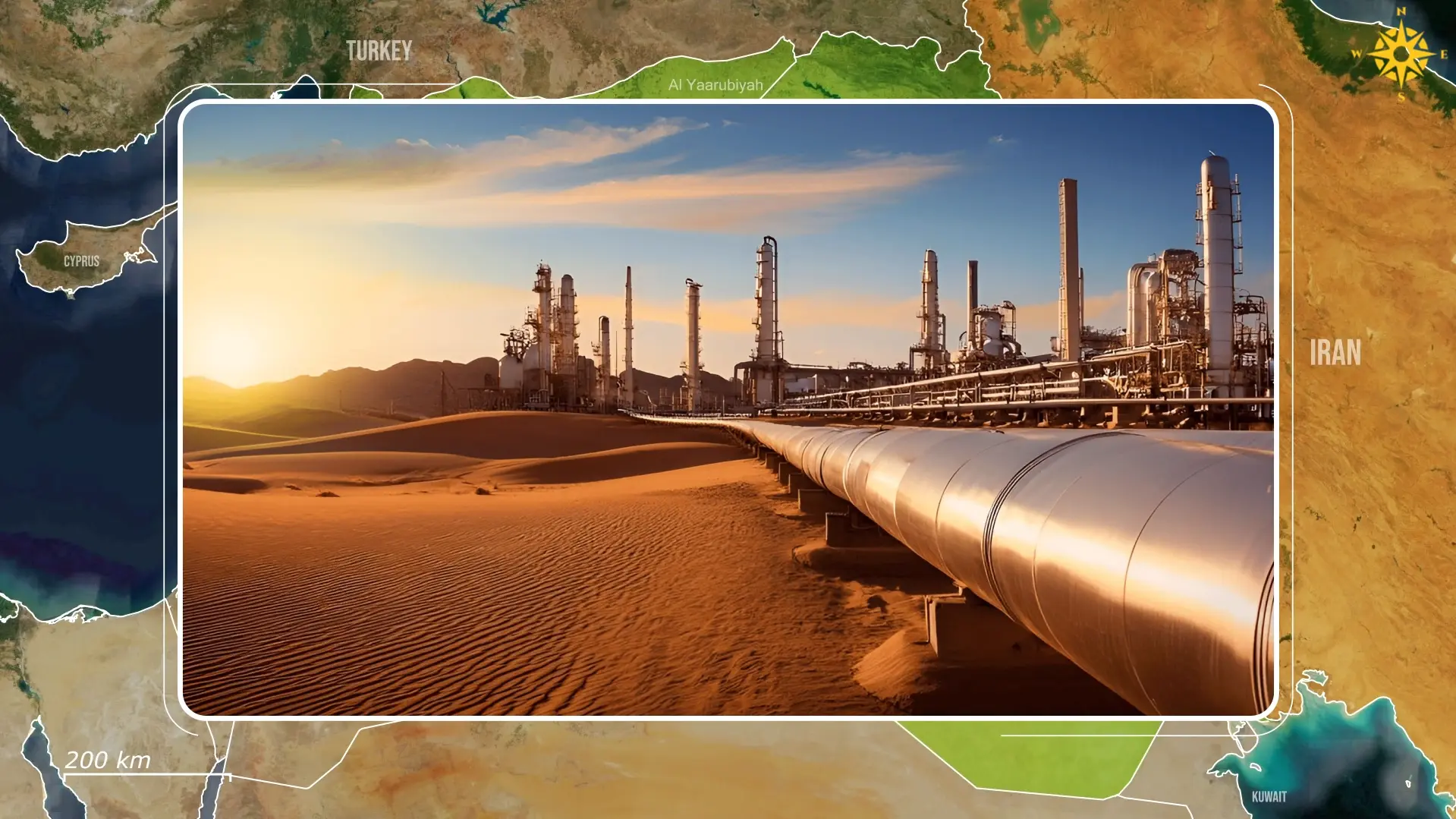
That western outlet first took shape in April two-thousand-and-twenty-six, when repeated closures of Hormuz interrupted Iraq’s Gulf exports and forced Baghdad to move oil through Syria. Iraq and Syria then formalized the route through an agreement allowing shipments to cross Syrian territory and reach Baniyas, before later agreements advanced plans for a permanent pipeline to the Mediterranean. Syrian President Ahmad al Sharaa also began visiting Gulf capitals as Damascus promoted Syria as a future oil transit link through which regional exports could move west across Iraq and connect with rebuilt pipelines. Separate Turkish and Saudi plans for a petrochemical corridor through Syria and Jordan showed broader Gulf interest in access to Mediterranean markets. This would turn Syria from a route serving mainly Iraqi exports into a junction connecting several regional powers, making control of its eastern borders, central road network, and Mediterranean coast strategically important during any wider Gulf conflict.
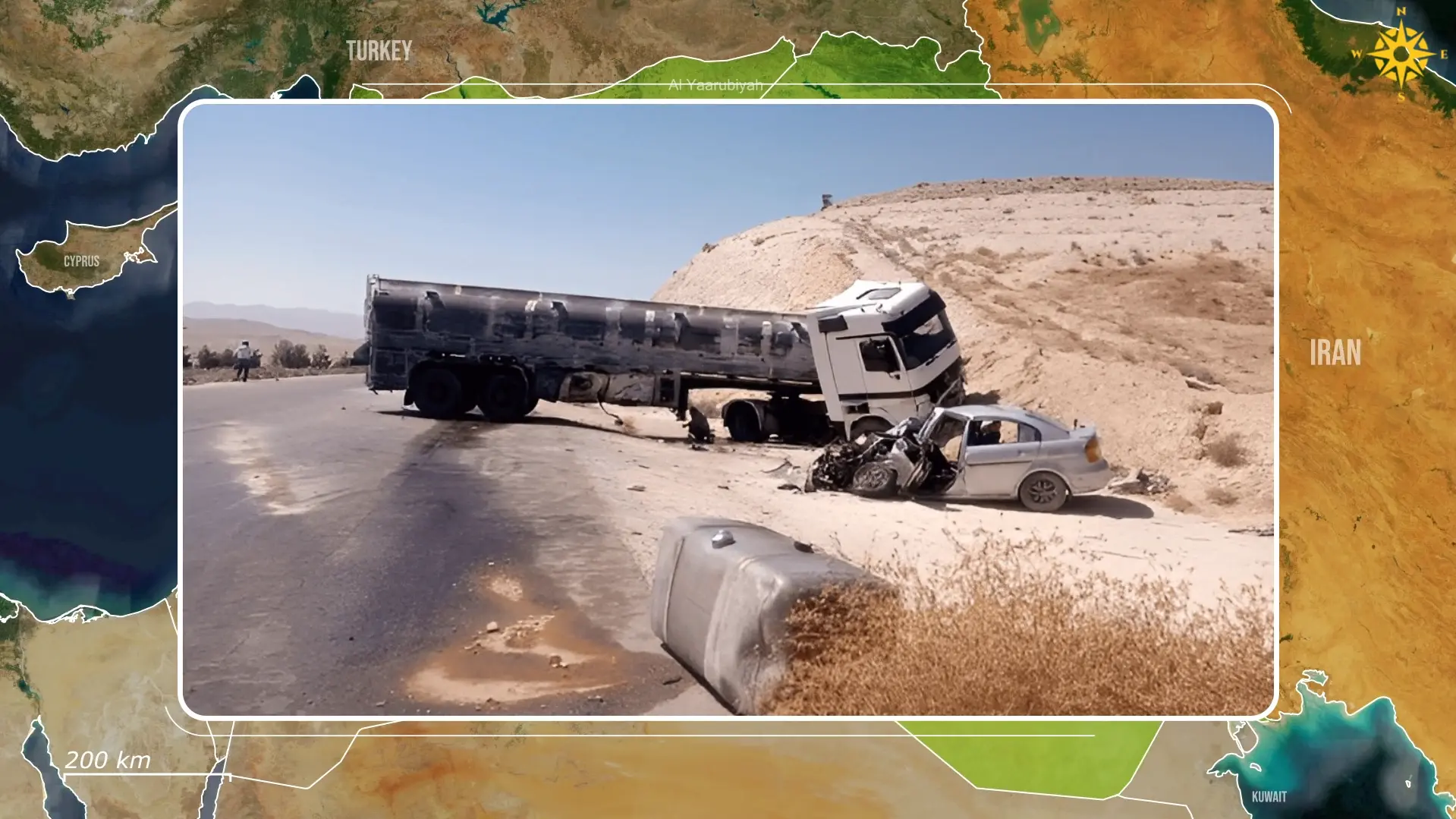
Expanding the route exposed the condition of Syria’s transport network, where years of civil war had left roads deteriorated and support systems too weak for sustained tanker traffic. Some accidents began with mechanical failures, including brakes giving way on steep sections, while damaged roads increased the risk of collisions and slowed emergency response. One crash killed a driver and injured three others, while separate incidents caused fires, oil spills, and temporary road closures. In Deir ez Zor, local residents also stopped tanker trucks; some blockades protected tribes and smugglers who profited from illegally extracted oil, while other groups demanded payment before allowing convoys to continue. Terrorist cells created a more serious threat by opening fire on trucks, yet the shipments continued and kept the corridor operational.
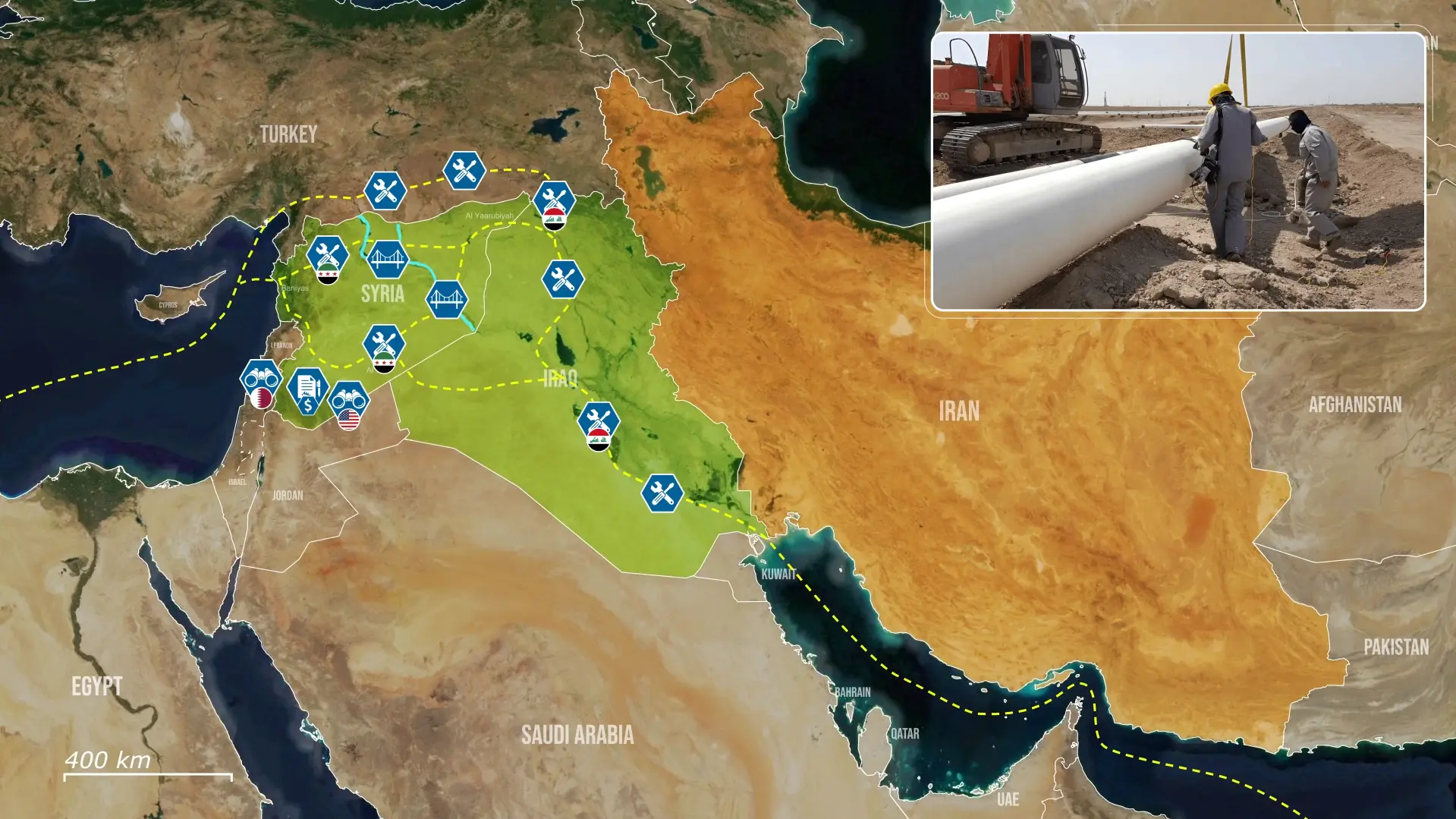
To keep the oil moving, Damascus began rebuilding the transport network while Baghdad advanced permanent pipeline plans. Syrian authorities restored road links and added Euphrates crossings in Deir ez Zor, allowing tankers to use more than one river connection instead of relying on a single vulnerable route west. Iraq then approved technical and financial studies for two larger pipelines, one linking Basra, Haditha, and Kirkuk with Ceyhan in Turkey, and another extending from Basra through Haditha toward Baniyas. The studies brought in the American energy company Chevron and Qatar’s United Construction Company to assess the engineering and financing requirements before construction begins. United States involvement also advanced plans to restore the old Kirkuk to Baniyas pipeline, which would require extensive reconstruction over several years before it could become the corridor’s main transport link.
The strategic value of those pipeline plans becomes clear when their capacity is compared with the existing truck route. The initial contract covered six hundred fifty thousand barrels per month, equal to roughly twenty one thousand seven hundred barrels per day, and would require about forty six convoys of seventy tanker trucks every month. That is enough to preserve a limited export flow during a temporary disruption, but not enough to protect Iraq’s wider oil trade during a prolonged closure. The Kirkuk to Baniyas pipeline, by comparison, is reported to have a maximum capacity of up to two million barrels per day, more than ninety times the daily volume covered by the trucking contract. At that scale, the route would become a second strategic export axis capable of carrying a major share of Iraqi oil away from the Persian Gulf. This would weaken Iran’s leverage over Baghdad, because threats to close or destabilize Hormuz would no longer place most Iraqi exports at immediate risk. Iran could still pressure Baghdad through other channels, but threatening the Strait of Hormuz would become a far less effective way to endanger Iraqi oil revenue.
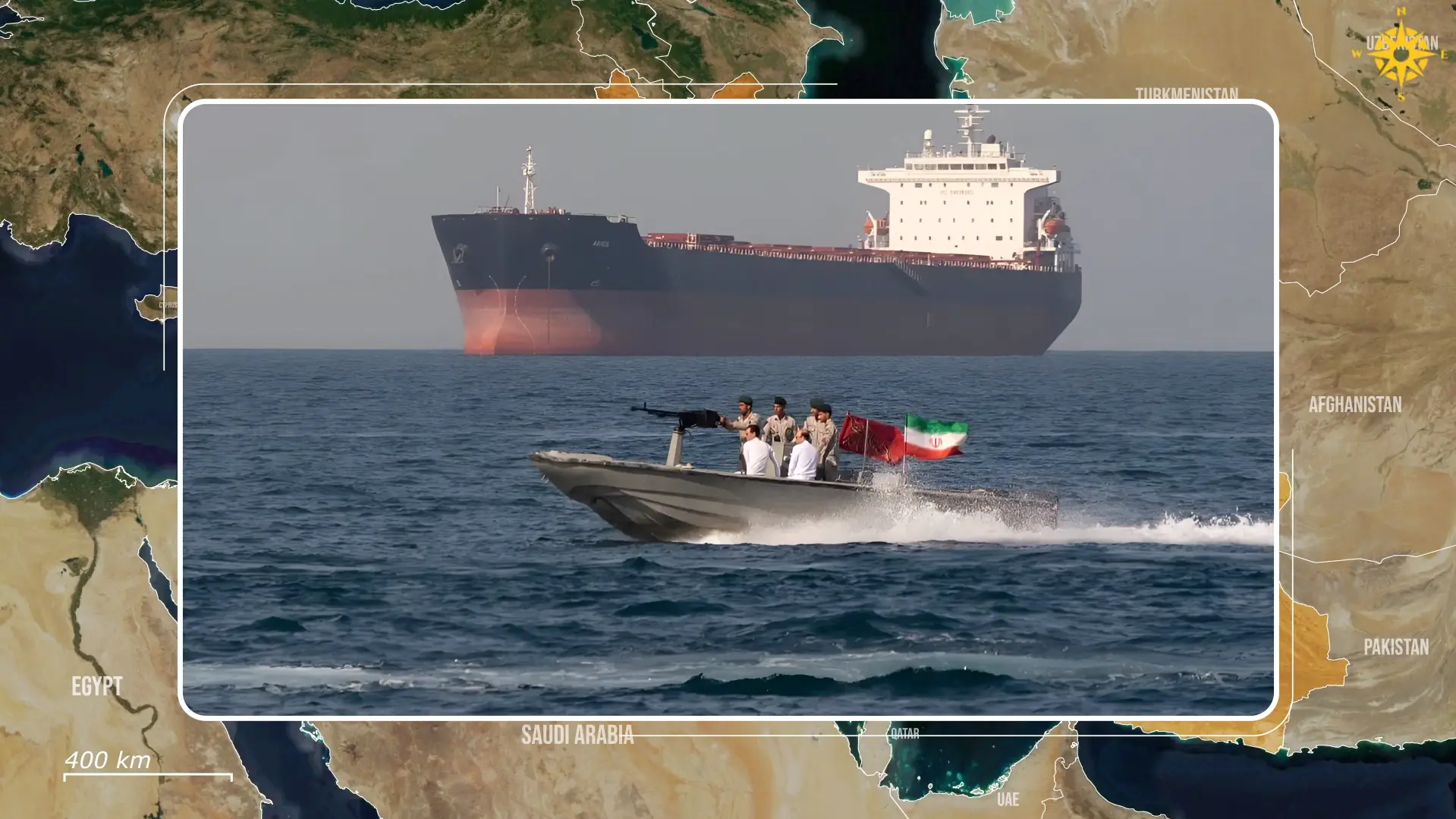
Overall, combining Persian Gulf terminals with a Mediterranean outlet will change how Iraq protects its oil revenue during future regional confrontations. A completed pipeline will also force Baghdad, Damascus, and their foreign partners to build permanent security arrangements around pumping stations, border crossings, storage sites, and Baniyas itself. Once Iraq can move a large share of its oil through the Mediterranean, Iran will no longer be able to pressure Iraqi exports simply by threatening the Strait of Hormuz, although it will retain influence through other political and military channels. Syria will therefore gain leverage by controlling the route that links Iraqi oil to the Mediterranean, allowing Damascus to turn transit access into investment, revenue, and greater regional influence.
.jpg)

Comments