

.svg)
Today, there is interesting news from the Liman direction.
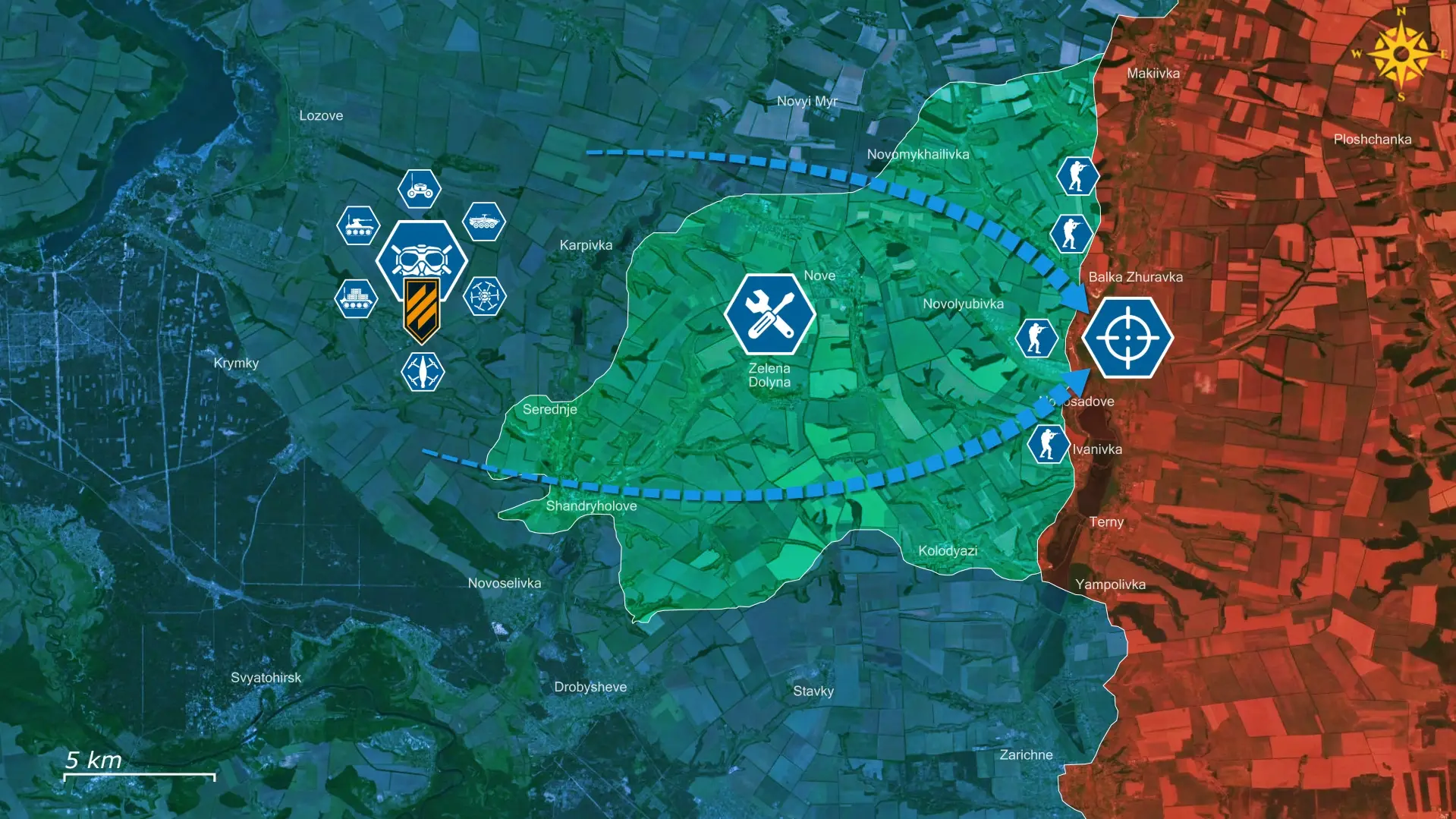
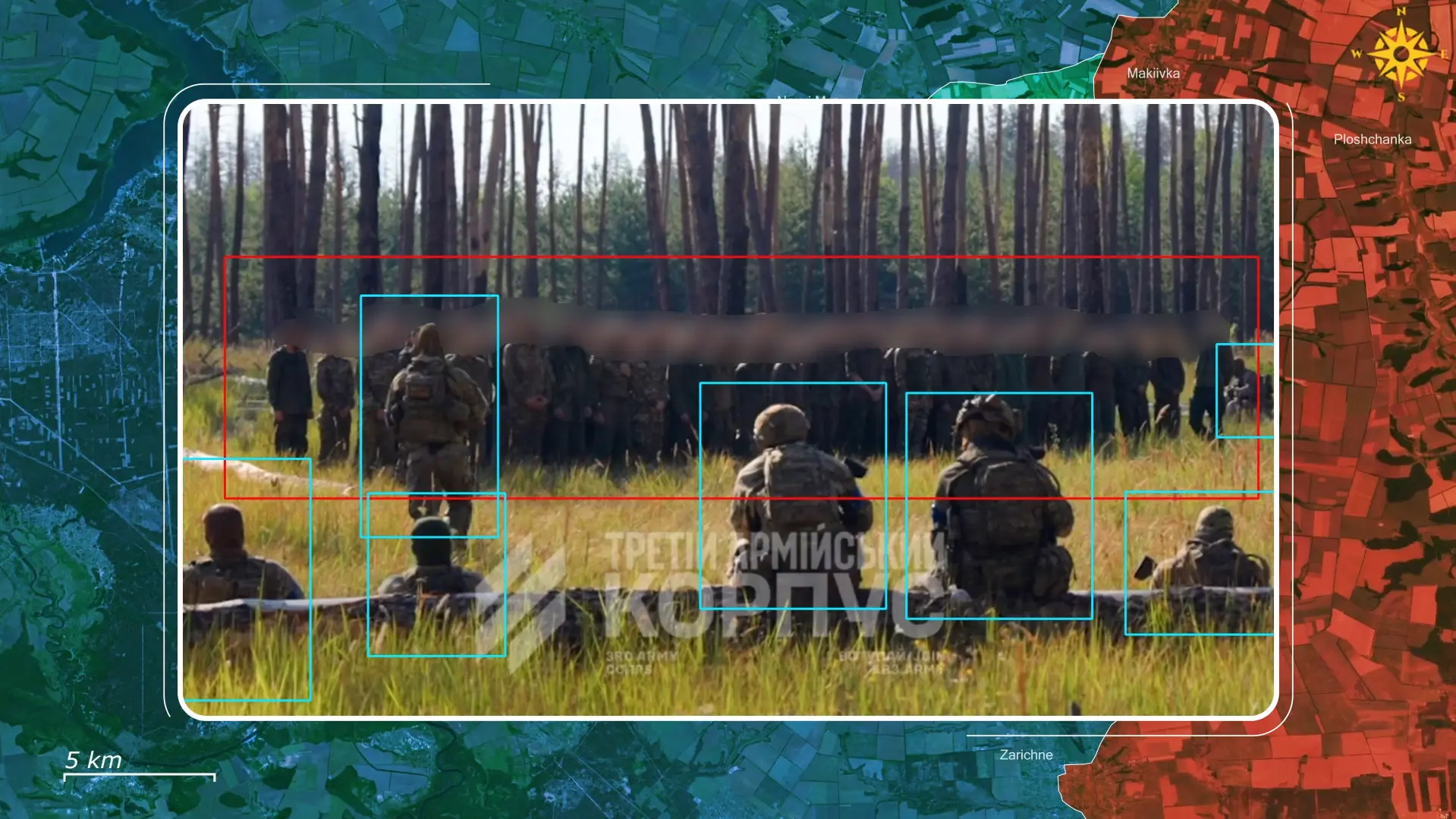
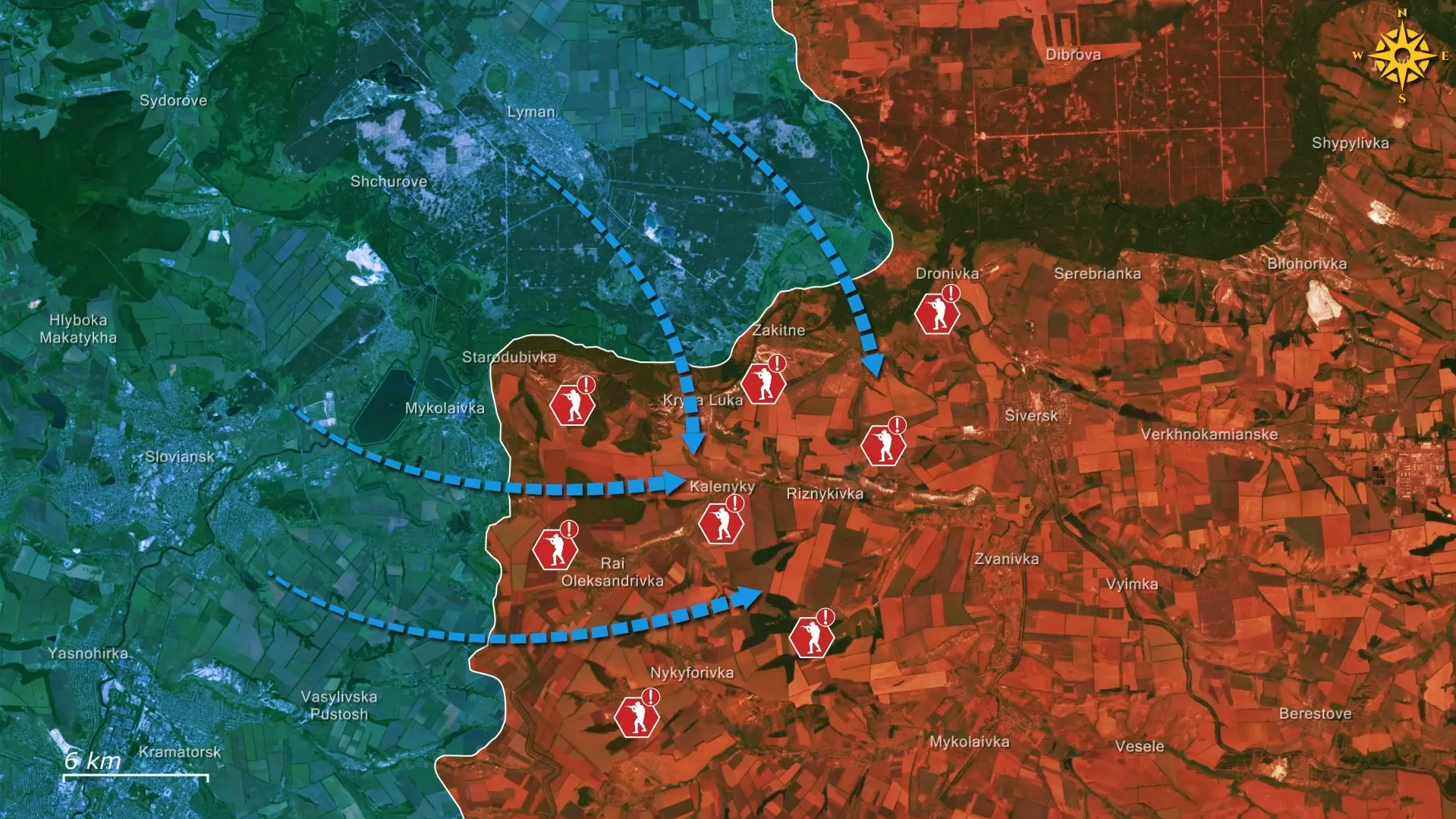
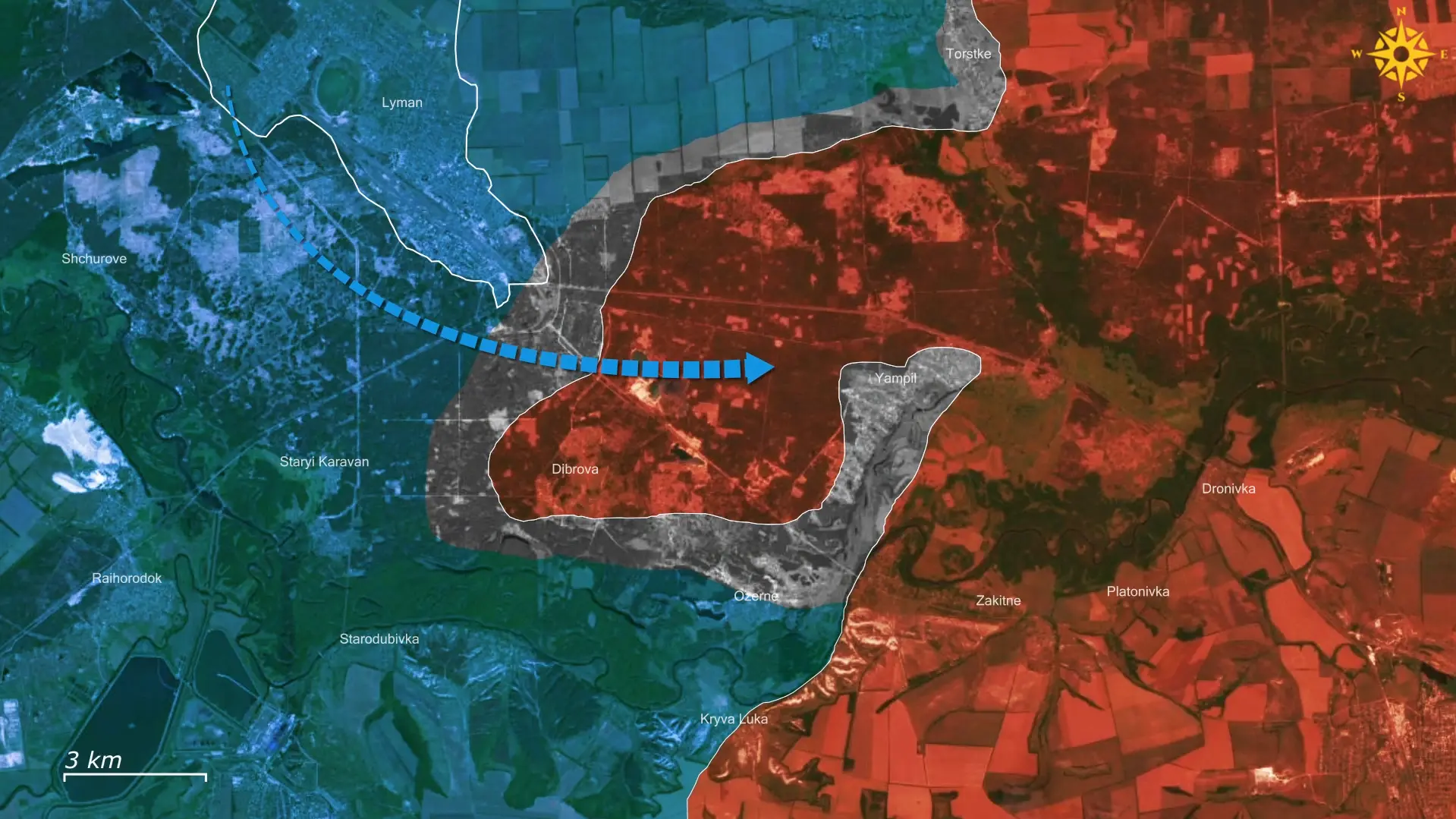
Here, Ukraine’s Third Army Corps has used a series of unconventional battlefield tactics near Liman, with the most prominent one transforming an obsolete armored personnel carrier into a massive unmanned kamikaze vehicle to destroy a Russian strongpoint blocking the Ukrainian advance toward Nove.
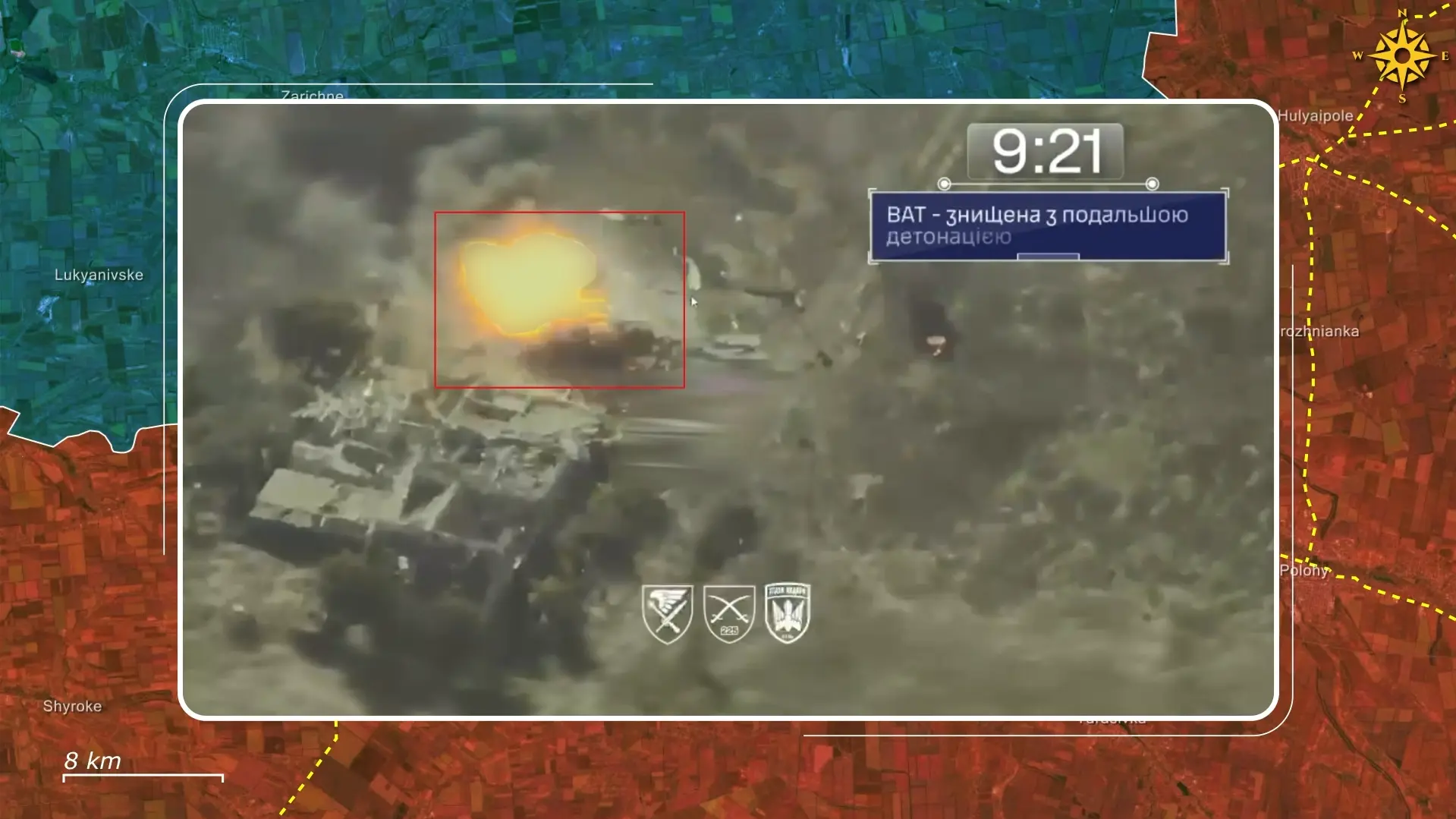
The vehicle chosen was a BTR Sixty belonging to the Third Separate Assault Brigade. It was old, damaged, and no longer suitable for normal combat, but remained mobile. Instead of abandoning it, Ukrainian engineers installed cameras and a remote-control system, filled the armored vehicle with explosives, and turned it into a giant ground kamikaze drone.
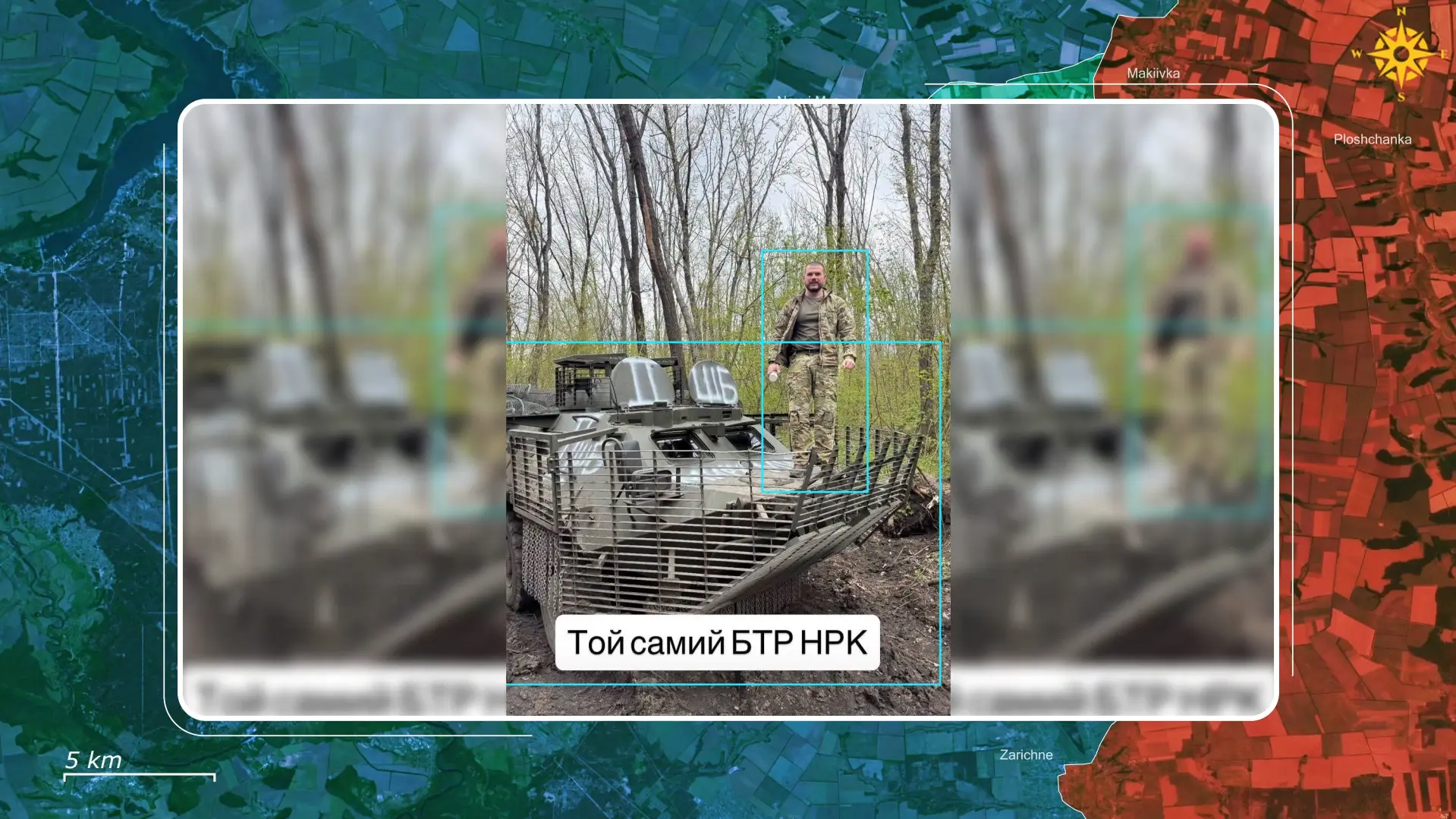
The target was a fortified Russian position interfering with a simultaneous Ukrainian assault into Nove, with Russian troops protected underground, meaning smaller explosive-carrying ground drones or bomber drones might only partially damage the position without completely destroying it, so Ukraine needed something significantly more powerful.
The full-sized BTR provided exactly that, as its large internal volume allowed engineers to load a far greater quantity of explosives than any conventional ground drone could carry, while its armor and off-road mobility increased its chances of reaching the target. A reconnaissance drone followed overhead and helped correct its route as the unmanned vehicle approached the Russian position.
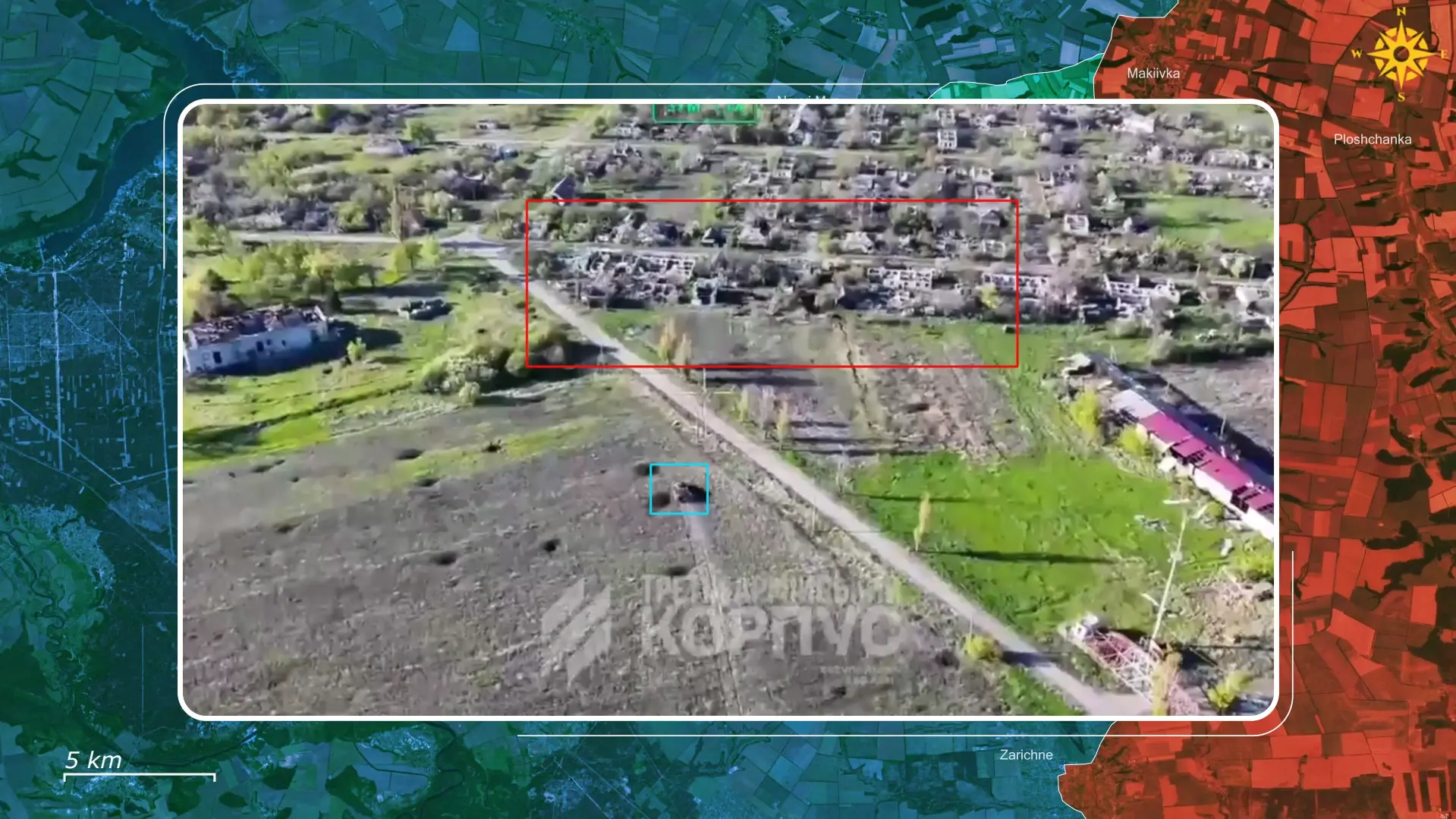
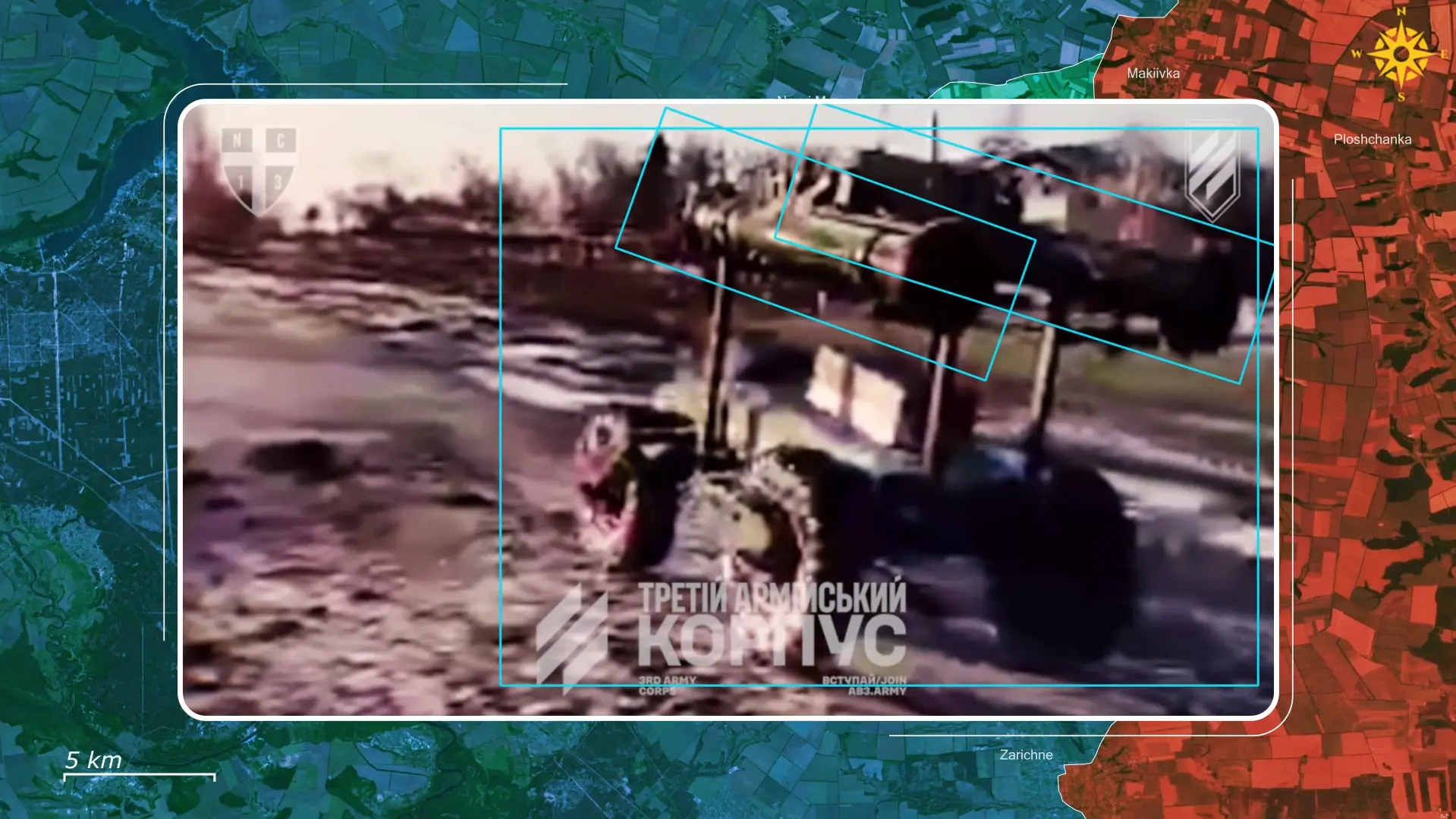
The remote control meant no Ukrainian crew had to risk their lives during what was effectively a one-way mission. Once the BTR reached the strongpoint, it detonated, producing an explosion comparable in scale to the effect of a Kab glide bomb and destroyed the Russian stronghold, allowing the subsequent Ukrainian ground assault on Nove to proceed without hinder.
The Ukrainian NC Thirteen drone unit has also experimented within Operation Vivaldi by equipping small kamikaze ground robots with two disposable Bullspike grenade launchers. They were transported behind Russian lines by another unmanned platform before being released near enemy positions. They then approached the Russian fortifications in a building and fired their grenade launchers directly into them before finally moving closer and detonating themselves to finish off everyone inside.
The psychological effect of such operations is substantial, as Russian soldiers up to ten kilometers behind the frontline would normally never expect to suddenly receive short-range direct fire. Grenades arriving from nearby therefore create the impression that Ukrainian infantry has penetrated deep into the rear, causing additional panic and chaos among the Russian troops.
The Russian commanders, after receiving reports of apparent Ukrainian assault groups, can redirect reinforcements or react to a penetration that does not actually exist, while the Ukrainian robots can suppress and destroy the Russian positions and set up an ambush for the coming additional Russian troops.
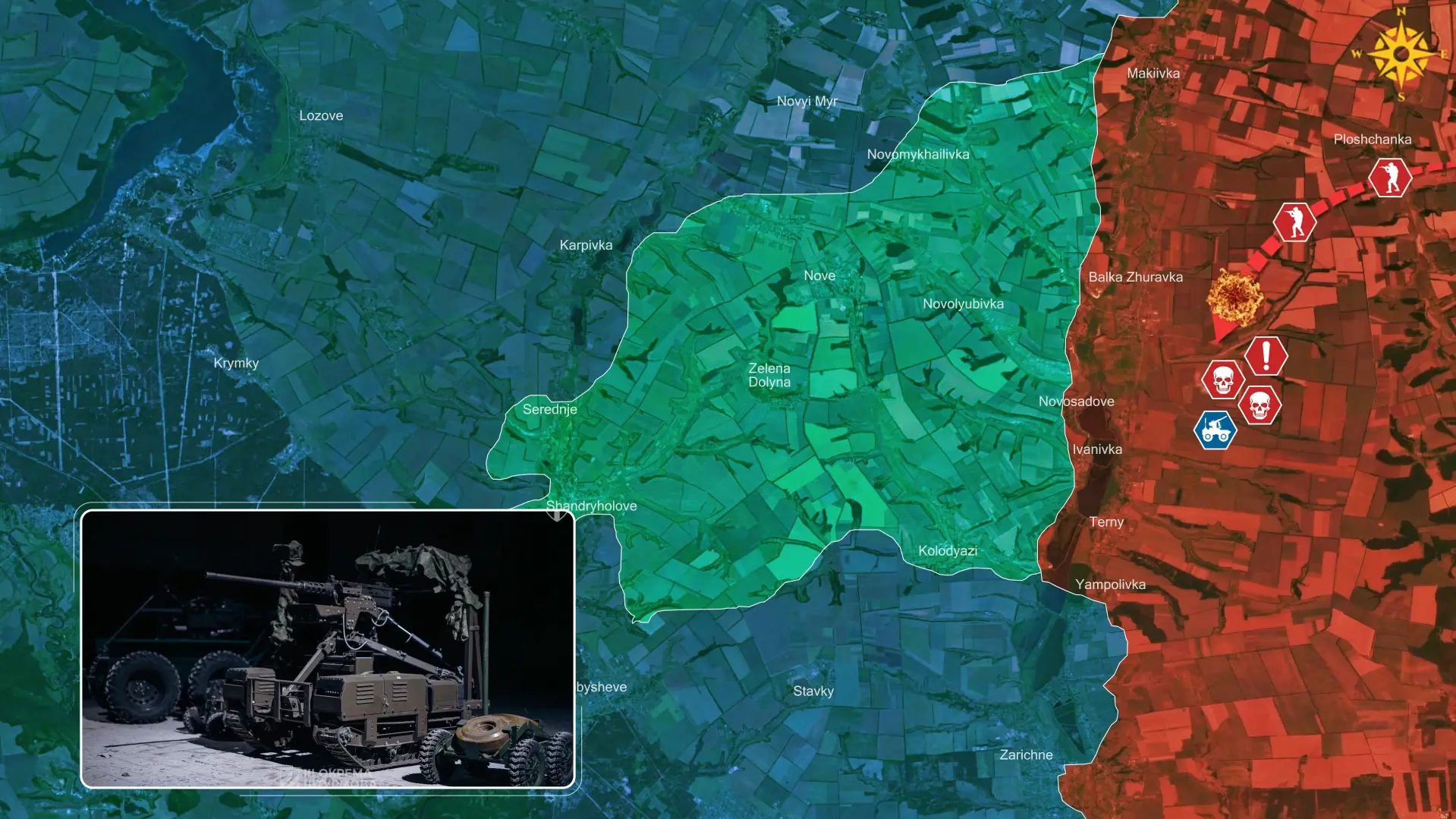
At the same time, the Ukrainians also started using hand-held reconnaissance drones to provide surveillance, guidance, and tactical flexibility, while infantry moved forward after the Russian defenses were already disrupted. That creativity has become particularly important in a battlefield dominated by drones, where conventional frontal assaults can produce enormous casualties.
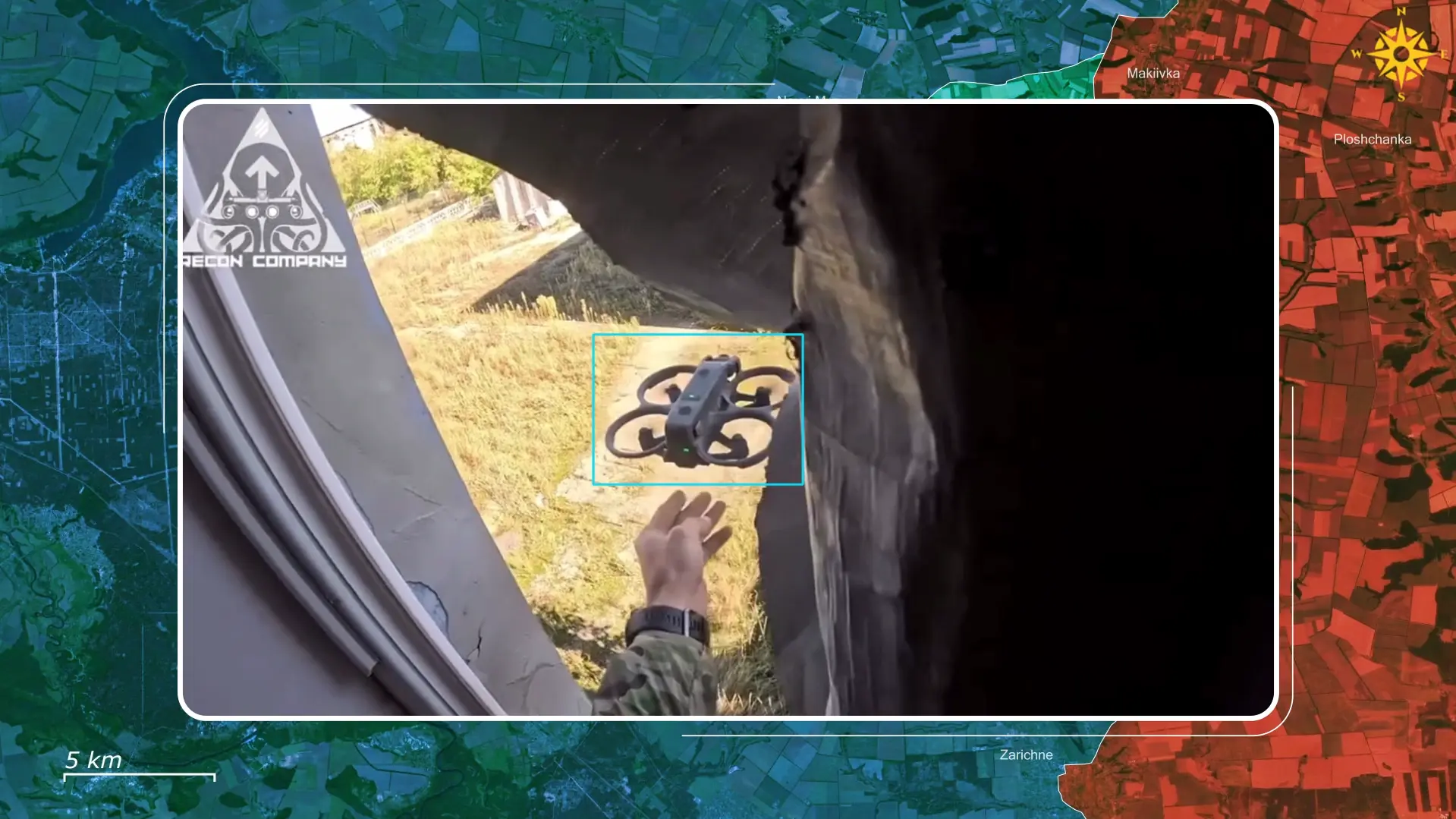
Overall, Operation Vivaldi has demonstrated the functional value of the Ukrainian drone experiments, as the Third Army Corps is increasingly pushing machines into the most dangerous part of the assault first, preserving soldiers for clearing and consolidation. By combining massive unmanned breaching vehicles with smaller armed ground robots designed to create confusion behind Russian lines, Ukrainian forces break fortified positions, generate chaos, and then move assault troops against an enemy already shaken before direct combat even begins. Together, these tactics demonstrate how the Third Army Corps is reimagining drone warfare during Operation Vivaldi and is adapting different machines to specific battlefield problems.

.jpg)



Comments