

.svg)
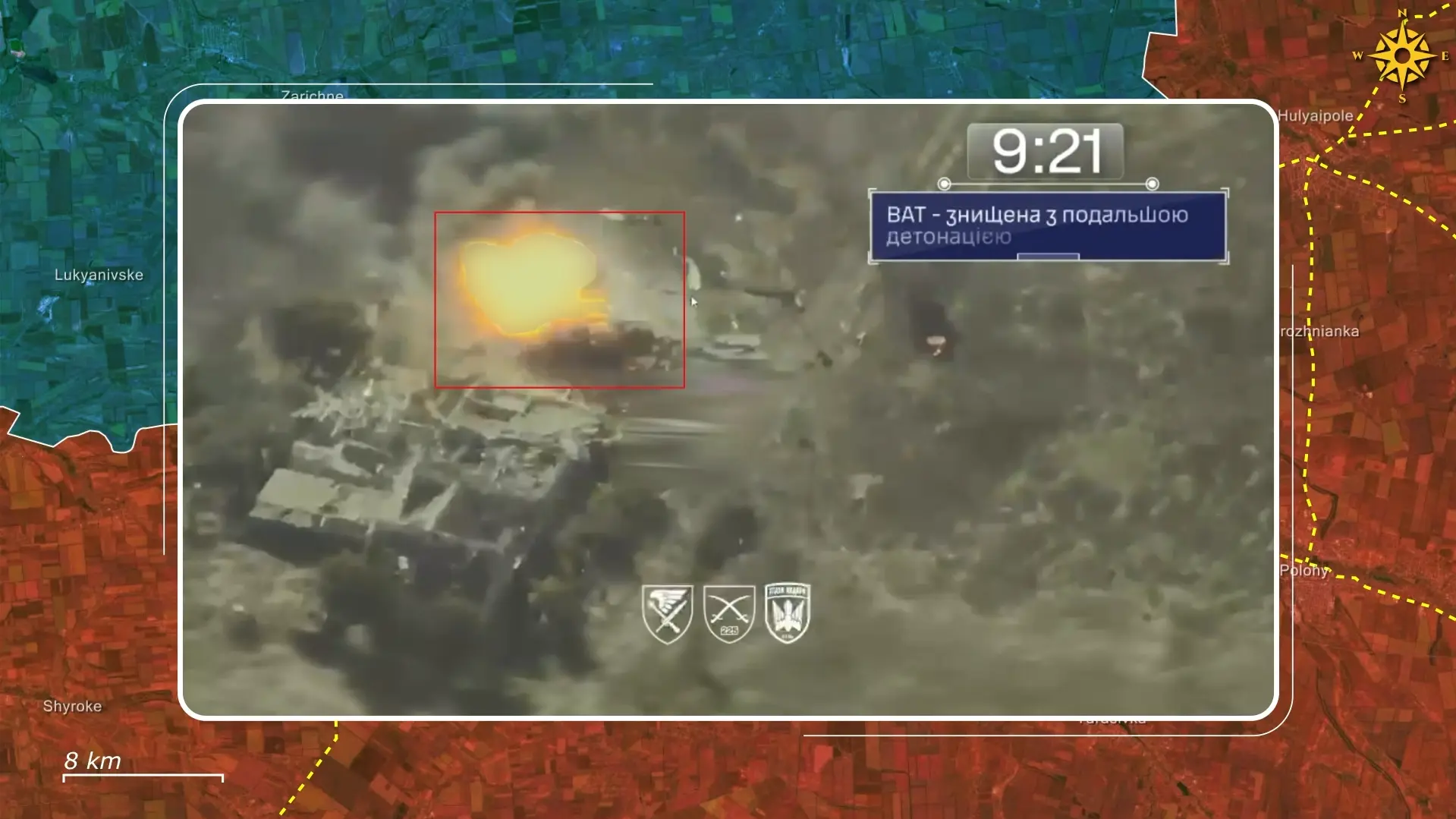
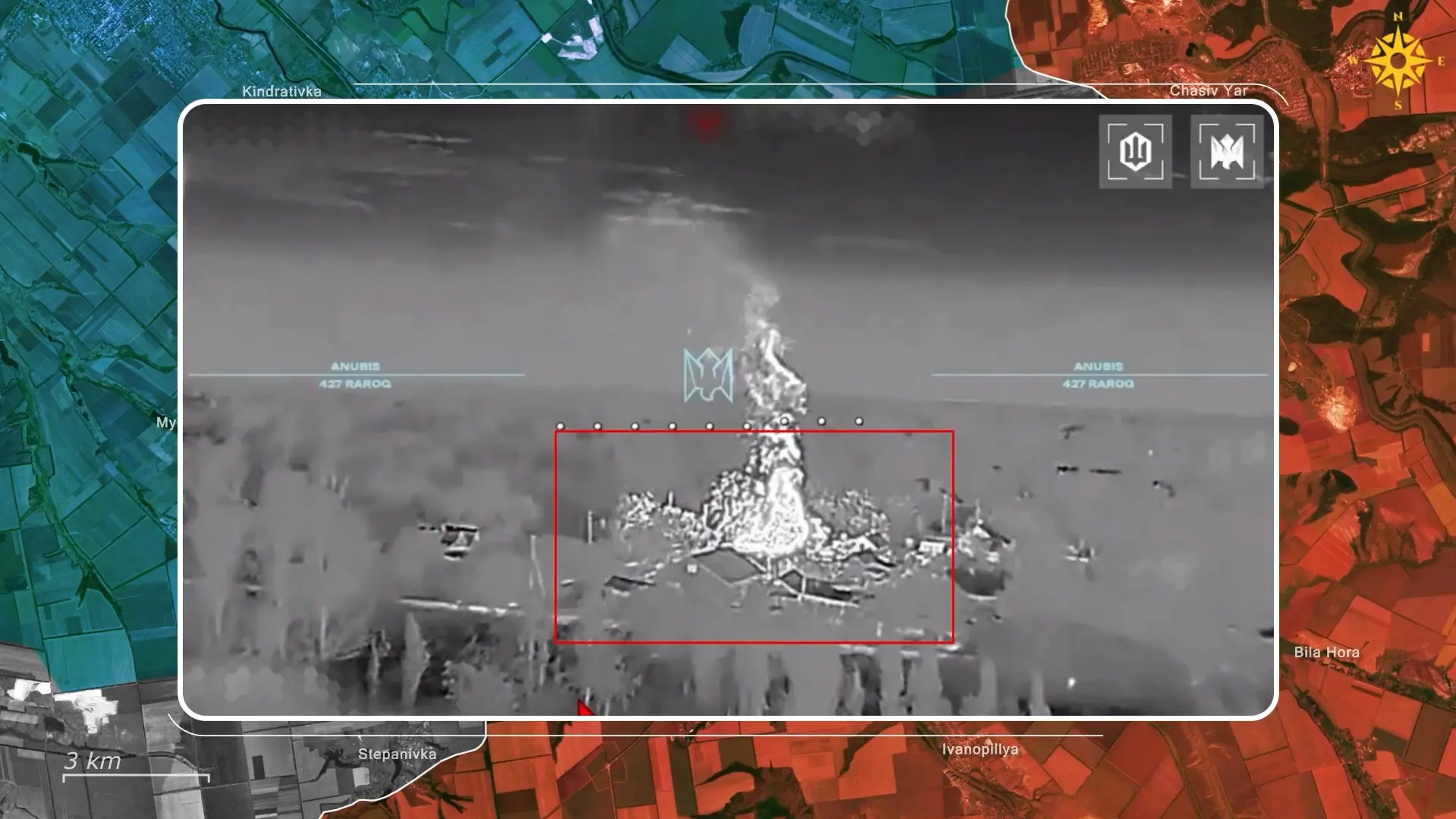
Ukrainian forces have launched an intense strike campaign across the Orikhiv and Huliaipole directions, targeting the logistics network sustaining Russia’s offensive operations in Zaporizhzhia. One of the clearest examples came in Huliaipole, where Ukrainian reconnaissance tracked a Russian ammunition truck as it moved through the area and followed it to a hangar being used as cover. Less than three and a half hours after the vehicle was detected, pilots from the two hundred twenty fifth Assault Regiment struck it inside the shelter with a single FPV drone. Around sixty one hundred fifty two millimeter artillery shells stored in the hangar detonated, destroying the truck and its cargo. At the same time, Ukrainian aircraft were carrying out strikes against logistics routes feeding Russian forces toward Orikhiv.
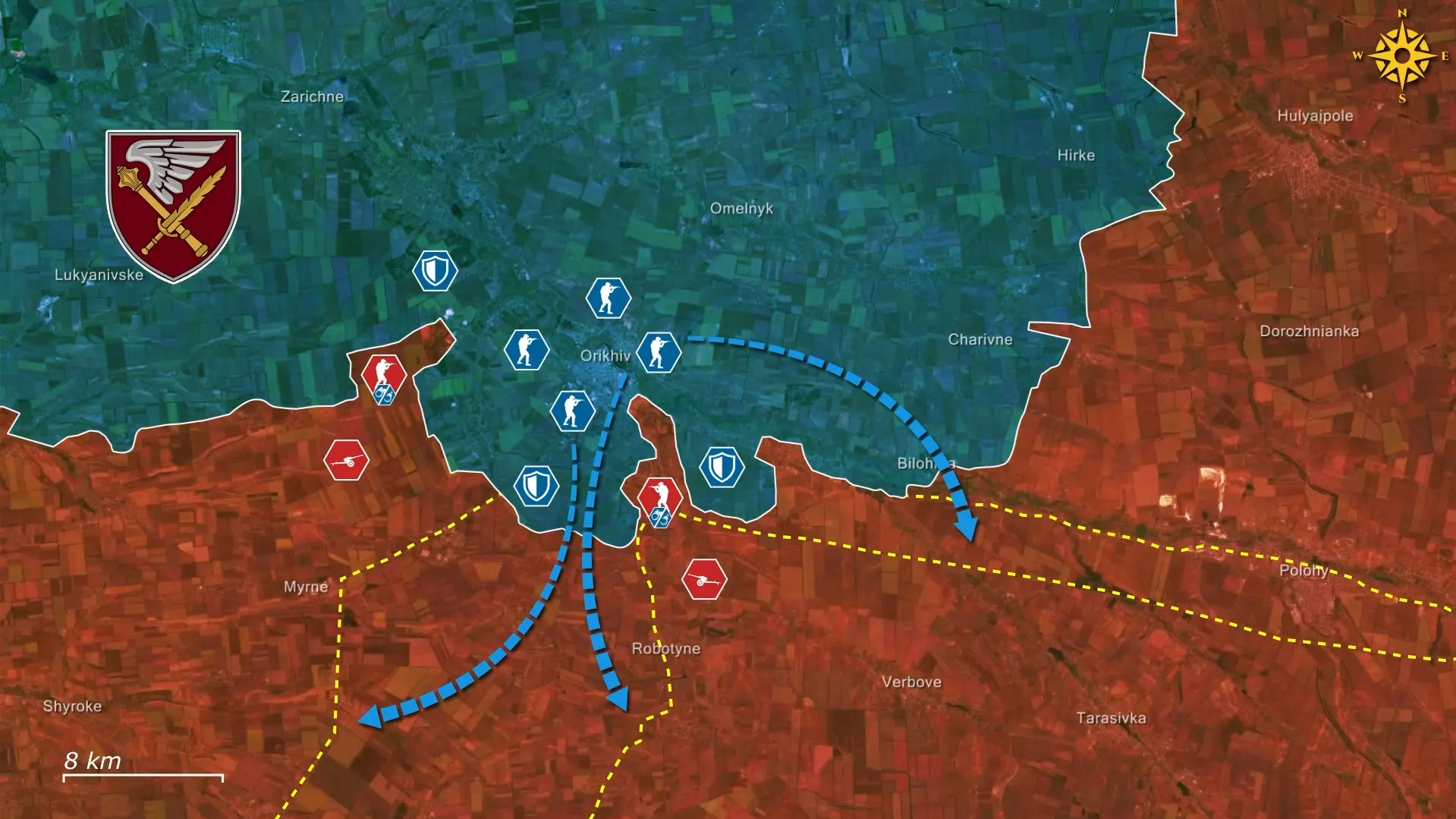
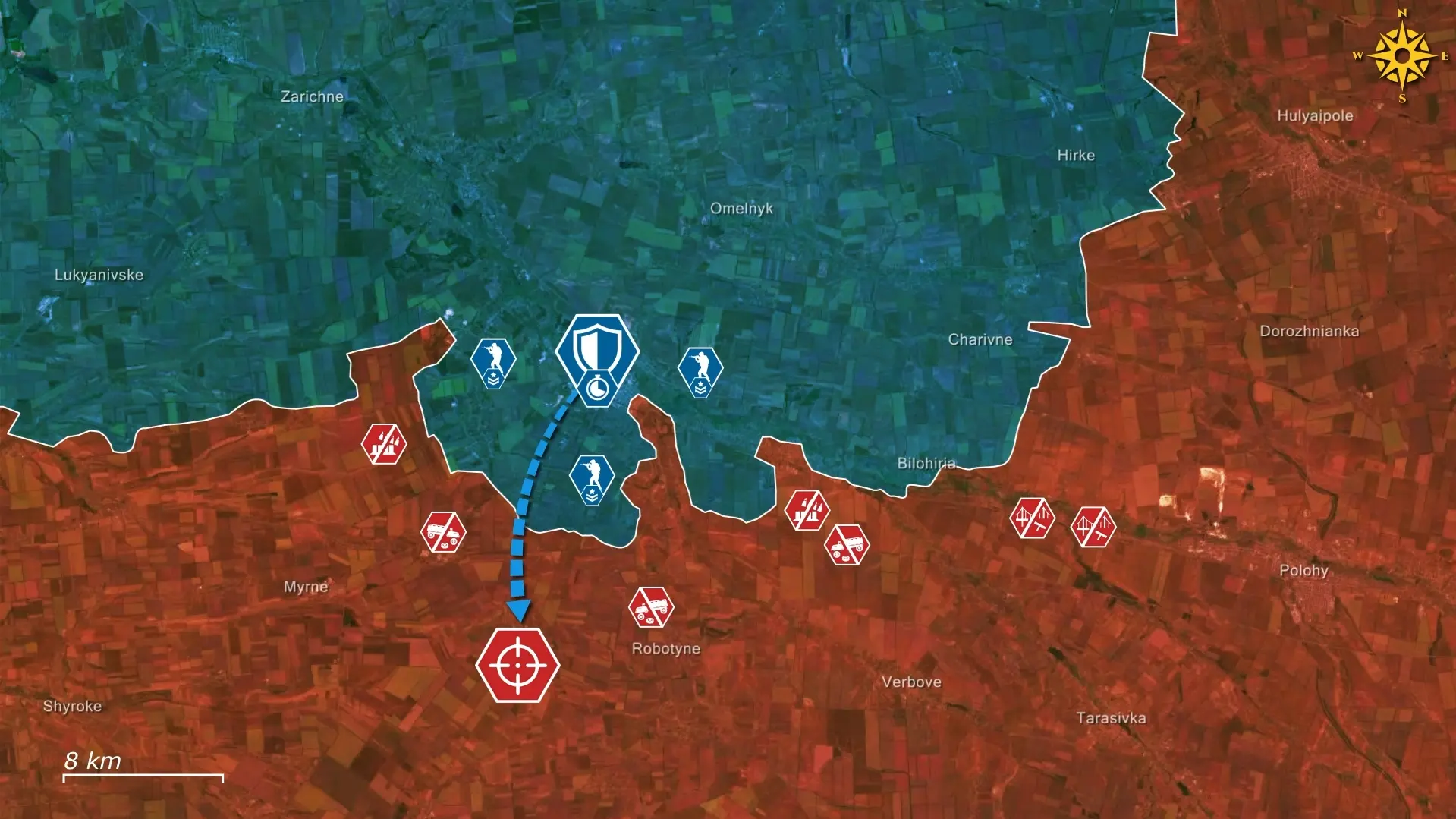
This strike campaign follows the stabilization of the Orikhiv sector after Ukrainian airborne reinforcements were moved into the area from other parts of the front. Since their arrival, the frontline has remained largely unchanged, showing that the Russian advance has lost the momentum it previously had. Russian pressure has not disappeared, as shelling inside Orikhiv has shifted farther north through the city center, indicating continued assault and infiltration attempts against Ukrainian positions. With the frontline stabilized, Ukrainian forces have gained more room to target the logistics supporting Russian attacks. Instead of allowing Russian units to regroup and prepare another concentrated push, Ukrainian forces are now turning their attention toward the transport routes, ammunition flows, and rear positions keeping those assaults supplied. The battle around Orikhiv is therefore shifting from emergency stabilization toward systematically weakening the Russian offensive before it can rebuild momentum.
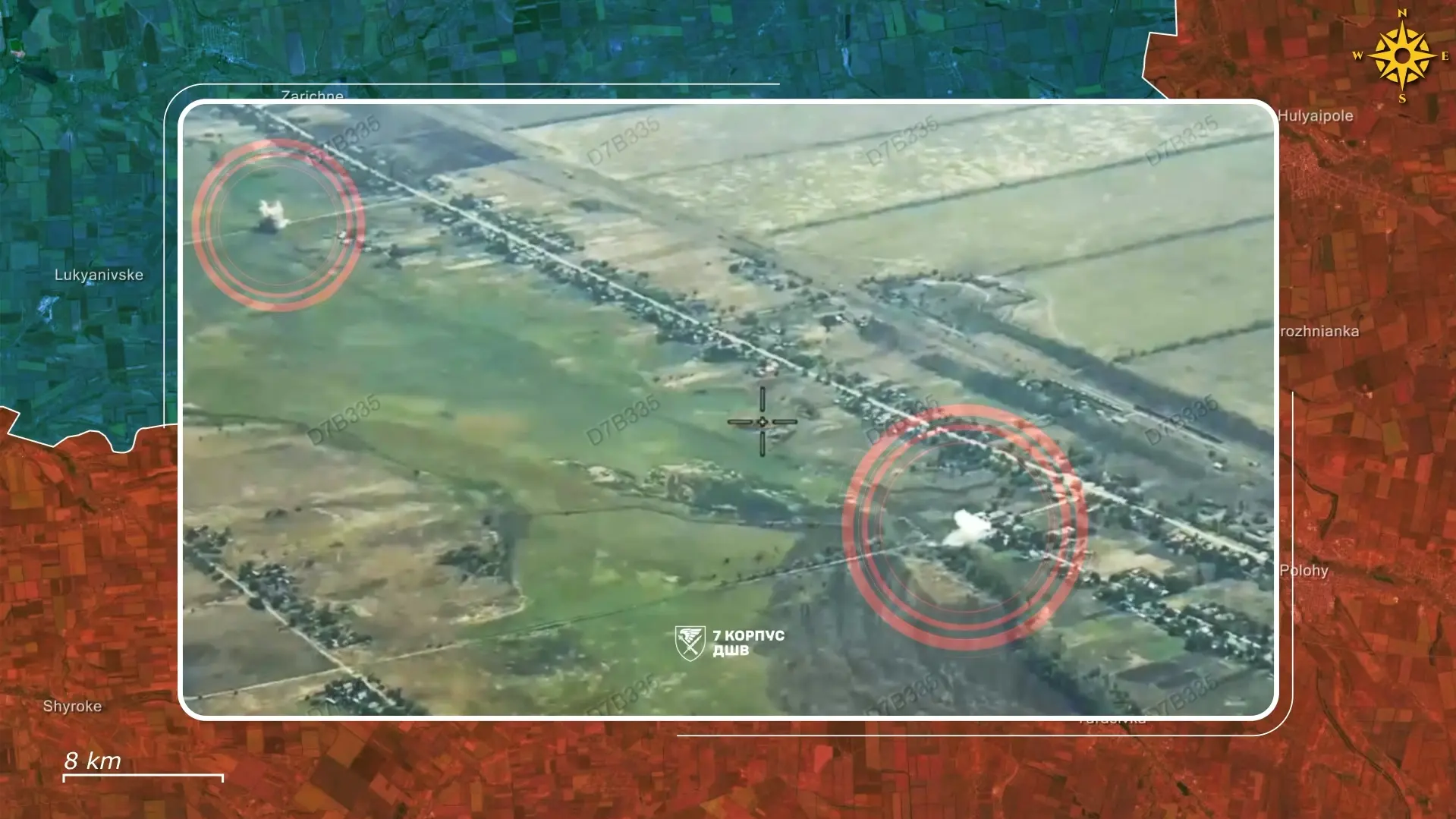
The main target of this campaign is the transport network connecting Russian rear areas around Polohy with the fighting near Orikhiv. Ukrainian aircraft carried out four airstrikes against bridges across the Konka River near Inzhenerne and Polohy, crossings used to move personnel, ammunition, and heavy equipment toward the front. Cutting these routes restricts heavier vehicles and forces supplies onto fewer remaining approaches, with the Seventh Air Assault Corps reporting that Russian troops have already increased their use of motorcycles as access deteriorated.
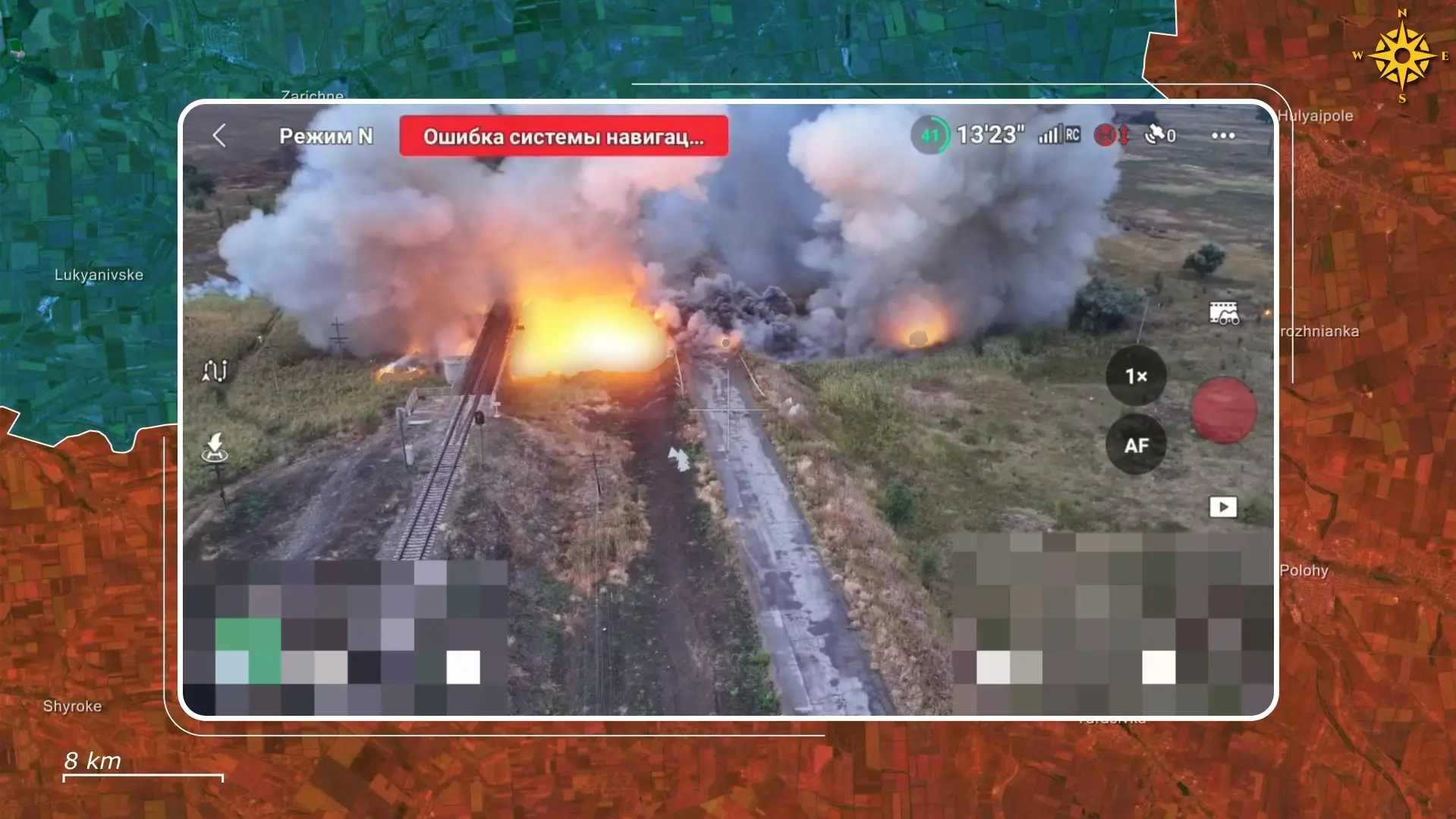
Russian reconnaissance footage shows Ukrainian forces blowing up the bridge between Inzhenerne and Novokarlivka on the Orikhiv–Polohy road. The crossing appears to have been prepared with explosives, and its destruction cuts another route toward Orikhiv. Elsewhere, FPV operators from the Sixty Fifth Ronin unit destroyed a Russian vehicle transporting BM Twenty One Grad rockets toward the fighting. Farther south, Hungry Falcons operators used fiber optic FPV drones between Orikhiv and Tokmak to strike Russian personnel, communications equipment, and logistics behind the frontline. Separate footage from Ilchenkove shows one of these drones damaging a Russian Tigr M infantry mobility vehicle.
The pressure on Russian logistics now has to translate into pushing Russian forces away from Orikhiv itself. Even with the frontline stabilized, continued Russian assault and infiltration activity through the city leaves Russia in position to keep tightening pressure from multiple directions. A half encirclement around Orikhiv gives Russian forces more approaches toward the city while placing greater strain on the Ukrainian roads and supply routes needed to sustain its defense. Leaving that position intact also gives Russia a prepared starting point for another offensive once fresh troops, ammunition, and equipment are brought forward. Ukraine is trying to make those forward positions harder to reinforce, giving Russian forces less ability to use them as a base for further attacks and giving Ukraine a better chance to push them back. The more those supply lines are disrupted, the harder it becomes for Russian troops to hold their ground around Orikhiv, giving Ukraine a better chance to push them back from the city.
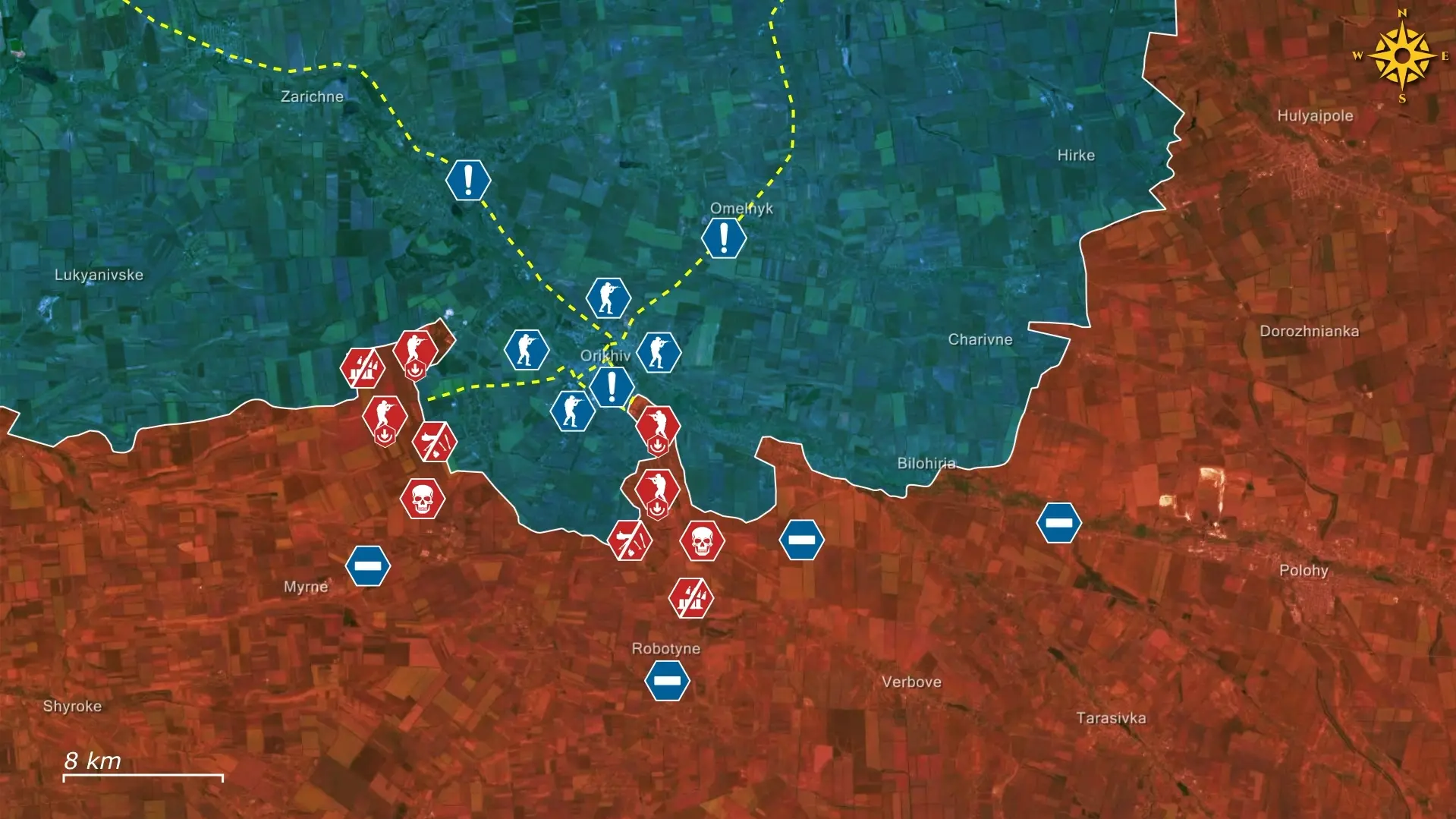
Overall, the next stage around Orikhiv will be decided by whether Ukraine can turn Russian supply problems into a permanent loss of ground around the city. As crossings disappear and rear routes come under constant attack, Russia will have to move supplies over longer, more exposed approaches, forcing more vehicles and troops into areas already covered by Ukrainian drones. That pressure will slow every attempt to rebuild the assault force around Orikhiv while giving Ukraine more time to prepare the next local counterattacks. This creates an opening for the Ukrainian airborne formations that stabilized Orikhiv to push Russian forces farther from the city, with the result depending on how effectively they can convert disrupted logistics into gains on the ground.

.jpg)


Comments