

.svg)
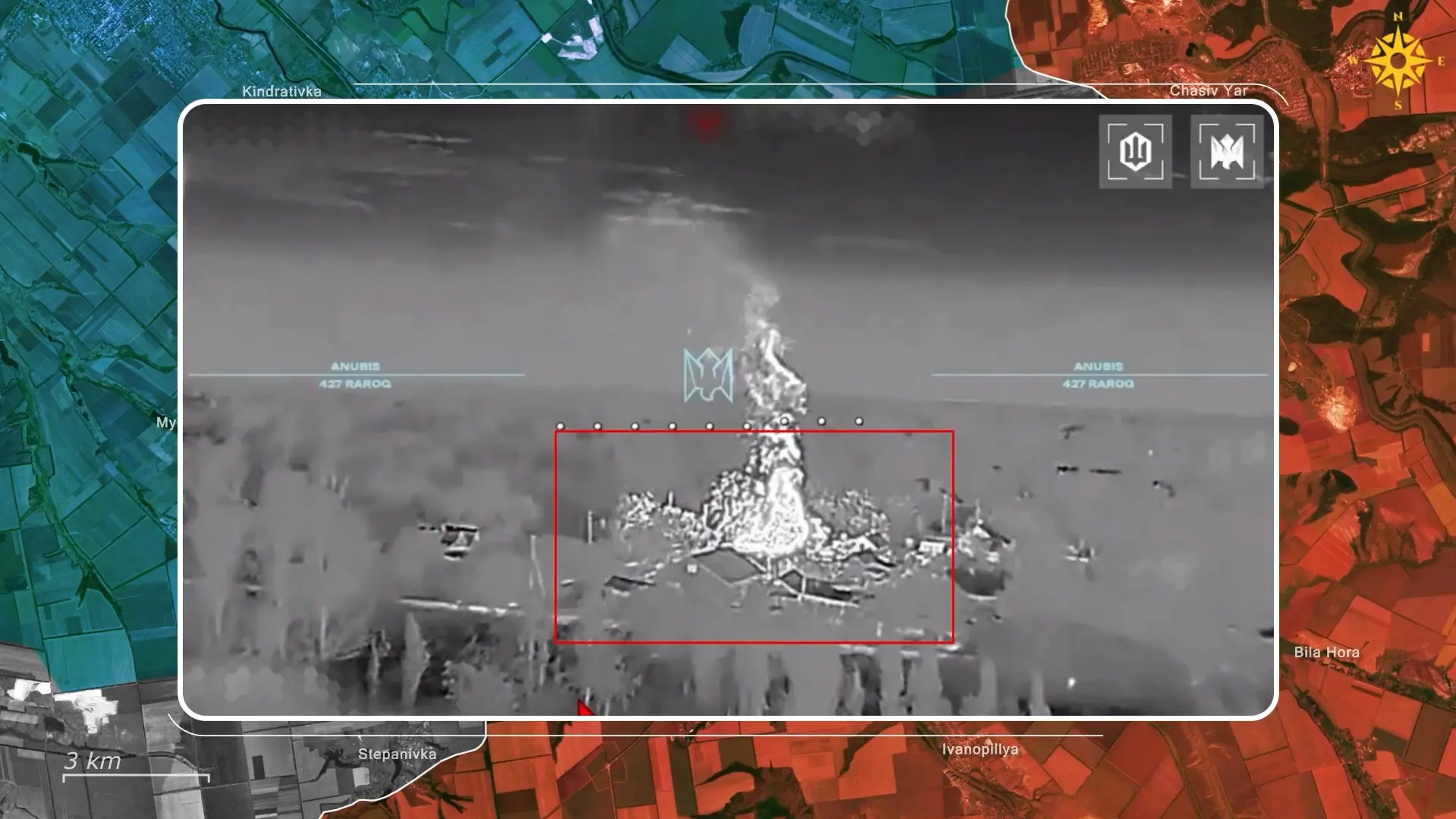
Today, Ukraine’s campaign against the enemy oil industry accelerated dramatically, with one of Russia’s largest refineries coming under attack deep inside Tatarstan, resulting in the surpassing of more than fifty percent oil refining shutdown. Ukrainian forces confirmed striking the Taneco refinery in Nizhnekamsk, roughly one-thousand-and-two-hundred kilometers from Ukraine, after residents reported large numbers of drones overhead and fires inside the industrial complex. Taneco processed about seventeen million tons of crude oil last year and remains one of Russia’s most modern and strategically important refineries. Dozens of videos from locals showed smoke and fire rising from the facility after today’s drone attack.
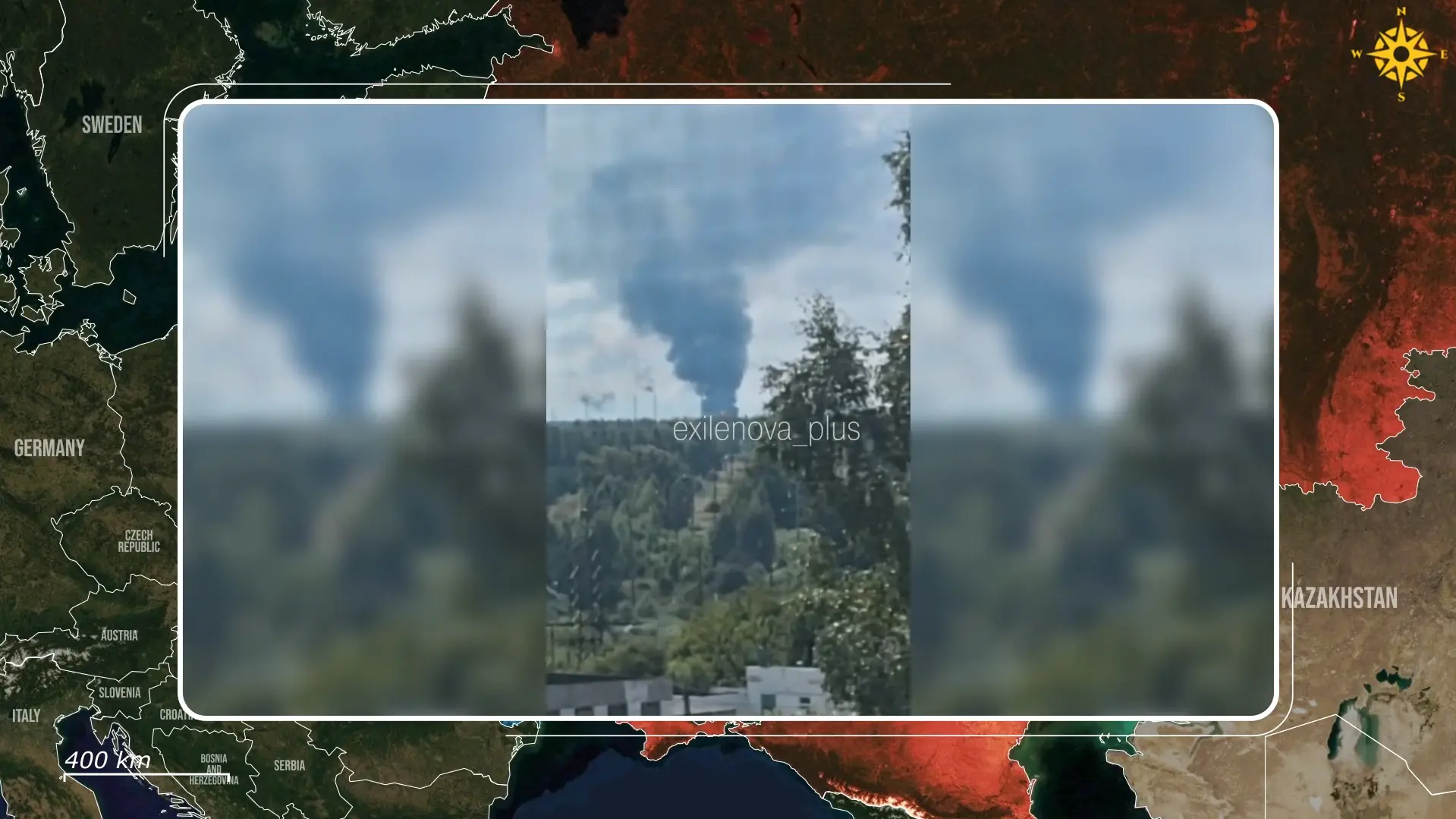
The latest strike is part of a systematic Ukrainian campaign that has already removed an extraordinary share of Russia’s refining system from normal operation. Ukraine’s General Staff assessed in early July that strikes had disabled forty-three percent of Russia’s designed refining capacity. As strikes after that estimate intensified, analysts placed actual disruption at around fifty percent, representing a vital reduction for one of the world’s largest oil product producers. Russian refining capacity has consequently fallen toward multi-decade lows while fuel shortages and restrictions spread across the country for weeks, leading to internal problems and open criticism of the Russian leadership for not being able to protect its oil infrastructure.
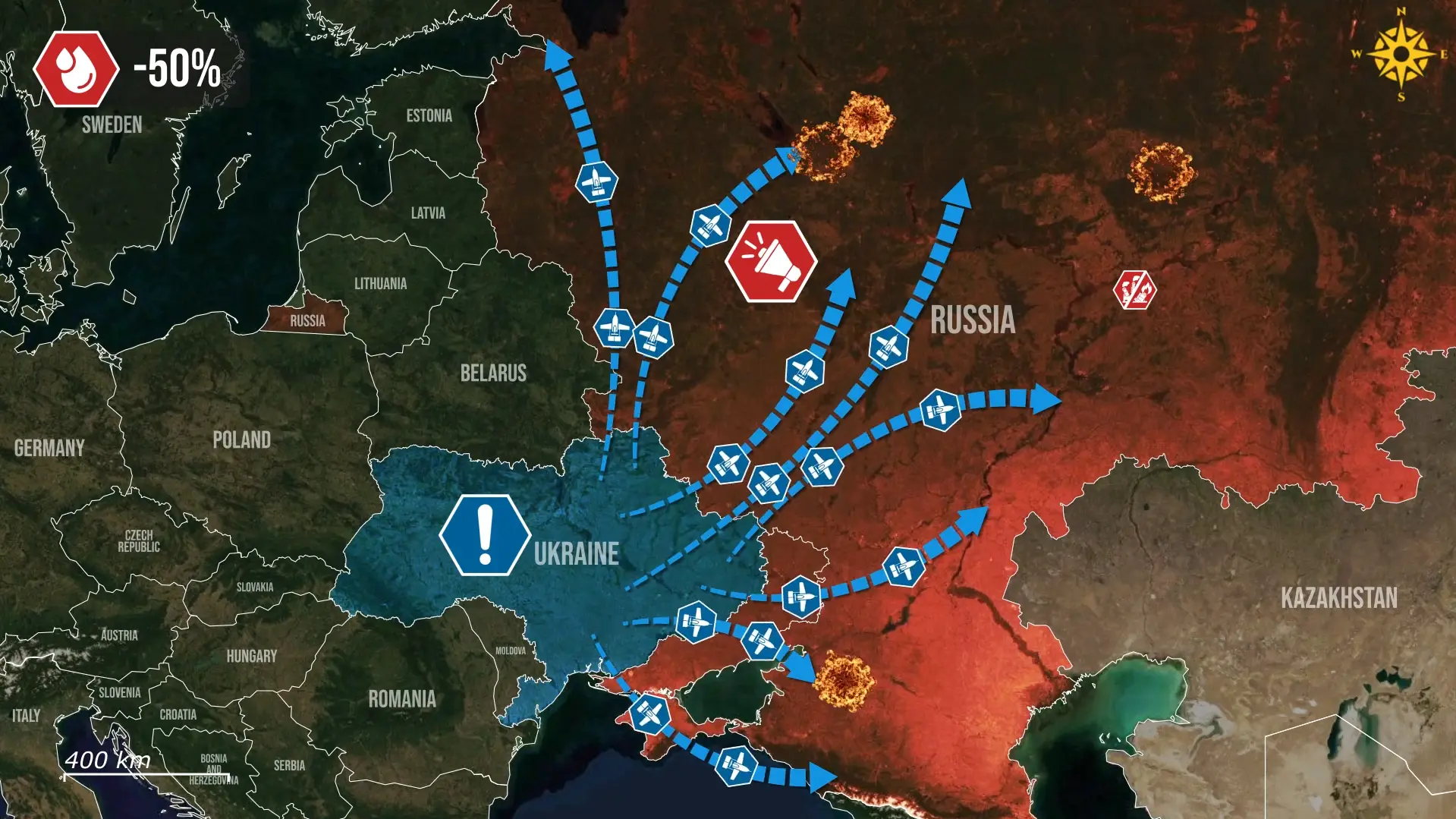
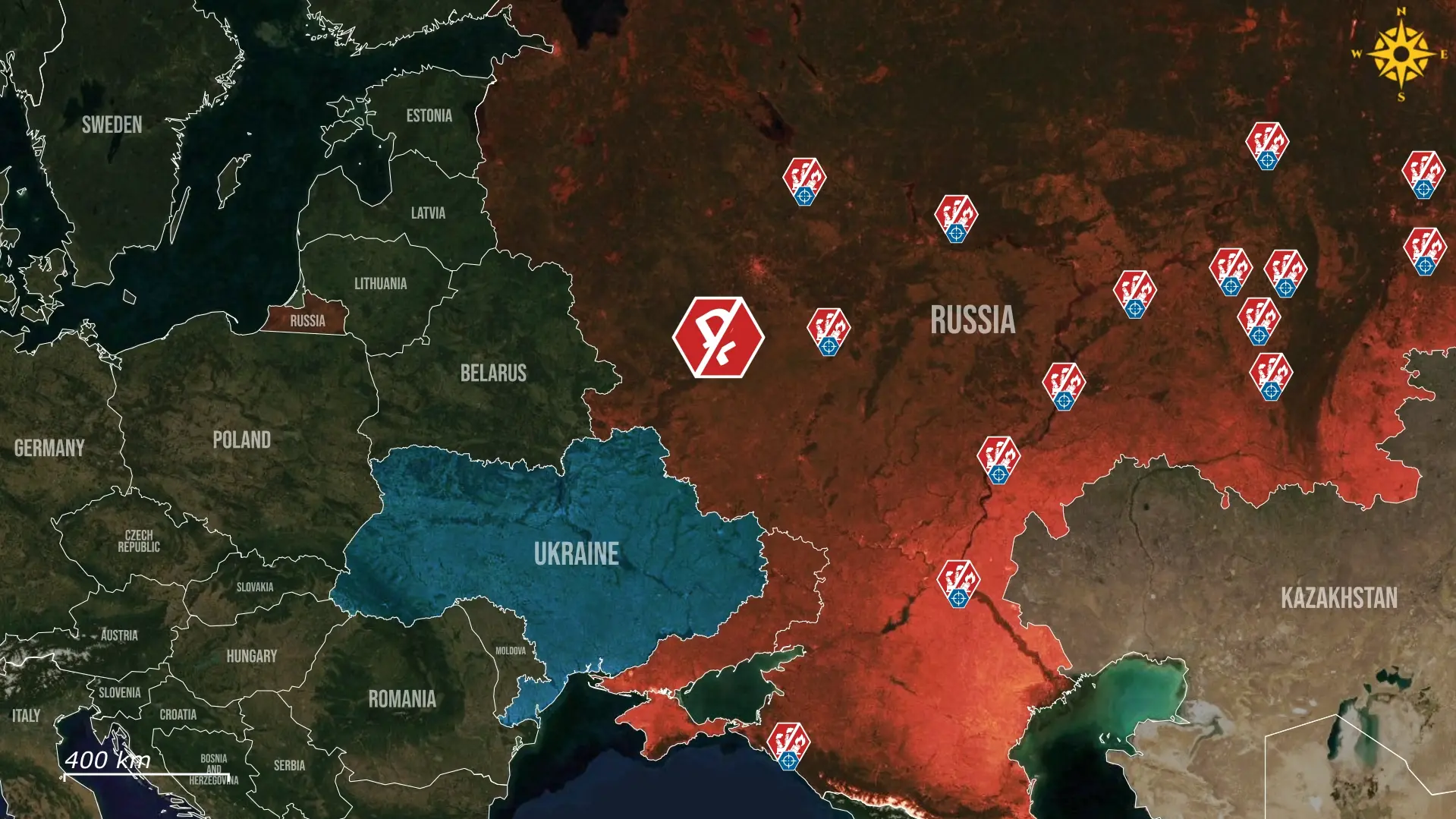
August is now beginning at an even more aggressive tempo, because during its first ten days, Ukrainian forces have repeatedly attacked major refining centers across European Russia. Syzran in Samara Oblast was struck twice, first on the fourth of August and then again on the eighth of August, with damage to refining equipment, tanks, and subsequent fires confirmed by witness footage. Ilsky in Krasnodar Krai was attacked as well, with huge fires clearly visible on satellite data.
Eyewitness footage showed fires burning at multiple locations across the Yaroslavl refinery despite Russian officials claiming all drones had been shot down. The complex processes up to fifteen million tons of crude annually and is the largest refinery in Russia's Central Federal District, supplying fuel to Moscow and the surrounding region.
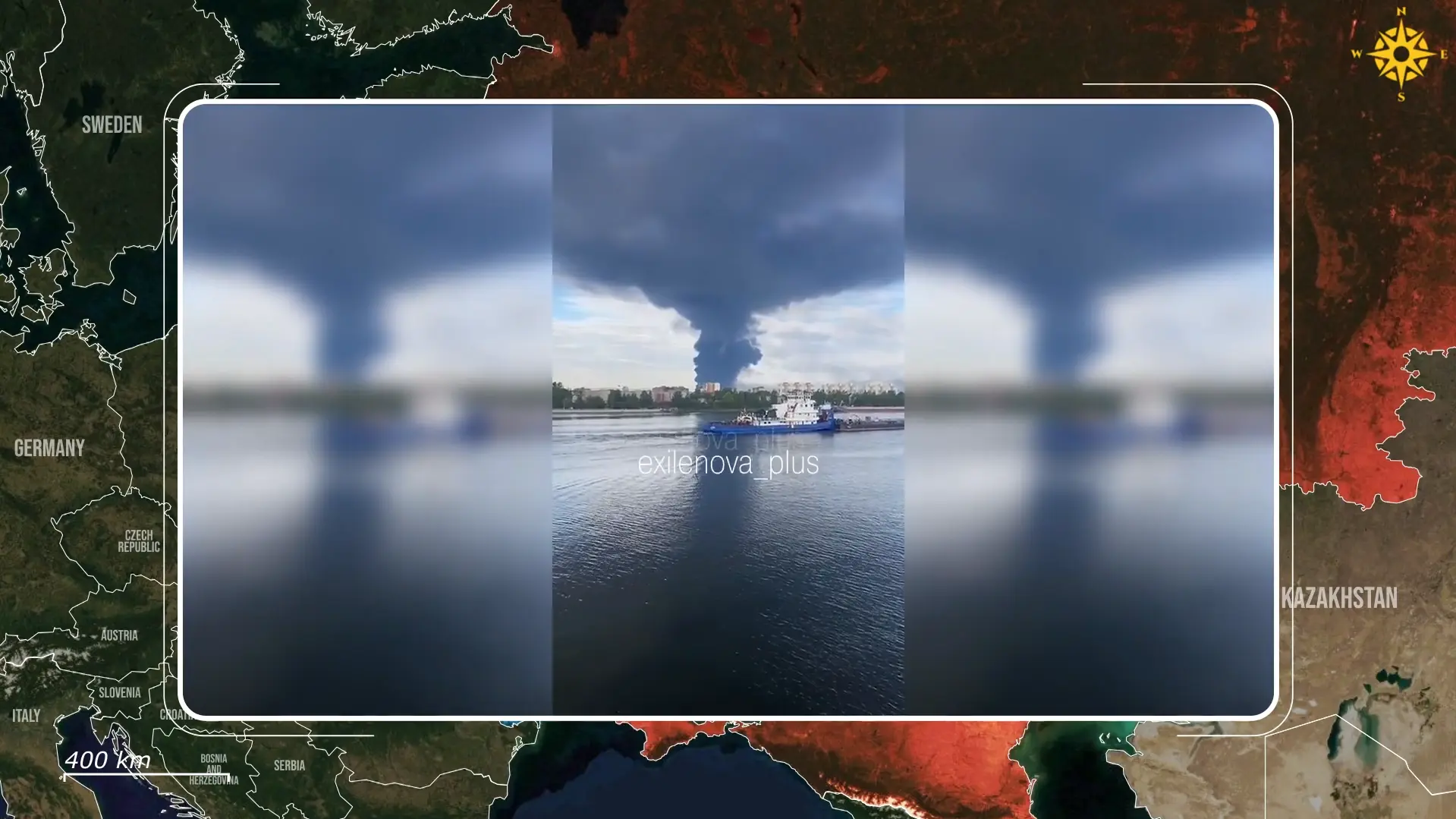
Ufa’s enormous Bashneft refining cluster was attacked three times within five days, repeatedly forcing Russian authorities to admit the huge damage around one of the country’s largest refining concentrations with combined annual capacity above 23 million tons of crude.
Saratov was also targeted, with reports indicating a fire around its Avt-Six processing unit. Together with today’s TANECO attack, the pattern amounts to ten refinery strikes during only ten days, underlining Ukraine's determination not to give Russian refineries breathing space.
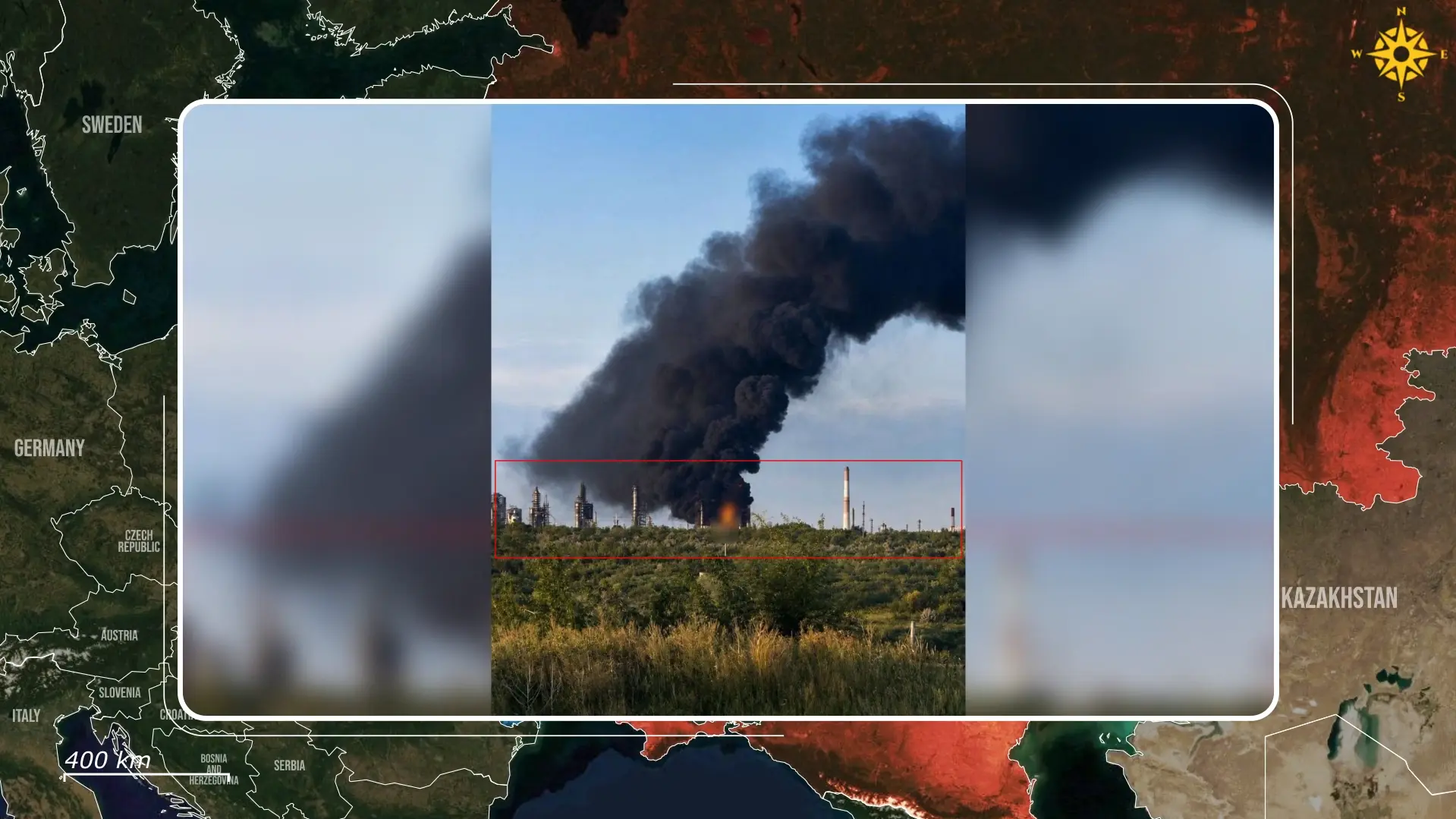
August builds directly upon Ukraine's July destructive campaign, in which Ukrainian drones attacked the enormous Volgograd refinery, while Perm suffered serious damage around its AVT crude-processing infrastructure. Ryazan was struck again, and Ukraine reached Tyumen approximately two-thousand kilometers from the border. The Gazprom complex in Bashkortostan also burned following a drone attack, while the major Kstovo refinery was hit again after strikes the previous month. Most spectacularly, Ukrainian drones reached Omsk, flying around three thousand kilometers along their reported route, striking Russia’s largest refinery, which has roughly twenty-two million tons of annual design capacity.
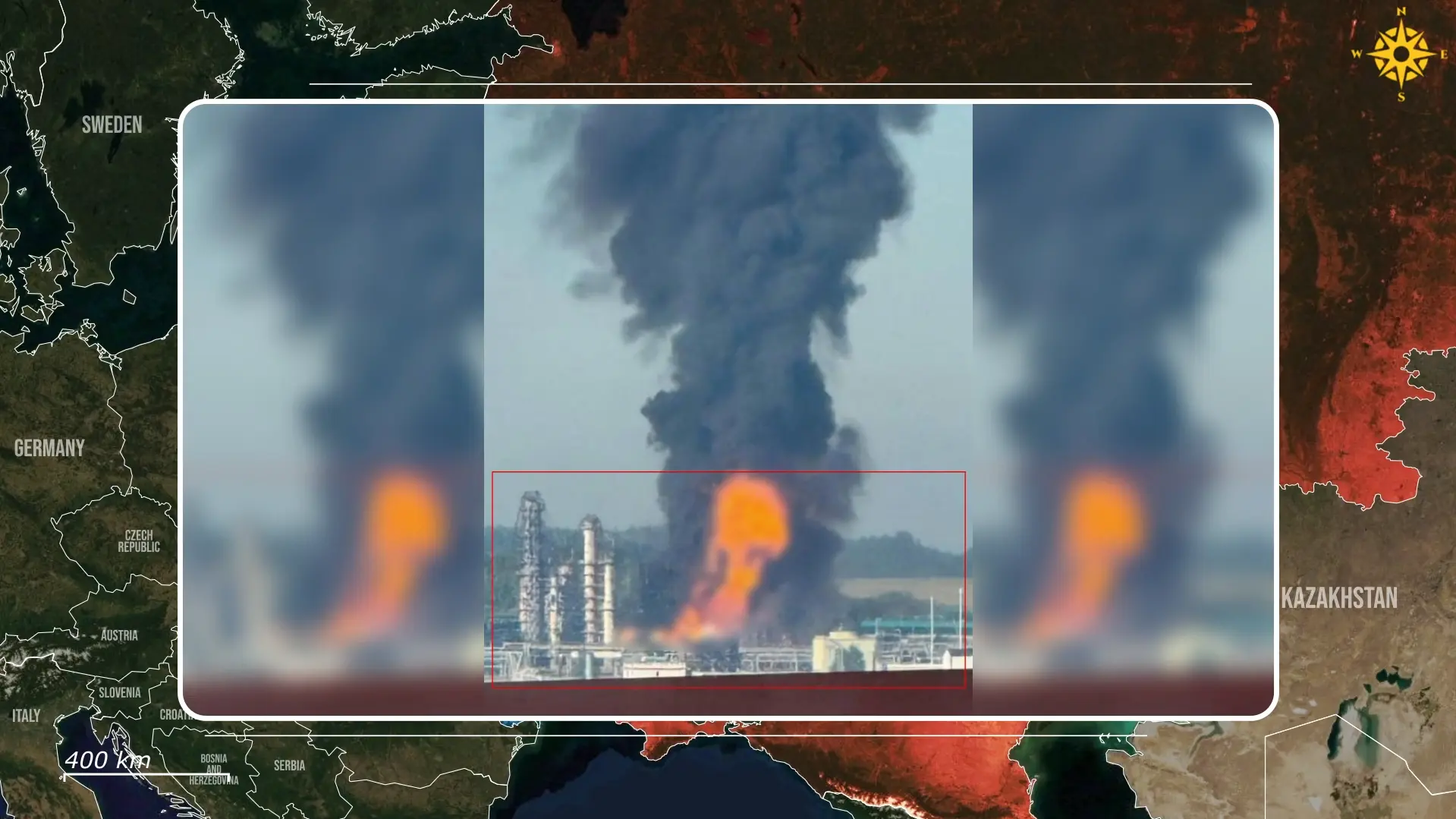
Overall, the crucial element is the systematic targeting, as Ukraine is no longer allowing damaged plants months to recover before returning. Refineries are being struck week after week, and sometimes on consecutive days, with Ukraine preventing Russia from restoring lost capacity while worsening domestic fuel shortages. Repair teams therefore face damaged infrastructure while knowing another drone wave may arrive before repairs are completed. Western sanctions further complicate the replacement of specialized equipment, making every repeated hit increasingly expensive. As a result, Russia is increasingly forced to import refined oil products from countries that usually buy Russian crude oil, struggling to make a profit and fill its ever-widening budget gaps.
.jpg)

Comments